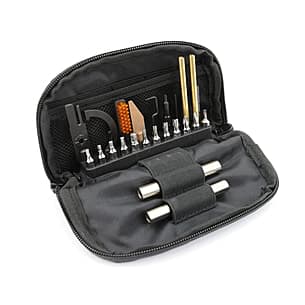
Torque driver
Fix It Sticks All-In-One Torque Driver Kit
- 15-65 in-lb adjustable range covers optic and plate screws
- Packs small enough to live in the range bag
$132.00 Catalog
Shop at Fix It Sticks
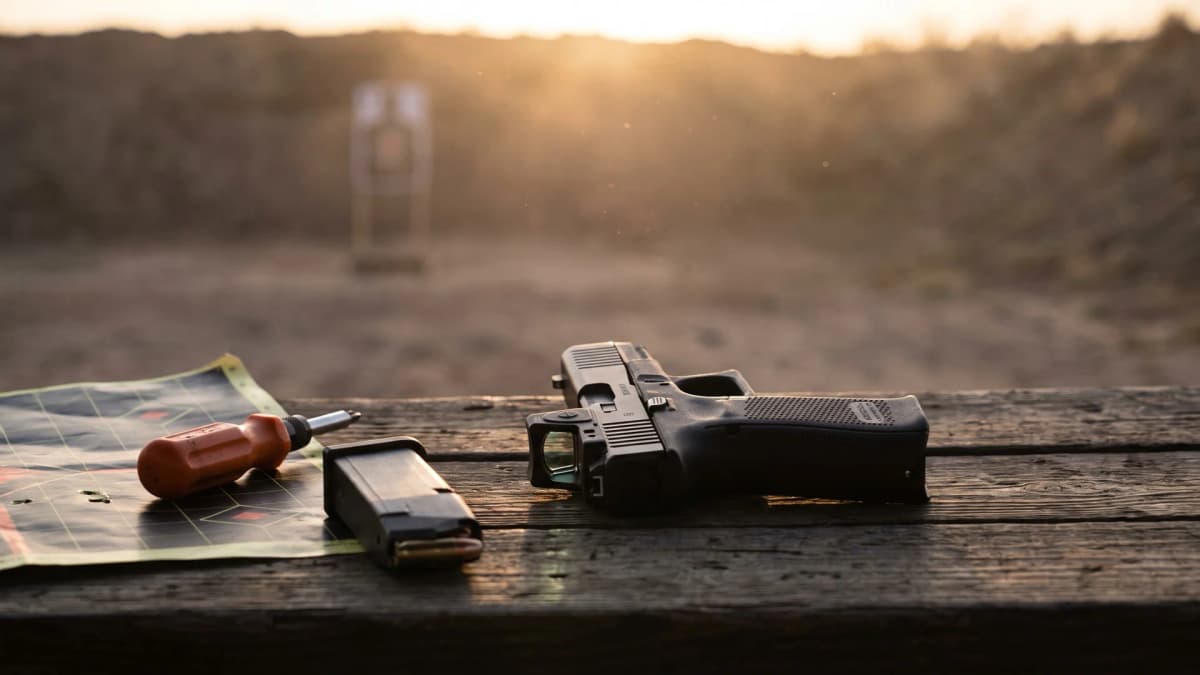
How to zero a pistol red dot: pick 10, 15, or 25 yards by use case, torque the plate and mounting screws first, correct off group centers, and confirm the zero at a second distance.
Affiliate links (?)
Zeroing a slide-mounted dot is a hardware check, a distance decision, and three or four disciplined groups. This guide covers the mount inspection that prevents wasted ammo, how to pick between 10, 15, and 25 yards for your use case, the click math at each distance, and the failure modes that make a dot wander. For an AR-15 optic, use the rifle optic zeroing guide instead: rifle zeros deal with 2.6 inches of mechanical offset and trajectory crossings that pistol dots mostly avoid.
Check hardware first: plate seated, screws torqued to the manual's spec with the specified thread locker, witness marks applied.
Zero: from a bag, fire a 5-shot group at 10 or 25 yards, measure from the group center to the point of aim, convert inches to clicks, adjust, and verify with a second group.
Confirm: shoot one more group at a second distance and record the offset. Re-confirm any time the optic, plate, or battery hardware is touched.
Most pistols that will not zero have a hardware problem, not an optic problem, so the inspection comes first. With the pistol verified unloaded, confirm the adapter plate sits flush on the slide with no rock, then check every fastener against the manufacturer's documented torque value. Trijicon's RMR manual recommends 15 in-lb on the mounting screws; Holosun's 507C X2 manual specifies 15 in-lb with non-permanent blue thread locker. Those numbers are not interchangeable across brands or plates: Glock's Gen6 optic-ready system, for example, documents 18 in-lb for its plate screws. Use the value printed in the manual for your exact optic and plate combination, and if you do not have a documented value, get it from the manufacturer before guessing.
Plate-mounted optics have two separate fastener sets: the screws holding the plate to the slide and the screws holding the optic to the plate. Both need correct torque, and an inch-pound driver is the only way to know you are there. Once everything is torqued, run a paint-pen witness mark across each screw head onto the housing so future movement is visible at a glance. If you are still selecting the optic or plate, run your slide and optic through the pistol red dot fit checker to see direct-mount matches and required plates, and check iron-sight compatibility with the red dot height checker.
One plate deserves special mention: the factory polymer plate on Glock's Gen6 optic-ready pistols has no fence to take the recoil load, and dots mounted on it can rotate off zero over a thousand-round span even with screws correctly torqued and witness marks intact. If your dot sits on a factory polymer plate and keeps losing zero, replace the plate with a machined aluminum or steel version before blaming the optic.
Zero a defensive pistol at 10 yards and a competition or duty pistol at 25; there is no single correct distance for every pistol, sight height, and load. The good news is that 9mm trajectory makes the stakes low. Modeled with 124gr at 1,150 fps and the dot 1 inch above the bore, a 10-yard zero prints about 1 inch high at 25 yards, and a 25-yard zero prints about 0.4 inch low at 10 and roughly 0.8 inch low at 50. Taller optics, lighter bullets, and other calibers shift those numbers, which is exactly why one distance should not be universalized: run your own load through the ballistics calculator with your sight height to see your actual curve.
| Distance | Best For | Tradeoffs |
|---|---|---|
| 10 yards | Carry and home-defense pistols, indoor ranges, first zero on a new optic | Easiest to shoot clean groups, and matches common defensive distances. Coarse click math: 1 MOA clicks move impact only ~0.1" per click, so sloppy groups hide small errors that grow with distance. |
| 15 yards | Indoor ranges that allow it, shooters who split range time between close and mid distance | A workable compromise: finer adjustment resolution than 10 yards while still shootable without a match-grade hold. Fewer published factory procedures reference it, so confirm against your manual's distance. |
| 25 yards | Competition, duty, hunting handguns, any pistol shot past 15 yards regularly | The distance Trijicon and Holosun both document in their manuals, with the finest click resolution (~1/4" per 1 MOA click). Demands a stable rest and clean trigger press, or group dispersion swamps the adjustments. |
Manufacturer documentation leans toward 25 yards: Trijicon's RMR manual describes zeroing with groups on a 25-yard target, and Holosun ships the 507C X2 factory-adjusted to an approximate 25-yard zero. That does not obligate you to zero there. A carry gun that lives inside 15 yards is well served by a 10-yard zero confirmed at distance, which is also the practical choice when your indoor range tops out short of 25.
Most pistol red dots adjust in 1 MOA clicks, which is 1.047 inches at 100 yards and much less at pistol distances. The Trijicon RMR adjusts 1 MOA per click with 150 MOA of total travel, and the Holosun 507C X2 adjusts approximately 1 MOA per click with 50 MOA of travel from center in each direction. Check your own manual before assuming; click values are a per-model spec, not a standard.
| Distance | 1 MOA click moves impact | Clicks per 1" of correction |
|---|---|---|
| 10 yards | ~0.10" | ~10 clicks |
| 15 yards | ~0.16" | ~6 clicks |
| 25 yards | ~0.26" | ~4 clicks |
Holosun's own manual runs the 25-yard example: impacts 2 inches low and 1 inch right call for 8 clicks up and 4 clicks left. Direction markings differ by model, so read the arrows on your adjusters; on the RMR, turning the elevation adjuster counterclockwise moves the point of impact up. Two cautions from the manufacturers: never run adjusters to their mechanical stops (Trijicon warns over-adjustment can break the mechanism), and needing anywhere near full travel to reach zero means something is wrong with the mount, not the optic. For other click values or unit conversions, the MOA calculator handles MOA, MRAD, and inches at any distance.
Look through the optic, turn the same two adjustments you use at the range, then re-aim and preview the next group. Choose Range to view the selected distance, Explain for the enlarged diagram, or Inspect target for a close-up.
Measured group
The reticle is centered on the aiming point. The five-hole group shows the measured miss.
Original group: 2 in low, 1 in right
After applied clicks: 2 in low, 1 in right
This predicts correction from one measured group. Calculator holes are illustrative, and range-session spread is a plausible mid-range value for each optic class; shooter error, ammunition, cant, parallax, loose hardware, and trajectory at another distance are not modeled.
Score your groups honestly: photograph the target and let the target photo scorer compute the group center instead of eyeballing it at the range. For printable targets, the free resources page includes an NRA B-8 repair center, the classic 25-yard pistol accuracy target, and the printable 1-inch grid zero target works at any pistol distance. The paper sight-in targets below are cheap enough to burn liberally.
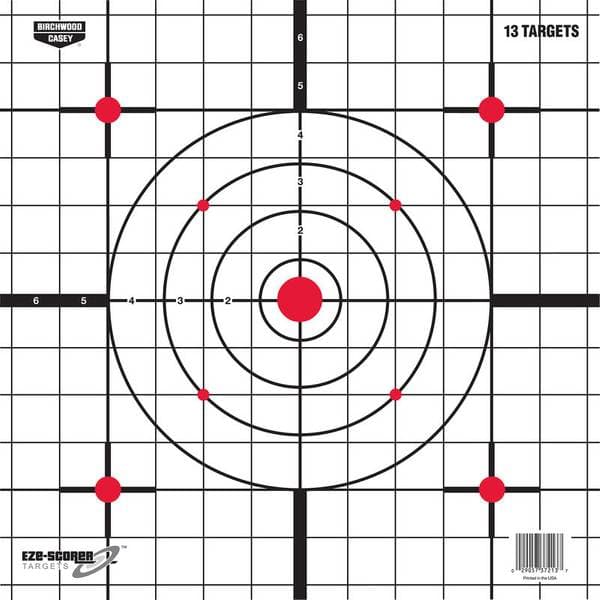
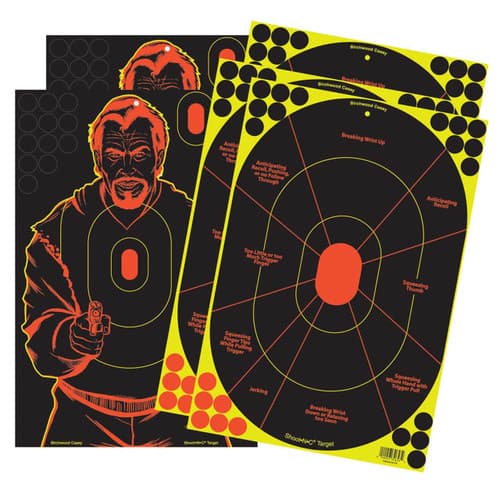
Always torque optic and plate screws to the manufacturer's documented spec for your exact combination.
Affiliate links - purchases support this site at no extra cost to you. (?)
A zero is not finished until you have shot it at a second distance. If you zeroed at 10 yards, fire a group at 25 and expect it about an inch high with a typical 9mm load and slide-mounted dot; if you zeroed at 25, confirm at 10 and expect about 0.4 inch low. What you are looking for is agreement with the predicted curve. A gun that prints 3 inches off at the second distance is telling you the first zero rode a bad group, a moving plate, or a rest that loaded the slide.
Write the confirmed offsets down. Knowing your pistol prints an inch high at 25 turns a distant B-zone or steel plate from a guess into a hold, and it is the data you will check against the next time the gun comes back from a plate or battery swap.
Work through these in order before concluding the optic is defective.
The most common cause. Re-torque plate and optic screws to the documented spec with the specified thread locker, and check witness marks after every session.
A plate that is not fully seated, or a flexible factory polymer plate, lets the optic shift under recoil while every screw stays visibly tight. Machined metal plates that seat flush are the fix.
Pistol dots carry generous travel (150 MOA total on the RMR). Needing the far end of the adjustment range points to a wrong or unseated plate, not a bad optic. Stop dialing and inspect the stack.
A 4-inch group at 10 yards cannot support quarter-inch corrections. Add support, slow the trigger press, and build the press with dry fire practice before spending more ammo.
Adjusting after every round means zeroing to noise. Every correction comes from the center of a full group, no exceptions.
Loading the slide or optic against a rest changes how the gun cycles and where it prints. Support the frame and your hands, and let the slide run free.
Confirm zero with live fire after any of these events: the optic came off the slide for any reason, the battery was changed on an optic with an underside compartment (the standard Trijicon RMR must be unbolted to swap its battery, while side-tray designs like the 507C X2 do not), the adapter plate was swapped or re-torqued, the pistol took a hard drop on the optic, or you changed ammunition brand or bullet weight. Trijicon's manual is explicit that an RMR moved to a different gun must be re-zeroed on the new firearm; treat every remount the same way.
None of these checks need a full session. One 5-shot group at your zero distance against your recorded offsets answers the question in two minutes. Fold it into the start of a practice session, then get back to drills and the accuracy work in the pistol shooting fundamentals guide.
Zeroing is the same process regardless of which optic you run, but the optic and footprint decision comes first. The best pistol red dots guide ranks the field by footprint and budget, the enclosed-emitter guide covers sealed housings for carry and hard use, and competition shooters can start with the USPSA red dot guide. Every optic in those guides zeros with the exact procedure on this page.
New zeroing procedures, red dot picks, and dry fire drills for pistol shooters.

Avid shooter with 10+ years of experience including competition shooting, an associate member of the Professional Outdoor Media Association (POMA), and a member of the National Shooting Sports Foundation (NSSF) and Safari Club International (SCI). Built 10+ AR-pattern rifles and several handgun platforms for home defense, competition, and suppressed night shooting.
This page contains affiliate links. Purchases through these links support the site at no extra cost to you. Read the affiliate disclosure
Ready to continue? Here's the recommended next guide:
Dry fire is the highest-ROI, zero-ammo-cost way to build trigger control, draw speed, and sight tracking at home. This guide covers the non-negotiable safety protocol, the core drills that actually transfer to live fire, how to use scaled printable targets in a hallway, and the dry fire aids worth buying: SIRT pistols, laser trainers, dry-fire mags, and snap caps.
Continue exploring with these related resources
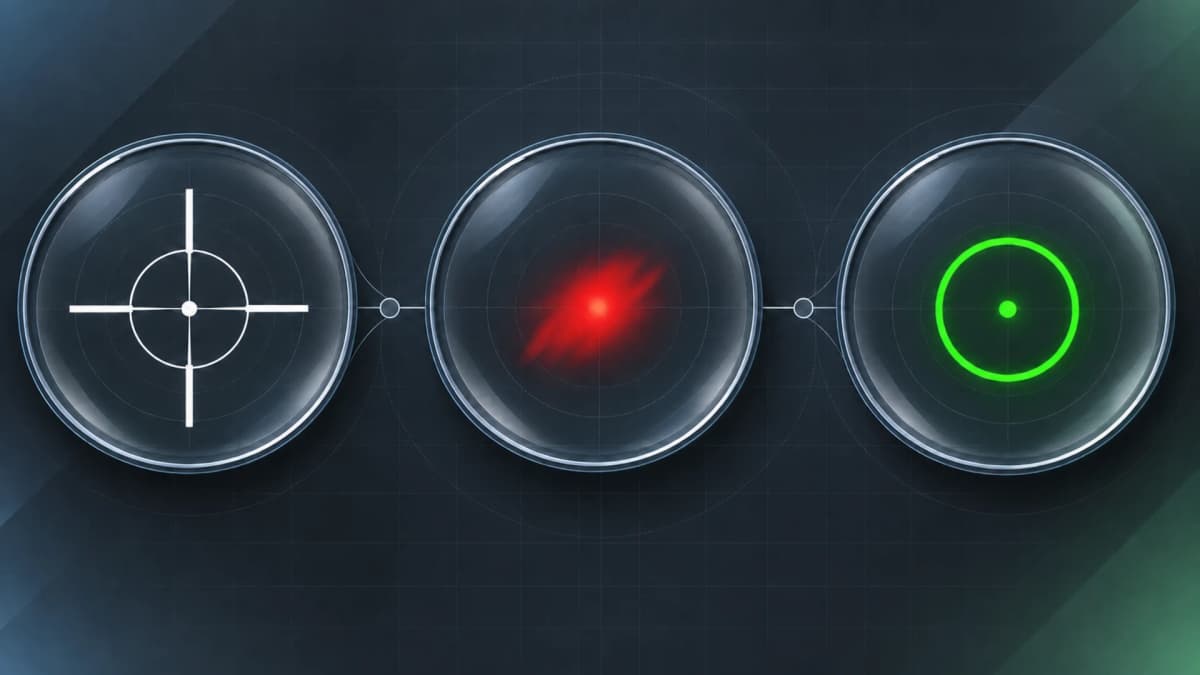
Use an etched 1x prism on a rifle when an LED dot looks smeared, starburst, or comet-shaped. Pistol shooters get a separate slide-mounted dot and circle-dot decision.
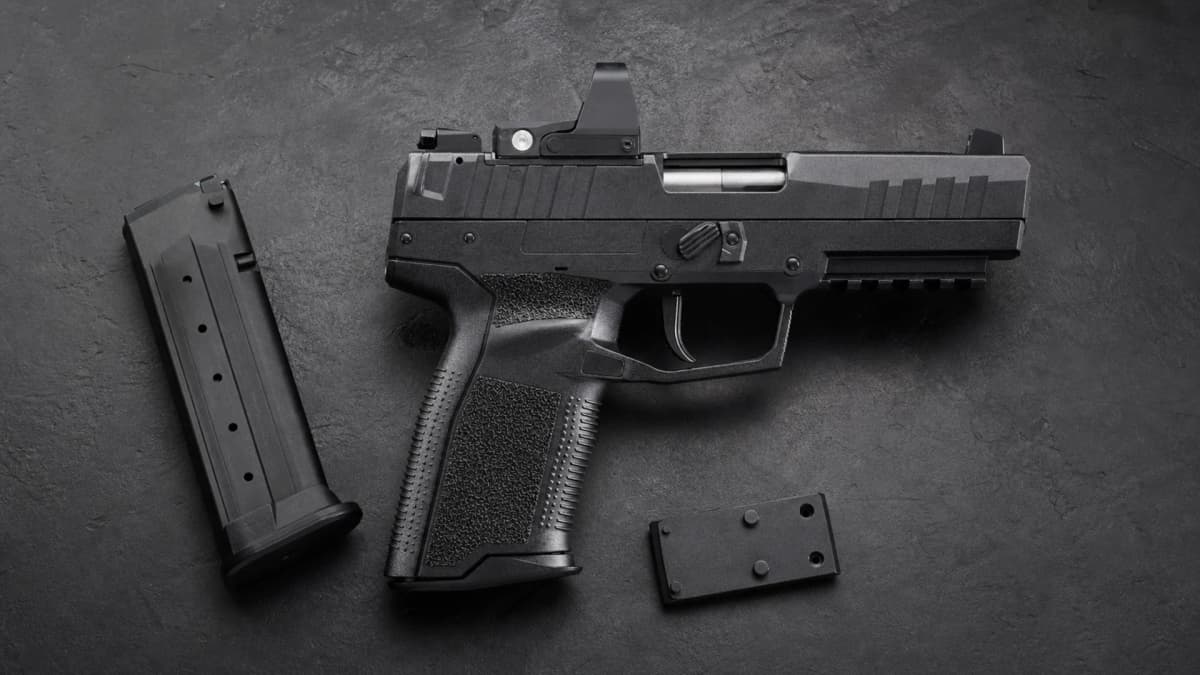
A generation-specific guide to factory magazines, model-matched holsters, optic paths, a rail light, sights guidance, and a threaded barrel for the FN Five-seveN.
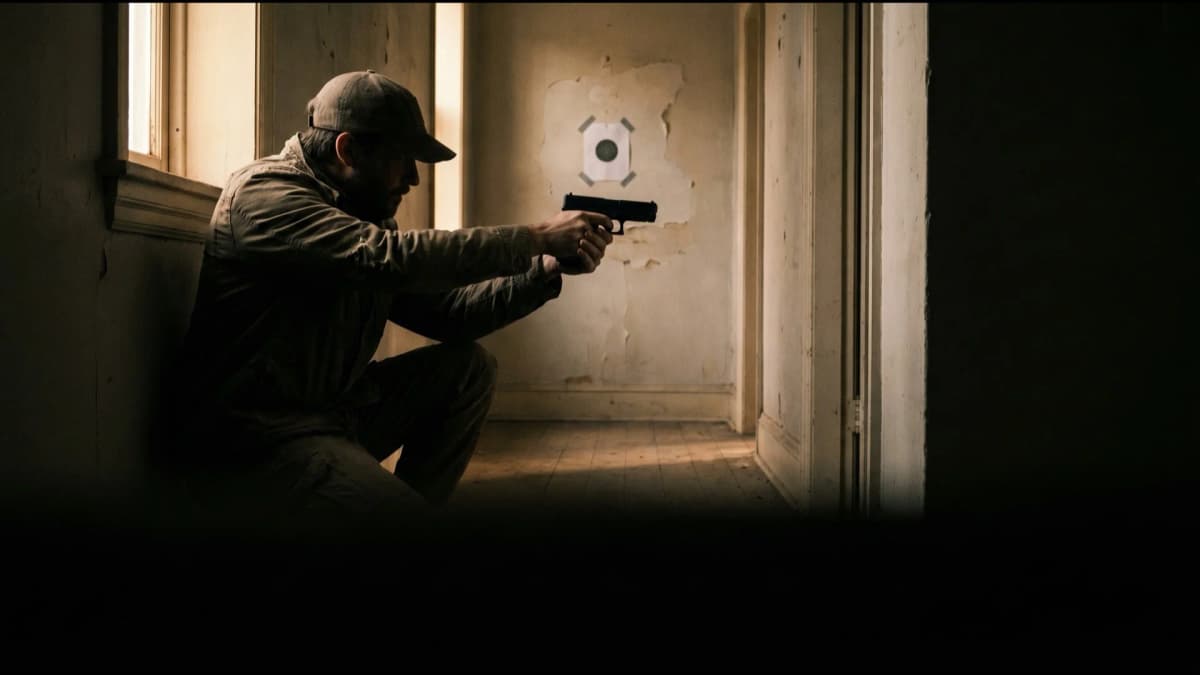
Dry fire is the highest-ROI, zero-ammo-cost way to build trigger control, draw speed, and sight tracking at home. This guide covers the non-negotiable safety protocol, the core drills that actually transfer to live fire, how to use scaled printable targets in a hallway, and the dry fire aids worth buying: SIRT pistols, laser trainers, dry-fire mags, and snap caps.
Related articles and industry updates
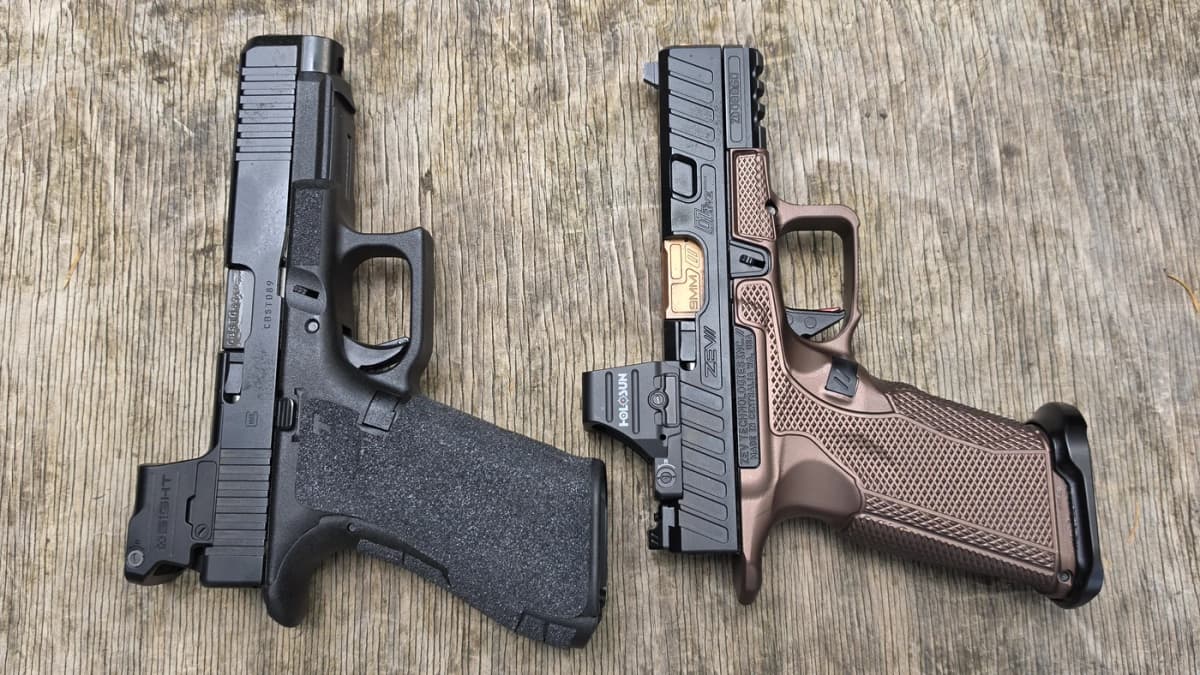
500 rounds of 115gr FMJ with the Holosun 507COMP on a ZEV OZ9 V2 Elite Hypercomp: no malfunctions, no loss of zero. The 1.1 x 0.87 inch window, the native RMR footprint, the missing solar panel, and why an open emitter keeps it off a duty gun.
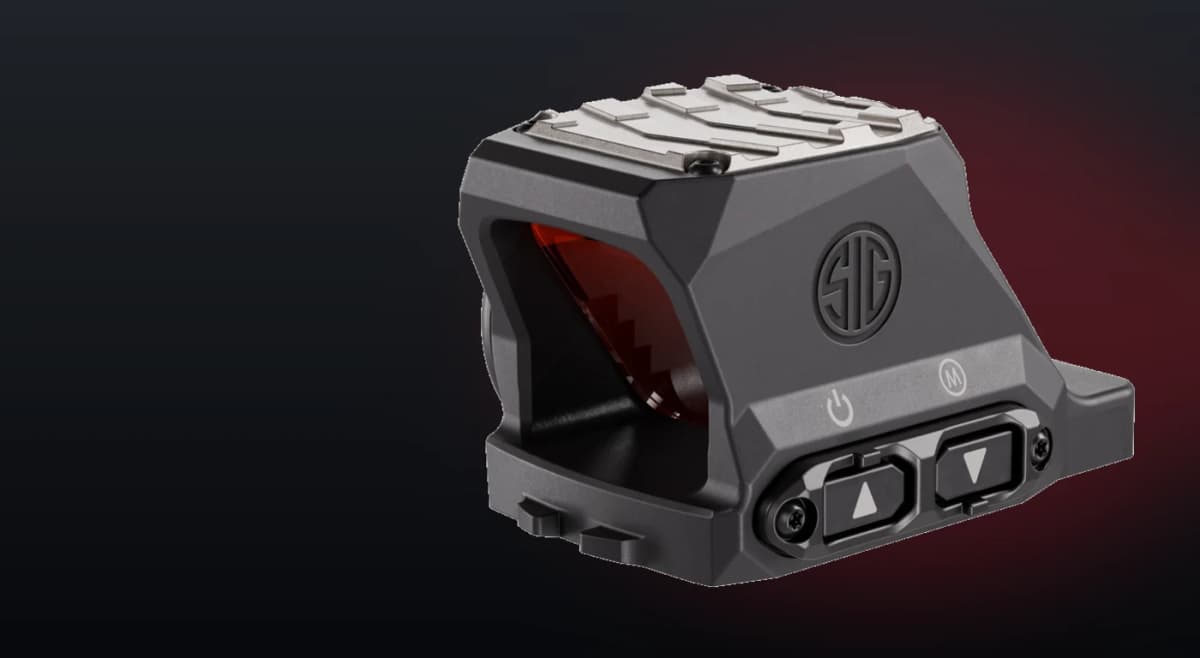
SIG launched the XRAY5 at SIG NEXT: a 225-dot digital zero pistol red dot paired with the FOXTROT2R LightFight light, plus the KILO MICRO and ROMEO5X-AMR.
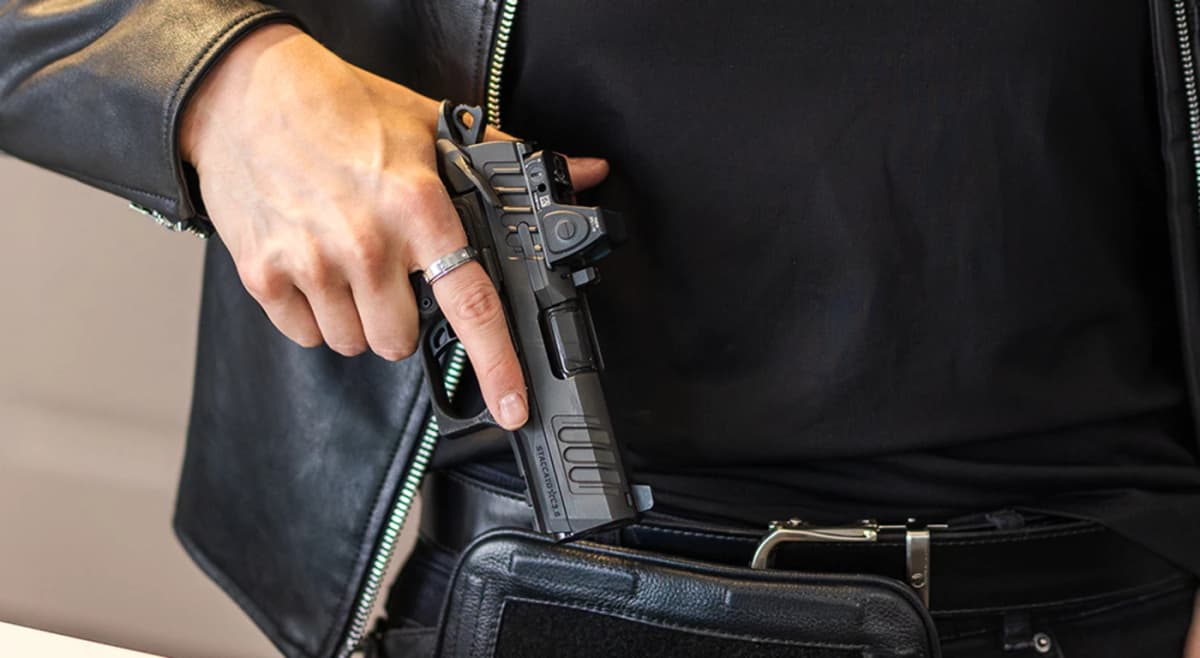
DOE awarded Staccato a sole-source purchase order on September 11, 2026 for the executive-protection pistol system its August notice named: the HD C3.6 Preferred Package with a Trijicon RMR mounting kit.