Key Takeaways
- ▶Binary triggers are federally legal. No NFA paperwork, no Form 4, no permit required.
- ▶Twelve states ban binary triggers: California, Connecticut, Delaware, Hawaii, Illinois, Maryland, Massachusetts, New Jersey, New York, Oregon, Rhode Island, and Washington. Florida and D.C. are legally unsettled.
- ▶Minnesota had a binary trigger ban. The Court of Appeals struck it down on May 26, 2026 as unconstitutional under the state's single-subject clause. Binary triggers are now legal in Minnesota.
- ▶The Minnesota ruling is procedural, not a Second Amendment ruling. Legislators can re-file a standalone ban. The ruling is also nonprecedential.
- ▶Forced reset triggers (FRTs) are a separate device category. Most state bans cover both, but check your state's exact statutory language before purchasing either.
Federal Legal Status: Binary Triggers Are Not Machine Guns
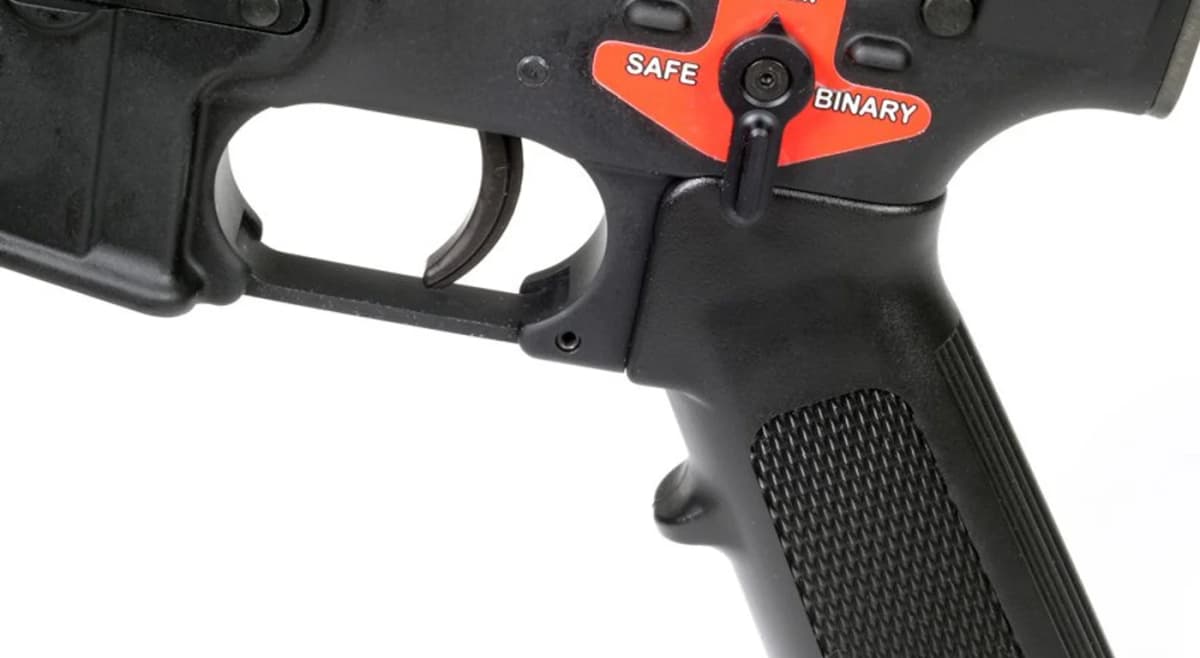
Binary triggers are legal under federal law. The ATF has confirmed that a binary trigger does not convert a semi-automatic firearm into a machine gun because each shot requires a separate, deliberate trigger action, whether pull or release. A machine gun, by federal definition, fires more than one shot per single trigger function. A binary trigger fires one shot per function, twice per full cycle, which falls outside the statutory definition.
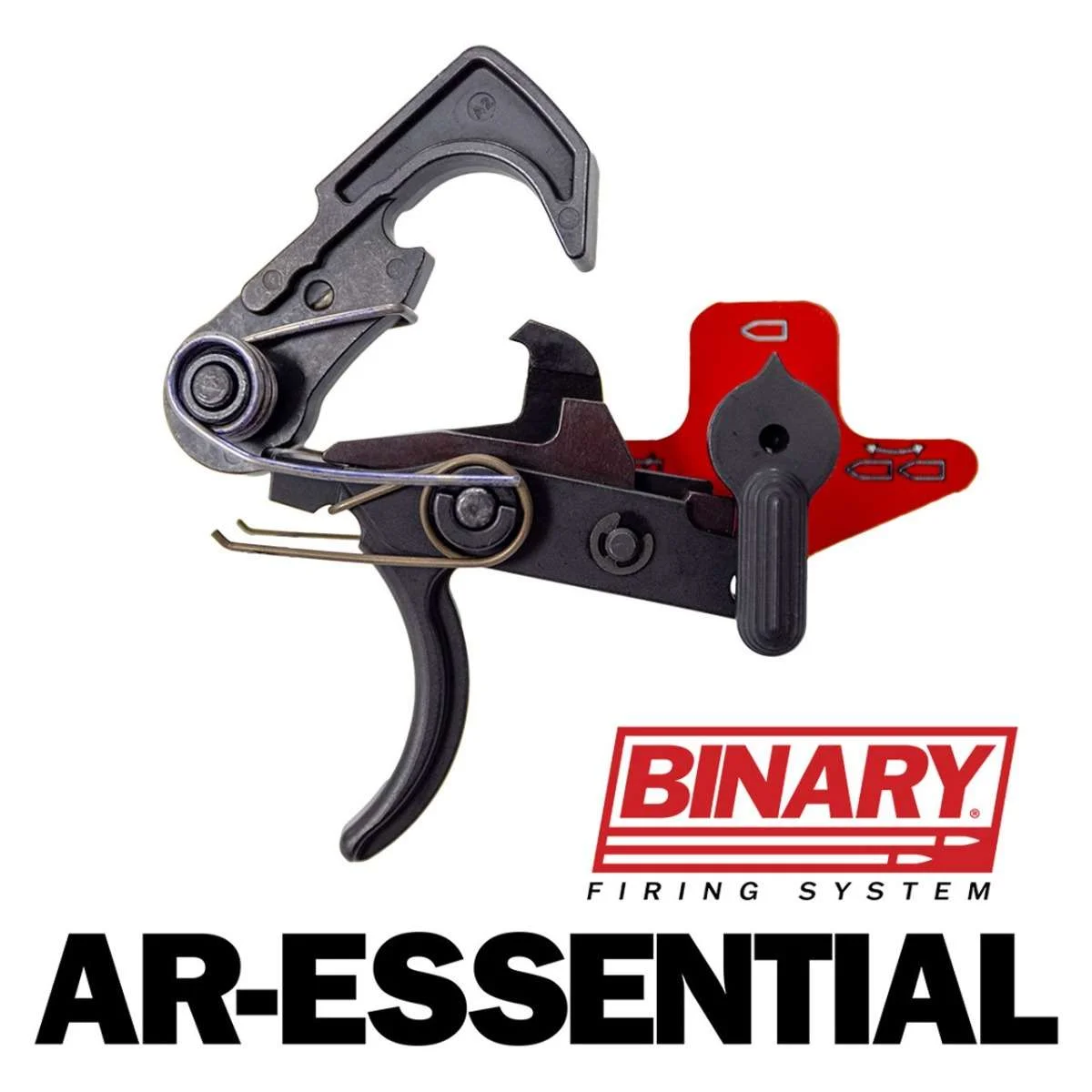
Binary triggers require no federal paperwork. No NFA registration, no Form 4, no fingerprints, no CLEO notification. They are standard Title I accessories that ship direct to the buyer in states where they are legal. The most common binary trigger system is the Franklin Armory BFSIII, which ships with a three-position selector: safe, standard semi-auto, and binary mode. Pulling the selector out of binary before releasing the trigger aborts the release shot, giving the shooter a reliable stop mechanism.
For a broader look at high-rate-of-fire AR-15 trigger options, including forced reset triggers that operate on a different mechanical principle, see our FRT buyers guide for 2026.
Colorado already restricts rapid-fire devices: SB25-003 reclassified binary triggers and forced reset triggers as dangerous weapons when it was signed in 2025, making possession a class 5 felony with no grandfather clause. A separate part of the same law adds a permit and safety-course requirement to buy specified semiautomatic firearms starting August 1, 2026; our Colorado SB25-003 buying guide covers that deadline.
Minnesota: Court of Appeals Strikes Binary Trigger Ban, May 26, 2026
On May 26, 2026, the Minnesota Court of Appeals affirmed the Ramsey County District Court ruling in Minnesota Gun Owners Caucus v. Walz, striking the state's binary trigger ban as unconstitutional. The three-judge panel held that the Legislature violated Minnesota's single-subject clause when it buried the binary trigger restriction inside the 2024 omnibus tax and spending bill. The clause requires that each piece of legislation address only one subject expressed in its title. A binary trigger ban inside a bill titled around state government operations and financing does not meet that test.
The court severed the binary trigger provision from the rest of the omnibus bill, leaving the broader spending legislation intact while rendering the firearms restriction unenforceable. Binary triggers are now legal in Minnesota. The ban is enjoined statewide.
The ruling has limits that buyers in Minnesota should understand. First, it is nonprecedential, meaning it does not bind future courts the way a published opinion would. Second, it is purely procedural: the court struck the ban because of how it was passed, not because binary triggers have constitutional protection under the Minnesota or U.S. Constitution. The Walz administration has openly stated its intent to pursue the ban again through standalone legislation. Gov. Walz told reporters after the ruling, "Minnesota passed a ban on deadly binary triggers once and we'll do it again." Minnesota gun owners should monitor the 2027 legislative session.
Bryan Strawser, Chair of the Minnesota Gun Owners Caucus, called the ruling "a complete victory on the question we asked the court to decide." The Caucus had won at the district court level in front of Judge Leonardo Castro before the state and MGOC both appealed on separate grounds. The Court of Appeals sided with the district court on both questions: the ban is severed and dead, and the rest of the omnibus survives.

States Where Binary Triggers Are Banned in 2026
Twelve states have enacted laws that ban or effectively prohibit binary triggers, and Florida and Washington, D.C. leave them legally unsettled. Most of these bans use broad language covering any device that increases the rate of fire, which sweeps in binary triggers even when not named explicitly; Maryland, New York, and Oregon name binary trigger systems directly. Penalties range from misdemeanor to felony depending on the state.
| State | Status | Statutory Basis |
|---|---|---|
| California | Banned | Bans "manual or power-driven trigger activating device" that increases rate of fire |
| Connecticut | Banned | Explicitly banned alongside bump stocks; Class D felony for possession |
| Delaware | Banned | SB 8 bans "rapid fire device" that increases rate of fire; applies primarily to rifles |
| Hawaii | Banned | Prohibits possession of "triggers that fire on pull and release" |
| Illinois | Banned | HB 5728 bans any device "designed or intended to mechanically increase the rate of fire in any way" |
| Maryland | Banned | Defines "rapid fire trigger activator" to explicitly include binary trigger systems |
| Massachusetts | Banned | 2024 firearms law (Ch. 135) names binary triggers as a rapid-fire trigger activator; possession banned |
| New Jersey | Banned | 2019 law includes binary triggers in machine gun definition; possession and sale prohibited |
| New York | Banned | 2019 bump stock ban includes binary trigger systems and burst trigger systems |
| Oregon | Banned | SB 243 (2025) names binary trigger systems; possession a misdemeanor, sale or transfer a felony |
| Rhode Island | Banned | Title 11 explicitly lists binary triggers as prohibited alongside bump-fire devices |
| Washington | Banned | Machine-gun definition (RCW 9.41.010) reaches the release-fired second round, effectively banning binaries |
| Florida | Unsettled | § 790.222 rate-of-fire language likely reaches binary triggers, but no court has ruled |
| Washington, D.C. | Unsettled | No statute names binaries, but registration and assault-weapon rules leave no clear lawful path |
| Minnesota | Legal (ban struck down) | Court of Appeals struck ban May 26, 2026 (Minnesota Gun Owners Caucus v. Walz); re-legislation possible |
| All other states | Legal | No state-level binary trigger ban; standard firearm laws apply |
Binary Triggers vs. Forced Reset Triggers: Not the Same Device
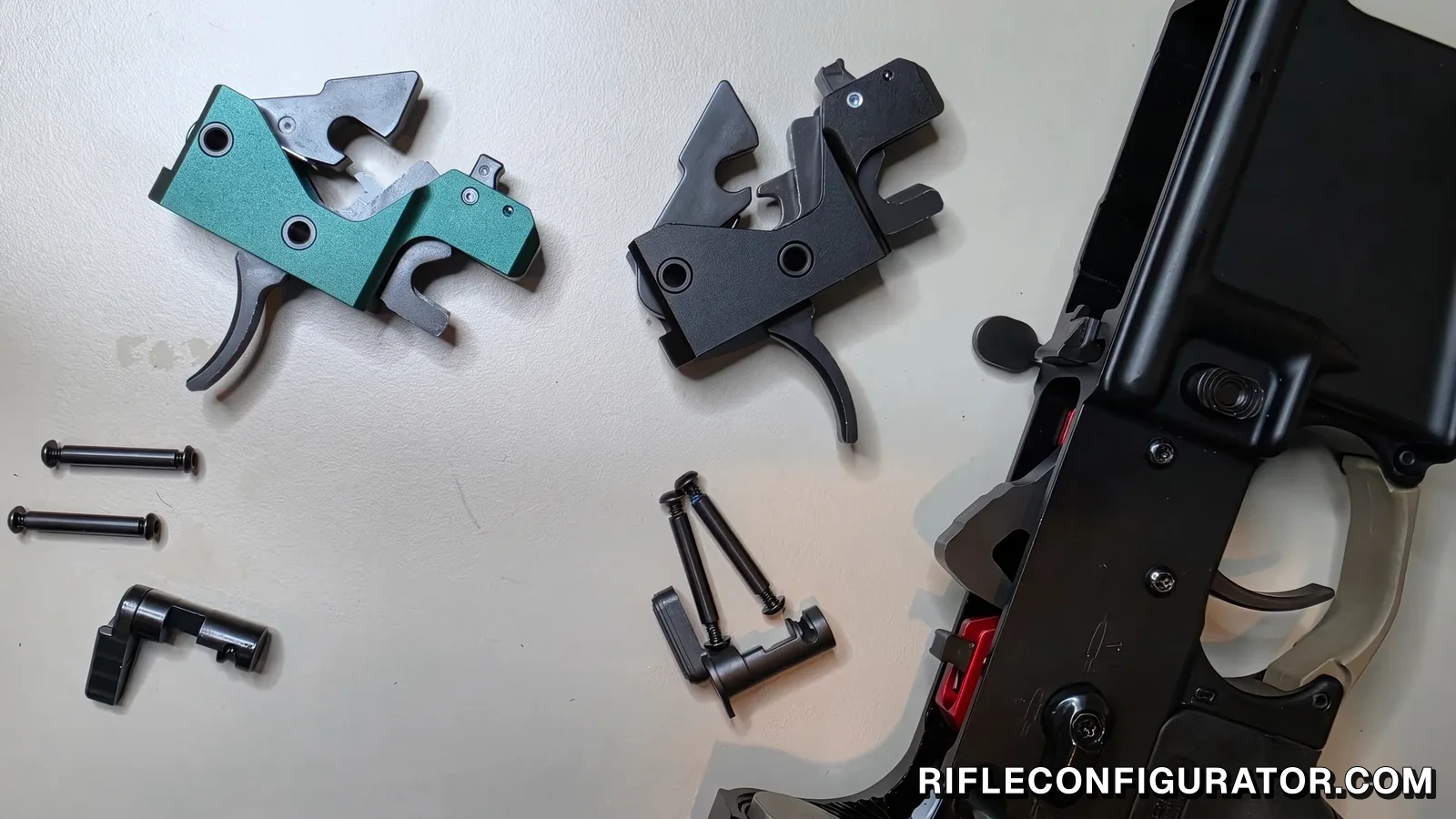
Binary triggers and forced reset triggers (FRTs) accomplish a similar goal, faster follow-up shots, but through fundamentally different mechanisms. A binary trigger fires one round when the trigger is pulled and a second distinct round when the trigger is released. Two trigger functions, two shots. The Franklin Armory BFSIII is the dominant binary trigger on the market.
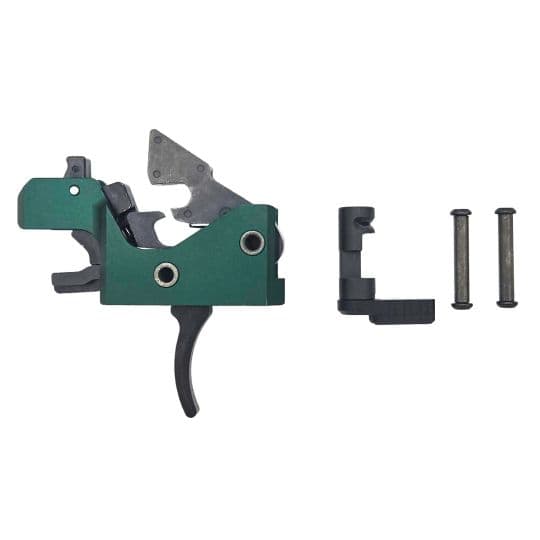
A forced reset trigger fires only on trigger pull. After the shot fires, a mechanical spring or cam forces the trigger forward into reset position while the shooter's finger is still pulling. The next pull fires the next round. FRTs do not fire on release. The Triggered Company Disruptor (formerly the Partisan Disruptor) and the Atrius FRS are FRT designs. The ATF under the Biden administration attempted to classify certain FRTs as machine guns, but that classification was challenged in court. See our Disruptor FRT review for the current legal context.
Most state binary trigger bans use broad language covering any device that increases the rate of fire, which typically sweeps in both binary triggers and FRTs. Hawaii is an exception: its statute specifically targets "triggers that fire on pull and release," which may not cover FRTs that only fire on pull. Check the exact statutory text for your state before purchasing either device.
Binary Triggers and FRTs in the Catalog
The Triggered Company Partisan Disruptor FRT
- 3.75-4.1lb pull
- Forced reset
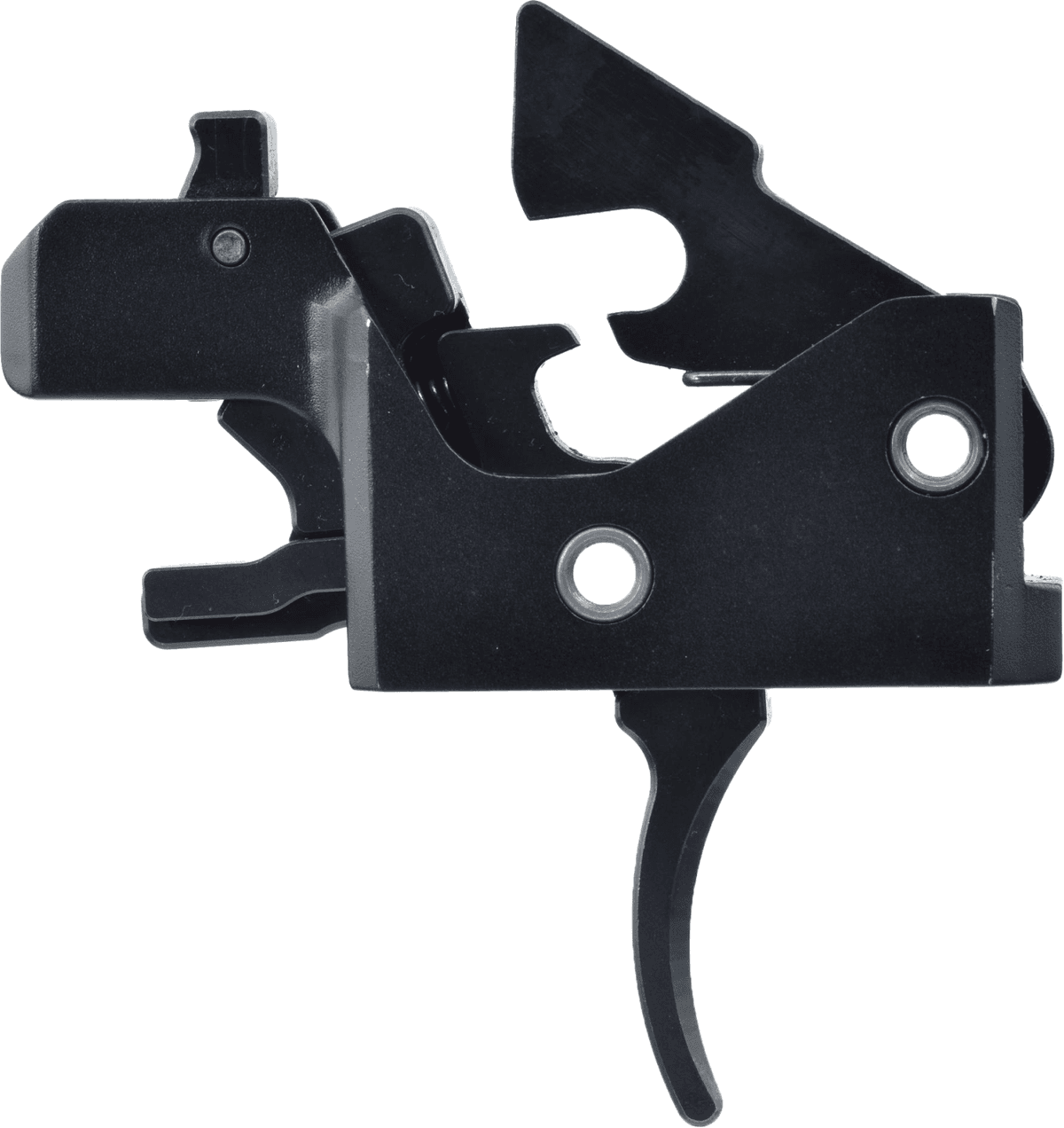
The Triggered Company Disruptor FRT Ambi
- 3.7-4.1 lb pull
- Forced reset
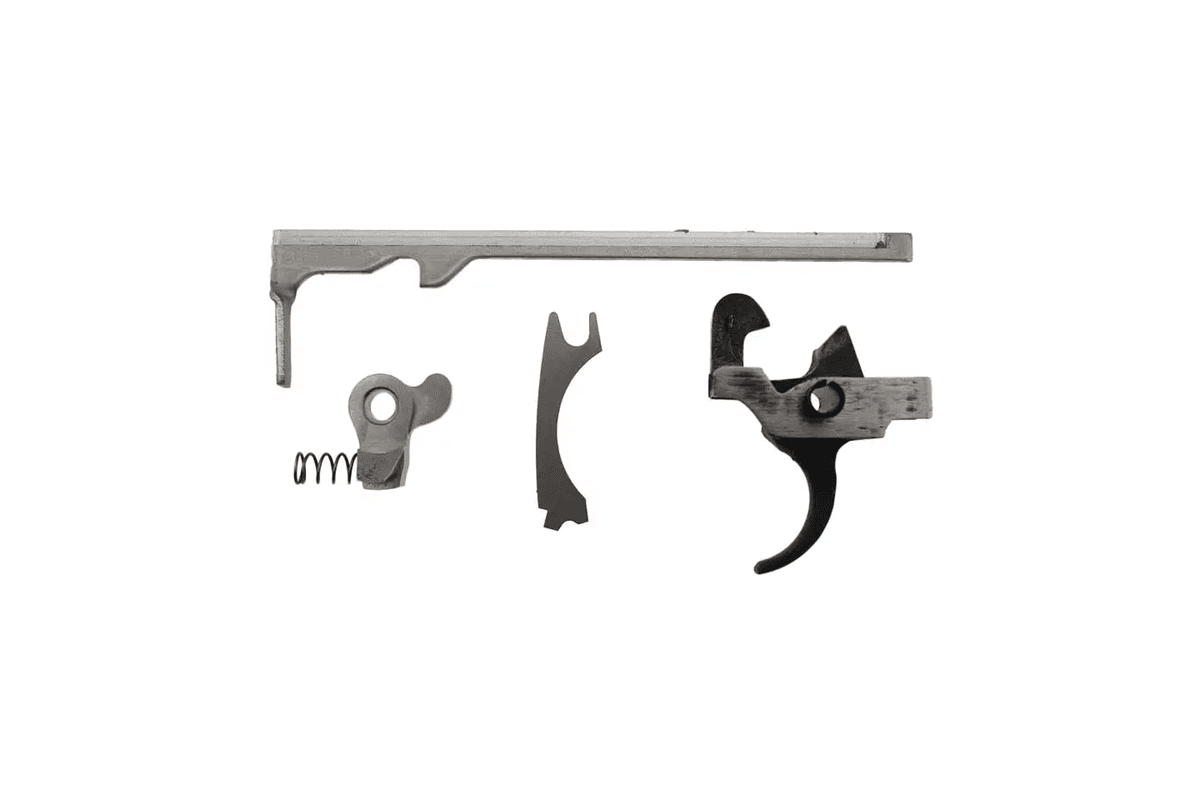
MaRs Trigger AK FRT Parts Kit
- Forced reset trigger (FRT)
- 4140 alloy and stainless steel
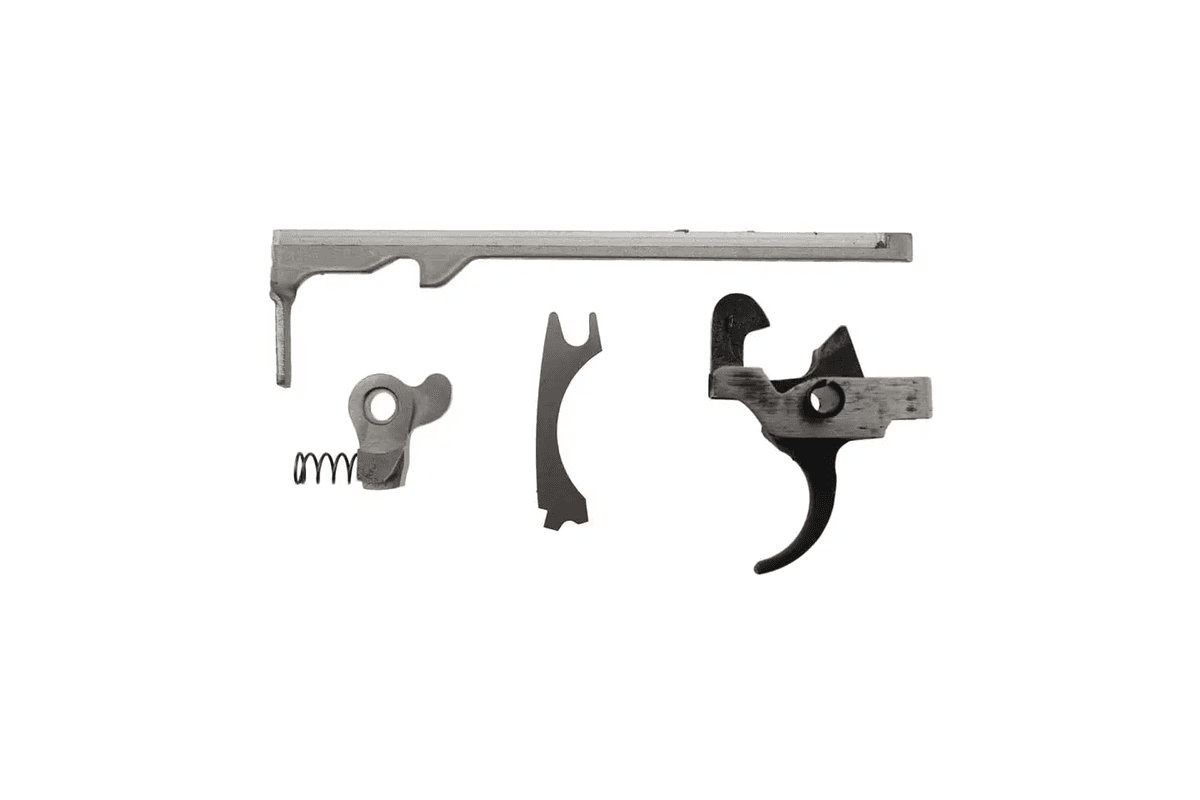
MaRs Trigger Spring-Loaded AK FRT V2
- Forced reset trigger (FRT)
- Spring-loaded V2 design
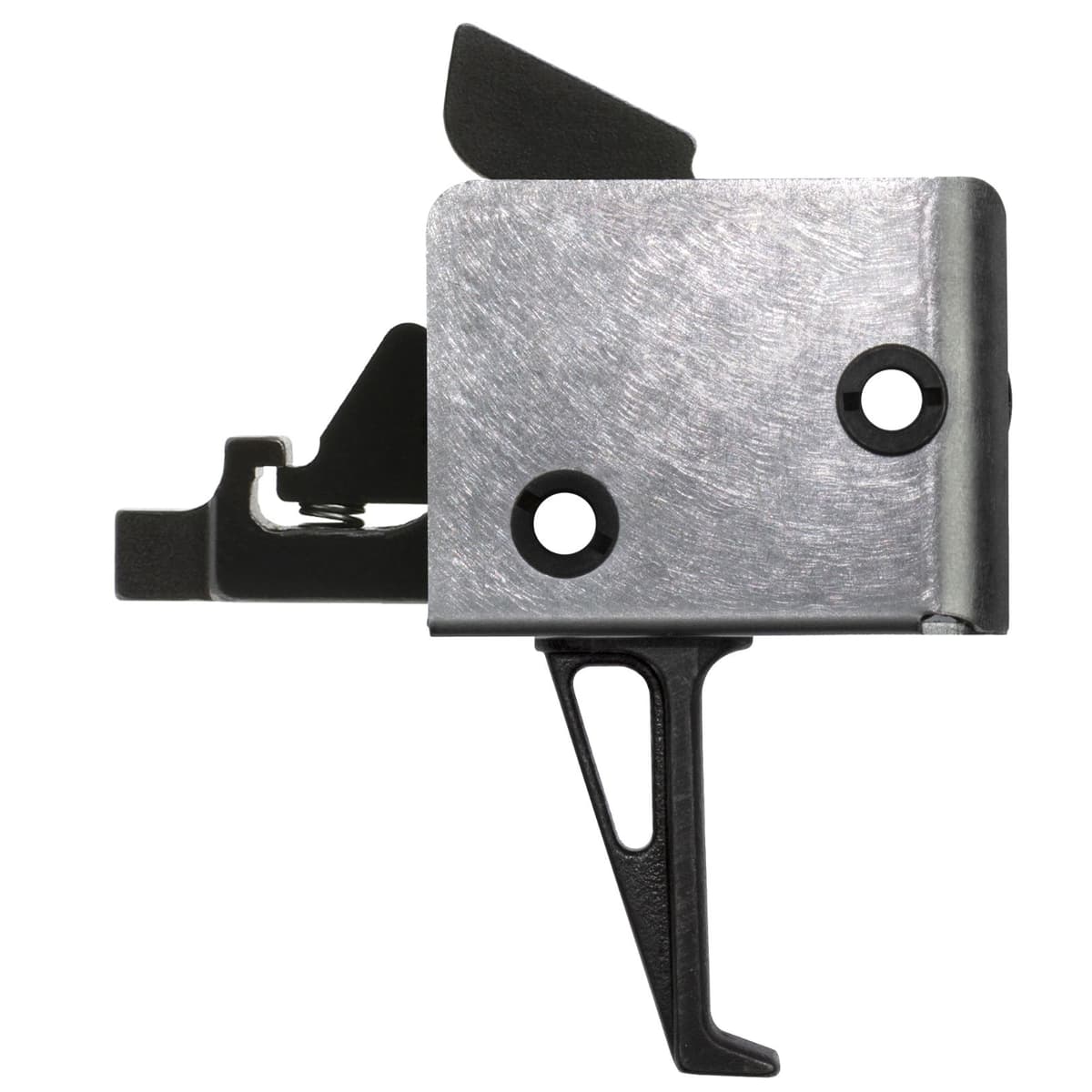
CMC AR-15/AR-10 Two Stage Flat Trigger
- Two stage
- Flat trigger bow
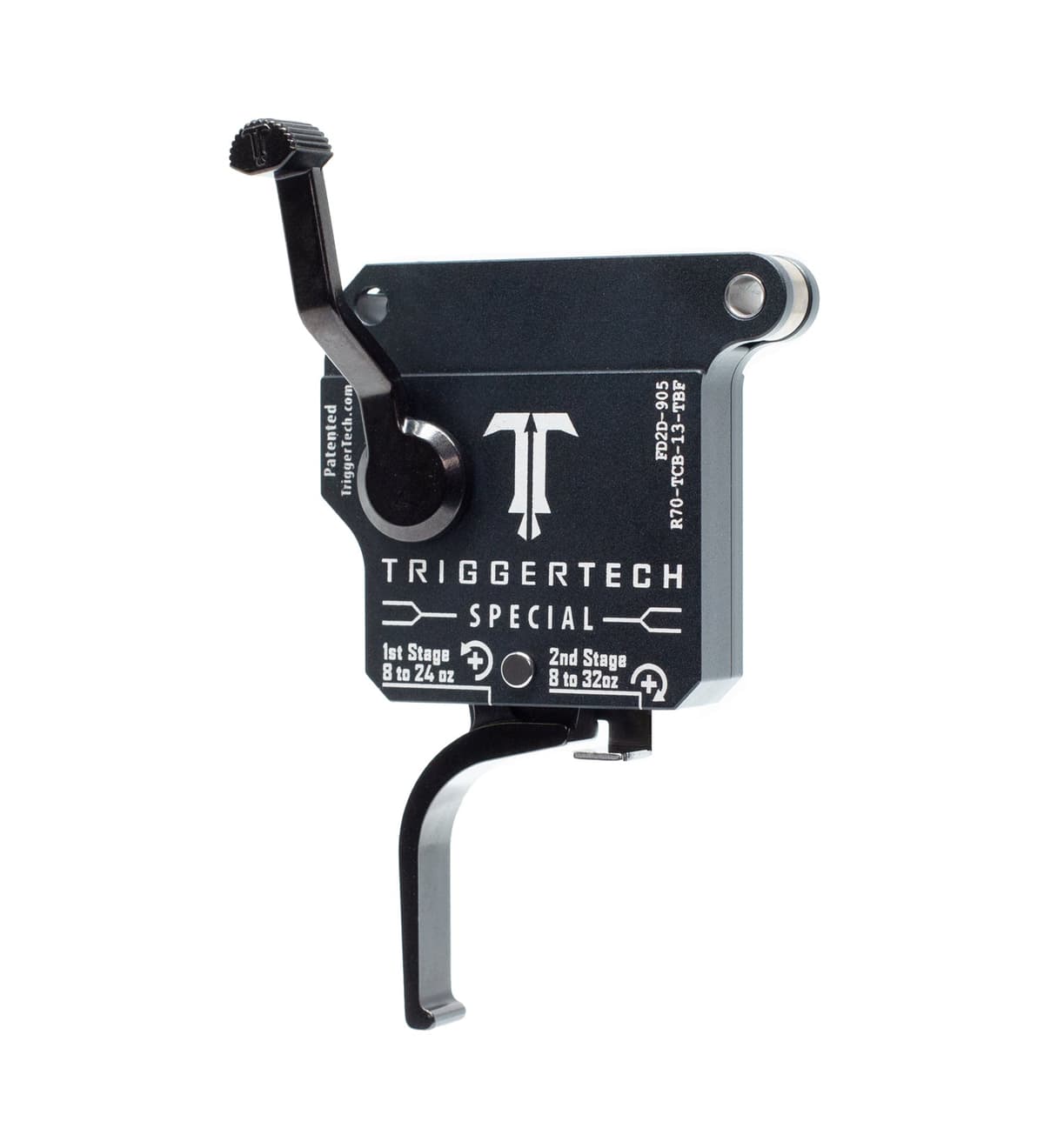
TriggerTech Special Remington 700 Trigger
- Remington 700 trigger family
- Single-stage Special variant
Affiliate links (?)
What to Check Before You Order a Binary Trigger
Binary triggers ship as unregulated Title I accessories in legal states. No dealer license, no background check on the trigger itself, no ATF forms. The practical steps before ordering are legal verification and compatibility confirmation.
Legal Check
- Confirm your state is not on the banned list above
- Read your state statute, not just a summary, for the exact device language
- Check county or city ordinances; some municipalities layer additional restrictions on top of state law
- If traveling with the firearm, verify all states you will transit
Compatibility Check
- Franklin Armory sells platform-specific BFSIII kits; confirm the correct variant for your firearm
- BFSIII AR-15 fits mil-spec AR-15 lower receivers with standard trigger pins
- Verify compatibility with any aftermarket lower parts you have installed (some drop-in triggers change pin spacing)
- Suppressors are compatible with binary triggers; confirm gas system tuning if running suppressed
For the statute behind every state's status, with citations and verification dates across all 51 jurisdictions, see the binary trigger state legality table. For the binary triggers themselves ranked by platform, with pricing, fitment, and the value pick for each host, see our best binary triggers guide. For a complete comparison of binary triggers, FRTs, and the Atrius FRS, including performance data and legal notes for each platform, see our forced reset trigger buyers guide. To see how a binary trigger fits into a full AR-15 build, use the AR trigger guide for the fire-control fundamentals, then use the Rifle Configurator builder to configure your lower with a trigger selection before purchasing.
Stay Updated on Binary Trigger Laws
State binary trigger laws are changing fast. We'll track legislative updates, court rulings, and new binary trigger product releases as they happen.
Frequently Asked Questions
▶Are binary triggers legal federally?
▶Which states have banned binary triggers?
▶What did the Minnesota Court of Appeals rule on binary triggers?
▶Can Minnesota still ban binary triggers again?
▶What is the difference between a binary trigger and a forced reset trigger?
▶Do I need a Form 4 or NFA transfer for a binary trigger?
What the Minnesota Win Means for the Binary Trigger Market
The Minnesota ruling is the most significant binary trigger legal victory since the ATF confirmed their federal legality. Minnesota is a mid-sized market, and the Court of Appeals decision re-opens sales to Minnesota residents immediately. Retailers can ship binary triggers to Minnesota buyers without restriction while the ruling stands.
The longer-term picture is less clear. The Walz administration's commitment to re-legislation means Minnesota binary trigger buyers face a real risk that a standalone ban clears the legislature in 2027. The correct play for Minnesota residents who want a binary trigger is to purchase now, while the ban is enjoined, and to understand that possession prior to a future ban will almost certainly be grandfathered, as most state bans have applied only to new transfers.
For residents of the twelve banned states, the Minnesota ruling offers no direct relief; the ban in your state is a separate statute passed through a separate process. Legislative challenges in Connecticut, Delaware, and Rhode Island have not materialized at the appellate level. Maryland and New Jersey are particularly aggressive enforcement states that actively prosecute rate-of-fire device possession. Binary trigger purchases in banned states are not worth the legal risk.
The ruling is also a template for challenging other gun-control provisions buried in omnibus bills. The single-subject clause argument is available in any state with similar constitutional language, and the MGOC's win gives litigation-minded gun rights organizations a proven playbook. Binary triggers specifically benefit from this; other categories of firearm accessories that were bundled into broad spending packages may face similar challenges in the next few years. For the biggest Second Amendment case coming out of the current term, see our Viramontes v. Cook County coverage; the Supreme Court granted certiorari on June 30, 2026 to rule on whether states can ban AR-15s.