Streamlight ProTac HL-X
- ✓1,000 lumens
- ✓50,000 candela

A dedicated .22LR AR running a forced reset trigger is the most sensitive FRT build there is. This guide covers the dedicated upper, the trigger cut nobody talks about, why standard buffer tuning does not apply, and which FRTs actually cycle rimfire.
Affiliate links (?)
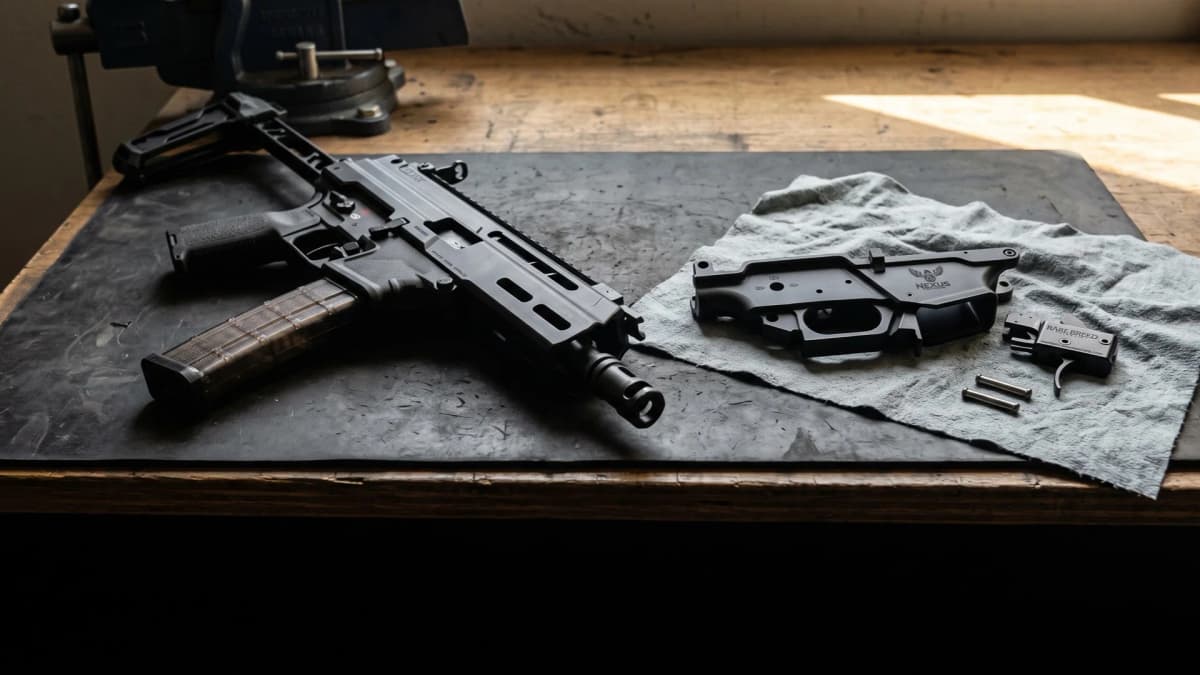
A .22LR AR running a forced reset trigger is the finickiest forced reset build there is. The rimfire blowback bolt makes almost no cycling energy, so the reset timing window is tiny: lean on the trigger and the bolt short-strokes into a dead trigger; ease off too far and the string of fire breaks. It works, and it is a genuinely fun range toy that runs on cents-per-round ammo, but it is not drop-in and it is not turnkey. This guide covers the host that makes it viable, the trigger detail nobody mentions, why centerfire buffer tuning does not apply, and which devices actually cycle .22.
A .22LR forced reset build is sensitive because the rimfire cartridge produces a fraction of the cycling energy a 5.56 round does, and a forced reset device times itself off the bolt's rearward travel. On a centerfire AR the gas system drives the carrier hard enough that the device has energy to spare. On a dedicated .22 upper the bolt is straight blowback, pushed back only by case pressure against a spring, so every variable that bleeds energy out of that stroke pushes you toward a failure.
The two failure modes are predictable and opposite. Too much trigger pressure slows the bolt enough that it short-strokes, the device never gets the full rearward travel it needs, and the trigger does not reset. That is the dead trigger everyone complains about. Too little pressure and the device cannot hold the reset string together between shots, so the rapid cadence breaks back to single shots. You are tuning a window measured in ounces of finger pressure, which is why this is an advanced build, not a beginner one.
None of that makes it a bad project. It makes it a deliberate one. If you want the forced reset experience without the tuning headache, the easier rimfire path is a Ruger 10/22, covered in our 10/22 upgrades guide. If you want a rimfire AR but have not committed to a platform yet, read the best .22 LR rifle guide before you buy the upper. And for the wider forced reset category across every host, the FRT buyer's guide is the hub.
Sling, light, backup sights, and QD mounts, the upgrades most builders add first.
Affiliate links (?)
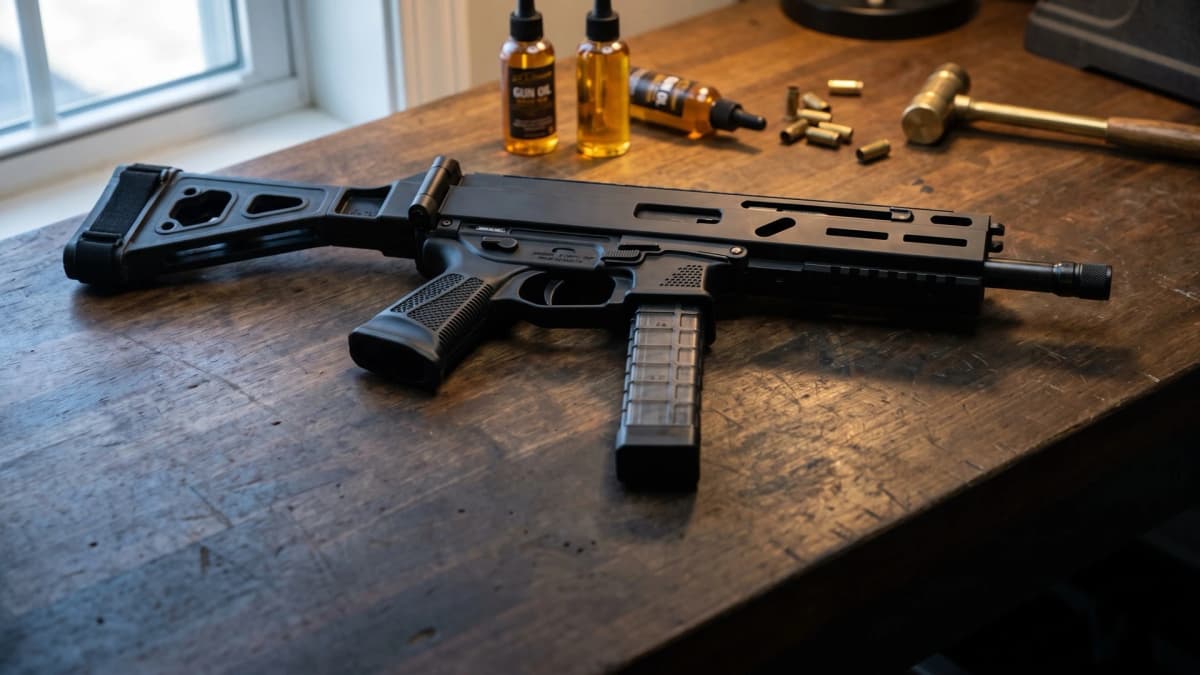
A dedicated .22LR upper is the host that makes a forced reset build viable; a conversion kit is the compromise. The dedicated upper is purpose-built around the rimfire round, with a correctly sized chamber and bore and a blowback bolt tuned to the cartridge. A conversion kit drops a .22 bolt into your existing 5.56 upper and fires the smaller round through an oversized bore. It fouls faster, throws accuracy out, and cycles less consistently, which are exactly the conditions a forced reset device cannot tolerate.
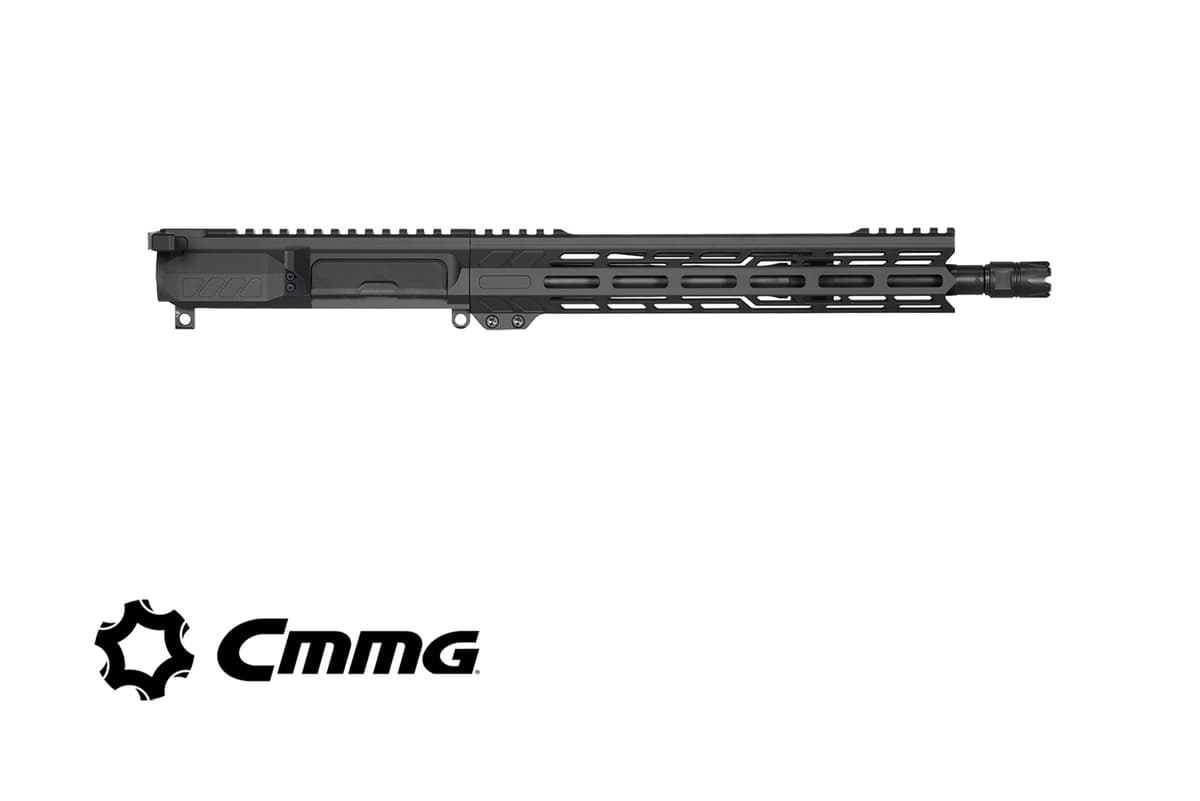
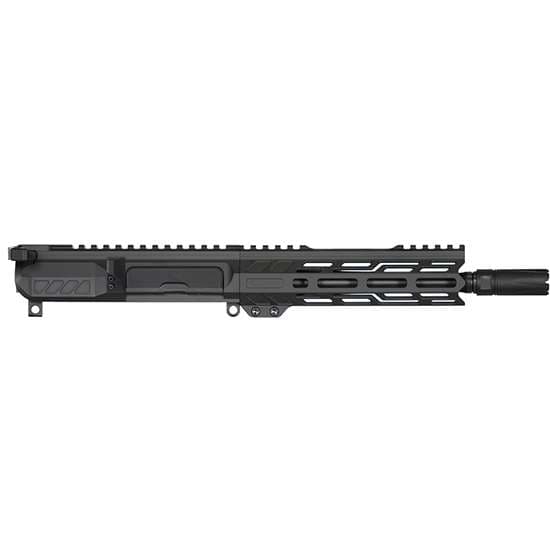
The CMMG Banshee Mk4 .22LR Dedicated Upper Group (around $640) is the recommended foundation. It is a self-contained blowback upper that drops onto any standard AR-15 lower, comes threaded 1/2x28 for a can or muzzle device, and feeds from CMMG's own .22 magazines. Note the catalog unit is a 4.5-inch pistol/SBR-length barrel; if you want a 16-inch rifle to keep things simple under federal law, that is barrel length measured with any permanent muzzle device, not overall length, and you will need a longer-barreled upper than this one. Running this 4.5-inch upper on a lower built as a rifle makes the result a short-barreled rifle, which is legal to own but requires a Form 1 registration before you assemble it. OBBBA zeroed the making tax and eForm 1 approvals are running days, not months, so the paperwork is light, but it is not optional. Building it as a pistol or braced configuration is how you skip the SBR classification.
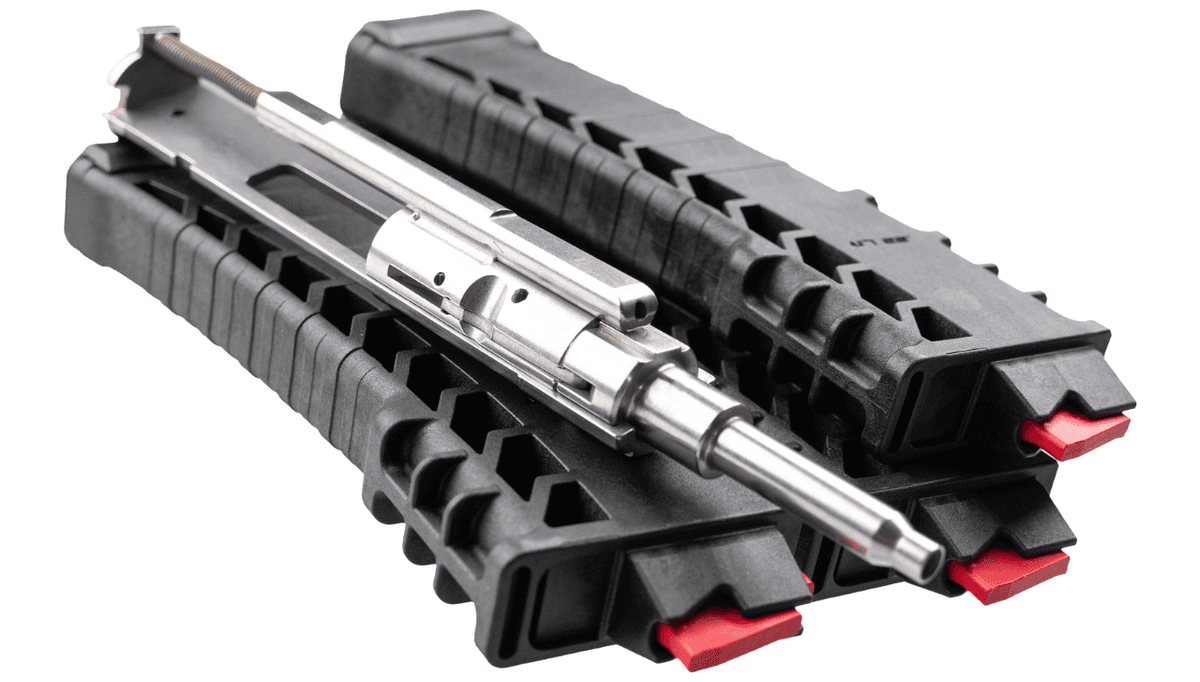
The CMMG .22LR AR Conversion Kit (around $190) is the cheapest path and the honest compromise. If you already own a 5.56 AR and want to try a forced reset on rimfire without buying a second upper, the kit gets you there for a third of the price. Just go in knowing it is the less reliable option for a build whose entire success depends on consistent cycling. Expect more cleaning and more tuning; the dedicated upper costs more and runs a forced reset device with far less fuss.
Best host: dedicated .22LR upper
Complete dedicated .22LR blowback upper group for AR-15 lowers, the recommended host for a rimfire forced reset trigger build.
Affiliate links (?)
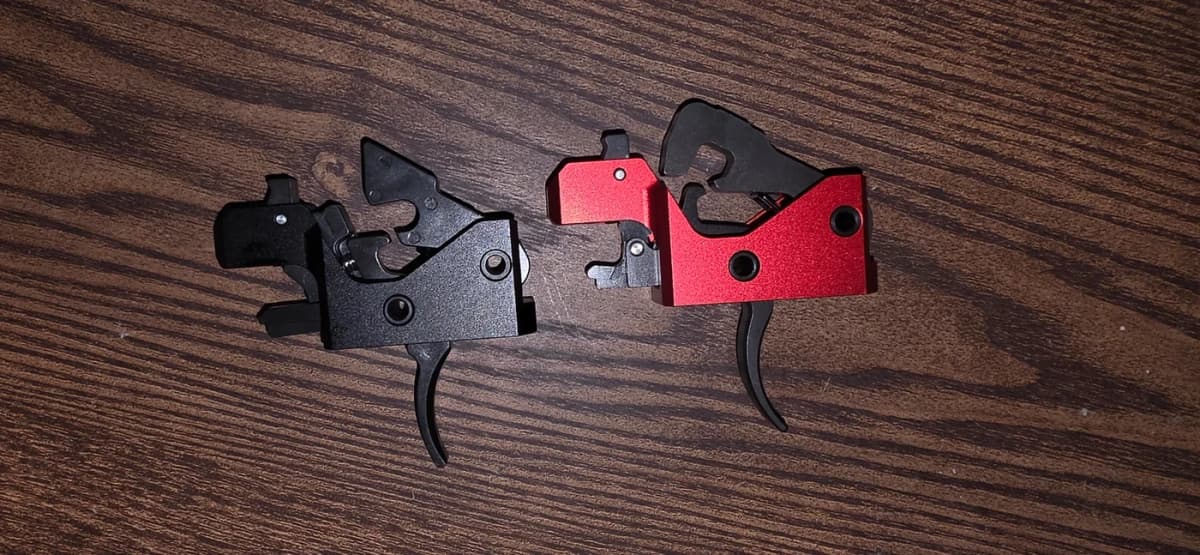
Budget host: convert an existing 5.56 AR
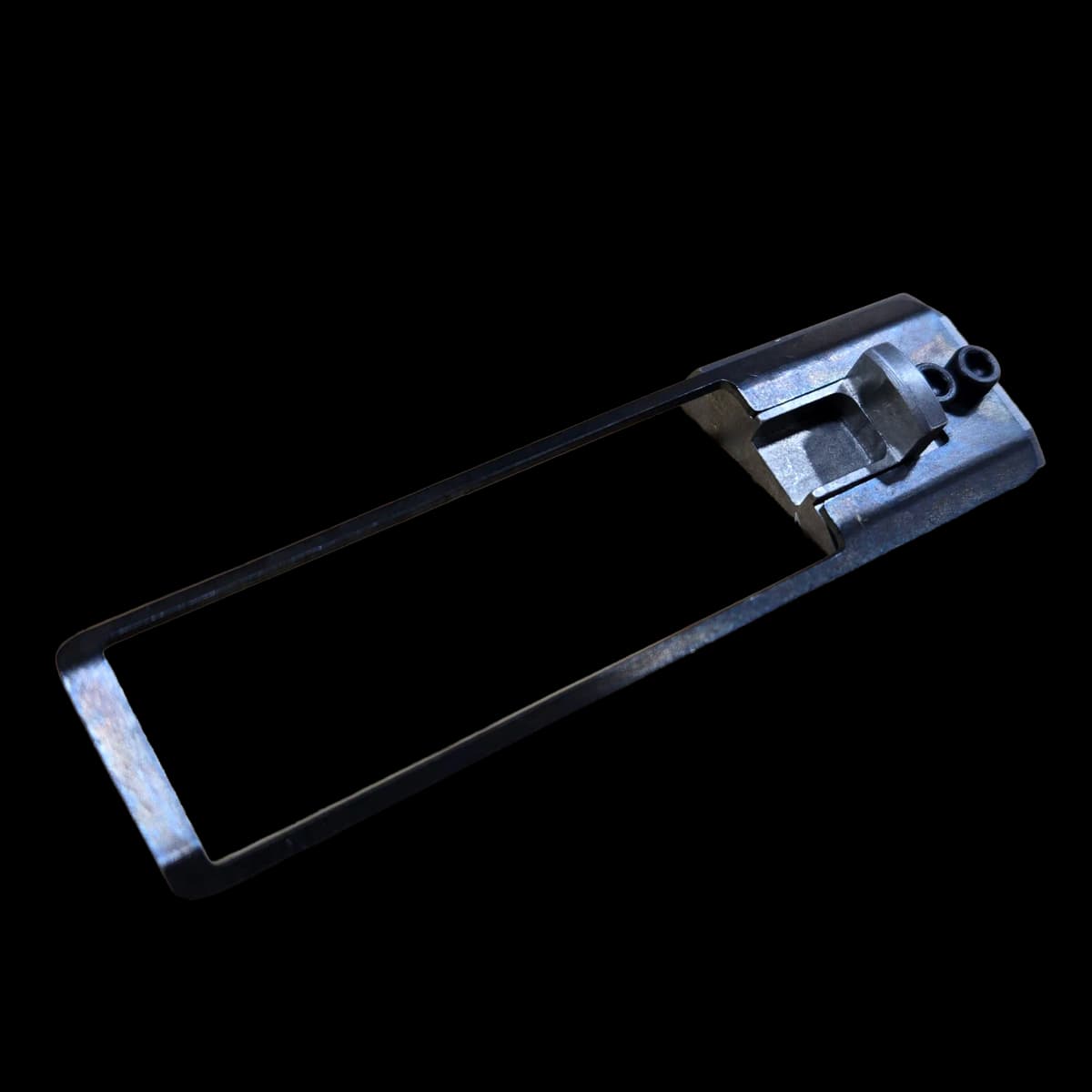
Drop-in .22LR conversion bolt for an existing 5.56 AR-15 upper, the budget alternative to a dedicated rimfire upper for an FRT build.
Affiliate links (?)
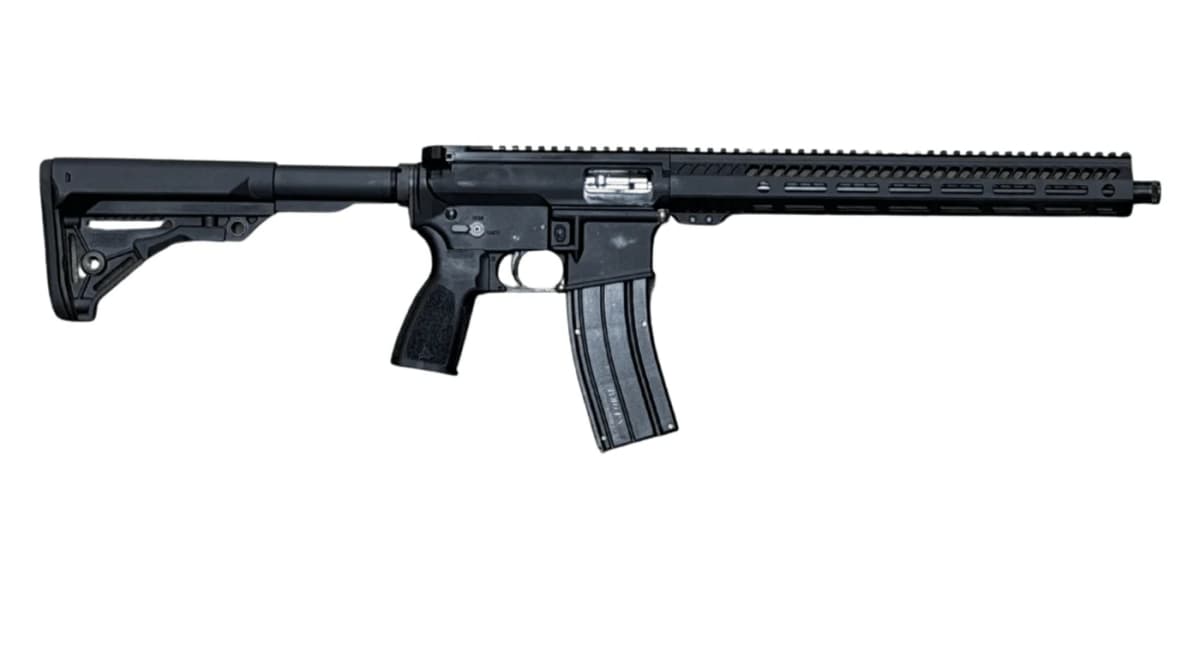
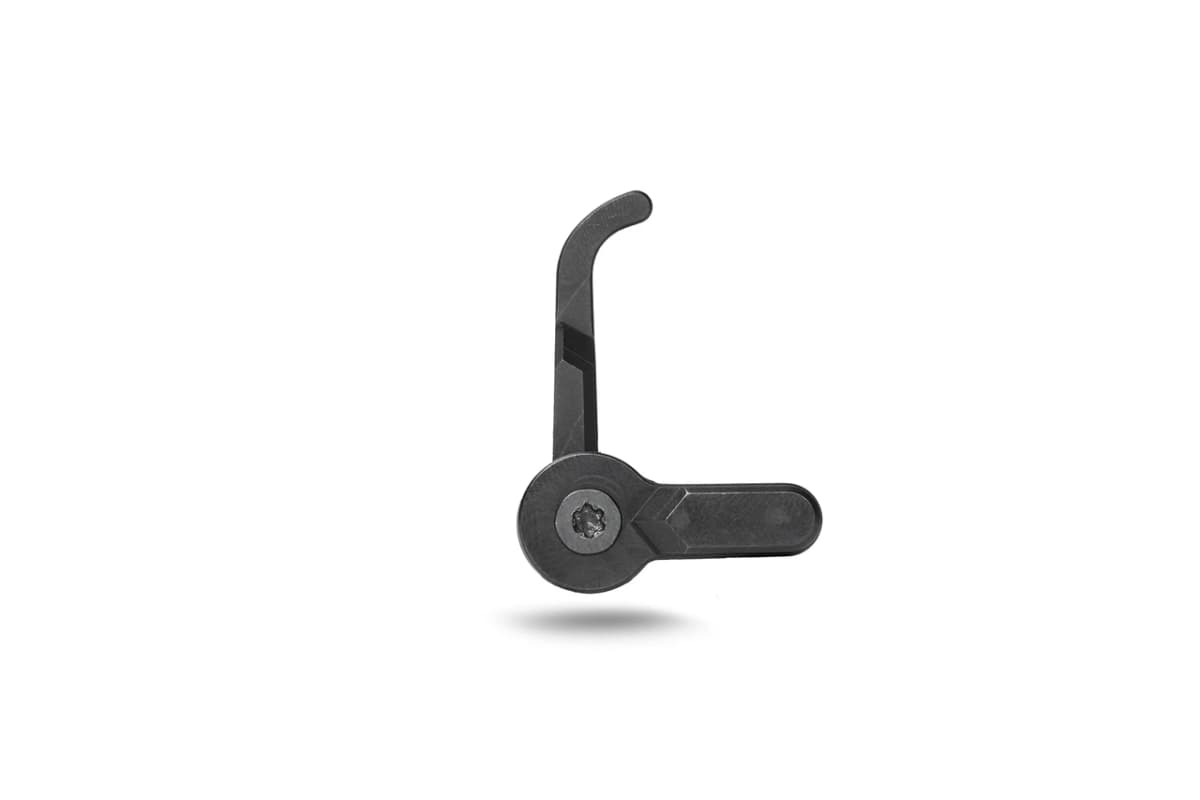
On a .22 build, selector-style forced reset devices are the easier path and cassette triggers are the harder one. A cassette FRT replaces your entire fire control group with a self-contained unit that resets itself off the bolt carrier; a selector device (often called a Super Safety, which is a selector and not a trigger) keeps your existing mil-spec trigger group and swaps only the selector. Because the selector adds less mechanical drag to the low-energy .22 stroke, it tends to cycle with less tuning, which is the practical reason a selector is the device most .22 builders should reach for first.
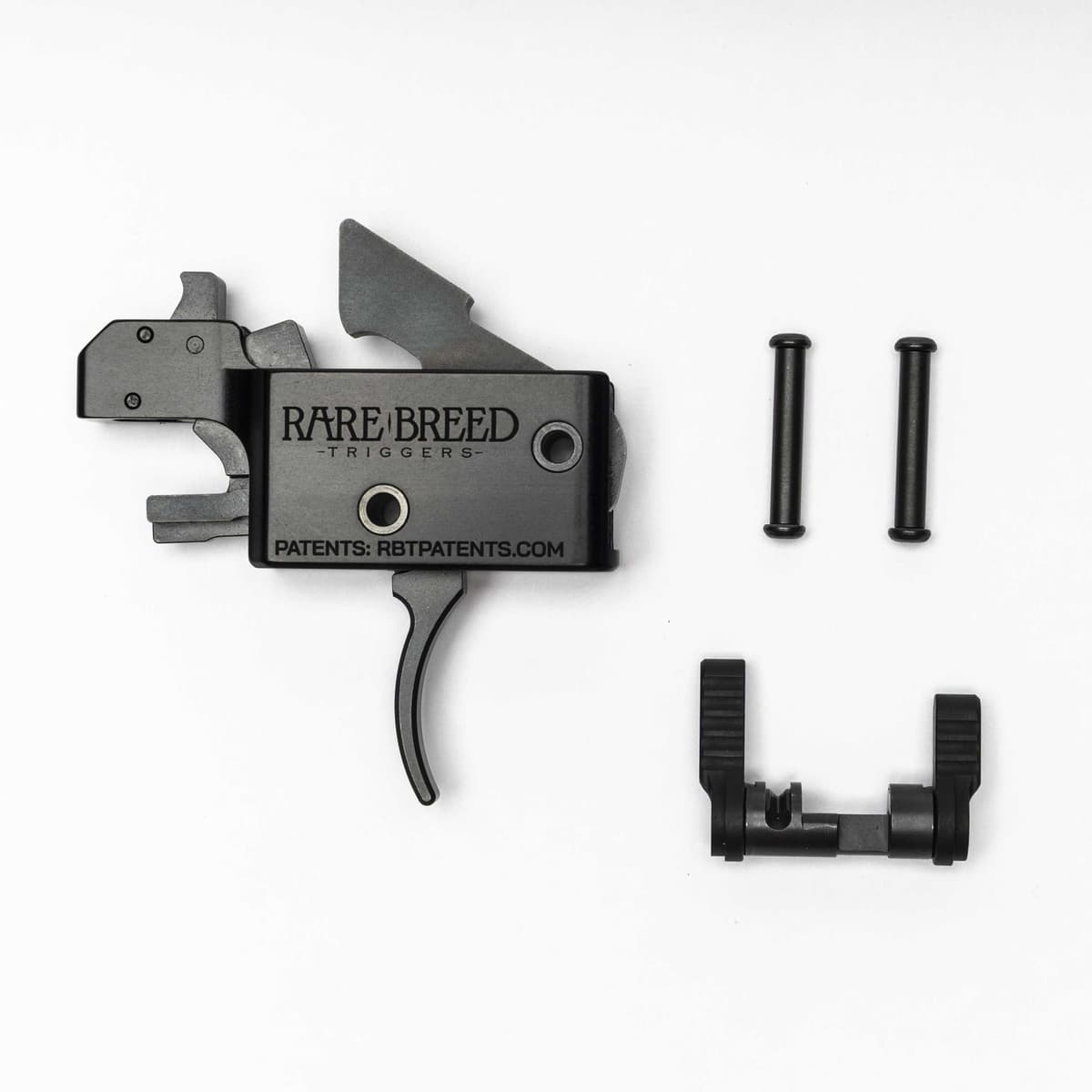
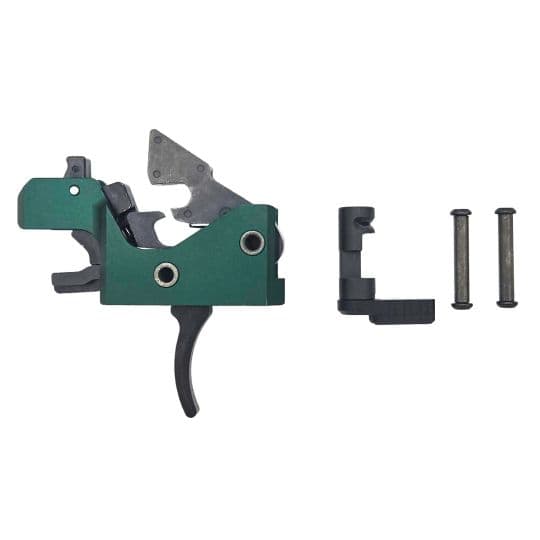
The ranking below is ordered for rimfire, not centerfire. On a 5.56 host the original Rare Breed cassette is the benchmark, but on a finicky .22 the selector-path Atrius and Mars devices are the more forgiving setup, so they lead here. The Rare Breed FRT-15L3 and Partisan Disruptor cassettes follow: both run with patient tuning if you want the self-contained drop-in feel, with the Rare Breed the harder of the two to time on rimfire. The Hoffman Trigger Kicker is the cheapest way to test forced reset at all. For the mechanics of selector devices and the trigger they need, the Super Safety guide goes deeper than this build playbook does.
Ranked for a rimfire build, not centerfire. Selector-style devices that run on a standard full-profile mil-spec trigger sit at the top because they are the easier path on a low-impulse .22 bolt; full cassettes work but demand precise tuning.
Best for .22: the most forgiving selector-path setup
Value selector-path forced reset
The benchmark cassette, for builders who want the drop-in feel
Drop-in cassette FRT alternative
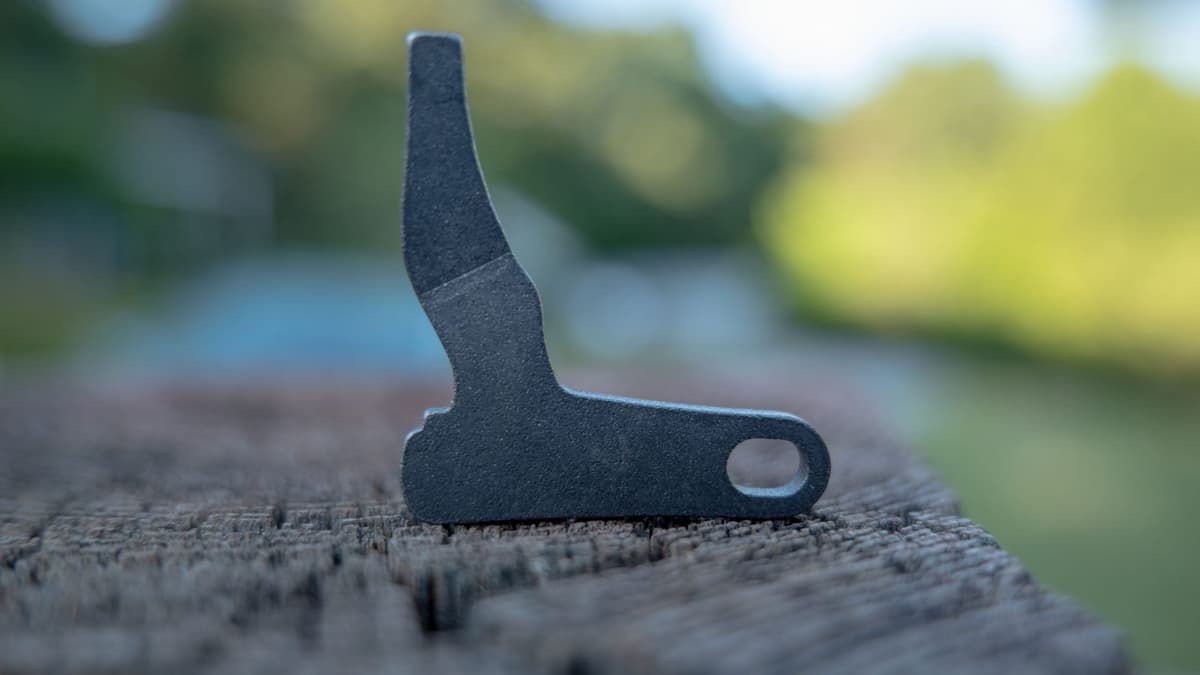
Cheapest forced reset entry
Purchasing through these links may generate a commission. Forced reset device legality varies by state; verify current federal, state, and local law before ordering.
Affiliate links - purchases support this site at no extra cost to you. (?)
Run a selector device on a full-profile, stock-geometry mil-spec trigger, not a thinned or U-notched competition trigger such as the LaRue MBT-2S, which is not compatible because the cam times off the full trigger profile. The detail people skip is the cam clearance at the trigger tail. The Atrius FRS needs a small amount of material removed from the trigger tail for its cam to engage, or a Geissele super-safety-cut trigger that already carries that relief; the Mars kit sidesteps the cut by shipping its own Super Safety compatible trigger. Plan on that minor fitment step rather than expecting a pure drop-in onto an untouched trigger. Get the trigger geometry and the cam clearance right and you have cleared the most common selector failure before you start.
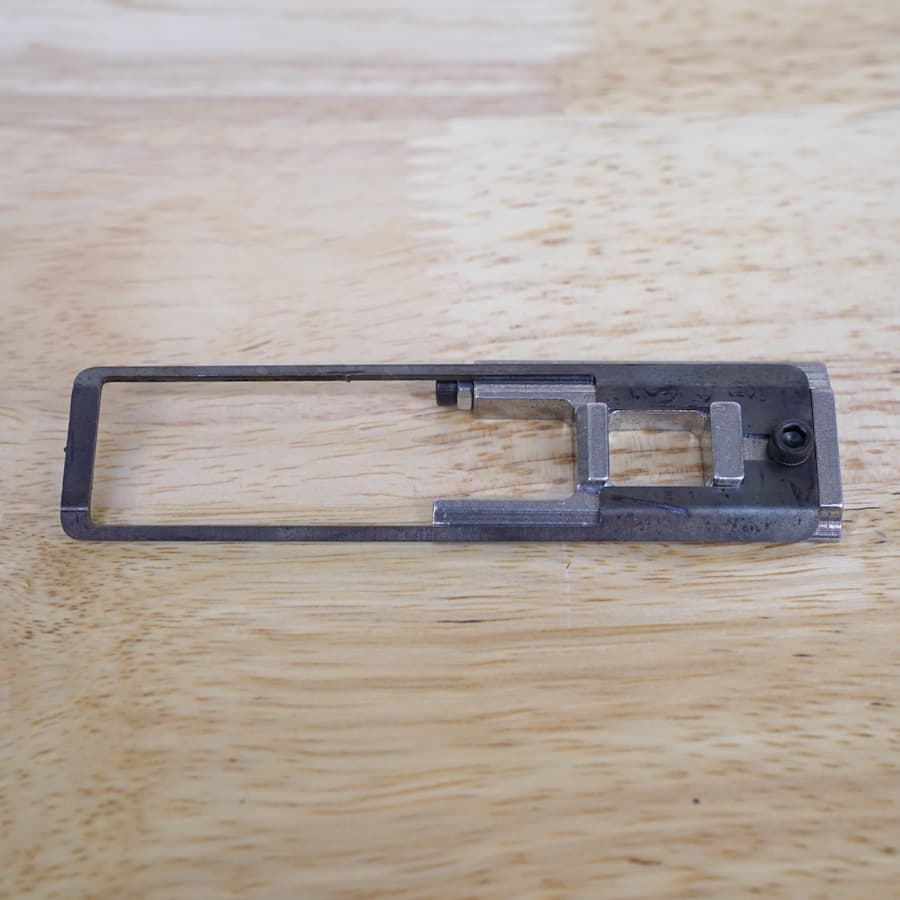
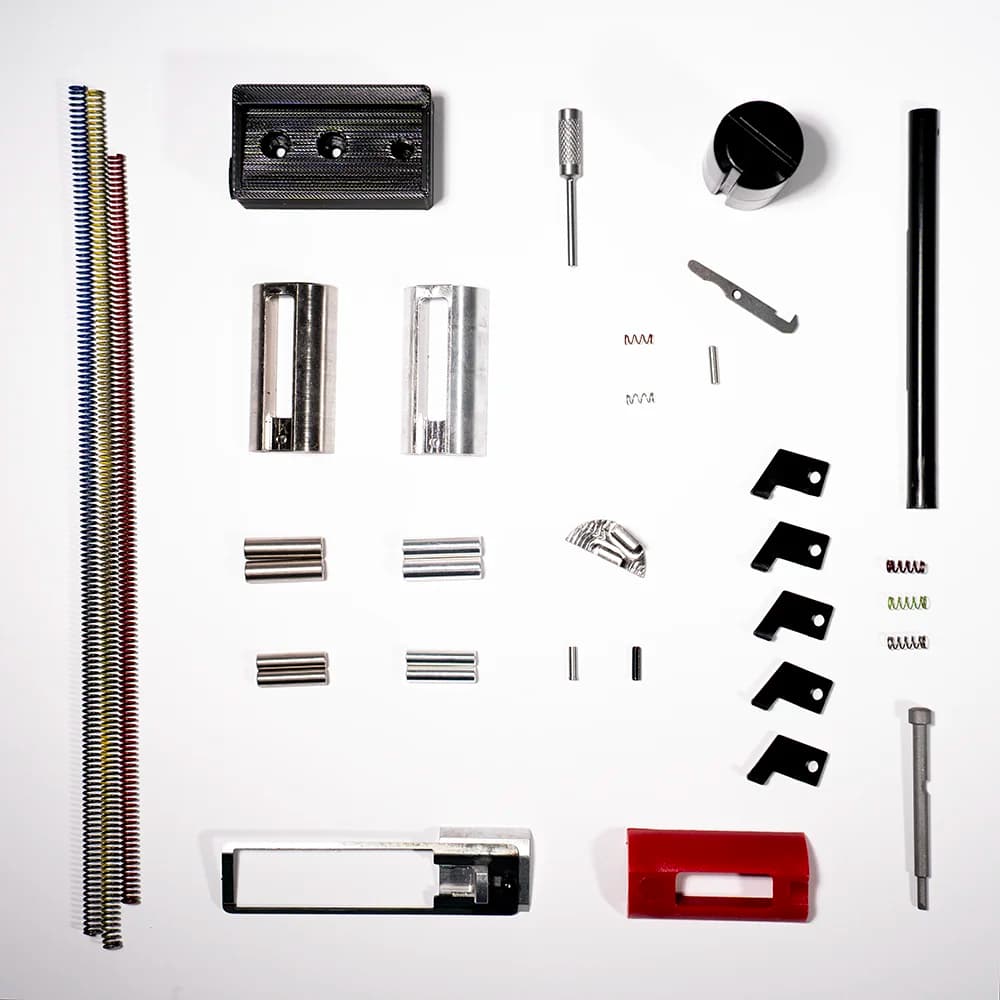
The bolt side is where the real .22-specific work lives. A dedicated .22 blowback bolt does not present the trip surface that a full-auto-style centerfire carrier gives a forced reset device, so on the harder cassette setups the .22 bolt needs a trip kit to replicate that surface. This is a small added part, not a cut to the bolt, and it is the step most write-ups skip. Budget for the trip kit on any cassette build before you expect a reliable reset string; the selector devices sidestep it entirely, which is the second reason they run easier on rimfire.
Buffer weight and spring rate do not tune a dedicated .22 forced reset build, because the .22 bolt never enters the buffer tube. A dedicated rimfire upper carries a self-contained straight-blowback bolt that reciprocates entirely inside the upper receiver. The buffer, the buffer spring, and the receiver extension on the lower do nothing to its travel. This is the opposite of a centerfire AR, where buffer weight is the primary lever for tuning carrier dwell so a forced reset device gets its full reset stroke.
This is why heavy forced reset buffers do nothing here. Buffers marketed for forced reset use, like the ODIN H-FRT, add reciprocating mass to a centerfire bolt carrier so it dwells long enough to drive the reset. They are centerfire parts and have zero effect on a dedicated .22 upper. Buying one for an AR22 forced reset build is wasted money. The .22-relevant part that does matter is the small internal bolt buffer that cushions the carrier at the end of its travel inside the upper, a cheap consumable that protects the upper rather than tunes the reset.
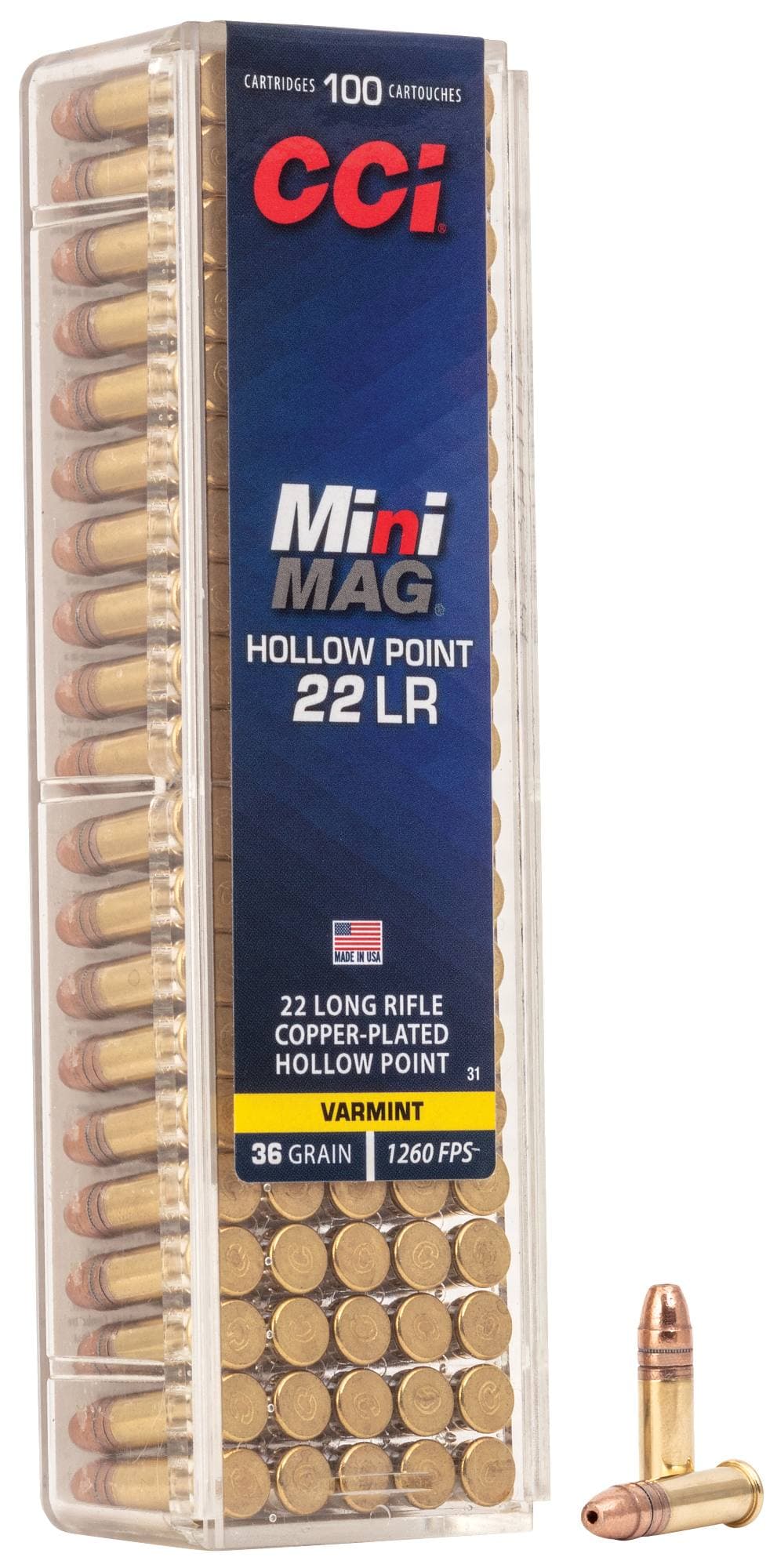
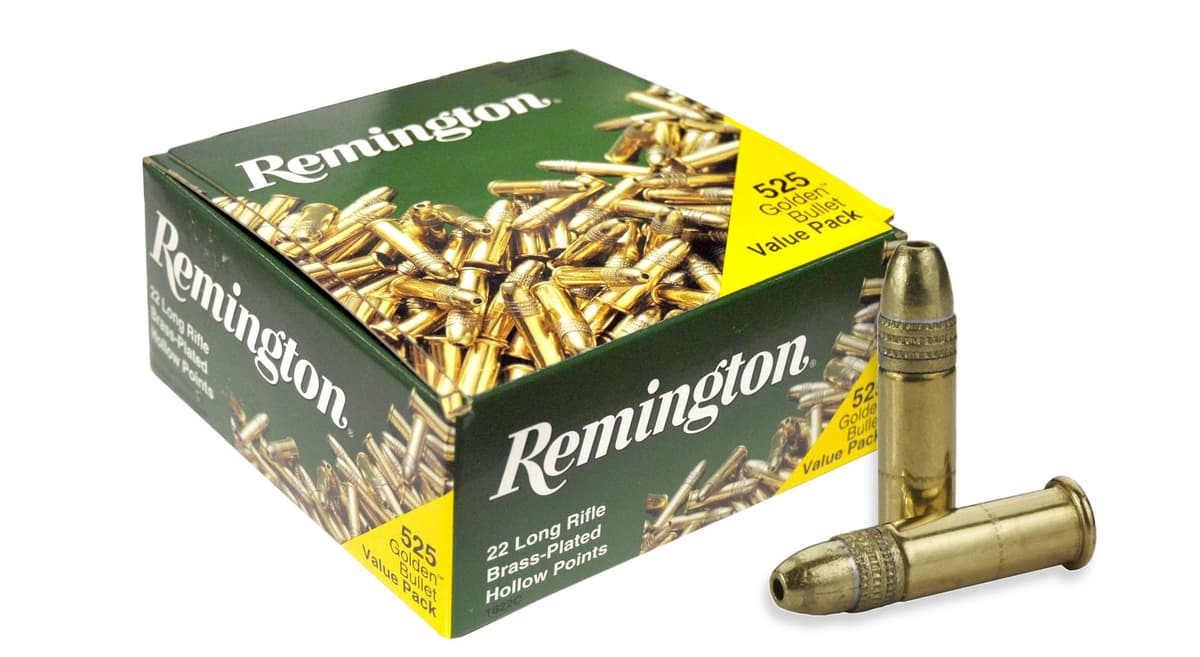
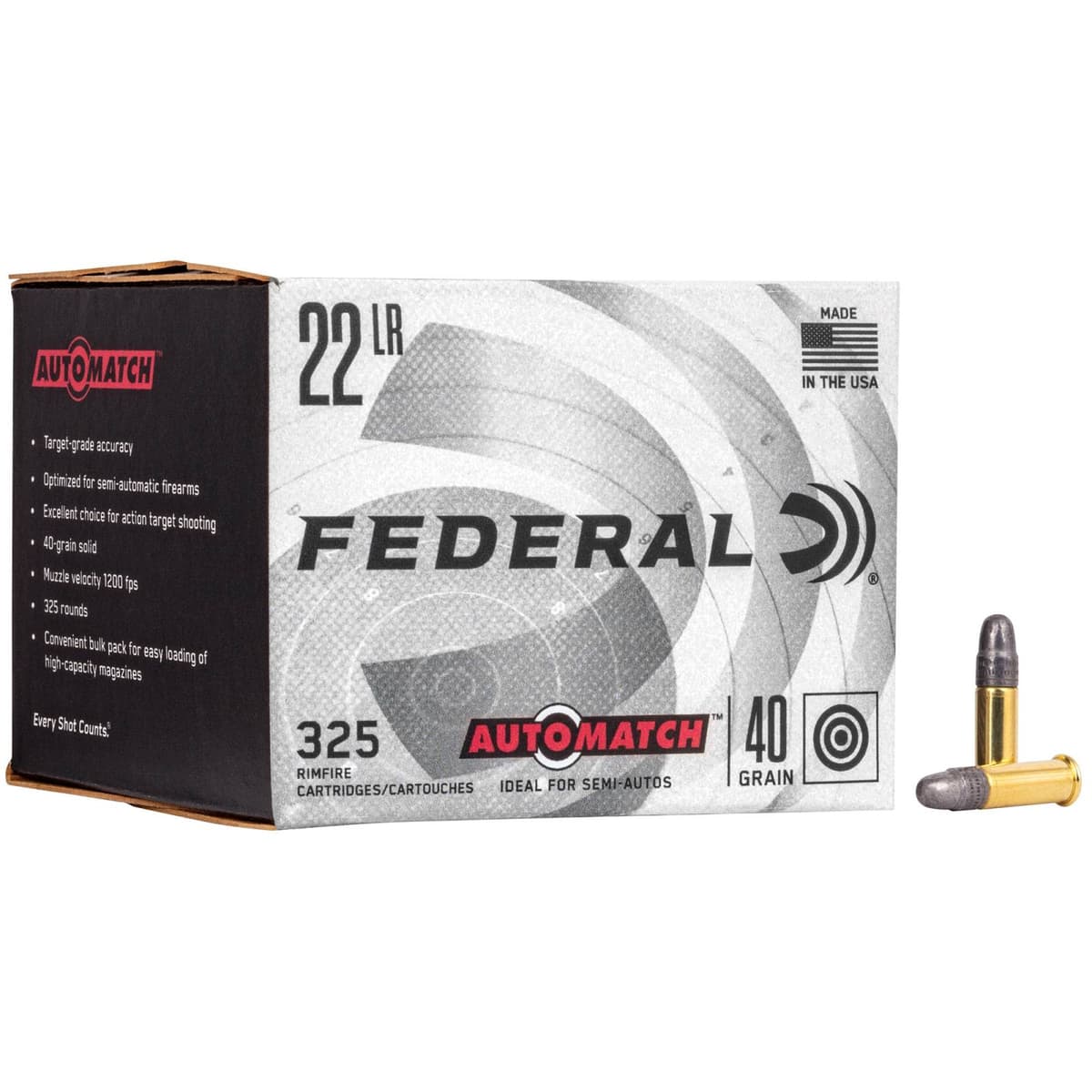
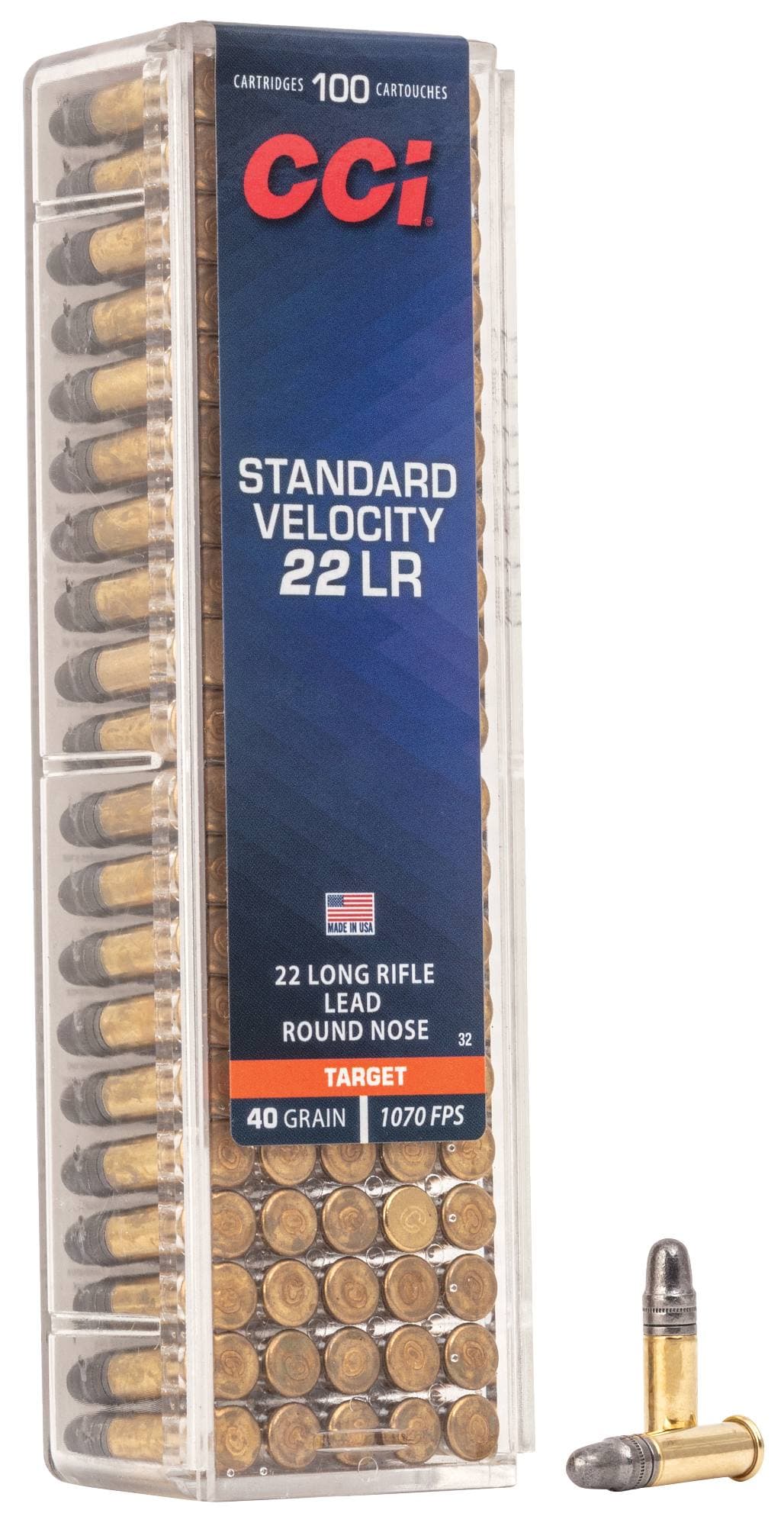
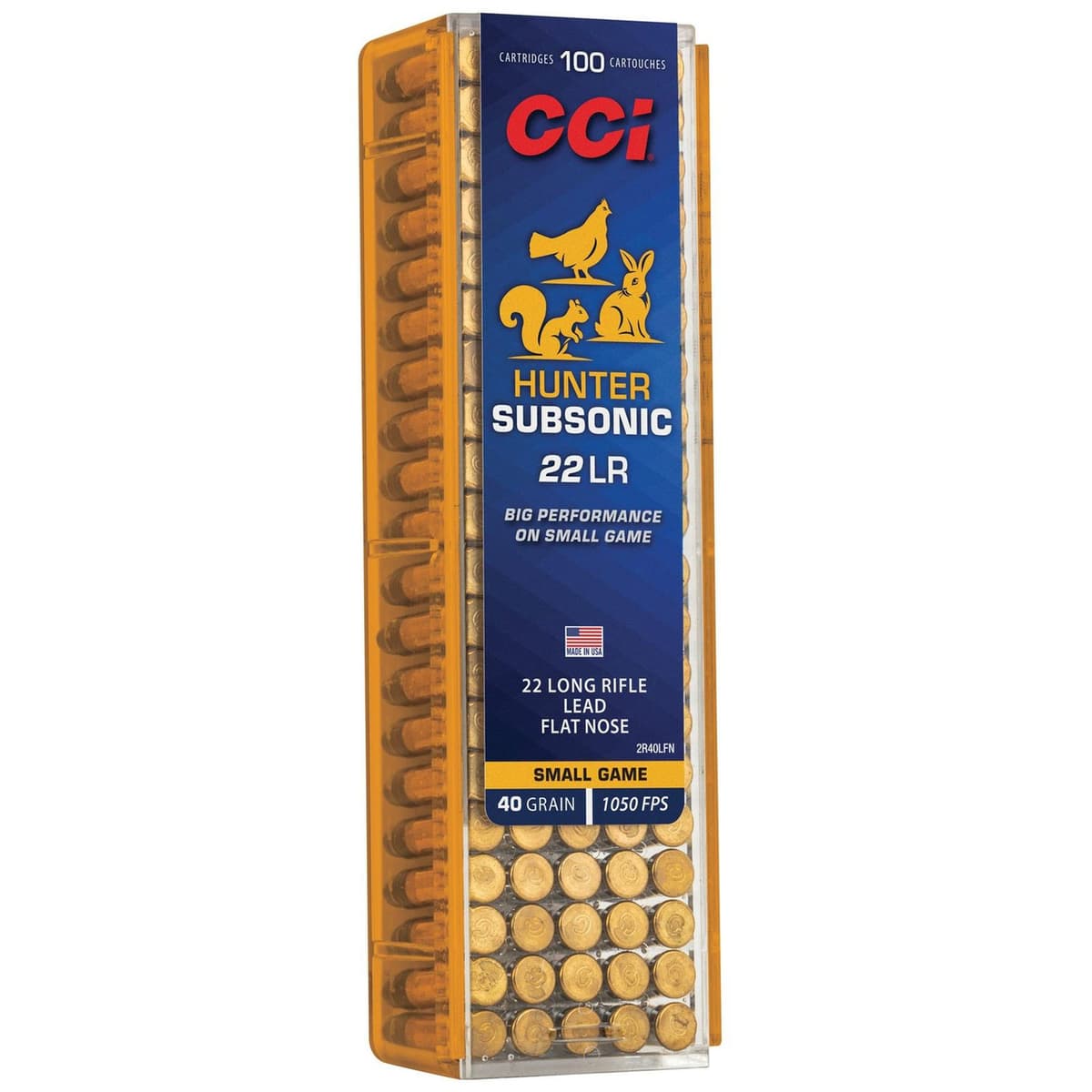
Consistent high-velocity ammunition is non-negotiable on a .22 forced reset build, because the round is the energy source that drives the entire reset cycle. Bulk standard-velocity or subsonic .22 simply does not generate enough impulse to cycle a blowback bolt hard enough for a forced reset device to time off, and inconsistent rimfire priming makes the failures random instead of fixable. Pick a copper-plated high-velocity load and feed it exclusively while you tune.
CCI Mini-Mag is the reference load for this job: copper-plated, high velocity, and consistent lot to lot, which is the property that matters most when you are tuning a timing window measured in ounces of trigger pressure. Once the build runs reliably on a known load you can experiment, but every variable you change at once, ammo plus pressure plus a dirty bolt, makes diagnosing a dead trigger impossible. Get it running on quality high-velocity ammo first, then explore.
Forced reset devices are not NFA items, but their legal status is genuinely contested and you should treat it as something to verify, not assume. Federally, eligible forced reset triggers are not classified as machine guns following the May 2025 DOJ settlement involving Rare Breed. That settlement did not end the fight. Rare Breed, through its licensing entity, is pursuing patent litigation against competing makers including Hoffman Tactical and Partisan/Peak Tactical, and that litigation has affected the availability of some products. Hoffman's Super Safety selector, a separate product from the Trigger Kicker recommended above, has at times been pulled from sale during the dispute. The Trigger Kicker itself moves in and out of stock, so confirm a given Hoffman product is in stock and shipping before you count on it. Availability across the category can shift while these cases move.
State law is the other half. Several states restrict or ban forced reset devices outright, and makers enforce that at checkout. The Hoffman Trigger Kicker, for example, does not ship to 13 jurisdictions. Do not rely on a static list in a guide, including this one, as your legal clearance. Verify current federal, state, and local law for your address before you order, and if you want the full category breakdown with the litigation timeline, the FRT buyer's guide tracks it. You can also use the rifle builder to plan a centerfire AR around a forced reset device, though it does not host a dedicated .22 upper build.
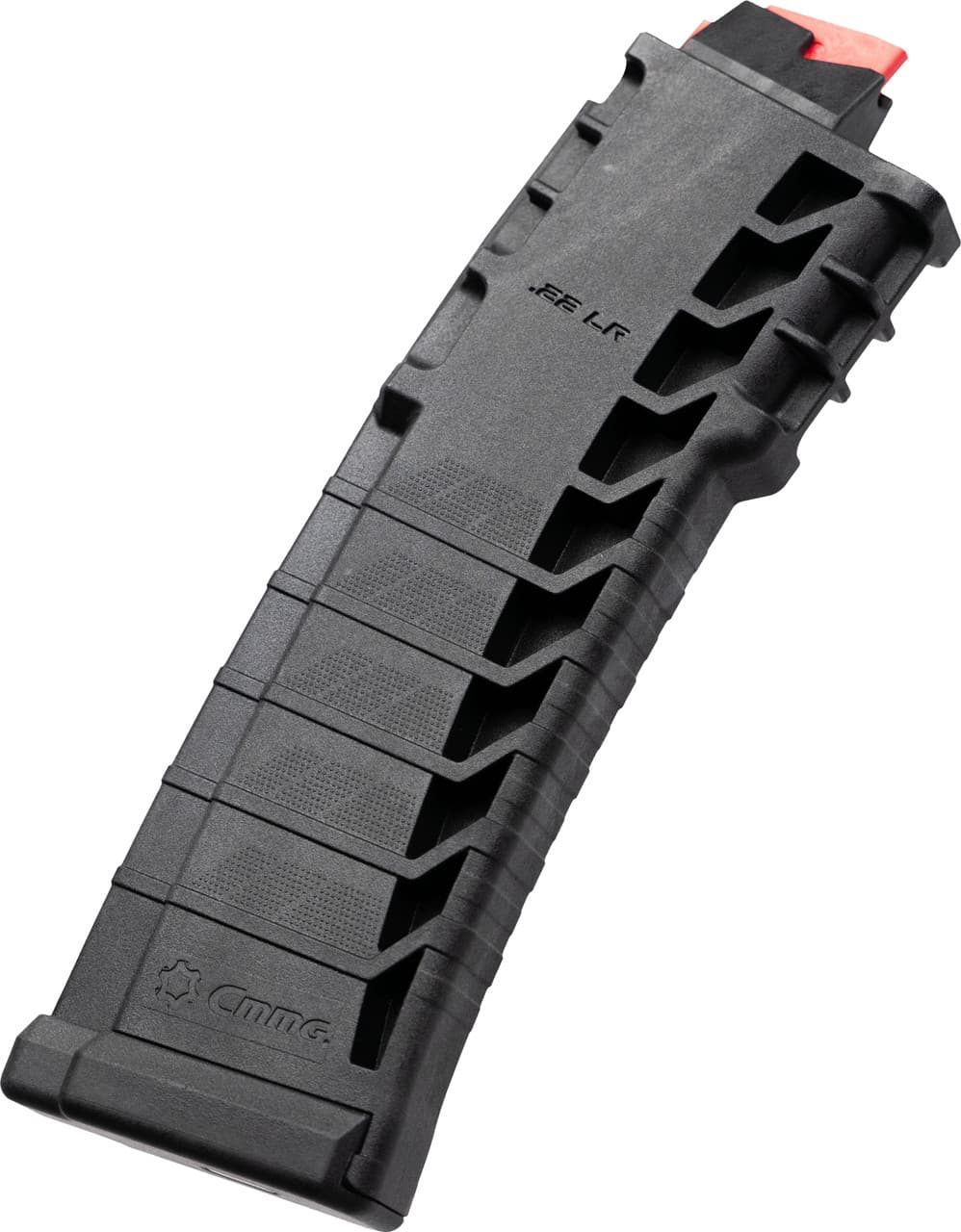
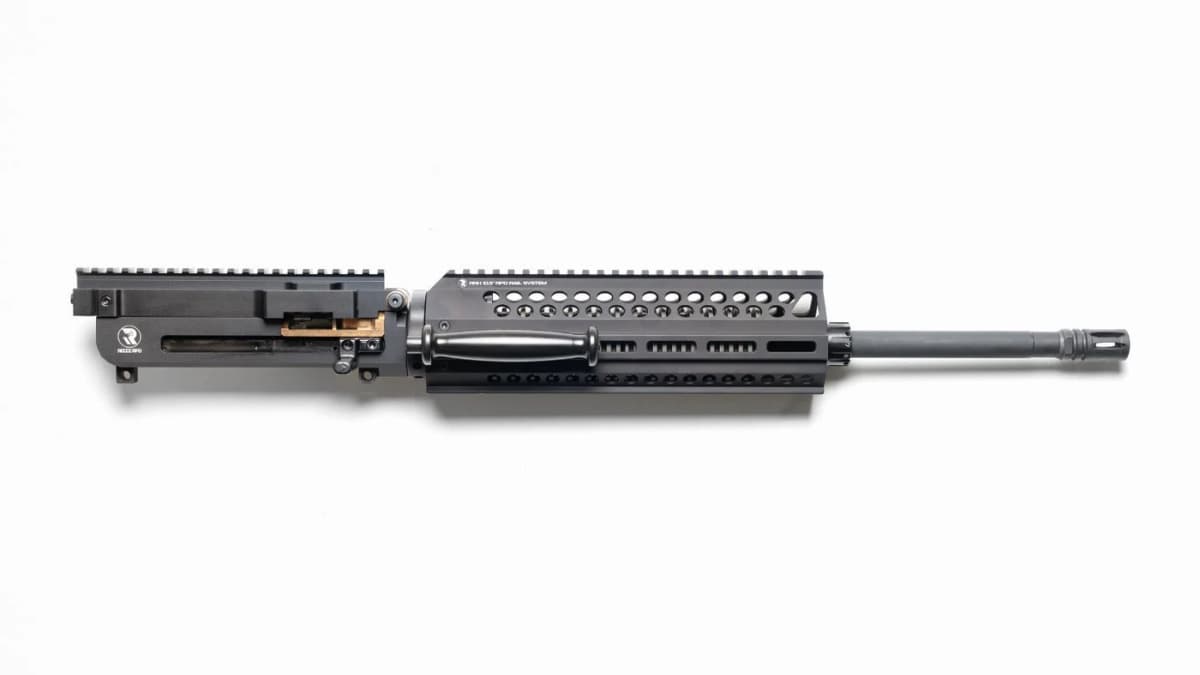
Buy magazines first and buy several, because they are the cheapest part of the build and the one you will burn through fastest at forced reset cadence. A .22 forced reset device empties a magazine in seconds, and rimfire magazines are finicky enough on their own that having a stack of known-good ones removes a whole variable while you tune. At roughly $30 each, a handful of factory magazines is the highest-return, do-it-first purchase on this list.
The factory CMMG .22LR 25-round magazine feeds both the Banshee dedicated upper and the CMMG conversion kit, so it is the default feed source either way you build. Buy four to six, number them, and pull any that cause a feeding hiccup out of the rotation while you diagnose, so you are never guessing whether a failure is the magazine or the reset timing.
Affiliate links (?)
Related Guides
FRT Buyer's Guide 2026 - The category hub: every forced reset device compared, with the litigation timeline.
Super Safety Guide - Selector-device mechanics, installation, and the cut-trigger requirement in depth.
Ruger 10/22 Upgrades - The easier turnkey rimfire forced reset path if the AR build is too much fuss.
Best .22 LR Rifle Guide - Deciding whether a .22 AR is the right rimfire platform in the first place.
The Verdict
Build it on a dedicated CMMG .22LR upper, run a selector-style device on a full-profile mil-spec trigger, and tune trigger pressure before you blame parts.
The AR22 forced reset build is a curiosity project that rewards patience and punishes shortcuts. The dedicated CMMG Banshee .22LR upper plus an Atrius or Mars selector device on a full-profile mil-spec trigger is the most forgiving combination; a Rare Breed or Partisan cassette runs with more tuning. Skip the centerfire FRT buffer, feed it CCI Mini-Mag, and stock a stack of CMMG magazines. If the tuning sounds like more than you want, the 10/22 route is the easier rimfire forced reset path, and the FRT buyer's guide is the place to compare the whole category.

Avid shooter with 9+ years of experience including competition shooting. Built 10+ AR-pattern rifles and several handgun platforms for home defense, competition, and suppressed night shooting.
This page contains affiliate links. Purchases through these links support the site at no extra cost to you. Read the affiliate disclosure
Continue exploring with these related resources

Running a forced reset trigger in a 9mm AR (AR9) comes down to blowback tuning. Here is the BCG, buffer, and spring stack that makes an AR9 FRT cycle right, plus the FRTs that fit and the legal caveats that matter.

There is no AR-10-rated FRT. An AR-15 forced reset trigger physically drops into an LR-308 or SR-25 lower because both use standard AR-15 fire-control dimensions. The gating parts are an M16-profile .308 bolt carrier and a tuned buffer. This is an advanced, off-label, at-your-own-risk build that manufacturers do not warranty.

Best AR-15 triggers ranked: LaRue MBT-2S ($115) best value, ALG ACT ($65) budget king, Geissele SSA ($240) duty proven. Honest assessment of diminishing returns and why reset speed matters more than break quality.
Related articles and industry updates

Hoffman Tactical's Trigger Kicker is a $43 disconnector replacement that turns a mil-spec AR-15 into an active-reset trigger, engineered to operate outside the Rare Breed patent claims behind the Super Safety injunction.

KAK Industry's DBC BCG puts a dead-blow counterweight inside the bolt carrier, letting forced reset triggers, FRS systems, and super safeties run on a standard 3 oz carbine buffer. No tungsten H1/H2/H3 buffer required.

The Minnesota Court of Appeals struck the state binary trigger ban on May 26, 2026 as unconstitutional, leaving nine states with active bans. Here is the complete state-by-state legal status, what the Minnesota ruling means, and what binary trigger buyers need to verify before ordering.