Key Takeaways
- →Update (September 15, 2026): The three-position Selective Trigger Kicker is now a working prototype. Hoffman scrapped the first design because it needed a modified hammer, and the redesign targets almost all hammers and triggers. More design iterations and manufacturing refinement come next, the production part will be steel, and Hoffman is aiming to set a timeline and cost structure in October 2026.
- →$43 Drop-In Part: The Trigger Kicker replaces the disconnector and disconnector spring in a standard mil-spec AR-15 fire control group. It needs an as-cast semi-auto hammer; demilled full-auto hammers and many aftermarket parts are not compatible.
- →Active-Reset Function: The hammer kicks the trigger back to reset, and the Kicker locks it under the safety selector until the bolt carrier returns to battery, the same functional category as a forced reset trigger.
- →Hardened 4130 Steel: A finished, machined part from hardened 4130 alloy steel, sold direct and through Hoffman's dealers, not a 3D-print file.
- →State Restrictions Apply: Federally not a machine gun after the May 2025 DOJ settlement, but Hoffman will not ship to 14 states plus D.C., including CA, NY, NJ, IL, CO, and MN.
What the Trigger Kicker Is
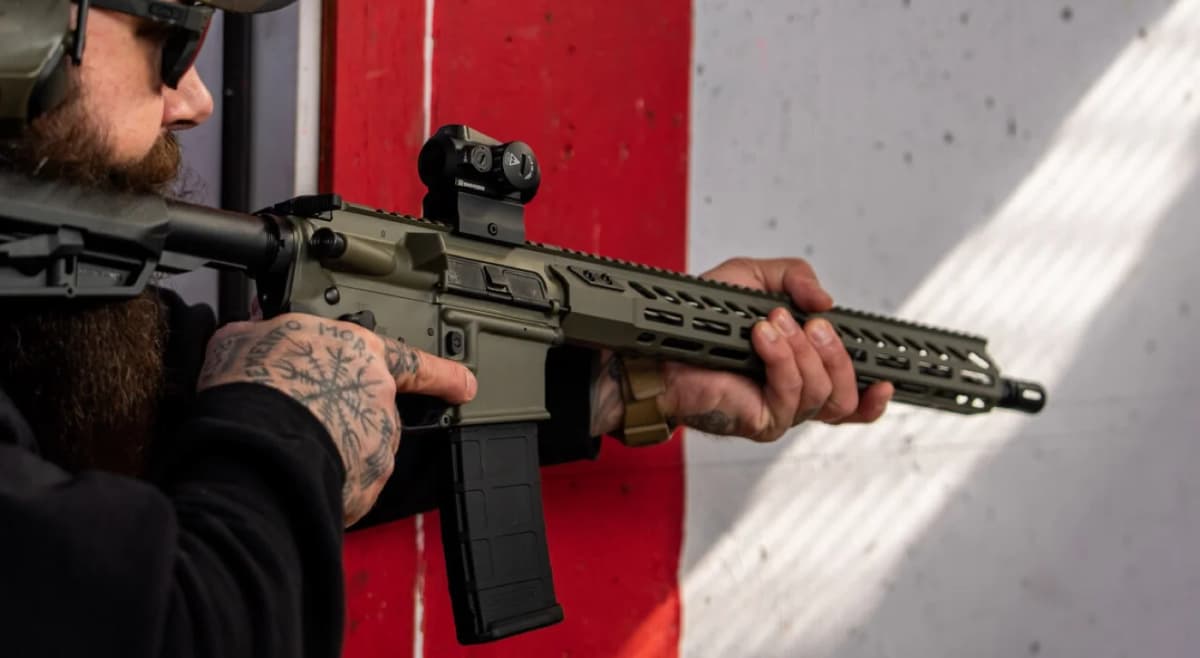
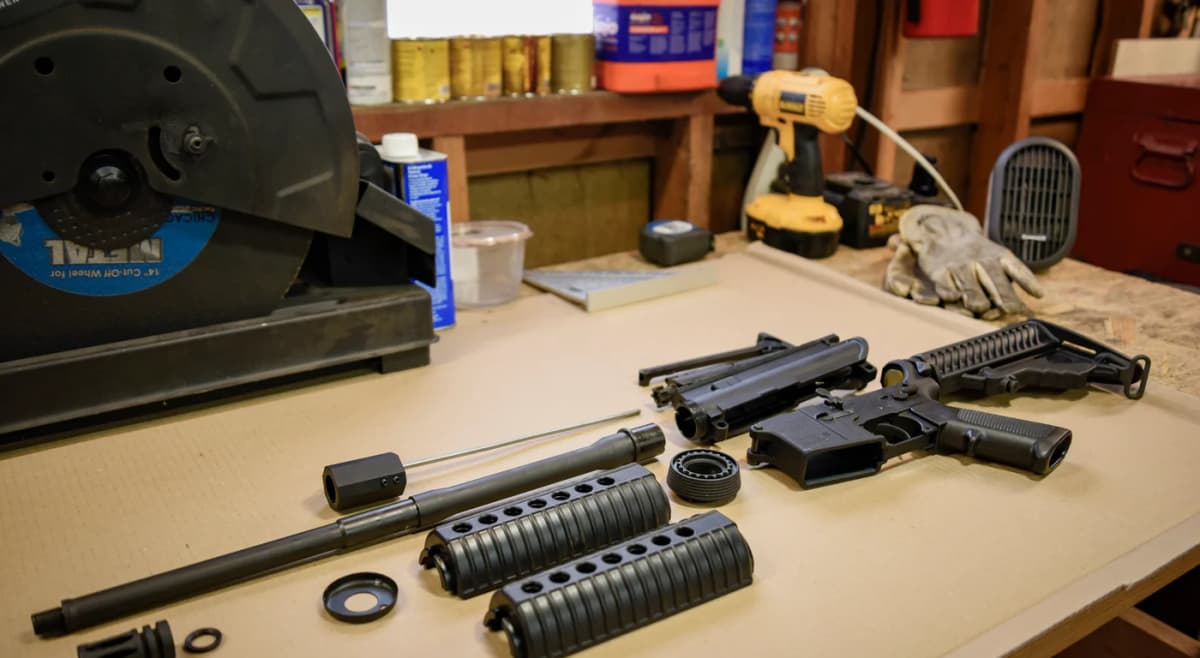
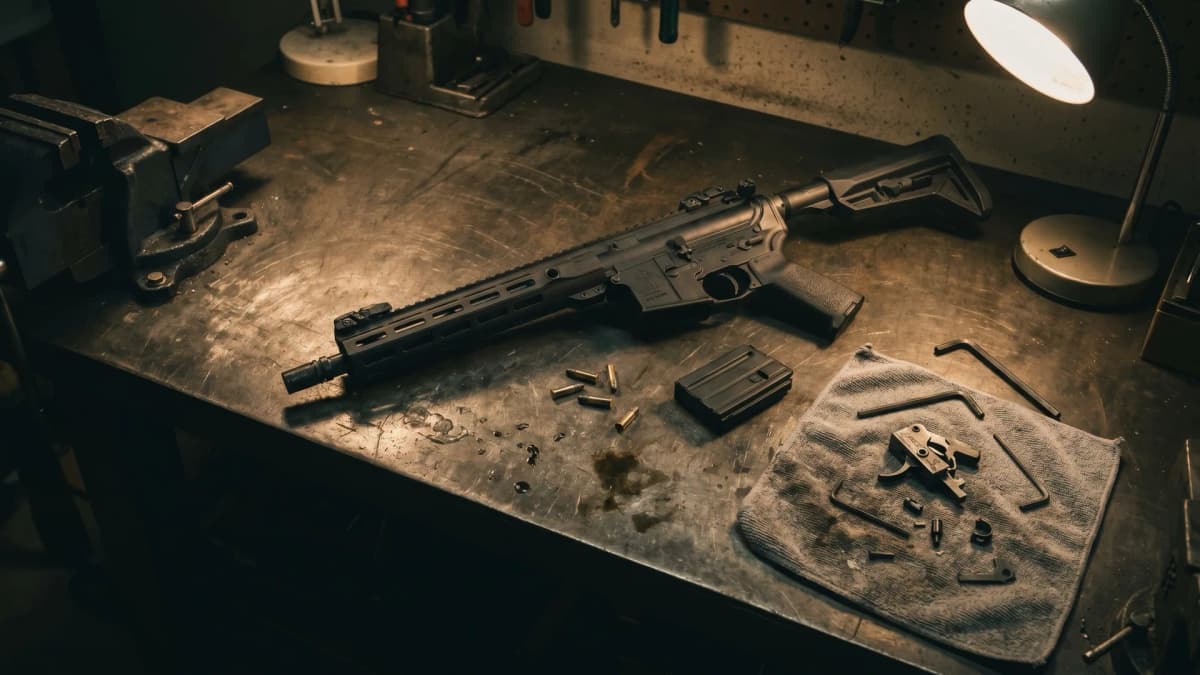
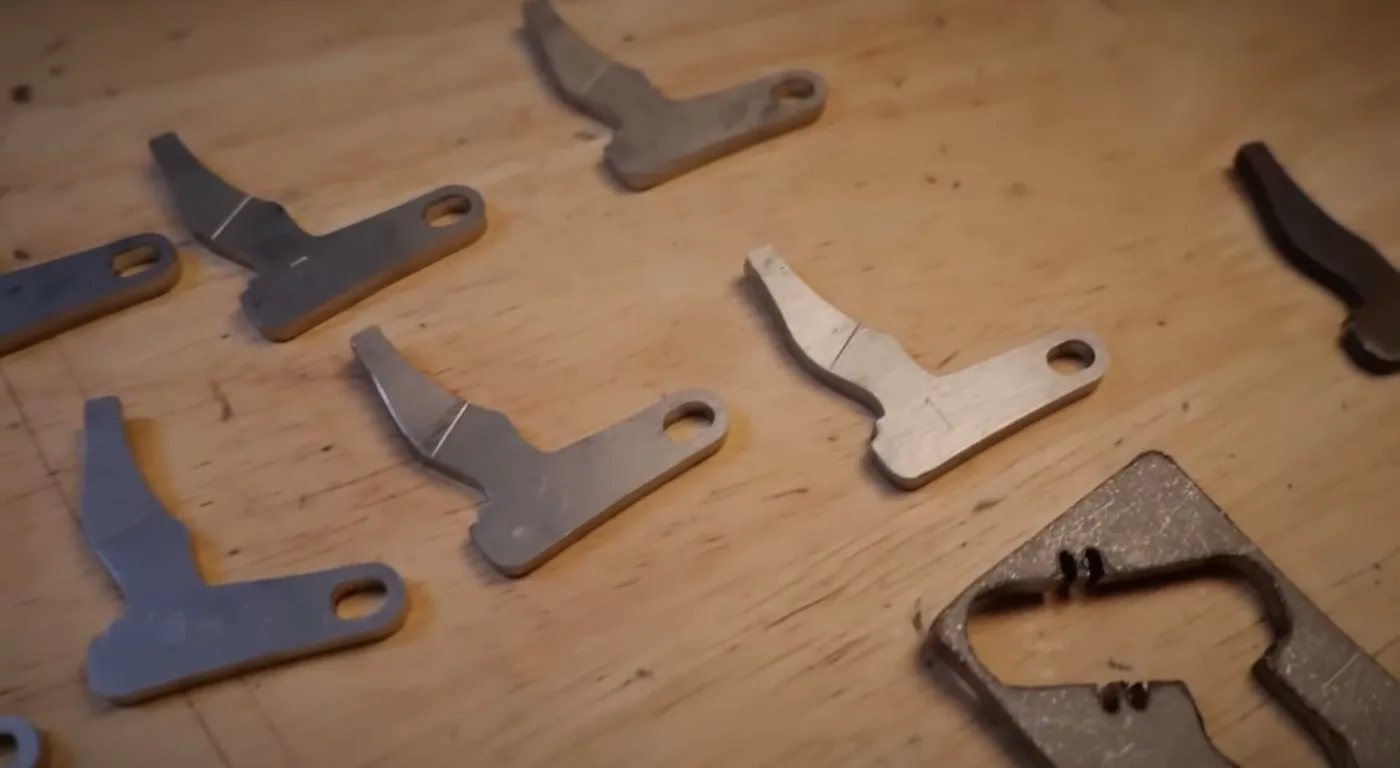
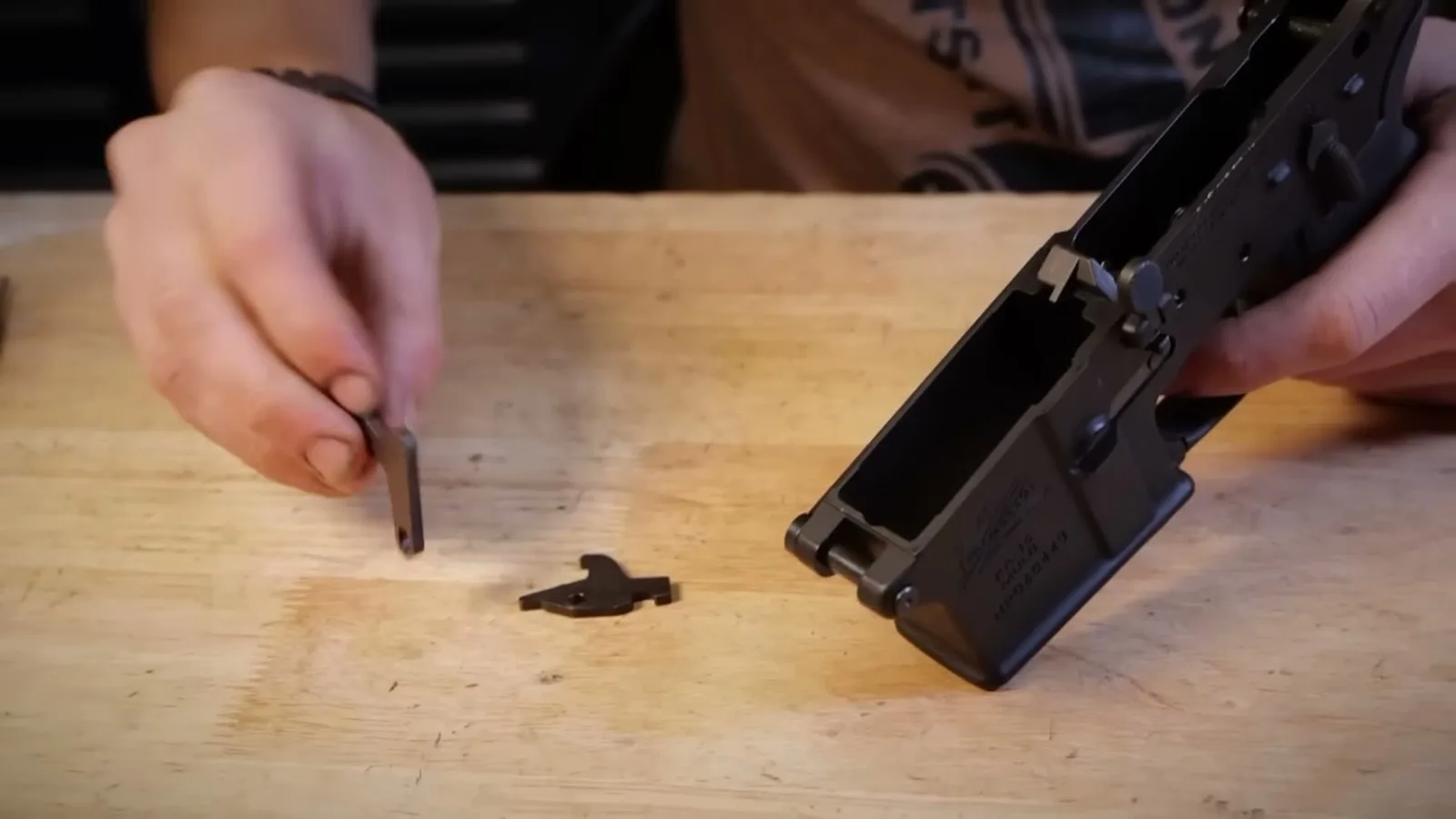
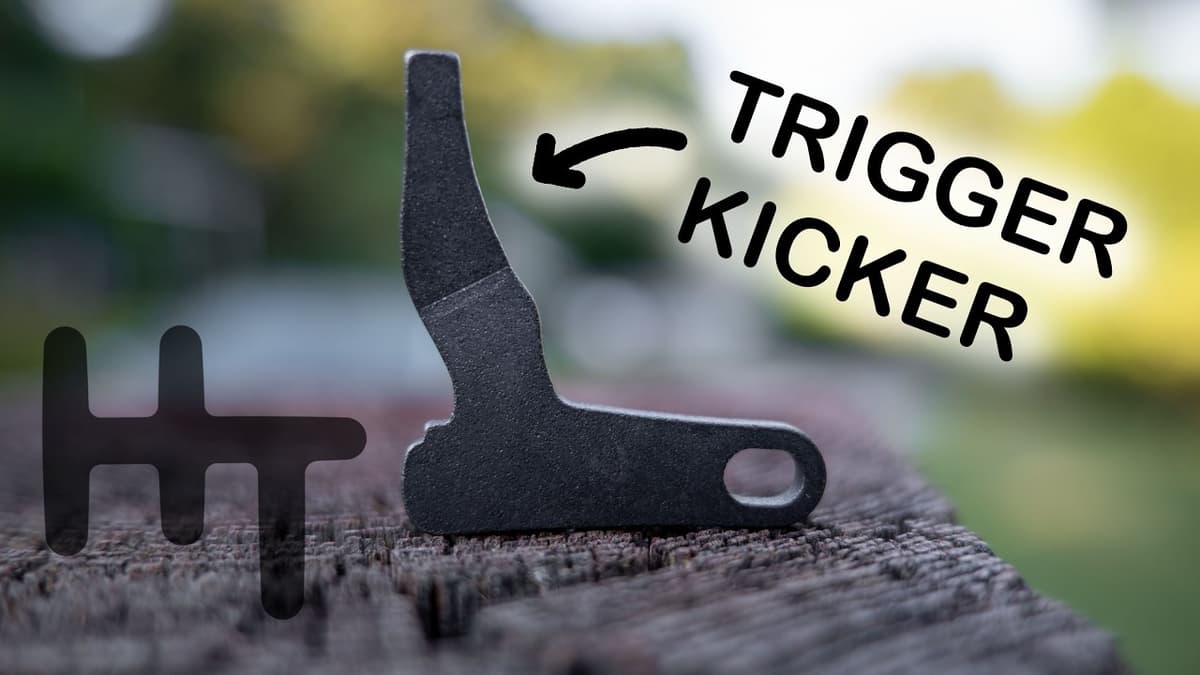
The Trigger Kicker is a $43 active-reset device that replaces the disconnector in an otherwise standard AR-15 fire control group. Hoffman Tactical calls it the simplest active-reset mechanism on the market, and the claim holds up: it is a single L-shaped part machined from hardened 4130 alloy steel that drops into the space a mil-spec disconnector already occupies. There is no proprietary trigger module and no modified safety selector. You pull out the disconnector and its spring and put the Kicker in. The catch is the hammer: it has to be a standard as-cast semi-auto hammer, not a demilled full-auto hammer.
Functionally it lands in the same category as a forced reset trigger. The cycling action does the work of resetting the trigger instead of your finger lifting off, so follow-up shots come faster and more positively than a standard trigger allows. Hoffman uses the term "repeat reset" for his mechanism, but the shooter experience is the rapid, driven reset that has made the FRT category the most talked-about segment in AR-15 fire controls.
How It Works
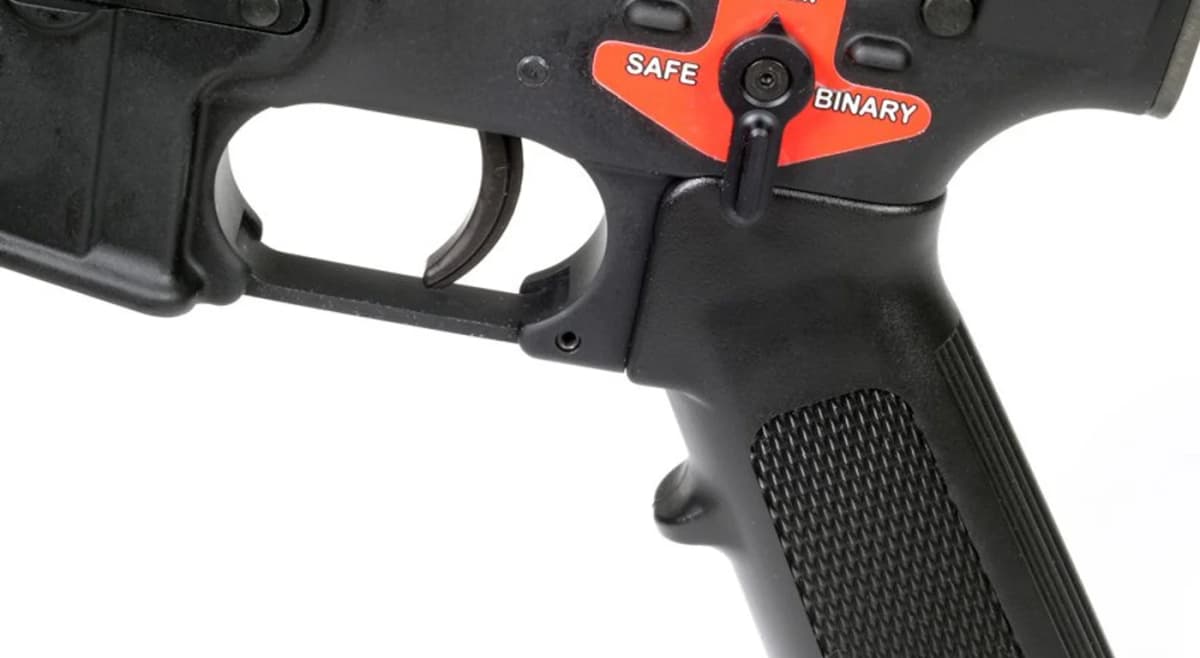
The reset cycle hinges on three interactions: the hammer, the Kicker, and the standard safety selector. When the rifle fires and the bolt carrier travels rearward, the hammer is driven down and its cam surface contacts the Trigger Kicker. That contact pushes the trigger forward into the reset position while your finger is still on the trigger. A "lock step" machined into the Kicker then slides under the bottom of a standard mil-spec safety selector, trapping the trigger in reset.
That lockout is the safety logic of the whole system. While the bolt carrier is out of battery, the Kicker holds the trigger back so the rifle cannot fire out of sequence. As the carrier returns forward to a position where firing is safe, the geometry releases the Kicker, the trigger is freed, and the next pull drops the hammer. The continuous rearward pressure from your trigger finger supplies the friction that keeps the Kicker locked through the cycle, which is why the system only runs as fast as you keep pulling.
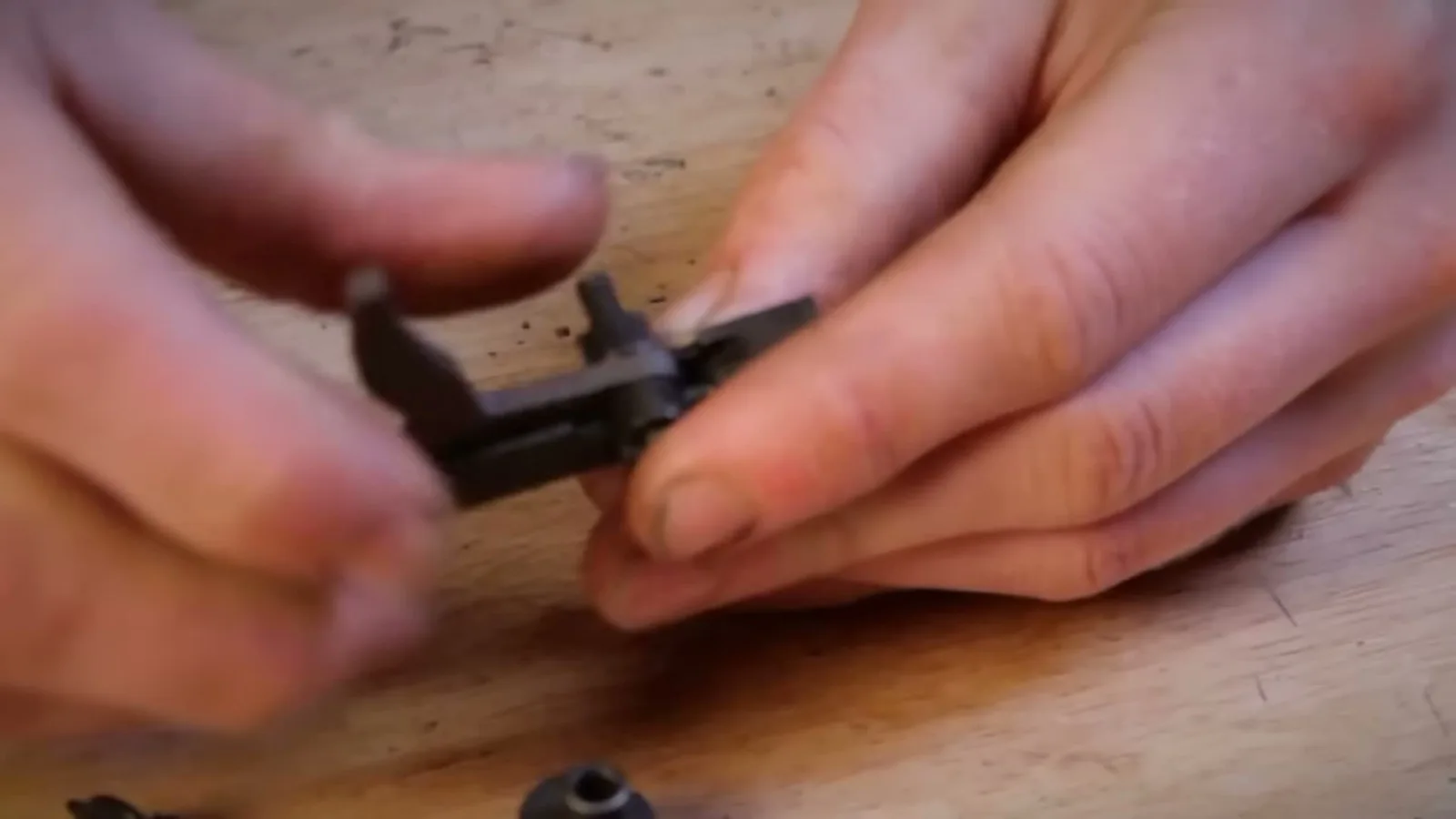
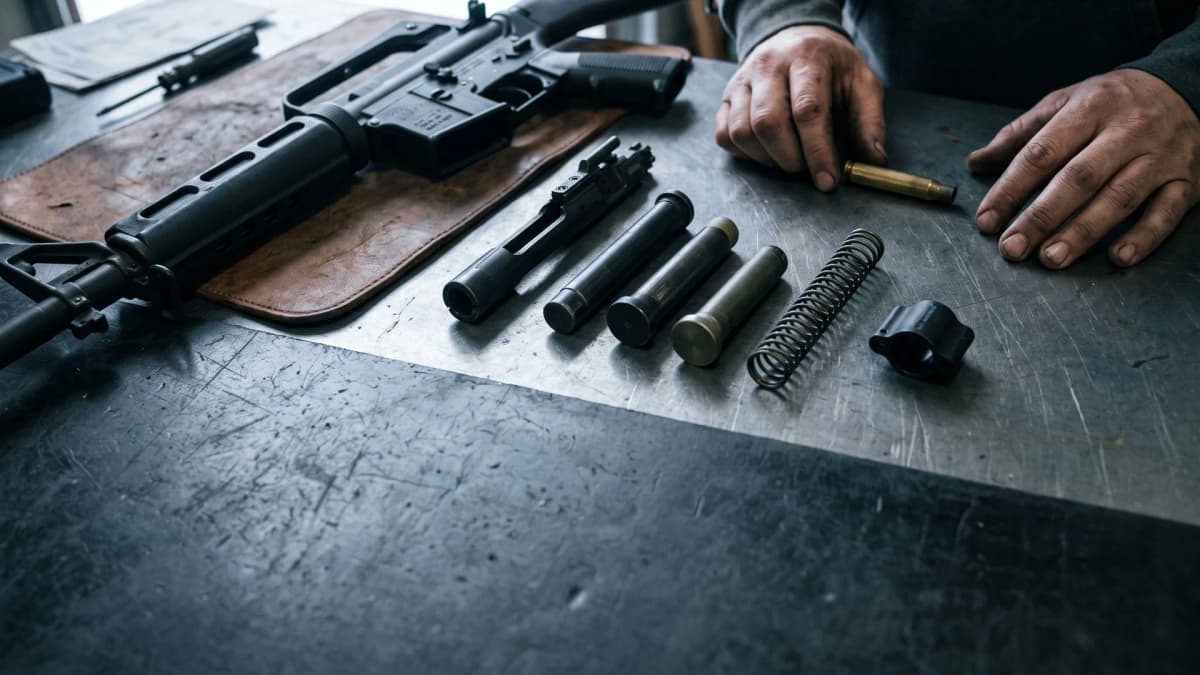
Because the entire function depends on standard hammer and bolt-carrier timing, the Trigger Kicker is specified for AR-15s running mil-spec carriers and fire control groups, and many aftermarket hammers, triggers, and selectors will not work. The hammer is the part most often wrong. The Kicker needs an as-cast semi-auto hammer with a full-radius tip; a demilled full-auto hammer has the auto sear ground off, leaving a lower rear surface that will likely malfunction. Hoffman sells Schmid semi-auto hammers as a known-compatible option. The carrier must be mil-spec, with the trip surface on its belly aligned with the top opening; a demilled carrier cut back at the rear is not compatible. The selector needs the standard central drum and 90-degree throw. The AR-9, LR-308, KF-5, and bufferless uppers are not supported. A properly tuned buffer and spring still matter, the same hardware logic that applies to any FRT build; our FRT compatible guns guide maps which platforms have a forced reset path at all. Our AR-15 FRT tuning guide covers the buffer and gas variables behind reliable reset timing. If you are assembling a lower around one of these devices, our rifle builder lets you spec a compatible fire control and carrier before you buy.
Forced Reset Triggers and Super Safeties
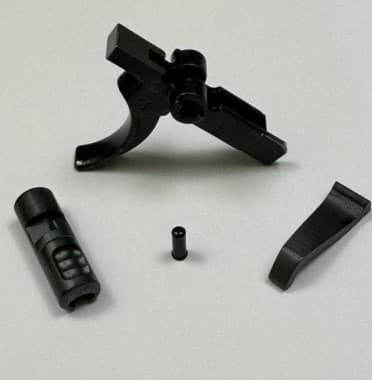
Mars Trigger Position AR FRT Super Safety
- 3-position selector
- 4140 Alloy Steel
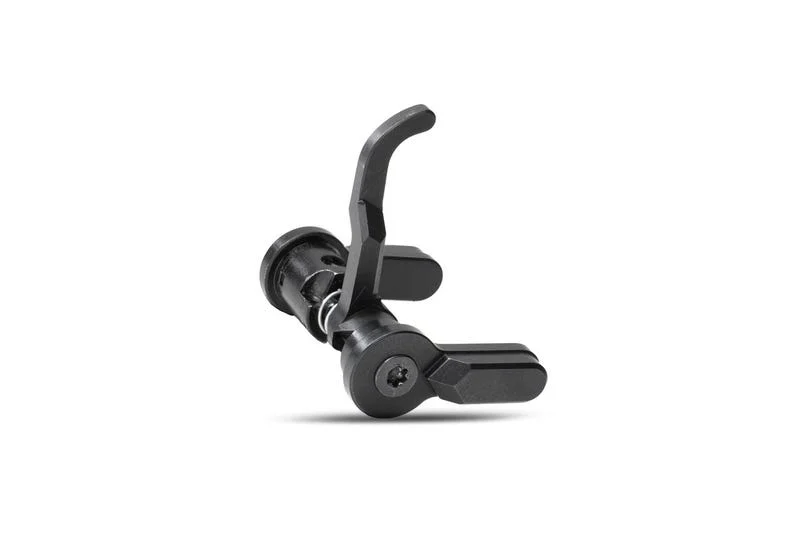
Atrius Development Ambidextrous Forced Reset Selector
- 90-degree throw
- Ambidextrous
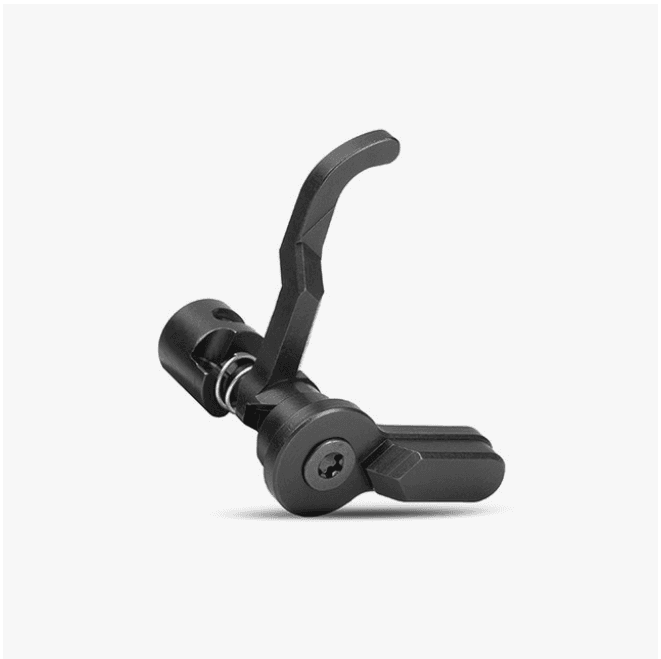
Atrius Development Forced Reset Selector
- 90-degree throw
- Right-hand only
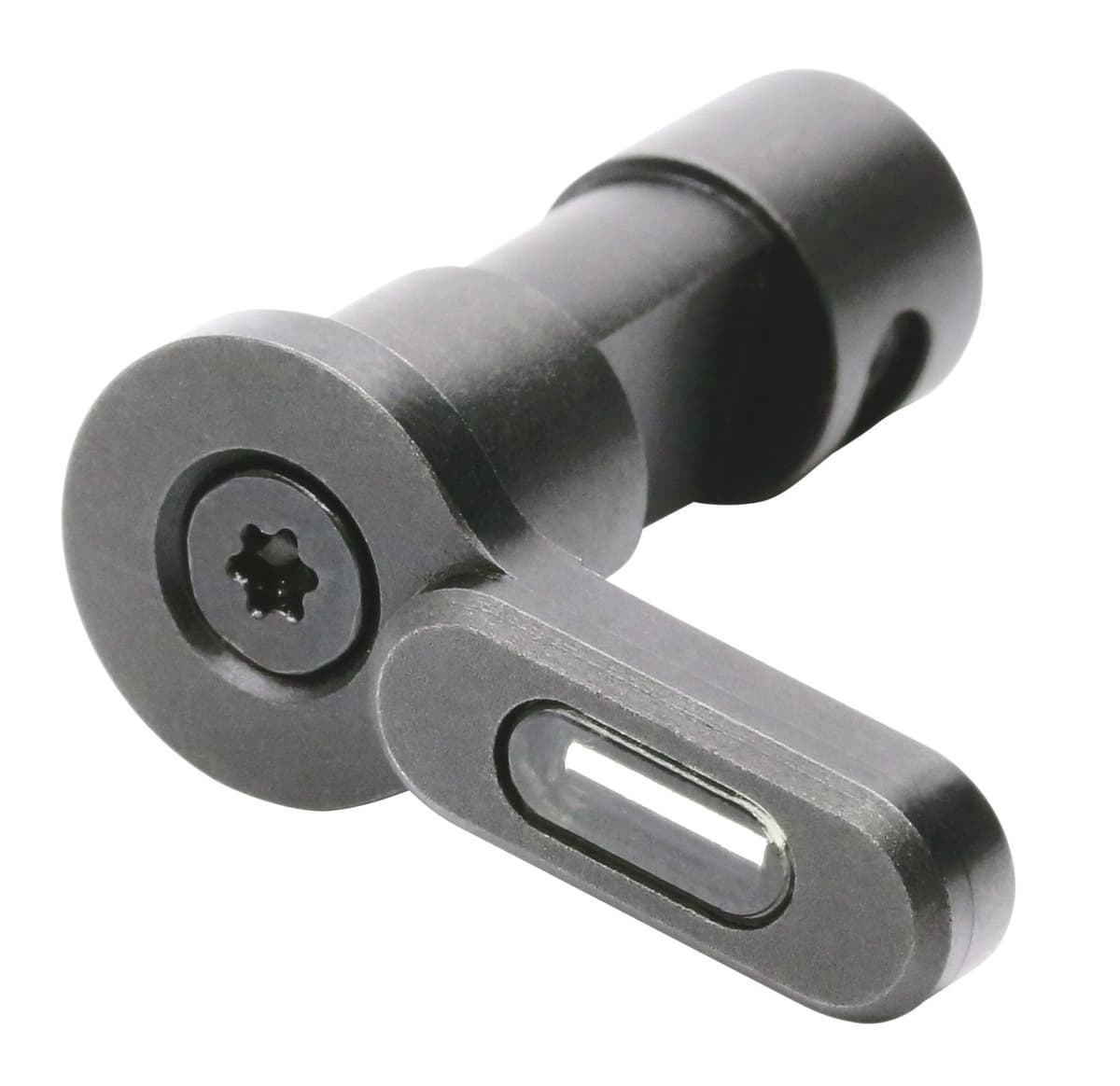
Night Fision Ambi Night Switch Tritium Safety Selector
- Ambidextrous AR-15 safety selector
- Green tritium markers on both levers
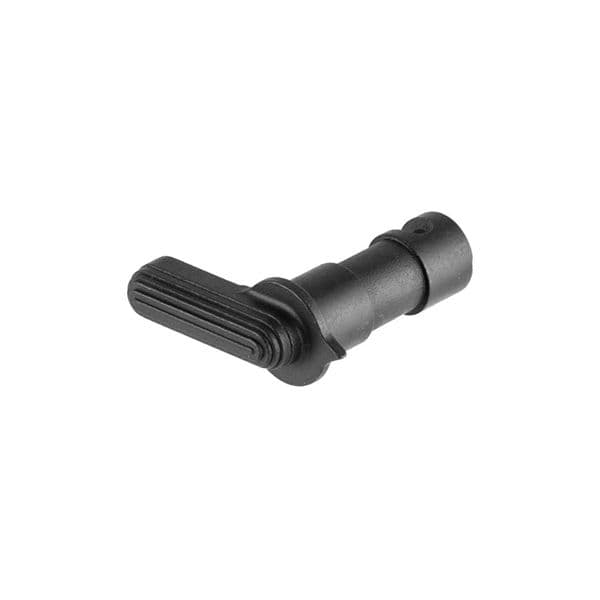
Mil-Spec Safety Selector
- 90-degree throw
- Single-side
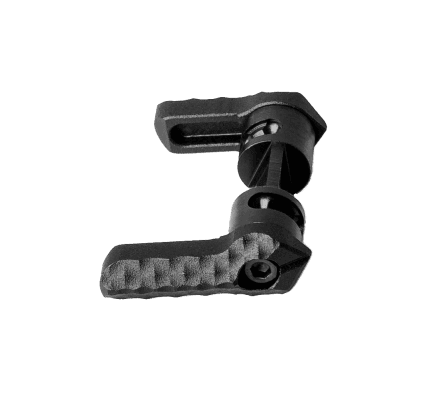
Seekins Precision Ambidextrous Safety Selector
- 60° or 90° throw
- Ambidextrous
Affiliate links (?)
Why Hoffman Built It
The Trigger Kicker is the low-cost end of Hoffman Tactical's active-reset work. His earlier Super Safety built the reset function into the safety selector; the Kicker moves it into the disconnector instead, the cheaper part to make and the simpler one to drop into a mil-spec fire control group. Hoffman's three-position Selective Trigger Kicker reached a working prototype in September 2026.
The pricing follows from the design. At $43 for a single hardened-steel part, the Trigger Kicker is an order of magnitude cheaper than a proprietary forced reset trigger module, and far simpler to manufacture. For the broader market context, see our Partisan Disruptor FRT review and our forced reset trigger buyer's guide, which cover the devices already on the market.
Two-Position vs Three-Position: What We Recommend
For most shooters we recommend a three-position forced-reset design over a two-position part like the Trigger Kicker. The Kicker runs off a standard two-position safety, so the rifle is in forced-reset mode the moment it comes off safe. There is no dedicated standard semi-auto setting short of pulling the part back out.
Three-position designs fix that. The AS Designs Arc-Fire V2 runs Safe at 0 degrees, normal semi-auto at 90, and forced reset (ARC) at a full 180-degree sweep. The Partisan Disruptor FRT uses the same logic with Safe, Semi, and Enhanced Semi positions. You keep a clean ordinary trigger for precise or controlled fire and engage forced reset only on a deliberate, separate selector motion that is hard to bump into by accident. Hoffman's own three-position Selective Trigger Kicker reached a working prototype in September 2026 after a from-scratch redesign, the clearest signal that the two-position layout is a starting point, not the destination.
That said, the Trigger Kicker still earns a recommendation on its own terms. At $43 it is the cheapest, most entertaining way into forced-reset shooting, an excellent range toy for a dedicated plinking lower. If your goal is a serious-use rifle that shoots normal semi-auto and forced reset on demand, spend up for a three-position Arc-Fire V2 or Disruptor. If you want cheap fun on a dedicated lower, the Kicker is the easy call.
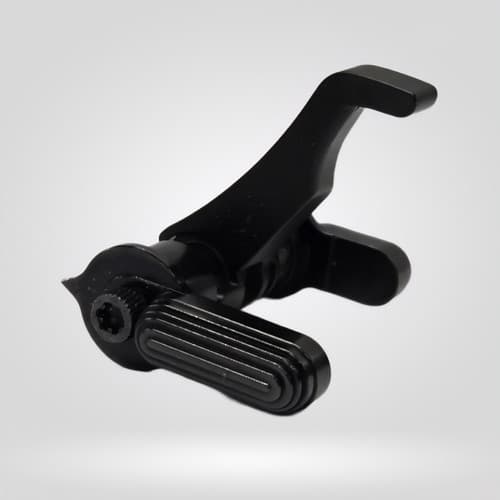
AS Designs Arc-Fire V2 Ambi Kit (0-90-180)
Three-position forced-reset selector with a dedicated semi-auto position
Second-generation Arc-Fire FRS with reduced drag and traditional 0/90/180 ambidextrous throw
- +Keep your existing quality trigger for semi-auto work
- +V2 internals cycle smoother than V1 with reduced drag
- +Traditional 180-degree throw to ARC is deliberate and unambiguous
- −Premium pricing versus conventional safety selectors
- −180-degree throw is slower than 45/90 variants for shooters who want a shorter sweep
- −Non-AR platforms require the separately-sold Slip Trip Kit
Affiliate links (?)
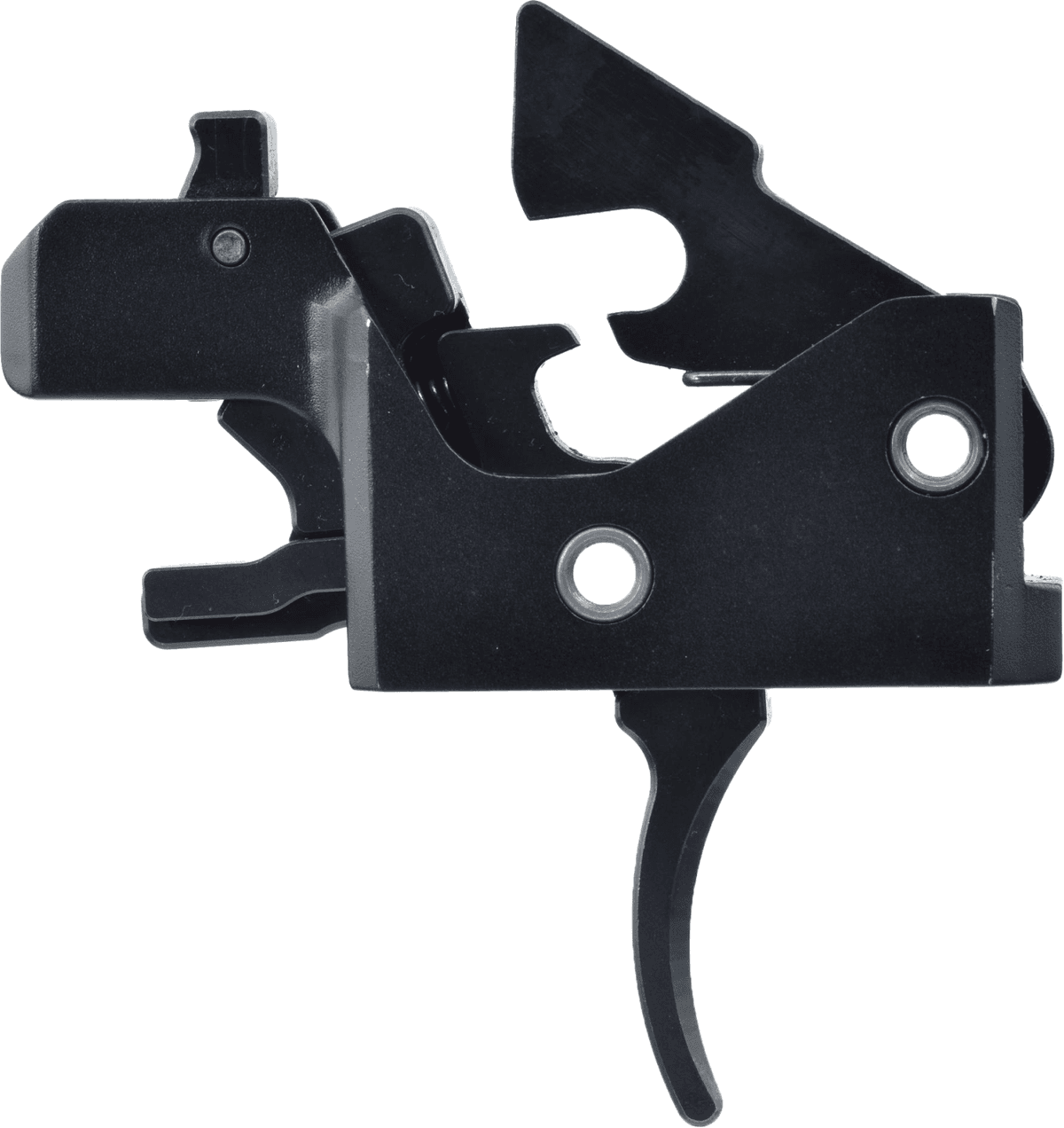
The Triggered Company Disruptor FRT Ambi
Three-position FRT with an ambidextrous selector for lefties and switch-shoulder shooters
Ambidextrous-safety version of the Disruptor FRT for left-handed and switch-shoulder shooters
- +Ambidextrous safety fixes the single biggest ergonomic complaint about the standard Disruptor
- +Works for left-handed shooters and switch-shoulder barricade work
- +Same fast forced-reset mechanism as the proven non-ambi cassette
- −$25 premium over the non-ambi version for selector-only change
- −Take-up ahead of the wall is gritty out of the box; internals are otherwise unchanged from the standard SKU
- −Requires H2/H3 buffer for carbine-length guns (additional cost)
Affiliate links (?)
Legal Status in 2026
Forced reset triggers are not machine guns under federal law. In May 2025 the Department of Justice settled its multi-year enforcement fight with Rare Breed Triggers, conceding that FRTs require a separate function of the trigger for each shot and so do not meet the machine gun definition.
State law is where buyers need to pay attention. Several states restrict or ban rate-increasing devices regardless of federal status, and Hoffman Tactical will not ship the Trigger Kicker to California, Colorado, Connecticut, Washington D.C., Delaware, Hawaii, Illinois, Massachusetts, Maryland, Minnesota, Nevada, New Jersey, New York, Oregon, or Rhode Island. Confirm your own state and local law before ordering. This is product information, not legal advice; the regulatory picture around reset triggers has moved quickly and can change again.
FRT-Ready Bolt Carrier Groups
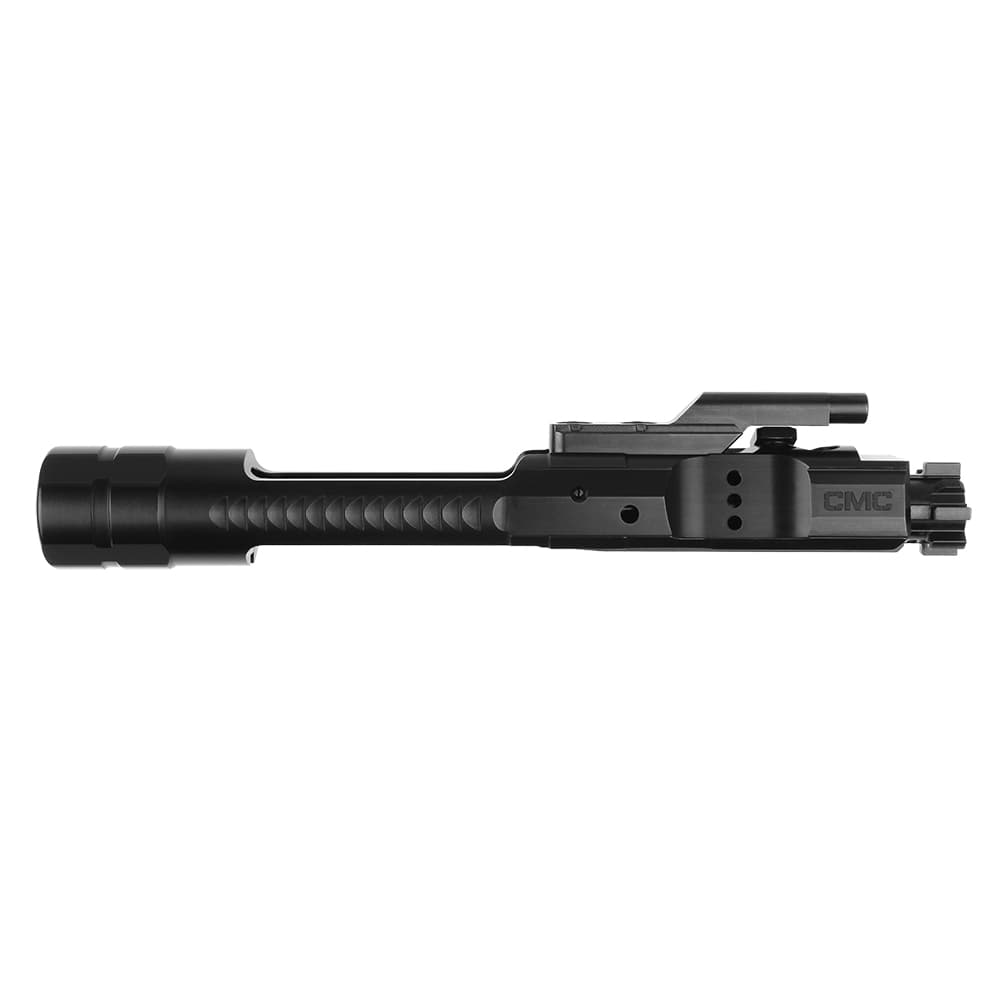
CMC AR-15 5.56/.223 Nickel Boron Bolt Carrier Group
- 5.56 NATO / .223 Remington
- Nickel-boron finish
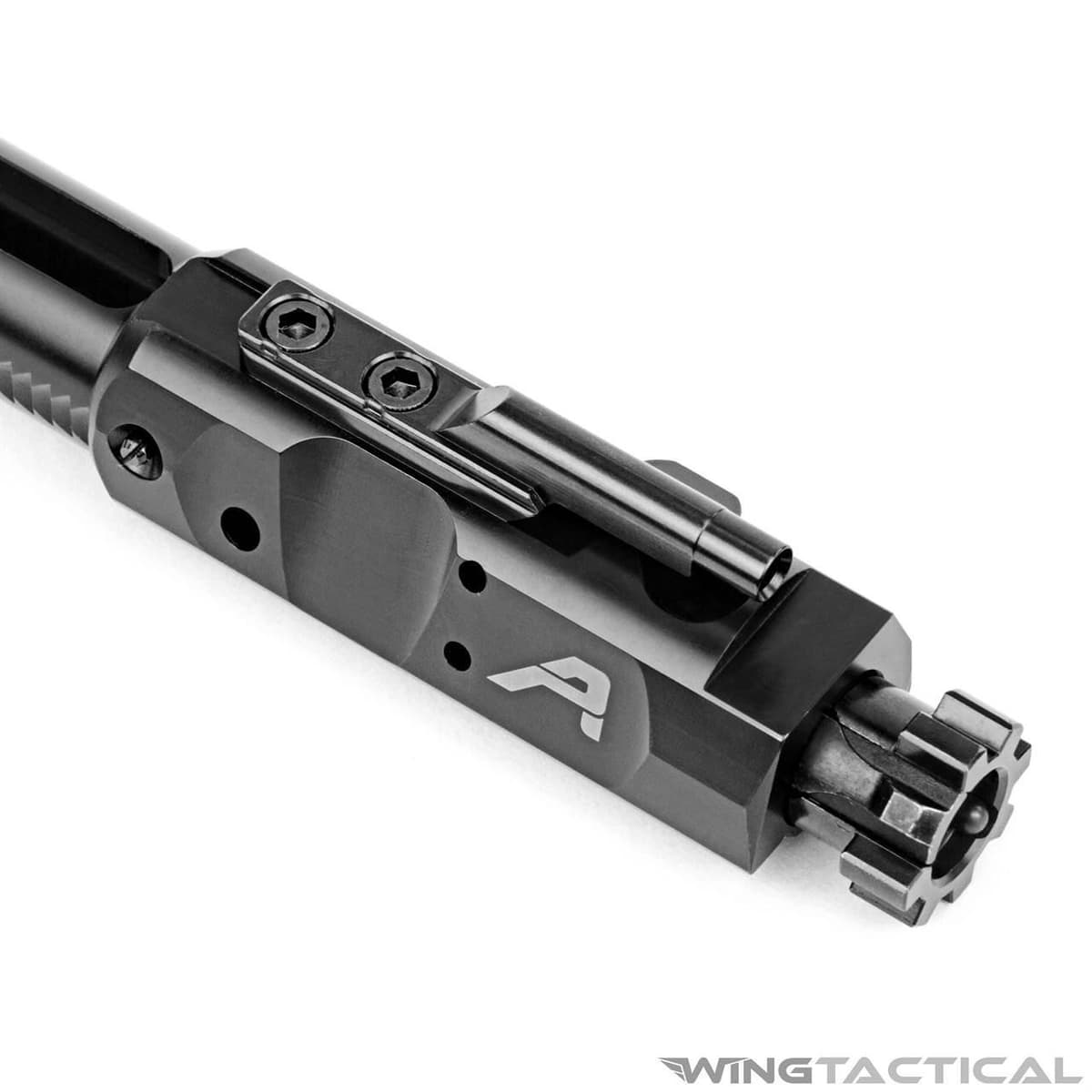
Aero Precision .308/7.62 Bolt Carrier Group (M16, Black Nitride)
- .308 Win / 7.62x51 NATO, DPMS Gen 1 / LR-308 / SR-25 pattern
- Full-auto M16 profile carrier
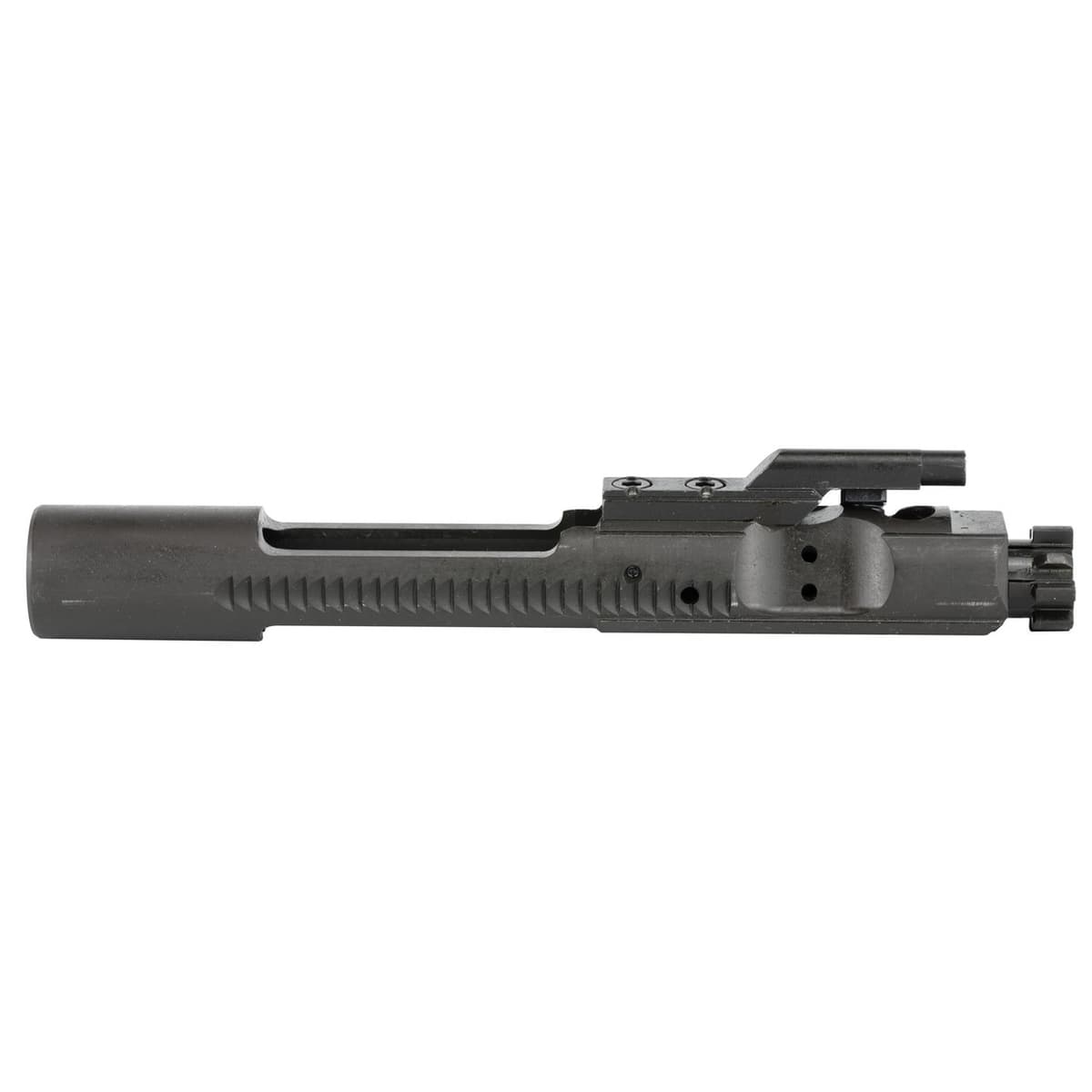
Colt Mil-Spec AR-15 Bolt Carrier Group (SP64028)
- M16 full-auto profile
- Chrome-lined carrier and gas key
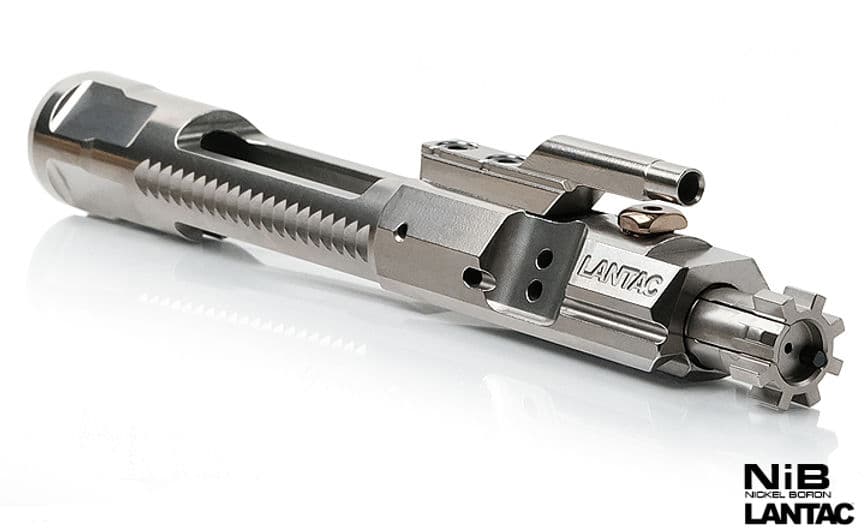
LANTAC E-BCG Enhanced Bolt Carrier Group
- Nickel boron coating
- Carpenter 158 enhanced bolt
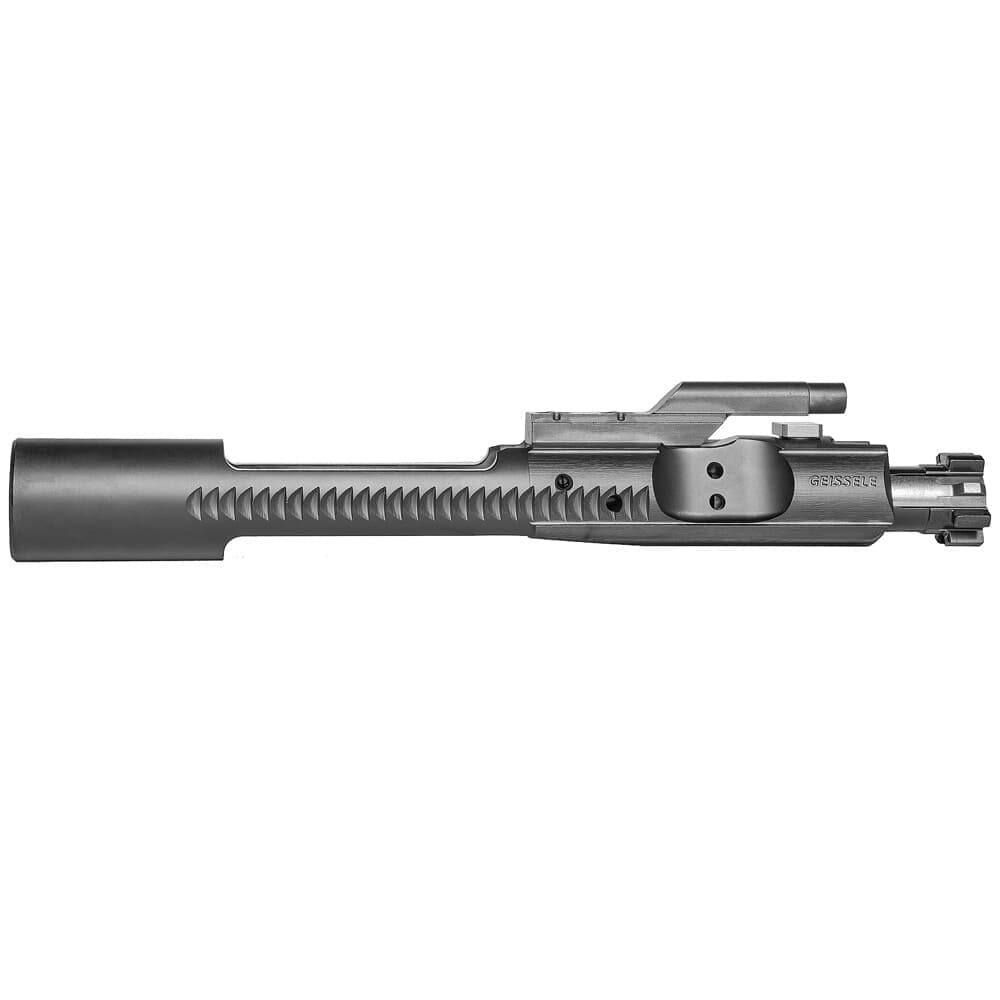
Geissele Reliability Enhanced Bolt Carrier Group (Nanoweapon)
- Carpenter 158 steel bolt
- 8620 steel M16-profile carrier
BCM Bolt Carrier Group MPI Auto - FDE IonBond
- FDE IonBond finish
- MPI tested
Affiliate links (?)
Stay on Top of the FRT Fight
We track every new forced reset trigger, super safety, and the litigation reshaping the category. Get launches, rulings, and hands-on coverage as it happens.
Frequently Asked Questions
▶What is the Hoffman Tactical Trigger Kicker?
▶How do you install the Trigger Kicker?
▶Is the Trigger Kicker a forced reset trigger?
▶Are forced reset triggers legal in 2026?
▶Is there a three-position Trigger Kicker?
▶What does the Trigger Kicker cost and is it in stock?
Bottom Line
The Trigger Kicker is the most interesting product the FRT segment has produced this year. A $43 hardened-steel disconnector that delivers active-reset performance with a single drop-in part is a genuinely clever piece of engineering. For shooters who want forced-reset behavior without a several-hundred-dollar proprietary module, it is the cheapest entry point on the market.
The caveats are real. The legal ground under reset triggers is actively contested, and the shipping blacklist rules out 14 states and Washington D.C. outright. Buyers outside those jurisdictions get a simple, inexpensive part backed by a maker who has spent years iterating on this exact mechanism. If you are building a lower to run one, spec a full-auto carrier and a tuned buffer in our builder, and compare it against the FRTs in our buyer's guide before you commit.