Key Takeaways
- →What it is: The WASP is a 3D-printed, single-shot .22 caliber handgun with no serial number, which Cody Wilson of Defense Distributed calls the first AI-made gun.
- →Who designed it: GatGPT, a custom Defense Distributed model trained on the DEFCAD file library, planned the design in a chat with an employee, starting from the Ergo Harlot single-shot .22. The print took about six hours.
- →The test: In an October 2026 demonstration in Austin, Texas, the WASP misfired on its first attempt, then fired twice: one hit from a string-pulled bench test and one high miss fired by hand.
- →Expert verdict: Royal Armories keeper of firearms Jonathan Ferguson called it only marginally functional, pointing to sights that cannot work, an unfinished trigger guard, and an awkward lobed grip.
- →The policy fight: New York (May 28, 2026) and California (AB 2047, chaptered September 26, 2026) passed laws requiring firearm blocking technology in 3D printers; neither requirement was in force as of October 2026.
What Is the WASP?
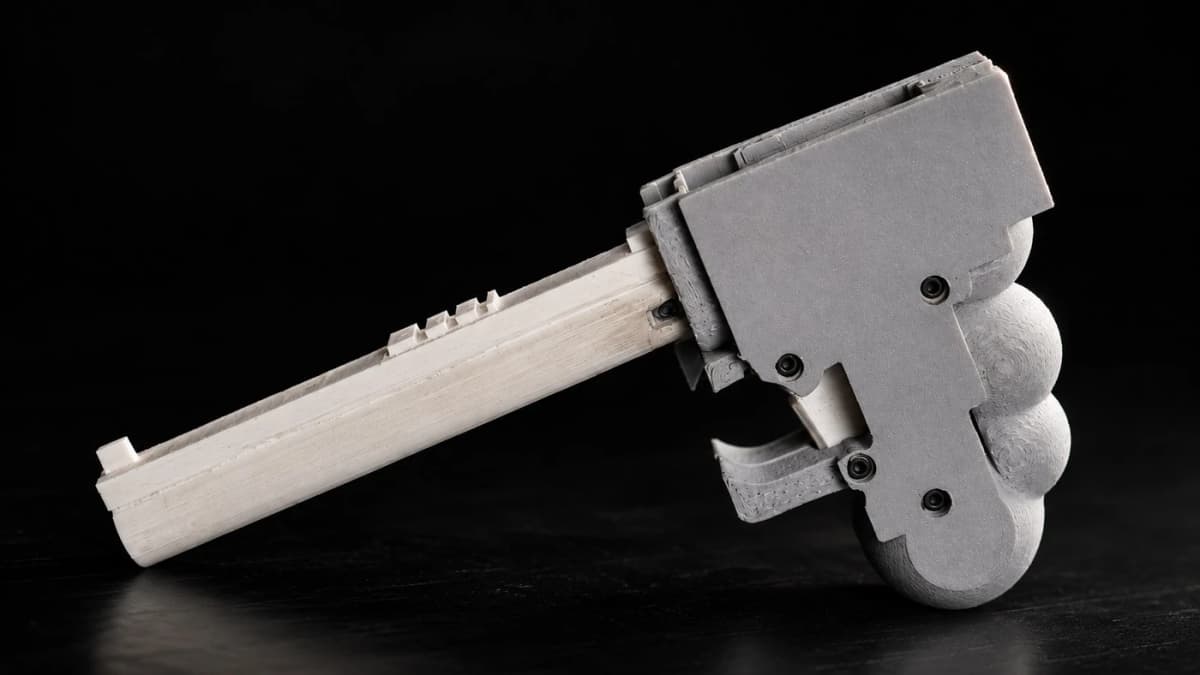
The WASP is a single-shot, 3D-printed .22 caliber handgun that Defense Distributed says was designed by its own AI model, GatGPT, making it what Cody Wilson calls the first AI-made gun. Structurally it is a pistol barrel attached to a spring-loaded plastic box, close in concept to the single-shot Liberator that Wilson printed and fired in 2013, the first widely publicized 3D printed gun.
The frame, grip, and housing were printed in plastic filament at Defense Distributed's office in Austin, Texas. The barrel and firing pin are ordinary metal parts. It has no serial number, which puts it in the ghost gun category: a firearm assembled from components that were never serialized by a licensed manufacturer.
Wilson frames the product differently. His position is that Defense Distributed built a model that can generate guns, not a single AI gun, and that the WASP is a proof of concept for GatGPT rather than a firearm anyone needs. In Texas, buying a factory handgun is usually simpler than printing this one.
How GatGPT Designed It
GatGPT designed the WASP by remixing an existing design on request, not by inventing a gun unprompted. A Defense Distributed employee asked the model to build a new gun based on the Ergo Harlot, itself a variant of the Harlot, a compact single-shot .22 design. The prompt framed the job as a challenge and required the result to be fully functional and visually unique.
According to chat logs reviewed by The Verge, the model returned a plan for a design it named WASP and listed six changes from the Ergo Harlot, including a slightly longer barrel and a grip built from three grooved, circular lobes. After an employee approved the plan, the model worked through each component in turn, the same checklist pattern AI coding agents use when they write software from a plain-language request. That workflow is why the WASP is being described as the first vibe-coded gun.
GatGPT is trained on DEFCAD, the digital firearm file repository Wilson launched in 2012, and is built to answer firearms questions that mainstream chatbots filter out, including helping builders pick parts. Wilson says the safety tweaks, such as revising an early grip that could have cost a shooter a finger, also came out of that dialogue. The model was in limited early access as of October 2026. For a sense of how general-purpose assistants handle firearms questions, our 101-question AI firearms benchmark scored eight mainstream models on specs, compatibility, and law.
Does the AI Gun Actually Work?
The WASP works, barely: it fired two of three attempted shots in its demonstration. On the first try, clamped to a test mount and fired by a string from behind a riot shield, the striker hit the cartridge but the primer did not ignite. After troubleshooting, the second string pull fired and put a hole in the top left corner of a cardboard target. Wilson then fired it by hand, wearing a protective glove, and missed slightly high.
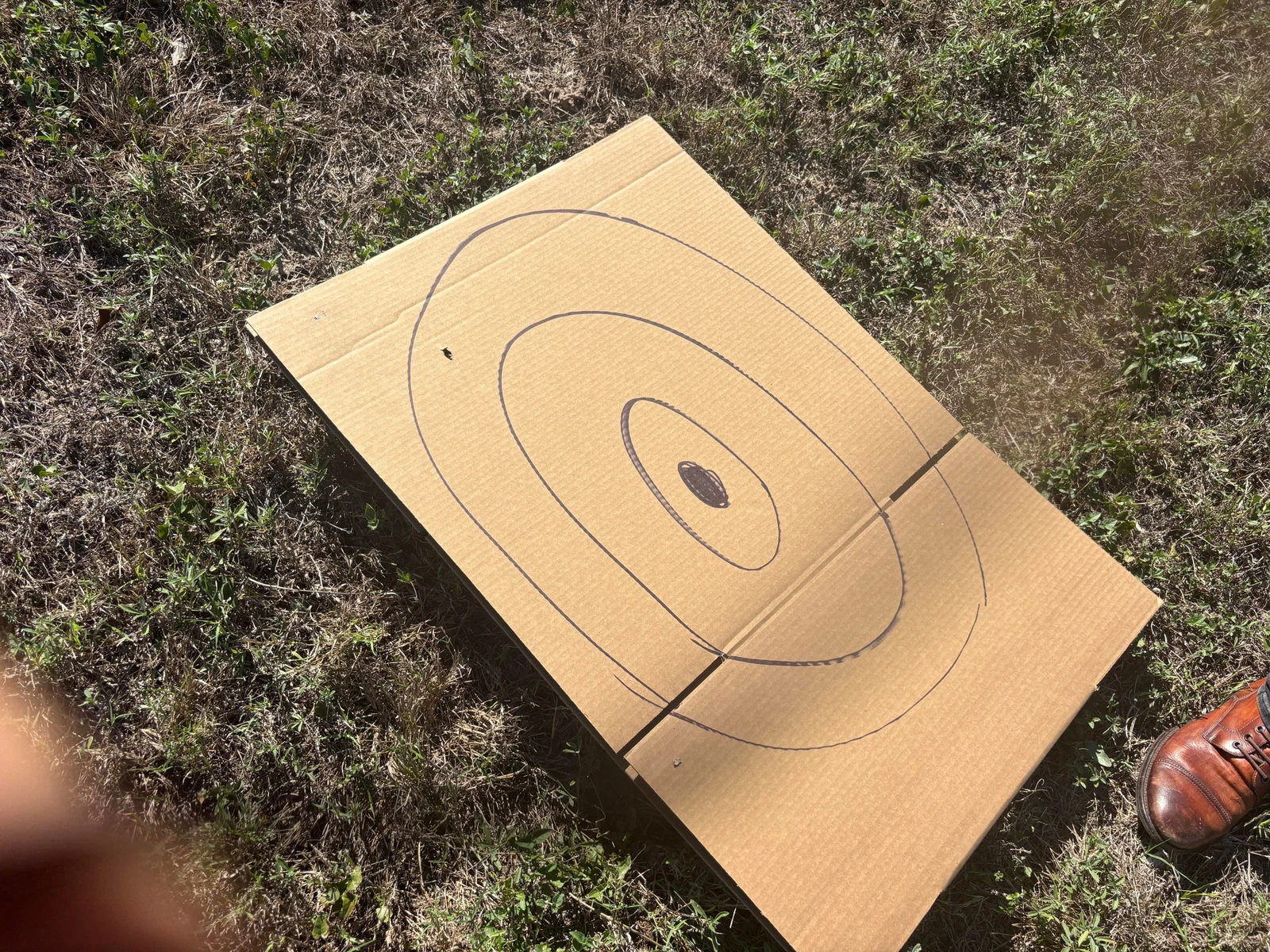
A two-for-three result with a misfire is a failing grade by any factory standard, and the one aimed shot missed. The test also says nothing about durability: a printed plastic housing that survives three .22 rounds is a long way from a gun that survives a range session.
What Firearms Experts Said About the Design
The two firearms experts The Verge consulted both called the design odd, and one called it only marginally functional. Jonathan Ferguson, keeper of firearms and artillery at the Royal Armories Museum in Leeds, said the WASP meets the legal bar for a firearm because it fires a shot without bursting, but that it is not a sound or good firearm. He listed vestigial sights that cannot work, an open trigger guard, and a grip that does not look comfortable to hold or easy to aim with, and said he expected generative AI in 2026 to produce something more reliable.
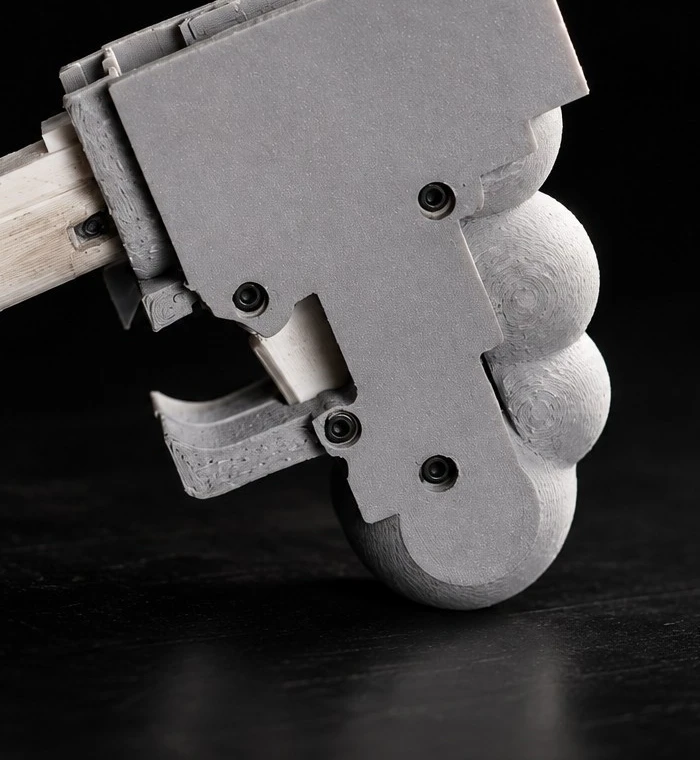
Firearms historian Ashley Hlebinsky, founder of The Gun Code, pointed to the same trigger guard: the AI appears to have started one and never finished it, leaving the trigger exposed for no apparent reason. She also noted that the grip seems to borrow from modern beavertail designs but is inverted, and compared the overall look to Marvin the Martian's ray gun. Wilson himself concedes it looks a bit like a Fortnite gun.
Those flaws matter more than the novelty. A trigger guard exists to keep a finger, holster edge, or pocket item off the trigger, and a single-shot gun with sights that cannot align is point-shooting at best. The WASP is evidence that an AI can assemble a firing mechanism from a library of proven files, not that it can design a good firearm.
The Factory .22 Comparison
A factory .22 LR pistol does everything the WASP fails at: it feeds from a magazine, fires reliably on a full trigger guard, and has sights that line up. Our best .22 LR pistols ranking covers the training, plinking, and suppressor-host picks from Ruger, Taurus, and Smith & Wesson, all serialized and sold through a dealer with a background check.
Rimfire is also the easiest caliber to suppress, and a quiet .22 is one of the most useful training setups you can own. The .22 LR suppressor guide ranks the quietest and lightest rimfire cans, including user-serviceable models that strip down for cleaning after dirty rimfire ammunition.
Rimfire Suppressors
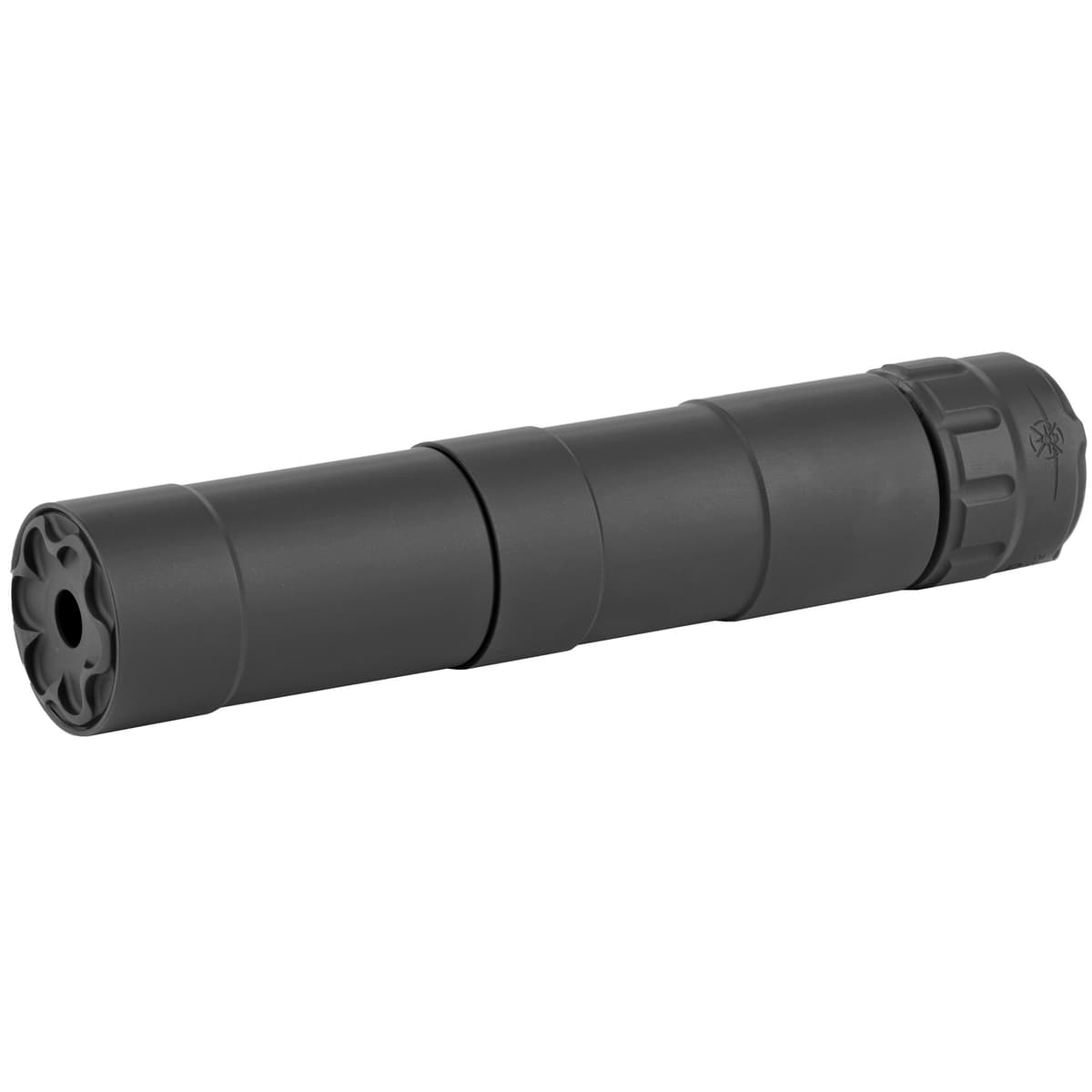
Rugged Mustang22
- .22 LR
- 3.4 or 5.3 inches
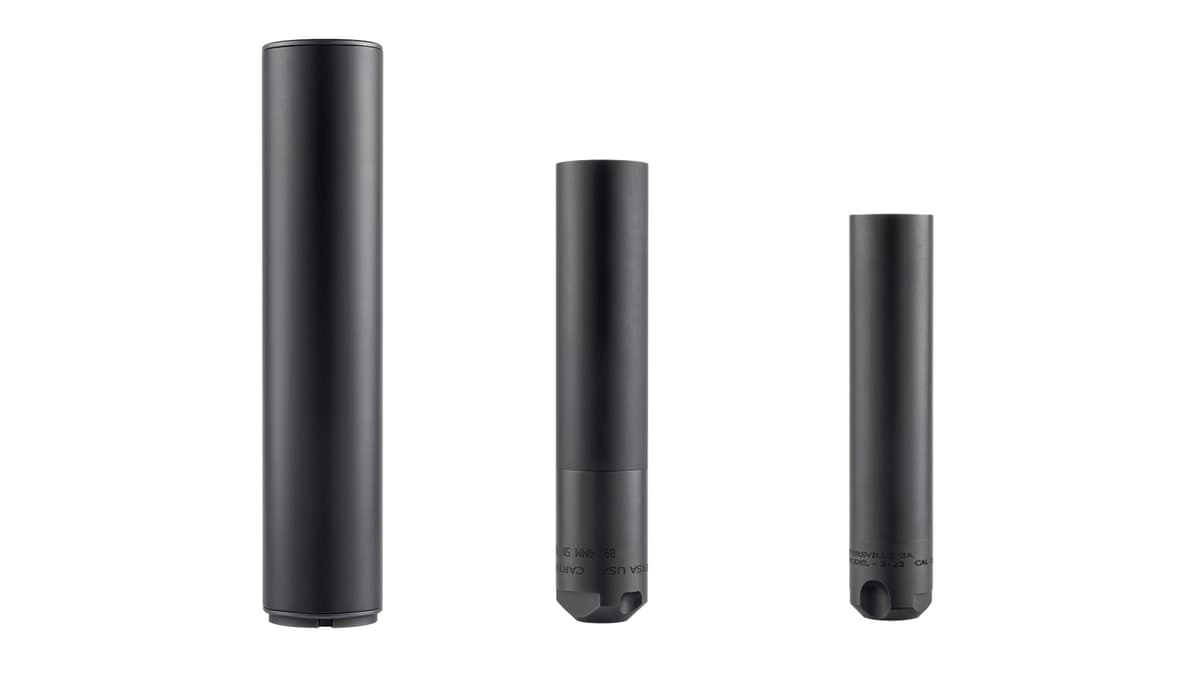
Bersa B22 Suppressor
- Compact 3.41 in / 4.5 oz, full-size 5.8 in / 6.4 oz
- 6AL-4V titanium and 17-4 stainless steel
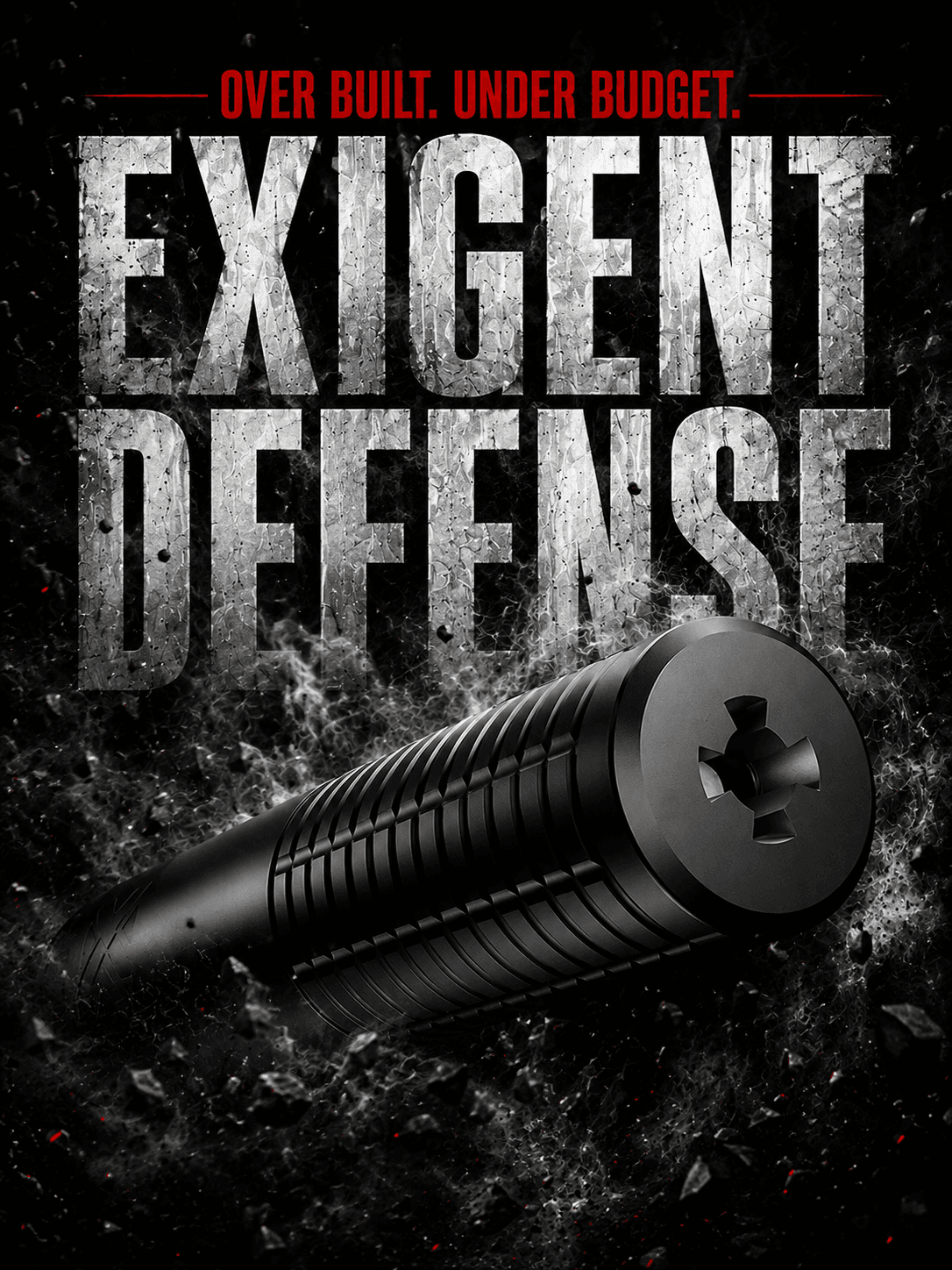
Exigent Defense FireCat22
- 5.0 in, 1.125 in diameter, 6.75 oz
- Inconel 718 DMLS, Cerakote C-102 Graphite Black
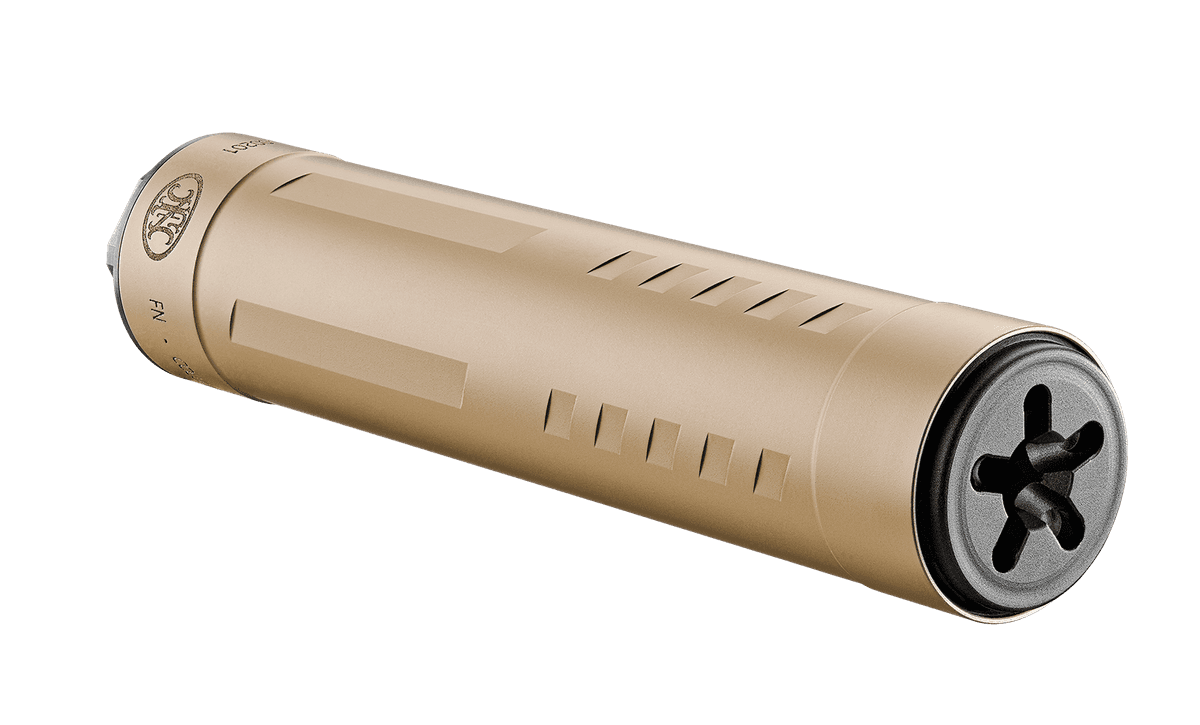
FN Catch 22 Ti
- .22 LR / .22 WMR / .17 HMR
- 5.25 inches
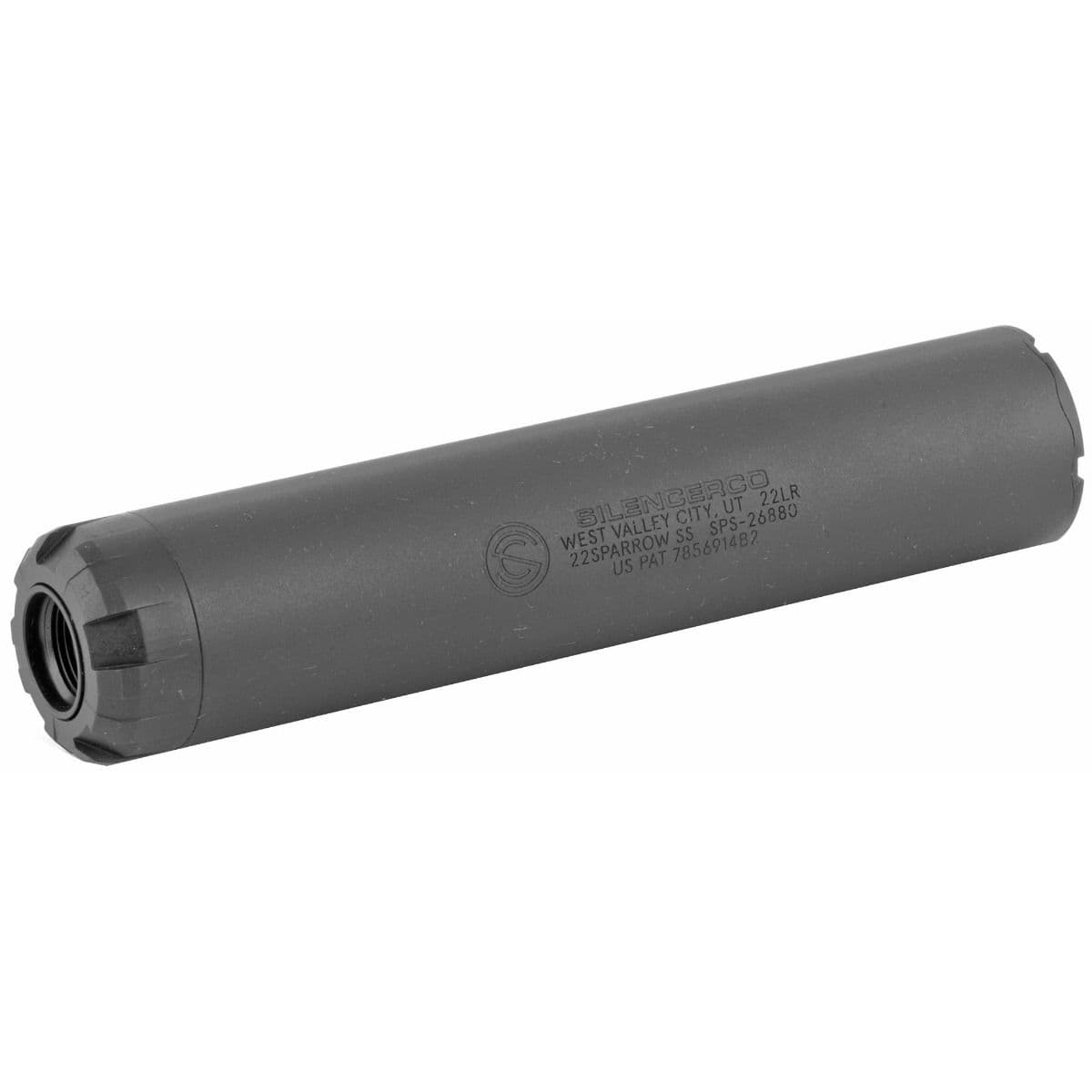
SilencerCo Sparrow 22
- 6.5 oz, 5.08 in length
- 17-4 / 316 stainless monocore
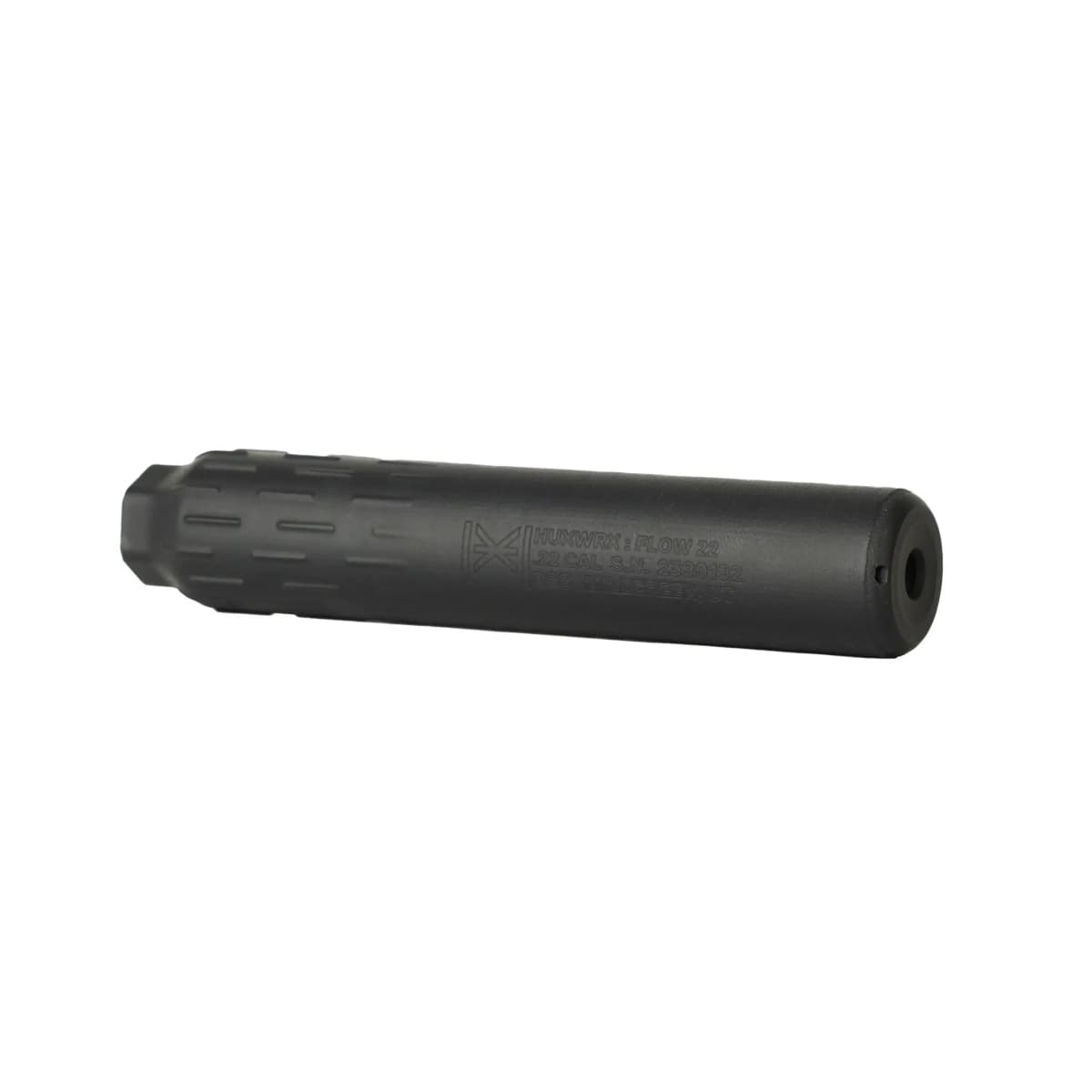
HUXWRX Flow 22 Ti
- 5.53 in length, 3.9 oz
- Grade 5 titanium DMLS Flow-Through
Affiliate links (?)
Why the WASP Matters for 3D Printer Laws
The WASP lands in the middle of a fight over whether 3D printers should be required to refuse gun files. New York passed a firearm blocking technology requirement in the state budget that Gov. Kathy Hochul signed on May 28, 2026, and California followed with AB 2047, chaptered on September 26, 2026. Both would require printers sold in the state to run print files through a firearm blueprint detection algorithm and refuse jobs that match a gun or gun part.
Neither mandate is close. California's Department of Justice must check quarterly, starting no later than July 1, 2027, whether ASTM International has published a blocking-technology standard, then publish guidance within 24 months of that standard before the sale requirement applies. New York's law convenes a working group to recommend blocking technology standards, and the printer requirement takes effect one year after the state issues rules. If the working group finds the technology is not feasible, those rules do not follow.
Detection is where AI-generated designs cause a problem. The simplest blocking systems compare a file's hash, a digital fingerprint, against a database of known gun files. In August 2026 Wilson released a tool he calls Hochulization that alters a file's hash, and he told The Verge it had been applied more than 26,000 times by late September. A newly generated design may not immediately match a database of known firearm files. More advanced detectors use AI to predict whether a file is a gun part from its geometry, and those are still in development, so whether they would recognize a design as strange as the WASP is an open technical question.
Gun control groups read the WASP as barrier-lowering. Everytown senior vice president Justin Wagner told The Verge that Wilson wants anyone, regardless of background check status, to be able to design and manufacture weapons. Wilson's long-running position, argued in court for more than a decade, is that gun files are code and therefore protected speech, and he says he does not consider the WASP a gun until it is printed and fired.
Is a 3D-Printed Gun Legal?
Federally, a 3D-printed gun made for personal use is legal, but state law can make the same gun a crime. Federal law does not prohibit making a firearm for your own use. Prohibited persons still cannot make or possess one, a firearm must remain detectable by a metal detector, and building guns to sell requires a federal manufacturing license.
The federal frame-or-receiver rule is in flux as well. In August 2026 a federal court held ATF's 2022 ghost gun rule unconstitutional in a case Defense Distributed brought, but the relief covers only the parties and Second Amendment Foundation members, and the regulation stays on the books for everyone else.
The bigger variable is your state. New York bans ordinary possession of a ghost gun, Rhode Island prohibits possessing any firearm produced by 3D printing, and Colorado bars potentially functional 3D-printed firearm components on top of its serialization rules. The ghost gun laws by state matrix breaks down serialization rules, possession bans, and pending effective dates for all 50 states and D.C.
Track 3D-Printed Gun Law and Tech
Get a brief when the 3D printer blocking laws, the ghost gun rule litigation, or AI gun design moves, so you know the rules before you buy or build.