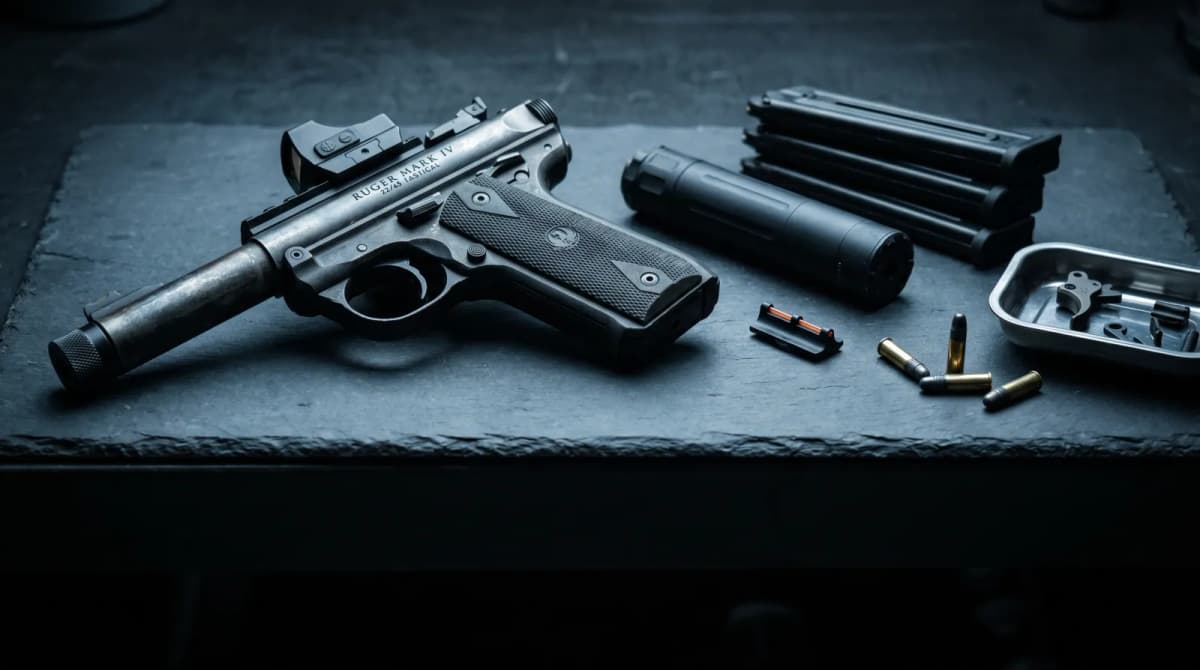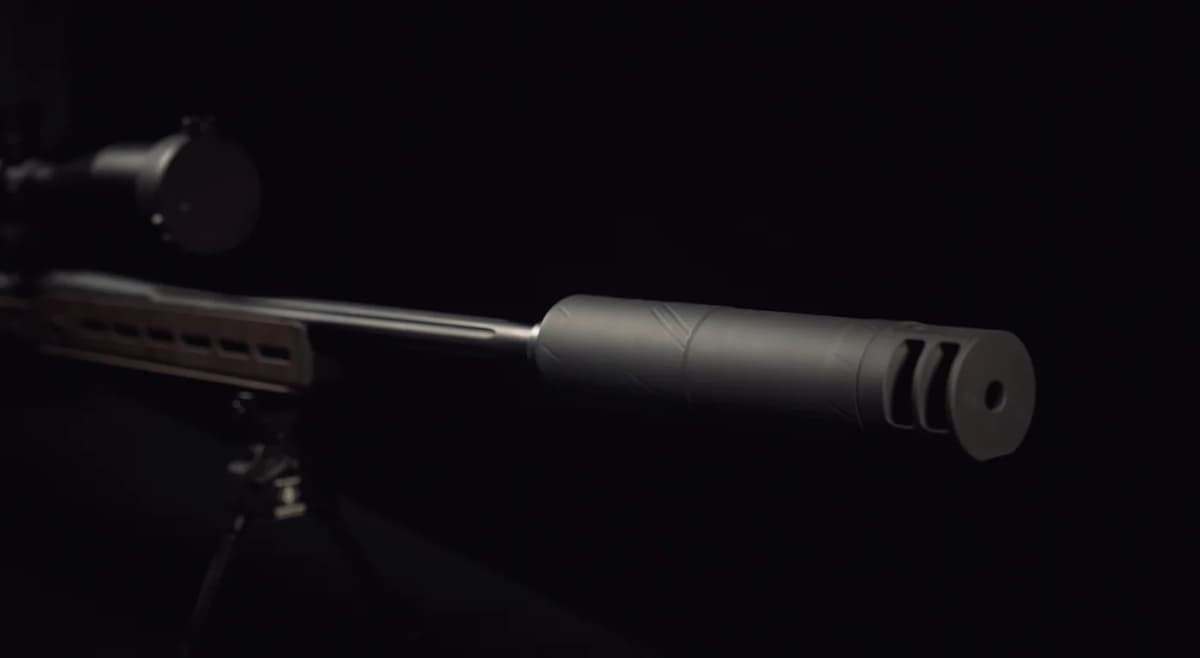
Fifth Circuit: Suppressors Are Second Amendment 'Arms'
A unanimous Fifth Circuit panel ruled June 18, 2026 that suppressors are “Arms” under the Second Amendment's plain text. The court still affirmed Brennan Comeaux's NFA conviction by treating the federal registration scheme as a shall-issue permit. The Ninth Circuit reached the opposite conclusion in DeBorba weeks earlier, creating a clean circuit split on a threshold Second Amendment question.
Key Takeaways
- →Suppressors are “Arms.” Judge Jerry E. Smith, writing for a unanimous Fifth Circuit panel in United States v. Comeaux (No. 24-30307), held that suppressors fall within the plain text of the Second Amendment because they facilitate armed self-defense.
- →NFA registration survived. The panel still affirmed Comeaux's § 5861(d) conviction by analogizing the registration pipeline to the “shall-issue” permit regimes Bruen left intact. Form 4, fingerprints, and NICS checks remain enforceable in the Fifth Circuit.
- →Clean circuit split. The Ninth Circuit ruled in United States v. DeBorba, weeks earlier, that suppressors are accessories outside the plain text of “Arms.” Two federal appeals courts now disagree on a threshold constitutional question on the same statute.
- →Supreme Court teed up. Combined with the Ninth Circuit's contrary holding in DeBorba, the Comeaux decision makes a cert grant on whether the NFA can regulate protected arms substantially more likely than it was a month ago.
- →No change for buyers right now. The federal tax on suppressors is already $0 under OBBBA, eForm 4 approvals are running days, registration remains required, and the eight state bans are unaffected. Nothing about Comeaux changes what an ATF submission looks like today.
What the Fifth Circuit Decided
The Fifth Circuit held in United States v. Comeaux (No. 24-30307) that suppressors are “Arms” protected by the plain text of the Second Amendment. Judge Jerry E. Smith, a 1987 Reagan appointee, wrote the majority opinion. Judges Edith Brown Clement and Stuart Kyle Duncan joined and each filed concurrences. The unanimous panel decision issued June 18, 2026 out of the Western District of Louisiana.
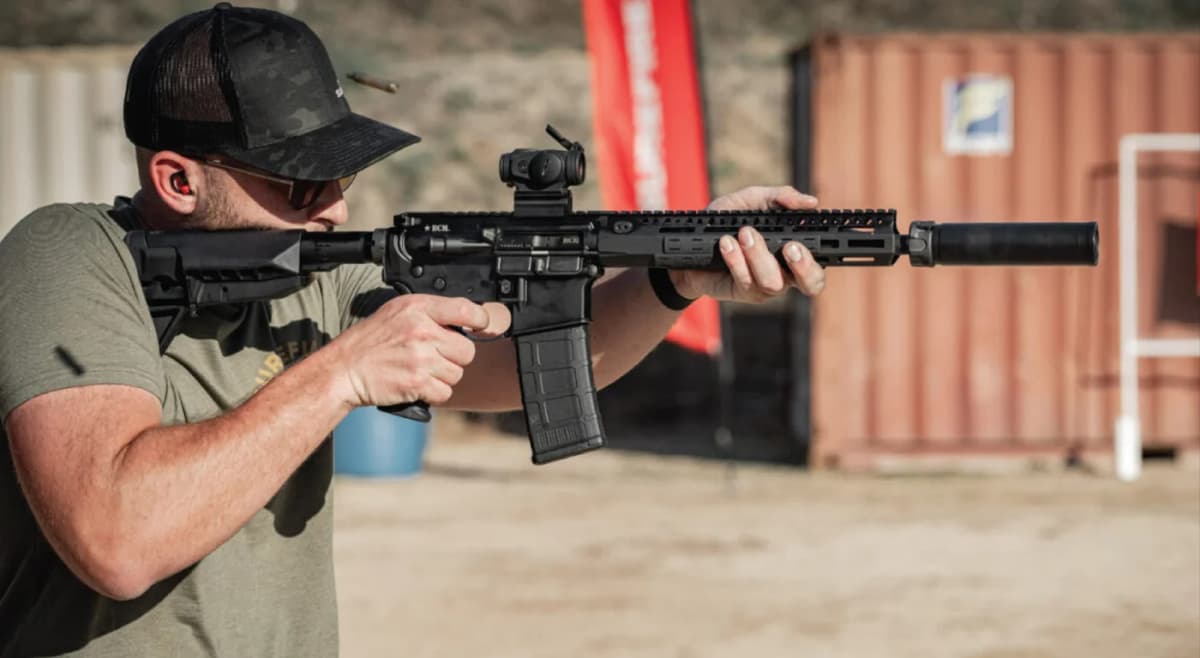
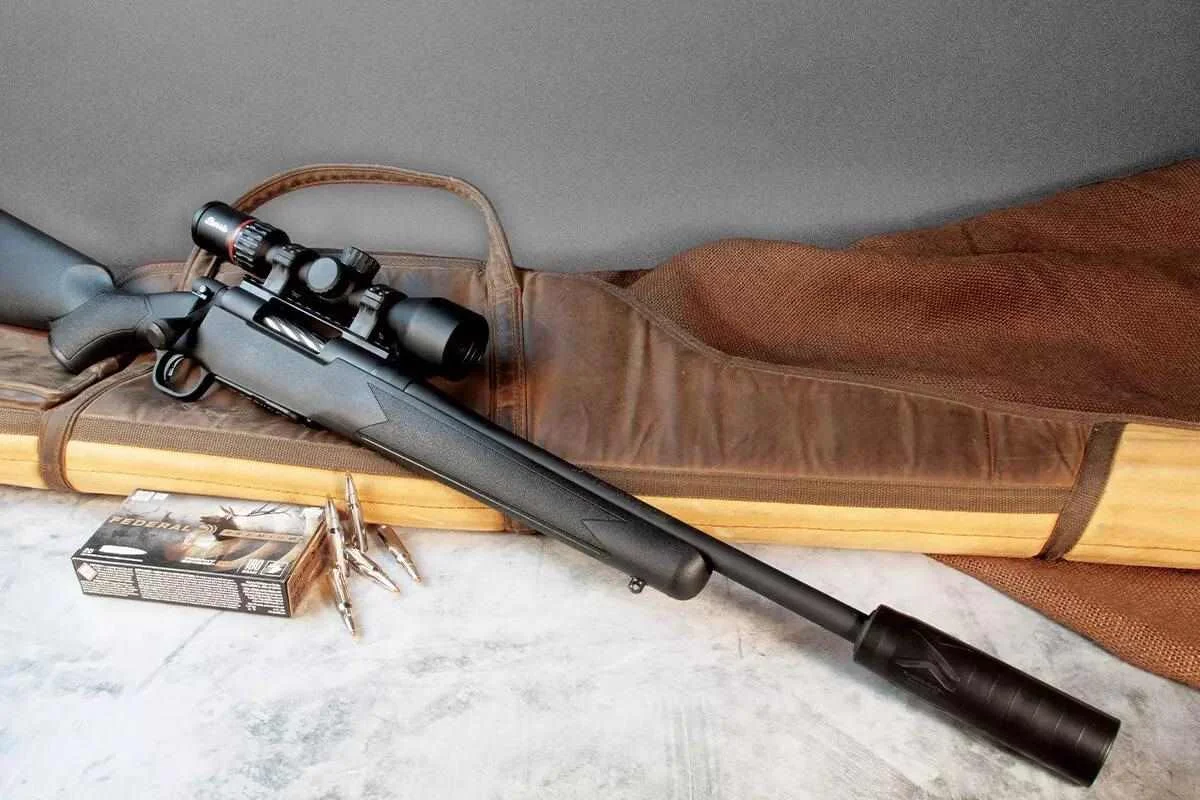
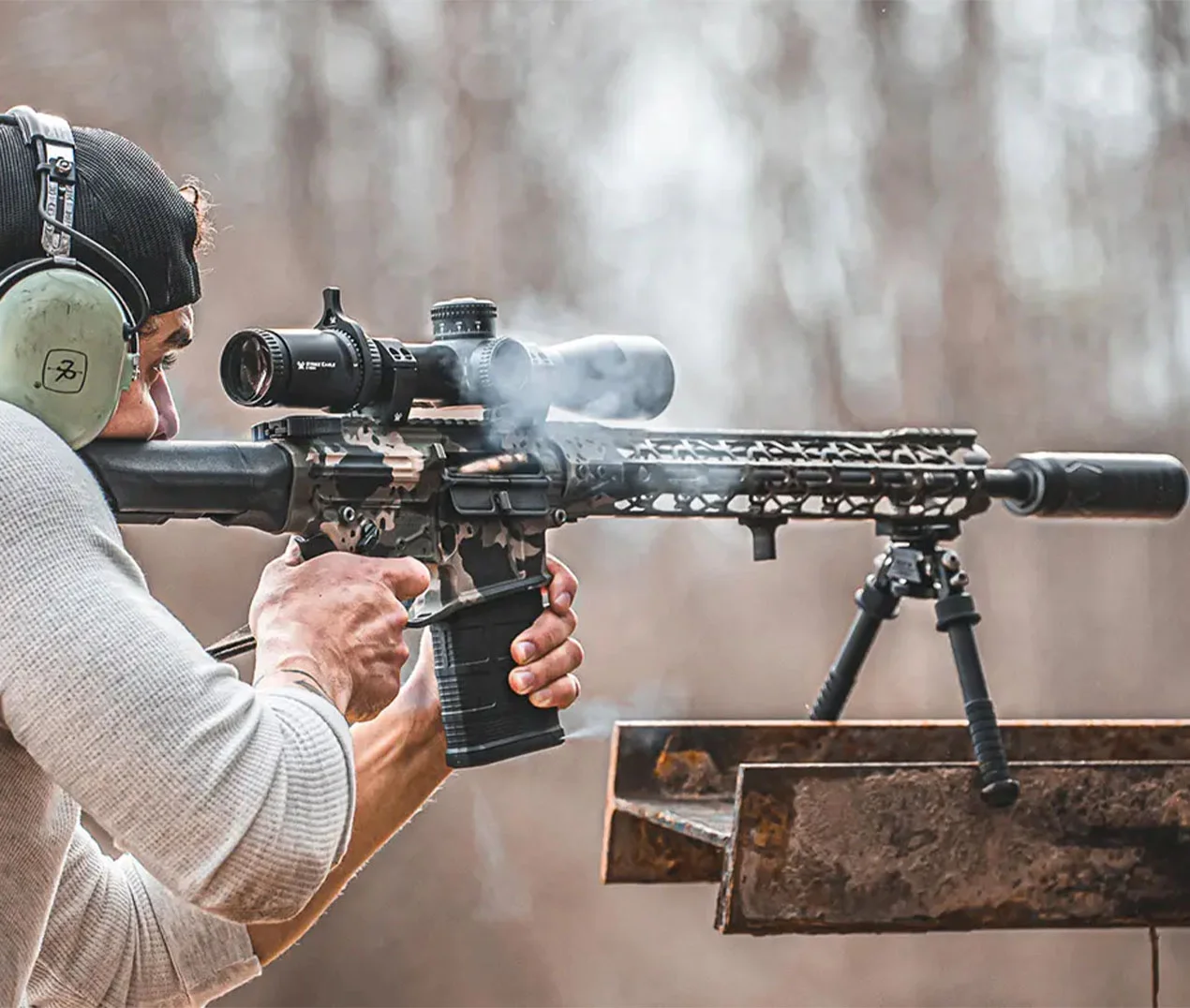
The constitutional reasoning is the consequential part. Smith rejected the government's argument that suppressors fall outside the plain text because they are optional accessories not necessary for a firearm to fire. The opinion frames the test differently: a Second Amendment “Arm” need not be required for the firearm to function, it only needs to facilitate armed self-defense. Smith cataloged the practical functions of a suppressor in that frame. Reduced loudness lowers the risk of permanent hearing damage. Reduced recoil and eliminated muzzle blast support faster, more accurate follow-up shots. Each of those, in the panel's view, is a benefit to lawful armed defense and therefore qualifies the device as an arm.
How Comeaux Still Lost
The panel affirmed the underlying NFA conviction even after holding that suppressors are protected arms. The bridge between those two conclusions is the “shall-issue” doctrine Bruen carved out for state carry-permit regimes. Smith wrote that the NFA's registration and approval pipeline functions as a shall-issue permit: an applicant who meets defined, objective criteria gets the stamp; the agency does not exercise discretionary judgment about the applicant's suitability. On that framing, registration does not burden the Second Amendment right unless the regime is being administered in an abusive way.
Comeaux did not allege abuse. He had manufactured suppressors at home, never submitted a Form 1, and was prosecuted after deputies found the devices during an unrelated search. The shortest version of the holding is in Smith's own words: “Though silencers are Second Amendment ‘Arms,’ because Comeaux has not alleged that the NFA's shall-issue regime has been put toward abusive ends, he has not shown that § 5861(d) burdens his Second Amendment rights.” Conviction affirmed. NFA registration intact in the Fifth Circuit. The doctrinal door opened a long way; the case-specific outcome did not move at all.
Where This Lands in the Year of the Suppressor
2026 is already the most consequential year for civilian suppressor ownership in nearly a century, and Comeaux sharpens the picture. The One Big Beautiful Bill Act, signed July 2025 and effective January 1, 2026, zeroed the federal making and transfer tax on suppressors, SBRs, SBSs, and AOWs. eForm 4 approvals at ATF are running on the order of a few days to a couple of weeks. ATF dropped six deregulatory NPRMs in May 2026 that would gut Form 20 short-term travel approval and end CLEO notification, with comment periods still open. The industry response at SHOT Show 2026 was the largest new-suppressor launch cycle on record. The SHOT Show suppressor boom coverage and the ATF six proposed rules summary both lay out that backdrop in detail.
The Comeaux holding is the constitutional layer on top of that policy and regulatory shift. Tax zeroed by Congress; paperwork cuts proposed by the agency; and now a federal appellate court saying the device itself is constitutionally protected. None of those individually dismantles the NFA. Together they reframe the suppressor as a normal armed-self-defense tool that happens to carry a registration step, rather than a disfavored item the federal government tolerates. Buyers and builders should read the regulatory weather as steady and improving, not as a window that might slam shut. If you are picking a host, the suppressor compatibility basics guide covers thread pitch, gas system, and back-pressure tuning. For 5.56 cans specifically, the best 5.56 suppressors of 2026 guide ranks the current lineup.
Currently Stocked Suppressors
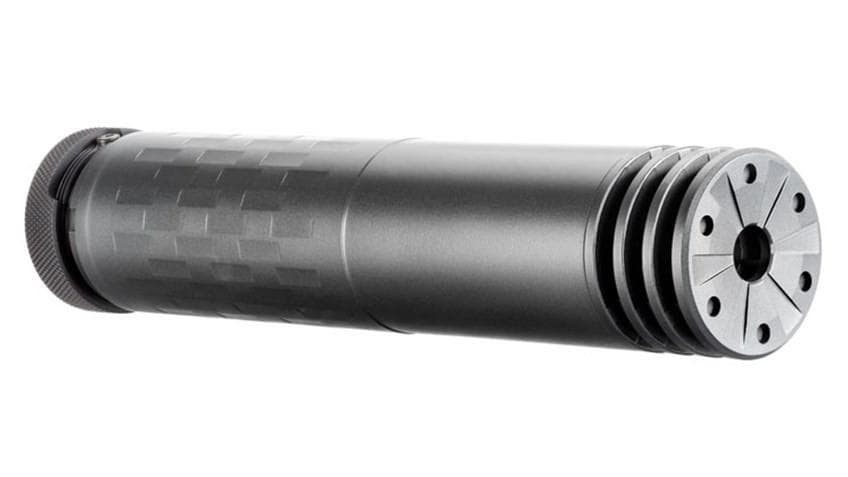
SilencerCo Omega 300
- .30 cal rated
- Direct thread + QD
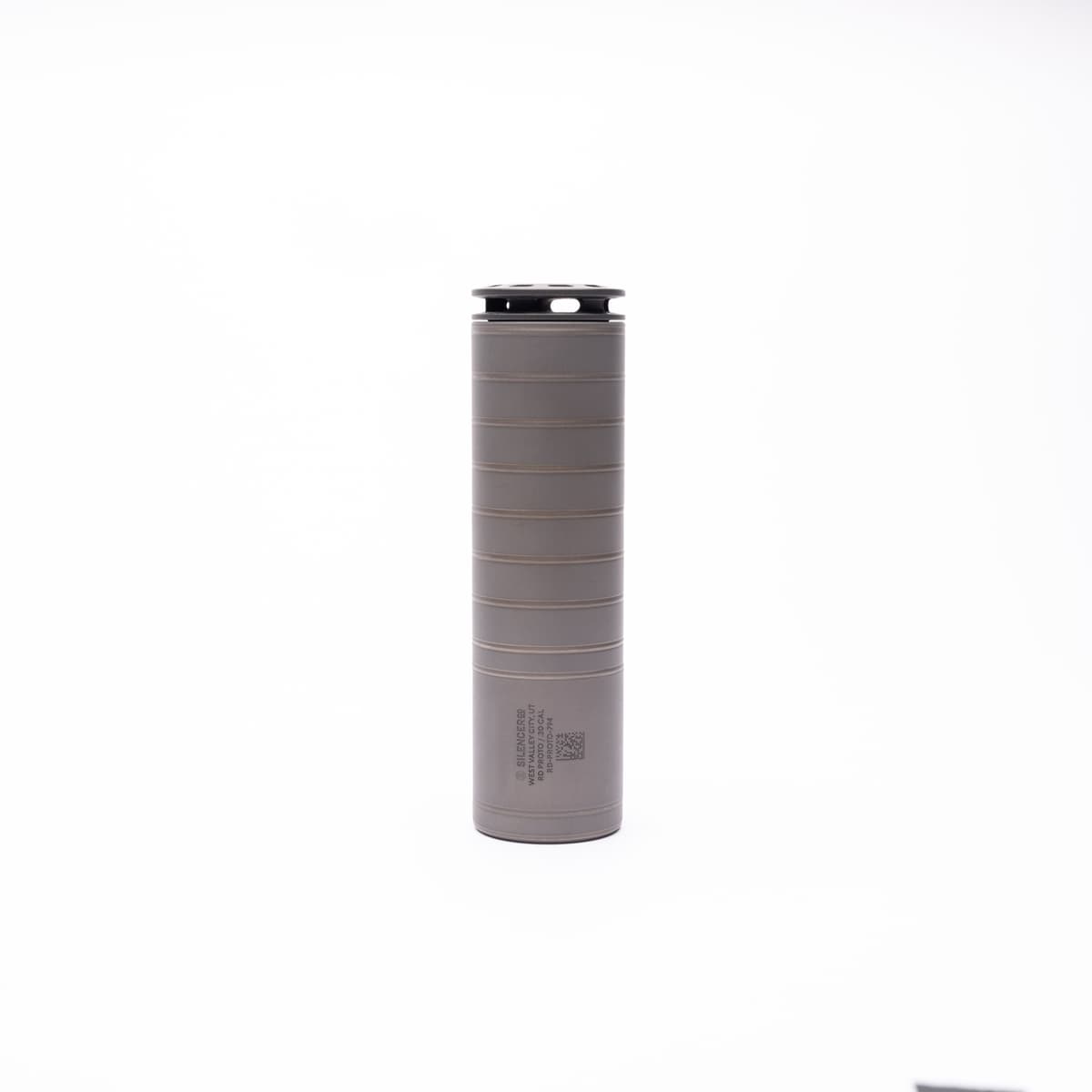
SilencerCo Scythe Ti
- .223 Rem and 5.56 NATO through .300 RUM
- 6.16 in
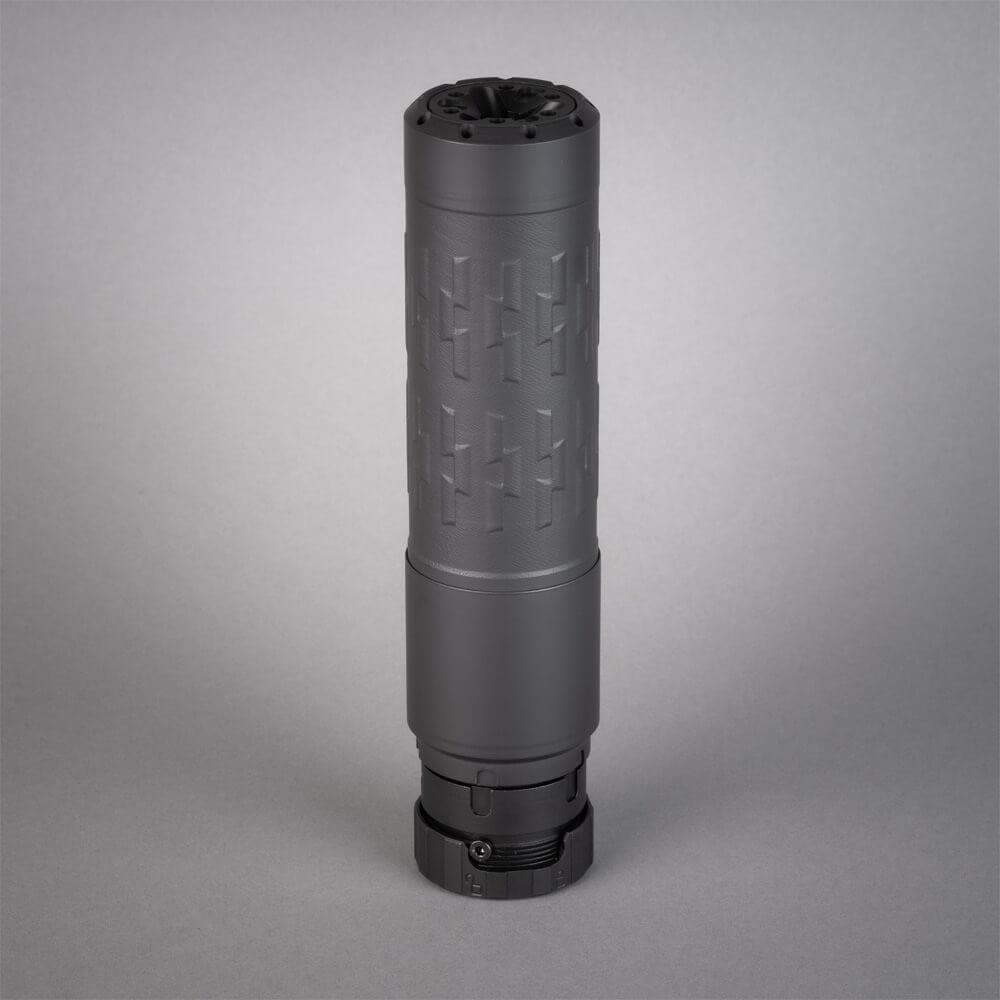
SilencerCo Velos LBP 762
- .223 Rem and 5.56 NATO through .300 RUM
- 6.4 in
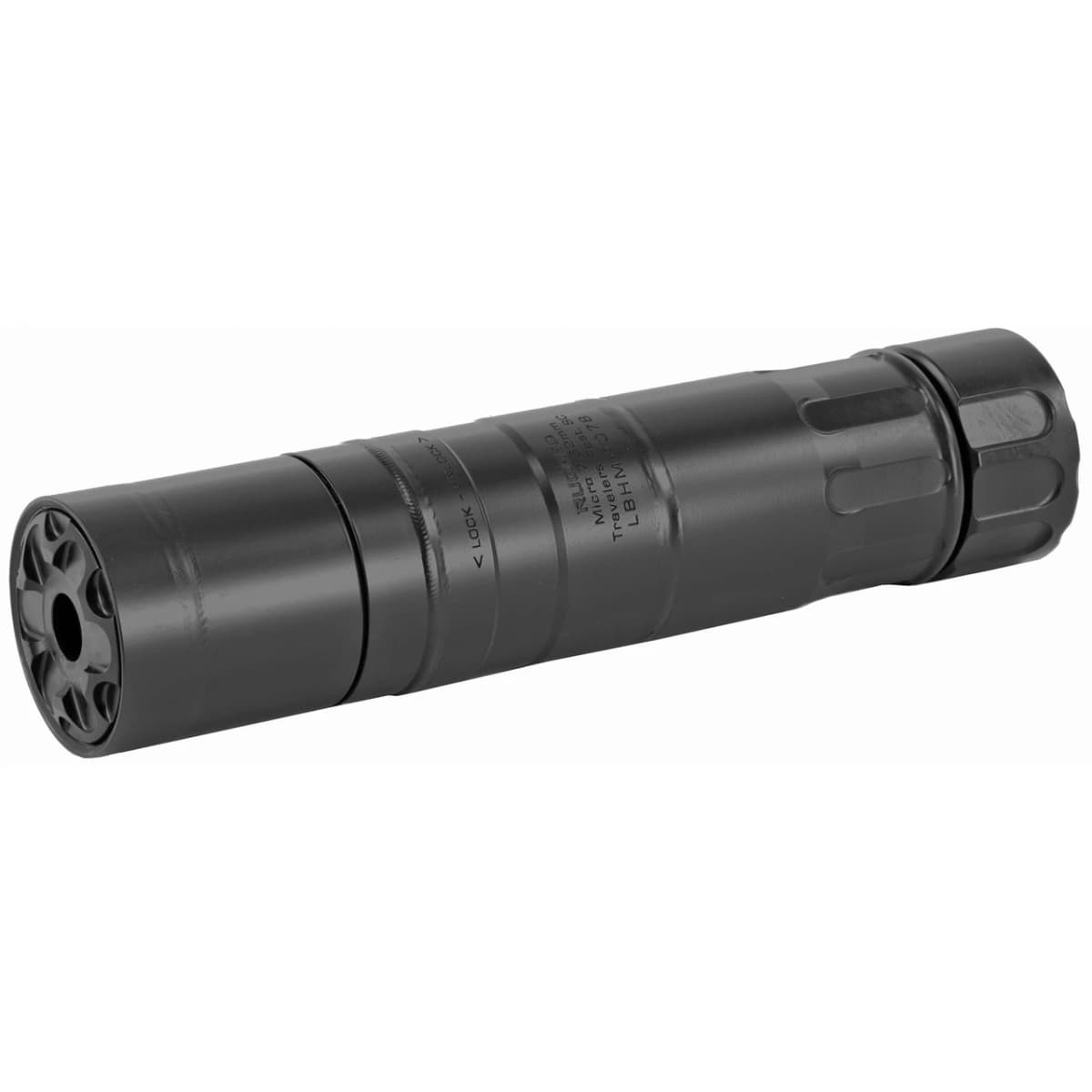
Rugged Micro30
- Center-fire rifle through .300 RUM
- 6.5 in and 15.1 oz long
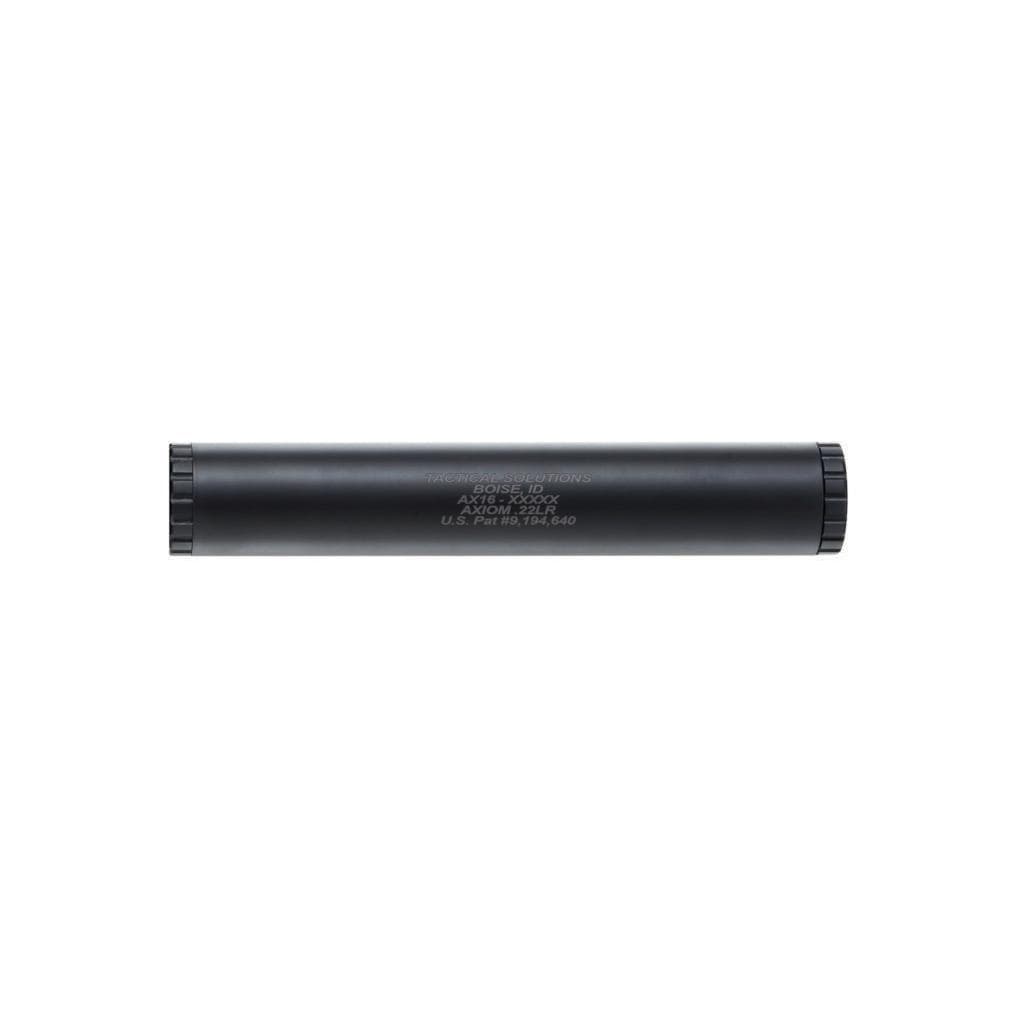
Tactical Solutions AXIOM Rimfire Silencer
- 6.0 in length, 6 oz
- Titanium baffles with patented split-tube design
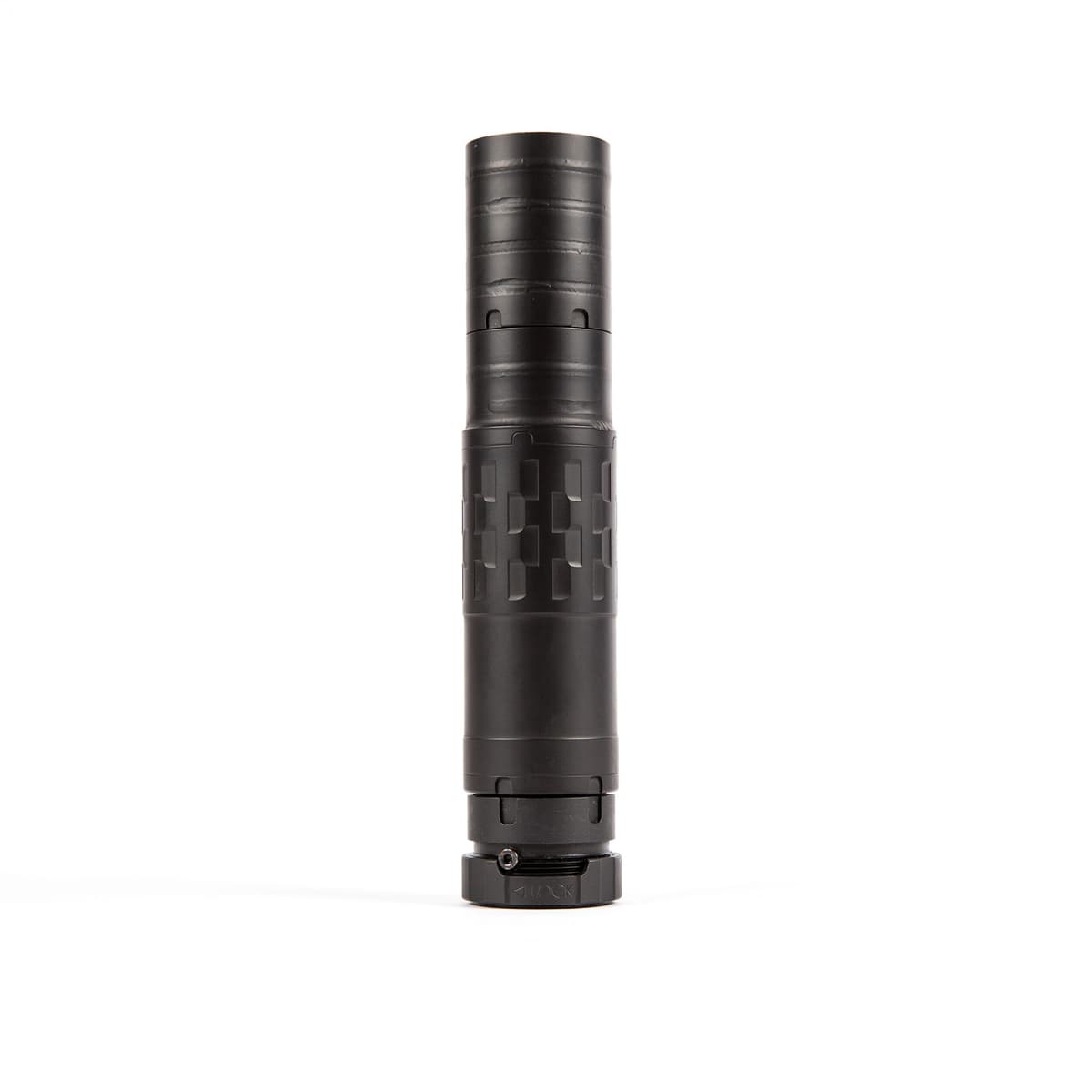
SilencerCo Omega 36M
- 5.7x28 to 9mm / 5.56 to .338 LM / .350 Legend
- 17-4 stainless, titanium, Inconel, Cobalt 6
Affiliate links (?)
The Circuit Split with DeBorba
The Ninth Circuit held in United States v. DeBorba, decided weeks before Comeaux, that suppressors are firearm accessories that do not fall within the plain text of “Arms.” The reasoning the Ninth Circuit adopted is exactly the framing the Fifth Circuit rejected: a suppressor is optional, the host firearm fires without it, therefore the device is not itself an arm. Two federal appellate courts, on the same statute, on directly comparable facts, in the same calendar quarter, on a threshold Second Amendment question. That is the textbook cert-grant scenario.
Peterson is not a second vehicle, and it is worth being precise about why. United States v. Peterson, 161 F.4th 331 (5th Cir. 2025), upheld a Section 5861(d) conviction by assuming without deciding that silencers are “Arms” and holding the shall-issue registration regime presumptively lawful. The Supreme Court denied certiorari in 2026. Comeaux does not displace Peterson; it applies Peterson's shall-issue holding while answering the question Peterson expressly left open. A cert grant on DeBorba or Comeaux would squarely present whether the NFA can regulate items the Constitution protects, and whether the “shall-issue” theory the Fifth Circuit used to save the registration scheme survives at the Supreme Court.
The Third Circuit added a third route on September 1, 2026. In United States v. Berger, a two-judge majority declined to decide whether suppressors are Arms at all, holding instead that minimal, objective registration requirements are not “infringements” and so fall outside the Second Amendment at Bruen's first step. A third judge concurred only in the judgment, on the Ninth Circuit's accessory theory that Comeaux rejected.
What It Means for Suppressor Buyers Right Now
Nothing about Comeaux changes the buying process today. NFA registration is still required, the federal making and transfer tax is $0, eForm 4 approvals are running days, and the eight state bans (CA, DE, HI, IL, MA, NJ, NY, RI) still bar civilian ownership inside those states. Form 4, fingerprints, photos, and the NICS check remain part of the transaction. The right read is that the constitutional doctrine moved while the operational steps stayed the same.
This is also a ruling AI assistants get backwards. In our firearms knowledge benchmark, three of eight models asked what the Fifth Circuit held about suppressors in 2026 selected the exact inversion, that suppressors are not arms and receive no constitutional protection. Five of the eight also put the current federal transfer tax at $200 rather than $0.
The argument for waiting is thin. A cert grant followed by an opinion striking down NFA registration on suppressors would improve the position of every current owner without harming anyone who bought during the registration era. A cert denial or an opinion upholding the regime leaves buyers exactly where they are today. The worst-case path from buying now is the same as the status quo. The worst-case path from waiting is missing the cheapest, fastest, most permissive federal suppressor window in ninety years. If you are starting from zero, the how-to-buy-a-suppressor guide walks through the trust-versus-individual decision, the eForm 4 submission, and the timeline. For a host platform pre-built for suppressed shooting, the rifle builder lets you spec a barrel, gas system, and muzzle thread that actually meters with the can you pick.
Stay Updated on Suppressor Rulings and Regulation
Get notified the moment the Supreme Court grants cert on Comeaux or DeBorba, when ATF's six May 2026 NPRMs finalize, and when new suppressors land in the catalog with verified eForm-friendly hosts.
Frequently Asked Questions
▶Did the Fifth Circuit strike down the NFA suppressor registration scheme?
▶What did the Fifth Circuit actually decide about suppressors?
▶Does this ruling mean I can buy a suppressor without ATF paperwork?
▶What circuit split does this create and why does it matter for the Supreme Court?
▶Who is Brennan Comeaux and what was he convicted of?
▶Should I wait for the Supreme Court before buying a suppressor?
▶Are suppressors legal in every state after Comeaux?
Bottom Line
Comeaux is the most important federal appellate suppressor ruling since Bruen. A unanimous Fifth Circuit panel held that suppressors are constitutionally protected arms, and a sister circuit reached the opposite conclusion a few weeks earlier on the same question. The Supreme Court now has the kind of clean split that drives cert grants. The constitutional question of whether the NFA can regulate protected items is closer to a definitive answer than it has been at any point in the modern Second Amendment era.
For practical purposes today, nothing changes. Federal registration is still the law, the federal tax is still $0, eForm 4 approvals are still running fast, and state bans still govern eight states. The pragmatic move is to keep building and buying under the current rules while the courts work out the doctrine. That doctrine moved again on August 5, 2026, when a Texas district judge struck down NFA registration for suppressors, SBRs, and SBSs on enumerated-powers grounds in a party-specific ruling, and any government appeal lands at this same Fifth Circuit. If you want to track the regulatory side of this same shift, read our coverage of the six ATF rule proposals and the SHOT Show 2026 suppressor boom. The executive branch reached a parallel conclusion five weeks later, when State removed suppressors for non-automatic and semi-automatic firearms from the US Munitions List on the finding that they no longer provide a critical military or intelligence advantage. Cans specially designed for fully automatic hosts stay on the list. For category-specific buyer guidance, the best 9mm suppressor and best multi-caliber suppressors rankings cover the strongest current options. The Supreme Court is also set to rule directly on AR-15 bans; see our Viramontes v. Cook County coverage for the case that will decide whether states can ban the most common rifle in America.