Key Takeaways
- →The holding: Judge James Wesley Hendrix of the Northern District of Texas ruled August 5, 2026 that the NFA's registration, transfer-approval, and making-approval provisions are unconstitutional as applied to suppressors, SBRs, SBSs, and AOWs, the categories the One Big Beautiful Bill Act untaxed on January 1, 2026.
- →The logic: The NFA survived since 1937 as an exercise of the taxing power. With the tax at $0, the court held the registration scheme collects nothing and can no longer be justified under any power Congress actually invoked.
- →Who is covered: The permanent injunction is party-specific, not nationwide. It protects members of GOA and five other organizations, customers of B&T USA, Palmetto State Armory, SilencerCo Weapons Research, and Hot Shots Custom, plus 15 plaintiff states' agencies.
- →No appeal is coming: The seven-day stay expired at the end of August 12, 2026 with no DOJ appeal or stay motion, and Rep. Andrew Clyde announced the same day that the Trump administration confirmed the DOJ will not appeal. Form 4 and Form 1 remain the law for everyone outside the injunction.
- →What does not change: Machine guns and destructive devices keep their $200 tax and full NFA coverage, dealer transfers still require a 4473 and NICS check, SBRs and SBSs keep the Form 4 under the Gun Control Act's separate 922(b)(4) authorization requirement, and the eight state suppressor bans are untouched.
What the Court Ruled
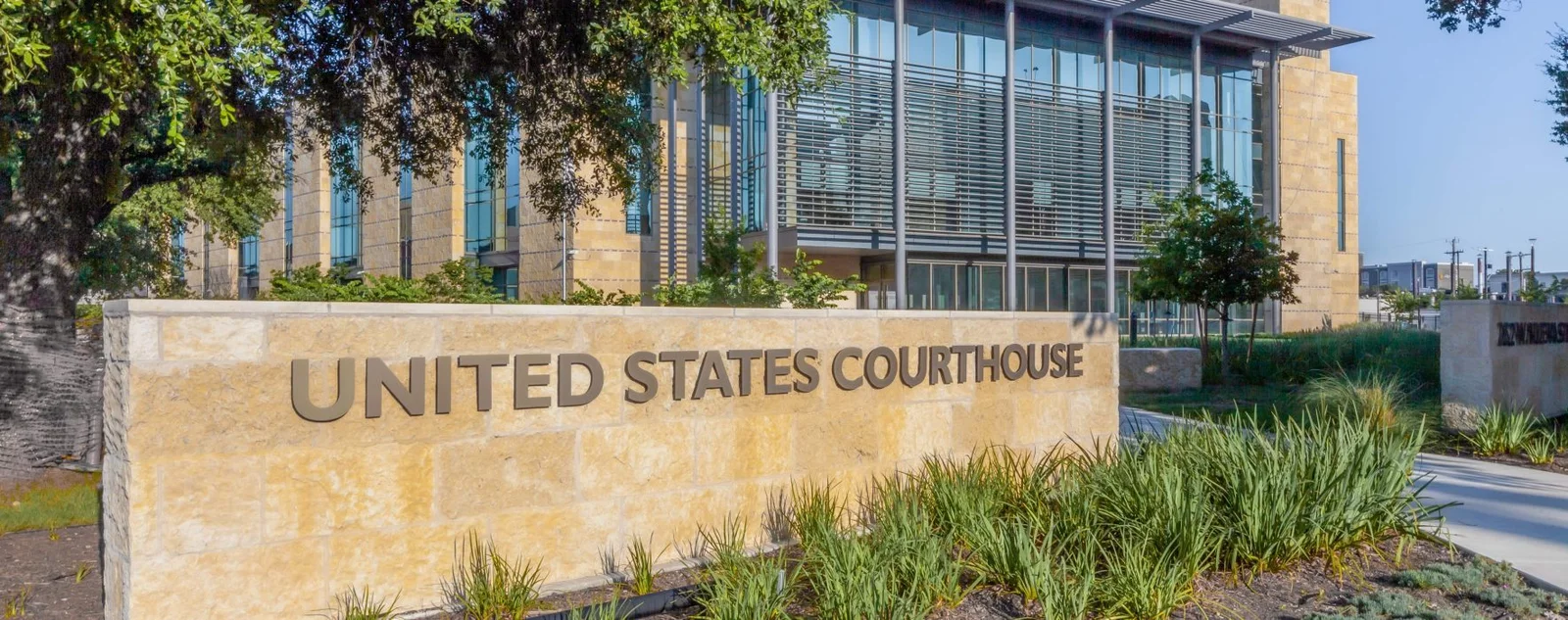
A federal district court held that the National Firearms Act's registration and approval requirements for suppressors, short-barreled rifles, short-barreled shotguns, and AOWs exceed Congress's enumerated powers and permanently enjoined ATF from enforcing them against the plaintiffs, their members, and their customers. The August 5, 2026 decision in Silencer Shop Foundation v. ATF, No. 6:25-CV-056, consolidated with Jensen v. ATF, is the most consequential NFA ruling since the statute passed in 1934.
The enjoined provisions are the operational core of the NFA for those four categories: 26 U.S.C. 5812 transfer applications, 5822 making applications, the 5841 registration mandate, and the 5861 possession and transfer offenses that criminalize an unregistered suppressor or SBR. In plain terms, the court enjoined the Form 4 and Form 1 pipeline itself for the covered parties. The Second Amendment claims were never reached; the plaintiffs dropped them at the motions hearing because the enumerated-powers win gave them everything they asked for.
Judge Hendrix stayed the judgment for seven days, through August 12, 2026, to give the Department of Justice time to seek relief at the Fifth Circuit. The government sought none: the stay lapsed at the end of August 12 with no appeal filed and no stay motion, and the injunction now operates for the covered parties. The same evening, Rep. Andrew Clyde announced he had received confirmation from the Trump administration that the DOJ will not appeal the ruling at all. For everyone outside the injunction, the NFA process applies exactly as it did last week.
Why the $0 Tax Unraveled Registration
The NFA's constitutional foundation was always the taxing power, and the One Big Beautiful Bill Act removed it for these categories. The Supreme Court upheld the NFA in Sonzinsky v. United States in 1937 on the theory that Congress may attach registration machinery to a revenue-producing tax. When OBBBA zeroed the making and transfer tax on suppressors, SBRs, SBSs, and AOWs effective January 1, 2026, that machinery kept running while the revenue went to zero.
The opinion states the problem directly: because today's NFA does not generate any revenue from untaxed firearms, its regulatory provisions cannot be upheld under the taxing power. The government argued the scheme could survive under the Commerce Clause instead, and the court rejected the substitution because Congress built the NFA on the Taxing Clause alone and never invoked its commerce authority. A statute cannot be retroactively re-founded on a power its text and structure never claimed.
The timing was no accident. The Silencer Shop Foundation plaintiffs filed on July 4, 2025, the same day the President signed OBBBA, and the legal theory was visible from the moment Congress zeroed the tax instead of repealing the registration scheme outright. Machine guns and destructive devices still carry their $200 tax, still produce revenue, and are untouched by the ruling.
Who the Injunction Actually Covers
The injunction protects the plaintiffs and their members and customers, not the general public. Under the Supreme Court's 2025 Trump v. CASA decision, district courts cannot issue universal injunctions, so Judge Hendrix tailored relief to the parties: the individual plaintiffs, Silencer Shop Foundation, the commercial plaintiffs B&T USA, Palmetto State Armory, SilencerCo Weapons Research, and Hot Shots Custom, and the members of six organizations. Those are Gun Owners of America, Gun Owners Foundation, Firearms Regulatory Accountability Coalition, Texas State Rifle Association, FPC Action Foundation, and Citizens Committee for the Right to Keep and Bear Arms.
Customer coverage is transaction-scoped. The injunction reaches current and future customers of the plaintiff companies, and customers of the commercial members of the plaintiff organizations, but only for transactions with those businesses. It does not exempt a covered customer from the NFA for every item they own from any source, and the court declined to extend protection to organizational supporters or resident family members. One category carve-out applies: the Jensen plaintiffs lacked standing on AOWs, so their relief excludes that category, while the lead Silencer Shop plaintiffs obtained relief across all four untaxed categories. Fifteen states also won relief for their law-enforcement agencies: Texas, Alaska, Georgia, Idaho, Indiana, Kansas, Louisiana, Montana, North Dakota, Oklahoma, South Carolina, South Dakota, Utah, West Virginia, and Wyoming.
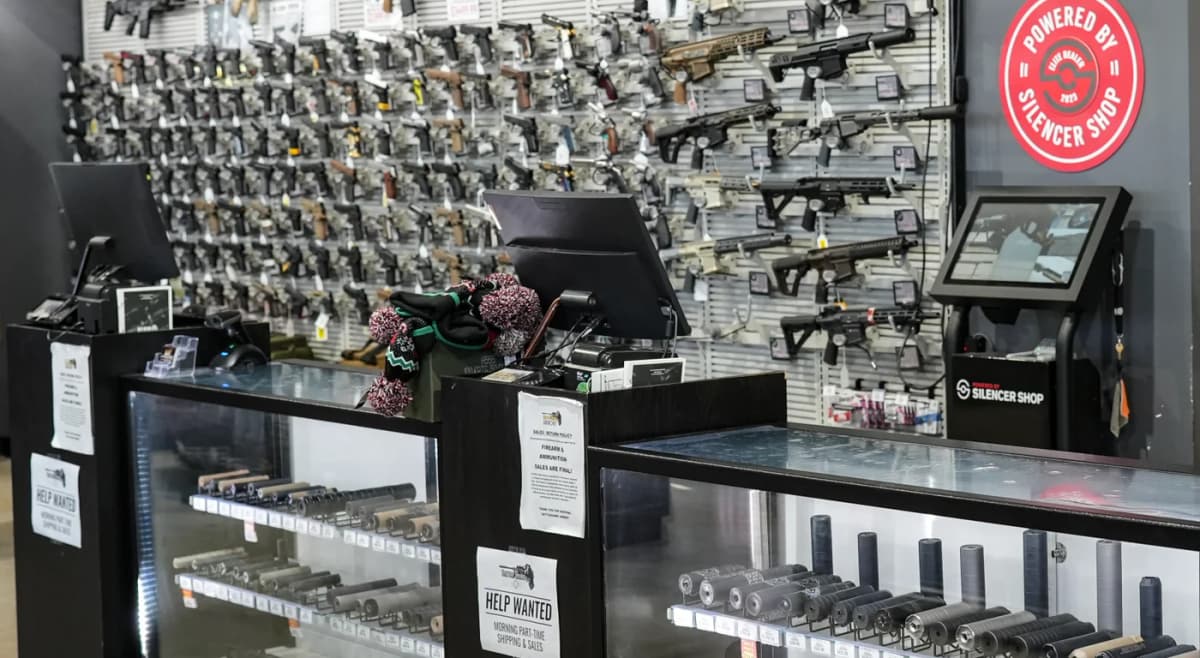
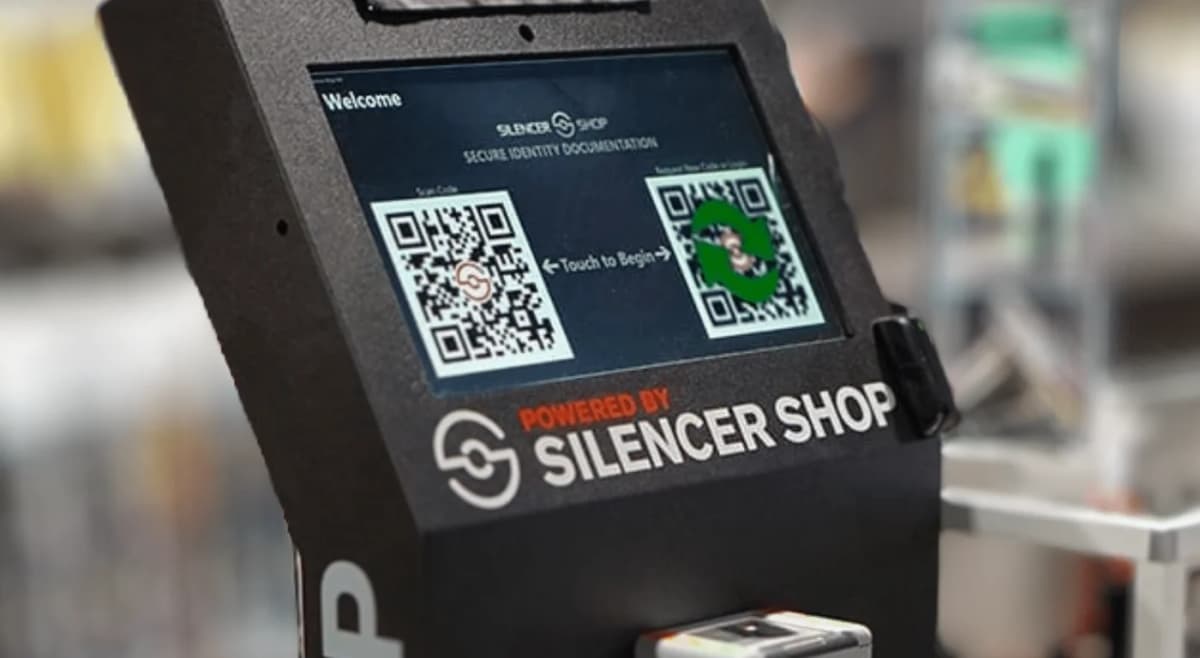
The dealer counter answered the question before ATF did. On August 13, 2026, Silencer Shop transferred two suppressors to GOA members on a 4473 alone, and both it and Palmetto State Armory opened standing no-Form-4 suppressor programs the same day: Silencer Shop through its store and its Powered by Silencer Shop dealer network in the 27 states it counts as free of state-level NFA requirements, PSA at participating South Carolina retail stores. What remains unresolved is the paper behind the counter. Dealers, distributors, and manufacturers still operate inside a licensing and occupational-tax system the ruling leaves standing, no ATF guidance has issued, and a dealer outside those two programs is free to decline a transfer it has no written cover for. Our practical explainer on whether you still need a Form 4 walks through the coverage checklist and which counters are running the process today.
What Does Not Change
Most of federal and state gun law is untouched. The Gun Control Act still applies to suppressors and short-barreled firearms, so a dealer transfer still means a 4473 and a NICS background check. For short-barreled rifles and shotguns the GCA goes further: 18 U.S.C. 922(b)(4) bars a dealer from selling an SBR, SBS, machine gun, or destructive device without specific Attorney General authorization, and today the only mechanism that supplies it is an approved Form 4. Suppressors and AOWs are not on that list, which is why they are the categories that can move on a background check alone for covered buyers. Machine guns and destructive devices keep the $200 tax and the full NFA process. The federal licensing system for manufacturers and dealers stands. And state law is completely unaffected: the eight state suppressor bans remain, and states that restrict SBRs keep those restrictions.
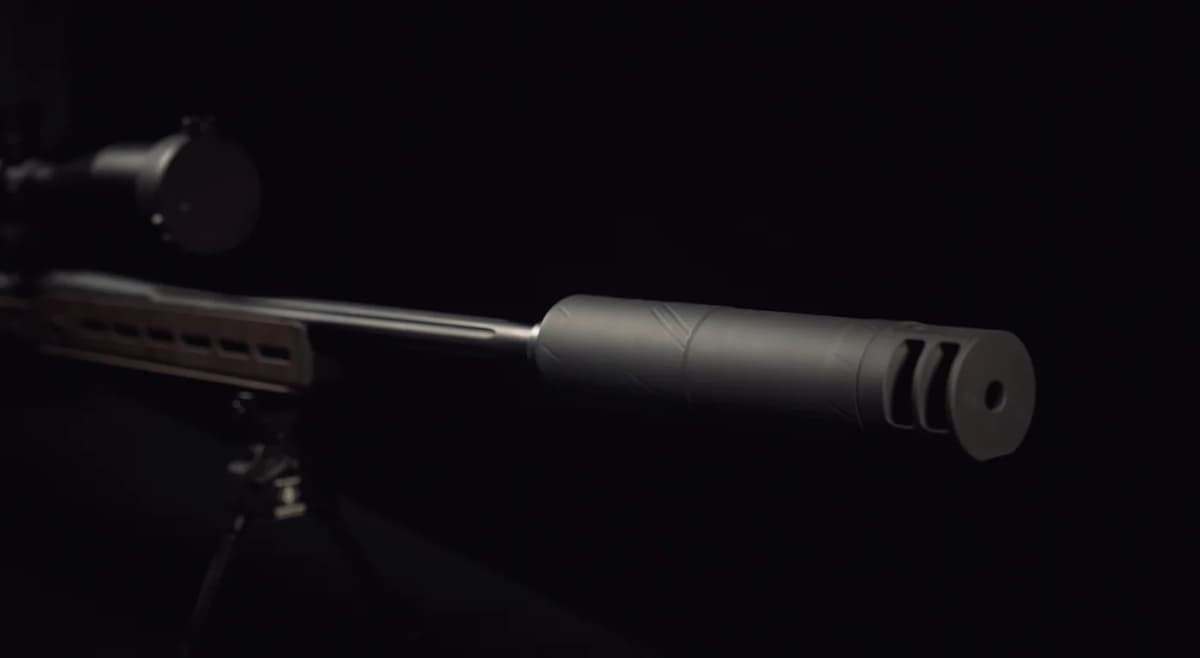
For a buyer today, the process is the one laid out in our how to buy a suppressor guide: eForm 4 through a dealer, fingerprints, photo, NICS check, $0 tax, with processing times that vary by filing type. That reality is worth keeping in frame. The paperwork burden the lawsuit attacks is the lightest it has ever been, which is also why the court saw a registration scheme that no longer collects anything. If you are picking a first can, the suppressor buying guide covers hosts, mounting, and the current market.
Currently Stocked Suppressors
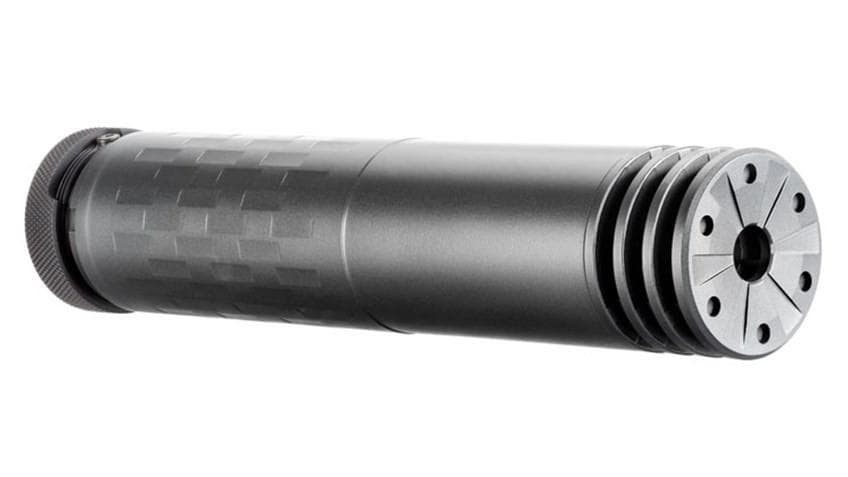
SilencerCo Omega 300
- .30 cal rated
- Direct thread + QD
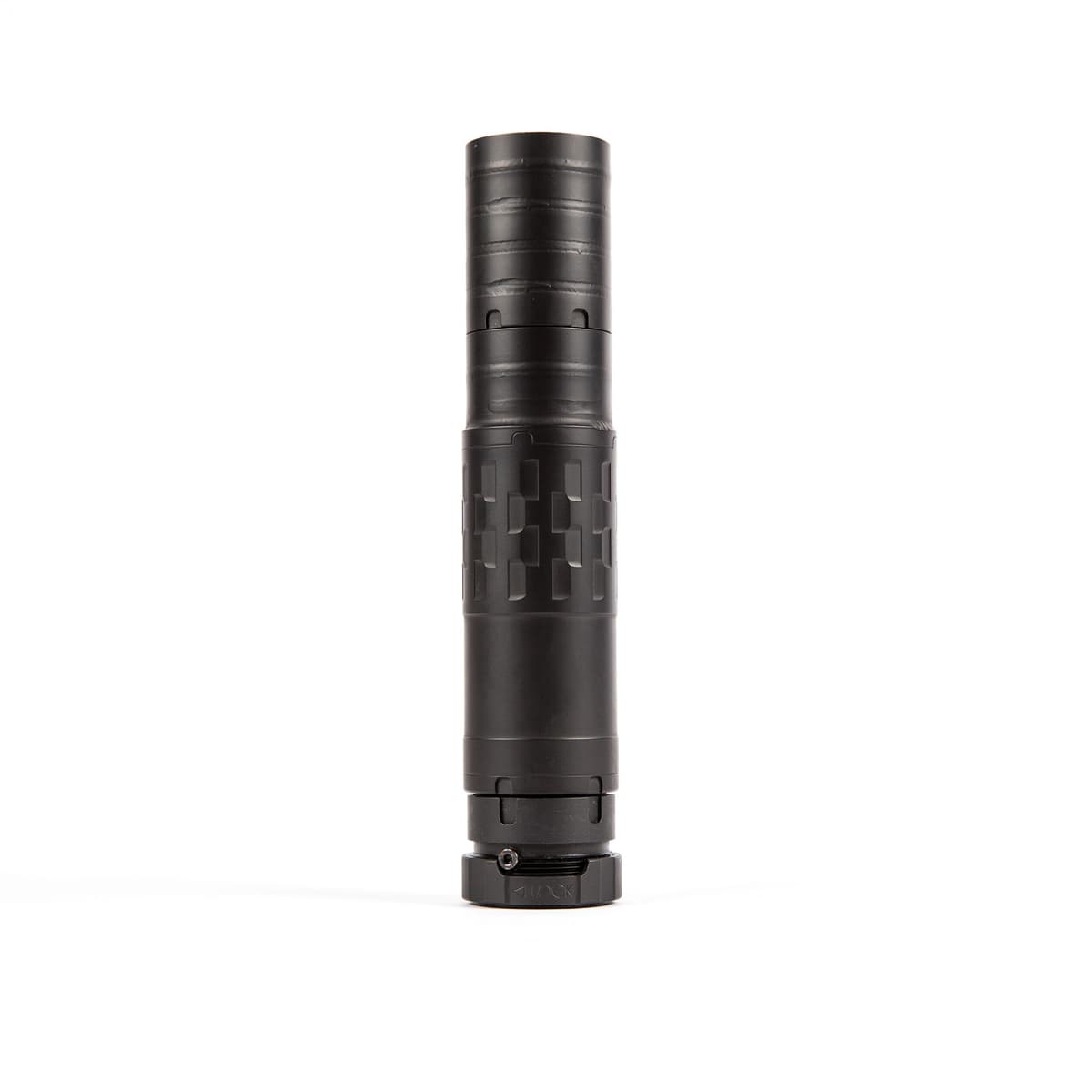
SilencerCo Omega 36M
- 5.7x28 to 9mm / 5.56 to .338 LM / .350 Legend
- 17-4 stainless, titanium, Inconel, Cobalt 6
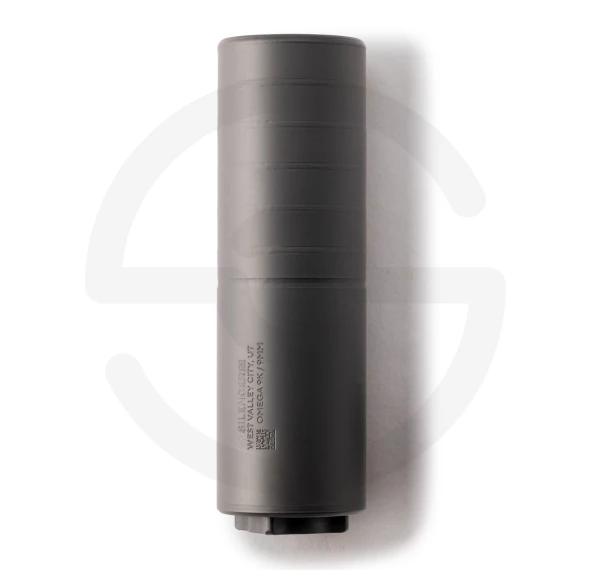
SilencerCo Omega 9K
- 9mm + .300 BLK rated
- 4.54 inches
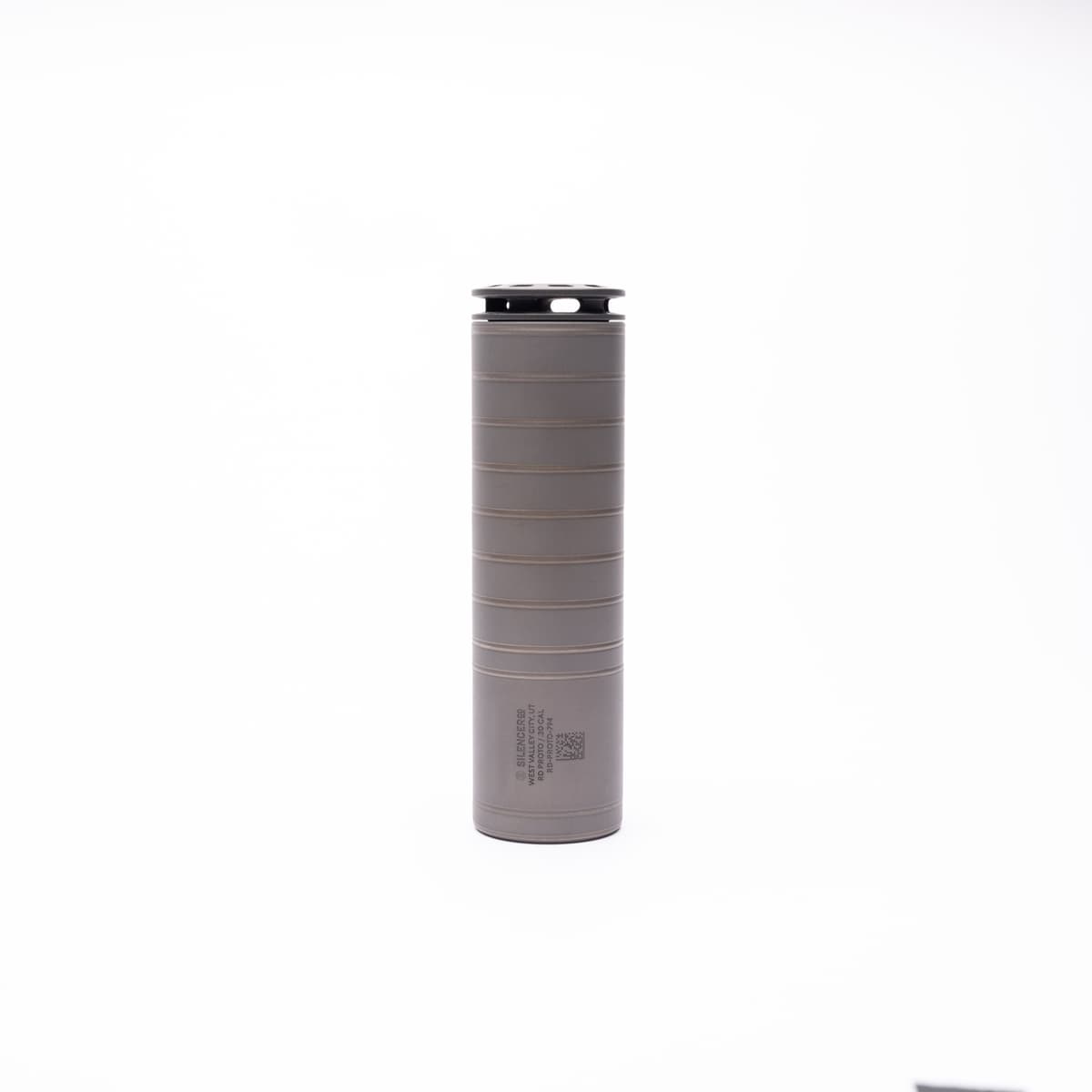
SilencerCo Scythe Ti
- .223 Rem and 5.56 NATO through .300 RUM
- 6.16 in
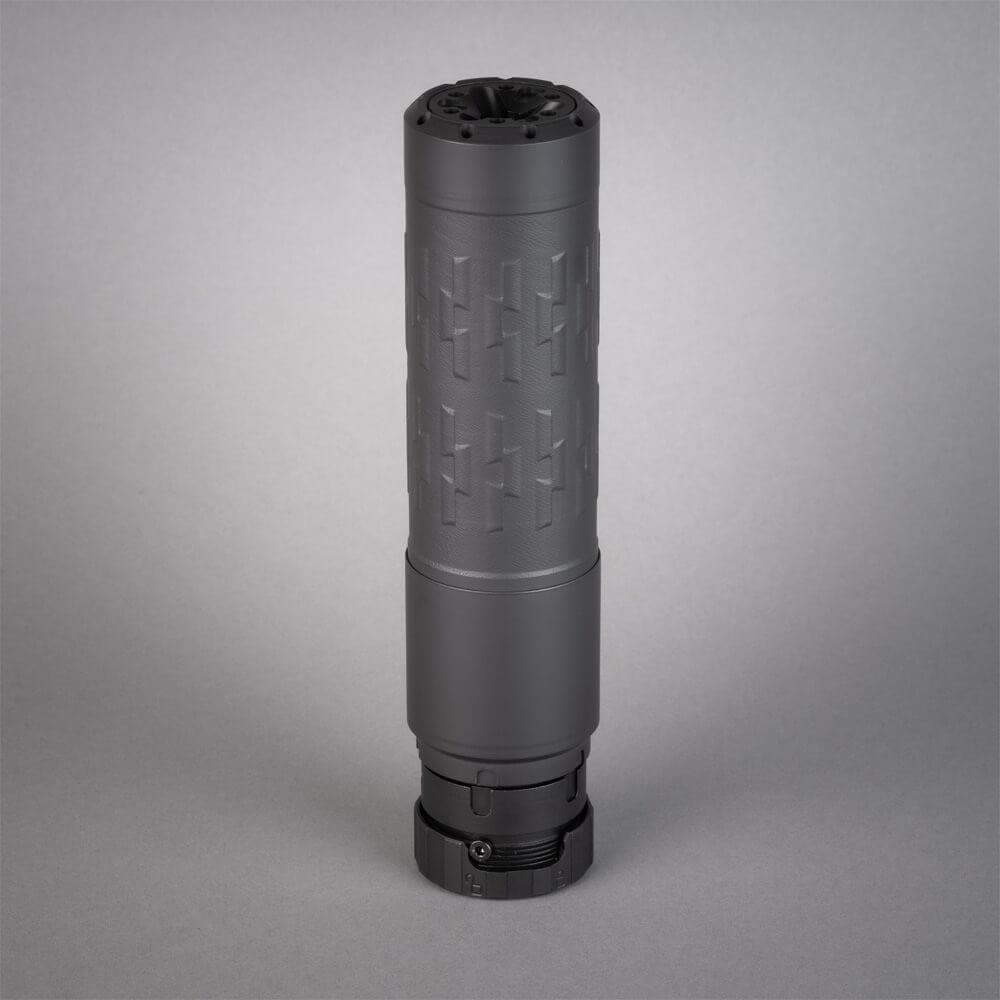
SilencerCo Velos LBP 762
- .223 Rem and 5.56 NATO through .300 RUM
- 6.4 in
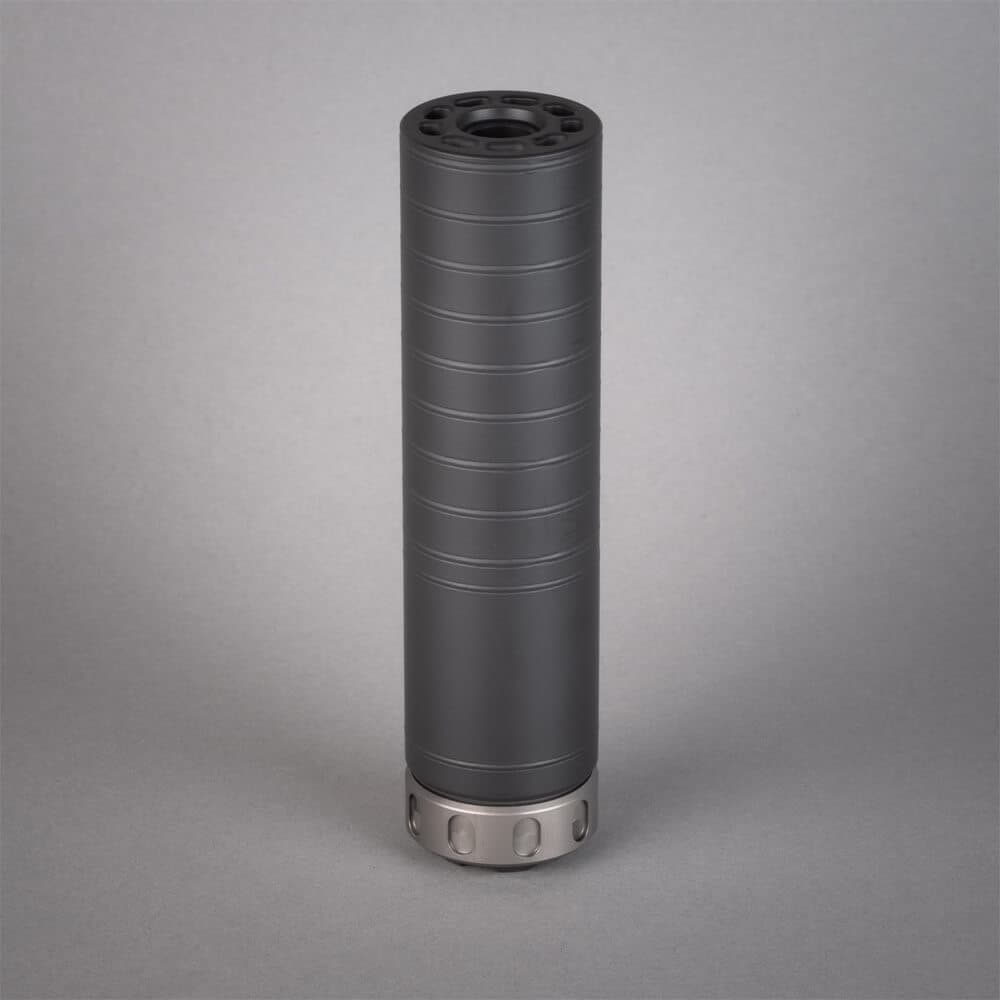
SilencerCo Spectre 9
- 9mm and .300 BLK subsonic
- 4.76 inches
Affiliate links (?)
What Happens Next
The Department of Justice is standing down. After letting the seven-day window close on August 12, 2026 without asking Judge Hendrix or the Fifth Circuit to pause the judgment, the administration confirmed to Rep. Andrew Clyde that it will not appeal at all, an announcement Clyde made the same evening, days after leading nearly 50 House and Senate Republicans in a letter urging Attorney General Todd Blanche to decline any appeal. The formal 60-day window to notice an appeal runs into early October, so the commitment is political rather than docketed until it lapses. ATF is meanwhile barred from enforcing registration against the covered parties, and the covered parties did not wait: GOA and Silencer Shop scheduled the first no-Form-4 suppressor transfers for 12:01 a.m. CDT on August 13, 2026, the first minute the injunction operates without a stay.
The retail rollout followed. Since August 13, Silencer Shop and its Powered by Silencer Shop dealer network transfer suppressors and AOWs on a 4473 and NICS check alone, same day, in the 27 states it counts as free of state-level NFA requirements. In the 15 states whose own statutes tie legal possession to federal registration, it keeps processing traditional Form 4s while it litigates those restrictions. Short-barreled rifles and shotguns stay on the Form 4 everywhere because of the 922(b)(4) authorization requirement covered above.
With no government appeal, the fight moves from the courtroom to the agencies. The Clyde coalition letter asks the DOJ to go further and apply the ruling nationwide through formal rulemaking, which would extend relief beyond the plaintiff organizations and their members to every buyer of an untaxed item. The enumerated-powers holding also sits alongside the constitutional fight over whether suppressors are Second Amendment arms, where the Fifth and Ninth Circuits split earlier this year in the Comeaux and DeBorba cases covered in our Fifth Circuit suppressor ruling analysis. The Third Circuit took a third position on September 1, 2026, holding in United States v. Berger that NFA registration is not an infringement of the Second Amendment at all, without deciding whether suppressors are arms. Congress could also settle the question in either direction, by repealing the registration scheme for untaxed items or by re-enacting it under the Commerce Clause. Until ATF issues guidance or a rule, the rational move for buyers outside the injunction is to keep filing under the current rules, and to build hosts that are ready either way in the rifle builder.
ATF made its first substantive on-the-record statement about the injunction on August 29, 2026. Director Robert Cekada posted that the agency respects the court's ruling and the rule of law, that it is following the order and will not take enforcement action against protected parties inconsistent with that ruling, and that written guidance is in progress: "We are working diligently on clear guidance. Getting it RIGHT matters more than getting it out fast." He said the work is squaring federal and state law so manufacturers, FFLs, and law-abiding gun owners are not left with legal problems today or under a future administration, and that the guidance will be posted online once it is done. The wording is the tell: Cekada says protected parties, not gun owners generally, so the statement leaves the injunction exactly as wide as the court drew it and changes nothing for buyers outside the covered class. He separately called a viral, anonymously sourced headline claiming ATF was planning revenge on gun owners "completely FALSE."
Track the NFA Litigation
We publish a brief every time this case moves: ATF guidance, the nationwide rulemaking push, and any Supreme Court action, so you know exactly what the rules are before you buy or build.
Frequently Asked Questions
▶Did a federal court strike down the entire NFA?
▶Do I still need to file a Form 4 to buy a suppressor?
▶Can I buy an SBR without a Form 4 now?
▶Who exactly is covered by the injunction?
▶When does the NFA ruling take effect?
▶Is the ruling nationwide?
▶Does the ruling change state suppressor or SBR laws?
Bottom Line
A federal court has held that the NFA's registration scheme is unconstitutional for suppressors, SBRs, SBSs, and AOWs, and the reasoning is a direct consequence of the $0 tax: a registration system attached to a tax that no longer exists has no constitutional anchor. The relief is real but bounded. It is party-specific, in effect since the stay lapsed on August 12, 2026, and headed toward finality: Rep. Clyde announced the same day that the Trump administration confirmed the DOJ will not appeal. It changes nothing about state law, background checks, or machine guns.
For owners and buyers, the practical guidance is unchanged from yesterday: file the eForm, take the fast approval, and watch for ATF guidance. The legal landscape shifted underneath the NFA in a single opinion, and between this ruling, the circuit split on suppressors as arms, and ATF's own deregulatory rulemaking covered in our July 2026 fingerprint and photo proposal coverage, every pillar of the 1934 regime is now under active challenge at once.