Key Takeaways
- →September 18, 2026: A 2–1 Fifth Circuit panel held that the federal ban on direct interstate handgun purchases violates the Second Amendment.
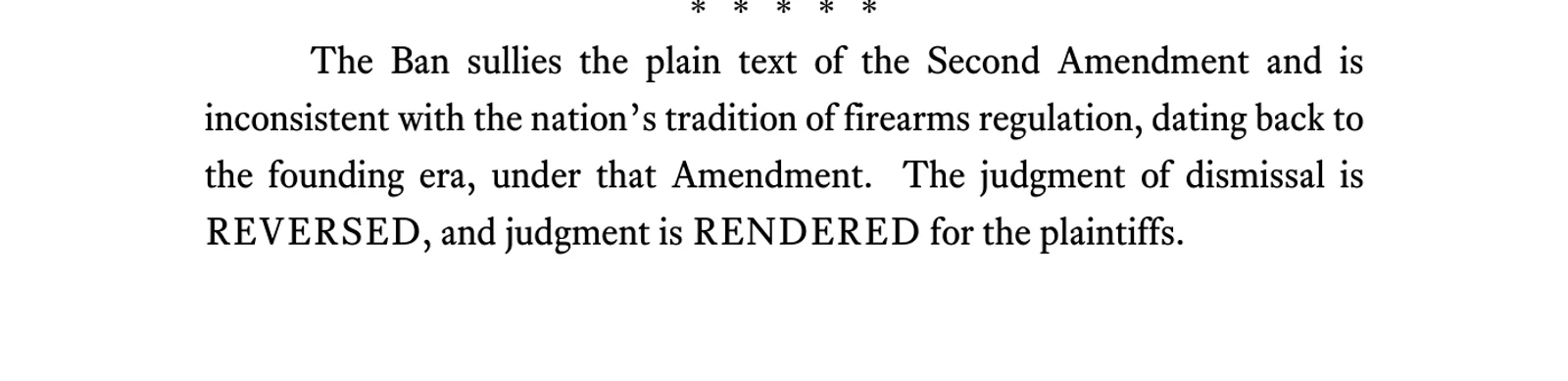
- →Elite Precision v. ATF: The court reversed the dismissal in case No. 25-11206 and entered judgment for the plaintiffs.
- →Three federal provisions: The opinion addresses 18 U.S.C. 922(a)(3), (a)(5), and (b)(3), along with the related ATF regulation.
- →Appeals courts disagree: The majority rejected the Second Circuit's reasoning in United States v. Vereen, which upheld the ban.
Fifth Circuit Strikes Down the Interstate Handgun Ban
The Fifth Circuit ruled 2–1 on September 18 that the federal ban on direct handgun purchases across state lines violates the Second Amendment. In Elite Precision Customs v. ATF, the court reversed the lower court's dismissal and entered judgment for the challengers. The ruling targets the requirement to route an out-of-state handgun purchase through a second dealer in the buyer's home state.
Judge Smith wrote the majority opinion, joined by Judge Engelhardt. Judge Haynes dissented. The plaintiffs are Texas dealer Elite Precision Customs, Arizona resident Freddie Blish, New Mexico resident Tim Herron, and Firearms Policy Coalition.
Buying a Handgun Out of State: The Extra Transfer
Under the challenged federal system, an out-of-state dealer can send a handgun to a licensed dealer in the buyer's home state, where the buyer completes the transfer. The buyer cannot simply take possession directly from the out-of-state dealer. Rifles and shotguns have an exception for qualifying in-person dealer sales that comply with the laws of both states.
For a handgun buyer, that extra dealer adds a separate transfer, a potential fee, and a wait for the firearm to arrive. A receiving dealer also has to agree to handle it. Herron described paying an intermediary dealer and waiting longer to receive handguns he had purchased out of state.
That distinction drove the majority's reasoning. Waiting longer never makes the direct transaction lawful under the ban. A buyer must use a different transaction involving another dealer. The court treated that as a prohibited class of purchases, rather than an ordinary delay while a background check runs.
Why the Majority Rejected the Ban
The majority held that the right to keep firearms includes the right to acquire them. It relied in part on Reese v. ATF, the Fifth Circuit's earlier handgun-age decision. Giving buyers another way to obtain a handgun did not remove the constitutional burden on the direct purchases prohibited here.
The government argued that the system was a lawful condition on commercial sales and helped prevent buyers from evading state laws. It cited historical restrictions on cross-border arms commerce, gunpowder, and weapons held for public defense.
The court found those examples too different. Many concerned wartime defense, commerce with foreign sovereigns, or product inspection. In the majority's view, they did not establish a tradition of barring peaceful citizens from buying handguns directly across state lines within the United States. The government therefore failed the historical test required by Bruen.
A Split With the Second Circuit
The Fifth Circuit expressly rejected the Second Circuit's approach in United States v. Vereen. That court had upheld the same federal ban using historical laws governing arms and gunpowder moving across borders. The Fifth Circuit found that comparison too broad, creating a conflict between federal appeals courts over the restriction.
Haynes's short dissent agreed with the district court that the challenged provisions were constitutional and said she would affirm. The majority instead decided the historical question itself because both sides had briefed it and the facts were undisputed.
Secure Handgun Storage

Vaultek VS20i (Biometric)
- 1 full-size handgun + magazine
- No fire rating
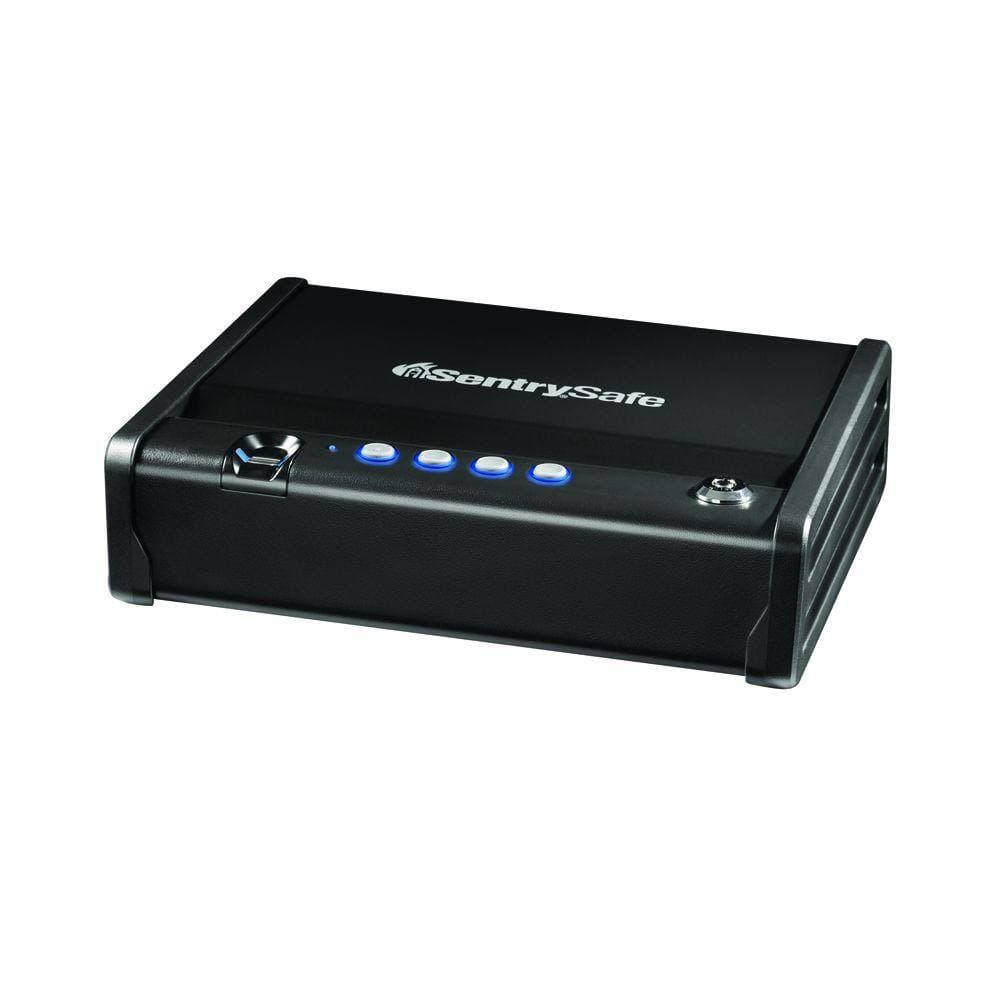
SentrySafe QAP1BE Biometric Pistol Safe
- 1 handgun
- No fire rating
Affiliate links (?)
What Buyers Should Check Next
Before arranging a direct out-of-state transfer, have the licensed dealer confirm the operative relief and whether a stay applies. The appellate mandate is the document that makes the court's judgment effective; under Rule 41, its timing can be affected by rehearing requests and court orders. State purchase and possession restrictions remain separate, as do background checks. The September 18 opinion should not be read as immediate permission for every dealer nationwide to complete these transfers.
Plan how the handgun will be secured after a lawful transfer. Our pistol case guide compares protective cases, and our handgun safe guide covers storage at home. The comparison tool provides side-by-side catalog specifications.
Follow Major Firearm Court Decisions
Get firearm policy news with clear explanations of the rulings and their practical effects.