Key Takeaways
- →Settled August 13, 2026: The DOJ and the Los Angeles County Sheriff's Department filed a settlement in United States v. LASD, ending the first affirmative Second Amendment lawsuit the Justice Department ever brought.
- →Four years of public numbers: LASD must publish its lowest, highest, and average CCW processing times on its website, plus fingerprint turnaround with the California DOJ and the number of delay complaints received and resolved.
- →Why DOJ sued: Department data reviewed in the investigation showed two approvals out of more than 8,000 applications, with interviews scheduled as far as two years after a completed application.
- →Deadlines now bind: LASD warrants it is meeting California's 90-day initial-determination deadline; a false representation is a material breach of the agreement.
- →Court keeps jurisdiction: The Central District of California retains enforcement power for four years, then the case auto-terminates with a dismissal with prejudice if LASD stays compliant.
What the Settlement Requires
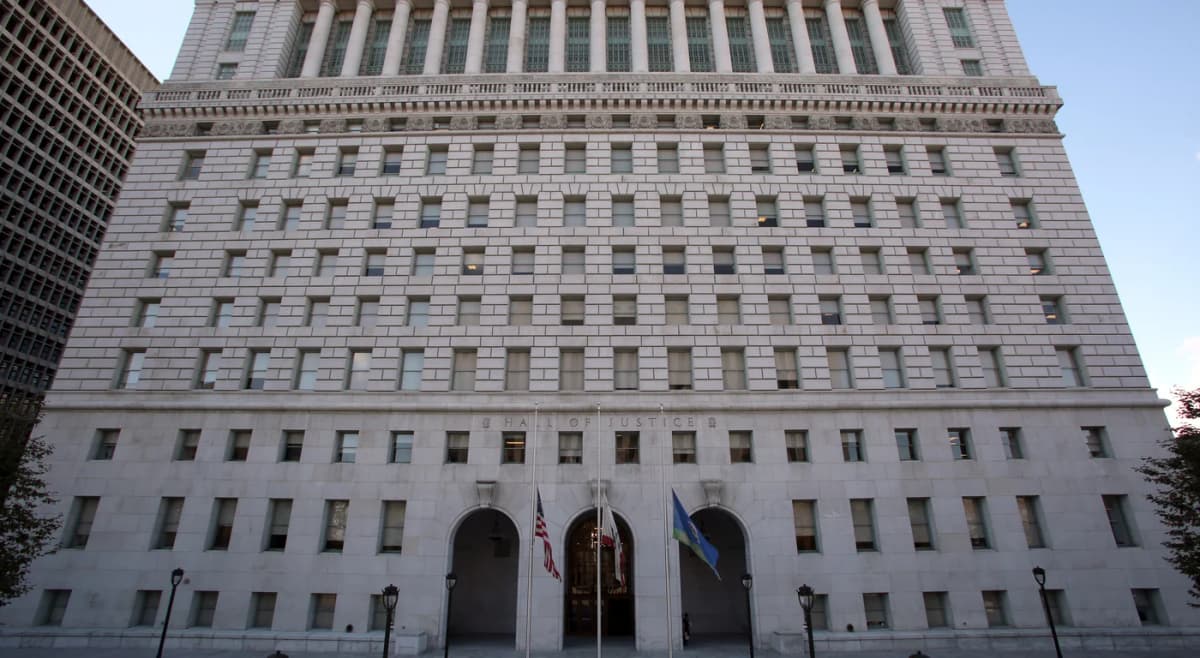
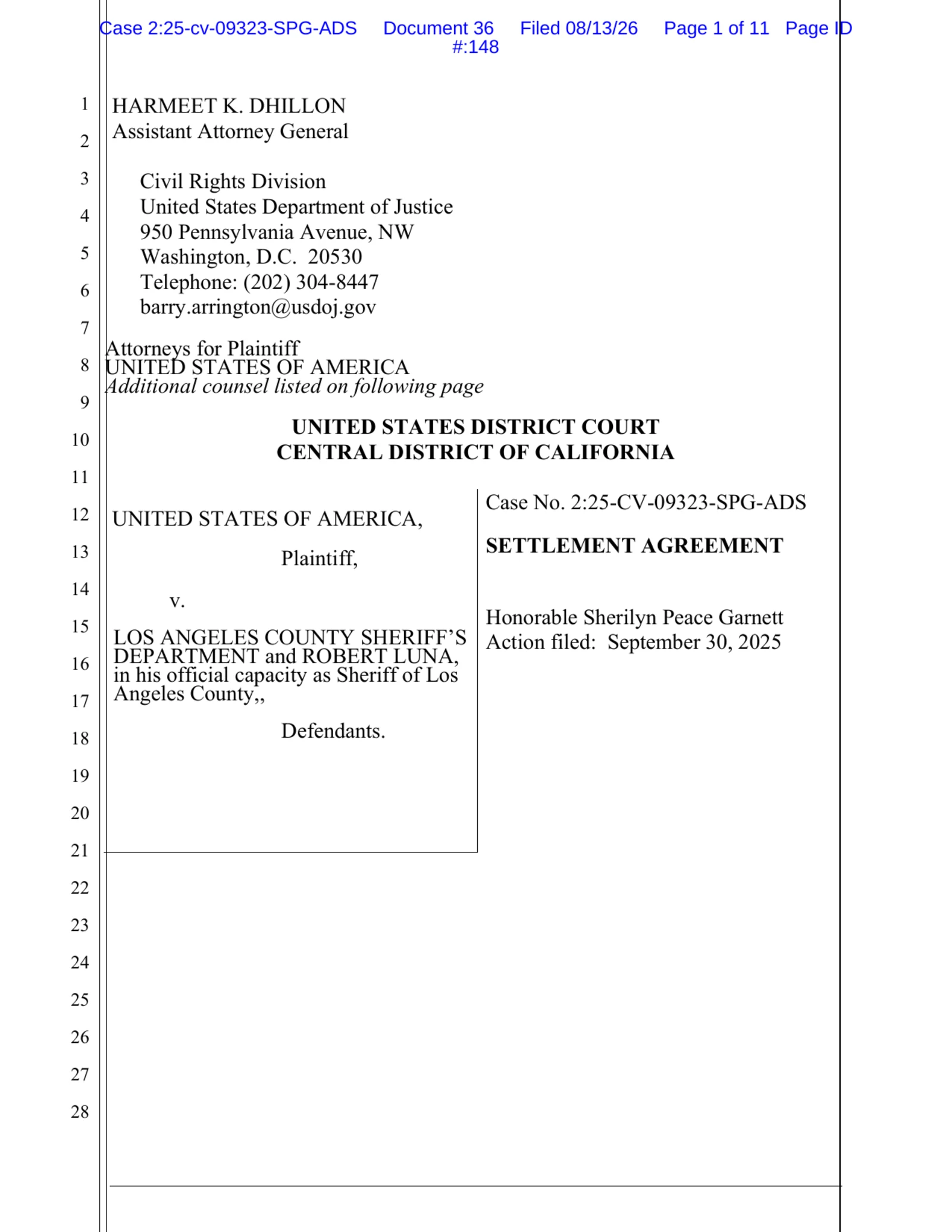
The settlement, filed August 13, 2026 as Document 36 in Case 2:25-cv-09323 before Judge Sherilyn Peace Garnett, converts LASD's cleanup into binding obligations. The department represents and warrants that it is complying with California's CCW processing deadlines at all times, absent situations outside its control, and the agreement makes that representation a material term: if it is false, LASD is in material breach. The department must also maintain a licensing regime consistent with the Supreme Court's Bruen decision and deny permits to anyone federally prohibited under 18 U.S.C. 922(g).
The transparency terms are the teeth. Within 90 days of the court's approval, LASD must file a declaration demonstrating its compliance and the steps taken to get there. For four years it must publish statistics on its public website: the lowest, highest, and average number of days the California DOJ takes to return fingerprint results, the same three numbers for LASD's own written approval and denial notices, and the count of delay complaints received and resolved. The DOJ can audit those numbers, and LASD must hand over supporting records within 60 days of a request.
How LA County Got Here
The case began March 27, 2025, when the Civil Rights Division opened the first Second Amendment pattern-or-practice investigation in the department's history, prompted by a stream of complaints about CCW delays in Los Angeles County. The data LASD produced was stark: of more than 8,000 permit applications reviewed, exactly two had been approved, and the department was setting applicant interviews as far as two years after receiving a completed application. California law gives a licensing authority 90 days to issue a written initial determination under Penal Code 26202(d).
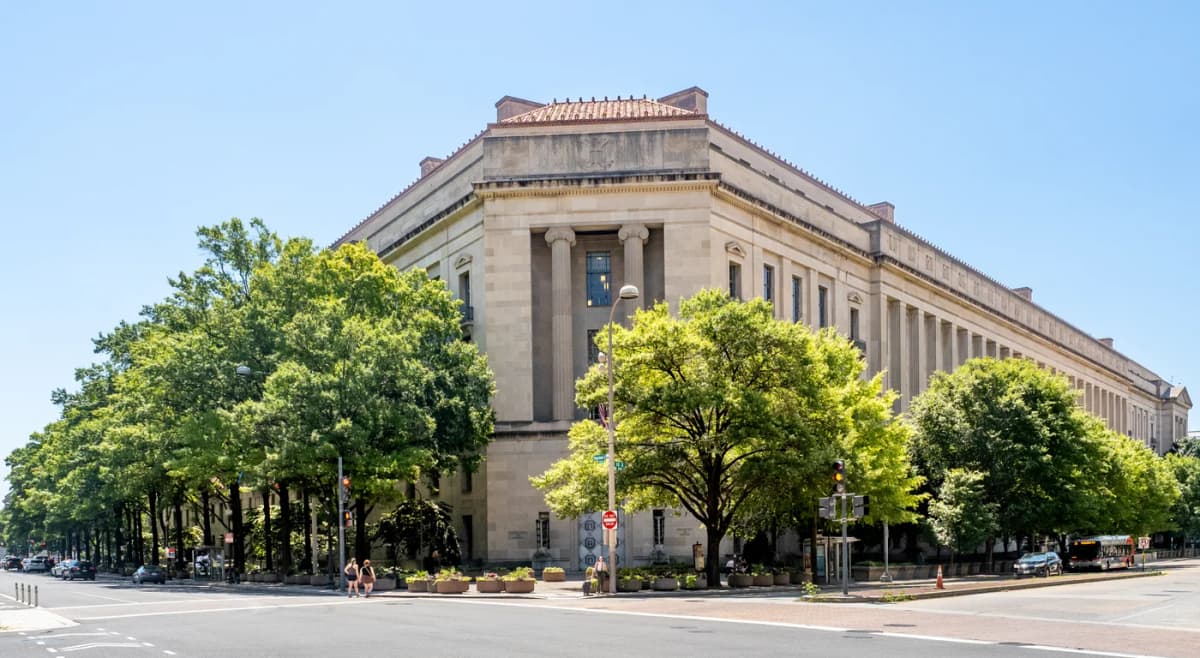
On September 30, 2025, the DOJ filed suit under 34 U.S.C. 12601, the pattern-or-practice statute historically used against police departments for excessive force and unconstitutional stops. Attorney General Pamela Bondi and Assistant Attorney General Harmeet Dhillon framed it as the first affirmative DOJ lawsuit in support of gun owners, and it arrived amid a broader federal litigation push that includes the department's suits against Virginia's AR-15 ban and California's Glock ban and the Office of Legal Counsel's opinion that lawful carry is legal in public post offices.
What Changed at LASD
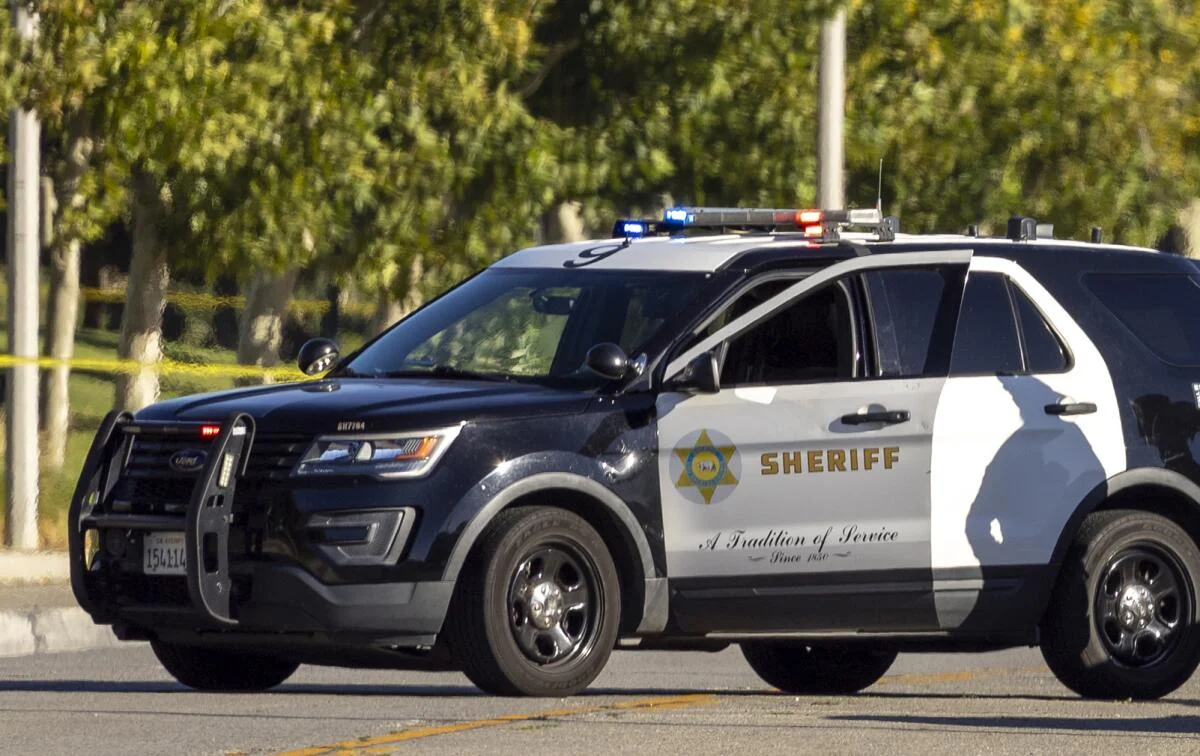
LASD fixed the backlog rather than fight the case. When the DOJ filed suit, applicants were waiting an average of more than nine months for permits. According to the DOJ's August 13 announcement, Sheriff Robert Luna's office devoted substantial additional resources to permitting, including new processing software and additional personnel, and cut waiting times to within the statutory deadlines. Dhillon credited the sheriff for acknowledging the problem, calling the resolution a successful conclusion to the litigation.
The settlement resolves all federal claims under section 12601 without any admission of liability by LASD. The parties jointly asked the court to remove the case from its active docket under Rule 41(a)(2) while keeping jurisdiction to enforce the deal. Disputes go through a structured process first: informal consultation, written notice within ten days of an impasse, and a meet-and-confer within 21 days before either side can petition the court. Absent a court-ordered change or a pending modification, the agreement and its reporting obligation terminate automatically four years after the effective date, and the dismissal becomes final with prejudice.
Two Settlements in One Week
The DOJ deal is the second LASD carry settlement in seven days. On August 6, 2026, the Second Amendment Foundation announced that it, the California Rifle and Pistol Association, Gun Owners of America, and individual plaintiffs had settled their own lawsuit over the same delays, with LASD committing to process applications within California's statutory timeline; that deal still requires final approval from the Los Angeles County Claims Board. That private case, originally filed in December 2023, also challenged high permit fees and nonresident exclusion, issues largely mooted by AB 1078, the October 2025 state law that opened California CCW applications to qualified nonresidents.
The federal settlement layers on obligations the private one does not: the published statistics, the court-filed compliance declaration, the DOJ audit right, and a material-breach trigger backed by the Civil Rights Division's Second Amendment Section. For the roughly ten million residents of Los Angeles County, the practical effect is that a licensing operation that produced exceptionally long carry-permit waits now sits under both private and federal enforcement at once.
What It Means for Applicants
An LA County applicant today should see an initial determination within the 90-day statutory window, and can verify how the department is actually performing once the public statistics go up. The DOJ's Second Amendment Section also maintains a standing complaint channel: it asked anyone anywhere in the country who has waited more than four months on a carry permit decision to report it. Complaints prompted the LASD investigation, and the settlement gives the DOJ the rights to verify LASD's reports and seek enforcement.
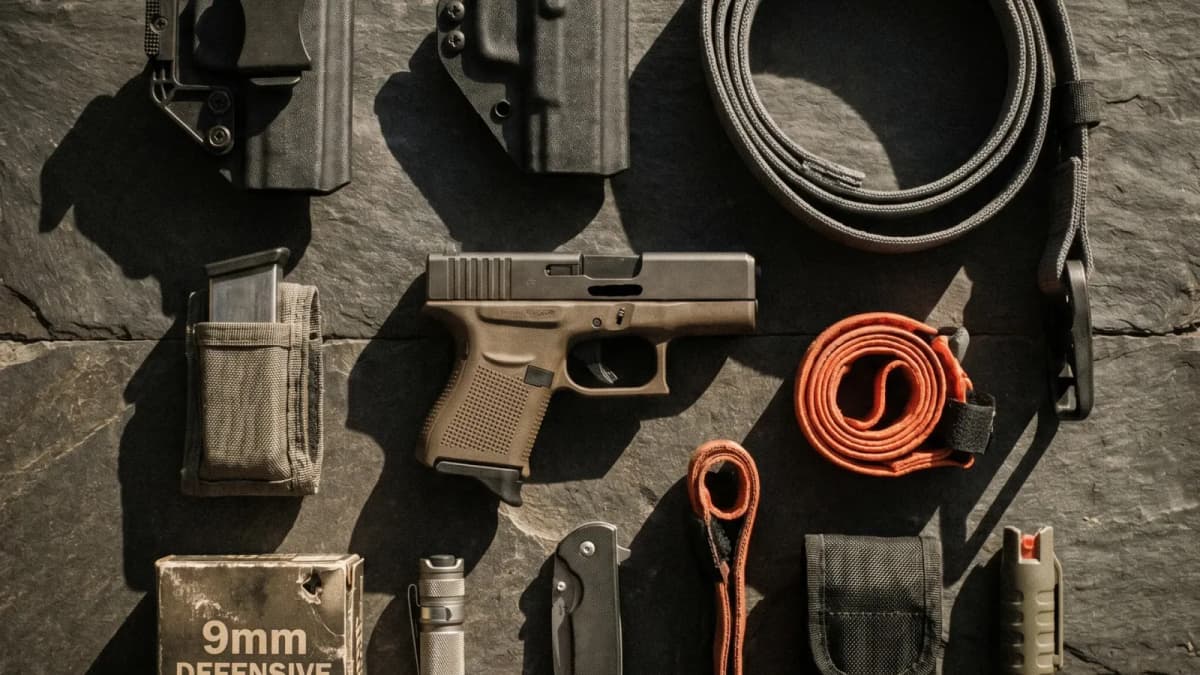
A permit is only the paperwork half of carrying. Applicants coming off a multi-year wait still need to pass the required training course and pick hardware worth carrying; our concealed carry pistol rankings cover the California-roster-friendly picks, and the holster guide sorts the IWB and appendix options that make daily carry sustainable once the license arrives.
Carry Gear for the New Permit
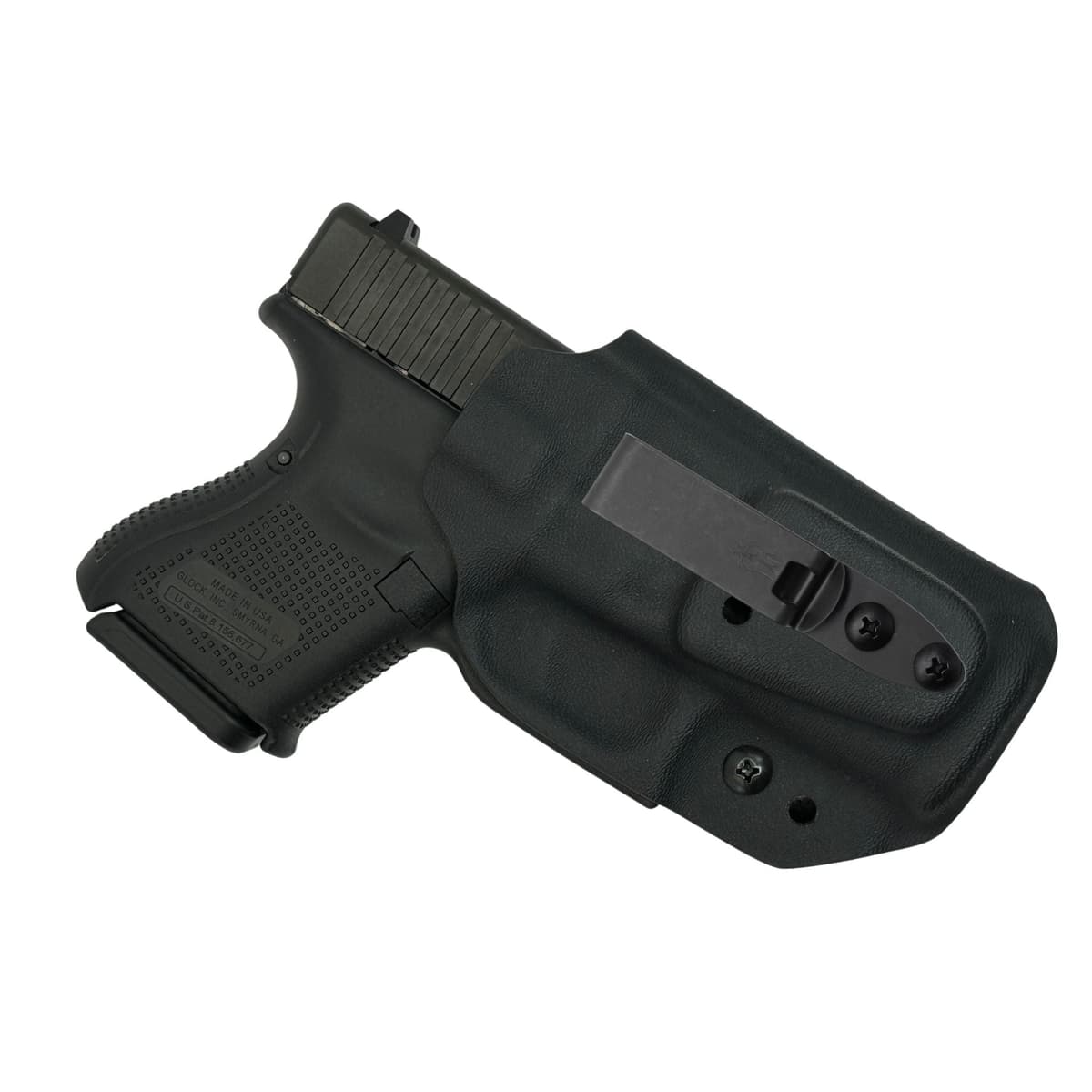
Betty 2.0 IWB Holster
- IWB
- Molded shell

Ventcore 2.0 Appendix IWB Holster
- AIWB hybrid
- Laser-cut Ventcore backer
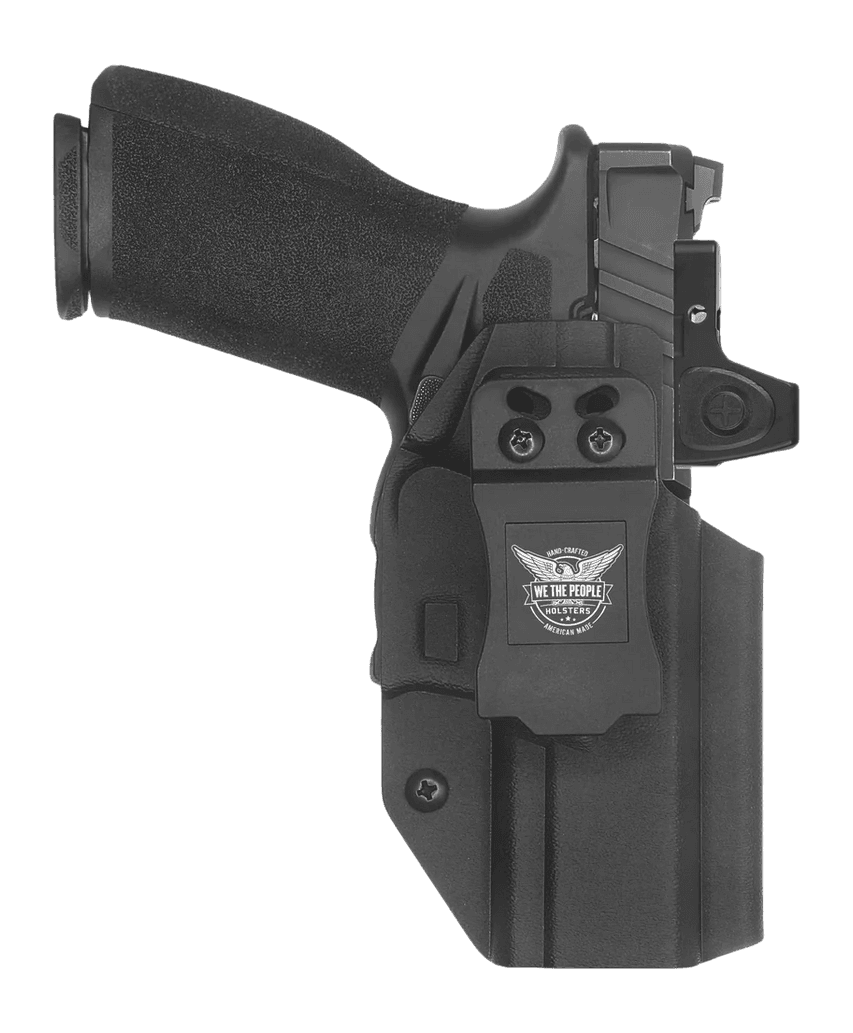
IWB Kydex Holster
- IWB
- Kydex
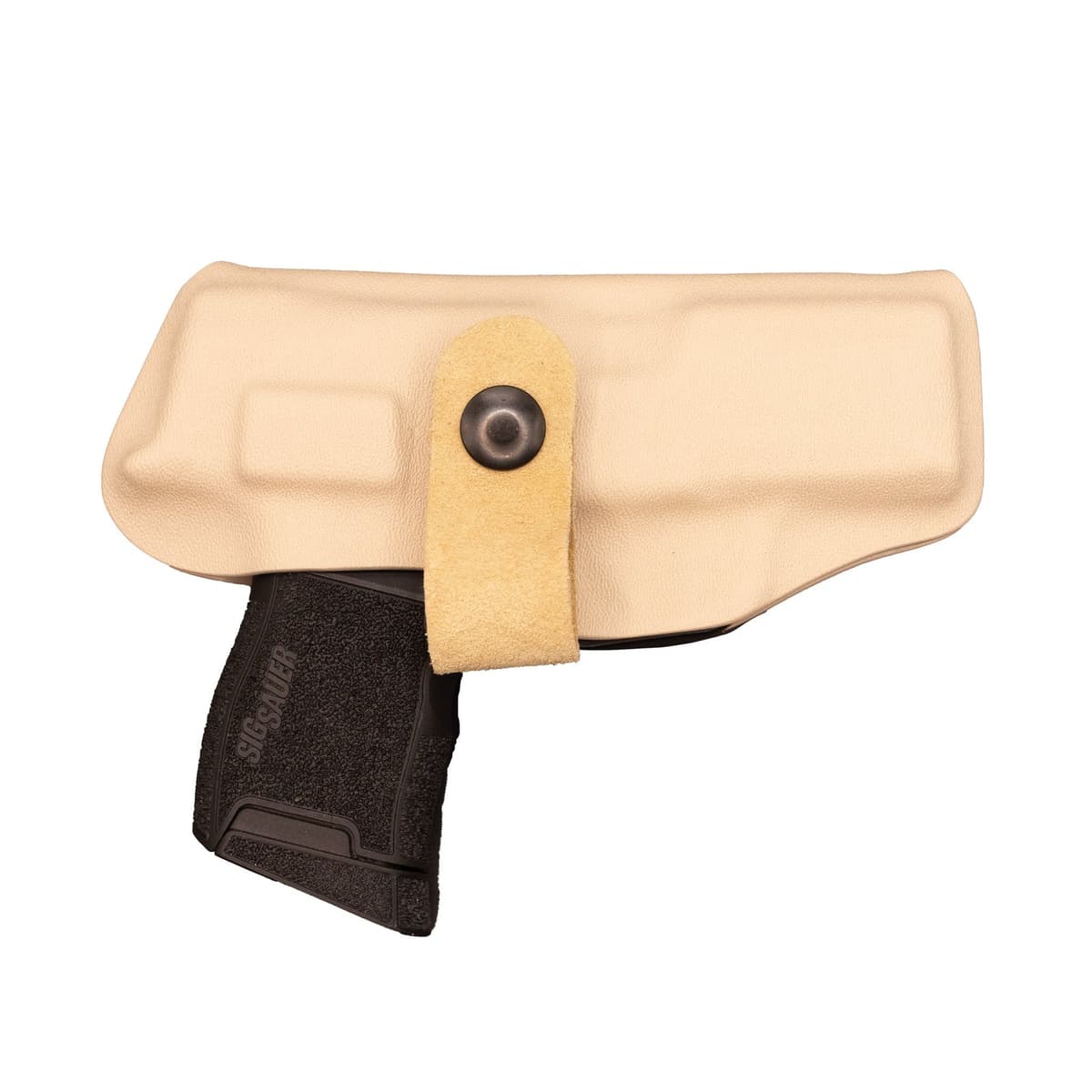
Flashbang Bra Holster
- Bra holster
- Center carry

Marilyn Holster
- Bra holster
- Side/underarm carry
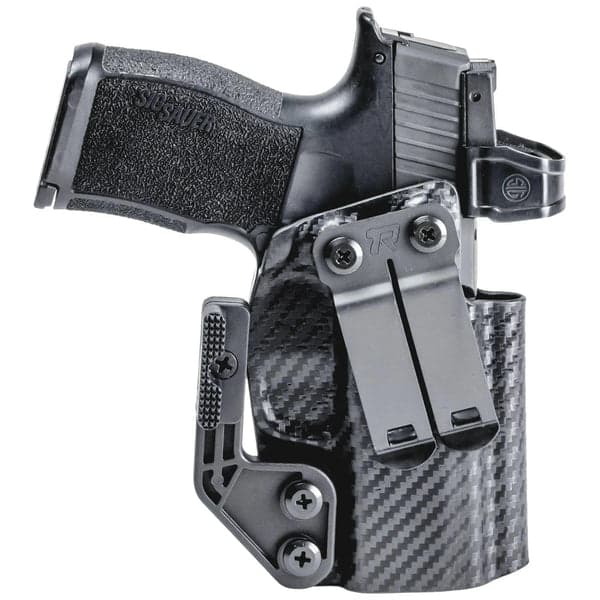
IWB Kydex Holster
- IWB/AIWB
- .08" Kydex
Affiliate links (?)
Stay Updated on Carry Law Changes
Get notified when carry permit rules, DOJ Second Amendment actions, and state law changes affect what you can carry and where. We cover the rulings and the gear in the same place.