Key Takeaways
- →Injunction denied August 24, 2026: Judge Dana M. Sabraw refused to add the Glock ban claim to Renna v. Bonta, No. 20-cv-2190-DMS-DEB (S.D. Cal.), and denied the August 4 injunction motion as moot ahead of its September 4 hearing date. The ruling is procedural, not a Second Amendment decision.
- →What is banned: Since July 1, 2026, Penal Code 27595(a) bars licensed dealers from selling or transferring any semiautomatic pistol with a cruciform trigger bar. Penalties run from a $1,000 fine to a misdemeanor and mandatory license revocation on a third violation.
- →The carve-outs: Pistols delivered to a dealer before January 1, 2026 are exempt under 27595(c)(1), and private party transfers through a dealer stay legal under 27595(c)(3). Possession was never restricted.
- →The DOJ swung first and missed: The United States sued July 1, 2026 in the Central District of California using 34 U.S.C. 12601. Judge Monica Ramirez Almadani denied its temporary restraining order in July without reaching the Second Amendment.
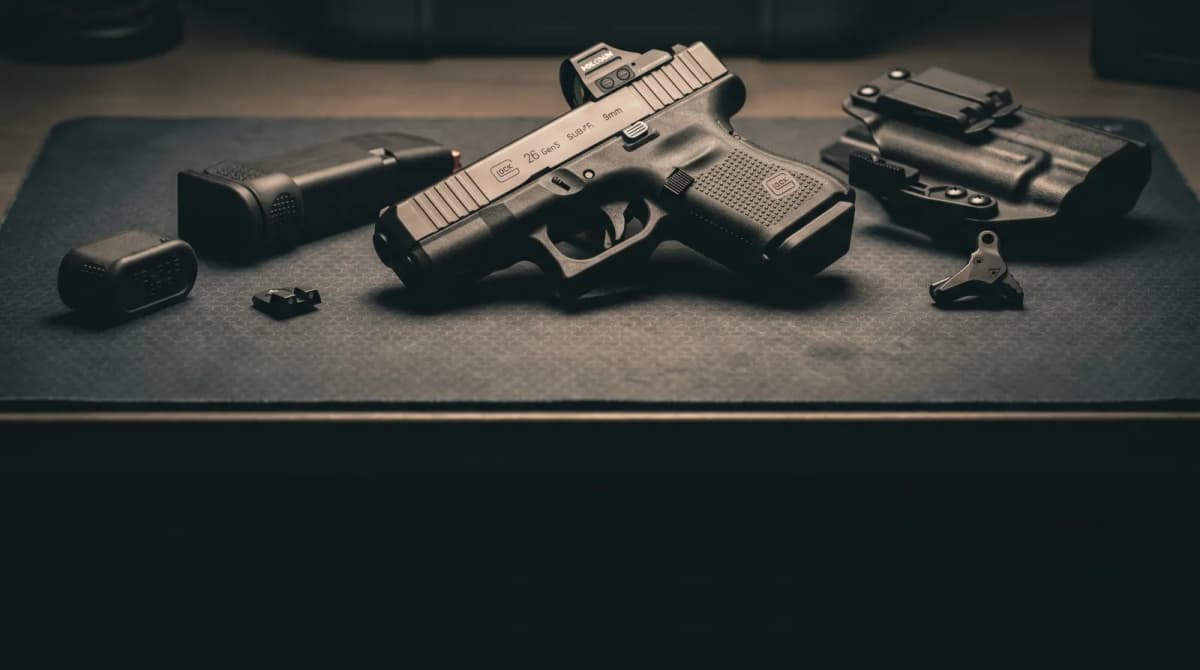
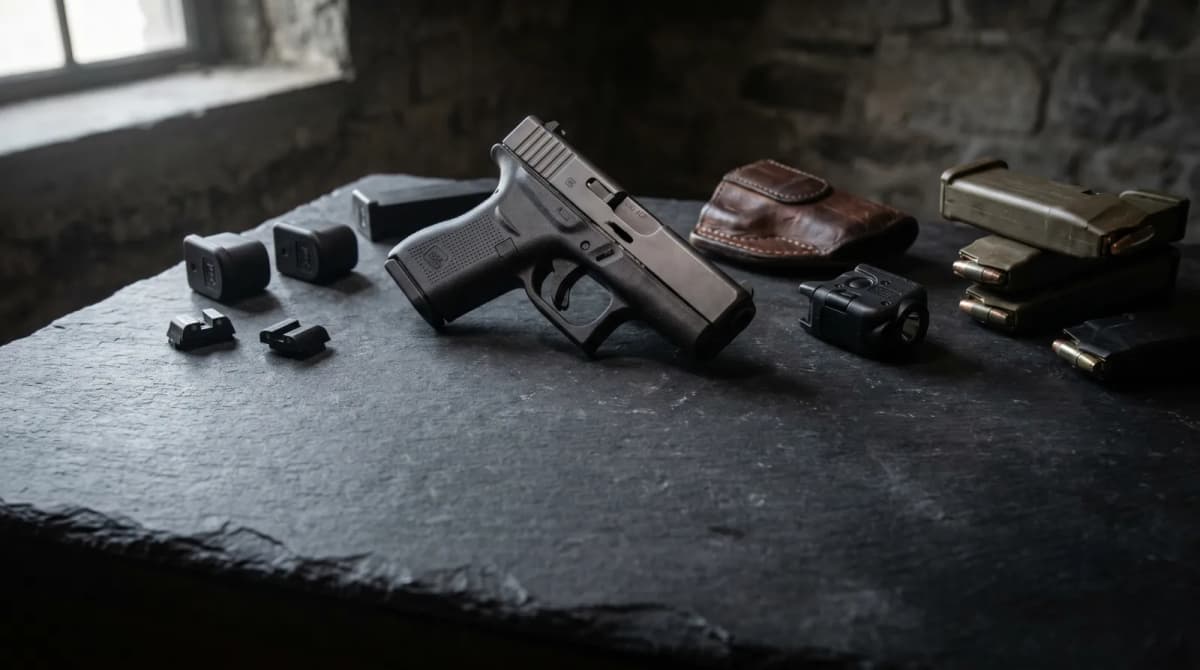
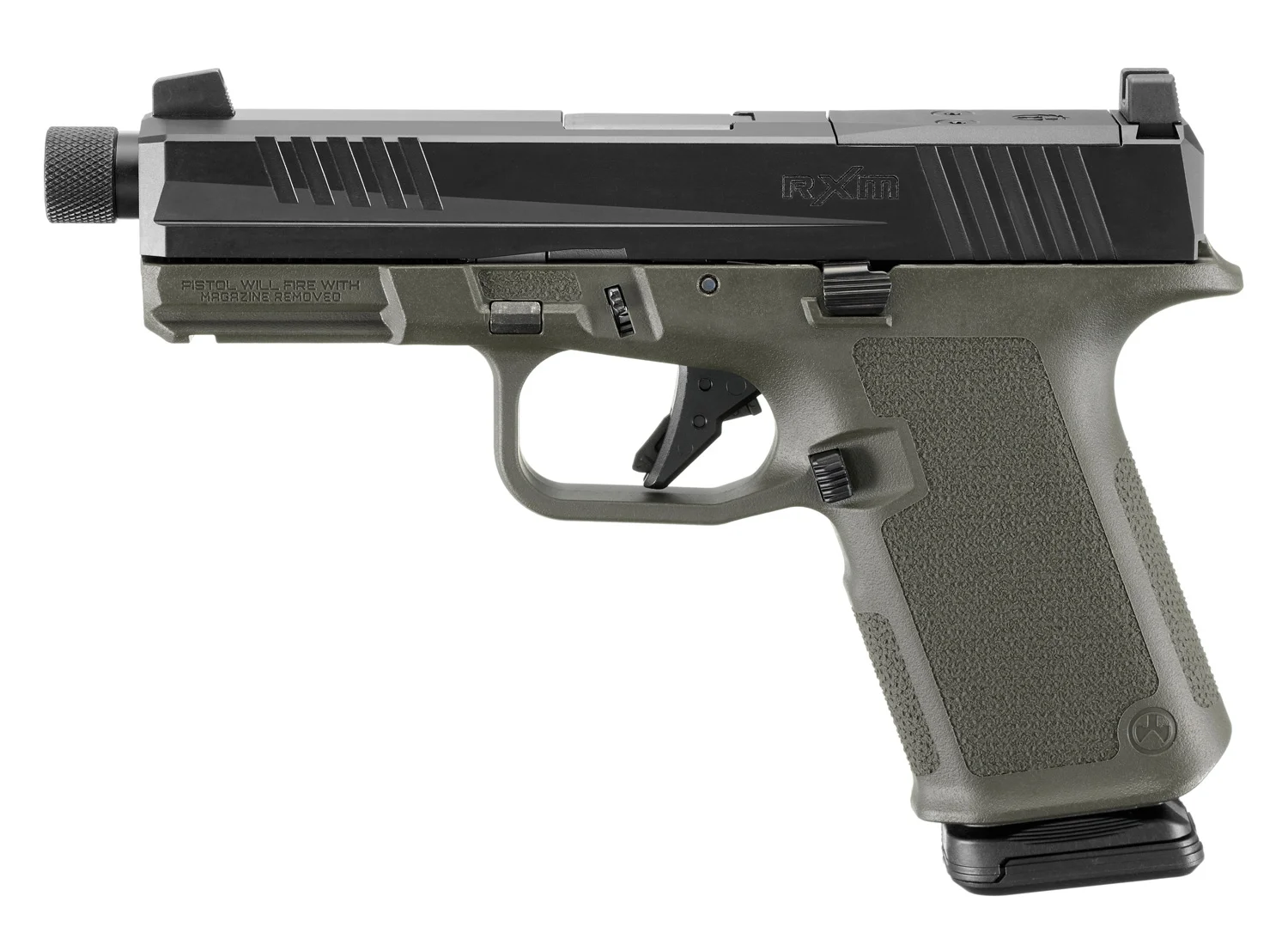
- →Reach beyond Glock: The definition covers every factory-stock Glock including the Gen 6 and V series, plus Glock-pattern pistols such as the PSA Dagger, the Ruger RXM and Shadow Systems models.
The Injunction Motion Was Denied Before Its September 4 Hearing
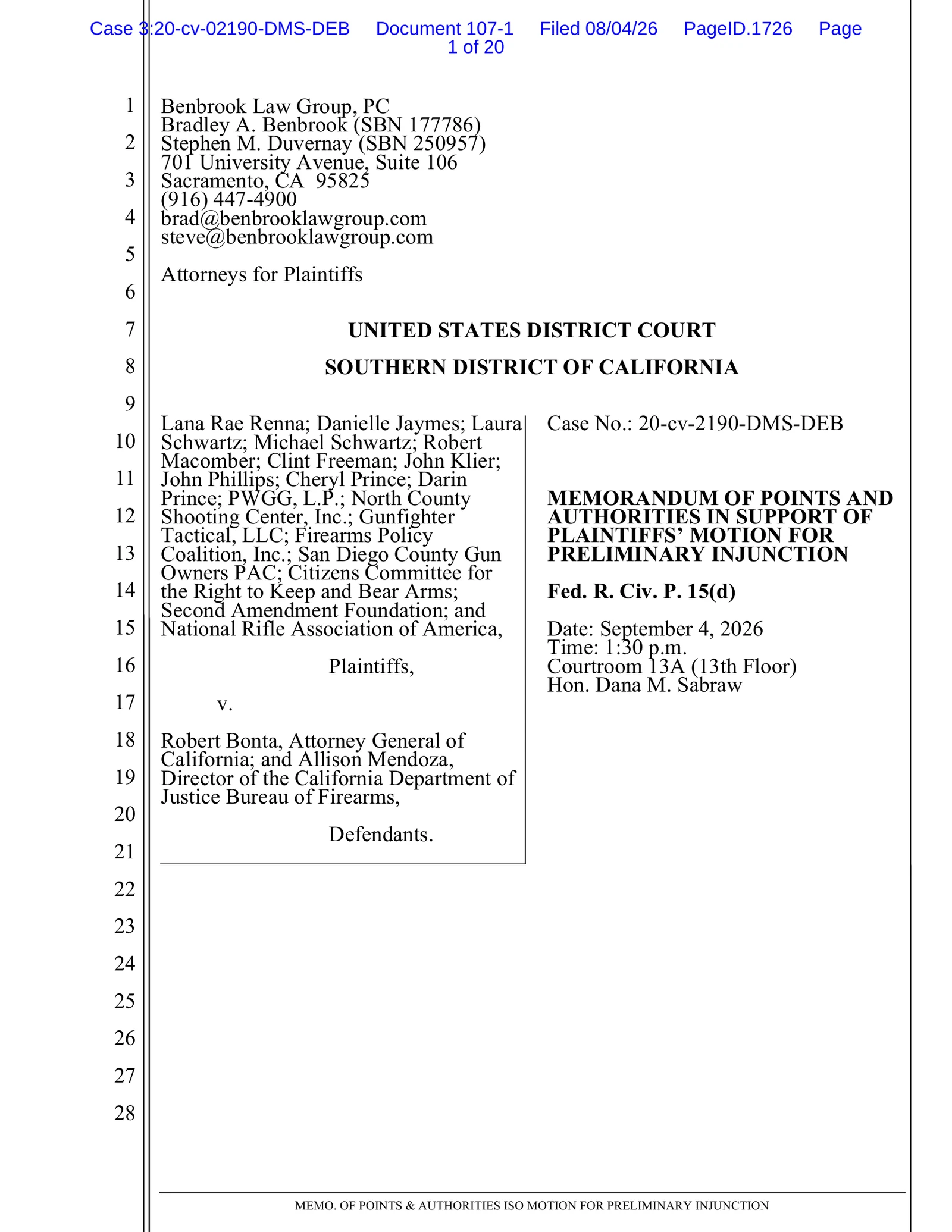
Judge Dana M. Sabraw denied the motion to preliminarily enjoin California's Glock ban on August 24, 2026, ahead of the September 4, 2026 hearing date set in Courtroom 13A of the Southern District of California. The Second Amendment Foundation, the National Rifle Association, the Firearms Policy Coalition, the Citizens Committee for the Right to Keep and Bear Arms, San Diego County Gun Owners PAC, ten individual Californians and three licensed dealers filed the motion on August 4, 2026 in Renna v. Bonta, No. 20-cv-2190-DMS-DEB. The defendants are Attorney General Robert Bonta and Allison Mendoza, director of the California DOJ Bureau of Firearms.
Renna is not a new case. It is the long-running challenge to California's Unsafe Handgun Act and its handgun roster, and the same court already preliminarily enjoined several roster provisions on April 3, 2023, finding they banned handguns in common use and specifically naming the Glock 43 and the Glock 17 Gen 5. That ruling is on appeal at the Ninth Circuit. Plaintiffs amended into the case again on March 27, 2026 to add the NRA, then moved on July 1, 2026 for leave to file a supplemental complaint adding a claim against the Glock ban. The August 4 motion asked Judge Sabraw to enjoin Penal Code 27595(a) outright and to waive the Rule 65(c) bond or set only a nominal one.
The August 24 order never reached the Second Amendment. Judge Sabraw denied leave to file the supplemental complaint, agreeing with the state that the Glock ban claim "has nothing to do with the UHA," and denied the injunction motion as moot because it rested on that complaint (ECF No. 112). He faulted the procedural route: a large subset of the same plaintiffs sued over the ban in Jaymes v. Bonta, No. 25-cv-02711, on October 13, 2025, the case stayed with Judge Gonzalo Curiel, and they voluntarily dismissed it on April 10, 2026. Those plaintiffs, the order says, could have sought a preliminary injunction there ten months earlier. Penal Code 27595(a) stays in force.
"California is the unmistakable leader in innovating new and creative ways to impose tyranny," FPC president Brandon Combs said when the coalition announced the filing. "Rather than protect the rights of peaceable people, Gavin Newsom and his anti-rights regime are working to put people in cages and ban some of the most popular handguns in America."
What AB 1127 Actually Bans
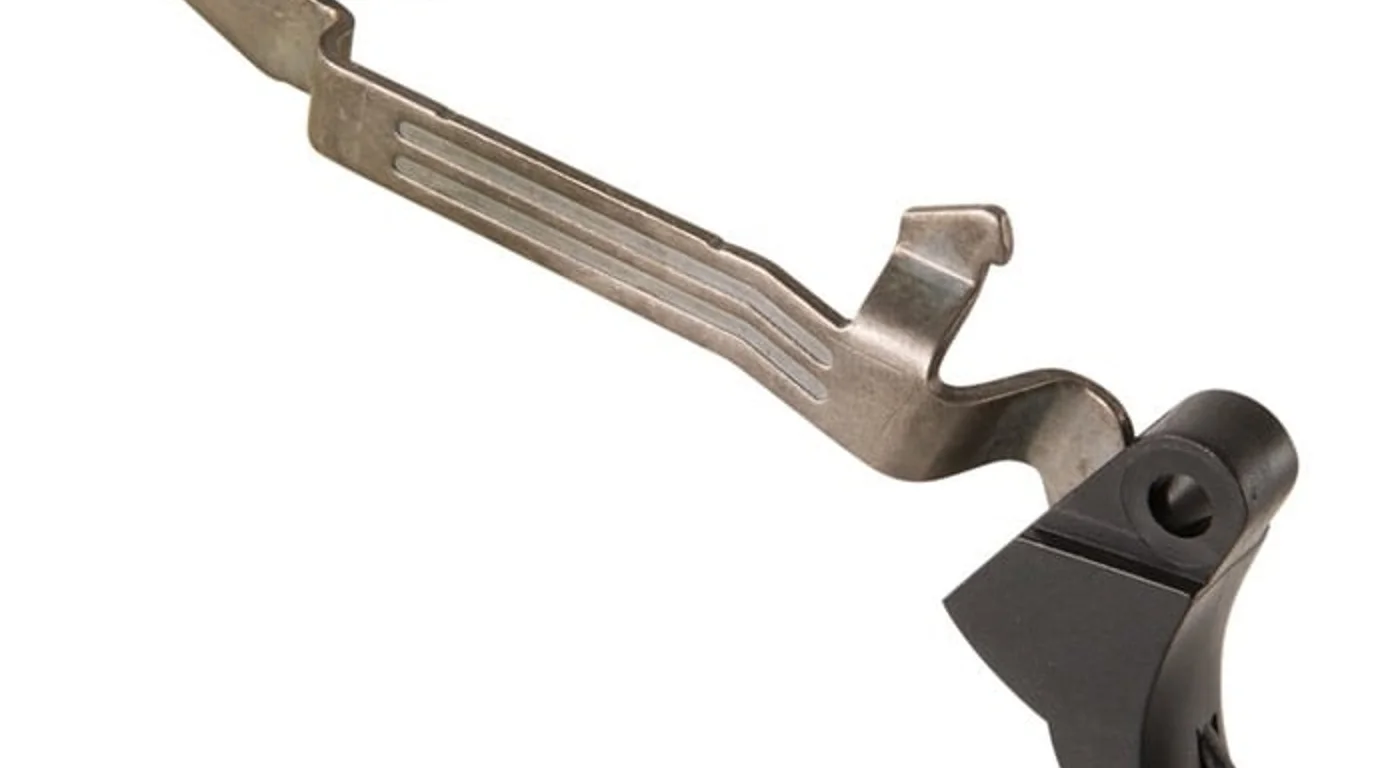
AB 1127 bans a trigger part, not a brand. Signed October 10, 2025 and operative July 1, 2026, it added Penal Code 27595(a), which says a licensed dealer "shall not sell, offer for sale, exchange, give, transfer, or deliver any semiautomatic machinegun-convertible pistol." Penal Code 16885(a) defines that term as any semiautomatic pistol with a cruciform trigger bar that can be readily converted by hand or with common household tools into a machinegun by installing a pistol converter as a replacement for the slide's backplate, with no additional engineering, machining or modification of the trigger mechanism. Nothing requires a converter to be present. The pistol's own geometry is the offense.
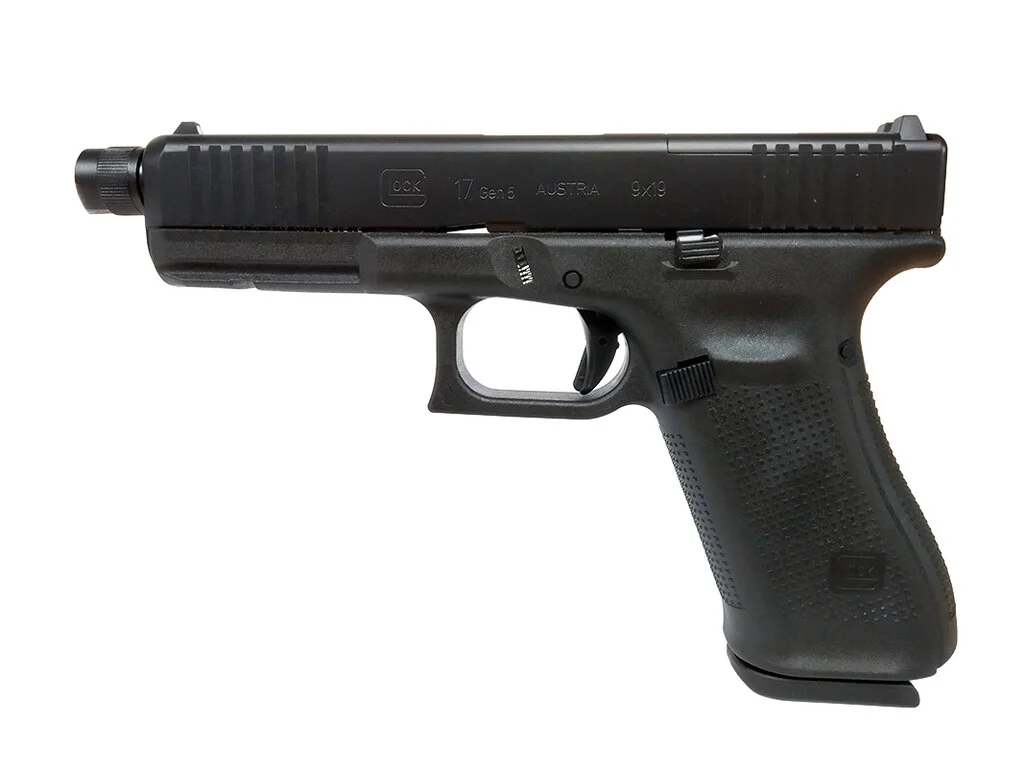
The statute draws its own boundaries. Penal Code 16885(b) exempts hammer-fired semiautomatic pistols and striker-fired pistols whose trigger bar is shielded from interference by a converter, which is why the SIG P320, the Smith & Wesson M&P and the Springfield Echelon are untouched. Penal Code 16885(c) forecloses the obvious workaround by stating that a polymer notch molded into the rear of the frame does not prevent ready conversion and will not keep a pistol out of the definition. Penalties escalate under 27595(b): a first violation draws a fine of up to $1,000, a second up to $5,000 plus possible suspension or revocation of the dealer's license and removal from the California DOJ centralized lists, and a third is a misdemeanor that requires revocation.
The reach extends well past Austria. Glock's Gen 3 patent expired in 2020, and the pattern pistols that followed use the same trigger bar. Plaintiffs name the Palmetto State Armory Dagger, the Ruger RXM and many Shadow Systems models as covered, and note that the roster itself still lists cruciform trigger bar handguns including several of the Shadow Systems 920 line. If you are sorting through what is left on California shelves, the 9mm pistol rankings and the concealed carry pistol guide both flag which picks use a shielded or hammer-fired trigger, and you can put two of them side by side in the spec comparison tool.
What California Left Open
AB 1127 regulates dealers, and it left nine exemptions in Penal Code 27595(c) that matter to buyers. Subdivision (c)(1) exempts any covered pistol delivered to a firearms dealer before January 1, 2026, so a shop may still sell the inventory it took in before that date at retail, though it cannot replenish covered pistols for ordinary California retail sale. Subdivision (c)(3) exempts private party to private party transactions conducted through a licensed dealer, which keeps the used market running. Other subdivisions carve out transfers to law enforcement and military agencies, gunsmith service and repair, sales to other licensed dealers or to out-of-state FFLs, returns after safekeeping storage or a temporary prohibition, forensic laboratories, and sales to active or reserve peace officers.
Possession is untouched. AB 1127 does not require anyone to surrender a Glock, and the pistols already in California safes stay legal. The one place the law does contemplate new inventory is Penal Code 32103, which lets a pistol that sat on the roster on January 1, 2026 be modified solely to remove the features that made it machinegun-convertible and then re-tested for the roster without the chamber load indicator and magazine disconnect requirements, provided it goes to an independent certified laboratory before January 1, 2027. That is a redesign path for manufacturers, not a workaround for buyers.
Why the Justice Department Came Up Short
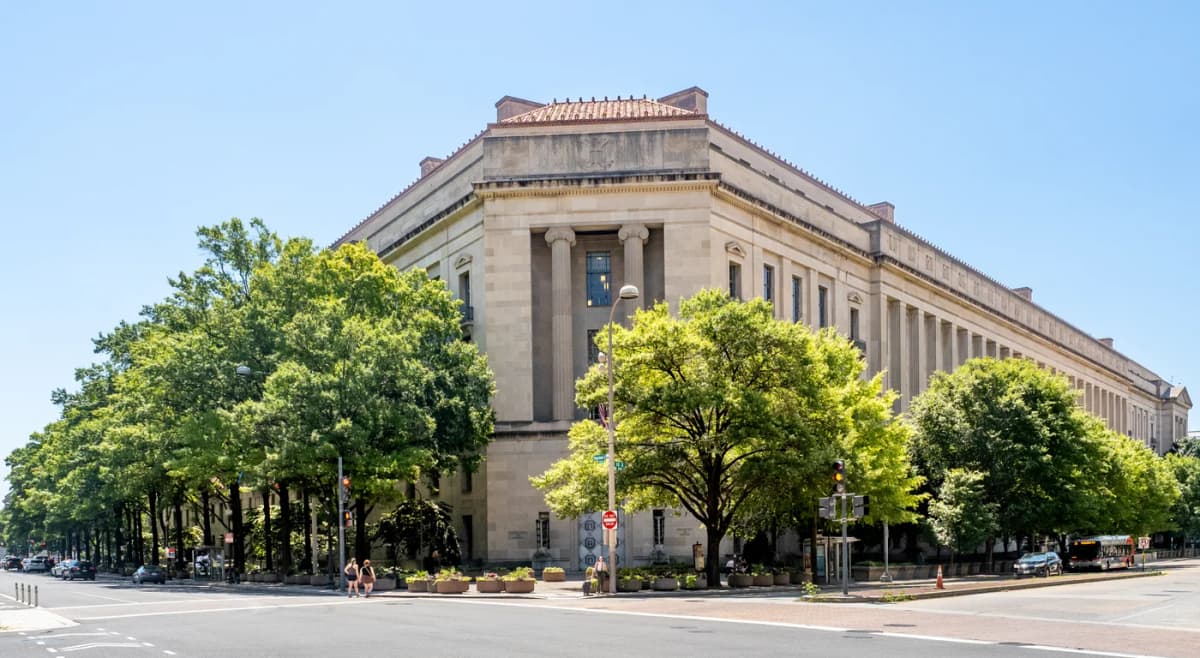
The federal government tried to stop this law first and lost the opening round on procedure. The Civil Rights Division's Second Amendment Section filed United States v. State of California, No. 8:26-cv-01697, in the Central District of California on July 1, 2026, the day the ban took effect, calling 27595(a) the "Glock Ban" and arguing that "California's ban on the sale of the most popular handgun in America obviously violates the Second Amendment." The complaint also attacks the handgun roster, and it is one of two suits the department filed that day, alongside its challenge to Virginia's AR-15 sales ban.
The vulnerability is the vehicle. The United States invoked 34 U.S.C. 12601, the pattern-or-practice provision of the 1994 Violent Crime Control and Law Enforcement Act, as its authority to sue a state over a statute. That is the same tool the department used against the Los Angeles County Sheriff's Department in the CCW permitting case it settled on August 13, 2026, but applying it to a legislature is new. Judge Monica Ramirez Almadani denied the department's request for a temporary restraining order in July 2026, writing that "the novel approach the United States employs to stake its claim is not obviously sound" and that, given the statute's carve-outs, "it is not clear that California citizens are prohibited outright from acquiring Glock and Glock-style pistols." She did not decide the Second Amendment question.
The Renna plaintiffs are individual gun owners and San Diego County dealers with ordinary Article III standing to challenge a law that stops them from buying and selling. They do not need 12601 to get through the courthouse door. Judge Sabraw's August 24 order did not question that standing; it held that the Glock ban claim does not belong in the handgun roster case.
The Common-Use Argument on the Table
Plaintiffs are running a straight Bruen play: Glocks are arms, they are in common use, and California has no historical analogue for banning their sale. The brief leans on federal production data. ATF's manufacturing and export report shows Glock produced 419,510 handguns in the United States in 2024 and exported 54,932 of them, leaving 364,578 built for the domestic market in a single year. It cites NSSF figures that more than 80 percent of handguns produced in the United States between 1991 and 2021 were semiautomatic pistols, and notes the Supreme Court has reviewed four handgun restrictions in Heller, McDonald, Bruen and the 2026 Wolford v. Lopez decision, striking down each one.
California's answer is the converter. The state's position, as AB 1127's author put it to the Senate Public Safety Committee, is that the Glock design is uniquely easy to switch to automatic fire. Plaintiffs reply that converters are already banned twice over, as machineguns under Penal Code 16880 and 32625 and federally, where 26 U.S.C. 5845(b) classifies them as machineguns and 18 U.S.C. 922(o) prohibits them, and that regulating the host gun because a separately illegal part exists proves too much. The DOJ complaint made the same point with a blunter example: a legal shotgun becomes an illegal short-barreled shotgun with a hacksaw, and nobody claims that lets a state ban shotguns.
California is not the only jurisdiction on this road. Plaintiffs told the court that Connecticut, Massachusetts, New York and Maryland have all taken regulatory or legislative action to mimic the restriction since AB 1127 passed. Judge Sabraw's August 24 order did not decide whether a cruciform trigger bar is a constitutional basis for banning a pistol.
The state also won a separate California firearms case in August 2026 on grounds that had nothing to do with the Second Amendment. In Richards v. Newsom the Ninth Circuit upheld the law requiring 24/7 video and audio recording on every California FFL's business premises, rejecting First, Fourth and Fifth Amendment challenges.
Pistol Red Dots
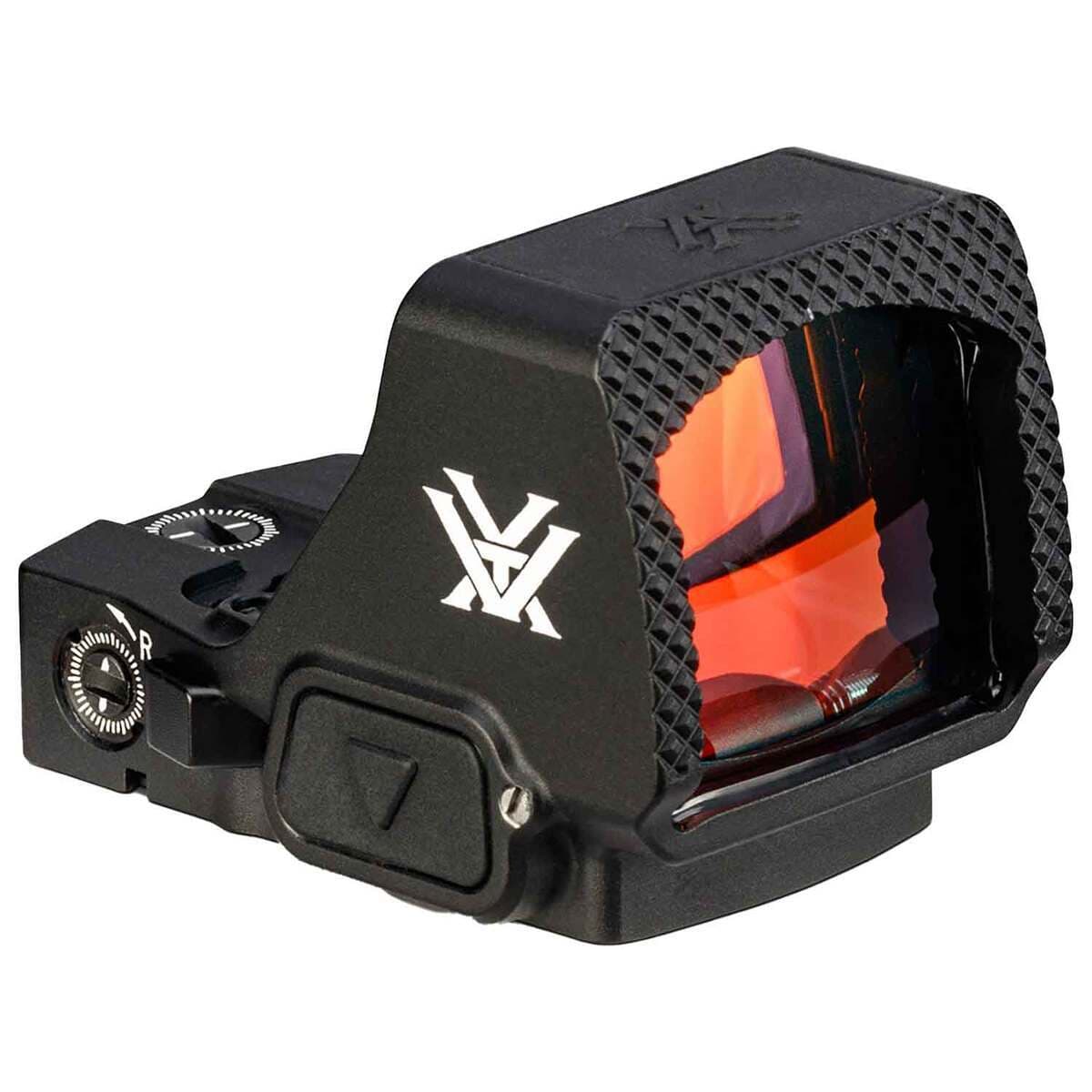
Vortex Defender-XL Micro Red Dot
- 2/5/8 MOA red dot
- DeltaPoint Pro footprint
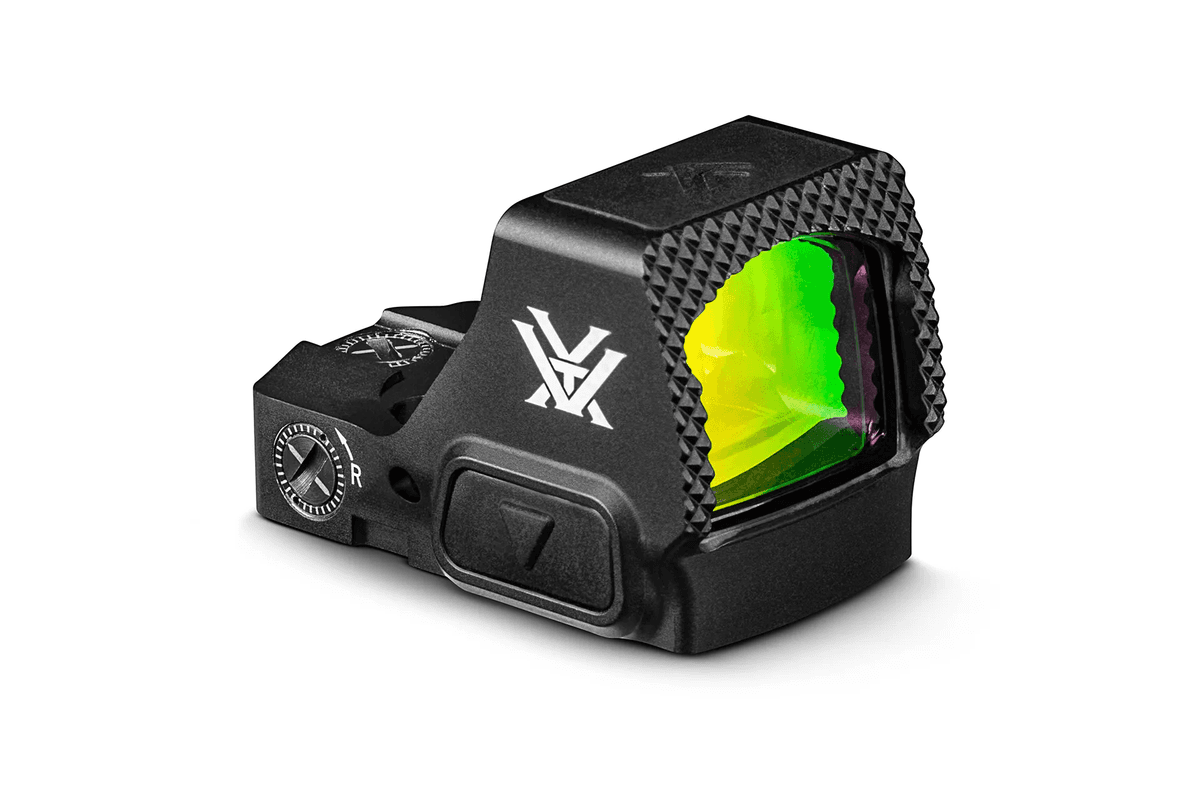
Vortex Defender-ST Micro Red Dot
- 3 or 6 MOA red dot
- DeltaPoint Pro footprint
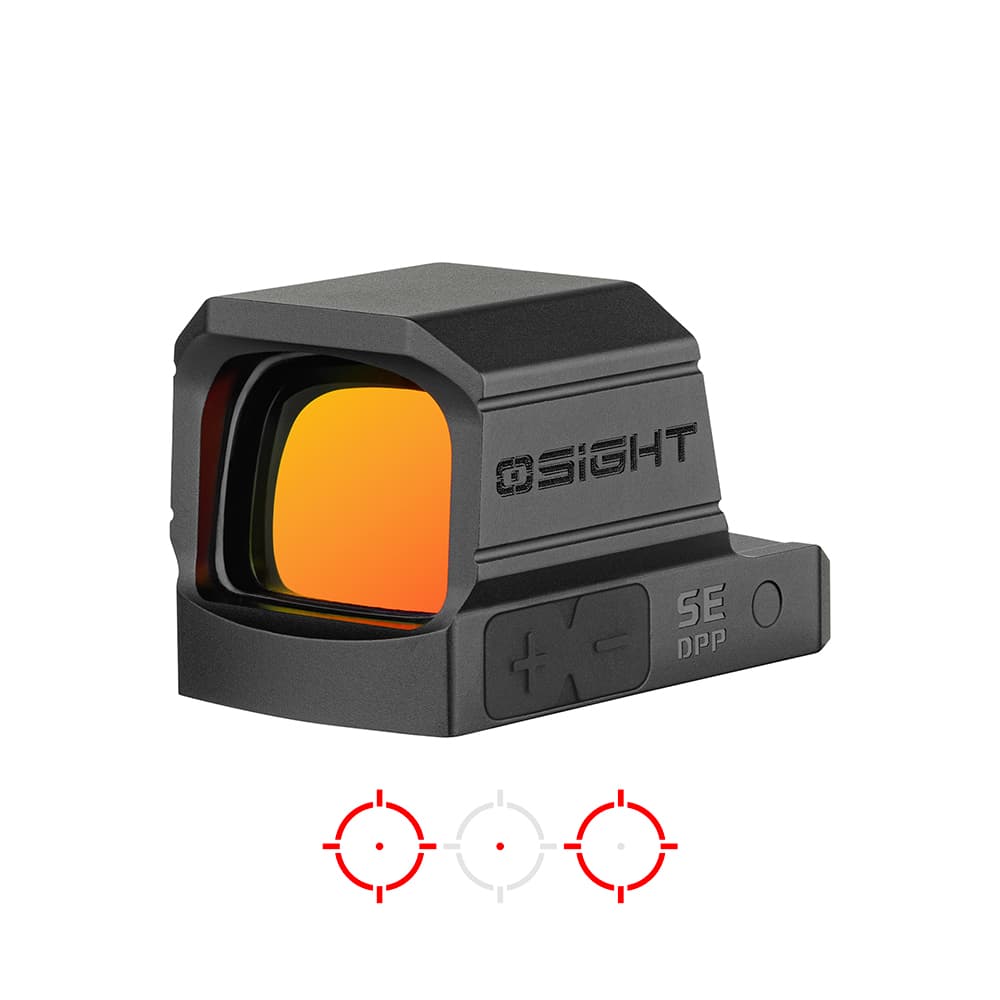
Osight SE DPP Enclosed Red Dot
- 2 MOA dot + 32 MOA circle MRS
- Enclosed emitter, DeltaPoint Pro footprint
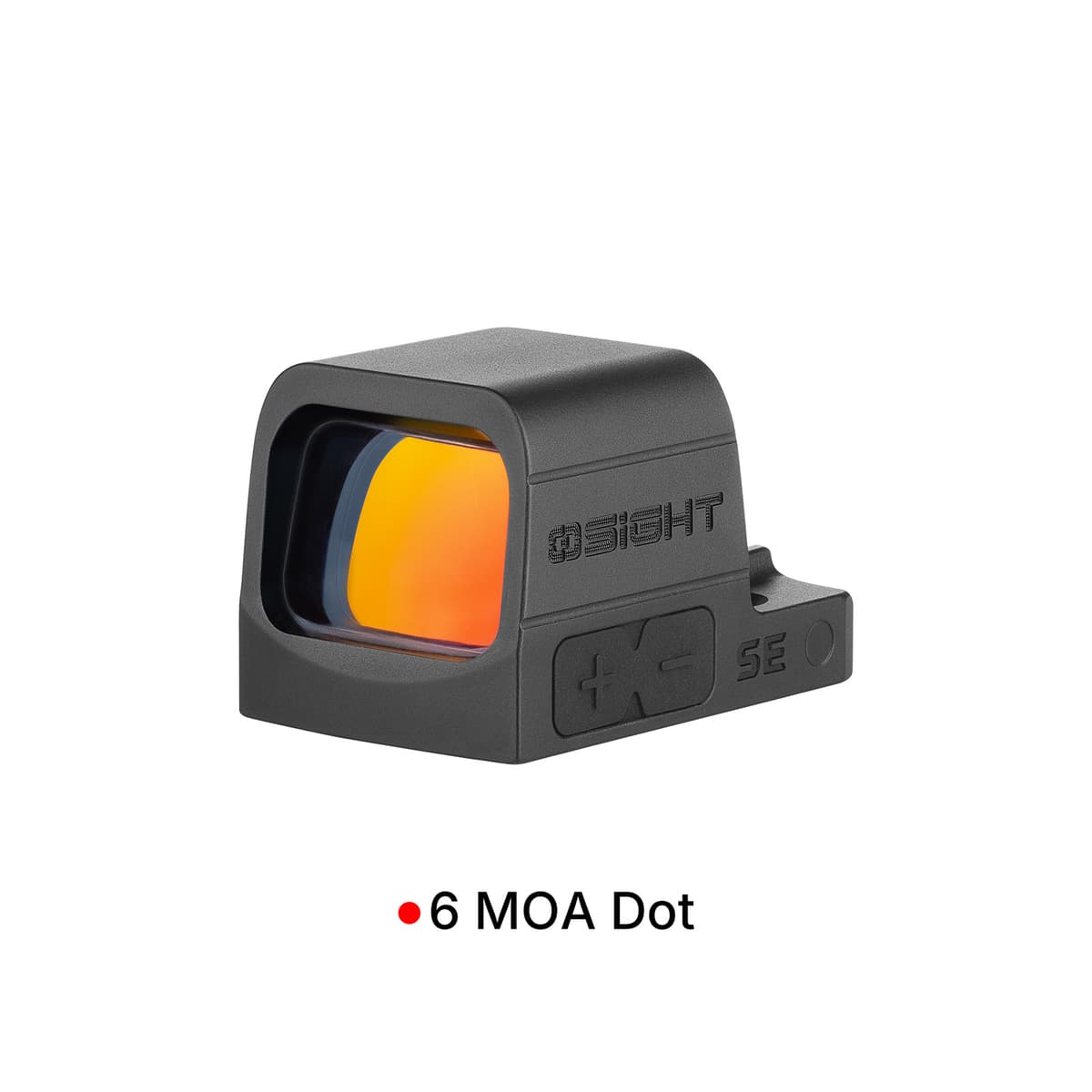
Osight SE Enclosed (6 MOA Red)
- 6 MOA red dot
- Enclosed emitter, RMSc footprint
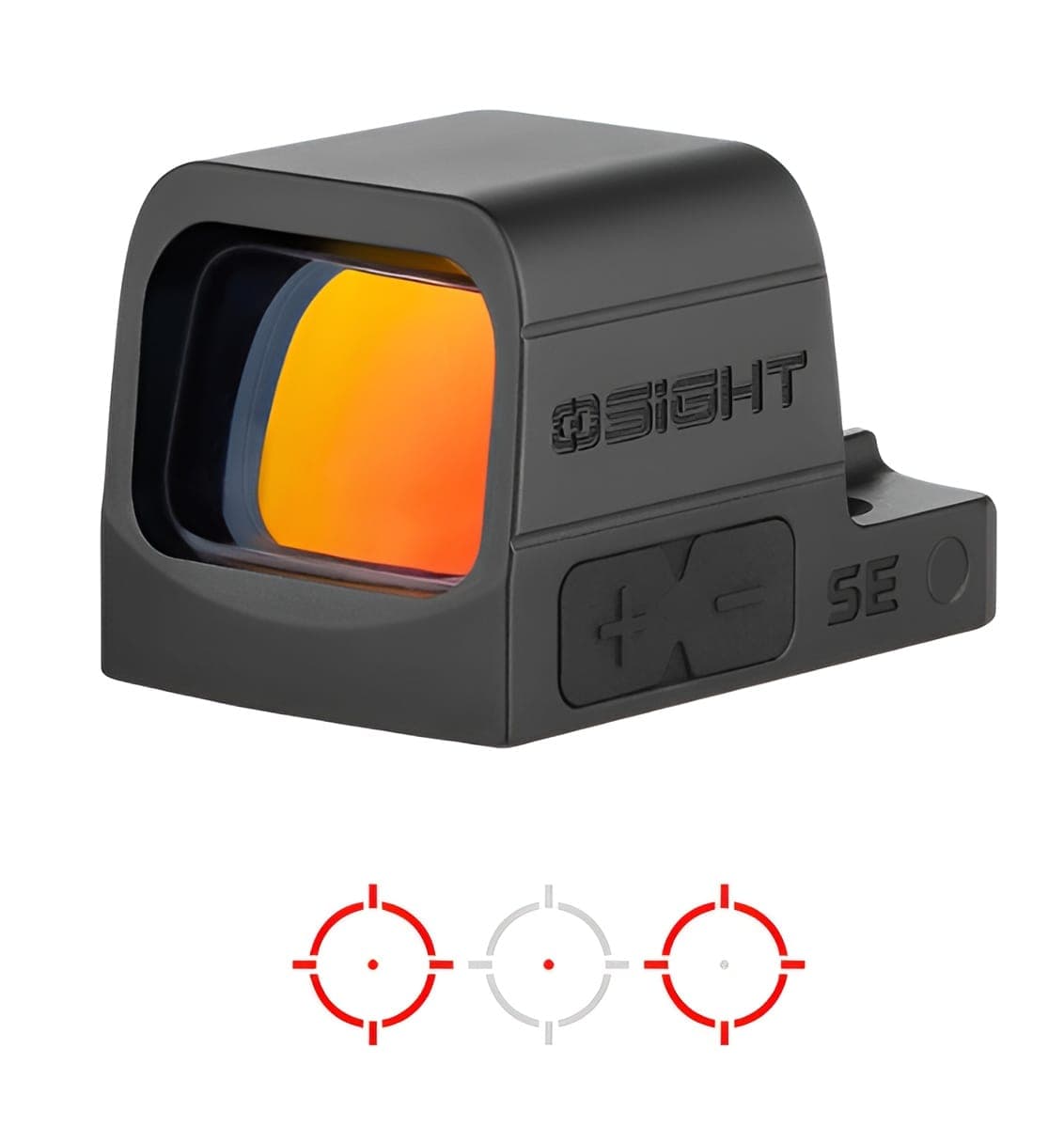
Osight SE Enclosed (2 MOA + 32 MOA Red MRS)
- 2 MOA dot + 32 MOA circle MRS
- Enclosed emitter, RMSc footprint
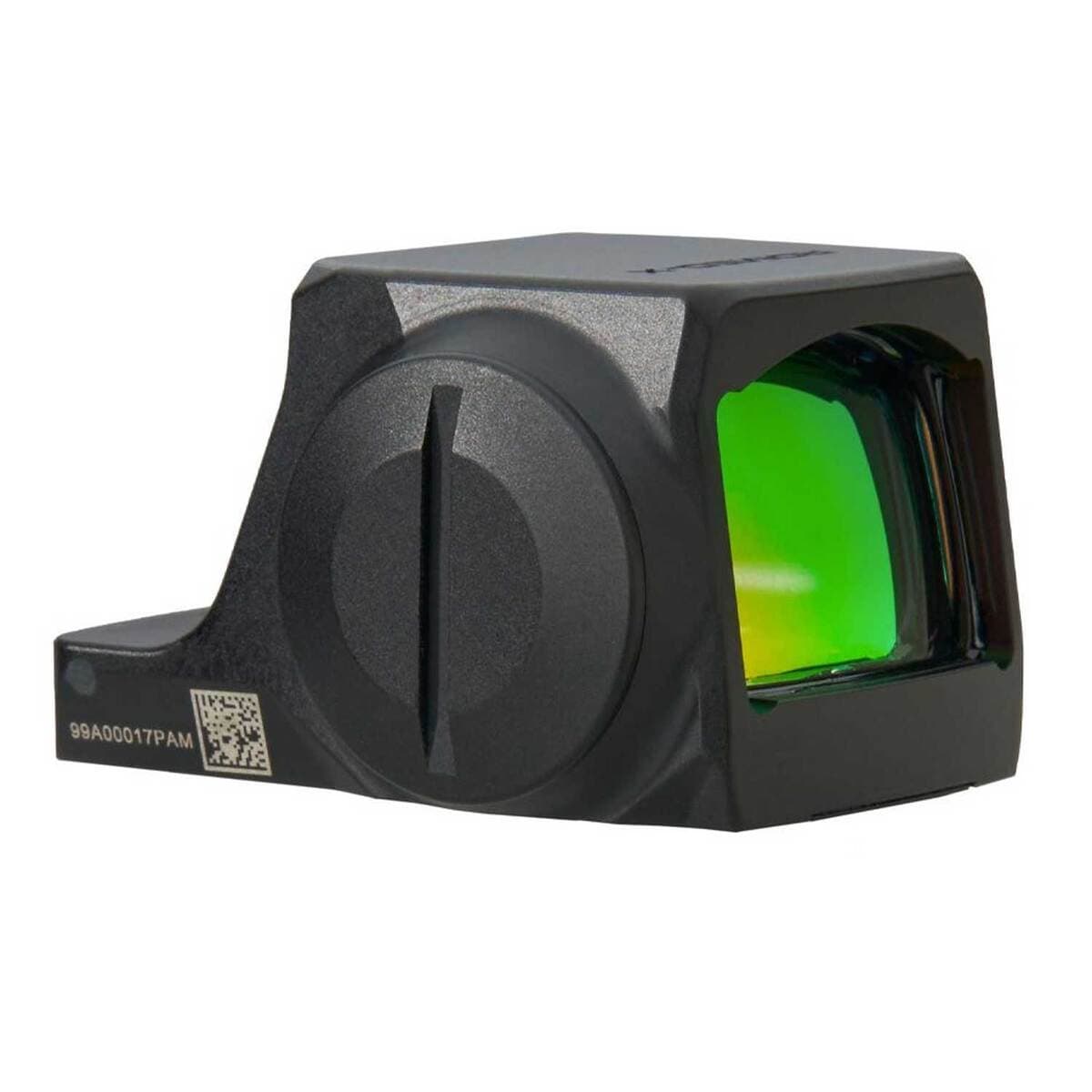
SIG ROMEO-X Compact Enclosed
- 3 MOA / 6 MOA / Circle Dot
- Enclosed emitter
Affiliate links (?)
Stay Updated on Gun Law Changes
Get notified when state handgun bans, roster rules, and Second Amendment court decisions change what you can buy. We cover the rulings and the gear in the same place.