Key Takeaways
- →Issued August 12, 2026: The DOJ Office of Legal Counsel concluded that 18 U.S.C. 930(d)(3)'s "lawful purposes" exception permits lawful carry in post offices generally open to the public, calling self-defense a "paradigmatic" lawful purpose.
- →Enforcement is off: The Executive Branch may not enforce 18 U.S.C. 930(a) or the Postal Service's own carry regulation, 39 C.F.R. 232.1(l), against a law-abiding individual carrying for self-defense. The charge carried up to a year in federal custody.
- →Two conditions: The carry must be lawful under both state and federal law, and the purpose must be lawful. Prohibited persons under 922(g) and anyone carrying for a criminal purpose can still be prosecuted.
- →Bigger than the injunction: The FPC v. Blanche injunction covered FPC and SAF members only. The opinion covers every lawful carrier at roughly 31,000 USPS retail locations nationwide.
- →Not a court ruling: The statute stays on the books, a future administration can withdraw the opinion, and OLC expressly declined to address federal facilities other than post offices.
What the DOJ Concluded
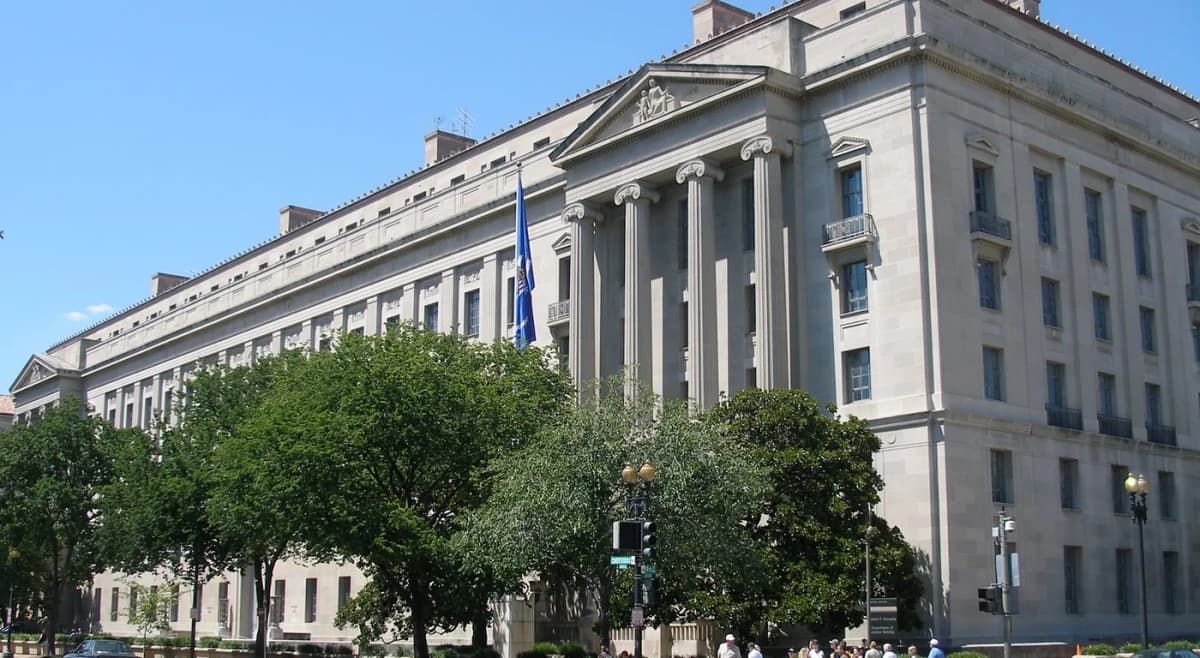
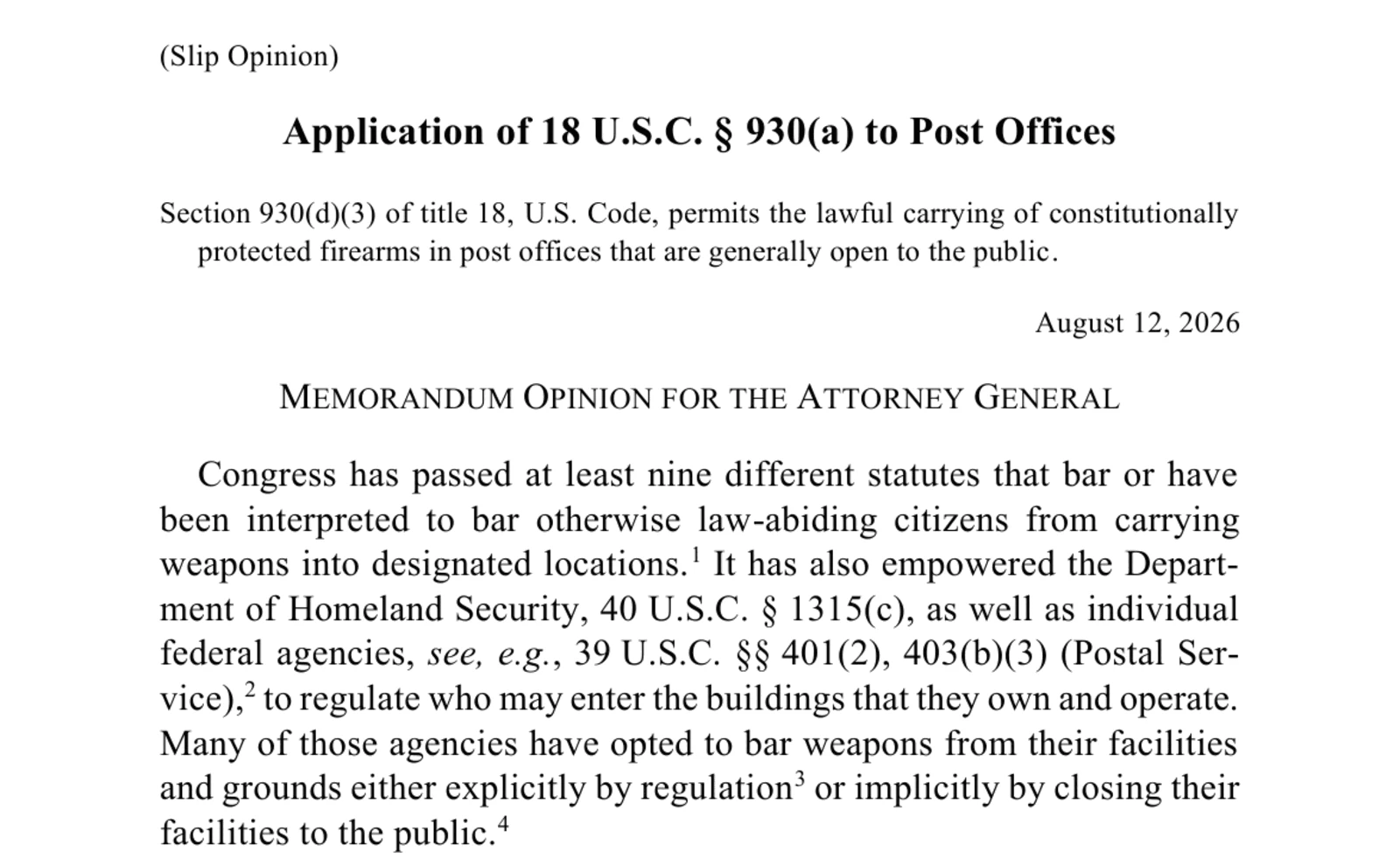
The Justice Department's Office of Legal Counsel issued a memorandum opinion for the Attorney General on August 12, 2026 concluding that 18 U.S.C. 930(a), the federal ban on firearms in federal facilities, does not reach an otherwise law-abiding person who carries a gun into a post office for self-defense. The opinion, titled Application of 18 U.S.C. 930(a) to Post Offices and signed by Principal Deputy Assistant Attorney General Lanora C. Pettit, rests on the statute's own text: section 930(d)(3) exempts "the lawful carrying of firearms or other dangerous weapons in a Federal facility incident to hunting or other lawful purposes."
The key sentence does the work in one line: "carrying arms for self-defense when entering a building held open to the public is a paradigmatic lawful purpose." Whenever the exception came up in litigation, the Department argued the lawful purpose had to relate to the facility itself, the way a hunter might carry a rifle into a ranger station. The opinion rejects that reading as inconsistent with the text and directs that the exception covers a citizen running an everyday errand while lawfully armed.
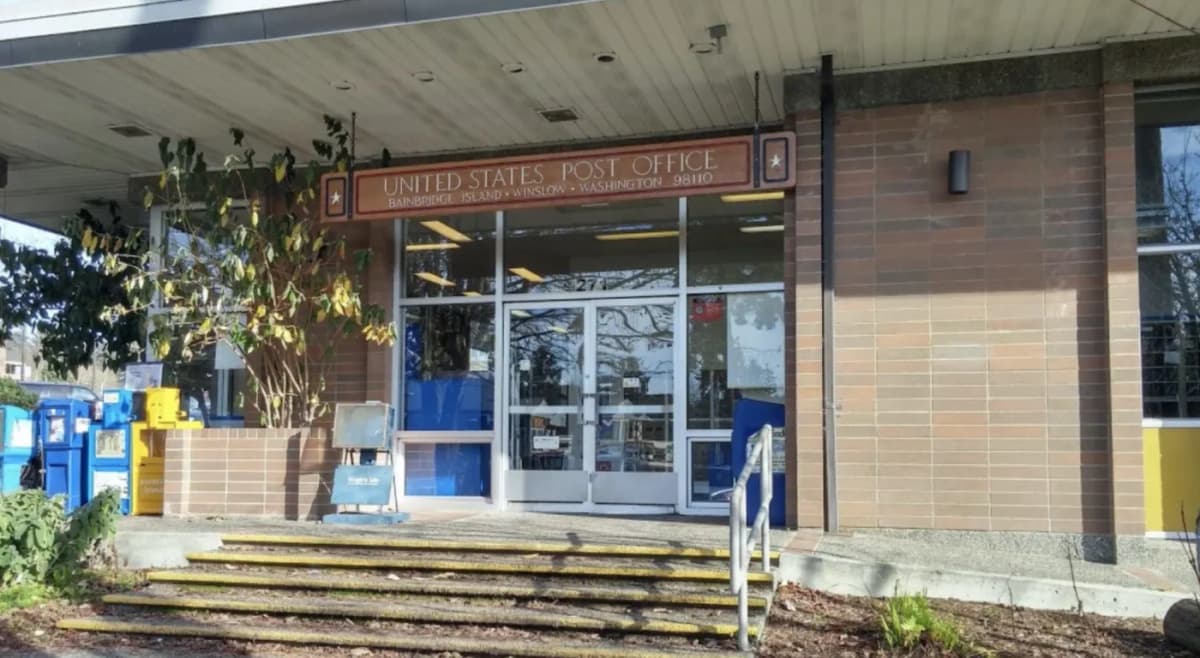
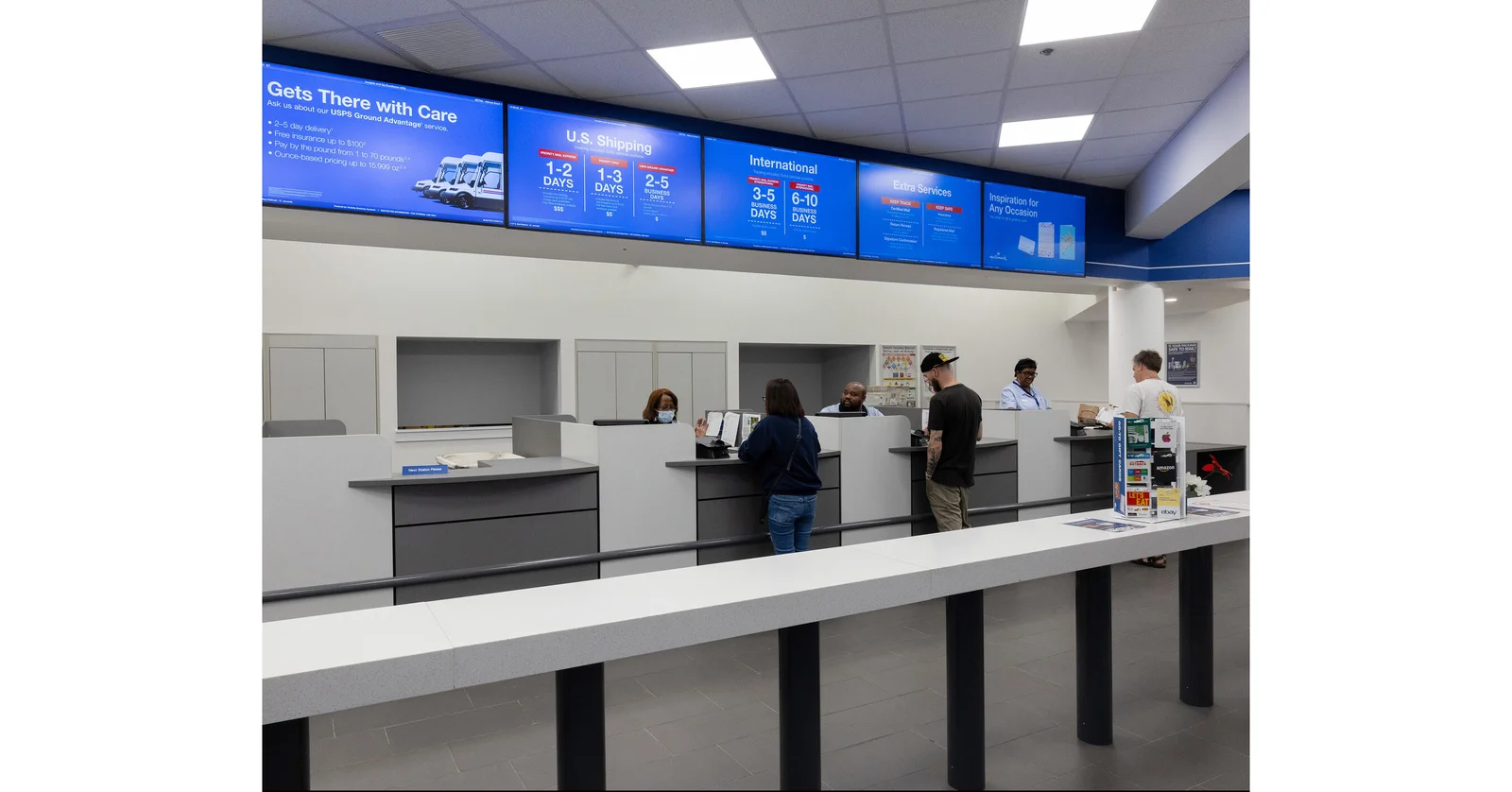
The stakes are concrete. Violating section 930(a) is a federal charge punishable by a fine and up to one year in custody, and as of fiscal year 2025 the Postal Service owned or leased almost 31,000 retail offices where the statute applied. Every one of those lobbies was a place where a permit holder mailing a package committed a federal crime by walking in armed.
September 2026: OLC Addresses Handgun Sales
OLC addressed another federal firearm restriction in September. Its handgun sales opinion for adults ages 18–20 concludes that the federal age ban cannot support criminal penalties against dealers for the handgun sales it covers. That opinion concerns purchases; this article covers carrying at post offices. A separate Fifth Circuit ruling on interstate handgun sales addresses direct purchases from out-of-state dealers.
How the Lawful Purposes Exception Works
The exception has two requirements, and the opinion walks through both. First, the carrying must be lawful, which OLC reads to consider both state and federal law. A person prohibited under 18 U.S.C. 922(g), such as a convicted felon or a domestic violence misdemeanant, is not lawfully carrying anywhere and gets nothing from the exception. Neither does someone carrying without a license in a state that requires one, so long as the licensing regime itself is constitutional.
Second, the carrying must be "incident to" a lawful purpose. The old government position required the purpose to be related to the federal facility. OLC now reads the statute to require a lawful purpose for entering the building and a lawful purpose for carrying the gun, without any need for the two to be connected. Buying stamps is a lawful reason to be in the building; self-defense is a lawful reason to be armed; the exception is satisfied.
The opinion is explicit that this does not swallow the statute. Its own hypothetical: a permit holder who walks into a post office intending to assault a clerk is lawfully carrying, but the carry is incident to a criminal purpose, so section 930(a) still applies and the person can be prosecuted. The exception protects the errand, not the crime.
The USPS Regulation Falls Too
The Postal Service has its own ban, 39 C.F.R. 232.1(l), which since 1972 has prohibited firearms on postal property and which USPS amended in 2007 to apply "notwithstanding the provisions of any other law." The opinion concludes the regulation is unlawful as applied to law-abiding citizens carrying for self-defense in post offices open to the public. Congress spoke directly to the question of guns in federal facilities when it enacted section 930 in 1988 and included the lawful purposes exception; an agency cannot use its property rules to recriminalize what Congress chose to exempt.
The bottom line pairs the two: "the Executive Branch may not enforce 18 U.S.C. 930(a) or the Postal Service's regulations against a law-abiding individual who carries a constitutionally protected firearm into a post office for the purpose of self-defense." That instruction covers federal prosecutors and the Postal Inspection Service alike.
Who Is Covered, Who Is Not
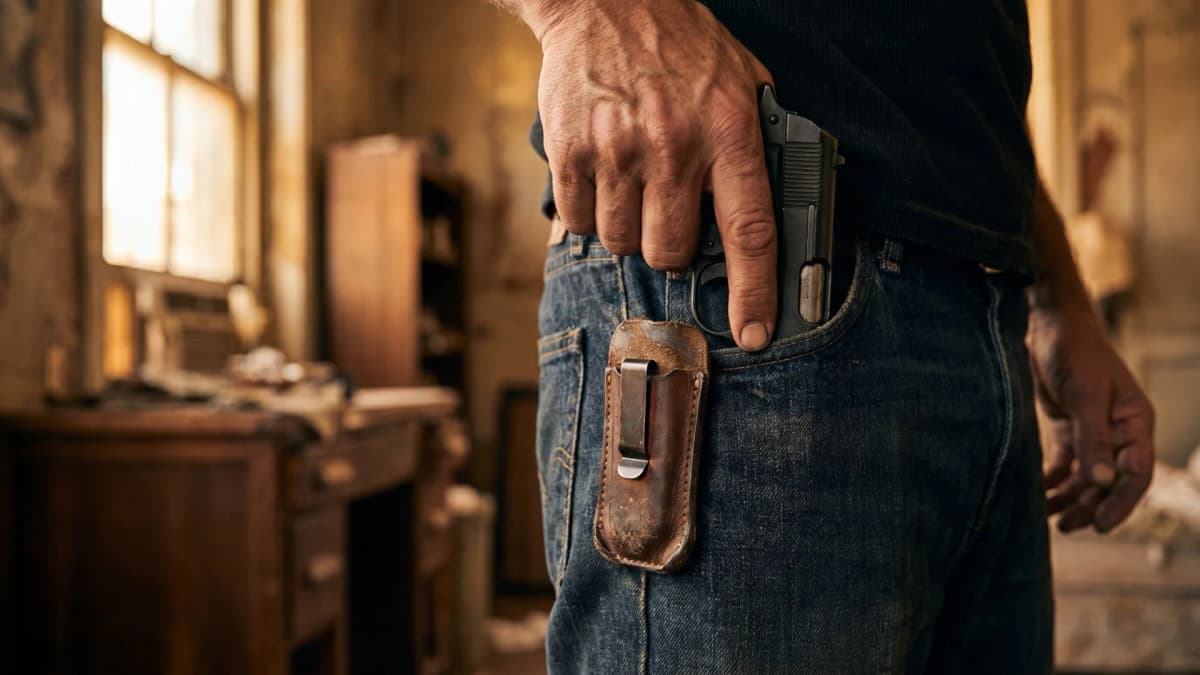
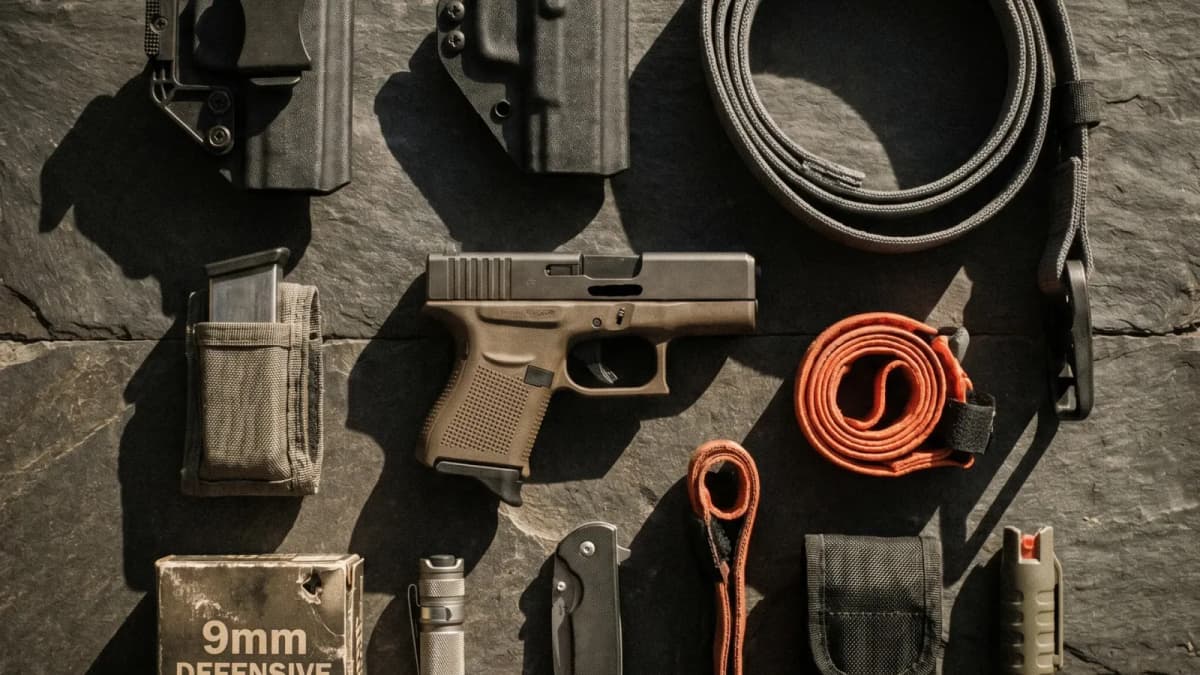
Covered: any person whose carry is lawful where the post office sits, at any postal facility generally open to the public. That means a permit in permit states, and it means the gun itself must be a constitutionally protected arm in common use; the opinion excludes weapons prohibited by law, like undetectable firearms. Concealed or open makes no federal difference, but state rules on method of carry still control. A proper concealment holster and a subcompact 9mm that stays on your body through the whole errand remain the practical setup, since nothing in the opinion changes the rules in the parking lots of the other stores on the same trip.
Not covered: prohibited persons, anyone carrying incident to an unlawful purpose, and postal facilities that are not open to the general public. The opinion flags post offices on military bases and postal counters past airport security as examples that sit under separate access rules. Postal employees are a separate question; the opinion notes that the government as employer can restrict workers in ways it cannot restrict customers.
How We Got Here: Ayala, FPC, and Bruen
The opinion lands on ground the courts broke first. In 2024, a Florida federal court in United States v. Ayala dismissed a 930(a) indictment against a postal worker, holding the ban unconstitutional as applied under the Supreme Court's Bruen framework. In 2025, Judge Reed O'Connor in the Northern District of Texas entered a permanent injunction against enforcing the statute and the USPS regulation against Firearms Policy Coalition and Second Amendment Foundation members, and DOJ dismissed its own appeal of that injunction in July 2026, making it final. A Connecticut court went the other way in 2026 in Nastri v. Bondi, treating government buildings as sensitive places, so the district courts remain split. The opinion is one piece of a broader DOJ enforcement posture that also produced the department's August 2026 settlement with the Los Angeles County Sheriff's Department over CCW permit delays.
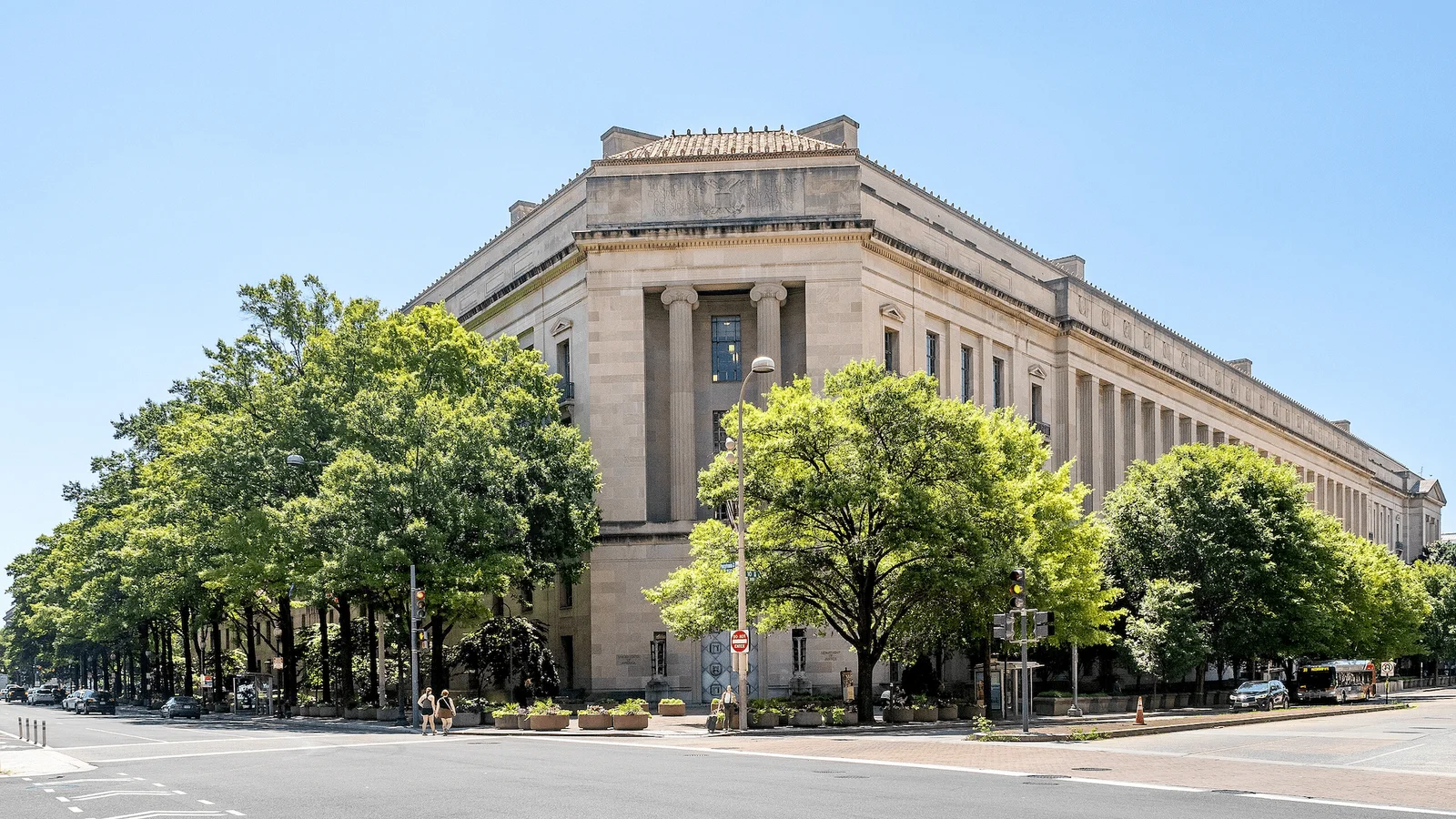
OLC builds on that case law and on the Supreme Court's 2026 Wolford v. Lopez decision, which held that carrying in places open to the public falls within the Second Amendment's plain text. The opinion finds no historical tradition of banning firearms in post offices: Congress never did it until 1988, and for nearly two centuries the Founding-era answer to mail crime was punishing mail robbery, at one point by death, rather than disarming customers. It also connects to OLC's January 15, 2026 opinion declaring 18 U.S.C. 1715, the ban on mailing handguns, unconstitutional; a person must be able to carry a boxed pistol into the building from which it will be mailed.
What the Opinion Does Not Change
An OLC opinion is an instruction to the Executive Branch, not a statute and not a judgment. Section 930(a) remains law, and a future administration could withdraw the opinion and resume prosecutions, which is why the final FPC v. Blanche injunction still matters for the members it protects. Courts owe the opinion no deference, and the district split means the constitutional question is still live in litigation.
The opinion also draws its own boundary: it does not address post offices closed to the public or any federal facility other than a post office. Federal courthouses sit under section 930(e), which offers the public no lawful purposes exception at all. Gun Owners of America, which published the slip opinion, argues the reasoning reaches further, since the lawful purposes exception applies to every facility section 930 covers. That argument will be tested the first time the question arises somewhere other than a post office lobby; the opinion itself decides only the post office.
Concealment Holsters for Daily Errands
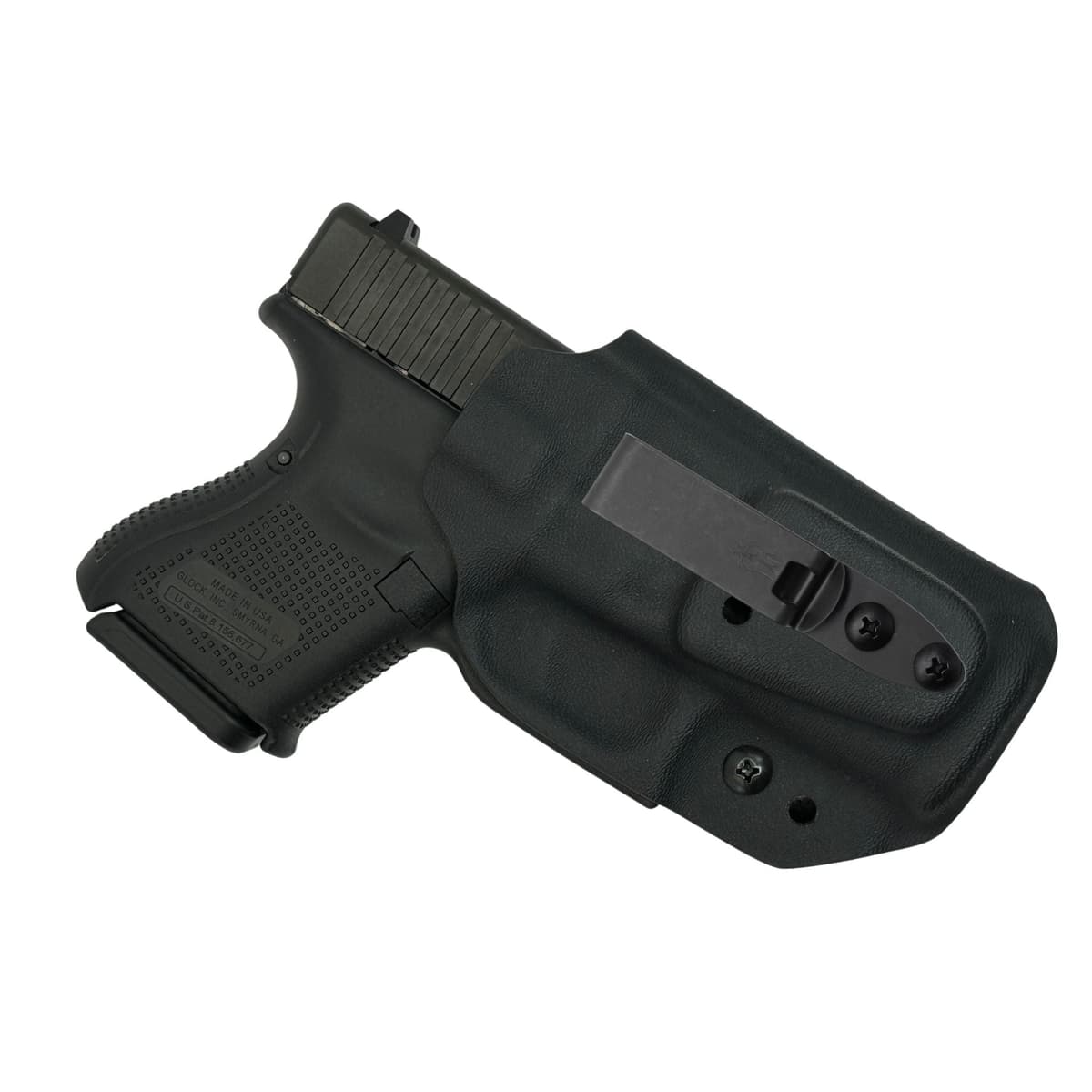
Betty 2.0 IWB Holster
- IWB
- Molded shell

Ventcore 2.0 Appendix IWB Holster
- AIWB hybrid
- Laser-cut Ventcore backer
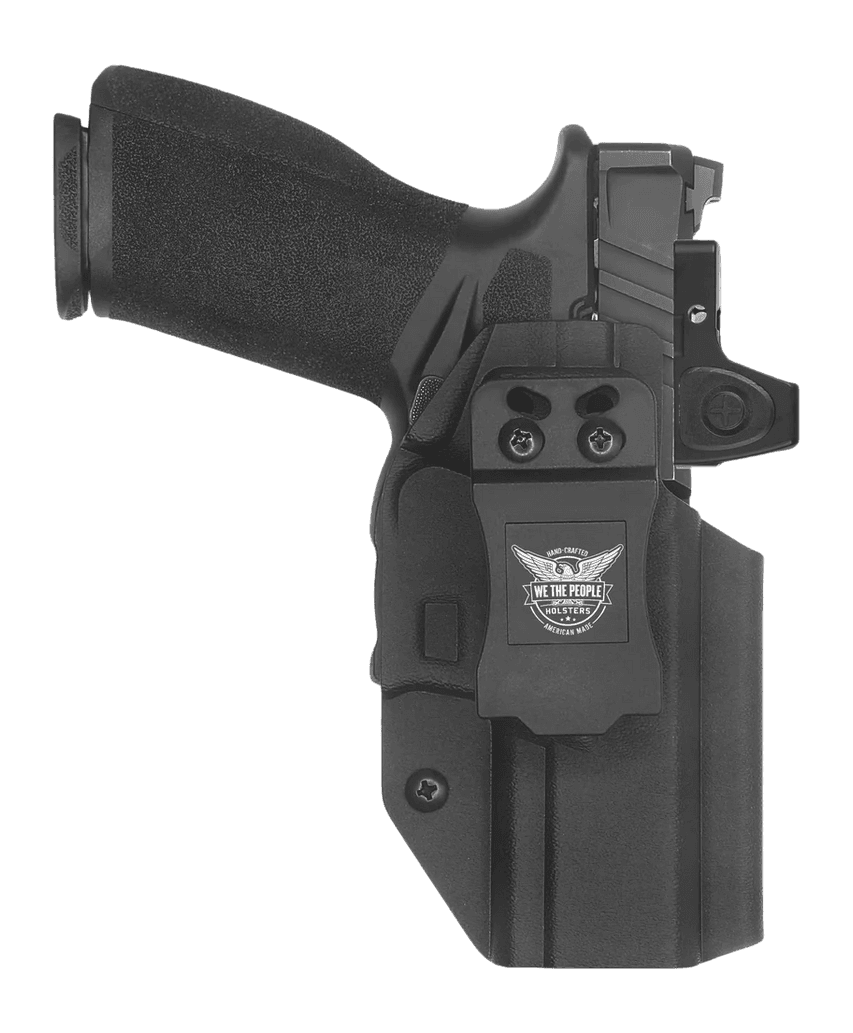
IWB Kydex Holster
- IWB
- Kydex
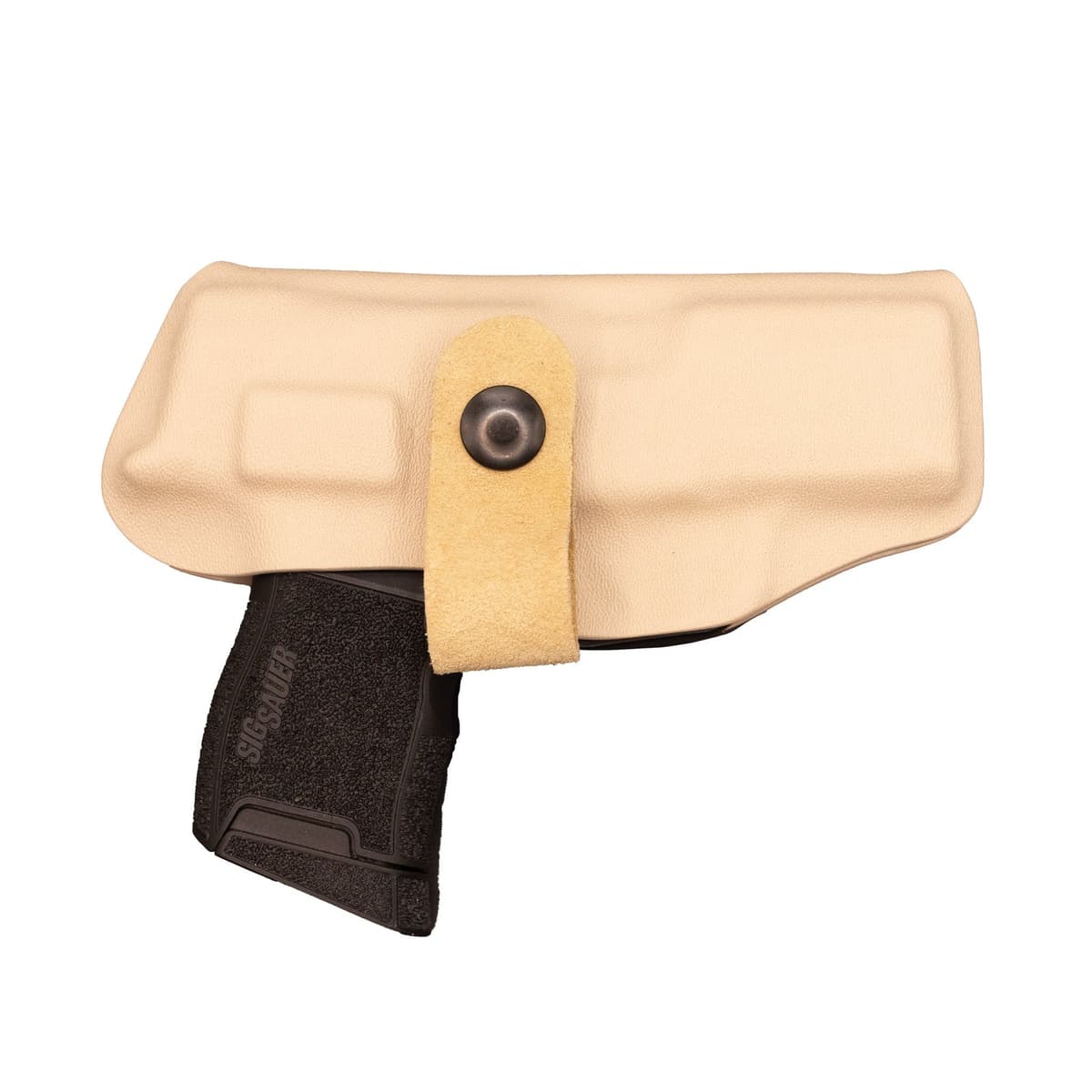
Flashbang Bra Holster
- Bra holster
- Center carry

Marilyn Holster
- Bra holster
- Side/underarm carry
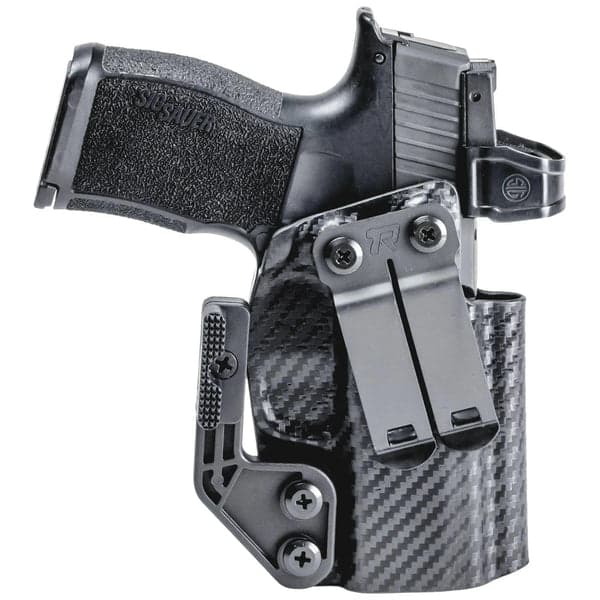
IWB Kydex Holster
- IWB/AIWB
- .08" Kydex
Affiliate links (?)
Stay Updated on Carry Law Changes
Get notified when federal carry rules, OLC opinions, and Second Amendment court decisions change what is legal. We cover the rulings and the gear in the same place.