Key Takeaways
- →Mass moved into the carrier: A free-floating dead-blow weight in the carrier tail acts as a second buffer, so the DBC plus a 3 oz carbine buffer matches a standard BCG with an H3.
- →Built for rapid-fire systems: Demonstrated running AS Designs and Hoffman super safeties, the Atrius FRS, and a forced reset trigger on a plain carbine buffer.
- →A tungsten end-run: KAK cites a ~500% tungsten price jump over six months, taking an H1 buffer from roughly $30 to near $100. The DBC gets its mass from steel instead.
- →Standard form factor: The carrier tail keeps a normal external profile, so it works across carbine, A5, and rifle buffer tubes. Buffers with a rod or plug into the tail are not compatible.
- →5.56 and .300 BLK at launch: 9mm, .45 ACP, and AR-10 (.308) are planned, with a standalone carrier and a 9mm drop-in weight for retrofitting existing bolts.
KAK Industry DBC BCG
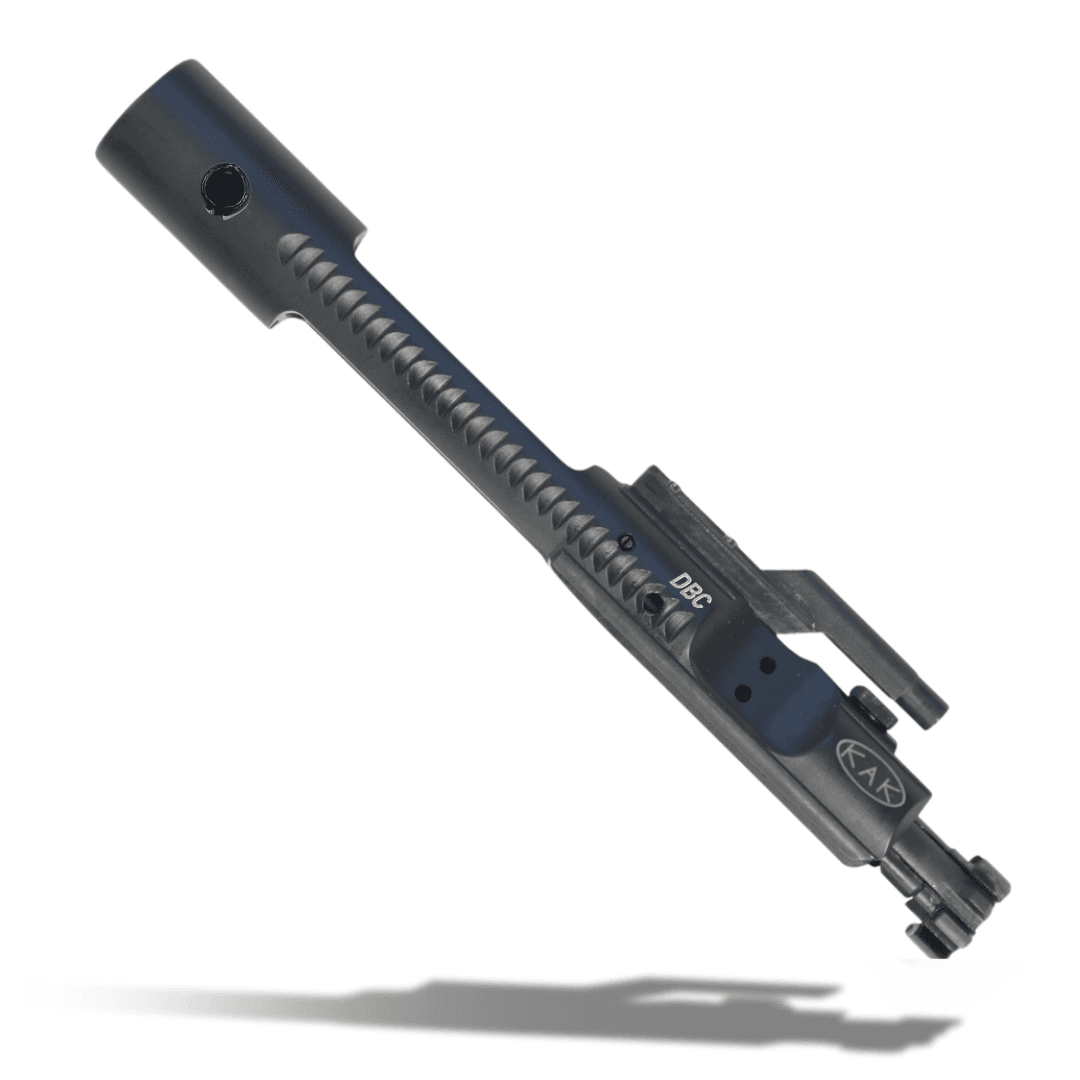
The dead-blow carrier this article is about; runs forced reset triggers, the Atrius FRS, and super safeties on a standard 3 oz carbine buffer
Dead-blow counterweight BCG that runs forced reset triggers and super safeties on a standard 3 oz carbine buffer, no tungsten H2/H3 required.
- +Eliminates the expensive tungsten H2/H3 buffer for rapid-fire trigger builds
- +Steel dead-blow mass instead of tungsten sidesteps the price spike
- +Demonstrated across four different FRT and super-safety systems
- −Not compatible with buffers or folding-stock adapters that protrude a rod into the carrier tail
- −Heavier reciprocating mass than a standard BCG by design
- −Several configurations frequently sell out
Affiliate links (?)
What the DBC BCG Actually Is
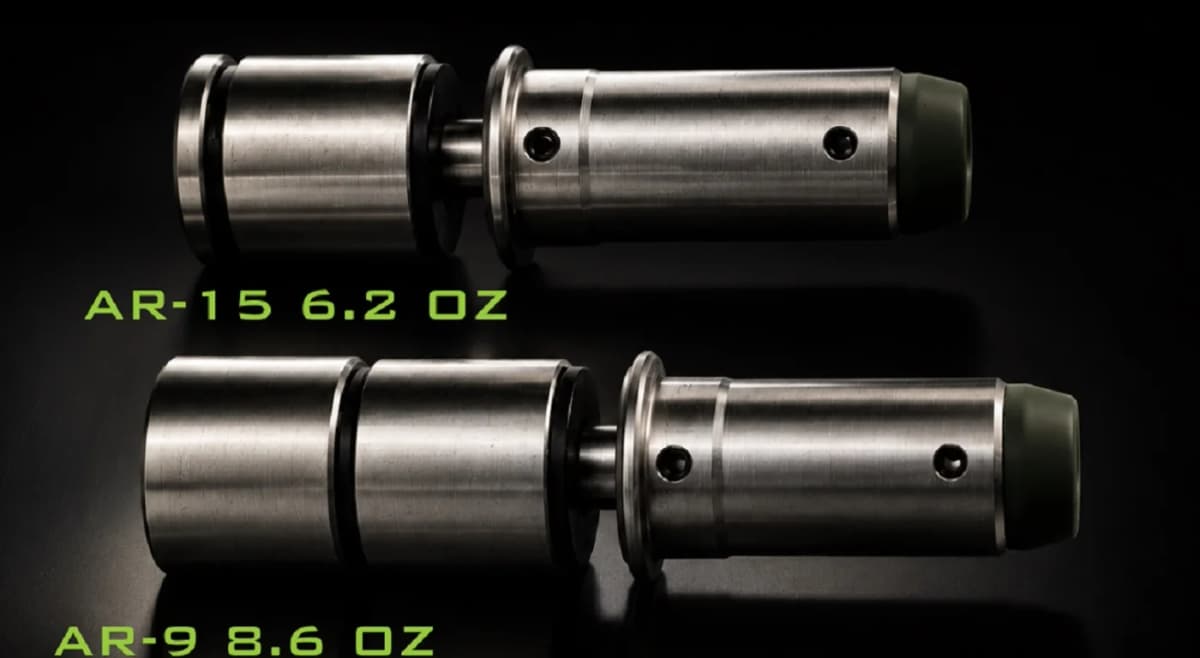
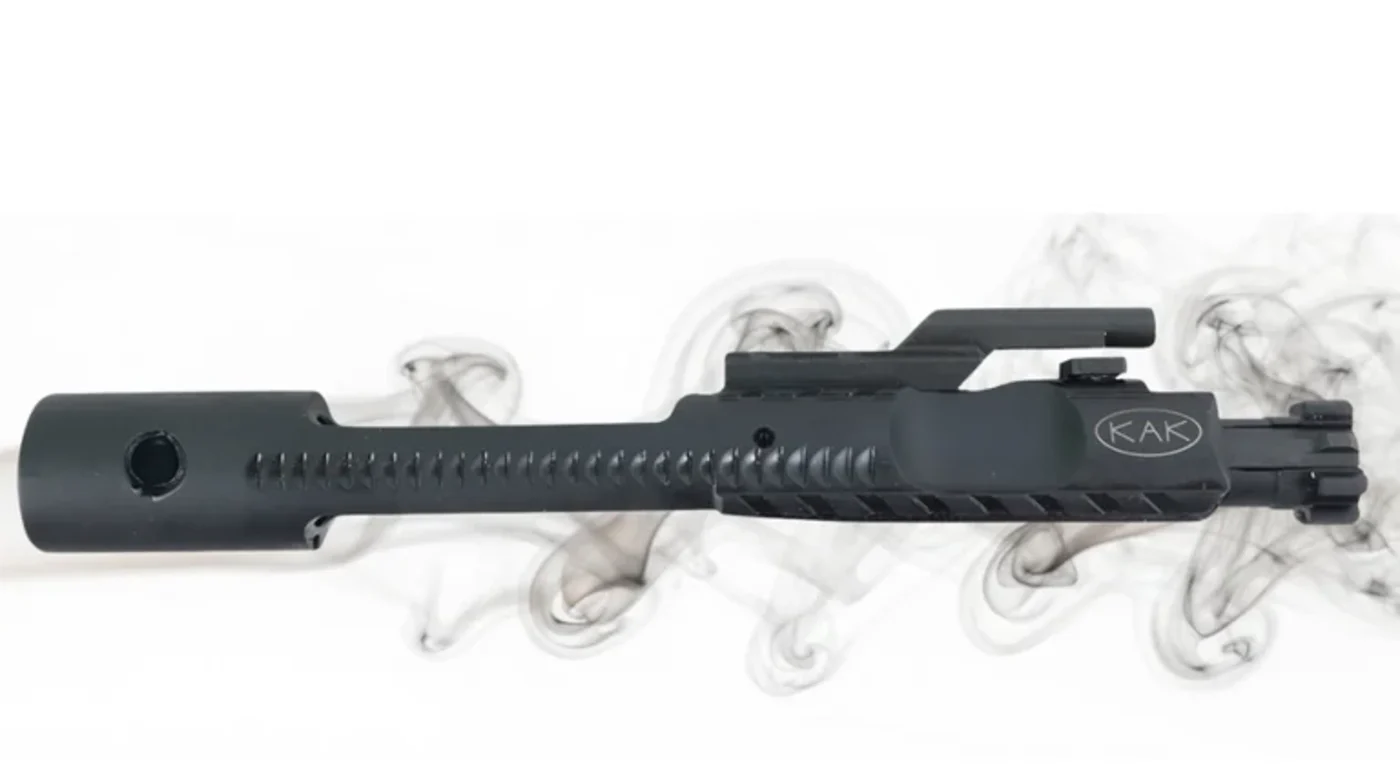
The KAK Industry DBC BCG is a bolt carrier group with a free-floating, dead-blow weight housed inside the tail of the carrier. As the carrier reciprocates, that internal slug slides and delivers a delayed mass strike, the same principle a dead-blow hammer uses to hit harder without bounce. In an AR-15, the effect is a second buffer living inside the carrier. KAK's claim is direct: the DBC carrier paired with an ordinary 3 oz carbine buffer produces the same reciprocating mass as a standard carrier running a tungsten-loaded H3 buffer.
That matters because forced reset triggers, FRS units, and super safeties are sensitive to timing and mass. They mechanically reset off the bolt carrier, so the carrier has to dwell long enough for the reset to complete on every shot. Most builders get there by adding weight in the buffer, which is exactly where the tungsten lives. The DBC relocates that weight into the carrier, leaving the buffer free to be the cheapest, most common unit on the shelf.
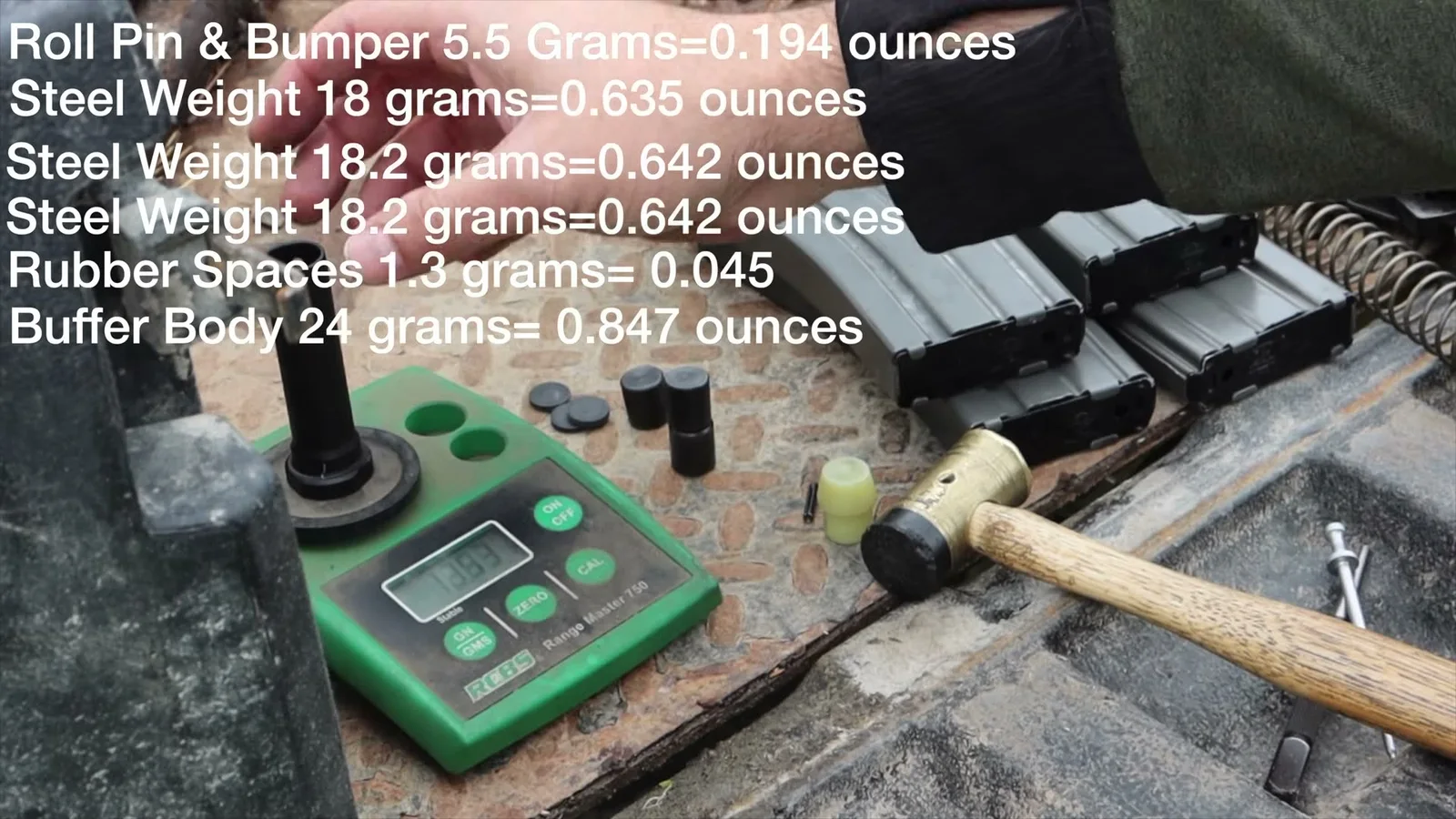
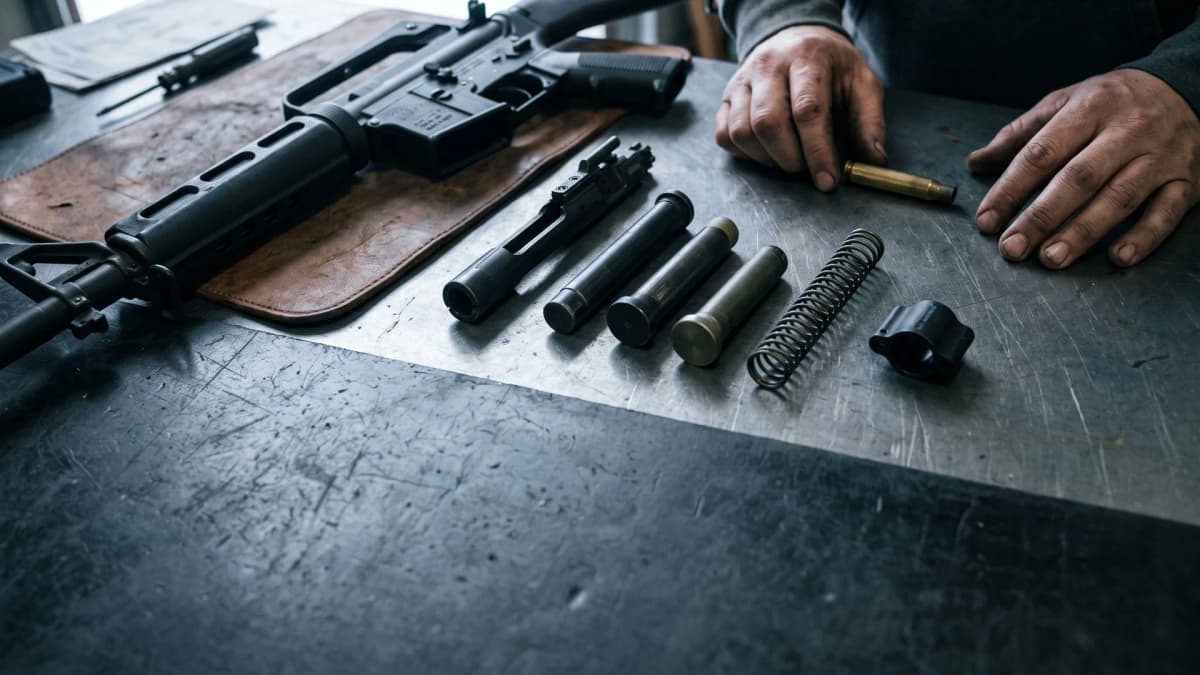
Disassembly stays conventional. KAK shows the DBC field-stripping like any other carrier: drop the firing pin retaining pin, pull the firing pin, rotate and remove the cam pin, and slide the bolt out for cleaning. The dead-blow weight stays captive in the tail and does not add a maintenance step. The carrier is offered in multiple finishes, including phosphate and KAK's K-Spec coating.
Why Now: The Tungsten Squeeze
Heavy AR-15 buffers get their weight from tungsten. An H1 buffer swaps one of the three steel weights for tungsten, an H2 swaps two, an H3 swaps all three. That metal is the reason an H3 meaningfully out-masses a standard carbine buffer in the same aluminum body, and it is the reason heavy buffers cost what they do. When tungsten gets expensive, heavy buffers get expensive.
Tungsten got very expensive. KAK points to a roughly 500% price increase over six months, which it says took an H1 buffer from around $30 to nearly $100. That tracks the broader 2026 market: a supply squeeze driven by China, which controls about 80% of mined and processed tungsten and has tightened export quotas, sent the metal to record highs through the spring. For shooters, the cheapest path to the reciprocating mass an FRT needs suddenly cost three times what it used to.
The DBC BCG sidesteps that entirely. By sourcing the extra mass from a steel dead-blow weight inside the carrier, KAK builds the heavy-buffer behavior into a part whose price is not chained to the tungsten market. The pitch is not a better buffer; it is not needing the expensive one. For a full breakdown of how buffer weight, spring rate, and gas interact, the AR-15 buffer systems and springs guide covers the H1/H2/H3 progression the DBC is designed to replace.
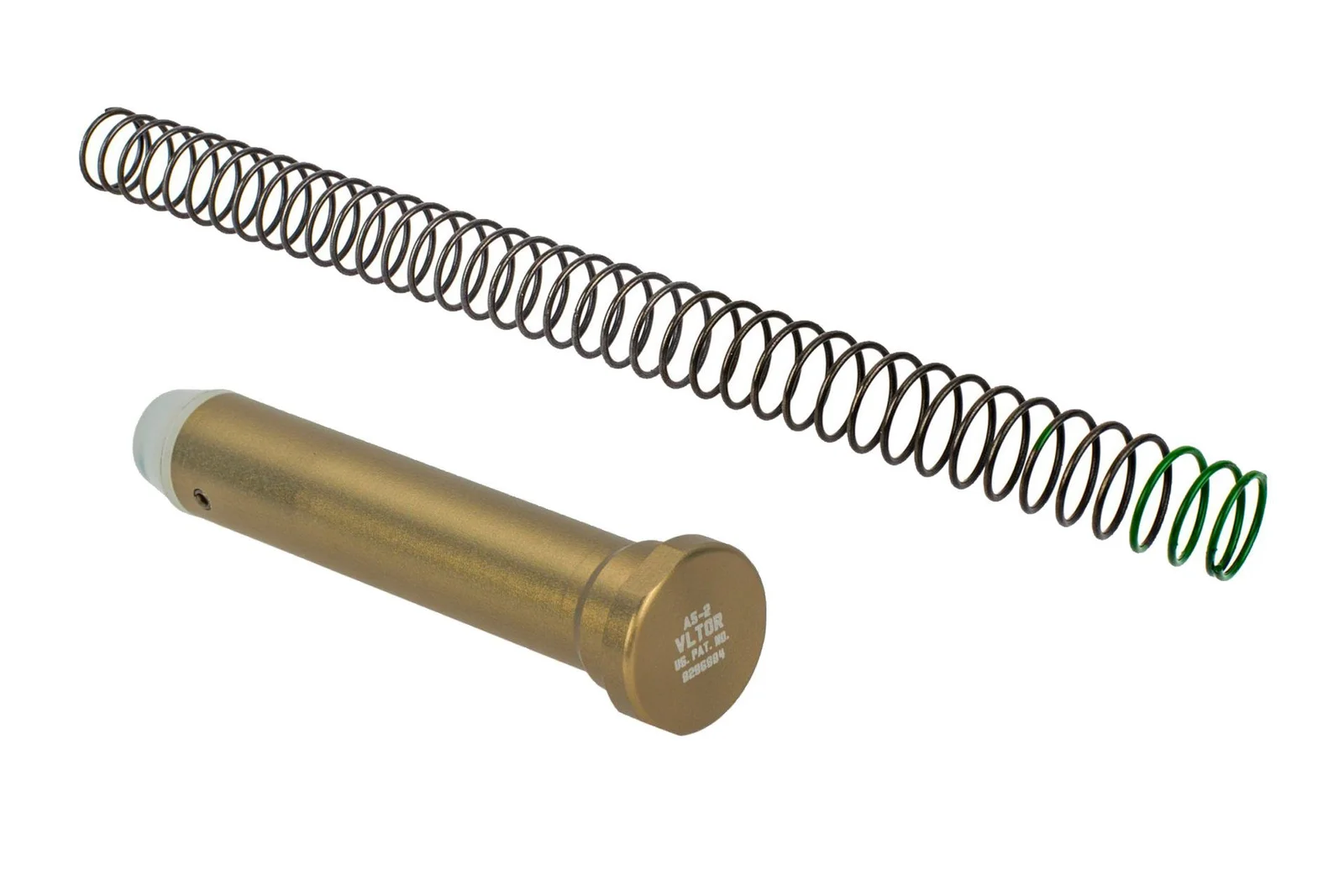
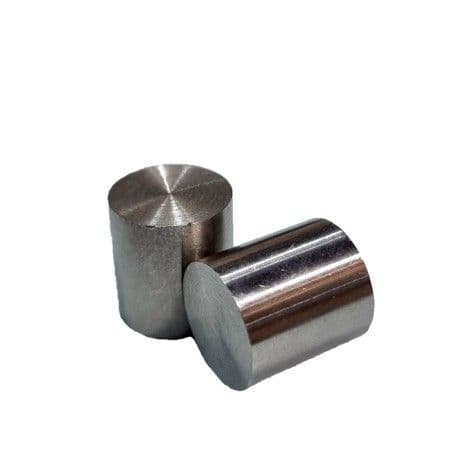
Various H3 Buffer (5.0-5.4 oz)
The conventional heavy carbine buffer the DBC is built to replace; the simplest path if you would rather add reciprocating mass in the buffer tube than the carrier
Heavy H3 buffer for extremely overgassed setups or short-barreled rifles. Maximum bolt carrier slowdown.
- +Maximum available mass for taming extreme overgassing
- +Significantly reduces bolt carrier velocity and felt recoil
- +Essential for large-bore AR cartridges in carbine systems
- −Too heavy for most standard AR-15 configurations
- −Can cause short-stroking with properly-gassed systems
- −Requires careful tuning with adjustable gas blocks
Affiliate links (?)
AR-15 Buffers and Springs
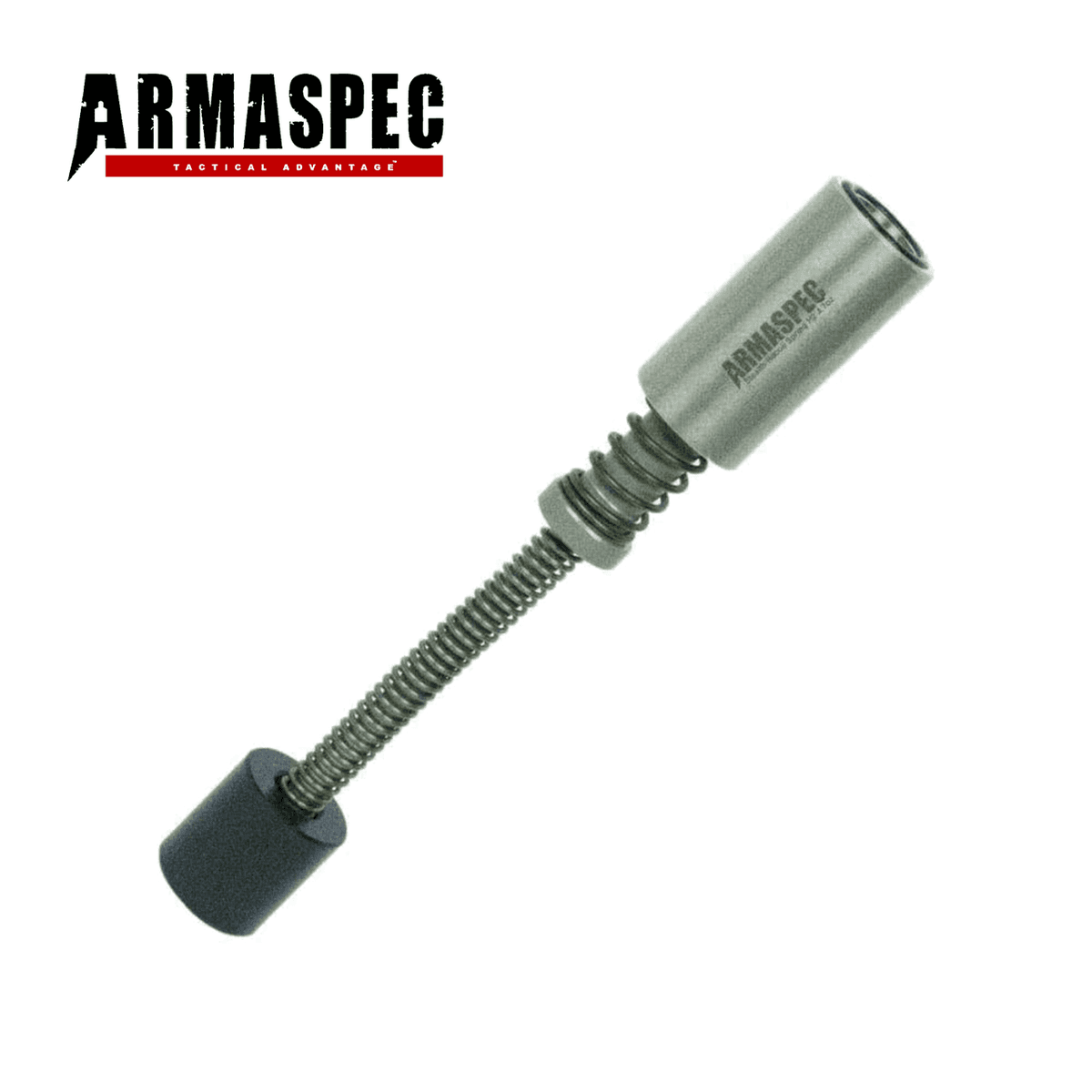
Armaspec Stealth Recoil Spring SRS Gen 4 (H2)
- Captured drop-in buffer/spring replacement
- H2 equivalent 4.7 oz
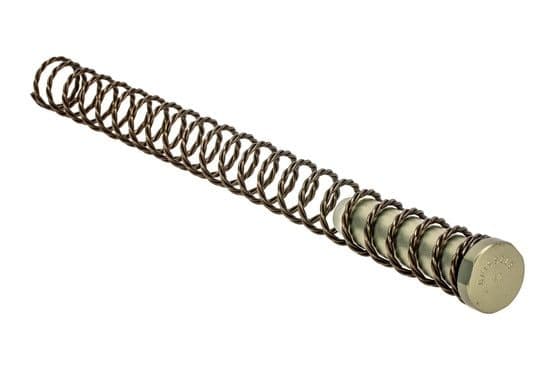
Geissele Super 42 Braided Buffer Spring and H2 Buffer Combo
- Braided wire design (3 strands)
- H2 buffer (4.6-4.7 oz)
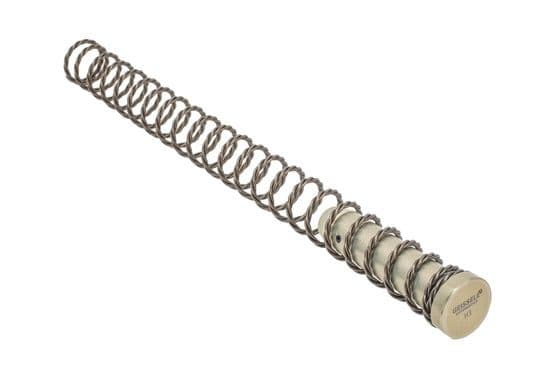
Geissele Super 42 Braided Buffer Spring and H3 Buffer Combo
- Braided wire design (3 strands)
- H3 buffer (5.0-5.4 oz)
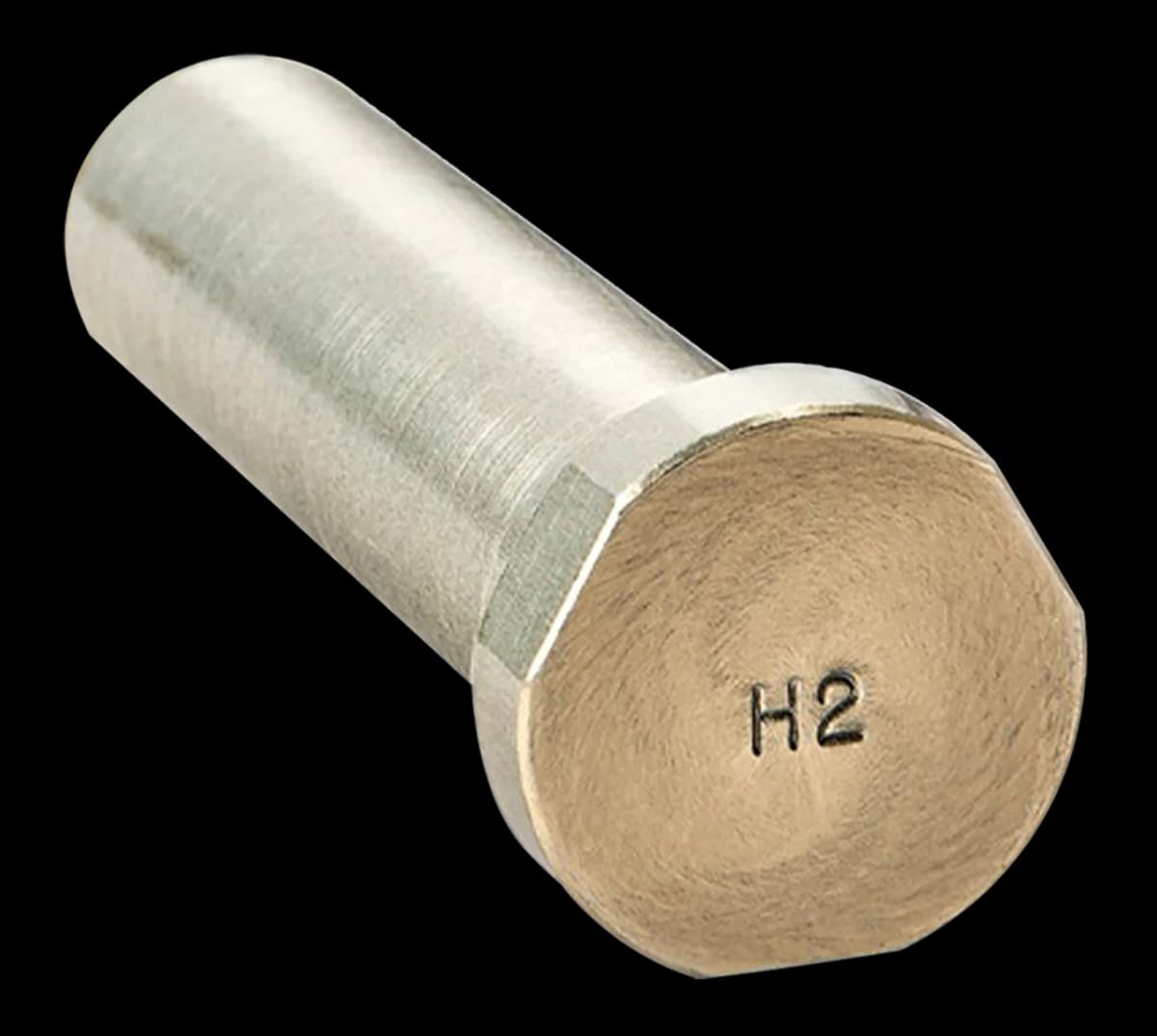
CMC AR-15 H2 Carbine Buffer (4.6 oz)
- 4.6 oz H2 weight
- Steel internal weights
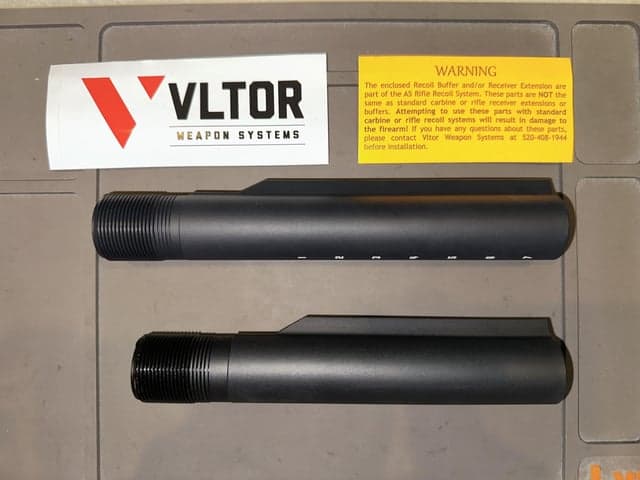
VLTOR A5 Spring and Buffer Kit
- A5H2 5.3 oz buffer included
- Rifle buffer spring
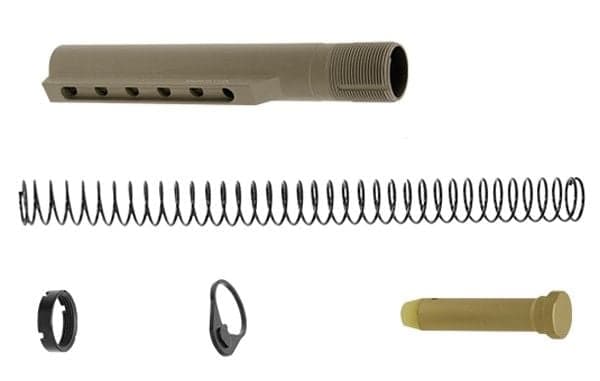
H2 Buffer (4.6-4.7 oz)
- 4.6-4.7 oz weight
- Carbine buffer tube compatible
Affiliate links (?)
Tested Across the FRT and Super Safety Field
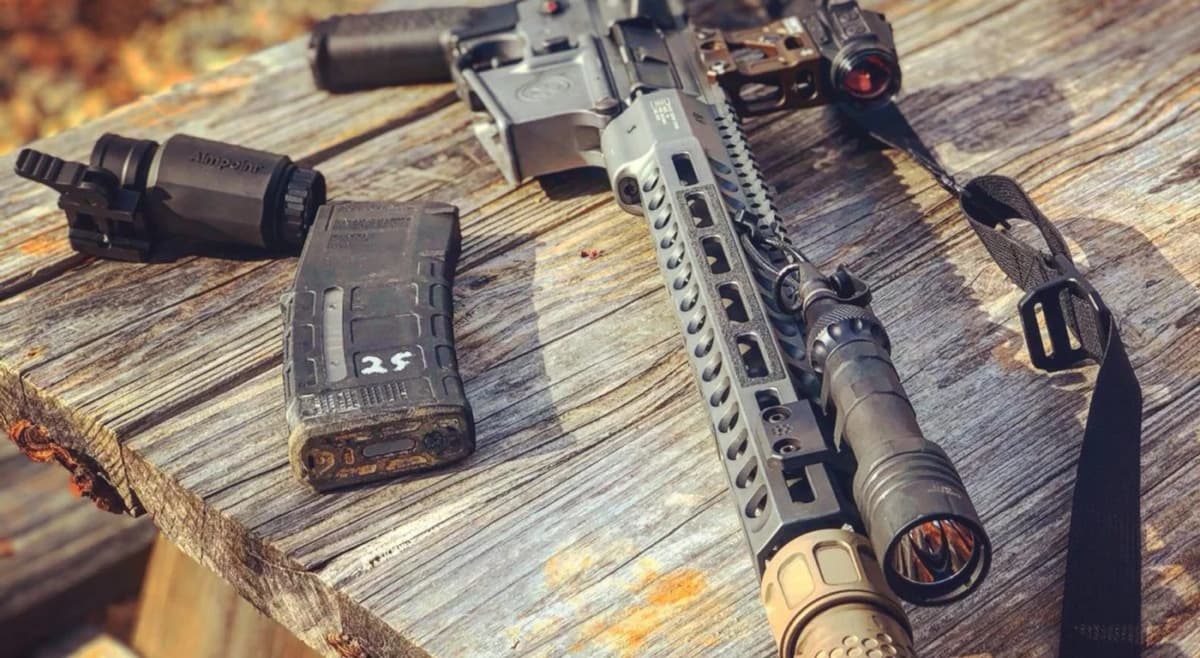
KAK ran the DBC against four different rapid-fire systems on separate lowers: the AS Designs Arc super safety, the Hoffman Tactical Super Safety, the Atrius Development FRS, and a forced reset trigger (FRT). Each was fired on a standard 3 oz carbine buffer with the DBC carrier doing the mass work. The point of testing across the field rather than one trigger is that these systems do not all cycle the same way, and a carrier that resets one cleanly but chokes another would not be a real H3 replacement.
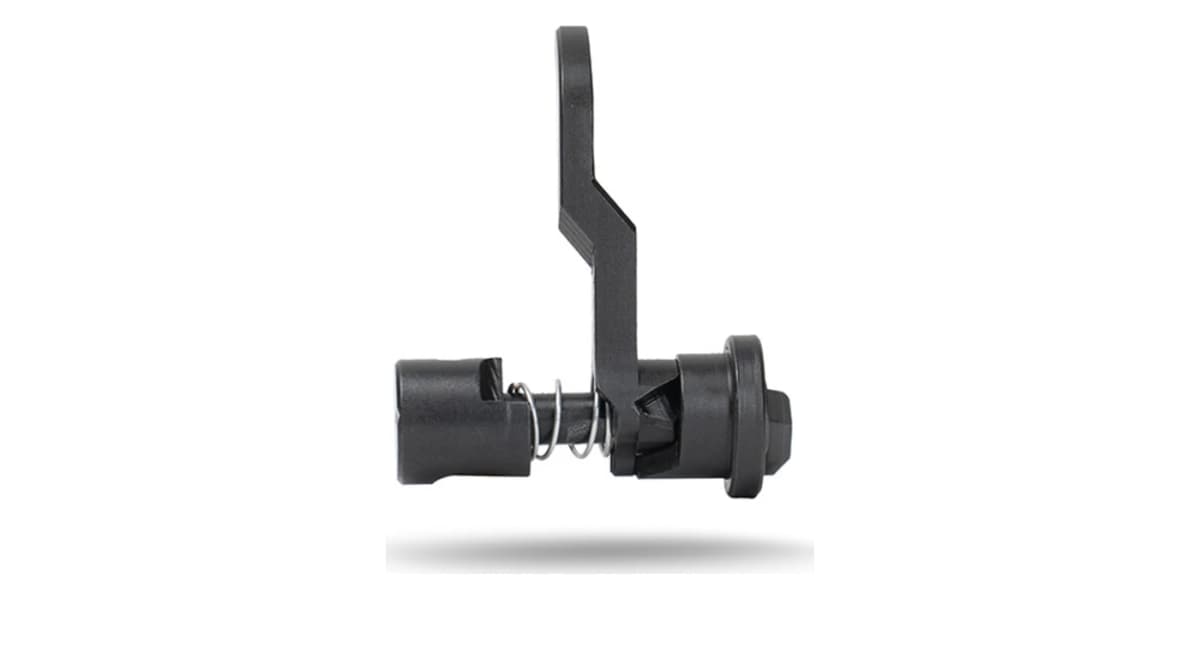
The distinction between these systems matters for buyers. A super safety like the AS Designs Arc or the Hoffman is a selector that forces the trigger to reset; a forced reset trigger is a complete drop-in fire control group. Both lean on carrier dwell to function. If you are sorting out which category you want, the super safety guide and the forced reset trigger buyer's guide cover the current shipping options, legal status, and price tiers before you commit to a buffer or carrier strategy.
Of the drop-in forced reset triggers that run on this setup, the Partisan Triggers Disruptor is the one to buy: a three-position, tool-steel FRT that installs without gunsmithing and resets off the same carrier dwell the DBC is built to provide.
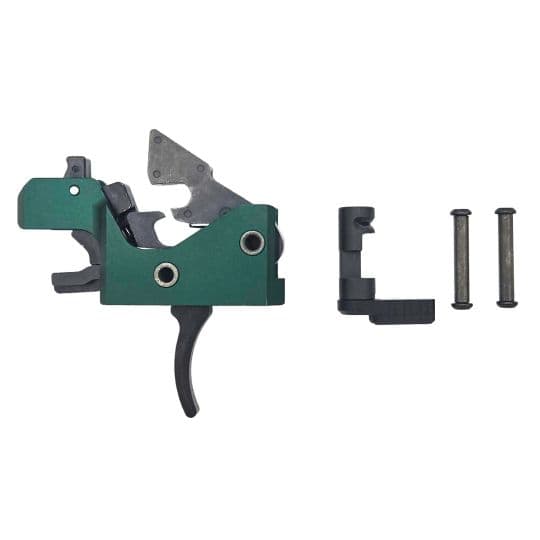
The Triggered Company Partisan Disruptor FRT
Best drop-in forced reset trigger to pair with the DBC carrier
Drop-in forced reset trigger with 3-position safety for rapid follow-up shots
- +Significantly faster follow-up shots vs standard triggers
- +Easy drop-in installation (torx wrench + included anti-walk pins)
- +Durable 17-4 stainless steel and 4140 chromoly construction
- −Take-up ahead of the wall is gritty out of the box on newer revisions
- −Stock selector is oversized, non-ambidextrous, and less positive than milspec (the SBW ambi selector fixes this)
- −Only 1-year warranty
Affiliate links (?)
Compatibility and the Caveats That Matter
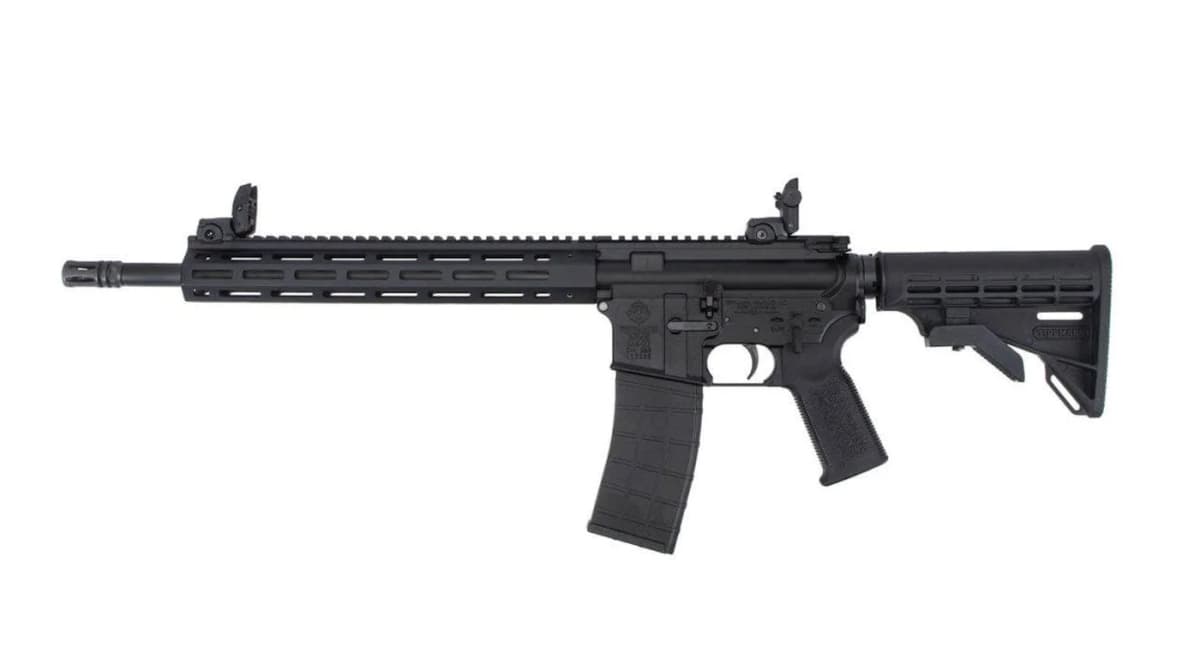
The carrier tail keeps a standard external shape, so the DBC drops into carbine, A5, and rifle-length buffer tubes. KAK designed it around cheap carbine tubes and 3 oz buffers for low-cost special trigger builds, but the form factor does not lock you to one length. The one hard exclusion is any buffer or folding-stock adapter with a rod or plug that protrudes into the carrier tail, because that space is now occupied by the dead-blow weight. Check your buffer and any folder before ordering.
Launch coverage is 5.56 NATO and .300 Blackout, which share bolt and carrier geometry. KAK has 9mm, .45 ACP, and AR-10 (.308) on the roadmap, and plans to sell the carrier on its own so owners of other calibers can press existing bolt heads into it. A drop-in dead-blow weight is planned for 9mm bolts that use the standard Colt roll-pin location, a 0.250-inch pin set 1.0 inch from the carrier tail. That standalone path is how KAK gets, in its own example, an 8.5-inch .458 SOCOM running an FRT reliably. If you are spec'ing the rest of the rifle around one of these systems, the rifle builder can lay out an FRT-ready AR-15 with a compatible lower, charging handle, and carrier before you settle the buffer question.
One honest limitation: the DBC solves cost and reset reliability, not gas tuning. A badly over-gassed carbine still benefits from an adjustable gas block and the right spring, and the dead-blow weight is a fixed value rather than a dial. For dialing in the full system, the gas system and buffer tuning guide walks through how gas, buffer mass, and spring rate balance, which is the context the DBC plugs into rather than replaces.
KAK DBC BCG At a Glance
- ProductDBC BCG (Dead Blow Counterweight)
- MechanismFree-floating dead-blow weight in carrier tail
- Equivalent ToStandard BCG + H3 buffer (mass)
- Buffer RequiredStandard 3 oz carbine
- Buffer TubesCarbine, A5, rifle (standard tail)
- Not CompatibleBuffers/folders with rod or plug into tail
- Designed ForFRT, FRS, super safety (semi-auto too)
- Calibers at Launch5.56 NATO, .300 Blackout
- Planned Calibers9mm, .45 ACP, AR-10 (.308)
- FinishesPhosphate, K-Spec, and others
- DisassemblyStandard (firing pin / cam pin as normal)
- ManufacturerKAK Industry, Florida, USA
AR-15 Bolt Carrier Groups
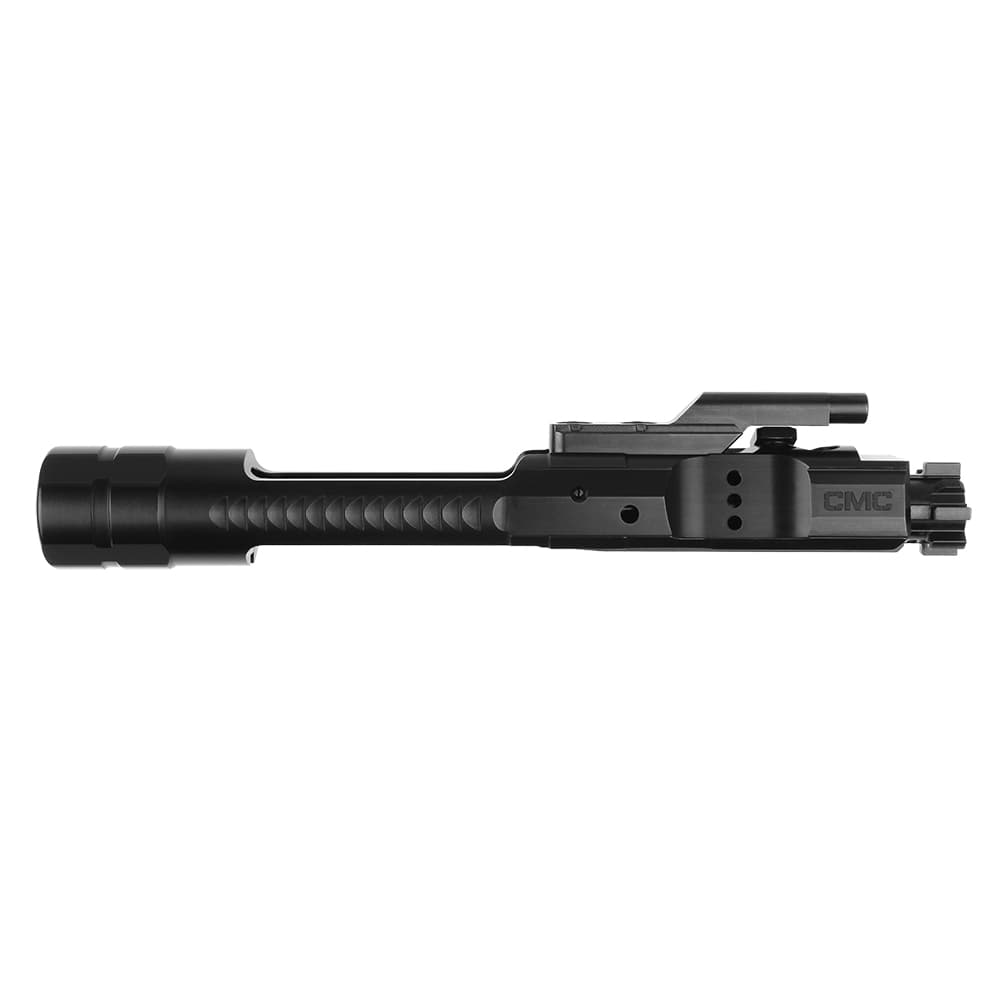
CMC AR-15 5.56/.223 Nickel Boron Bolt Carrier Group
- 5.56 NATO / .223 Remington
- Nickel-boron finish
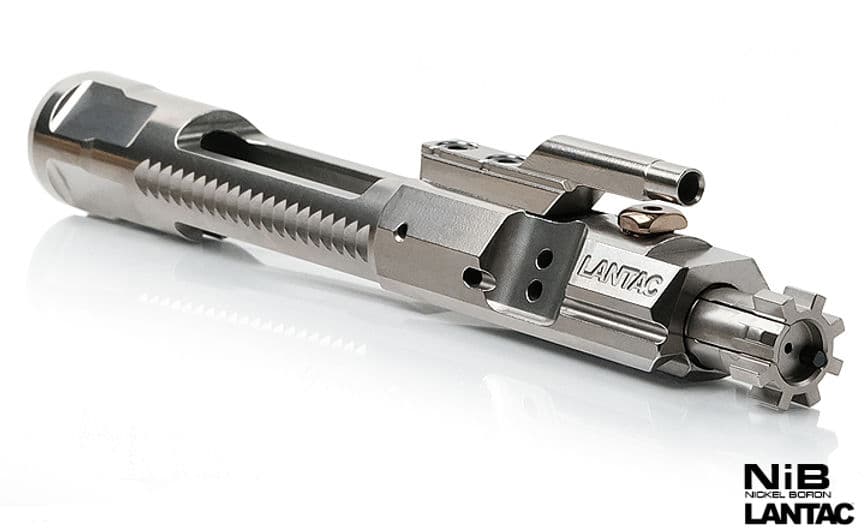
LANTAC E-BCG Enhanced Bolt Carrier Group
- Nickel boron coating
- Carpenter 158 enhanced bolt
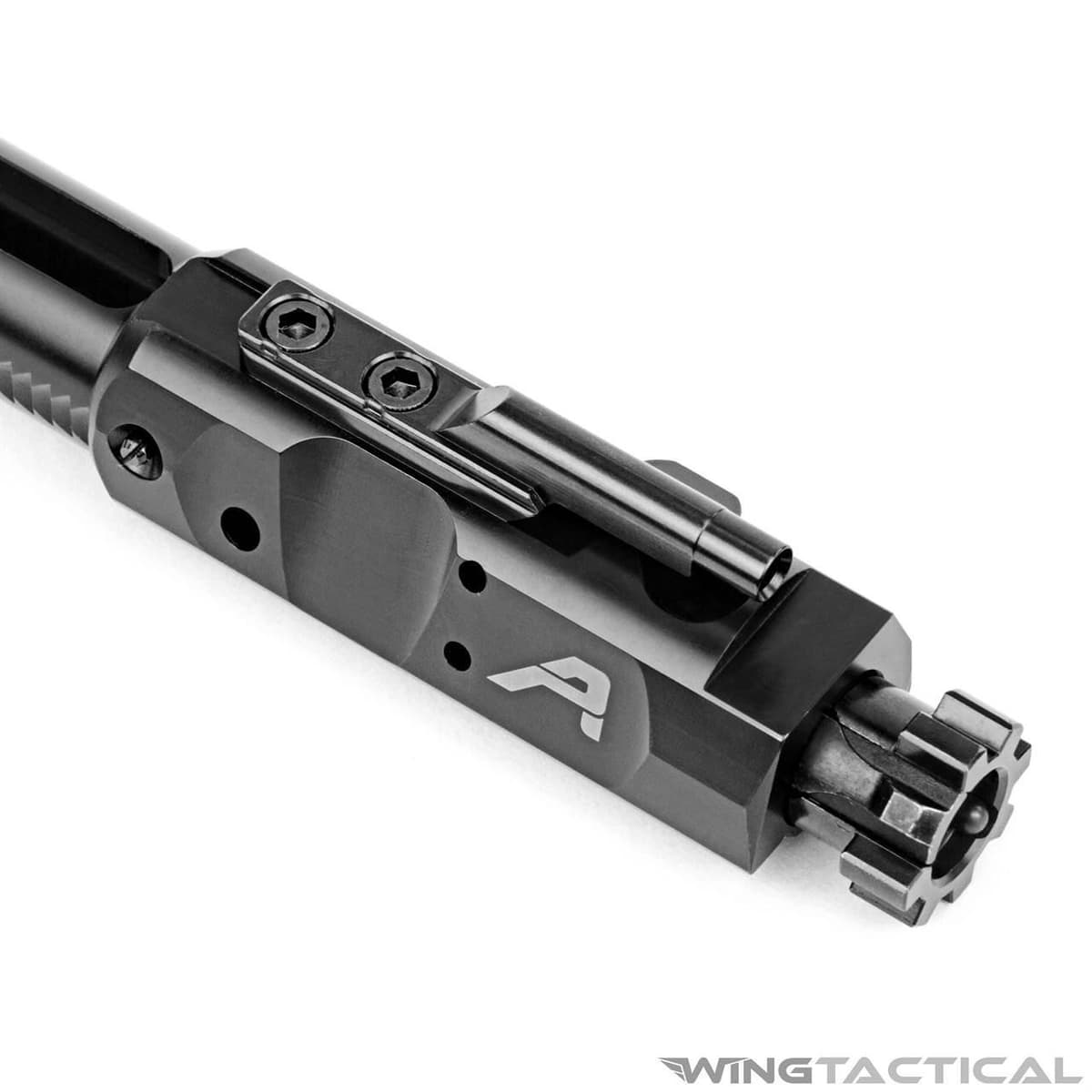
Aero Precision .308/7.62 Bolt Carrier Group (M16, Black Nitride)
- .308 Win / 7.62x51 NATO, DPMS Gen 1 / LR-308 / SR-25 pattern
- Full-auto M16 profile carrier
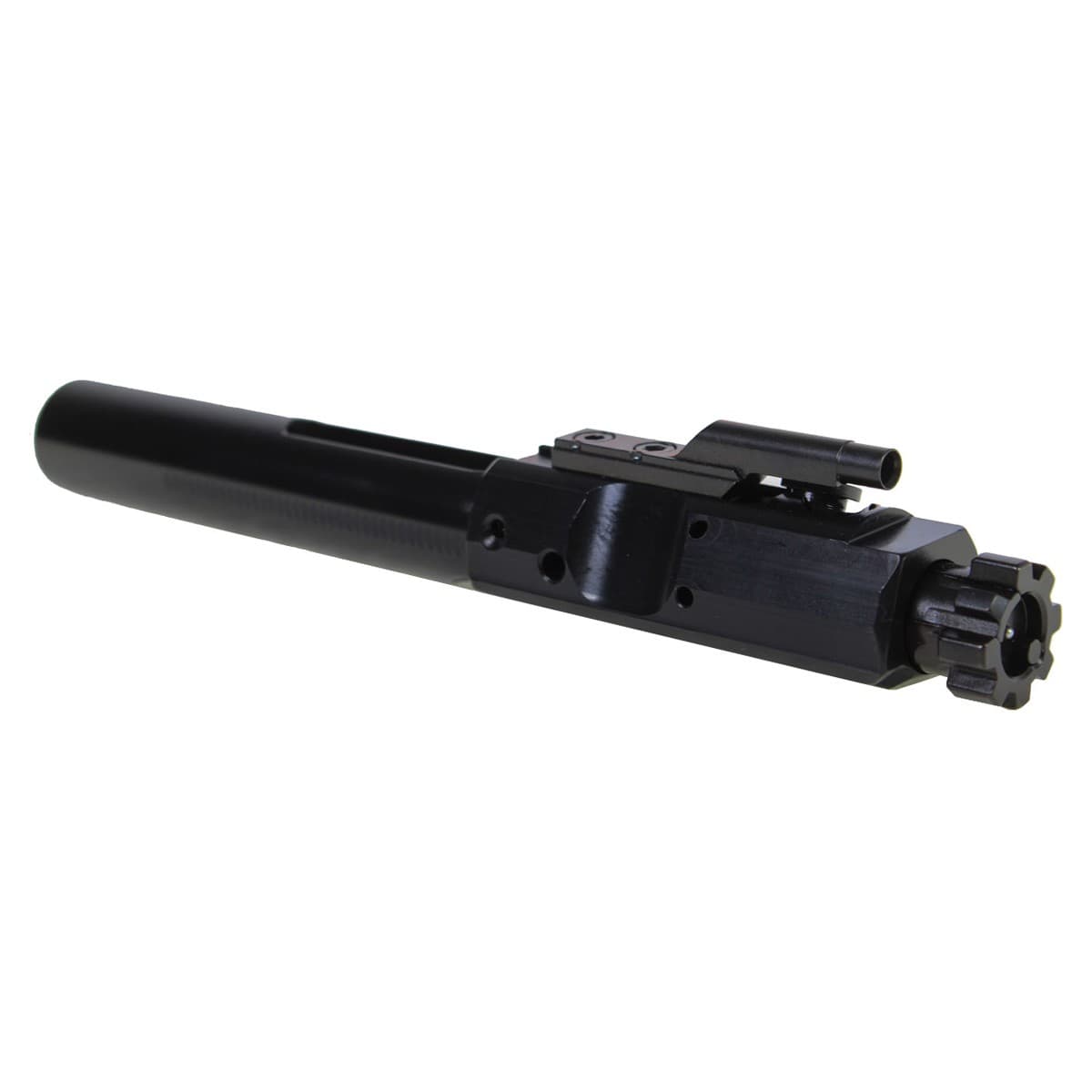
Stag Arms High Pressure .308 Bolt Carrier Group (Nitride)
- .308 Win / 7.62x51 NATO / 6.5 Creedmoor, DPMS / LR-308 / SR-25 pattern
- 9310 steel bolt, HPT and MPI tested
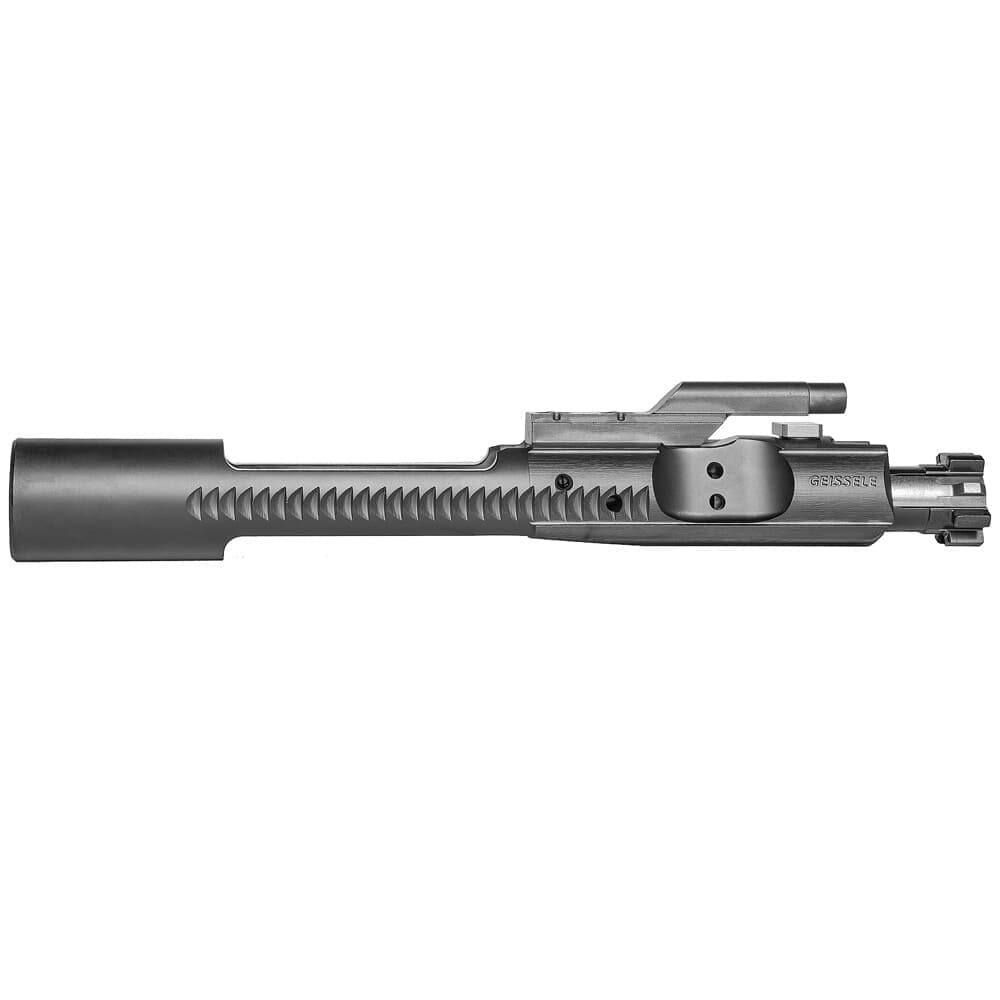
Geissele Reliability Enhanced Bolt Carrier Group (Nanoweapon)
- Carpenter 158 steel bolt
- 8620 steel M16-profile carrier
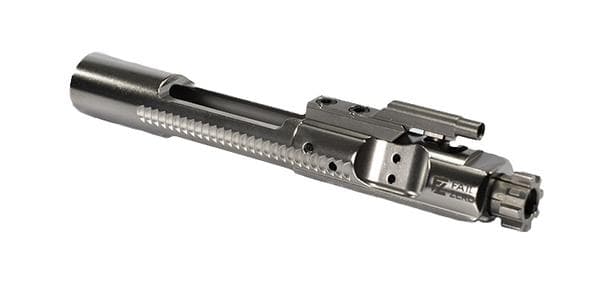
FailZero Nickel Boron BCG
- EXO nickel boron coating
- Designed for dry operation
Affiliate links (?)
Stay Updated on FRT Gear and Build Components
Get notified when KAK posts DBC pricing and availability, and when new forced reset triggers, super safeties, and tuned buffers and carriers drop. We also cover hands-on reviews and AR-15 build guides.
Frequently Asked Questions
▶What is the KAK Industry DBC BCG?
▶Does the DBC BCG really replace an H1, H2, or H3 buffer?
▶Why did KAK build a dead-blow carrier now?
▶Which triggers and selectors work with the DBC BCG?
▶What buffers are not compatible with the DBC BCG?
▶What calibers does the DBC BCG support?
Bottom Line
The DBC BCG is a clean answer to a problem the tungsten market created. Forced reset triggers and super safeties always needed extra reciprocating mass, and the cheapest place to add it, tungsten buffer weights, became one of the most expensive. KAK moved the mass into the carrier, where the price is steel, and kept the buffer side of the equation to a standard 3 oz unit on a cheap carbine tube. For anyone building around an FRT, FRS, or super safety today, that is a real cost reduction, not a marketing angle.
It is also a different philosophy from the other recent answer to this problem. Odin Works took the build-a-better-buffer route with its H-FRT heavy buffer, a tuned stainless buffer and spring sold as a matched system. KAK's route is to delete the heavy buffer from the equation. Which one fits depends on whether you would rather tune the buffer or stop thinking about it. Both beat stacking tungsten at 2026 prices. Compare carriers and FRT-ready parts in the catalog or line up builds side by side in compare. The DBC's expansion to 9mm, .45 ACP, and .308, plus a standalone carrier for retrofits, is where it goes from a niche 5.56 part to a platform-wide fix for the tungsten era.