Key Takeaways
- →A light first, a knife second: the MK runs a 300-lumen spotlight rated to 133 m, a side floodlight, and a red light with strobe off one 10440 cell, in a 52 g (1.83 oz) body.
- →The bit driver is the sleeper feature: a magnetic folding holder takes most standard 4 mm double-ended bits, and it has handled small screws on optic installs where a full plier tool is overkill.
- →Hands-free lighting two ways: the magnetic base holds it to steel, and the pocket clip grips the bill of a cap to turn it into a hat light.
- →One button runs everything: spot brightness levels, the side flood, steady red, and red strobe all live on a single switch. It is the main complaint, and it is learnable.
- →About a third the weight of a Leatherman Juice CS4: 52 g against 159 g, at the cost of pliers, scissors, and a bottle opener.
- Weight
- 52g1.83 oz
- Max Output
- 300lm
- Rated Throw
- 133m4,400 cd rated
- Blade
- 48.5mm9Cr18MoV slipjoint
- Battery
- 450mAh10440, USB-C
- Rating
- IP651 m drop tested
What the OKNIFE MK Is
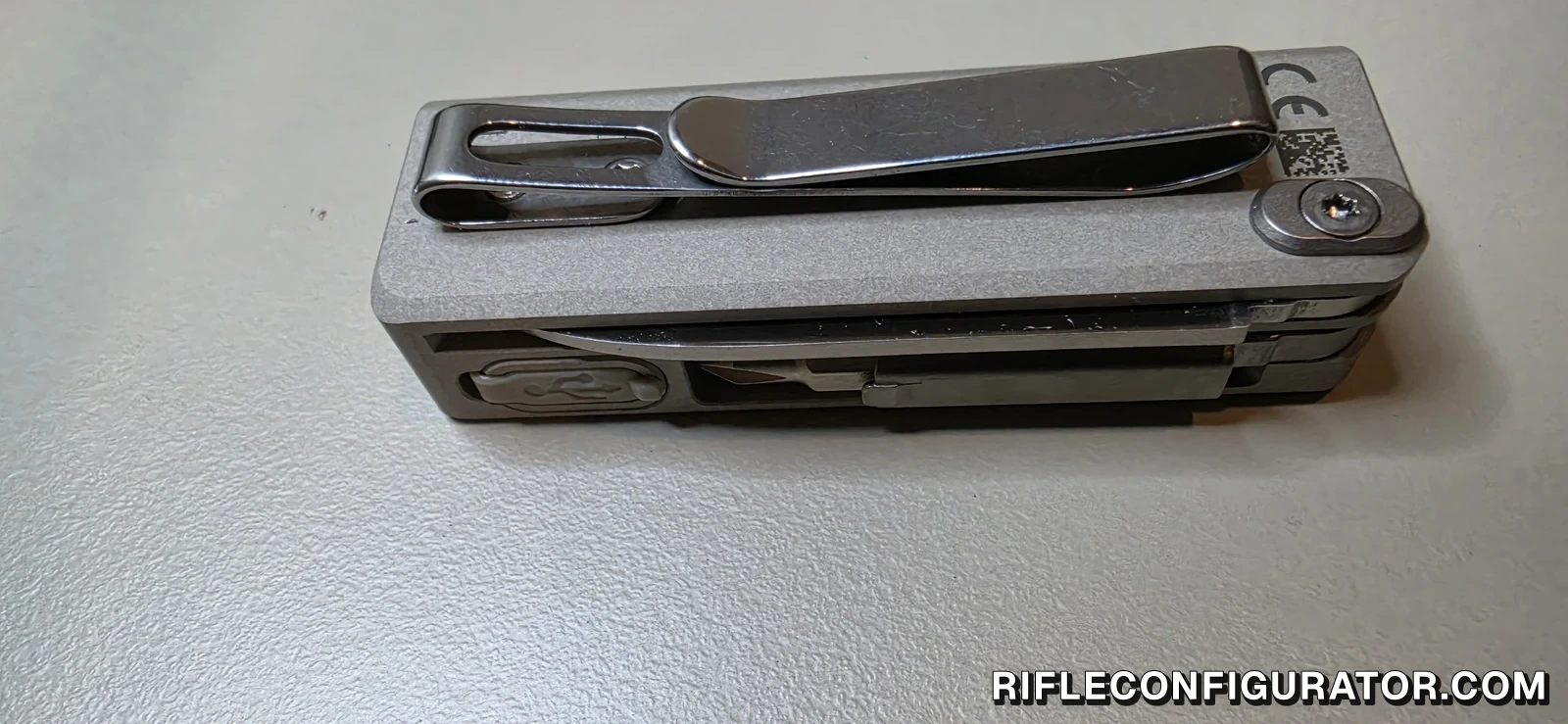
The OKNIFE MK is a three-in-one pocket tool: a rechargeable flashlight, a folding slipjoint blade, and a magnetic bit driver in one rectangular metal body that weighs 52 g (1.83 oz). It sells for $50 in Desert White, Dark Green, and Orange. OKNIFE sent a sample for review, and it has ridden in a pocket for several days of normal use since.
The light is the center of the design. The main spotlight is rated at 300 lumens and 133 meters of throw, a side-firing floodlight handles close work, and a red LED offers steady and strobe modes. Everything runs off a 3.6V 450 mAh 10440 lithium-ion cell that charges over USB-C in about 1.5 hours. The blade is 48.5 mm of 9Cr18MoV stainless at 58 plus or minus 1 HRC, and the driver arm carries one double-ended S2 bit, PH0 on one end and SL3.5 on the other. The body is rated IP65 and drop tested from 1 meter.
The Bit Driver Is the Most Useful Part
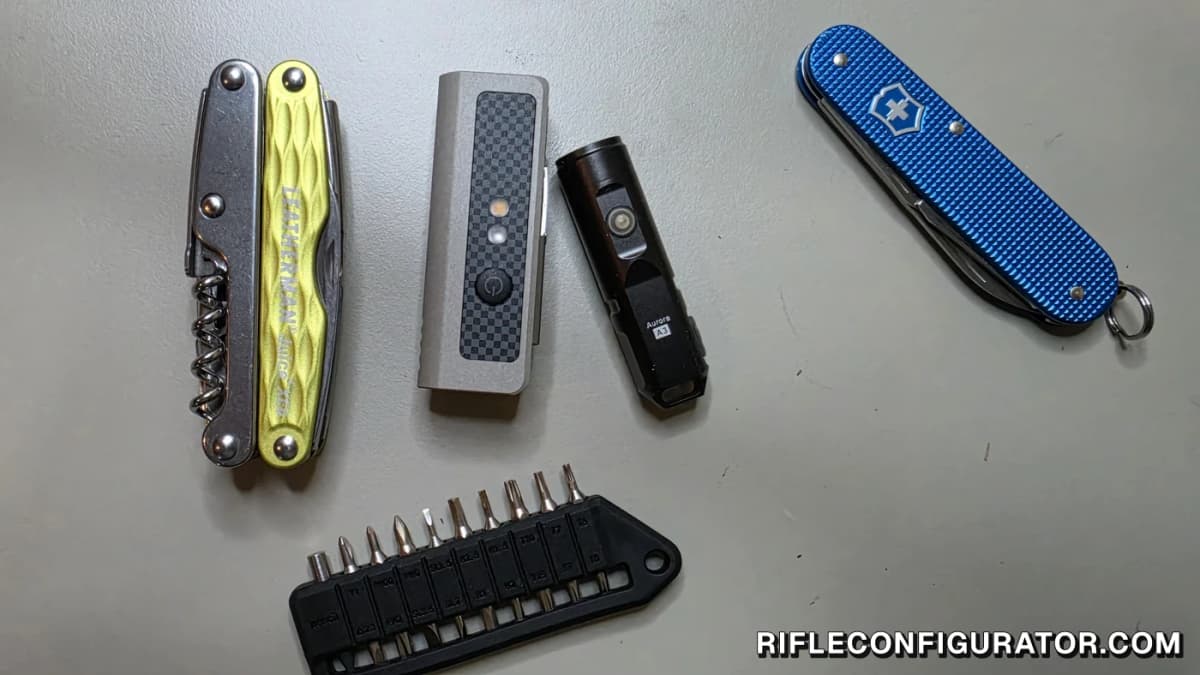
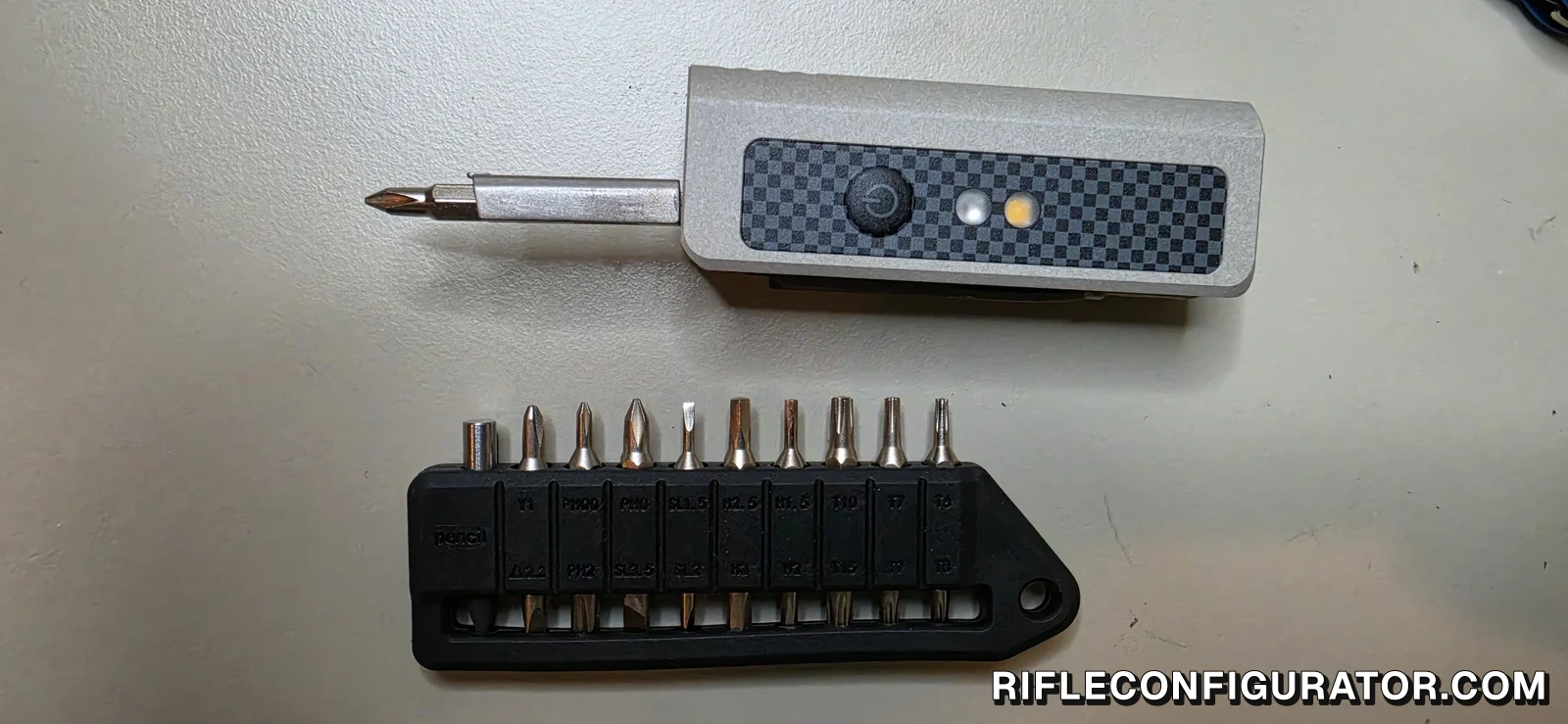
The magnetic folding bit driver is the feature that earns the MK its pocket space. It swings out from the body, holds a standard 4 mm double-ended bit by magnet, and swaps bits in seconds. That has made it the tool that comes out for small jobs, including the screws on a few optic installs, where unfolding a full plier multi-tool to reach its driver is more tool than the job needs.
The MK ships with one bit. OKNIFE sells the MBS1 set separately: nine double-ended S2 bits covering Torx, Phillips, slotted, and hex sizes, plus a pencil lead insert that drops into the same holder, which turns the driver arm into a marking tool for layout work. For optic screws, the pocket driver is for snugging and adjusting; final torque still belongs to a torque driver set to the mount maker’s spec.
The best detail is that the main light keeps working while the driver or blade is deployed, and it points the same direction. Working under a desk or inside a dark range bag, the screw head you are turning is the thing that is lit. A phone flashlight cannot do that without a second hand to hold the phone.
OKNIFE MK 3-in-1 EDC Multi-Tool
300-lumen rechargeable EDC light with a small slipjoint blade and swappable 4 mm bit driver in a 1.83 oz package.
- +Light-first design combines illumination with basic cutting and driver tasks
- +Independent testing measured 306 lumens at turn-on and 282 lumens after 30 seconds
- +Swappable 4 mm bits make the driver useful beyond the included PH0 / SL3.5 bit
- −The 48.5 mm blade is non-locking and requires two-handed opening
- −Only one double-ended driver bit is included
- −The side floodlight measured about 20 lumens, so it is for close work
Affiliate links (?)
The Light: 300 Lumens and a Side Flood
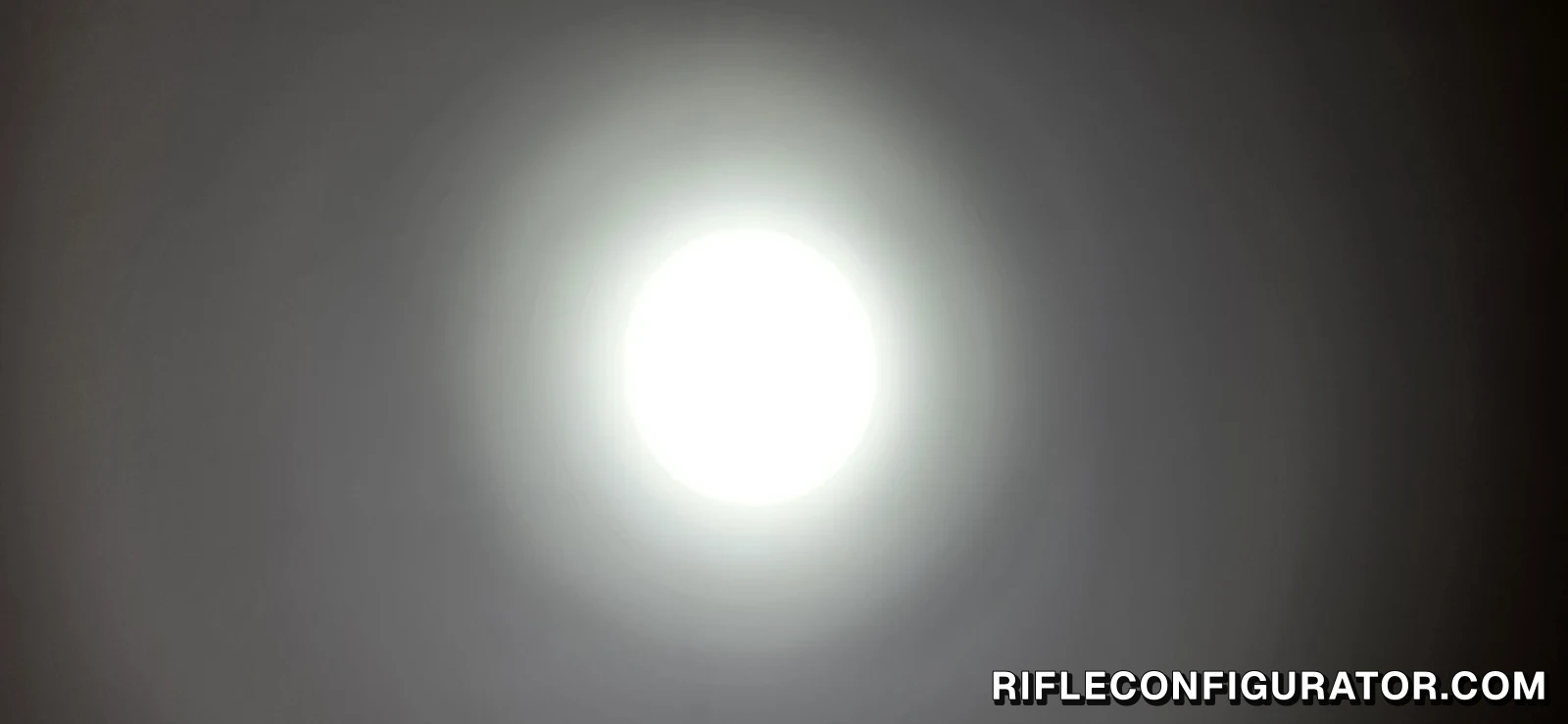
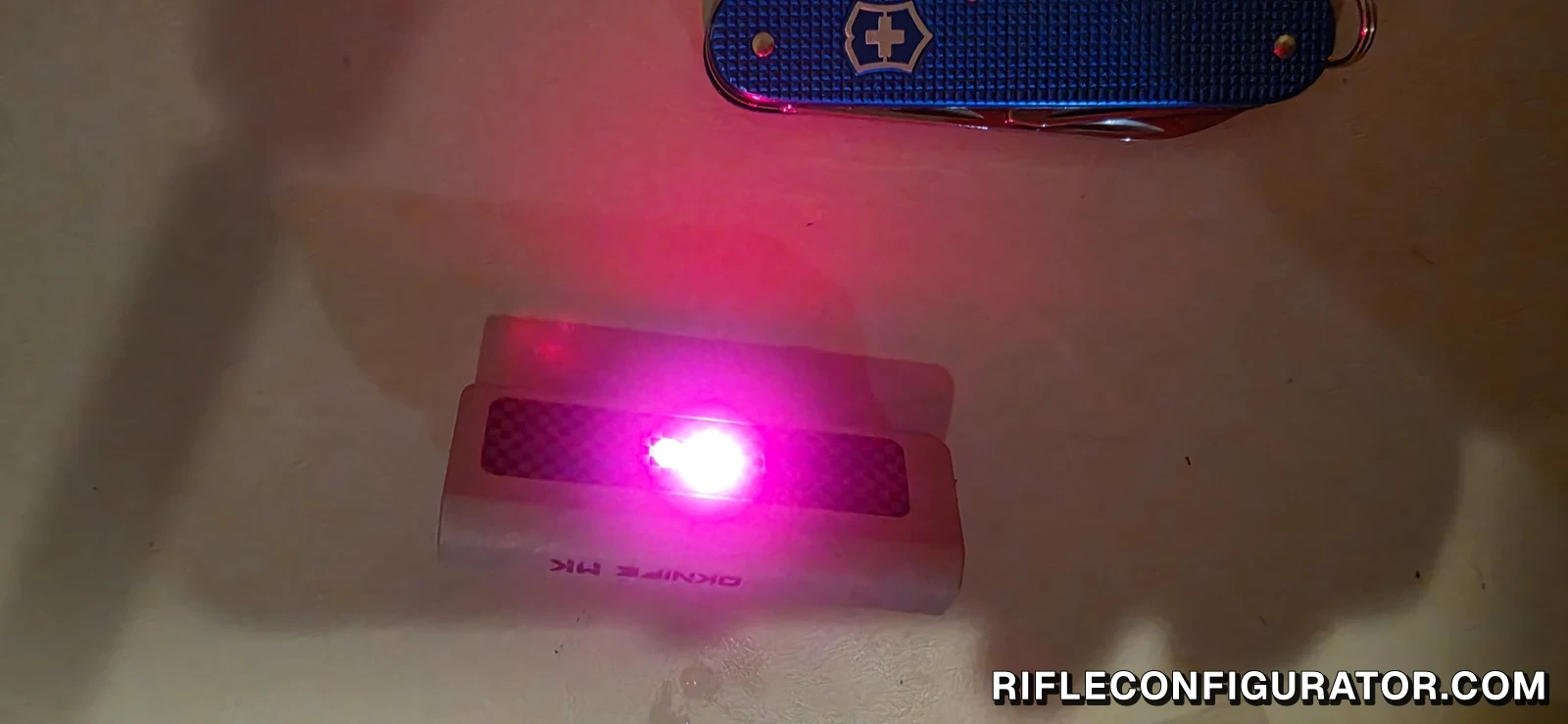
The MK’s spotlight is bright for a 52 g tool: OKNIFE rates it at 300 lumens and 133 meters. Independent testing by 1Lumen measured 306 lumens at turn-on and 282 at 30 seconds, and 115 meters of throw against the 133-meter claim, so output matches the spec and reach falls a little short of it. The side floodlight is a wide, close-range work light, which 1Lumen measured at 20 lumens.
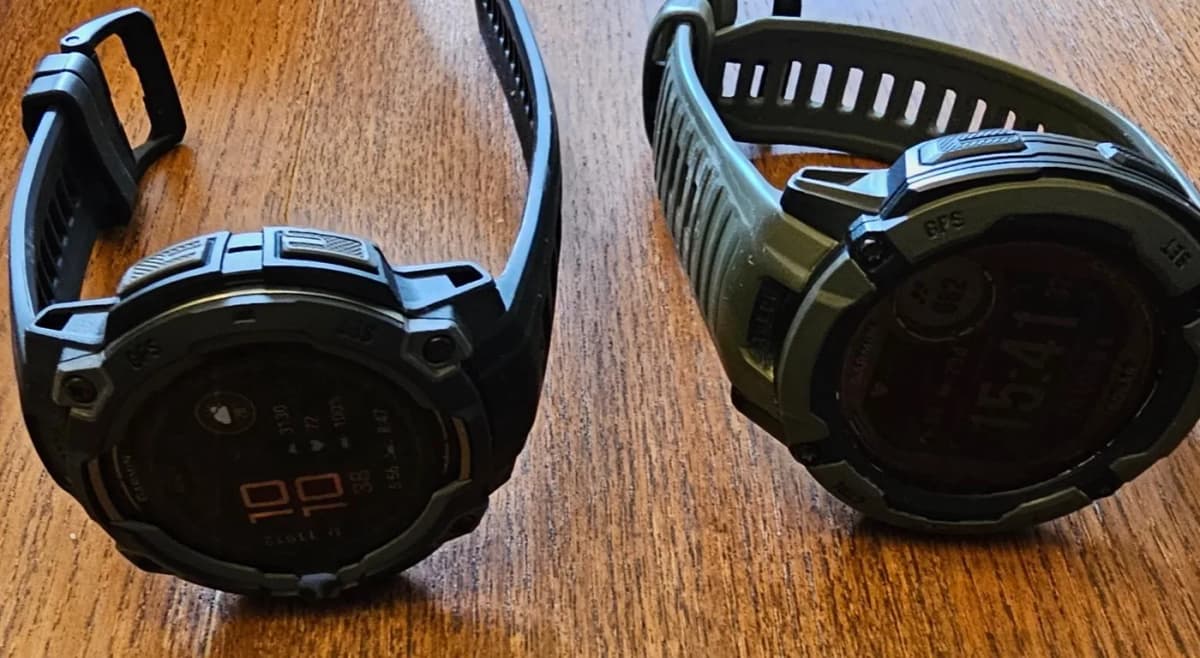
The case for carrying a separate light at all is the one most people underrate. A phone flashlight drains the phone, needs unlocking, and occupies the hand you were going to work with. Even with a Garmin Instinct 3 AMOLED on the wrist, which has its own built-in flashlight with red and strobe modes, a dedicated light that can sit on a surface or clip to a hat covers jobs a wrist light cannot. For a true tactical handheld with real throw, a dedicated light from our best tactical flashlight guide is the better tool; the MK is a utility light that happens to carry a blade and a driver.
Hands-Free: Magnetic Base and Hat Clip
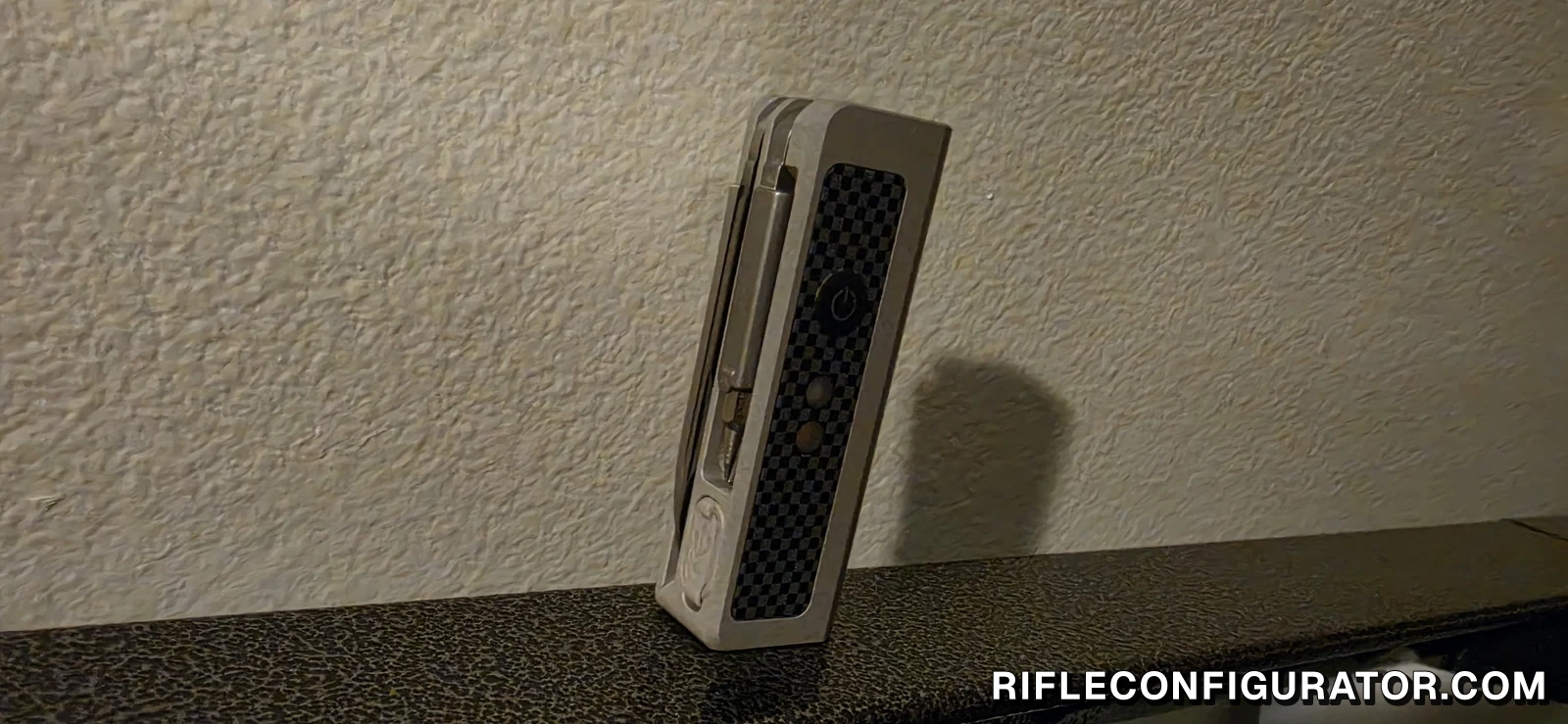
The MK has two ways to light a job without holding it. The magnetic base sticks to anything steel, so it stands on a shelf, a vehicle body, or a toolbox lid and aims the light where it is needed. The pocket clip also grips the bill of a ball cap, which turns the spotlight into a hat light that follows your eyes.
The One-Button Interface Is the Main Complaint
The MK’s weakest point is its controls: one button runs the spotlight brightness levels, the side flood, the steady red, and the red strobe. With that many modes on a single switch, the first few days involve some fumbling to reach the mode you want. There is probably no clean way to fit that many lighting modes on one button in a body this small, and the sequence does become muscle memory with use. Expect a learning curve rather than a dealbreaker.
The shortcuts are worth learning on day one. From off, one click turns on the spotlight at its last-used level, a double click jumps straight to high, and three fast clicks start the side floodlight on low. With either light on, press and hold to cycle its modes: low, medium, and high for the spot; flood low, flood high, and red for the side light. A double click on the side light goes to red strobe, and holding the button for two seconds from off locks the MK out so it cannot turn on in a pocket.
The Blade: A 48.5 mm Slipjoint
The MK’s blade is a 48.5 mm, 2 mm-thick 9Cr18MoV blade on a non-locking slipjoint that opens with two hands. It is sized for packages, cord, tape, and zip ties. It is not a primary cutting tool: a slipjoint can fold under pressure on the spine, and the short blade limits reach. If cutting is what you carry a knife for, a locking folder from our best EDC knife guide belongs in the other pocket.
OKNIFE MK vs a Leatherman Juice CS4
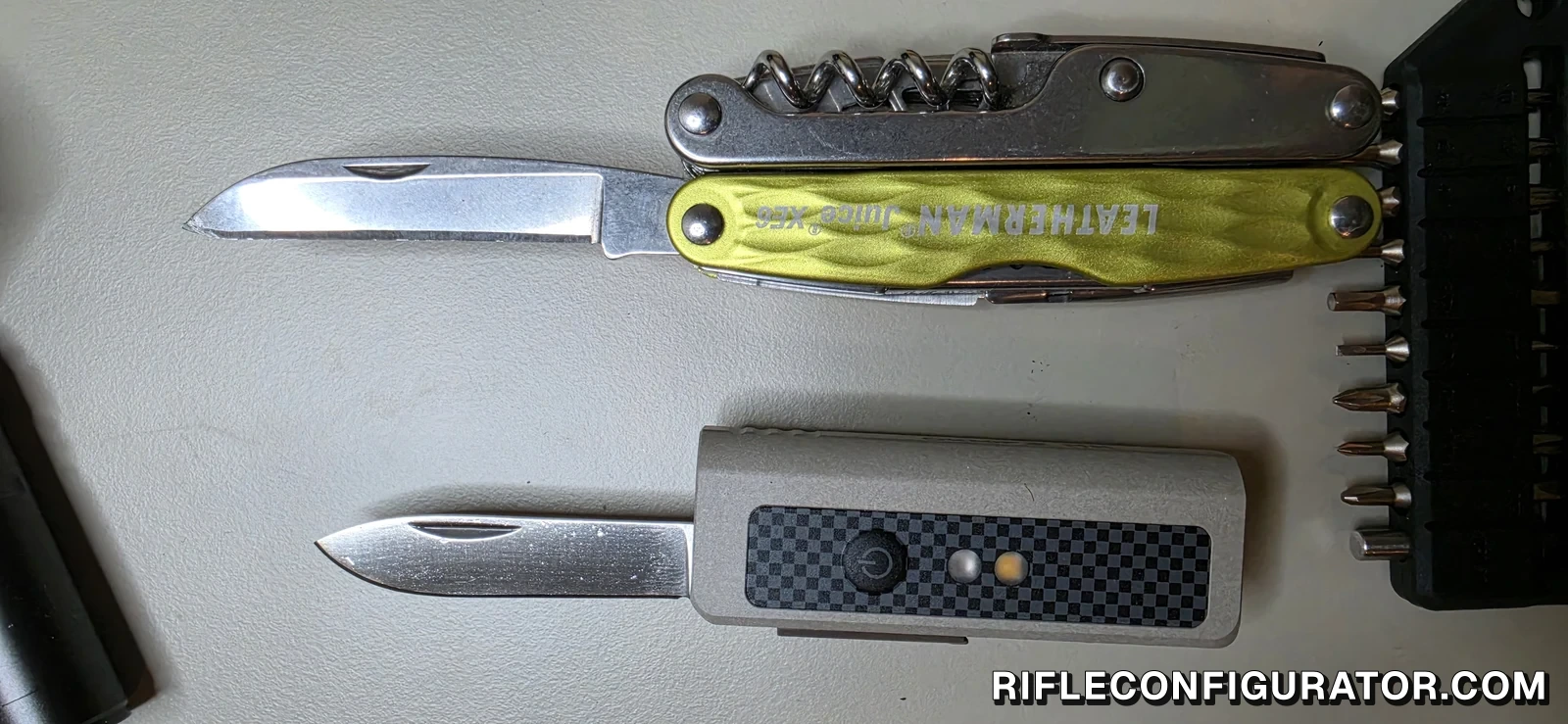
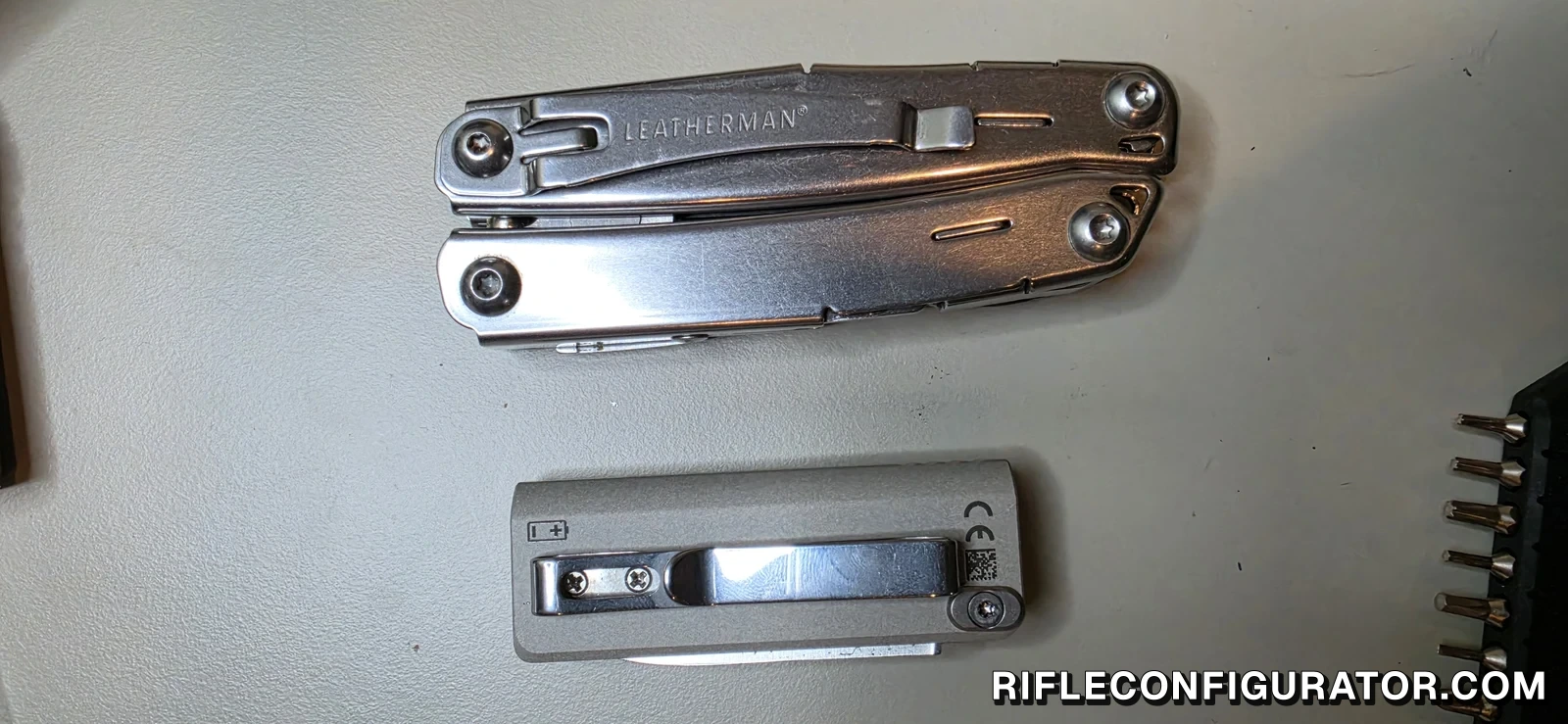
Against a Leatherman Juice CS4, the plier multi-tool that has been our everyday carry, the MK trades capability for weight and adds a light. It weighs about a third as much, 52 g to 159 g, and the light and swappable bits are what make it the handier tool day to day. What it gives up is the pliers, the scissors, and the bottle opener, and the pliers are the one real loss.
Pocket Tool Spec Sheet
OKNIFE MK
Leatherman Juice CS4
- Weight
- 52 g (1.83 oz) (advantage)
- 159 g (5.6 oz)
- Built-in Light
- 300 lm + red (advantage)
- None
- Screwdrivers
- Swappable 4 mm bits
- Fixed Phillips, flat
- Pliers
- None
- Yes (advantage)
- Scissors
- None
- Yes
- Bottle Opener
- None
- Yes
The MK does not replace a plier tool for anyone who grips, bends, or cuts wire regularly. It replaces one for people whose plier tool mostly drives screws and opens boxes. If you are choosing a full-size tool instead, our best tactical multi-tools guide ranks the Leatherman, Gerber, and SOG options.
Compare EDC Multi-Tools
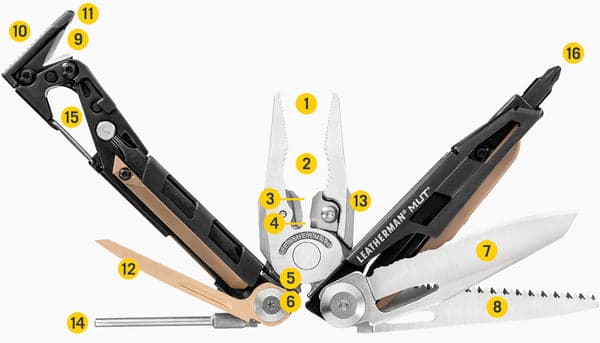
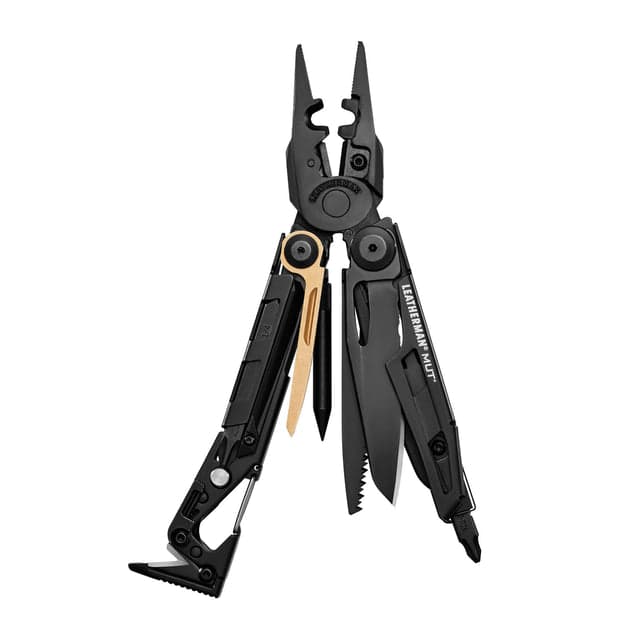
Leatherman MUT (Military Utility Tool)
- 16 tools
- Bolt override tool
Leatherman MUT EOD
- 15 tools
- Bolt override tool
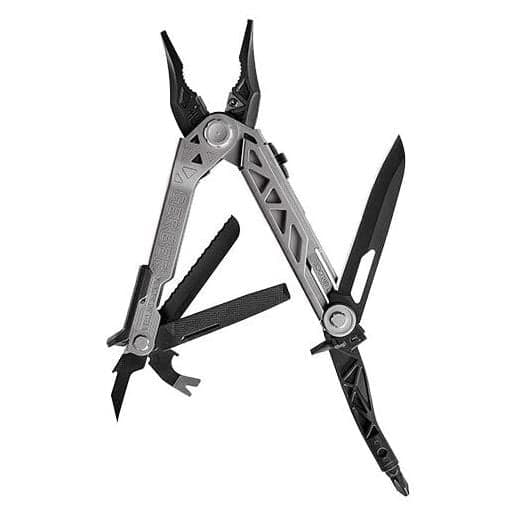
Gerber Center-Drive Multi-Tool
- 14 tools
- Center-axis bit driver
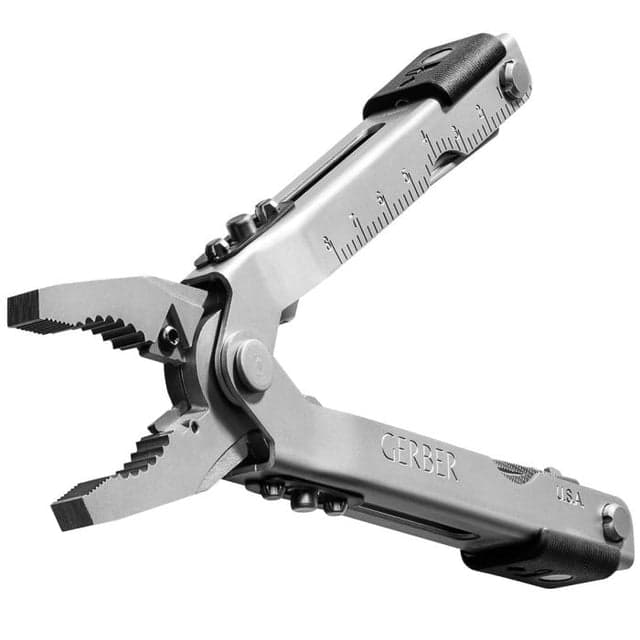
Gerber MP600 Multi-Tool
- 14 tools
- Carbide wire cutters
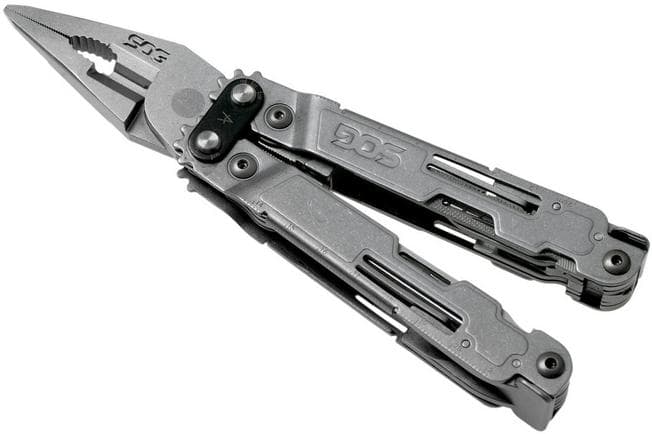
SOG PowerAccess Deluxe Multi-Tool
- 21 tools
- Compound leverage (2x power)
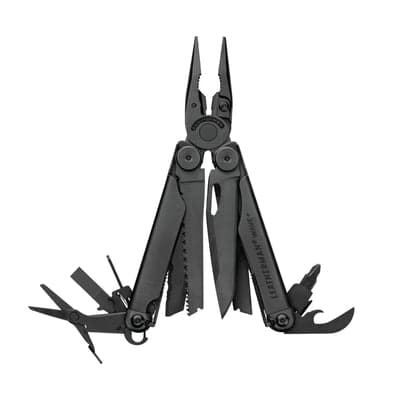
Leatherman Wave+
- 18 tools
- All-locking blades
Affiliate links (?)
Who Should Buy the OKNIFE MK
Buy the MK if your pocket tool mostly drives small screws, opens packages, and lights your work, and you would rather carry 52 g than a plier tool. It suits anyone who mounts and adjusts optics and accessories on the bench, keeps a light on them but does not want a dedicated flashlight in a second pocket, or wants a magnetic work light that is always there. Skip it if you use pliers weekly, need a locking blade, or want a tactical handheld with real throw; each of those is a different tool.
Stay Updated on EDC Gear
Hands-on reviews of lights, knives, and pocket tools, sent when there is something worth reading.
Frequently Asked Questions
▶What is the best multi-tool flashlight?
▶Does the OKNIFE MK blade lock?
▶What screwdriver bits fit the OKNIFE MK?
▶How long does the OKNIFE MK take to charge?
▶Is the OKNIFE MK waterproof?
Bottom Line
The OKNIFE MK earns its pocket space as a light first, with a knife and a bit driver that make it more useful than a phone flashlight.
A 300-lumen spotlight, a side flood, and red modes in a 52 g body, aimed at whatever the blade or driver is doing, make it a better everyday work light than a phone. The swappable 4 mm bits handle small screws on the bench, and the magnetic base and hat clip make it hands-free.
The boundary is pliers. If you grip, bend, or cut wire, keep the plier tool and add the MK only as a light. If your plier tool mostly drives screws and opens boxes, the MK replaces it at a third of the weight. Budget a few days to learn the one-button controls.
Affiliate links - purchases support this site at no extra cost to you. (?)