Streamlight ProTac HL-X
- ✓1,000 lumens
- ✓50,000 candela

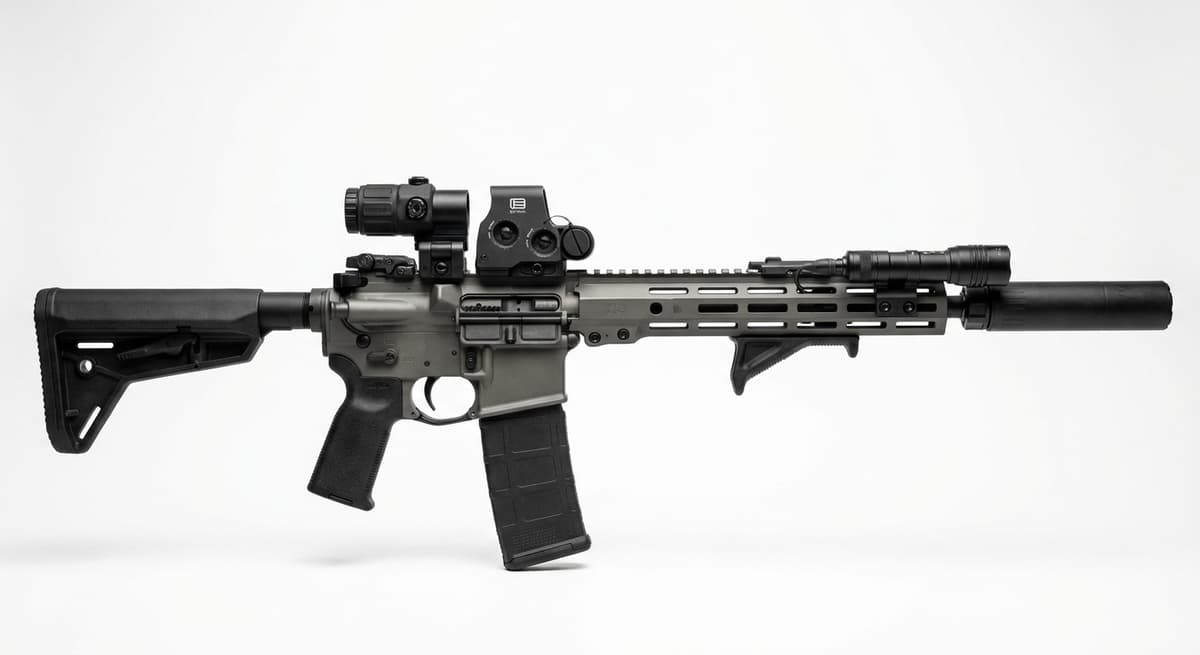
A single vetted upper-mid-tier AR-15 build, part by part, that lands around $1,991 for the rifle before optic. BCM complete lower and upper, Daniel Defense BCG, Geissele SSA-E trigger, and a Radian Raptor, with a running cost tally and a callout for where this tier stops short of full Gucci.
Affiliate links (?)
This is the AR-15 build for the shooter stepping up from the mid-tier into duty-grade parts. It is one vetted part-by-part recipe, not a list of pre-bundled kits. The $1,500-2,000 number is the rifle without an optic: $1,990.90 as specced, a 16-inch carbine built to the spec of a complete BCM or Daniel Defense rifle. The optic is a separate spend with its own tier near the bottom. Every slot below explains what it buys over the mid-tier pick, with a running cost tally and a callout for where this build deliberately stops short of full Gucci.
Upper-mid-tier means duty-grade parts in every slot that matters, assembled to the configuration you choose. The barrel, bolt carrier, and trigger all step up to near-tier-1 components: a BCM cold-hammer-forged upper, a Daniel Defense complete bolt carrier group, and a Geissele SSA-E two-stage trigger. The lower is a factory-assembled BCM group rather than a parts-sourced receiver. This is the tier where you stop compromising and stop short of paying for badge value. For the rung below this, the mid-tier $1,000-1,300 build spends on the parts that change how the rifle shoots and holds the line at mil-spec elsewhere. The entry rung is the budget AR-15 build.
The rifle is one budget. The optic is another. The $1,990.90 figure is a complete, functional 16-inch carbine with bare-rail or iron-sight capability. Glass is a separate $349-$986 decision covered in its own section, which puts the all-in build between roughly $2,341 with a value LPVO and $2,977 with the Aimpoint Micro T-2. Treat them as two line items so the rifle total stays honest.
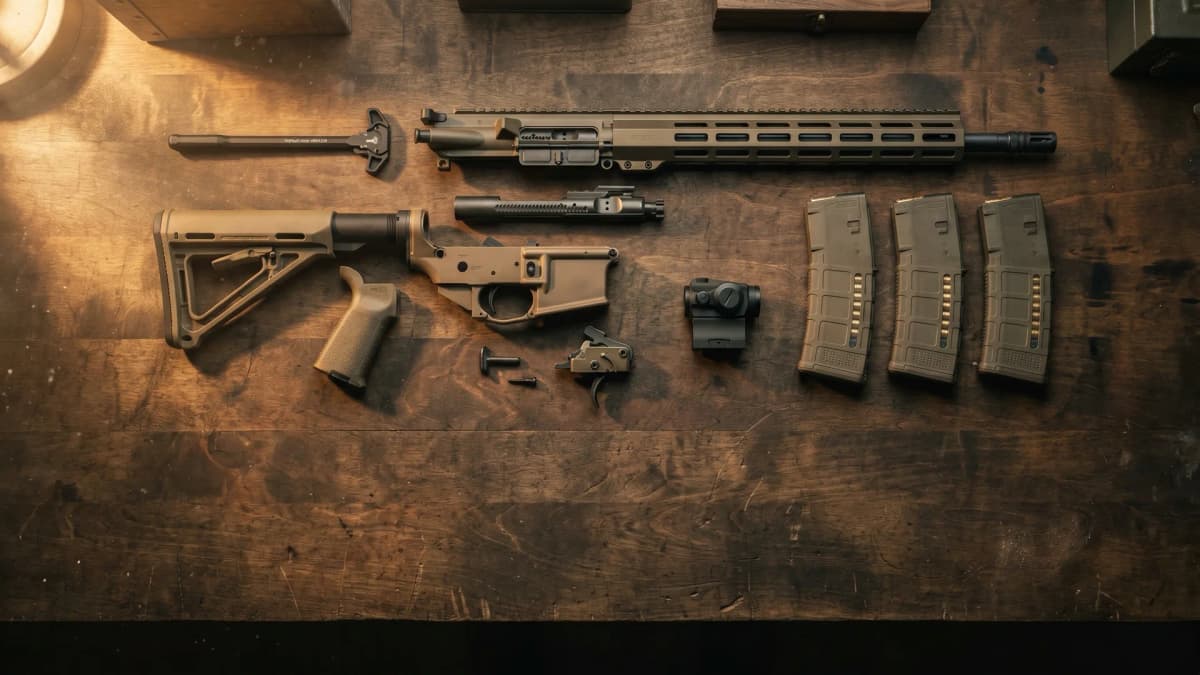
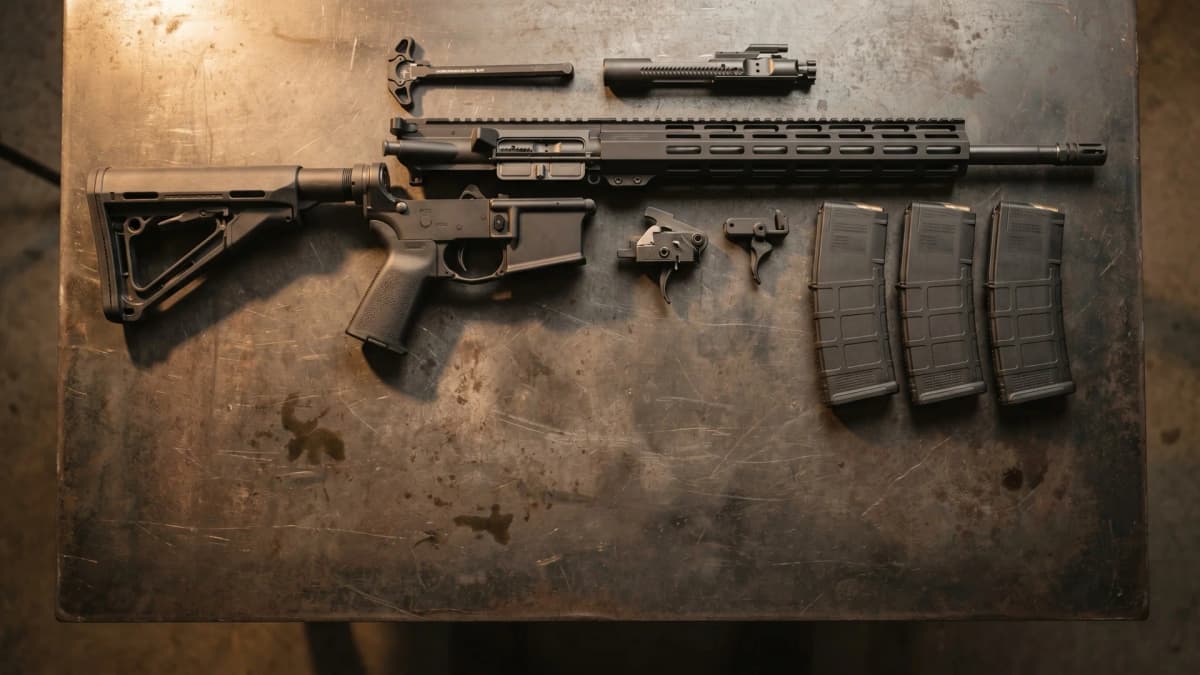
Upper, BCG, trigger. The CHF barrel, the Daniel Defense bolt, and the SSA-E are where the duty-grade premium concentrates.
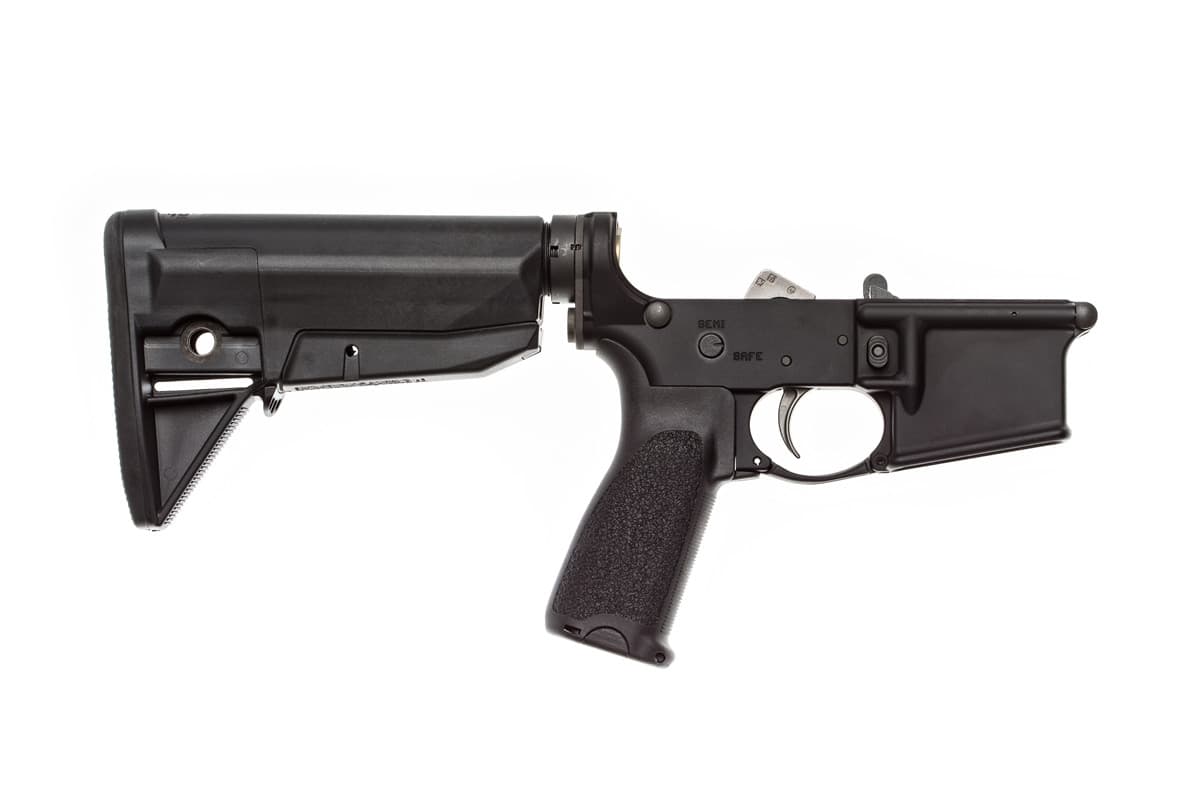
The BCM lower group. Stock, grip, buffer, and recoil system arrive installed, so you assemble a rifle, not a parts kit.
The optic. $349-$986 on top of the rifle, picked in its own section based on how you use the gun.
Every part for the rifle in build order, with a running total. This is the $1,500-2,000 tier: five line items that total $1,990.90. The number is this lean because the BCM lower group collapses the stock, grip, buffer system, and lower parts into a single factory-assembled SKU, so there is no separate stock, grip, or buffer-kit line to add. The optic is not in this number.
| Slot | Part | Price | Running Total |
|---|---|---|---|
| Complete lower group | BCM Lower Receiver Group (Mod 0 Stock) | $525.00 | $525.00 |
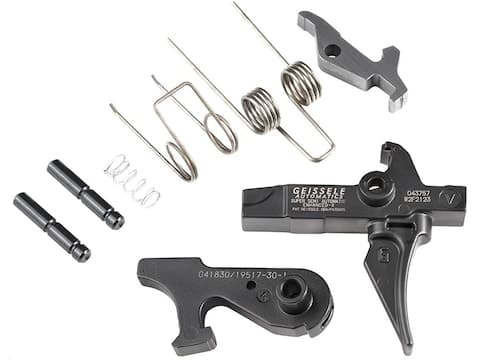
| Trigger (swaps the PNT) | Geissele SSA-E | $245.00 | $770.00 |
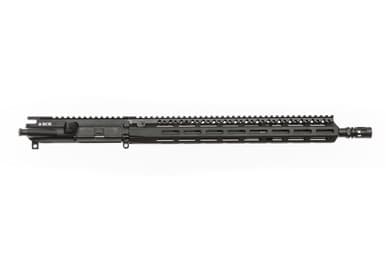
| Complete upper | BCM BFH 16" Complete Upper (MCMR-15) | $880.95 | $1,650.95 |
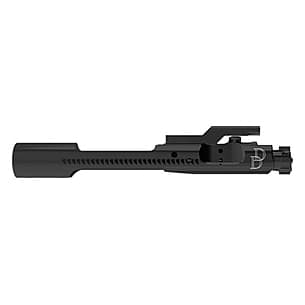
| Bolt carrier group | Daniel Defense Complete BCG | $235.00 | $1,885.95 |
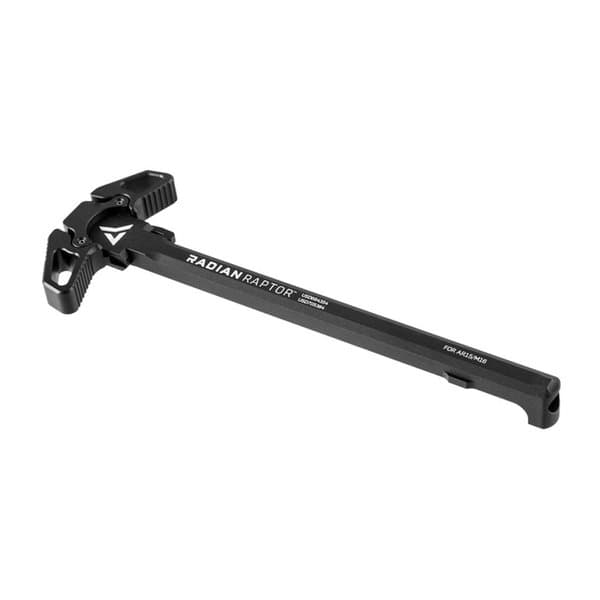
| Charging handle | Radian Raptor (Ambi) | $104.95 | $1,990.90 |
The BCM lower group ships with the BCM PNT single-stage trigger already installed. The Geissele SSA-E swaps that PNT rather than stacking on top of it, so the trigger line is an upgrade cost, not a second trigger. Budget for the SSA-E and treat the PNT as a spare. The lighter Raptor-LT charging handle ($79.95) is the one place to shave about $25 if you want the rifle nearer $1,884.
Sling, light, backup sights, and QD mounts, the upgrades most builders add first.
Affiliate links (?)
The trigger, charging handle, and optic are the slots you actually choose at this tier. Load the recommended picks below, swap any slot, and carry the parts into the full rifle builder to finish the receiver, upper, and BCG selections.

Base Platform
Custom / $1100.00 base
Blank-slate AR-15 platform for selecting every upper, lower, and core component.
Upgrade Builder
Open any slot to add an upgrade; the total updates in place and every part keeps its tracked retailer link.
Pull weight, reset, and feel for precision shooting.
No upgrade selected for this slot.
Improves manipulation under optics and with gloves.
No upgrade selected for this slot.
Red dots, LPVOs, and magnified optics for target acquisition.
No upgrade selected for this slot.
The full recipe in build order, from the lower up. Each pick lists what it buys over the mid-tier equivalent. This is the rifle only; the optic is a separate spend covered in its own section below. New to assembly? Pair this list with the first AR build walkthrough and the tools you need to assemble it.
Lower: a factory-assembled BCM duty lower with furniture and recoil system installed
Trigger: the upper-mid two-stage that replaces the lower's stock PNT
Upper: the cold-hammer-forged duty upper where the upper-mid money goes
BCG: a complete-rifle-grade Daniel Defense bolt you never second-guess
Charging handle: the all-aluminum ambi standard for a duty-grade rifle
Verify all parts for compliance with your local and state laws before purchasing.
Affiliate links - purchases support this site at no extra cost to you. (?)
The single largest dollar in this build is the BCM complete upper, and that is the right place to concentrate it. The headline spec is the cold-hammer-forged barrel. CHF forges the bore and chamber under enormous pressure around a tungsten-carbide mandrel, which work-hardens the steel, tightens the grain structure, and extends barrel life well past a standard button-rifled barrel. That is the same process BCM and Daniel Defense use on their complete rifles, and it is the reason a BCM upper holds its accuracy through a high round count. For how barrel length and profile change the equation, see the AR-15 barrels guide.
Buying the upper complete also removes the two assembly steps most likely to go wrong: headspacing the barrel extension to the bolt and clocking a free-float rail concentric to the bore. BCM headspaces and torques the upper at the factory and pins the low-profile gas block in place, so the free-float M-LOK rail arrives true and the gas system is already tuned. The part-by-part alternative is a standalone CHF barrel under a separate rail, which only makes sense if you want a barrel length BCM does not offer complete. For a head-to-head on the upper slot specifically, the upper receivers guide compares BCM, Daniel Defense, and Geissele complete uppers.
The Daniel Defense bolt carrier group is the part you stop thinking about. It uses an 8620 carrier, a Carpenter 158 bolt that is shot peened and both high-pressure tested and magnetic-particle inspected, a chrome-lined carrier bore and gas key, a properly staked key, and an extractor booster. Those are the exact specs that keep a bolt from cracking at the cam-pin hole, keep the gas key from backing loose, and keep extraction positive when the chamber is hot and dirty. It is the same carrier group Daniel Defense ships in its complete rifles, dropped into your build for the price of a standalone part.
The Geissele SSA-E is the near-tier-1 trigger and the slot that most changes how the rifle feels to shoot. It uses the same combat-proven SSA chassis and S7 tool steel as the standard SSA, refined to a lighter 2.9-3.8 lb two-stage pull with the crisp "icicle" break Bill Geissele designed it around: a smooth take-up, then a glass-clean second stage that breaks where you expect it. Captive springs and no adjustment screws keep it consistent over tens of thousands of rounds. Coming from the mid-tier's LaRue MBT-2S, the SSA-E is a lighter, cleaner break in the same tool steel. For the direct head-to-head, see the SSA-E vs MBT-2S comparison.
The Radian Raptor is the upper-mid charging-handle standard, and at this tier full ambidexterity earns its place. The all-aluminum body and the large textured latches on both sides let you charge the rifle from the support side, around a barricade, or with a mounted optic crowding the mil-spec latch, none of which the single-side mid-tier handle does cleanly. The Raptor-LT is the lighter, lower-cost alternate if you want to trim weight and a little cost. For the full field of charging handles, see the charging handle guide.
The upper-mid tier is the point of diminishing returns. Past this spec, the next dollar buys badge value and marginal weight savings, not capability. A matched billet receiver set runs $300 or more over the BCM lower group and changes nothing about how the rifle runs; a forged BCM receiver is as durable and as accurate as a billet one. Spend it on ammunition instead.
A nitride or NP3-coated match BCG is easier to clean than the Daniel Defense carrier's heavy phosphate, but it is not more reliable. The Daniel Defense bolt is already HPT/MPI Carpenter 158, which is the spec that prevents failures; a slicker finish is a convenience, not an upgrade. The same logic applies to titanium or exotic small parts: ounces, not function.
The one slot where you can genuinely keep climbing is the optic, and even there the ceiling is steep. A $2,000-plus first-focal-plane Razor or Nightforce is real glass with real advantages at distance, but it doubles the all-in cost of the rifle and is overkill for the do-everything carbine this build is. The value LPVO and the Aimpoint red dot below cover almost every use case this rifle will see. If you want the pre-bundled premium-tier kits and how they compare, the AR-15 build kits guide covers the complete-kit version of this question.
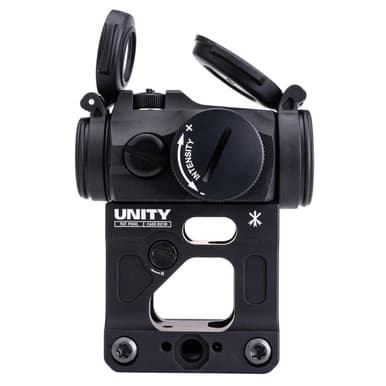
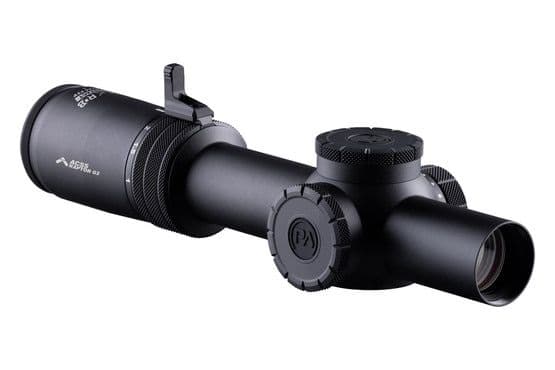
The optic is not part of the $1,990.90 rifle total. It is a separate $349-$986 decision, and it is the line item that most defines how you actually use the gun. The no-compromise duty pick is the Aimpoint Micro T-2 ($986): a 2 MOA dot, a 50,000-hour battery you run always-on, and night-vision compatibility in a sealed housing built to survive abuse. On a rifle specced to this level, the T-2 is the optic that never becomes the weak link.
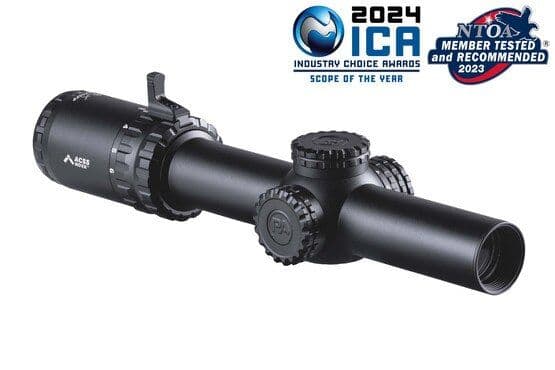
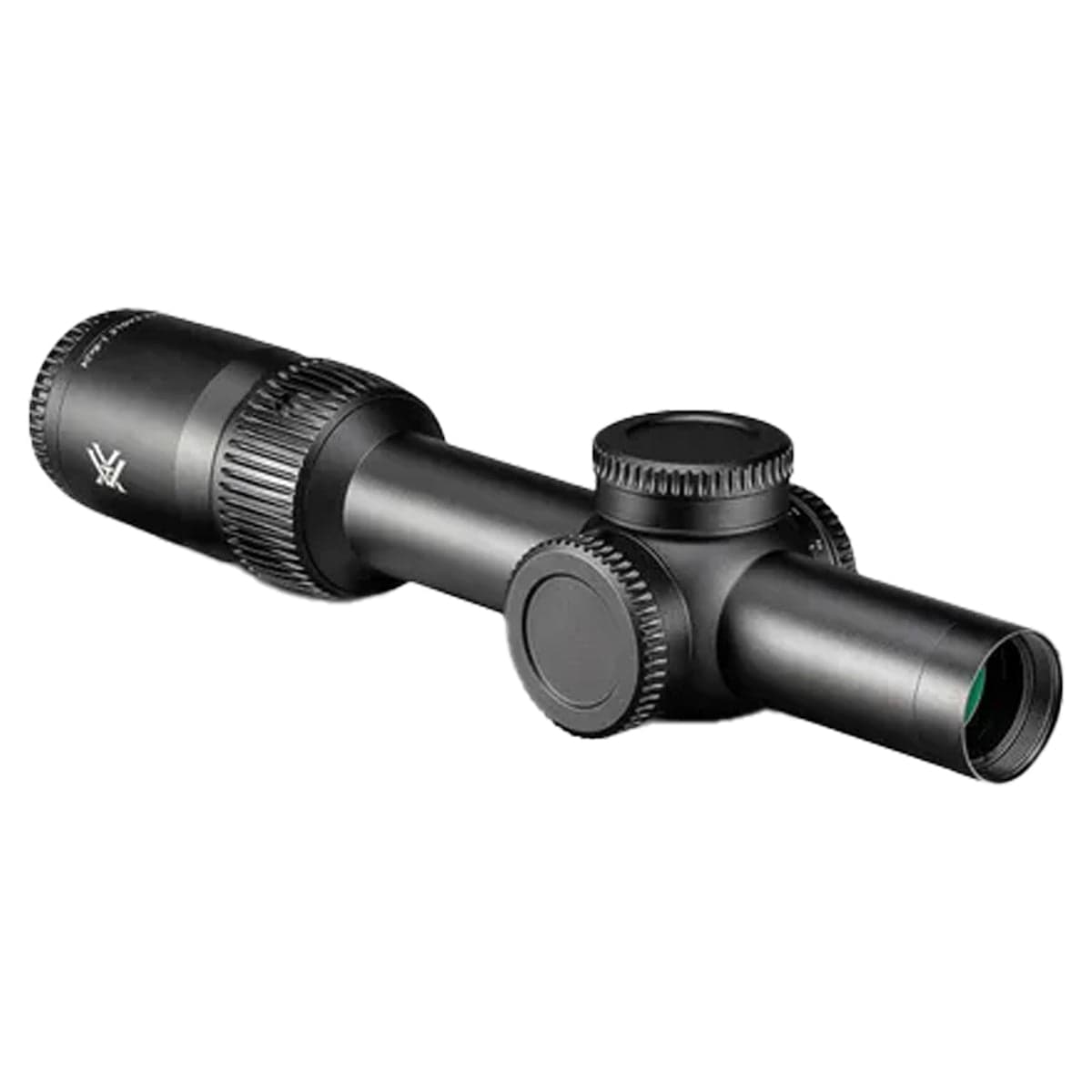
If you want magnification, the Primary Arms SLx 1-6x24 Gen IV ($349.99) is the value LPVO pick. A true 1x with both eyes open behaves like a red dot up close, and 6x reaches past 200 yards or doubles the rifle as a hunting gun, with a daylight-bright ACSS Nova reticle for fast holds. The Vortex Strike Eagle 1-8x24 ($399.99) is a close-value LPVO with more top-end magnification and an AR-BDC3 reticle. Either keeps the optic'd rifle near $2,341-$2,391. For the full magnified-optic field, see the LPVO guide.
If money is no object, the first-focal-plane Primary Arms PLxC 1-8x24 ($1,749.99) is the aspirational LPVO, with an ACSS Griffin Mil reticle that holds true at every magnification. It is genuinely better glass, but it doubles the optic spend and is more scope than most upper-mid builds need; treat it as a stretch, not a default. For the full red dot field beyond the Aimpoint, see the AR-15 red dot guide.
Affiliate links (?)
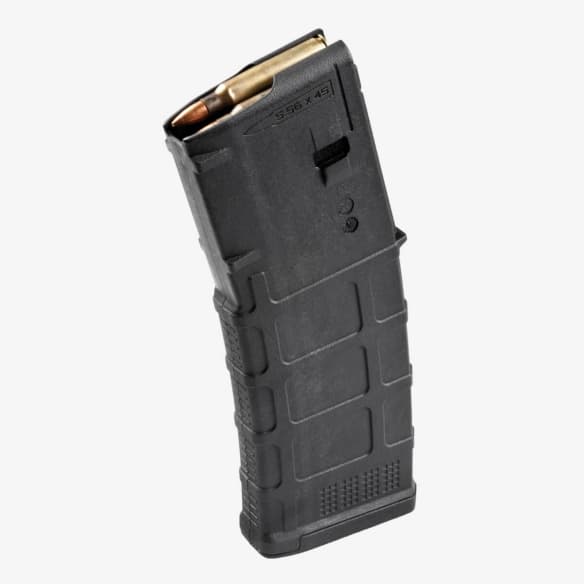
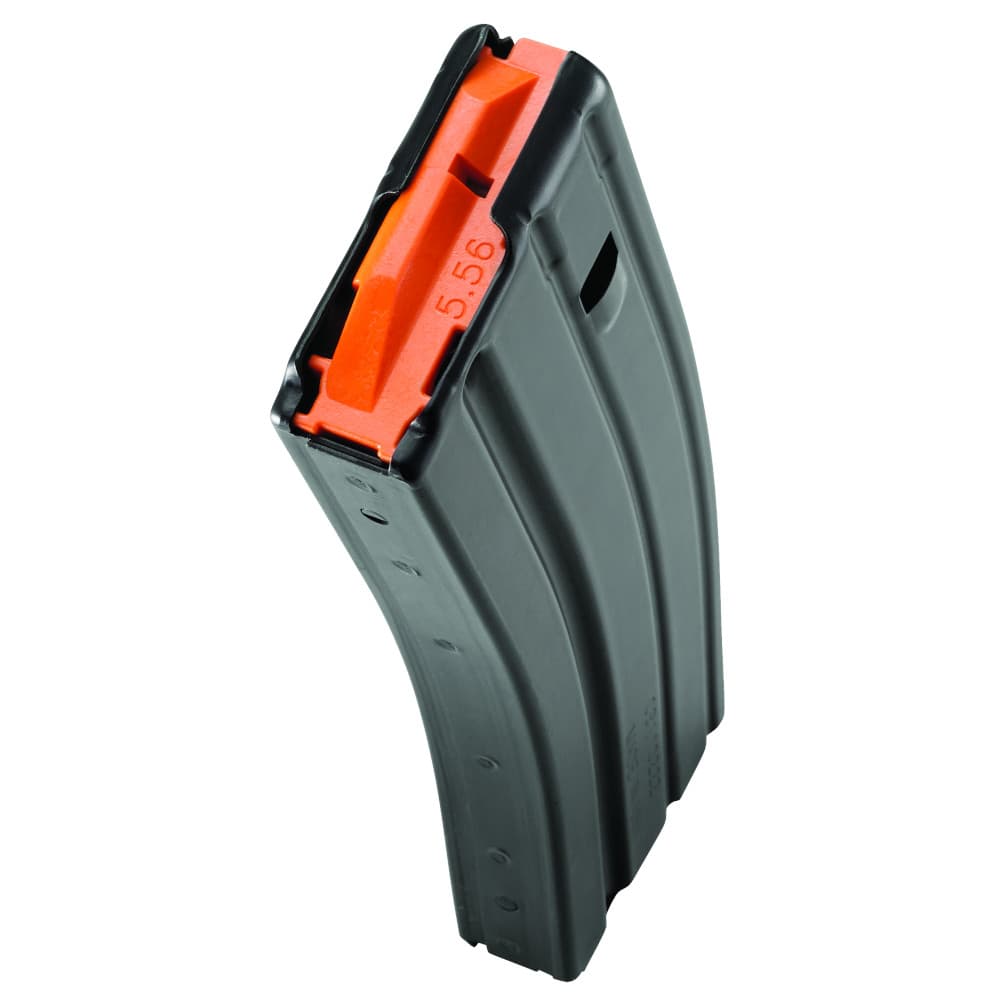
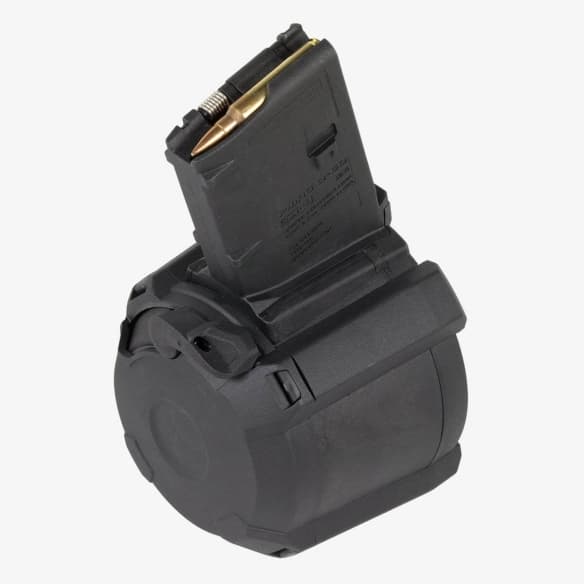
A rifle is only as useful as the magazines feeding it, and STANAG-pattern mags are the highest-ROI, do-it-first accessory at this tier. Budget for a working set of 8-10 quality 30-rounders before you spend on anything cosmetic. Magpul PMAG GEN M3s are the default, and quality aluminum USGI mags run reliably as well; buy them in quantity when you see them in stock rather than one at a time, and rotate the ones you leave loaded.
Affiliate links (?)
At this price point, building gets you a rifle configured exactly the way you want for about what a comparable complete BCM or Daniel Defense carbine costs, and it lets you choose the trigger and charging handle a factory rifle would not. A factory duty carbine in this band ships with a mil-spec trigger and a single-side charging handle; this build puts a Geissele SSA-E and a full ambi Radian Raptor in those slots for the same kind of money. You are not saving against buying, you are spec-matching a better rifle and learning the platform while you do it.
The case for buying complete instead is warranty simplicity and the ability to walk out the door zeroed under one roof. If you want a factory option to compare against, the upper-mid section of the best AR-15 rifles guide covers complete carbines in this band. The build wins on configuration control and the buy wins on convenience; this guide is for the shooter who wants the former.

Avid shooter with 9+ years of experience including competition shooting. Built 10+ AR-pattern rifles and several handgun platforms for home defense, competition, and suppressed night shooting.
This page contains affiliate links. Purchases through these links support the site at no extra cost to you. Read the affiliate disclosure
Continue exploring with these related resources

A single vetted mid-tier AR-15 build for the buyer stepping up from a budget rifle. Part-by-part picks for a ~$1,000-1,300 rifle that runs a class without babysitting, with a running cost tally, why each slot beats the budget pick, and a separate optic add-on tier.

Block 2 SOPMOD M4A1 clone built two ways. The strict lane mirrors the SOCOM spec part-for-part, substituting Steiner DBAL-A3 for the ITAR-restricted PEQ-15 and the current SureFire M640 series for the discontinued M951. The practical lane keeps the same SOPMOD silhouette using currently-buyable, in-stock variants of the same brands.

The definitive guide to AR-15 complete upper receivers in 2026. We rank BCM, Daniel Defense, Geissele, LMT, PSA, and Aero Precision. Includes CHF vs button-rifled barrels, chrome-lined vs nitride, and what features actually matter.
Related articles and industry updates

Oil infrastructure attacks, AI-driven semiconductor demand, and geopolitical instability are creating supply chain pressure on ammunition, optics, and emergency gear. Prioritized buying checklist: ammunition, magazines, optics, spare parts, and general emergency preparedness.

Complete comparison of forced reset triggers and super safeties for AR-15: Triggered Company Disruptor FRT (formerly Partisan), new LAT trigger, Arc-Fire V2 (now shipping), Atrius FRS, and Mars Super Safety. Performance, pricing, legality, and which system fits your build.

Virginia background checks topped 75,000 in May 2026, more than double May 2025, as gun shops report selling AR-15s, standard-capacity magazines, and NFA items at record pace ahead of the July 1 assault weapons ban. Virginia ranked second in the nation for NFA checks in May.