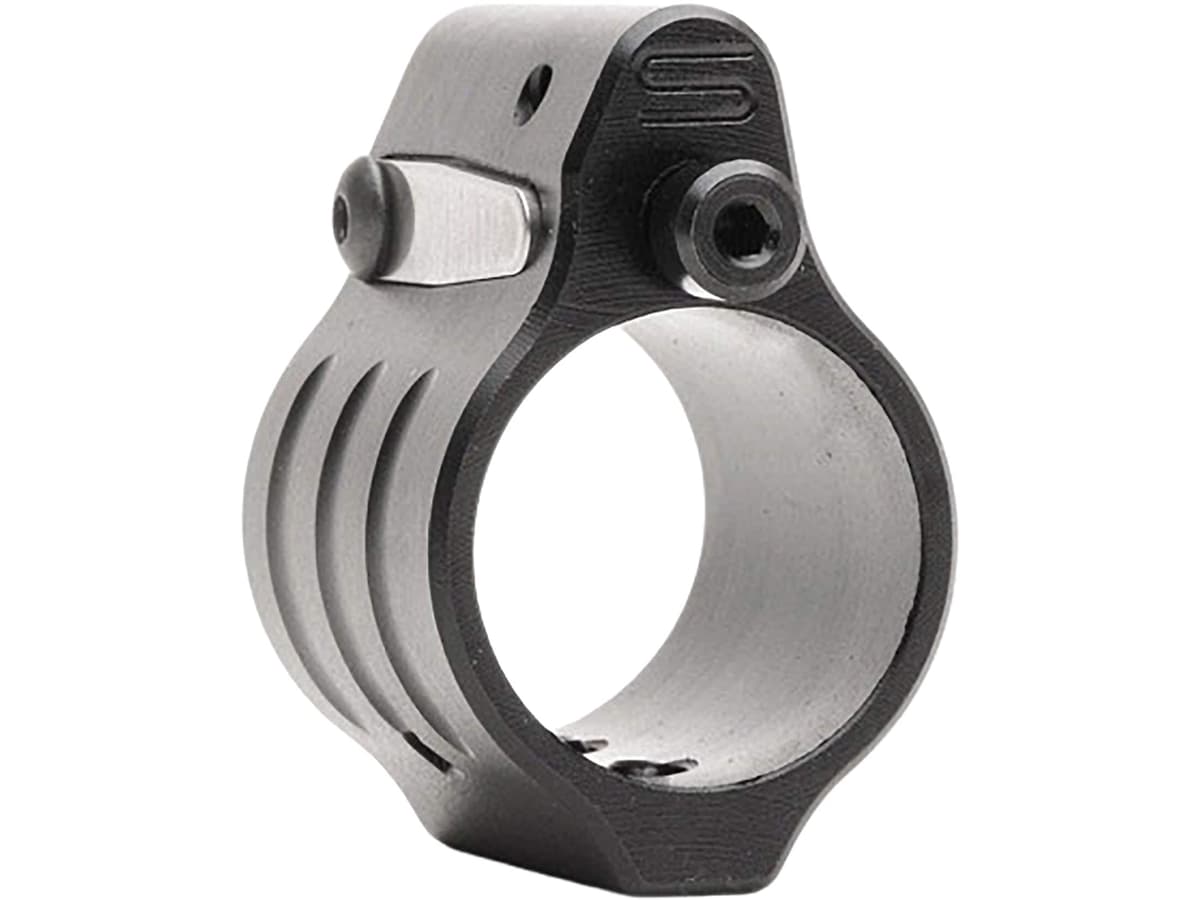
Gas System Components • $148.99
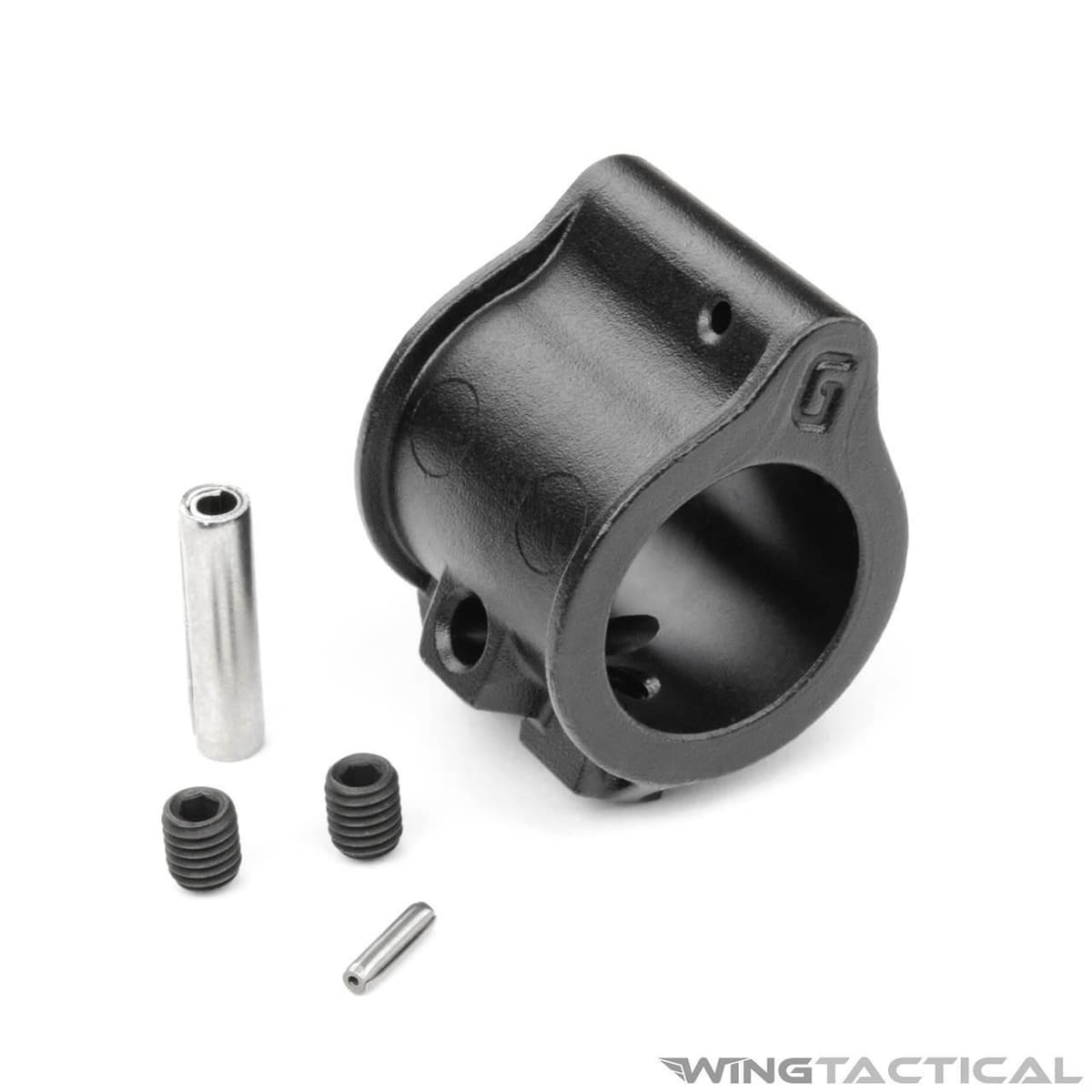
SLR Rifleworks Sentry 7 Adjustable Gas Block
- 15-position click adjust, single-tool
- .750 inch journal (Sentry 7 designation)
$148.99
Shop at MidwayUSA
An AR-15 runs on its own gas. As the bullet passes a small port in the barrel, some of the gas behind it is bled off to work the action. Scrub through one firing cycle to follow that gas into a direct impingement carrier or onto a short-stroke piston, then move the port from pistol to rifle length on the same barrel and watch the dwell time change.
Both rifles wear the same monolithic upper with an integral M-LOK rail, cut to a whole number of slot lengths for each barrel so it stops behind the muzzle device; on the piston rifle the rail sits taller to clear the piston. The carbine, mid-length and rifle port stations come from Faxon's barrel specs. The piston is a generic short-stroke layout, not any maker's design. Dwell time is computed from a measured velocity table; the timing of the carrier's motion on the clock is illustrative.
An AR-15 gas system taps propellant gas from the barrel to cycle the bolt carrier. As the bullet's base passes the gas port, a small hole drilled through the top of the barrel, high-pressure gas follows it into the port and up into the gas block. From there it either runs back through a gas tube into the bolt carrier (direct impingement) or pushes a piston and op rod against the carrier (short-stroke piston). Either way, the carrier is driven back, the bolt unlocks, the spent case is pulled and thrown clear, and the buffer spring returns everything for the next shot.
The port is fed at full pressure only while the bullet is still in the barrel, so two things set how hard the system works: how far the port sits from the chamber, which decides the pressure, and how much barrel remains past it, which decides the dwell time. Our gas system and buffer tuning guide covers how to match buffer weight and gas to a rifle once you know what it is doing.
In a direct impingement AR-15, the gas never blows onto the bolt face. It runs back through the stainless gas tube into the carrier key, down through the carrier, and into a small chamber between the bolt's three gas rings and the carrier's bore. Eugene Stoner's patent calls it an expanding gas system: the bolt is a stationary piston and the carrier is a movable cylinder. The expanding gas pushes the carrier rearward while the bolt is still locked into the barrel extension.
The carrier's first fraction of an inch is free travel: the cam pin rides a straight part of the cam track and the bolt does not turn. The patent describes that first movement cutting off the gas supply from the barrel. The angled part of the track then turns the bolt 22.5 degrees so its seven lugs clear the barrel extension, the vent holes in the side of the carrier open, and the leftover gas leaves into the receiver and out of the ejection port.
A short-stroke piston AR-15 uses the gas at the front instead of bringing it back. The gas block holds a small chamber and a piston; gas from the port drives the piston and its op rod rearward a short distance, and the rear of the rod strikes a solid lug on top of the bolt carrier, where a DI rifle's gas key would be. That blow starts the carrier back and its momentum carries it the rest of the way, and from there the cam pin unlocks the bolt exactly as it does on a DI rifle.
HK's manuals for the MR556 and HK416 family describe this layout and say the hot fouling and waste gas do not enter the receiver; some designs vent what is left at the gas block, and HK's send it out of the muzzle behind the bullet. Many piston rifles add a gas regulator, such as HK's normal and suppressed settings. The cost is a strike above the carrier's axis, which can tilt the carrier's rear into the receiver extension, and extra weight out front. The DI vs piston guide weighs those trade-offs and names the piston rifles worth buying.
On a direct impingement rifle the heat and carbon land inside the action. The Army's M4 manual has the soldier clean carbon from the firing pin, the carrier key and behind the bolt rings, and notes that gas tubes discolor from heat. On a piston rifle the fouling stays at the front: LWRC's manual has you scrub carbon off the piston cup and nozzle and says the op rod itself is not fouled.
A cleaner action is the piston's main advantage. It matters most on suppressed rifles, where the can sends more gas back into the action, and on short barrels. A quality bolt carrier group with properly staked key screws keeps a DI rifle running through that carbon.
The four AR-15 gas system lengths name where the port sits. Measured from the closed bolt face, Faxon's barrels put the carbine port at 7.66 inches, the mid-length port at 9.66 inches and the rifle port at 13.04 inches. A pistol-length port sits about 4.7 inches out. The gas tube grows with it: about 6.75, 9.75, 11.75 and 15.125 inches.
Gas length is chosen per barrel, not fixed by barrel length. Daniel Defense's 14.5 inch M4A1 barrel runs carbine gas while Geissele's 14.5 inch Super Duty runs mid-length, and carbine gas on a 16 inch barrel is a valid setup that simply taps more pressure than it needs. The only hard limit is room: the gas block has to fit between the port and the muzzle threads, which is why the stage greys out a rifle port on a short barrel. See how barrel length changes velocity and handling in the barrel length guide.
Dwell time is how long the bullet takes from the port to the muzzle, and it is set by the barrel left past the port. Using one 55 grain .223 load measured on a barrel cut down from 18 inches, a 16 inch barrel gives about 258 microseconds with carbine gas, 190 with mid-length and 85 with rifle-length gas. On a 14.5 inch barrel the same ports give 215, 147 and 43 microseconds, so a rifle-length port on 14.5 inches leaves very little.
Moving the port forward also lowers the pressure it taps, because the gas behind the bullet falls with every inch the bullet travels. NSWC Crane measured about 17,000 psi at an M4's port, 7.8 inches from the bolt face, and 10,000 psi at an M16's, 13 inches out. Daniel Defense says moving the port about two inches toward the muzzle of a 16 inch barrel cuts dwell, gas pressure and felt recoil, which is why mid-length gas was developed around that barrel. Check your own build's length and overall length with the barrel length visualizer.
The port's diameter controls how much gas enters, so two barrels with the same gas length can run very differently. Faxon says ports are typically drilled between 0.062 and 0.093 inch, and it sizes its own to each barrel and gas length: its 16 inch mid-length Gunner has a 0.081 inch port, its 11.5 inch mid-length is opened to 0.110 inch, and its 20 inch rifle-length barrel uses 0.093 inch. That is why no barrel length and gas length pairing is over-gassed by definition.
When a rifle does run too hard, the signs show up at the ejection port: brass thrown forward toward 1 or 2 o'clock, bolt bounce and wear on the brass deflector. Read your own ejection pattern from a slow-motion clip with the ejection pattern analyzer, and dial gas down at the block with one of the best adjustable gas blocks if you shoot suppressed.
Neither system is better for every rifle. Direct impingement is lighter, simpler and uses common mil-spec parts, which is why it suits most 14.5 to 16 inch general-purpose rifles. A short-stroke piston keeps the action cleaner and cooler and earns its weight on short barrels and suppressed rifles, at the price of proprietary parts and more weight over the barrel.
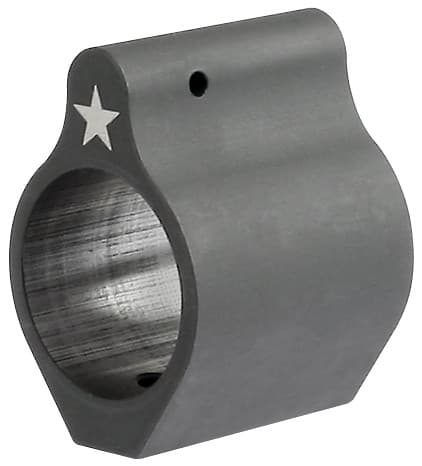
Whichever you pick, the gas block is the part you are most likely to change. Compare fixed blocks in the fixed low-profile gas block guide and see what a muzzle device or suppressor does with the gas that leaves the front in how muzzle devices work.
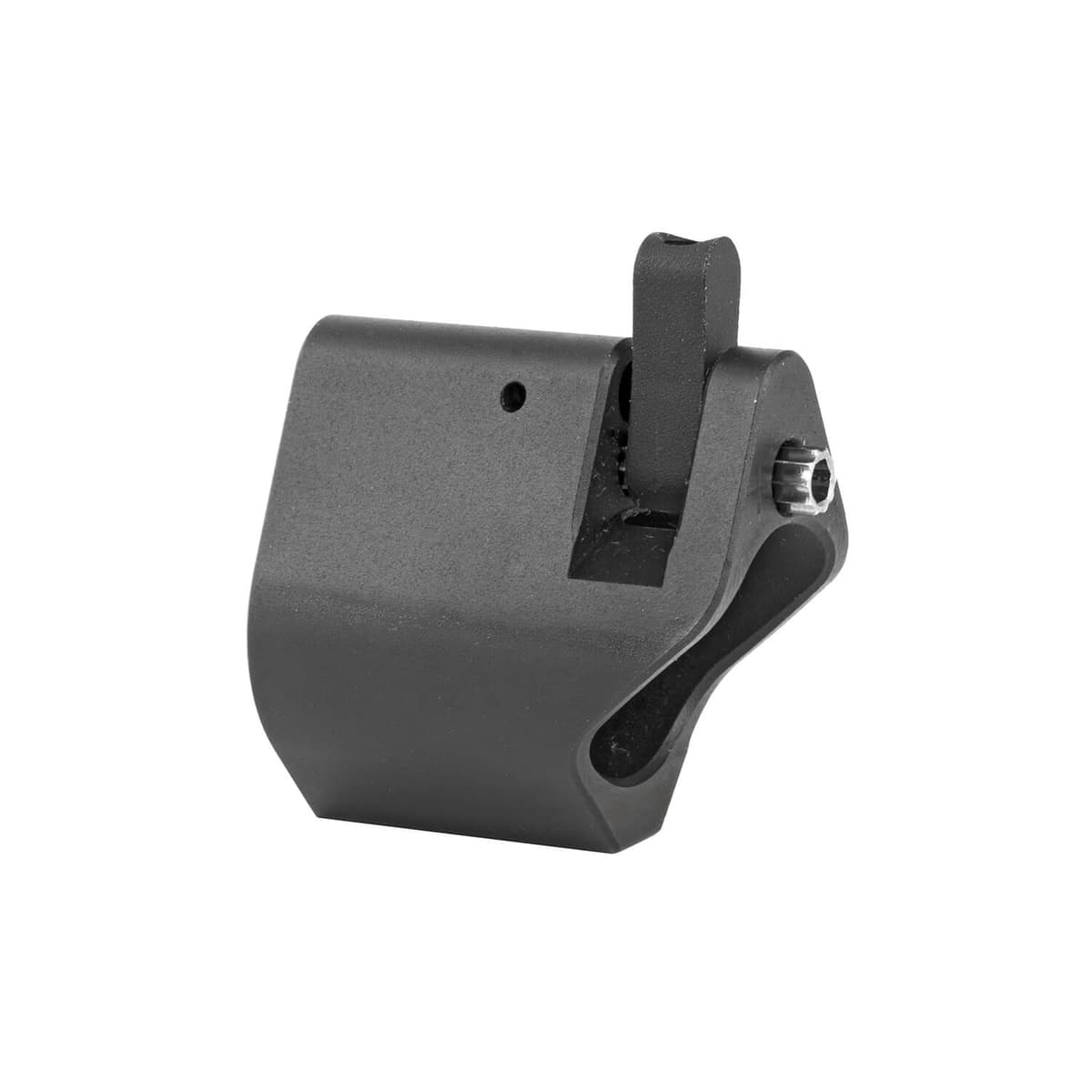
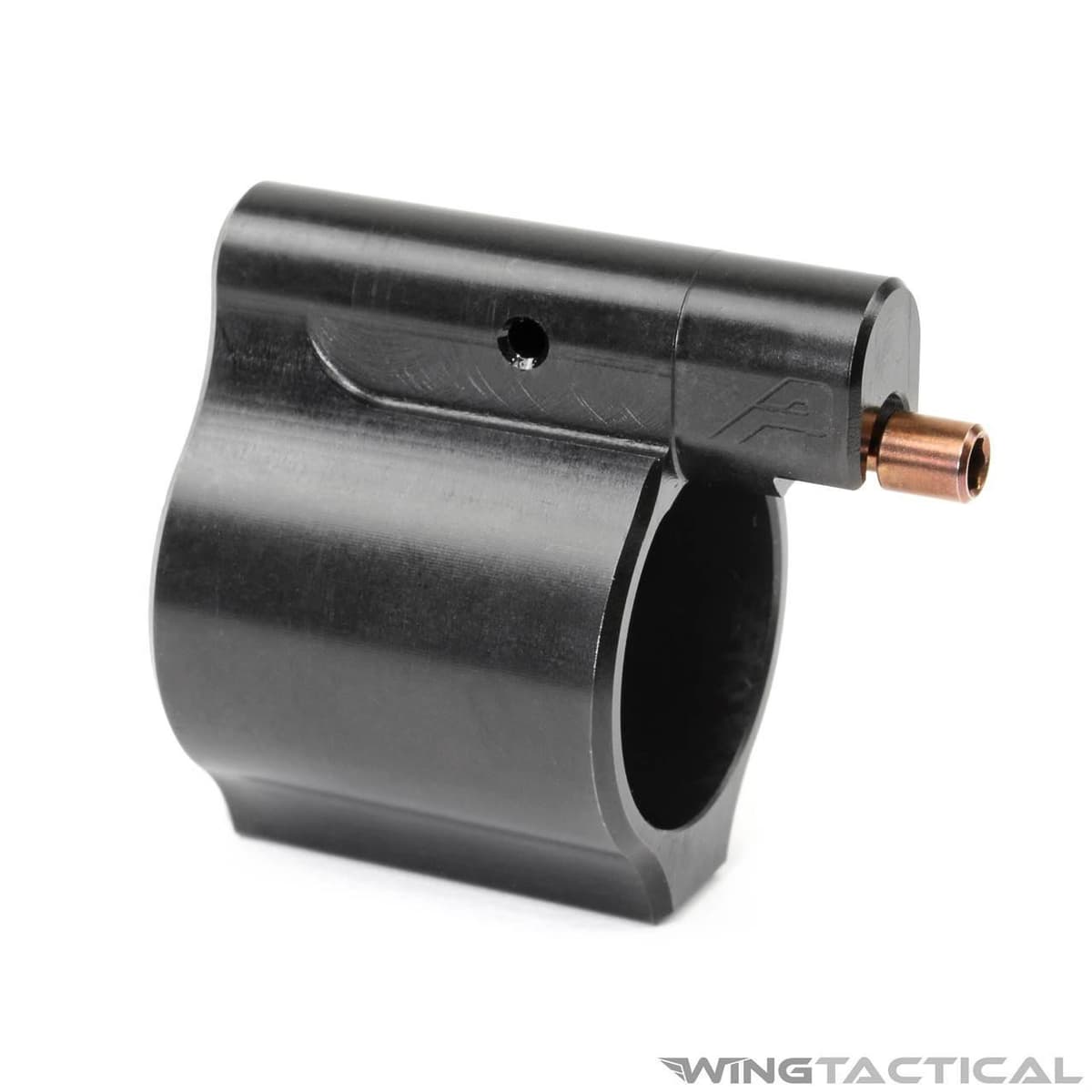
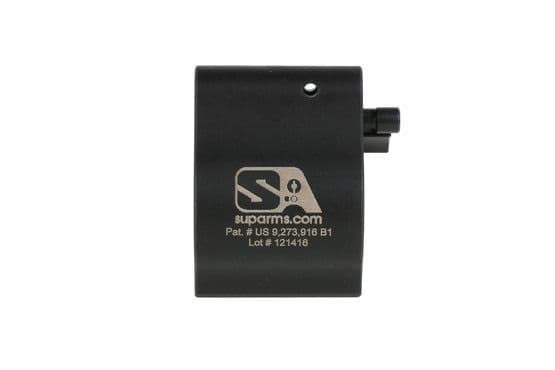
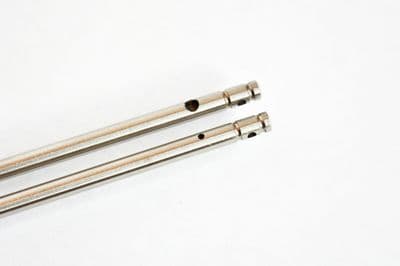
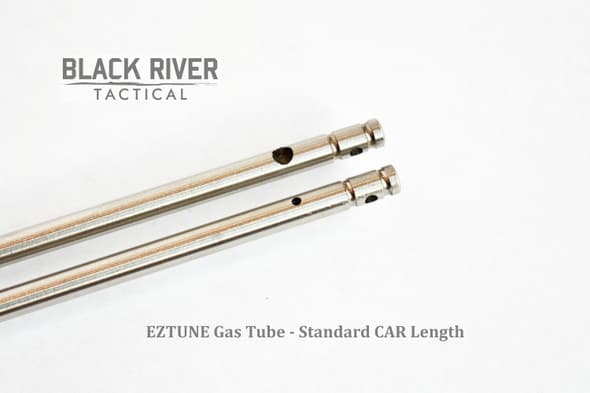
Adjustable blocks and restricted gas tubes to tune a rifle that runs too hard, and fixed blocks for a set-and-forget build.
Affiliate links - purchases support this site at no extra cost to you. (?)
Affiliate links (?)
Pick a barrel, gas block and bolt carrier group in the configurator and check that every part fits before you buy.
Launch Configurator