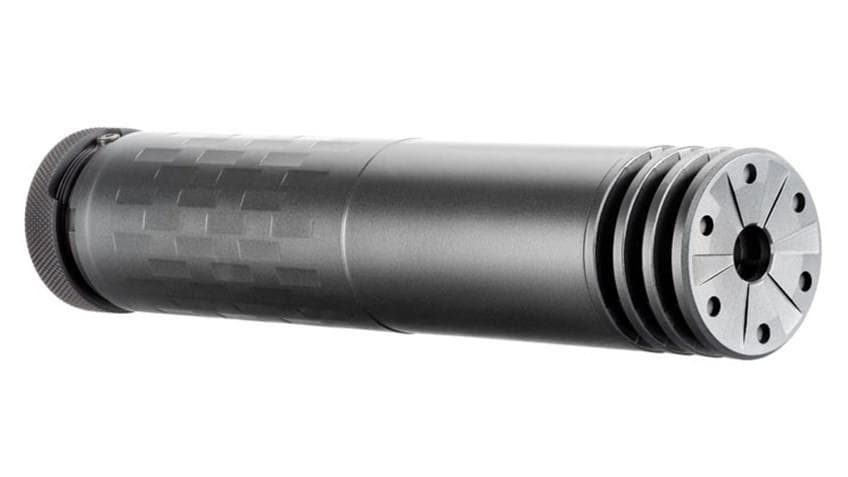
Suppressors • $594.15
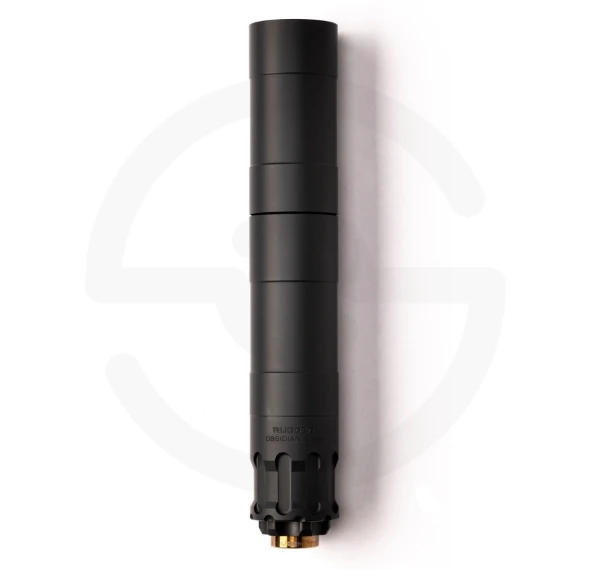
SilencerCo Omega 300
- .30 cal rated
- Direct thread + QD
$594.15 Catalog
Shop at PSA
State Legality MatrixSuppressorsColorado
Statute-cited, not legal advice, last verified 2026-10-20
Legal
Yes. A silencer is a dangerous weapon, but a valid permit and license for possession supplies an affirmative defense.
Controlling law: Colo. Rev. Stat. § 18-12-102(1), (3) & (5)
Registration required. Possessing a silencer is a felony unless you hold a valid permit and license for it; Colorado issues none, so federal approval is the only one available.
Since October 9, 2026, ATF does not enforce NFA registration, so this state-law condition decides whether an unregistered suppressor is lawful here. Controlling law: Colo. Rev. Stat. § 18-12-102(3), (5). Verified 2026-10-09.
What to do
The statute makes NFA registration the condition for lawful possession or the only defense to a felony. File the voluntary eForm 4 to buy, or a Form 1 to make, and take possession only after ATF approves it.
Contested entry
Colorado issues no separate civilian suppressor permit; ordinary owners rely on federal approval. State law does not resolve whether a suppressor left unregistered under ATF's October 9, 2026 nationwide non-enforcement policy satisfies this affirmative defense, and local governments may adopt stricter accessory rules.
The statute in practice
Colorado Revised Statutes section 18-12-102 classifies a firearm silencer as a dangerous weapon, makes knowing possession a class 5 felony, and supplies an affirmative defense for a person holding a valid permit and license for possession. Colorado issues no separate civilian suppressor permit, so ordinary owners rely on federal approval. The state has not said whether a suppressor left unregistered under ATF's October 9, 2026 nationwide non-enforcement policy satisfies that defense.
Current 2026 Colorado hunting rules do not list suppressors as a prohibited method. This is an absence-of-prohibition conclusion, not an express statewide authorization. Colorado's permit-and-license affirmative defense and any stricter local accessory rules still apply. Species, season, land, host-firearm, and discharge rules still apply.
What it means for you
Colorado local governments may adopt firearm-accessory rules stricter than state law under SB 21-256. Check local possession, discharge, and land-use rules before transport or use.
Federal law
Suppressors are federally legal to own. As of January 1, 2026 the One Big Beautiful Bill Act (signed July 2025) zeroed the federal making and transfer tax on suppressors, formerly $200. Since October 9, 2026, ATF does not enforce the NFA's Form 4 and Form 1 approval and registration requirements for suppressors, SBRs, SBSs, and AOWs, as a matter of enforcement discretion announced by Attorney General Todd Blanche after the Justice Department did not appeal the August 5, 2026 Silencer Shop Foundation v. ATF ruling, whose injunction covers only the plaintiffs, their members, and their customers. ATF also does not enforce the NFA prohibitions on making, receiving, transferring, or possessing an unregistered suppressor (other than 26 U.S.C. 5861(h) and (k)), the 5861(j) ban on interstate transport of unregistered items, or the NFA marking requirement. This is enforcement discretion, not repeal: the statute remains, ATF says enforcement could resume if Congress imposes a new tax, the injunction is dissolved or overturned, or the department rescinds its guidelines, and there is no automatic grandfathering for unregistered items. ATF still accepts Form 1 and Form 4 voluntarily and maintains the NFRTR. Dealer transfers keep the Form 4473 and NICS background check under the Gun Control Act, FFLs generally sell only to residents of their own state, and they may not transfer in violation of state or local law. A suppressor does not need Form 5320.20 for interstate travel. Most states tie suppressor possession to federal registration or NFA compliance, and ATF says it cannot opine on whether an unregistered suppressor held under its enforcement discretion counts as lawfully held for state purposes; ATF also flags that it is unclear whether state courts will apply the 18 U.S.C. 926A transport safe harbor to unregistered NFA items.
Federal baseline verified 2026-10-09. Scope: Firearm suppressors (silencers) as defined by the NFA. Since October 9, 2026, ATF does not enforce federal NFA approval and registration for suppressors; dealer transfers still run Form 4473 and NICS, and many states still condition possession on federal registration. Manufacturer transfer programs are tracked separately from this state possession matrix.
Common questions
Yes. A silencer is a dangerous weapon, but a valid permit and license for possession supplies an affirmative defense. Controlling law: Colo. Rev. Stat. § 18-12-102(1), (3) & (5).
The controlling law is Colo. Rev. Stat. § 18-12-102(1), (3) & (5). A silencer is a dangerous weapon, but a valid permit and license for possession supplies an affirmative defense.
Registration required. Possessing a silencer is a felony unless you hold a valid permit and license for it; Colorado issues none, so federal approval is the only one available. Since October 9, 2026, ATF does not enforce NFA registration, so this state-law condition decides whether an unregistered suppressor is lawful in Colorado. Controlling law: Colo. Rev. Stat. § 18-12-102(3), (5).
Current 2026 Colorado hunting rules do not list suppressors as a prohibited method. This is an absence-of-prohibition conclusion, not an express statewide authorization. Colorado's permit-and-license affirmative defense and any stricter local accessory rules still apply. Species, season, land, host-firearm, and discharge rules still apply.
What to buy
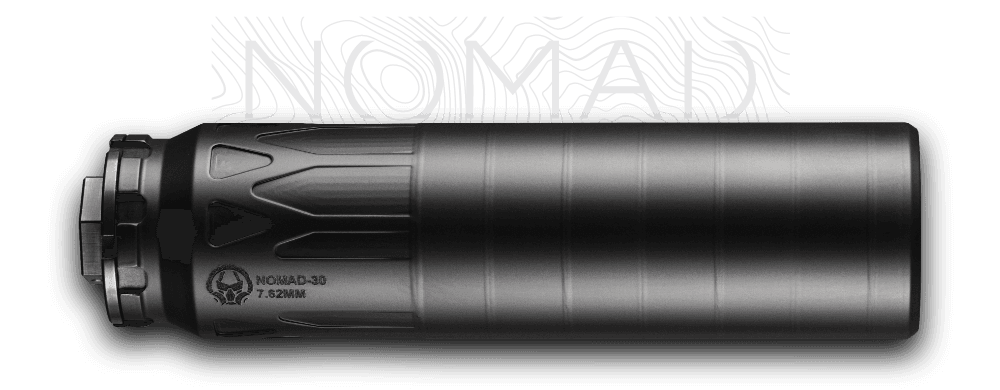
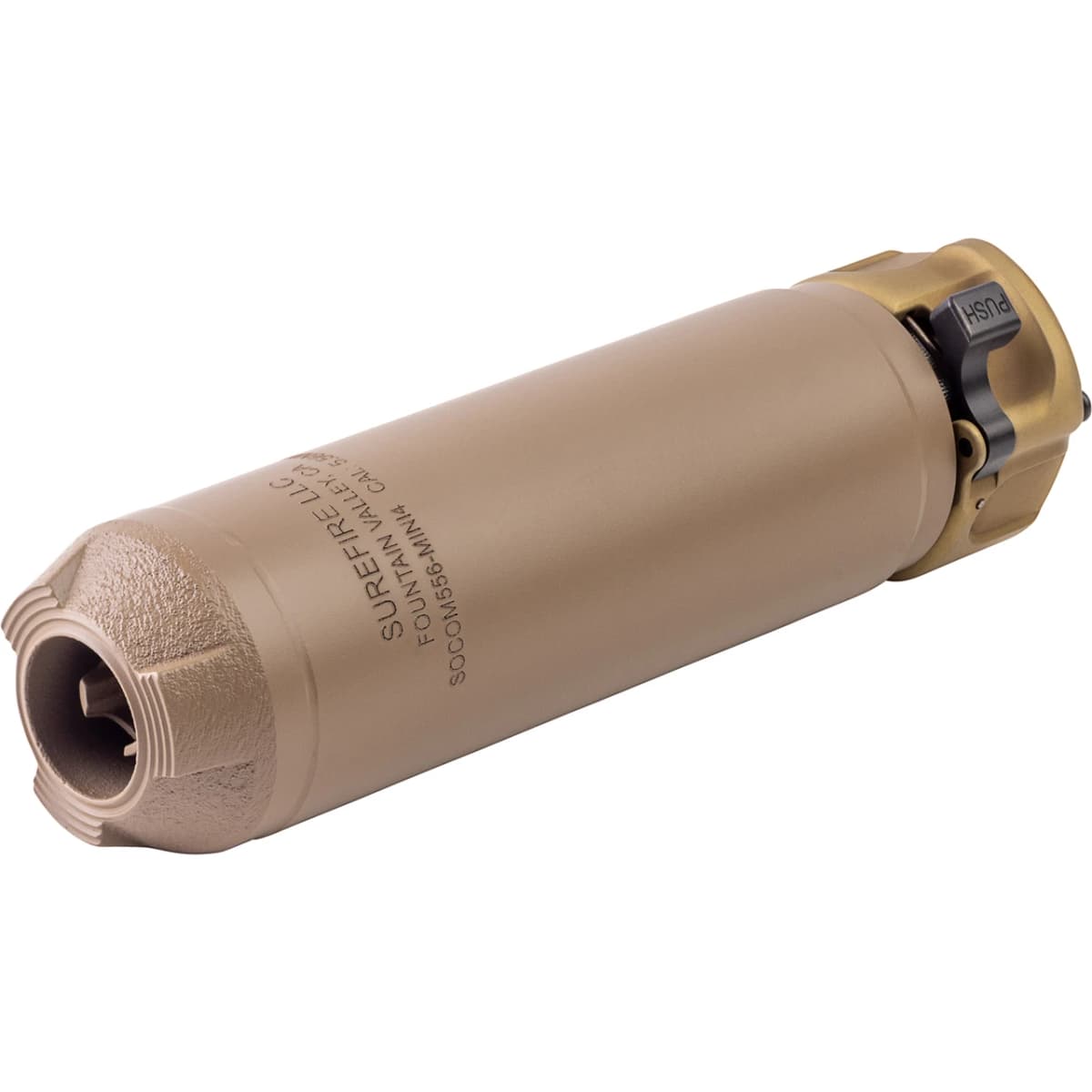
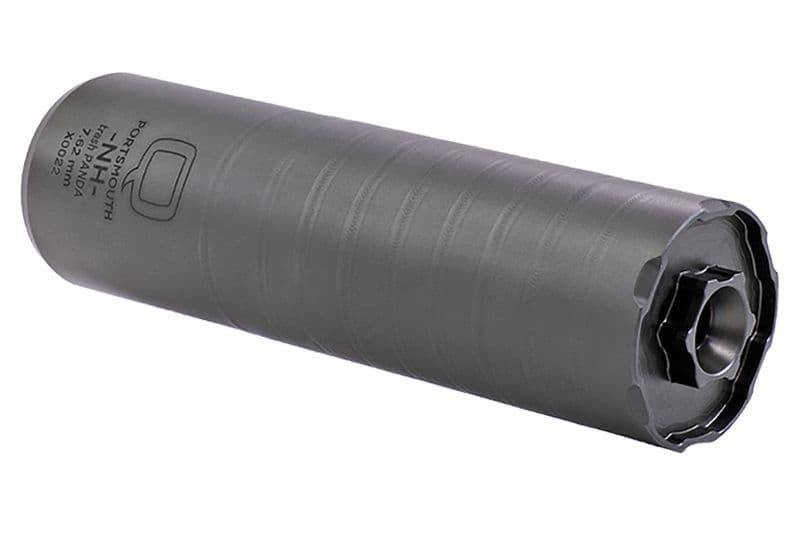
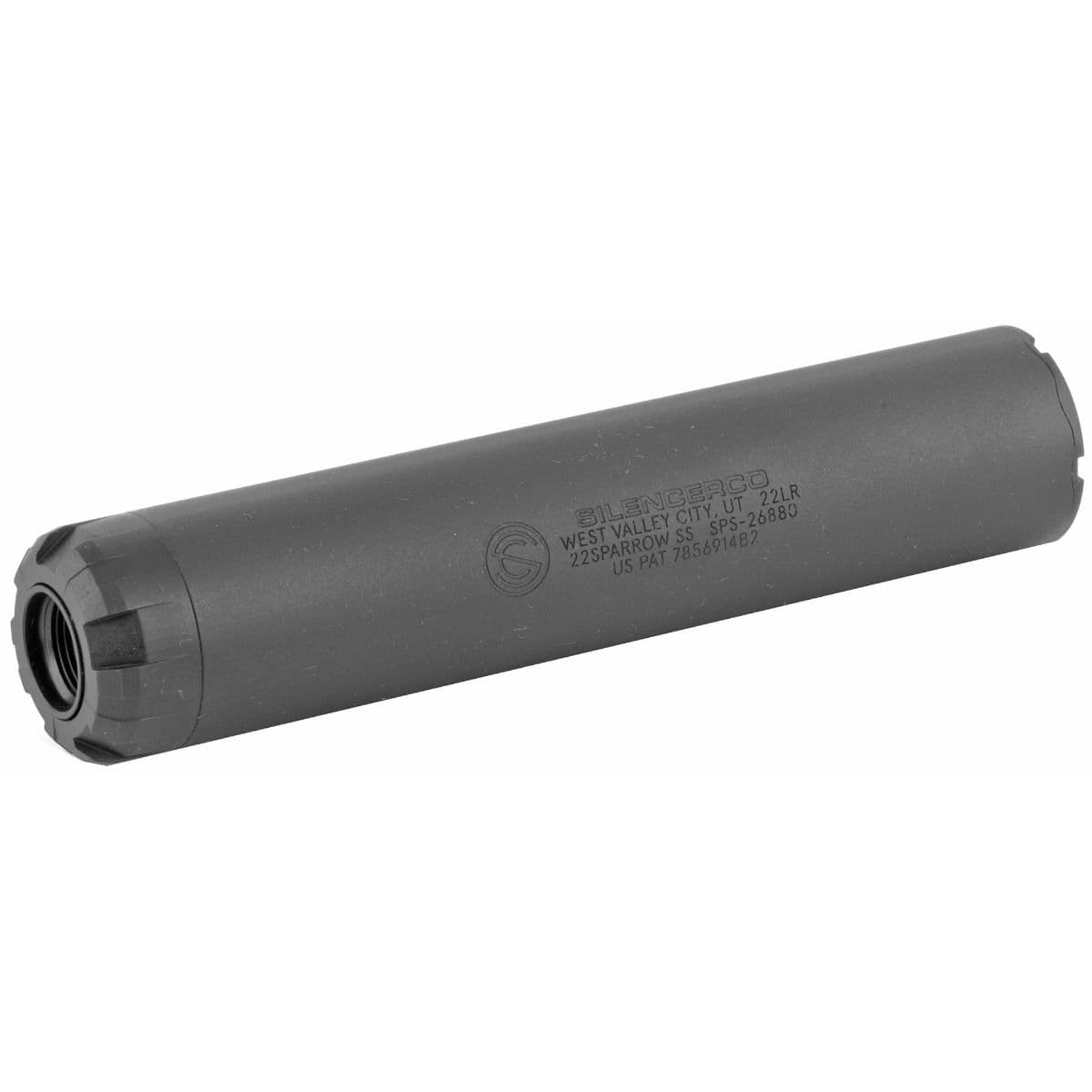
With the NFA tax at $0 and ATF no longer requiring Form 4 approval, there has never been a cheaper or faster time to buy. These are the cans we recommend across rifle and pistol hosts.
Affiliate links (?)