Key Takeaways
- →Adopted in 1974: the 5.45x39mm successor to the AKM, running a 415mm (16.3 inch) barrel that pushes the 53-grain 7N6 to roughly 2,900 fps.
- →Recoil is the selling point: Soviet testing put free recoil energy at 3.39 J for the 5.45x39mm in an AK-74 against 7.19 J for the 7.62x39mm in an AKM.
- →Not an AKM in a new caliber: 24x1.5mm right-hand muzzle threads instead of 14x1mm left-hand, a 90-degree gas channel, a 1:7.87 inch twist, a larger extractor claw, and its own magazines.
- →Standard on both sides in Ukraine: Ukrainian units field Soviet-era AK-74s and started domestic 5.45x39mm production in June 2024; Russia's AK-12, adopted in 2018, is the same cartridge on the same 415mm barrel.
- →US supply, August 2026: PSA and Riley Defense build new 5.45 rifles, but Russian ammunition is import-banned, so feeding one means Azerbaijani TelaAmmo steel case or brass-cased Hornady Black.
What the AK-74 Actually Is
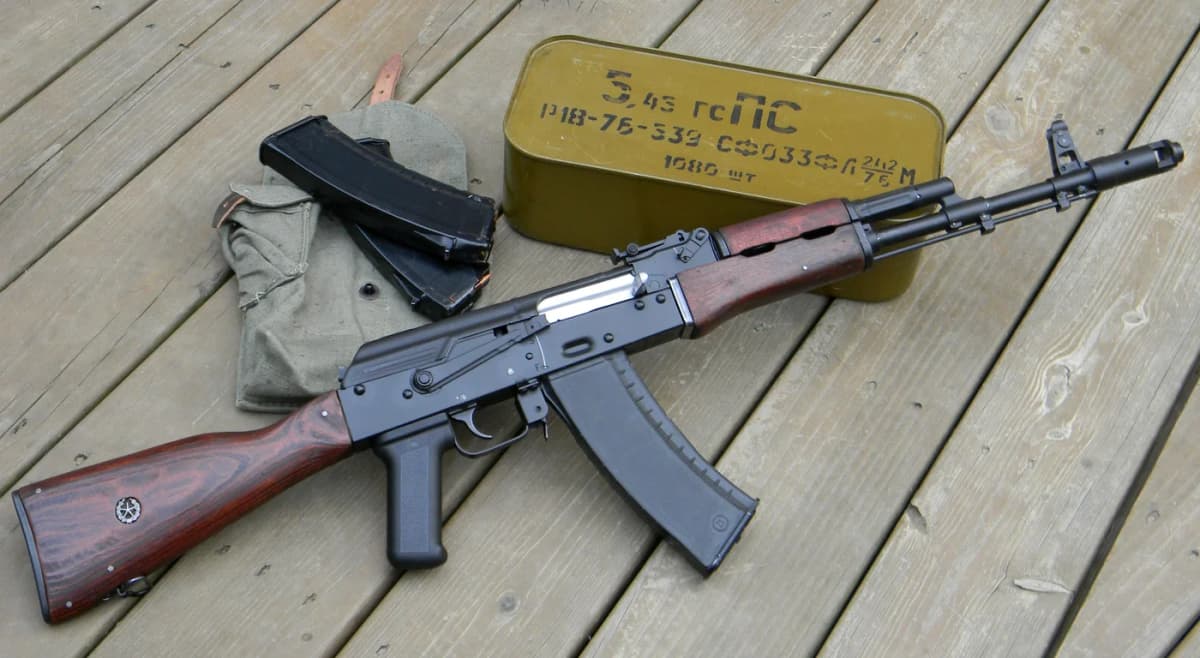
The AK-74 is the Soviet Union's 5.45x39mm assault rifle, adopted in 1974 as the direct successor to the 7.62x39mm AKM. Mikhail Kalashnikov's team did not design a new rifle. They took the AKM's stamped 1mm sheet-steel receiver and long-stroke gas piston action, rechambered it for a small-caliber high-velocity cartridge, and bolted a large two-chamber muzzle brake on the front. It reached Soviet troops in numbers during the Soviet-Afghan War from 1979 onward.
That lineage is why the rifle looks so familiar and why so much written about it is wrong. The controls, the field-stripping sequence, the safety sweep, and the sight picture are AKM. The barrel, the muzzle interface, the magazines, the bolt face, and the gas port geometry are not. Treating an AK-74 as an AKM that happens to shoot a smaller bullet is the fastest way to buy parts that do not fit.
Why the Soviets Adopted 5.45x39mm
The 5.45x39mm exists because of the M16. Soviet work on a small-bore, high-velocity intermediate cartridge started in 1960 after the US fielded the AR-15 pattern, and a design group under M. Sabelnikov finished the round in the early 1970s. The military goal was flatter trajectory, lighter ammunition, and a rifle a conscript could keep on target in automatic fire.
The original 7N6 loading is a 3.43 g (52.9 gr) boat-tail projectile built around an unhardened 1.43 g (22.1 gr) steel rod penetrator with a thin lead inlay and a hollow cavity in the nose. Out of the AK-74's 415mm barrel it leaves at 880 m/s (about 2,900 fps) for 1,328 J (979 ft-lbf) of muzzle energy. Later Russian loadings pushed harder: the 7N10 of 1992 raised energy to 1,402 J and was rated to punch 16mm of St3 steel plate at 100 meters, and the 7N39 of 2013 reached 1,481 J.
The number that mattered most to the Soviet Army was recoil. Testing measured 3.39 J (2.50 ft-lb) of free recoil energy from the 5.45x39mm in an AK-74 against 7.19 J (5.30 ft-lb) from the 7.62x39mm in an AKM. Less than half the free recoil energy, combined with a muzzle brake sized for a light projectile, is what turns the AK platform from a rifle that climbs under bursts into one that stays flat. If you are weighing the two Kalashnikov calibers against the American equivalent, our AR-15 versus AK-47 breakdown covers where each platform wins.
AK-74 vs AK-47 and AKM: What Actually Changed
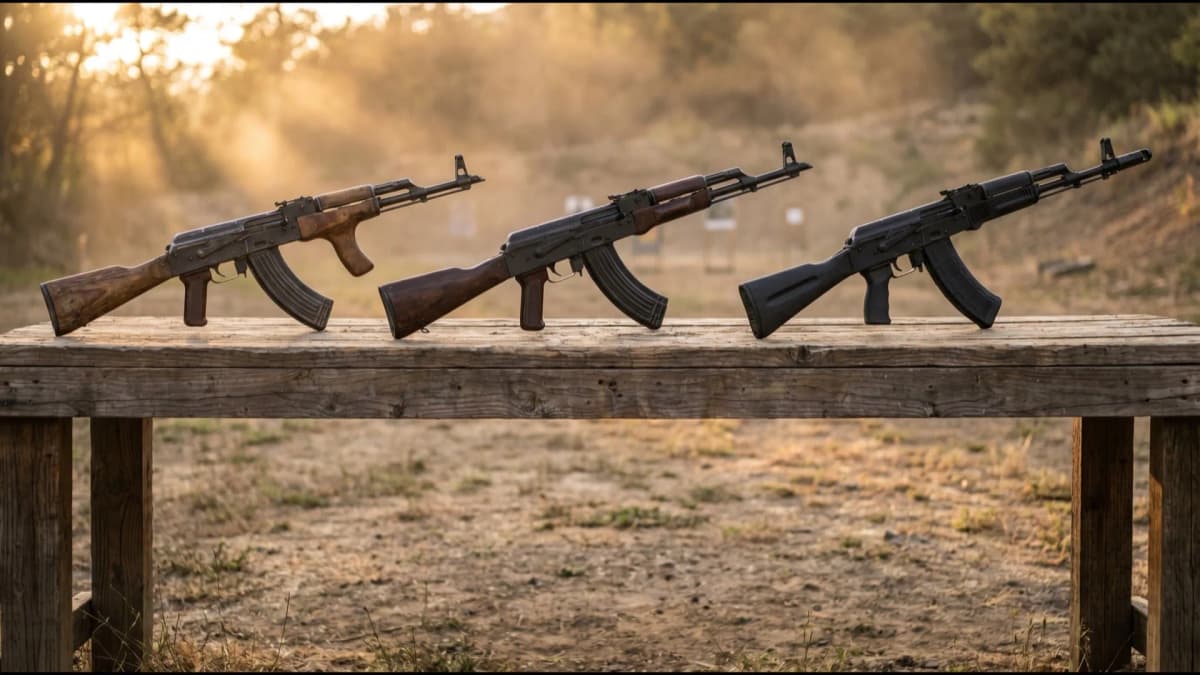
Five things changed beyond the cartridge itself, and four of them break parts compatibility with the AKM. The muzzle thread went from 14x1mm left-hand to 24x1.5mm right-hand, so AKM brakes, flash hiders, and suppressor adapters do not thread on without a converter. The barrel got a 200mm (1:7.87 inch) twist for the lighter projectile. The bolt picked up a larger extractor claw. The magazines are dimensionally specific to the 5.45x39mm case and are not AKM magazines with a different follower. The fifth is internal: the gas block angle moved from 45 degrees to 90 degrees, a change Soviet production made by mid-1977 to cure bullet shear.
What did carry over is the whole reason the AK-74 was cheap to field. The receiver is still a U-shaped 1mm sheet-steel pressing nearly identical to the AKM's. That means the fire-control pocket, the pistol grip screw, the fixed-stock rear trunnion, and the left-side optic rail on -N pattern rifles are shared, which is why AK triggers, grips, stocks, and safeties cross over freely while barrels, muzzle devices, and magazines do not. Our AK accessories and upgrades guide flags that split product by product.
AK-74 Specifications
AK-74 (Soviet pattern, 1974)
| Cartridge | 5.45x39mm |
| Action | Long-stroke gas piston, rotating bolt |
| Barrel length | 415 mm (16.3") |
| Rifling twist | 200 mm (1:7.87"), 4 grooves RH |
| Overall length | 943 mm (37.1") |
| Weight, empty | 3.07 kg (6.8 lb) |
| Muzzle velocity | 880-900 m/s (2,887-2,953 fps) |
| Muzzle energy (7N6) | 1,328 J (979 ft-lbf) |
| Cyclic rate | 650 rounds/min |
| Effective range | 500 m point, 800 m area |
| Magazine | 30-round detachable box |
| Muzzle thread | 24x1.5 mm right-hand |
| Receiver | 1 mm stamped sheet steel |
| Free recoil energy | 3.39 J (2.50 ft-lb) |
The Variants: AKS-74, AKS-74U, AK-74M, AK-105
The family runs from a folding-stock paratrooper rifle to a 314mm carbine, all on the same receiver. The AKS-74 arrived alongside the base rifle in 1974 for airborne and air-assault troops, trading the fixed stock for a rigid triangular metal stock that folds to the left and drops the weight to 2.97 kg, folding to 690mm. The AK-74N designation covers rifles built with the left-side dovetail rail for optical and night sights, the mounting interface most Western shooters now think of as standard AK optic hardware.
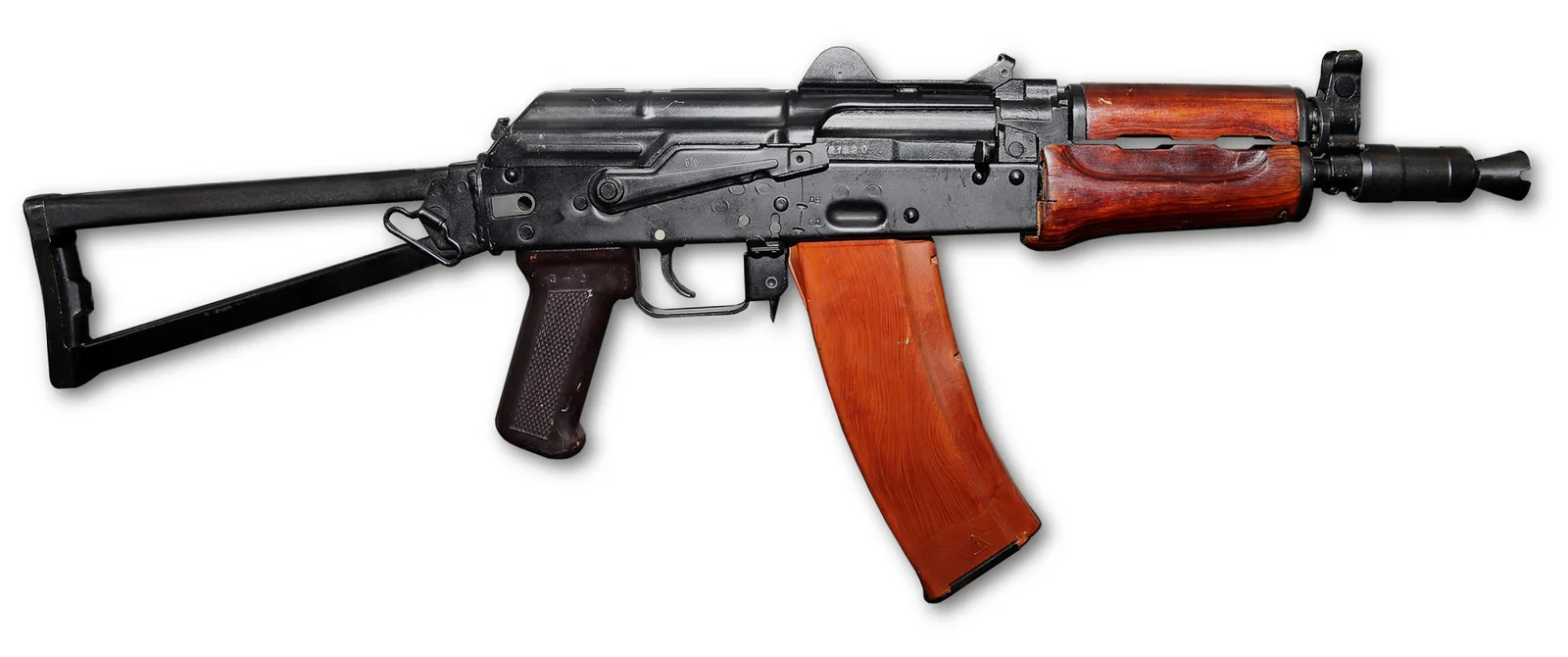
The AKS-74U is the one everyone recognizes. Cutting the barrel to 206.5mm (8.1 inches) forced a redesign of the front end: an expansion-chamber booster replaced the brake, the gas system was shortened, and the rear sight moved onto a hinged receiver cover. The price was velocity, down to 735 m/s (2,411 fps), effective range down to about 400 meters, and a cyclic rate that climbed to roughly 700 rounds per minute. Soviet production ended in 1993.
The AK-74M is the modern one. Full-scale production began in 1991, and it consolidated the family into a single rifle: glass-filled polyamide furniture, a side-folding stock in the shape of the old fixed laminated one, the optic dovetail fitted as standard, a reinforced dust cover, and an improved muzzle device with an extended collar. It weighs 3.4 kg empty.
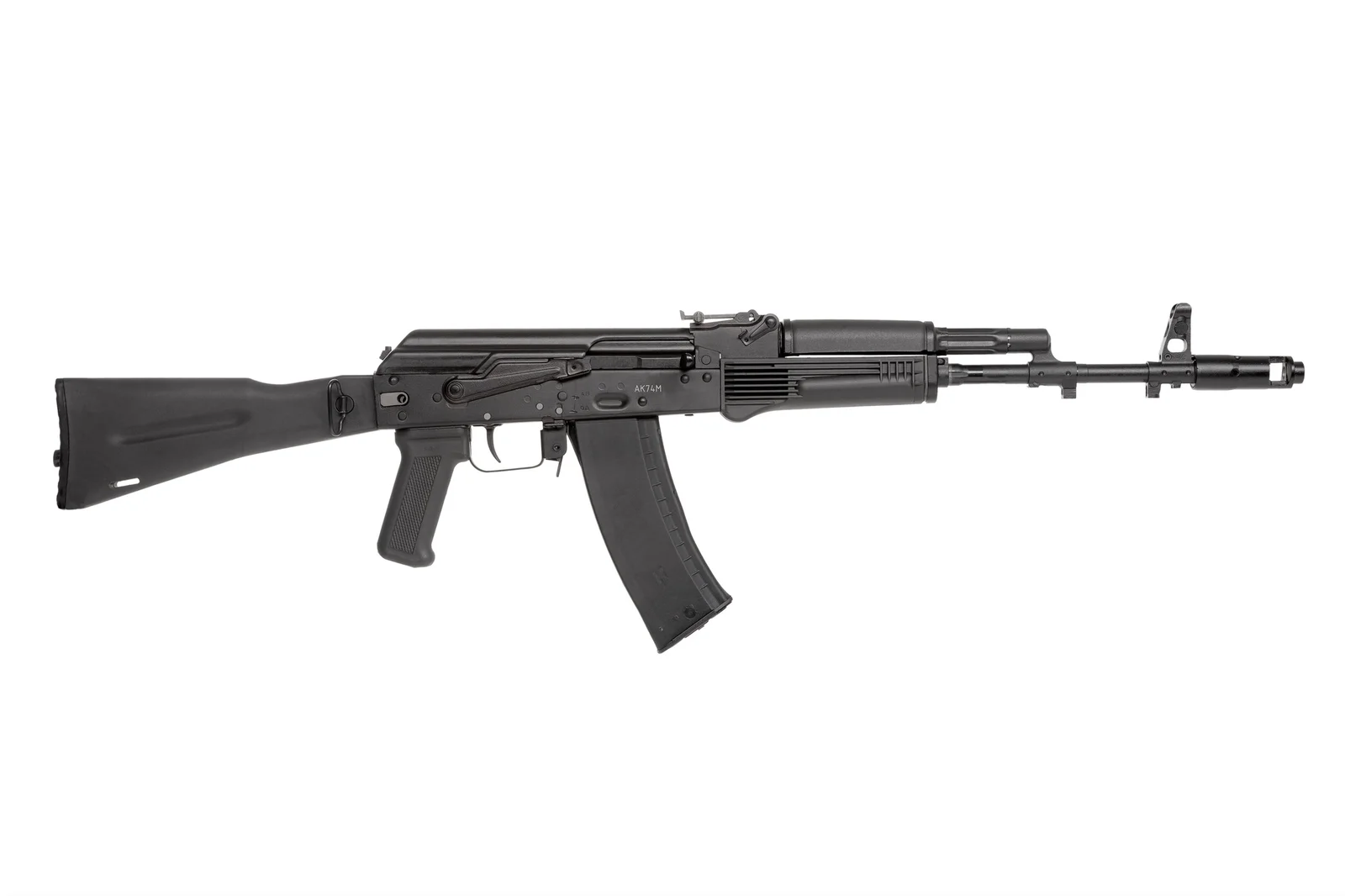
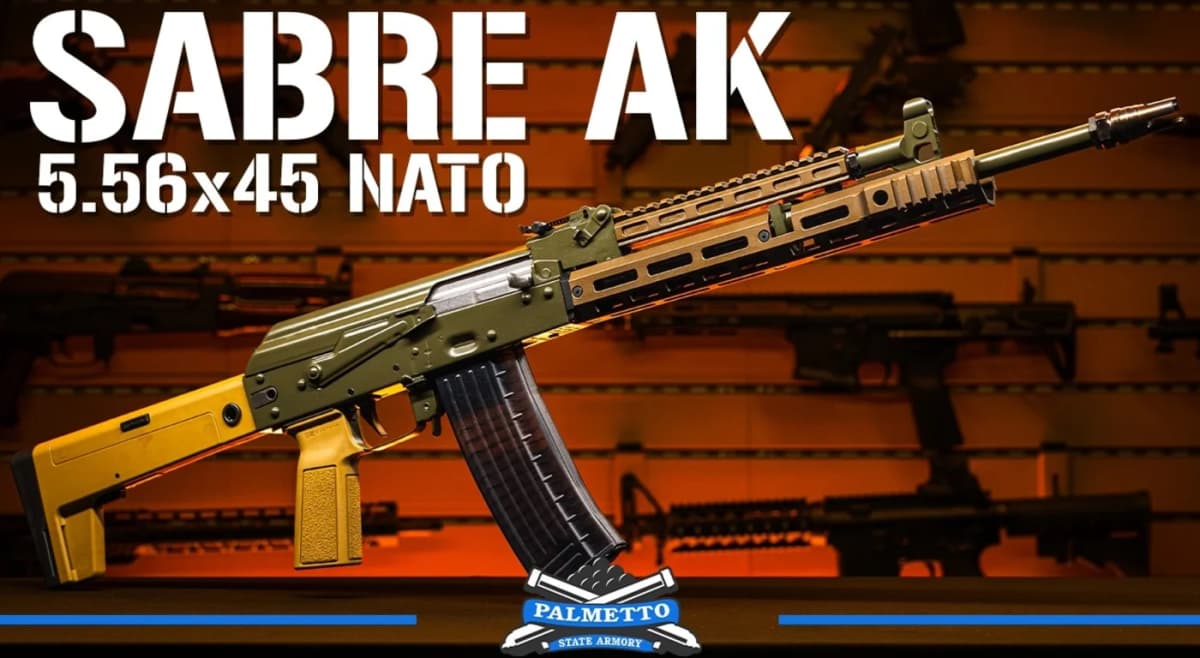
The AK-100 series is the AK-74M turned into an export catalog, offered from March 1993. Each caliber got a 415mm rifle and a 314mm carbine: AK-101 and AK-102 in 5.56x45mm NATO, AK-103 and AK-104 in 7.62x39mm. The 5.45x39mm rifle slot was already filled by the AK-74M itself, so the family adds only the AK-105, the 314mm 5.45 carbine, designed in 1994 and in service since 2001 at 3.2 kg with an empty magazine. It exists because the AKS-74U was too compromised, and it is the direct answer to that rifle rather than a new idea. For a current US-market 5.56x45mm rifle built around Polish WBP core parts, see the PSA Sabre 5.56 AK launch. For the 7.62 side of the AK-100 catalog built in the United States, see our coverage of the Meridian Defense Trench-103. The same family split is visible in the Modern Warfare 4 trailer gun breakdown, where KPA escorts carry compact AK-105s beside a separate AK-12-inspired hybrid.
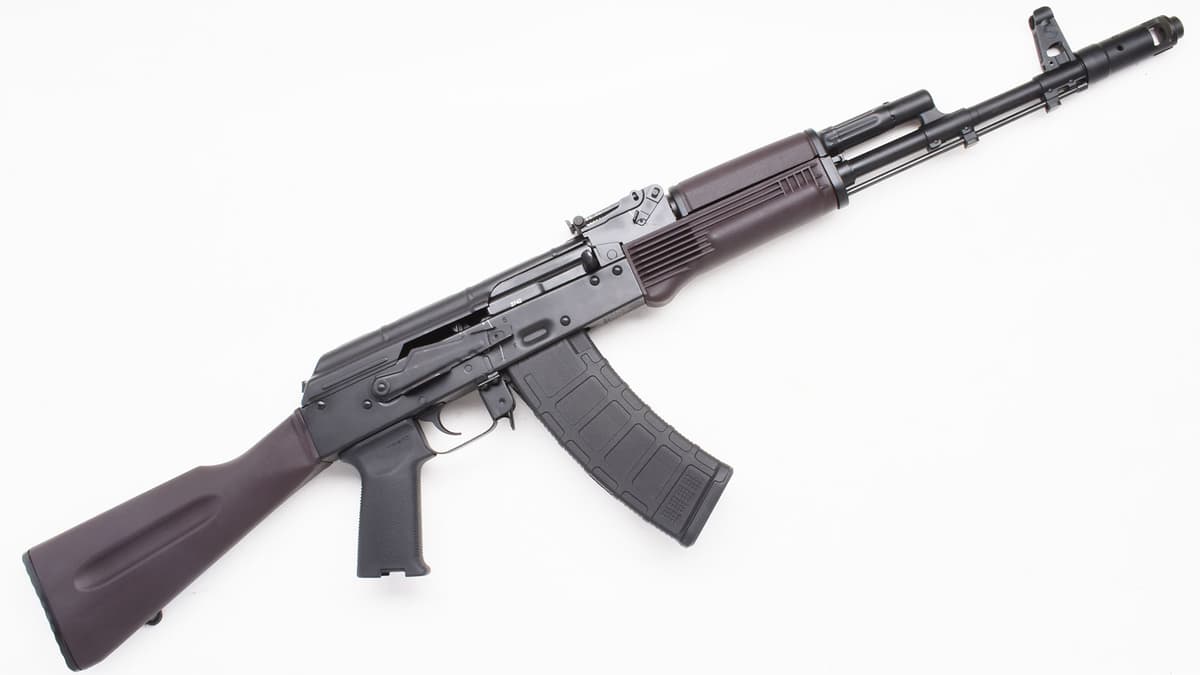
PSA AK-74
American-made 5.45x39 AK-74 with a hammer-forged trunnion, bolt, and carrier
American-made AK-74-pattern rifle from Palmetto State Armory chambered in 5.45x39.
- +Adds a real 5.45x39 AK branch to the builder
- +AK-74 muzzle and magazine path stays separate from AKM fitment
- +Domestic warranty and parts support
- −5.45x39 ammunition availability is narrower than 7.62x39 or 5.56
- −Furniture and magazine compatibility should be checked against AK-74-specific fitment
- −Variant-specific price and furniture depend on the selected PSA SKU
Affiliate links (?)
The AK-74 in Ukraine
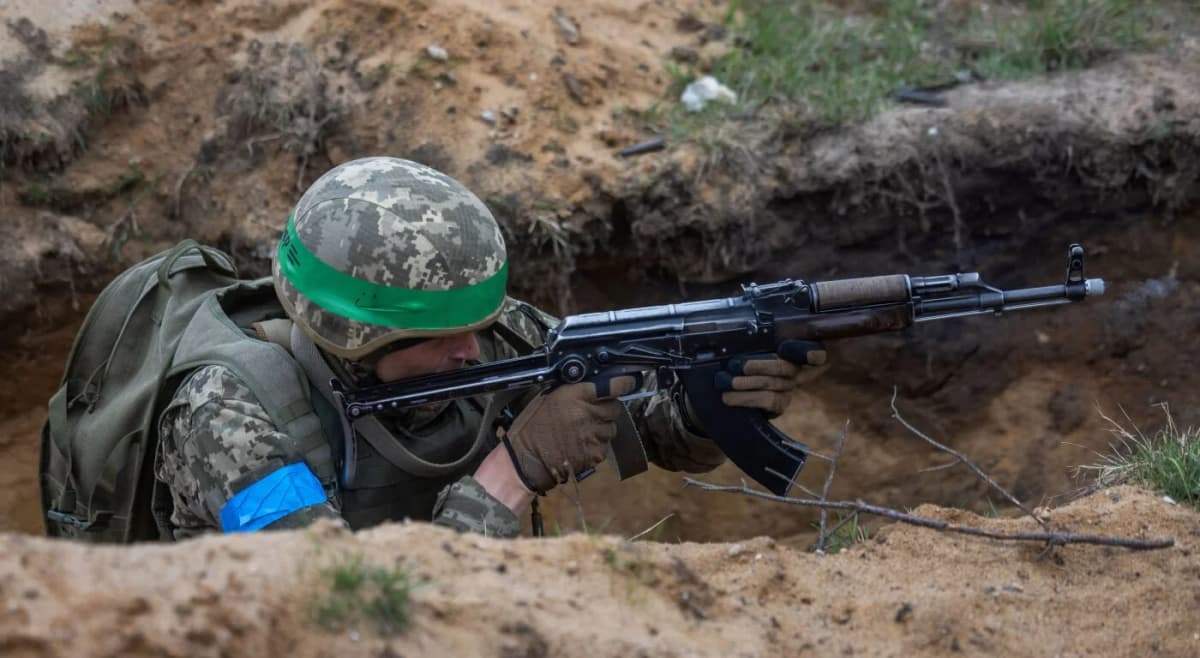
The 5.45x39mm is the standard infantry cartridge on both sides of the war. Ukrainian units field large numbers of Soviet-era AK-74s, and the wood furniture visible on so many Territorial Defense rifles is the tell that these are Soviet-production guns pulled from stores rather than recent builds. On the Russian side, the AK-12 adopted in January 2018 is itself a 5.45x39mm rifle on the same 415mm barrel, and it is displacing the AK-74M gradually, so AK-74 pattern rifles remain in service beside it. The 2023 AK-12 revision swapped the muzzle brake for a flash suppressor, strengthened the handguard against overheating, added ambidextrous safety controls, and deleted the two-round burst.
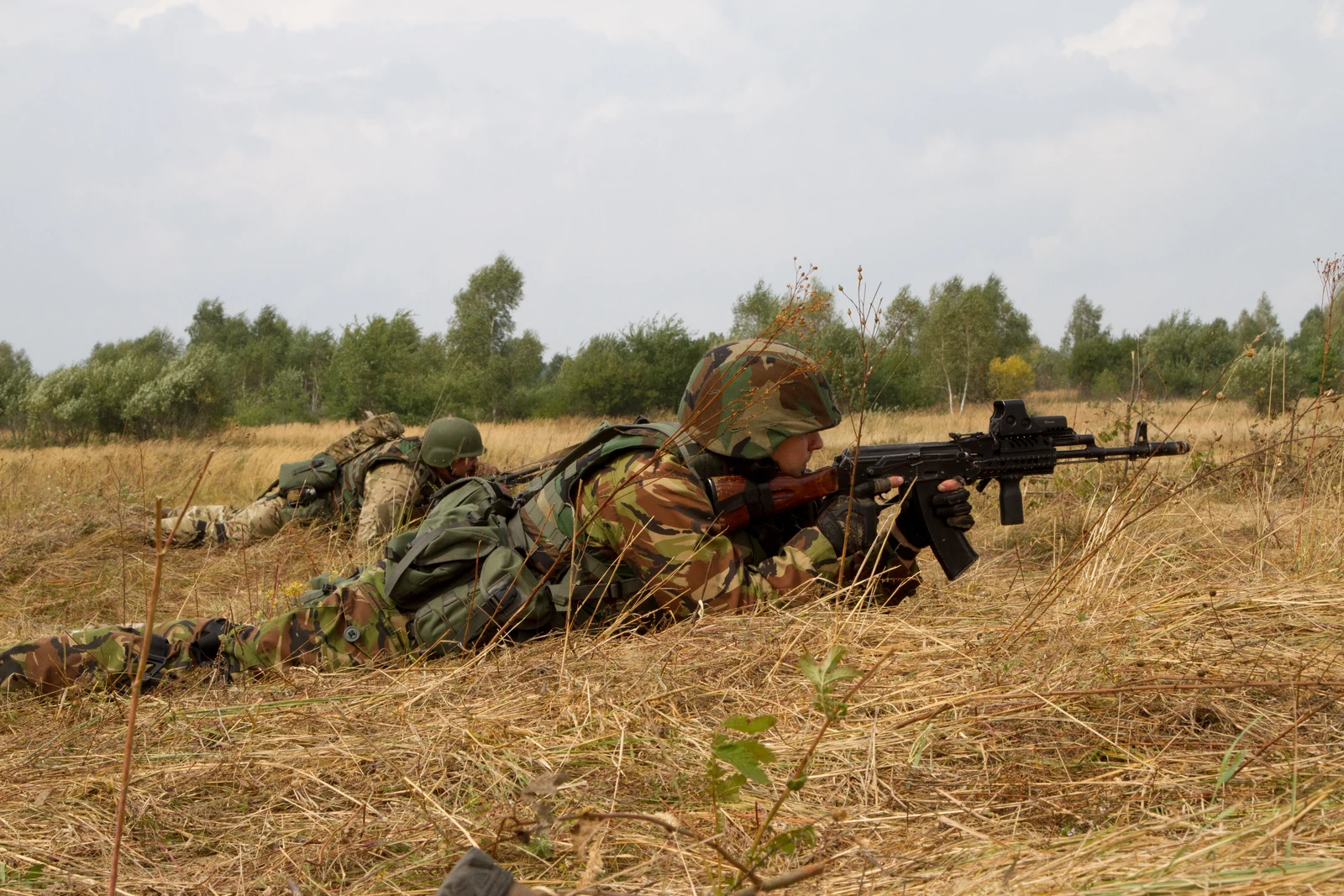
The upgrade pattern in Ukrainian service is not a rebuild, it is a bolt-on kit aimed at one problem: getting an optic and a light onto a rifle designed before either was standard. Kharkiv-based Military Equipment sells a railed replacement receiver cover that mounts to the rear sight holes and relocates rather than deletes the iron sight, plus a 185 g aluminum handguard and gas-tube cover set that carries a full-length Picatinny rail on top and KeyMod slots on the sides and bottom. The same catalog covers an M4-pattern stock adapter, an enlarged charging handle, a polymer magazine funnel, and a 14x1mm to 24x1.5mm thread adapter, because the Ukrainian compensators in that catalog are cut to the AK-74's 24x1.5 thread and need the adapter to mount on an AKM barrel.
Ammunition supply moved too. Ukraine put domestically produced 5.45x39mm into troops' hands in June 2024, prioritizing the Soviet calibers precisely because legacy Soviet-pattern small arms remain widespread in its inventory alongside Western-supplied weapons.
AK-74 Compatible Upgrades
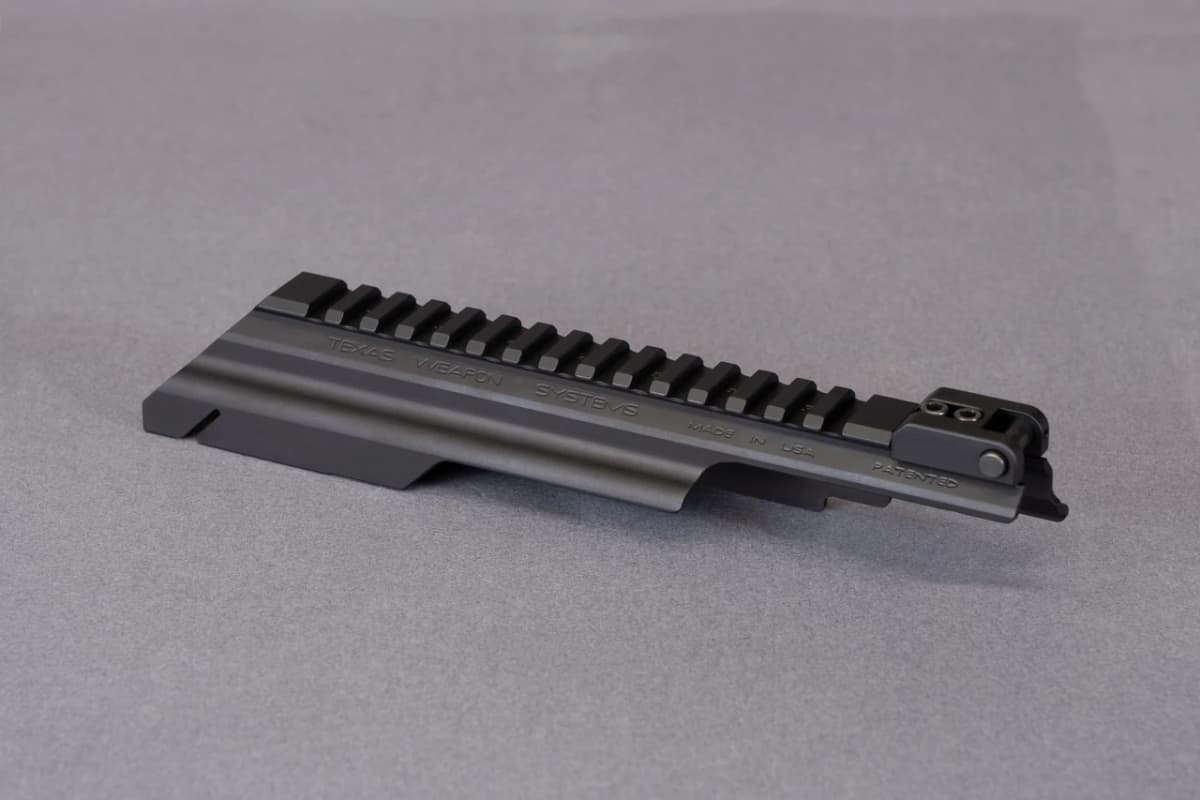
Texas Weapon Systems Dog Leg Rail Gen 3 AKM
- Railed replacement dust cover for AKM, AK-47, and AK-74 receivers
- Forward hinge and rear cam lock keep AK field stripping intact
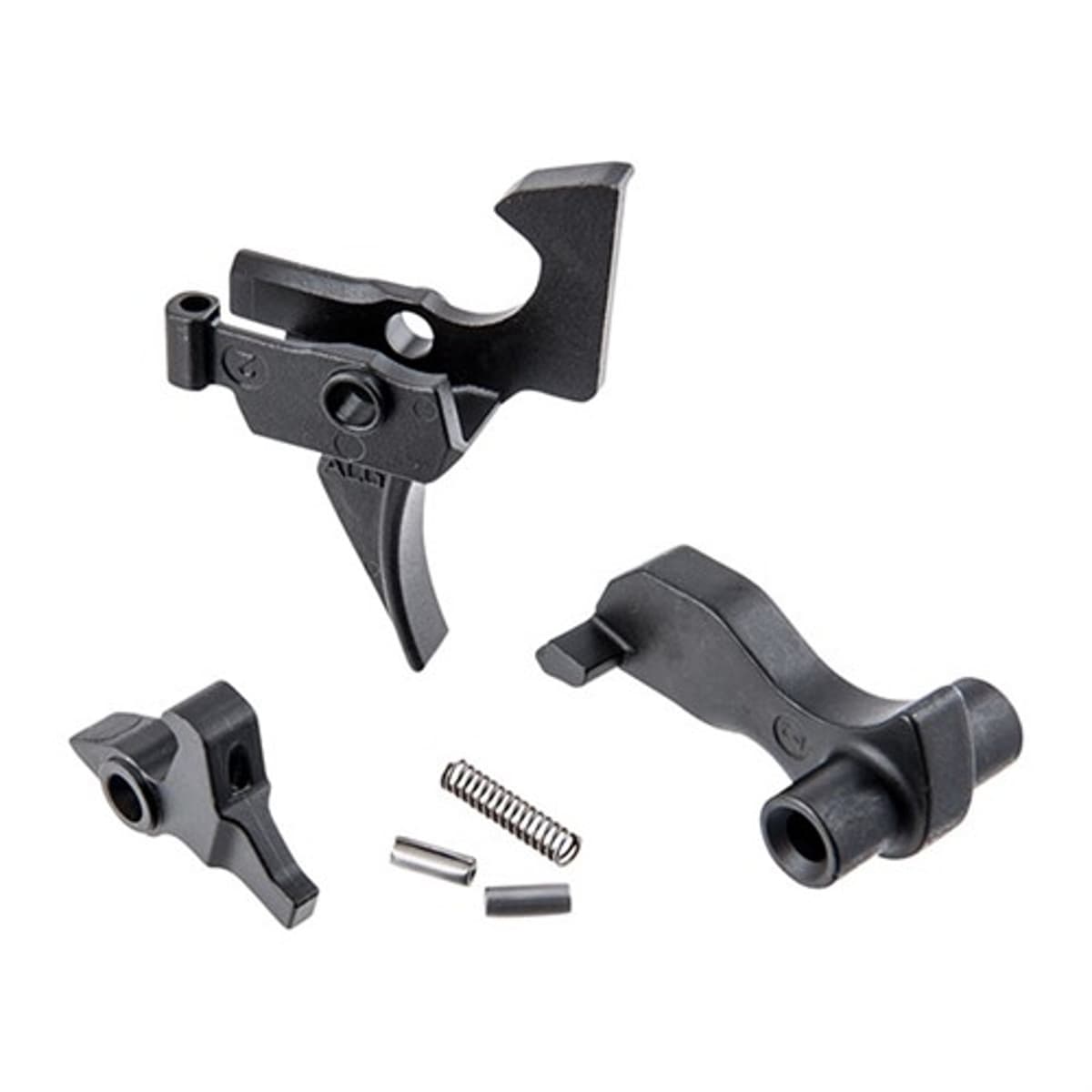
ALG Defense AKT-EL AK Trigger
- Single-stage AK fire control group listed for AK-47 and AK-74 variants
- Lightning Bow shoe, roughly 3.5 to 4.5 lb depending on host and fitting
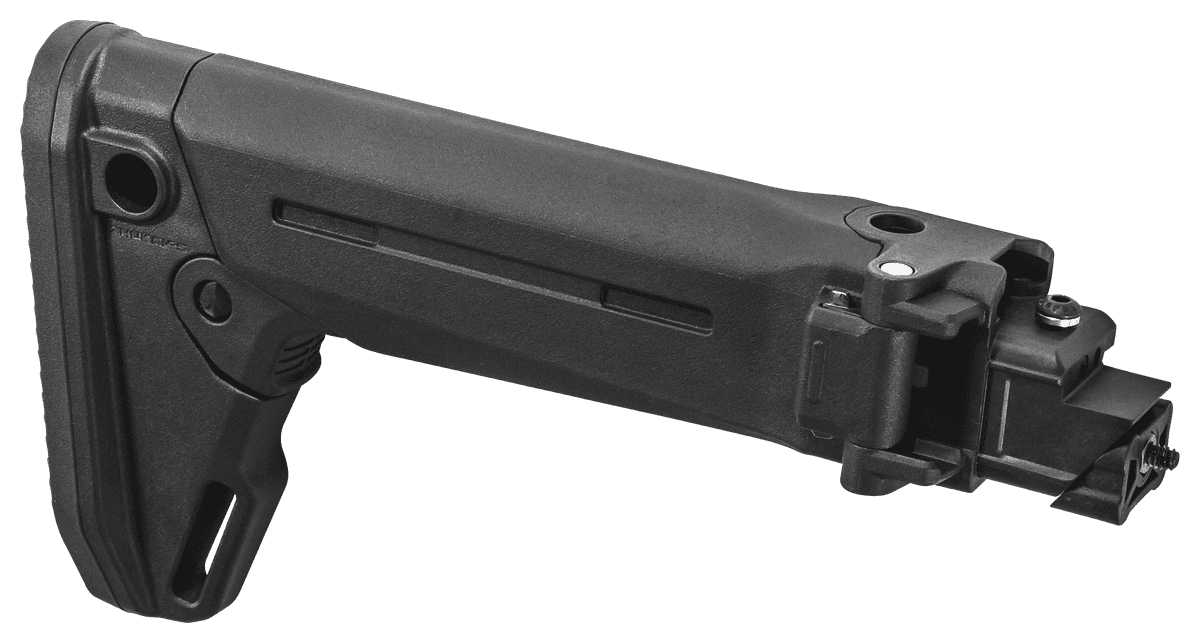
Magpul Zhukov-S AK Stock
- Side-folding polymer stock for standard fixed-stock rear trunnions
- Adjustable length of pull
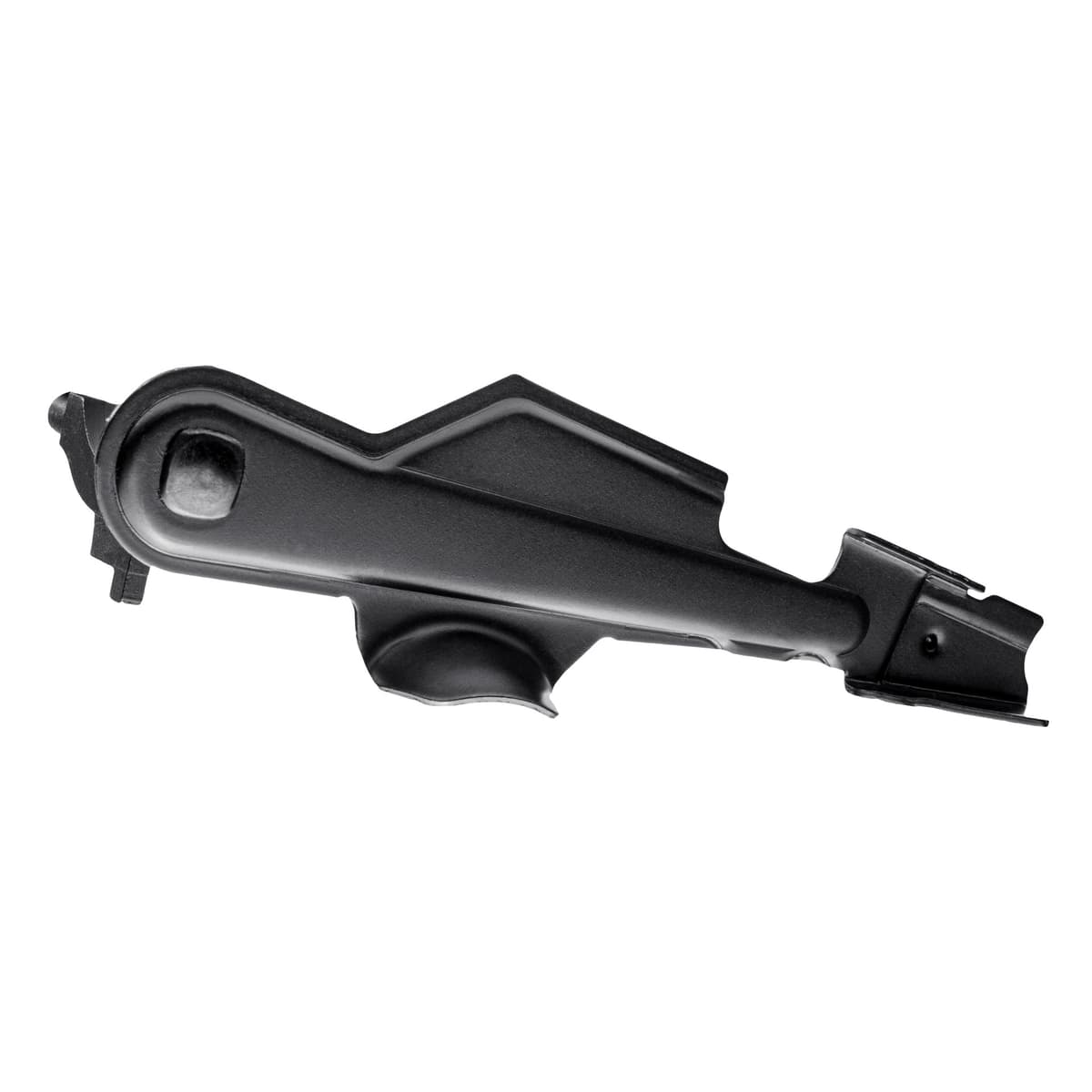
Krebs Custom Mk VI Enhanced AK Safety
- Extended lower shelf for firing-hand safety manipulation
- Bolt hold-open notch for administrative handling
Affiliate links (?)
Buying a 5.45 AK in the United States
New 5.45x39mm rifles are easier to buy in August 2026 than the ammunition to feed them. Palmetto State Armory builds the PSAK-74 family in the deepest range of configurations available domestically: fixed-stock classics in black and plum polymer, triangle side-folders, a wire-folding redwood variant, and the 14.1 inch pinned-and-welded PSAK-74K. PSA also lists the Soviet Arms WBP AK-74 alongside its own builds, and is building out an ammunition arm too, having rebranded AAC as PSA Ammo in July 2026, though that line launched with 300 Blackout rather than 5.45x39mm. The PSAK-74 runs $999.99, with configuration driving the spread.
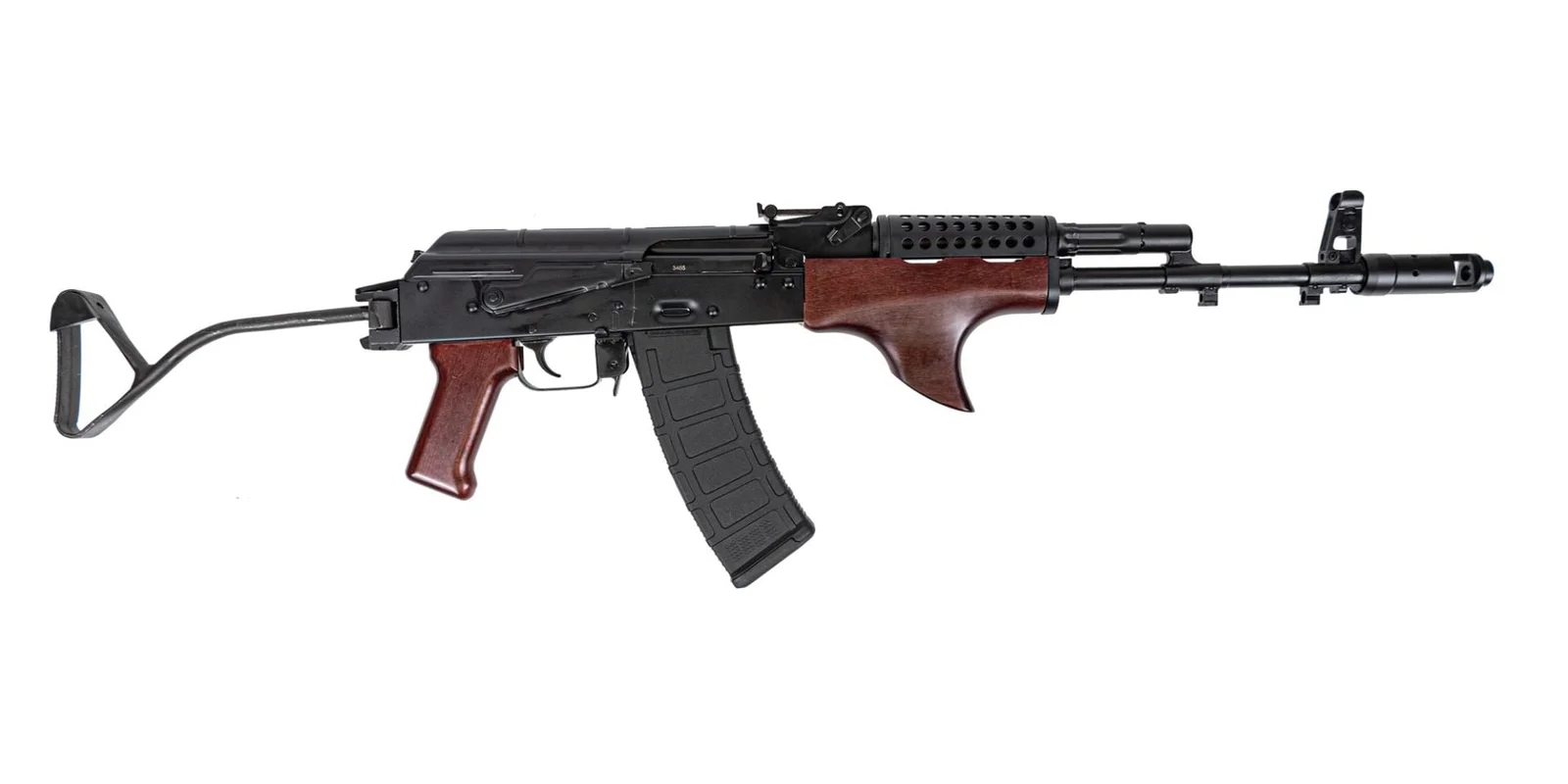
Riley Defense is the other volume source, listing the RAK74 line from $929 to $1,499 on its own site in August 2026, including Krink-pattern short-barrel and pistol builds and California-compliant SKUs. Century Arms lists the BFT74, which pairs a bulged forged trunnion and 1.5mm stamped receiver with an optics-ready side mount, a chrome-lined 4150 barrel, and the RAK-1 enhanced trigger. If you want 5.45 without a Kalashnikov receiver, IWI's Galil ACE Gen II GAR71 runs a 16 inch cold hammer-forged barrel at a 1:7.5 twist, weighs 8 lb 12.6 oz without a magazine, and feeds from AK-74 magazines, shipping with a Magpul PMAG 30 AK74 MOE.
Configuration is where a 5.45 AK gets state-specific. The rifles above ship in fixed-stock, pinned-muzzle, and California-compliant SKUs precisely because assault-weapon feature rules in a handful of states reach folding stocks, threaded barrels, and pistol grips rather than the caliber itself. Federally the AK-74 is an ordinary Title I rifle and transfers through an FFL on a NICS check like any other.
Ammunition is where the caliber gets expensive. Two federal actions closed the cheap channels. In 2014 the ATF ruled Russian 7N6 surplus an armor-piercing projectile under 18 U.S.C. 921(a)(17)(B)(i), after testing found a steel core and identifying an importable 5.45x39mm handgun, the Radom Onyks 89S, that could chamber it. In 2021 State Department sanctions ended new imports of Russian-made ammunition, which took Tula, Barnaul, and Red Army Standard 5.45 off the shelf as existing licenses ran out.
What replaced them is a narrow bench. The volume loading is TelaAmmo, 65-grain steel-cased FMJ produced by Tela Impex at a former Soviet plant in Azerbaijan, which in August 2026 runs about 80 cents a round in 30-round boxes and roughly 72 cents in 750 and 1,500-round cases. The brass-cased option is Hornady Black 60-grain V-MAX at about a dollar to $1.25 a round. Neither is 7.62x39mm money, and there is no surplus tier underneath them. Budget the ammunition before the rifle, and check the current spread across the component catalog before committing to a caliber you will shoot in volume.
If you are still deciding between 5.45 and 7.62x39mm, the ammunition question usually settles it, and our ranked AK rifle guide covers what each receiver type and country of origin buys you. You can also spec an AK-74 in the builder to see which optic mounts, stocks, and triggers actually clear the 5.45 fitment gates before you order parts.
AK-74 Compatible Upgrades
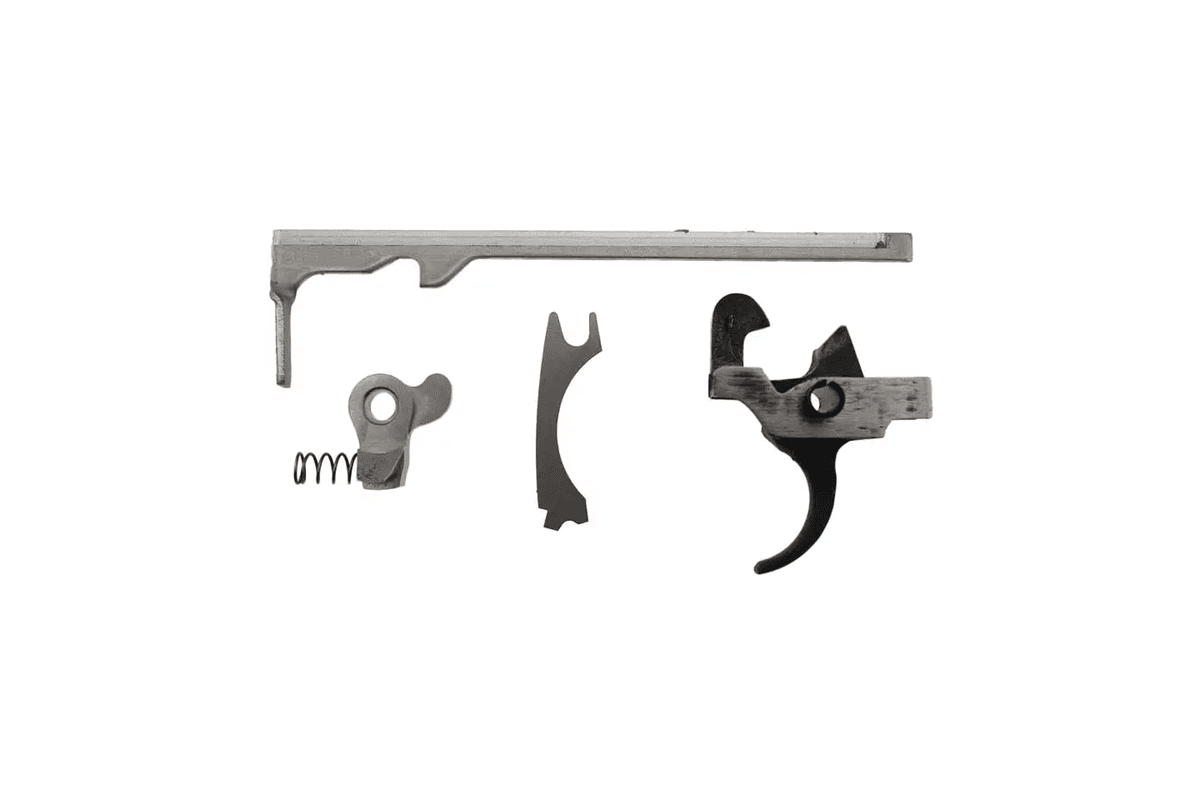
MaRs Trigger AK FRT Parts Kit
- Forced reset trigger (FRT)
- 4140 alloy and stainless steel
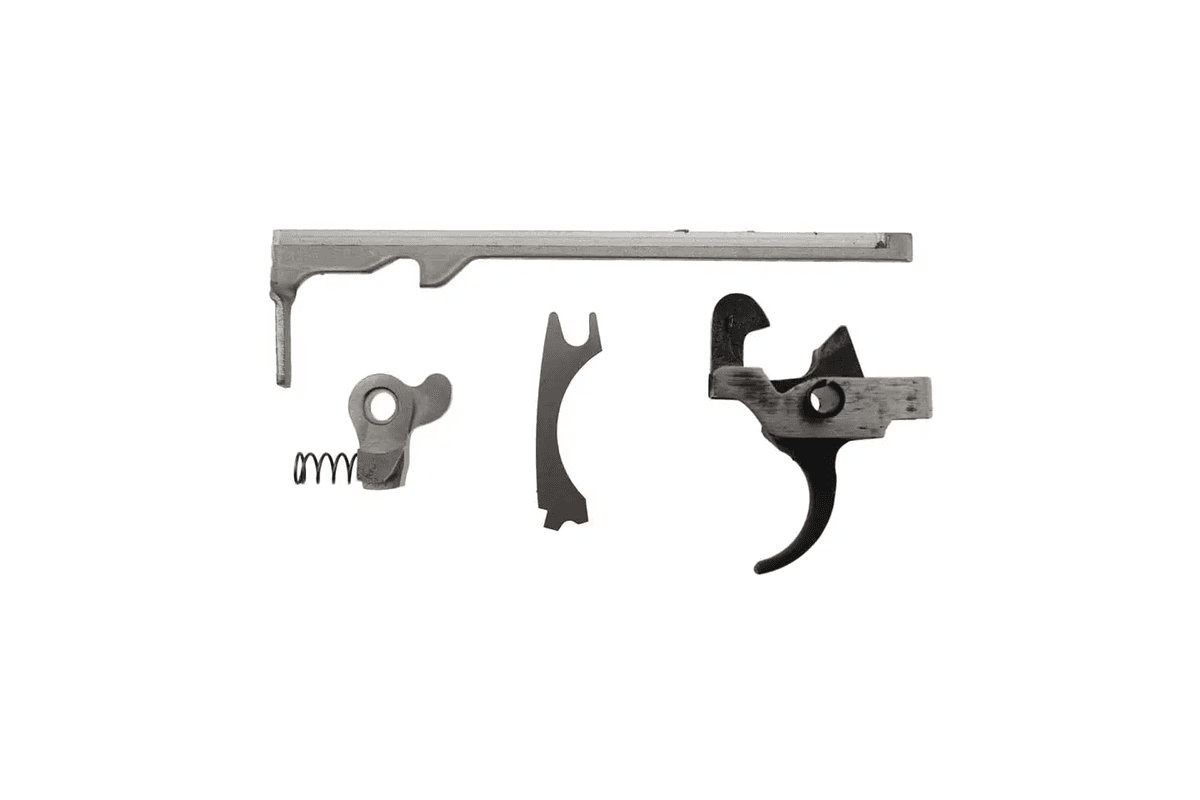
MaRs Trigger Spring-Loaded AK FRT V2
- Forced reset trigger (FRT)
- Spring-loaded V2 design
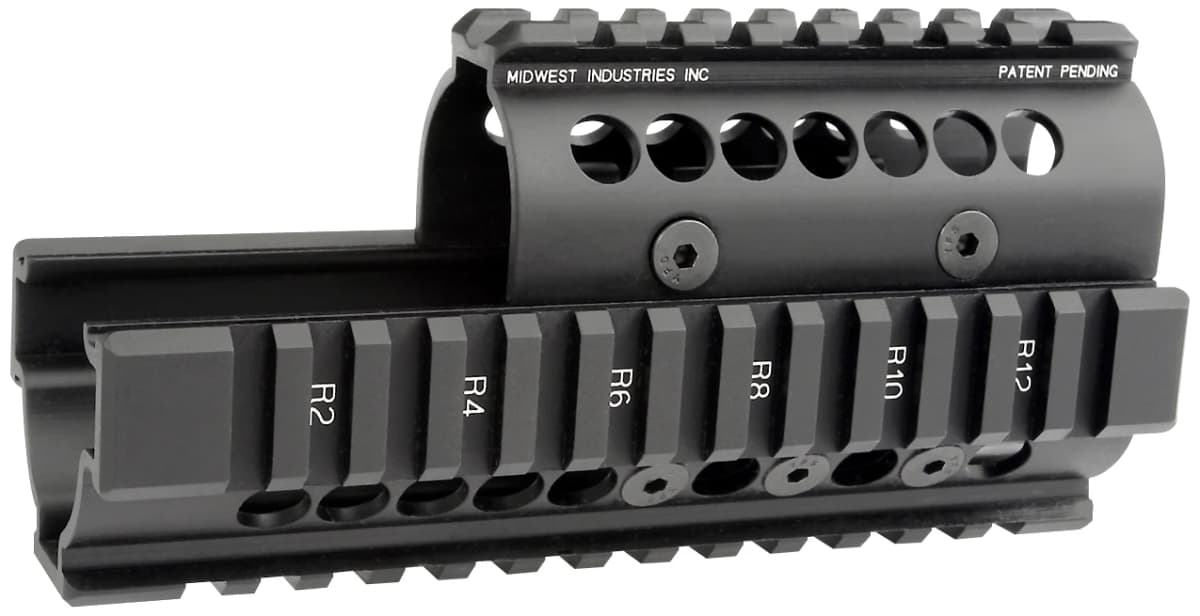
Midwest Industries Universal AK47/74 Quad-Rail Handguard
- Most stamped and milled AK-47/AK-74 variants
- T-marked MIL-STD-1913 rails
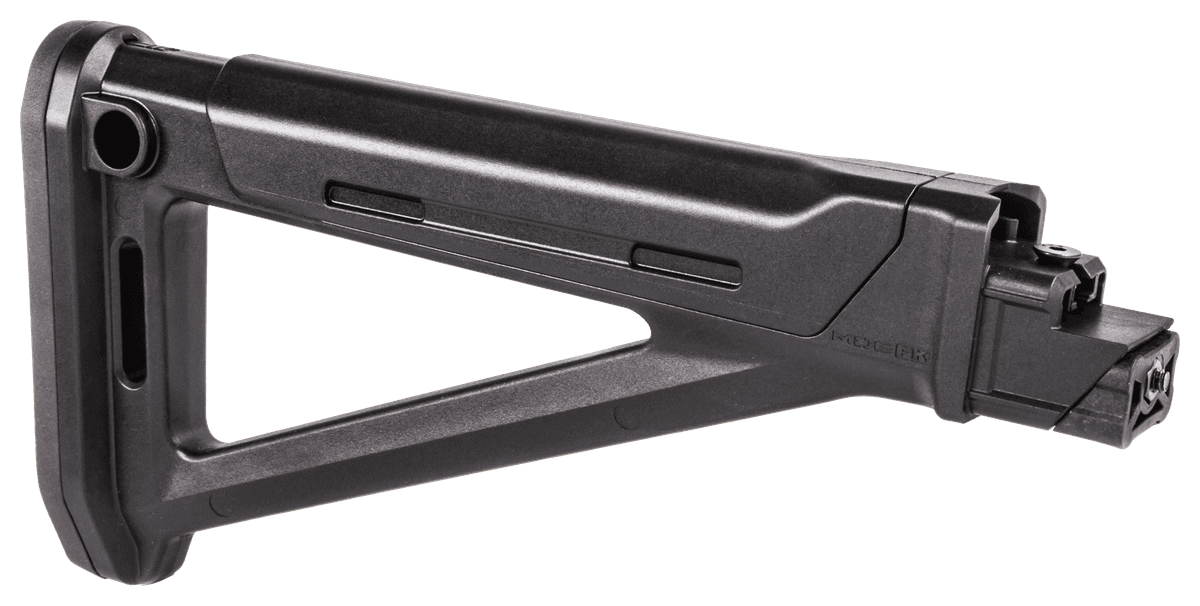
Magpul MOE AK Stock
- AK / AKM
- Fixed stock
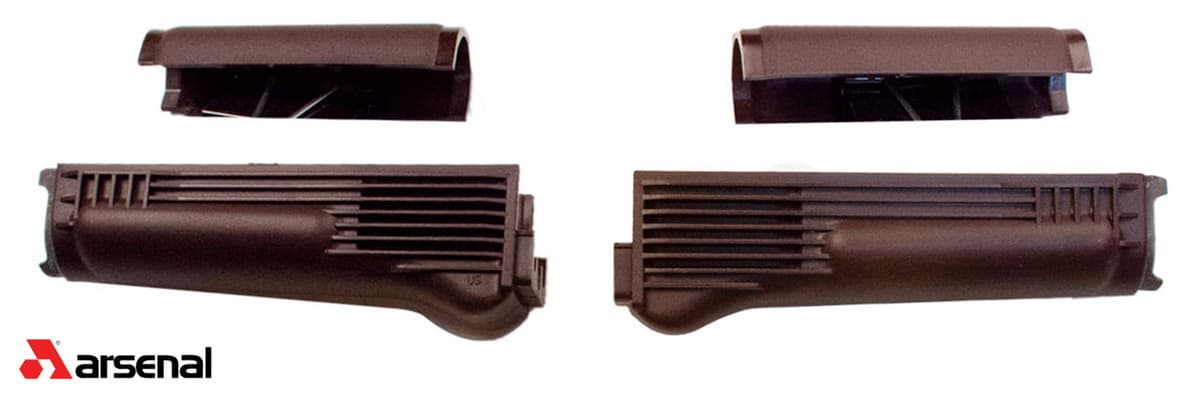
Arsenal, Inc. Stamped Receiver AK-47 Handguard Plum
- Stamped AK-47 / AK-74 receivers
- Plum polymer, made in the USA
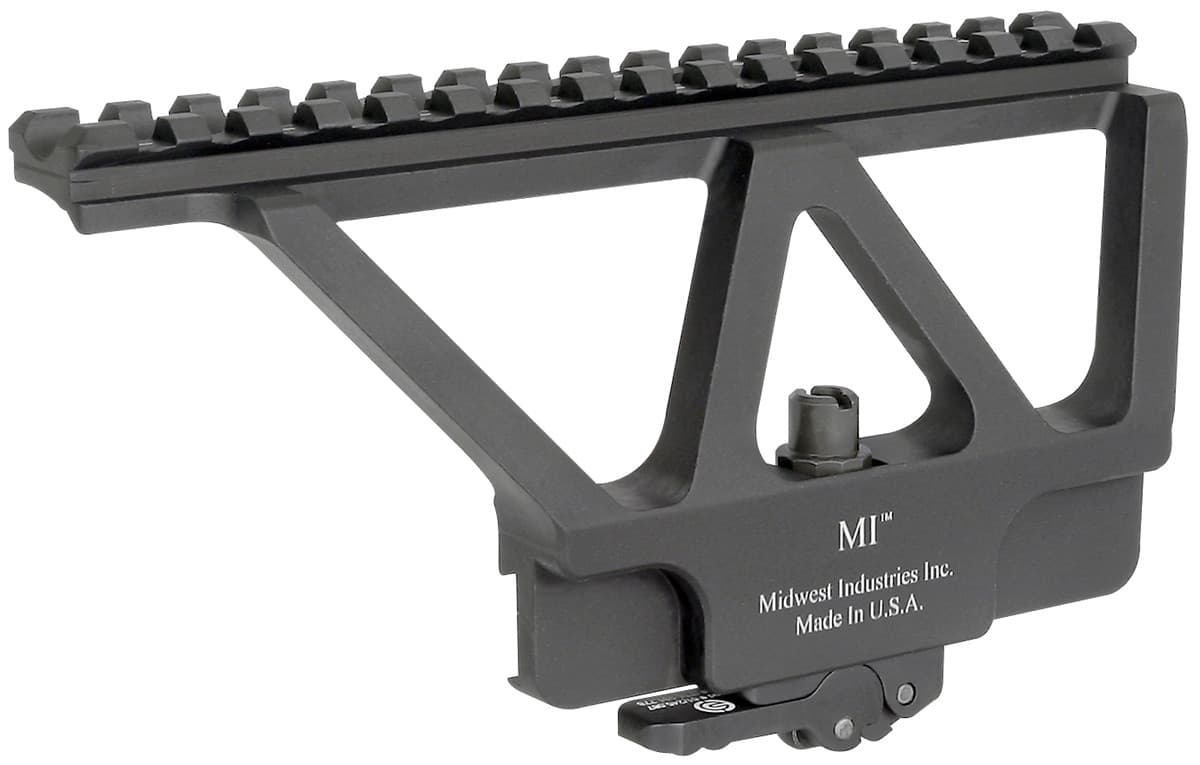
Midwest Industries MI-AKSM AK Side Railed Scope Mount
- 1913 T-marked rail
- 6.75 inches
Affiliate links (?)
Stay Updated on AK Platforms
We cover new AK rifles, 5.45 and 7.62x39 ammunition supply, and AK optic mounting hardware as it lands.