Key Takeaways
- →Ten approved helmets, not one: on 3 February 2025 Ukraine cleared six full-cut and four high-cut models at Class 1 protection from eight Ukrainian and two Bulgarian makers, after taking delivery of 168,000+ helmets worth ~$29.27 million in 2024.
- →An eight-piece vest, getting heavier: the issued modular armor covers torso, groin, neck, shoulders and hips, and since March 2025 the Ministry has been piloting forearm, shin and tailbone covers because fragments cause over 90% of wounds.
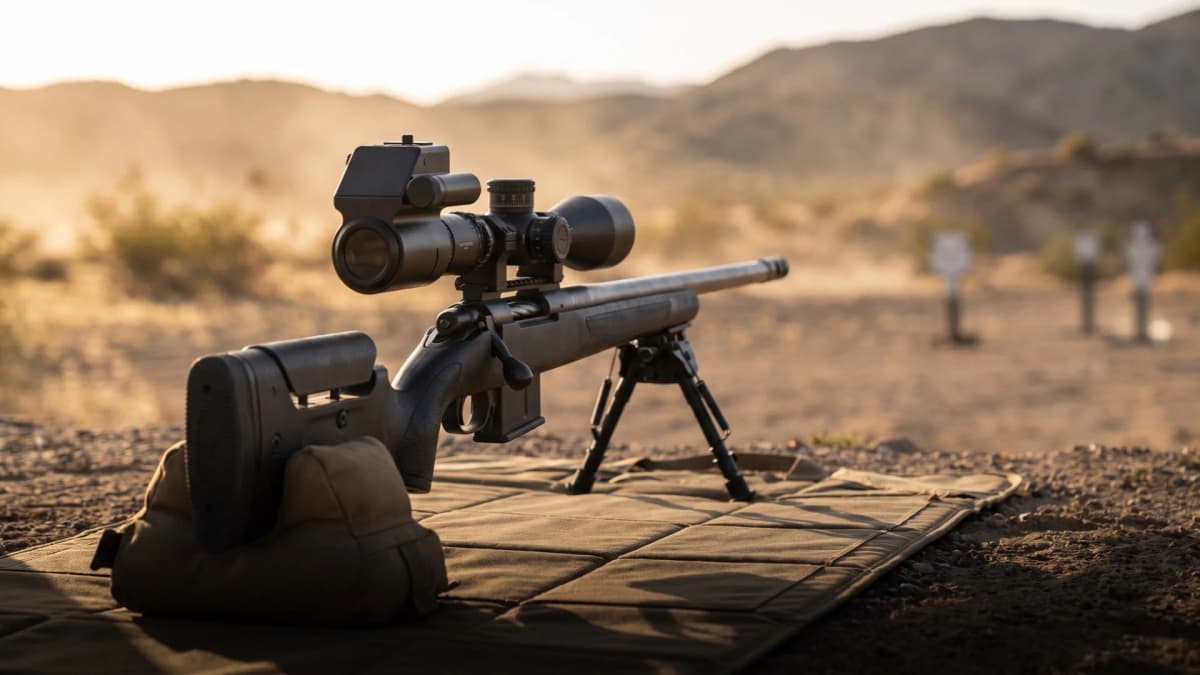
- →Two calibers on purpose: AK-74 in 5.45x39mm stays the baseline while 5.56 NATO arrives through the Zbroyar UAR-15, licensed CZ BREN 2 production, and Haenel MK 556 rifles in special operations hands.
- →Two tourniquets, by regulation: MoD Order No. 506 of 24 July 2024 specifies two windlass tourniquets, two hemostatic gauzes, vented chest seals, a rigid eye shield and a casualty card in every soldier's IFAK.
- →Drones are now a supply line, not a novelty: 3 million FPV drones in 2025 per Defence Minister Denys Shmyhal, with 200,000 of them ordered by units directly through the DOT-Chain Defence marketplace that launched in July 2025.
How Ukrainian Infantry Kit Actually Gets Issued
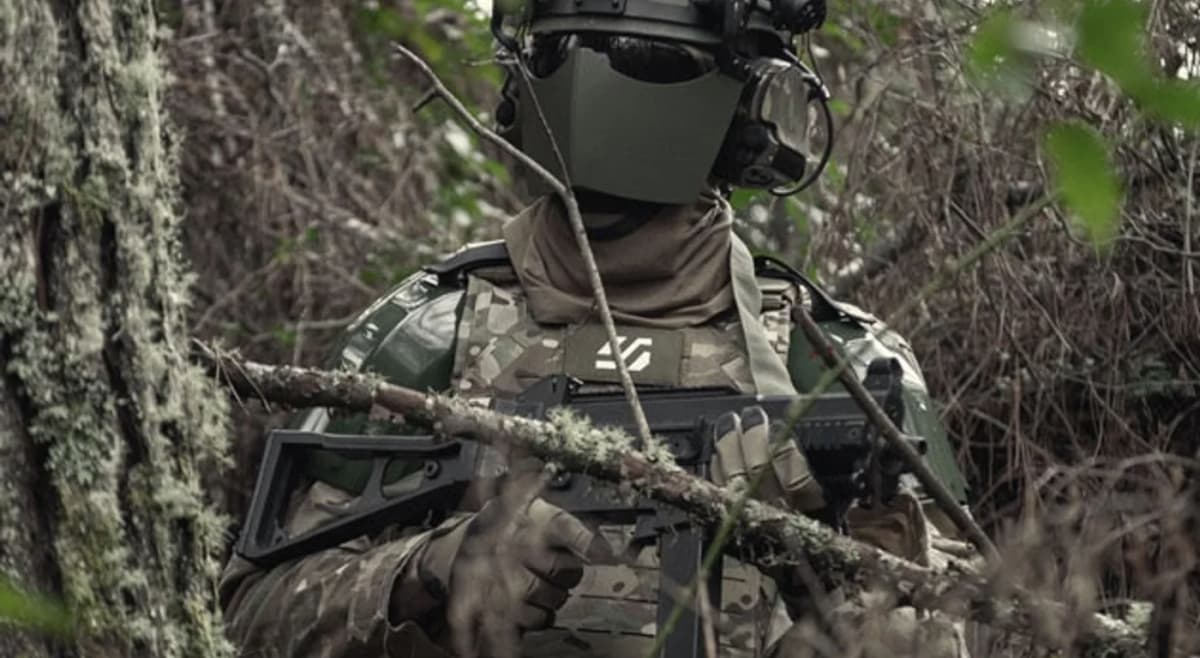
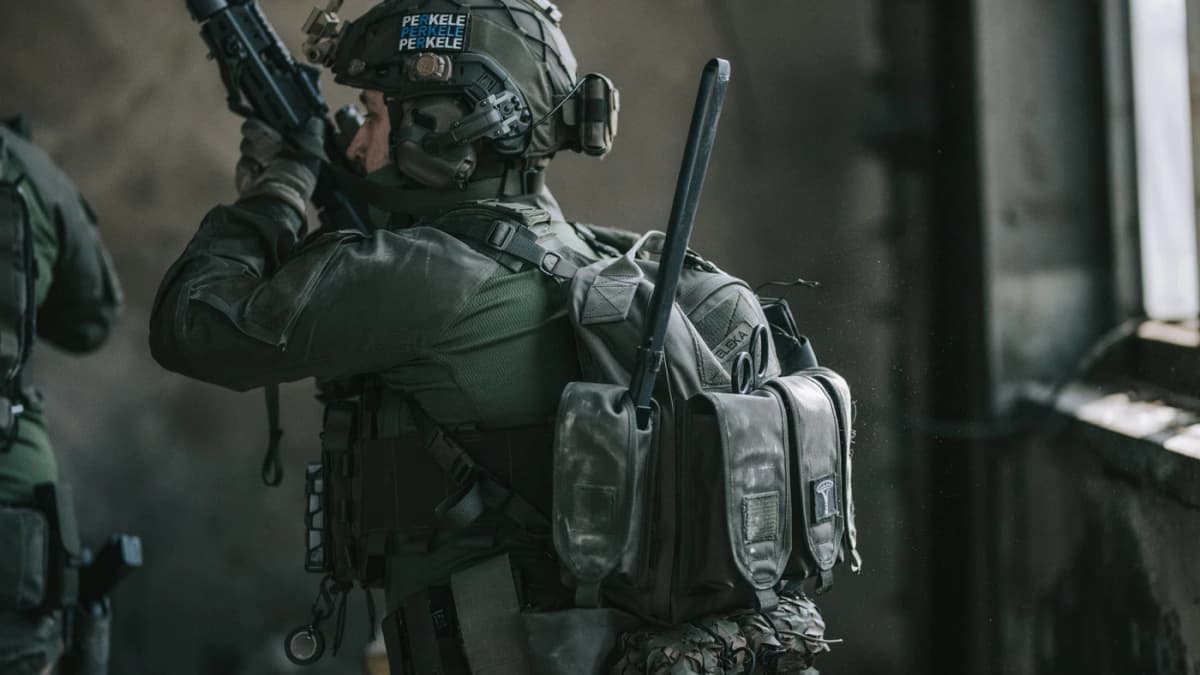
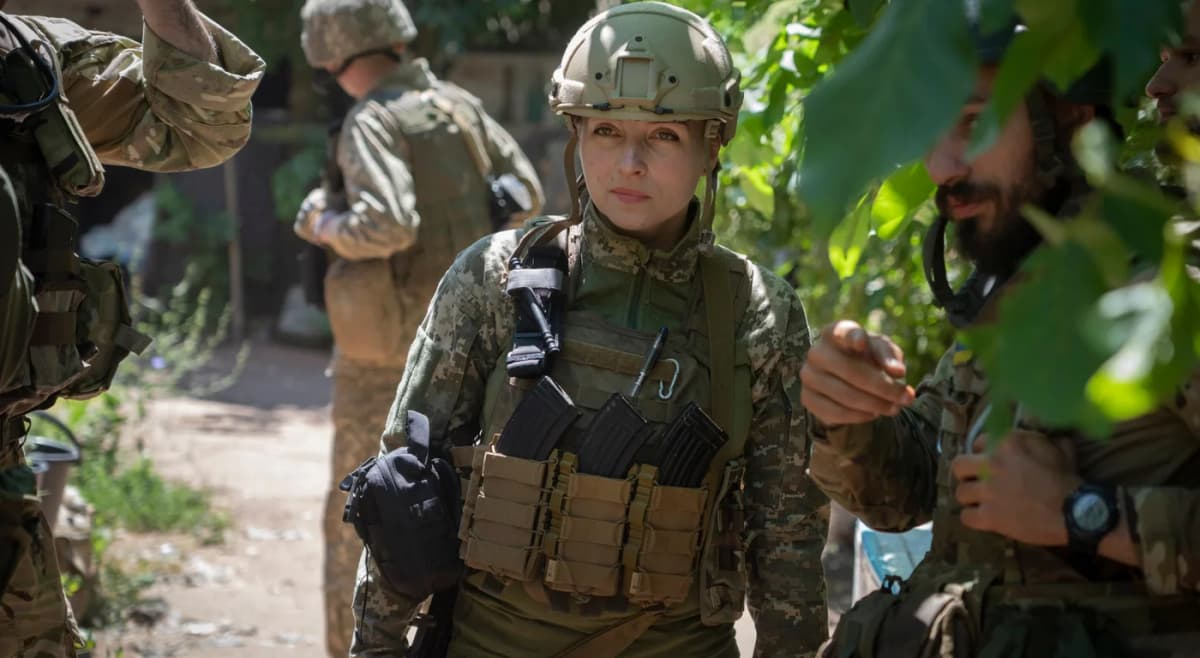
A Ukrainian infantryman's kit comes from three separate supply chains at once, and the seams between them are visible in every photograph. The state issues the protective core: helmet, modular body armor, uniform, IFAK, rifle. Volunteer foundations and the soldier's own money cover the layers the state has never standardized, which is most of the interface gear, and since July 2025 a third channel has existed for the things units burn through fastest.
That third channel matters more than it sounds. Ukraine's Cabinet approved the DOT-Chain Defence digital marketplace on 30 June 2025, letting units order equipment directly against operational need rather than waiting for a central allocation. It opened with FPV drones, with electronic warfare systems and ground robotic platforms queued behind them. Defence Minister Rustem Umierov framed the point plainly: “The military will see exactly what, from whom, and when it will be delivered.”
The result is a loadout that is standardized where ballistics are regulated and improvised everywhere else. Read the layers in that order and the whole kit makes sense.
The Helmet: Ten Approved Models at Class 1
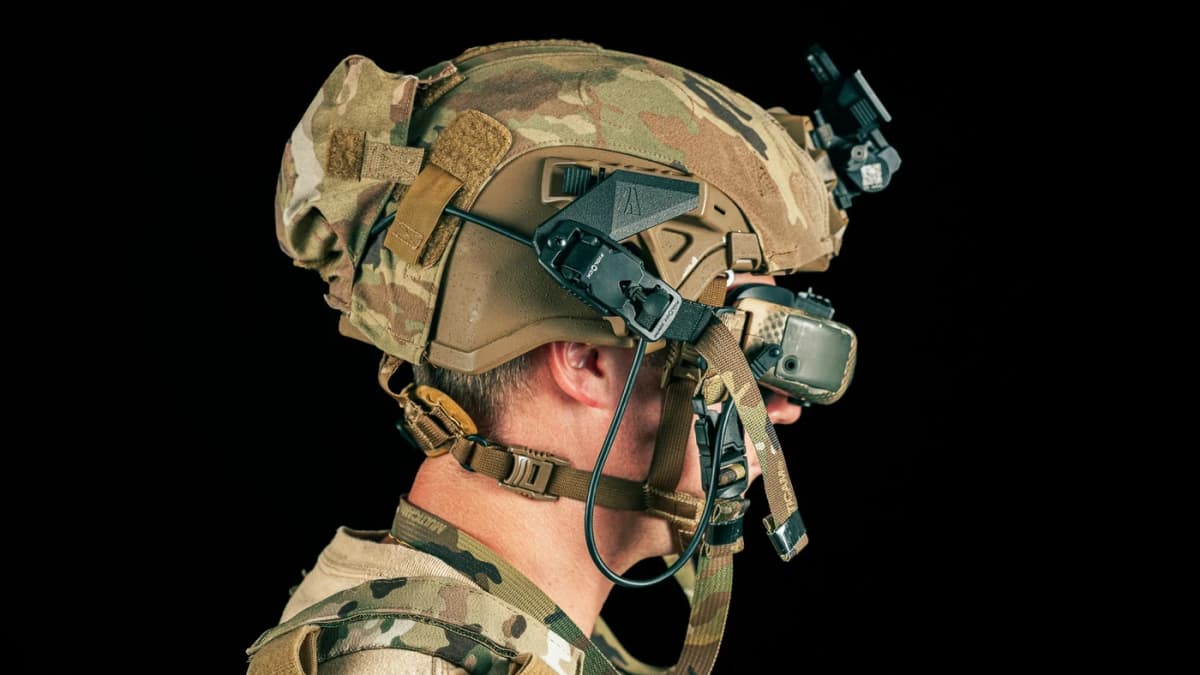
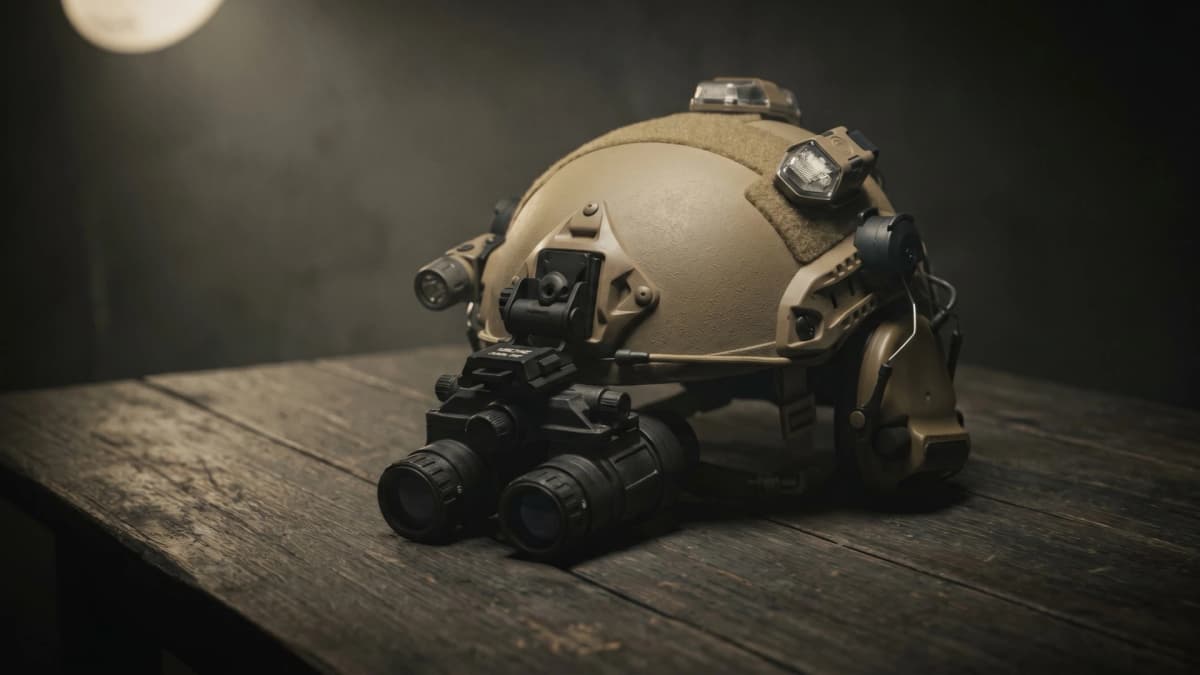
Ukraine approved ten combat ballistic helmet models on 3 February 2025, all at Class 1 protection: six full-cut and four high-cut shells from eight Ukrainian and two Bulgarian manufacturers, with two more foreign makers still in laboratory testing. All of them can take modern mounting systems for thermal imagers, night vision devices, lights and headsets. In 2024 alone the military took delivery of more than 168,000 helmets worth roughly $29.27 million through state budget procurement.
The best-documented domestic family is the UARMS TOR and TOR-D. Both carry DSTU 8835:2019 Class 1 certification issued in 2024 off January 2024 test protocols. The TOR-D was additionally tested to NIJ 0106.01 Level IIIA at Chesapeake Testing in Belcamp, Maryland in June 2020, with six samples passing, and both shells carry STANAG 2920 fragment numbers: V50 of 688.1 m/s for the TOR, 698.8 m/s for the TOR-D, both at the F6 level.
Western high-cut shells appear constantly alongside the issued ones, because that is what volunteer foundations buy and what soldiers purchase themselves. The civilian-market versions of that same shell are exactly what our ballistic helmet guide ranks. The Hard Head Veterans ATE GEN3 at $800 is the accessible entry into a NIJ IIIA high-cut with rails and a shroud; the Team Wendy EXFIL Ballistic and the Ops-Core FAST RF1 sit at the top of the same ladder. The detail people skip is the back of the helmet: once a night vision device hangs off the shroud, a counterweight kit stops the shell from pulling forward every time the wearer looks up.
Ballistic Helmets and Counterweights
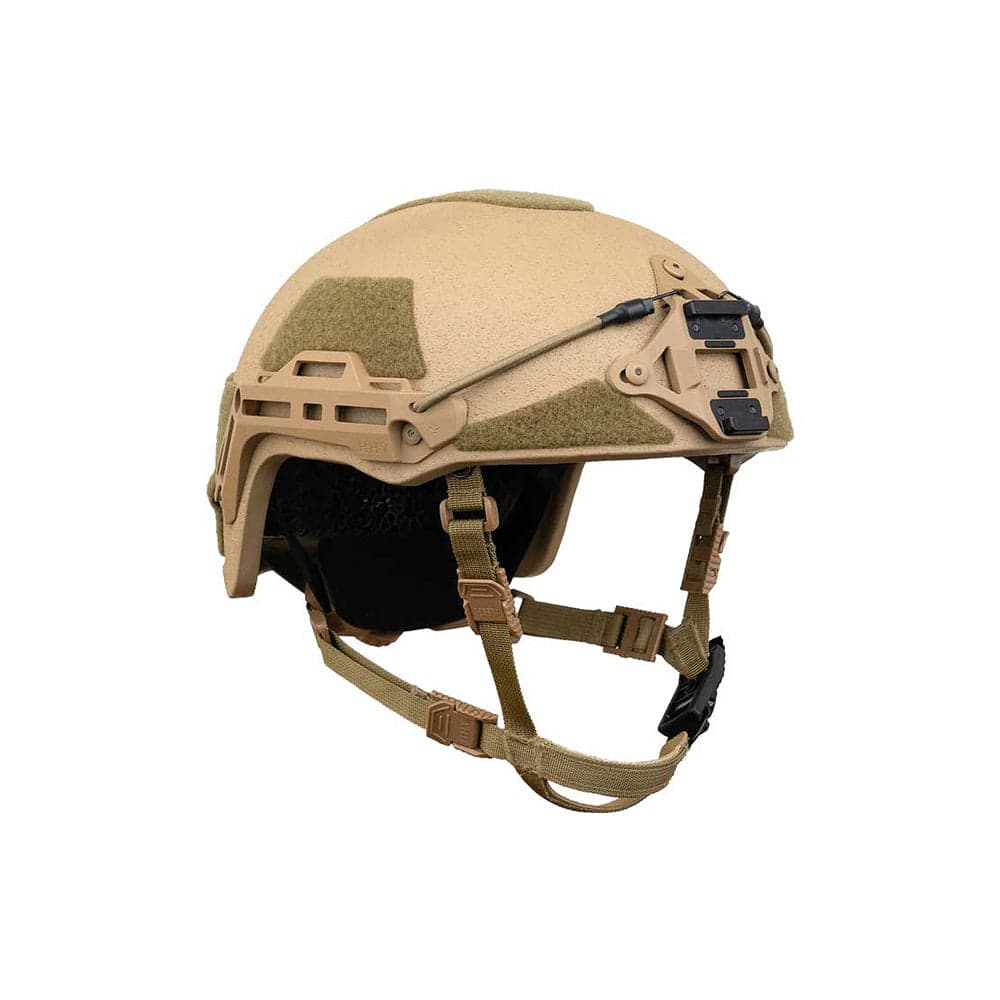
ATE GEN3 Ballistic Helmet
- Tested to NIJ Level IIIA
- Made in Sweetwater, TX with DuPont fibers
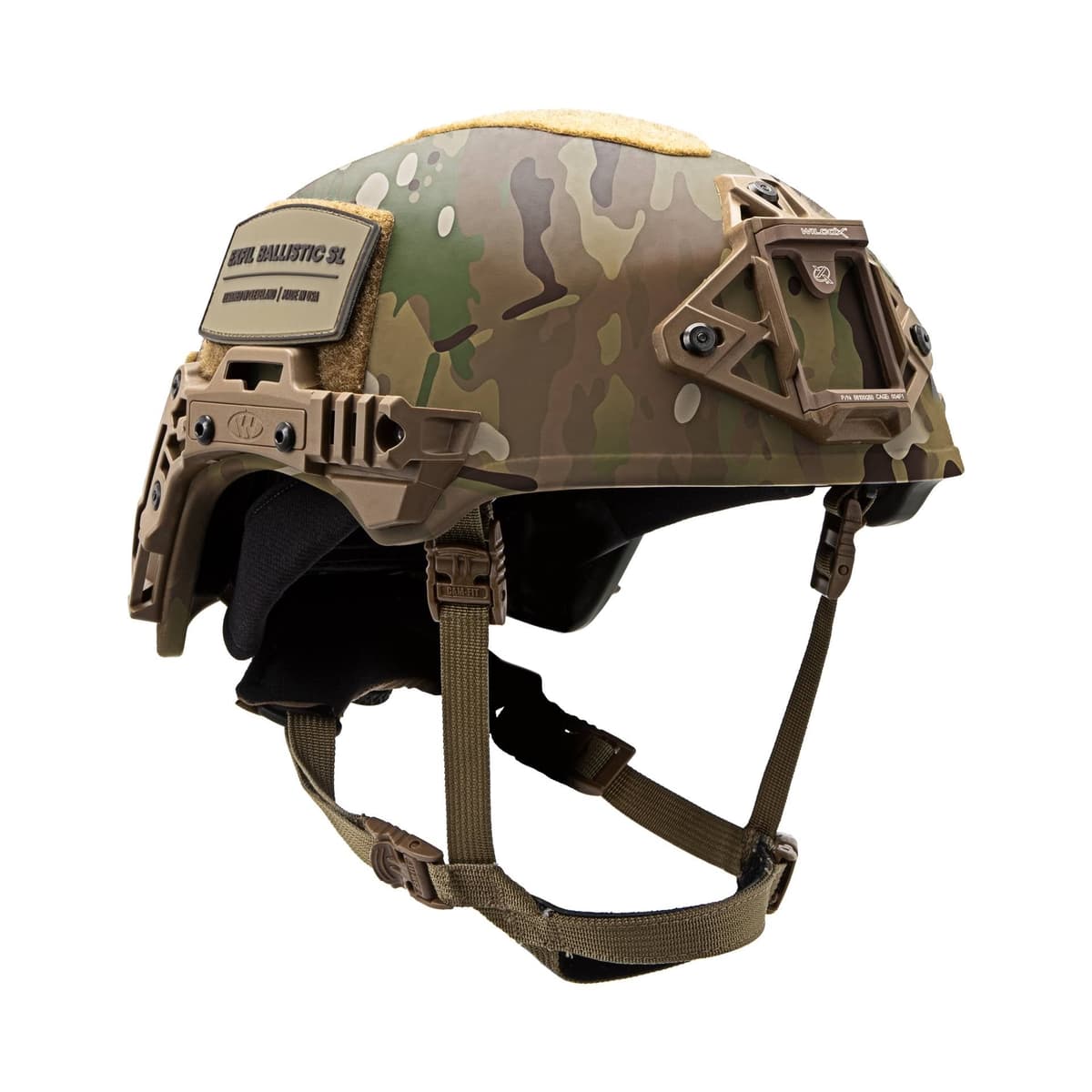
EXFIL Ballistic Helmet (Rail 3.0)
- NIJ IIIA per STD 0106.01/0108.01
- Complete system: 2.6 lb (M/L), 2.75 lb (XL)
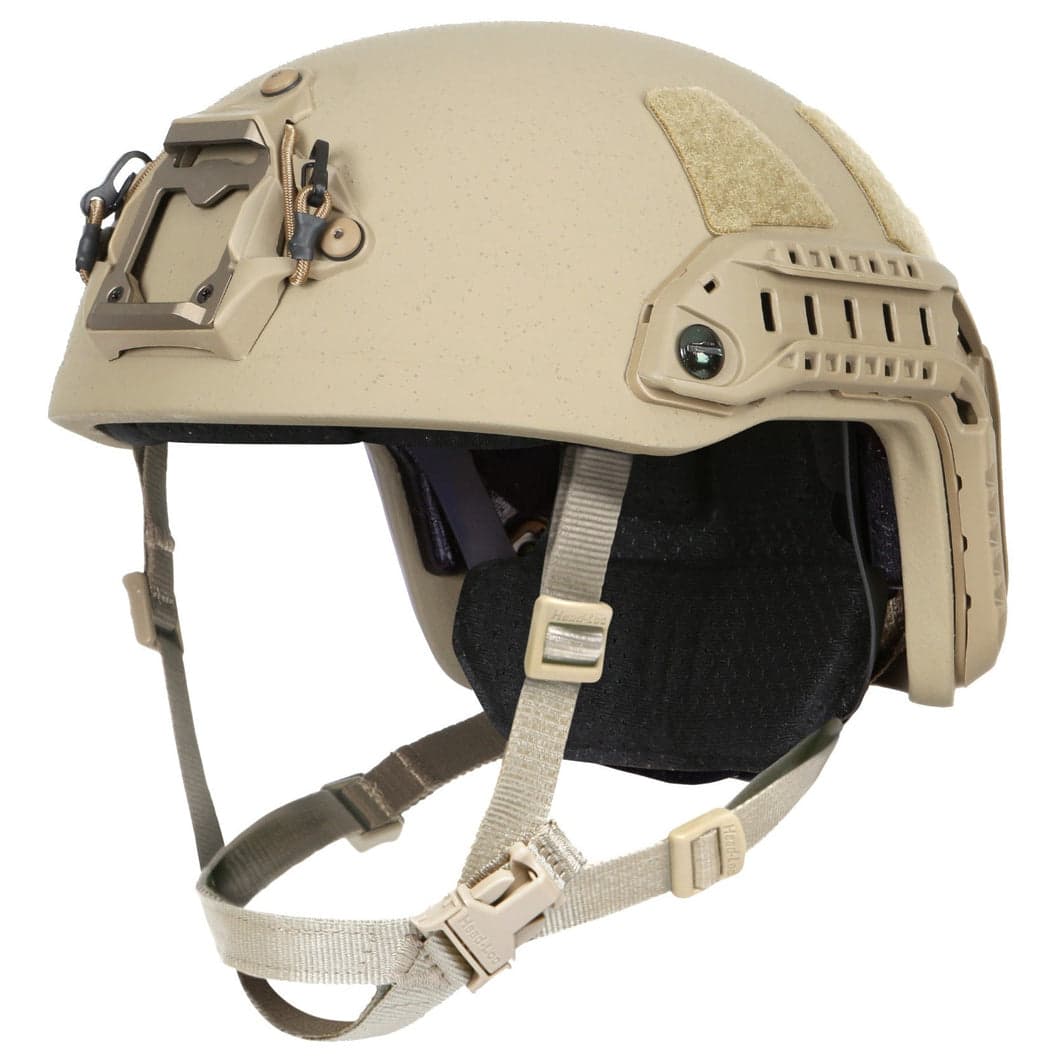
FAST RF1 High Cut Helmet System
- Rifle protection: 7.62x39 MSC, 7.62x51 M80, M193
- Plus handgun + frag (NIJ IIIA equivalent)
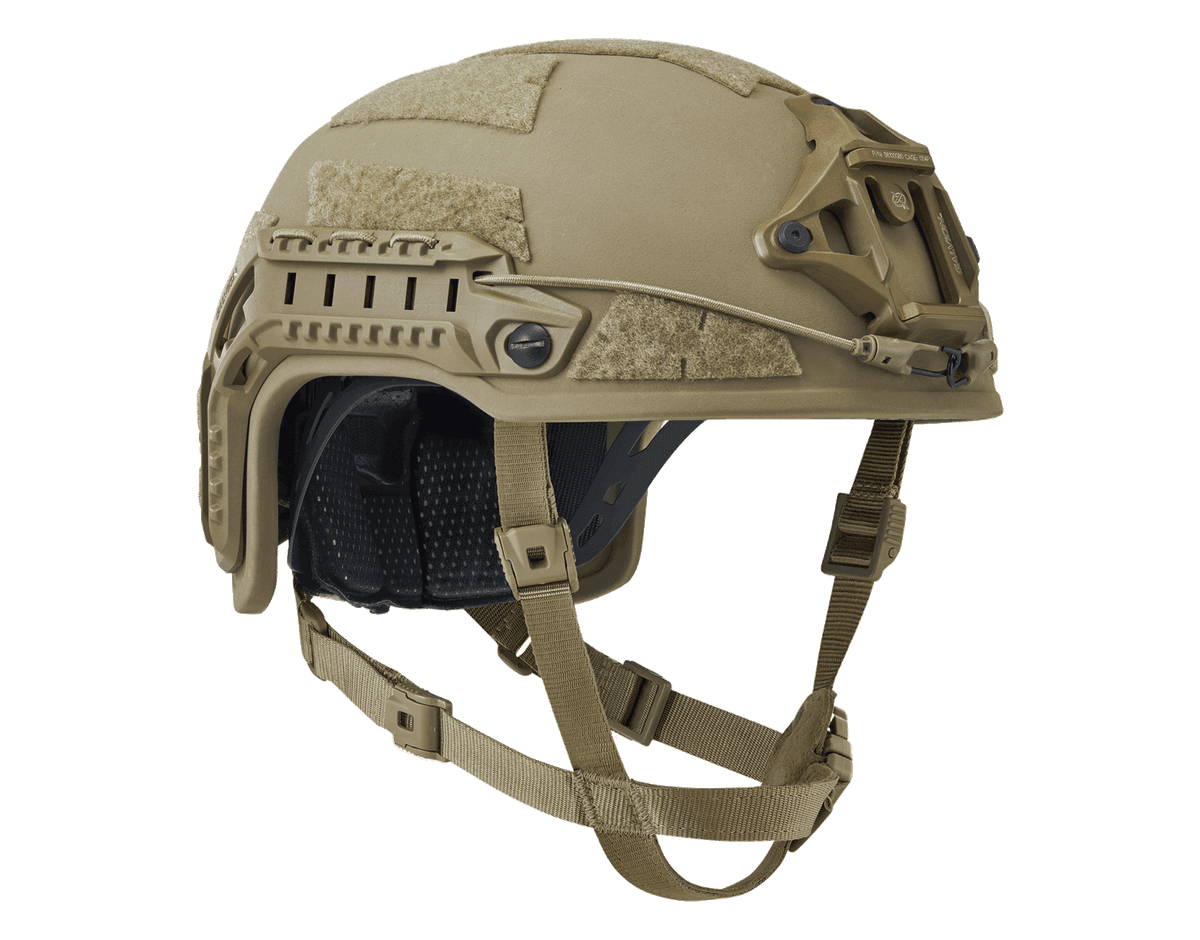
Batlskin Caiman Ballistic Helmet
- Modified NIJ 0106.01/IIIA certification
- Stops .357 SIG and .44 Magnum
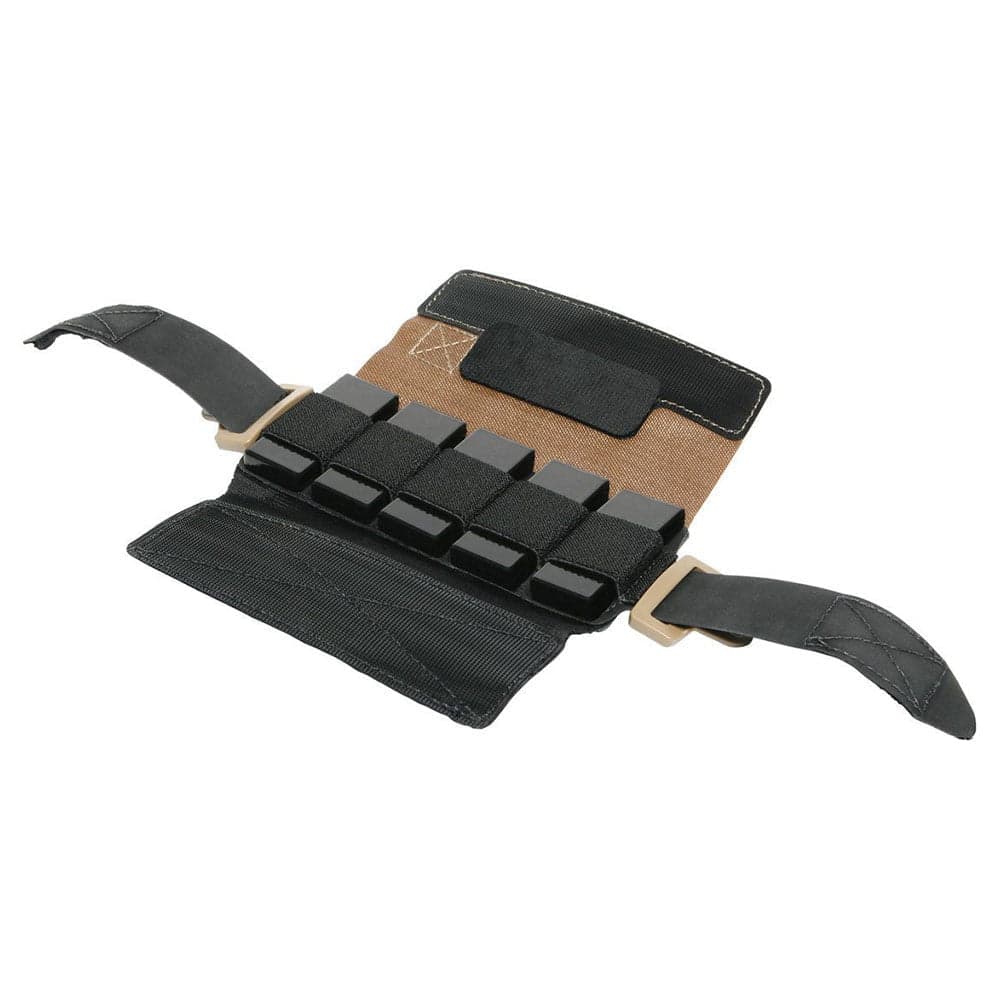
Counterweight Kit (5 × 70 g Weights)
- Five removable 70 g weights
- Five pockets for weights or batteries
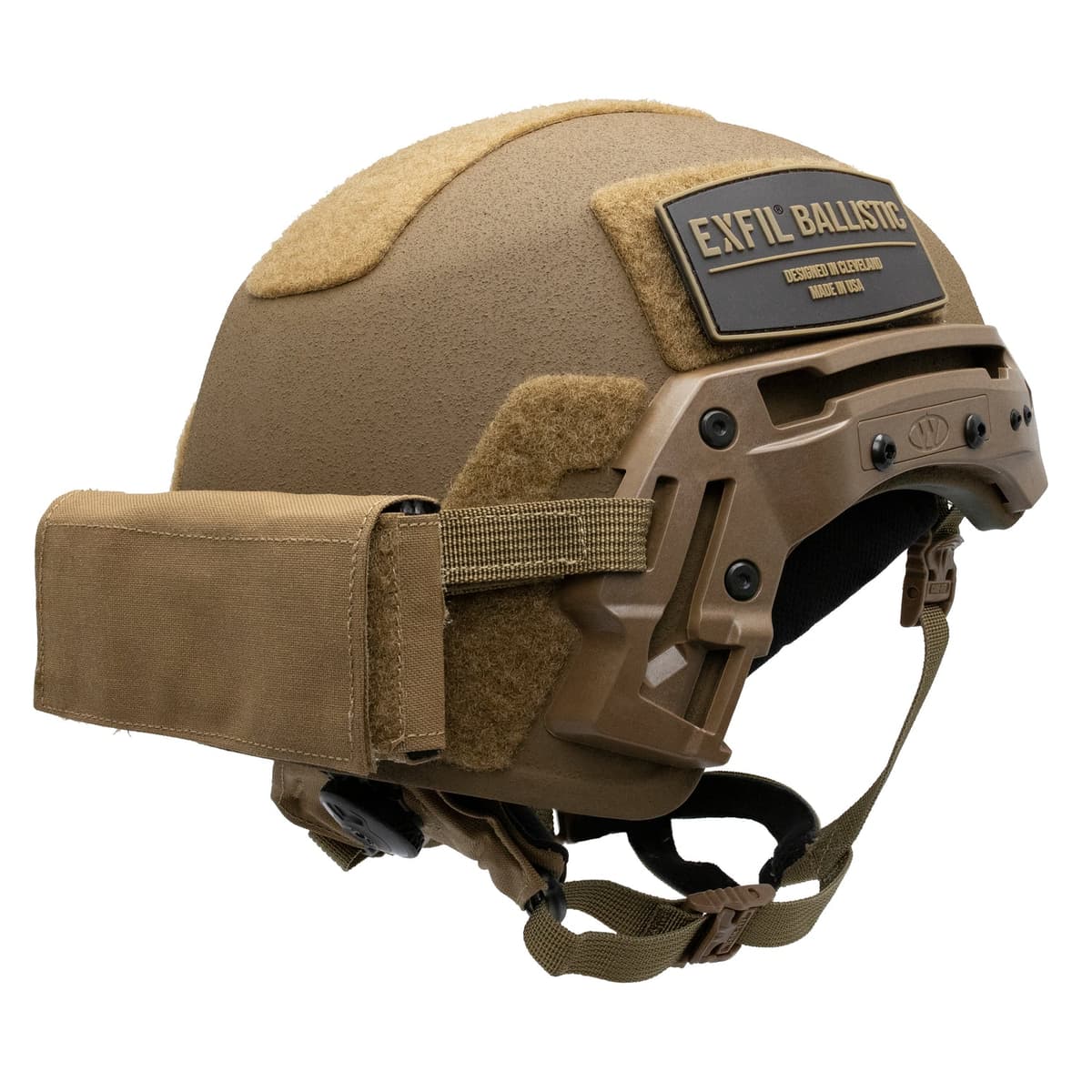
EXFIL/EPIC Counterweight Kit
- Three modular weights per kit
- Available in 0.25 lb (small) or 0.5 lb (large) weights
Affiliate links (?)
Body Armor: An Eight-Piece Vest That Keeps Growing
The issued Ukrainian vest is a modular system built to technical specification TS A01XJ.29423-420:2023, and the base kit is eight pieces: front and back plates carrying both soft and hard armor, groin and neck covers, soft shoulder and hip guards, a cummerbund, and a load-bearing belt with its own ballistic element. It is made in MM-14 pixel camouflage and uses a Type 2 hard armor element of ceramic composite.
It keeps growing because of what is actually wounding people. More than 90% of combat injuries are now attributed to fragments and shrapnel, and from 25 March 2025 the Ministry of Defence has been running pilot tests on three more soft-armor covers: forearm, shin and tailbone, with the forearm and shin pieces extending over the elbows and knees. The stated threat for the new elements is pistol rounds and fragments up to 1.1 grams traveling at up to 600 m/s. In 2025 the Ministry's procurement agency contracted personal protective equipment worth almost UAH 3.7 billion.
Weight is the counterpressure. A lightweight configuration approved in October 2024, after testing that began that July, runs 7.5 to 12 kg across sizes S through XL, with soft armor at Class 1 and hard armor at Class 6+, and Ukraine builds a structural element for servicewomen into the same kit. Deputy Minister Dmytro Klimenkov singled out reconnaissance groups as the users who need that trade-off most.
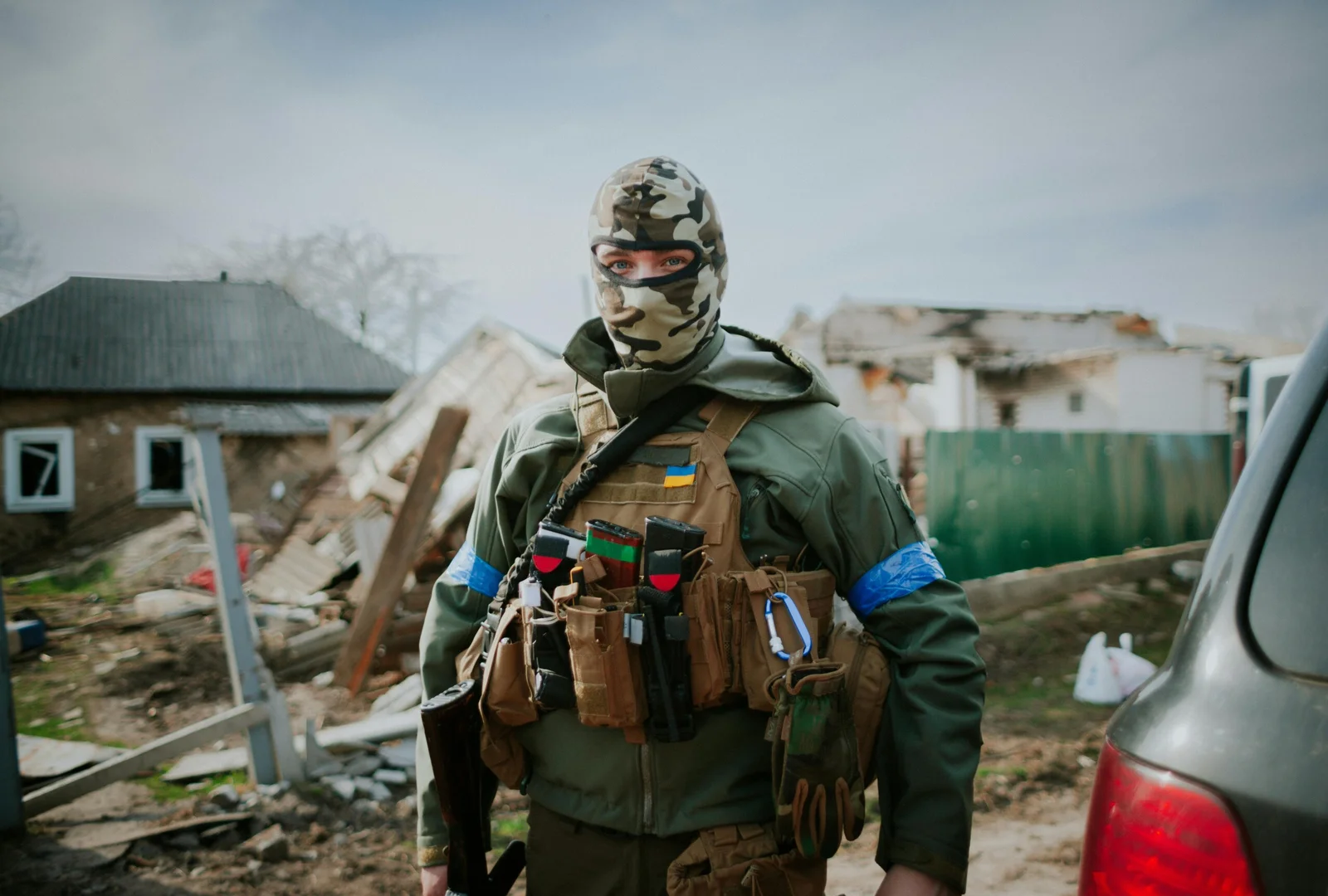
Ukraine grades armor on DSTU 8782:2018, not the NIJ scale, and the two do not translate cleanly. Class 1 stops 9mm Makarov and Luger at 335 to 400 m/s; Class 3 covers intermediate rifle rounds in 5.45x39 and 7.62x39 at 730 to 910 m/s; Class 5 and 6 move into 7.62x39 and 7.62x54mm armor-piercing steel core, with Class 6 defined at 850 m/s. When a Ukrainian plate is described as Class 6, that is the threat it was shot against, and it is not the same test as a NIJ-tested plate in a Western carrier.
The civilian equivalent splits into two purchases, which is exactly how the Ukrainian kit is built. The carrier is the platform: the Agilite K19 3.0 at $260.10 ships with a quick-release, the Spiritus LV-120 kit covers the low-visibility end, and the 5.11 TacTec is the volume entry. The plates are the ballistics, and they are bought separately by threat level rather than by brand loyalty.
Plate Carriers and Rifle Plates
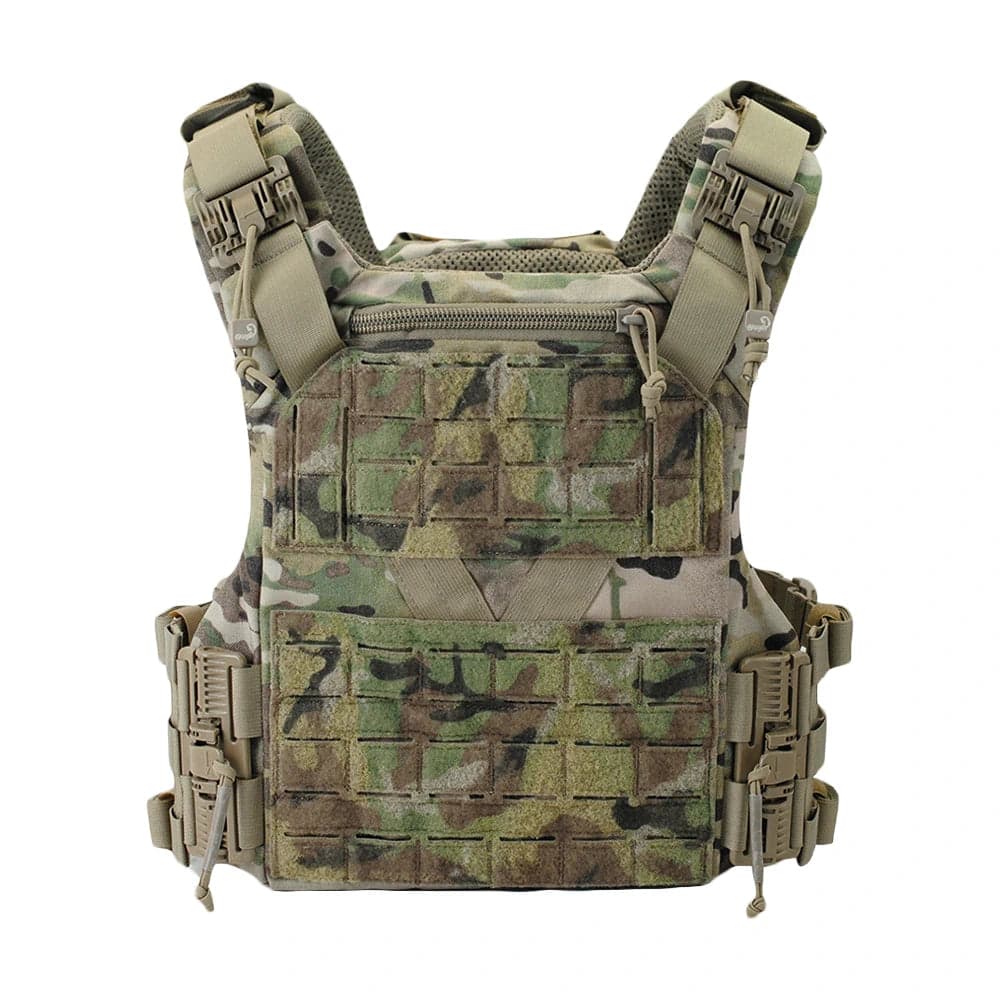
K19 3.0 Plate Carrier
- Weight 2.5 lb (~40 oz) with cummerbund
- Fast-Adjust elastic cummerbund — on-the-fly tension adjustment
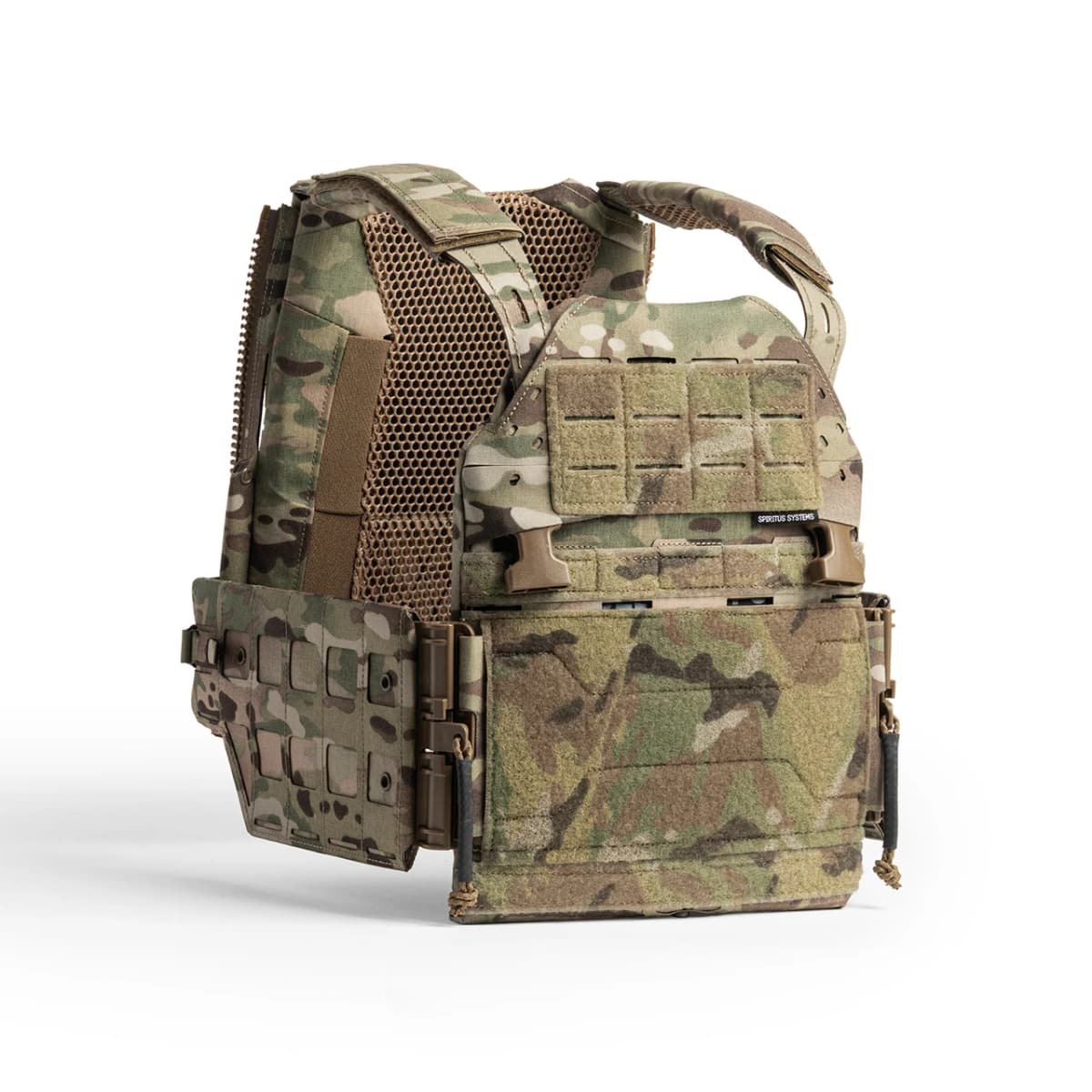
LV-120 Plate Carrier Kit
- M weight 2.03 lb (32.5 oz), including cummerbund and shoulder covers
- Reactive Cummerbund: CURV rigid polypropylene chassis with shock-cord tension
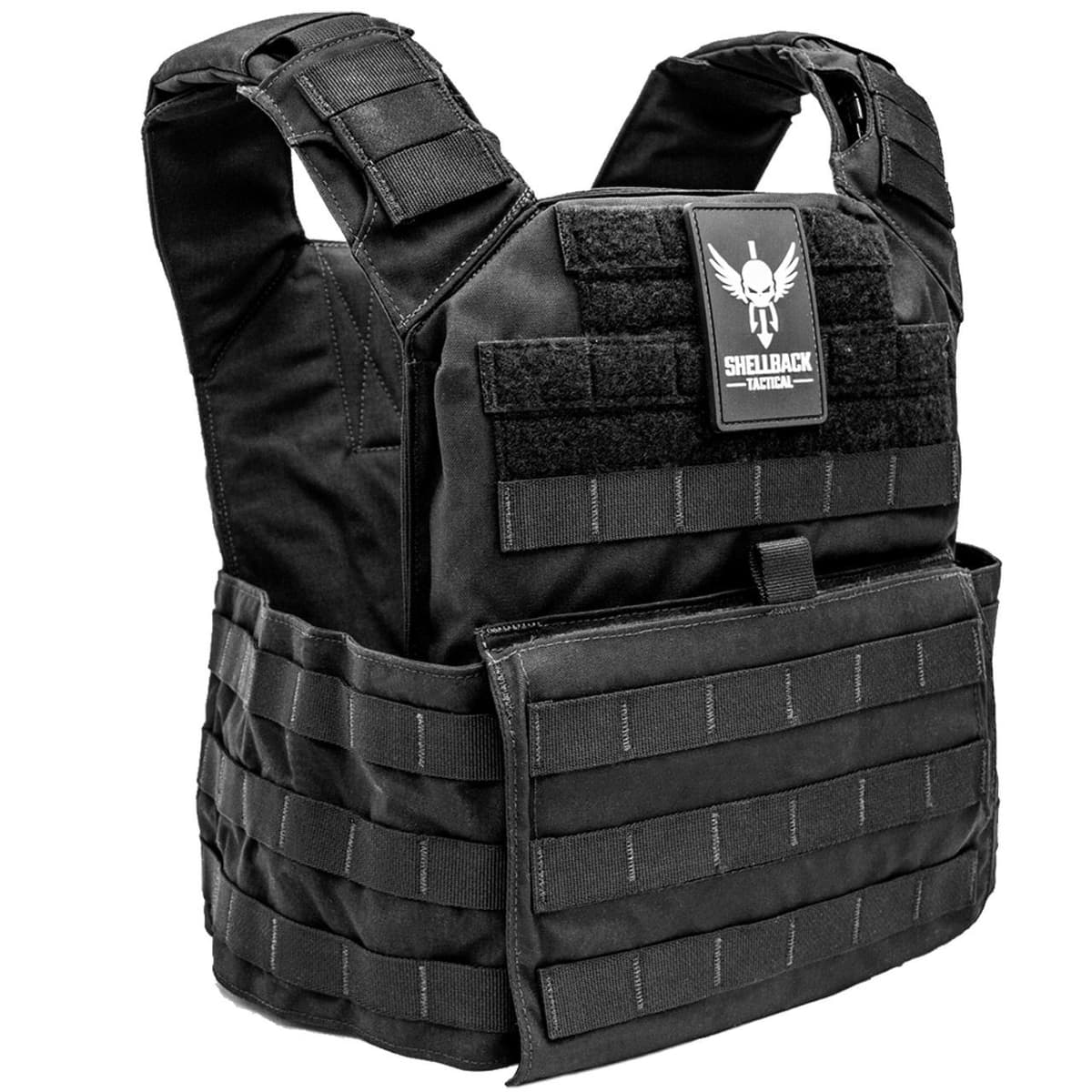
Banshee Rifle Plate Carrier
- MSRP $339.99; current promo $259.99-$284.99
- Sized for 10x12 shooter's cut or SAPI cut plates
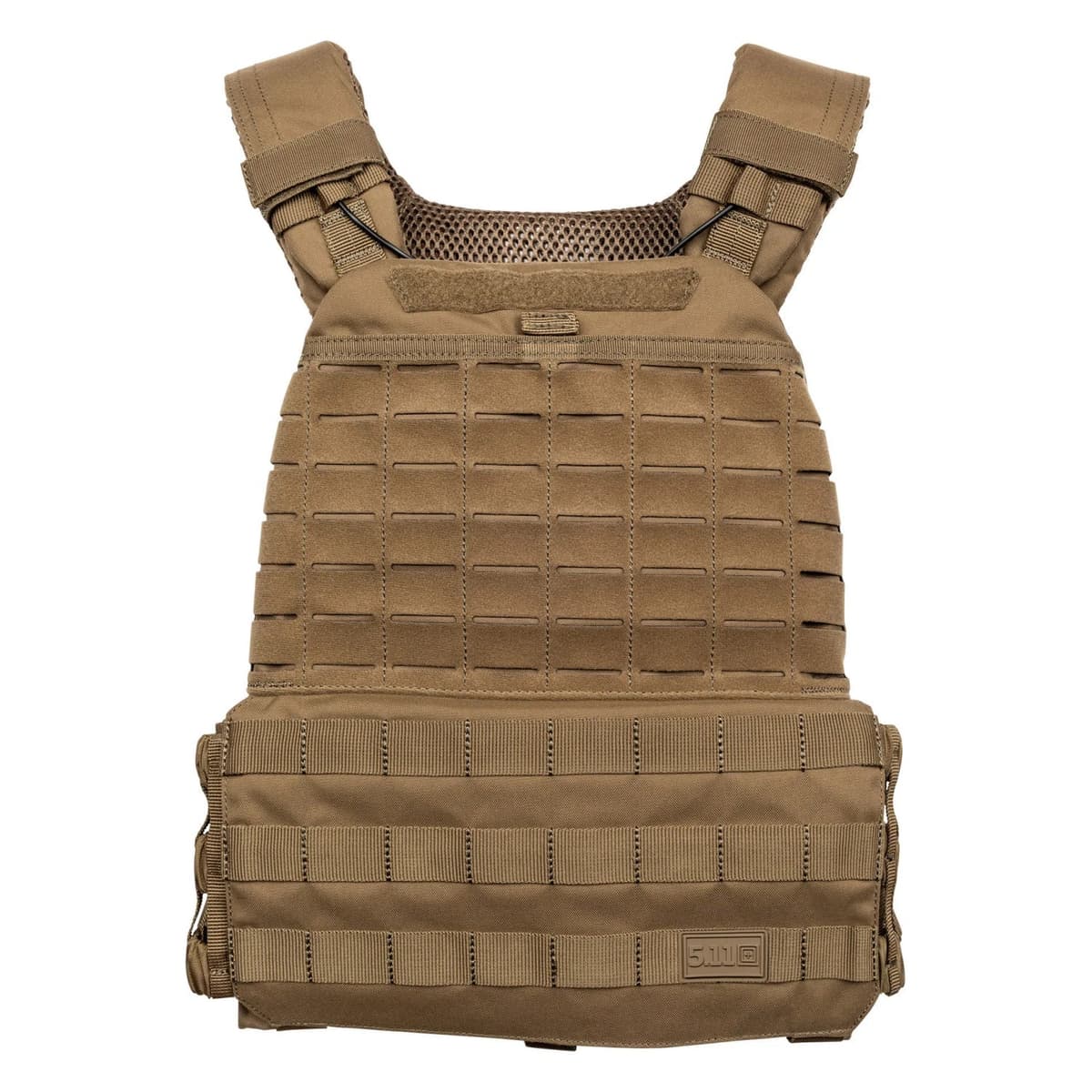
TacTec Plate Carrier
- Current price $149.49 (sale) / $250 MSRP
- Sized for ESAPI M (12.5x9.5) and L (13.25x10.25); fits Rogue weight-vest plates
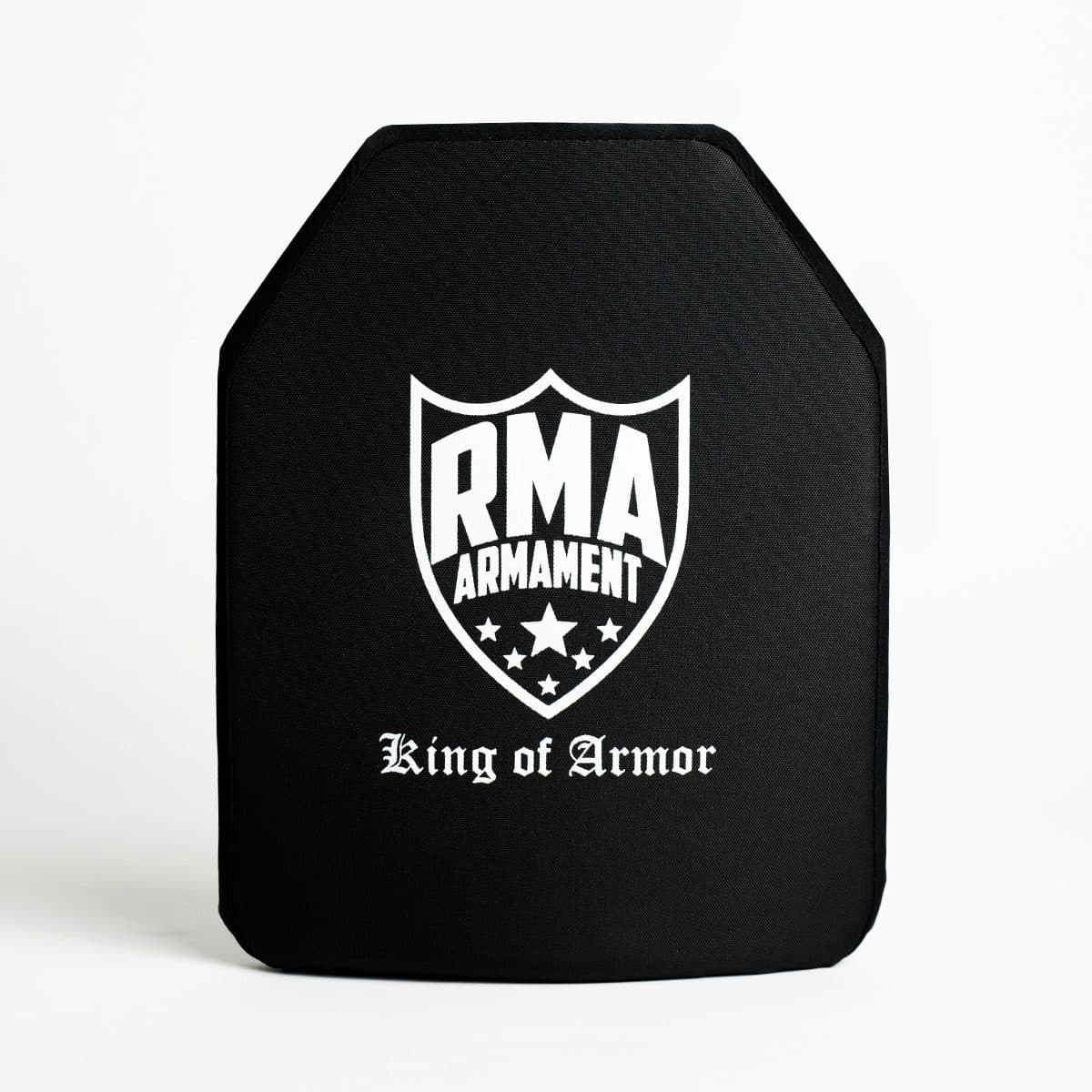
ESRT Ultra-Thin Level III+ Special Threat Plate
- Special Rifle Threat tested (III+)
- Defeats M855A1 steel-core penetrator
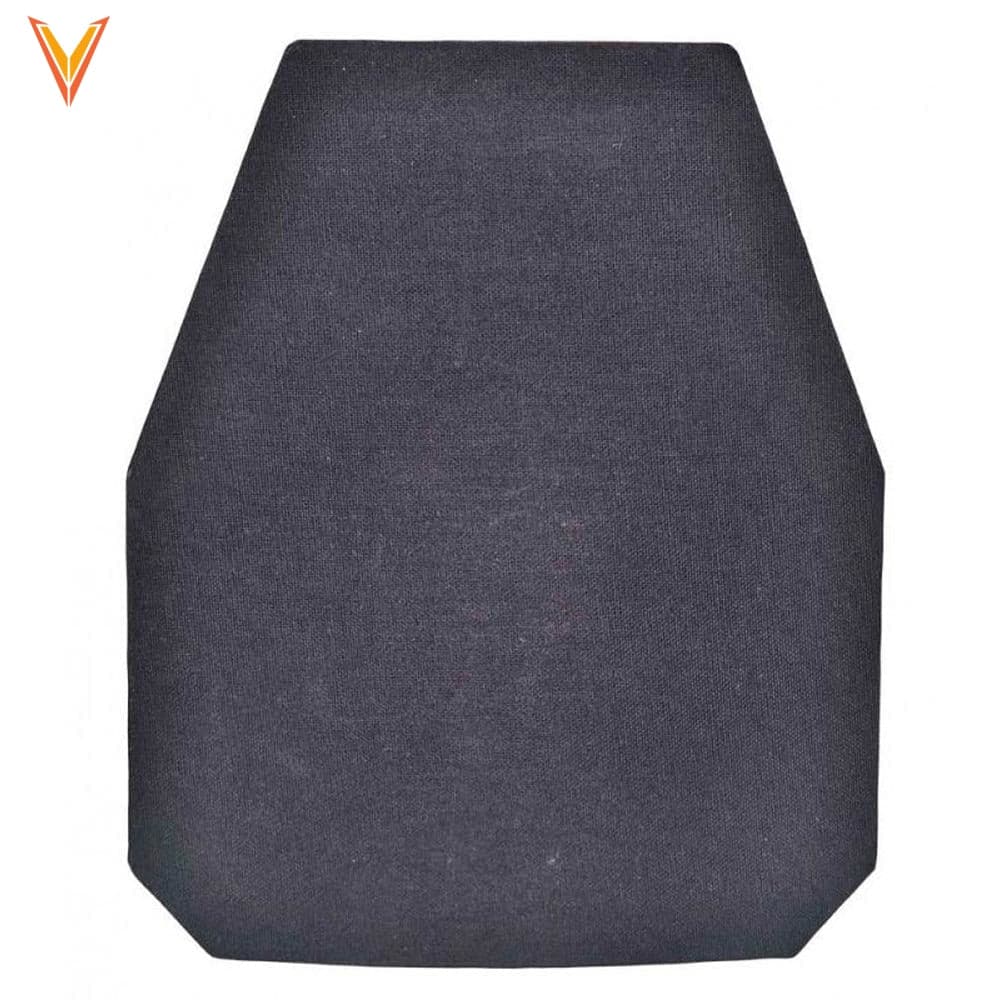
PSA4 Level IV Stand-Alone Plate
- Level IV Stand-Alone
- Weight: 6.8 lb (10x12)
Affiliate links (?)
The Rifle: AK-74 Baseline, 5.56 Arriving Alongside
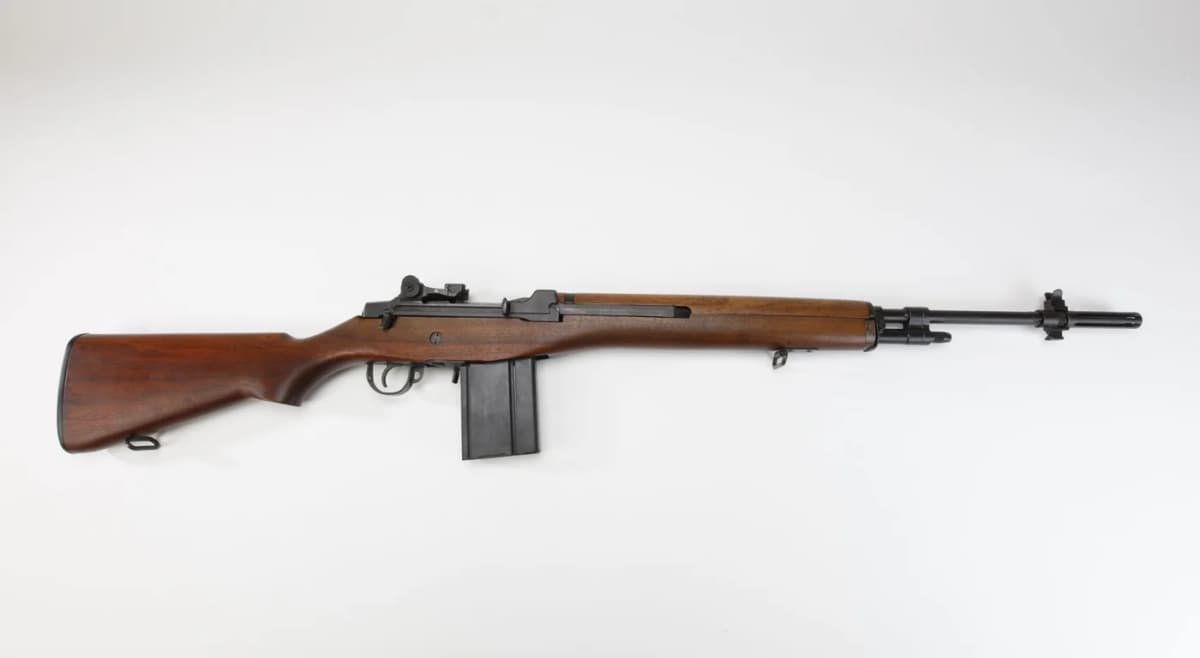
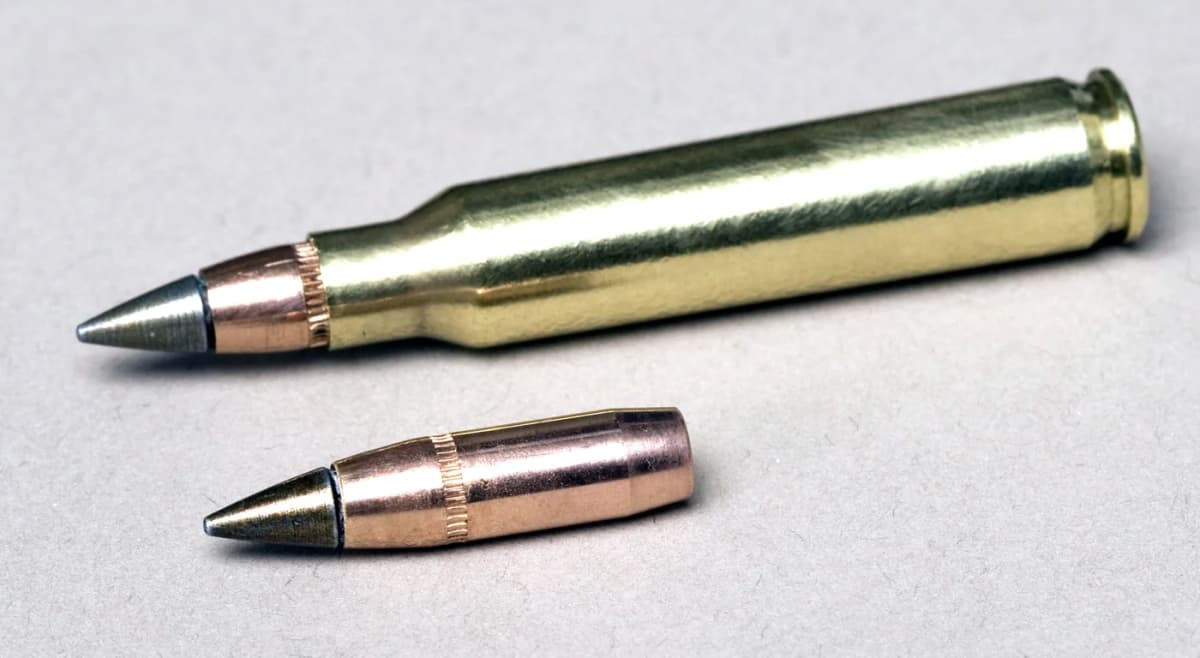
The AK-74 in 5.45x39mm is still the rifle a Ukrainian infantryman is handed, and Ukraine restarted domestic production of 5.45x39mm and 5.56x45mm small-arms ammunition rather than choosing between them. The NATO-caliber rifles are real but they arrive in layers: the 5.56x45mm UAR-15, built by Ukrop LLC under the Zbroyar brand, was adopted by the Armed Forces in February 2023 and picked up three special-operations variants in November 2023 (UAR-15S, UAR-15S1 and UAR-15SM) differing mainly in barrel length, with a rated barrel life of around 10,000 rounds. Ukraine signed an agreement with Ceska zbrojovka on 16 July 2024 to localize CZ BREN 2 assembly and then move to full production. Haenel MK 556 rifles went to special operations units.
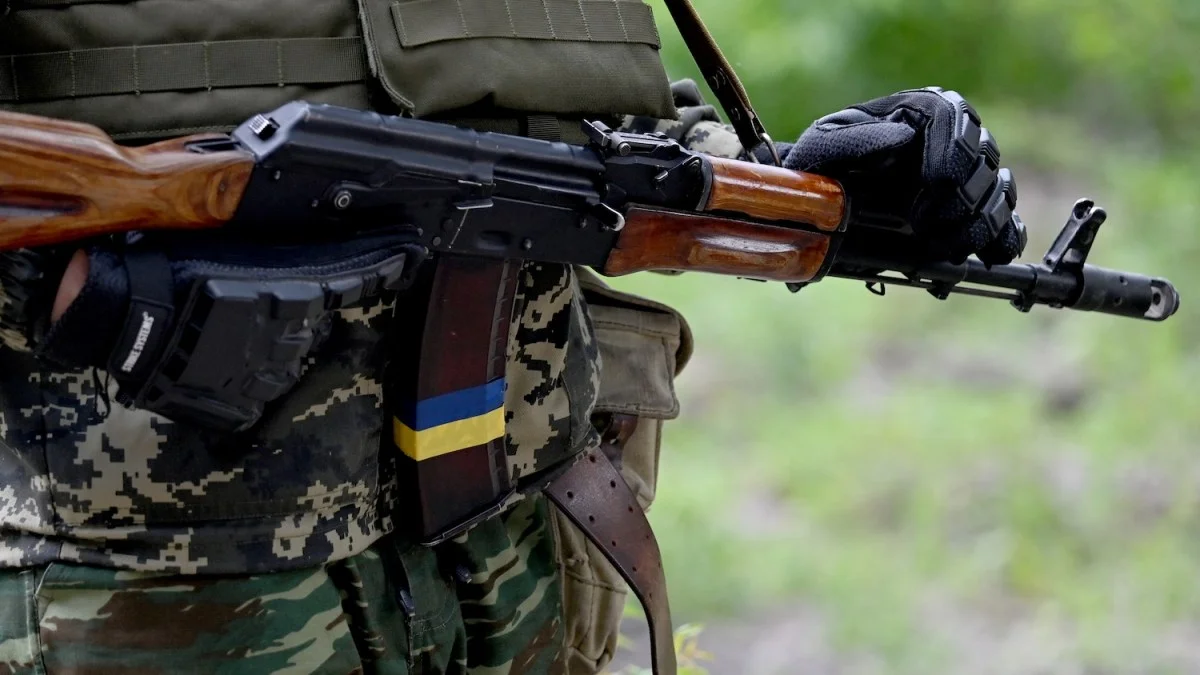
Optics are in service without being universal. The Ministry of Defence codified thermal imaging sights for small arms and heavy machine guns in the first half of 2025, and plenty of issued AK-74s still run the factory irons. Mounting a dot on an AK is the same problem an American owner solves, and it is why the side-rail mount exists: a two-piece lower and upper clamped to the receiver's side rail, matched to the receiver pattern, puts a micro dot over the bore without touching the dust cover. Our AK accessories and upgrades guide walks the mount-height math, and you can dry-fit the whole combination in the rifle builder before spending anything.
AK Side Mounts and Rifle Red Dots
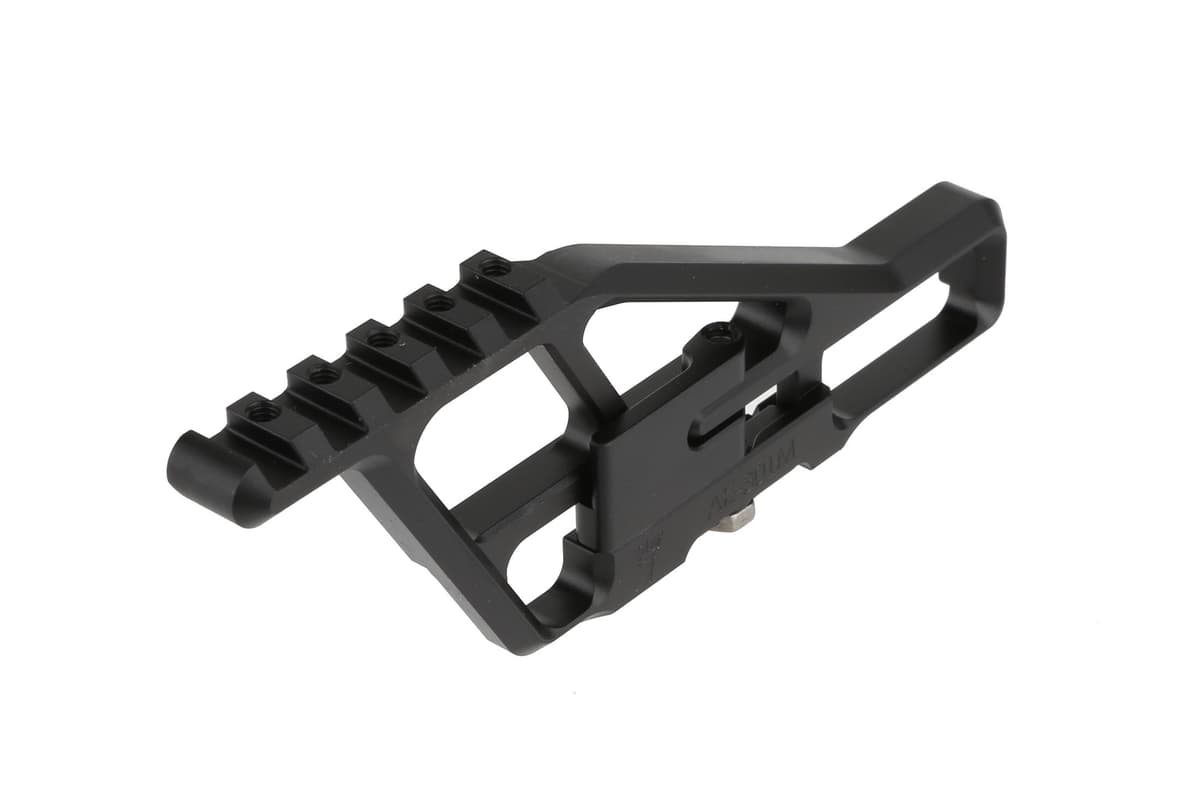
RS Regulate AK-301M Front Biased Lower Side Mount
- AKM side-rail lower
- Front biased
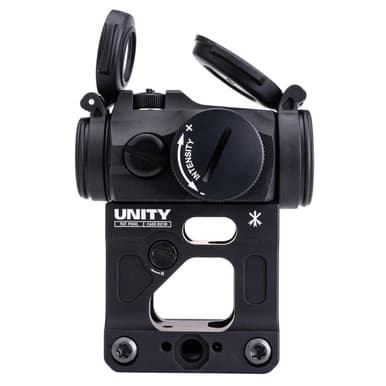
Aimpoint Micro T-2
- 2 MOA dot
- 50,000 hour battery
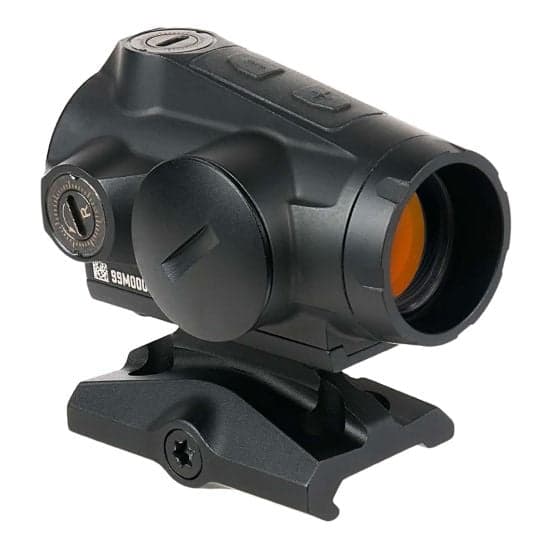
Sig Sauer Romeo 5 Gen 2
- 2 MOA dot
- MOTAC shake-awake

Holosun AEMS Core X2
- 2 MOA dot
- 50,000 hour battery
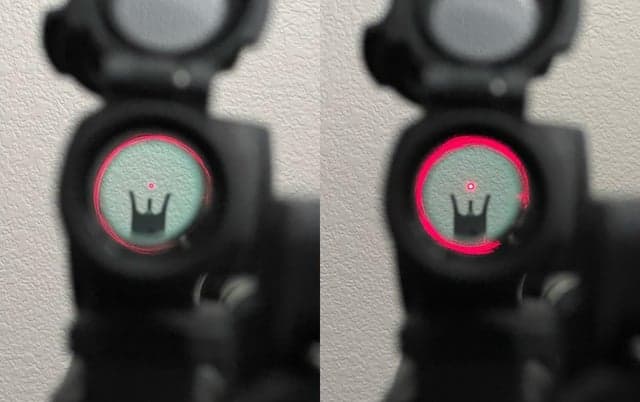
Aimpoint Duty RDS
- 2 MOA dot
- 30,000 hour battery

EOTech EXPS3
- Holographic reticle
- Night vision compatible
Affiliate links (?)
Hearing Protection and Comms: The Layer Nobody Issues
Electronic hearing protection is not part of the published Ukrainian equipment set, and the bill for that is already being paid. On 17 December 2025 the General Staff detailed the state program supplying veterans and serving personnel with free hearing aids, noting that more than 24,400 OTICON units from Denmark had already been purchased, available even before disability status is established.
What soldiers do buy is chosen for radio compatibility first. Ukrainian units run Motorola and Hytera commercial handhelds alongside the domestic Himera radios built specifically to survive Russian electronic warfare, so a headset earns its place by taking a push-to-talk adapter for whatever radio the platoon actually has. Noise reduction is the second criterion, not the first.
The civilian shelf is the same shelf. The MSA Sordin Supreme Pro-X at $319 and the 3M Peltor ComTac V are the two headsets that show up on helmet rails everywhere, and the Earmor M31 is the budget answer that made active muffs cheap enough to be disposable. Our ear protection guide ranks the whole field by NRR and comfort under a helmet.
Electronic Hearing Protection
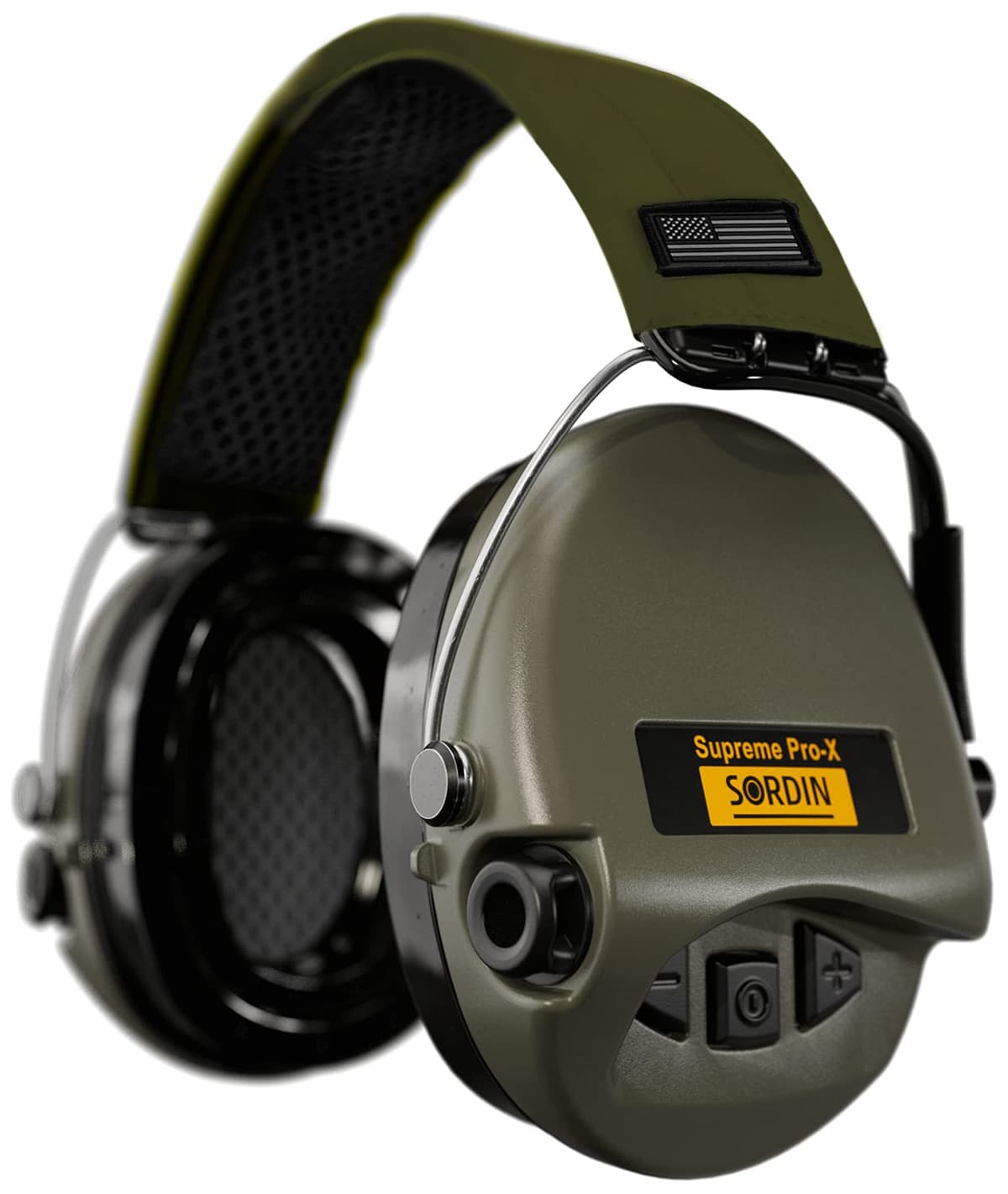
Sordin Supreme Pro-X LED Electronic Headset
- NRR 21 dB / SNR 27
- Environmental listening (talk-through)
ComTac V Hearing Defender
- NRR 23 dB
- Environmental listening (talk-through)
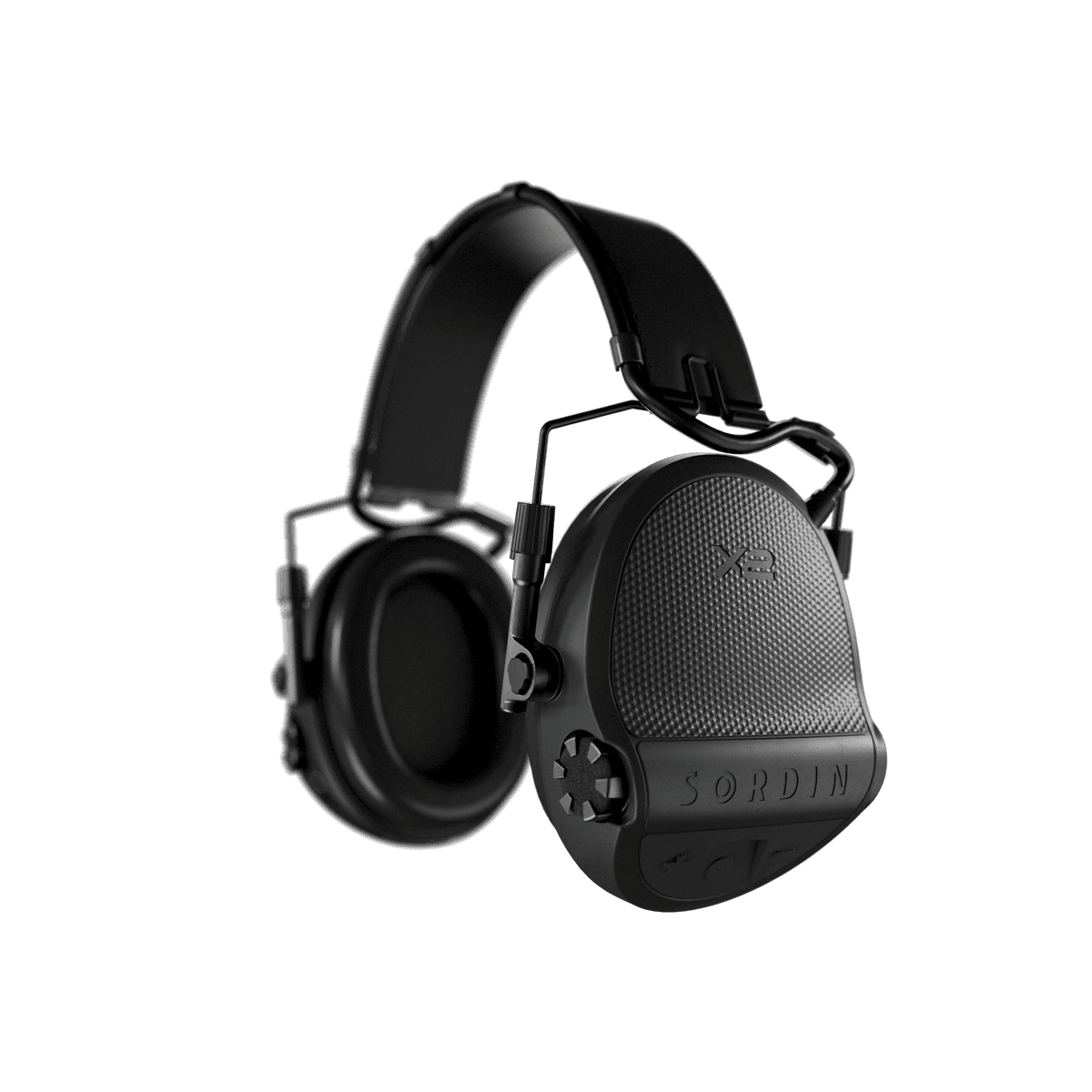
Supreme X2 Electronic Headset
- SNR 29 (High 31 / Medium 27 / Low 22)
- Sound limit: 82 dB(A)
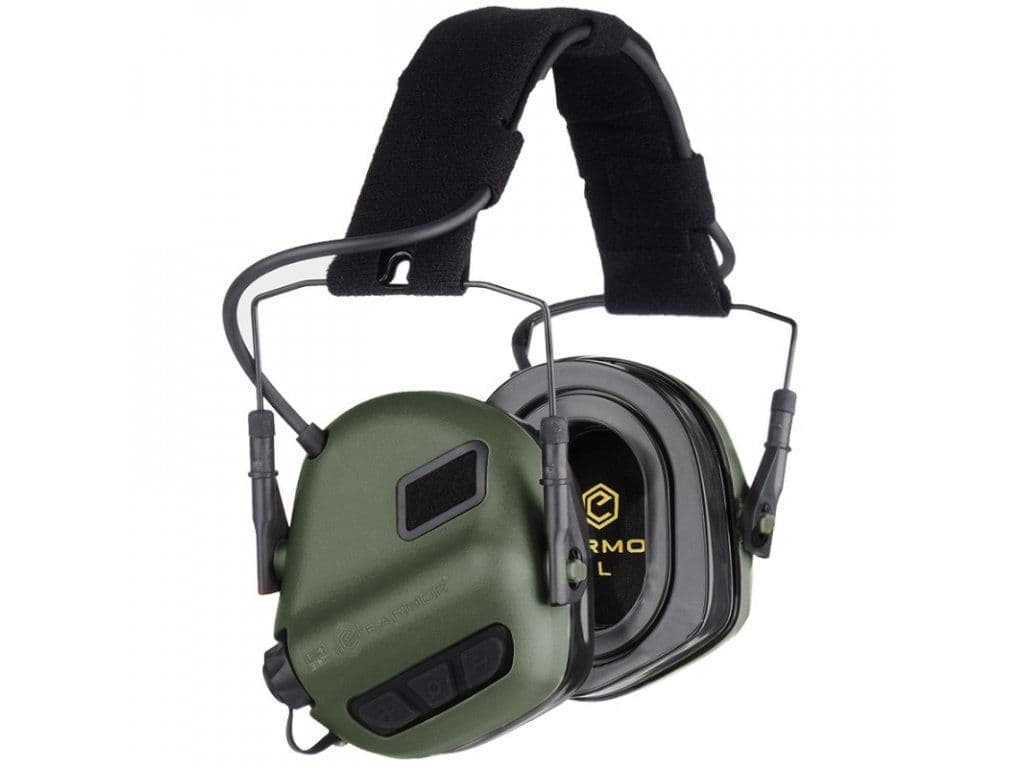
M31 PLUS Electronic Ear Muff
- NRR 22 dB
- Impulse suppression under 0.1 s above 82 dB
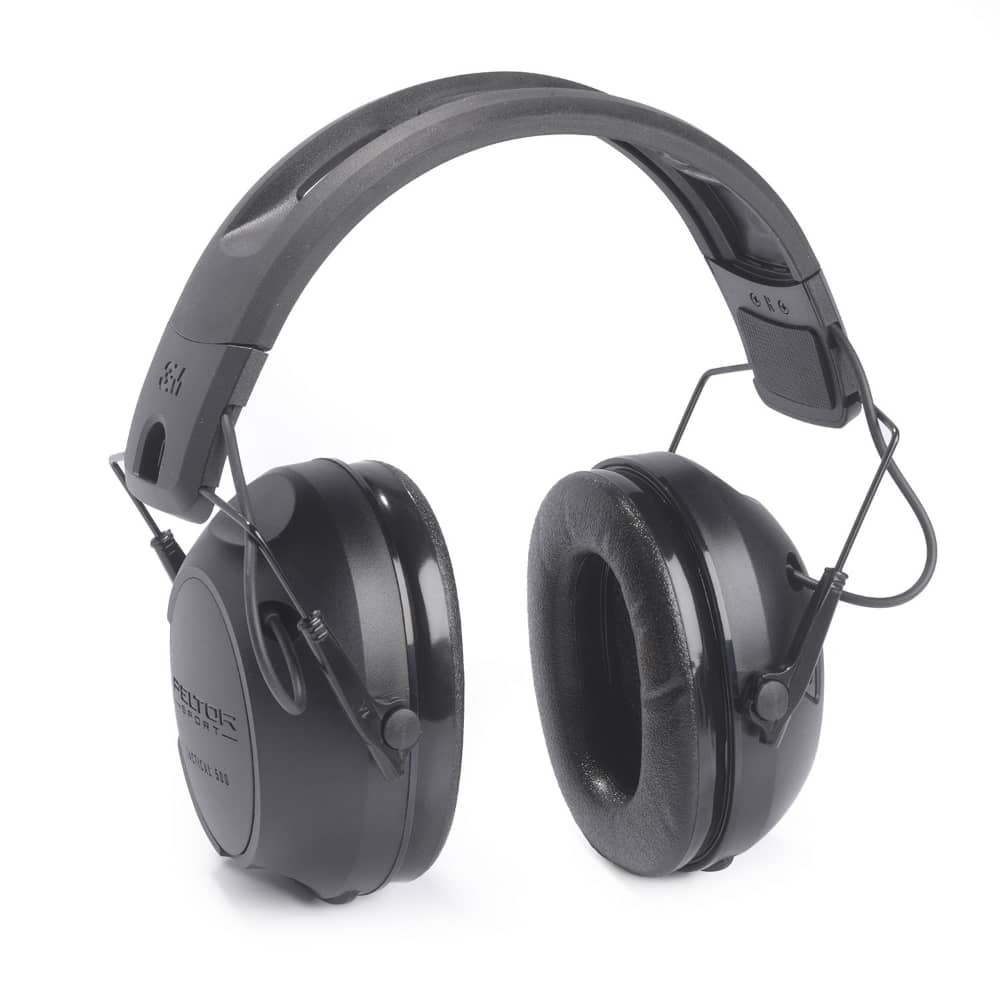
Sport Tactical 500 Electronic
- NRR 25 dB
- Bluetooth wireless
Affiliate links (?)
Night Vision: Still the Scarcest Item on the List
Night vision is the one layer of the Ukrainian loadout that has never been reliably issued, and the volunteer sector has carried it. In October 2024 the Serhiy Prytula Charity Foundation, Serhiy Sternenko's community and monobank handed 500 PVS-14 Gen-3 monoculars to Special Operations Forces under the Nightmare fundraiser, with another 500 planned for Marines and Air Assault units, against a UAH 160 million target for 1,000 devices. A single fundraiser covering a thousand monoculars tells you the scale of the gap.
The state answer arrived in February 2026 and it is domestic. On 18 February 2026 the Ministry of Defence approved the MT-GEKKO-PRO-40 and MT-GEKKO-PRO-50 monoculars for service after combat testing, citing detection of personnel beyond 400 meters and vehicles at nearly 2,000 meters. Both run handheld, helmet-mounted or weapon-mounted, and the Ministry's stated argument for them is price: cheaper in most cases than the imported equivalents, which is what matters when the requirement is measured in tens of thousands of units.
For a civilian the PVS-14 is still the reference device and the reason is the same one it is in Ukraine: one tube, helmet or handheld, and an enormous accessory ecosystem. Our PVS-14 buyer's guide covers tube specs and what separates a usable unit from a disappointing one, and the night vision setup guide covers the part people underestimate: optic height, IR laser zeroing, and helmet balance once a tube is hanging off the front.
The IFAK: Two Tourniquets, By Regulation
Ministry of Defence Order No. 506 of 24 July 2024 fixes what every Ukrainian soldier carries for trauma, and the defining detail is that it specifies two tourniquets and two hemostatic dressings rather than one of each. The order aligns the kit to TCCC and to the IFAK standard used across NATO armies.
Ukrainian Individual First Aid Kit (MoD Order No. 506)
| Tourniquets | Two, windlass type |
| Hemostatics | Two impregnated hemostatic gauze dressings |
| Pressure bandage | Elastic, minimum 14 cm wide, with absorbent pad and compressed gauze rolls |
| Chest seals | Pair, gel-based, at least one vented |
| Eye injury | Rigid eye shield |
| Combat wound pill pack | Antibiotic (moxifloxacin or levofloxacin), paracetamol, meloxicam |
| Auxiliary | Trauma shears, thermal blanket, nitrile gloves, cloth-backed tape, waterproof marker |
| Documentation | Casualty Card (Form No. 002/o) on moisture-resistant synthetic material |
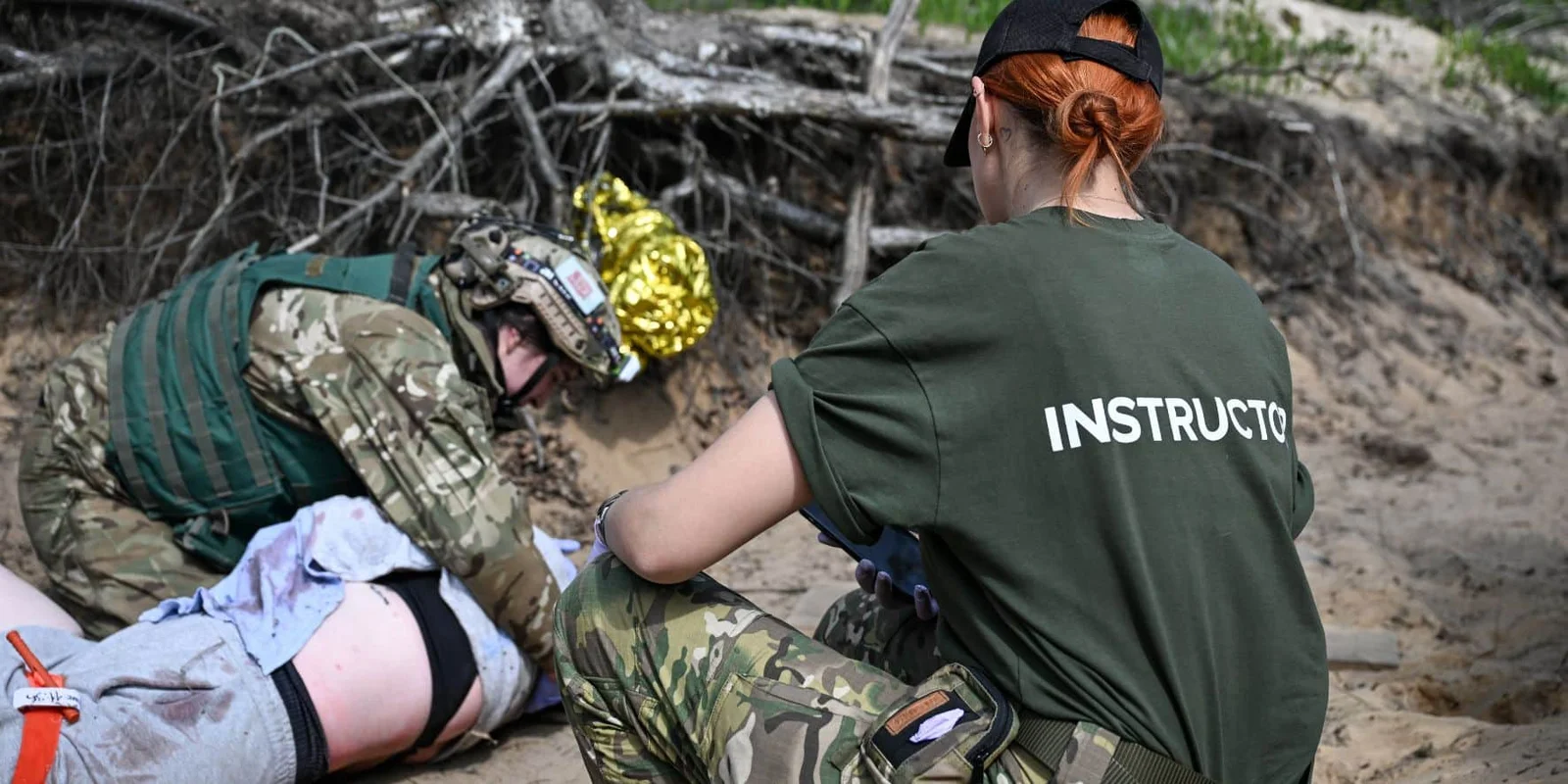
Every item on that list has a direct civilian counterpart, because the sourcing pool is the same one. The North American Rescue CAT Gen 7 at $34.99 and the TacMed SOF Gen 4 are the two CoTCCC-recommended windlass tourniquets, the NAR HyFin Vent Compact is the vented chest seal, and a pre-built pouch like the Blue Force Gear Micro Trauma Kit NOW! is the fastest way to get to the full list without assembling it piece by piece. Our tourniquet and IFAK guide covers the counterfeit problem, which is the one failure mode this list cannot survive.
IFAK Components and Tourniquets
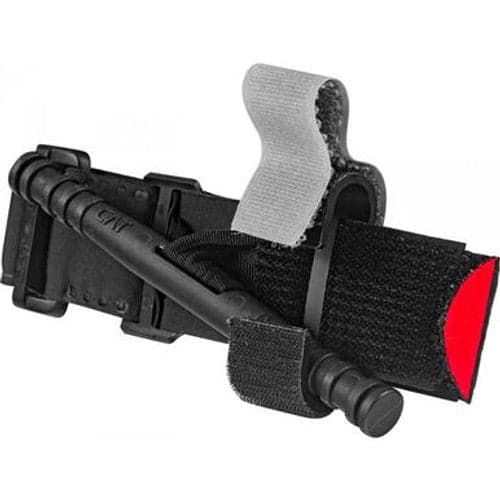
North American Rescue Combat Application Tourniquet Gen 7
- 2.7 oz
- 1.5 in band
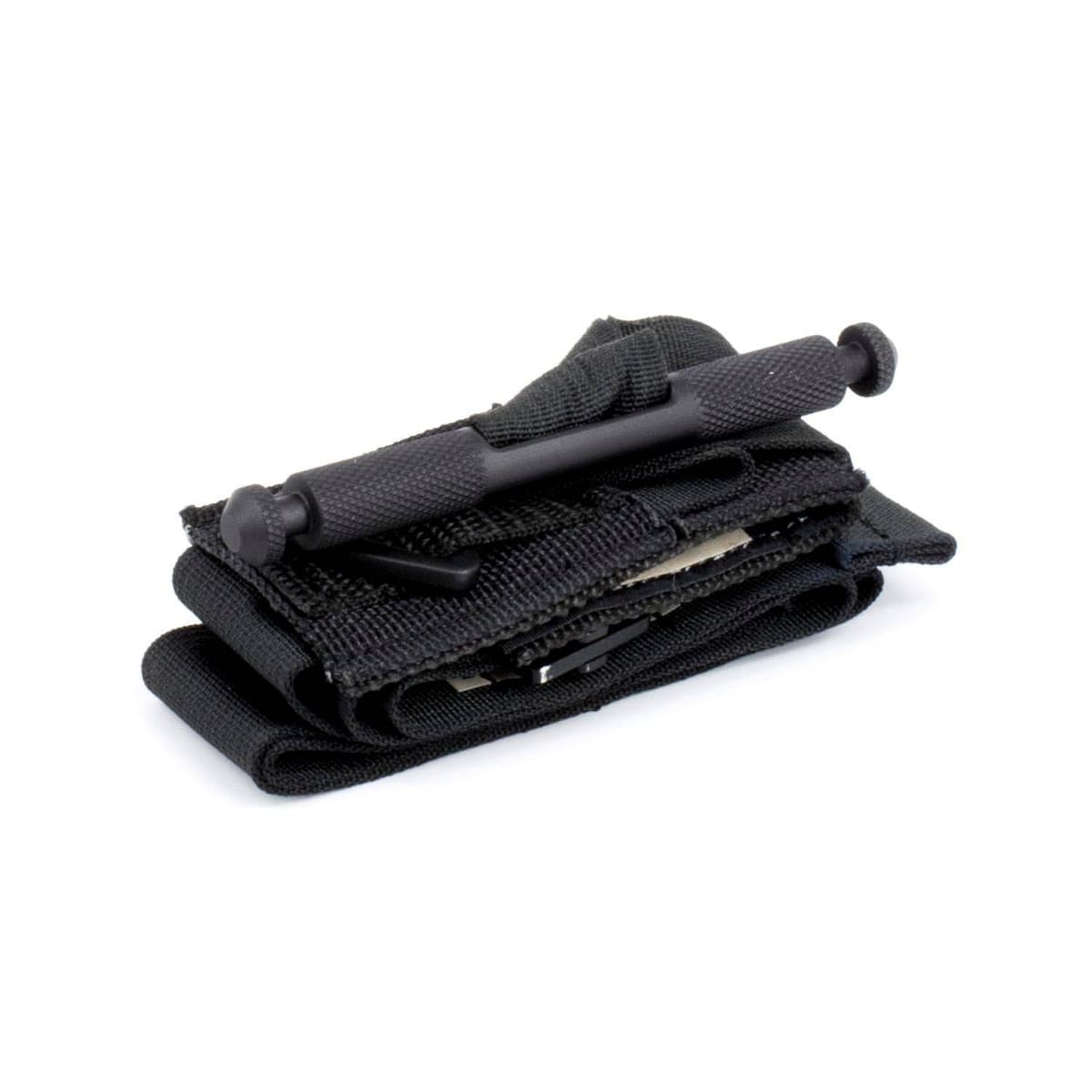
TacMed SOF Tourniquet Gen 4
- CoTCCC recommended
- alloy windlass
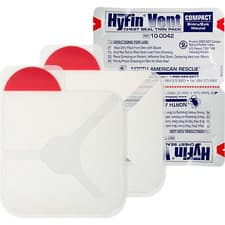
North American Rescue HyFin Vent Compact Chest Seal (Twin Pack)
- Twin pack
- 3-channel vented design
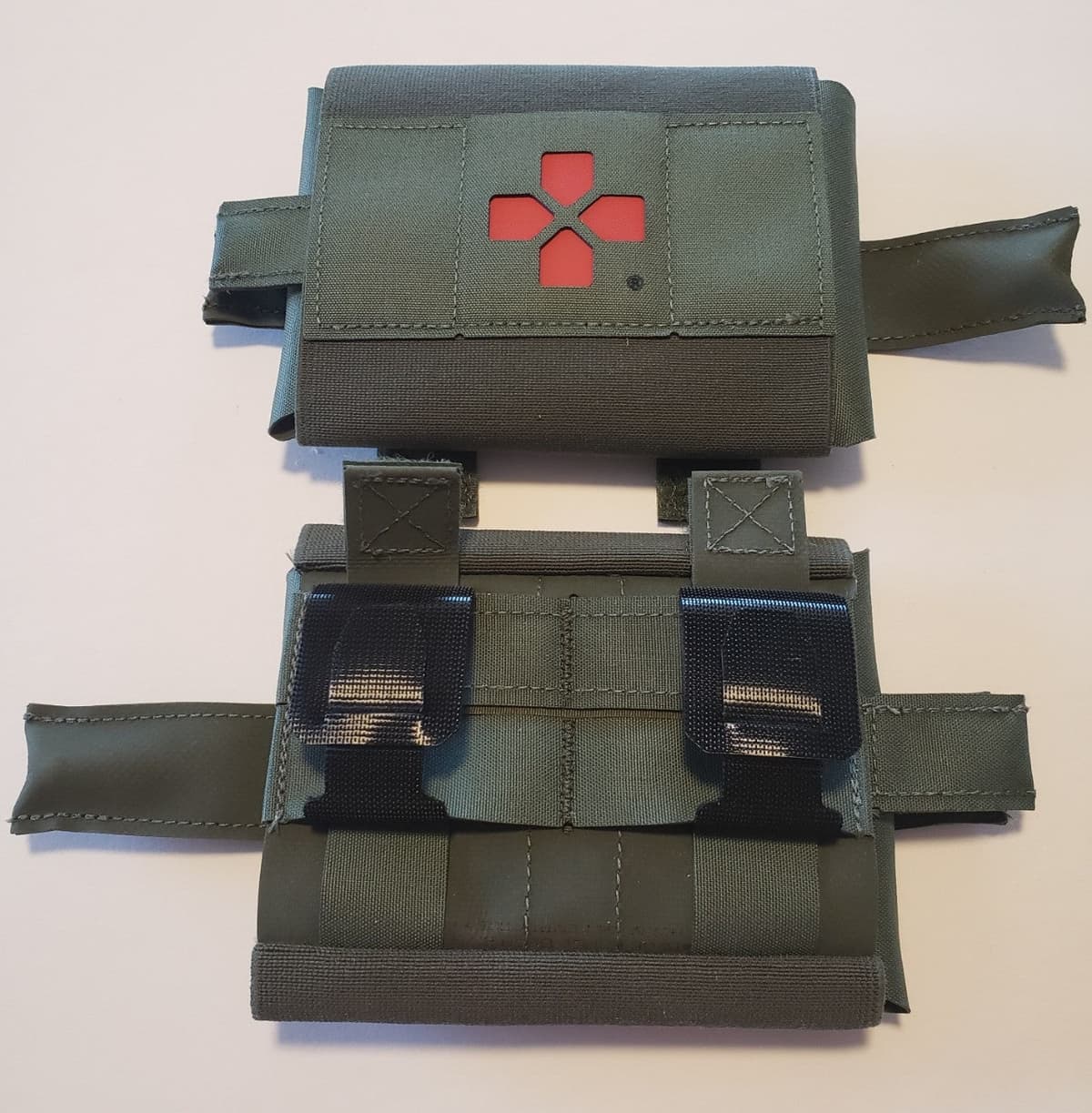
Blue Force Gear Micro Trauma Kit NOW!
- Empty pouch
- Helium Whisper MOLLE
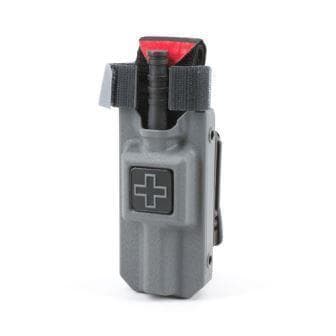
Eleven 10 RIGID TQ Case for C-A-T Gen 7
- Hard polymer case
- friction retention
Affiliate links (?)
Uniform and Load Bearing: MM-14 Out, MM-25 In
Ukraine is replacing MM-14 “pixel” with a new pattern called MM-25, approved for military clothing and equipment production by the Central Directorate for the Development of Material Support. Unofficial military outlets identify MM-25 as a Multicam-derived design, and the Ministry contracted 20,000 sets for 2025 to test production capacity. There is no published transition timeline, and given the size of the force a complete changeover runs for years, so mixed-pattern squads are the normal state rather than a supply failure.
The clothing procurement behind it exceeded UAH 2.5 billion for 2025 and covers summer combat suits in men's and women's cuts, suit pants, combat shirts, tactical knee and elbow pads, and summer scarves. Items in development include combat shirts with elbow dampers, suits with built-in knee pads, and clothing intended to reduce thermal-imager detection. Separately, Ukrainian troops have begun receiving Bundeswehr-issue combat pants and combat shirts made by the German firm Hexonia as Germany modernizes its own individual equipment.
The combat shirt is the one garment in that list a civilian buys for the same reason a soldier does. It is a two-fabric hybrid: a breathable stretch torso panel that sits flat under a plate carrier and tougher woven sleeves that take the abrasion. A shirt made from one blend throughout is styling, not the cut. Our combat shirt guide names which models are genuinely flame resistant, because the FR fabric usually lives only in the torso panel and only on some models.
The New Layer: Every Squad's Drone Kit
The drone is now a supply-line item rather than a unit's pet project. Defence Minister Denys Shmyhal said on 24 December 2025 that Ukraine was on track to receive 3 million FPV drones over the year, roughly 2.5 times the previous year's total, split as 2.4 million through the Defense Procurement Agency and 200,000 ordered by units themselves through DOT-Chain Defence. Most of them are made in Ukraine.
The doctrine caught up in 2025. The Drone Line project, announced in March 2025 with UAH 4.6 billion behind it, put five proven formations (the K-2, Achilles, Rarog and Phoenix regiments and the Birds of Magyar brigade) under a single control vertical and tied them to infantry with the objective of holding a 10 to 15 km deep kill zone along the front. Ground Forces commander Mykhailo Drapatyi put the dependency at “80-90% of frontline defense.”
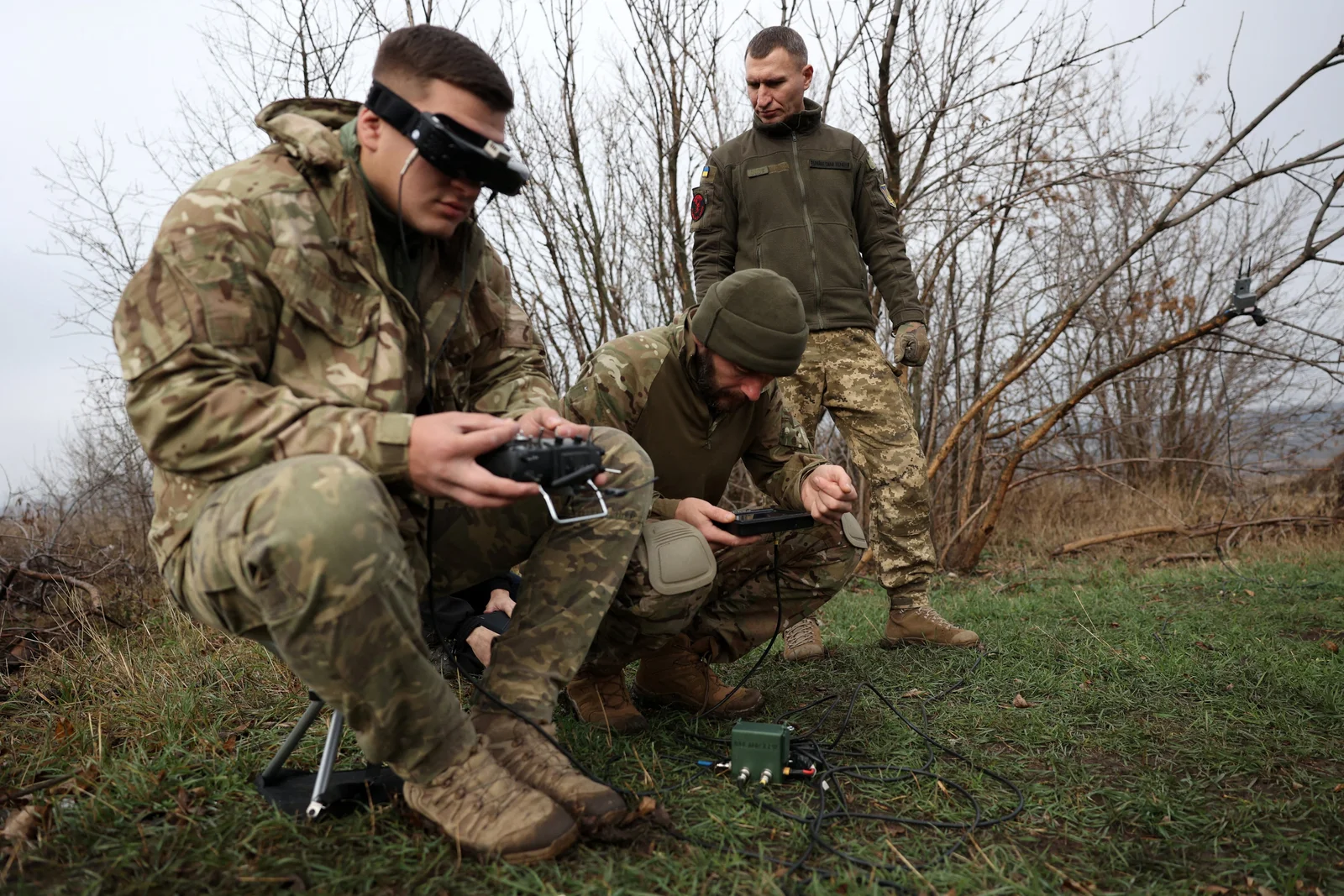
The hardware at the operator's end is consumer FPV gear pressed into service: video goggles, a hobby radio transmitter, a video receiver and antennas, all of it cheap enough to be replaced when the position moves. The goggle even has its own helmet-interface product now, the Adaptiv Defense F.L.I. harness, which hangs an FPV goggle off ARC rails so the NVG shroud stays free. The strike drones themselves increasingly fly on fiber optic guidance where jamming is thick. Above that sits the Mavic-class quadcopter used for close reconnaissance and fire adjustment, which is being replaced by a domestic equivalent; President Zelensky announced on 7 November 2025 that contracts for mass production of a Ukrainian Mavic alternative were being prepared and financed.
The counter-drone layer is arriving in the same personal-kit form. On 29 May 2025 Ukraine's Ministry of Defence codified and approved a domestically produced anti-drone gun weighing just over one kilogram, a monolithic electronic-warfare device meant to be carried by an individual soldier and used to break a hostile UAV's radio and video links. Supply still trails demand: front line units told the Kyiv Independent that anti-drone platoons need ten times the drones they are getting, against a force-wide usage of roughly 9,000 drones a day.
What a Civilian Can Actually Assemble
Four of these layers transfer to the American civilian market as ordinary retail purchases: the helmet, the carrier and plates, the hearing protection, and the IFAK. All four are in our gear catalog with current pricing.
Body armor is not an NFA item and carries no form, stamp or registration. The federal restriction is 18 U.S.C. 931, which bars purchase, ownership or possession by anyone convicted of a felony crime of violence, with a narrow written-employer-condition defense. State law is where the variation lives: Connecticut generally requires an in-person transfer plus a listed permit or certificate under Sec. 53-341b, subject to statutory exemptions, and New York limits purchase and acquisition to eligible professions and generally requires an in-person sale or delivery.
The layers that do not transfer are the interesting ones. Night vision is legal to own but priced where a Ukrainian volunteer foundation and an American buyer face the same math, which is why the PVS-14 is the reference device in both places. And the drone layer does not transfer at all: FAA rules govern what a civilian may fly and where, and nothing about a squad FPV position has a lawful civilian analogue. What does carry over is the lesson the Ukrainian kit teaches about sequencing. The protective core is bought once and correctly; the interface layer, meaning ear pro, mounts, counterweights and pouches, is what actually decides whether the core gets worn.
Stay Updated on Combat Gear and Optics
We cover armor standards, helmet systems, night vision and battlefield equipment trends as they change.