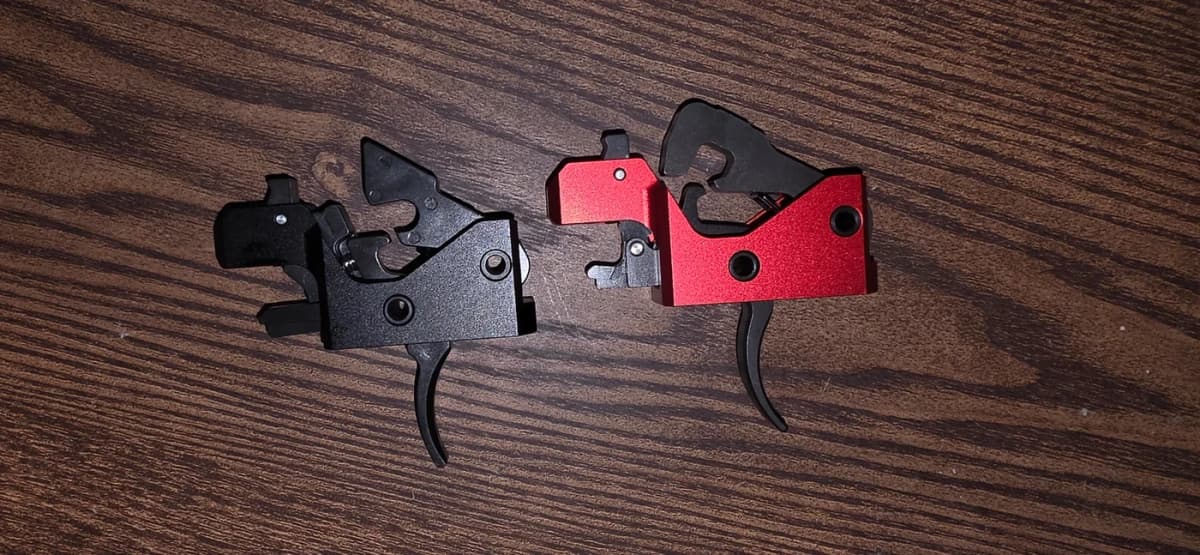
Key Takeaways
- →Filed August 31, 2026. The Justice Department entered a seven-page statement of interest as ECF No. 44 in MDL 3176, In re: Rare Breed Triggers Patent Litigation, in the Eastern District of Texas before Judge Amos L. Mazzant III.
- →ATF's stated position. The filing opens its argument with the sentence "The ATF has an interest in limiting the sale and distribution of FRTs," and concludes that public interest "should be weighed heavily in Plaintiffs' favor."
- →Patents, not the NFA. Cargill did not resolve whether FRTs are machineguns, and DOJ is backing a patent theory rather than a classification. Seven ABC IP patents do the work, including the '247, '223, '003, '336, and '807.
- →Sellers are defendants too. The MDL was originally captioned In re: Super Safety Patent Litigation, and the defendant roster runs past manufacturers into distributors and retailers, including an OpticsPlanet action moved in from the Northern District of Illinois.
- →One court already granted this, another refused. E.D. Tenn. enjoined the Super Safety on February 11, 2026 and ordered its 3D-print files pulled; D. Wyo. denied the same relief against the Partisan Disruptor two days later.
- →Nothing is banned today. The preliminary injunction motion, ECF No. 7, was still pending when the government filed. The relief sought runs against the accused makers, distributors, and retailers, not existing owners.
What the DOJ Actually Filed
The Justice Department filed a statement of interest on August 31, 2026 supporting the public-interest case for a preliminary injunction against forced reset trigger makers and sellers. It runs seven pages, docketed as ECF No. 44 in MDL 3176, and appears on behalf of the Bureau of Alcohol, Tobacco, Firearms and Explosives under 28 U.S.C. Section 517, which lets the government file in any federal case without asking the court's permission and without a deadline.
The scope is narrow and the government says so. Of the four factors a court weighs on a preliminary injunction, likelihood of success, irreparable harm, balance of hardships, and public interest, DOJ addresses only the last one. "We do not take a position on any of the other factors for granting a preliminary injunction or on the ultimate question of whether the court should exercise its discretion to issue a preliminary injunction," the filing states.
On the factor it does address, the language is not hedged. The Statement section opens: "The ATF has an interest in limiting the sale and distribution of FRTs." It closes by telling the court that "Plaintiffs' patent enforcement actions would support ATF's public safety efforts, if successful in enjoining use of FRTs by third parties," and that public interest "should be weighed heavily in Plaintiffs' favor." It is signed by Assistant Attorney General Brett A. Shumate, Director Scott Bolden, and Senior Litigation Counsel Walter W. Brown of the Civil Division's Commercial Litigation Branch.
The Devices This Case Is About
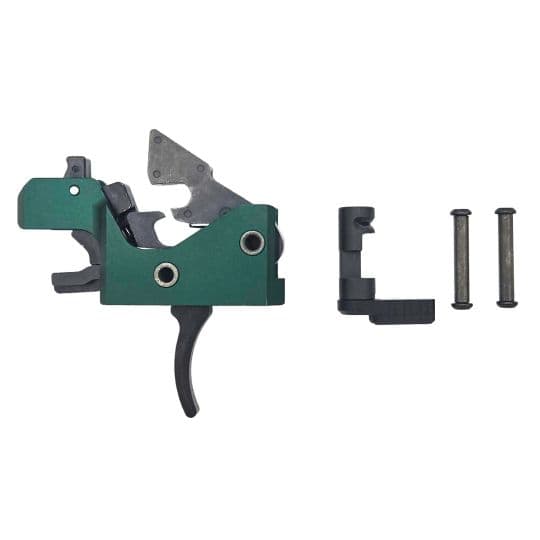
The Triggered Company Partisan Disruptor FRT
- Named by device in the Disruptor actions folded into MDL 3176
- Accused of infringing the '223, '003, '336, and '807 patents
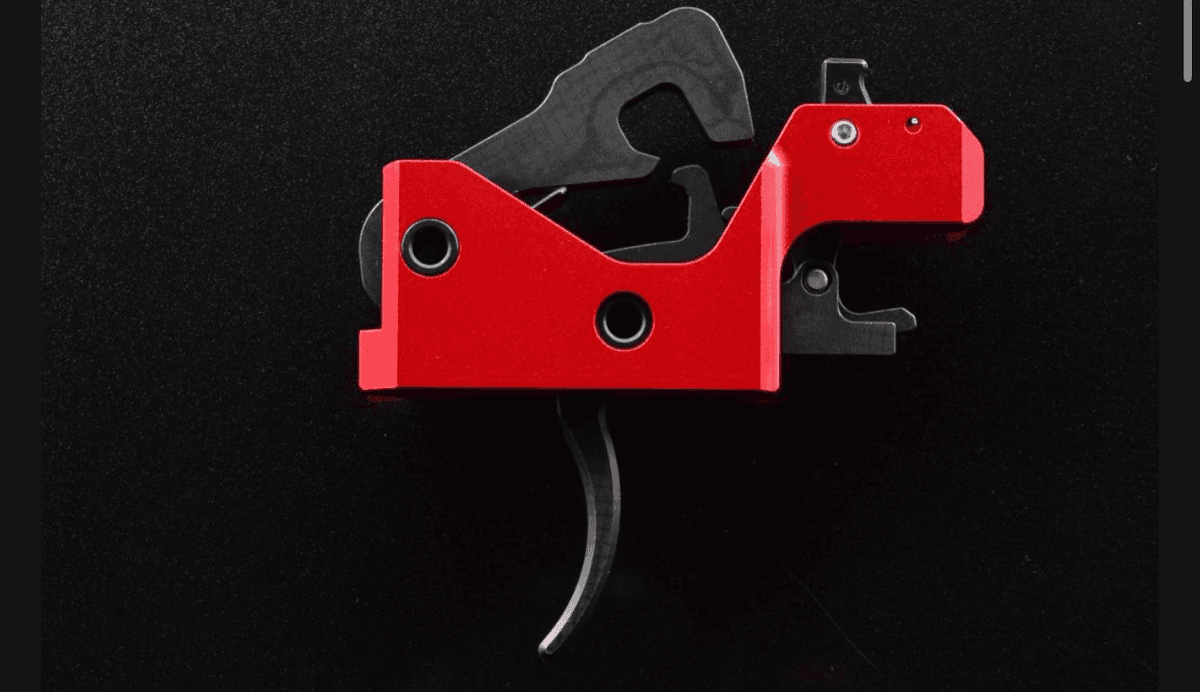
The Triggered Company LAT FRT
- Same maker as the Disruptor, retains a separate reset lever
- 3-3.5 lb pull, lighter and cleaner than the Disruptor break
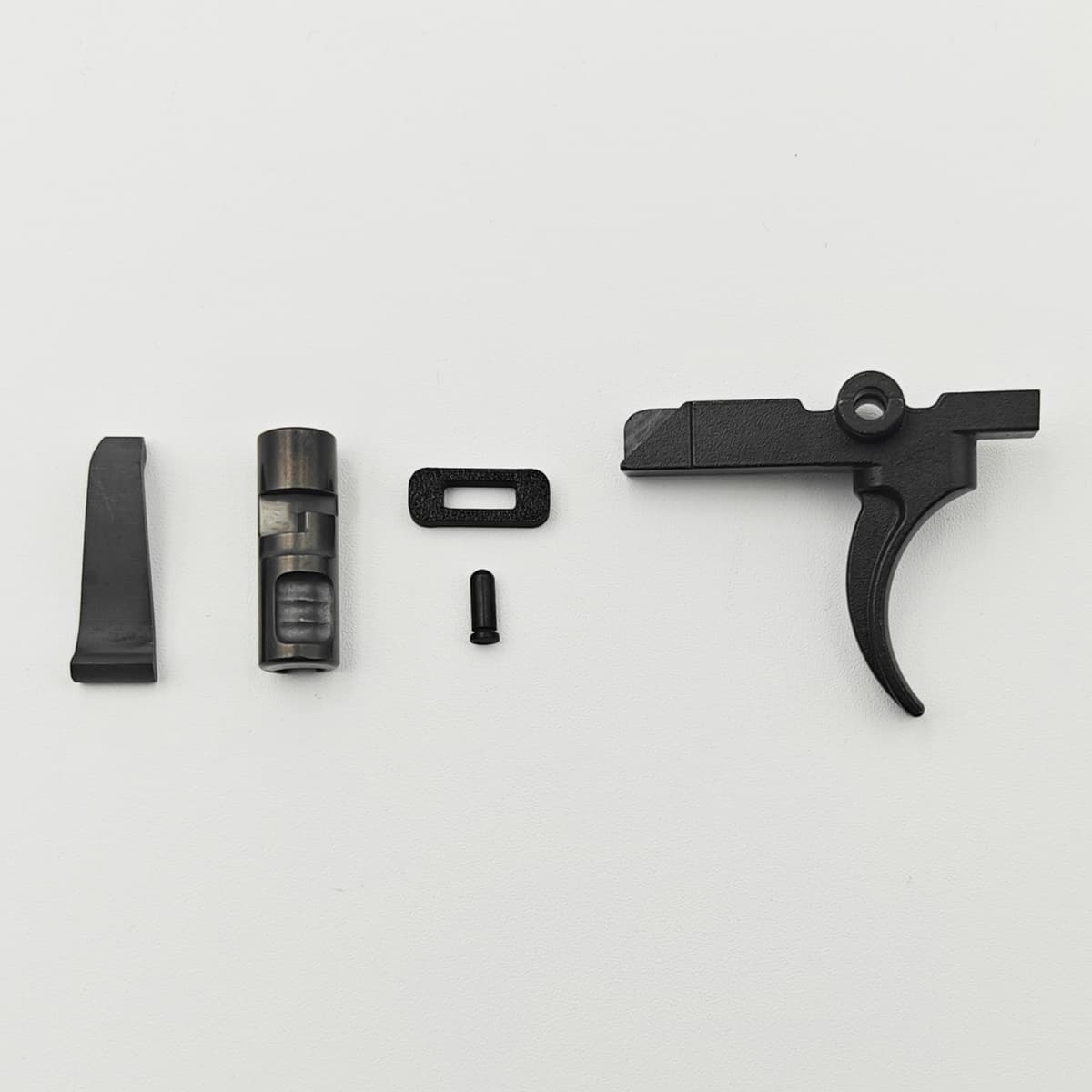
AS Designs M2 Super Safety Kit
- Hoffman Tactical Super Safety pattern, credited by name
- Low-cost way into forced reset shooting; keeps your trigger
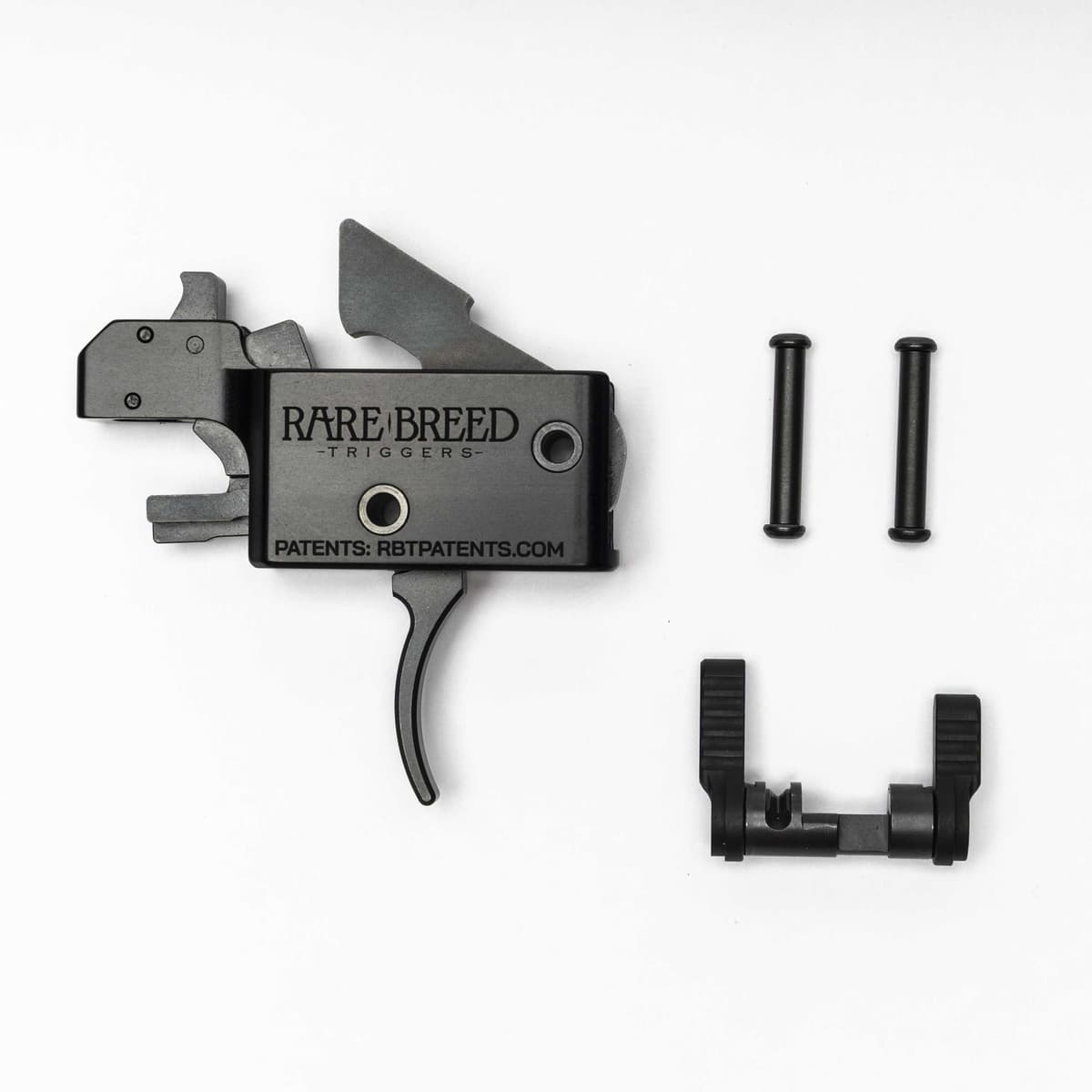
Rare Breed Triggers FRT-15L3
- The patent holder's own trigger, not a target of these suits
- Requires a full-auto-profile bolt carrier group
Affiliate links (?)
Why Patents Instead of a Machinegun Classification
ATF is backing a patent injunction while the machinegun question for these devices remains unresolved in the courts. In Garland v. Cargill the Supreme Court held that a bump stock is not a machinegun under 26 U.S.C. Section 5845(b). That ruling was about bump stocks, and the government's own filing is careful on the point, arguing that "other devices present more even more difficult questions" [sic].
The post-Cargill FRT question is genuinely split, and DOJ lays the split out itself. The Northern District of Texas held in National Association for Gun Rights v. Garland that FRTs are not machineguns, and a Southern District of Texas court reached the same conclusion in United States v. Bruggeman in January 2025. The Eastern District of New York went the other way in United States v. Rare Breed Triggers in 2023. Then, in May 2025, DOJ and ATF settled with Rare Breed and resolved three civil lawsuits rather than litigate the classification question to a conclusion.
That settlement is where the patent strategy comes from. Rare Breed agreed not to develop or design forced reset triggers for use in any handgun, and agreed, in the government's words, to "take all reasonable efforts to enforce its patents and seek injunctions against any person or entity that manufactures, sells, or distributes any FRT." DOJ's press release frames that obligation as enforcing the patents "to prevent infringement that could threaten public safety." Whether a given competitor infringes is the question the MDL exists to decide; the settlement is what commits Rare Breed to keep asking it.
Two Courts Already Ruled, and They Disagreed
An injunction of exactly this kind has already issued once. On February 11, 2026, Judge Curtis L. Collier in the Eastern District of Tennessee granted a preliminary injunction against Timothy Hoffman and Hoffman Tactical after a three-day evidentiary hearing, finding that the public interest "weighs heavily in favor of an injunction" and citing the government's January statement. That order bars making, using, selling, or importing the Super Safety, and it goes further than hardware: it orders the design files pulled, requiring Hoffman to remove the Super Safety 3D-print, STEP, and developer-pack files from Odysee and any other download platform and not repost them.
Two days later a different judge reached the opposite result. On February 13, 2026, the District of Wyoming denied the same relief against Peak Tactical, the maker of the Partisan Disruptor, in a 35-page order. That court found the claimed loss of market share "inadequate support for irreparable harm," held that plaintiffs had not rebutted the argument that price erosion is "calculable and redressable by monetary damages," and concluded that "the public interest does not weigh in favor of granting injunctive relief."
Same patents, same settlement, same government position, opposite answers, two days apart. That is the inconsistency the MDL was built to resolve. When the Judicial Panel on Multidistrict Litigation refused in June 2026 to let the Disruptor defendants split off into their own Wyoming MDL, it wrote that their cases were "uniquely intertwined with the other actions centralized in MDL No. 3176 because of Rare Breed's settlement agreement with the Department of Justice." One court has already been persuaded by this argument. The consolidated motion is now pending before Judge Mazzant, who will answer it for every case in the MDL at once.
The Settlement Binds Rare Breed. It Binds Nobody Else.
The reason the government needs an injunction at all is that its settlement reaches exactly one company. DOJ states it plainly: "The settlement agreement, however, does not bind other potential manufacturers, who have not agreed to the same limitations on the sale and distribution of FRTs." Rare Breed promised not to build pistol FRTs. No competitor promised anything, because no competitor was party to the deal.
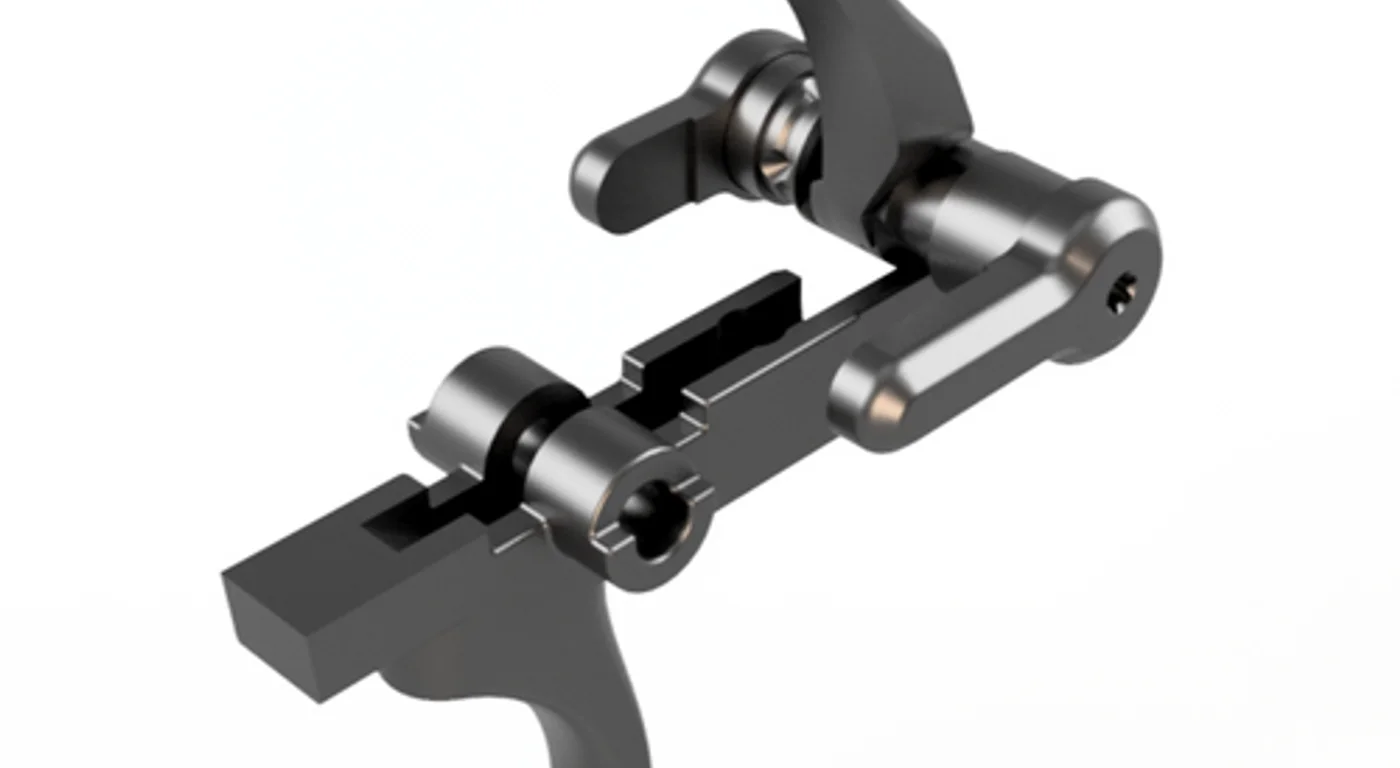
So the government is asking a patent court to impose on the rest of the market what it could only negotiate with one company. The seven asserted patents are the '247, '784, '723, '223, '003, '336, and '807. The lead '247 patent covers a trigger mechanism in which rearward movement of the bolt carrier pivots a cam lobe that forces the trigger back to the set position, described as a drop-in replacement for AR-pattern rifles and pistols installed with two assembly pins and the safety selector.
The Judicial Panel on Multidistrict Litigation noticed the structure. When makers and sellers of the Partisan Disruptor tried to break out into their own MDL in Wyoming, the panel refused on June 4, 2026 and folded those ten actions from eight districts back in, writing that they were "uniquely intertwined with the other actions centralized in MDL No. 3176 because of Rare Breed's settlement agreement with the Department of Justice."
Who Is Being Sued, and Why Super Safeties Are Included
The defendant roster is not limited to trigger manufacturers, and that is the part worth paying attention to as a buyer. Member cases in the Eastern District of Texas name parts makers and retailers alike, including Odin Works, HK Parts, Sports South, Gearfire, Super Safe Solutions, Combat Armory, Orion Arms, Area 51 Products, and 80Mills. An OpticsPlanet action originally filed in the Northern District of Illinois was transferred in under Section 1407 for inclusion in the MDL.
Super safeties are inside this case, not outside it. The MDL carried the caption In re: Super Safety Patent Litigation when the panel centralized it on April 2, 2026, before it was re-captioned under the Rare Breed name. Timothy Hoffman and Hoffman Tactical, whose open-source Super Safety design AS Designs credits by name in its own M2 kit, were defendants in the Eastern District of Tennessee case that DOJ filed a parallel statement in on January 26, 2026, and that case has since been consolidated here.
The Partisan Disruptor is accused by device. Plaintiffs allege it infringes the '223, '003, '336, and '807 patents. Its maker, The Triggered Company, describes the Disruptor as a simplification of the TacCon 3MR that combines the reset lever and main trigger piece into one and adds an out-of-battery safety, which is the shape of a non-infringement position rather than a concession. Defendants are not conceding: Atrius Development Group called the claims against it "false and frivolous" and has filed its own declaratory-judgment suits against ABC IP. Whether those arguments win is the merits question the MDL exists to answer. For our part, the Disruptor review covers how it actually shoots, and the super safety guide covers the selector-based alternatives.
What Changes If the Injunction Issues
A preliminary injunction here would stop manufacture, sale, and distribution by the enjoined parties, which is why the practical effect lands on inventory rather than on owners. Rare Breed asked for that relief in ECF No. 7, and the motion was still pending when the government filed on August 31. Judge Mazzant issued the Rule 16.1 pretrial order on August 28, 2026, so the consolidated case is moving.
The asymmetry is what makes the timing matter. Rare Breed's own triggers are the products the injunction protects. Everything else in the category, the drop-in cassettes from other makers and the selector-based super safeties, is on the other side of the caption. Nothing in the government's filing asks the court to reach past the accused parties to existing owners. If the court grants the motion, the enjoined sellers stop shipping while the case is litigated, and appeals to the Federal Circuit would follow.
If you have been putting off a purchase in this category, the window is the pendency of that motion. Check fitment before you buy rather than after: our FRT compatible guns guide covers which platforms have a working device at all, the AR-15 FRT tuning guide covers the buffer and carrier requirements that decide whether the thing runs, and the FRT and super safety buyer's guide ranks the current field by platform.
More From The Triggered Company
The Triggered Company Partisan Disruptor FRT
- 3.75-4.1lb pull
- Forced reset
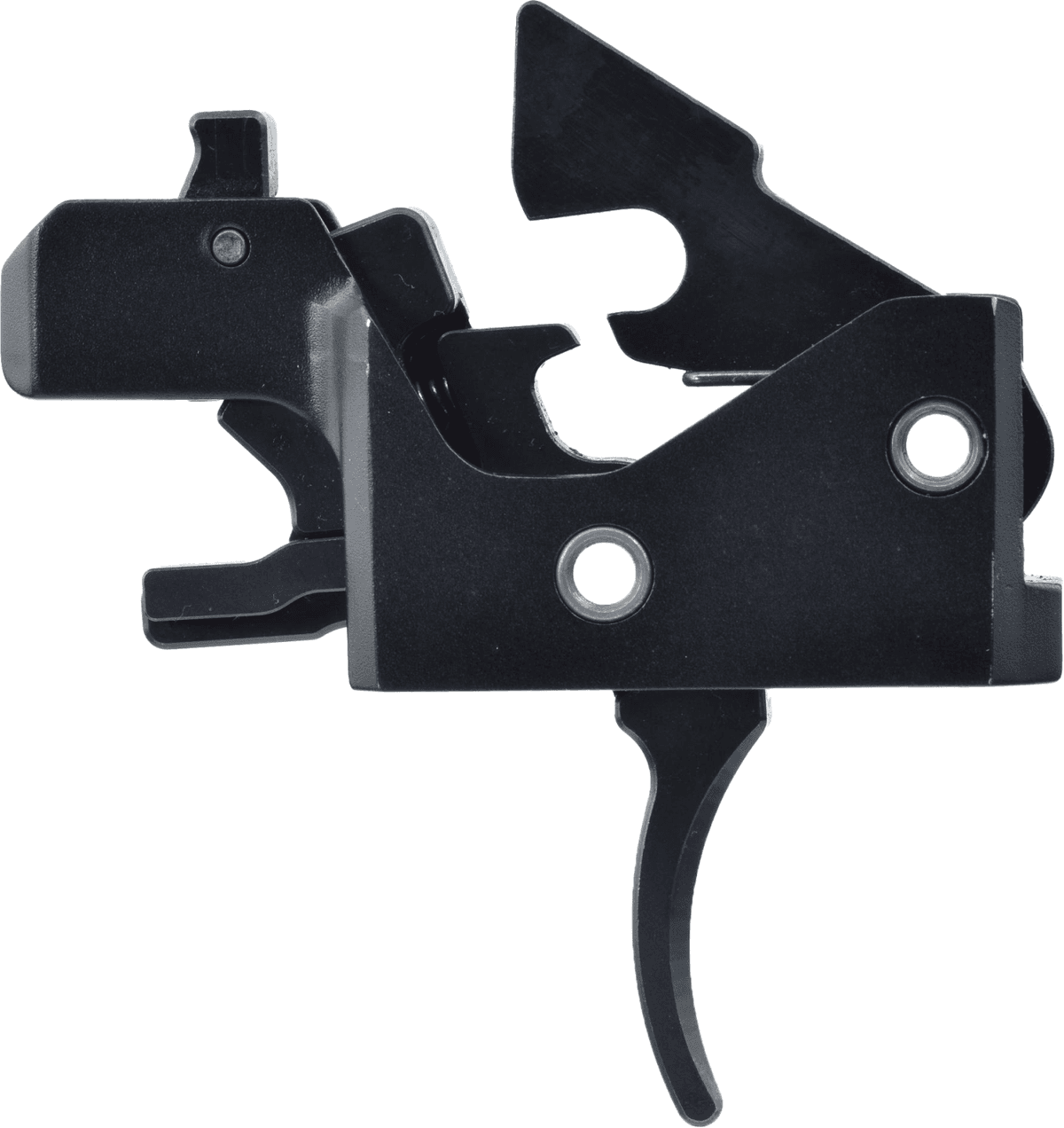
The Triggered Company Disruptor FRT Ambi
- 3.7-4.1 lb pull
- Forced reset
The Triggered Company LAT FRT
- 3-3.5 lb pull
- Forced reset (ARSE)
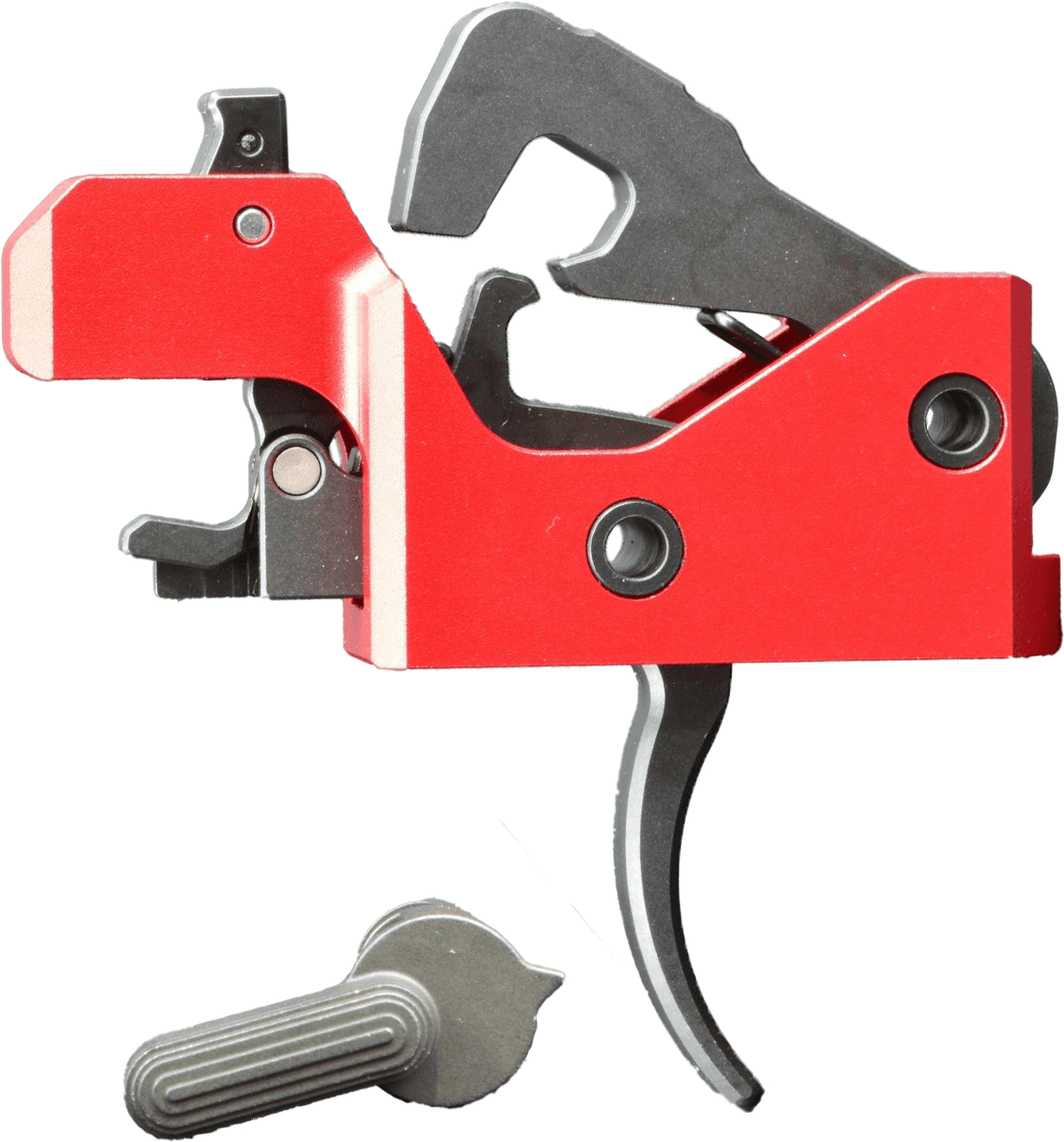
The Triggered Company LAT FRT (Ambi)
- 3-3.5 lb pull
- Forced reset (ARSE)
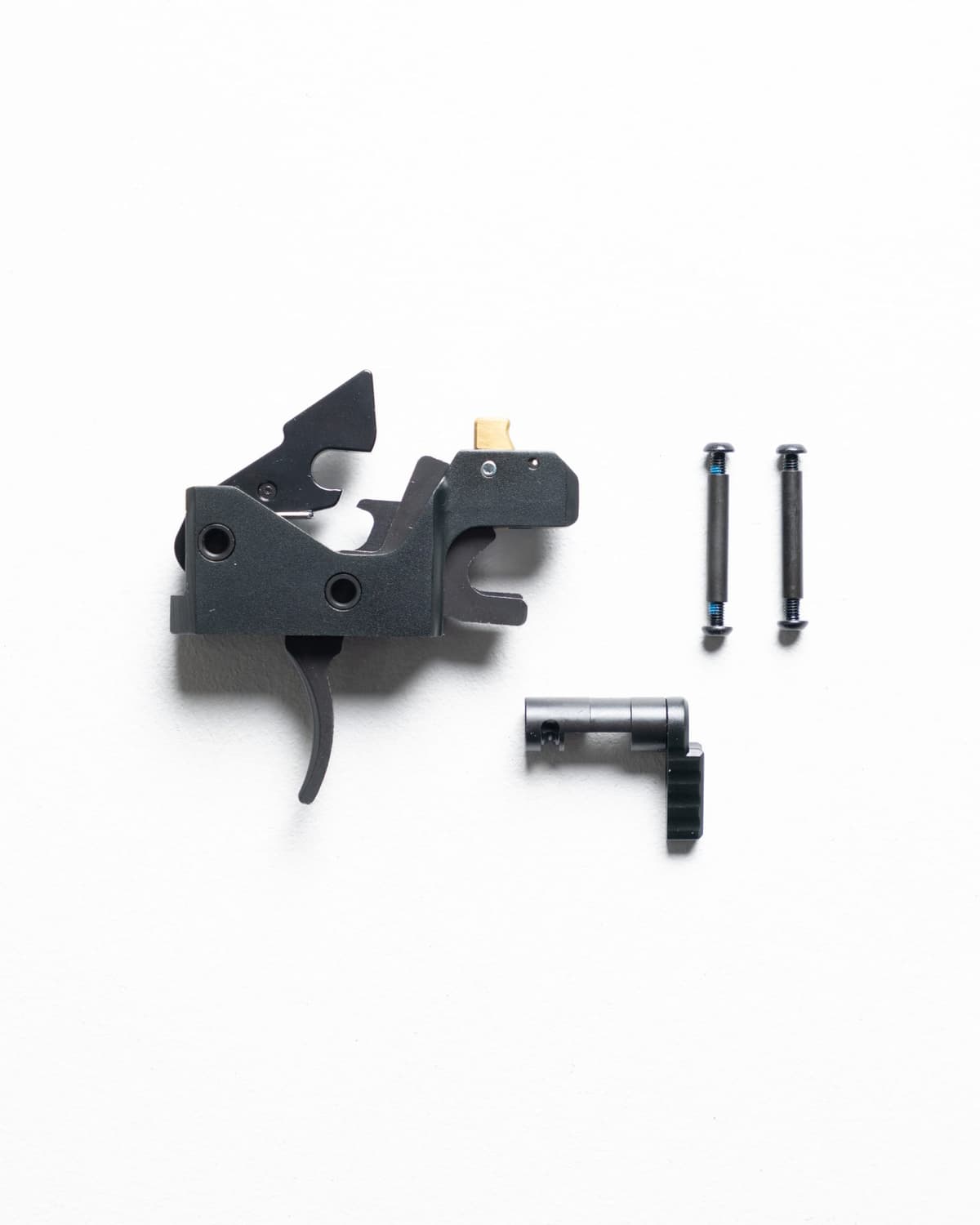
The Triggered Company Assisted Reset Trigger for MFR56
- MFR56-specific extended toggle
- 3.75-4.1 lb pull
Affiliate links (?)
Stay Updated on the FRT Litigation
We track MDL 3176 filings, injunction rulings, and which forced reset devices are still shipping. One email a week, no noise.