Key Takeaways
- →NCIC was breached, per multiple outlets: CNN reported on November 20, 2026 that the FBI is investigating an apparent intrusion into the National Crime Information Center, and Fox News and the Associated Press confirmed it through their own sources the next day.
- →What NCIC holds: warrants, missing persons, protection orders, stolen-gun serial numbers, and records of denied gun purchases, queried by police nationwide every day.
- →NCIC is not NICS, but they are linked: both are run by the FBI's CJIS Division in Clarksburg, West Virginia, and every NICS gun background check searches NCIC.
- →Approved buyers are purged in 24 hours: federal rules require NICS to destroy an approved buyer's identifying information within 24 hours. Denied transactions and stolen-gun serial numbers are the gun-related records that do sit in NCIC.
- →Third FBI security incident of 2026: the ShinyHunters group hit the FBI's jobs portal in September, and the bureau disclosed suspicious activity on an internal surveillance-related system in March.
What Has Been Reported About the FBI Hack
The FBI is investigating an apparent breach of the National Crime Information Center, the nationwide criminal justice database that federal, state, and local police query every day. CNN broke the story on the evening of Friday, November 20, 2026, citing two people briefed on the investigation, and reported that bureau officials learned of the incident by Thursday, November 19. On Saturday, November 21, Fox News confirmed the breach through three sources and the Associated Press through one.
The scope is not public. Sources told Fox News the FBI is still working to find the entry point and that it is unclear what information was compromised, and the FBI has not commented on the record. President Trump told Fox News on Saturday, “We just heard about it and I will say that it's not good.”
NCIC vs. NICS: Which System Was Hit?
The reported breach is of NCIC, not NICS. The confusion is understandable, because the two are siblings: the FBI's Criminal Justice Information Services (CJIS) Division in Clarksburg, West Virginia, runs NCIC and also houses the NICS Section that processes firearm background checks. Gun Owners of America's widely shared post described the target as “the FBI office that runs NICS background checks,” which is a fair description of CJIS. The reported target is NCIC, the database NICS queries, rather than the NICS transaction system itself.
The two systems are connected at the query level. When a dealer initiates a background check, NICS searches three sources for a disqualifying record: the NICS Index, NCIC, and the Interstate Identification Index of criminal histories (28 CFR 25.6). The dealer gets back only proceed, delayed, or denied, never the underlying record. So NCIC is one of the databases that decides whether a sale goes through, which is why gun-rights groups framed the hack as a hit on the gun background check system.

The accuracy concern a former FBI cyber official raised to CNN applies here directly. If an attacker could alter NCIC entries rather than just read them, the damage would not stop at leaked data; records that drive warrant checks and protection-order enforcement, and that NICS relies on to approve or deny a sale, could be wrong.
What NCIC Holds on Gun Owners
NCIC is not a list of gun owners, and an approved gun buyer does not get an NCIC record for passing a background check. The FBI describes the system as seven property files (article, boat, gun, license plate, securities, vehicle, and vehicle/boat part) and 15 persons files covering wanted persons, missing persons, protection orders, extreme risk protection orders, supervised release, the National Sex Offender Registry, gang and violent person files, and others.
Two of those files touch gun owners directly. The Gun File lists stolen, lost, and recovered firearms by serial number, so anyone who has reported a gun stolen has that serial in NCIC. The NICS Denied Transaction File holds records of denied purchases. The Extreme Risk Protection Order File holds court orders barring someone from buying or possessing a firearm. Those are the gun-related records an NCIC breach could expose.
The larger exposure is everyone else in the system: fugitives, missing children, crime victims named as protected parties, and people under court orders. That is why a law enforcement database breach is serious regardless of how much of it involves firearms.
Stay Updated on the FBI Breach and Gun Law
We track federal gun rules, background check changes, and agency data incidents that affect gun owners. One email a week, no noise.
Why Approved Buyers' Data Should Not Be There
Federal law limits how long the FBI can hold data on a lawful gun sale, and that limit is the main reason this breach is less dangerous to ordinary buyers than the headlines suggest. Under 28 CFR 25.9, NICS must destroy all identifying information about an approved buyer within 24 hours after the dealer is told the transfer may proceed. Everything else about the transaction except the NICS Transaction Number and the date is destroyed within 90 days. Open transactions are purged within 90 days as well.
Denied transactions are treated differently: they stay in the NICS Audit Log for 10 years, and a denial record also lands in the NCIC file described above. The same regulation bars any federal agency from using NICS to build a registry of firearms or firearm owners. The paper Form 4473 never goes to the FBI at all; dealers keep it in their own records under 27 CFR 478.129.
One caveat applies by state. In states where a state agency runs checks as a NICS point of contact, the federal destruction rule covers the NICS records, but not records kept under an independent state firearms law. Buyers in states that maintain their own purchase or permit records have a second database to think about, and nothing in this breach reporting touches state systems.
How Many Gun Buyers Run Through NICS
The FBI recorded 2,104,063 NICS checks in October 2026, down 8.1% from 2,289,774 in October 2025. NSSF's adjusted count, which strips out permit checks and rechecks not tied to a sale, was 1,402,422, up 7.9% year over year (month-by-month figures are in our NICS background check dataset). NFA checks on Form 1 and Form 4 applications alone reached 111,202 in October, as covered in our October NFA checks breakdown. Anyone buying a first gun from a dealer or picking up a suppressor (our suppressor buying walkthrough covers the current 4473 and NICS process) passes through the same system.
Each of those checks queried NCIC. That volume is what GOA meant by “millions of gun owners submit to checks every month,” and it is accurate for checks run. The 24-hour rule is what keeps that volume from becoming a stored list of millions of names.
The FBI's Third Security Incident of 2026
This is not the first FBI intrusion of 2026. In September the criminal group ShinyHunters breached the FBI's jobs portal and claimed to have taken names, home addresses, Social Security numbers, and assignments for nearly every FBI agent, plus family member names in some cases. Canadian cybersecurity executive Edward Dubrovsky was arrested on October 8 on federal extortion conspiracy charges tied to that investigation. In March, the FBI disclosed it was investigating “suspicious activities” on an internal system holding sensitive information about surveillance operations and investigations.
Federal firearms data has been targeted before, too. In August the Qilin ransomware group hit ATF and later published roughly 6.3GB of investigative files; our ATF Qilin breach coverage explains why that system held no NFA applicant data. The NCIC breach also lands days before the FBI's Firearm Handler Check rule takes effect on November 27, letting dealers run NICS on their own employees.
Shop Gun Safes
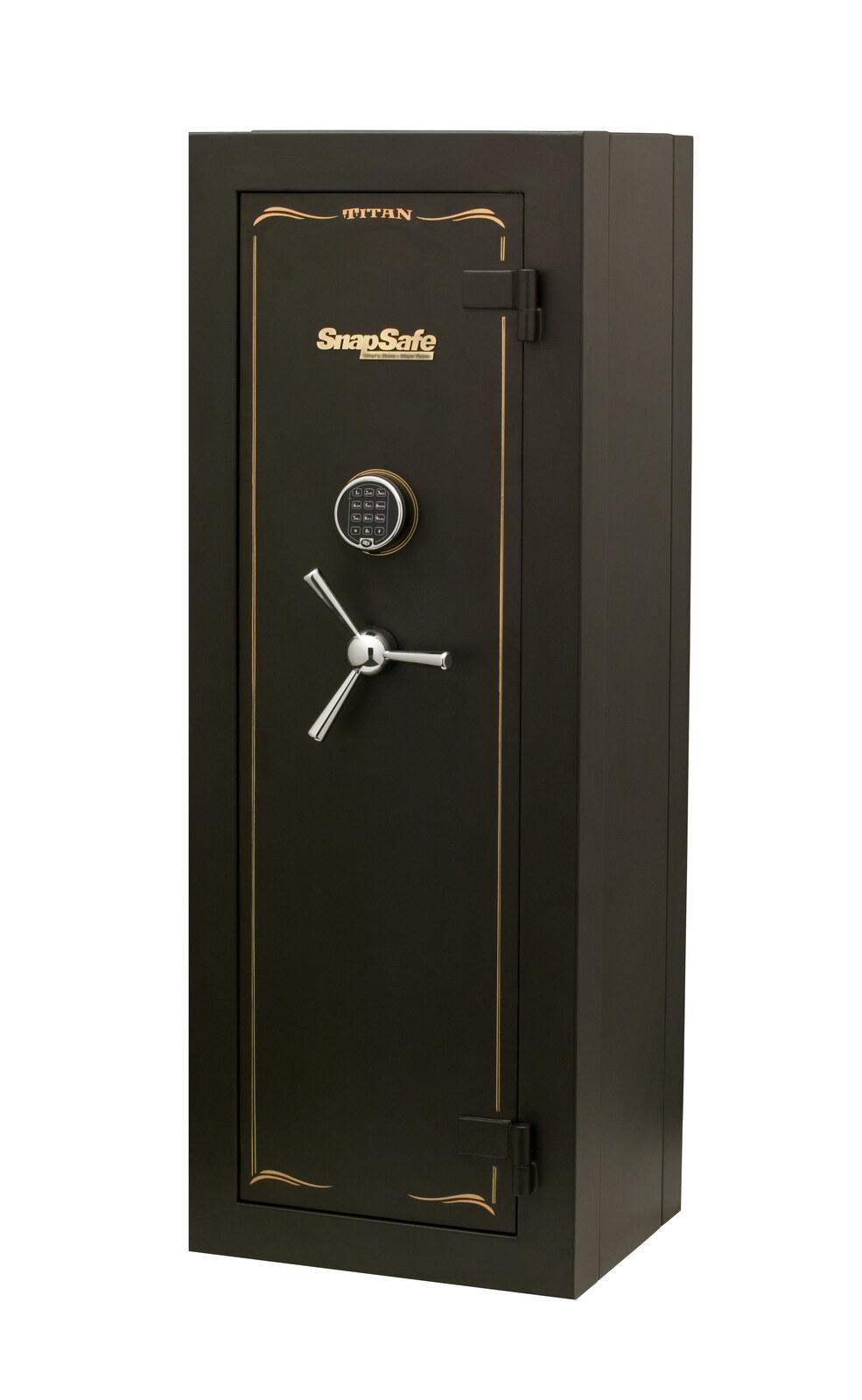
SnapSafe Titan Modular Safe (75010)
- 12+ long guns
- 2300°F / 1hr fire rating (SnapSafe)
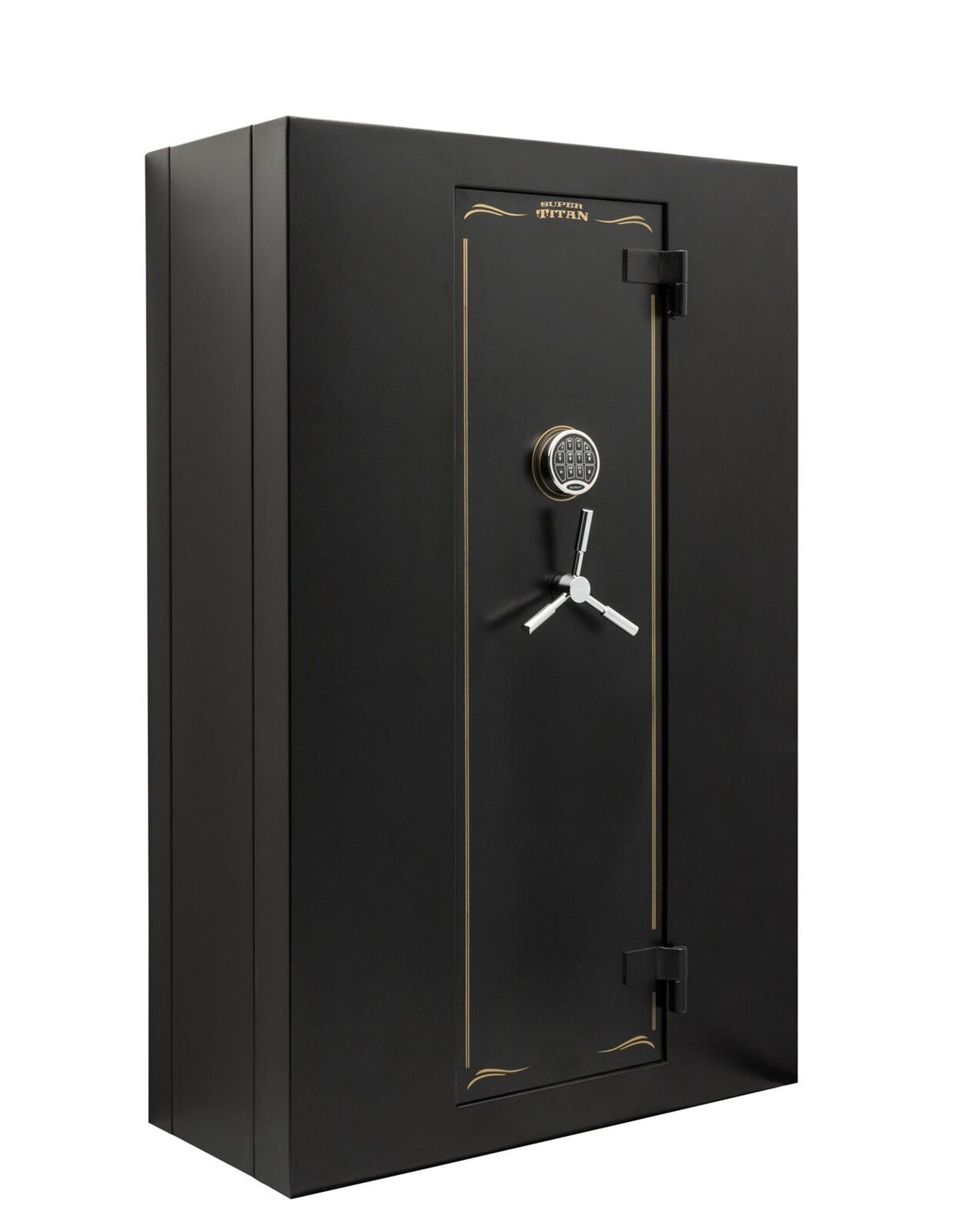
SnapSafe Super Titan Modular Safe (75011)
- 24+ long guns
- 2300°F / 1hr fire rating (SnapSafe)
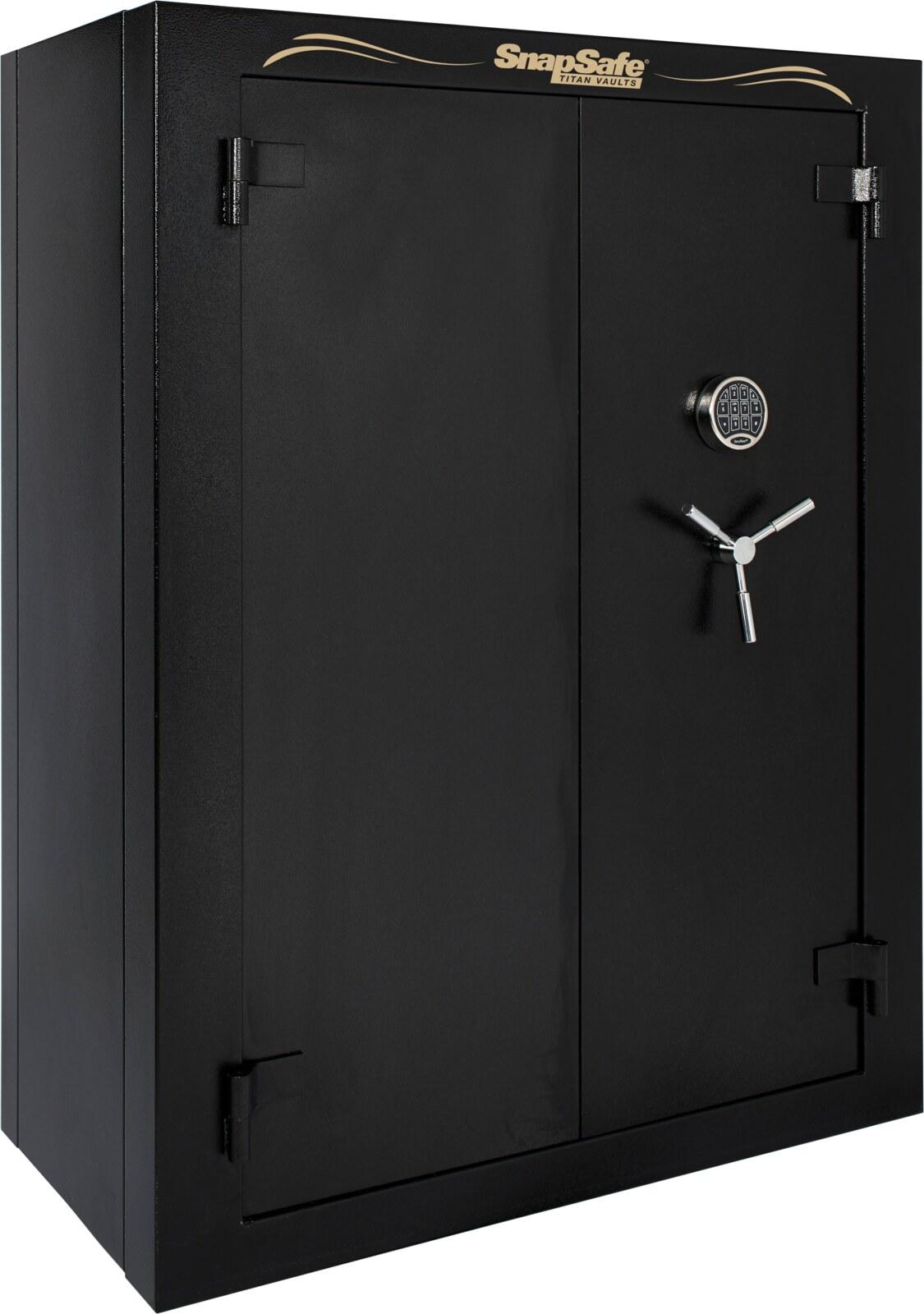
SnapSafe Super Titan XL Double Door (75014)
- 36+ long guns
- Double doors, 52 x 29in opening
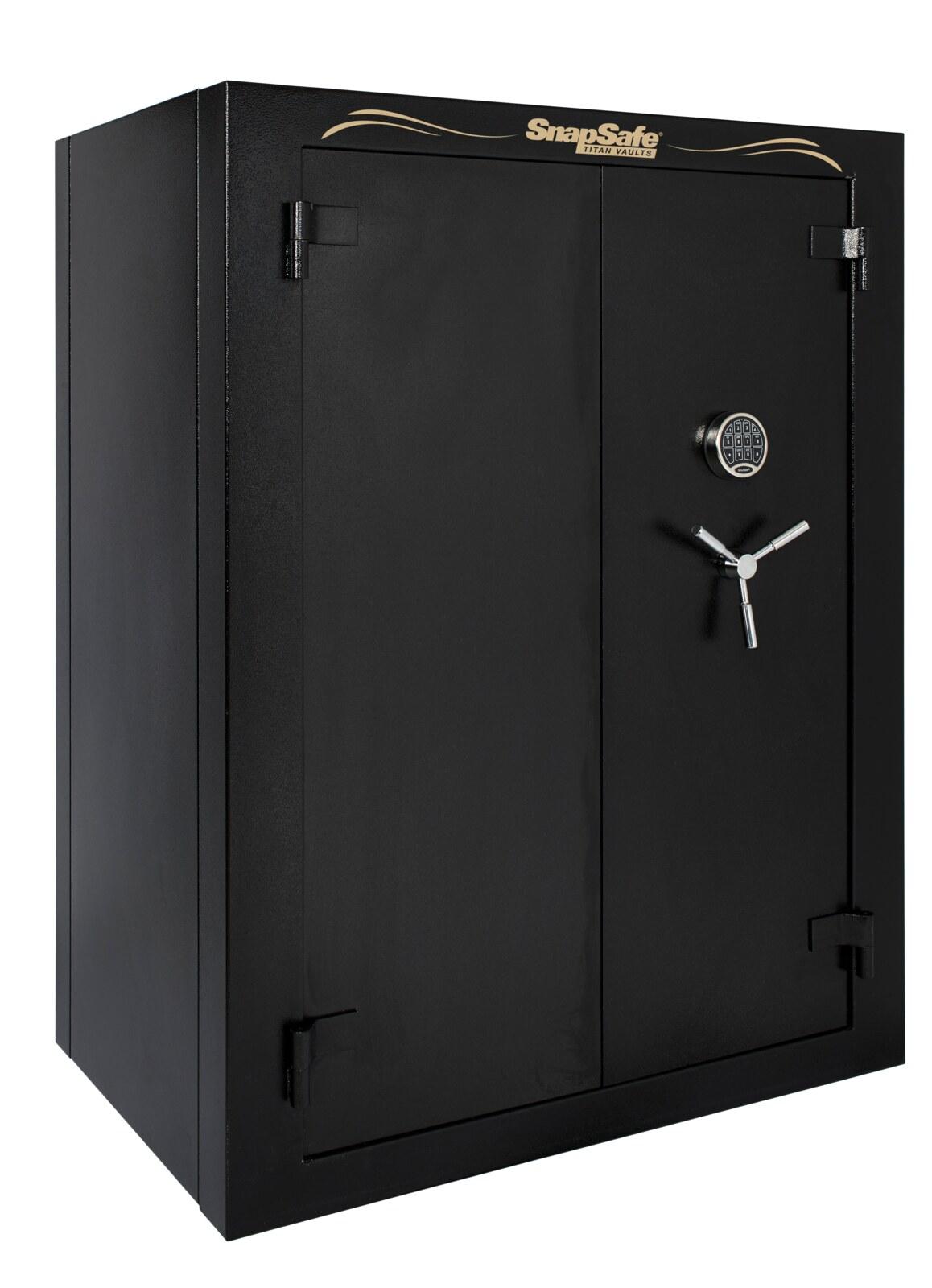
SnapSafe Super Titan XXL Double Door (75013)
- 56+ long guns
- Double doors, 52 x 37in opening
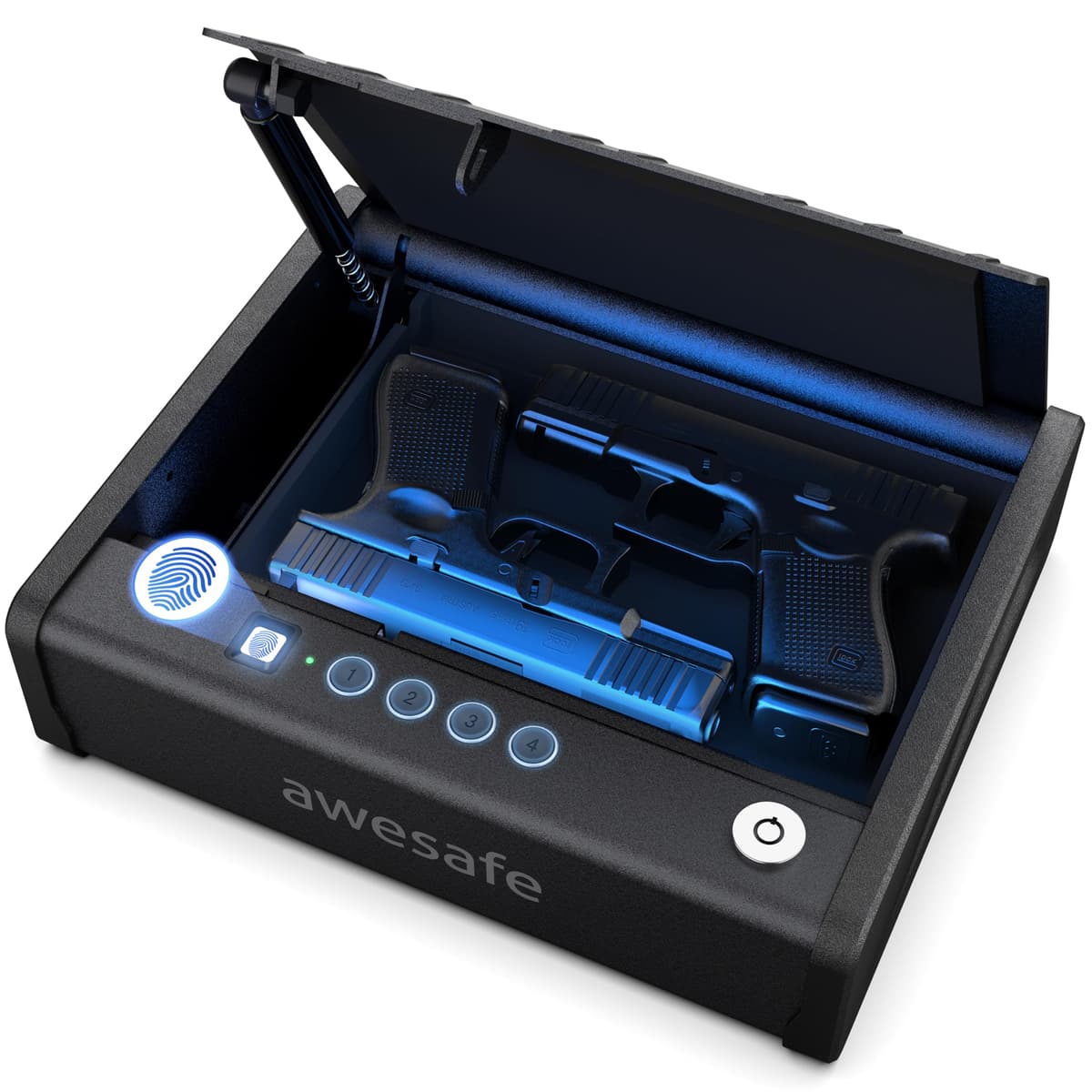
Awesafe Biometric Gun Safe
- 1 handgun
- No fire rating
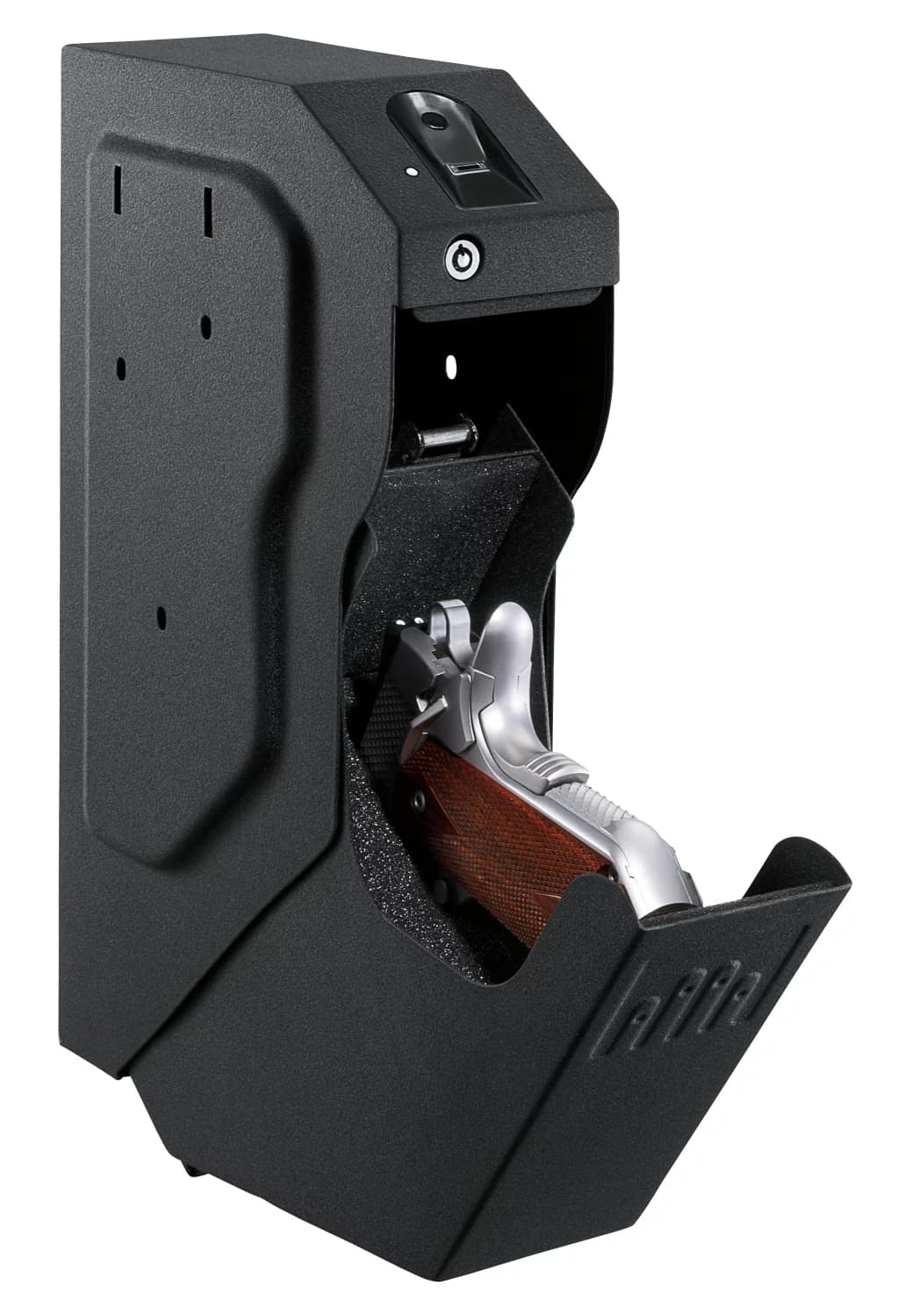
GunVault SVB500 SpeedVault (Biometric)
- 1 handgun
- No fire rating
Affiliate links (?)
What Gun Owners Should Do Now
If you passed a background check, there is nothing to lock down: no NCIC record was created for your approved purchase, and NICS purged your identifying information within 24 hours. The practical risk is fraud riding the headlines. Treat any email, text, or call that claims to be from the FBI about the breach, or asks you to verify your identity or a past gun purchase, as a scam.
Two groups have a more direct stake in this breach: owners who have reported a firearm stolen, whose serial numbers sit in the NCIC Gun File, and anyone who has been denied a purchase, whose denial can sit in NCIC. If you are planning a purchase, the check process is unchanged; our guide to building your first AR and the rifle builder work the same as before.