Key Takeaways
- →Effective November 27, 2026: the FBI's final rule (91 FR 67460, RIN 1110-AA35) amends 28 CFR Part 25 so FFLs can run NICS on their own staff for the first time.
- →Voluntary on both sides: no FFL has to run a Firearm Handler Check, and none can be submitted without the employee's informed, written consent. The FBI charges no fee.
- →Eligible employees only: staff who can access firearms or ammunition, manufacturer staff with access to raw materials or tooling, and (new in the final rule) contractors and agents working on the licensed premises.
- →Pass, Pending, or Did Not Pass: the FFL gets one of three responses and no record details, limited to one check per employee every 12 months unless a new prohibiting event is suspected.
- →Form 4473 is the likely vehicle: ATF's May 2026 proposals would add an FHC box and consent certification to Form 4473 with a 90-day retention period. Those are not final yet.
What the Firearm Handler Check Rule Does
The Firearm Handler Check rule lets federal firearms licensees voluntarily run a NICS background check on current and prospective employees whose jobs put them near guns or ammunition, starting November 27, 2026. The Justice Department published the final rule on October 27, 2026 as FR Doc. 2026-21920 (Docket No. FBI-159), amending the FBI's NICS regulations in 28 CFR Part 25.
Until now, 28 CFR 25.6(a) strictly prohibited FFLs from initiating a NICS check for any purpose other than a firearm transfer. A shop owner could check a stranger buying a pistol but not the new hire stocking the safe. Section 12004 of the Bipartisan Safer Communities Act of 2022 directed the Attorney General to write regulations closing that gap (34 U.S.C. 40901(b)(2)). DOJ proposed the rule on December 12, 2024, took 25 public comments, and finalized it largely as proposed.
This is an FBI rule, not an ATF rule. The FBI's Criminal Justice Information Services Division, NICS Section, runs the checks. ATF's role is the paperwork: it is revising Form 4473 and records retention rules to fit, covered below.
Who an FFL Can Check: The Eligible Employee Definition
An FFL can only submit a Firearm Handler Check on an "eligible employee," not on anyone it hires. The final definition in 28 CFR 25.2 covers three groups, and excludes anyone listed as a responsible person on the license:
- Firearm handlers: anyone whose duties include the opportunity to access firearms or ammunition, whether or not they ever sell or touch one. Entry to a room, device, or facility where the licensee stores guns or ammo is enough.
- Manufacturer staff with access to raw material (forgings, castings, unmachined bodies, liquid polymer) or to the tools and equipment used to make or finish firearm or ammunition parts.
- New in the final rule: independent contractors and agents who work, or seek to work, at the licensed premises and can access firearms, ammunition, or their manufacturing components.
The contractor addition was a response to NSSF, which argued the checks should be open to every current or prospective employee. DOJ refused to go that far but conceded that many de facto employees are classified as contractors for tax purposes. Responsible persons stay out because ATF already runs them through NICS as part of licensing.
How a Firearm Handler Check Works
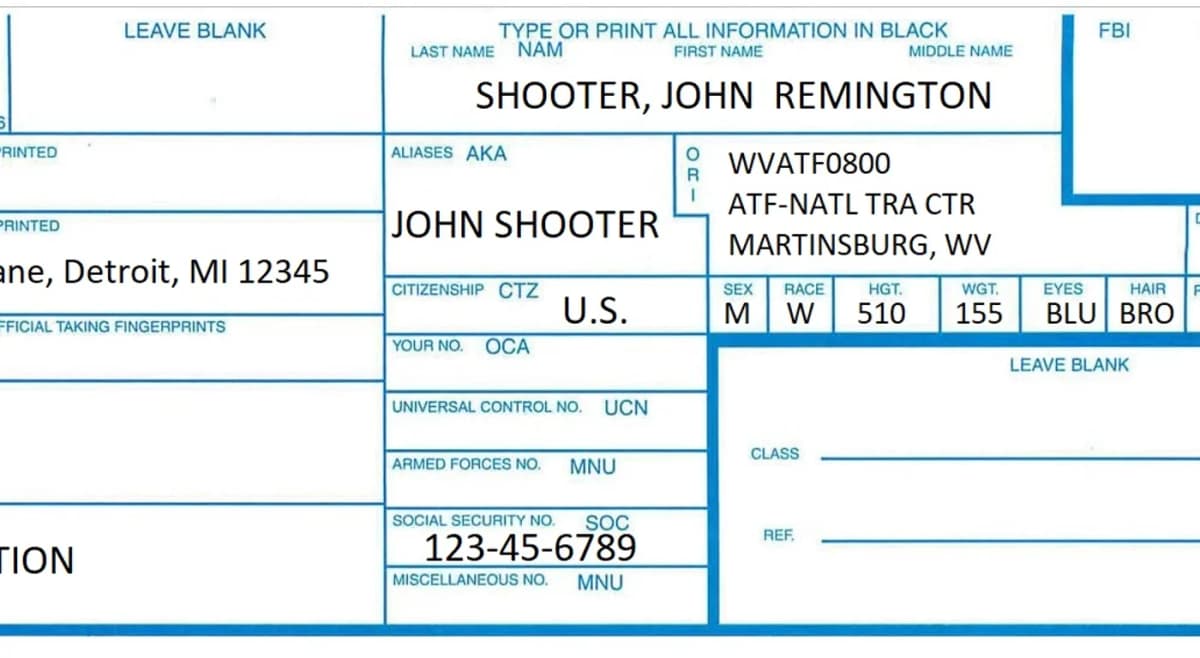
The FFL collects the employee's informed, written consent, then submits the check to the FBI NICS Section (by phone or NICS E-Check) or to a participating state point of contact, using a purpose code that marks it as a Firearm Handler Check. NICS assigns a transaction number and searches the NICS Indices, NCIC, and the Interstate Identification Index, the same databases used for gun sales.
The FFL gets one of three answers, deliberately different from the Proceed, Delayed, and Denied responses on a sale:
- Pass: no information available to NICS at that moment shows the person is prohibited.
- Pending: more research is needed. Unlike a Delayed sale, there is no three-business-day clock and no transfer date; follow-up answers come during NICS Section business hours.
- Did Not Pass: at least one matching record shows the person is prohibited from receiving a firearm.
None of the responses include the underlying record, so an employer learns the outcome, not the reason. The FBI charges nothing, as the statute requires. State points of contact are not obligated to process these checks, may charge their own fee if they do, and DOJ expects most will lack state-law authority to participate; FFLs in those states submit to the FBI instead. DOJ noted that New Jersey, for one, is not currently expected to process them.
FFL and NICS Rule Changes, as They Land
We cover ATF and FBI rules that change how guns get sold and transferred, with the dates, docket numbers, and what actually changed.
The 12-Month Limit and What Did Not Pass Means
An FFL can run one Firearm Handler Check per eligible employee every 12 months. The exception in 28 CFR 25.6(c)(4) applies when the FFL has reasonable cause to believe the employee has become subject to a potentially prohibiting event, such as a new criminal charge or conviction or a protection order. The final rule changed that trigger from the proposal's "believes it has received sufficient information" wording to the "reasonable cause to believe" standard used in 18 U.S.C. 922(d).
The cap exists to protect NICS capacity. DOJ estimates the rule applies to about 80,000 FFLs; if 65,000 to 70,000 of them each sent 10 checks a month, the NICS Section would field 7.8 to 8.4 million extra checks a year on top of the roughly 10 million or fewer sale checks it handles annually.
A Did Not Pass is not a hiring ban. The rule text says it should not be read as making the person ineligible for any job with the FFL, only as a finding that they cannot legally receive a firearm. It also warns that a prohibited person who handles firearms or ammunition on the job could face criminal liability, and so could the licensee. DOJ's preamble tells FFLs to consult their own counsel on state and local employment law questions.
Form 4473 and the 90-Day Retention Question
The FBI rule requires written consent but no specific form, and it sets no records retention period. It asks participating FFLs, as a best practice, to keep FHC paperwork for at least 90 days, which can help document proper NICS use if a check is later disputed.
ATF is building the paperwork side. It dropped the separate Form 5300.47 floated in the 2024 proposal and instead published two proposed rules in May 2026: one (91 FR 25432, May 8) adds a box marking a Form 4473 as a Firearm Handler Check, instructions on which parts to complete, and an employee consent certification; the other (91 FR 24413, May 6) proposes a 90-day retention period for those forms, far shorter than for sale records. Neither is final. If the FBI rule takes effect first, DOJ says ATF will issue interim guidance on using the current Form 4473 without confusing employee checks with sales.
The same month, ATF also floated six deregulatory NFA proposals, covered in our breakdown of ATF's May 2026 proposed rules. How inspectors audit 4473s today is in our piece on ATF inspections and Form 4473 errors.
What Changes for Gun Buyers: Nothing
Nothing changes at the counter. A buyer still completes Form 4473 and the dealer still receives Proceed, Delayed, or Denied under the Brady Act, with the transfer allowed after three business days if NICS has not issued a denial. Employee checks run on separate purpose codes and responses so they cannot be mistaken for sale checks.
That includes suppressors, which since ATF's October 9, 2026 nonenforcement policy can transfer from a dealer on a 4473 and NICS check without a federal Form 4; our guide to buying a suppressor walks through both paths, and the suppressor buying guide covers which cans to look at. For a sense of how heavily the buyer-side system runs, see Virginia's record NICS volume before its July 2026 ban.
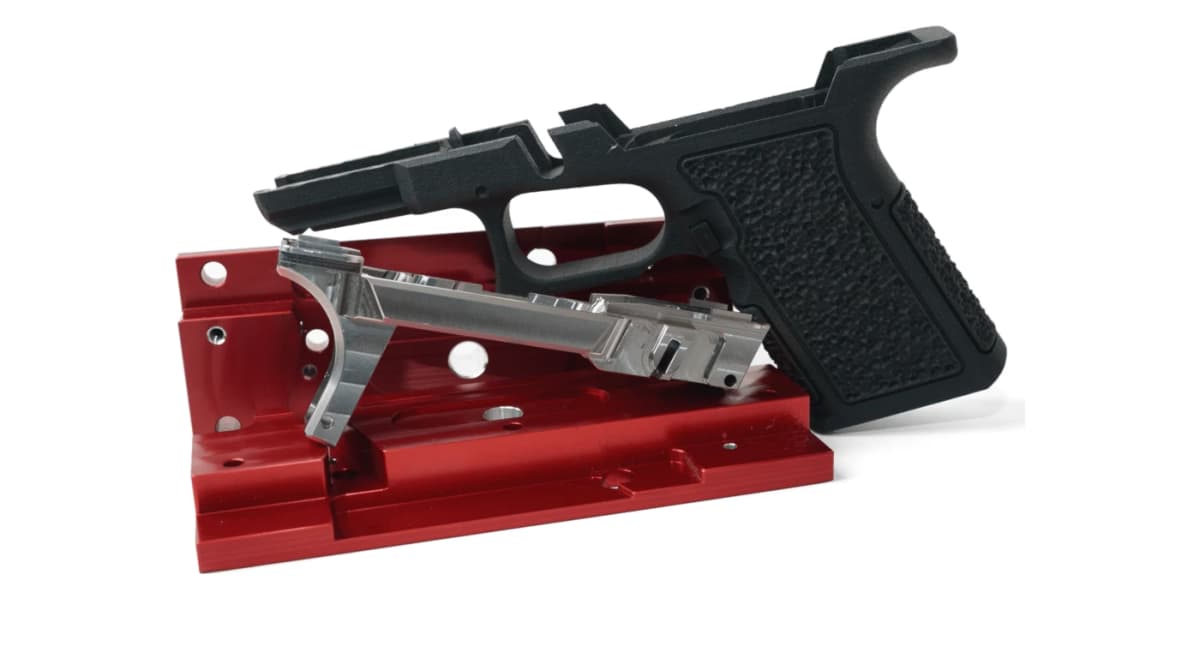
Stripped AR-15 Lowers: The Serialized Part on the 4473
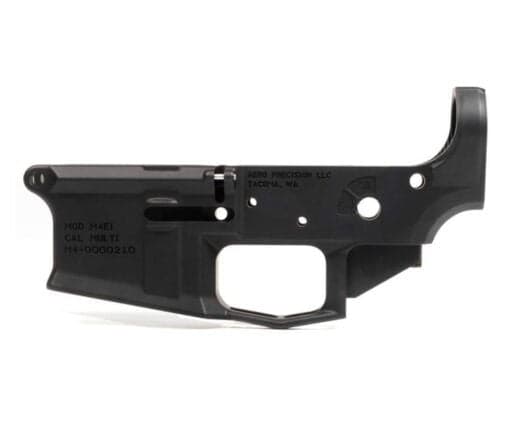
Aero Precision M4E1 Stripped Lower Receiver
- 7075-T6 forged aluminum
- Integrated trigger guard
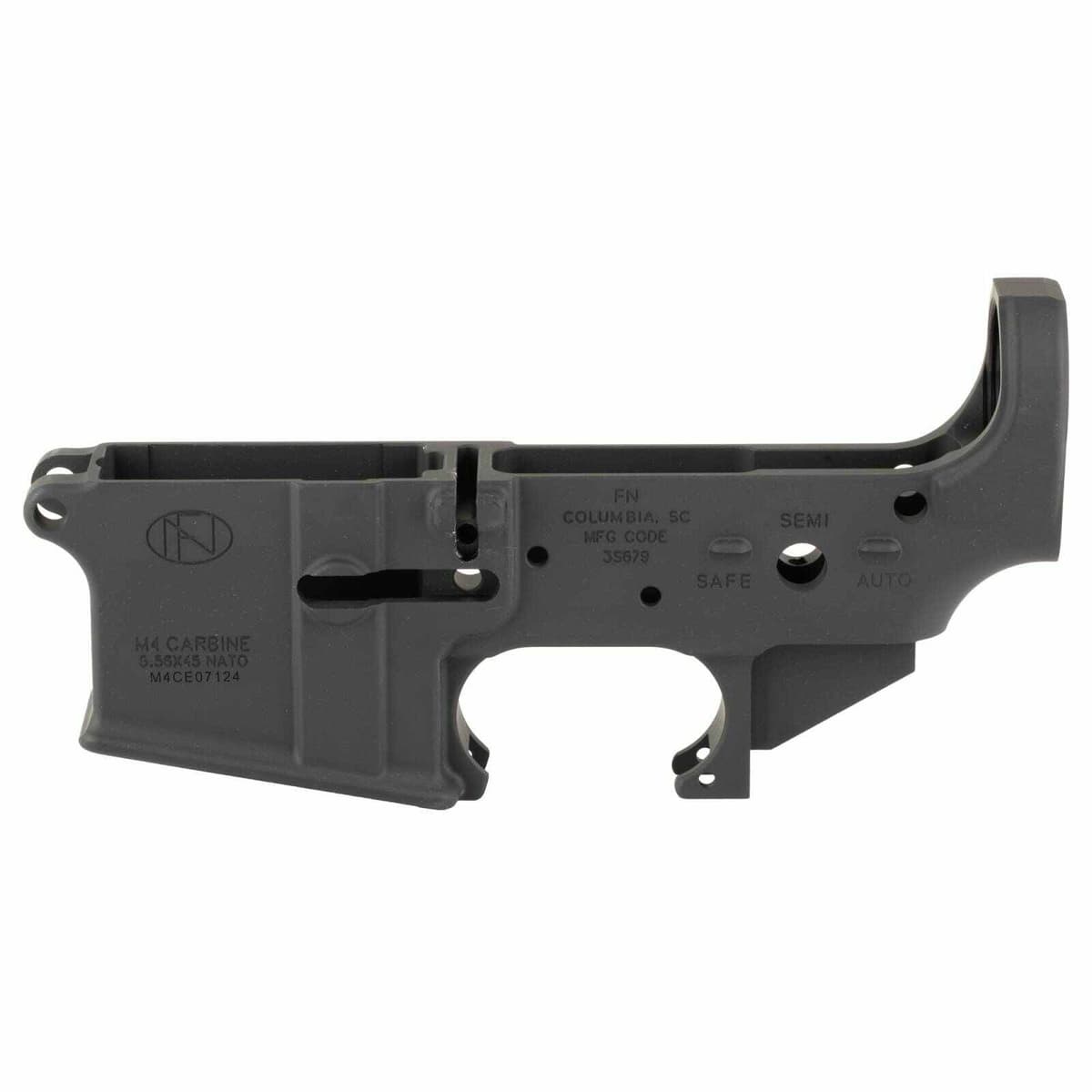
FN 15 Military Collector M4 Stripped Lower Receiver
- 7075-T6 forged, machined and broached to mil-spec
- FN M4 military-production roll markings
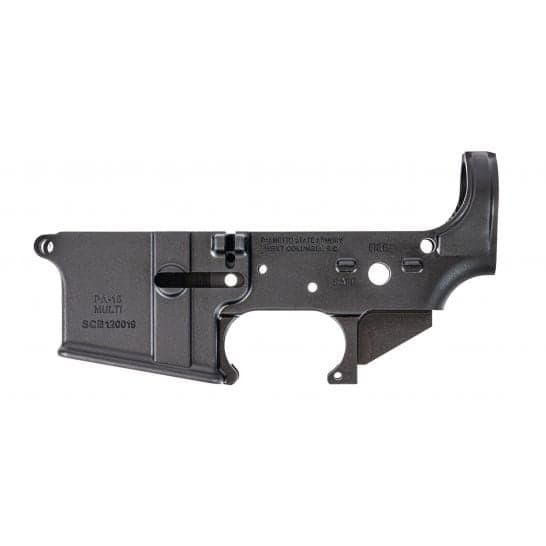
PSA Stealth Stripped Lower Receiver
- 7075-T6 forged aluminum
- Mil-spec dimensions
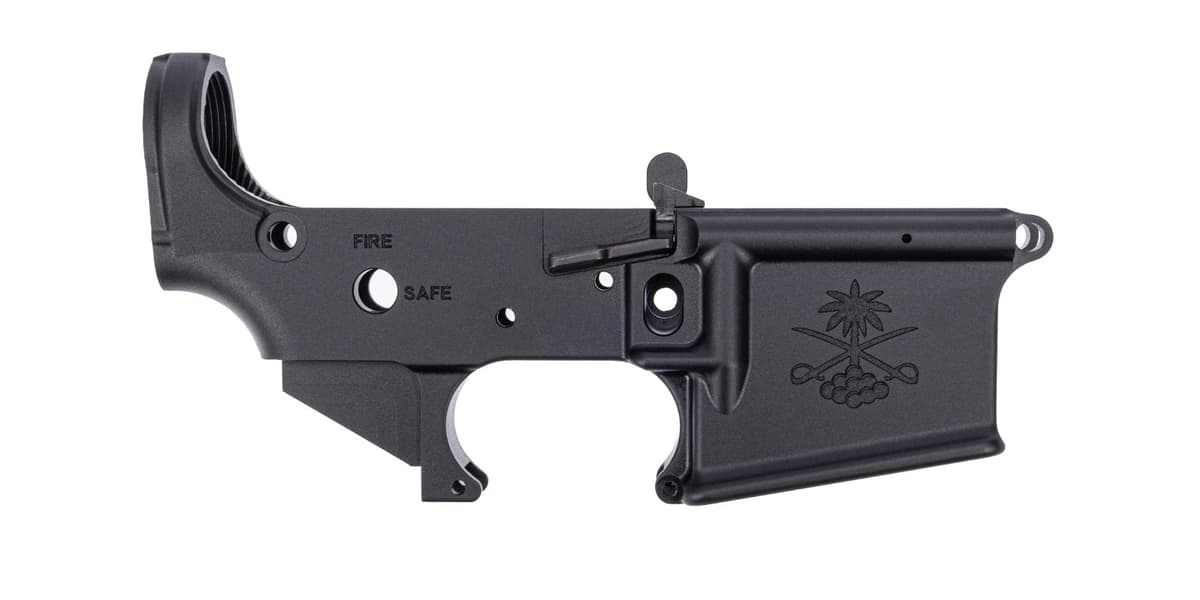
PSA Sabre-15 Ambi Lower Receiver
- Stripped AR-15 lower receiver
- 7075-T6 aluminum
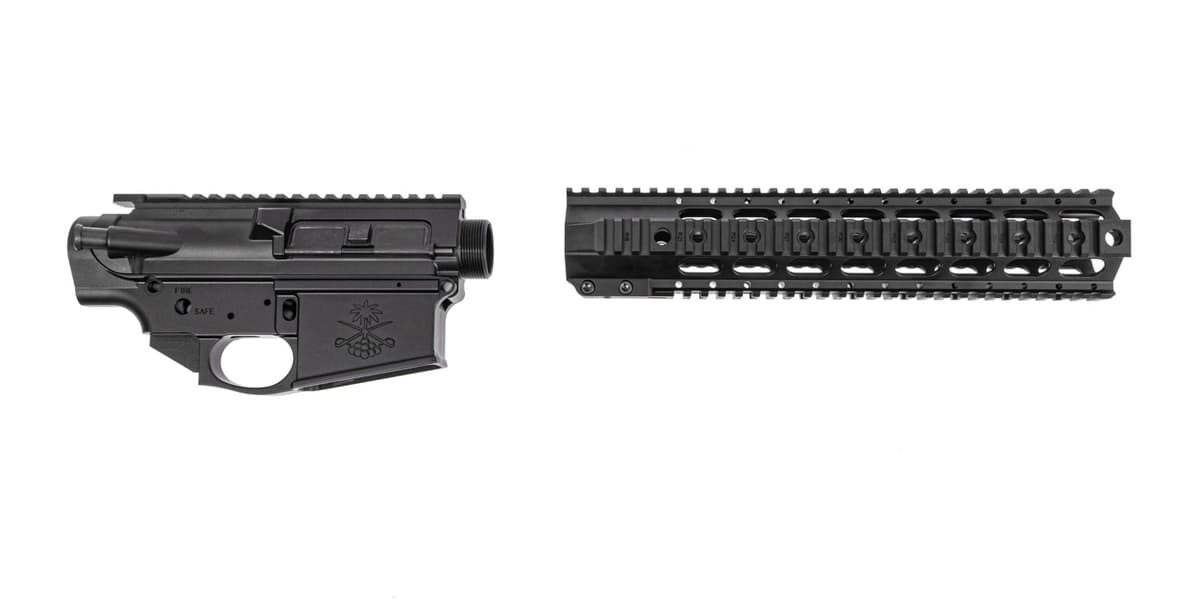
PSA Sabre-10 Builder Set (12.5" Quad Rail, Black)
- Matched Sabre-10 upper and lower receivers
- 12.5-inch black quad-rail handguard
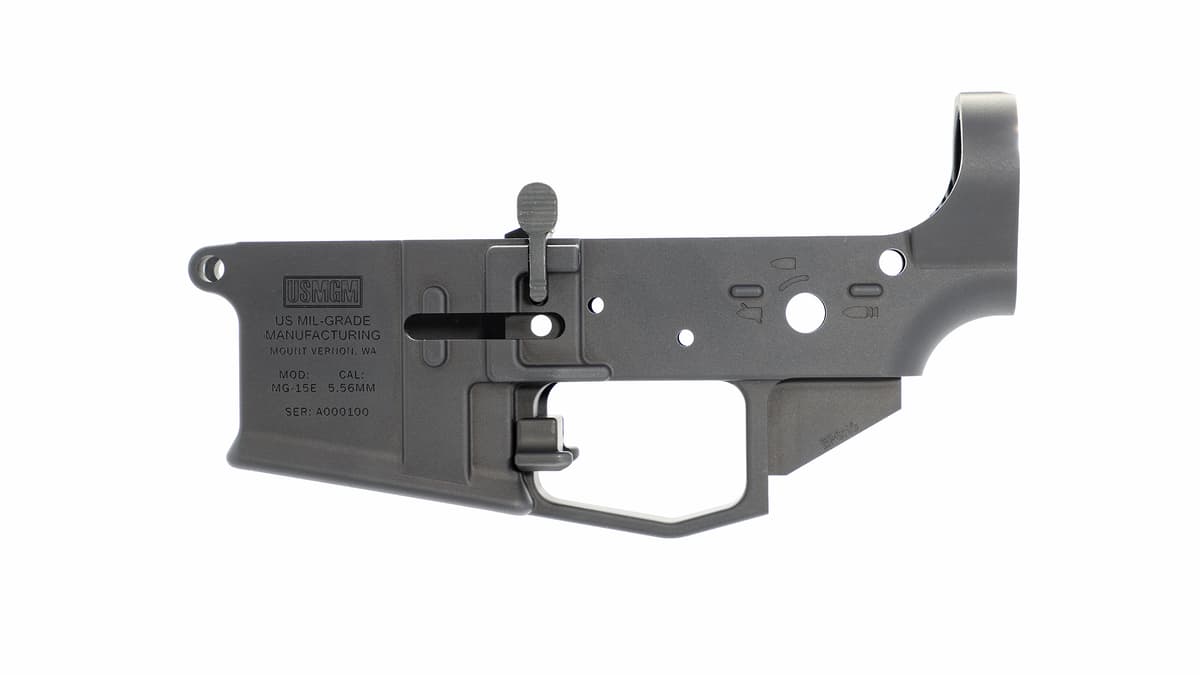
USMGM MG-15E Stripped Lower Receiver
- Billet 7075 aluminum, 9.3 oz
- SAEBR symmetrical ambi bolt catch and release
Affiliate links (?)
Appeal Rights for a Did Not Pass Response
An employee who gets a Did Not Pass can appeal it exactly like a denied gun buyer, because 34 U.S.C. 40901(b)(2)(D) requires the same process. That means requesting the reason for the response, challenging the accuracy of the record, applying to the Voluntary Appeal File, and bringing a civil action under 18 U.S.C. 925A. Under the statute, reason requests get an answer within 5 business days and challenges within 60 days.
Record handling mirrors sale checks too. For a Pass, NICS destroys identifying information within 24 hours of the response, and Pending records are purged within 90 days except for the transaction number and date. Did Not Pass records stay in the NICS Audit Log for 110 years, the same as Denied sales. The rule repeats the existing bar on using NICS to build any registry of guns or gun owners.
Industry Reaction: NSSF Calls It a Win
NSSF, the industry trade group, lobbied for the provision in the 2022 law and called the final rule "a tremendous victory for the firearm industry" in an October 26, 2026 release, per Senior Vice President and General Counsel Lawrence G. Keane. NSSF framed it as a way for licensees to avoid unknowingly hiring prohibited people.
The one fight NSSF lost was scope. Its comment argued that FFLs should be able to check any employee, citing about 155,000 people directly employed in the firearm industry. DOJ countered with its own estimate of roughly 793,000 workers at licensed big-box stores alone, held to the eligible-employee limit, and added only the contractor and agent category. Everytown and Giffords both supported the proposal as written.