Federal Peak Alloy: U.S. Army Adopts 80,000 PSI Steel Cases
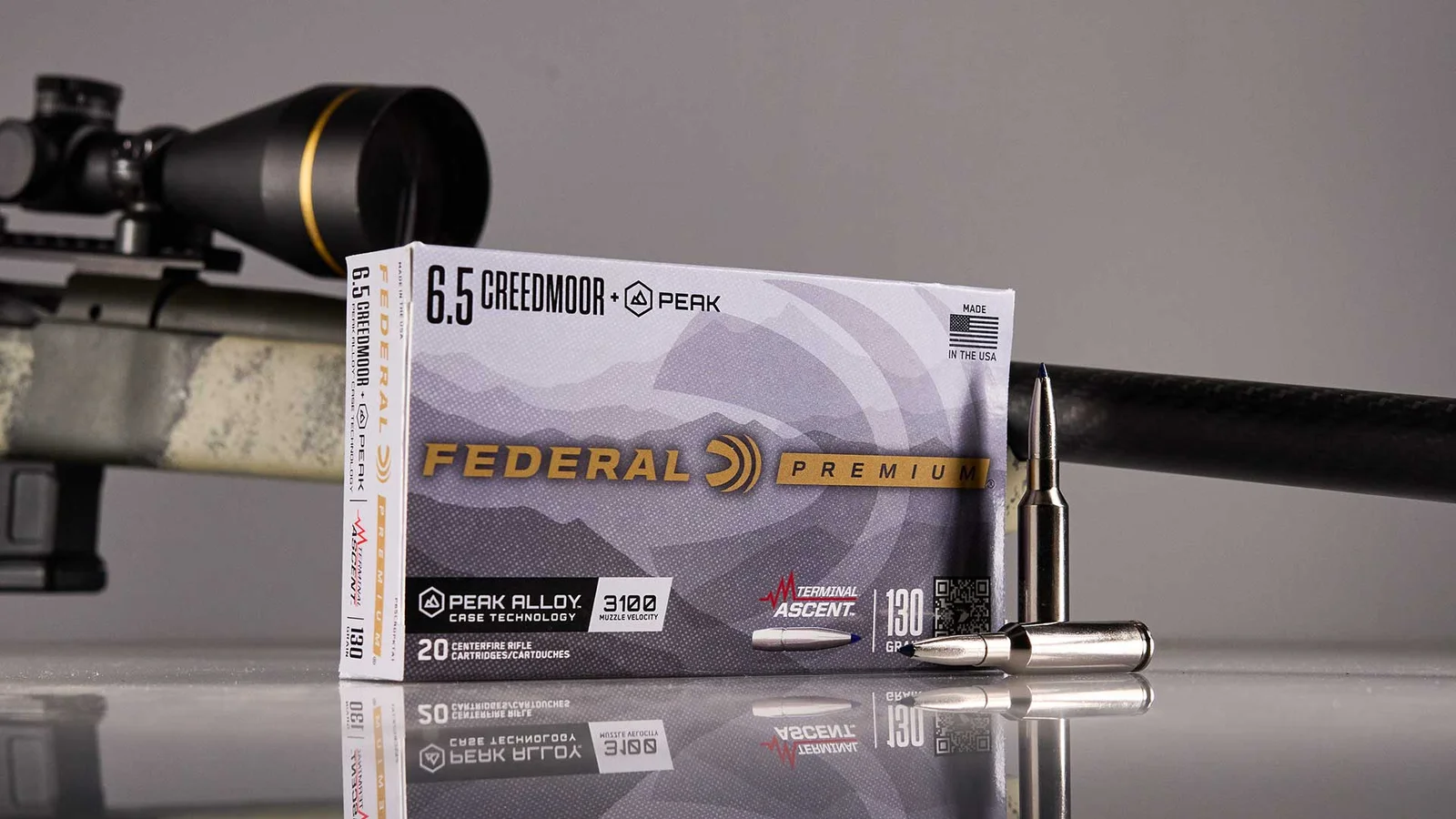
Federal Premium announced June 1, 2026 that the U.S. Army has licensed its patented Peak Alloy steel case technology for multiple military cartridges up to .50 caliber. The agreement requires Federal to deliver 40 million Peak Alloy cases before Government Purpose Rights vest, and validates the same 80,000 PSI case that already powers the commercial 7mm Backcountry. Here is what the deal covers, why steel beats brass at high pressure, and which rifles run the 7BC today.
Key Takeaways
- →Licensing, not a buy. The June 1, 2026 announcement is an agreement that lets the Army use Federal's Peak Alloy steel case technology in multiple military cartridges. Government Purpose Rights vest only after Federal delivers 40 million Peak Alloy cases. No prime program, dollar figure, or delivery schedule was disclosed.
- →Cartridge scope is .50 caliber and below.The agreement explicitly covers multiple chamberings up to .50 BMG. Federal has not named which military cartridges are first in line, but the case ceiling is broad enough to cover sniper, machine gun, and developmental small-arms rounds outside the SIG-supplied 6.8x51mm NGSW program.
- →80,000 PSI is the headline number. Peak Alloy is a proprietary high-strength steel that holds chamber pressures above 80,000 PSI, roughly 20 to 25 percent above brass-cased magnum cartridges. Higher pressure means magnum-class velocity from shorter, lighter barrels, which is the design driver behind the commercial 7mm Backcountry.
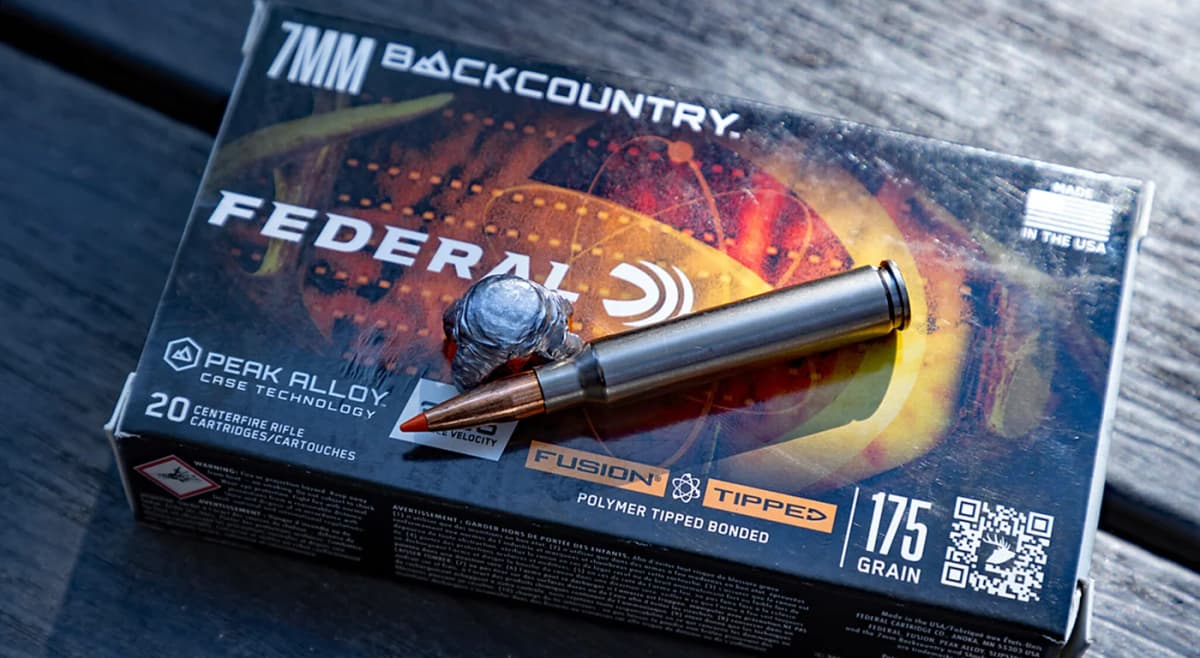
- →7mm Backcountry is the working prototype.7BC was first commercialized in 2025 on Peak Alloy cases. It pushes a 175-grain Terminal Ascent bullet to 3,125 ft/s from a 24-inch barrel, faster than 7mm PRC at the same bullet weight. More than 25 production rifles are chambered in it as of mid-2026, and Remington joined the chambering with three loads of its own.
- →Allied interest is on the record. Federal says multiple allied European militaries are evaluating Peak Alloy for their own programs. That puts the technology on a parallel track to SIG's hybrid case in the broader high-pressure small-arms procurement conversation.
What the Agreement Actually Covers
The Federal-Army agreement is a technology licensing instrument, not a procurement contract for finished ammunition. Federal Premium announced the deal in a press release dated June 1, 2026, executed earlier in the spring. The substance: the U.S. Army gains the right to use Federal's patented Peak Alloy steel alloy case in “multiple cartridges and weapon systems,” with the specific chamberings unnamed in the public release. The cartridge ceiling is .50 caliber and below.
The mechanism is structured around Government Purpose Rights that vest only after Federal hits a delivery milestone of 40 million Peak Alloy cases. That structure is uncommon for a pure license; it reads as the Army wanting validated industrial capacity before it locks in technical data rights. Federal Chairman and CEO Jason Vanderbrink described it as a “historic agreement between the United States military and Federal” that demonstrates “unwavering commitment to innovation.” No Army personnel were named or quoted in the announcement.
Three things the release does not include: a dollar value, a named program, and a list of which cartridges are first. Public industry reporting has not yet tied the deal to a specific Army project of record, and we are not going to speculate. The deal validates the case technology at the chamberings-up-to-.50-cal scope, which is the practical answer to “does the Army want this beyond commercial hunting cartridges,” without naming the program.
Track Peak Alloy Rollout
We will send a single email when Federal announces the next Peak Alloy chambering, when Remington or another partner adds factory loads, and when the Army names a specific cartridge or program tied to this license. No speculation, just confirmed news.
Why Steel Wins Above 70,000 PSI
Above roughly 65,000 PSI, brass starts losing the argument with the chamber wall. Conventional cartridge brass (C26000 cartridge brass, 70/30 copper-zinc) yields at chamber pressures used by 7mm Remington Magnum, 7mm PRC, and most SAAMI magnum cartridges, but it does not have the headroom to safely contain the 80,000-plus PSI window the Army wants for next-generation small arms. Brass that gets pushed there cycle after cycle is the failure mode behind sticky extraction, primer pocket loosening, and case-head separations.
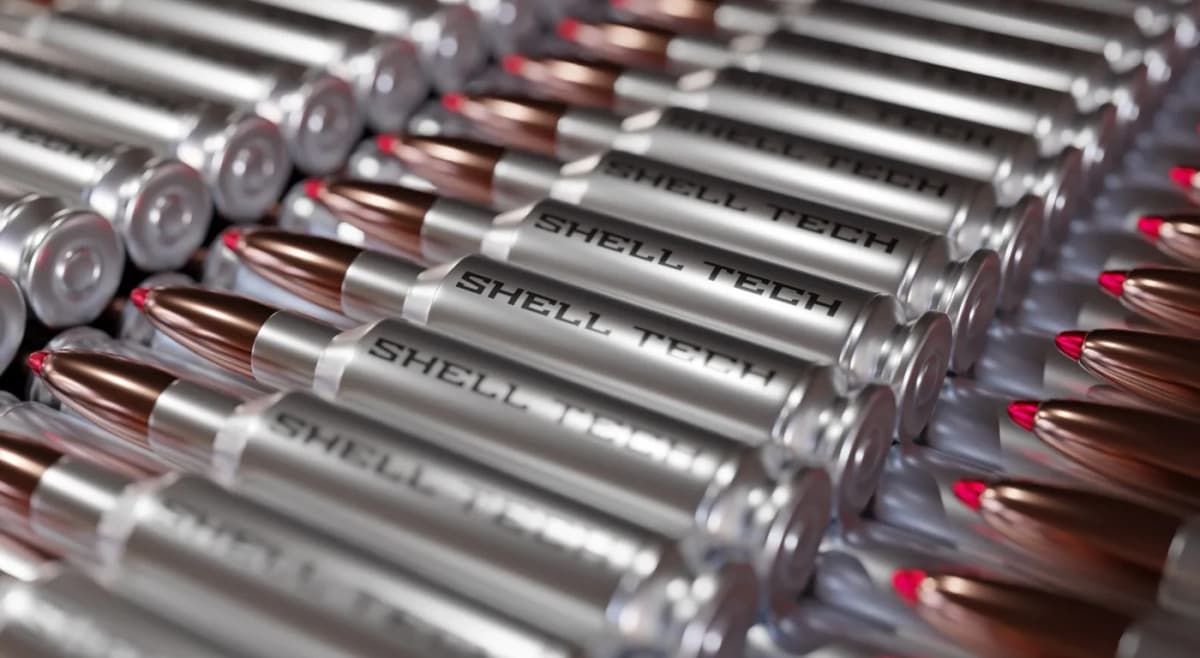
Peak Alloy is Federal's answer: a proprietary high-strength steel alloy that, per the company's published material, is comparable to the steels used in bank safes, race-car components, and nuclear reactor vessels. The alloy is harder than brass and tolerates significantly higher chamber pressures without losing chamber-seal geometry. The practical headline is SAAMI-approved maximum average pressure of 80,000 PSI for the 7mm Backcountry cartridge, with the same case used at higher pressures in development loads. That is roughly 20 to 25 percent above standard magnum brass.
The military-program payoff is barrel length. Magnum velocities have historically required 24-inch or 26-inch barrels for the powder charge to burn efficiently. A higher pressure ceiling lets a shorter barrel produce the same muzzle velocity, which in turn cuts the system weight a dismounted soldier carries and shortens the rifle for vehicle and confined-space work. It is the same engineering trade that makes 7mm Backcountry a 20-inch barrel cartridge capable of running with 7mm PRC out of 24-inch barrels. Federal's commercial published numbers show 195-grain Berger Elite Hunter at 2,850 ft/s from a 20-inch barrel and 3,000 ft/s from 24 inches, with 175-grain Terminal Ascent hitting 3,125 ft/s from 24 inches. For the precision fundamentals these numbers feed into, our ballistics guide covers the velocity-to-energy-to-trajectory math.
The SIG-NGSW comparison is unavoidable. SIG SAUER supplies the M5 / XM7 program with a hybrid case that bonds a steel base to a brass body, also engineered for an approximately 80,000 PSI chamber pressure. The hybrid case solves the same physics problem with a different manufacturing approach. Federal's Peak Alloy is a monolithic high-strength steel case rather than a two-piece hybrid. The Army licensing both technologies, from two different suppliers, is the right move for industrial-base resilience on a capability that is now baked into next-generation small arms.
7mm Backcountry: The Commercial Proof
7mm Backcountry is the commercial cartridge that proves the Peak Alloy case in the wild. Federal introduced it in 2025 as a long-action 7mm centerfire built on a .30-06 Springfield parent case, throwing .284 caliber bullets at SAAMI-approved 80,000 PSI. The cartridge stays inside a long-action footprint that fits existing Remington 700, Savage 110, and comparable bolt-action receiver designs without forcing a new action length, which is part of why production rifle support arrived quickly.
The performance hook is short-barrel velocity. Conventional 7mm magnums require a 24-inch or 26-inch barrel to reach advertised velocities; 7mm Backcountry hits 7mm PRC numbers from a 20-inch barrel and exceeds them from 24 inches. The full Federal factory load lineup runs five offerings, each calibrated for a different terminal job.
| Bullet | 24" Velocity | 20" Velocity | Role |
|---|---|---|---|
| 155gr Terminal Ascent | 3,300 ft/s | 3,150 ft/s | Long-range mountain hunting, deer and antelope |
| 170gr Terminal Ascent | 3,150 ft/s | 3,000 ft/s | Elk and large deer, mid-to-long range |
| 168gr Barnes LRX | Not published | Not published | Monolithic copper, lead-free states |
| 175gr Fusion Tipped | Not published | Not published | Bonded bullet, all-around big game |
| 195gr Berger Elite Hunter | 3,000 ft/s | 2,850 ft/s | Heavy-for-caliber, long-range precision |
Velocities from Federal Premium published data. Barnes LRX and Fusion Tipped velocities not published by Federal at press time; expect them in the same window as the bonded and monolithic offerings.
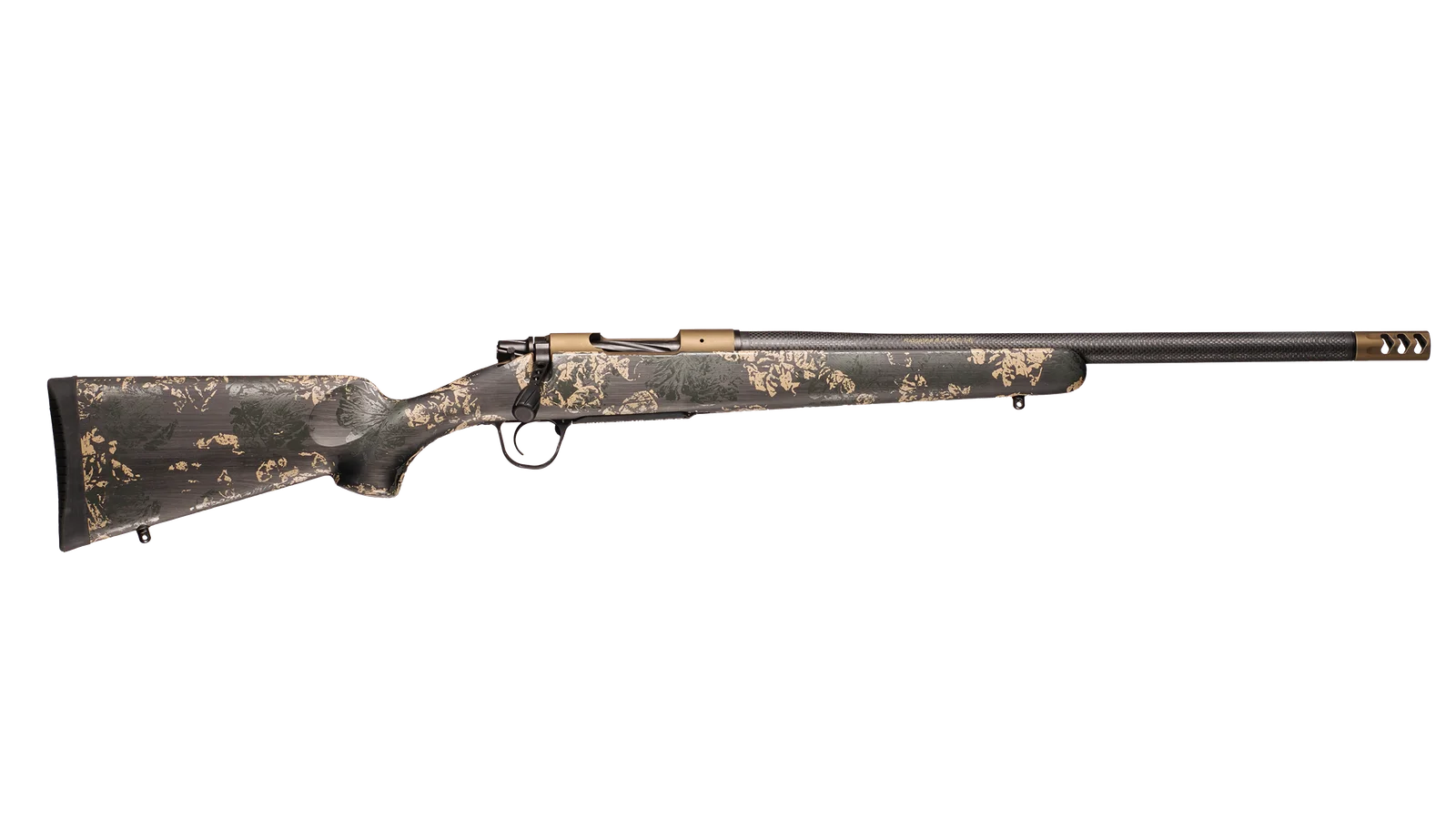
Production rifle support is the proof that the cartridge has cleared the “will it stick” bar that kills most wildcat-adjacent introductions. As of mid-2026, the chambering list runs across Weatherby (Mark V Backcountry 2.0, Model 307), Christensen Arms (Ridgeline FFT, Evoke), Fierce Firearms (Twisted Rogue), Horizon Firearms, Savage Arms (Model 110 line), and Geissele Automatics (King Hunter). Remington Ammunition joined the chambering with three factory loads for the 2026 season: Core-Lokt 175-grain, Core-Lokt Tipped 175-grain, and Premier Long Range Speer Impact 175-grain. All Remington loads use Peak Alloy cases sourced through Federal, which makes Federal the sole case supplier for the cartridge as it scales.
For shooters specifically picking a precision rifle in the cartridge, the best precision rifles under $2,000 guide covers what to look for in barrel-and-action quality at the budget tier, and the best deer hunting rifles of 2026 covers the field hunting picks where 7BC competes directly with .280 Ackley Improved and 7mm PRC. The rifle builder lets you spec a complete suppressor-ready setup if you are stacking a Peak Alloy host with a can and mount.
Precision Rifle Actions for High-Pressure Cartridges
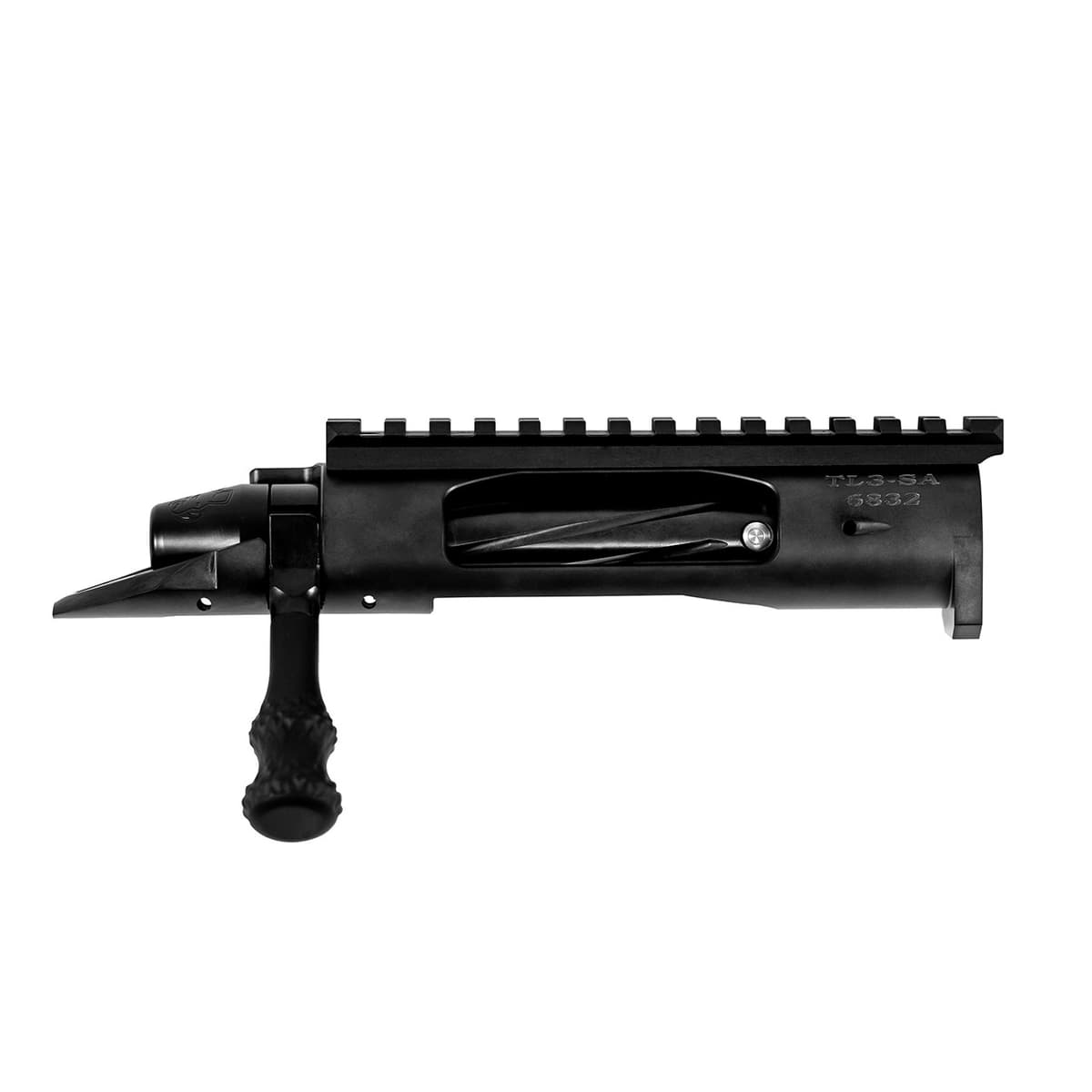
Zermatt Arms TL3 Action
- Short, medium, and long action options
- Controlled-round feed
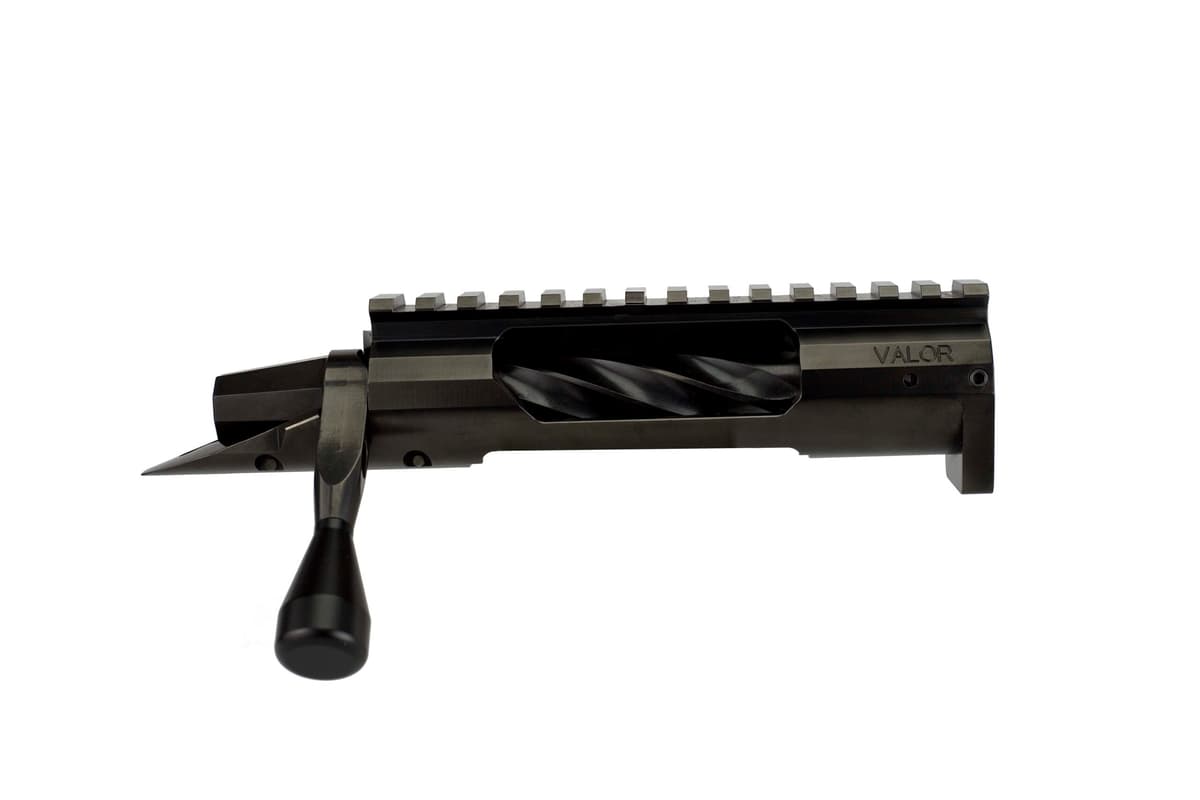
Curtis Custom Valor Short Action
- Short action
- 60-degree three-lug bolt
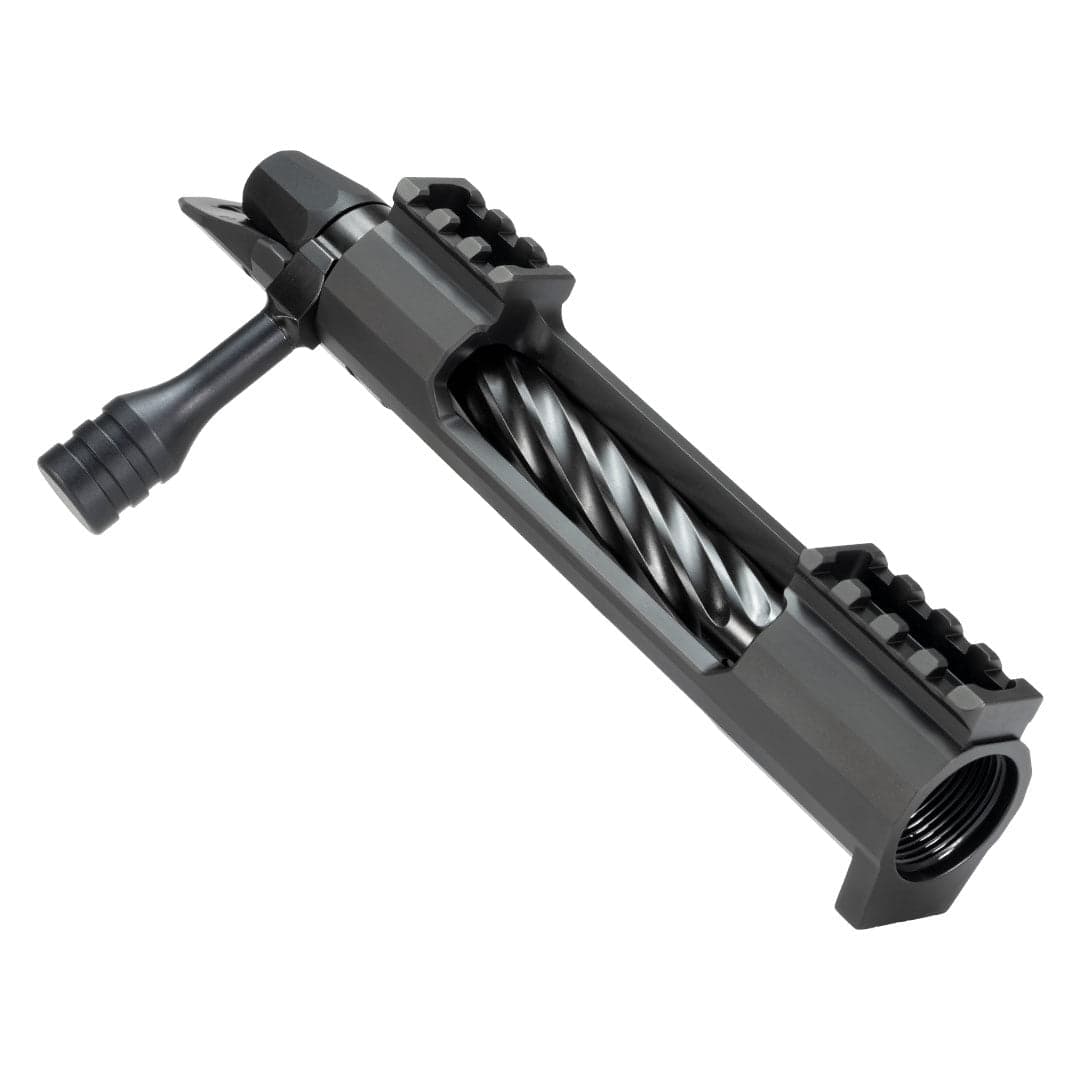
MDT Fuzion Action
- Remington 700 footprint
- 416R pre-hardened stainless steel
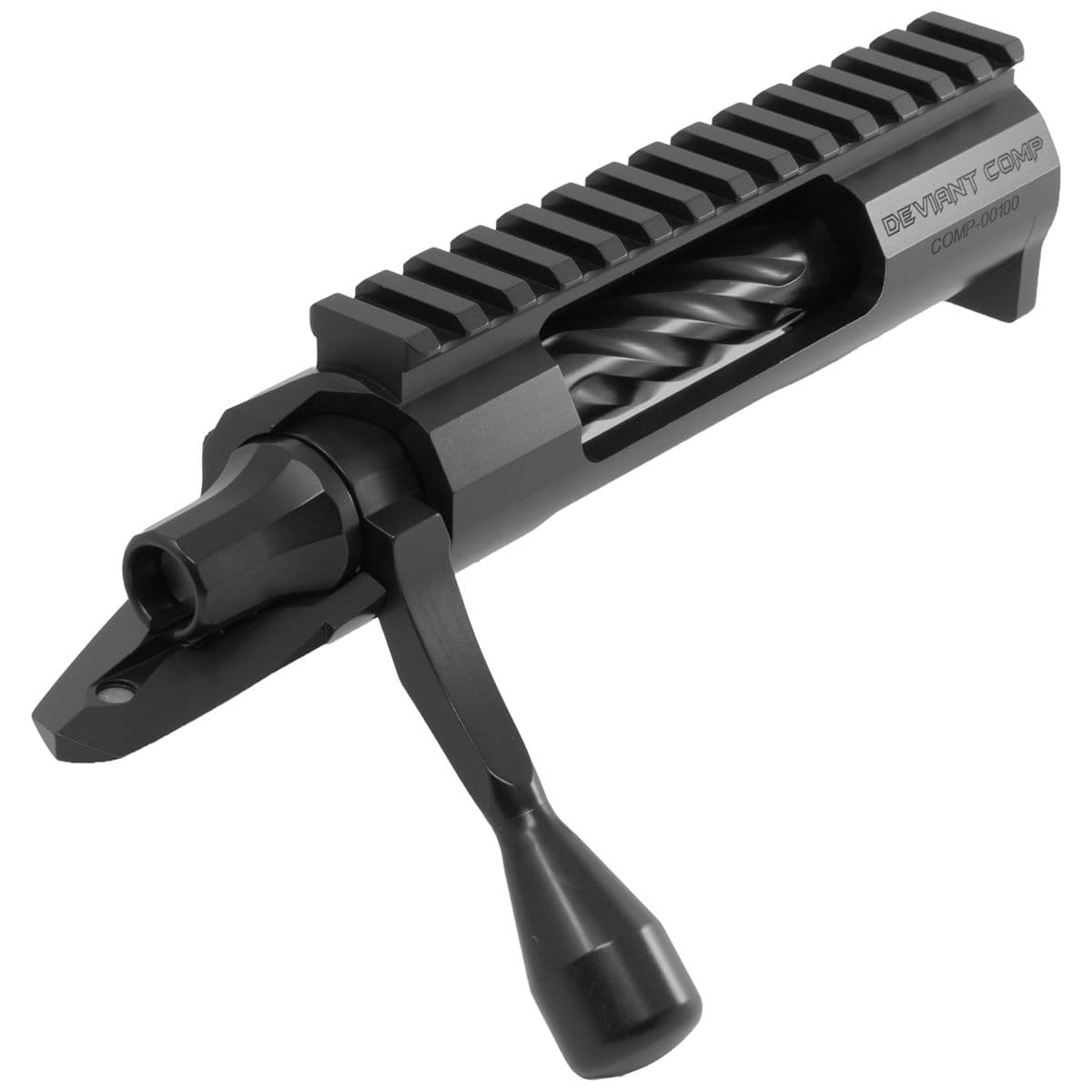
Defiance Deviant COMP Action
- Purpose-built PRS action
- AW magazine cut
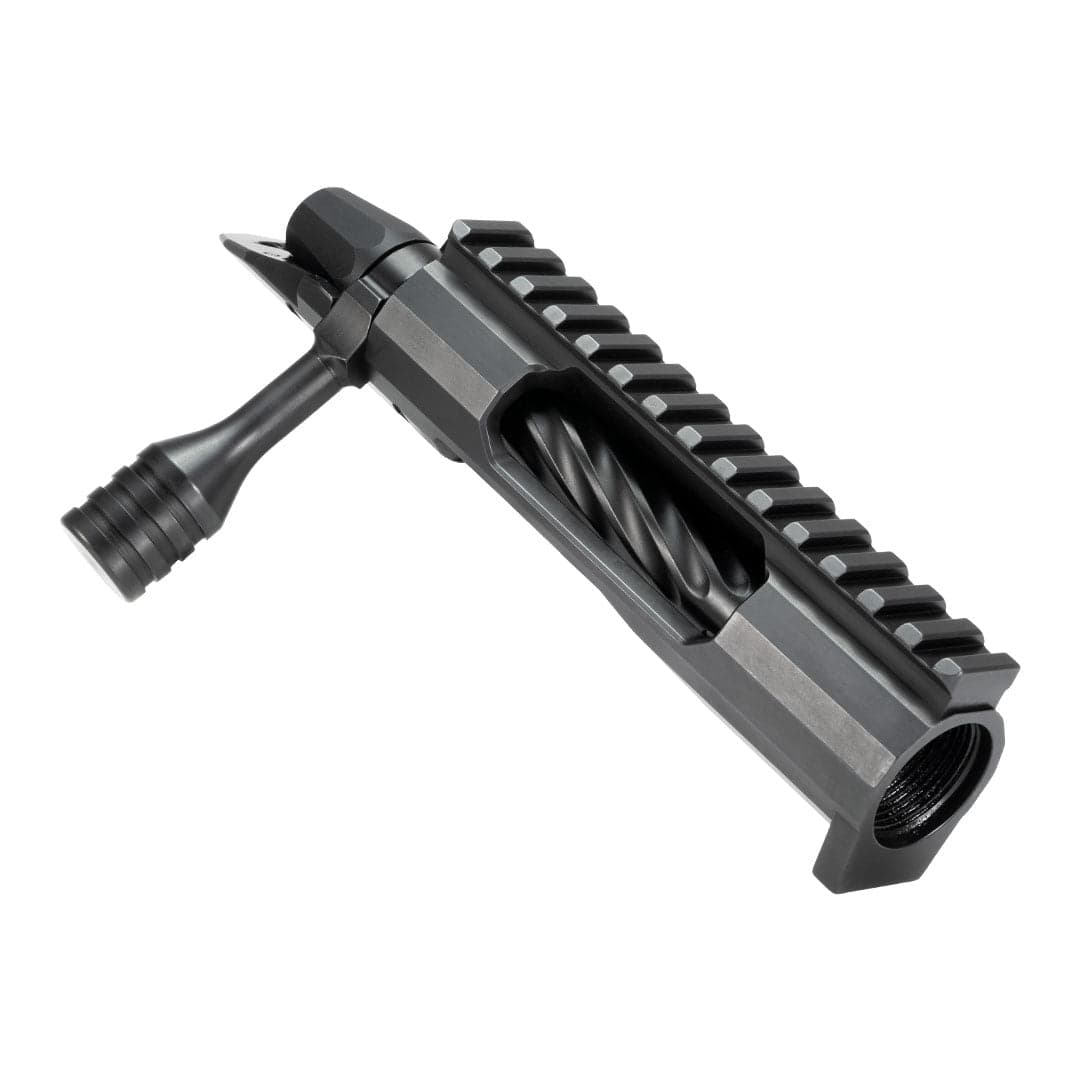
MDT Razor Action
- Remington 700 footprint
- 416R pre-hardened stainless steel
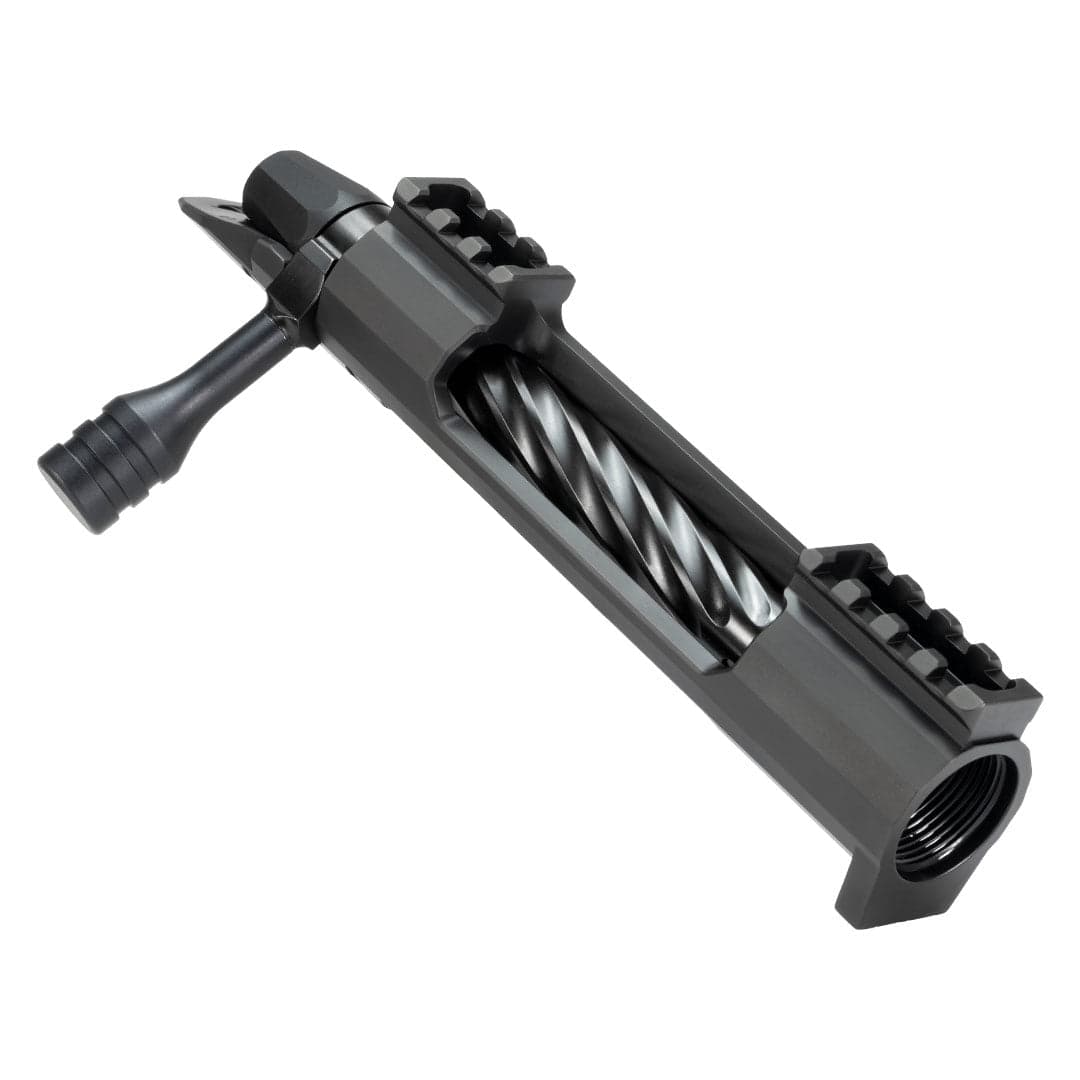
MDT Fuzion Ti Action
- Remington 700 footprint
- 6Al-4V titanium receiver
Affiliate links (?)
What This Means for Military Small Arms
The Army has been clear for several years that the future of dismounted small arms involves higher chamber pressures, shorter barrels suited to suppressor use, and lighter ammunition. The 6.8x51mm Common Cartridge in the M5 / XM7 and M250 / XM250 (Next Generation Squad Weapon family) is the program where that thesis already shipped, with SIG's hybrid case as the pressure-handling solution. Federal's Peak Alloy license is the parallel-source decision that keeps the Army from depending on a single supplier's case technology for high-pressure cartridges going forward.
The case is already showing up in high-pressure 5.56 work. Geissele's first HICAR iteration, revealed in August 2026 for USSOCOM's hypervelocity carbine program, pairs an 11.5-inch upper with ammunition Geissele loads in-house to a minimum of 82,000 PSI on Peak Alloy casings, driving a 77-grain SMK at about 2,700 ft/s.
The .50-caliber-and-below scope is the clue about likely applications. .50 BMG itself runs at relatively modest chamber pressures by magnum standards (around 54,000 PSI SAAMI) and does not need the headroom Peak Alloy provides. Where the technology makes more sense is in the gap between 5.56 NATO and .50 BMG: developmental sniper cartridges looking for more velocity from existing chassis, machine gun cartridges where weight savings compound across belt capacity, and intermediate cartridges where the Army wants short-barrel performance similar to what 7mm Backcountry demonstrates commercially. The .338 Norma Magnum lightweight medium machine gun program is the kind of application the case technology fits without difficulty.
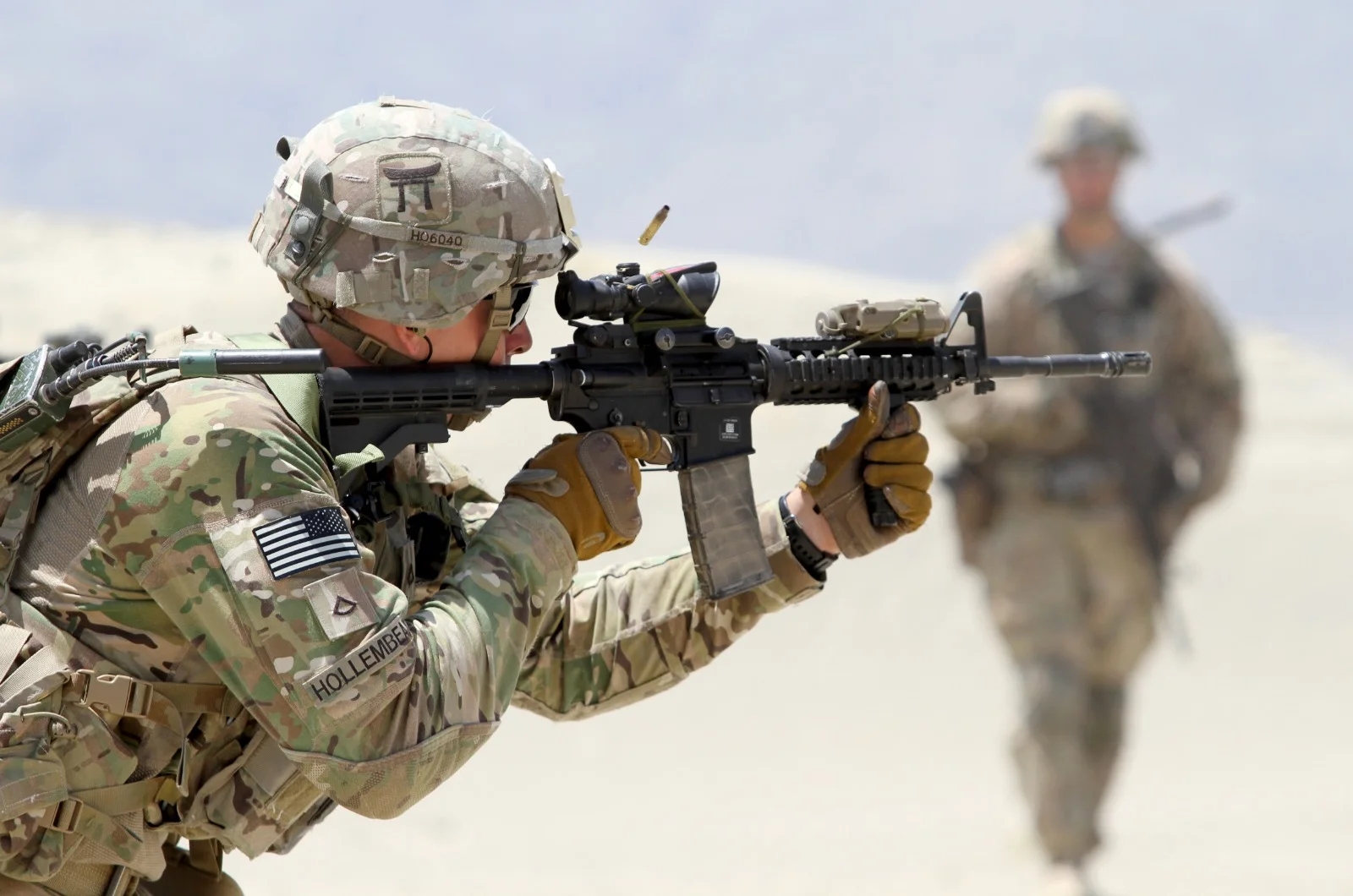
The 40-million-case delivery threshold is the second tell. That is not a peacetime peacekeeping number; it is the kind of volume that exists when the Army expects to standardize the case technology across one or more general issue cartridges. Compared to current annual brass case production for 5.56 and 7.62 NATO at the Lake City Army Ammunition Plant, 40 million Peak Alloy cases is a meaningful slice but not a total displacement. It reads as Army-side confidence in the technology rather than a one-program proof.
European allied interest, which Federal explicitly mentions in the announcement, slots into the same pattern. Multiple NATO countries are running their own next-generation small arms programs that would benefit from the same chamber-pressure headroom. A US-licensed second source of high-pressure case technology is materially useful at the alliance level, especially as production scales out of the 7mm Backcountry commercial line into government-spec volumes.
Frequently Asked Questions
▶What did Federal and the U.S. Army actually sign?
▶Why does the Army want steel cases instead of brass?
▶Will this affect the M5 / XM7 Next Generation Squad Weapon?
▶Which commercial rifles are chambered for 7mm Backcountry today?
▶Can I reload Peak Alloy cases like brass?
▶Does this change anything for AR-15 or AR-10 shooters?
▶Where can I buy 7mm Backcountry ammunition and rifles right now?
Bottom Line
The Federal-Army agreement is the most consequential ammunition-side industry story of mid-2026. It validates Peak Alloy as a military-grade case technology, gives the Army a second source for high-pressure cartridge cases alongside SIG's hybrid NGSW case, and structurally commits Federal to a 40-million-case production milestone before Government Purpose Rights vest. For commercial shooters, the practical immediate effect is confidence that the 7mm Backcountry cartridge has long-tail industrial support behind it, which matters for a cartridge that is fewer than 18 months old.
If you are picking a 7BC rifle today, the chambering list is wide enough that the decision is about action quality, barrel quality, and stock fit rather than waiting for a specific manufacturer to commit. Christensen, Weatherby, Fierce, Horizon, Savage, and Geissele all chamber the cartridge, and Remington joining the ammunition side guarantees factory load availability outside the Federal line. For broader cartridge-selection context the 308 Winchester ammo guide and the best 6.5 Creedmoor rifle picks cover the two cartridges 7mm Backcountry competes against most directly in the precision-hunting space.
For AR-pattern builders, this announcement is not a today story; Peak Alloy ships in a long-action bolt-gun cartridge. What changes is the supplier landscape behind future high-pressure intermediate cartridges, which is now broader by one validated source. The May 2026 ATF deregulatory package continues to push the suppressor-and-SBR side of the build picture forward; Peak Alloy is the cartridge-side parallel for the same short-barrel, suppressor-friendly design philosophy.