Prime Day deals are on now. See our roundup
Best 5.56 Ammo for Short Barrels 2026: SBR Loads Ranked header image
Gear
June 27, 2026
Best 5.56 Ammo for Short Barrels 2026: SBR Loads Ranked

The best 5.56 ammo for 10.5-inch and 11.5-inch SBRs ranked by terminal performance at reduced velocity. Hornady BLACK 75gr InterLock HD SBR (#1), Speer Gold Dot 62gr bonded, Federal Tactical Bonded, Black Hills MK262 77gr OTM, plus the loads that still expand and fragment from short barrels.

Best 5.56 Ammo for Short Barrels 2026: SBR Loads Ranked

The best 5.56 ammo for a short barrel is whatever still expands or fragments at the lower velocity a 10.5 or 11.5 inch barrel produces. A short barrel bleeds muzzle velocity, and a load tuned for a 16-20 inch barrel can arrive too slow to do its job. The answer is the Hornady BLACK 75gr InterLock HD SBR, built around a 2,310 fps muzzle velocity for exactly this problem, backed by bonded and heavy open-tip match loads that do not depend on speed they no longer have. This guide ranks eight loads by terminal performance at SBR velocities, explains the fragmentation threshold that decides which loads keep working, and splits the picks across home defense, duty, and range. Every figure here comes from manufacturer data and established wound-ballistics testing.

By AB|Last reviewed June 2026

Best 5.56 Loads for Short Barrels, Ranked

Ranked by terminal performance at the reduced muzzle velocity a 10.5-11.5 inch barrel produces. Heavy open-tip match and bonded or all-copper expanding bullets keep working where light fragmentation-dependent ball ammo drops below threshold.

1

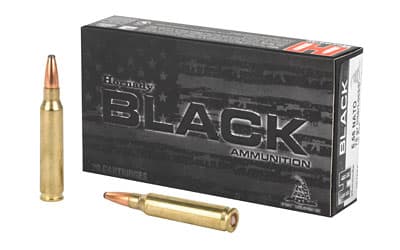
Hornady BLACK 5.56 75gr InterLock HD SBR

Best overall for SBR home defense

$25
Shop at Brownells
75gr InterLock HD SBR2,310 fps MVLow-flash powder
  • +Purpose-built around a 2,310 fps muzzle velocity so the bullet expands at the lower impact speeds a 10.5-11.5" barrel produces, where standard defensive loads tuned for 16-20" barrels can fail to expand
  • +InterLock ring mechanically locks jacket to core, holding the bullet together through drywall and intermediate barriers
  • +Reduced-flash propellant tuned for short gas systems preserves night vision in a dark house
  • Premium per-round cost versus training FMJ; reserve it for the loaded magazine, not range volume
  • Sold in 20-round boxes only, no bulk packaging
  • Effective envelope tapers past ~200 yards, which is fine for an SBR but not a substitute for a heavy OTM in a longer rifle
Caliber: 5.56 NATOBullet Weight: 75grMuzzle Velocity: 2,310 fpsMuzzle Energy: 889 ft-lbs
2

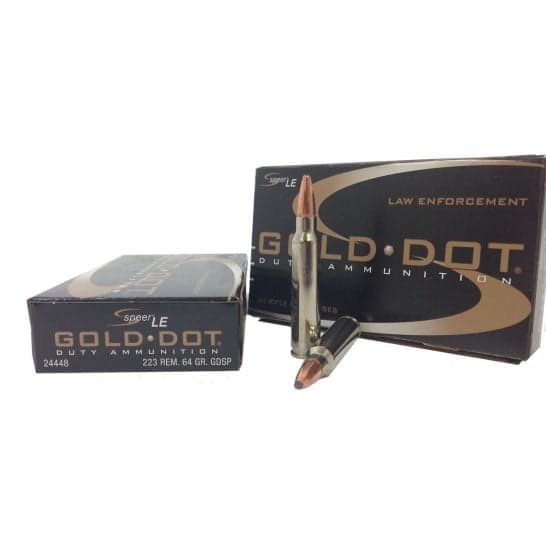
Speer Gold Dot .223 62gr GDSP

Best bonded duty load

$30
Shop at Brownells
62gr bonded GDSPVelocity-tolerantProven duty load
  • +Uni-Cor bonded core expands mechanically rather than depending on velocity-driven fragmentation, so terminal performance holds up as the barrel gets shorter
  • +Bonding eliminates jacket-core separation, giving consistent weight retention through barriers
  • +Long law-enforcement duty track record in patrol carbines, many of which run 10.5-14.5" barrels
  • Premium defensive pricing makes it a load-and-confirm round, not a training round
  • Availability moves through LE and limited commercial channels, so verify the exact SKU before bulk buying
Caliber: .223 RemBullet Weight: 62grMuzzle Velocity: 3,000 fps (24" test barrel)Muzzle Energy: 1,239 ft-lbs
3

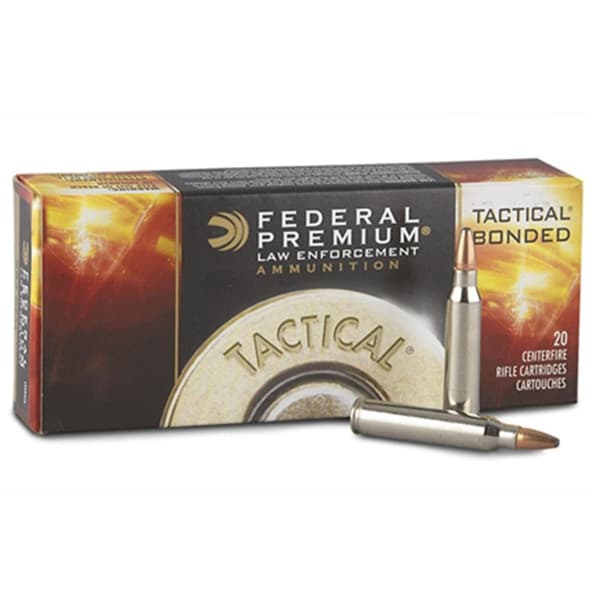
Federal Tactical Bonded .223 62gr SP (LE223T3)

Best value bonded barrier load

$11
Shop at Brownells
62gr bonded SPBarrier-capableBest price-per-box
  • +Bonded soft-point construction expands through intermediate barriers without the velocity dependence of an FMJ or match OTM
  • +Lowest per-box price among the bonded/expanding loads here, which makes stocking deep practical
  • +Nickel-plated brass case and staked primer are built for duty reliability and easy chamber checks in low light
  • Availability is uneven because LE223T3 and contract-overrun lots move through bulk and law-enforcement channels
  • Not a match load, so confirm group size and point of impact in your specific rifle
Caliber: .223 RemBullet Weight: 62grMuzzle Velocity: 3,050 fps (24" SAAMI test barrel)Muzzle Energy: 1,280 ft-lbs
4

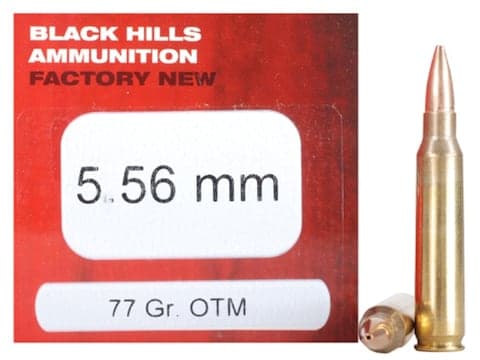
Black Hills MK262 Mod 1-C 77gr OTM

Best heavy OTM for 11.5"-plus precision and duty

$32
Shop at Brownells
77gr OTMLower frag thresholdLot-tested accuracy
  • +Heavy 77gr open-tip match bullet yaws and fragments at a lower impact velocity than 55gr M193, so its terminal window extends further from a short barrel
  • +The benchmark commercial Mk262 load, the same projectile and lineage as the round built for the Navy's SPR program
  • +Lot-acceptance accuracy testing at 300 yards gives more confidence than generic match ammo
  • Premium pricing well above bulk 55gr and 62gr ammunition
  • Needs a 1:8" or faster twist to stabilize; verify before buying in quantity
  • Velocity drops faster from a 10.5" barrel than the 20" test figure suggests, narrowing the fragmentation window
Caliber: 5.56 NATOBullet Weight: 77grMuzzle Velocity: 2,750 fps (20" barrel)Muzzle Energy: 1,293 ft-lbs
5

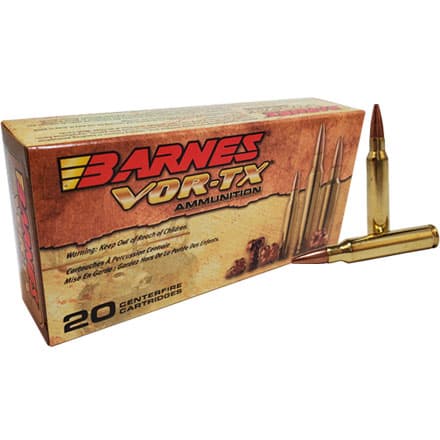
Barnes VOR-TX 62gr TSX

Best lead-free and barrier-blind load

$38
Shop at Brownells
62gr all-copper TSXNo fragmentation neededLead-free
  • +All-copper TSX expands at lower impact velocities than most lead-core bullets and does not rely on fragmentation, an advantage from a short barrel
  • +Near-100% weight retention drives deep, consistent penetration through barriers
  • +Lead-free, so it is legal where copper bullets are mandated (California and other restricted zones)
  • Highest per-box price in this lineup
  • Requires a 1:9" or faster twist; not for older slow-twist barrels
  • Copper fouling can demand a different cleaning routine than jacketed lead
Caliber: 5.56 NATO / .223Bullet Weight: 62grMuzzle Velocity: 3,000 fps (20" barrel)Muzzle Energy: 1,239 ft-lbs
6

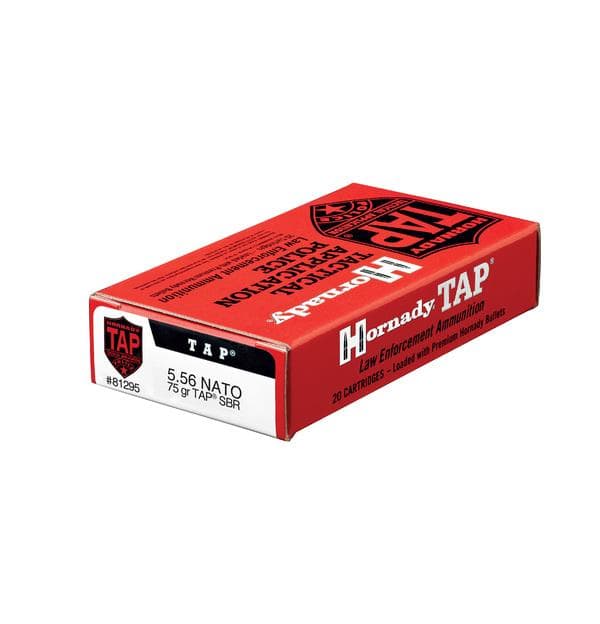
Hornady TAP 75gr BTHP

Best value law-enforcement duty load

$13
Shop at Brownells
75gr BTHP TAPHeavy-for-caliber fragBest-value duty
  • +Heavy 75gr BTHP fragments at lower velocity than light ball ammo, holding terminal performance from a short barrel better than M193
  • +Law-enforcement TAP line tuned for patrol-rifle use, where short barrels are common
  • +Strongest price-to-performance of the heavy match-style loads here
  • Needs a 1:7" to 1:9" twist to stabilize the 75gr bullet
  • Availability tracks LE channels and can be intermittent
  • Not a bonded barrier round; bonded loads above are better through hard intermediate barriers
Caliber: .223 RemBullet Weight: 75grMuzzle Velocity: 2,785 fpsMuzzle Energy: 1,292 ft-lbs
7

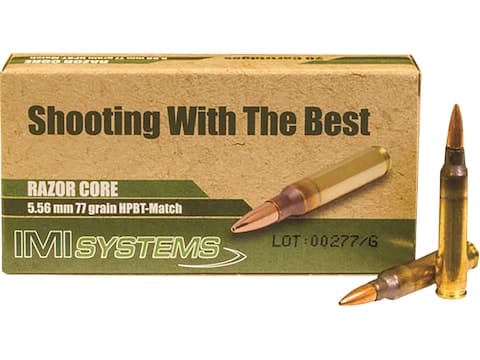
IMI Razor Core 5.56 77gr OTM

Best value Mk262-equivalent for training and zero confirmation

$22
Shop at Brownells
77gr Sierra MatchKingMk262 profile, value5.56 NATO only
  • +Same 77gr Sierra MatchKing OTM projectile as Mk262 at a fraction of the price, ideal for high-volume practice on a precision load profile
  • +Higher velocity than some domestic 77gr loads from the same barrel, keeping it in the full-pressure 5.56 lane
  • +Sealed cases and crimped primers for all-weather reliability
  • 5.56 NATO chambers only, not .223 Remington
  • Needs a 1:8" or faster twist
  • Maker and catalog note it is not optimized below 14.5"; expect more velocity loss and a narrower fragmentation window from a 10.5" barrel
Caliber: 5.56 NATOBullet Weight: 77grMuzzle Velocity: 2,700+ fps (16" barrel)Bullet Type: Sierra MatchKing OTM
8

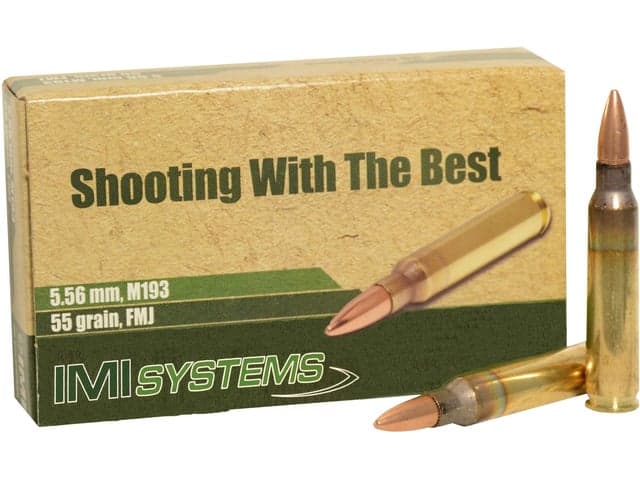
IMI 5.56 M193 55gr FMJ

Best budget round for range and close-range training

$7
Shop at Brownells
55gr M193 FMJCheapest training optionClose-range performer
  • +True M193 pressure keeps muzzle velocity high enough that the 55gr bullet still fragments at the muzzle even from a 10.5" barrel at close range
  • +By far the cheapest load here, the obvious choice for volume practice and function testing
  • +Stabilizes in any common 5.56 twist, including older 1:9" barrels
  • Fragmentation depends on staying above roughly 2,500 fps, and from a short barrel that window collapses within the first 50-100 yards, so it is a close-range performer only
  • FMJ, not a purpose-built defensive bullet; the loads ranked above expand or fragment more reliably at SBR velocities
  • 5.56 NATO chambers only, not .223-only chambers
Caliber: 5.56 NATOBullet Weight: 55grMuzzle Velocity: 3,215 fps (20" barrel)Muzzle Energy: 1,262 ft-lbs

Rankings reflect published ballistic data, manufacturer specifications, and established terminal-ballistics literature. Velocity figures are from the test barrels noted; a short barrel will run slower. Confirm function and point of impact in your specific rifle.

Affiliate links - purchases support this site at no extra cost to you. (?)

How Much Velocity a Short Barrel Actually Costs

A 10.5 inch barrel gives up roughly 400-500 fps of muzzle velocity versus a 16 inch barrel with the same 5.56 load, and an 11.5 inch barrel gives up around 350-400 fps. M193 that leaves a 16 inch barrel near 2,900 fps exits a 10.5 inch closer to 2,400. 5.56 burns powder over a long column, so every inch you cut below about 16 inches sheds speed, unlike 300 Blackout, which is nearly done burning by 9 inches. That velocity is not a vanity number. It is the energy that drives a bullet to fragment or expand on impact, and a short barrel hands some of it back before the round ever leaves the muzzle.

Approximate 5.56 Muzzle Velocity by Barrel
16" Barrel
BaselineMVStandard carbine reference
11.5" Barrel
~350-400fps slowerCommon SBR sweet spot
10.5" Barrel
~400-500fps slowerShortest practical 5.56

Treat those numbers as a working range, not a per-inch guarantee, because the exact loss depends on the load, the gas system, and the individual barrel. For the inch-by-inch velocity curve and where the 5.56 falloff really steepens, see the barrel length guide, and for how a can changes the short-barrel velocity and pressure picture, the 5.56 suppressor guide. The practical takeaway for ammo selection is simple: the shorter your barrel, the more you should lean on loads that do not need high velocity to perform.

The Fragmentation Velocity Threshold, and Why It Decides Everything

M193-type 55gr FMJ only fragments above roughly 2,500 fps of impact velocity. Below that speed the bullet yaws and tumbles but does not break apart at the cannelure, so instead of a violent, effective wound it punches a narrow .22-caliber hole. This single number explains why short-barrel ammo selection is different from picking ammo for a 16 inch rifle: a short barrel starts the bullet slower, so it crosses below 2,500 fps sooner, and the effective window shrinks.

From a 10.5 inch barrel, light M193 may still frag at the muzzle at across-the-room distance, but that window can collapse inside the first 50-100 yards. Two ways around the problem: use a heavy open-tip match bullet that yaws and fragments at a lower velocity threshold than 55gr ball, or use a bonded or all-copper bullet that expands mechanically and ignores the fragmentation question entirely. The ranked loads above are sorted by how well they solve this, not by raw muzzle energy.

Pick by Job: Home Defense, Duty, and Range

Home defense takes the Hornady BLACK 75gr InterLock HD SBR, duty and barrier work goes to a bonded 62gr like Speer Gold Dot or Federal Tactical Bonded, and the range gets IMI M193 55gr. The three jobs reward different bullets: home defense wants reliable expansion at close range with controlled penetration through interior walls, duty wants a bonded bullet that holds together through glass and sheet metal, and the range wants the cheapest load that runs your gun, accepting that it is a close-range performer only.

Home Defense

Hornady BLACK 75gr InterLock HD SBR is the answer. It expands at SBR velocities, its InterLock ring holds the bullet together through drywall, and its low-flash powder preserves night vision in a dark house. The Speer Gold Dot 62gr bonded load is the close runner-up.

Duty / Barrier

Federal Tactical Bonded 62gr (LE223T3) is the value barrier pick, with Speer Gold Dot and the Black Hills MK262 77gr OTM covering bonded and heavy-match duty roles. The lead-free Barnes VOR-TX 62gr TSX is the barrier-blind copper option.

Range / Training

IMI M193 55gr FMJ is the budget benchmark for volume practice, and the IMI Razor Core 77gr OTM lets you train on the same Mk262 projectile profile at a fraction of the cost. The Hornady TAP 75gr bridges value and duty performance.

One discipline ties all three together: confirm your defensive load in your actual rifle. Run at least a magazine of your chosen home-defense or duty round to verify it cycles, hits to your zero, and patterns where you expect. For the build that wraps around these loads, the best AR-15 for home defense guide covers optics, lights, and configuration, and the PDW and AR pistol guide explains the length tradeoffs that drive these velocity losses in the first place. You can spec a complete short-barrel build in the rifle builder.

Twist Rate: Will the Heavy Loads Stabilize in Your Barrel?

Twist rate, not barrel length, decides whether the 75gr and 77gr loads stabilize. The heavy open-tip match bullets need a 1:8 inch or faster twist to fly straight, and nearly every modern 5.56 SBR barrel ships 1:7 inch, which handles all of them. Barrel length affects velocity; twist affects stability. A 10.5 inch 1:7 barrel shoots 77gr beautifully, while a 20 inch 1:12 barrel will keyhole it.

If you are unsure of your twist, it is usually roll-marked on the barrel near the chamber or muzzle. When in doubt, the 62gr bonded loads (Speer Gold Dot, Federal Tactical Bonded) are the safe middle: they stabilize in any common twist and still expand at short-barrel velocities. For how velocity and bullet weight shape downrange energy and drop, the ballistics guide covers the underlying math.

The Verdict

For a 5.56 SBR, load Hornady BLACK 75gr InterLock HD SBR for home defense, Speer Gold Dot or Federal Tactical Bonded 62gr for duty and barriers, and IMI M193 55gr for the range.

The single rule that governs short-barrel 5.56 is that velocity is scarce, so pick bullets that do not need it. Heavy open-tip match like the Black Hills MK262 fragments at a lower threshold; bonded and all-copper loads expand mechanically regardless of speed; light M193 is a close-range training round once the barrel gets short. Confirm your defensive load in your own rifle, check your twist before buying heavy, and stock the load you trust deep. For the broader load-by-barrel breakdown, start with the 5.56 ammo selection guide.

Frequently Asked Questions

What ammo is best for a 5.56 SBR?
Hornady BLACK 75gr InterLock HD SBR ($25.99/20) is the best overall pick. Hornady built it around a 2,310 fps muzzle velocity specifically so the bullet expands at the lower impact speeds a 10.5-11.5 inch barrel produces, where standard defensive loads tuned for 16-20 inch barrels can fail to expand. For a bonded duty alternative, Speer Gold Dot 62gr GDSP expands mechanically rather than depending on velocity.
What is the best caliber for a short barrel AR-15?
5.56 NATO remains the most versatile short-barrel caliber if you choose a load built for reduced velocity: heavy open-tip match (75-77gr) or a bonded/expanding bullet such as Hornady BLACK 75gr SBR or Speer Gold Dot 62gr. If you run a barrel under 10.5 inches or want subsonic suppressed performance, 300 Blackout was designed from the start for short barrels and is worth comparing.
What's better for a short barrel, 55gr or 62gr?
From a short barrel, bullet construction matters more than the 55 vs 62 grain difference. A 62gr bonded soft point such as Speer Gold Dot or Federal Tactical Bonded expands at lower velocity than 55gr M193 FMJ, which relies on fragmentation that collapses quickly as a short barrel bleeds speed. Heavier 75-77gr open-tip match loads fragment at an even lower velocity threshold, extending terminal performance further out.
What 5.56 ammo do Navy SEALs use?
The Mk262 Mod 1 77gr open-tip match load, developed with Black Hills for the Mk12 SPR program. Black Hills sells the commercial MK262 Mod 1-C ($32/20), the same 77gr OTM projectile and lineage. Its heavy bullet fragments at a lower velocity than 55gr M193, which is part of why it performs well from shorter barrels.
Does 5.56 fragment from a short barrel?
It can, but the window is narrower. Fragmentation in M193-type FMJ depends on impact velocity staying above roughly 2,500 fps. A 10.5 inch barrel starts 5.56 around 400-500 fps slower than a 16 inch barrel (M193 near 2,400 fps at the muzzle instead of 2,900), so it sits close to the fragmentation floor from the start and drops below it within the first 50-100 yards. Heavy open-tip match (75-77gr) fragments at a lower velocity threshold, and bonded or all-copper loads expand mechanically regardless of velocity.
Will 75gr and 77gr ammo stabilize in my short barrel?
Yes, as long as your barrel has a 1:8 inch or faster twist, which nearly every modern 5.56 SBR barrel does (most are 1:7 inch). Twist rate, not barrel length, determines whether the heavy bullets stabilize. Older 1:9 inch barrels can be marginal with 77gr; 1:12 inch barrels will not stabilize them. Lighter 55-62gr loads stabilize in any common twist.