Key Takeaways
- →Update (August 2026): 10.5 M-LOK (OHX-APS01, $1,099.99, SBA3) and Quad (OHX-APQ01, $1,199.99, SBA5) are live and in stock, three-day ship from theonehorse.com as of August 20. Same factory-timed Atrius package as the rifle, shorter.
- →Rifle remains the buy: OHX-AI01 16-inch Express is still $999.99 (MSRP $1,199.99). Buy it unless you specifically need a brace gun. Quad is a rail/brace preference tax, not a better FRS.
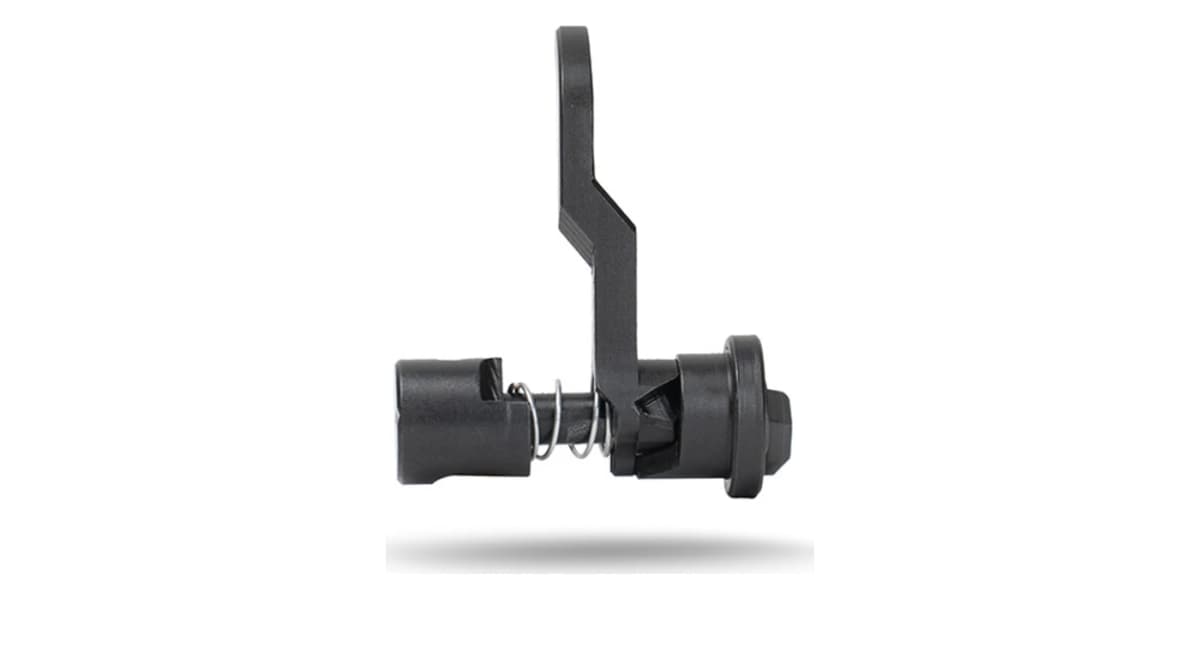
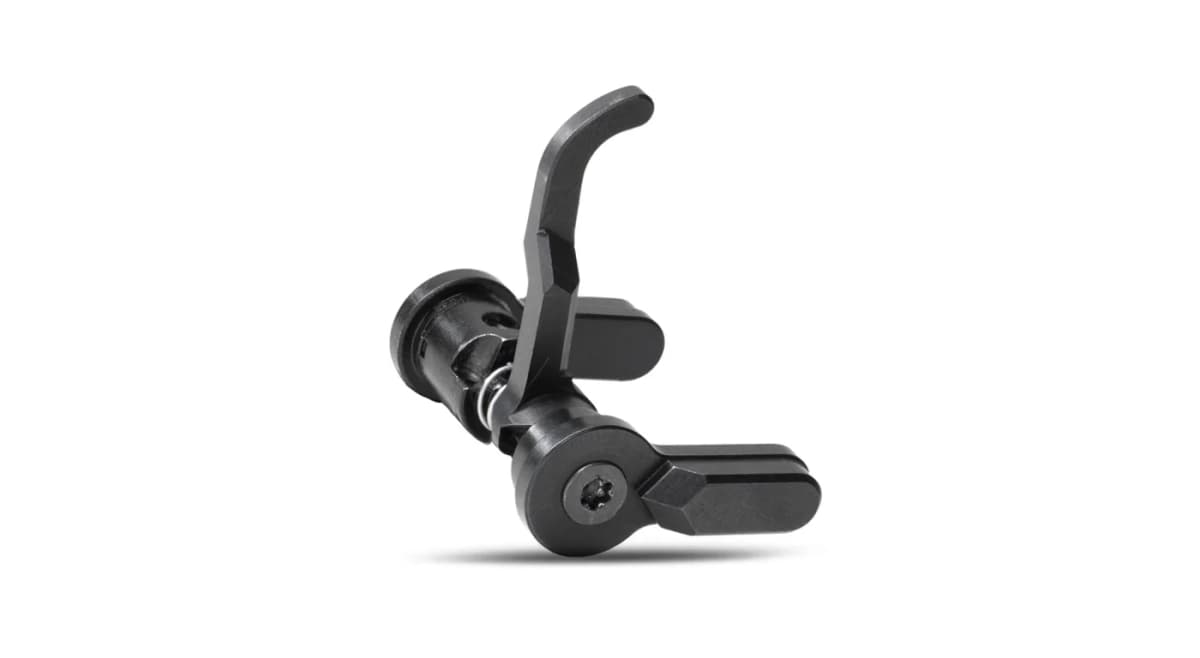
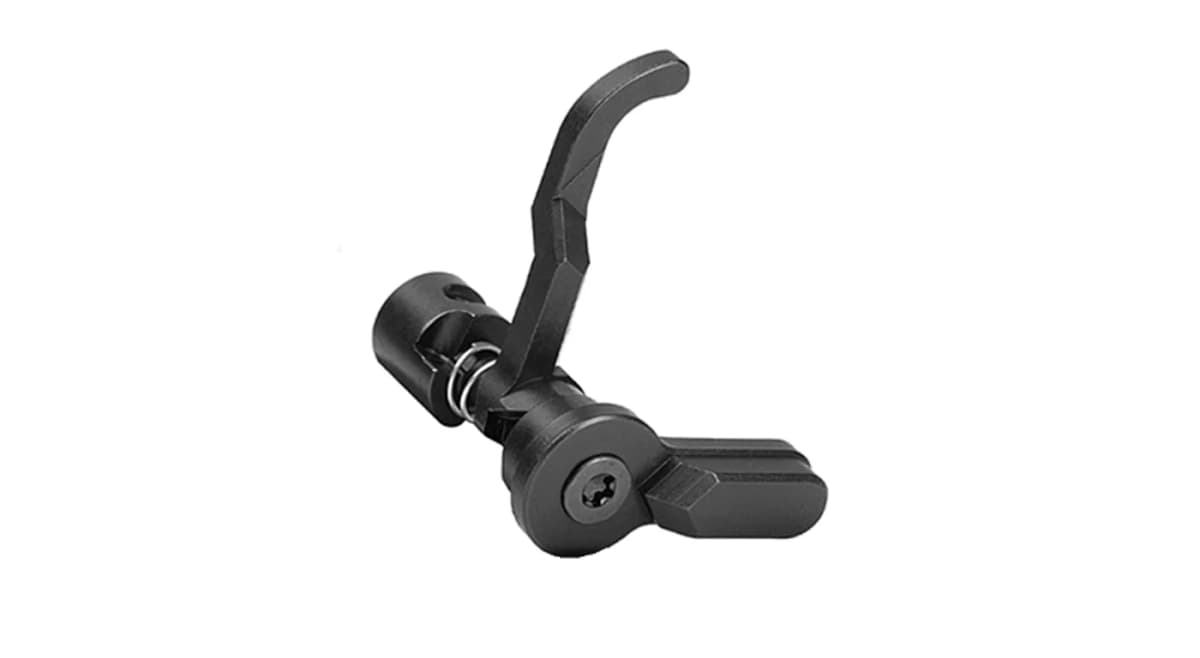
- →FRS, not FRT: Atrius Single Side selector does Safe / Semi / Super Semi on a mil-spec fire control group. Standalone list is about $199.
- →Update (July 3, 2026): Limited-time American Camo and Woodland Camo Cerakote editions of the Express at $1,299.99 MSRP, same rifle, new finish.
- →An industry first: The One Horse Express is the first factory AR-15 to ship with a forced reset selector pre-installed, fit, timed, and test-fired.
- →Built around the selector: H2 buffer and low-cut shelf so Super Semi runs out of the box on the 16-inch mid-length host.
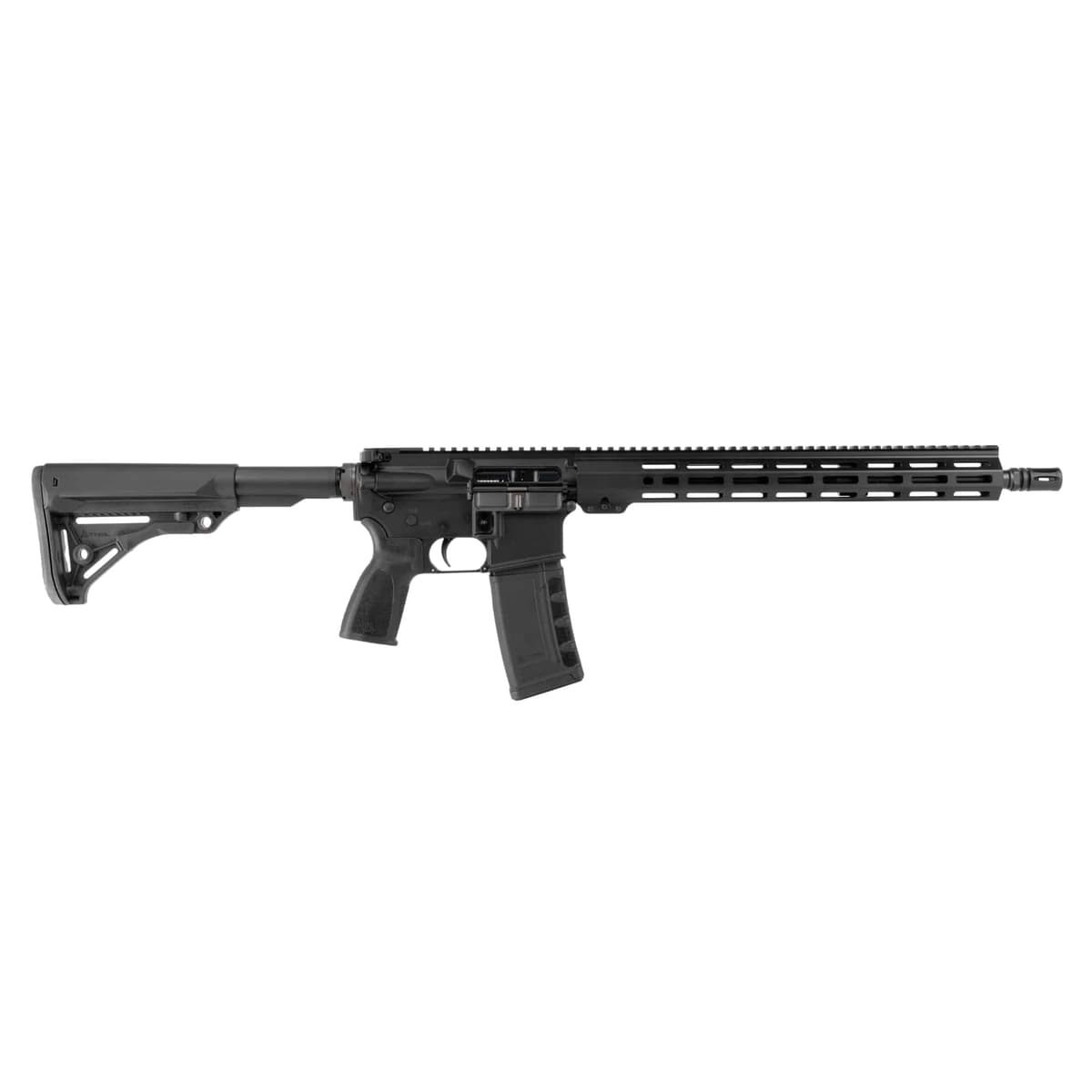
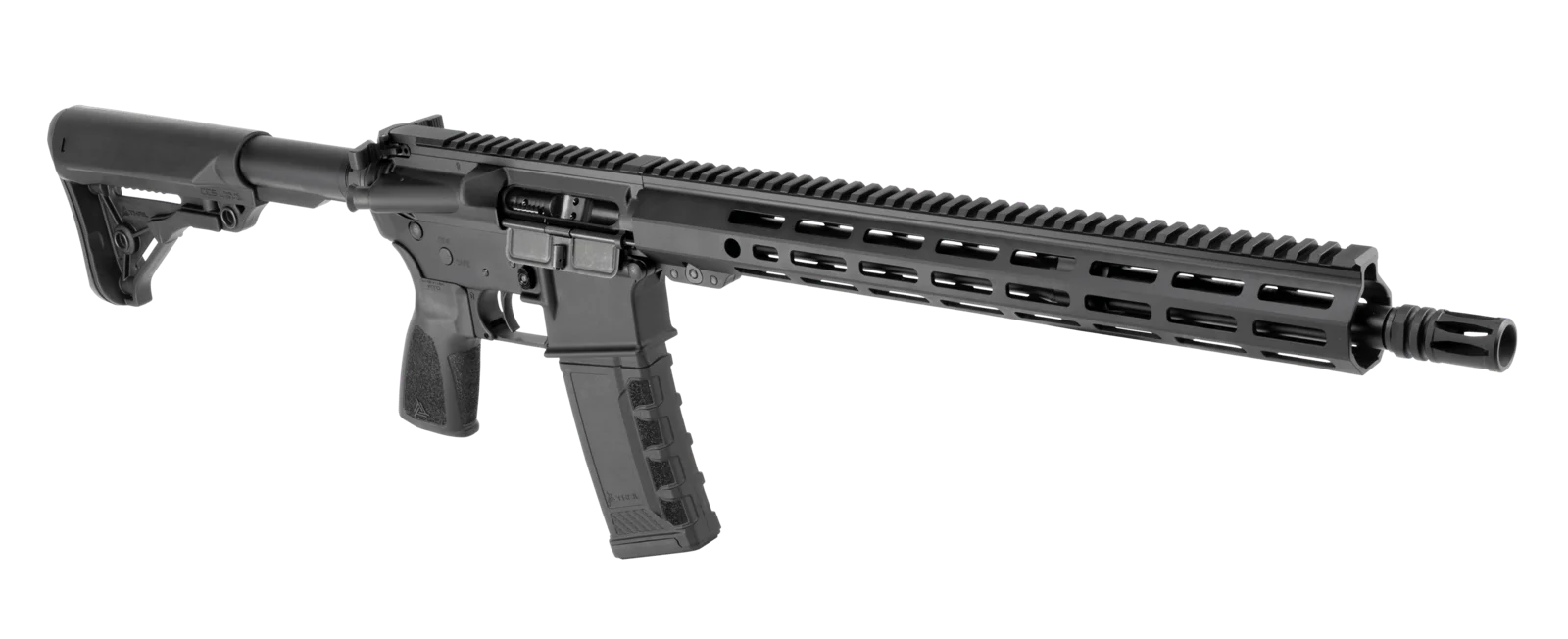
One Horse Express Rifle with Atrius FRS
Factory-tuned Atrius FRS rifle with standard AR-15 accessory interfaces
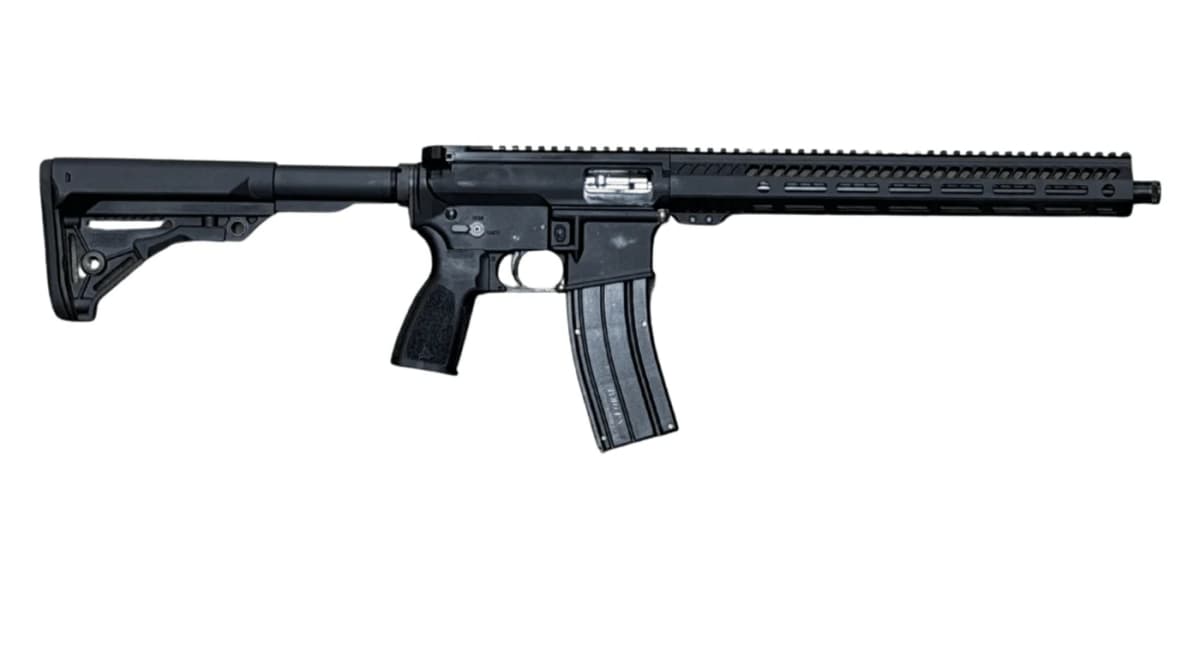
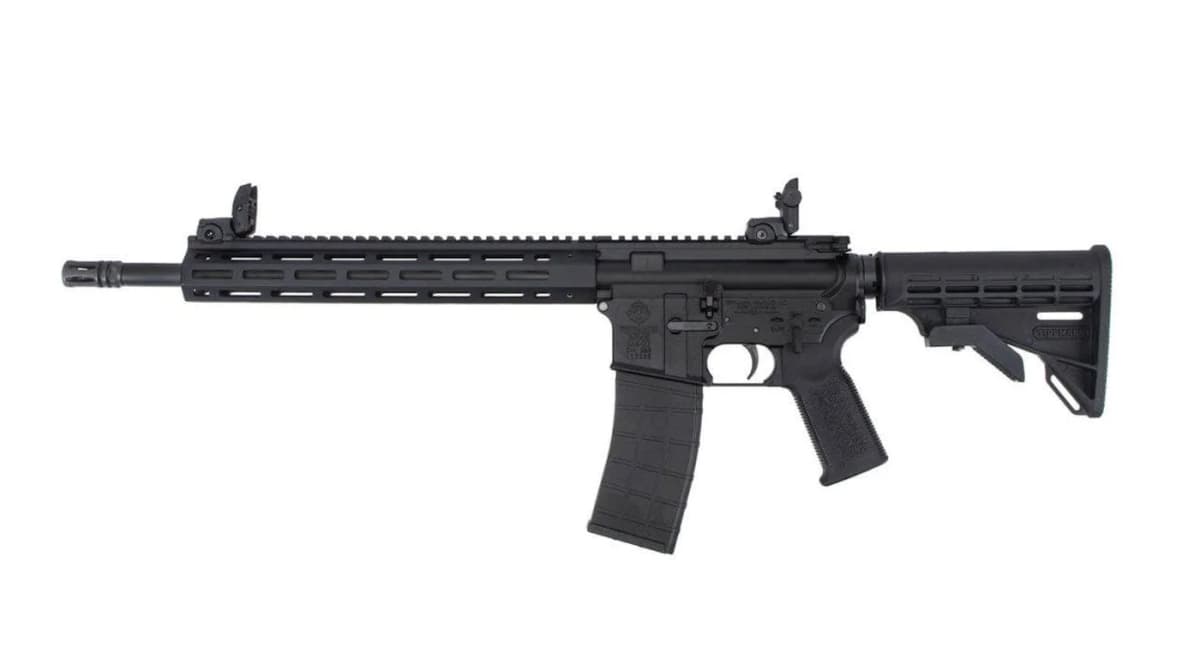
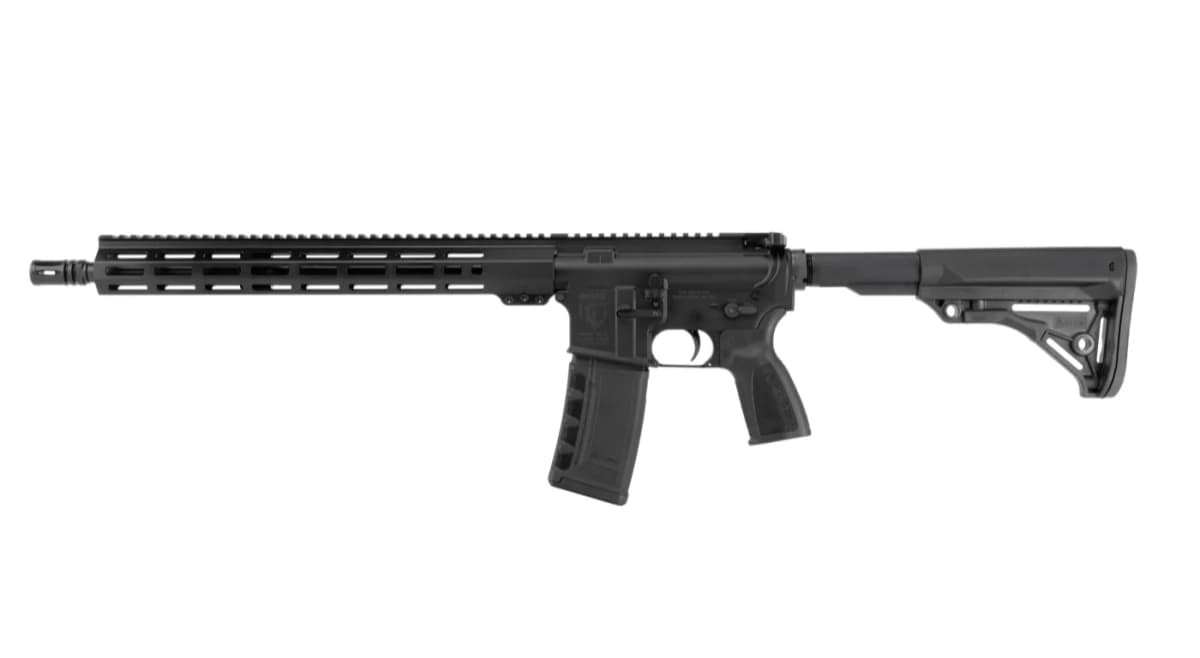
Factory-built 16-inch AR-15 with a single-side Atrius Forced Reset Selector fitted, timed, and tested by One Horse.
- +Atrius FRS arrives fitted, timed, and tested in the complete rifle
- +Mid-length gas and 16-inch barrel retain familiar AR-15 handling and ballistics
- +M-LOK, Picatinny, STANAG, and 1/2x28 interfaces support common AR accessories
- −Single-side selector is less flexible than the optional ambidextrous Atrius version
- −No sights or optic are listed with the base rifle
- −Forced-reset legality and transfer eligibility vary by jurisdiction
Affiliate links (?)
The First Factory Rifle With a Forced Reset Selector
Every forced reset build until now started with the buyer doing the work: source a selector or trigger, swap a buffer, find a low-shelf lower, time it, and hope it runs. The One Horse Express ends that. It is the first production AR-15 sold with a forced reset selector installed, fit, timed, and test-fired at the factory. You buy a complete rifle, not a project.
It is a collaboration, not a parts-bin assembly. One Horse, a family-owned manufacturer in Brownstown, Indiana, developed the rifle with Atrius Development Group, the company behind the selector. "This rifle was built to run," said One Horse CEO Jeremy Hammons in the June 19 launch announcement, with Atrius founder Ryan Spadafore framing it as the FRS reaching the production line after years of setting the aftermarket standard.
That matters because the failure mode for forced reset devices is almost always integration, not the device itself. An FRS dropped into a rifle with the wrong buffer weight or a high-shelf lower short-strokes and stops resetting. One Horse engineered the Express from the ground up around the selector, so the buffer, shelf, and gas system are matched to it rather than worked around it.
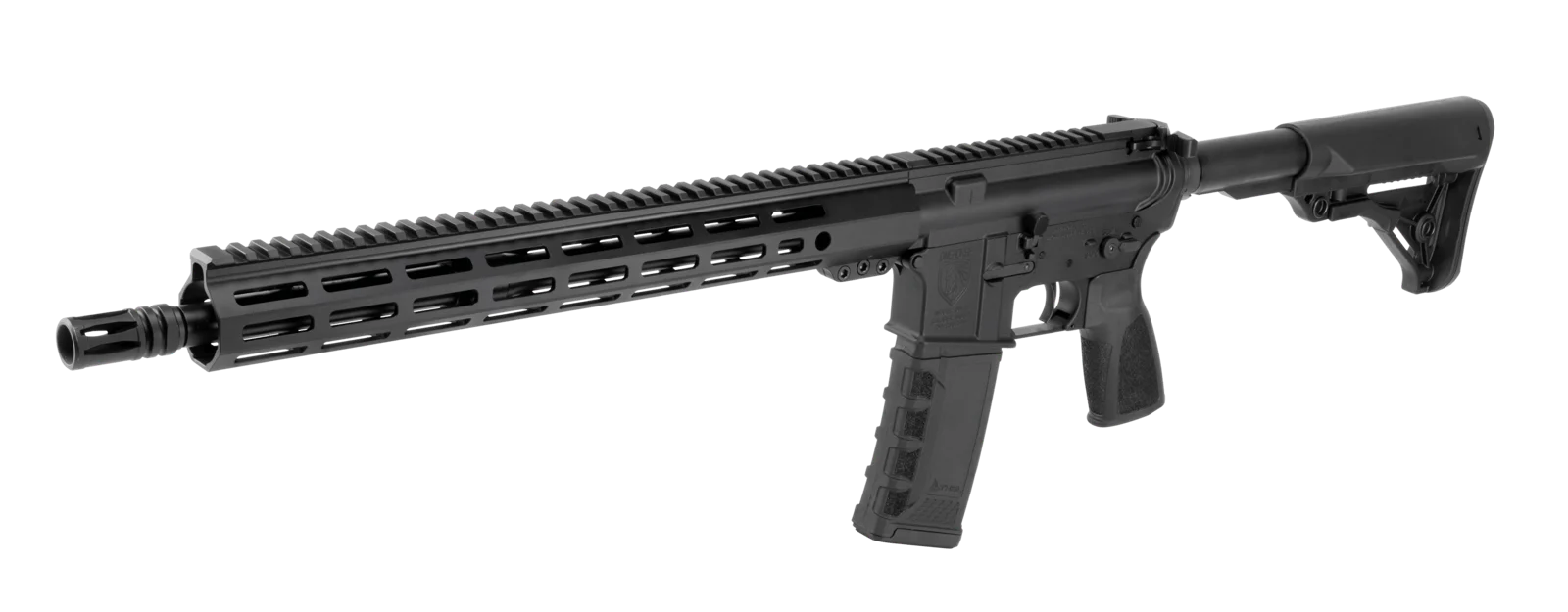
The selector itself is the Atrius Single Side FRS, a part we reviewed on its own and a known quantity in the forced reset space. One Horse labels its three positions Safe, Semi, and Super Semi, with Super Semi being the forced reset mode that resets the trigger against your finger as the carrier cycles. For a full breakdown of how the selector works versus a trigger-based FRT, see our Atrius FRS review and the Super Safety and forced reset guide.
One Horse Express Specifications
Under the forced reset headline, the Express is a conventional, well-specified 16-inch carbine. Nothing here is exotic, which is the point: a nitride-finished CrMoV SOCOM-profile barrel, a low-profile staked steel gas block, and a mid-length gas system are the right host for a reliable FRS.
Specifications
- SelectorAtrius Single Side FRS (Safe/Semi/Super Semi)
- Caliber5.56mm NATO
- Barrel16" CrMoV, nitride, SOCOM profile, dimpled
- Twist Rate1:8
- Gas SystemMid-Length
- Muzzle Thread1/2x28 (A2 device)
- Charging HandleBreek Arms Warhammer Mod2 (ambi)
- Handguard15" Express-Lock M-LOK
- Gas BlockLow-profile staked steel
- BufferH2 with low-cut shelf
- Weight7.14 lbs
- Made InUSA
- MSRP / Launch Price$1,199.99 / $999.99
The Atrius FRS: What Drives the Express
The Atrius Single Side FRS is a drop-in safety selector machined from heat-treated 4140 steel. In its third position it mechanically leverages the carrier to reset the trigger as the rifle cycles, delivering rapid semi-automatic fire without replacing the trigger group. Because it keeps your mil-spec fire control group, it puts less stress on internals than a trigger-based forced reset trigger.
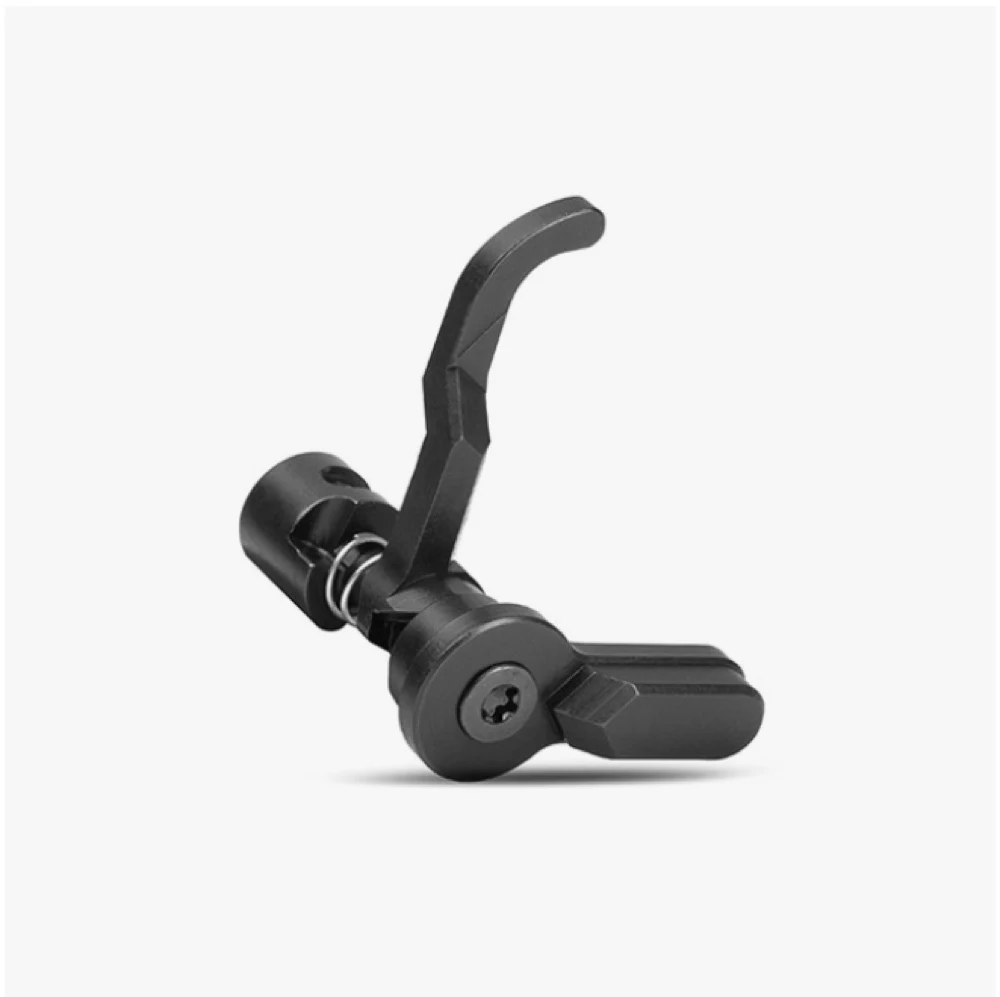
If you already own an AR-15 and want the same capability, the selector is sold on its own. The single-side version is $199 and the ambidextrous version is $249. Plan on an H2 or H3 buffer and a low-shelf lower, the exact setup One Horse builds into the Express, or you will fight short-stroking in the third position.
Run the FRS on your own build: The Atrius Single Side FRS is the same selector fit to the Express. Drop-in for mil-spec AR-15 lowers, three positions, $199.
Shop the Atrius FRS at Optics Planet →Shop Forced Reset Selectors
Selector-based forced reset devices that drop into a mil-spec AR-15 lower. The Atrius drives the Express; MARS and AS Designs take the same selector-not-trigger approach.
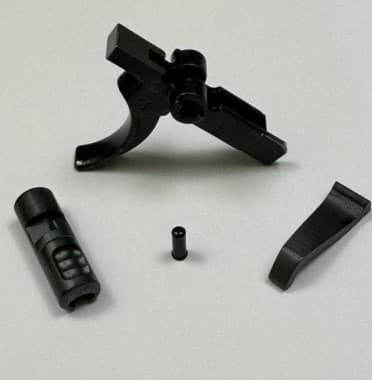
Mars Trigger Position AR FRT Super Safety
- 3-position selector
- 4140 Alloy Steel
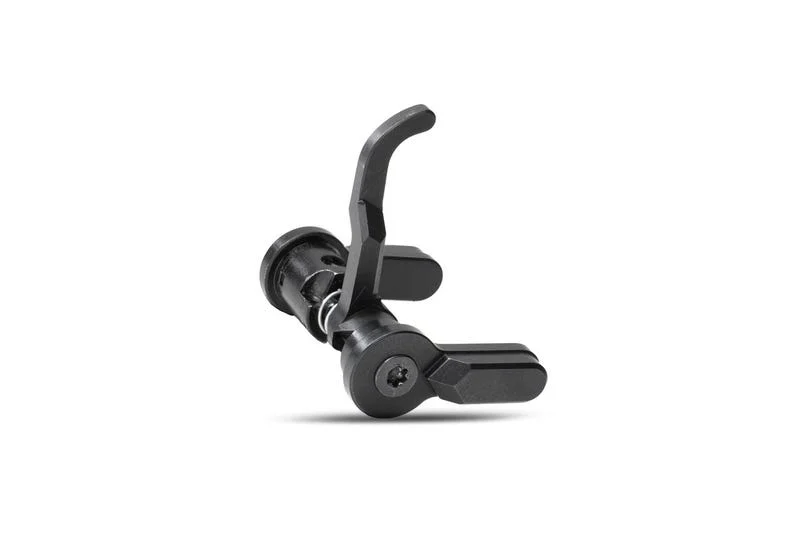
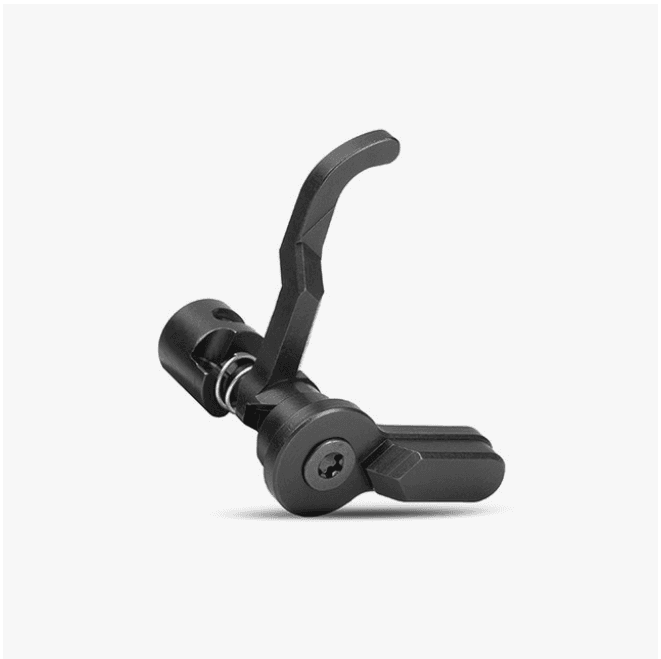
Atrius Development Ambidextrous Forced Reset Selector
- 90-degree throw
- Ambidextrous
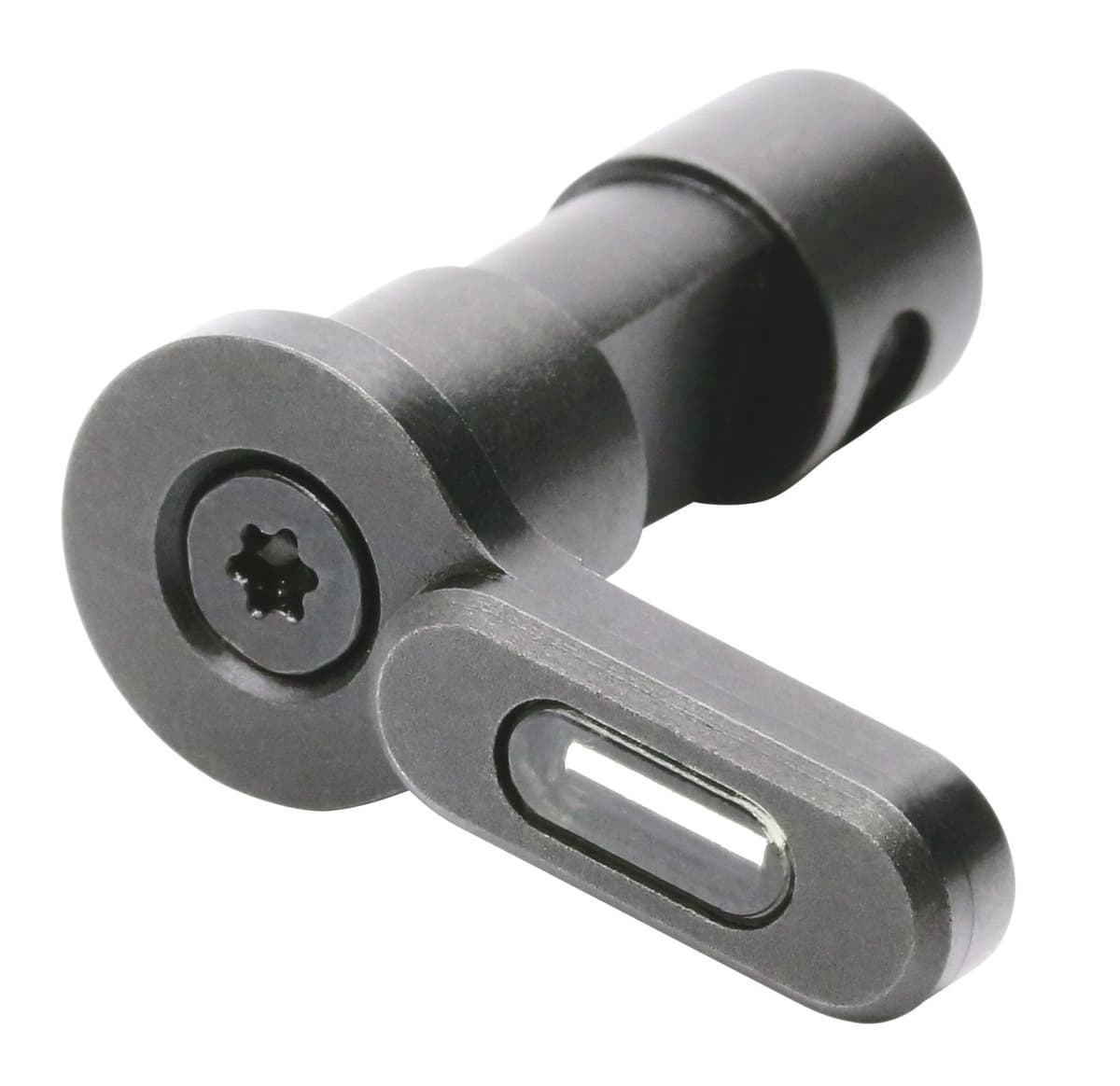
Atrius Development Forced Reset Selector
- 90-degree throw
- Right-hand only
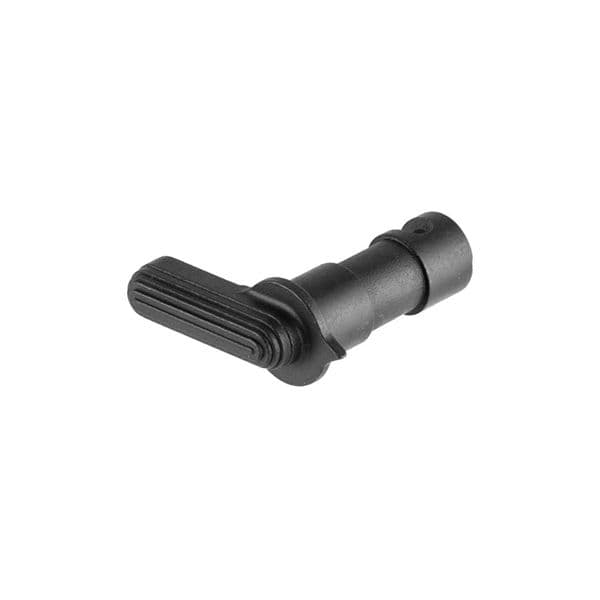
Night Fision Ambi Night Switch Tritium Safety Selector
- Ambidextrous AR-15 safety selector
- Green tritium markers on both levers
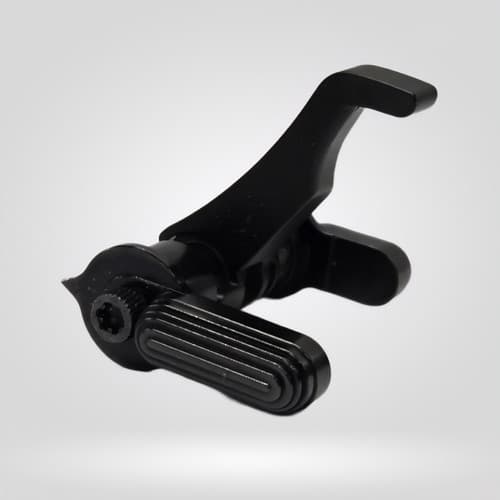
Mil-Spec Safety Selector
- 90-degree throw
- Single-side
AS Designs Arc-Fire V2 Ambi Kit (0-90-180)
- 0/90/180 throw
- Ambidextrous
Affiliate links (?)
Why the H2 Buffer and Low-Cut Shelf Matter
The single most common forced reset complaint is a rifle that runs fine in semi but stutters or fails to reset in the third position. The cause is almost always carrier velocity and timing. Too light a buffer and the carrier moves too fast and unlocks the reset; the wrong shelf height and the selector cam cannot fully engage.
One Horse addresses both by building the Express with an H2 buffer and a low-cut fire control shelf from the start. The heavier buffer slows the carrier into the timing window the FRS needs, and the low shelf gives the selector cam full travel. This is the same integration work an experienced builder does by hand, done at the factory and validated before the rifle ships.
If you are tuning a forced reset build of your own, buffer weight is the first lever to pull. Our AR-15 buffer systems guide covers H1, H2, and H3 weights and when to step up, and the forced reset buyer's guide compares every current FRS and FRT option side by side. Our FRT compatible guns guide maps which platforms have a forced reset path at all.
One Horse cut the same factory-timed Atrius package to 10.5 inches on July 30, 2026 with two brace pistols (covered below). The line also extended into rimfire in August 2026 with the Express 22 Rifle and Express 22 Pistol, dedicated .22 LR firearms running the same Atrius selector at $1,299.99 each. See our One Horse Express 22 coverage for the rimfire spec split and how it prices against the Tippmann.
Update (August 2026): 10.5 Express Pistols
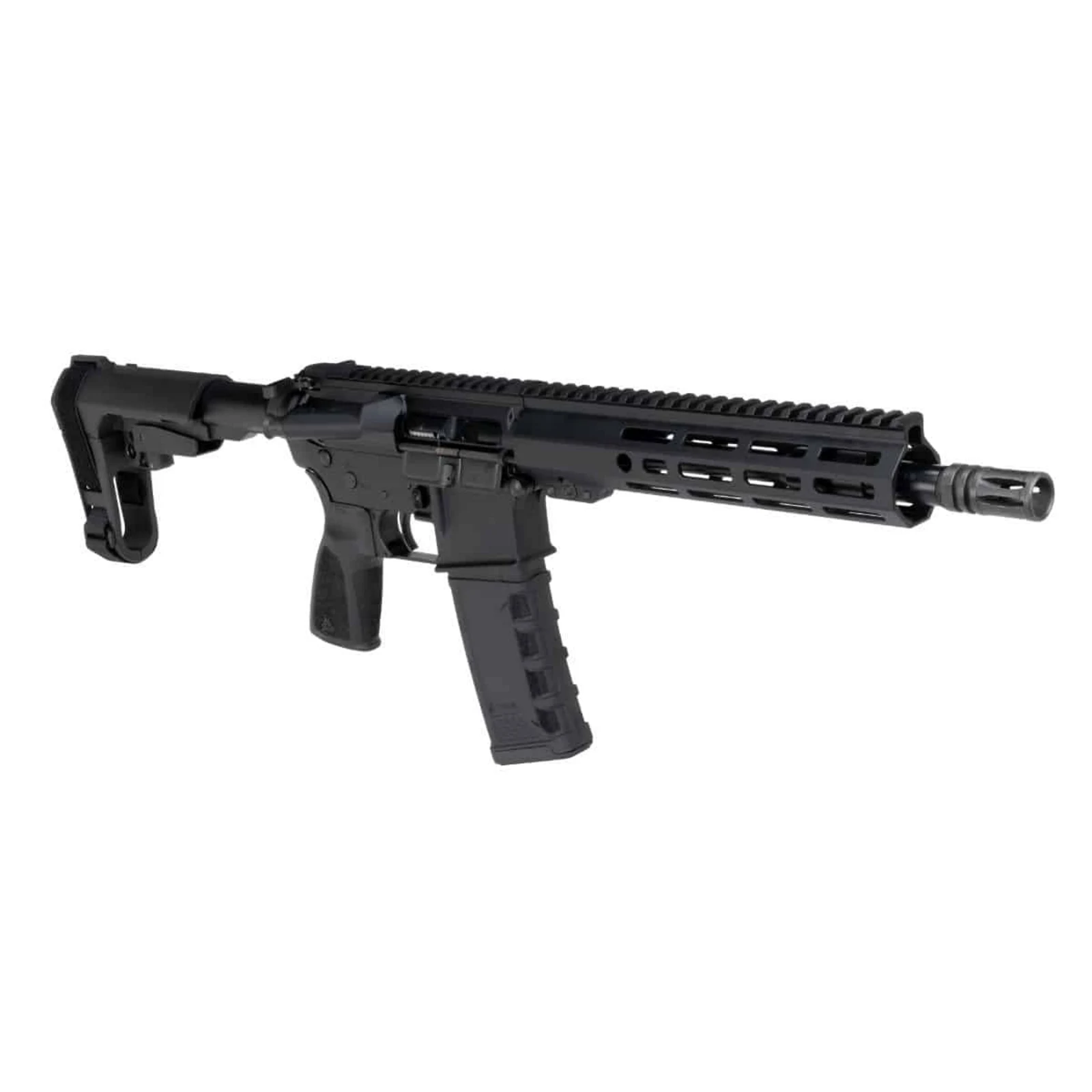
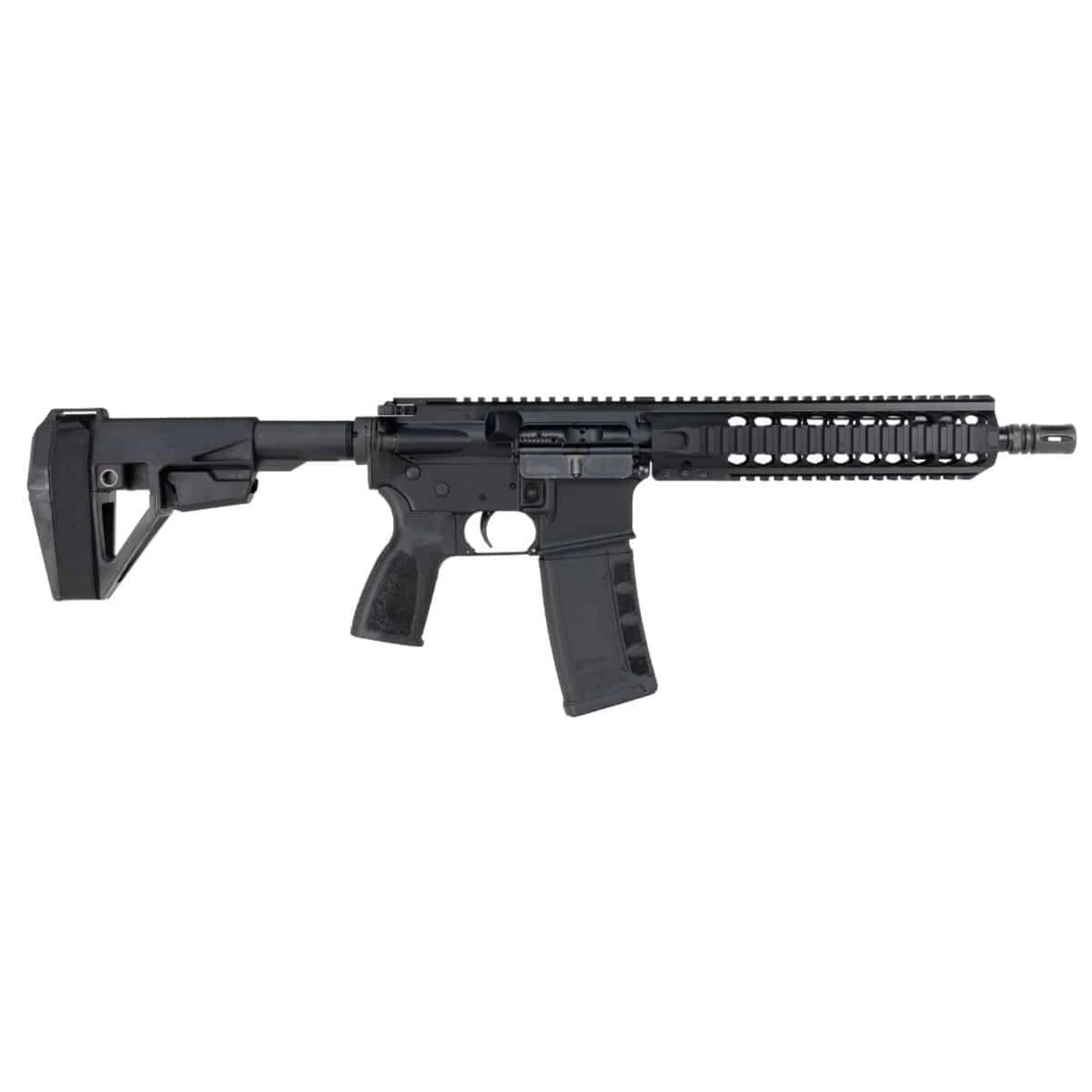
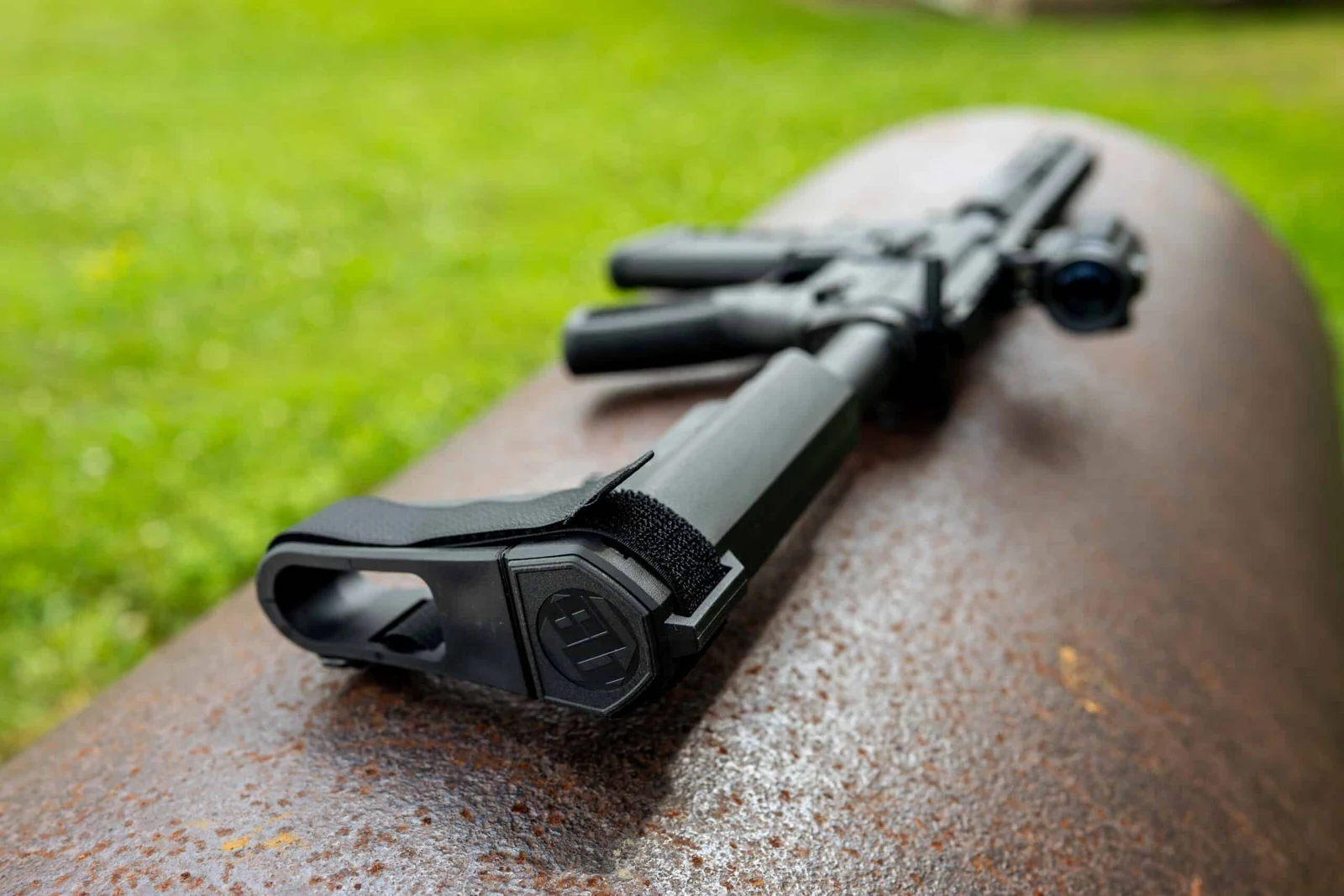
One Horse cut the same factory-timed Atrius FRS package down to two 10.5-inch 5.56 pistols. They were still in stock, three-day ship, direct from theonehorse.com as of August 20, 2026. The pistols are the short Express, not a new platform.
Express Line SKUs (August 2026)
- OHX-APS01 M-LOK / SBA3$1,099.99 live cart; 9.25" seven-side M-LOK, carbine gas, 1:7 medium barrel
- OHX-APQ01 Quad / SBA5$1,199.99 live cart; press/Outdoor Hub say 9.5" four-side 1913, product table still prints 9.25" (likely paste). Same internals as the M-LOK
- OHX-AI01 16" rifle (default)$999.99 launch / MSRP $1,199.99; mid-length, THRiL CCS stock
Buy the 16-inch unless you specifically need a brace gun. Quad is a rail/brace preference tax, not a better FRS. Shooting News Weekly rounded the pistols to $1,099 / $1,199; the live One Horse cart as of August 20 shows $1,099.99 / $1,199.99.
Cart extras on all three SKUs: ambidextrous Atrius for +$99.99; TiN, chameleon PVD, or NiB BCG for +$99.99 each. Skip every complete Express if you already have a mil-spec AR with H2/H3 and a low-cut shelf; the roughly $199 Atrius standalone is the same selector. Shop the Atrius FRS.
Pricing, Options, and Availability
The Express launches at $999.99, down from a $1,199.99 MSRP. For a complete, factory-tuned forced reset rifle that price is aggressive: a comparable do-it-yourself build runs a $700 to $900 rifle plus a $199 to $249 selector plus buffer and lower-shelf work, before you account for the time and the risk of getting the timing wrong.
The standard Express ships with One Horse's nitride bolt carrier group. Cart extras shared across the rifle and both 10.5 pistols: ambidextrous Atrius for +$99.99, and TiN, chameleon PVD, or NiB BCG upgrades for +$99.99 each. The nitride BCG is the functional default. Quantities are limited.
As a serialized firearm, the Express ships to a licensed FFL, not to your door. Want to spec your own forced reset carbine instead? Start in our AR-15 builder or browse the full parts catalog at /catalog.
Update: Limited-Time Cerakote Editions
One Horse added two limited-time Cerakote finishes to the Express lineup on July 3, 2026: American Camo, a red, white, and blue pattern, and Woodland Camo, an M81-style green and brown finish. Both are the exact same Express rifle covered above, the Atrius FRS, the 16-inch SOCOM-profile barrel, the H2 buffer and low-cut shelf, just wearing a different finish. MSRP on the Cerakote editions is $1,299.99, a $100 premium over the standard nitride-finished Express, and they ship only through One Horse at theonehorse.com/express.
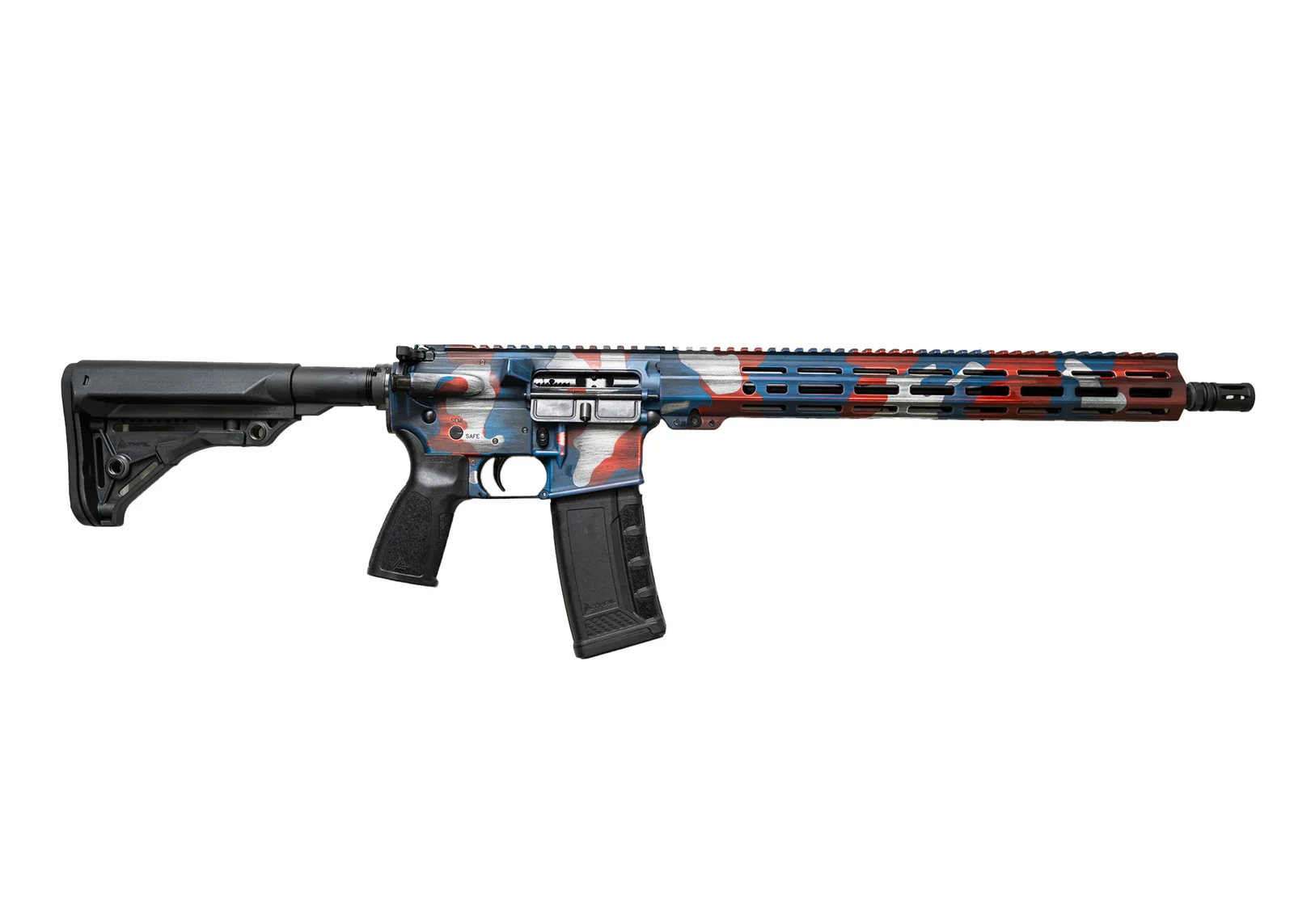
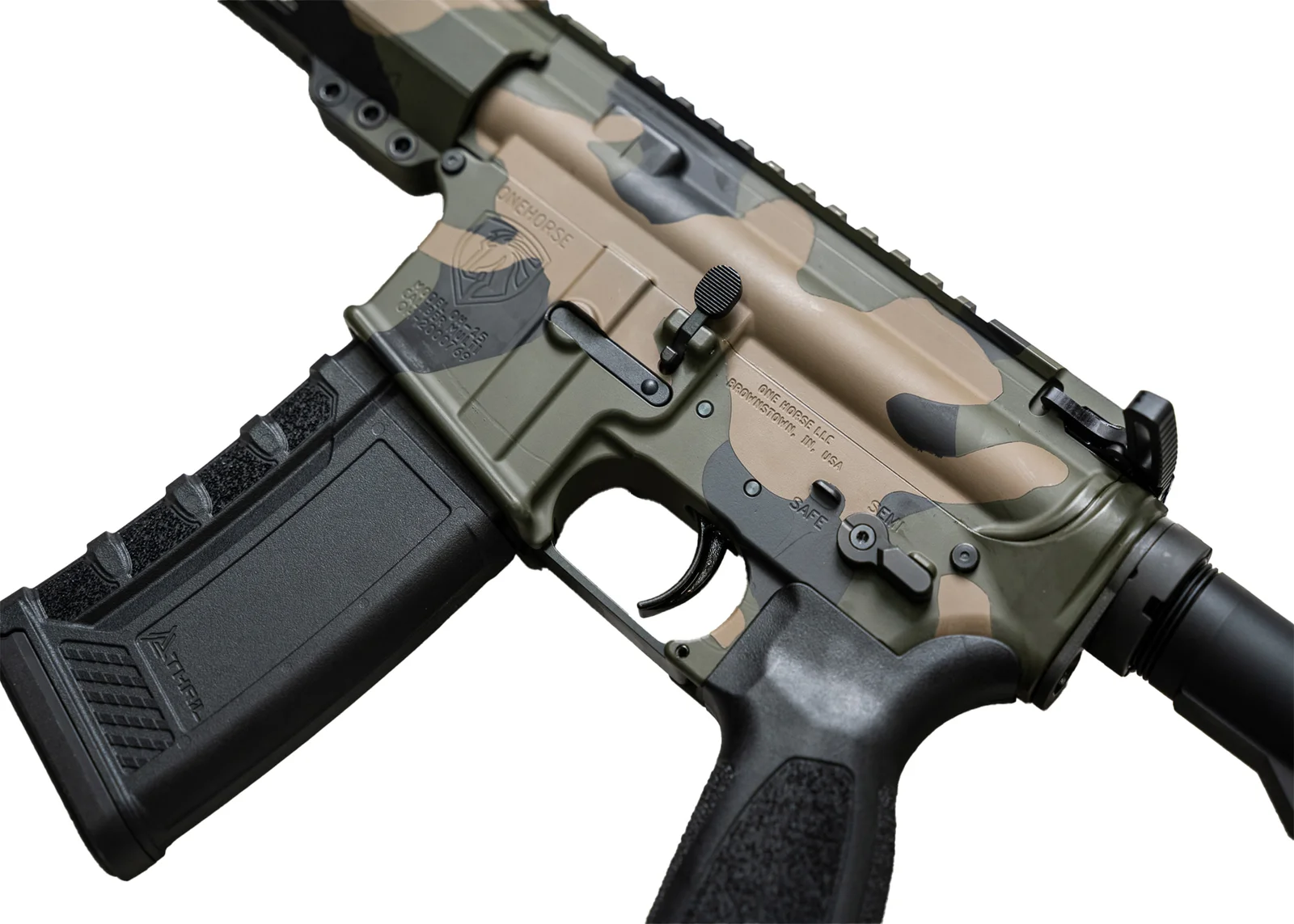
"This limited release is about giving customers a way to express who they are without giving up the foundation the Express was built on," said Jeremy Hammons, CEO of One Horse, in the July 3 launch announcement. "Some folks want American Camo because it speaks to pride in this country. Some want Woodland Camo because it feels familiar, practical and field-ready. Either way, they're getting the same rifle underneath, built right, tuned as a system and ready to run."
Cerakote Edition Key Features
- SelectorAtrius Development Group FRS, single-sided
- Grip / StockTHRiL RTG grip, THRiL CCS stock
- Charging HandleBreek Arms Warhammer Mod2
- Barrel16" CrMoV, nitride, SOCOM profile, 1:8 twist, dimpled
- Handguard15" Express-Lock M-LOK, enhanced lock-up
- Gas Block / BufferLow-profile staked steel, mid-length gas, H2 buffer
- Finish OptionsAmerican Camo or Woodland Camo Cerakote
- AvailabilityLimited-time, from July 3, 2026
- MSRP$1,299.99
Everything that made the base Express notable still applies: the Atrius FRS is fit, timed, and test-fired at the factory, and the buffer and shelf are matched to the selector rather than left for the owner to sort out. The Cerakote editions are a finish option layered on top of that same build, not a separate SKU with different internals. As with the standard Express, quantities are limited and the rifle ships to a licensed FFL in states where forced reset devices are legal.
Legal Status (2026)
Forced reset devices covered by the May 2025 Department of Justice settlement are not classified as machine guns under federal law. The 16-inch Express with a stock is a standard semi-automatic AR-15, not an NFA item. The 10.5s ship as brace pistols, which are also a non-NFA configuration. A stock on a 10.5 without NFA paperwork is an SBR. State law is where the forced-reset bans live.
Because the selector ships in the firearm, Express SKUs only go to an FFL in a destination One Horse will serve. Confirm your state and local law before ordering.
Stay Updated on Forced Reset News
We track every new forced reset selector, trigger, and now factory rifle, plus the legislation that affects them. Get the next launch and the next legal update in your inbox.
The Bottom Line
The One Horse Express is a milestone more than a spec sheet. The forced reset market has been an aftermarket, build-it-yourself world since the devices became widely available, and the Express is the first time a complete rifle arrives with the selector fit, timed, and tested. The hardware around it, a 16-inch 5.56 SOCOM barrel on mid-length gas, an H2 buffer, and a low-cut shelf, is exactly the boring, correct platform an FRS wants.
At $999.99 the rifle undercuts the cost and effort of a comparable home build while removing the part most people get wrong. Default buy stays the 16-inch Express. Pay for the 10.5 M-LOK or Quad only when you specifically need a brace gun; Quad is a rail/brace preference tax, not a better FRS. If you already own a mil-spec AR-15, the roughly $199 Atrius selector gets you there for less, provided you handle the buffer and shelf yourself.
The July 3 Cerakote editions do not change that math; they add a $1,299.99 cosmetic option in American Camo or Woodland Camo for buyers who want the same tuned rifle in a finish that stands out from the standard nitride gun.