NJ AR-15 and Magazine Ban Struck Down, Then Stayed for SCOTUS
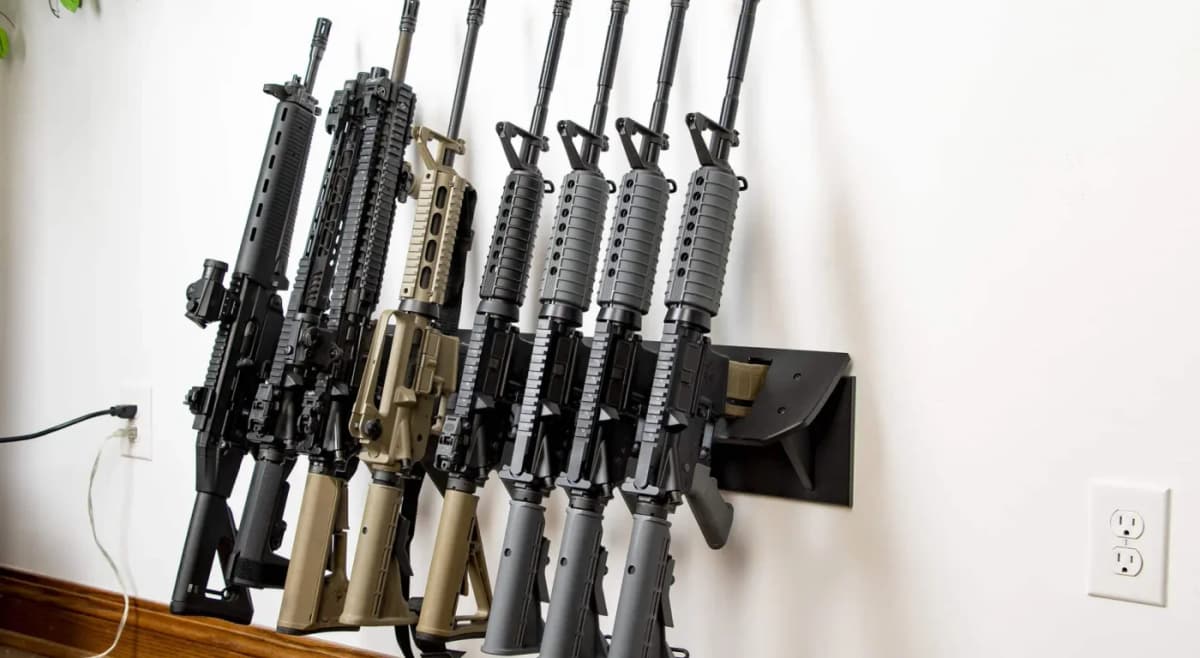
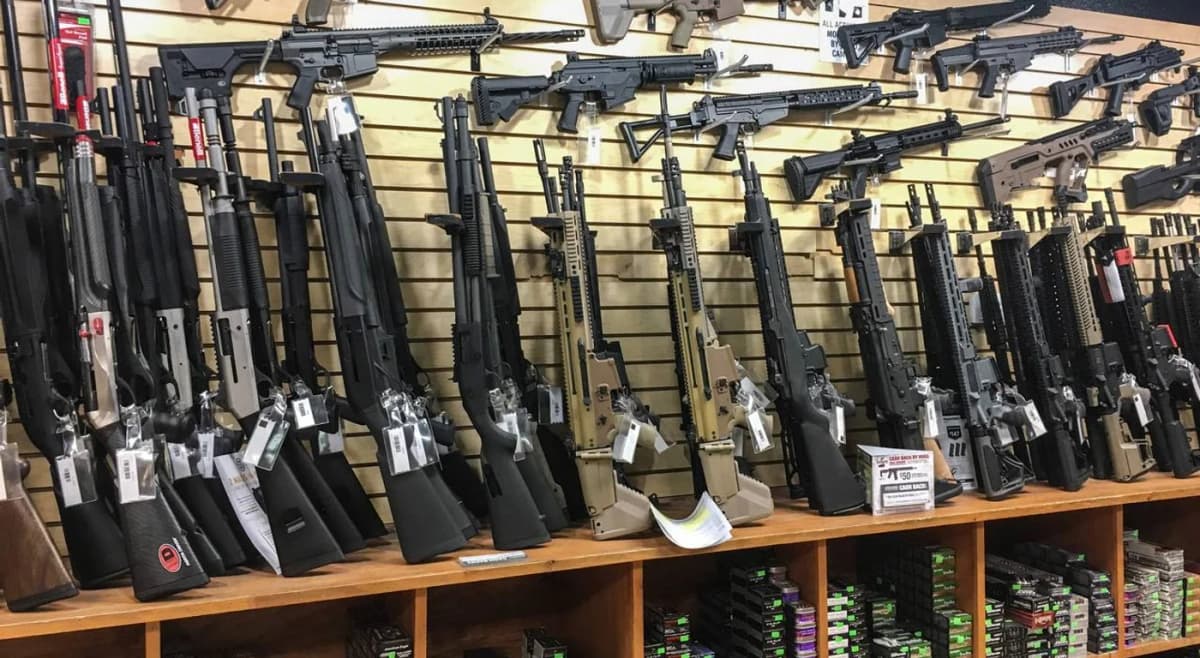
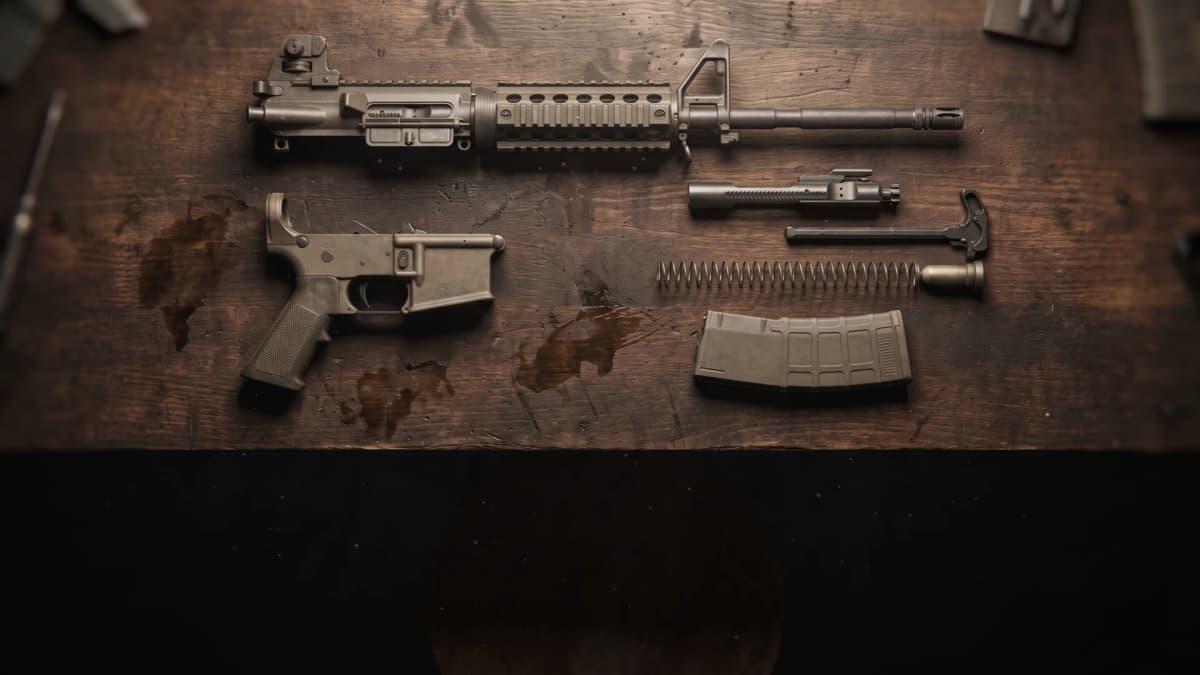
The Third Circuit's July 17 en banc opinion in Association of New Jersey Rifle and Pistol Clubs v. Platkin struck down New Jersey's ban on semi-automatic rifles and its 10-round magazine cap. New Jersey State Police have told federally licensed dealers the ruling takes effect on July 31, 2026. AR-15s and standard-capacity magazines return to the retail counter for the first time since 1990.
Key Takeaways
- →Stayed Before Taking Effect: NJSP initially set a July 31, 2026 effective date, but the state filed for a stay on July 31 and the Third Circuit granted it on August 4. The rifle list and 10-round cap remain enforced.
- →What Was Struck Down: N.J.S.A. 2C:39-1w (assault-firearm definition covering the AR-15, AK-47, and substantially-identical semi-autos) and N.J.S.A. 2C:39-1y (the 10-round magazine ceiling, lowered from 15 in 2018).
- →Vote: 10-5 en banc, Third Circuit. Judge Arianna Freeman wrote the majority opinion applying NYSRPA v. Bruen's text-and-history test.
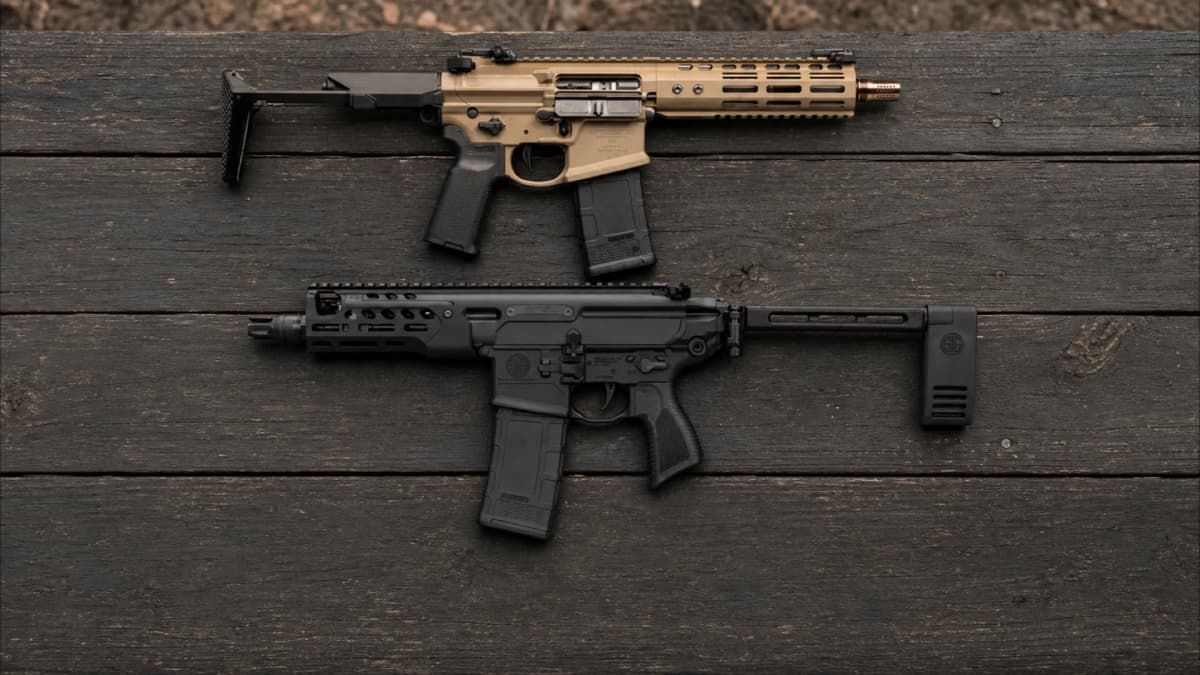
- →Still Banned: Suppressors, short-barreled rifles, short-barreled shotguns, and the Firearms Purchaser ID and permit-to-purchase process for handguns. The ruling did not touch any of those.
- →Appeal Track: AG Platkin can petition SCOTUS and seek a stay. The Supreme Court has already granted cert in the parallel Illinois and Connecticut cases and will hear arguments this fall.
What the Third Circuit Struck Down
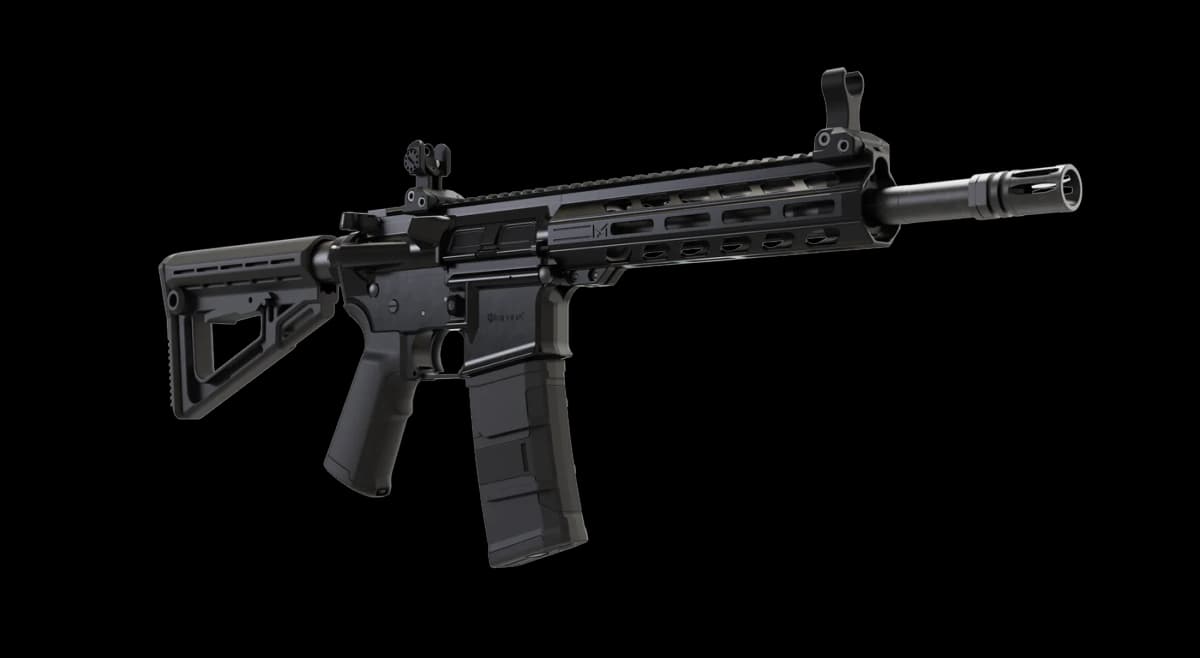
The Third Circuit invalidated two provisions of New Jersey law. The first is N.J.S.A. 2C:39-1w, the state's “assault firearm” definition, which reaches the Colt AR-15, AK-47, and roughly fifty other named semi-automatic rifles, plus any semi-automatic rifle “substantially identical” to one on the list under the 1996 New Jersey Attorney General guidelines. The second is N.J.S.A. 2C:39-1y, the 10-round magazine cap, which the legislature lowered from 15 rounds in 2018 and which criminalized possession as well as sale, transfer, and manufacture. Both were held unconstitutional under the framework the Supreme Court laid down in New York State Rifle and Pistol Association v. Bruen (2022).
The majority opinion, by Judge Arianna Freeman, anchors the 192-page en banc decision (which also carries the concurrences and five dissents) and turns on the plain-text step first. Semi-automatic rifles like the AR-15 are “arms” in common use for lawful purposes; roughly 24 million AR-pattern rifles are in circulation. Under Bruen that puts the burden on the state to identify a founding-era or Reconstruction-era historical analog that regulated arms with comparable technology in a comparable way. New Jersey argued that state-level bans on Bowie knives, trap guns, and machine guns supply that tradition. The en banc majority rejected each analog on either the “how” or the “why” prong of the Bruen analysis. The court's specific line, that “there is no meaningful constitutional distinction between a Colt AR-15 and the millions of similar semi-automatic rifles owned throughout America,” is the citation that other circuits will engage with first.
The 10-round magazine holding tracks the same analysis for magazines above the cap. The state offered surety statutes and early bowie-knife commerce rules; the majority found neither spoke to ammunition capacity. Five judges filed dissenting opinions, arguing the majority overweights popularity and understates the state interest in restricting rifles used disproportionately in mass shootings.
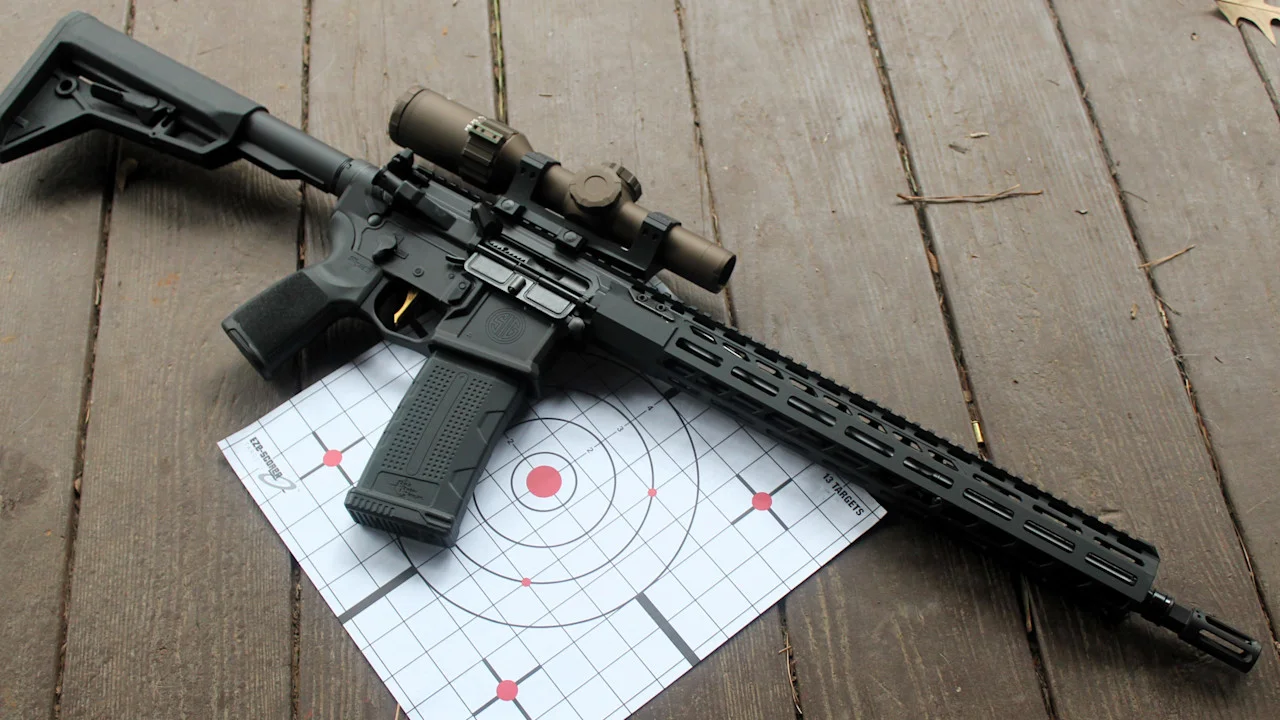
Track the NJ Ruling and the Illinois / Connecticut Cases
We will publish a brief the moment AG Platkin files for cert or a stay, the moment NJSP releases implementation guidance, and every step of the Supreme Court's Illinois and Connecticut cases this fall.
July 31 Effective Date: What NJSP Told Dealers
The Third Circuit issued its opinion on July 17, 2026 without a stay. New Jersey State Police Firearms Dealer Investigation Unit notified federally licensed dealers that the ruling would take effect July 31, 2026. The notice is a compliance instruction, not a policy debate: it directs dealers to continue enforcing every provision of N.J.S.A. 2C:39-1w and 2C:39-1y through July 30, and to begin processing transfers of AR-15s, AR-pattern rifles, other formerly banned semi-automatic rifles, and magazines holding more than 10 rounds on July 31.
The NJSP notice tells dealers that the Attorney General's office is developing implementation guidance covering transfer paperwork, permit language, and how the state will handle its existing point-of-sale records. That guidance had not been released as of July 23. Nothing in the ruling changes New Jersey's Firearms Purchaser Identification Card requirement, its background-check process, its handgun permit-to-purchase requirement, or the retail one-handgun-a-month rule. Every buyer walking in on July 31 still clears the same state-side process; what changes is the inventory the dealer can legally hand over at the end of it.
The ramp never reached the counter. On July 31, the day the ruling was set to take effect, the Attorney General filed a stay motion, NJSP told dealers nothing would change pending the court's decision, and the Third Circuit granted the stay on August 4. Standard-capacity magazines are still contraband. New Jersey compliance ARs (fixed magazine or 10-round mag, non-threaded barrel, feature-count controlled) remain the only rifles dealers can transfer. Cross-check the state legality matrix before ordering; the assault-firearm and magazine columns for New Jersey update on the effective date.
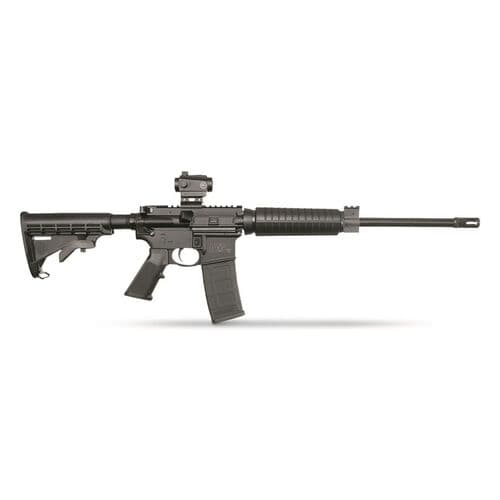
Smith & Wesson M&P15 Sport III
Entry-tier duty-config AR-15 to watch if the stay dissolves
Current-production M&P15 Sport III entry AR with mid-length gas and 15-inch M-LOK handguard.
- +Current Sport III spec is easier to source than legacy Sport II rows
- +15-inch M-LOK handguard supports a modern light/sling setup
- +1:8 twist is more flexible than the older Sport II 1:9 baseline
- −Still an entry-tier rifle rather than a duty-premium build
- −Legacy Sport II deal listings may not match these specs
- −Some upper/lower fit tolerance variation
Affiliate links (?)
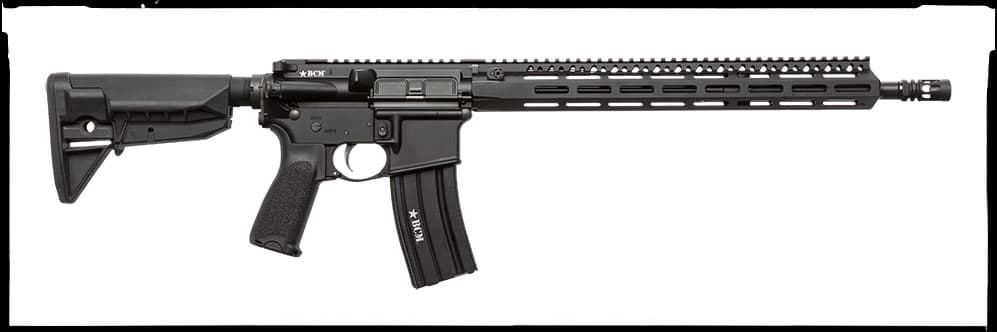
BCM RECCE-16 MCMR
Mid-tier working AR with mid-length gas and BCM cold-hammer-forged barrel
Combat-proven mid-length gas system with cold hammer forged barrel
- +Conservative BCM configuration with strong parts support
- +Professional-grade quality control with rigorous testing standards
- +Mid-length gas system provides smooth operation and reduced component wear
- −Premium pricing range reflects professional-grade components
- −Government profile barrel is heavier than lightweight alternatives
- −Not designed for sub-MOA precision shooting applications
Affiliate links (?)
What the Ruling Did Not Touch
The ruling is narrow. The Third Circuit answered two questions, whether New Jersey's ban on covered semi-automatic rifles and its 10-round magazine ceiling survive the Second Amendment, and it answered no to both. Every other piece of New Jersey firearms law stands. That matters because New Jersey's gun statute is one of the most restrictive in the country and the rest of it is unaffected.
Suppressors remain prohibited for civilians under N.J.S.A. 2C:39-3c. Short-barreled rifles and short-barreled shotguns remain prohibited under N.J.S.A. 2C:39-3b regardless of ATF Form 1 or Form 4 approval. The federal One Big Beautiful Bill Act, which zeroed the federal making and transfer tax on suppressors, SBRs, SBSs, and AOWs effective January 1, 2026, still does not create a legal path to civilian ownership of any of those items inside New Jersey. If you live in New Jersey and you want to buy a can, you still cannot. Our 5.56 suppressor guide covers the cans a New Jersey resident could buy if the state-level prohibition were lifted, but the state ban is what the customer actually faces.
Handgun purchase mechanics are unchanged. A New Jersey resident buying a pistol still needs a Permit to Purchase a Handgun for each transaction and still hits the one-handgun-a-month cap. The Firearms Purchaser Identification Card is still required for any long-gun sale, and the background check runs through NICS plus the state's own review. The point-of-sale record retention and dealer reporting requirements are unaffected. Sensitive-place carry restrictions, the state's constitutional-carry-adjacent permit rules for concealed carry, and the “justifiable need” language that was already gutted by Bruen in 2022 are all outside this case.
Two categories to flag specifically. First, ghost gun and serialization rules under recent NJ statutes still apply to unfinished receivers and 80% builds; the ruling does not speak to serialization. Second, the state's existing red-flag / extreme risk protective order framework is unchanged. If either of those matters to a specific build or transfer plan, the underlying statute still governs.
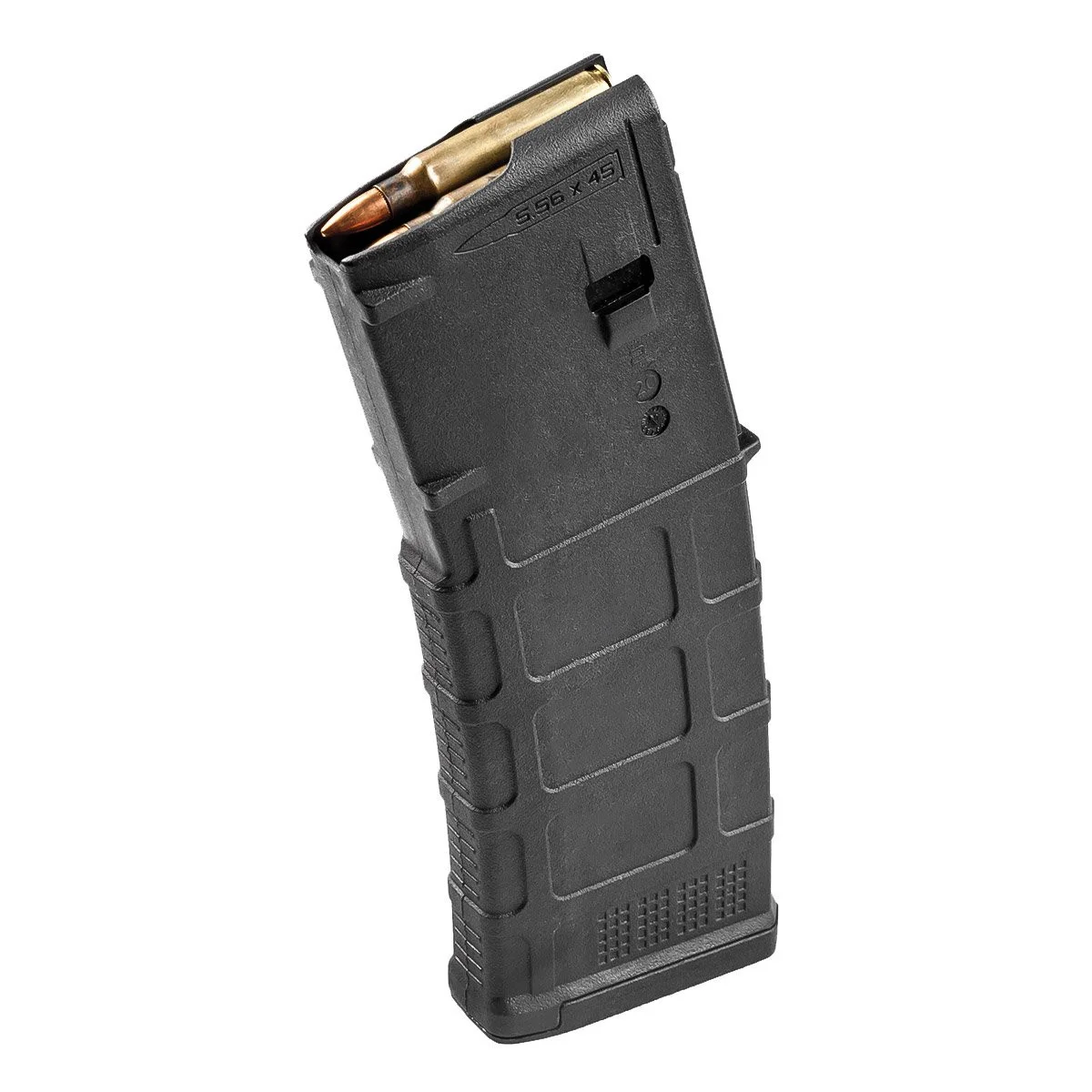
AR-15 Magazines: Standard-Capacity Options Where Legal
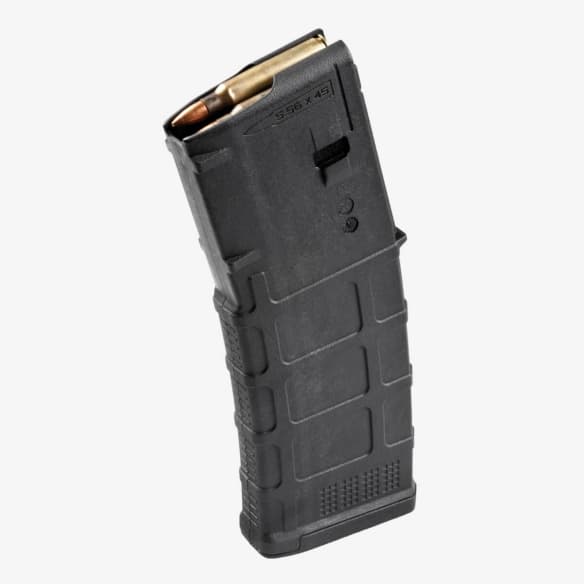
Magpul PMAG 30 AR/M4 GEN M3
- 30 rounds
- 5.56/.223
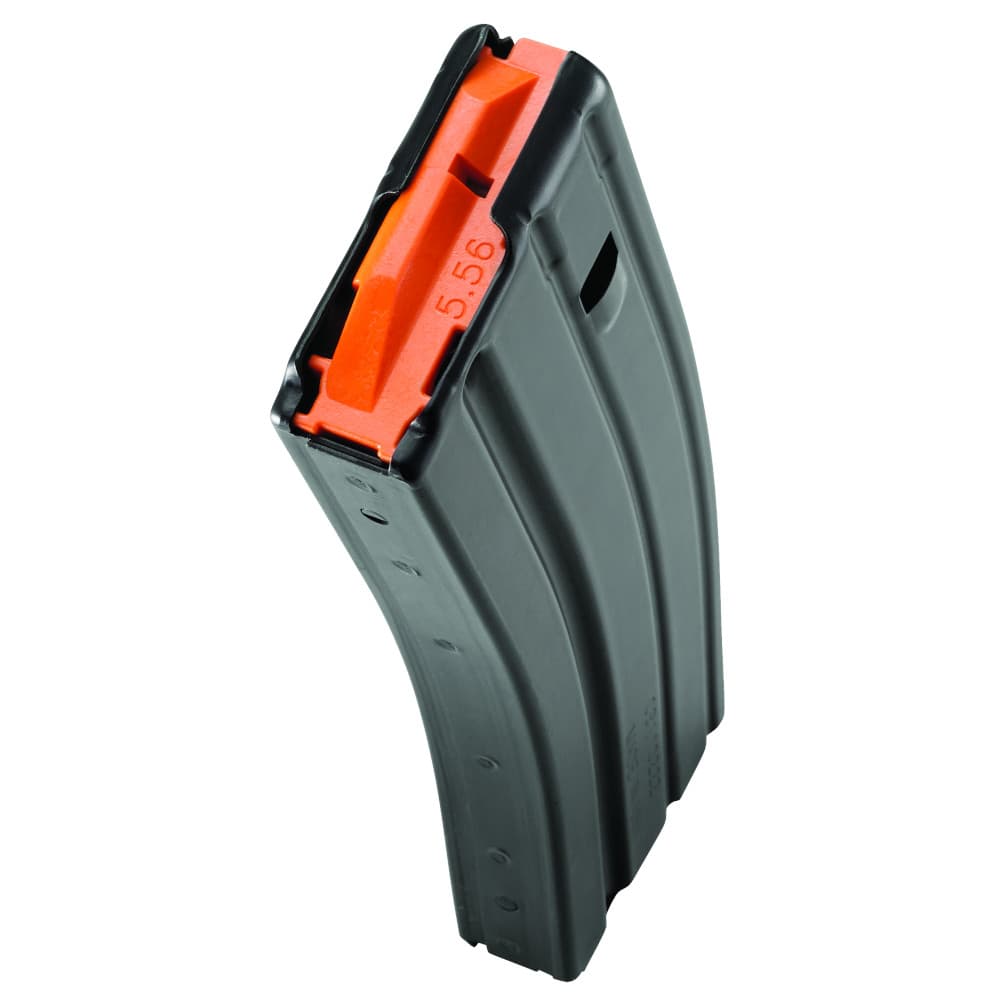
DURAMAG SPEED 30-Round Aluminum Magazine
- 30 rounds
- 6061-T6 aluminum
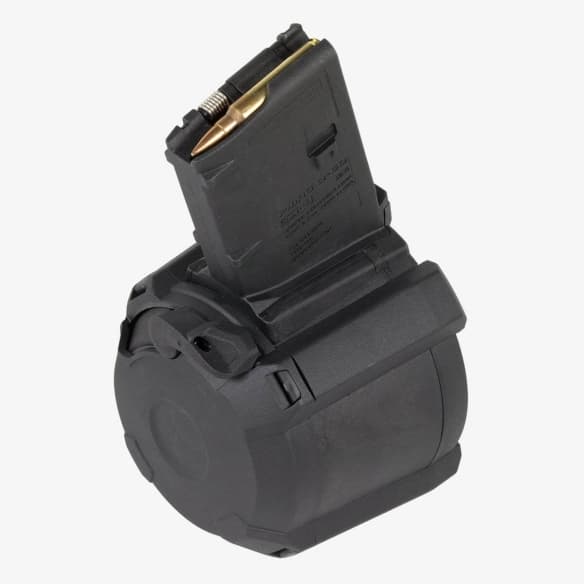
Magpul D-60 Drum Magazine
- 60 rounds
- Polymer construction
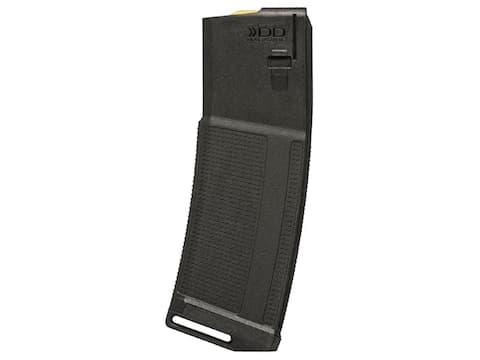
Daniel Defense 32-Round Magazine
- 32 rounds
- 5.56/.223

Daniel Defense 32-Round Magazine 12-Pack
- 12 magazines
- 32 rounds each
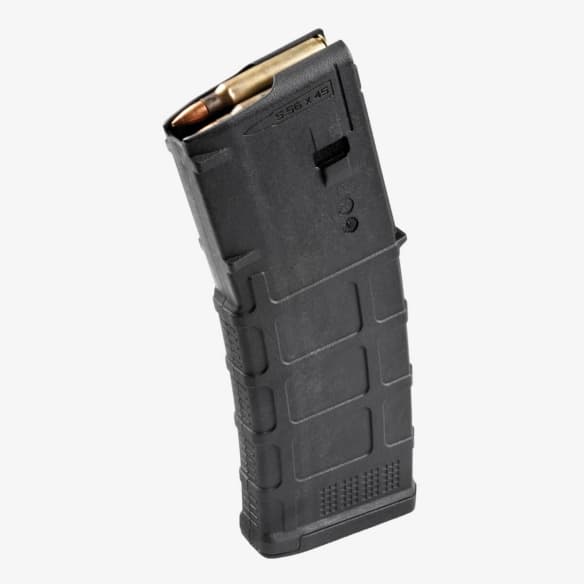
Magpul PMAG Gen 3 30-Round
- 30-round
- 5.56/.223
Affiliate links (?)
How This Fits with the Illinois and Connecticut Cases at SCOTUS
The Third Circuit is the first federal appeals court to strike down a state-level assault-weapons ban since Bruen. The Fourth Circuit went the other way on Maryland's ban in Bianchi v. Brown in 2024. The Second Circuit sustained New York's SAFE Act and, in Grant v. Lamont, Connecticut's ban. The Seventh Circuit sustained Illinois's PICA in Bevis v. City of Naperville. The First Circuit sustained Rhode Island's large-capacity magazine ban in Ocean State Tactical. That lineup is what teed up the Supreme Court's June 30, 2026 grants in Viramontes v. Cook County and Grant v. Higgins, the Illinois and Connecticut cases consolidated for oral argument this fall.
Two things about the New Jersey ruling matter for that docket. First, it creates a direct circuit split on the same legal question the Supreme Court has already agreed to answer. The Third Circuit says AR-15s are protected common arms; the Fourth, Second, Seventh, and First Circuits have all said those arms and standard-capacity magazines can be regulated. That kind of split is exactly what the Supreme Court usually takes cases to resolve, and it makes the Illinois and Connecticut arguments this fall higher stakes. Second, the Freeman majority opinion gives the Justices a fully developed alternative framework to compare against the Seventh Circuit's Bevis approach, the Second Circuit's Grant v. Lamont reasoning, and the First Circuit's Ocean State Tactical analysis.
The practical timing question is whether the state seeks and gets a stay. Attorney General Matt Platkin can petition the Supreme Court for review and can request a stay of the July 31 effective date pending cert. Nothing prevents that filing, and nothing requires SCOTUS to grant a stay. The Court's stay analysis weighs likelihood of success on the merits and irreparable harm; with cert already granted in the parallel cases, the merits question is already headed to the Court on its own timeline, which cuts against a separate emergency stay of the Third Circuit's judgment. Absent a stay, July 31 is the effective date.
Related state-law coverage: Virginia's new assault-firearm ban is running the opposite play, a fresh state statute now blocked by a preliminary injunction; and the DOJ suits in Virginia and California are the executive-branch pressure on the same set of state feature-test regimes.
What New Jersey Gun Owners Should Do While the Stay Holds
Get the paperwork in order first. A New Jersey resident who wants to buy the moment the stay dissolves still needs a current Firearms Purchaser Identification Card. If your FPIC is expired or you have never held one, file the application now. The state's FPIC turnaround runs weeks to months depending on municipality, and buyers with paperwork in hand move first whenever the ruling takes effect. Handgun buyers should also refresh Permit-to-Purchase capacity; each pistol still needs its own permit.
Do not order or import standard-capacity magazines or banned rifles while the stay holds. The August 4 stay keeps every provision of the current statute enforced with no end date. A PMAG 30 that ships from a Pennsylvania warehouse and lands in a New Jersey mailbox is the same offense it was before the July ruling, and a rifle upper configured with a threaded barrel is still contraband under the assault-firearm feature test.
Line up the configuration you actually want. This is a good window to plan a build rather than grab whatever the first distributor pushes into New Jersey. Use the rifle builder to pick a platform and components; run the catalog for vendor coverage on the accessories you plan to add once the base rifle is on your FPIC. Buyers who already own a New Jersey-compliant AR (fixed magwell, non-threaded barrel, featureless configuration) may want to keep it as a lawful range gun regardless of the ruling; the ruling does not require modifications to comply, and existing configuration choices continue to work.
A note on suppressor-related purchases: the state suppressor ban is not affected. Do not order a suppressor to a New Jersey FFL. Do not build a threaded-barrel upper with the expectation that a can will be state-legal after July 31; only the rifle and magazine restrictions changed. The federal $0 tax stamp under OBBBA and the ATF eForm processing improvements are federal; New Jersey's state-level prohibition sits on top and is untouched.
AR-15 Upgrades to Plan While the Case Proceeds
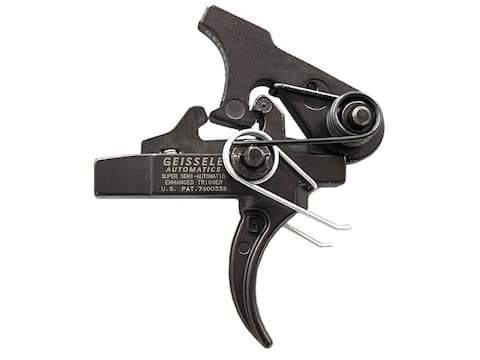
Geissele SSA Trigger
- 4.5lb total pull
- Two-stage
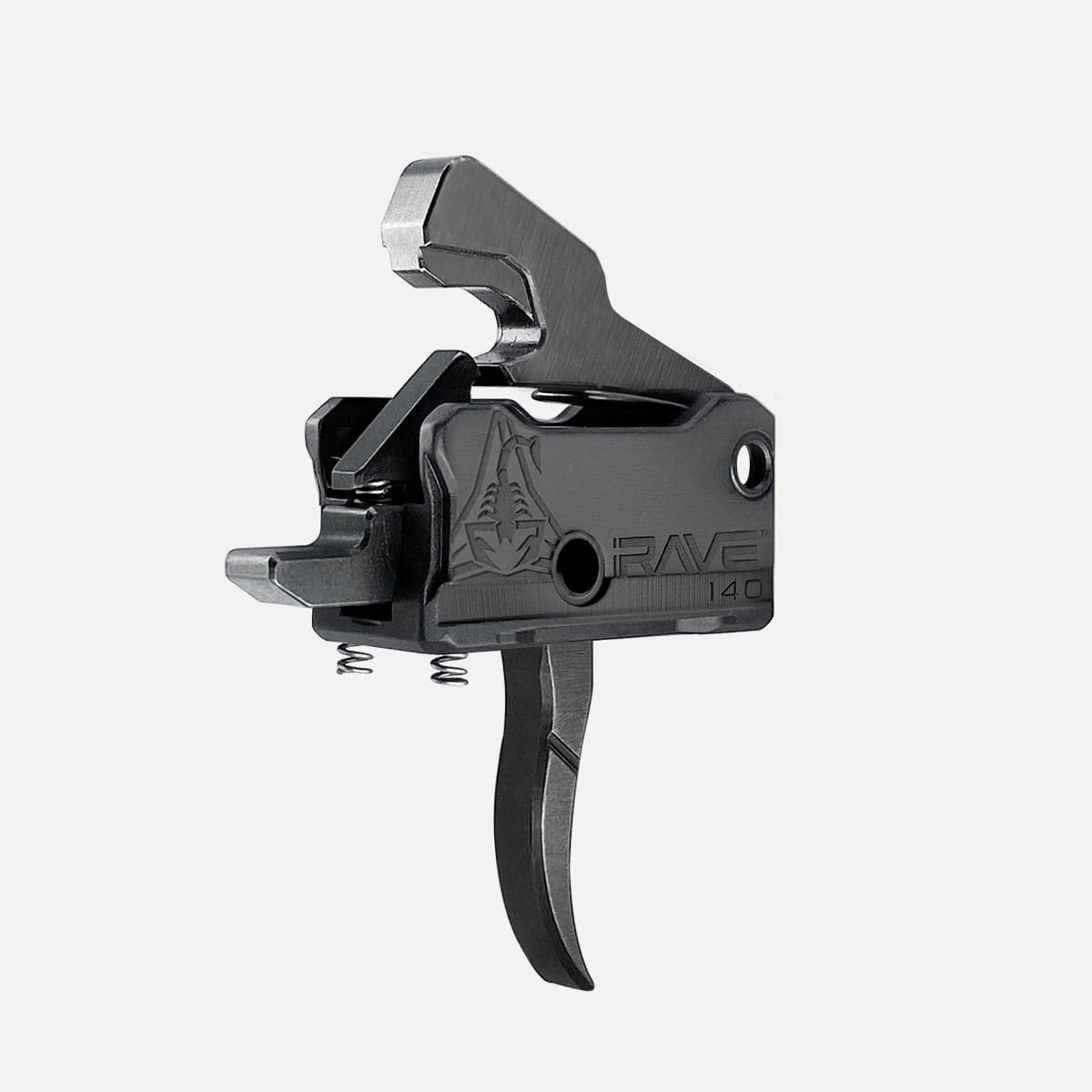
RISE Armament Rave 140 Curved Trigger
- Single stage
- 3.5 lb pull
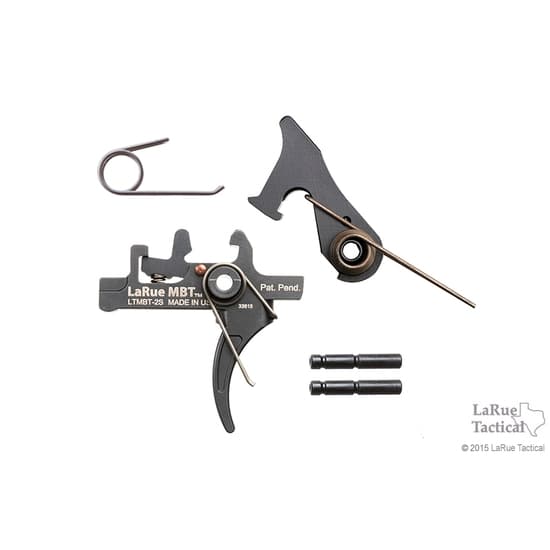
LaRue MBT-2S Trigger
- Two-stage
- 4.5lb total pull
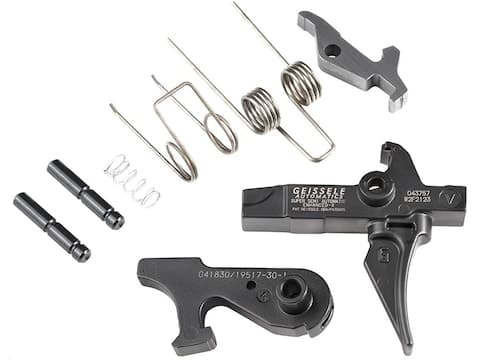
Geissele SSA-E Trigger
- Two-stage
- 3.5lb total pull
Affiliate links (?)
Frequently Asked Questions
▶When can I legally buy an AR-15 or standard-capacity magazine in New Jersey?
▶What did the Third Circuit actually strike down?
▶Are suppressors and short-barreled rifles now legal in New Jersey?
▶Do I still need a Firearms Purchaser Identification Card or permit-to-purchase?
▶Can the state appeal to the Supreme Court and put the ruling on hold?
▶Are pre-July-31 out-of-state purchases of standard magazines still illegal?
▶Which AR-15 rifles are worth watching for New Jersey availability first?
Bottom Line
The July ruling promised that for the first time since 1990, New Jersey residents would be able to walk into a New Jersey FFL and legally buy a duty-configured AR-15 and standard 30-round PMAGs. The August 4 stay put that on hold before the effective date arrived, and the ban remains enforced while the Supreme Court appeal proceeds. Every other layer of New Jersey firearms law, the FPIC, the handgun permit-to-purchase, the state background check, the suppressor ban, the SBR ban, and the one-handgun-a-month rule, still applies. The Third Circuit answered the two questions in front of it and left the rest alone.
The strategic picture is bigger than New Jersey. With cert already granted in Viramontes and Grant, the Supreme Court is going to reach the same constitutional question this fall on Illinois and Connecticut records. The Third Circuit's 192-page en banc opinion is now the best-developed pro-Bruen reading of assault-weapons bans in the federal system, and the direct circuit split it creates with the Fourth, Second, Seventh, and First Circuits is the exact posture the Supreme Court usually resolves. Whichever way the Court rules in the spring, the New Jersey ruling shapes the briefing this fall.
For a New Jersey buyer, the play is patience. Refresh the FPIC now. Plan the build now. Do not import contraband while the stay holds. If the stay dissolves, distributor inventory starts moving; expect standard SKUs to arrive before New Jersey compliance SKUs get pulled from shelves. Use the best AR-15 rifles guide for the platforms most likely to lead the July 31 inventory wave, and use the New Jersey compliance guide for the featureless and fixed-magazine rifles that remain lawful either way.