Key Takeaways
- →Struck down October 21, 2026: Judge John L. Sinatra Jr. held that New York's ban on buying and selling body armor violates the Second Amendment and that body armor is an “Arm.”
- →Still enforced for now: The same order grants New York a fourteen-day stay pending appeal, so the injunction is not yet operative and the purchase restrictions remain in force.
- →Three provisions enjoined: Penal Law sections 270.21 and 270.22 and General Business Law section 396-eee, as applied to the sale and purchase of body armor.
- →Crime-use law untouched: Wearing body armor while committing a violent felony with a gun stays a class E felony under Penal Law section 270.20.
- →Not a nationwide ruling: The 47-page decision from the Western District of New York binds the officials named in the case and changes no other state's law.
What the Court Ruled in Heeter v. James
New York's ban on civilian body armor purchases is unconstitutional, U.S. District Judge John L. Sinatra Jr. of the Western District of New York ruled on October 21, 2026. In a 47-page decision in Heeter v. James, he granted summary judgment to the plaintiffs, held that “body armor is an ‘Arm’ protected by the plain text of the Second Amendment,” and concluded that New York failed to show its ban fits the nation's historical tradition of arms regulation. The clerk entered judgment for the plaintiffs the same day.
The order permanently enjoins the defendants, and everyone acting in concert with them who receives notice of it, from enforcing General Business Law section 396-eee and Penal Law sections 270.21 and 270.22 with respect to the sale and purchase of body armor, along with the regulations, policies, and practices that implement them. The decision opens by calling New York's statute “a first-of-its-kind law prohibiting law-abiding residents” outside an eligible profession “from purchasing body armor for self-defense.”
Heeter v. James at a Glance
| Court | U.S. District Court, Western District of New York |
| Case number | 1:24-cv-00623 (JLS) (HKS) |
| Judge | John L. Sinatra Jr. |
| Decided | October 21, 2026 (47-page decision and order) |
| Plaintiffs | Benjamin Heeter, Joseph Wurtenberg, Firearms Policy Coalition |
| Defendants | NY Attorney General, State Police Superintendent, Erie and Monroe County DAs |
| Provisions enjoined | Penal Law 270.21, 270.22; Gen. Bus. Law 396-eee (sale and purchase) |
| Disposition | Summary judgment for plaintiffs; permanent injunction |
| Stay | Fourteen-day stay pending appeal, granted at New York's request |
| Left in place | Penal Law 270.20(1), wearing armor during a violent felony |
The 14-Day Stay Keeps the Ban Enforceable
The ruling does not let New Yorkers outside an eligible profession buy body armor yet. New York asked for a fourteen-day stay pending appeal, and Judge Sinatra granted it in the same order, so the injunction is not operative while the stay runs. During that time the purchase, sale, and in-person delivery rules remain enforceable as written.
The judge granted the stay even though he wrote that he disagrees that the State is likely to win on appeal. He cited the principle that a State suffers a form of irreparable injury any time a court blocks a statute its legislature enacted, and noted that the law dates to 2022 and that no plaintiff sought a preliminary injunction. New York can ask the U.S. Court of Appeals for the Second Circuit to extend the stay while it appeals. The Attorney General's office said on October 21 that it is reviewing the ruling.
What New York's Body Armor Law Restricts
New York's law bars anyone outside an eligible profession from buying or taking possession of body armor, and bars anyone from selling it to them. Penal Law section 270.20 defines body armor as “any product that is a personal protective body covering intended to protect against gunfire, regardless of whether such product is to be worn alone or is sold as a complement to another product or garment.” That covers soft vests and hard plates alike, not only rifle-rated armor.
Governor Kathy Hochul signed the restrictions on June 6, 2022, as part of a gun-law package passed after the May 2022 Tops supermarket shooting in Buffalo, where the gunman wore body armor. A July 1, 2022 law expanded them from body vests to body armor, effective July 6, 2022. Unlawful purchase under section 270.21 and unlawful sale under section 270.22 are each a class A misdemeanor for a first offense and a class E felony after that. General Business Law section 396-eee separately bars selling or delivering body armor to anyone outside an eligible profession and generally requires the buyer to meet the seller in person.
The statute names police officers, peace officers, and people in New York or United States military or other service as eligible, and the Department of State adds professions by regulation. Its published list runs past 30 entries, including security guards, armored car guards, firefighters, EMTs and paramedics, firearms dealers, firearms instructors, range safety officers, journalists, licensed hunting guides, physicians, hospital and emergency room nurses, and attorneys. Buyers prove eligibility with a professional license, an employer credential, or a notarized Department of State form.
Follow the New York Body Armor Case
Get Second Amendment rulings and gear news in your inbox.
Why the Judge Called Body Armor an Arm
Judge Sinatra held that body armor falls within the Second Amendment's plain text because the founding-era meaning of “arms” included defensive armor. He relied on the definition the Supreme Court quoted in District of Columbia v. Heller, “weapons of offence, or armour of defence,” which put the burden on New York under New York State Rifle & Pistol Association v. Bruen to show a historical tradition of similar regulation.
New York argued that body armor was not an arm as understood in 1791 or 1868, that it is at most a tactical accessory to firearms, and that English and American governments had long restricted wearing armor. The court rejected each point. It found that historical rules on wearing armor, including the Statute of Northampton, do not support a categorical ban on buying it, and that modern materials such as Kevlar postdating the founding do not remove armor from constitutional protection.
On common use, the court cited the plaintiffs' market estimates of more than 82,000 body armor units sold in 2023, more than 87,000 in 2024, and more than 93,000 in 2025, and noted that 49 states do not ban body armor. It also found no evidence that body armor, which it called a purely defensive arm, is “highly unusual” or designed to create mayhem.
What the Ruling Does Not Change
The ruling leaves New York's crime-use law in place. The decision states that nothing in it affects Penal Law section 270.20(1), which makes it a class E felony to wear body armor while committing a violent felony and possessing a firearm, rifle, or shotgun. Federal law at 18 U.S.C. 931, which bars people convicted of a felony crime of violence from buying or possessing body armor, is also unaffected.
It is not a nationwide ruling. A district court decision binds the parties to the case and is not precedent that other courts must follow. The injunction runs against the four named officials, New York's Attorney General, the State Police Superintendent, and the Erie and Monroe County district attorneys, plus those acting in concert with them who receive notice; district attorneys in New York's other counties are not parties. The court rejected New York's argument that Trump v. CASA bars a statewide injunction, noting that CASA concerned preliminary injunctions against a presidential executive order. No other state's body armor rules change.
Body Armor Covered by New York's Definition
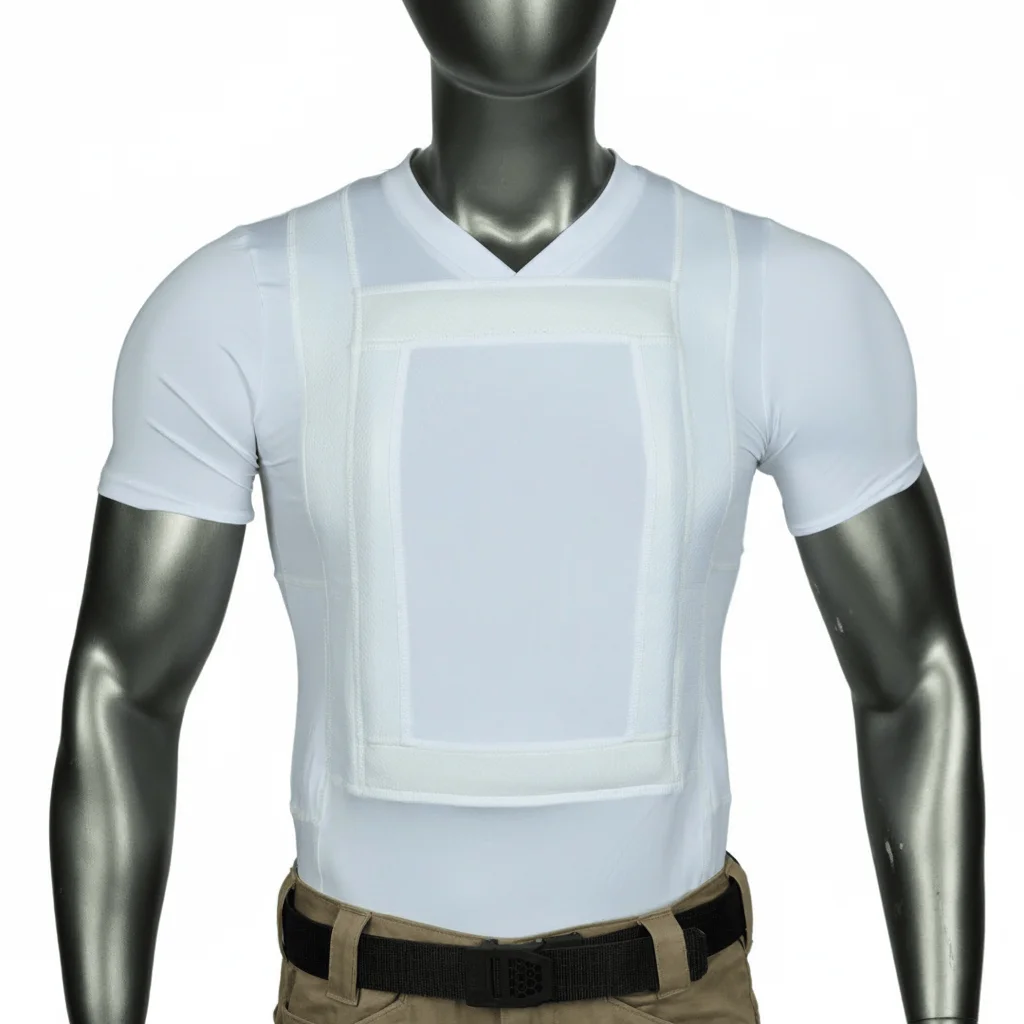
Because section 270.20 covers any covering intended to protect against gunfire, New York's restrictions reach concealable Level IIIA soft vests and armor shirts as well as Level III and IV rifle plates and complete plate-carrier kits. Our body armor rankings explain the difference between those protection levels and between “tested to” and NIJ-listed armor, the women's body armor guide covers female-cut plates and carriers, and the plate carrier guide covers the carriers themselves. The comparison tool lines up weights and protection levels side by side.
Soft Armor and Rifle Plates

Hybrid Concealment Vest (Level IIIA / HG2)
- NIJ Certified Level IIIA / HG2
- Weight: 4.6-6.4 lb (varies by size)
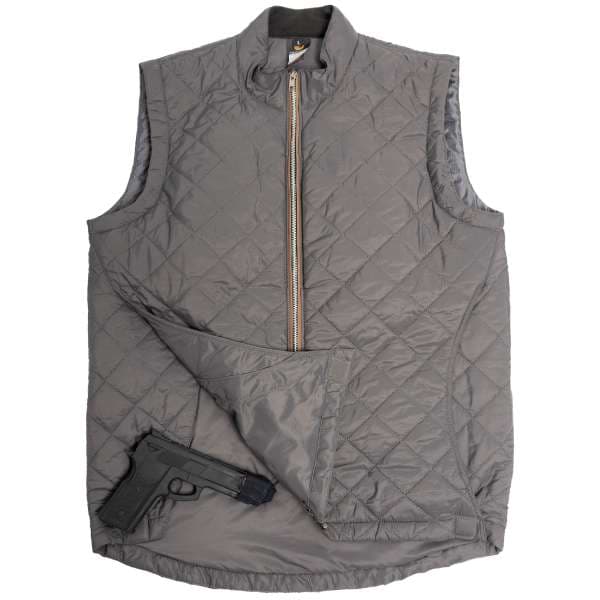
Grayman CCW Armored Vest
- Level 3A soft armor, handgun threats only
- Two 10 x 12 in soft armor ballistic panels, front and back
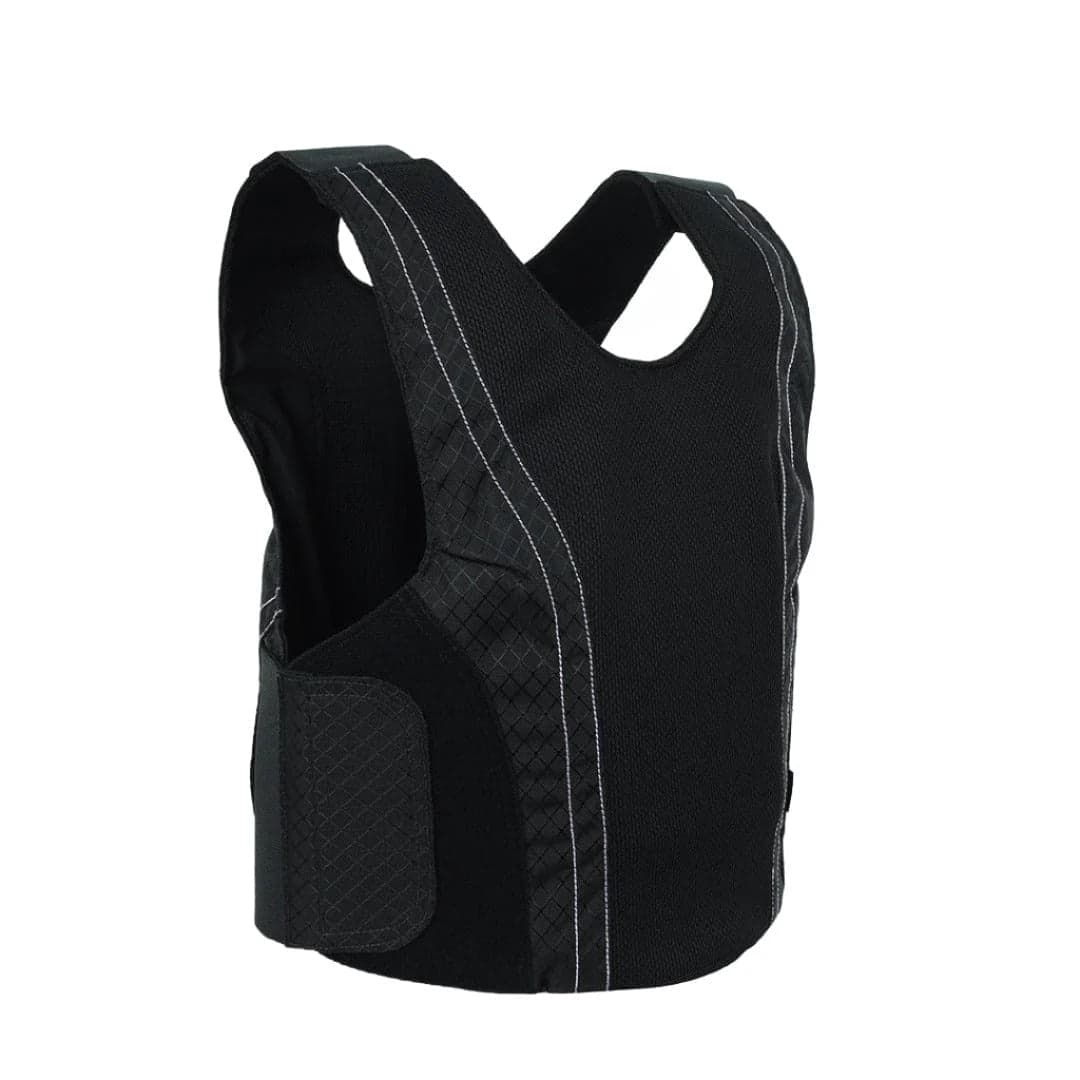
Female Concealable Armor Vest Level IIIA
- Level IIIA soft armor
- FemaleFlex curved panel design

IVPLATE Level IV Ceramic Plate
- Tested to NIJ 0101.06 Level IV (NTS)
- Weight: 5.7 lb (10x12)
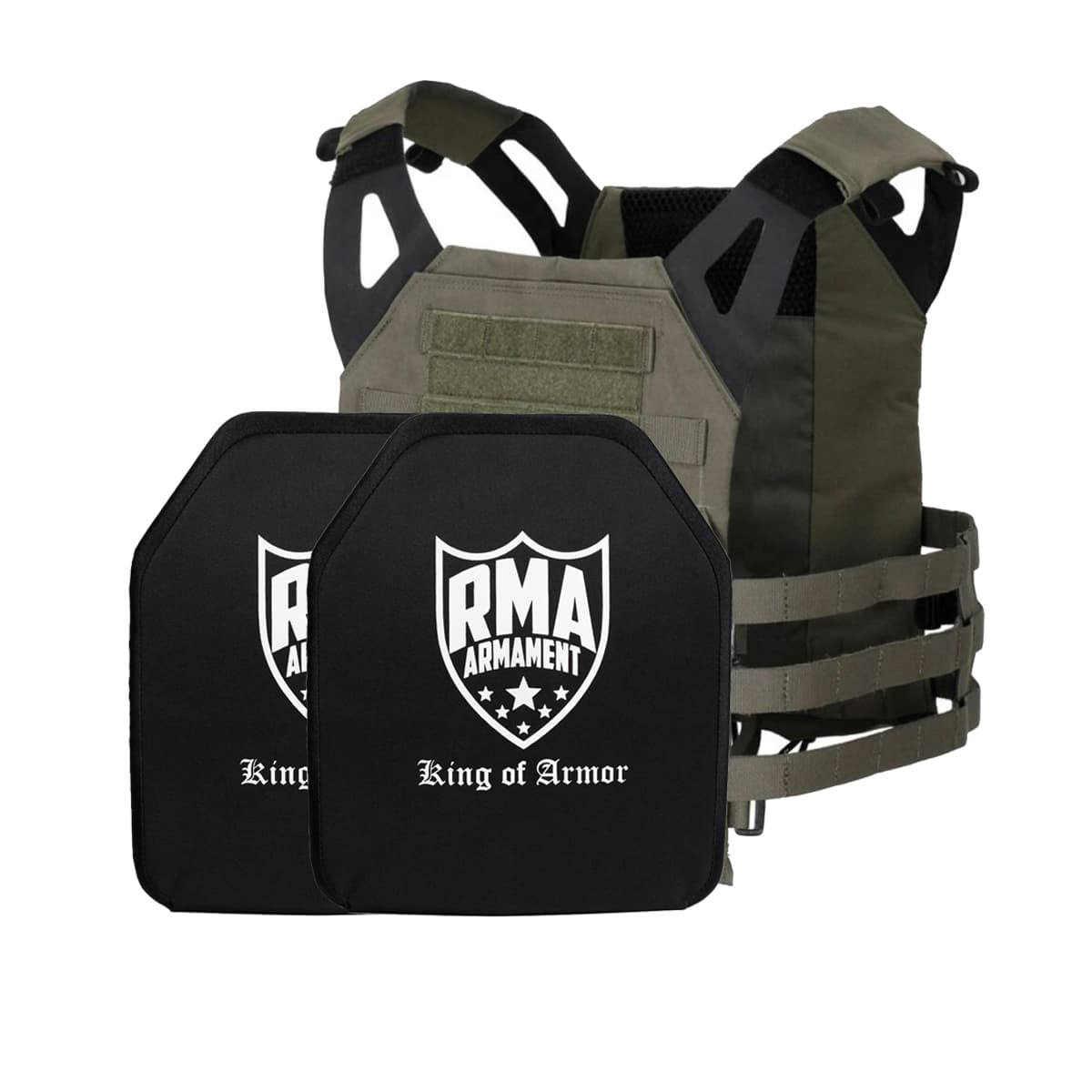
Crye JPC 2.0 Level IV Body Armor Kit (2x 1165 Gen 2)
- Two RMA 1165 Gen 2 Level IV / RF3 plates (NIJ 0101.07 tested)
- Crye Precision JPC 2.0 carrier, size Medium
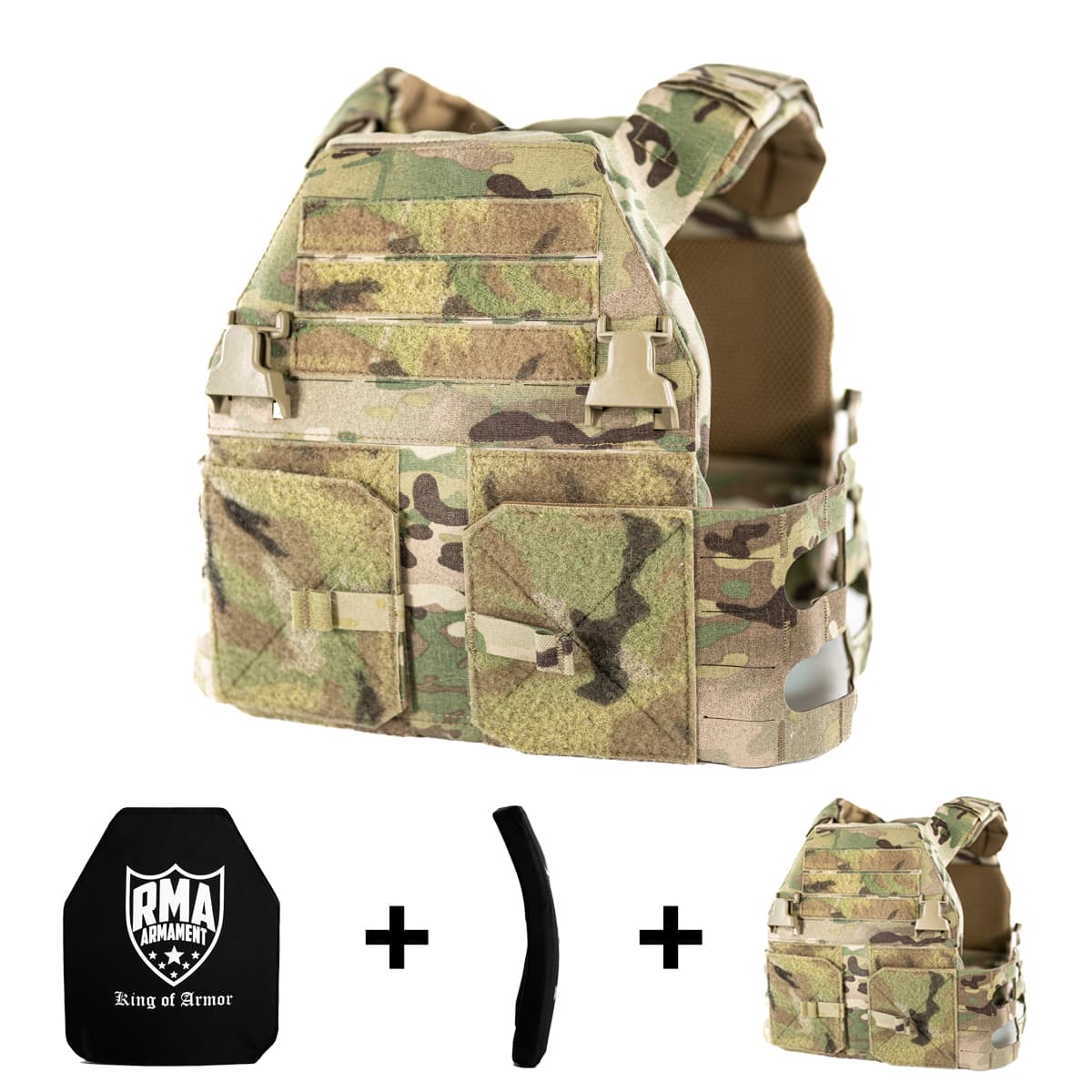
0922 SRT Female Body Armor Kit
- 0922 female ultra-curve front plate
- 0922 single-curve rear plate
Affiliate links (?)
What Happens Next
New York's next move decides when, or whether, the injunction takes effect. The State can appeal to the Second Circuit and ask that court for a stay lasting through the appeal; if it does not obtain one, the injunction becomes operative when the fourteen-day stay ends. If the Second Circuit grants a stay, the purchase restrictions stay enforceable until the appeal is decided.
The case is the first known federal judgment striking down a general ban on buying defensive body armor, according to the Firearms Policy Coalition, which filed it with Heeter in July 2024; Wurtenberg joined in an amended complaint that August. The court heard argument on the cross motions for summary judgment on August 28, 2026.