Key Takeaways
- →Closed October 21, 2026: Smith & Wesson Brands completed its acquisition of Savage Arms from JDH Capital the same day it announced the deal.
- →$160 million base value: At closing, Smith & Wesson issued 8,993,968 SWBI shares valued at $13.62 per share and paid $42.4 million in cash.
- →JDH becomes the largest stockholder: Savage's former owner now holds 16.7 percent of Smith & Wesson and one of seven board seats.
- →A projection, not a result: Smith & Wesson expects about $18 million of incremental annual EBITDAS from Savage, which booked roughly $160 million in net sales over the twelve months ending September 30.
- →No lineup changes announced: The company has not announced discontinued Savage models, plant closures, or warranty changes.
Smith & Wesson Bought Savage Arms for $160 Million
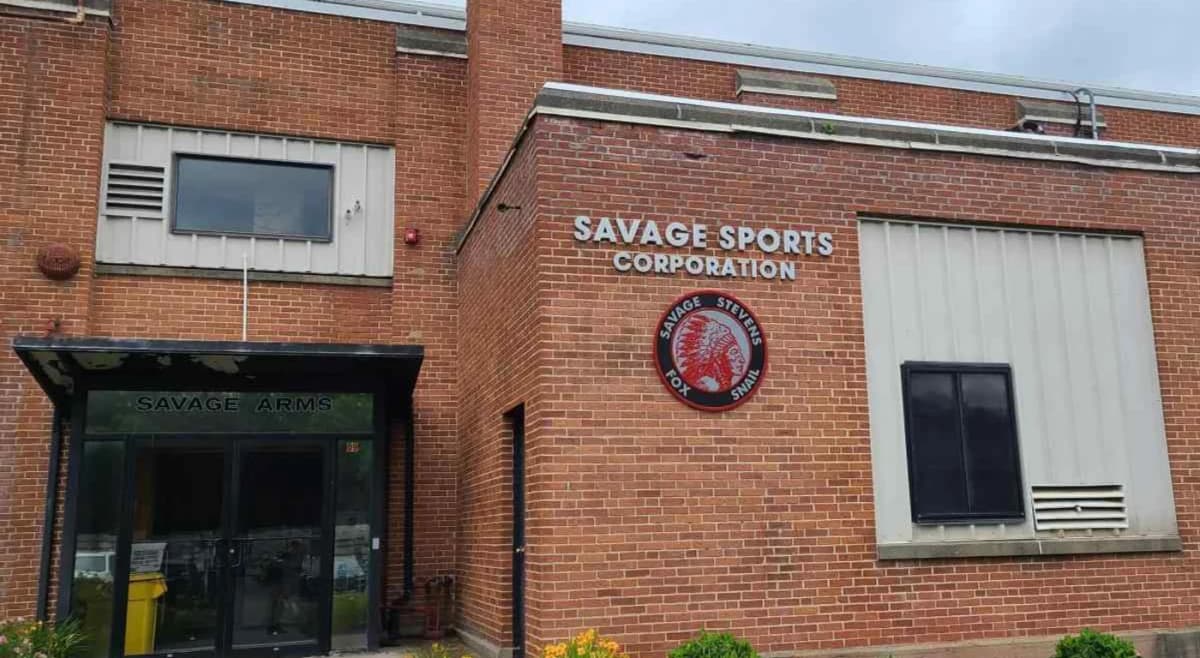
Smith & Wesson Brands, Inc. (NASDAQ: SWBI) bought Savage Arms and closed the deal on October 21, 2026, the same day it announced it. The transaction values Savage at $160.0 million, subject to customary adjustments. The seller was Savarms, L.P., a wholly owned subsidiary of JDH Capital I, L.P., the Houston private investment firm that owned Savage. This is a completed acquisition, not a proposal: the merger agreement was signed and closed on the same day.
Smith & Wesson paid with shares and cash. Its October 21 Form 8-K shows it issued 8,993,968 shares of common stock to the seller, equal to 19.99 percent of the shares outstanding just before the merger, at a reference price of $13.62 per share, the volume weighted average over the 45 trading days ending on the third trading day before closing. It paid $42.4 million in cash at closing.
The press release described the consideration as roughly 9 million shares plus $37.5 million in cash, which adds up to the $160.0 million base value. The 8-K explains the higher cash figure: closing estimates of Savage's cash, indebtedness, transaction expenses, minimum cash balance, and net working capital put the adjusted transaction value at approximately $164.9 million, and the balance above the stock was paid in cash. A post-closing adjustment, also settled in cash, can still move the final number.
Smith & Wesson Acquisition of Savage Arms
| Buyer | Smith & Wesson Brands, Inc. (SWBI) |
| Seller | Savarms, L.P., a JDH Capital I, L.P. subsidiary |
| Completed | October 21, 2026 |
| Base transaction value | $160.0 million, subject to adjustments |
| Adjusted value at closing | About $164.9 million (estimated) |
| Stock issued | 8,993,968 SWBI shares at $13.62 per share |
| Cash paid at closing | $42.4 million |
| JDH ownership after closing | 16.7% of SWBI common stock |
| JDH board seats | 1 of 7 (Michael D. Fertitta) |
| Savage net sales | About $160 million, 12 months to Sept. 30, 2026 |
| Price multiple | About 7.9x Adjusted EBITDA, after $2.5 million in run-rate synergies |
How the Merger Was Structured
Savage did not become a stand-alone subsidiary. Under the merger agreement, a Smith & Wesson merger subsidiary first merged into Long Range Intermediate LLC, the Savage parent entity, and that entity then merged into Smith & Wesson Brands, Inc. itself. The two steps are intended to qualify as a tax-free reorganization. The seller agreed to customary non-competition and non-solicitation covenants, and JDH guaranteed the seller's post-closing adjustment and indemnification obligations.
JDH Capital Is Now Smith & Wesson's Largest Stockholder
JDH Capital traded ownership of Savage for 16.7 percent of Smith & Wesson, which makes it the company's largest stockholder. Effective immediately after closing, Smith & Wesson's board appointed Michael D. Fertitta, a Managing Director of JDH Capital Company, as a director and placed him on the Nominations and Corporate Governance Committee. The board now has seven members.
An investor rights agreement sets the terms of that position. JDH keeps the right to designate one board nominee until its stake falls below 10 percent, or until it waives the right on or after the second anniversary of closing. Its shares are locked up and release in three equal installments at 90, 240, and 360 days after closing. While the standstill runs and JDH holds at least 10 percent, it has agreed to vote its shares as the board recommends on director elections and certain other matters. Smith & Wesson agreed to use commercially reasonable efforts to file a resale registration statement for the shares within 60 days.
Follow Smith & Wesson and Savage
Get industry news and new rifle and handgun coverage from both brands in your inbox.
What Smith & Wesson Expects Savage to Add
Smith & Wesson expects Savage to add about $18 million of incremental EBITDAS on a full-year basis, with more after synergies. That is the company's own projection at closing, not a reported result; no combined quarter has been reported yet. Savage itself generated approximately $160 million of net sales for the twelve months ending September 30, 2026, based on Savage's own financial statements, which Smith & Wesson has not adjusted to its accounting policies.
The company's other forward-looking figures follow the same pattern. Excluding acquisition accounting and transaction costs, it expects the deal to add about $0.04 per share to fully diluted earnings for the rest of fiscal 2027 and $0.07 per share on a full-year basis, rising to about $0.10 per share once initial synergies are realized. It prices the deal at about 7.9 times Savage's Adjusted EBITDA for the twelve months to September 30, counting $2.5 million of expected initial annual run-rate synergies, and puts its own net leverage at 1.16 on a pro forma estimated basis. Savage's financial statements and pro forma figures will follow in an amendment to the 8-K.
What Savage Brings to the Smith & Wesson Lineup
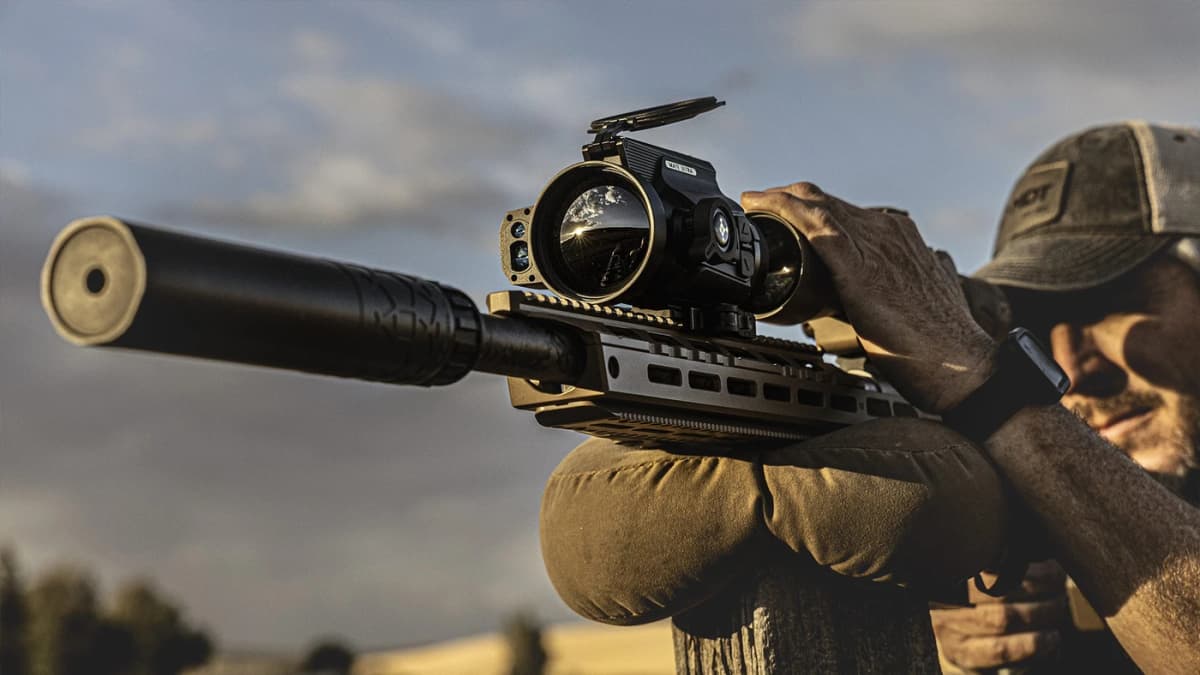
Savage moves Smith & Wesson deeper into bolt-action hunting and precision rifles, rimfire rifles, and shotguns. Smith & Wesson's own catalog centers on handguns, with long guns such as the M&P15 AR-15 line and the Model 1854 lever action, plus Gemtech suppressors. Savage builds centerfire and rimfire rifles and shotguns for hunting, competition, and target shooting from its Westfield, Massachusetts headquarters, and Chief Executive Mark Smith said the deal “meaningfully expands our presence in the hunting category.”
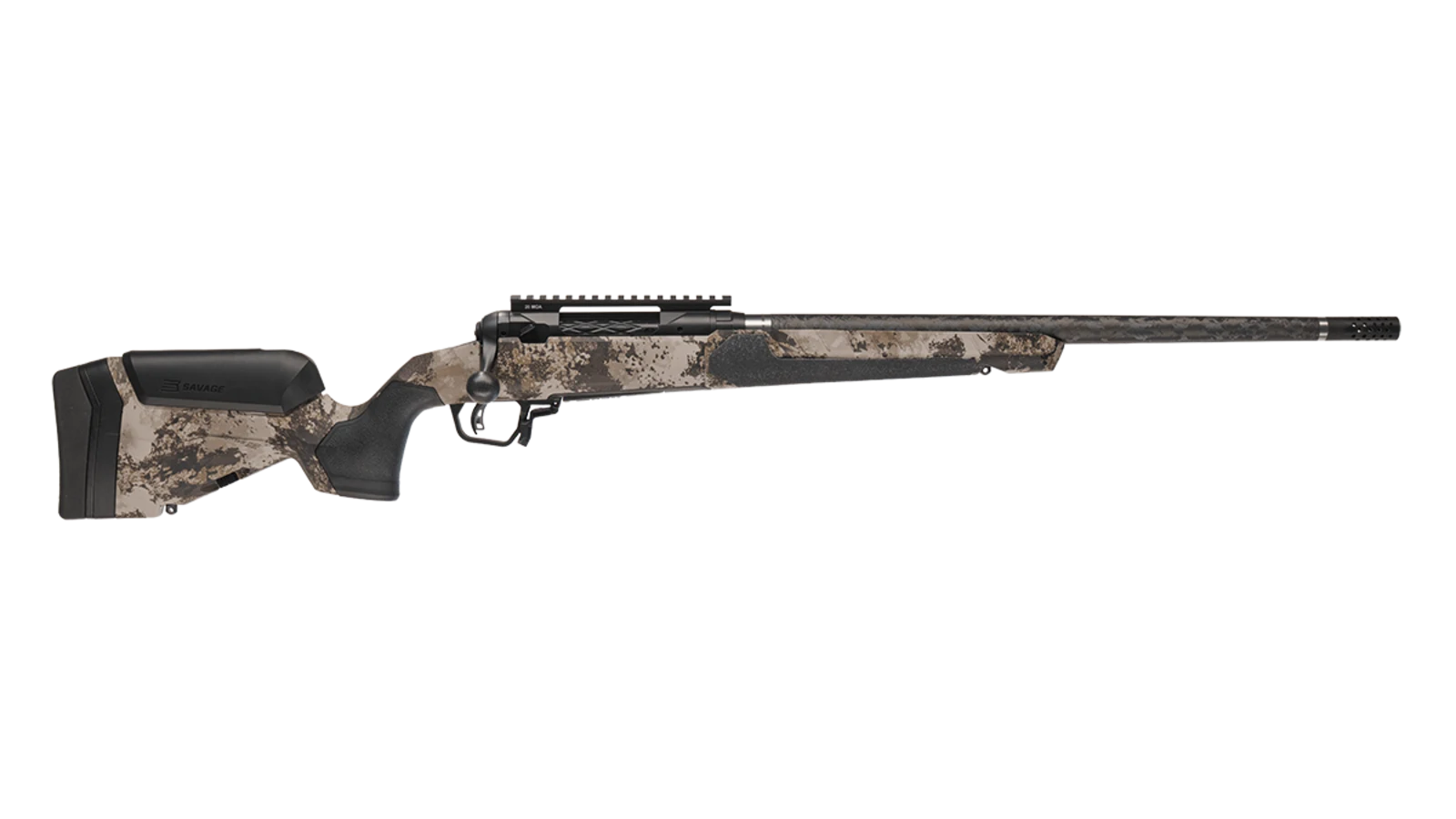
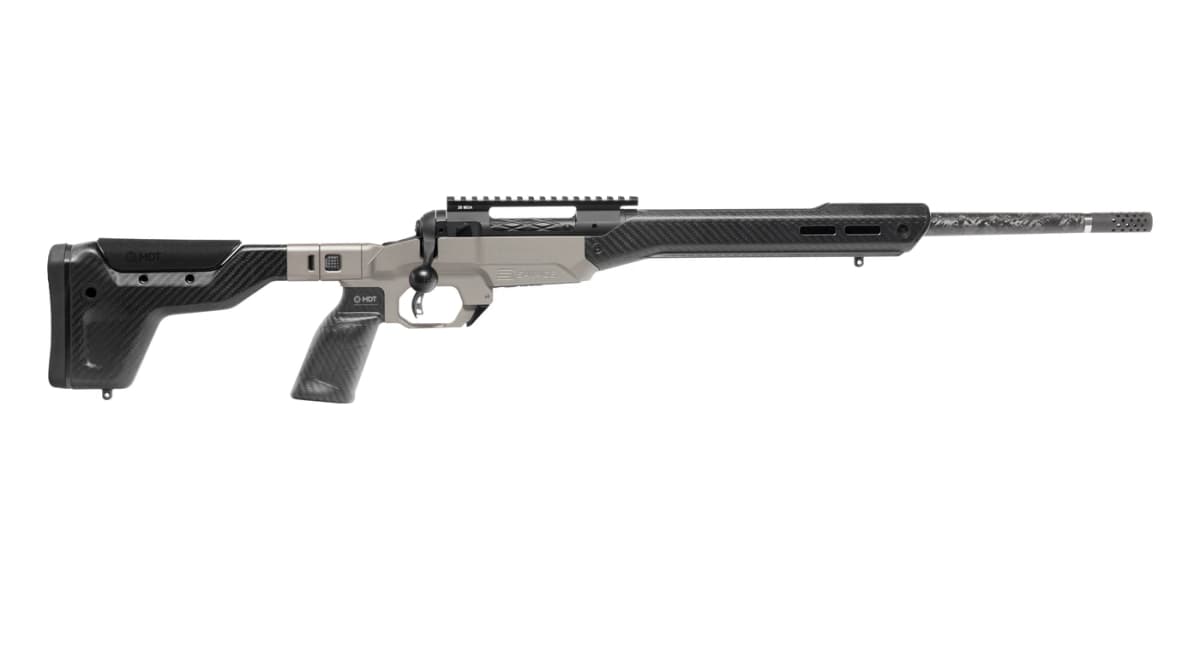
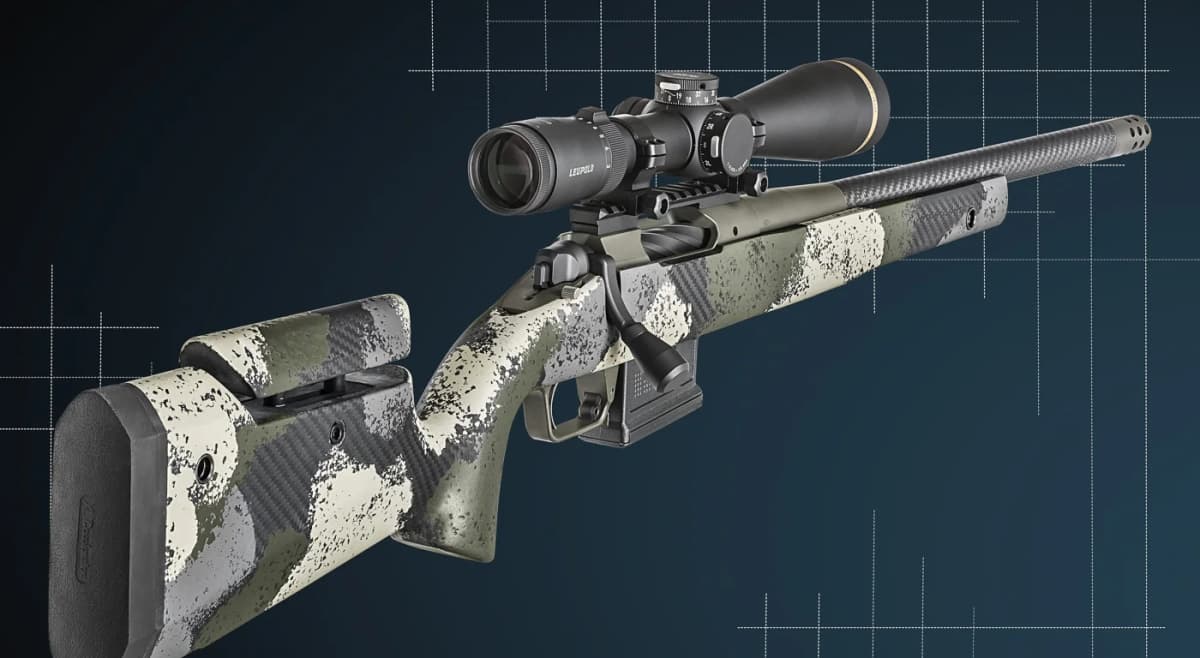
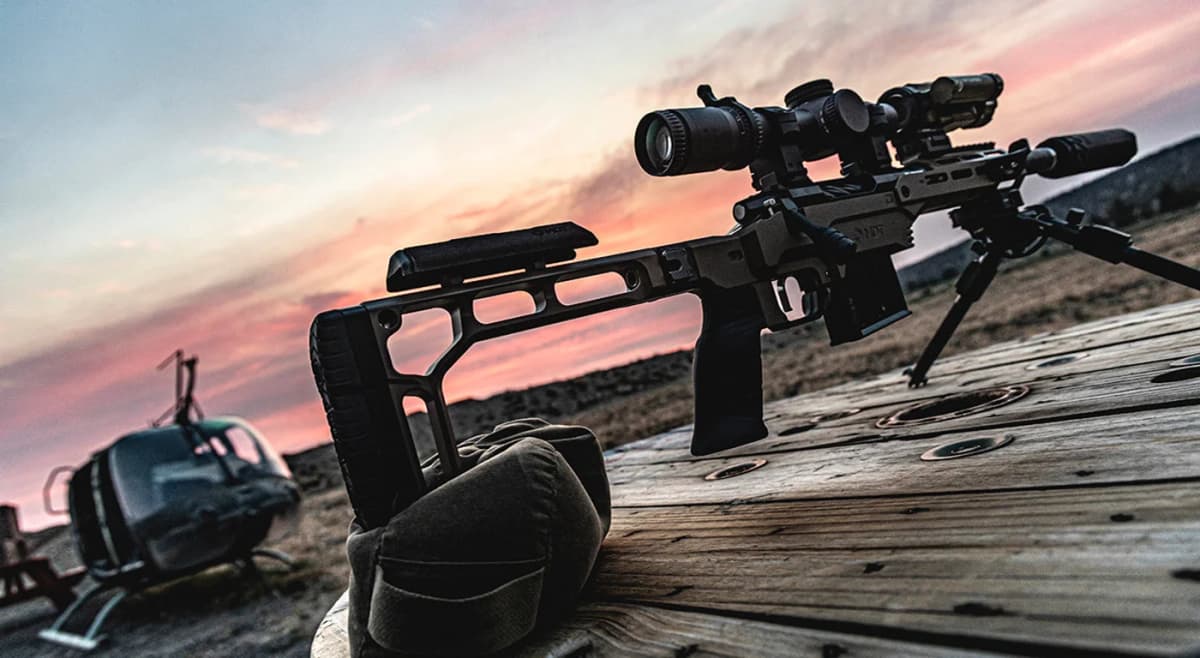
The 110 action is the center of that catalog. The 110 Precision drops it into an MDT LSS XL chassis with the AccuTrigger and AICS magazines, and it sits in our budget precision rifle rankings. On the hunting side, Savage revamped its carbon-barreled 110 Ultralite family this year, and the Axis II XP is ranked in our deer hunting rifle guide.

Savage 110 Precision
Savage's 110 action in a factory MDT chassis with AccuTrigger and AICS magazines
Factory 110 action in an MDT LSS XL chassis with AccuTrigger, threaded barrel, and AICS pattern magazine support.
- +Factory MDT chassis removes a common first upgrade
- +Good MSRP-to-feature ratio for a chassis bolt gun
- +Savage barrel-nut ecosystem can make future rebarreling approachable
- −Less Remington 700 ecosystem compatibility than Bergara or Solus
- −Not as competition-tuned as higher-priced PRS chassis rifles
- −Long-action magnum variants use different capacity and fitment assumptions
Affiliate links (?)
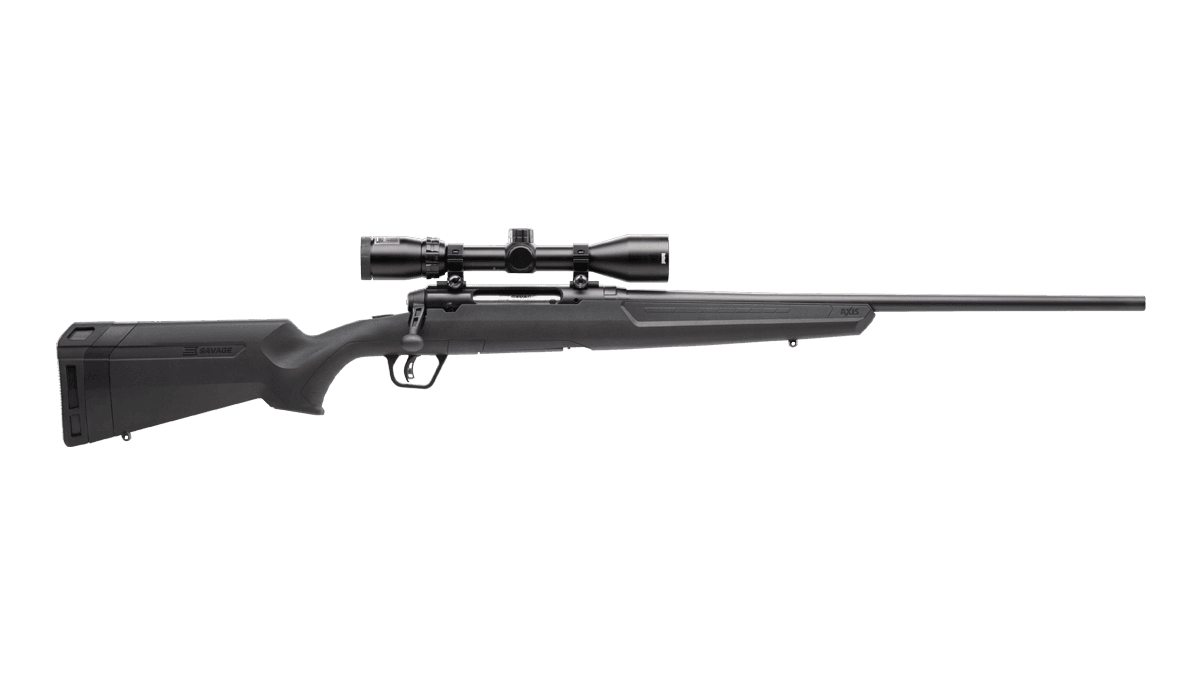
Savage Axis II XP
Savage's entry-level scoped hunting rifle in common deer calibers
Scope-combo budget bolt action that ships with a 3-9x40mm scope mounted, bore-sighted, and ready to zero. Carbon-steel barrel, AccuTrigger, detachable box magazine, and synthetic stock.
- +Credible deer-ready package with current factory support
- +AccuTrigger is genuinely good and adjustable without a gunsmith
- +Scope is mounted, bore-sighted, and ready for paper zero
- −Factory scope is functional but not exceptional
- −Standard barrel is not threaded for a suppressor
- −Synthetic stock is utilitarian, no cheek riser or LOP adjustment
Affiliate links (?)
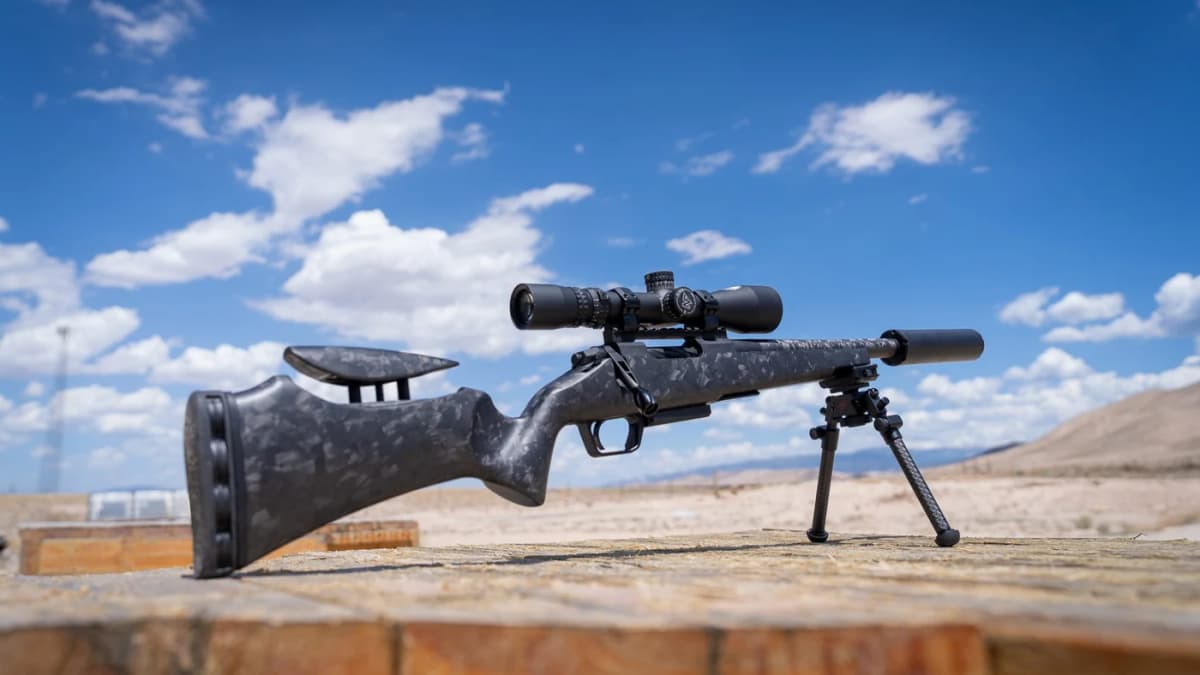
Rimfire and shotguns round out the portfolio. The Mark II FV-SR is a .22 LR bolt gun with a 16.5-inch heavy threaded barrel, and the Stevens 301 Turkey is a single-shot .410 break action that appears in our turkey shotgun guide. To line up any of these against rifles from other makers, use the comparison tool.

Savage Mark II FV-SR
A threaded heavy-barrel .22 LR bolt gun for suppressed plinking and rimfire training
Budget .22 LR bolt gun with a heavy threaded 16.5-inch barrel, AccuTrigger, and a one-piece scope rail. The value pick for a suppressor-host trainer.
- +AccuTrigger is the cleanest trigger at this price point
- +Factory threaded muzzle makes it suppressor-ready out of the box
- +Heavy short barrel is stiff and accurate with quality ammo
- −Budget synthetic stock flexes and feels hollow
- −Ships with 5-round magazines only
- −No iron sights; a scope or red dot is mandatory
Affiliate links (?)
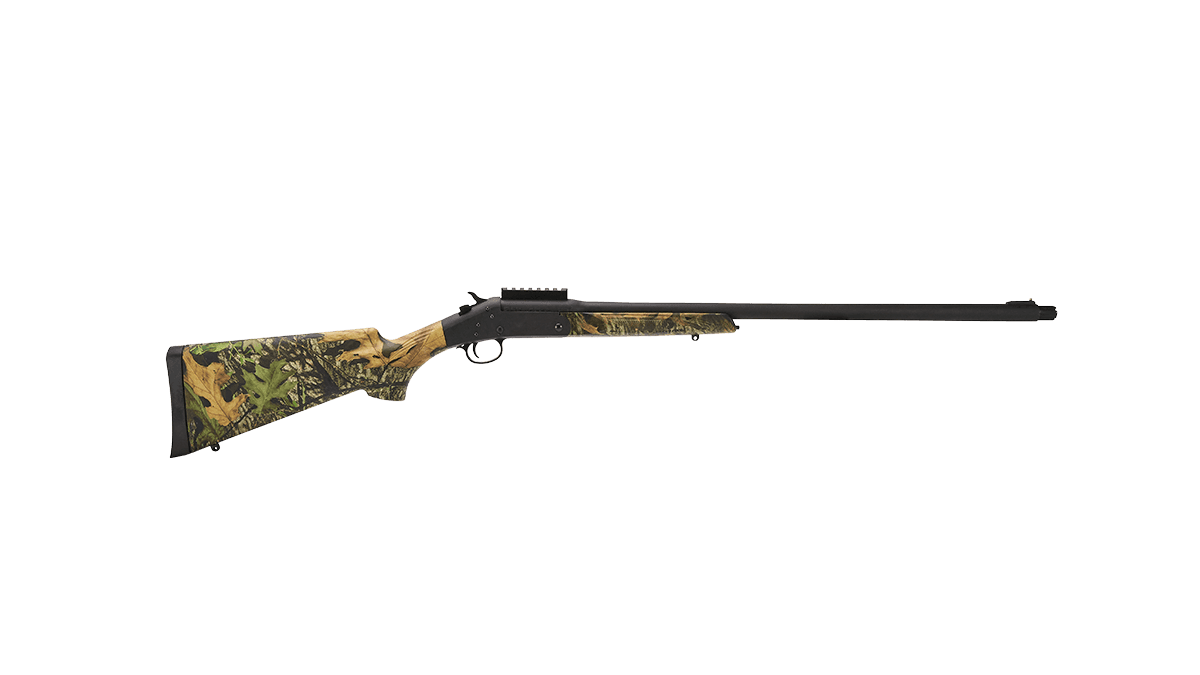
Stevens 301 Turkey
A light single-shot .410 break-action turkey gun
Ultralight single-shot break-action .410 turkey gun, the cheapest realistic entry into turkey hunting; the XP variant ships with a 1x30 red dot and an extra-full choke.
- +Lowest entry cost of any turkey gun, well under half the price of a pump
- +Ultralight and low-recoiling, ideal for youth and first-time turkey hunters
- +Ships with a red dot and extra-full choke, so it patterns .410 TSS out of the box
- −Single shot means no follow-up without a manual break-open reload
- −.410 payloads demand premium TSS loads to reach ethical turkey range, which raises the per-shell cost
Affiliate links (?)
Hunting Scopes for a Savage Bolt Gun
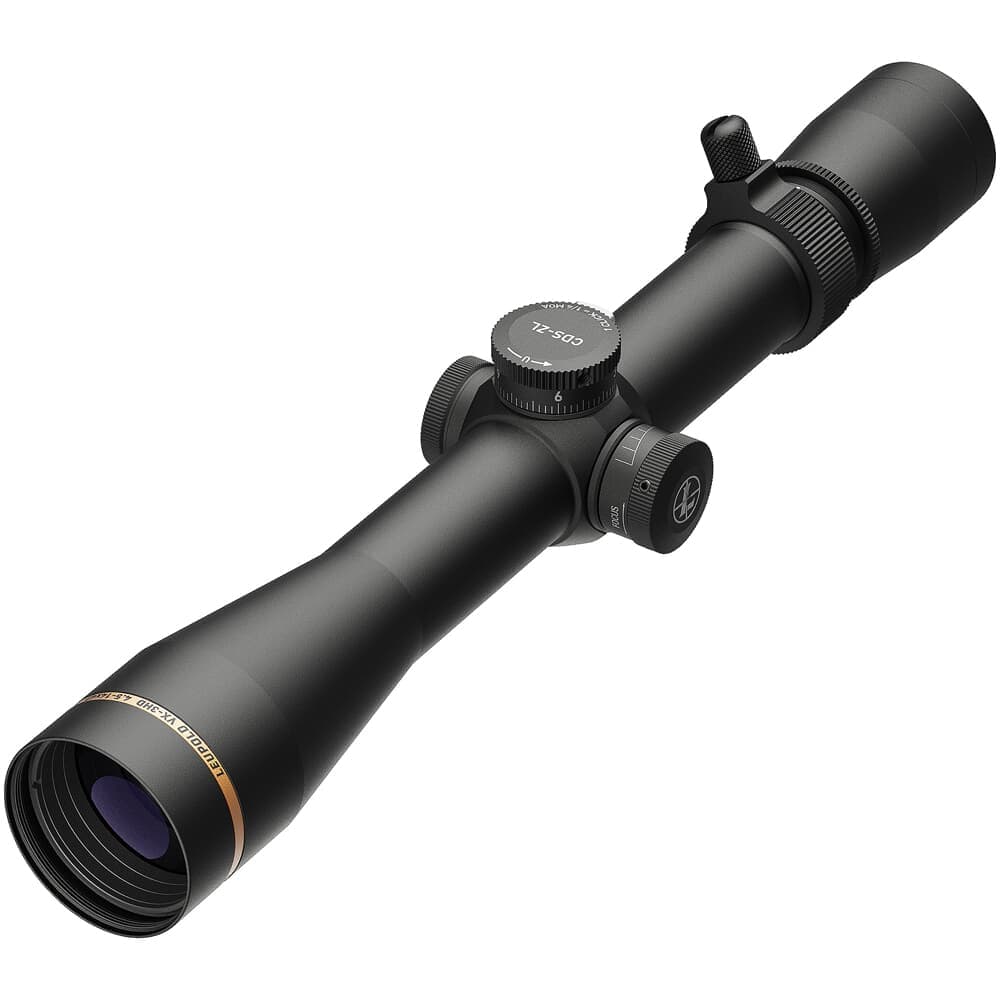
Leupold VX-3HD 4.5-14x40 CDS-ZL
- 4.5-14x magnification, 40mm objective
- 1-inch maintube, second focal plane
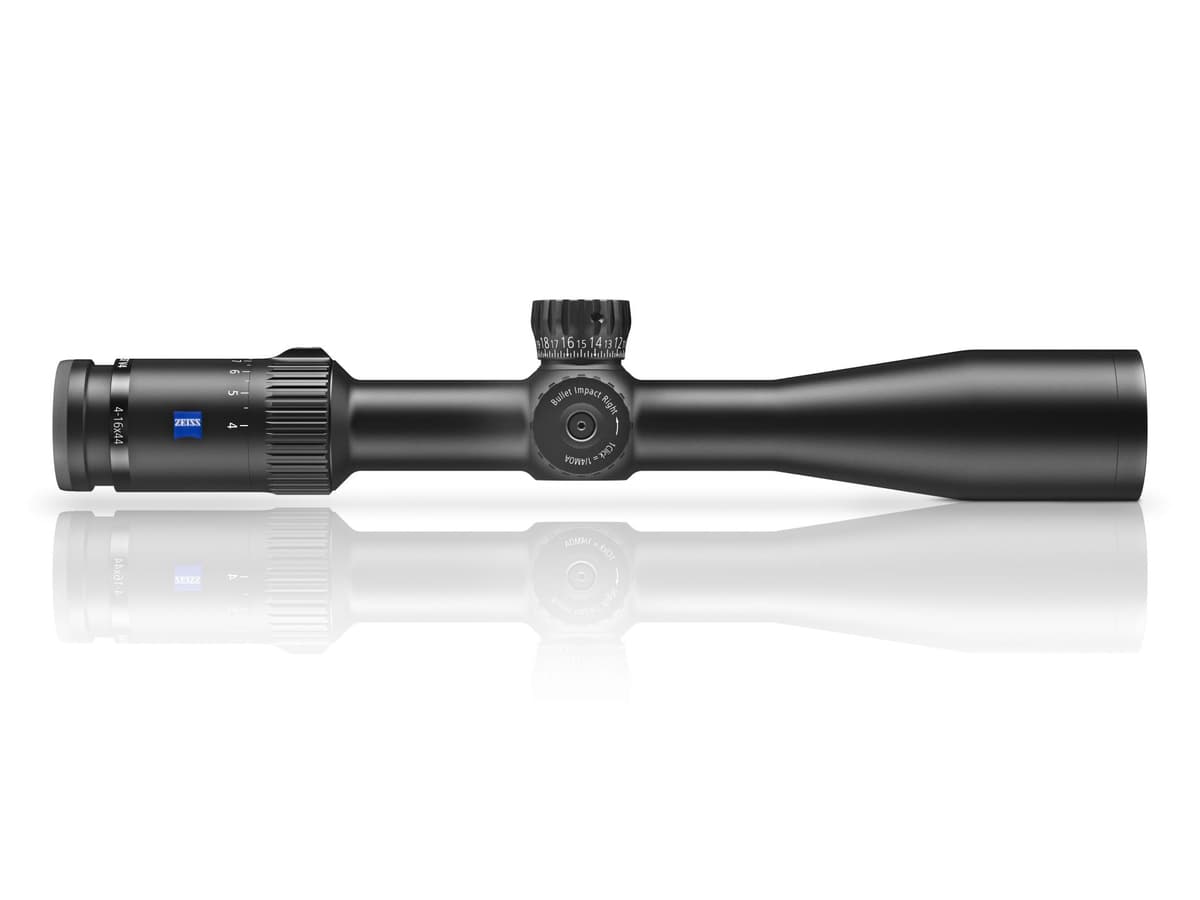
Zeiss Conquest V4 4-16x44
- 4-16x magnification, 44mm objective
- 30mm maintube, second focal plane
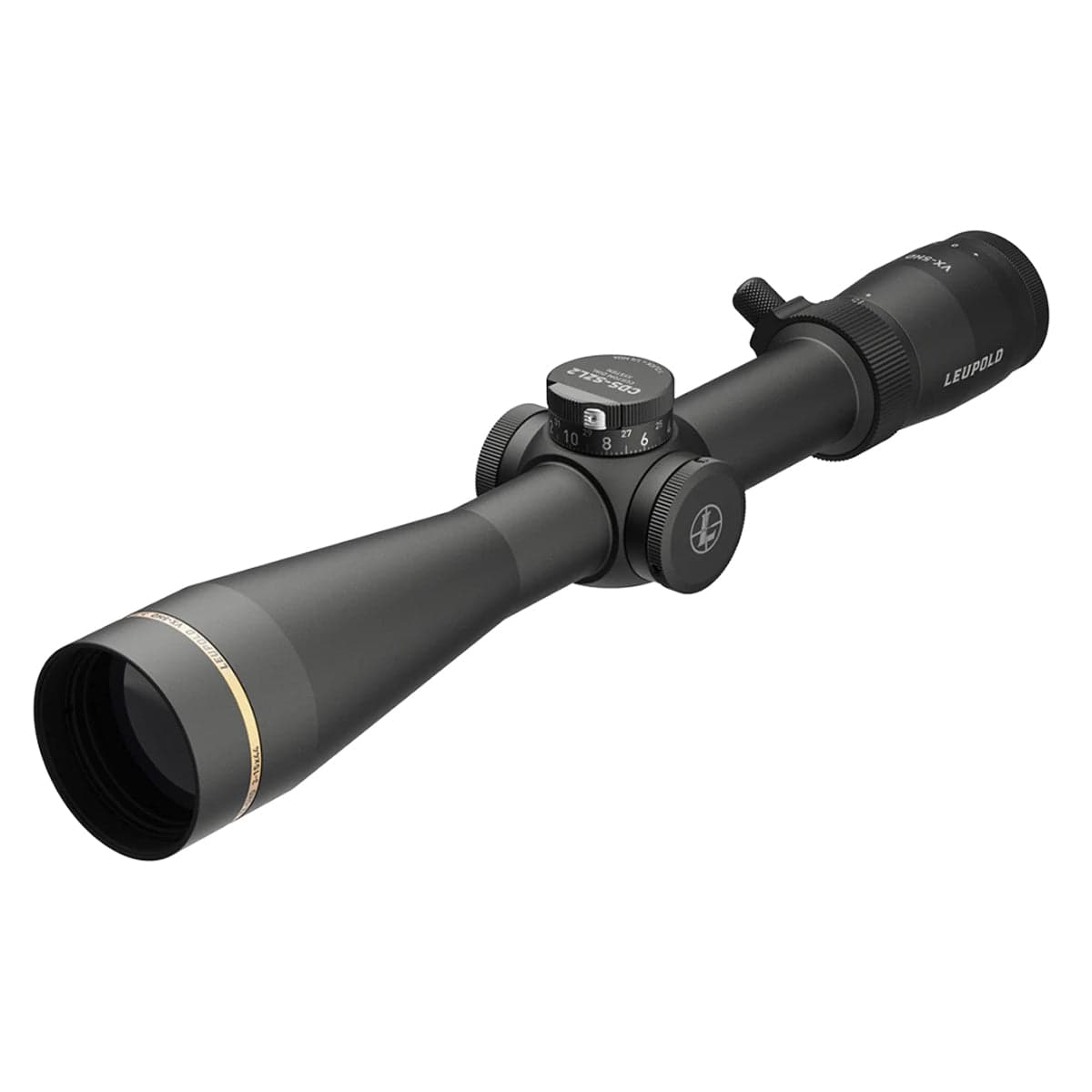
Leupold VX-5HD Gen 2 3-15x44
- 3-15x magnification, 44mm objective
- 30mm maintube, second focal plane

Vortex Viper HD 3-15x44
- 3-15x magnification, 44mm objective
- 30mm maintube, second focal plane

Trijicon Huron 3-9x40
- 3-9x magnification, 40mm objective
- 1-inch maintube, second focal plane
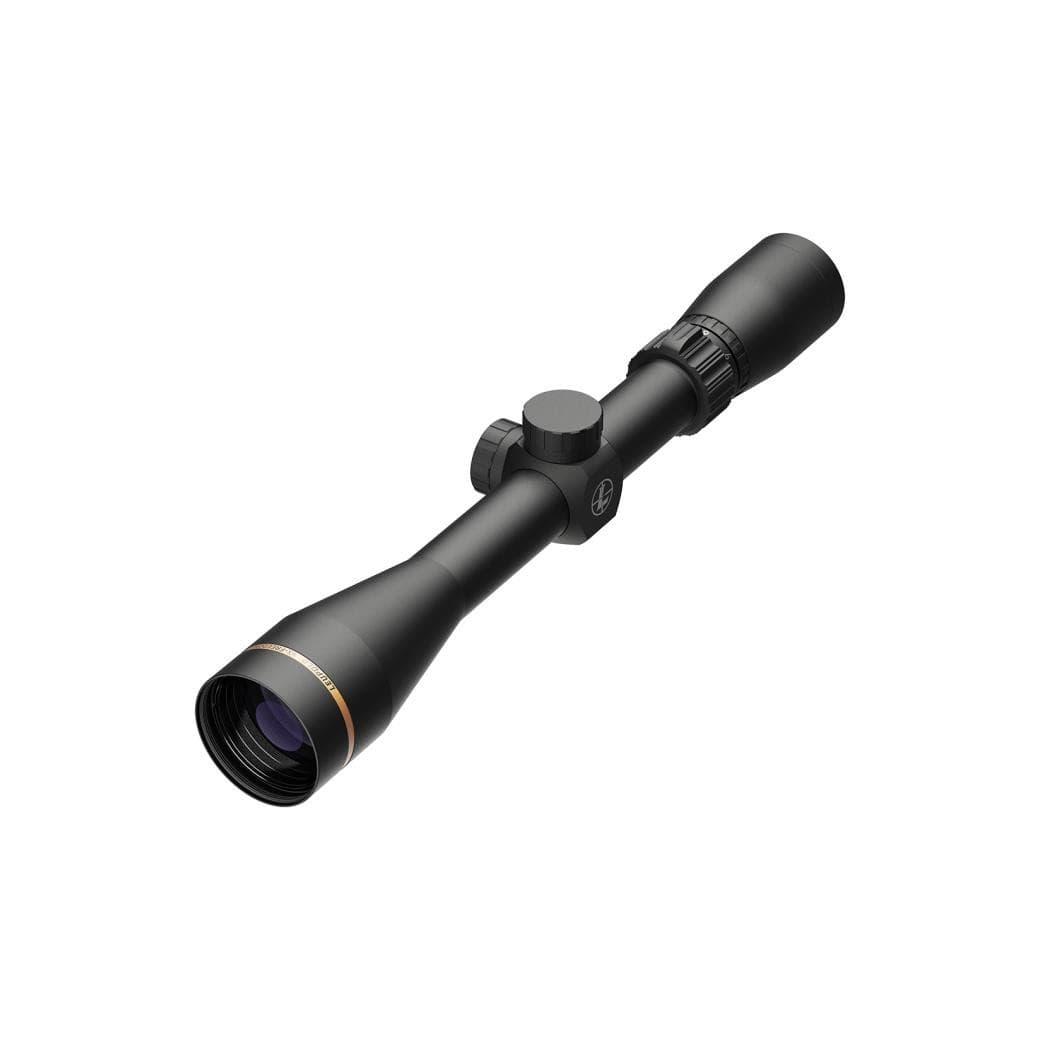
Leupold VX-Freedom 3-9x40
- 3-9x magnification, 40mm objective
- 1-inch maintube, second focal plane
Affiliate links (?)
What Changes for Savage Owners and Buyers
Nothing announced so far. Smith & Wesson has not announced any discontinued Savage or Stevens models, factory closures, merged product lines, or changes to Savage's warranty or service. A Savage rifle bought this week is the same rifle it was before October 21, and Smith & Wesson's own handguns and long guns are unchanged.
What the company has said is directional. Mark Smith called the combination “a broader, stronger platform” with room to accelerate innovation and realize operating efficiencies, and the $2.5 million figure is an expected initial annual run-rate synergy, not a product plan.
Two Deals, Two Structures, One Week
Smith & Wesson bought all of Savage; Beretta bought a quarter of Ruger. One day before the Savage closing, Beretta Holding announced final results of its tender offer for Sturm, Ruger & Company, accepting 2,400,184 shares and bringing its beneficial ownership to about 25 percent. Ruger stays a separate company listed on the New York Stock Exchange, and under a proposed FTC consent order any director Beretta nominates must be independent of Beretta.
The Savage deal runs the other way. Savage disappears into Smith & Wesson as an operating business, and the seller, a financial investor rather than a gun maker, takes stock and a board seat in the buyer. Both deals end the same week with a large outside holder in a publicly traded American gun company: Beretta in Ruger, and JDH Capital in Smith & Wesson.