Key Takeaways
- →What It Is: A $249.97 open-emitter reflex sight (SKU SM26070) that clamps over the rear of an unmilled Gen 3/4/5 Glock slide. 3 MOA dot, 20x16 mm window, cast aluminum, IP67, single CR1632. Available now.
- →The No-Gunsmith Claim Has an Asterisk: The product is sold as needing no milling or gunsmithing. The manual says “Fitment is not guaranteed, and slight modification may be necessary for appropriate fitment. Ensure all work is done by a professional gunsmith.”
- →Brightness Is Automatic Only: No manual levels, no night vision setting, and no off switch. The manual's battery-saving instruction is to put the lens cover on. Runtime is 110 hours at maximum brightness against the advertised 16,000-hour ceiling.
- →The Turrets Do Not Click: Windage and elevation are continuous. Sightmark's zeroing instruction is to use the adjustment tool through the dial “as a visual reference,” so there are no clicks to count.
- →Our Verdict: Skip it. Milling a slide from $125 plus a machined optic lands around $304.99, roughly $55.02 more, and leaves you with a pistol that takes any optic instead of one clamp.
What the Sightmark G-Shot Is
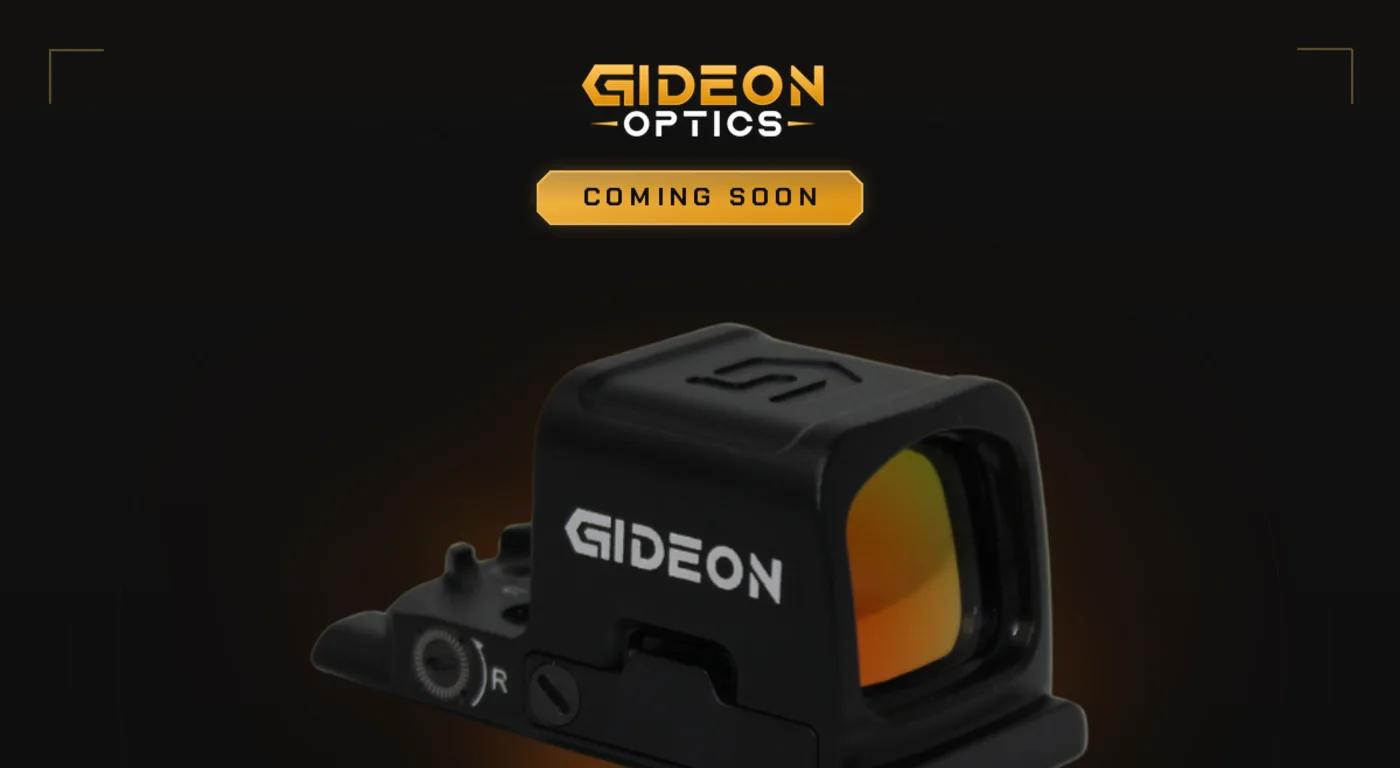
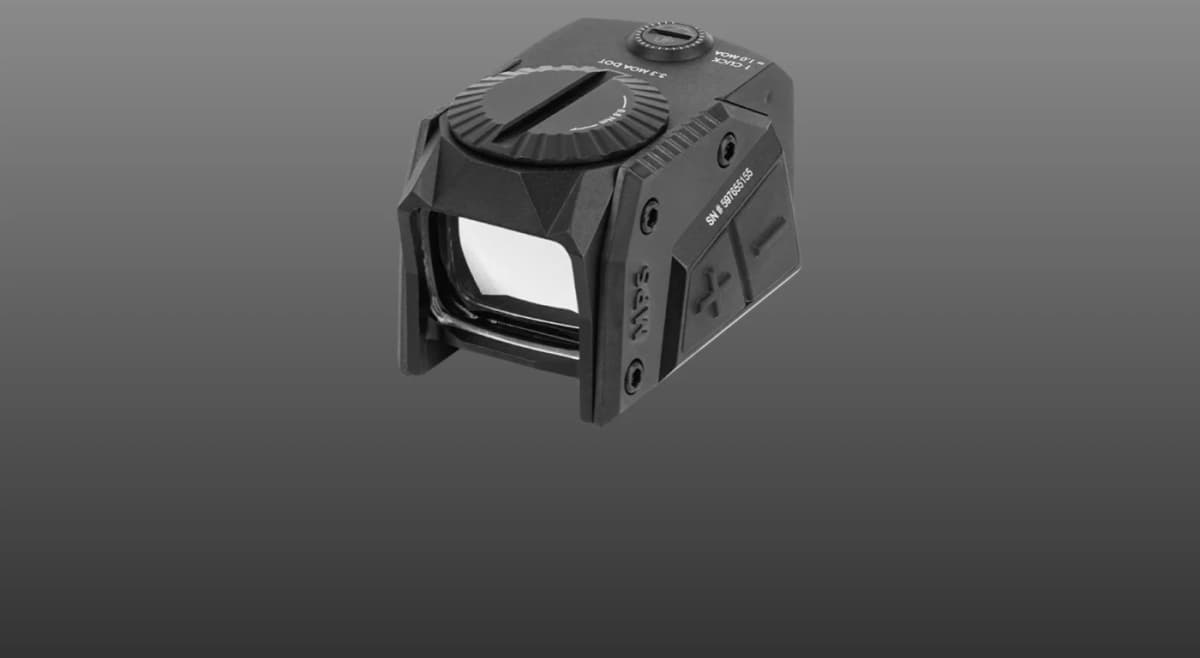
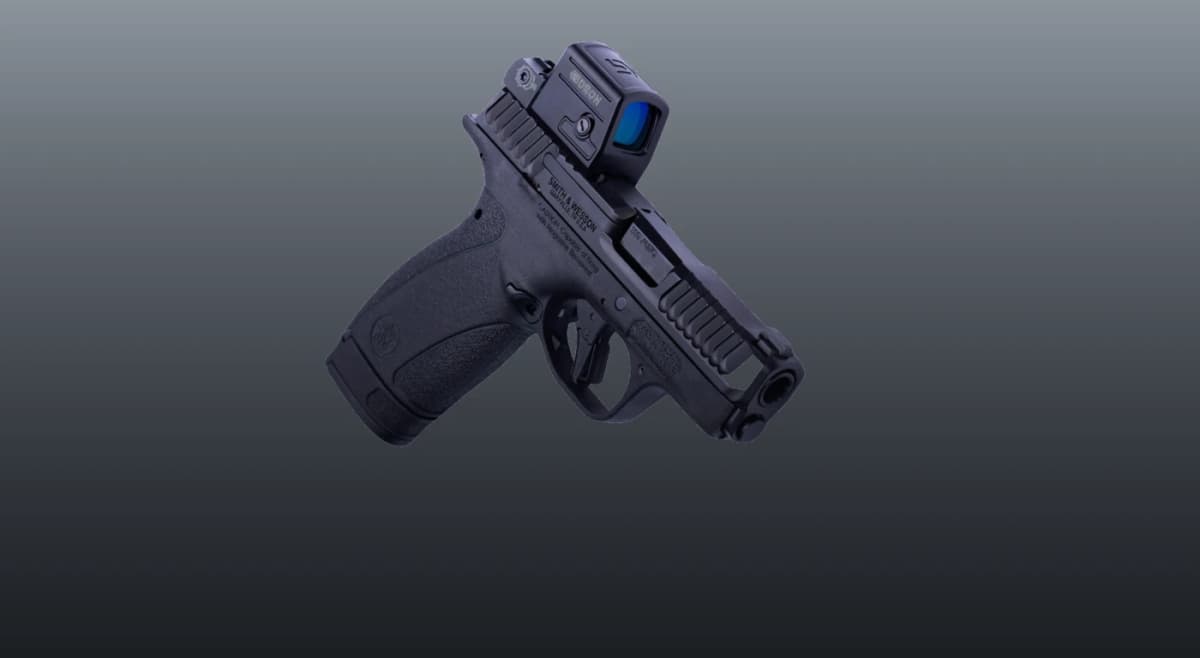
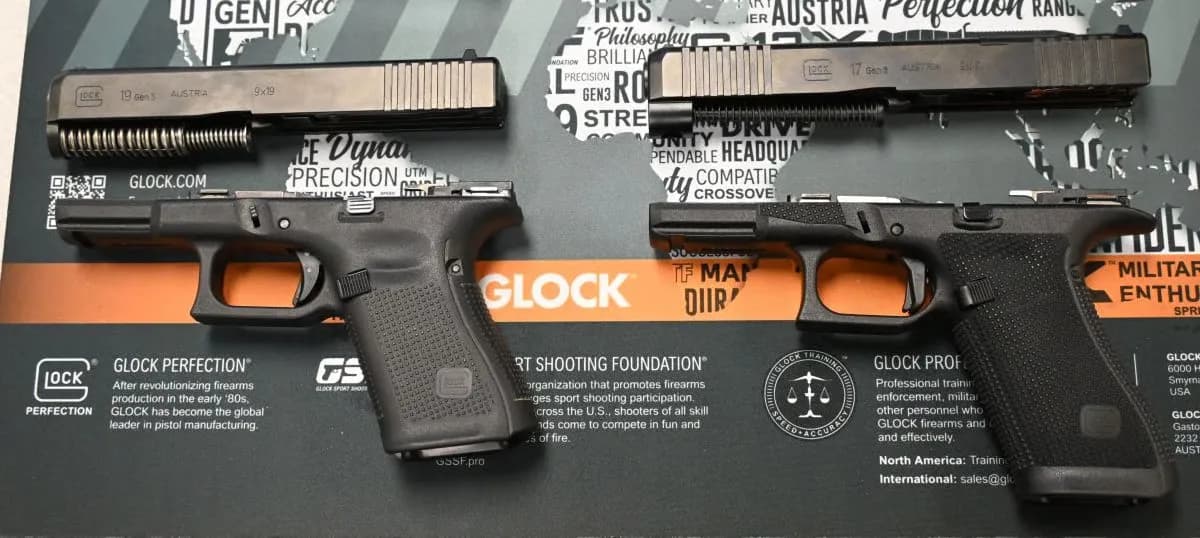
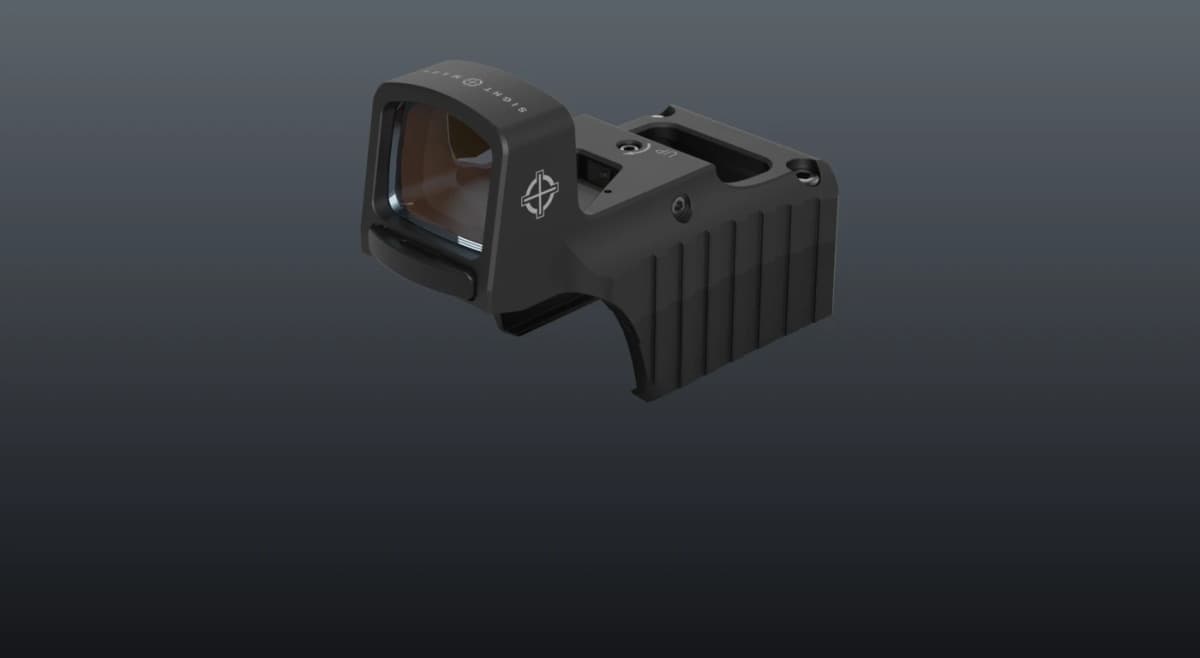
The Sightmark G-Shot is a 3 MOA open-emitter reflex sight that clamps over the rear of a factory Glock slide, aimed at the large population of non-optics-ready Gen 3, Gen 4, and Gen 5 pistols. It carries SKU SM26070, lists at $249.97, and is shipping now through Sightmark's dealer network. Sightmark lists fitment for the G17, G19, G22, G23, G24, G26, G27, G34, G35, G41, G45, and G47, excluding the Gen5 G22 and G23.
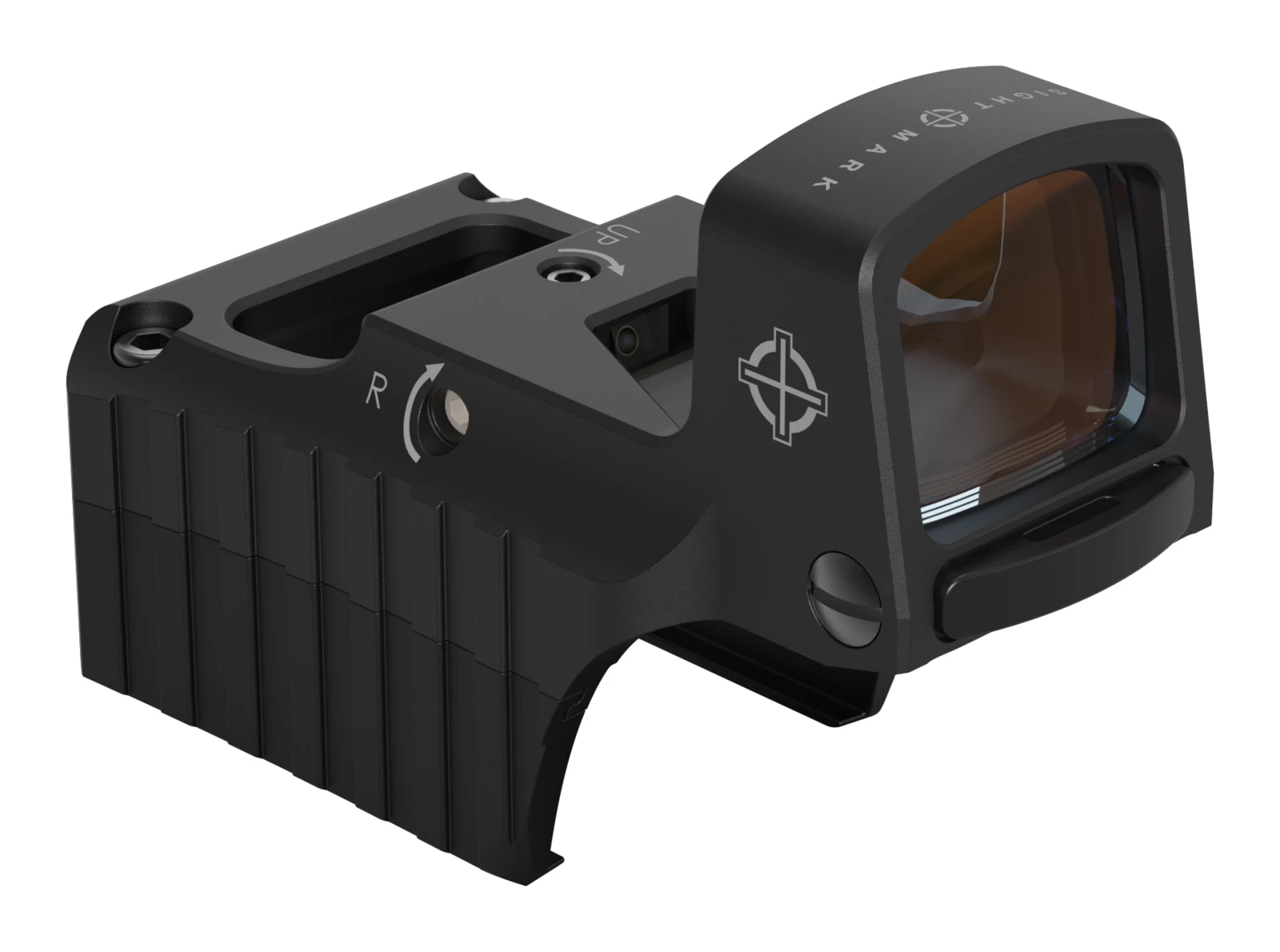
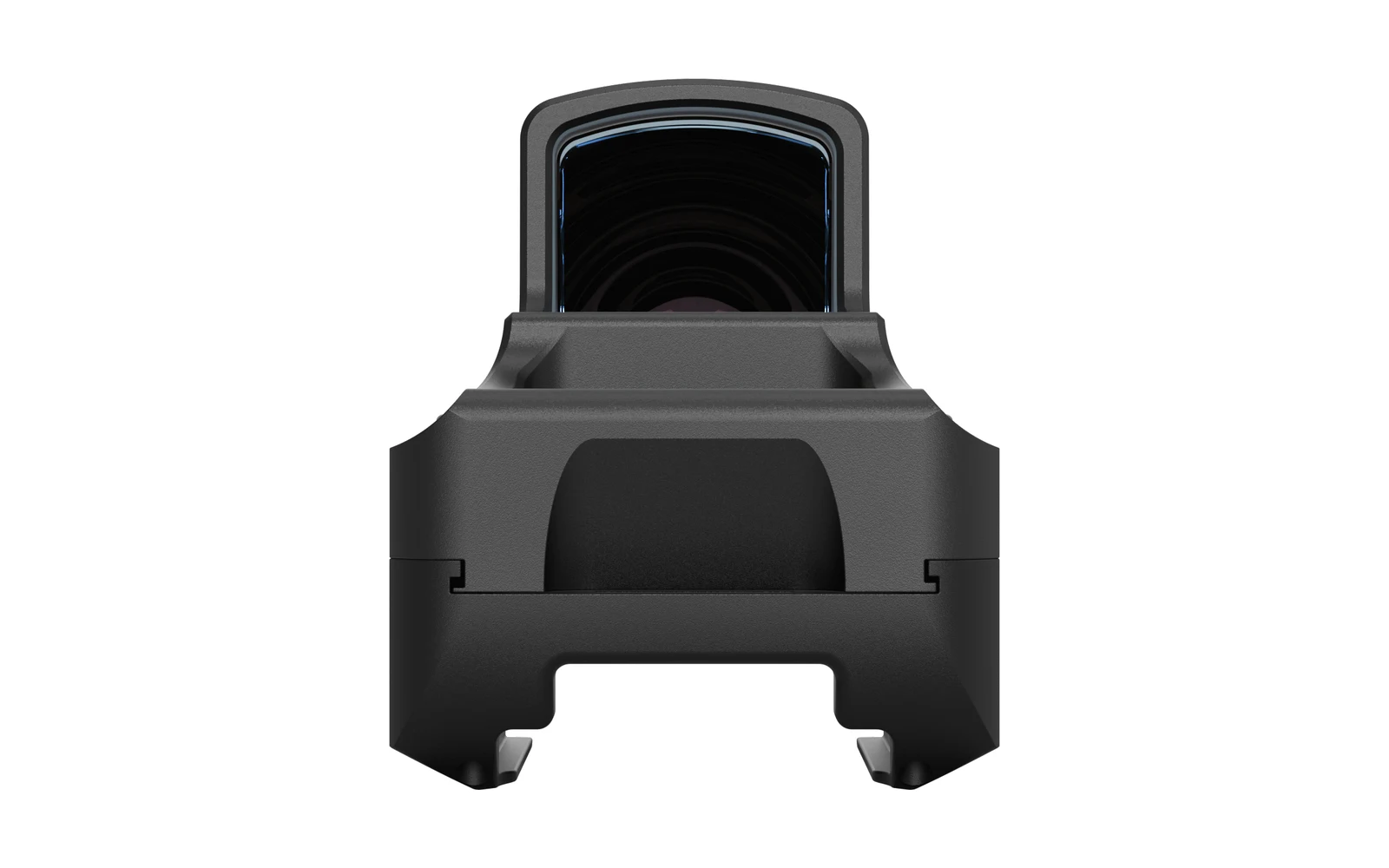
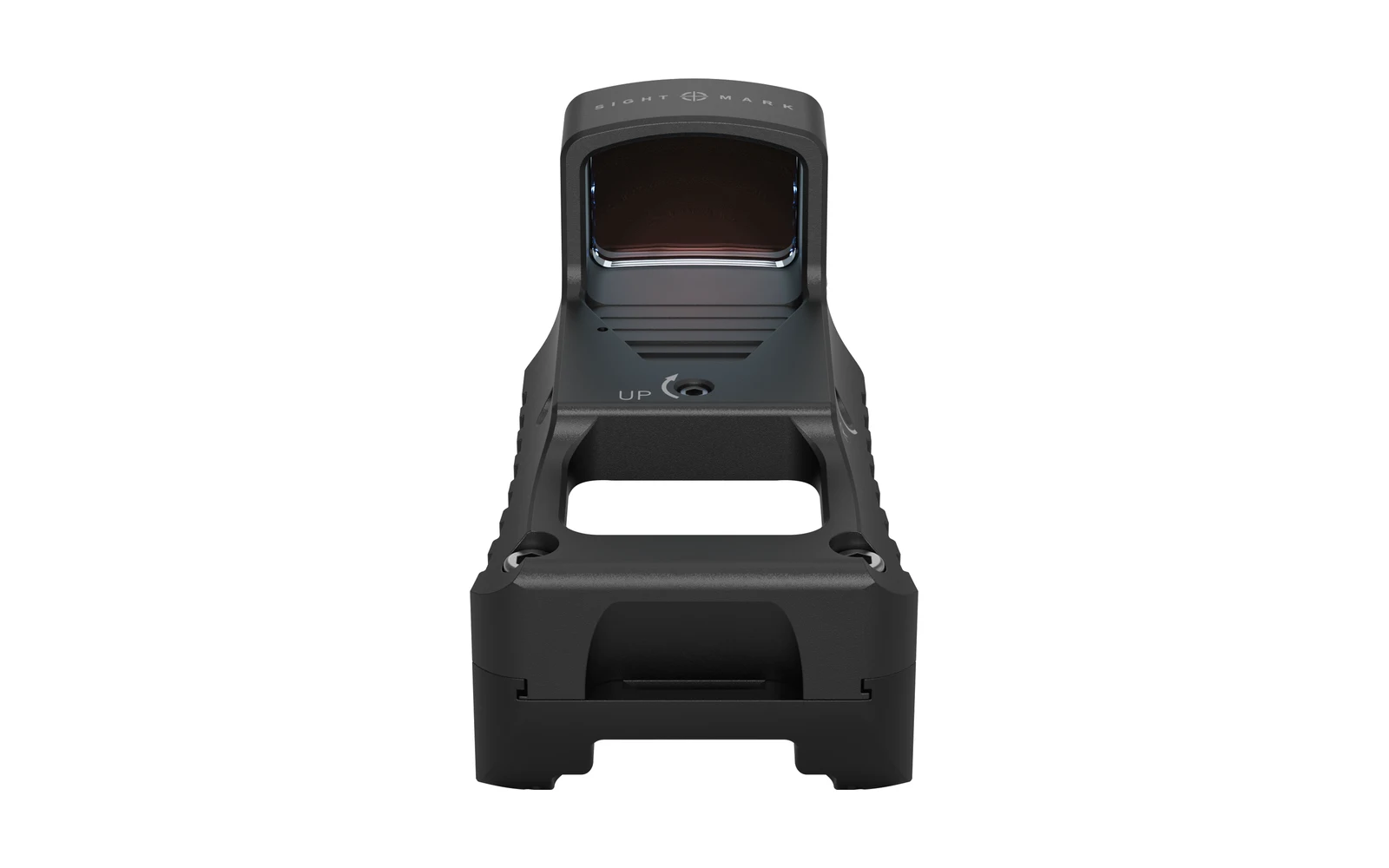
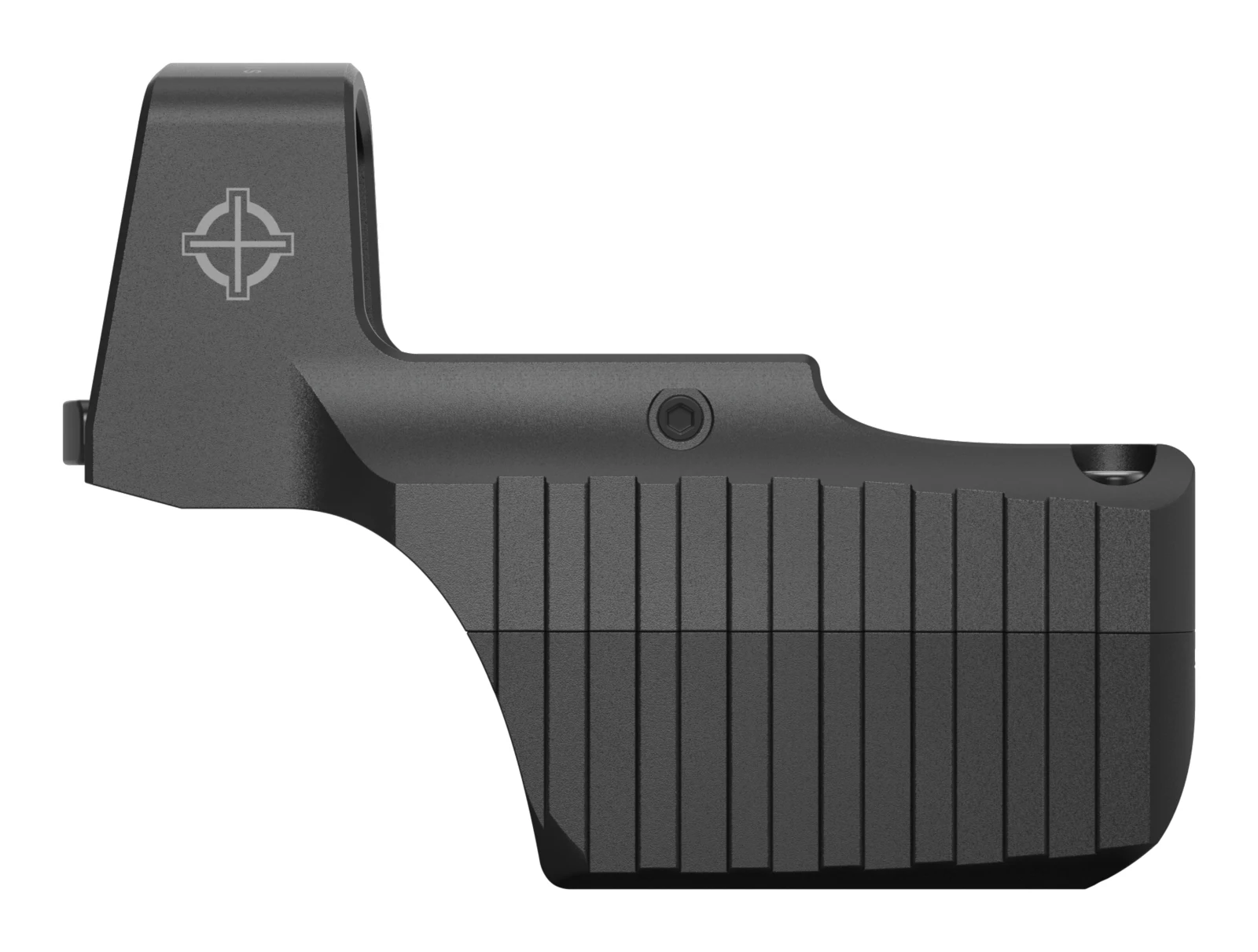
Mechanically it is a shroud, not a sight in a cut. Per the manual, the body slides down over the top of the slide, a mounting bracket comes in from the rear with its lips underneath, and two assembly screws torque to 10 in-lbs. The whole assembly is 2.52 inches long and 1.81 inches tall, and the rear two thirds is serrated as a secondary cocking surface, which is Sightmark's answer to the fact that the optic occupies the space where your rear sight and your slide-racking grip used to be. Neither the parts diagram nor the included-items list contains a sight, and the housing carries no co-witness notch.
The No-Gunsmith Claim Comes With an Asterisk
Sightmark markets the G-Shot as removing the need for slide work, and its own manual contradicts that in a footnote. The mounting section reads: “Compatibility varies due to frame tolerances. Optics are only compatible with OEM GLOCK slides. Fitment is not guaranteed, and slight modification may be necessary for appropriate fitment. Ensure all work is done by a professional gunsmith.” A second note adds that the fit is tight by design and “may require hitting the mounting bracket slightly with the palm of the hand or with a rubber mallet.” The web listing carries the same caveat in parentheses: fits many popular OEM slides “(May Require Modification).”
That is the entire value proposition qualified into nothing. The reason to buy a clamp-on optic is to avoid paying a gunsmith and to avoid modifying the slide. A product that may require both, with fitment explicitly not guaranteed, is competing against a milled cut on the milled cut's own terms and losing. A 2.52-inch shroud around the slide also puts you outside the holster market: anything cut for a standard Glock with a slide-mounted dot is cut for an optic sitting in a milled recess, not for a housing wrapped around the slide's full width.
Automatic Brightness With No Manual Override
The G-Shot has no brightness control. The specification for brightness settings is a single word, “Auto,” the dot is always on, and the manual states plainly that “the G-Shot automatically adjusts reticle brightness based on ambient light. No manual adjustment is necessary.” There are no daylight levels to select and no night vision setting at the bottom of the range. For comparison, the optics we recommend in this price bracket run eight daylight levels plus two or three night vision levels.
Auto-only brightness is a real failure mode, not a preference. Ambient light sensors read the light falling on the optic, not the light on your target, so a bright window or a vehicle headlight behind a dark threat drives the dot dimmer exactly when you need it brightest. With manual levels you override the sensor. Here you cannot. There is also no off switch: the manual's stated method for preserving battery is to replace the lens cover when the pistol is not in use, which is not a procedure that applies to a loaded carry gun in a holster.
The battery numbers deserve the same scrutiny. Sightmark advertises up to 16,000 hours from the single CR1632, and the manual's full figure is “110 hrs on max brightness / up to 16,000 hrs battery life max.” With no manual control, the optic decides which end of that 145-to-1 spread you live on. Changing the cell means unscrewing the battery compartment screw, prying the compartment open with a screwdriver against the hood edge, and re-torquing to 4.5 in-lbs.
Continuous Turrets: No Clicks to Count
The windage and elevation adjustments do not click. Sightmark's manual states that they “are continuous and do not click,” and its instruction for tracking movement is to “slide the tool through the dial as a visual reference.” Total range is 90 MOA in each axis with no stated value per turn.
Detented clicks are how zeroing works. You measure a group offset, convert it to MOA, and dial a countable number of clicks. Remove the detents and zeroing becomes iterative guesswork: nudge the screw, fire another group, nudge again. It also removes the mechanism that holds a setting, which matters on a reciprocating slide. Every optic we recommend uses 1 MOA clicks.
The troubleshooting section contains one more entry worth reading before you buy. Under “The reticle illumination turns off while firing,” the fix offered is to ensure the battery compartment is fully seated and the screws tightened. A factory manual that anticipates the dot going out under recoil is telling you where this design is thin.
Sightmark G-Shot Specifications
Sightmark G-Shot (SM26070) Specifications
| Reticle | 3 MOA dot, red, always on |
| Emitter | Open |
| Brightness | Automatic only, no manual levels |
| Magnification | 1x, unlimited eye relief |
| Window Size | 20 x 16 mm |
| Lens Coating | AR red |
| Adjustment | Continuous, non-clicking |
| W&E Range | 90 MOA each axis |
| Parallax Setting | 50 yd / 45.7 m |
| Battery | 1x CR1632 |
| Battery Life | 110 h at max brightness, up to 16,000 h |
| Housing | Cast aluminum, matte black |
| Waterproof | IP67, 1 m for 1 hour |
| Nitrogen Filled | No |
| Fogproof | No |
| Shockproof | Yes, 3 ft / 0.9 m |
| Maximum Caliber | 9mm |
| Mount Type | Custom Glock direct clamp |
| Dimensions | 2.52 x 1.46 x 1.81 in |
| Weight | 1.7 oz / 48 g |
| Operating Temp | -13 to 140 F |
| Fitment | Gen 3/4/5 G17-G47, excl. Gen5 G22/23 |
| MSRP | $249.97 |
Two entries in that table sit badly together. Maximum caliber is 9mm, and the fitment list includes the G22, G23, G24, and G35 in .40 S&W and the G41 in .45 ACP. Sightmark publishes both figures in the same document without reconciling them, and .40 S&W is the chambering with a reputation for shaking slide-mounted optics apart.
Pistol Red Dots We Actually Recommend
Vortex Defender-ST Micro Red Dot
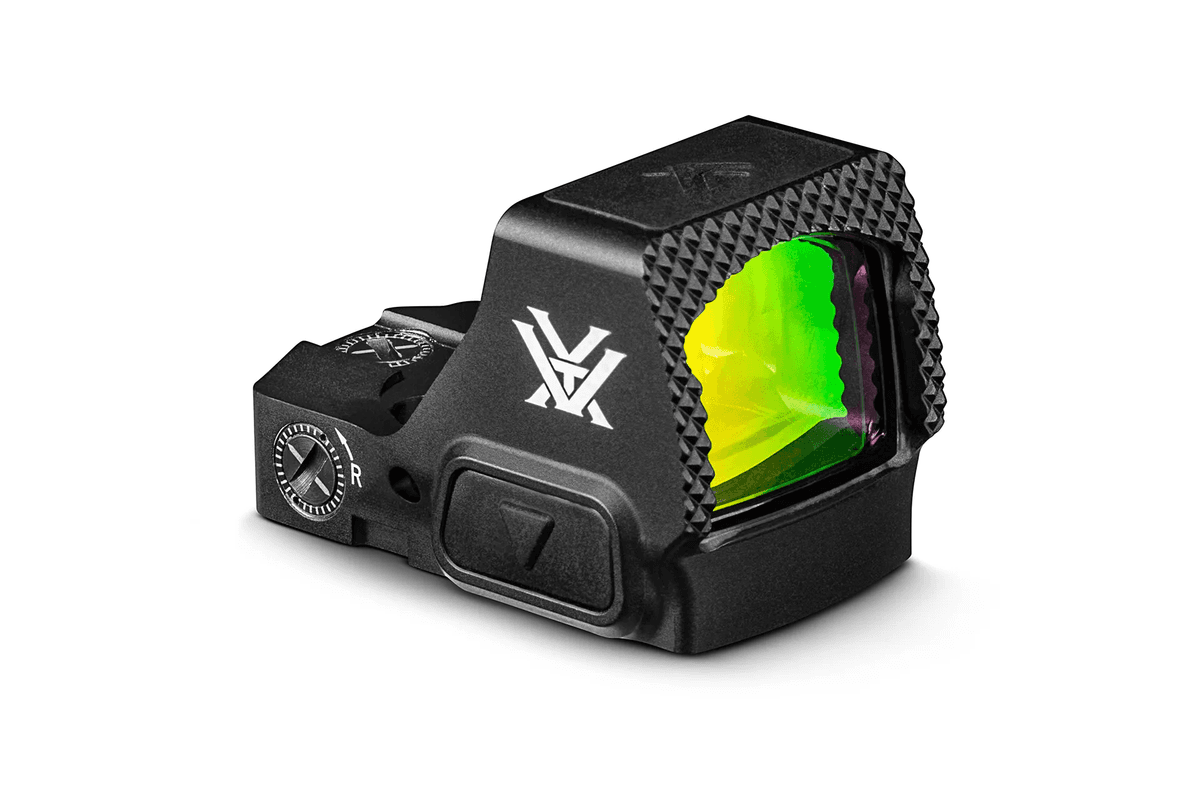
- 3 or 6 MOA red dot
- DeltaPoint Pro footprint
Vortex Defender-XL Micro Red Dot
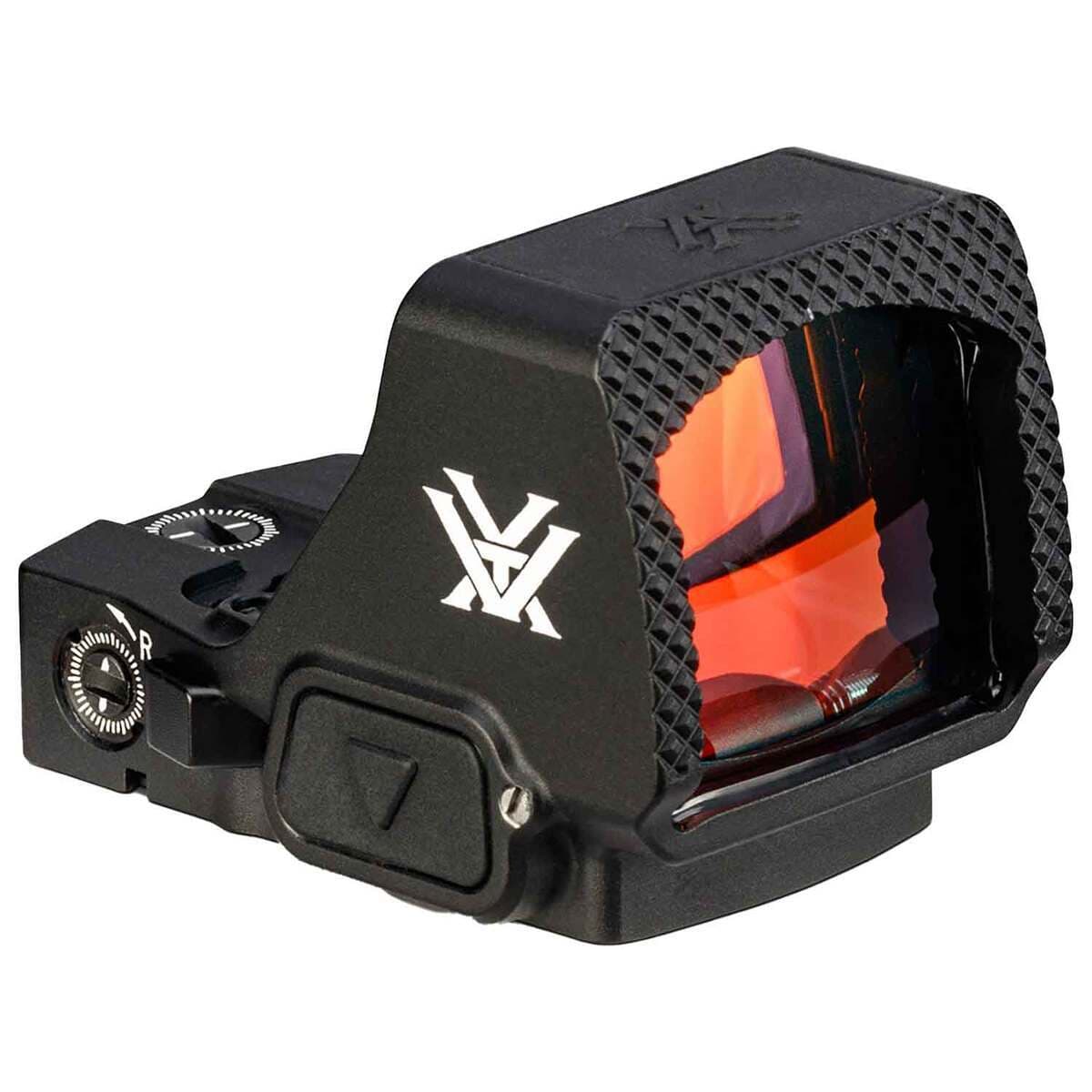
- 2/5/8 MOA red dot
- DeltaPoint Pro footprint
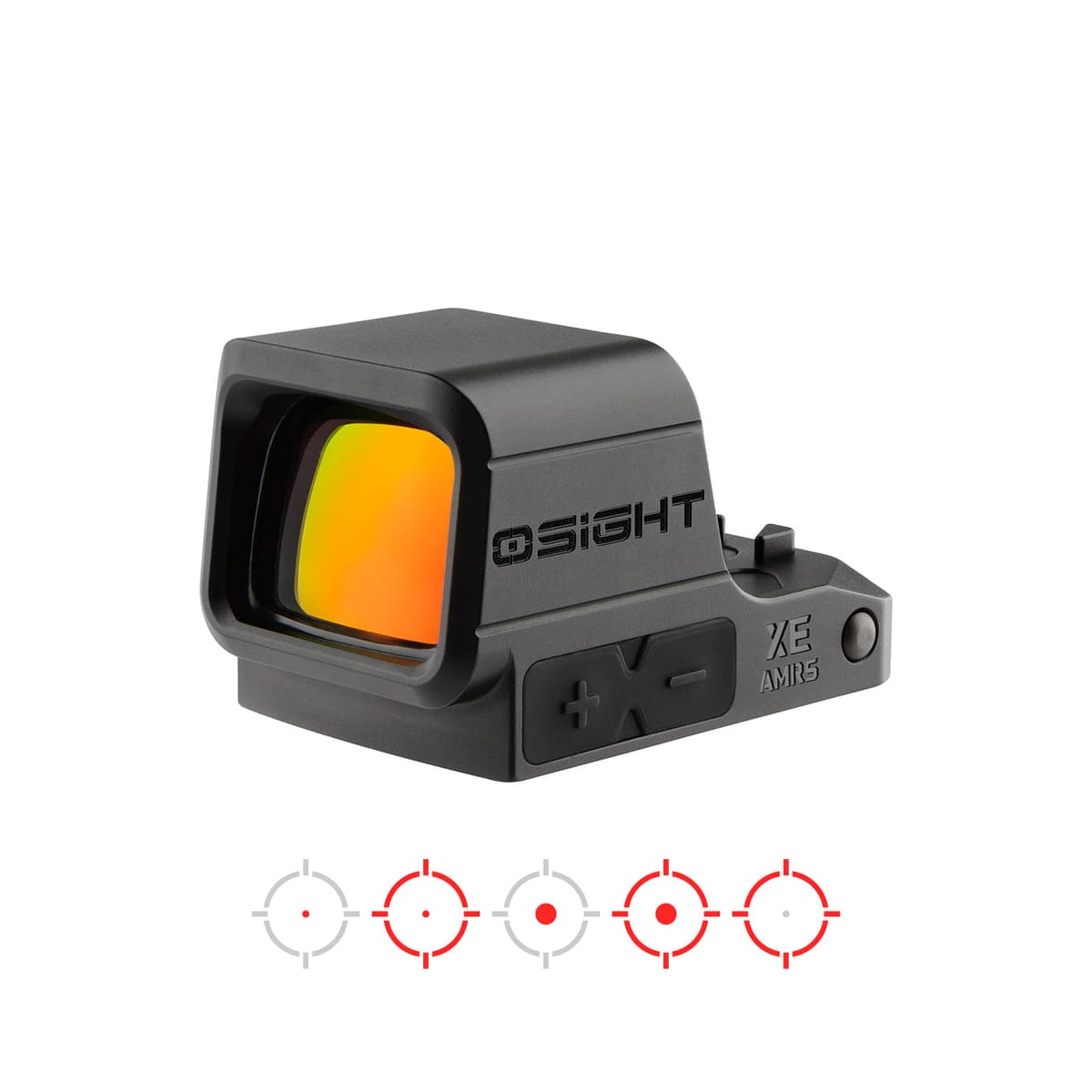
Osight XE AMRS Enclosed (RMR Footprint)
- AMRS: 5 reticles (2/6 MOA dot, 32 MOA circle)
- Enclosed emitter, RMR footprint
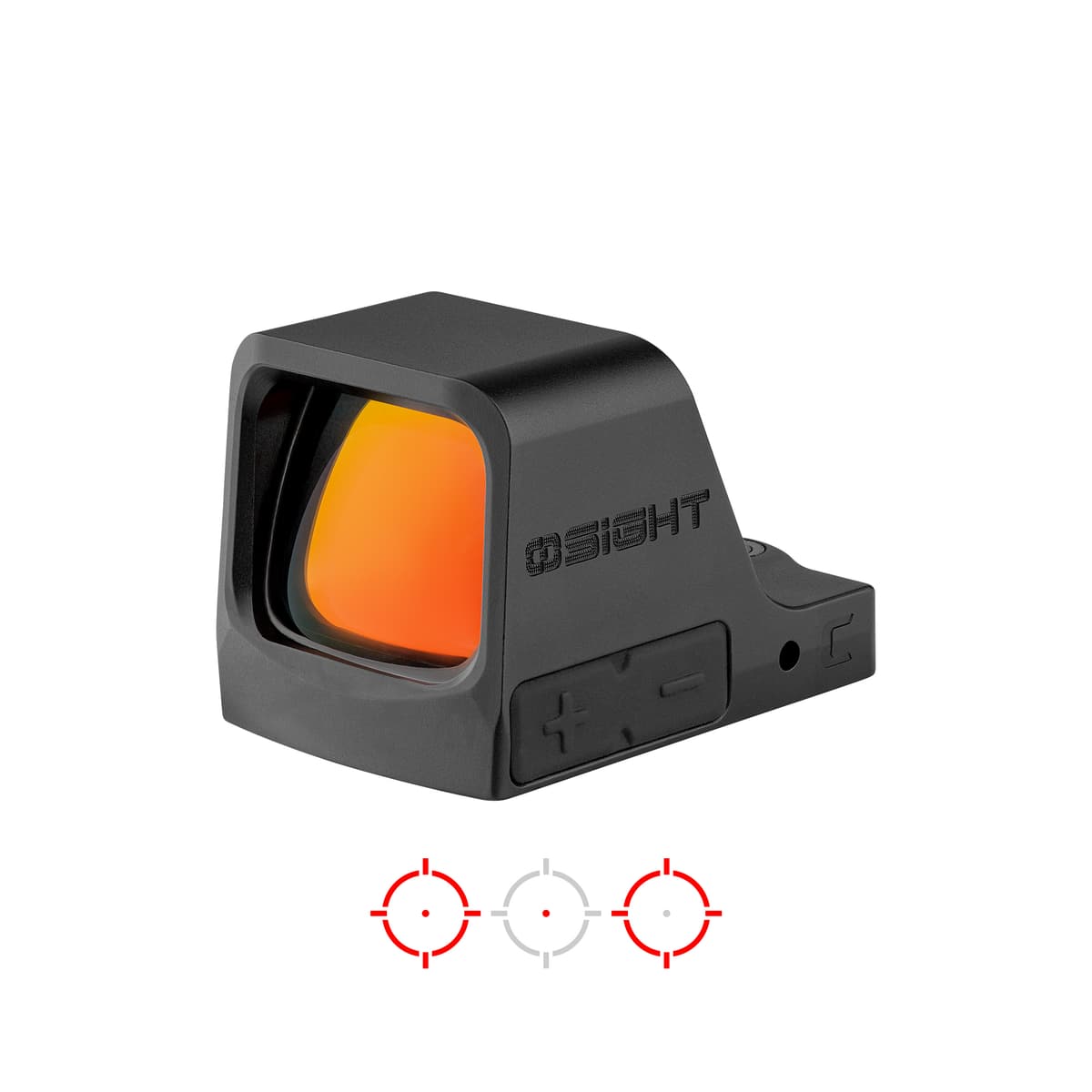
Osight C (RMR Footprint, Side-Load Battery)
- 3 MOA dot + 32 MOA circle MRS
- Open emitter, RMR footprint
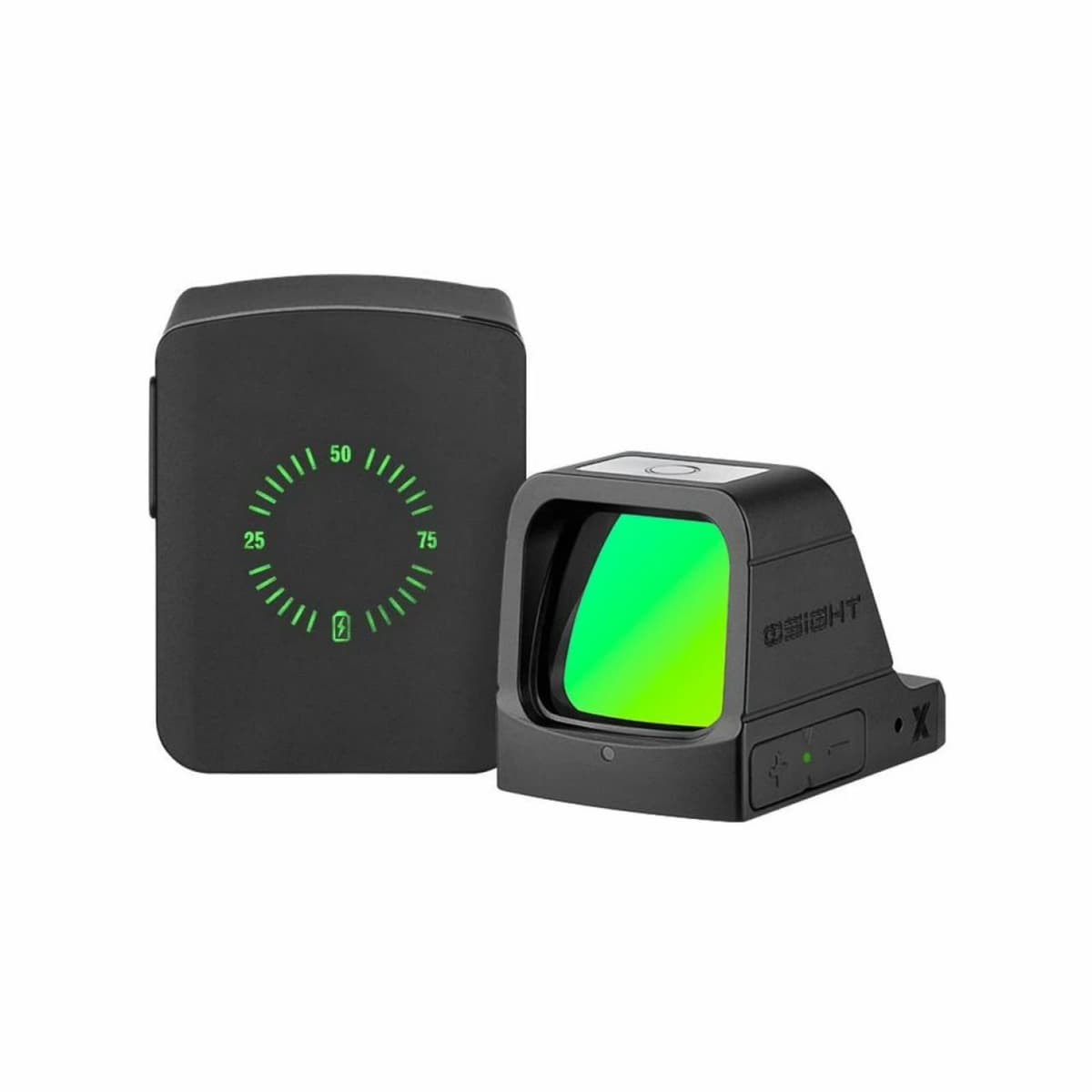
Osight X (RMR Footprint, Magnetic Charging)
- 3 MOA dot + 32 MOA circle MRS
- Open emitter, RMR footprint
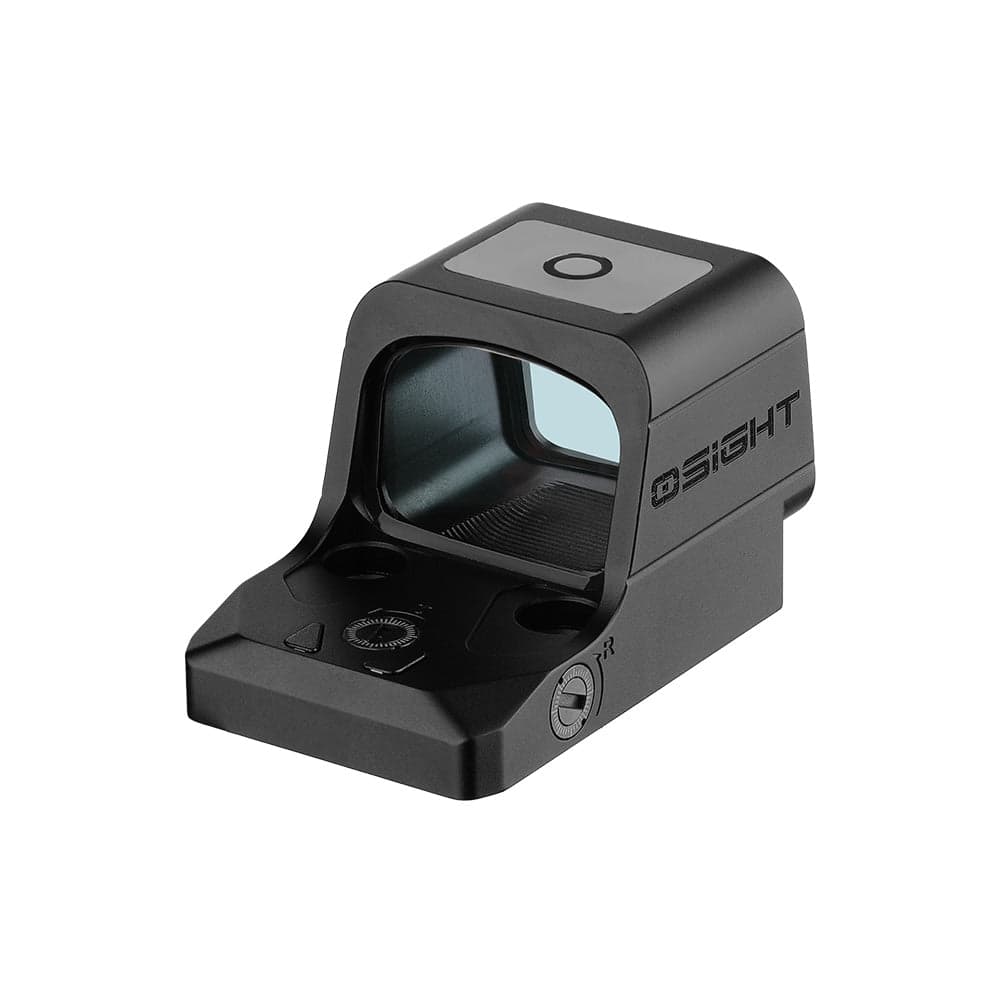
Osight XR Enclosed (RMR Footprint)
- 2 MOA / 6 MOA / 32 MOA MRS
- Enclosed emitter, RMR footprint
Affiliate links (?)
What to Buy Instead
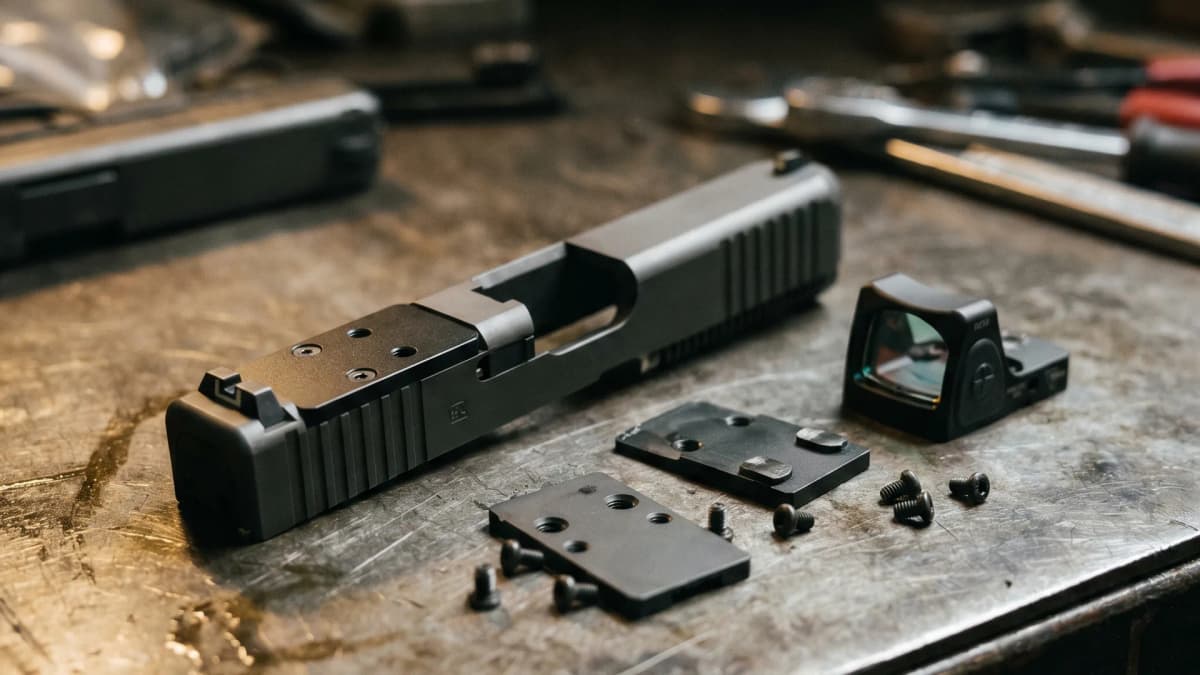
Get the slide cut and buy a machined optic. C&H Precision mills Glock slides from $125 on a one-to-three-week standard lead time, with Cerakote or black nitride refinishing available as a paid add-on, and pairing that with the $179.99 Osight C brings the total to about $304.99. That is roughly $55.02 more than the G-Shot and it buys a CNC-machined 7075-T6 housing, 1 MOA clicks, eight daylight plus two night vision brightness levels, a side-loading CR1632 you can change without losing zero, and a 100,000-hour dot. It also leaves you with a slide on the Trijicon RMR footprint, so every future optic decision stays open.
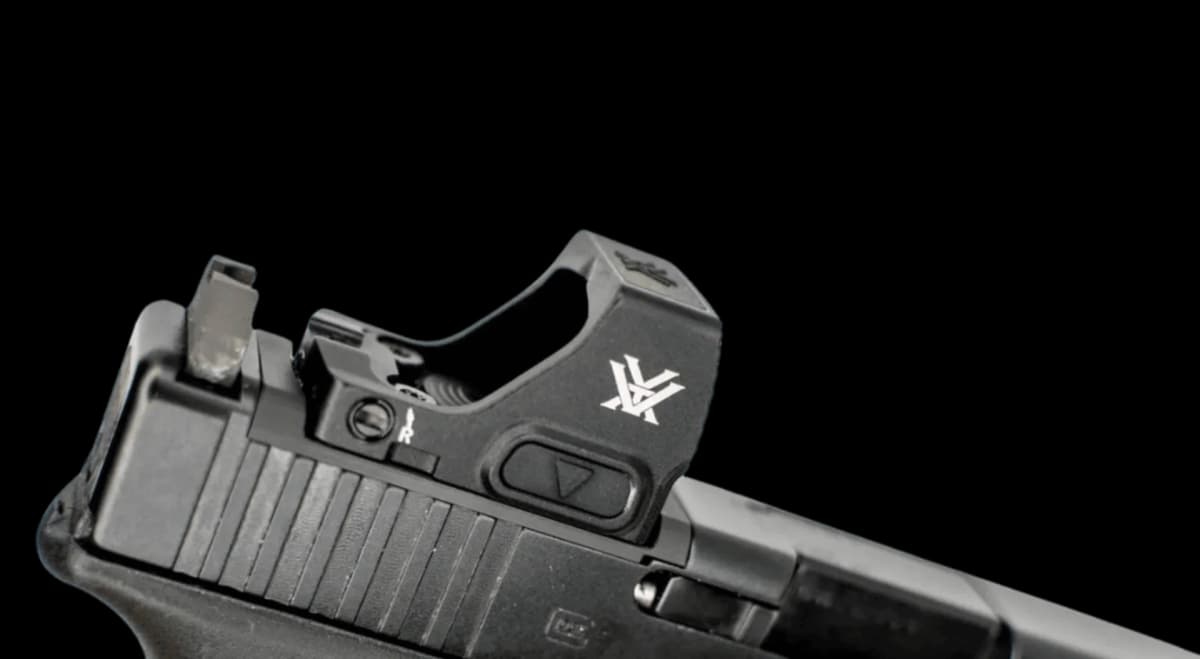
If you would rather not cut the slide at all, buy a factory MOS or optics-ready slide, or a MOS pistol, and move your parts across. Our Glock MOS optic plate guide ranks the footprints and plates worth running on that route, and the pistol red dot rankings cover footprint selection across the wider market.
Osight C (RMR Footprint, Side-Load Battery)
The floor for a carry Glock: machined 7075-T6, 1 MOA clicks, side-load battery
Open-emitter RMR-footprint red dot with a wide window, side-loading CR1632, and a switchable 3 MOA + 32 MOA MRS reticle.
- +Side-load tray on RMR footprint, unusual at this price
- +100,000-hour runtime exceeds the 507C X2
- +MRS reticle covers precision and speed
- −IPX6 sealing trails IPX7 competitors
- −No solar failsafe
- −Open emitter remains vulnerable to lint and debris on carry
Affiliate links (?)
For a carry gun, spend up to an enclosed emitter. The Osight XR at $299.99 seals the diode behind glass so pocket lint and rain land on a lens you can wipe instead of on the emitter, adds a fold-out backup rear sight into the housing, and runs eleven brightness levels including three for night vision. Our Osight XR review covers how it held up in testing, and the enclosed-emitter rankings place it against the Holosun 509T and Aimpoint ACRO. You can also compare optics side by side before committing.
Osight XR Enclosed (RMR Footprint)
Enclosed emitter, fold-out backup rear sight, 11 brightness levels
Duty-rated enclosed-emitter red dot on the RMR footprint with a 2/6+32 MOA multi-reticle system and a magnetic charging cover.
- +Multi-reticle system matches the Holosun 509T at roughly $250 less
- +Magnetic charging cover replaces traditional battery doors
- +Integrated fold-out backup rear sight eliminates suppressor sights
- −Rechargeable battery means no field swap with off-the-shelf cells
- −Osight has a shorter duty-cycle reliability record than Trijicon or Aimpoint
- −1.69 oz is heavier than the Holosun EPS (1.5 oz) and Trijicon RCR (1.45 oz)
Affiliate links (?)
On a slim Glock like the G43X or G48, the RMSc-footprint $199.99 Osight SE is the equivalent pick, with an enclosed emitter, IPX7 sealing, and a side-loading cell at 0.97 oz. Osight is a young brand and its multi-thousand-round record is shorter than Trijicon's or Aimpoint's, which is the honest caveat on all three. It is a different class of caveat than an optic whose manual declines to guarantee that it fits.
Stay Updated on Pistol Optics
We cover new pistol red dot launches, hands-on optic reviews, and Glock mounting updates, including which budget optics are worth buying and which are not.
Frequently Asked Questions
▶Can you put a red dot on a Glock without MOS?
▶How much does it cost to get a Glock milled for a red dot?
▶What is the Sightmark G-Shot?
▶Is the Sightmark G-Shot any good?
▶What red dot fits a Glock MOS without an adapter plate?
▶What red dot does Glock recommend?
Bottom Line
The G-Shot solves a real problem. Millions of Glocks have no optic cut, milling feels like a commitment, and a clamp-on dot is an appealing shortcut. Sightmark priced this one at $249.97, which is not shortcut money, and the spec sheet shows where the cost came out: a cast housing that is neither nitrogen filled nor fogproof, turrets with no detents, automatic brightness with no override or off switch, no backup irons, a 9mm caliber ceiling on a fitment list containing .40 S&W and .45 ACP pistols, and a manual that declines to guarantee fitment and recommends a gunsmith for the modifications it might need.
We do not recommend it. For about $55.02 more than the G-Shot you can have the slide milled and mount a machined optic with clicks, manual brightness, and a serviceable battery, and you end up with a pistol on a standard footprint rather than one wearing a proprietary clamp no holster is cut for. Treat the Osight C as the floor and the enclosed XR as the carry answer. If you want to see how a dot changes the rest of a pistol setup, our pistol red dot guide and the Osight SE MOS coverage are the two places to start.