Key Takeaways
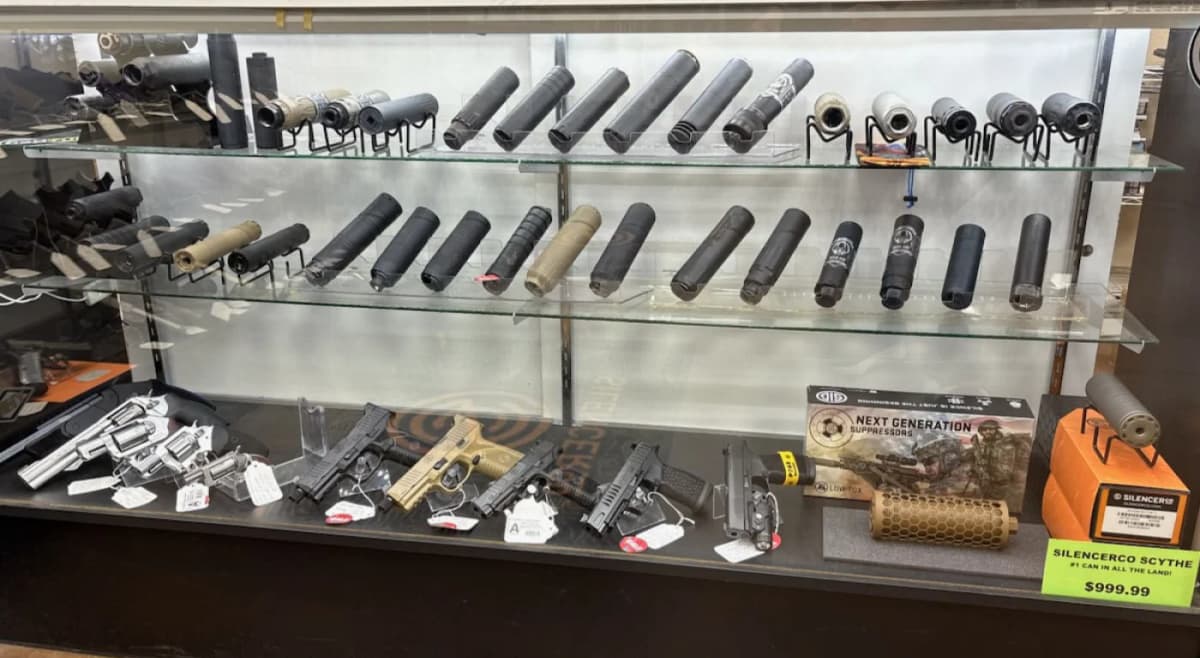
- →Suppressors up 178.6%: RetailBI's Q3 2026 data from more than 2,000 U.S. retailers shows suppressor unit sales up 178.6% year over year, while new firearm unit sales fell 7.8%.
- →A stalled base: Q3 2025 was the first full quarter after the $0 tax was signed on July 4, 2025. NFA checks held near 63,000 a month while buyers waited for January 1, 2026.
- →Every gauge agrees: NSSF counted 465,371 NFA checks in Q3 2026 against 189,138 in Q3 2025, up 146.0%. ATF received 120,623 suppressor Form 4s in July and 130,969 in August.
- →Fewer guns, pricier guns: Firearm revenue fell just 0.8% as the average selling price rose 7.6%. Lever-action rifles rose 21.8% and premium handguns rose 33.6%.
- →Before October 9: Q3 closed September 30, nine days before ATF stopped requiring Form 4 approval for suppressors nationwide. None of the Q3 numbers reflect that change.
- Suppressor Units
- +178.6%
- New Firearm Units
- -7.8%
- Firearm Revenue
- -0.8%
- Avg Selling Price
- +7.6%
Why Suppressor Sales Rose 178.6%
Suppressor sales rose 178.6% because Q3 2026 measures a market running at roughly double its 2025 pace against a 2025 quarter in which buyers had every reason to wait. Three factors stack on top of each other.
1. Q3 2025 was a holding pattern. The One Big Beautiful Bill Act, which set the $0 tax, was signed on July 4, 2025 but did not take effect until January 1, 2026. Q3 2025 was the first full quarter after the signing, and the American Suppressor Association says many buyers chose to wait out the $200 tax. NSSF's NFA check count that quarter ran 62,271 in July, 61,594 in August, and 65,273 in September, about 63,000 a month. Demand did not collapse; it sat flat at the 2025 level while pent-up buyers lined up for January.
2. The $0 tax reset demand. The federal NFA transfer tax on suppressors fell from $200 to $0 on January 1, 2026. January produced 240,270 suppressor Form 4 applications, the largest month in ASA's dataset and more than all of 2019. February through April settled near 140,000 a month. By the third quarter, ATF received 120,623 suppressor Form 4 applications in July and 130,969 in August, about twice the 2025 average of roughly 61,000 a month.
3. No-Form-4 transfers started August 13. The permanent injunction in Silencer Shop Foundation v. ATF took effect August 13, 2026 for the buyers the court order covers, including members of the plaintiff organizations and customers of the plaintiff companies. Covered buyers in states without their own NFA requirements could take a suppressor home on a Form 4473 and NICS check, typically the same day, with no Form 4. Those sales register at the retail counter, where RetailBI counts them, but never reach ATF's Form 4 tally. The first no-Form-4 transfers and the August 5 ruling behind them are covered in full in our earlier reporting.
RetailBI vs ATF Form 4 Filings vs NSSF NFA Checks
All three measures put Q3 2026 suppressor demand at two to three times the 2025 level. They disagree on the exact multiple because each one counts something different: RetailBI counts retail transactions, ATF counts transfer applications, and NSSF counts the background checks run on those applications.
- RetailBI suppressor unitsWhat It CountsSuppressors sold through 2,000+ U.S. retailers in RetailBI's networkQ3 2026Not publishedYear-Earlier BaseNot publishedChange+178.6%
- NSSF NFA checksWhat It CountsBackground checks on ATF Form 1 and Form 4 applications, all NFA categoriesQ3 2026465,371Year-Earlier Base189,138 (Q3 2025)Change+146.0%
- ATF suppressor Form 4 applicationsWhat It CountsSuppressor transfer applications received by ATFQ3 2026120,623 (July); 130,969 (August)Year-Earlier BaseAbout 61,000 a month (2025 average)ChangeAbout 2x
| Measure | What It Counts | Q3 2026 | Year-Earlier Base | Change |
|---|---|---|---|---|
| RetailBI suppressor units | Suppressors sold through 2,000+ U.S. retailers in RetailBI's network | Not published | Not published | +178.6% |
| NSSF NFA checks | Background checks on ATF Form 1 and Form 4 applications, all NFA categories | 465,371 | 189,138 (Q3 2025) | +146.0% |
| ATF suppressor Form 4 applications | Suppressor transfer applications received by ATF | 120,623 (July); 130,969 (August) | About 61,000 a month (2025 average) | About 2x |
- July2026 NFA Checks130,0132025 NFA Checks62,271Change+108.8%
- August2026 NFA Checks185,7442025 NFA Checks61,594Change+201.6%
- September2026 NFA Checks149,6142025 NFA Checks65,273Change+129.2%
- Q3 total2026 NFA Checks465,3712025 NFA Checks189,138Change+146.0%
| Month | 2026 NFA Checks | 2025 NFA Checks | Change |
|---|---|---|---|
| July | 130,013 | 62,271 | +108.8% |
| August | 185,744 | 61,594 | +201.6% |
| September | 149,614 | 65,273 | +129.2% |
| Q3 total | 465,371 | 189,138 | +146.0% |
RetailBI's 178.6% runs above NSSF's 146.0% for three reasons built into the data. Injunction transfers after August 13 skip the Form 4, so they show up in retail sales and not in NFA checks. NFA checks also include Form 1 builds and short-barreled rifle, shotgun, and AOW filings, not just suppressor sales. And RetailBI's figures come from its retailer network, not a census of every U.S. sale.
For the processing side of the same surge, our suppressor tracker logs ATF's dated Form 4 approval times and current suppressor prices by caliber.
Are Gun Sales Down in 2026?
New-gun unit sales are down: RetailBI counted 7.8% fewer new firearms sold in Q3 2026 than in Q3 2025. Dollars held up far better, with revenue down only 0.8%, because the average selling price rose 7.6%. Buyers bought fewer guns and paid more for the ones they did buy.
Background checks point the other way. NSSF's adjusted NICS figure for Q3 2026 was 3,329,270, up 2.5% from 3,249,497 in Q3 2025, even though September alone fell 2.3% year over year. The two numbers measure different things. NSSF states that its adjusted checks are not a count of guns sold, and NICS runs on used-gun transfers as well as new retail sales. RetailBI tracks new firearms sold through its network.
Get the Q4 Suppressor Numbers
Quarterly sales data, NFA policy changes, and new suppressor releases, sent when they land.
Lever Actions and Premium Handguns Grew
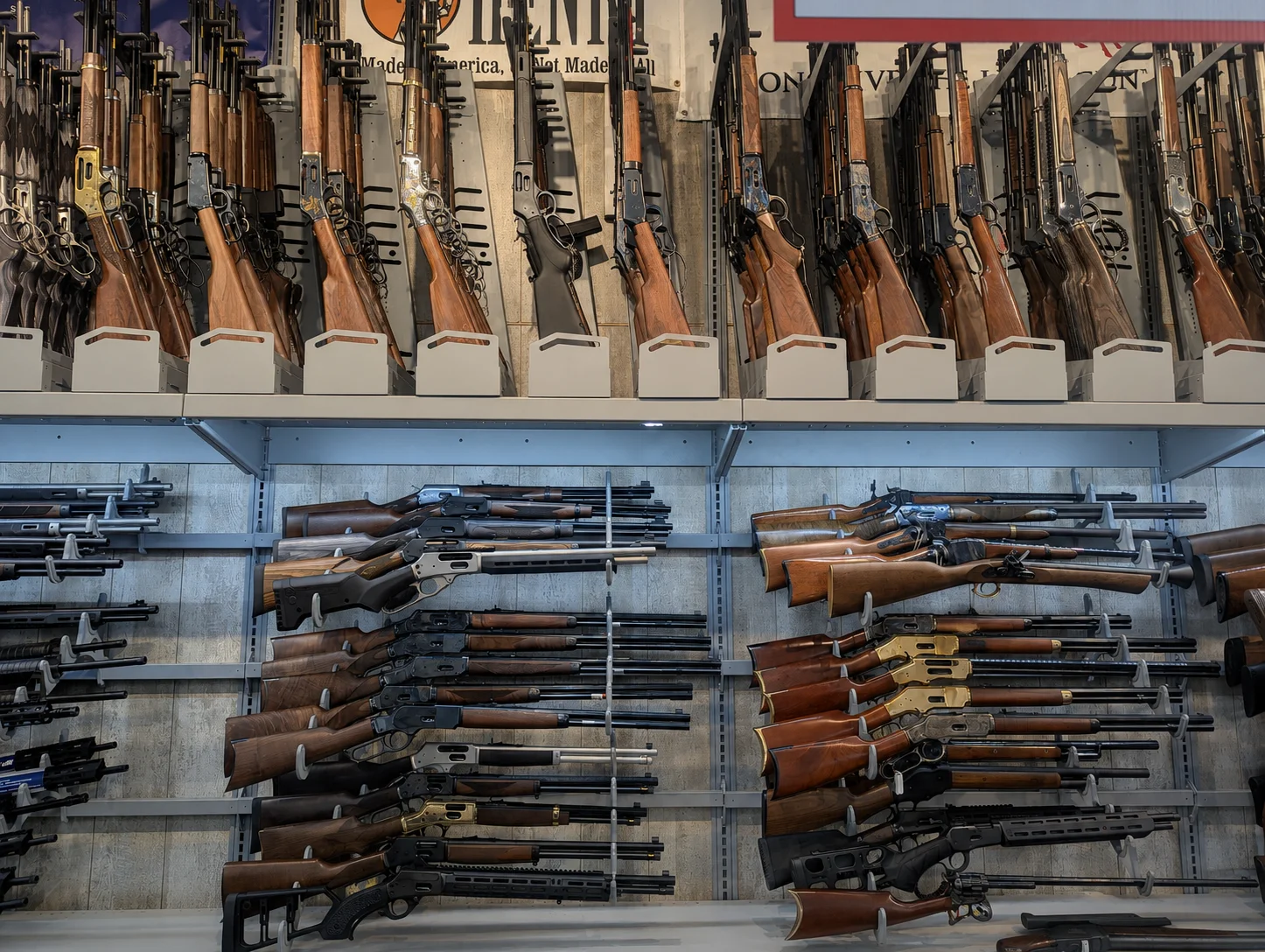
Rifles were the only major firearm category with higher unit sales in Q3 2026, and lever-action rifles led them with a 21.8% increase. Premium handguns, which RetailBI counts as units priced above 1,500 dollars, grew 33.6%. RetailBI also reported gains in rifle and rimfire ammunition without publishing the percentages.
Those segments explain the gap between units and dollars. When the categories growing are lever guns, premium pistols, and suppressors, and the overall unit count falls, the average ticket climbs. A 7.6% higher average selling price nearly offset a 7.8% unit decline. Our best lever-action rifle guide ranks the current lever guns by caliber and use.
Rifle, Pistol, and Rimfire Suppressors
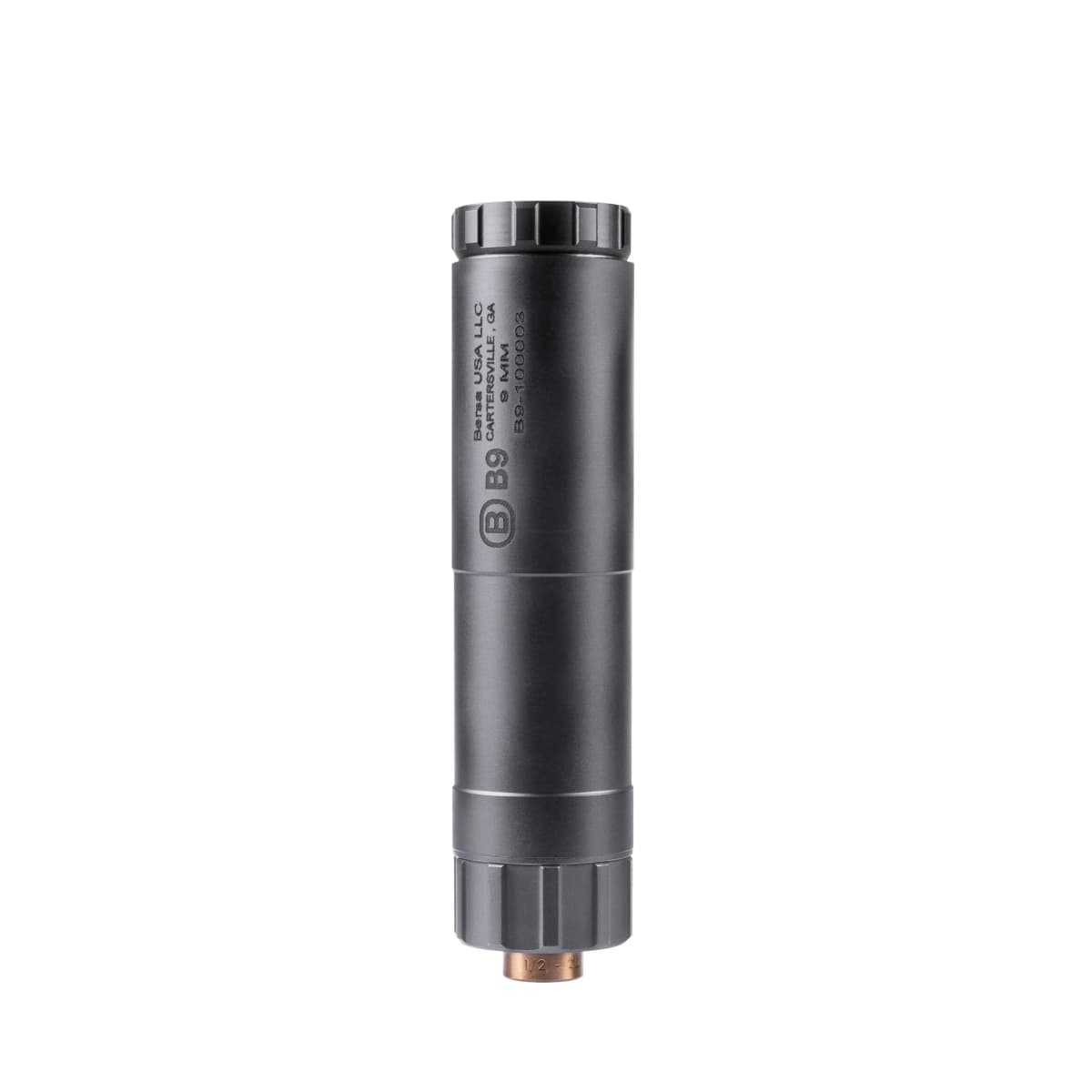
Bersa B9 Modular Suppressor
- Compact 5.8 in / 9.2 oz, full-size 8 in / 11.3 oz
- Grade 9 titanium, 17-4 PH stainless, 7075-T6 aluminum
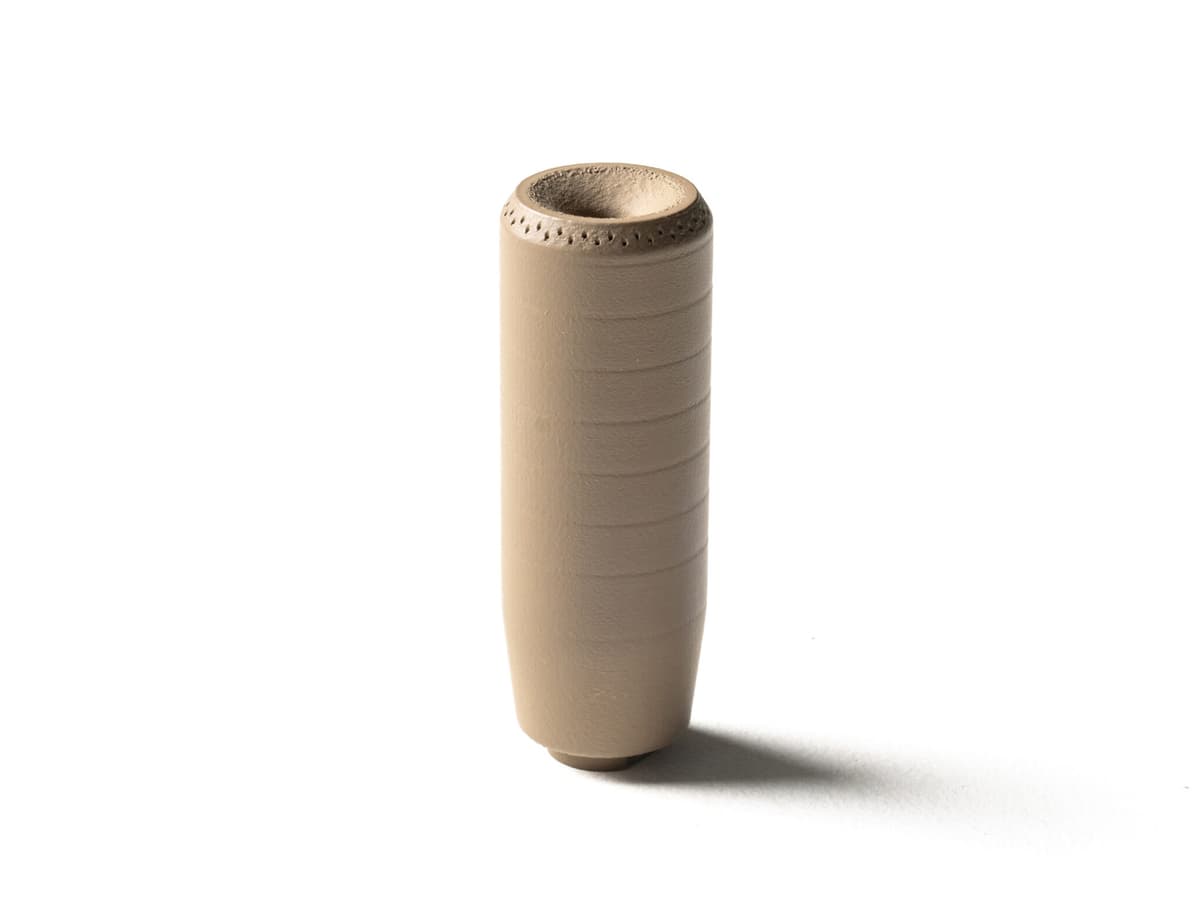
Stealth Additive Works SHIV 9mm
- 9mm with additional published ratings
- 3.7 inches
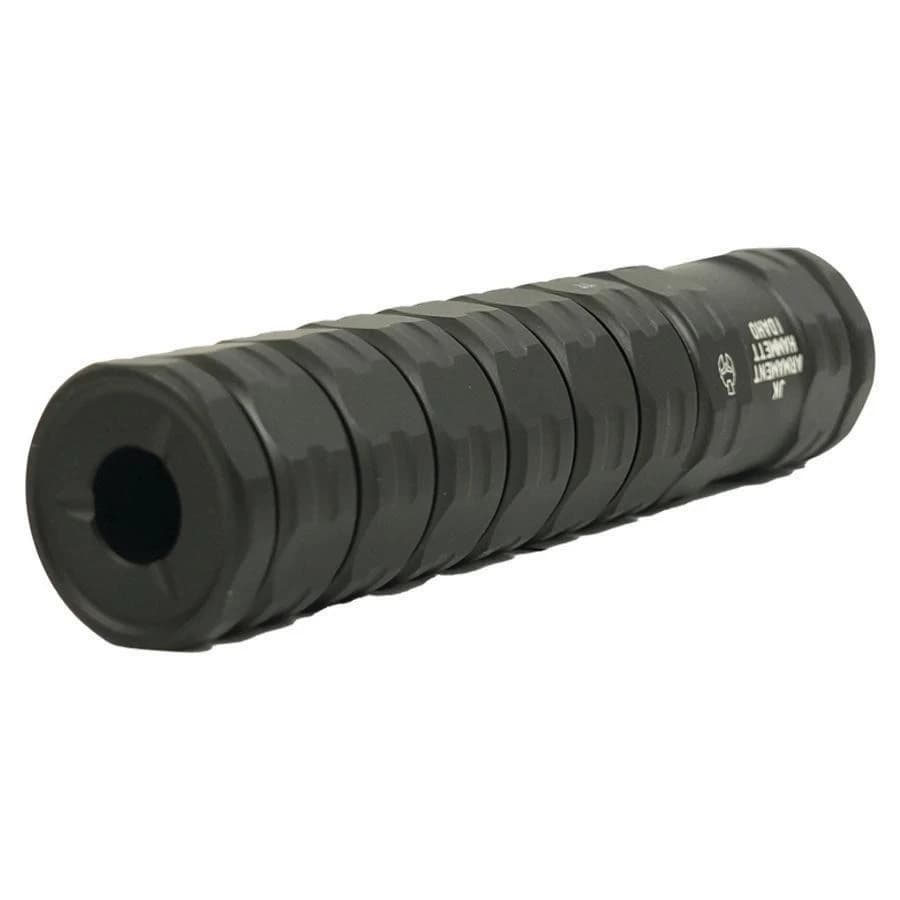
JK Armament 105 CCX 9mm
- 9mm with additional pistol-caliber ratings
- 1.9 to 4.6 inches
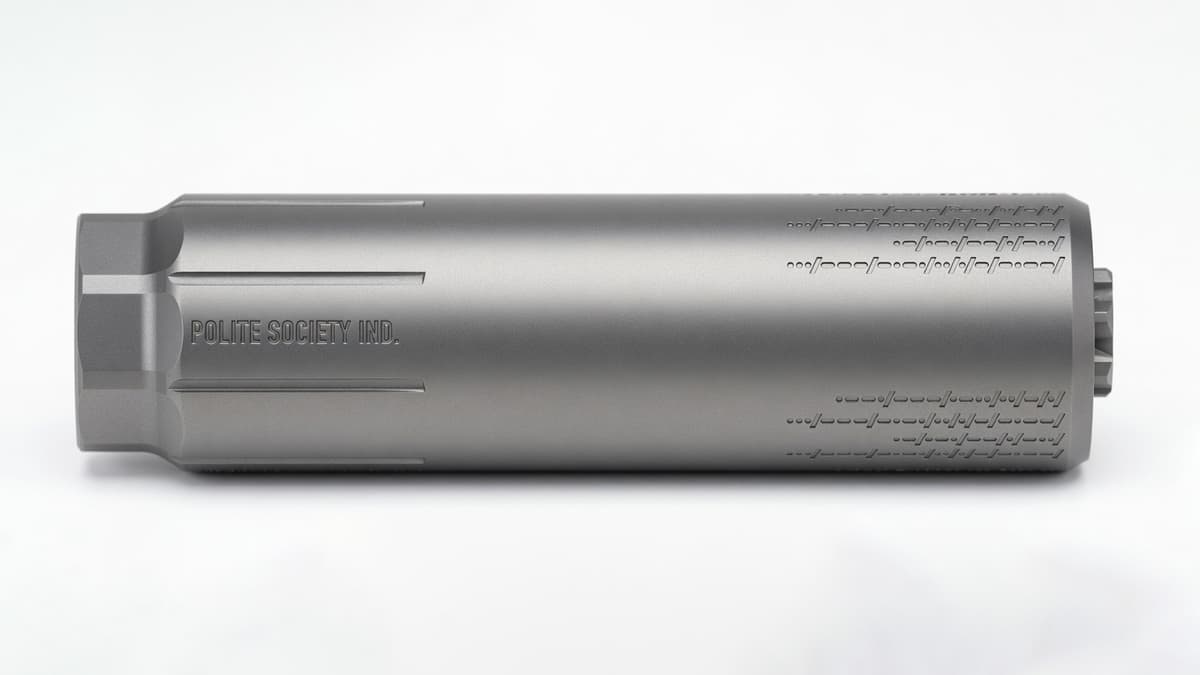
Polite Society Fortitude 5.56 HD
- 5.00 in, 1.69 in diameter, 11.50 oz
- Inconel 625, laser powder bed fusion
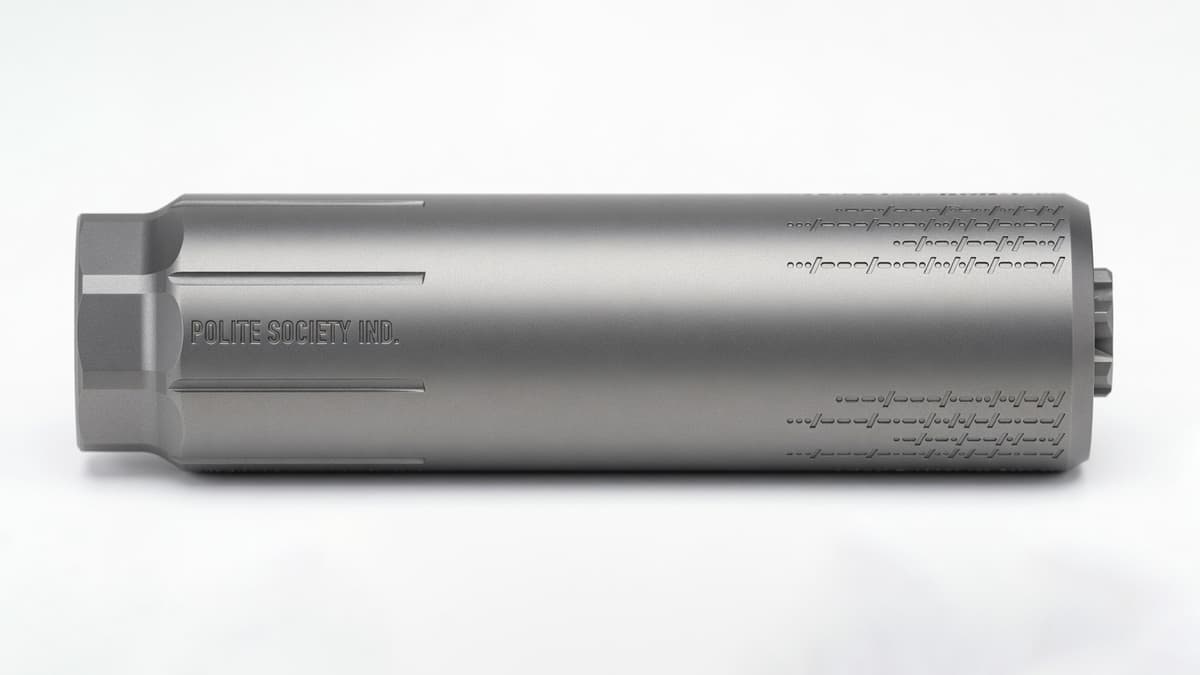
Polite Society Fortitude 5.56 Ti
- 5.00 in, 1.69 in diameter, 6.40 oz
- Grade-5 titanium, laser powder bed fusion
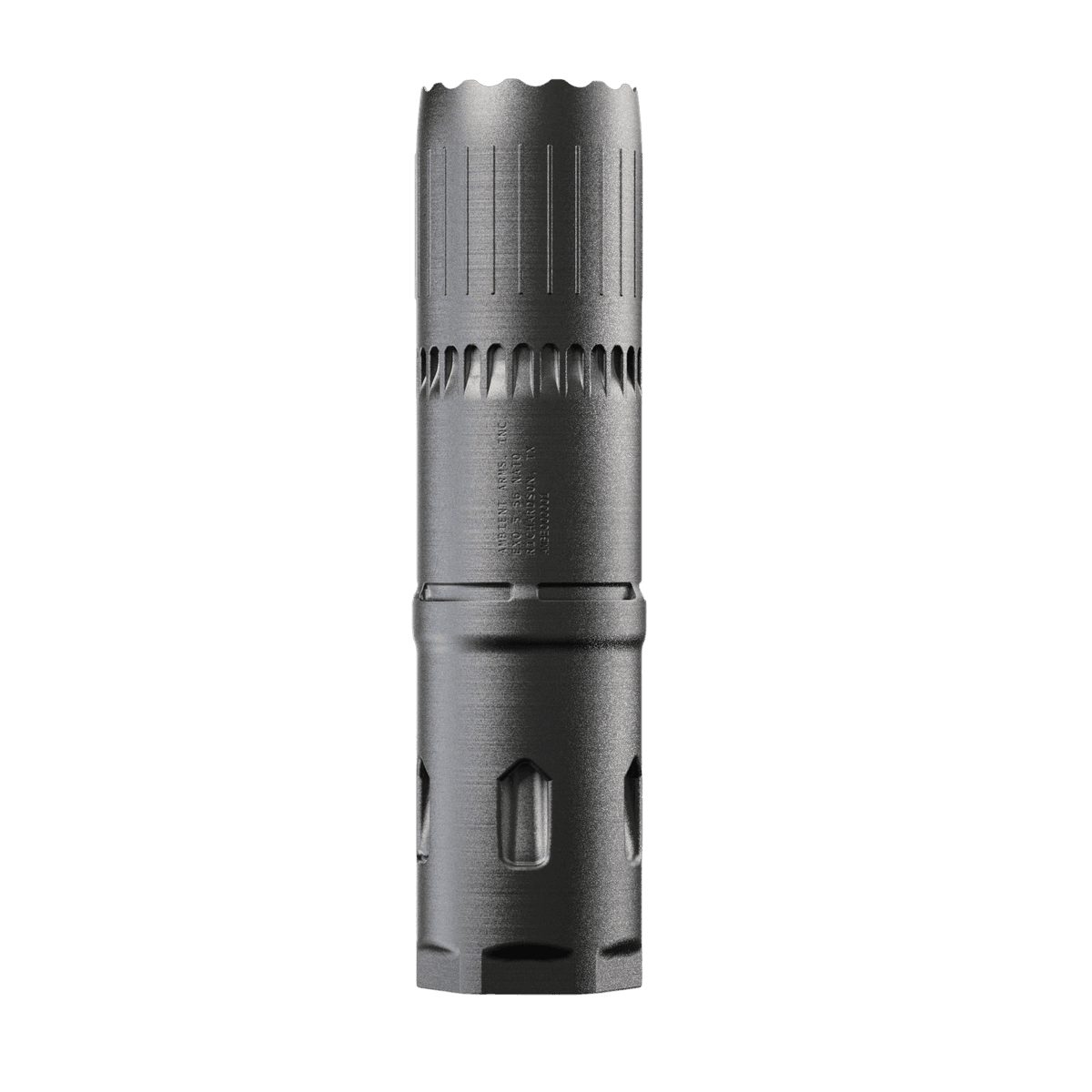
Ambient Arms EXO 5.56
- 5.56 NATO / .223 Wylde / 6mm ARC
- Ambient Intake thermal management
Affiliate links (?)
What the Surge Means for Suppressor Buyers
ATF has kept pace with the surge: it finalized 133,942 suppressor Form 4 applications in July 2026, more than the 120,623 it received that month. The constraint ASA identified in early 2026 was manufacturing capacity, with manufacturers and distributors reporting supply limits, not ATF approvals.
Start with the caliber you shoot most. Our suppressor buying guide covers how a purchase works under the $0 tax, and the caliber rankings for 5.56 suppressors and 9mm suppressors cover the two calibers most buyers start with.
None of This Reflects ATF's October 9 Policy
RetailBI's third quarter closed September 30, 2026, nine days before ATF stopped requiring Form 4 approval and registration for suppressors nationwide. The 178.6% figure measures a market in which every buyer outside the court's order still needed an approved Form 4.
Effective October 9, 2026, ATF no longer requires approval to make or transfer suppressors, short-barreled rifles, short-barreled shotguns, and AOWs, and no longer requires them to be registered. It is an enforcement-discretion policy, not a change to the statute. A dealer sale still runs on a Form 4473 and a NICS check, ATF still accepts Form 1, Form 3, and Form 4 filings on a voluntary basis, and state law still applies, including in states that tie possession to federal registration. Our breakdown of the October 9 policy and the Form 4 explainer cover who still files and why.
The policy also changes how the market is measured. A suppressor sold without a Form 4 does not appear in ATF's application count or in NSSF's NFA check total, so from Q4 2026 on those two series track voluntary filings, and retail transaction data like RetailBI's becomes the direct read on suppressor sales. NSSF says that starting with October data, it will report monthly NFA checks in a separate email communication instead of its monthly NICS release.