Key Takeaways
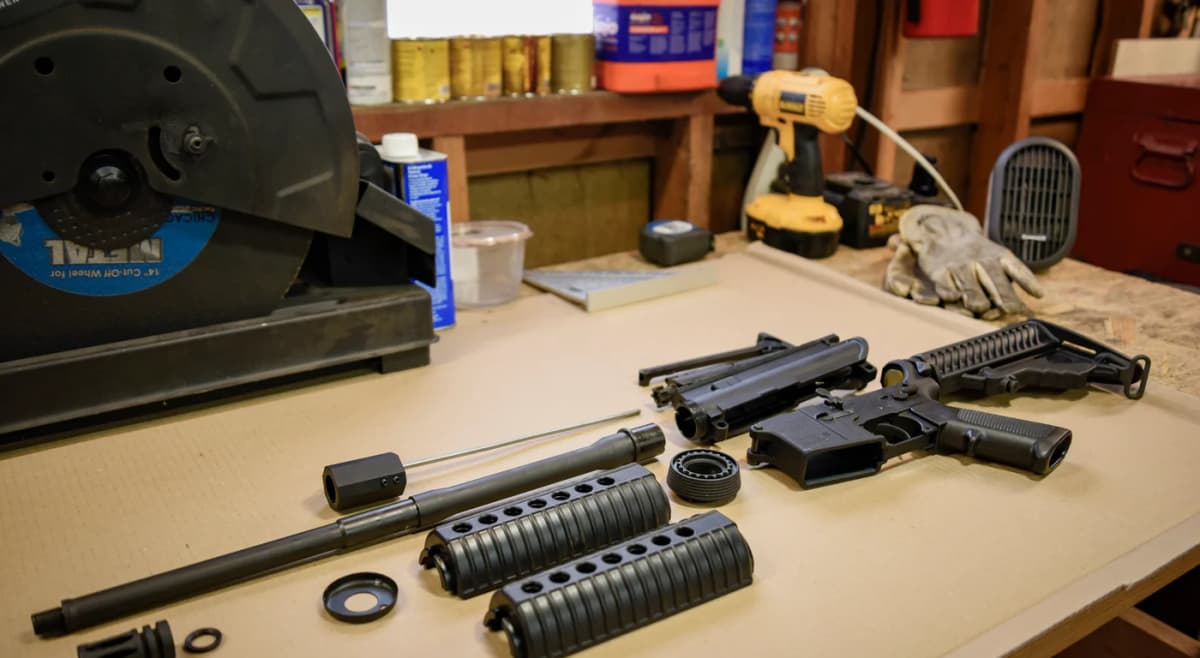
- →Already in force: A firearm barrel cannot be sold or transferred in California unless the transaction is completed in person by a licensed dealer.
- →July 1, 2027: The dealer must also run a DOJ eligibility check and report seven data points on every barrel sale.
- →Broad definition: Penal Code 16525 covers unfinished barrel blanks and anything marketed to become a barrel. Barrels attached to a firearm are excluded.
- →Free for now: The proposed rules set both check types at no charge, against a statutory ceiling of five dollars plus one dollar per year.
- →Comment window closed September 22, 2026 at 5:00 p.m., after the Second Amendment Foundation filed objections to the rejection mechanics.
California Barrel Background Checks Begin July 1, 2027
California will require a Department of Justice eligibility check on every firearm barrel purchase starting July 1, 2027. The requirement comes from Senate Bill 704, authored by Senator Arreguín and signed October 10, 2025 as Chapter 591, which added Penal Code section 33700. The check layer is the second of two phases, and the first one is already running.
Section 33700(a)(1) took effect January 1, 2026 and carries no delayed date: a firearm barrel shall not be sold or transferred unless the transaction is completed in person by a dealer licensed under Penal Code sections 26700 to 26915. That ended direct-to-door barrel shipments into California. Ordering a barrel from an out-of-state seller still works, but it ships to a California dealer and you collect it at the counter.
Subdivision (a)(2) adds the eligibility check on July 1, 2027. Subdivisions (c) and (d) start the same day and require the dealer to record the date of sale, your ID number and issuing state, the make, model, and caliber of the firearm the barrel is designed for, your full name, the salesperson's name, your full residential address and telephone number, and your date of birth, then transmit that record to the department electronically.
What Counts as a Firearm Barrel Under SB 704
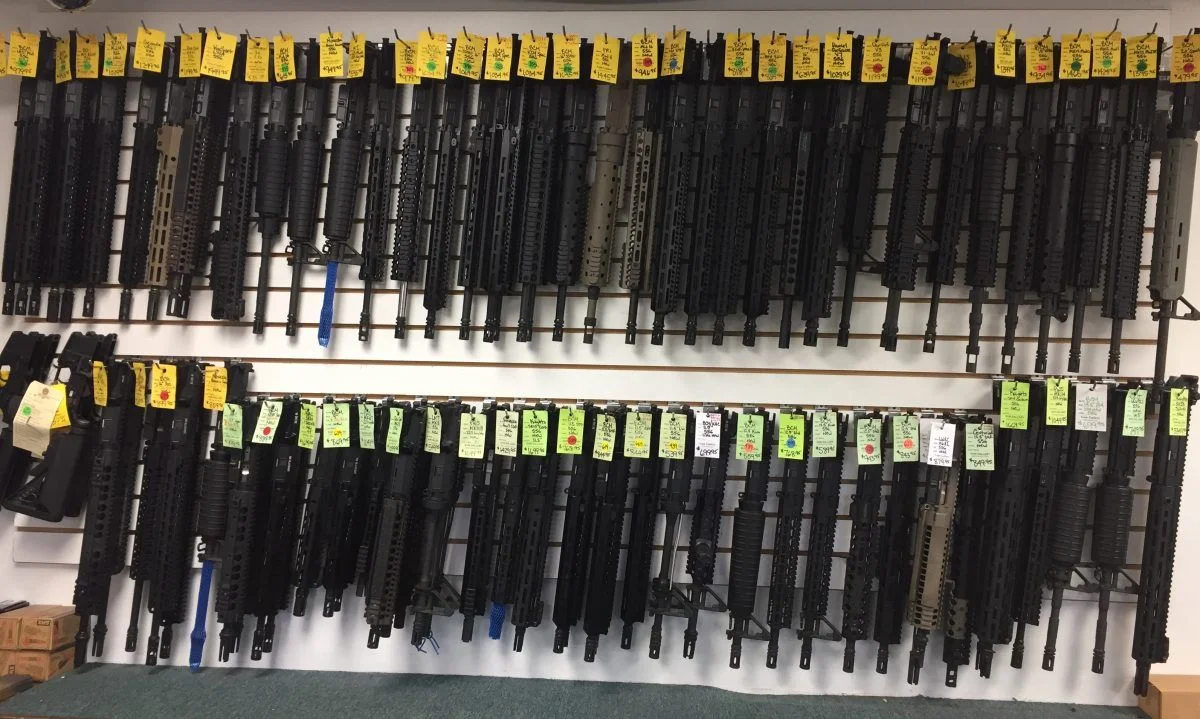
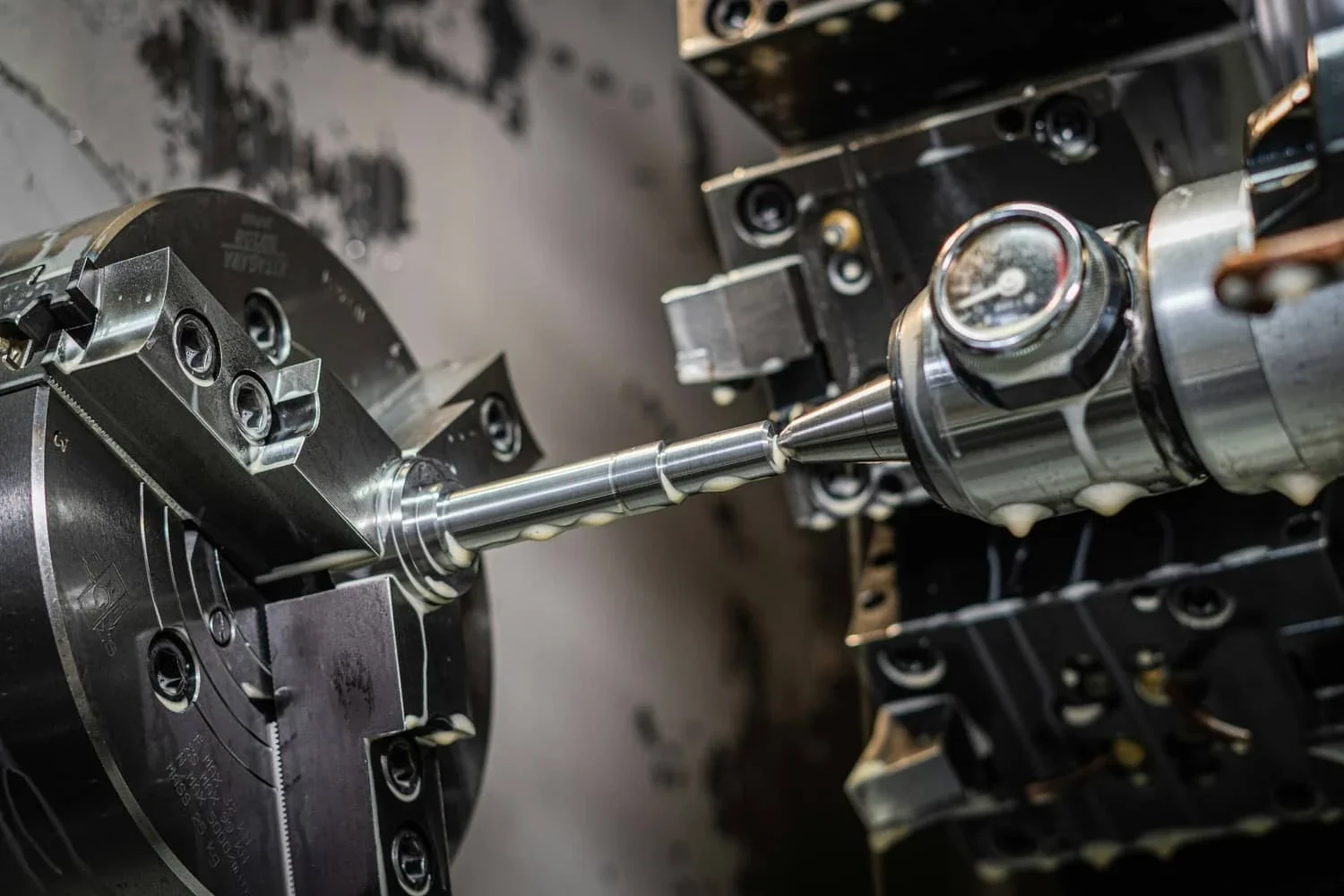
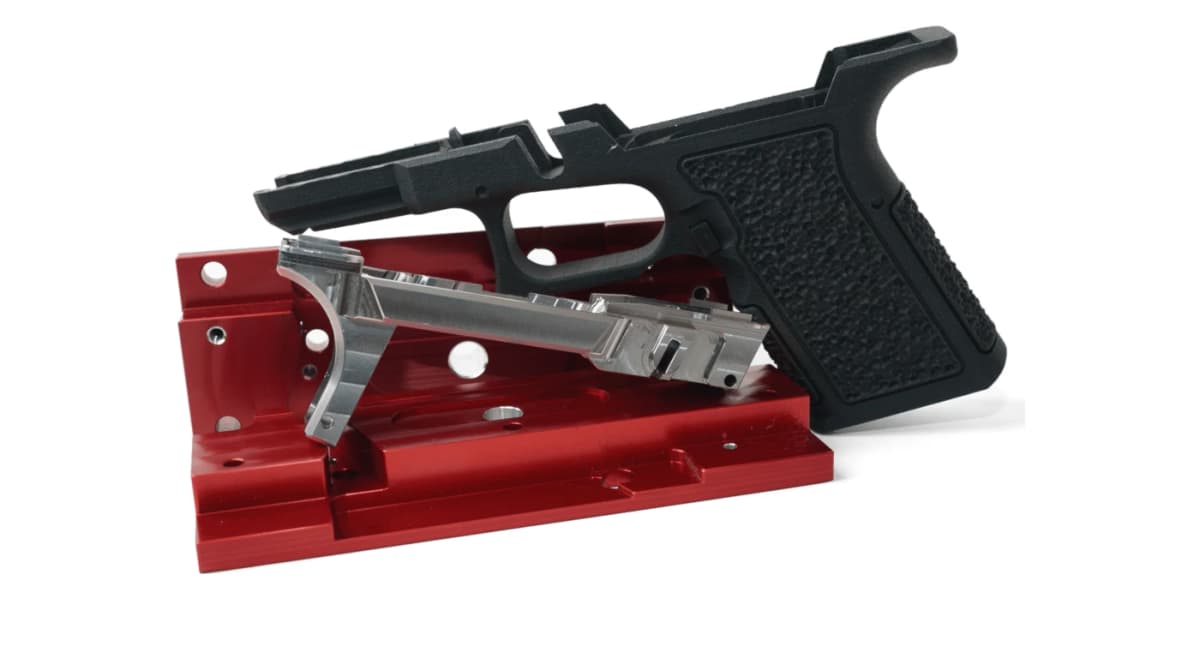
Penal Code section 16525 defines a firearm barrel as the tube, usually metal and cylindrical, through which a projectile or shot charge is fired. The reach is wider than a finished, chambered barrel. The definition also captures any forging, casting, printing, extrusion, machined body, or similar article that has reached a stage in manufacture where it may readily be completed, assembled, or converted into a barrel, or that is marketed or sold to the public to become one. Rifled and smooth bores are both included, so shotgun barrels fall under the same rule as rifle and pistol barrels.
Two exclusions do most of the practical work. Section 16525(b) says a barrel attached or affixed to a firearm is not subject to section 33700, so a complete rifle or pistol transfers as the firearm it is rather than as a barrel. And section 33700(a)(3) makes it unlawful to possess a barrel with intent to sell, or to offer one for sale, outside the dealer channel, which is the provision that reaches private party and classified-ad sales.
Penalties escalate. A first violation of subdivision (a) is a misdemeanor. A second carries up to one year in jail and a one thousand dollar fine. A third or later violation can be charged as a felony, with up to a year in county jail or a term under Penal Code section 1170(h), a fine of up to two thousand dollars, or both.
Standard Check vs Basic Check: Two Very Different Experiences
The proposed regulations split the eligibility check into two paths, and which one you get depends on whether California already has a record of you owning a firearm. The California DOJ published the proposed text on August 7, 2026 as Title 11, Division 5, Chapter 11, Article 2, sections 4304 through 4310.
A Standard check under section 4306 is the fast path. It is available when your information matches an entry in the Automated Firearms System, the state's repository of firearm records. The department cross-references that entry against the Prohibited Armed Persons File and, if there is no match there, the purchase is approved. The dealer collects five items: name, date of birth, full residential address, driver's license or other government ID number plus the issuing state, and telephone number.
A Basic check under section 4307 is what you get without an AFS record, and it asks for far more. On top of the Standard fields, the dealer collects gender, hair color, eye color, height, weight, United States citizenship status, a USCIS number or I-94 where applicable, place of birth, any aliases, and race. The department has up to 30 days from the initiation of the transaction to return a result, and a denial is mailed to you by U.S. Mail rather than shown at the counter.
Proposed California firearm barrel eligibility checks
| Standard check (section 4306) | Requires an AFS record |
| Standard check fee | No charge |
| Standard data collected | 5 fields |
| Basic check (section 4307) | No AFS record needed |
| Basic check fee | No charge |
| Basic check turnaround | Up to 30 days |
| Delivery window after approval | 30 calendar days |
| Statutory fee ceiling | Five dollars, plus one per year |
| Dealer submission portal | DES |
| Rejection reason lookup | CFARS |
Either approval covers one transaction at a time, though a single transaction can include more than one barrel. On a Basic approval the barrels have to be delivered within 30 calendar days of the determination. A rejected Standard check produces a Dealer Record of Sale number you use to look up the reason through the department's CFARS portal.
Who Is Exempt From the Barrel Check
Section 33700(g) lists eight exemptions, and one of them matters to ordinary buyers. Subdivision (g)(4) exempts a person who, in the same transaction, is separately purchasing a firearm and undergoing the state and federal firearm eligibility check under Penal Code section 28220. Buy a rifle and a spare barrel together and the firearm check covers both.
Proposed section 4308 attaches a condition to that. The department completes the section 28220 firearm check before you can take possession of either item, and you pay the firearm check fee set in section 4001 rather than a barrel fee. If you want the barrel before the firearm check clears, the dealer has to open a separate transaction and run a barrel eligibility check on it.
The other seven exemptions are narrower: sales or transfers to federal, state, and local law enforcement agencies; to federal firearms licensees; to the United States military; to a federally licensed collector acquiring a curio or relic barrel who holds a current certificate of eligibility; transfers to or from public administrators, guardians, conservators, and estate representatives; barrels attached to a firearm; and barrels surrendered to a government buyback program. Proposed section 4309 sets the paperwork each exemption requires, including a law enforcement credential paired with written certification from the head of the agency issued within the past 30 days.
AR-15 Barrels in the Catalog
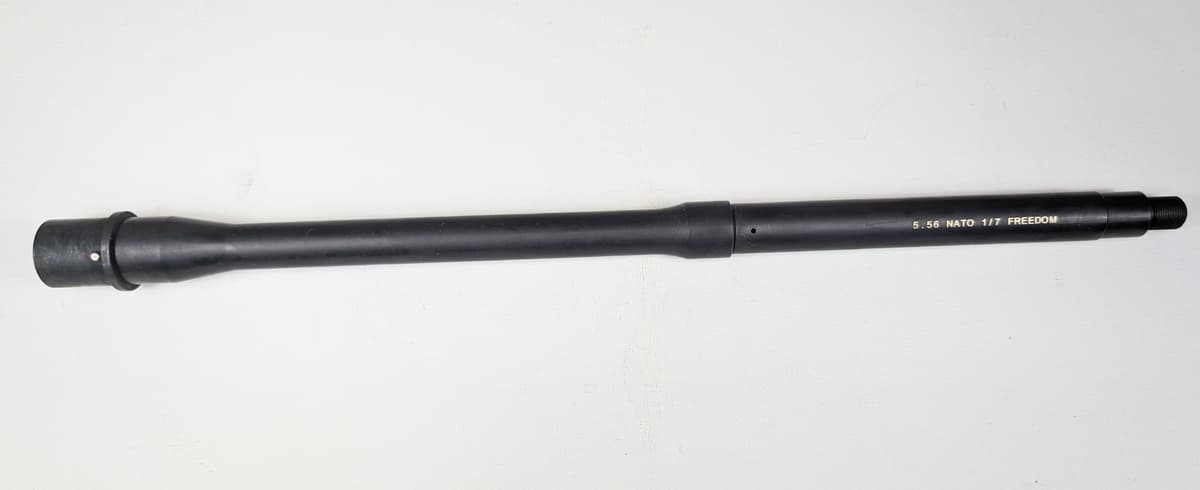
PSA 16" Mid-Length 5.56 Nitride Barrel
- 16" length, A2 profile
- Mid-length gas system
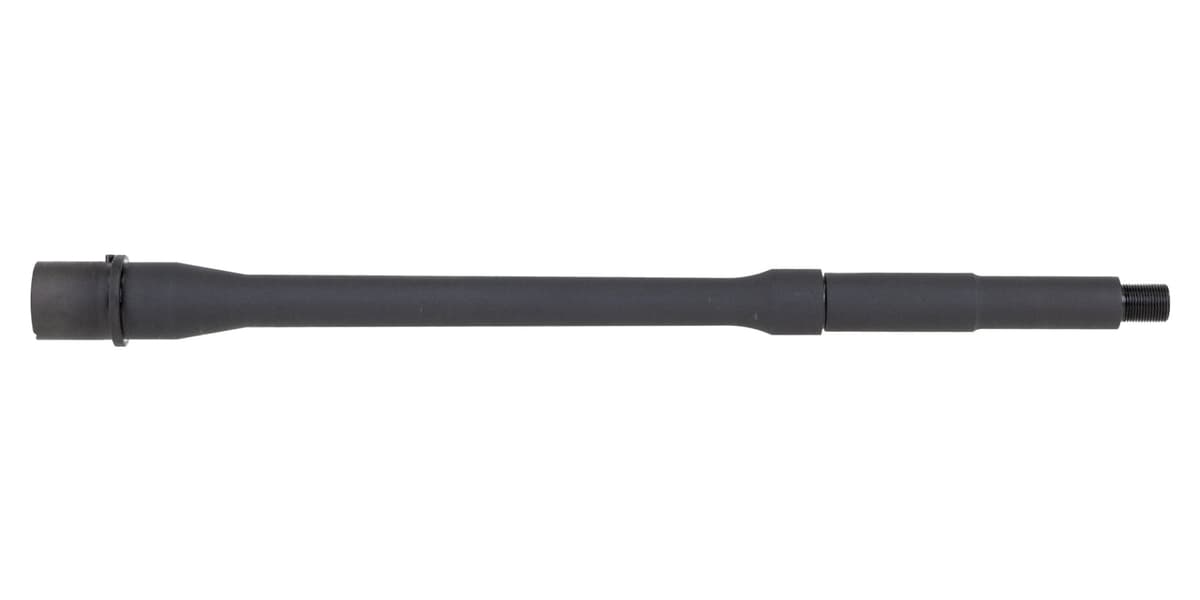
PSA Sabre FN CHF CL 13.7" Mid-Length 5.56 Barrel
- 13.7" length
- Mid-length gas system
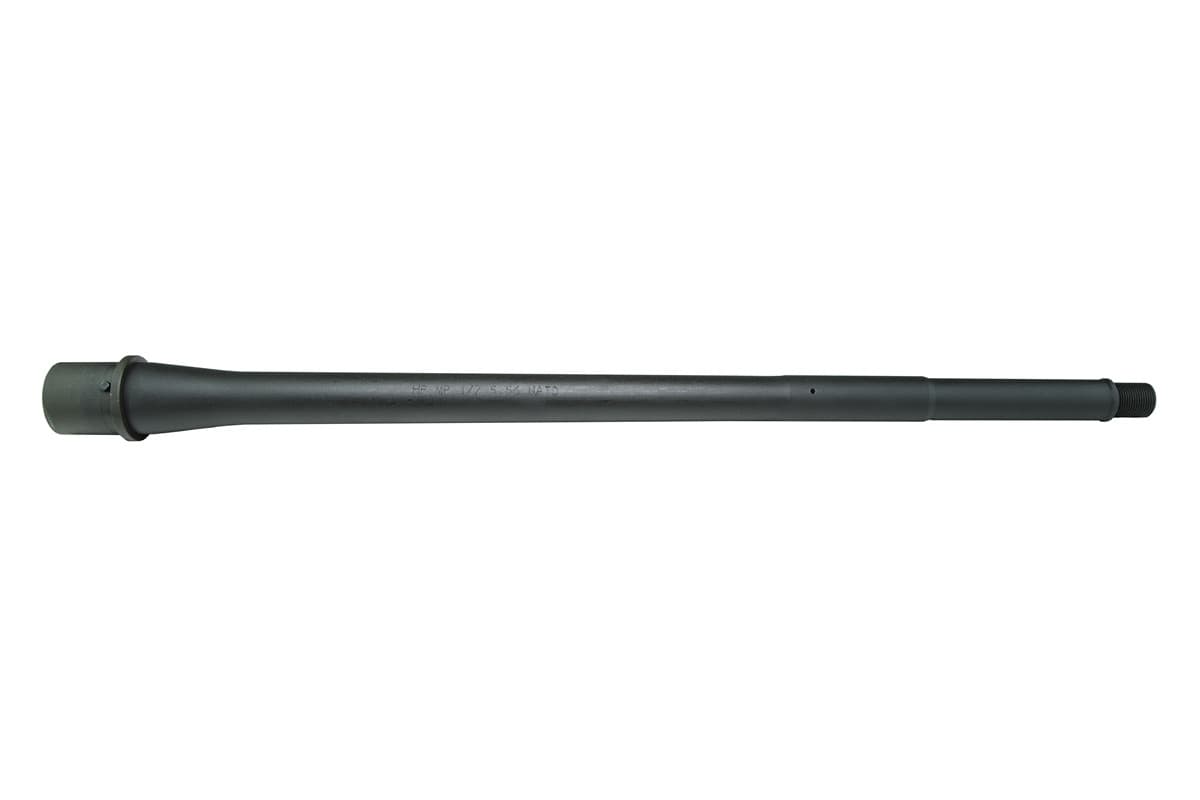
BCM BFH 14.5" Mid-Length 5.56 Barrel
- 14.5" length, Government profile
- Mid-length gas system
Geissele CHF 5.56 Barrel
- 14.5" barrel
- Cold hammer forged
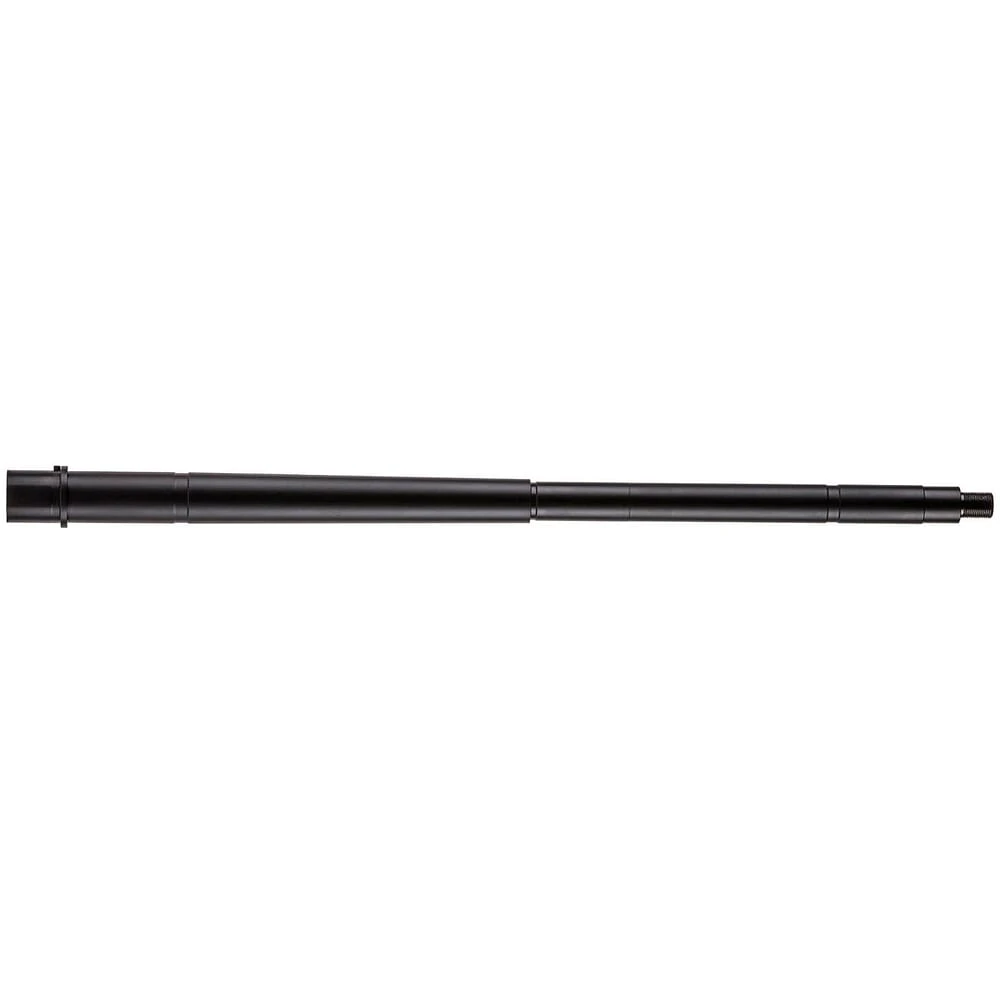
Daniel Defense 18" 5.56 S2W Rifle-Length CHF Barrel
- 18" length, S2W heavy profile
- Rifle length gas system
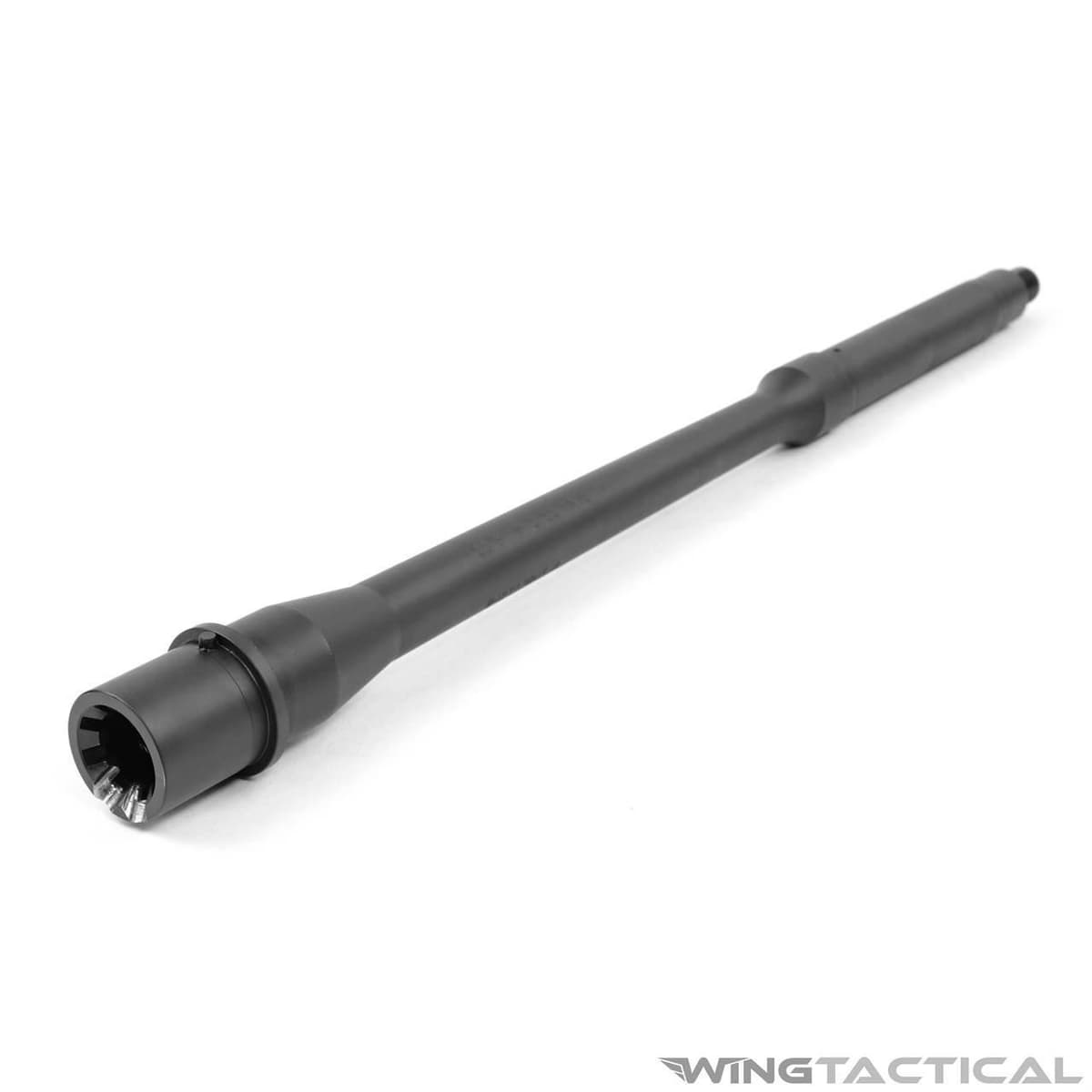
Daniel Defense 14.5" 5.56 Government CHF Barrel
- 14.5" length, Government profile
- Mid-length gas system
Affiliate links (?)
What California Barrel Buyers Should Do Now
Line up a dealer before you order. The transfer requirement is already live, so the practical question for a 2026 barrel purchase is which California licensee will receive it and what they charge to process it. That fee is the dealer's own and is unrelated to the state check fee, which the proposed rules set at no charge.
If you own firearms in California but have never registered or reported one to the state, the AFS gap is worth closing before July 2027, because it is the difference between a same-visit Standard check and a Basic check that can take 30 days. Our AR-15 barrel guide covers profile and length tradeoffs, the barrel length guide walks through velocity loss by inch, and the California-legal firearm guide covers what configurations are buildable in the state.
For a build in planning, the rifle builder filters barrels by platform and gas system so you can settle the part number before you arrange the transfer, and our coverage of California-compliant AR-15s shows how configuration rules shape what a barrel goes into. Californians buying a barrel in a chambering they have not run before should check the 300 Blackout barrel guide for the twist and gas port pairings that actually work.
Track State Firearm Law Changes
Get plain-language coverage of new state and federal firearm rules and the dates they take effect.


What the Rulemaking Fight Is About
The dispute over the proposed rules is not the check itself but what happens when it says no. The comment window on the proposed regulations opened August 7, 2026 and closed September 22, 2026 at 5:00 p.m. The Second Amendment Foundation filed comments on September 18 arguing that a Standard check rejection usually means the state has no record of you, not that you are prohibited.
SAF asked the department to route a Standard rejection with no matching AFS record automatically into a Basic check, or at minimum to require dealers to tell customers that such rejections are common and usually do not mean the buyer is barred from owning firearms. To show the stakes, SAF pointed to California's ammunition eligibility system: it cited department figures showing that from January through June 2023, 58,087 people were rejected on records mismatches while 141 were denied as prohibited persons.
The California Rifle and Pistol Association ran a parallel member alert during the same window. The department reviews the comments it received before finalizing the text, and its Firearm Barrels page still lists the regulations as proposed. The July 1, 2027 statutory date does not move regardless of how the rulemaking closes.