Optics & Sighting • $499.99
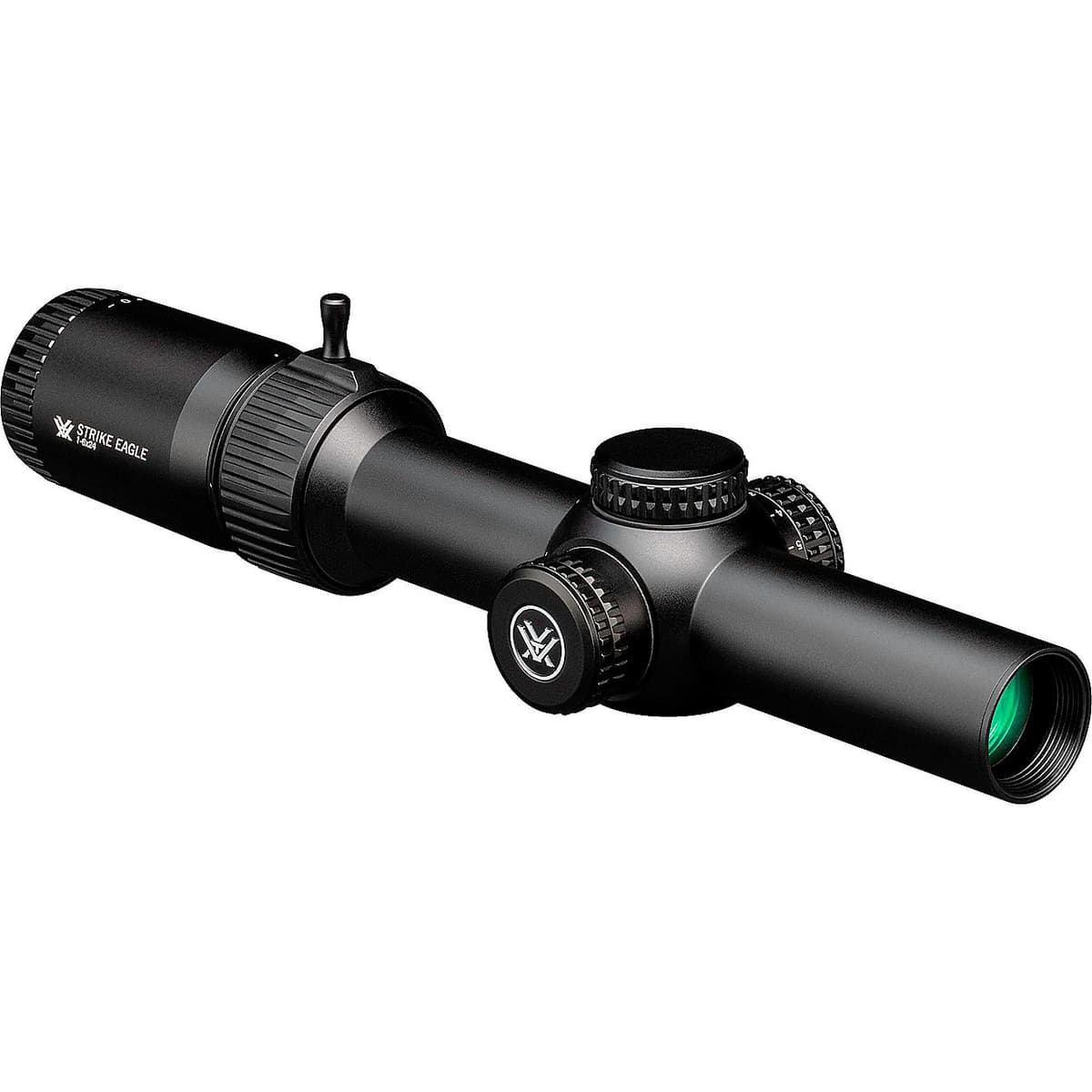
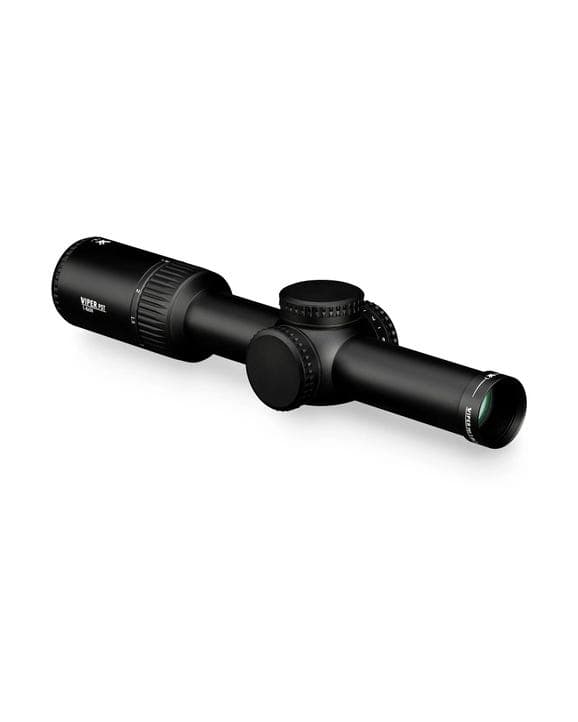
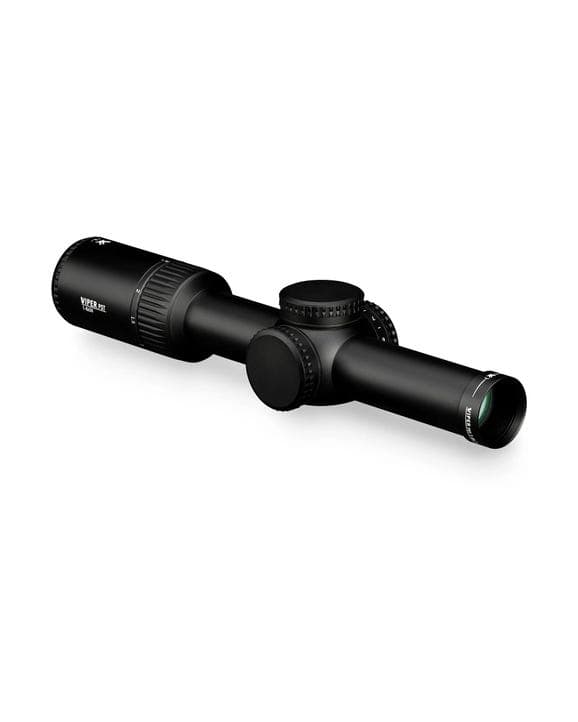
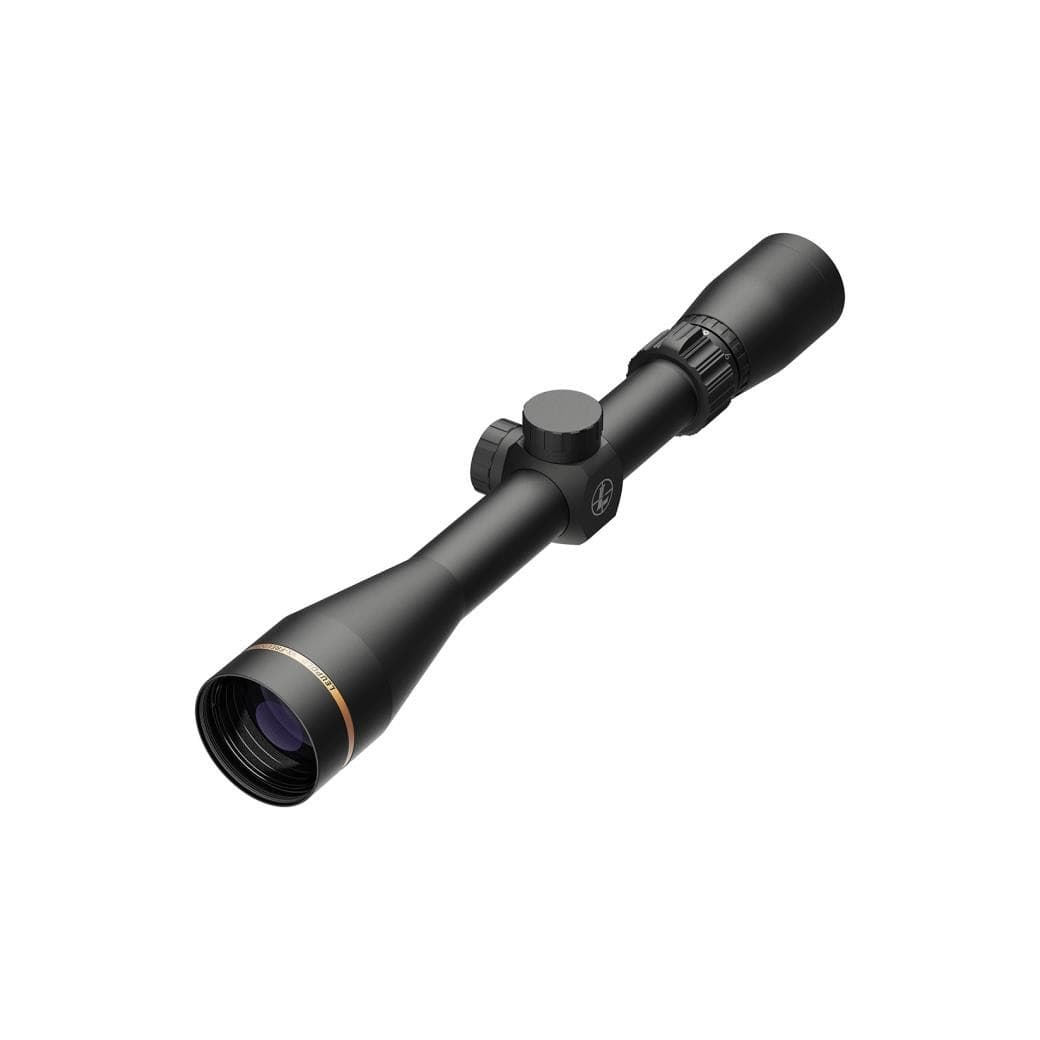
Vortex Strike Eagle 1-6x24 Gen II
- 1-6x magnification
- AR-BDC3 SFP reticle
$179.99$499.99Save 64%
Shop at PSA
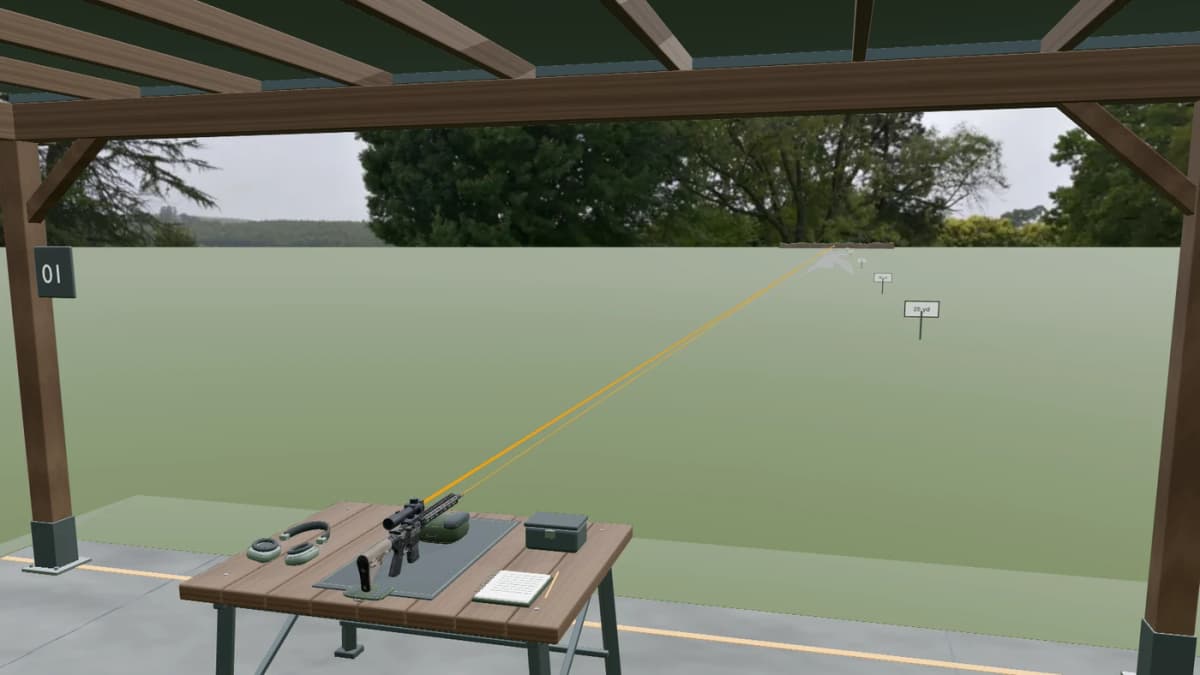
Pick a load, barrel and zero, place a USPSA target out to 1,000 yards, fire through the optic, and read drop, transonic range and where each BDC mark really lands. Step by step, with real numbers for 5.56 from a 16 inch barrel.
Pick a load, barrel and zero, place a USPSA target out to 1,000 yards, fire through the optic, and read drop, transonic range and where each BDC mark really lands.
What it is: the range simulator solves a point-mass trajectory for 26 factory loads across ten cartridges, from .22 LR, 9mm and .45 ACP through 5.56, .300 BLK, 6.5 Grendel, 6.5 Creedmoor, 6mm ARC, .308 and 7.62x39, then shows it through the optic, standing, in side profile, overhead, or from the bench.
Real numbers: M193 55 gr from a 16 inch barrel with a 50 yard zero arrives at 300 yards 6.3 inches low at 1,991 fps, goes transonic at 537 yards and subsonic at 661 yards.
BDC honesty check: 13 catalog optics carry manufacturer-sourced reticles and ten of them print holdover marks, with an alignment table showing where each mark really lands for your load, barrel and zero.
Same range, three places: guides embed it as a focused lesson, the holdover trainer turns the optic view into ten scored hold-practice shots, and the ballistics calculator draws its trajectory through the same side profile and readouts.
Fire and score: shots land where the trajectory and turrets put them, with a group's worth of spread, and are scored on USPSA and IPSC zones from the rulebook appendices. Free, no account, any WebGL browser; without WebGL the same ballistics render in an illustrated view.
The range simulator solves your rifle's trajectory and lets you shoot it. Pick a load, a barrel length, a zero distance and an optic, put a target anywhere from a few yards out to 1,093 yards, and every readout, reticle and impact on the screen comes from the same point-mass solution with G1 or G7 drag. The ballistics calculator and the optic zeroing simulator run on that same core and now draw through these same views, so the DOPE table, the zeroing bench and the range never disagree.
The point is to answer buying and setup questions before the range trip. Does the 300 yard mark on a Strike Eagle's AR-BDC3 actually match a 16 inch carbine on 55 gr ball? How much does a 10.5 inch barrel give up at 300? Is a 50 yard zero still on a torso at 275? The simulator answers each of those with a number and a picture, and every setup has a shareable link so you can send the exact state to a friend or a forum thread.
Start in the Load and rifle panel. The load menu is grouped by cartridge with 26 presets, each listing bullet weight, drag model and ballistic coefficient under the name. On the rifle side: M193 and Federal XM193 55 gr, M855A1 62 gr, Mk262 77 gr and Hornady 75 gr BTHP in 5.56; 110 gr V-Max, 125 gr supersonic and 220 gr subsonic .300 Blackout; 6.5 Grendel 123 gr SST and 130 gr Berger; 6.5 Creedmoor in Hornady 140 gr ELD Match, Hornady 143 gr ELD-X Precision Hunter and Federal Gold Medal 130 gr Berger; 6mm ARC 108 gr ELD-M and 103 gr ELD-X; .308 in 147 gr M80, 168 gr and 175 gr SMK; and 7.62x39 123 gr FMJ. On the pistol, carbine and rimfire side: Federal American Eagle 115 gr FMJ, Speer Gold Dot Short Barrel 124 gr +P and Federal Syntech 147 gr in 9mm; CCI Standard Velocity 40 gr, Mini-Mag 40 gr and Stinger 32 gr in .22 LR; and Federal HST 230 gr in .45 ACP.
Barrel length is a row of buttons spanning 3.5 to 26 inches, trimmed to the lengths the selected load actually publishes, and each button prints that length's muzzle velocity. M193 offers 8 through 22 inches off velocities measured from 7, 10.5, 14.5, 16, 18 and 22 inch barrels: 2,760 fps at 10.5, 3,086 fps at 16 and 3,202 fps at 22. The 9mm and .22 LR loads open the row at 3.5 inches and carry it to 16, the .45 ACP load reaches 18, the 220 gr subsonic .300 Blackout load starts at 8 inches, and the 143 gr ELD-X hunting load runs 20 to 26. Every velocity is traceable: each preset links its published source, and where a barrel table is borrowed from a same-weight load tested in the same barrel rather than from the exact box, the note under the load says so. Lengths between two measured points are interpolated, and both the control and the barrel table mark them as estimates. CCI Standard Velocity has no published cut-down test at all, so it publishes one velocity, the buttons give way to a line saying so, and barrel length changes only the drawn rifle. If you are still deciding between lengths, the barrel length guide walks the trade-offs the table below makes visible.
Zero distance offers 25, 36, 50, 100, 200 and 300 yards. Sight height over bore defaults to 2.60 inches, the usual AR-15 figure, and the Rifle view replaces it with the measured height of whatever optic you seat. Crosswind runs 0 to 30 mph with a button to swap it from left-to-right to right-to-left.
Drag the distance slider or tap a preset (25, 50, 100, 200, 300, 500 or 1,000 yards; the slider tops out at 1,093.6 yards, which is 1,000 meters). The target menu holds the USPSA cardboard target and IPSC target drawn to the dimensions in USPSA Competition Rules Appendix B1 and the IPSC Handgun Competition Rules Appendix B2, a USPSA steel silhouette, a two-meter detail board with letters from 36 down to 8 cm tall, one-inch and one-centimeter zeroing grids, square panels, a doorway and a parked car for scale.
Targets with scoring zones score every hit where it lands, so a string on the USPSA cardboard reports as A, C and D counts. Single-zone targets just report hits. The target keeps its physical size as you move it, which is the whole lesson of the Standing view: a USPSA target at 300 yards is one third the apparent height it was at 100.
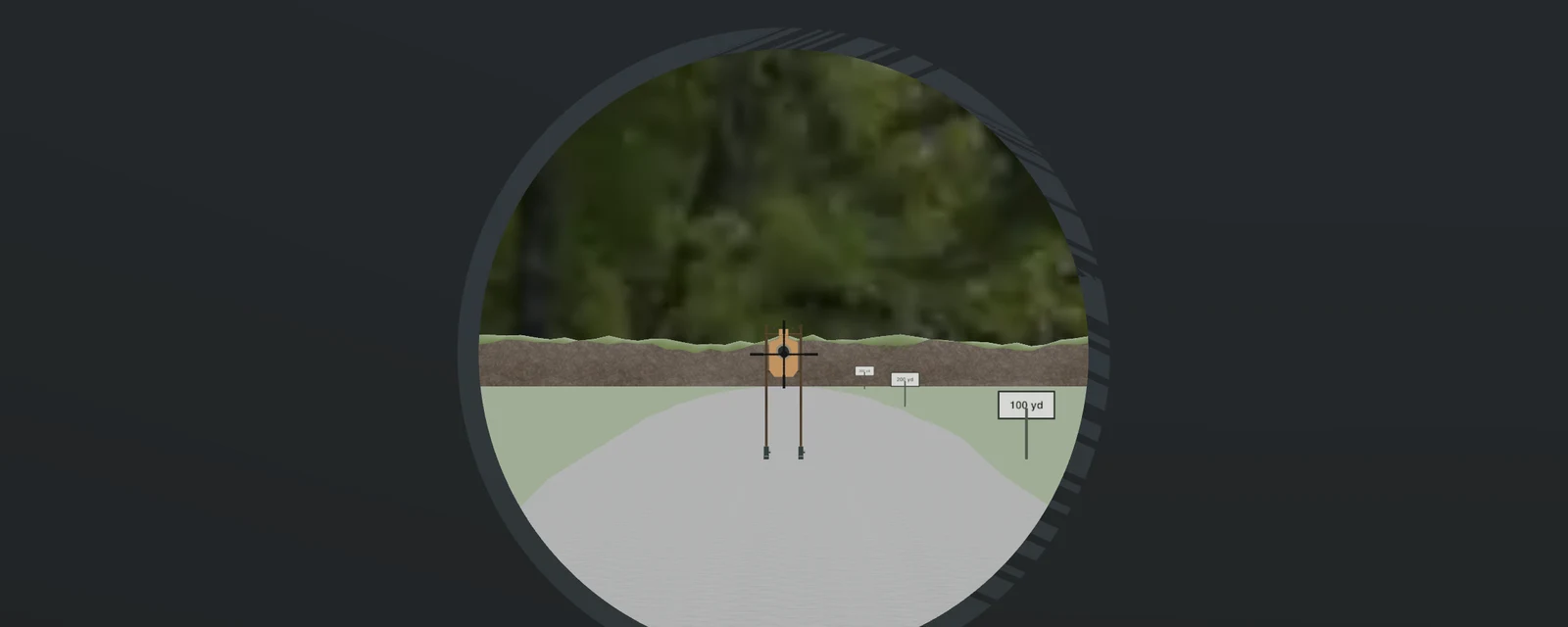
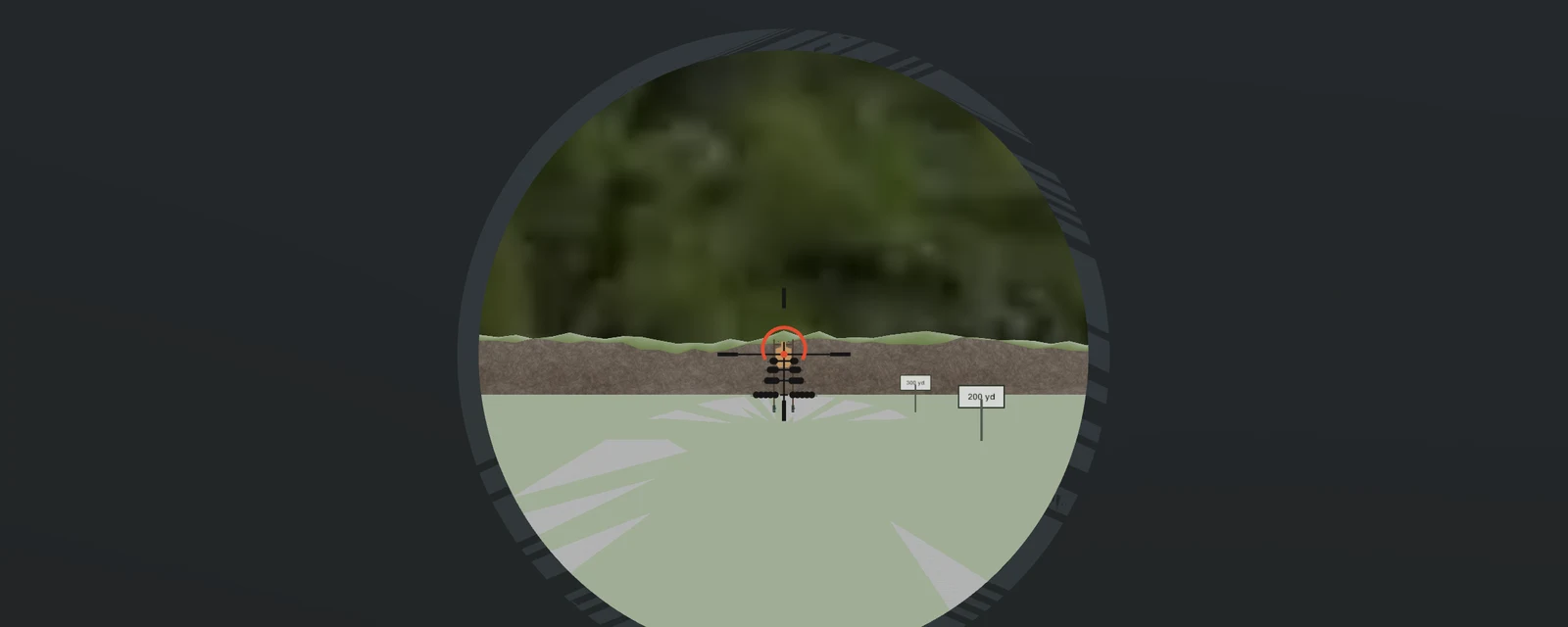
Five buttons switch the camera. Through optic puts your eye on the sight line with the housing in front and the reticle drawn over the glass, so a shot lands on the target exactly where the solution and your turrets put it. Standing keeps a fixed camera with a 1x, 2x or 4x viewer zoom, useful for seeing how small a plate really is at distance. Side profile draws the line of sight flat and the bullet rising through the zero and falling away, with drop multiplied by 1, 5, 10 or 25 so the arc reads at rifle ranges. Overhead does the same for wind drift. Rifle draws the carbine on the bench with your barrel length and optic and reports the measured sight height back into the solution.
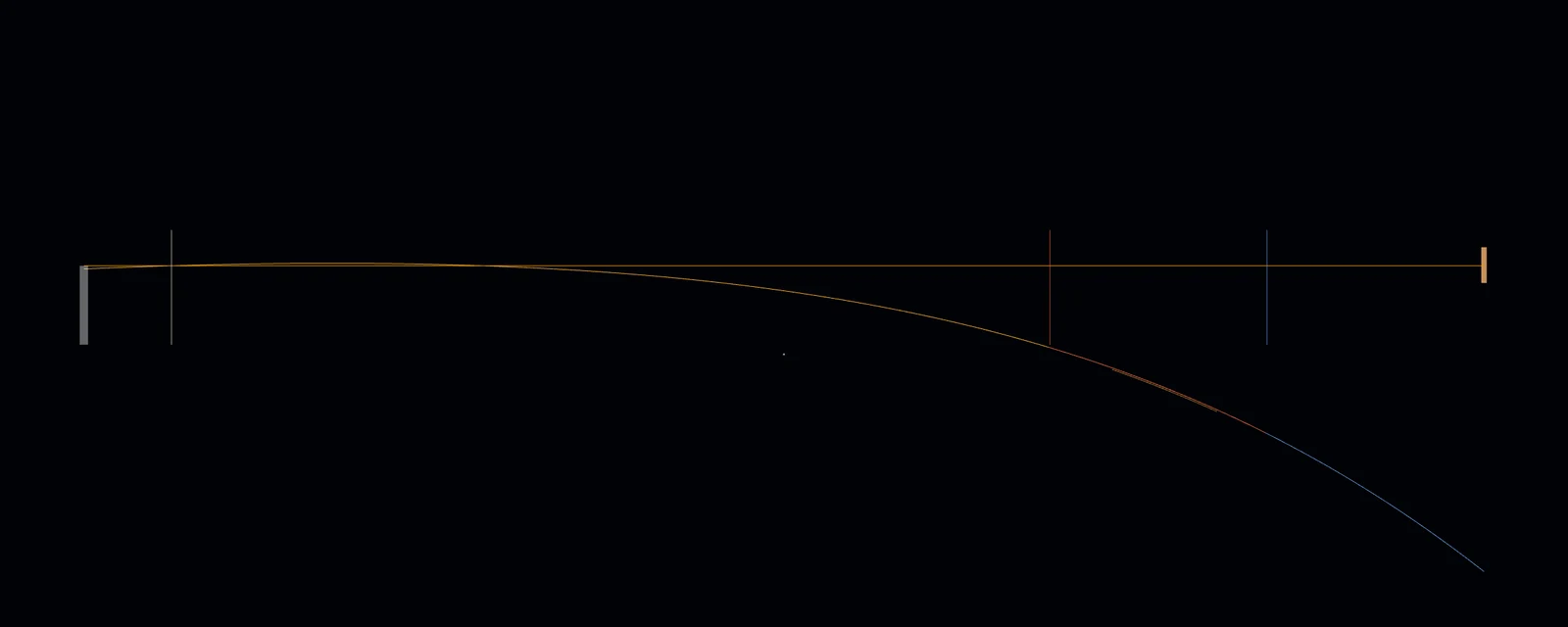
The side profile is the fastest way to understand why a 55 gr bullet gets unpredictable past 600 yards. The path is colored by flight phase: supersonic above Mach 1.2, transonic between Mach 1.2 and Mach 1, subsonic below. Vertical posts mark the zero and both transitions. Open this side-profile setup and step the barrel buttons to watch the transonic post slide from 456 yards on a 10.5 inch barrel to 562 on a 20.
Get new simulator features, sourced reticle additions, and optic and ballistics guides as they ship.
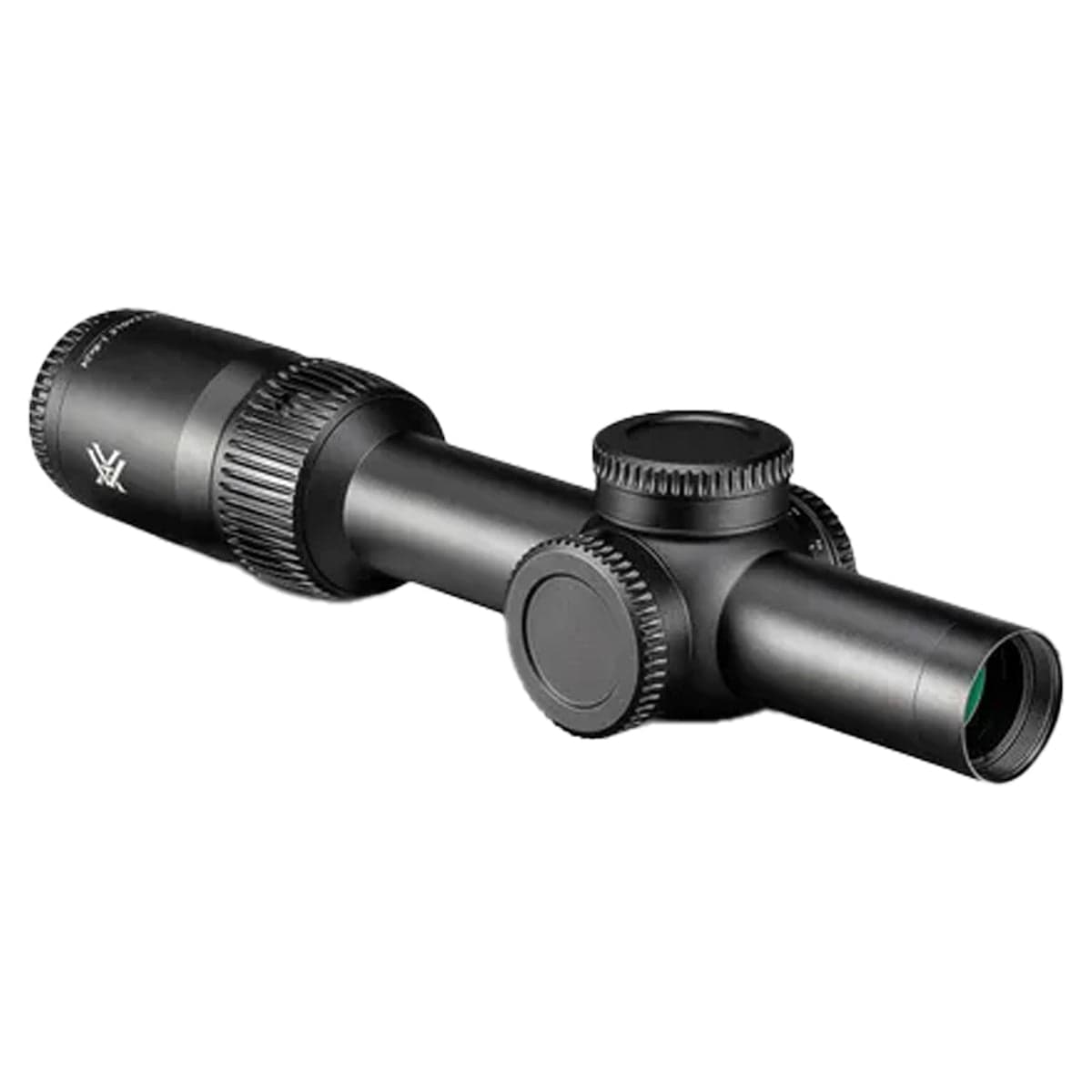
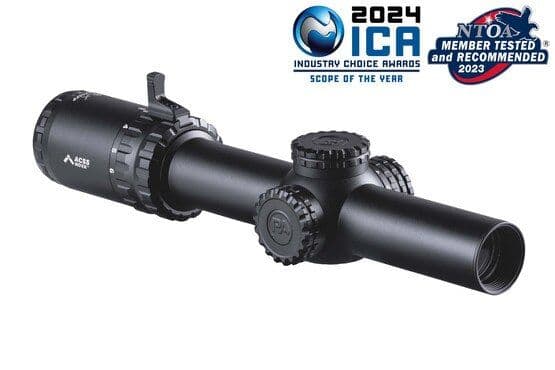
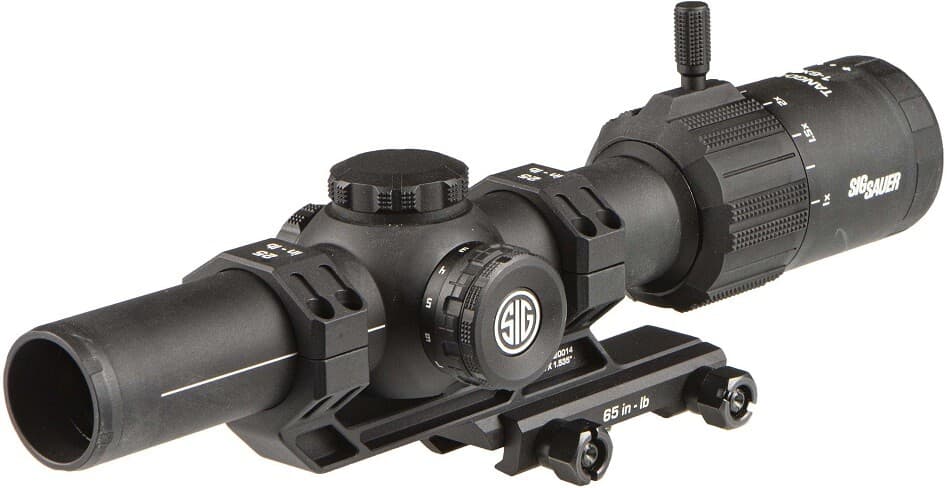
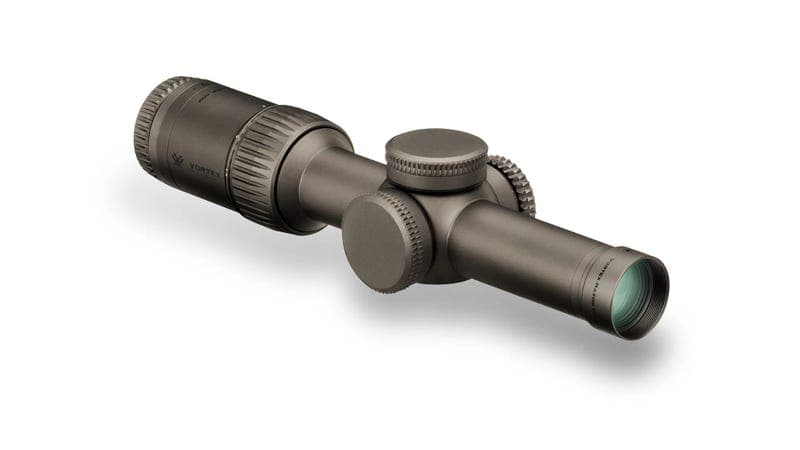
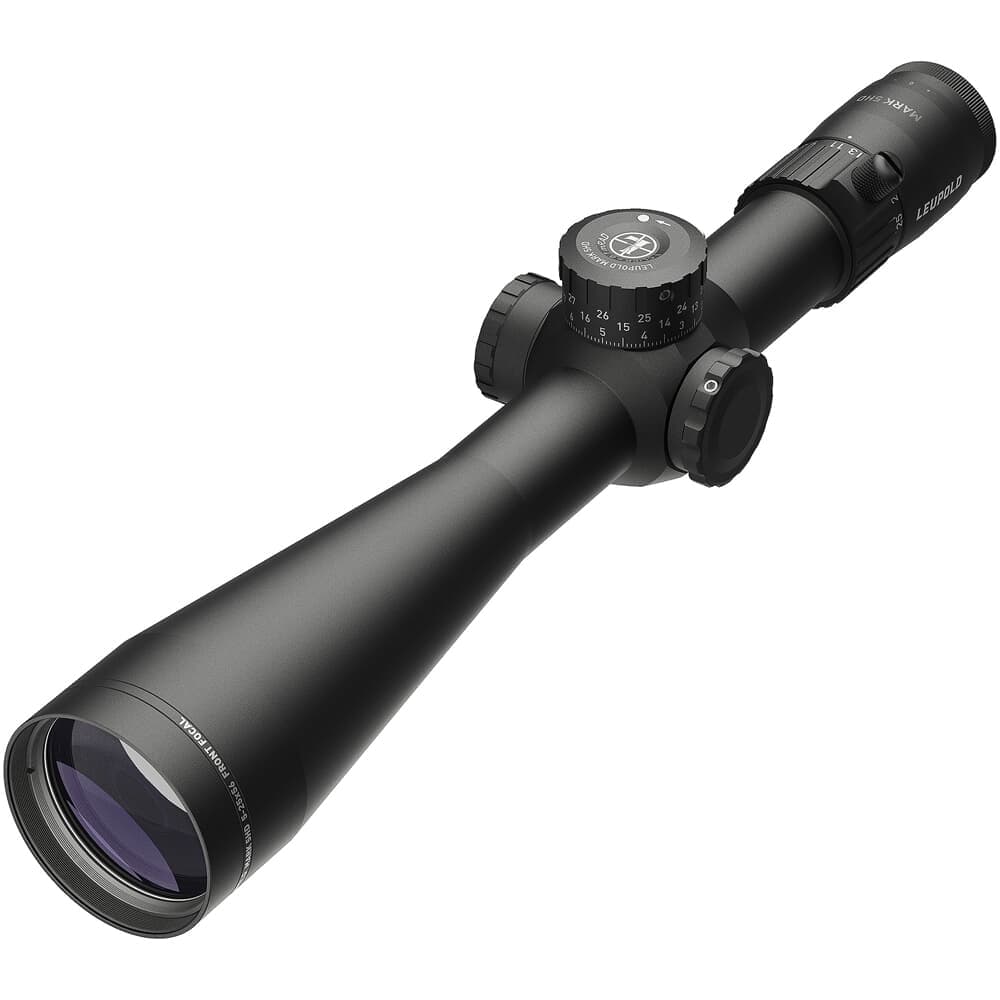
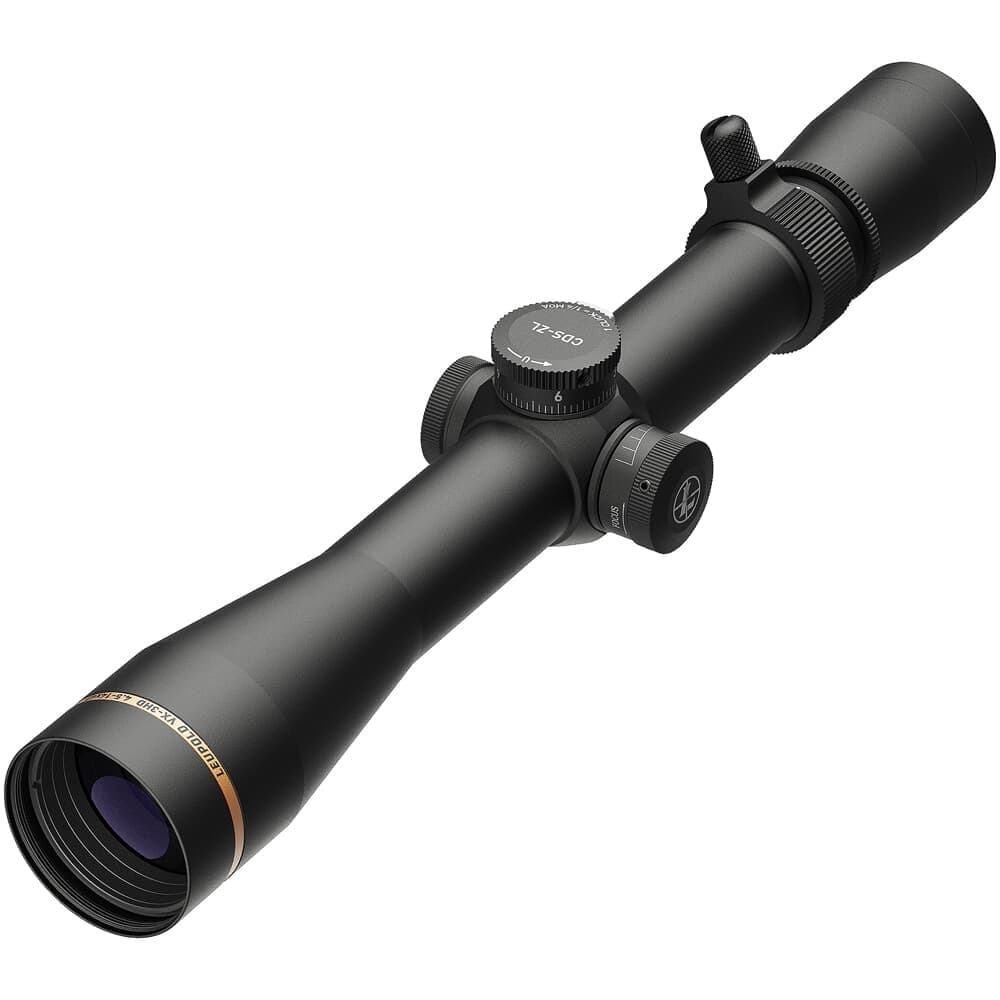
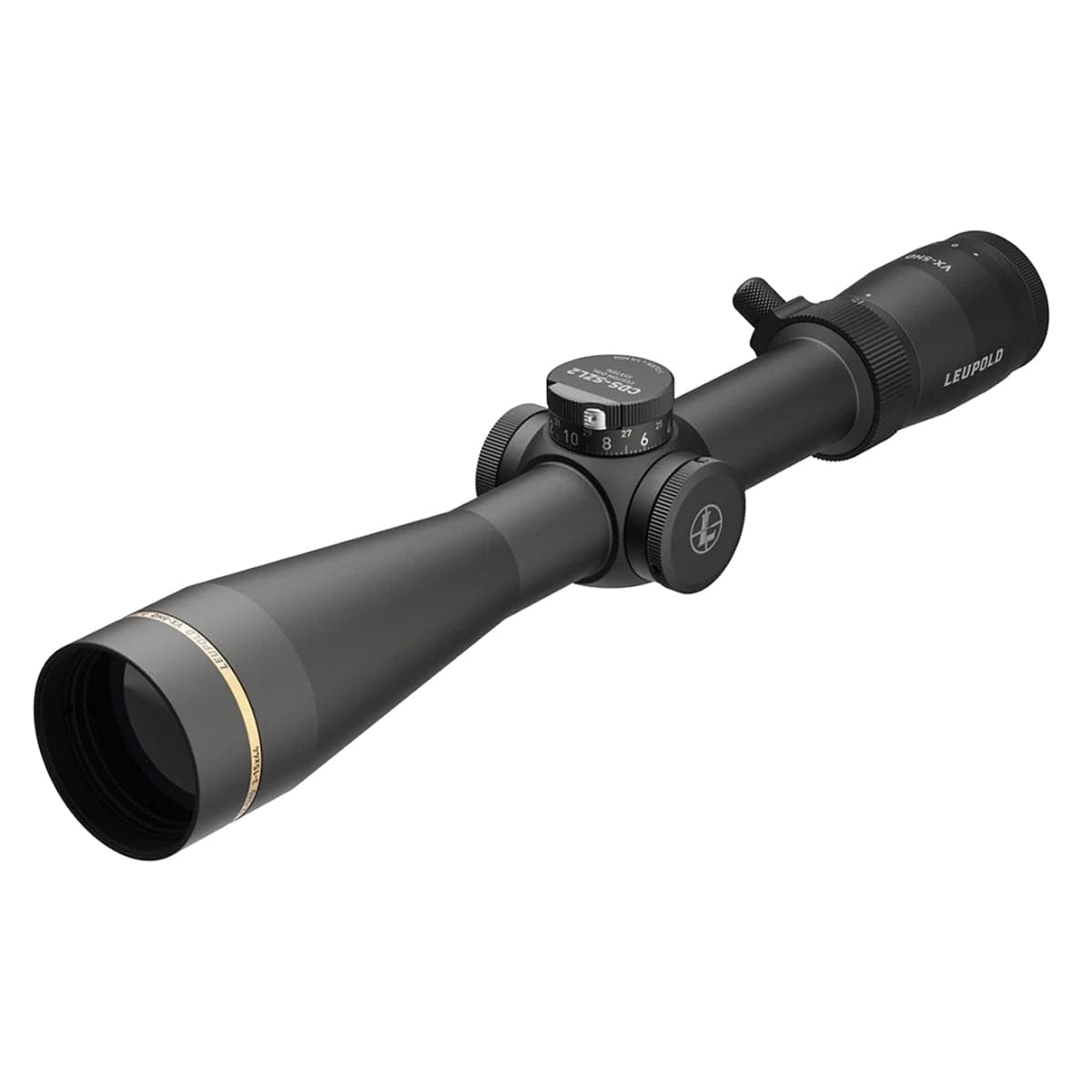
The optic menu lists generic classes for teaching (a 1x red dot, a holographic sight, a dot behind a 3x magnifier, fixed 4x and 5x prisms, 1-6, 1-8, 1-10 and 1.5-12 variable scopes, and 3-18, 5-25 and 7-35 precision scopes) plus the catalog optics with viewing profiles. Thirteen of those catalog optics draw vector reticles from the manufacturer's published subtension sheet: the Vortex Strike Eagle 1-6 Gen II and 1-8 (AR-BDC3), the Razor HD Gen II-E 1-6 (JM-1 BDC), the Viper PST Gen II 1-6 (VMR-2), the Viper PST Gen II 5-25 and Strike Eagle 3-18 (EBR-7C MRAD), the SIG Tango MSR 1-6 (MSR BDC6), the Primary Arms SLx 1-6 Gen IV (ACSS NOVA), the Leupold Mark 5HD 3.6-18 (TMR) and 5-25 (PR2-MIL), and three Leupold Duplex variants (VX-3HD 4.5-14x40, VX-5HD 3-15x44 and VX-Freedom 3-9x40). All thirteen are in the cards below. Ten of them print labeled holdover marks and get a BDC alignment table; the three Duplex sheets print a plain crosshair with no marks to align.
Only sourced reticles that print marks expose holds and a BDC table. Everything else in the catalog shows the manufacturer's reticle artwork as an uncalibrated picture with the source linked, and the panel says so. Field of view is published for products and illustrative for the generic examples; housing, glass, brightness, eyebox and eye relief are not simulated. If you are choosing between LPVOs, the best LPVO guide embeds this same viewer with the candidates preloaded.
On variable scopes the FFP and SFP buttons change how the reticle scales. First focal plane grows the reticle with the image so the subtensions stay true at every power. Second focal plane keeps the reticle the same size in your view, so the simulator scales its angular values by maximum power over current power, and the BDC table's Mark column reports the angle at the power you set. Compare two optics puts a second optic beside the first, with synced or independent magnification and a top-down map of both fields of view at the selected distance.
Affiliate links (?)
The Hold to center tile tells you the correction two ways. At 300 yards with M193 from a 16 inch barrel and a 50 yard zero it reads "Hold 2.0 MOA over, or dial 8 clicks up at 1/4 MOA." The elevation and windage turrets accept a click value from the menu (the label says "assumed" when the manufacturer's value is not on file for that optic), and Dial to center sets both turrets to the recommended clicks in one press. Back to zero returns them.
Fire launches the bullet along the solved path at a scaled time of flight and leaves a hole where the solution put it, scattered inside an illustrative extreme spread for the optic class. The shot summary counts hits and zones: five shots at 100 yards on the setup above scored 5 A; the same five at 300 without dialing fell mostly below the A zone because the group sat 6.3 inches low. Changing a turret fades the earlier shots so the next string reads clean, and New target clears the board. Open the 300 yard setup, fire five, press Dial to center, and fire five more to see the group walk up into the A zone.
Below the range, six tiles report the flight at the target: velocity with the muzzle figure for reference, Mach number with its phase badge, path against the line of sight in inches with MOA and MRAD equivalents, wind drift at the wind you set, time of flight, and energy. The next row, Where the bullet slows, opens with the answer in one sentence naming your barrel: for M193 from 16 inches it reads "From 16 in, this load stays supersonic to 537 yd and drops below the speed of sound at 661 yd." A load that never breaks the sound barrier gets told that way instead: Federal Syntech 147 gr leaves the muzzle below the speed of sound and stays subsonic the whole way, from a 5 inch pistol at 1,007 fps or a 16 inch carbine at 1,073. That is the line a suppressed subsonic setup is planned against, and it is the same panel the 300 Blackout planner shows. Under it sit the zero, the transonic and subsonic ranges as figures, and the point-blank range for the target's vital zone. For M193 on the 6 inch zone of a USPSA A-box that is 265 yards with a 50 yard zero, which is why the 50 yard zero remains the default answer in the optic zeroing guide.
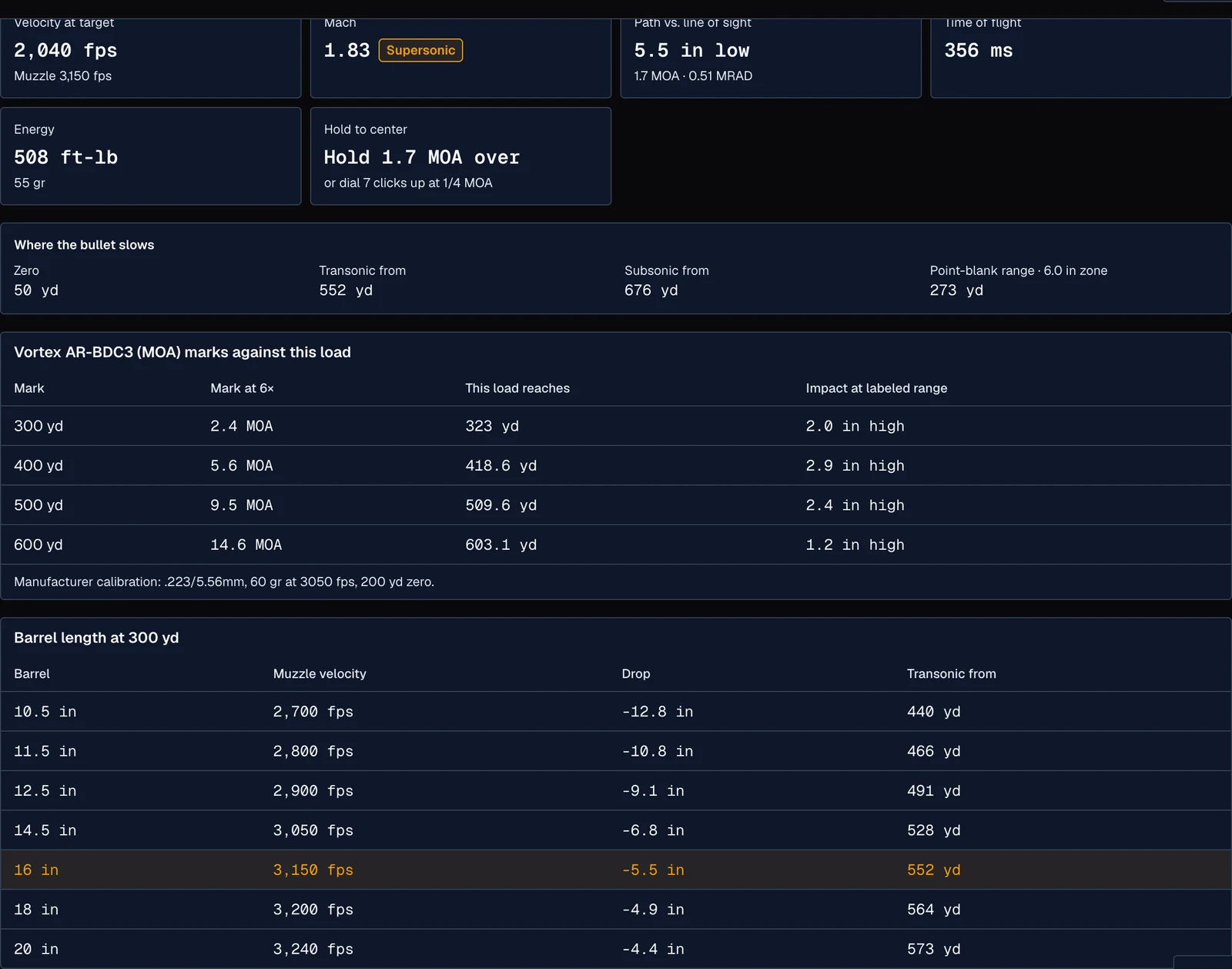
The BDC alignment table is the feature that pays for the tool. For each labeled mark it prints the angle at the selected power, the range where your load actually drops that far, and the impact at the manufacturer's labeled range. Vortex calibrates the AR-BDC3 for a 60 gr load at 3,050 fps with a 200 yard zero; on M193 from a 16 inch barrel with a 50 yard zero the 300 mark lands at 313 yards and prints 1.2 inches high at 300, and the 600 mark lands at 588.4 yards, 4.6 inches low. Marks that are ranging stadia rather than drop holds, like the ACSS NOVA's, are labeled as ranging distances, not as a drop promise.
The last table repeats the solution for every published barrel length at the current distance, with muzzle velocity, drop, and a column each for where that length goes transonic and where it goes subsonic. At 300 yards on M193 a 10.5 inch barrel drops 11.6 inches against 6.3 for a 16 and 5.0 for a 20; it goes transonic at 456 yards against 537 and 562, and subsonic at 579 against 661 and 686. Open the Strike Eagle setup to see both tables live, then change the load to Mk262 77 gr and watch the alignment shift.
Rifle view draws a mil-spec AR-15 carbine on the bench, assembled at runtime from the same packed meshes the 3D build preview uses, with the barrel you selected and the optic seated at the front of the receiver rail exactly as the builder seats it. The scene reports the seated optic's measured height over bore back into the solution, replacing the 2.60 inch default. Drag to orbit, wheel to zoom, and watch the orange sight line and the bullet's flight leave the muzzle toward the target.
Two limits are worth knowing. The 11.5 inch carbine mesh covers barrels under 14.5 inches and cannot shrink below 11.2 inches, so a 10.5 inch selection draws as 11.2 while the ballistics use the true 10.5. Pick a pistol or rimfire length and the same thing happens further: a 3.5 or 5 inch barrel is drawn representatively at that floor while the solution runs on the velocity that length really publishes, so the numbers are yours even when the rifle on the bench is not. And the drawn optic is a stand-in for its class (a T-2 style dot, an EXPS3 style holographic, a generic LPVO or precision scope body), not the specific product's housing. The height it measures is that stand-in's optical axis seated on the rail, a representative figure for the class rather than your exact optic's published number, so drag the sight height slider if you know yours. Open the rifle view to see it.
Roughly twenty guides carry the simulator inline as a focused lesson rather than sending you to the tool. Each lesson keeps only the controls that teach its point, starts in the illustrated view and mounts the 3D range when you ask for it, so the guide loads fast and the range is one tap away.
The clearest example is the subsonic range planner in the 300 Blackout guide: the side profile with the load, barrel, zero and readouts exposed. Switch from the 125 gr supersonic load to the 220 gr subsonic one, step the barrel through 8.5, 10.5 and 16 inches, and the sentence under the profile rewrites how far each combination stays above the speed of sound. The barrel length guide runs the same lesson on M193 at 300 yards so the velocity, drop and transonic columns move together as you step the buttons, and the LPVO guide uses the two-optic comparison to hold a detail board at 100 yards while you swap between 1-6x, 1-8x, 1-10x and 1.5-12x.
The holdover trainer takes the same through-optic view and makes the marks tappable. Pick one of the ten scope configurations whose reticle is drawn from the manufacturer's sheet and prints marks (eight distinct reticles between them), then a load, a barrel and a zero. A target appears at a random distance inside the band you chose, you tap the mark you would hold, and the shot lands where that mark really sends the solved trajectory. Ten targets, a running score, and after each one the mark you should have used and your error in MOA or MRAD and inches. Known-distance mode shows the range; unknown-distance mode hides it and gives you the target's true size, or the maker's printed ranging stadia, to work from. Every session runs off a seed, so the link on the summary card replays the same ten targets for someone else.
The ballistics calculator now draws its trajectory through this same side profile and these same readouts, so its DOPE table and the range view cannot disagree. Use it when you need to type in a load the presets do not carry, or to set altitude, temperature and humidity, which the range holds at a standard day.
The simulator is honest about its edges, and the panel labels them. Reticle holds and BDC alignment appear only for optics whose sourced subtension sheet actually prints marks. Click values are the manufacturer's only where the profile records them; otherwise the turret says "assumed." Group spread is an illustrative per-class extreme spread, not a claim about any product. Glass quality, brightness, eyebox, eye relief and parallax are not modeled. The range itself has no atmosphere control, so its solution represents a standard 59F day at sea level; altitude, temperature and humidity live in the ballistics calculator, which solves the same trajectory with them applied. Anyone building a dope card for a match should confirm the numbers against a chronograph and a real 600 yard target, and the long-range introduction covers how to true a solver against observed impacts.
Avid shooter with 10+ years of experience including competition shooting, an associate member of the Professional Outdoor Media Association (POMA), and a member of the National Shooting Sports Foundation (NSSF) and Safari Club International (SCI). Built 10+ AR-pattern rifles and several handgun platforms for home defense, competition, and suppressed night shooting.
This page contains affiliate links. Purchases through these links support the site at no extra cost to you. Read the affiliate disclosure
Ready to continue? Here's the recommended next guide:
Ballistics chart for 5.56, .300 Blackout, and .308: bullet drop, velocity, and energy at 100/200/300/500/800 yards. Includes a free trajectory calculator for custom loads, zero distances, and wind.
Continue exploring with these related resources
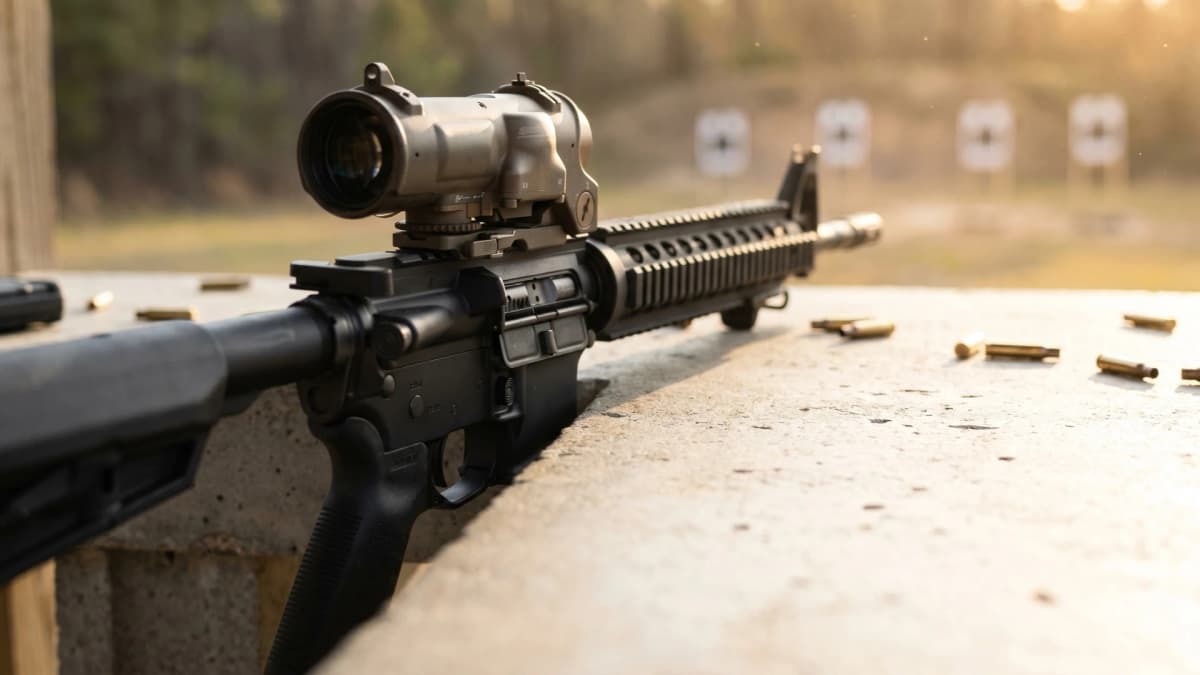
A ranked guide to the variable-power scopes that sit between true-1x LPVOs and full-size precision optics, with compact, hunting, value, and premium picks.
Prism scopes use a physical etched reticle instead of relying only on a projected LED point. These AR-15 prism rankings cover 1x, 3x, 4x, and 5x models plus the boundary where a holographic or reflex sight makes more sense.
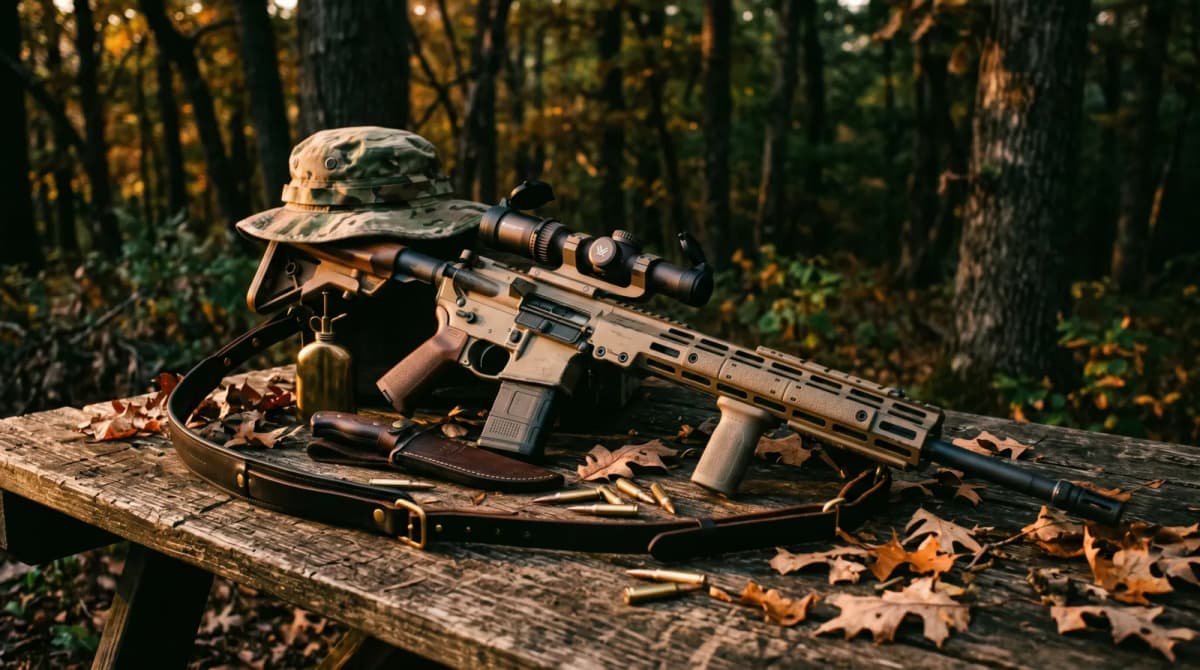
Top 5 AR-15 hunting rifles ranked by cartridge terminal performance and factory accuracy. Wilson Combat .300 HAM'R, Springfield 6.5 Grendel, Ruger .450 Bushmaster, CMMG .350 Legend, and BCA 6.5 Grendel compared for deer, hog, and predator hunting.
Related articles and industry updates
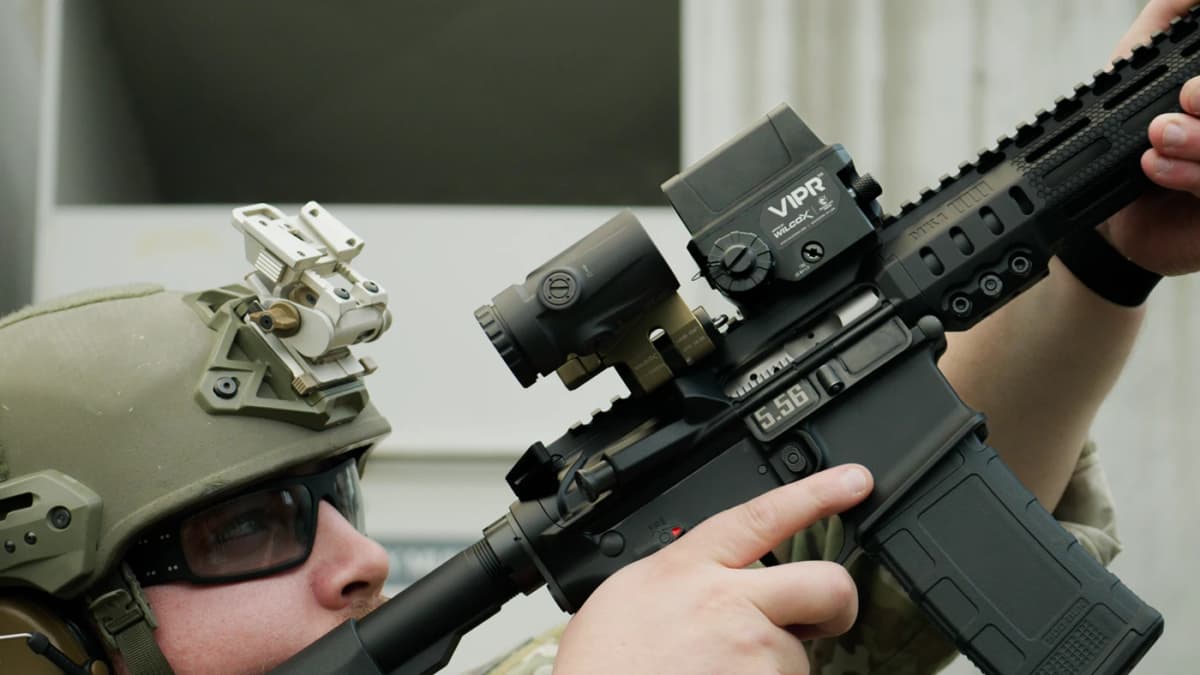
Wilcox introduced the VIPR on September 22, 2026: a 1x direct-view sight that projects switchable digital reticles for CQB, Applied Ballistics drop holds, and Dragonslayer counter-drone leads. 12.1 oz, over 48 hours of runtime, waterproof to 20 meters, sold by quote.
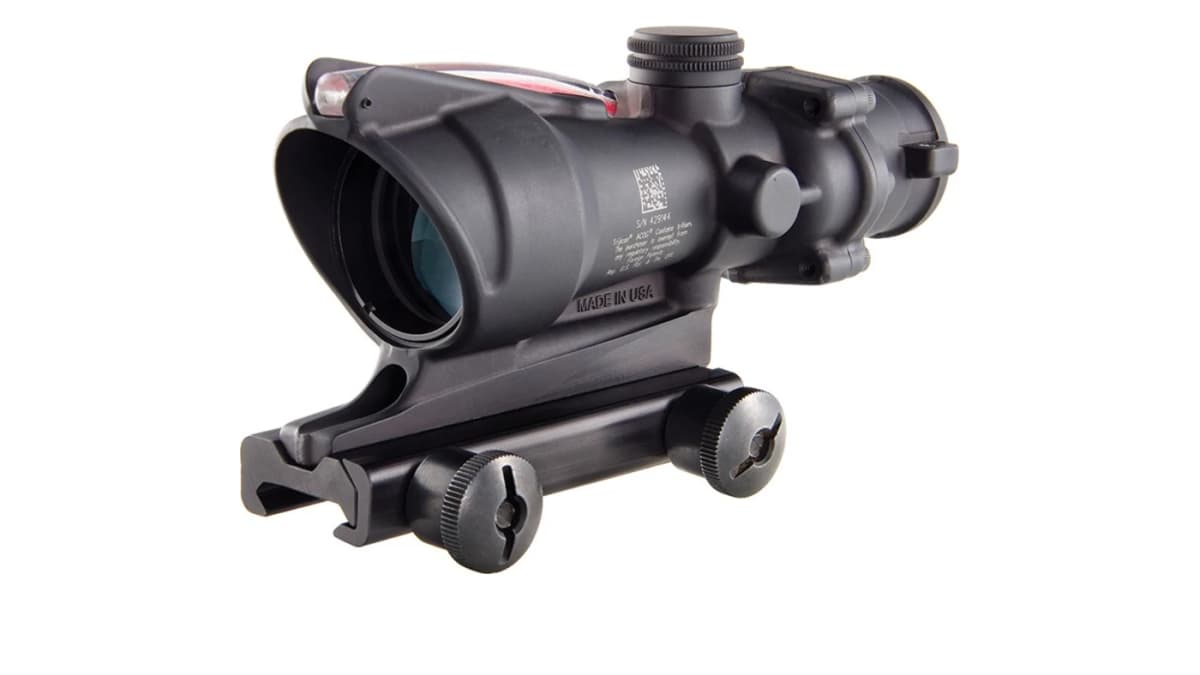
Trijicon added an MRAD chevron tree reticle to the ACOG on October 14, 2026, in four models: the 4x32 TA31 and TA02 and the 3.5x35 TA11 and TA110, each dual-illuminated or LED. Specs, who it suits, and how it compares to the caliber-specific BDC ACOG.
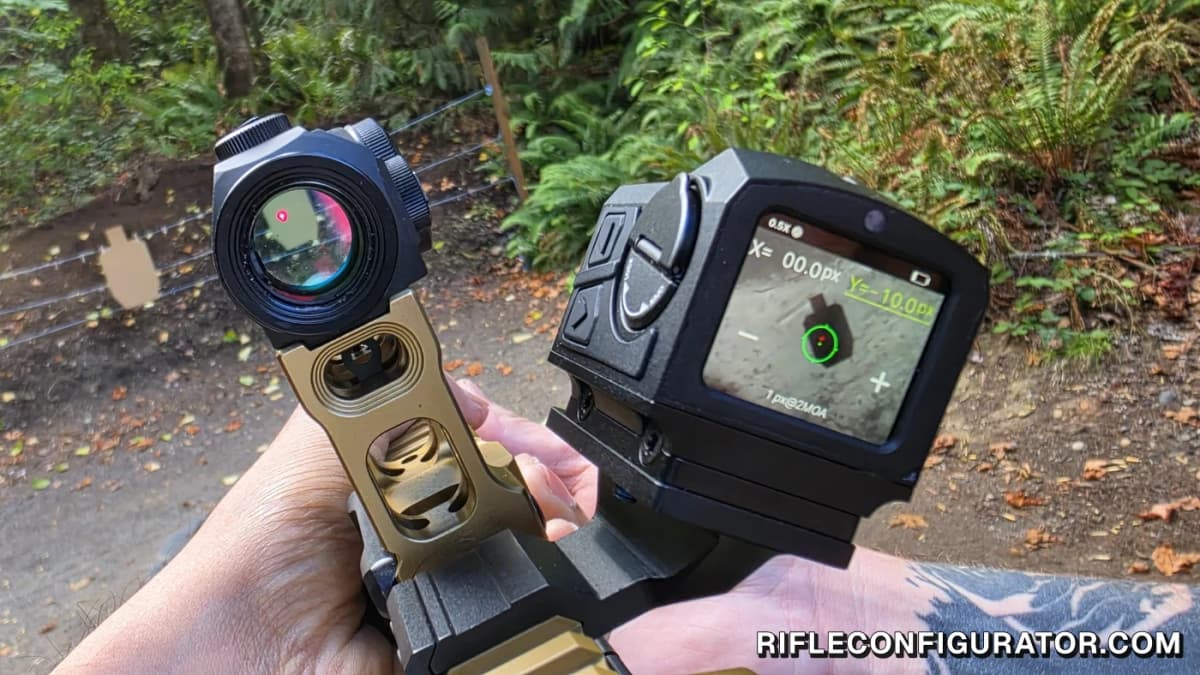
We ran the InfiTac FMP13 on a 45-degree offset beside a Holosun on a Unity FAST mount. The 256x192 mini thermal has an intuitive touchscreen and zeroed on plain cardboard, but the CR2 ran short of its 5-hour rating, so it belongs on an offset, not a pistol.