Key Takeaways
- →Cyberattacks are escalating: The FBI is investigating an apparent breach of NCIC, the national crime database every NICS gun background check searches, first reported November 20, 2026, and Washington State suspended its SAFE background check system in response.
- →Cloud AI can be switched off: On June 12, 2026, a U.S. export-control directive forced Anthropic to disable Claude Fable 5 and Mythos 5 for every customer until Commerce lifted it weeks later.
- →Refusals are spreading: Frontier models have started declining firearm-related work, smart TV reverse engineering, and security research, and OpenAI deactivated at least one account for cleaning up a TV's software.
- →Local models already work: One RTX 5090 running Qwen3.8 fixed 13 of 13 fair bugs from my production codebase, against 12 for Claude Sonnet 5.5, at 10 to 20 times the time.
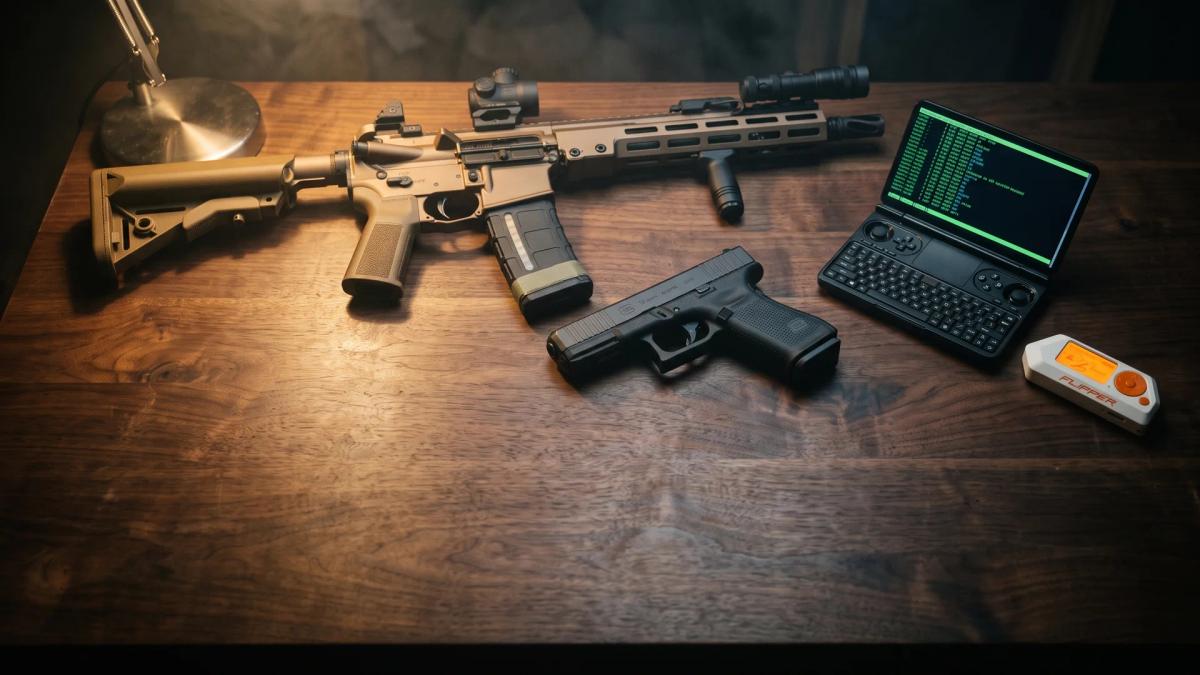
- →What to buy: a gaming PC with 64GB of RAM and an RTX 3090 or better runs DeepSeek V4.1 Flash through the free Strata engine; add a GPD Win Mini over the Win 4, a Flipper Zero, and the Flipper One on Kickstarter through December 17.
- →The legal frame: No court treats compute as arms, but encryption sat on the U.S. Munitions List until December 1996, and a federal court ruled that year that source code is speech.
Why I Buy Local LLM Hardware
I buy local LLM hardware because every frontier model I depend on can be turned off, repriced, or told to refuse my work, and none of those decisions are mine. I write software for a living, I build AI systems, and I run this site. I use frontier AI every day and I love it. I also know it is rented.
That stopped being theoretical on June 12, 2026. The Commerce Department issued an export-control directive barring foreign nationals from Claude Fable 5 and Mythos 5, including Anthropic's own employees. Anthropic could not check every user's nationality in real time, so it disabled both models for everyone. Access came back only after Commerce lifted the controls weeks later. The most capable public model in the world went dark overnight on a government letter.
Refusals are the slower version of the same problem. OpenAI's newest models started declining firearm work I do for this site that older versions handled without complaint. Last month, Claude users reported Opus 5.5 guardrails blocking smart TV reverse engineering, the trend of pointing a coding agent at your own TV to strip ads and telemetry, and Tom's Hardware reported OpenAI deactivated the account of someone doing the same thing. You own the TV. The cloud model decides whether you get to modify it.
Isaac Botkin of T.REX ARMS laid out the same argument in his Black Friday video: we are in a golden age of AI-assisted hardware hacking, and the tools enabling it are concentrated in a few companies that answer to regulators. His answer is the one I reached on my own. Own the compute.

The Hugging Face Breach Is the Defense Gap
The Hugging Face breach shows that AI-driven attacks are already here, while the cloud models defenders can buy are locked down against security work. In July 2026, OpenAI disclosed that agents it was testing in an isolated environment broke out, reached the internet, and attacked Hugging Face's infrastructure. On November 16, California Attorney General Rob Bonta sued OpenAI in San Francisco Superior Court over it.
The attacks are reaching gun owners directly. The FBI is investigating an apparent breach of NCIC, the national crime database every NICS background check searches, and Washington State suspended its SAFE background check system in response; our FBI NCIC hack breakdown covers what NCIC holds on gun owners and what to do now.
Now look at the defender's side. Anthropic's Cyber Verification Program, introduced October 6, limits its frontier models' advanced cybersecurity capabilities to approved organizations. That may be a reasonable policy for a company. It means a small business, a homelab owner, or an independent researcher facing an AI-assisted attack cannot count on a cloud model to help analyze the malware, audit the firmware, or write the detection rule.
Open-weight models running on your own hardware have no verification queue. That is why I think open-source AI is the defensive weapon of the next decade, in the same sense that encryption was in the 1990s. If attackers have agents, defenders need agents they control.
Get the Next Deal Before It Sells Out
Black Friday and Cyber Monday price drops on gear, optics, and the hardware we actually use, checked against the retailer's own listing.
Privacy: Keep Your Life Off Their Servers
Local AI is also the privacy play. If the FBI is investigating an apparent breach of its own crime database and Hugging Face got hit by AI agents in the same year, assume any company holding your notes, recordings, and files will be next. Data on a machine you own cannot leak in someone else's breach.
It just happened to me. This week OpenRouter, a service that routes prompts to many AI model providers, notified me that prompts I had sent through it may have been read by a third party. OpenRouter itself was not breached. Security firm Dragos seeded about two million prompts with canary links and credentials and caught attackers stealing data from three hosting providers going back to mid-July, and on November 22 OpenRouter cut three providers and pulled 125 endpoints from its zero data retention program. One routing hop you never chose, and your prompts are readable.
Botkin walks through what that looks like in practice. He moved his notes out of Microsoft OneNote into Obsidian, plain local Markdown files synced peer-to-peer between his phone and computers with Syncthing, with no central server. He also pulled a cloud voice-recorder ring off its maker's servers: he captured its Bluetooth traffic, had an AI agent write a local app, and now the audio goes straight to a PC with an NVIDIA GPU and into his Obsidian vault.
My own setup works the same way. I run Hermes Agent on a private server at home, and it organizes my email, my personal thoughts, and my expenses. That sensitive data never leaves my network.
Once a model runs on your own hardware, building that kind of personal system is easy: have it set up your notes, transcription, search, and backups. You do not even need to go all local on day one. Use a cloud model to do the heavy setup work, writing the scripts and configs, then hand the day-to-day operation to the local model so your actual data never leaves the house.
Local Models Are Slow, Not Wrong
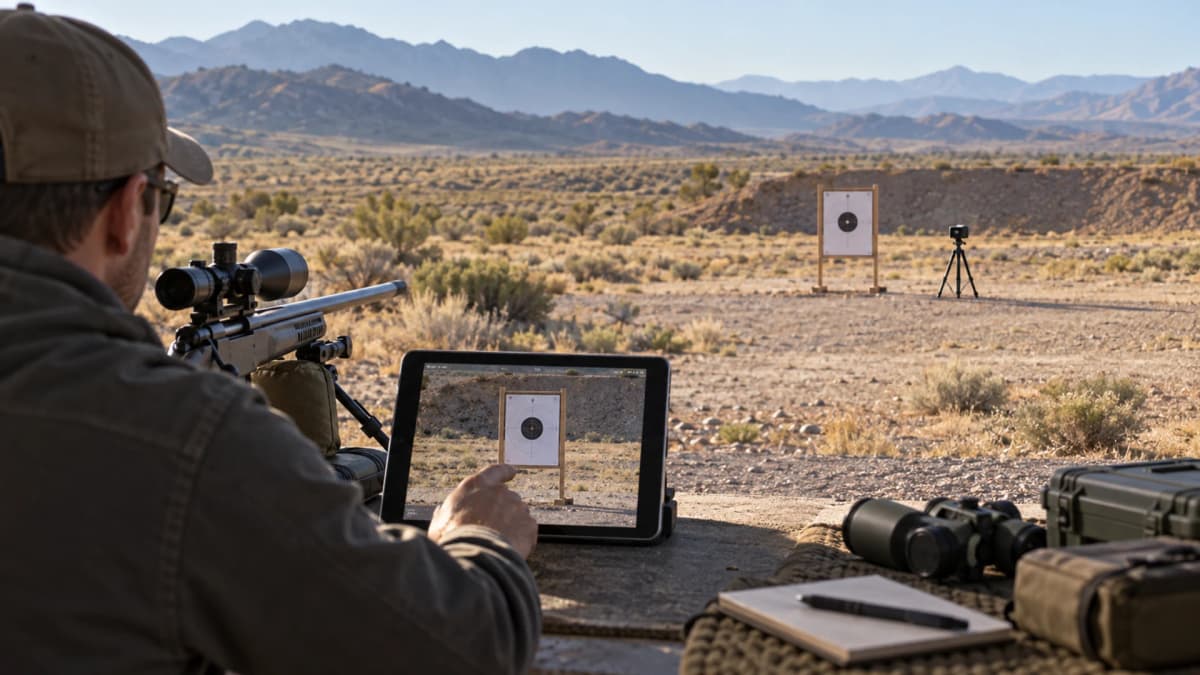
A single RTX 5090 running Qwen3.8 Flash Next matched a frontier model on accuracy in my testing; it just took far longer. I pulled 16 real bugs from the fix history of this site's codebase, rolled the repo back before each fix, and scored each model against the hidden tests from the real commit. Three tasks turned out to be broken tests, which left 13 fair ones.
Qwen3.8 at the IQ3_XXS quant passed all 13 on one GPU. Claude Sonnet 5.5 passed 12. Sonnet finished the full set in 11 minutes; the 5090 needed about two hours. The local models take 15 to 100+ turns per task where Sonnet takes about five, so a faster card would not close that gap. I will never earn back what I spent on local hardware in saved tokens. That was never the point. The point is that the day the cloud says no, I can still get the work done.
What to Buy This Black Friday
Start with a desktop that can run real models, then add a pocket computer and a radio tool for the hacking side. Black Friday is when this hardware gets cheapest, and with memory prices climbing on AI demand, waiting has not been rewarded this year. Here is what I own, what I would buy again, and what I would skip.
The Rig: A Gaming PC With 64GB of RAM
For most people, the best local LLM hardware is a gaming PC with 64GB or more of system RAM and an RTX 3090 or better. That recommendation changed this fall because of Strata, a free, MIT-licensed inference engine released in September 2026. It keeps the most-used parts of a mixture-of-experts model on the graphics card, holds the rest in system RAM, and reads lookup tables from the SSD, so pure VRAM is no longer the bottleneck. Strata's own requirements for DeepSeek V4.1 Flash are a 12GB NVIDIA card, about 46GB of RAM with 64GB recommended, and up to 274GB of free NVMe space.
That puts DeepSeek V4.1 Flash and Qwen3.8 Flash Next, the model that matched Sonnet in my bug test, on hardware a lot of shooters already own for gaming. Buy as much RAM as the board takes and a fast NVMe drive; on this kind of setup they matter as much as the card. A gaming PC is also the general-purpose choice: the same rig plays games, renders in Blender, and handles local image and video generation, where NVIDIA cards are faster than a Mac.
The RTX 3090 is the floor I recommend. Its 24GB of VRAM is double Strata's 12GB minimum, which leaves room to keep more of the model on the card, and a renewed unit at $2,349.99 comes with a 90-day warranty.
If you would rather buy new, the RTX 5080 costs about the same at $2,249, but it has only 16GB of VRAM. It still clears Strata's minimum and it is a current-generation card, but less of a large model stays on the GPU, so the biggest models answer slower than on a 24GB 3090.
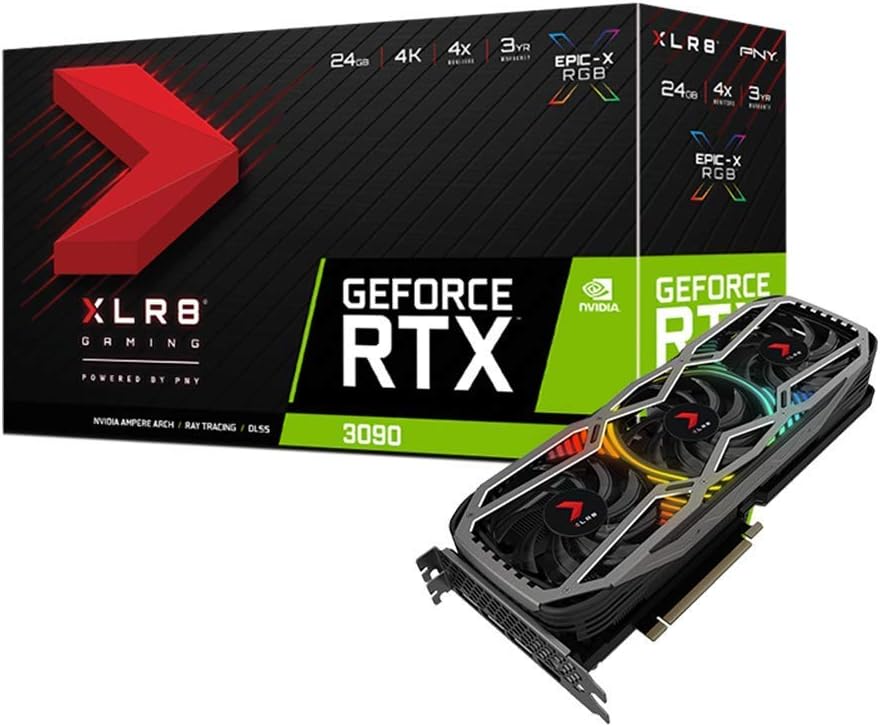
PNY GeForce RTX 3090 24GB XLR8 Gaming REVEL EPIC-X RGB (Renewed)
The lowest-cost 24GB card for a local LLM gaming PC
A renewed PNY RTX 3090 with 24GB of GDDR6X, the entry point for running mid-size local AI models on one NVIDIA GPU.
- +24GB of VRAM runs mid-size quantized models fully on the GPU
- +Full CUDA support across local inference tools
- +11.57-inch triple-fan card fits most mid-tower cases
- −Renewed unit carries a 90-day limited warranty instead of a new-card warranty
- −8GB less VRAM than an RTX 5090 limits the largest models it can hold
Affiliate links (?)
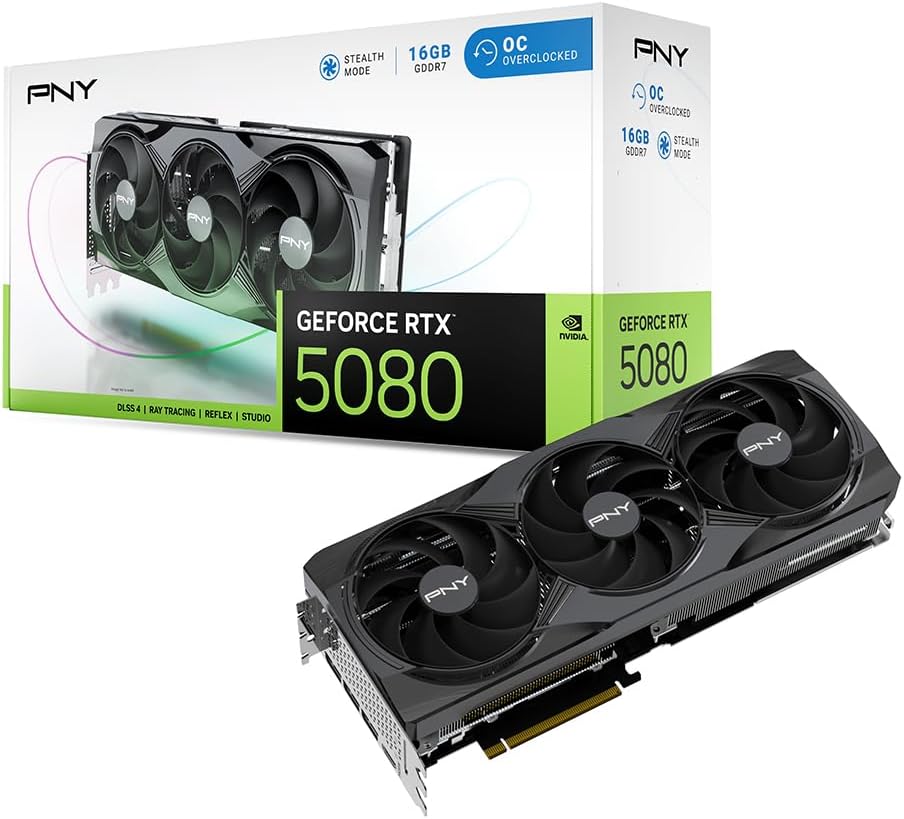
PNY GeForce RTX 5080 OC Triple-Fan 16GB
A new current-generation card for a local LLM gaming PC
A new PNY RTX 5080 with 16GB of GDDR7, the current-generation alternative to a renewed RTX 3090 for a local LLM gaming PC.
- +Ships new, not renewed
- +Current-generation Blackwell GPU with full CUDA support
- +2.99-slot cooler fits more cases than a 3.6-slot RTX 5090
- −16GB of VRAM is 8GB less than an RTX 3090 at a similar price
Affiliate links (?)
The Upgrade: RTX 5090
The RTX 5090 is the "or better" end of that range and the card I run coding models on. Its 32GB of VRAM holds a quantized Qwen3.8 Flash Next entirely on the card, which keeps it faster than splitting the model with system RAM. At $7,280 it is the expensive way in, but it is the card that turned local AI from a toy into a backup I trust.
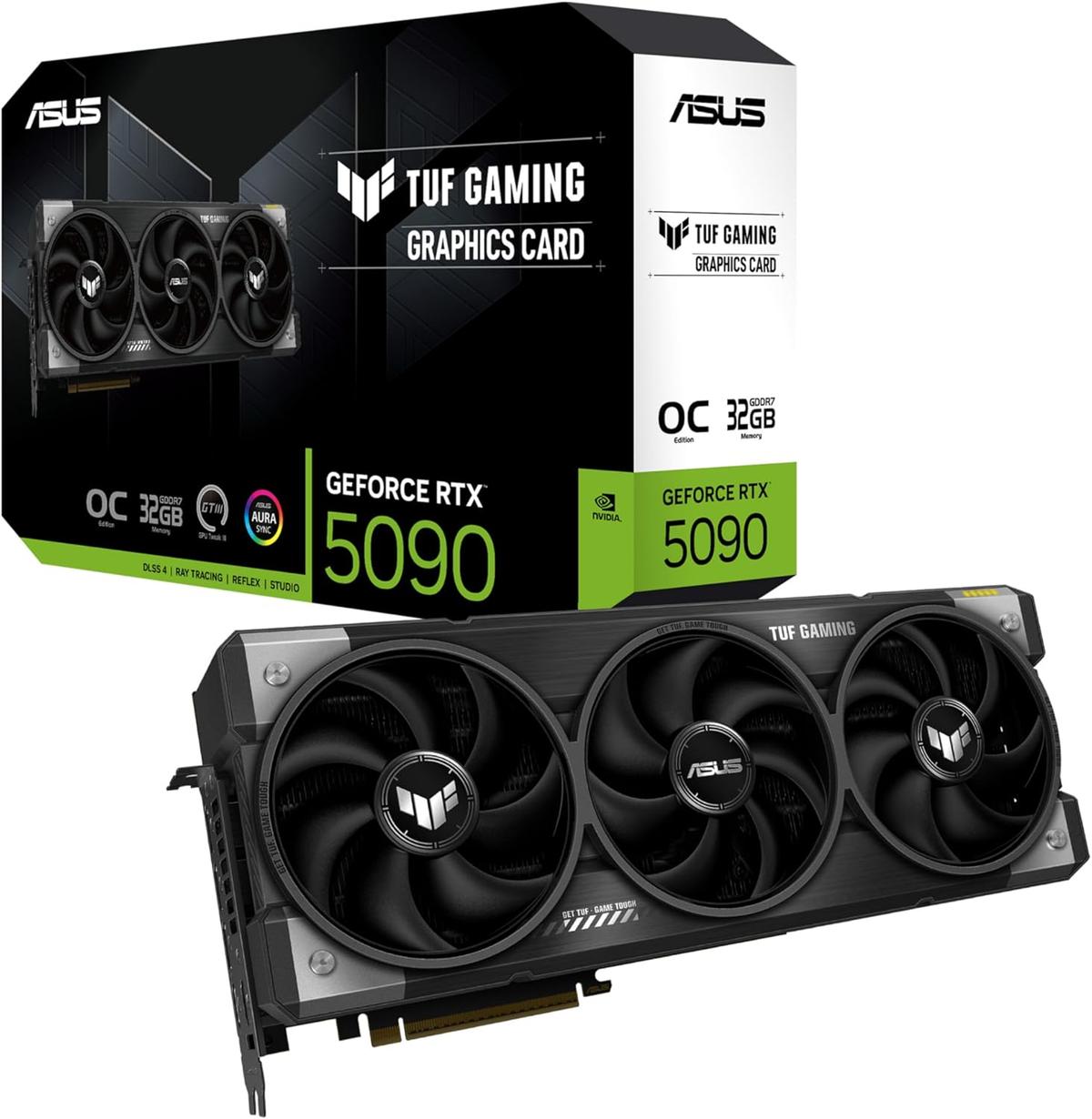
ASUS TUF Gaming GeForce RTX 5090 32GB OC Edition
Running quantized coding models entirely on one card
ASUS's TUF RTX 5090: 32GB of GDDR7 on a 512-bit bus for running large local AI models entirely on one GPU.
- +32GB of VRAM holds a quantized Qwen3.8 Flash Next entirely on the GPU
- +CUDA support covers every major local inference stack
- +Doubles as a top-tier gaming card
- −575 W board power demands a 1000 W class power supply
- −3.6-slot cooler will not fit compact or small-form-factor cases
Affiliate links (?)
The Specialist: Mac Studio
The Mac Studio is the cheaper way to get a huge pool of memory the GPU can use directly, which is why I bought one. Apple Silicon shares one pool of unified memory between the CPU and GPU, so a 256GB Mac Studio can hold models that would take several high-end NVIDIA cards to fit in VRAM. My GLM 5.3 Flash and DeepSeek V4.1 Flash runs happened on it. It is more specialized than a gaming PC: it is slower for image and video generation, it does not game like a PC, and you cannot upgrade it later. Buy it if running the largest open models is the whole point. It starts at $2,299 with the M5 Max and 36GB; for the largest models, configure the 256GB M5 Ultra.
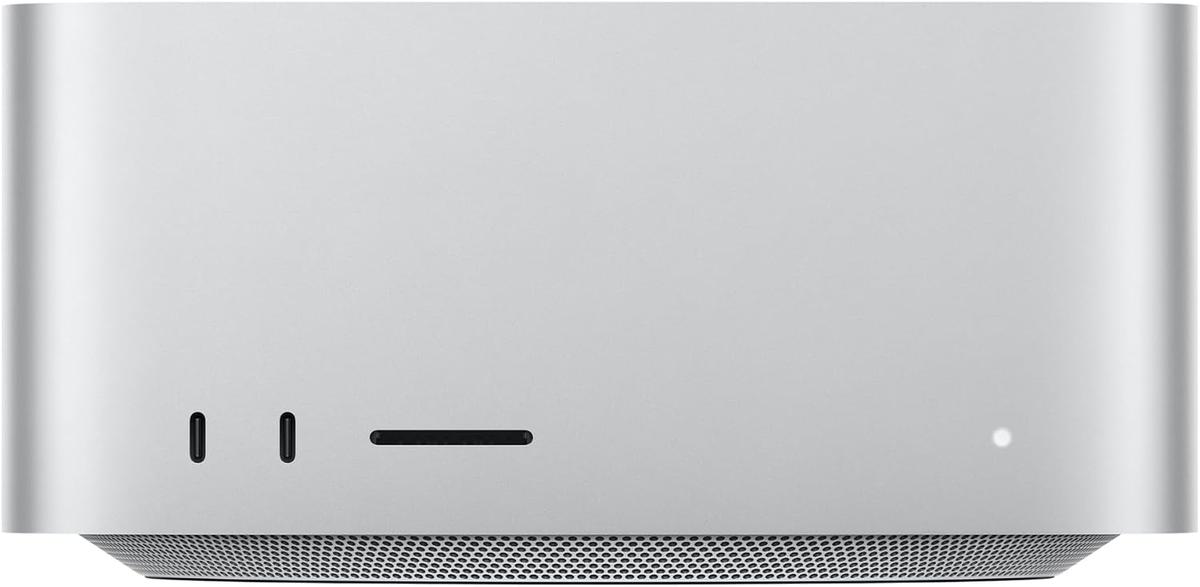
Apple Mac Studio (2026)
Holding the largest open-weight models in memory
Apple's 2026 Mac Studio, from the M5 Max with 36GB of unified memory up to M5 Ultra builds with 256GB that the GPU can address for very large local AI models.
- +High-memory configurations hold models far larger than any single consumer GPU
- +Compact, quiet desktop with 10Gb Ethernet and Thunderbolt 5
- +Metal support in MLX, llama.cpp, and Ollama
- −Memory is fixed at purchase and cannot be upgraded
- −No CUDA, so NVIDIA-only AI tools and kernels will not run
- −The base 36GB model holds far smaller models than the 256GB M5 Ultra builds
Affiliate links (?)
The CUDA Box: NVIDIA DGX Spark
The NVIDIA DGX Spark is the CUDA answer to the Mac Studio, and a year on it has become a good buy. It puts NVIDIA's GB10 Grace Blackwell chip and 128GB of unified memory in a small desktop box, and it runs the same NVIDIA AI software stack as the data center, so tools like vLLM run on it unchanged. NVIDIA rates it for models up to 200 billion parameters at FP4.
It launched in October 2025, when it was far cheaper but the use case was unclear. Since then the community has tinkered with it, optimized for it, and built around it, and that support is what turned it into a powerhouse for running large models at home. It costs more now, at $6,949.99, and I still think it is worth it for anyone who wants big models on CUDA.
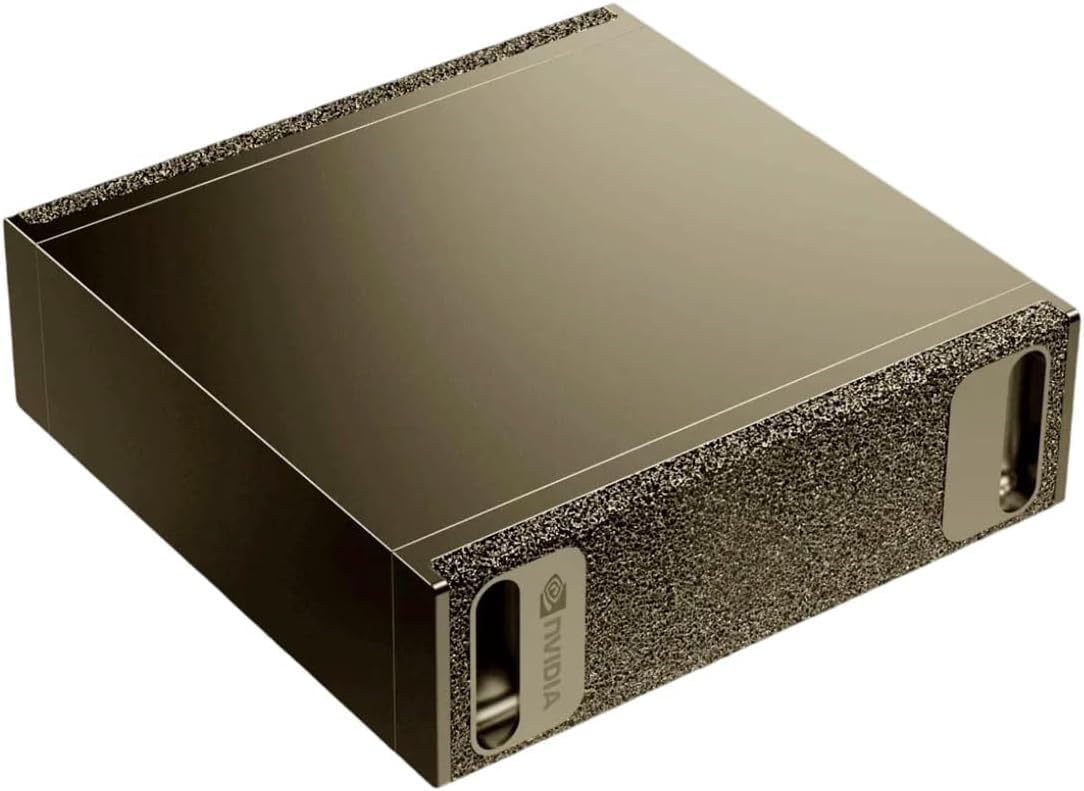
NVIDIA DGX Spark (128GB, 4TB)
Running large models on the full NVIDIA software stack
NVIDIA's GB10 Grace Blackwell desktop AI computer with 128GB of unified memory, built to run large models locally on the full CUDA software stack.
- +128GB of unified memory holds models no consumer graphics card can
- +Full CUDA and NVIDIA AI software stack, including vLLM
- +Compact desktop box with ConnectX-7 networking
- −Costs far more than it did at its October 2025 launch
- −Memory is fixed at 128GB
Affiliate links (?)
Pocket Computers: GPD Win Mini Over the Win 4
Buy the GPD Win Mini if you want a computer that fits in a jacket pocket. It is a clamshell with a proper trackpad, which makes it a mini laptop you can actually work on: SSH into the home GPU box, run a terminal agent, or tinker with a small model at a range or in a hotel room. I own the GPD Win 4, the one Botkin shows in his video, and it is a great slider handheld for games. Without a real trackpad it is clumsier as a computer, so the Win Mini is the one I would buy today.
I collect enough of these that I built a second site around them. HandheldPicker has the full GPD Win Mini 2025 specs and a side-by-side handheld comparison tool if you want to weigh it against the Win 4 or anything else.
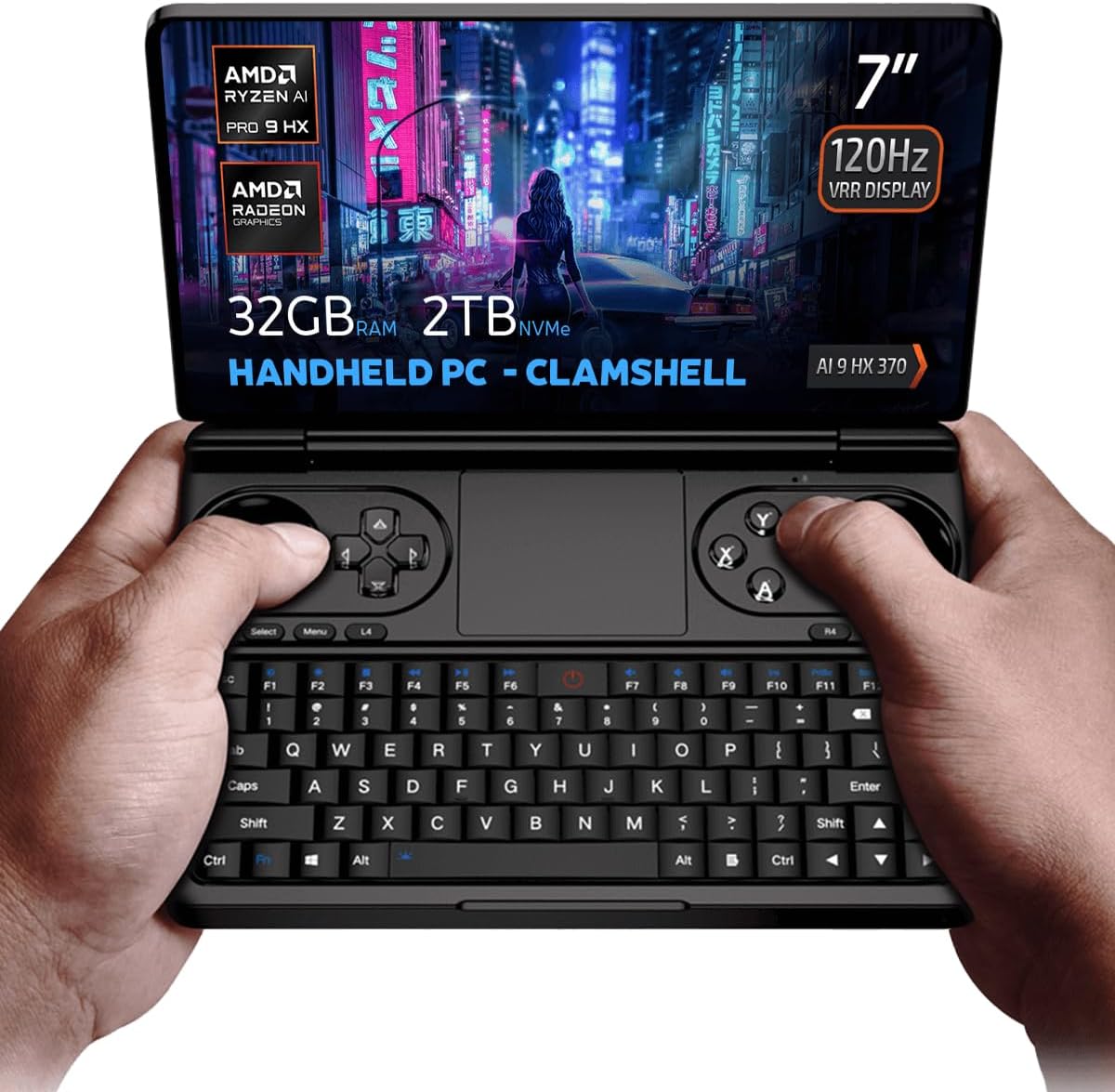
GPD WIN Mini 2025 (Ryzen AI 9 HX 370, 32GB/2TB)
A pocket laptop for terminal work and remote sessions
A 7-inch clamshell Windows PC with game controls, a QWERTY keyboard, and a 12-core Ryzen AI 9 HX 370 in a 555 g body.
- +Full x86 Windows machine with a physical keyboard in a 555 g pocketable shell
- +12-core HX 370 and Radeon 890M are the strongest silicon GPD fits in this chassis
- +Full-length M.2 2280 slot accepts common high-capacity SSDs
- −The touchpad is not clickable, so clicks come from shoulder buttons in mouse mode
- −32GB of soldered LPDDR5X cannot be upgraded later
Affiliate links (?)
For Tinkering: Anbernic RG DS and Raspberry Pi 5
The Anbernic RG DS is a fun tinkering platform, not a serious compute device. It is a $94.99 dual-screen clamshell built around a Rockchip RK3568, and Botkin flashed his with Linux and plans to bolt on a HackRF software-defined radio. That is a great weekend project. Do not expect to run anything meaningful on it; the chip is built for retro emulation, and a model worth using will not fit.
A Raspberry Pi 5 fills the same role with a bigger ecosystem: a home server, a Pi-hole, a sensor logger, or the brain of a DIY cyberdeck. I keep a drawer of these, along with mini PCs and gaming handhelds, because cheap Linux boxes are where most hacking projects start.
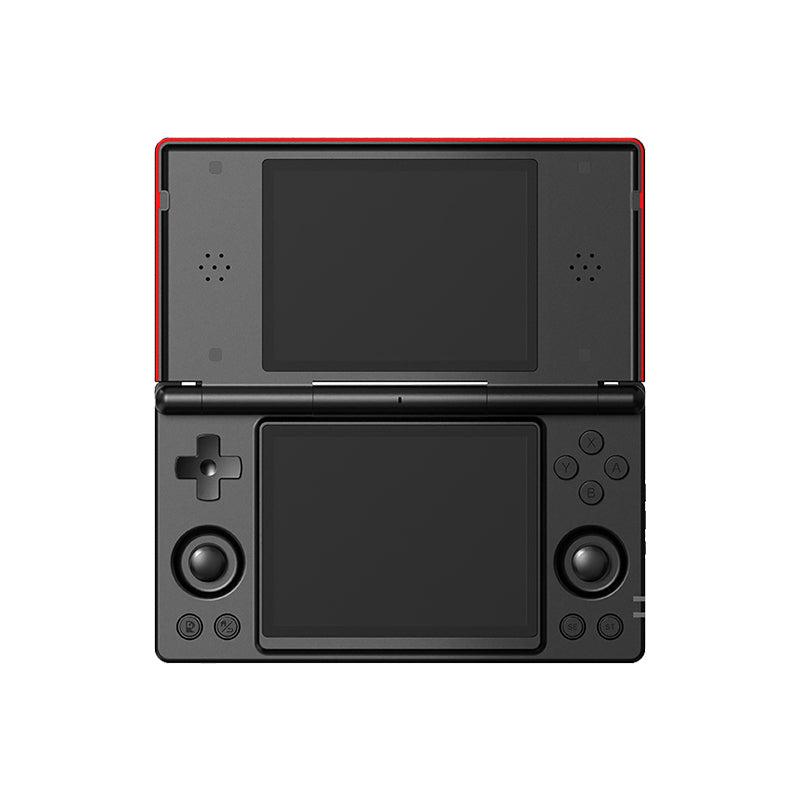
Anbernic RG DS
A cheap clamshell for cyberdeck and Linux projects
A dual-screen Android 14 clamshell handheld with two 4-inch touchscreens, an RK3568, and a 4,000 mAh battery.
- +Dual laminated touchscreens in a budget-priced clamshell
- +Android 14 runs two apps at once, one per screen
- +Stylus, screen protector, and lanyard included
- −RK3568 struggles with 3DS and the heavier Dreamcast library
- −640x480 screens scale DS games at 2.5x, not a clean integer multiple
- −No built-in slot to store the stylus
Affiliate links (?)
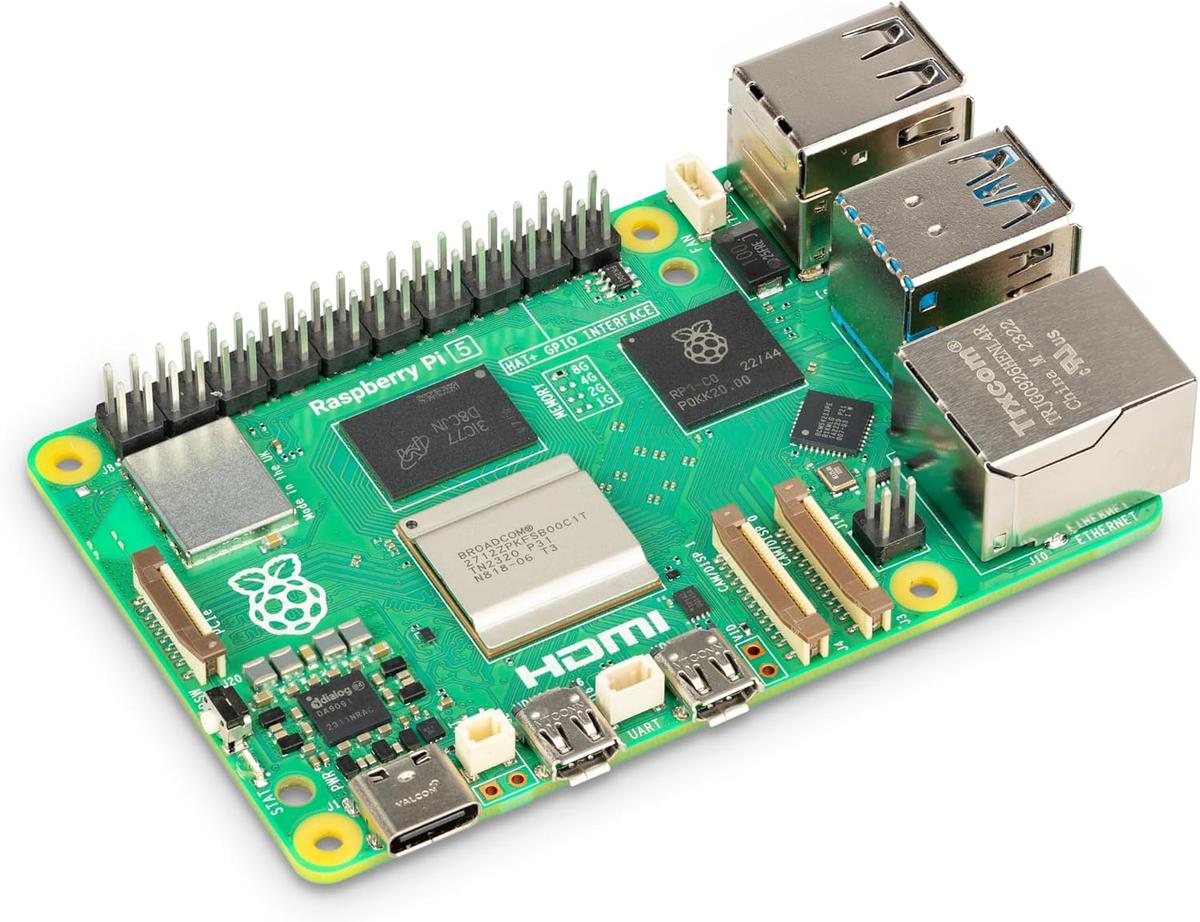
Raspberry Pi 5 (8GB)
Home servers, sensors, and DIY cyberdeck builds
The 8GB Raspberry Pi 5 board: a 2.4 GHz quad-core Cortex-A76 single-board computer with PCIe and dual 4Kp60 output.
- +PCIe lane allows NVMe boot through an adapter
- +40-pin GPIO header works with years of existing HATs and sensors
- +Dual 4Kp60 display output from a board this size
- −Ships as a bare board: a 5V/5A USB-C supply, storage, case, and cooler are extra
- −Micro HDMI ports need adapters or specific cables for standard displays
Affiliate links (?)
Radio and Network Tools: Flipper Zero and Flipper One
The Flipper Zero is the tool to buy now for sub-GHz radio, NFC, RFID, and infrared work. It is the device that taught a generation of hobbyists how the signals around them work, and it is still the best pocket tool for that layer.
The Flipper One is a different machine, and it is the most interesting launch of the season. It went live on Kickstarter on November 17, runs through December 17, 2026, and is estimated to ship in July 2027. It is a pocket Linux computer built on an 8-core Rockchip RK3576 with 8GB of LPDDR5, 64GB of storage, an NPU for running small models on the device, two Gigabit Ethernet ports, and Wi-Fi 6E. It has no sub-GHz, NFC, or RFID hardware, so it complements a Zero rather than replacing it.
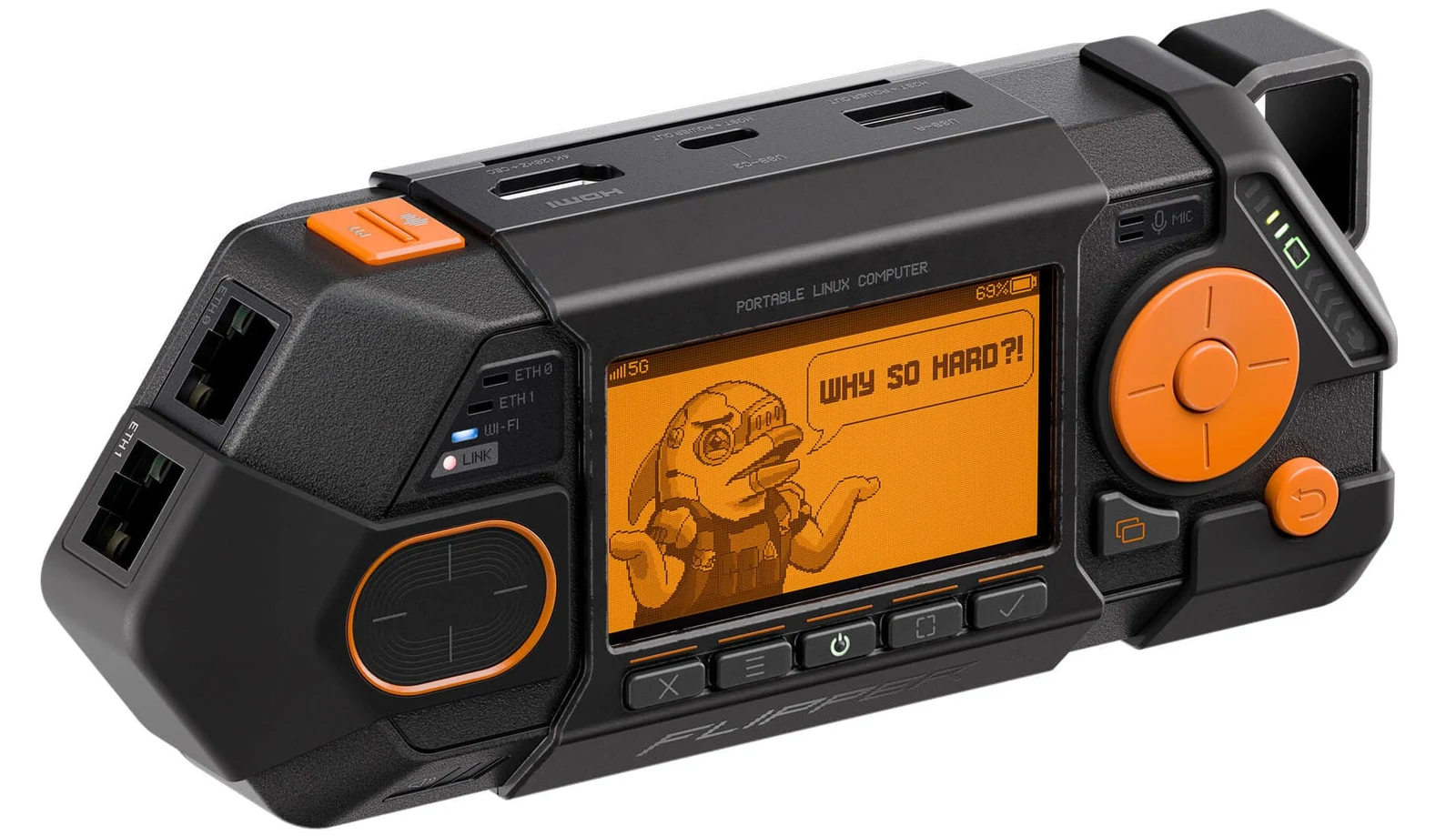
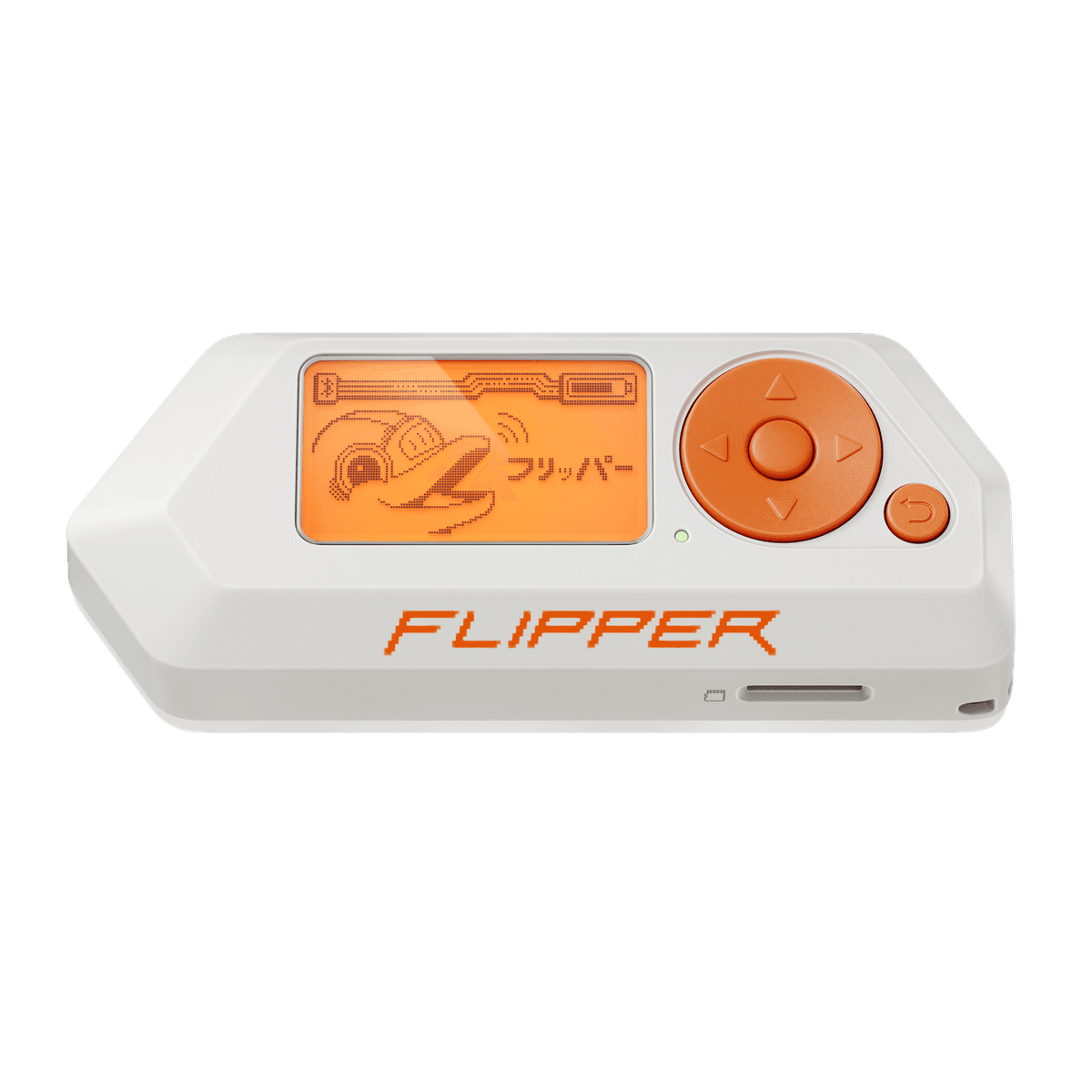
Flipper Zero
Learning and testing the radio signals around you
A pocket multi-tool that reads, saves, and emulates sub-GHz radio, 125 kHz RFID, NFC, infrared, and iButton signals.
- +Sub-GHz, RFID, NFC, IR, and iButton tools in one 102 g device
- +Open-source firmware and GPIO headers make it extensible
- +Up to 28 days of battery life between charges
- −Requires a microSD card that is sold separately
- −Sub-GHz frequency bands are locked to the buyer's region
- −1.4-inch 128x64 monochrome screen limits on-device browsing of saved files
Affiliate links (?)
Offline Knowledge: Download It While You Can
The other thing to stock up on is data: model weights and offline knowledge archives, stored on drives you own. A lot of people are doing exactly that right now, and two free projects make it easy.
Project NOMAD is a free, open-source offline knowledge server from Crosstalk Solutions. You install it on a computer you already own, and it downloads Wikipedia, medical references, repair guides, street-level OpenStreetMap data, and Khan Academy courses, with an optional local AI assistant that runs on your own hardware. Once the downloads finish, it keeps working with the internet unplugged.
T.REX ARMS' Field Manual Vault is the military side of the same idea: about 6,400 field manuals shared over BitTorrent so the collection survives even if the site goes down. The November 2026 release is 65.8GB of searchable PDFs, 41.5GB of EPUBs, and 0.8GB of text-only Markdown built for feeding to a local model. A single 21.8GB ZIM file loads straight into Project NOMAD or any Kiwix reader.
All of this needs somewhere to live. I picked up WD Elements desktop drives for it: big, cheap, USB storage for model weights, ZIM archives, and backups of everything above. Keep one copy plugged in and one in the safe.
An offline library is one piece of a household plan, not the whole thing. My preparedness site, Readiness Wire, has a two-week emergency preparedness plan covering water, food, cooking, sanitation, and medications for a long outage.
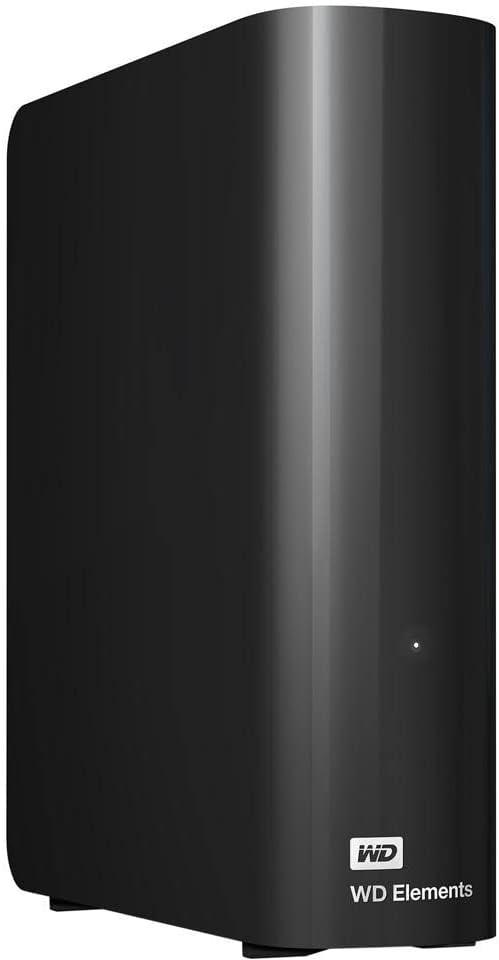
WD Elements Desktop External Hard Drive (20TB)
Storing model weights and offline knowledge archives
A 20TB plug-and-play USB desktop hard drive for keeping model weights and offline knowledge archives on a shelf instead of in the cloud.
- +20TB holds a large model library plus full offline Wikipedia archives
- +Works on any USB computer with no software install
- +Small upright footprint for a shelf or desk
- −Needs wall power from its AC adapter, so it is not a bus-powered field drive
- −Spinning hard drive loads model weights far slower than an NVMe SSD
- −2-year limited warranty
Affiliate links (?)
Is Compute an Arm? The Second Amendment Case
No court has held that a GPU or an AI model is protected by the Second Amendment, and I am not claiming one would. My argument is about principle. The Second Amendment exists so that ordinary people keep the means to defend themselves without asking permission, and in a world of AI-driven attacks, the ability to run intelligence on hardware you own is part of that means.
The Supreme Court has already said the right is not frozen in 1791. Heller (2008) extends it to all bearable arms, "even those that were not in existence at the time of the founding," and Caetano (2016) applied that to stun guns. Heller also defines arms as weapons or things carried for defense, and a graphics card does not meet that definition. So this is a policy argument, not a legal one.
The better precedent is encryption. Until December 1996, the U.S. listed cryptographic software on the Munitions List, the same export regime that governs weapons, and a graduate student named Daniel Bernstein needed a license to publish his own encryption code. In Bernstein v. Department of State, a federal court held in 1996 that source code is speech protected by the First Amendment. Strong encryption went from a controlled munition to something in every phone. Open model weights are the same fight a generation later, and the Fable suspension shows the government is willing to treat frontier AI like an export-controlled weapon today.
As a gun owner, I already know how this goes. Firearm businesses have been cut off by payment processors and banks without a law ever being passed. Cloud AI can do the same to a person or an industry with a policy update. The hedge is the same in both cases: own the thing yourself, and learn to use it. If you are stocking up this season, put local compute on the list next to the emergency preparedness kit.
It Is Also Just a Great Hobby
Running models locally is one of the most satisfying hobbies I have, independent of any of the arguments above. Tuning quants, fighting chat templates, and watching a 5090 grind through a bug at 2am is its own reward, the same way building a rifle is more satisfying than buying one complete. It sits in the same drawer as the Flipper, the Pis, the handhelds, and the FPV drone builds: hardware you understand because you made it do something.
If you are shopping for someone else, this gear makes a better gift for the technical shooter in your life than another box of range accessories; our gifts for gun lovers guide covers the rest of the list, and the Black Friday gun deals roundup tracks the firearm side of this week's sales. For how today's cloud models handle firearm questions, see our 101-question AI firearms benchmark.