Key Takeaways
- →The August 2026 ruling split the making rules: Silencer Shop Foundation v. ATF enjoined the Form 1 making-approval statute for members of six organizations and customers of four companies, but enjoined the unserialized-firearm offense at 26 U.S.C. 5861(i) only for the Jensen plaintiffs. A GOA member who builds an unmarked can is still committing a felony.
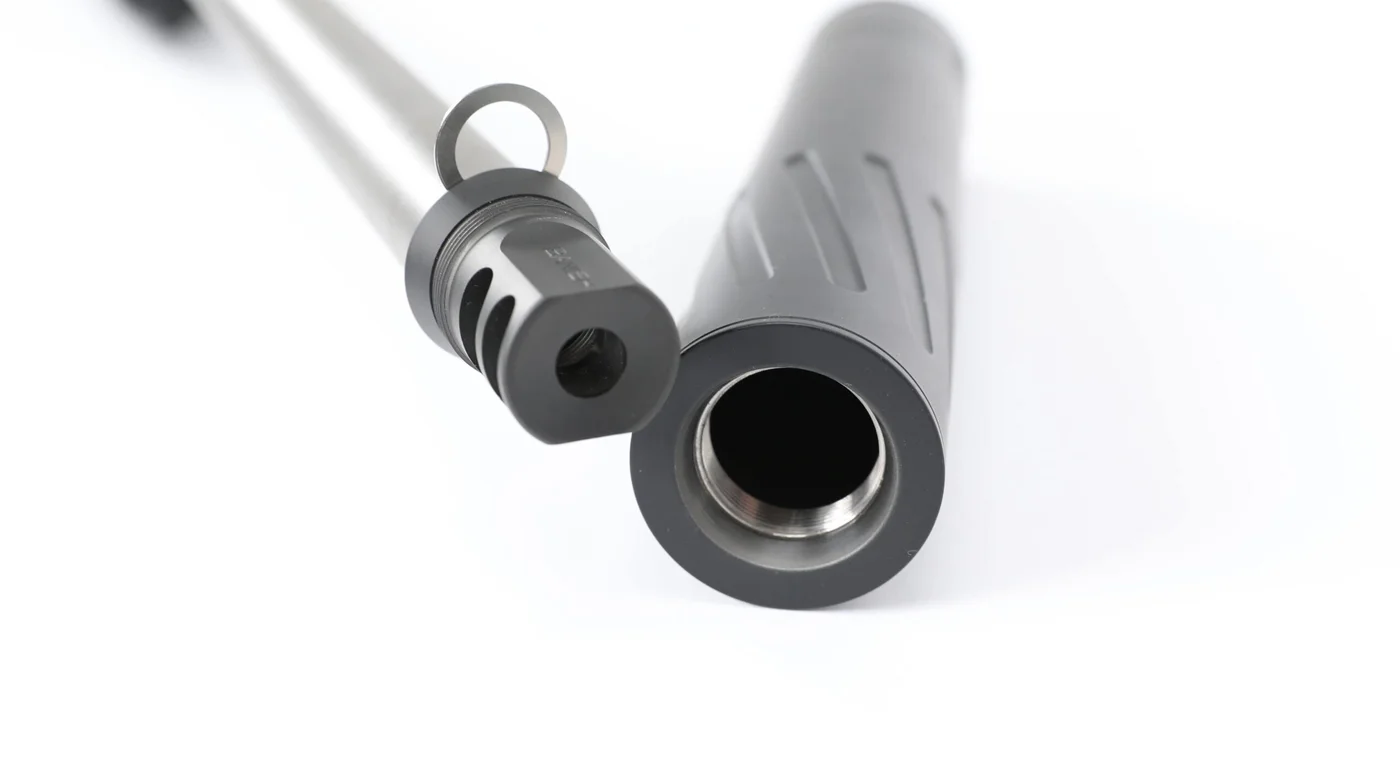
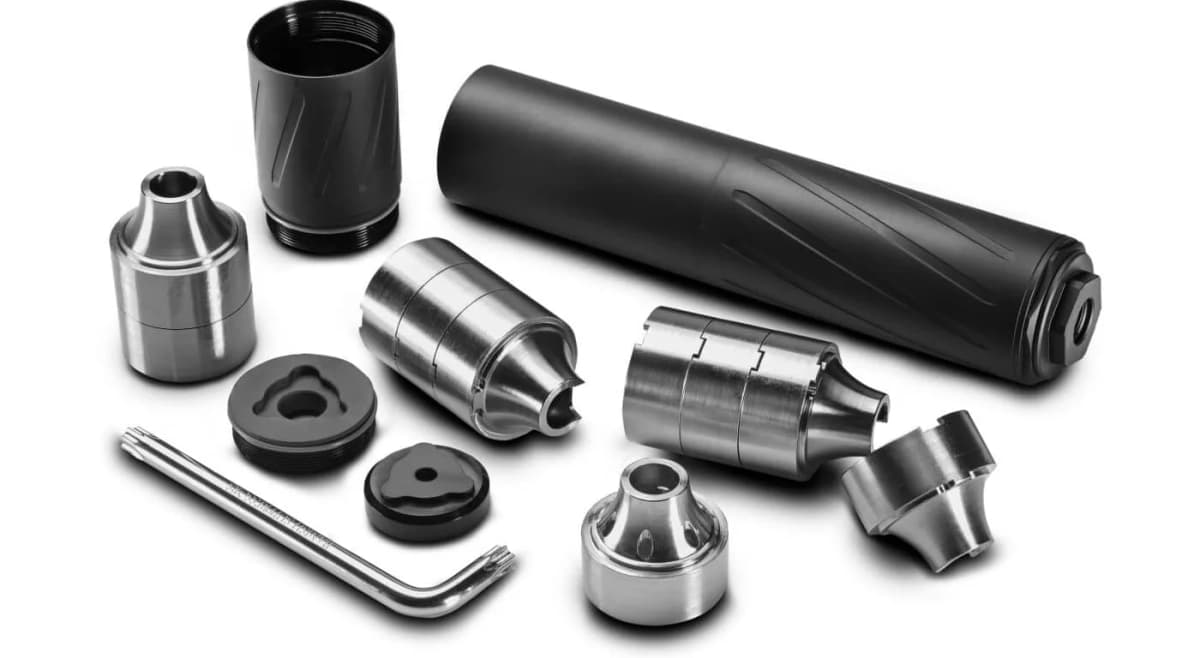
- →The prompt is real and it is on the eForm: ATF asks for “pictures of the parts that you will use to make the silencer” and states that failure to upload additional documentation could lead to the Form 1 being disapproved.
- →The statute is the problem, not the form: 18 U.S.C. 921(a)(25) and 26 U.S.C. 5845(a)(7) define a silencer to include any combination of parts intended for use in assembling one, so a parts photo can depict an already-regulated item.
- →ATF says the target is imported kits: Director Robert Cekada said the agency is trying to avoid registering solvent traps “built overseas as suppressors without the hole,” and that nobody will be arrested over the photos.
- →File first, buy parts second: applying before you acquire a parts set avoids the combination-of-parts problem entirely. An approval does not retroactively cure a period of prior possession.
- →The tax is $0 either way: OBBBA zeroed the making and transfer tax on suppressors effective January 1, 2026, so a Form 1 saves nothing over a Form 4 anymore. Only the parts-versus-can cost differs.
Update: The August 2026 Ruling and the Serial Number Trap
A federal court enjoined the Form 1 making-approval requirement on August 5, 2026, and did not enjoin the felony that attaches to possessing an unserialized firearm, and the two pieces of relief run to different groups of people. In Silencer Shop Foundation v. ATF, No. 6:25-CV-056, consolidated with Jensen v. ATF, Judge James Wesley Hendrix of the Northern District of Texas held the NFA's registration, transfer-approval, and making-approval provisions unconstitutional as applied to the four categories the One Big Beautiful Bill Act untaxed: suppressors, short-barreled rifles, short-barreled shotguns, and AOWs. With the tax at $0, the court found the registration machinery collects no revenue and cannot rest on the taxing power Congress actually invoked.
The broad relief covers six provisions. Enjoined for every covered party are 26 U.S.C. 5812(a) and (b), 26 U.S.C. 5822, 26 U.S.C. 5841(a) through (c) and (e), 26 U.S.C. 5861(b) through (f), 27 CFR 479.62(a) through (d), and 27 CFR 479.84(a) through (d). Section 5822 is the Form 1 making-approval statute, and 479.62 is the regulation that spells out the making application itself, so for a covered maker the parts-photo prompt has nothing left to attach to. Coverage runs to the named plaintiffs and, both current and future, the members of Gun Owners of America, Gun Owners Foundation, Firearms Regulatory Accountability Coalition, Texas State Rifle Association, FPC Action Foundation, and Citizens Committee for the Right to Keep and Bear Arms; customers of B&T USA, Palmetto State Armory, SilencerCo Weapons Research, and Hot Shots Custom; customers of those organizations' commercial members; and law-enforcement agencies in the 15 plaintiff states.
Two provisions carry a much narrower injunction, and they are exactly the two a home builder cares about. 26 U.S.C. 5842(b) and 26 U.S.C. 5861(i) were challenged only by the Jensen plaintiffs, and the final judgment enjoins them only as to the Jensen plaintiffs and, where applicable, their members and customers. That is Texas State Rifle Association, FPC Action Foundation, and Citizens Committee for the Right to Keep and Bear Arms. Section 5861(i) makes it unlawful to receive or possess a firearm that is not identified by a serial number as required by the chapter. Nothing in the judgment lifts that offense for a Gun Owners of America member, a Gun Owners Foundation member, a FRAC member, or a Palmetto State Armory customer relying on the transaction-scoped coverage.
Read together, those two paragraphs describe a real trap. A GOA member who builds a suppressor without a Form 1 is relying on relief that reaches the making-approval and registration statutes and stops short of the serial-number offense. Build an unmarked tube on that coverage and the unregistered-making charge is off the table while the unserialized-possession felony is not, and it carries the same ten-year maximum under 26 U.S.C. 5871. The safe read for anyone outside the Jensen side of the case is that the marking obligation is fully intact. Two more provisions confirm the direction: 26 U.S.C. 5842(a), which requires a maker to identify the firearm he makes, and 27 CFR 479.102, which sets the marking depth and print size, were never challenged by anyone, so they stand for every party in the case.
The coverage map has one more inversion worth noting. The Jensen plaintiffs, the only group with serial-number relief, are the one group with no AOW relief at all: the court found they lacked Article III standing on AOWs because neither their complaint nor their opening declarations claimed any intent to make or acquire one. So the organizations whose members can lawfully possess an unserialized suppressor are the organizations whose members got nothing on AOWs, and the organizations with the full four-category win are the ones whose members still have to engrave.
The seven-day stay on the judgment lapsed at the end of August 12, 2026 with no appeal and no stay motion from the government, and Rep. Andrew Clyde announced that day that the Trump administration confirmed to him the DOJ will not appeal. The formal 60-day window to notice an appeal runs into early October. Our coverage of the ruling has the enumerated-powers reasoning in full, and the coverage checklist for buyers walks through whether you are inside the class before you rely on it. The rest of this article is the process for the makers who are not, which is nearly everyone.
What the eForm 1 Prompt Actually Says
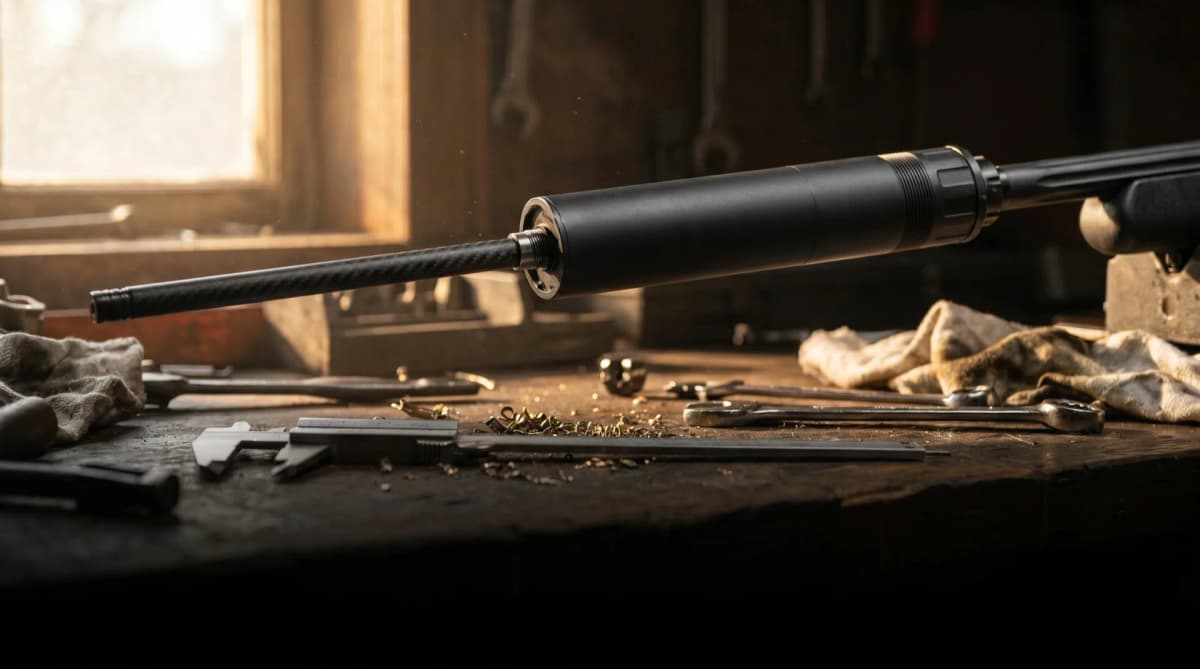
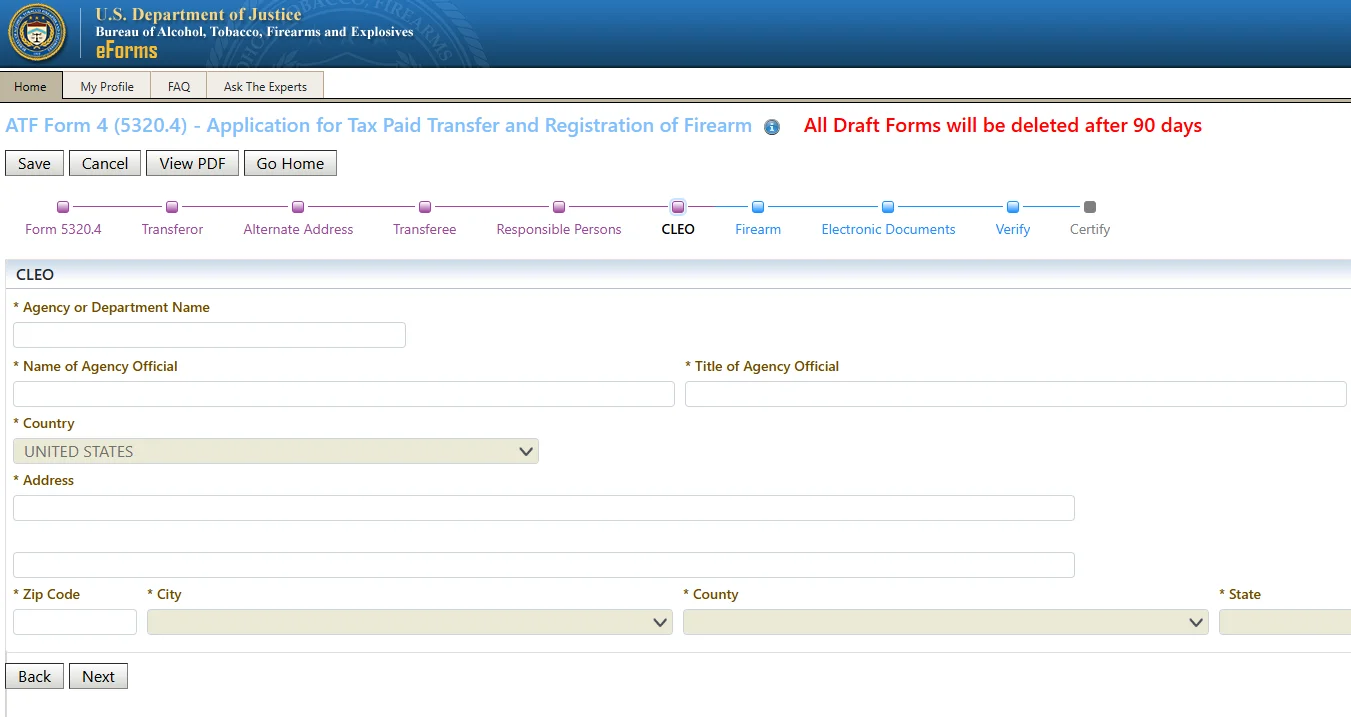
The request appears in the supporting-documents step of an electronic Form 1 filed to make a silencer. ATF asks the applicant to “submit the following descriptive information: Pictures of the parts that you will use to make the silencer (the pictures should be clear and allow the identification of the parts photographed),” and adds that “failure to upload additional documentation could lead to the Form 1 being Disapproved.”
On its face this is an ordinary sufficiency-of-description request. ATF has always needed enough information to identify the item being registered, and a Form 1 for a suppressor describes a device that does not exist yet. Photographs of the intended components are one way to establish what the applicant is asking permission to build. The friction comes from the specific way federal law defines the thing being photographed.
Why Photographing Parts Is Legally Loaded
Because a silencer is defined to include its parts. The statutory text at 18 U.S.C. 921(a)(25), which the National Firearms Act picks up at 26 U.S.C. 5845(a)(7), covers “any device for silencing, muffling, or diminishing the report of a portable firearm, including any combination of parts, designed or redesigned, and intended for use in assembling or fabricating a firearm silencer or firearm muffler, and any part intended only for use in such assembly or fabrication.”
Read that against the prompt and the tension is obvious. A photograph of a complete set of parts an applicant has assembled for the purpose of building a suppressor is, on one reading of the statute, a photograph of an unregistered silencer. A former ATF official raised exactly that objection, framing the only safe answer to the prompt bluntly: “I don't have any silencer parts because that would be a felony.”
Two words in the statute do a great deal of work in the other direction. The combination-of-parts clause requires that the parts be intended for use in assembling a silencer, and the single-part clause reaches only a part intended only for that use. Raw tube stock, a lathe, and a bar of aluminum are not a silencer. The legal exposure scales with how finished and how purpose-specific the parts are, which is exactly the line ATF says it is trying to draw.
What ATF Says It Is Actually Targeting
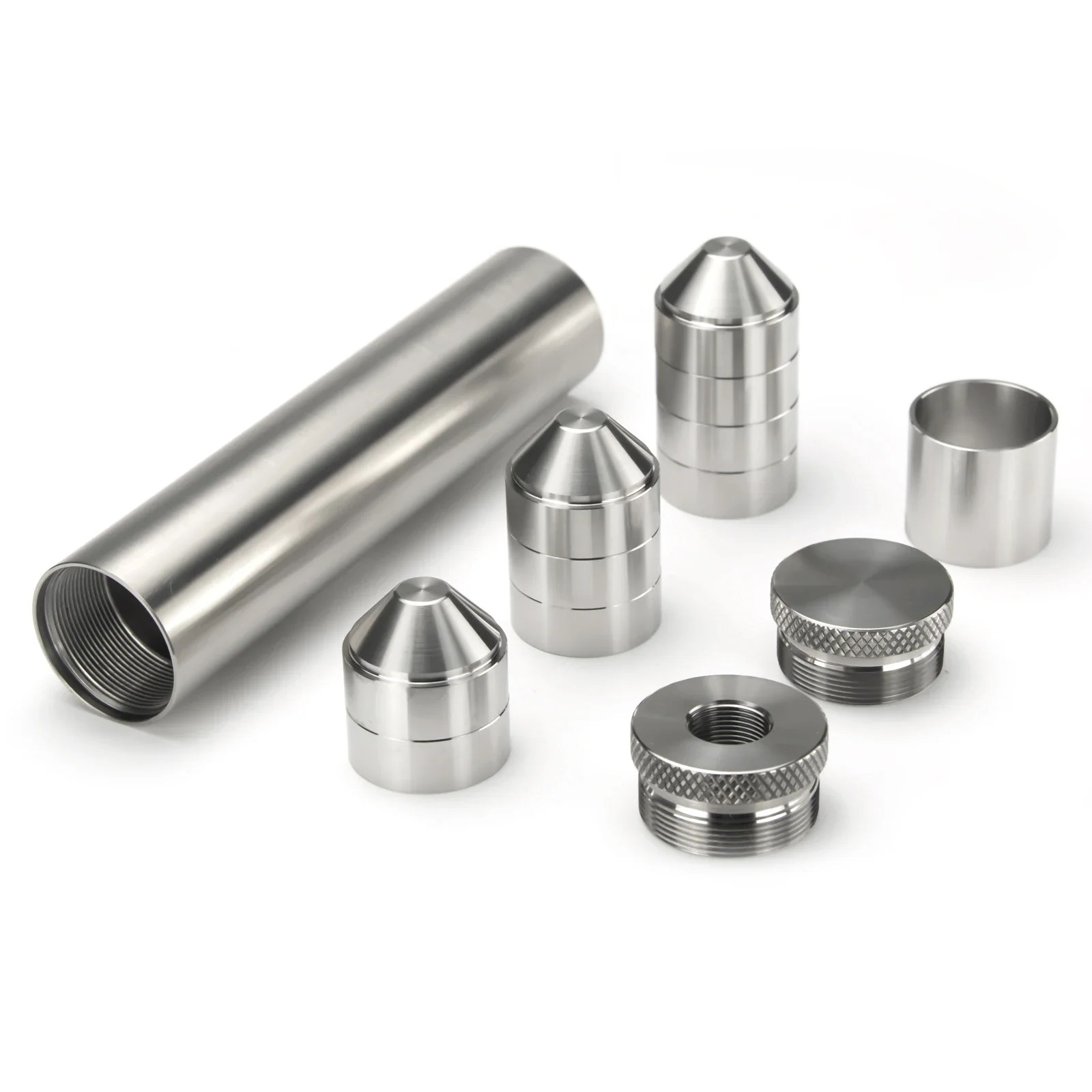
Imported solvent-trap kits. ATF Director Robert Cekada responded to the criticism directly, saying nobody will be arrested over the photos: “We're trying not to register solvent traps. They are coming into this country illegally. We want to dissuade people from registering solvent traps, which are built overseas as suppressors without the hole, except for the part that says ‘drill here.’”
That maps onto guidance ATF has had in place since 2023. In an open letter to all federal firearms licensees, the agency explained that it “has not classified any device as a ‘solvent trap,’ because that term does not exist in the relevant Federal statutes or implementing regulations,” while confirming it has classified numerous devices marketed that way as firearm silencers. The controlling principle: “The test for whether an item is a silencer is not the label a manufacturer or retailer applies. Rather, it is the way the statute written by Congress applies to the item.”
The letter also spells out the design features that decide it. ATF weighs a device's objective characteristics, citing Sig Sauer v. Brandon, 826 F.3d 598 (1st Cir. 2016), and singles out “holes (or marks indicating where holes should be drilled) that allow the passage of a projectile” as clear indicators. A marketing claim that the device filters cleaning solvent is, in the agency's words, “not determinative under the statute.”
The 2022 Disapprovals Are Why People Are Nervous
This is not a hypothetical worry, and that history explains the reaction. Beginning in mid-February 2022, ATF disapproved a large share of the Form 1 silencer applications that had been filed since roughly mid-December 2021. Processing that had been running three to five weeks stretched past eight, then came back as denials.
The stated rationale was the same statutory clause at issue now. Disapprovals quoted the definition covering “any combination of parts, designed or redesigned, and intended for use in assembling or fabricating a firearm silencer” and concluded that applicants already possessed components meeting the definition without having registered them. The criticism then was that ATF was assuming possession, when many applicants file before buying anything at all.
Four years later the agency is asking applicants to send in pictures that would answer that question directly. Cekada's assurance is that the photos are a screening tool for imported kits rather than an enforcement dragnet, and the current ATF has spent 2026 removing friction from the NFA pipeline rather than adding it. The 2022 episode is still the reason the prompt reads differently to a Form 1 filer than to the person who wrote it.
Suppressor-Ready Hardware
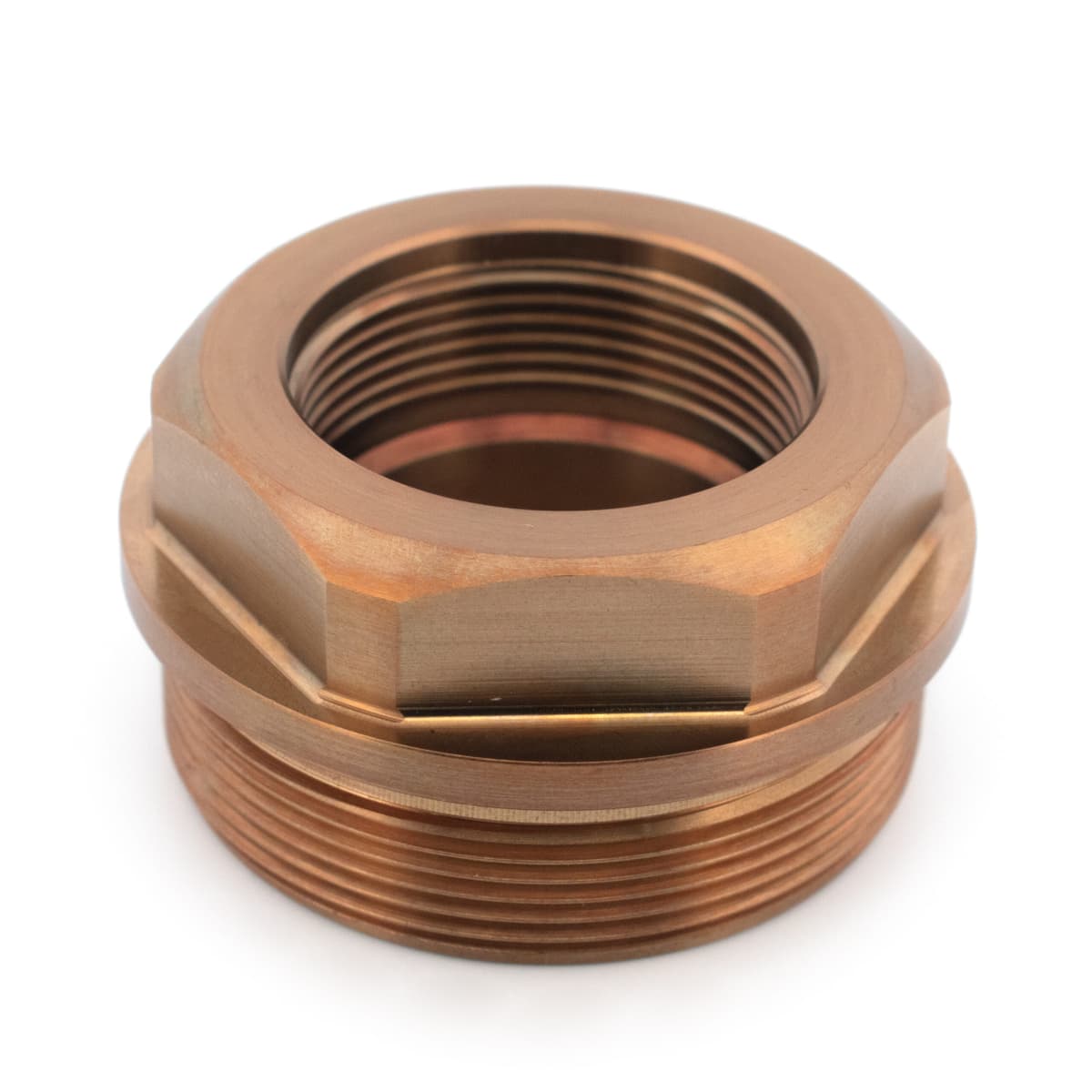
Rearden Atlas Gen 2 Suppressor Adapter (Bravo 1.375x24)
- Plan-B / Atlas taper-mount input
- Bravo 1.375-24 HUB suppressor threads
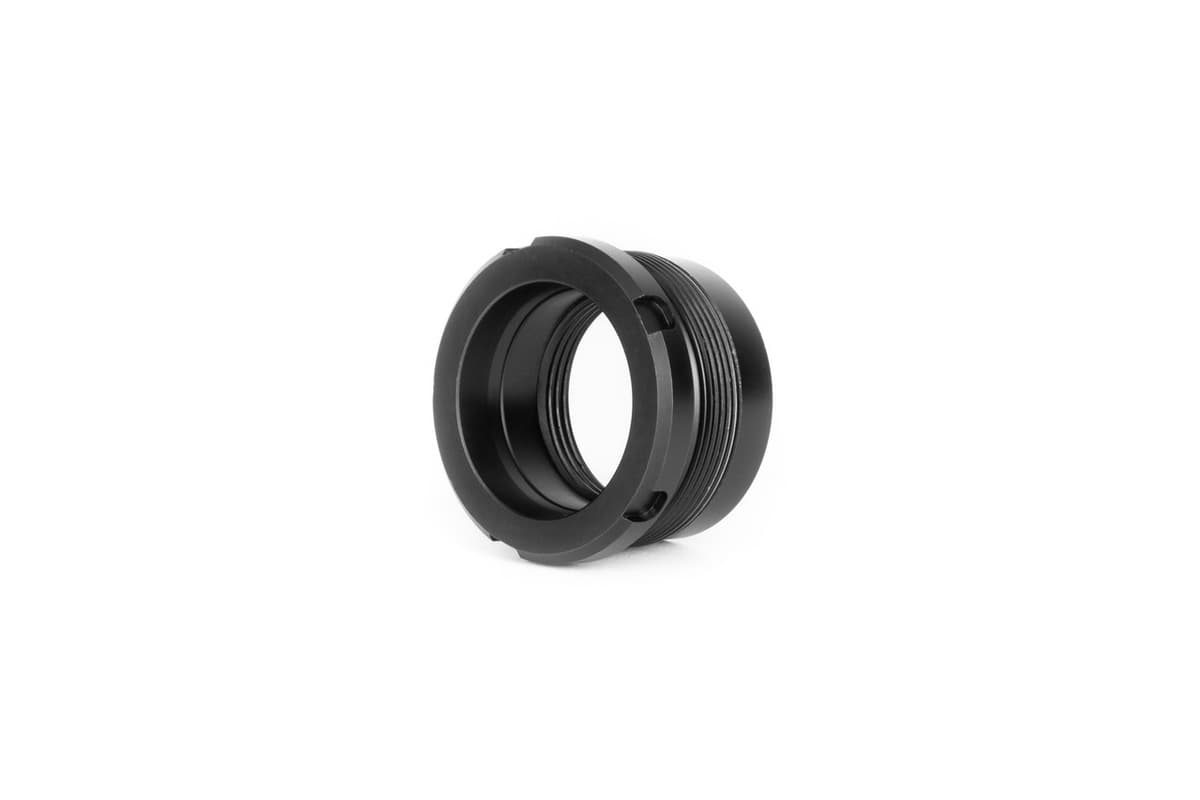
Griffin PLAN-A Short Taper Mount HUB Adapter (1.375x24)
- Griffin Taper Mount input
- 1.375x24 HUB suppressor threads
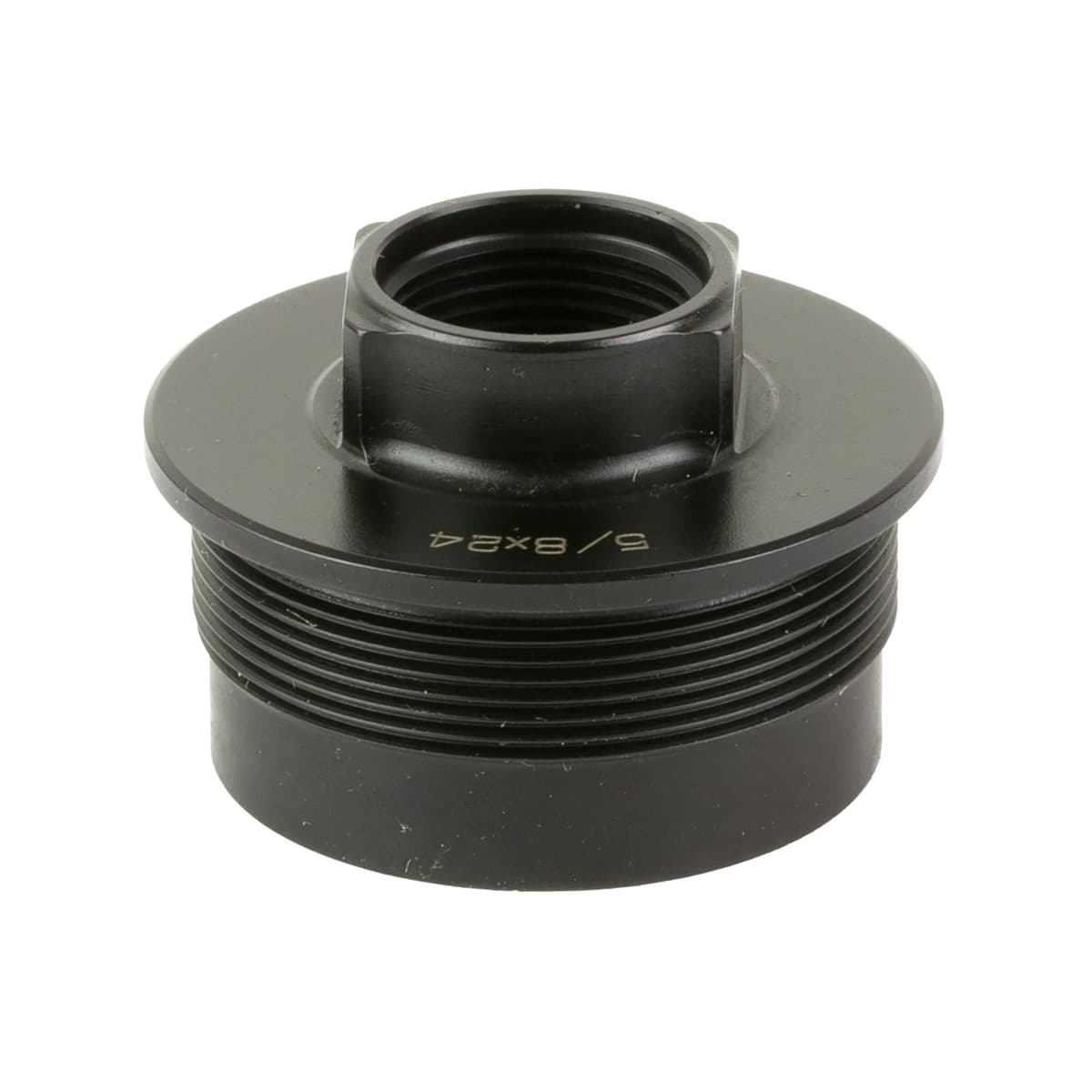
Rugged Universal Direct Thread Mount 5/8x24
- 5/8x24 host thread
- 1.375x24 HUB suppressor threads
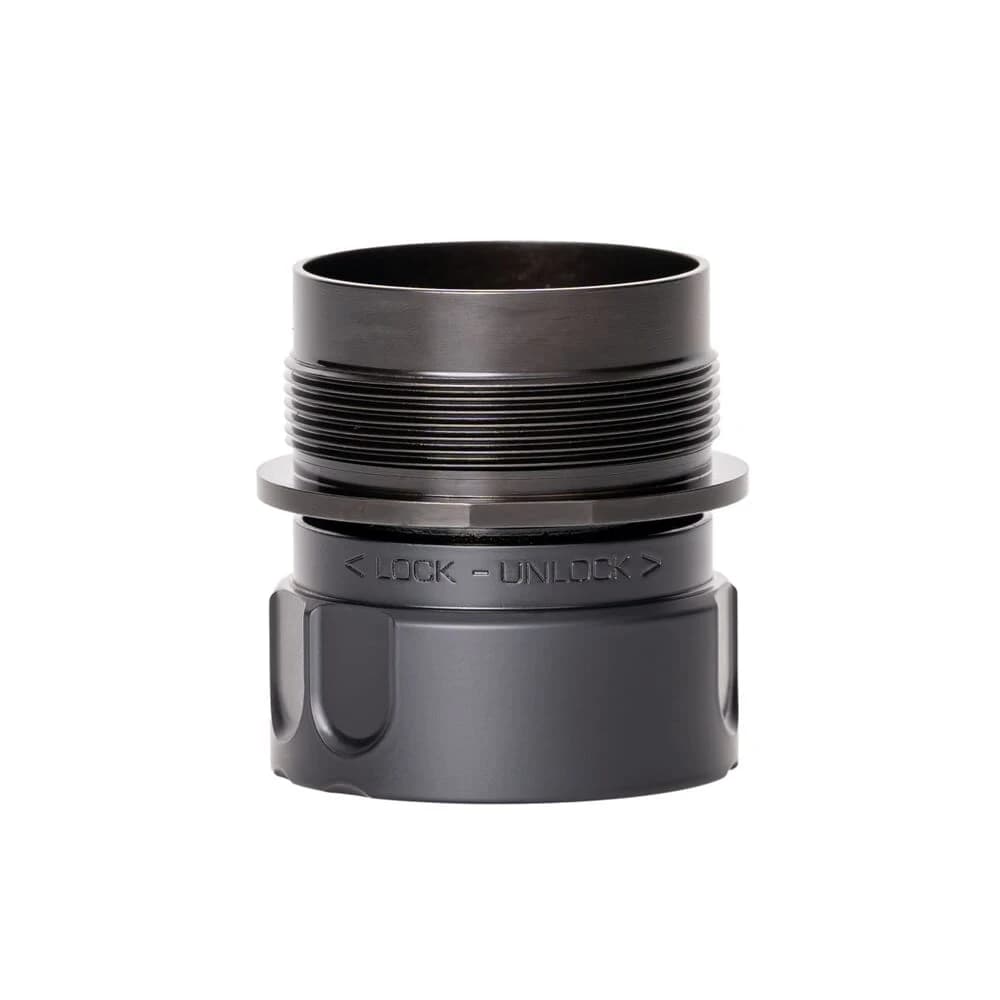
Rugged Universal 3 Lug Mount (RU3)
- HK-spec 9mm 3-lug input
- 1.375x24 HUB suppressor threads
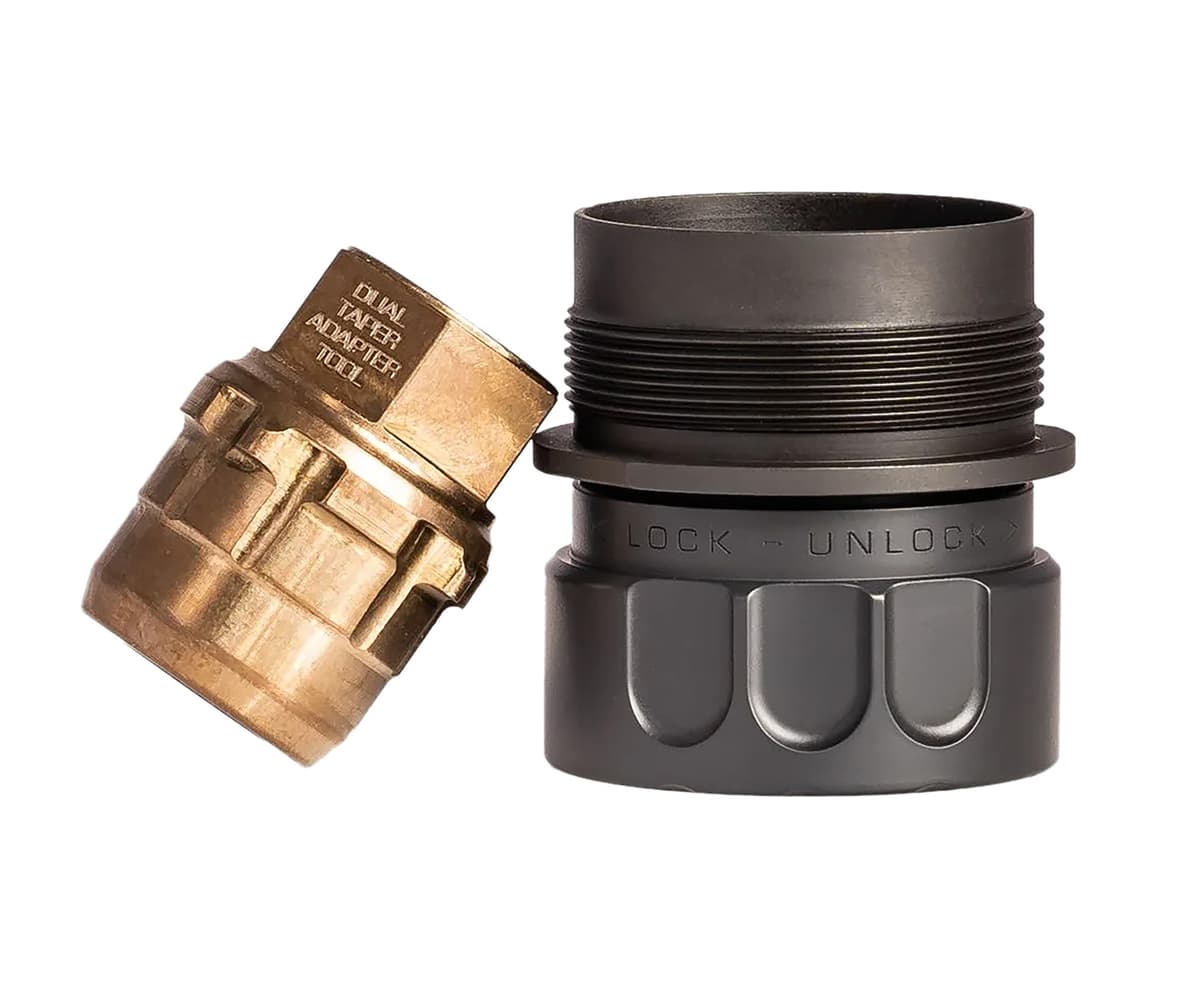
Rugged Universal Mount R.U.M. Stainless (RUM001)
- Rugged Dual Taper Locking input
- 1.375x24 HUB suppressor threads
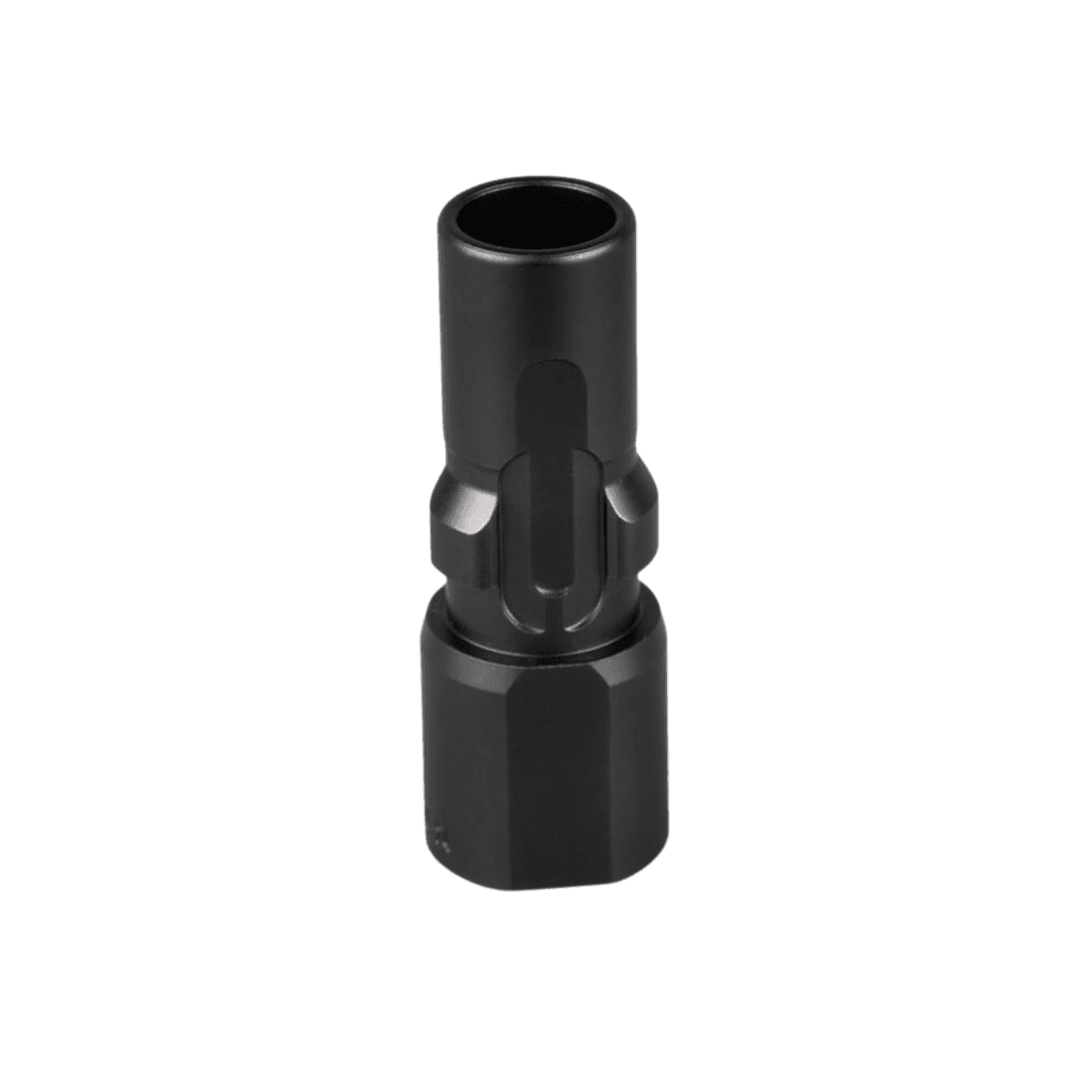
SilencerCo 3-Lug Muzzle Device 9mm (1/2x28)
- HK-pattern 3-lug
- 9mm bore
Affiliate links (?)
The Filing Order That Keeps You Clear
File the Form 1 first, acquire parts after approval. That single sequencing decision resolves most of the ambiguity, because the combination-of-parts language attaches to possession of the parts, not to the application. An applicant who has filed but owns nothing has nothing to photograph that could be characterized as an unregistered silencer, and can describe the intended build instead.
If you already hold a finished-but-unbored kit, filing does not retroactively legalize the window during which you possessed it. That is the situation where a firearms attorney is worth the consultation fee, and it is precisely the population ATF says it is trying to keep out of the registry. Treating a Form 1 as a cleanup mechanism for a kit already on the shelf is the one move the statute does not support.
Approval also carries a marking obligation that catches first-time makers off guard. A Form 1 maker is a manufacturer for marking purposes, and the device has to be identified before or as it is made, not whenever convenient. Most builders send the tube to an engraving shop the week approval lands.
Form 1 Marking Requirements (27 CFR 479.102)
| Serial number | Required, not readily obliterated, altered, or removed |
| Maker identification | Name plus city and state of the maker |
| Minimum engraving depth | .003 inch |
| Minimum print size | 1/16 inch |
| Character set | Roman letters, Arabic numerals |
| Visibility standard | Legible and conspicuous to the naked eye |
| Timing | Before or as the firearm is made |
Build Versus Buy After the Tax Went to Zero
The tax argument for a Form 1 suppressor is gone. The One Big Beautiful Bill Act zeroed the federal making and transfer tax on suppressors, short-barreled rifles, short-barreled shotguns, and AOWs effective January 1, 2026, leaving the $200 charge only on machine guns and destructive devices. For years the Form 1 pitch was that you paid the same $200 either way, so you might as well build. Now both paths cost $0 in tax and the comparison is purely parts and labor against a finished product.
Timing no longer separates them either. eForm approvals on suppressors are currently running on the order of days to a couple of weeks on both Form 1 and Form 4, so waiting is not the differentiator it was. What remains is that a commercial can arrives pressure-tested, caliber-rated, warrantied, and with a mounting system that has a known interface. A home-built tube has none of those guarantees, and a baffle strike on a device you fabricated is a problem you own.
The August 2026 injunction does not change that calculus for a covered maker either. It removes the application, not the marking obligation, the fabrication work, or the pressure rating a tube you turned yourself does not have. It also removes the Form 4 on the buy side for the same covered parties, so the two paths move together.
For most buyers that math now favors a Form 4 on a commercial suppressor. Our guide to buying a suppressor walks the Form 4 path end to end, and the suppressor buying guide covers how to pick a can by caliber, mount, and material. If you want to see what a suppressed setup looks like before you commit, the rifle builder will spec a host and check thread compatibility as you go.
Stay Current on NFA Rules and Suppressors
We cover ATF rulemaking, suppressor launches, and what the current Form 1 and Form 4 process actually requires. One email a week, no filler.
What Happens Next
The photo prompt itself is not law and no rulemaking is attached to it. It is an application-processing practice inside eForms, which means it can be reworded or dropped without a Federal Register notice. Whether the wording gets softened is the thing to watch, since the current phrasing is what generated the objection rather than the underlying screening goal. The court ruling reaches it from a different angle: for a covered maker there is no application to attach a photo to, which shrinks the prompt's reach without touching a word of it.
The wider context is a regulatory posture moving the other direction. ATF spent 2026 proposing cuts to the NFA paperwork burden, including a July 2026 proposal to cut fingerprint and photograph requirements on Forms 1, 4, and 5. On the doctrinal side, the Fifth Circuit held in 2026 that suppressors are protected “Arms,” covered in our report on the suppressors-as-arms ruling. A prompt that asks makers to document parts sits oddly against both trends, which is why it drew attention within a day.
State law is the other gate, and neither the prompt nor the ruling moved it. Suppressor ownership is legal in 42 states, and neither a Form 1 approval nor injunction coverage does anything for a resident of a state that bans them outright. An unregistered suppressor is still contraband in California, Delaware, Hawaii, Illinois, Massachusetts, New Jersey, New York, and Rhode Island no matter whose member you are. Check suppressor legality by state before filing anything. If a can is off the table where you live, the rimfire suppressor guide and the 9mm suppressor guide are still the fastest way to see what the category offers when you travel or move.