Key Takeaways
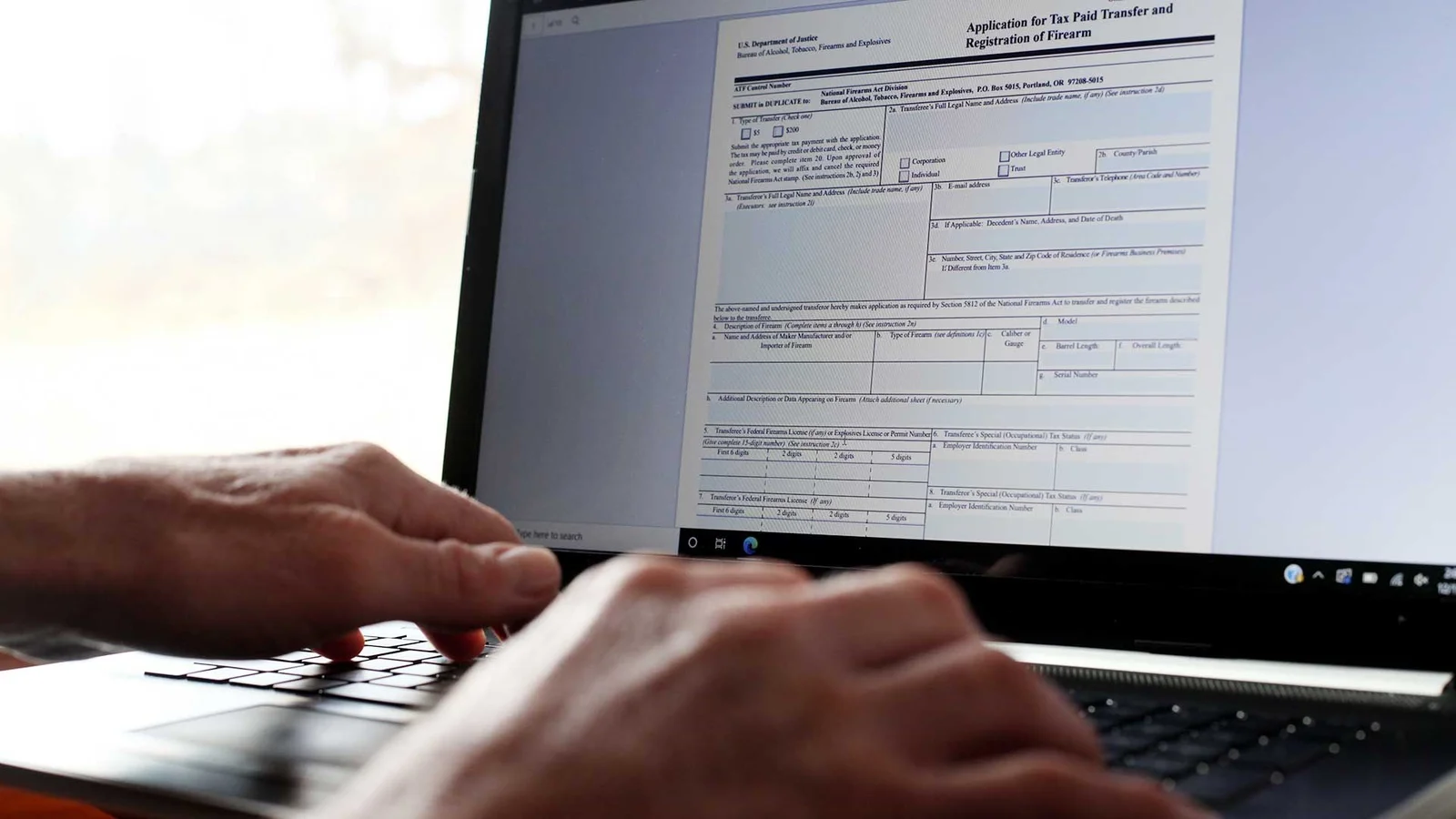
- →SilencerCo's current path: A participating dealer may transfer a qualifying new SilencerCo suppressor on Form 4473 and NICS in 27 listed states. That removes Form 4, fingerprints, a passport photo, CLEO notice, and the separate ATF pre-approval wait for that transaction.
- →The limit: The 27-state list is a SilencerCo program, not a nationwide NFA exemption. Product source, plaintiff coverage, purchase state, dealer participation, and transaction type all matter. State law still controls.
- →The travel warning: SilencerCo says interstate treatment of a suppressor acquired this way remains unresolved and strongly encourages keeping it in the purchase state until the issue is clarified.
- →When Form 4 still wins: The traditional path now carries a $0 federal tax and keeps the established registration record. SilencerCo recommends it for trusts and buyers who travel, hunt, or compete out of state.
- →The dealer rollout: B&T USA is explaining injunction-covered sales at the September 1–3 Worldwide Fall Show in Reno, which brings together more than 275 independent retailers. B&T says formal ATF implementation guidance is still being finalized.
How to Buy a Suppressor Without a Form 4
Start with the transaction, not the headline. SilencerCo's August 31 guidance turns the ruling into a defined 27-state pathway for qualifying new SilencerCo suppressors at participating dealers. Other manufacturers, organization-member purchases, and dealer programs need their own coverage check.
- Confirm the exact coverage path. Start with the product and transaction, not the headline. SilencerCo's current program covers qualifying new SilencerCo suppressors that move through the company or an authorized distributor. Plaintiff-organization membership and purchases from other plaintiff companies are separate coverage paths with their own limits.
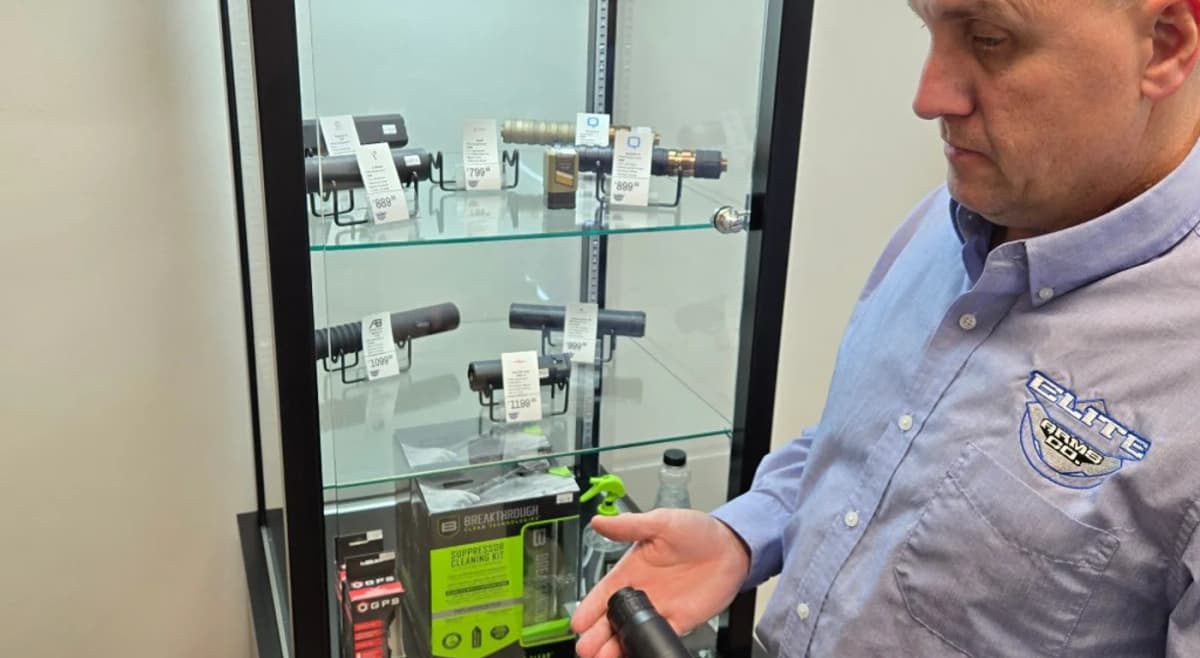
- Confirm the state and dealer. SilencerCo lists 27 purchase states for its current program, and the transferring dealer must participate. For a qualifying transfer, the dealer uses Form 4473 and NICS instead of Form 4, fingerprints, a passport photo, CLEO notification, and a separate ATF pre-approval wait.
- Choose the path that fits how you will own and use it. Use the traditional $0-tax Form 4 if you want trust ownership or may travel, hunt, or compete out of state. If you use the Form 4473 pathway, SilencerCo strongly encourages keeping the suppressor in the purchase state until interstate treatment is clarified. Keep the purchase and coverage records with the suppressor.
Use our suppressor transfer-path checker to test the manufacturer, purchase state, dealer, transaction, ownership method, and travel plan together. A result that says Form 4473 may apply is still conditional on the dealer confirming the exact purchase. Short-barreled rifles and shotguns keep the Form 4 at dealer counters under 18 U.S.C. 922(b)(4).
Who Still Needs a Form 4
If you are not a member of a plaintiff organization and not buying from a plaintiff company, you still need a Form 4, exactly as before. The ruling that took effect on August 13, 2026 is a party-specific injunction, not a repeal: under the Supreme Court's 2025 Trump v. CASA decision, district courts cannot strike a statute down for the whole country, so Judge James Wesley Hendrix limited relief to the parties in front of him. The NFA remains on the books and fully enforceable against everyone else, and taking possession of an unregistered suppressor or short-barreled rifle outside the injunction is still a federal felony.
What changed is the appeal posture. The Department of Justice let the seven-day stay lapse on August 12 without seeking relief at the Fifth Circuit, and Rep. Andrew Clyde announced the same evening that the Trump administration confirmed to him the DOJ will not appeal. The formal appeal window still runs 60 days from the August 5 judgment, into early October, so that commitment rests on the administration's word until the window closes. The full legal reasoning is in our coverage of the ruling; the practical question this page answers is what you should actually do with it.
Are You Covered by the Injunction?
SilencerCo now gives buyers the clearest commercial test. Its Form 4473 pathway applies to qualifying new SilencerCo suppressors sold through the company or an authorized distributor, in Alabama, Arizona, Arkansas, Florida, Idaho, Indiana, Iowa, Kansas, Kentucky, Louisiana, Maine, Maryland, Minnesota, Missouri, Nebraska, New Hampshire, New Mexico, Oklahoma, South Carolina, South Dakota, Tennessee, Texas, Utah, Vermont, Virginia, West Virginia, and Wyoming. The dealer must participate, and state and local law still apply.
You are inside the injunction if any one of these is true. You are a member of Gun Owners of America, Gun Owners Foundation, Firearms Regulatory Accountability Coalition, Texas State Rifle Association, FPC Action Foundation, or Citizens Committee for the Right to Keep and Bear Arms. You are buying from B&T USA, Palmetto State Armory, SilencerCo Weapons Research, or Hot Shots Custom, in a transaction with that company. Or you are a law-enforcement agency in one of the 15 plaintiff states. Customers of the organizations' commercial member businesses are covered too, in transactions with those businesses. The first no-Form-4 transfers under this coverage were set for 12:01 a.m. on August 13, the plan we covered in our report on the first no-Form-4 suppressor transfers to Brandon Herrera and Texas Rep. Wes Virdell, both GOA members buying through Silencer Shop.
Coverage has edges worth understanding before you rely on it. Customer protection is transaction-scoped: buying one suppressor from Palmetto State Armory covers that purchase, not every NFA item you own from any source. PSA drew that line itself when it opened its dealer channel on August 13, telling its network that only suppressors the dealer acquired directly from PSA can move under the injunction, and that a shop carrying PSA products does not thereby cover the rest of its case. The court declined to extend relief to organizational supporters or resident family members, so a spouse's membership does not cover you. And the relief runs against ATF enforcement of registration; it does not order any dealer to sell you anything, which is why the dealer counter is where this gets practical.
ATF's First Real Statement: Guidance Is Coming
ATF is writing formal guidance on the injunction and says covered buyers have nothing to fear in the meantime. In a statement posted the evening of August 29, 2026, ATF Director Robert Cekada said the agency "respects the Court's ruling and the rule of law," is following the order, and "will not take enforcement action against protected parties inconsistent with that ruling." He said ATF is "working diligently on clear guidance," that the work means carefully navigating federal and state laws so that manufacturers, FFLs, and gun owners are not left with legal problems, and that the document will be posted online as soon as it is done. He also rejected a viral, anonymously sourced claim that ATF was planning retaliation against people using the injunction, calling it completely false.
Read the statement as carefully as it was written. Cekada's term is "protected parties," the injunction's covered class, and nothing in it converts a party-specific ruling into deregulation for everyone. Four positions still behave differently. A protected party, meaning a plaintiff or a member of one of the six plaintiff organizations, carries personal coverage into any qualifying purchase. A covered commercial transaction, buying from a plaintiff company like Palmetto State Armory or from a commercial member of a plaintiff organization, protects that purchase and nothing else. An ordinary gun owner with neither connection is exactly where the law put them before August 5: the eForm 4 process, and a federal felony for skipping it. And state law is its own layer that no ATF document can wave away, which is why Cekada flagged the federal and state interactions as the thing the guidance is working through, and why the Silencer Shop network still files Form 4s in the roughly 15 states whose statutes tie possession to federal registration.
The practical effect to watch is at the dealer counter. Most independent FFLs have been waiting for exactly this kind of assurance before running a transfer without a Form 4, and a written non-enforcement commitment from the director is a stronger signal than the silence that preceded it. It is still not the guidance itself, so a shop that keeps filing eForm 4s until the formal document posts is being prudent, not obstinate.
B&T USA is moving that discussion into organized dealer distribution. The named plaintiff is using the September 1–3 Worldwide Fall Show in Reno to explain covered Form 4473 sales to independent retailers. The show brings together more than 275 retailers, which makes this the broadest manufacturer-led dealer education effort announced so far. It does not mean all 275 dealers participate; B&T also says ATF is still finalizing formal implementation guidance.
The $25 Membership Path
A GOA annual membership costs $25, and membership in a plaintiff organization is the only coverage route that does not depend on which retailer you buy from. The final judgment enjoins ATF from enforcing registration against the plaintiffs' members and customers "both current and future," so the protection is not frozen to the people who were members on ruling day. No court has tested a purchase by someone who joined after the ruling, which is the honest caveat on the cheapest coverage route in the case.
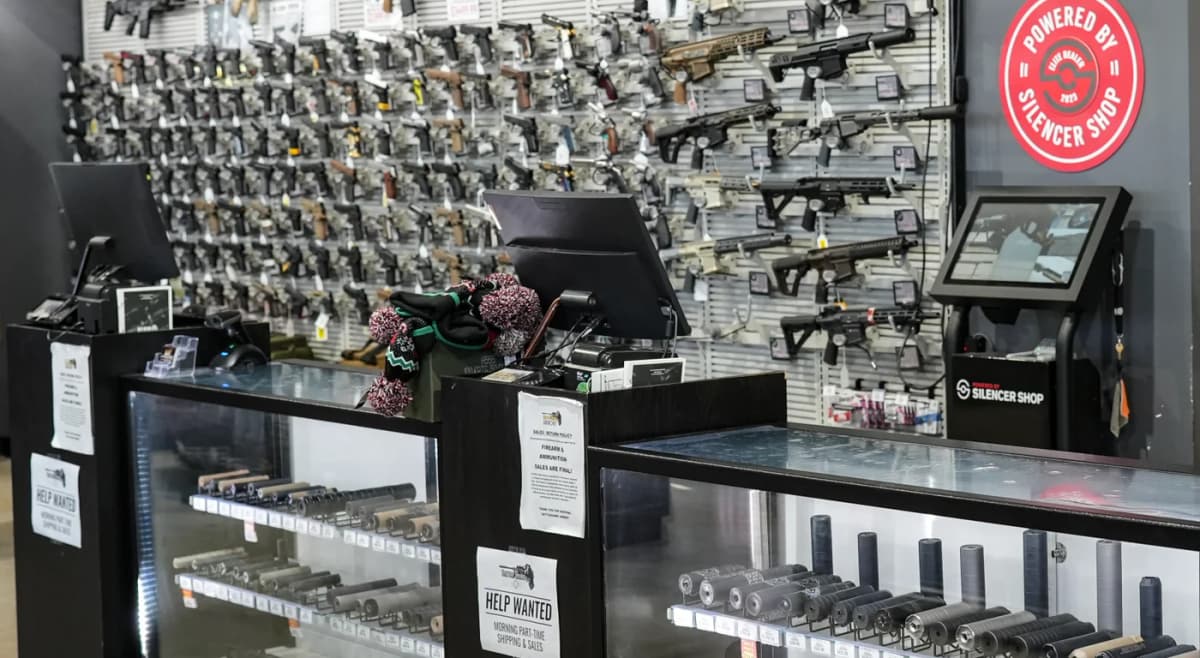
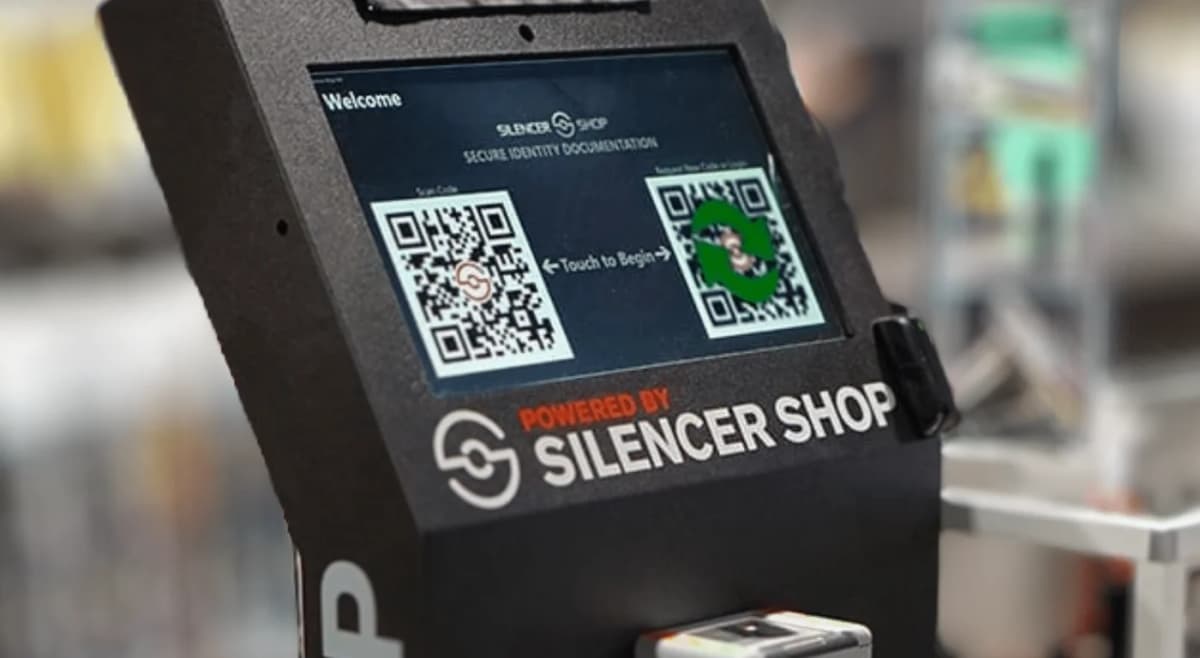
Membership solves the legal side, not the logistical one. An FFL still has to be willing to transfer a suppressor without a Form 4, and until ATF publishes guidance, most independent dealers will keep running every transfer through the eForm pipeline they know. The early signal is favorable: four dealers in four states passed ATF compliance inspections with zero violations after selling suppressors on a 4473 alone. Two plaintiff-side channels are the exception, and both opened on August 13. The first is the Silencer Shop network: on August 12 the company announced that its store and its Powered by Silencer Shop dealers will run no-Form-4 suppressor and AOW transfers as the standard process starting August 13, with a 4473, a NICS check, and same-day pickup, in the 27 states it counts as free of state-level NFA requirements. In the 15 states whose own statutes tie possession to federal registration, the network keeps filing Form 4s while Silencer Shop litigates those laws. The second is Palmetto State Armory's own retail counter. Outside those two, the realistic path is still the normal one, and the membership is the cheap insurance that positions you for the moment other dealers and ATF catch up with the ruling.
PSA's Three-Phase Rollout
Palmetto State Armory, a plaintiff company, is opening its no-Form-4 process in three stages, and only the first is live. Phase one, effective August 13, covers in-person retail: an individual in South Carolina can walk into a participating PSA store, pick a suppressor off the shelf, complete a 4473 and the normal background check, and leave with the can that day. No Form 4, no fingerprint cards, no passport photo, no separate ATF approval wait. Phase one also reaches PSA's direct dealer network, but narrowly: the protection attaches to the suppressor the dealer bought from PSA, not to the dealer, so a shop that stocks PSA rifles cannot run its other suppressor inventory through the same process.
Phase two is online suppressor sales, which PSA has not launched while it works through the shipping and dealer-transfer mechanics of sending an unregistered can to a receiving FFL. Phase three is short-barreled rifles and shotguns, and PSA is holding those entirely pending federal guidance for the same reason the rest of the industry is: 18 U.S.C. 922(b)(4) is a Gun Control Act provision the court did not touch, and it bars a dealer from transferring an SBR or SBS without specific Attorney General authorization. That sequencing is the clearest signal available on how a plaintiff company reads its own coverage, and it matches how the Silencer Shop network scoped its launch to suppressors and AOWs.
What Does Not Change for Anyone
The Gun Control Act is untouched, so every dealer transfer still includes a 4473 and a NICS background check, injunction or not. Suppressors remain legal in 42 states, and the eight state bans in California, Delaware, Hawaii, Illinois, Massachusetts, New Jersey, New York, and Rhode Island are state law that no federal enumerated-powers ruling can move. State restrictions on short-barreled rifles survive the same way. Short-barreled rifles and shotguns also keep the Form 4 at every dealer counter, injunction or not: 18 U.S.C. 922(b)(4) separately bars a dealer from selling an SBR, SBS, machine gun, or destructive device without specific Attorney General authorization, that statute sits outside the enjoined NFA provisions, and an approved Form 4 is currently the only mechanism that satisfies it. Machine guns and destructive devices still carry the $200 tax, which is why the taxing-power logic that killed registration for suppressors does not reach them.
Every suppressor already in the registry stays registered, and the proof-of-registration obligation for those items is unchanged. Nothing in the ruling un-registers an item or relieves an existing owner of the requirement to produce the approved form if ATF asks.
The Smart Play Right Now
If the suppressor may cross a state line or you want trust ownership, file the eForm 4. SilencerCo says interstate treatment of a suppressor acquired through the Form 4473 path remains unresolved under 26 U.S.C. 5861(j), and it strongly encourages buyers to keep those suppressors in the purchase state until the issue is clarified. The company recommends the traditional path for travelers and trust buyers. For applications finalized in July 2026, ATF reported average processing times of 9 days for individual eForm 4 and 33 days for trust eForm 4. Individual waits can be longer. The federal transfer tax is $0. The process is laid out step by step in our how to buy a suppressor guide, and picking the right first can is the same exercise it was before the ruling: our suppressor buying guide covers hosts, mounting systems, and the current market by caliber.
The Form 4473 path is most useful when the exact purchase is covered, the dealer confirms participation, state law permits possession without federal registration, and the suppressor will stay in the purchase state. Keep the purchase and coverage records with it. ATF normally does not require Form 5320.20 for lawful silencer travel, but that standing rule does not resolve the interstate treatment of an unregistered suppressor acquired under this injunction.
Shop Suppressors
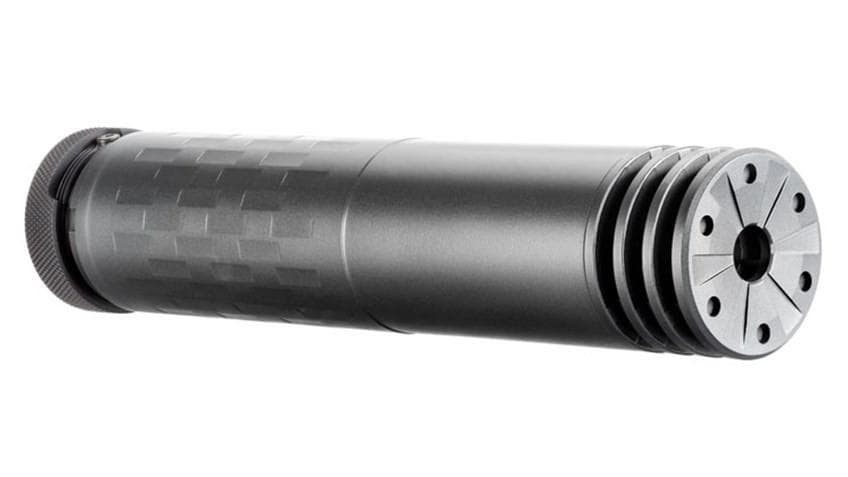
SilencerCo Omega 300
- .30 cal rated
- Direct thread + QD
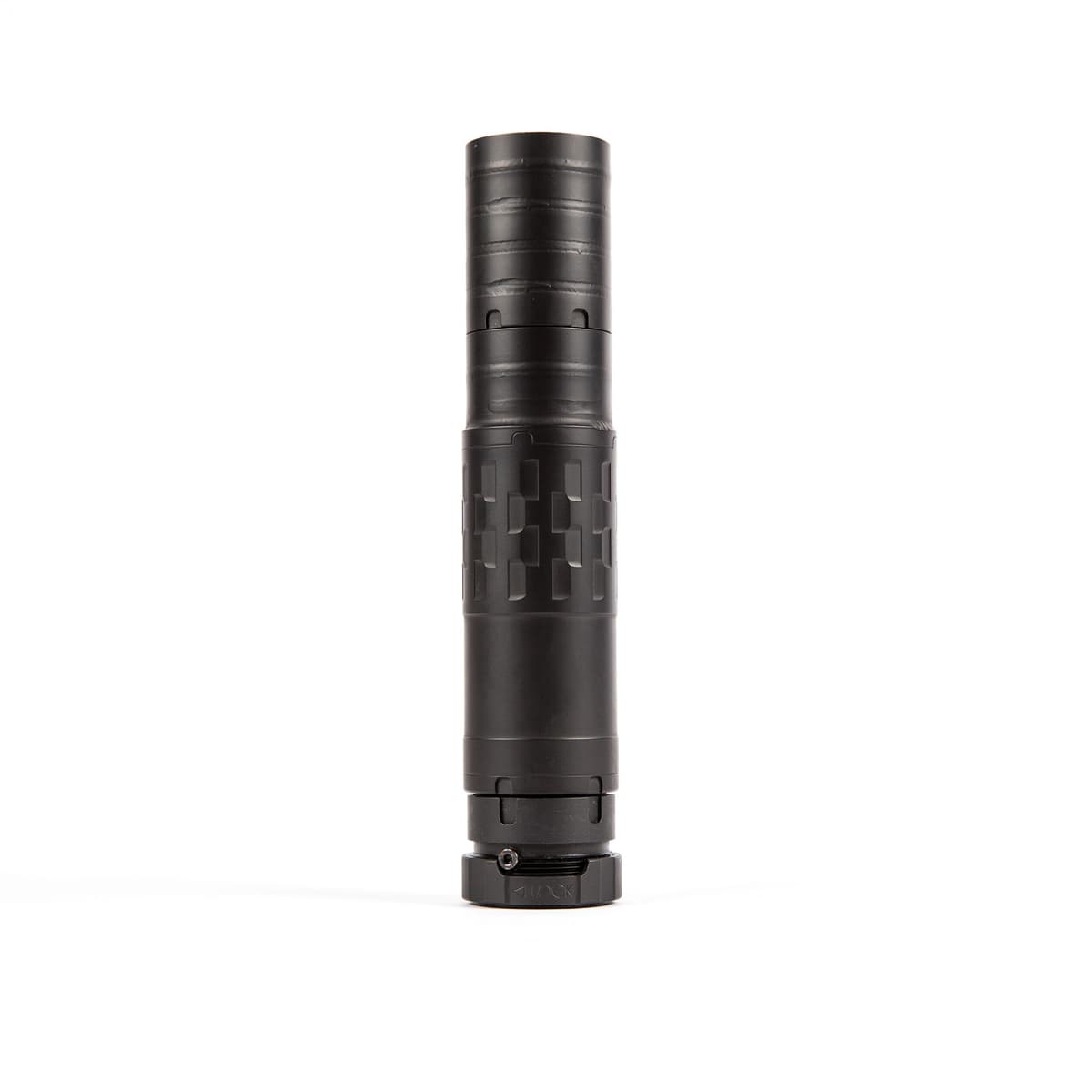
SilencerCo Omega 36M
- 5.7x28 to 9mm / 5.56 to .338 LM / .350 Legend
- 17-4 stainless, titanium, Inconel, Cobalt 6
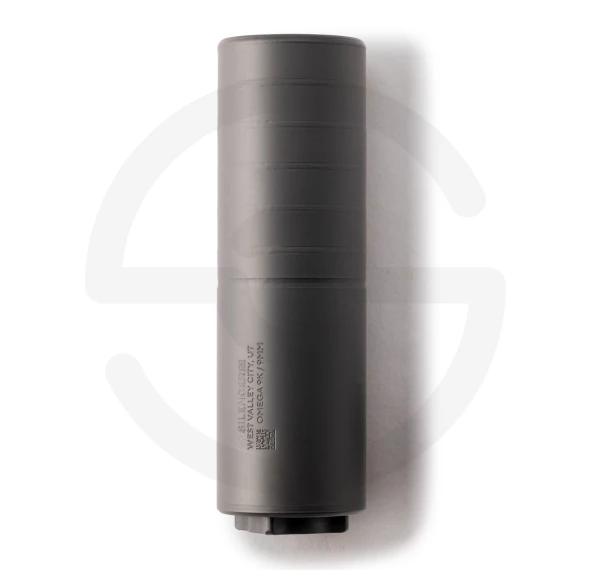
SilencerCo Omega 9K
- 9mm + .300 BLK rated
- 4.54 inches
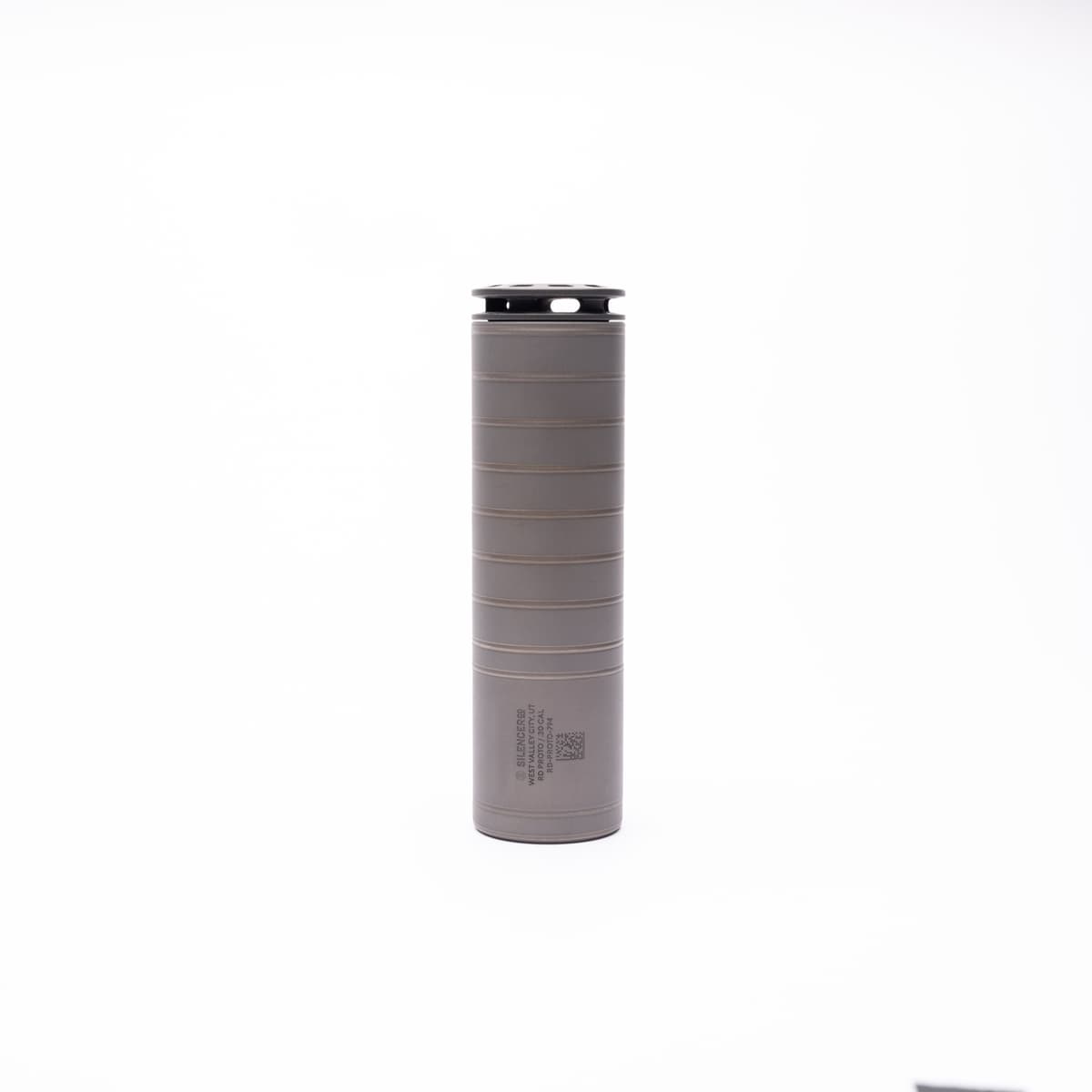
SilencerCo Scythe Ti
- .223 Rem and 5.56 NATO through .300 RUM
- 6.16 in
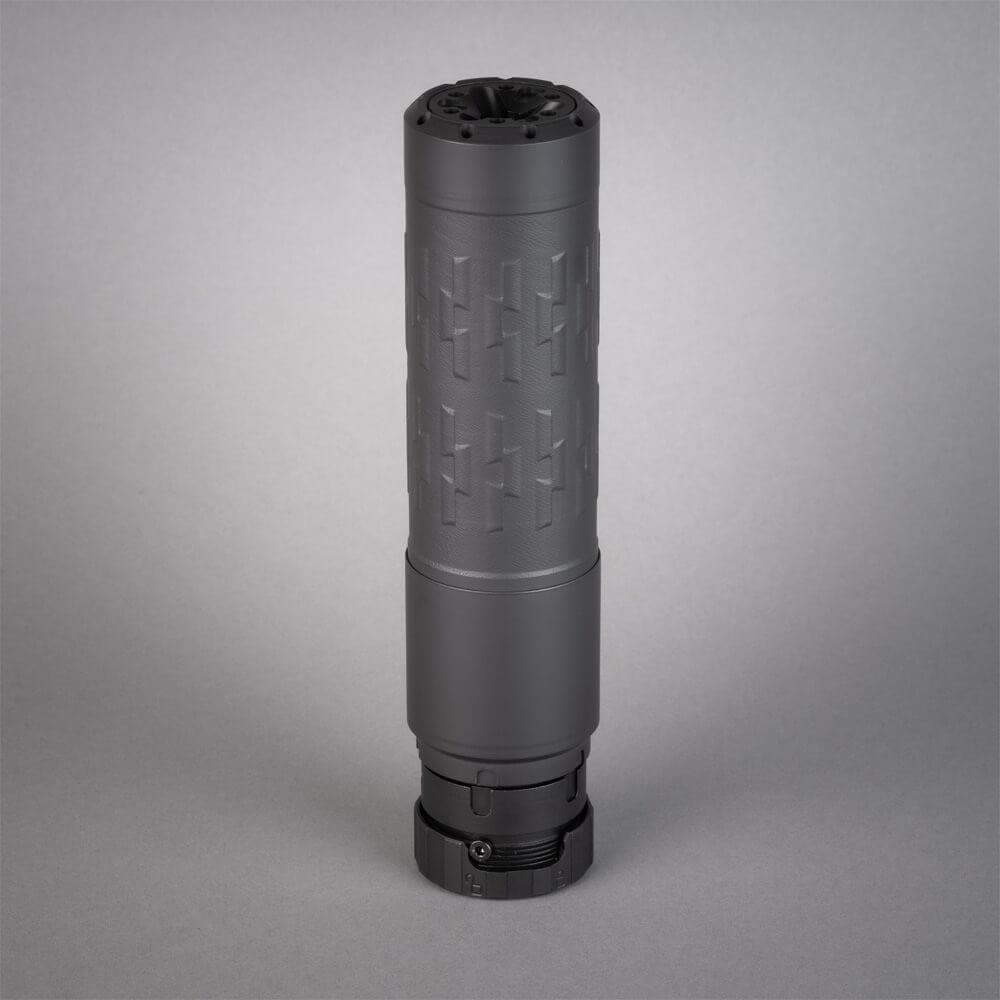
SilencerCo Velos LBP 762
- .223 Rem and 5.56 NATO through .300 RUM
- 6.4 in
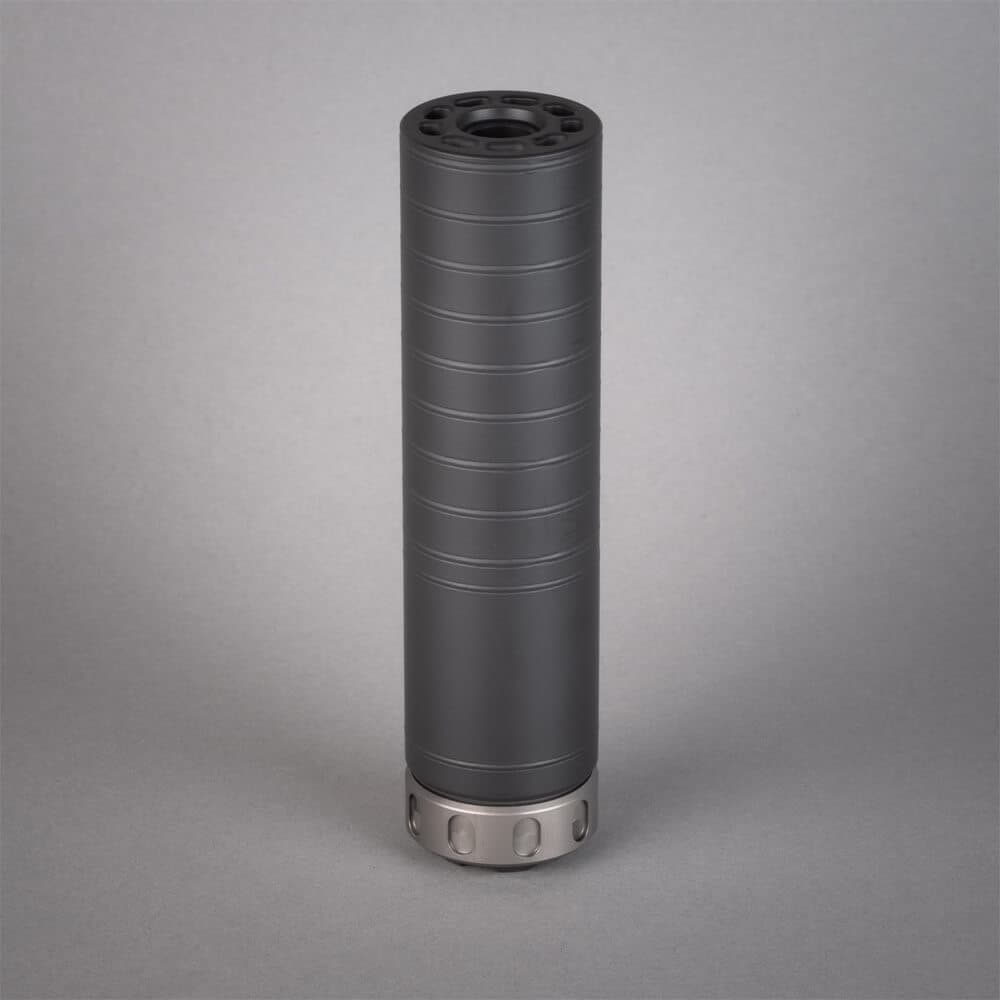
SilencerCo Spectre 9
- 9mm and .300 BLK subsonic
- 4.76 inches
Affiliate links (?)
What to Watch Next
The near-term lever is the guidance ATF confirmed on August 29 it is drafting, which should tell dealers how to handle covered transfers, registry inventory, interstate movement, and the state-law interactions Cekada flagged; he gave no timeline beyond posting it online when it is done. The levers that could extend relief beyond the plaintiffs are bigger: nearly 50 House and Senate Republicans led by Rep. Clyde have asked the DOJ to apply the ruling nationwide through rulemaking, which would take registration off the table for every buyer of an untaxed item, not just the covered class, and Congress could do the same by statute. Until one of those happens, the split remains: covered buyers can skip the Form 4 where a dealer cooperates, and everyone else files. ATF's own deregulatory proposals, covered in our July 2026 fingerprint and photo rule coverage, would also cut the remaining paperwork for the buyers still in the pipeline.
Track the NFA Fallout
We publish a brief every time this moves: ATF guidance, the nationwide rulemaking push, and what each step means before you buy or build.
Frequently Asked Questions
▶Is a Form 4 still required for suppressors?
▶Can I travel across state lines with a suppressor bought on Form 4473?
▶What happens if you get caught with a suppressor without a tax stamp?
▶Has ATF said whether it will enforce the NFA against injunction-covered buyers?
▶Can I buy suppressors without a tax stamp now?
▶Can you buy a suppressor without a stamp in 2026?
▶Are tax stamps going away for suppressors?
▶Can you buy a suppressor without a stamp now in Texas?
▶Can I fill out an ATF Form 4 online?
▶Do I have to fill out a Form 4 for every suppressor?
▶Can the ATF enter your home if you own a suppressor?
▶Can I put a stock on my pistol or build my own suppressor now?
▶Can you buy an SBR or short-barreled shotgun without a Form 4?
▶Can I buy a suppressor from Palmetto State Armory without a Form 4?
▶Does joining GOA now put my next suppressor purchase under the injunction?
▶Do I have to carry my tax stamp with my suppressor?
Bottom Line
SilencerCo has turned the injunction into a concrete 27-state Form 4473 pathway for qualifying new suppressors at participating dealers. It has also drawn the most important boundary: this is not national deregulation, and interstate travel with an unregistered suppressor remains unresolved. Confirm the product, state, dealer, and transaction before relying on the shorter path. Use the $0-tax Form 4 when you travel, hunt out of state, use a trust, or want the established registration record.