Key Takeaways
- →The new rule: ATF says a registered complete silencer can be repaired or changed to another caliber without being treated as a newly made NFA firearm, so long as the work preserves the serialized frame or receiver, leaves required markings intact, and does not otherwise create a new firearm.
- →The serialized component is the dividing line: The 2022 frame-or-receiver rule gave a complete silencer one controlling serialized housing. Modifying the other components can now be treated as work on the existing registered firearm.
- →ATF gave a specific example: Enlarging the end-cap and baffle openings of a registered .22 silencer so it can accommodate a 9mm projectile does not, by itself, make a new silencer.
- →Loose spare parts remain regulated: Qualified manufacturers can use unregistered replacement components while repairing a registered complete silencer. The letter does not give ordinary owners a general right to stock spare baffles, tubes, or other silencer parts.
- →This is not Jensen implementation guidance: The letter assumes an existing registered silencer and says nothing about no-Form-4 transfers, covered customers, interstate transportation, or the mechanics of the Silencer Shop Foundation injunction, which ATF addressed separately on October 9, 2026.
ATF Reversed Its Old Suppressor Repair Rule
ATF has replaced one of the most restrictive parts of its old silencer-repair policy. In an open letter dated August 28, 2026 and published September 8, the agency told federal firearms licensees that a registered complete silencer may be repaired or converted to another caliber without being treated as a newly made NFA firearm. The serialized frame or receiver must survive, the required markings must remain intact, and the work cannot otherwise create a new firearm.
Under ATF's 2008 guidance, changing caliber, increasing the length of the outer tube, or replacing the main tube could trigger a new making, with fresh marking and registration consequences. Even drilling existing baffles to open the bore for a larger projectile was treated as making new silencer parts. Repair work was generally kept inside a one-for-one replacement model.
The 2026 letter abandons that part-by-part logic for a registered complete silencer. ATF now centers the analysis on the serialized frame or receiver of the complete device. Preserve that component, preserve its markings, and the agency will generally treat changes to the rest of the assembly as modifications to the firearm already in the registry.
The 2022 Frame-or-Receiver Rule Changed the Analysis
The legal mechanism comes from ATF's 2022 frame-or-receiver rule. That rule formally assigned a frame or receiver to a complete silencer and clarified which component carries the serial number and other required markings. For a conventional silencer, that is generally the outer tube that houses the internal sound-reduction components. For a modular design, the regulation points to the principal housing attached to the weapon, not a removable end cap or an added modular section.
Once ATF treated a complete silencer as a firearm with one controlling serialized housing, its older repair position became difficult to maintain. The agency already allows a registered short-barreled rifle to change caliber without requiring a second registration, provided the change does not create a different type of weapon. The new letter applies the same basic idea to a silencer: changing the unmarked components does not create a new complete device when the marked frame or receiver is still the original one.
ATF recommends updating the NFRTR information after a caliber change. That is an administrative update to the existing registration, not a new Form 1 or Form 4 merely because the bore diameter changed.
ATF Explicitly Uses a .22-to-9mm Conversion
The most important sentence in the letter is also the most concrete. ATF says modifying end caps and baffles so a registered .22 silencer can accommodate a 9mm projectile will not result in making new parts, because those components remain part of the previously registered complete silencer.
The example explains how ATF classifies the work. It does not establish that any particular .22 suppressor is safe to use with 9mm. A model's suitability and the services offered remain questions for its manufacturer.
Get Suppressor Law and Product Updates
Get updates on ATF guidance, court orders, new suppressor releases, and factory service policies.
Qualified Manufacturers Can Use Replacement Components
The practical beneficiary is the qualified manufacturer performing factory service. ATF says qualified manufacturers may obtain silencer components from other qualified manufacturers and may use unregistered and unmarked replacement components to repair or change the caliber of a registered complete silencer. Once installed, the replacement part becomes part of the already marked and registered complete device, which can then be returned to its owner.
That opens a wider service lane than the old one-for-one repair model. A manufacturer may be able to replace damaged internals, revise the baffle stack, change an end cap, rebuild a core, or support a factory caliber conversion without treating the result as a second silencer. The work still has to preserve the registered frame or receiver and its markings.
The letter does not create the same parts lane for an ordinary owner. Additional or spare components intended only for silencer assembly remain regulated outside the qualified-manufacturer rules, and transferring silencer parts to an unlicensed person still has to comply with the NFA. This is not permission to order a spare baffle stack and perform an at-home conversion.
Related Suppressors
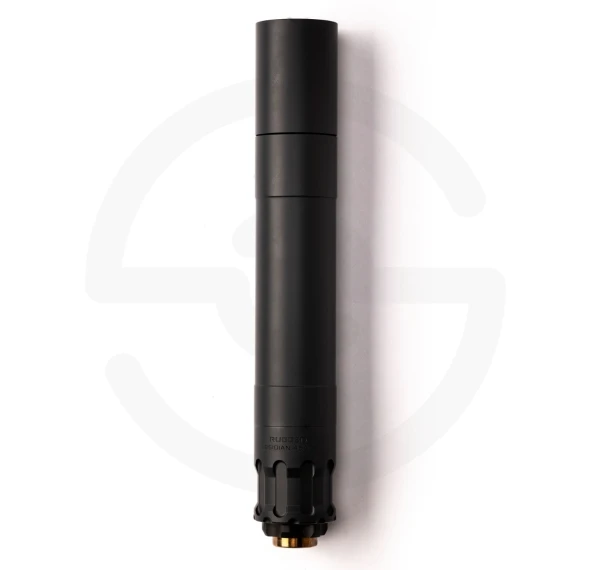
Rugged Obsidian 45
- .45 cal rated
- Modular length
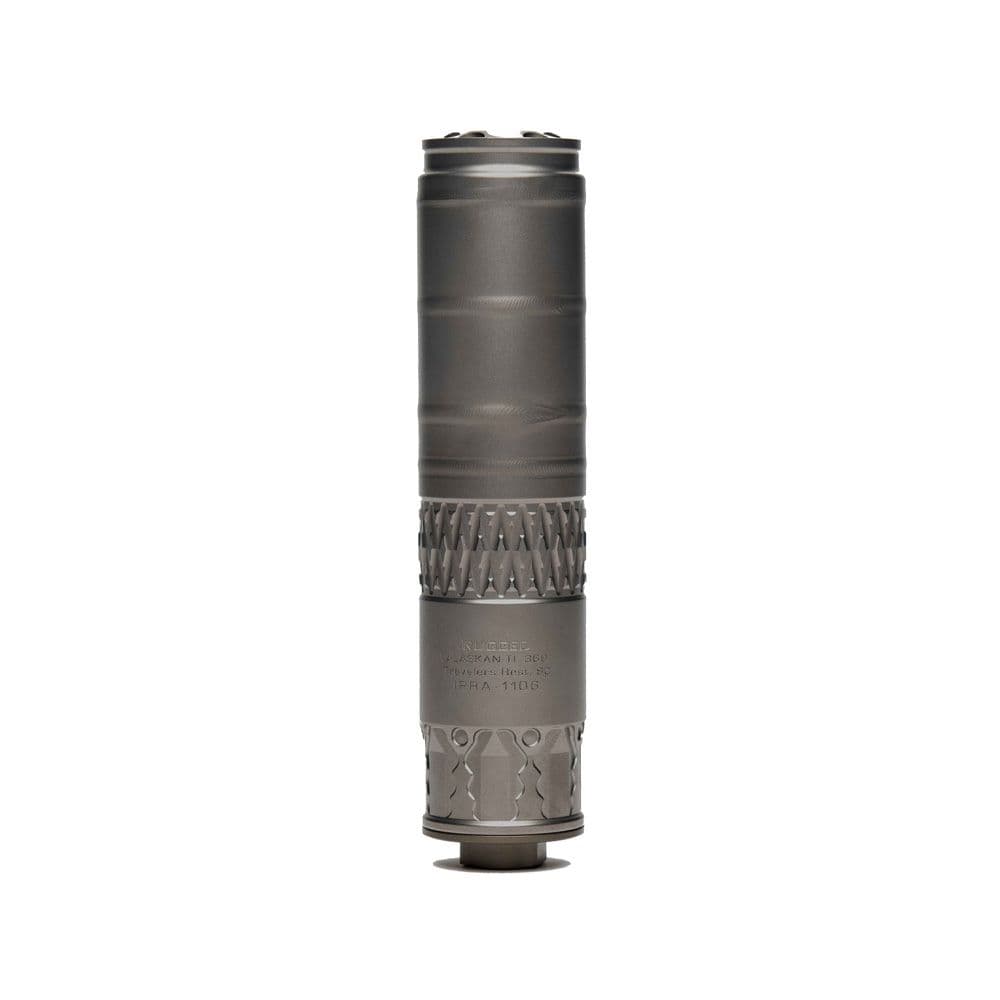
Rugged Alaskan360Ti
- 9mm through .338 Lapua within .360-inch bore limit
- 6.6 inches bare
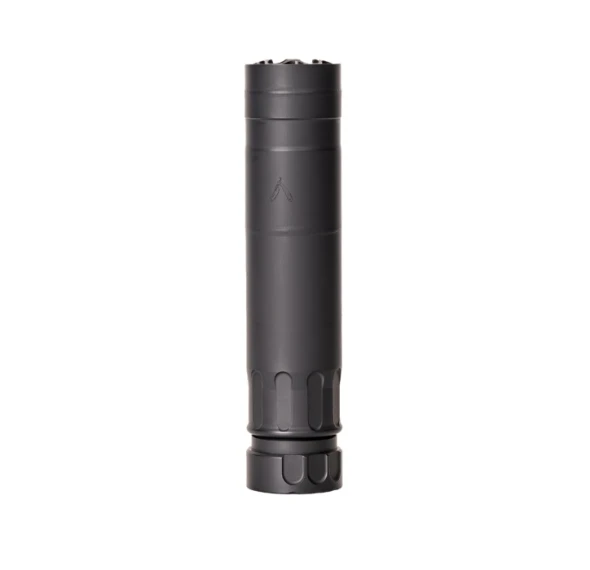
Rugged Razor 7.62
- 7.62 rated
- Dual Taper Lock QD
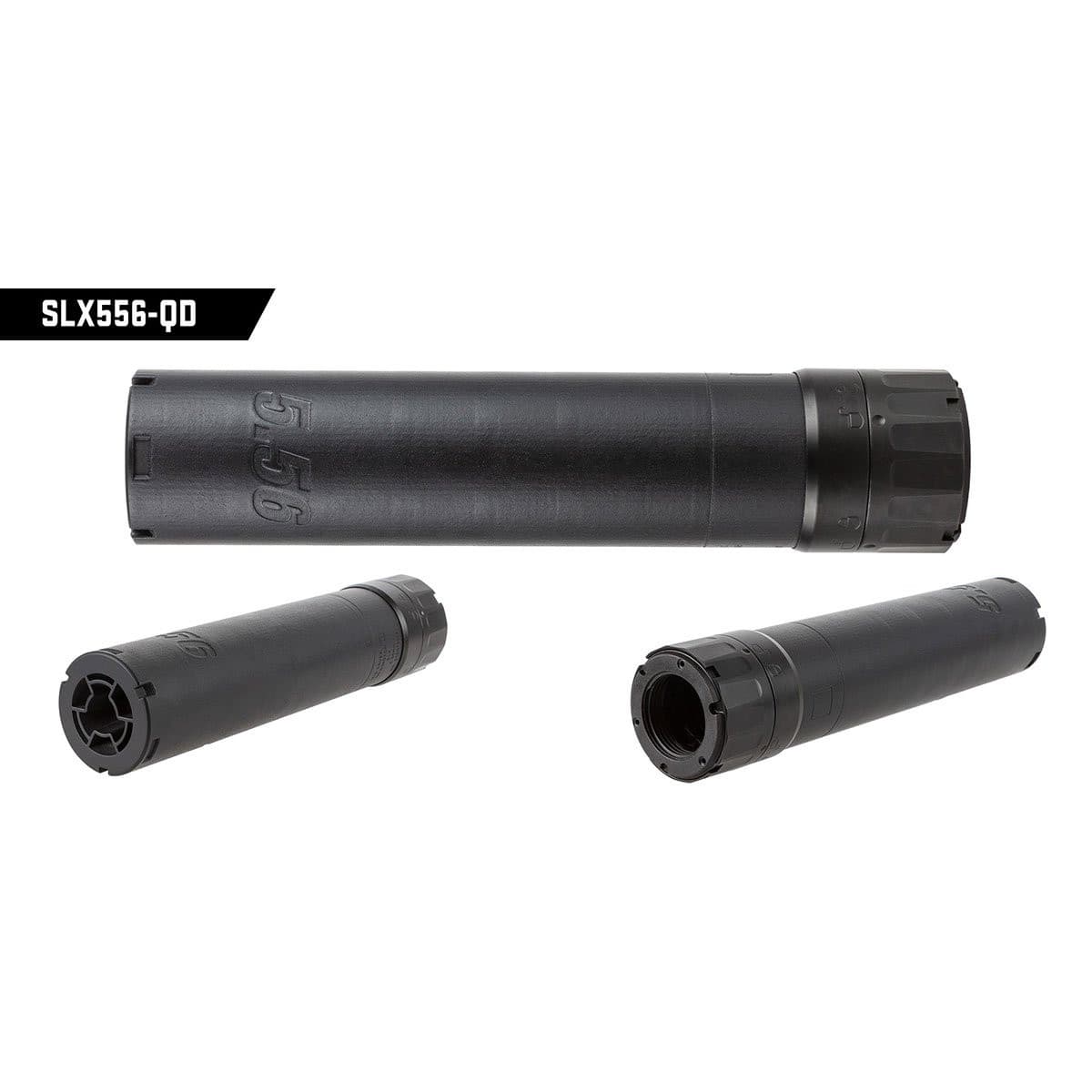
SIG SLX556-QD Suppressor
- 5.56 NATO rated
- Inconel construction
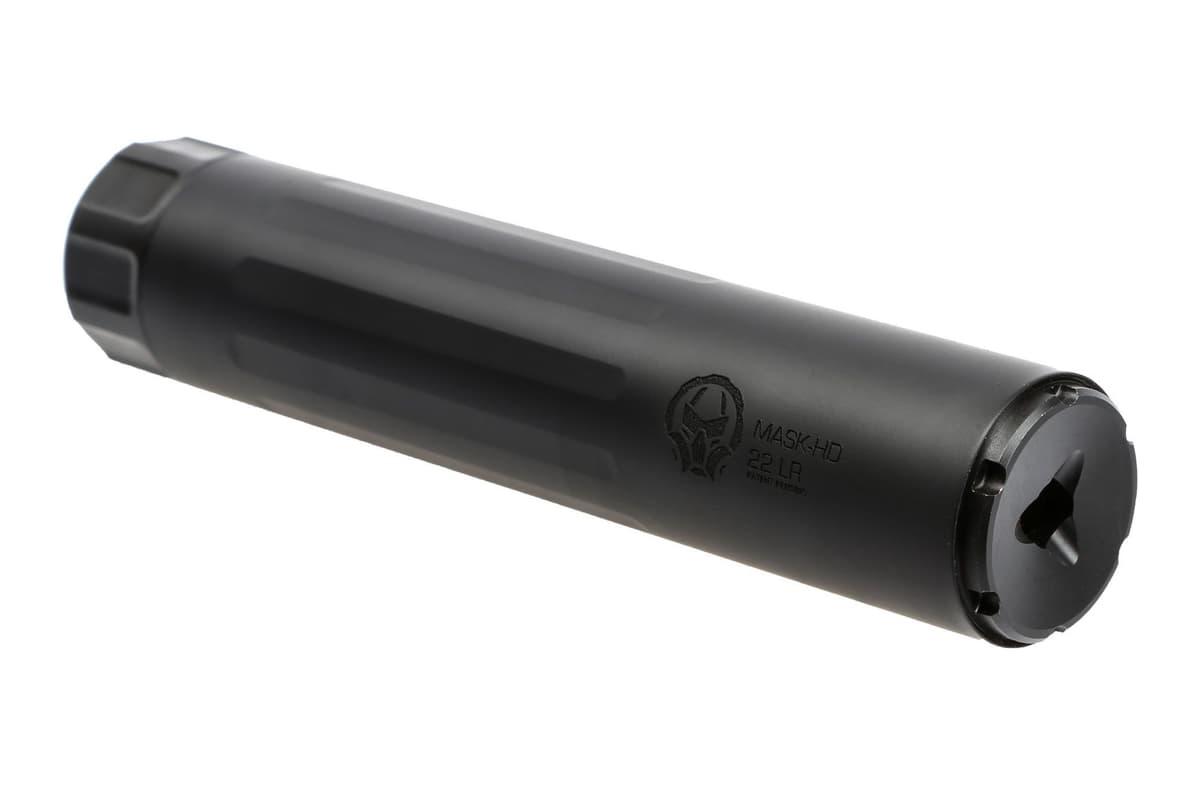
Dead Air Mask HD
- 5.1 in length, 6.6 oz
- Titanium tube + 17-4 stainless baffles
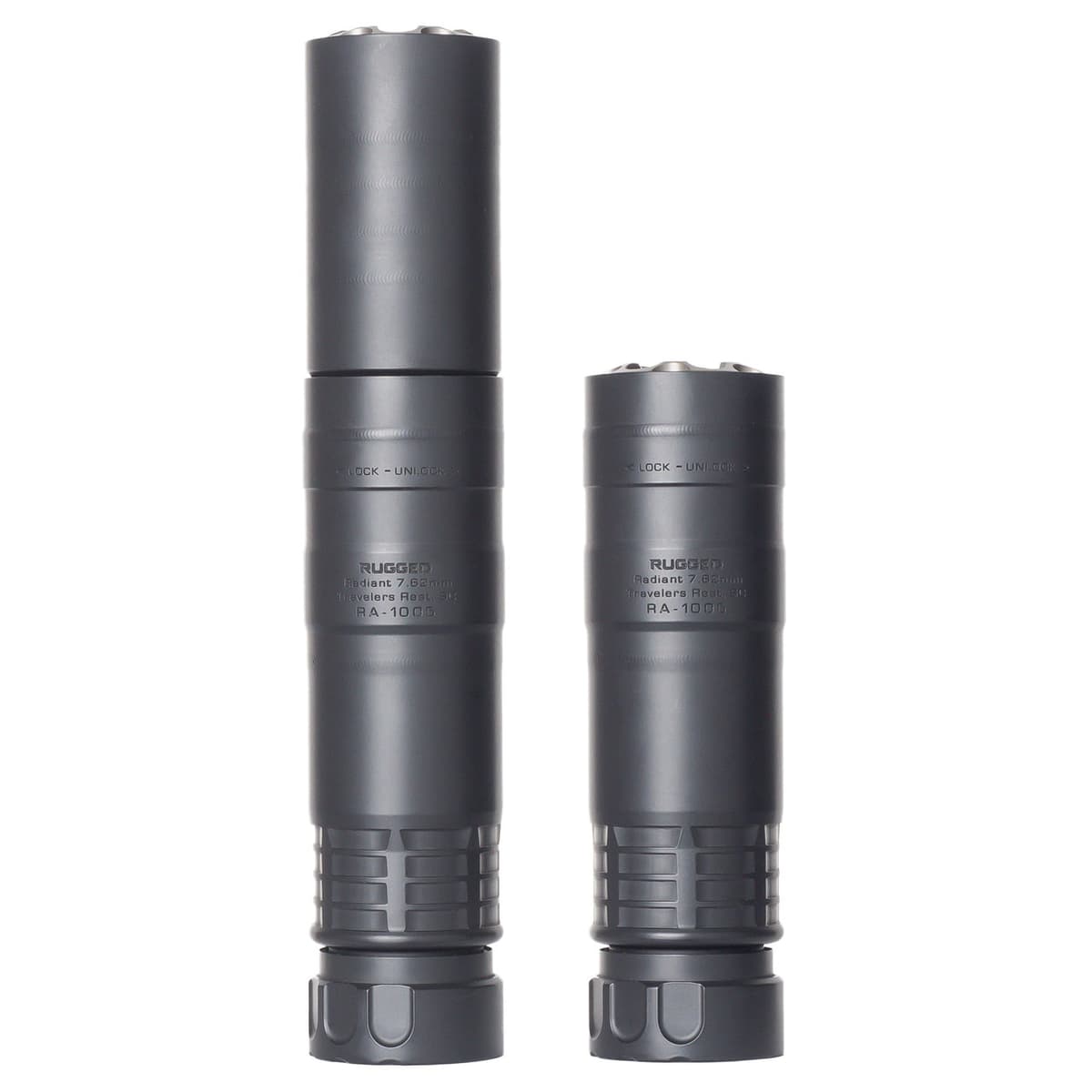
Rugged Radiant762
- Center-fire rifle through .300 RUM
- 7.5 in and 12.5 oz long
Affiliate links (?)
What the Letter Still Does Not Allow
The serialized housing remains the boundary. ATF warns that altering, modifying, or changing the silencer's serialized frame or receiver may amount to making a new NFA firearm. A manufacturer cannot simply destroy the marked housing, build a replacement around the same serial number, and assume the repair rule covers it.
There is a narrow allowance for repair-related shortening. ATF says rethreading a registered complete silencer may produce a minimal reduction in outer-tube length without becoming a new making, so long as the frame or receiver is not otherwise altered. That is not a blanket authorization for major tube shortening, redesign, or a new serialized shell.
The letter also applies specifically to silencer caliber changes. It does not announce a universal rule for converting every other NFA firearm into a different weapon. State restrictions remain separate, and ownership or use still depends on the law where the owner lives. Our suppressor laws by state page tracks that layer.
This Is Not the Jensen No-Form-4 Guidance
This letter addresses repair of registered silencers. It does not implement the injunction in Silencer Shop Foundation v. ATF, consolidated with Jensen v. ATF. The repair policy starts with a complete silencer already listed in the National Firearms Registration and Transfer Record (NFRTR).
It does not define which buyers or transactions are protected by the injunction, how dealers should document a no-Form-4 transfer, whether an unregistered transfer changes interstate transportation, or how ATF will reconcile party-specific relief with ordinary NFA records. ATF took those questions up in a separate open letter on October 9, 2026, which stopped enforcing the NFA's approval and registration requirements for suppressors, SBRs, SBSs, and AOWs as a matter of enforcement discretion. That letter, not this one, governs no-Form-4 transfers.
Check the Manufacturer's Service Terms
Suppressor reviews have traditionally focused on sound performance, back pressure, flash, weight, mount ecosystem, and barrel-length restrictions. The new policy makes factory service architecture more valuable. Two cans with similar performance can have very different long-term ownership value if one manufacturer can rebuild the internals around a durable serialized housing while the other can only offer a replacement-device process.
Before paying for service, ask the manufacturer whether it accepts your model, what its warranty covers, and whether it offers the requested repair or caliber change. Get the service terms in writing. ATF's letter permits qualifying work; each manufacturer decides which services it offers.
Buyers comparing one-can-for-many-hosts options should still start with the multi-caliber suppressor guide, then verify the factory's current service terms. The broader suppressor buying guide covers mount systems, host selection, and the current transfer process, while the suppressor tracker covers approval timing and market data.