Key Takeaways
- →It happened: At 12:01 a.m. CDT on August 13, 2026, Silencer Shop transferred two suppressors with no Form 4 and no entry in the NFA registry, the first commercial silencer transfers outside the NFA process since June 26, 1934.
- →The recipients: Brandon Herrera, Republican nominee for U.S. House in TX-23, and Texas state Rep. Wes Virdell of House District 53. Both are GOA members and Silencer Shop customers, which places them inside the court's injunction.
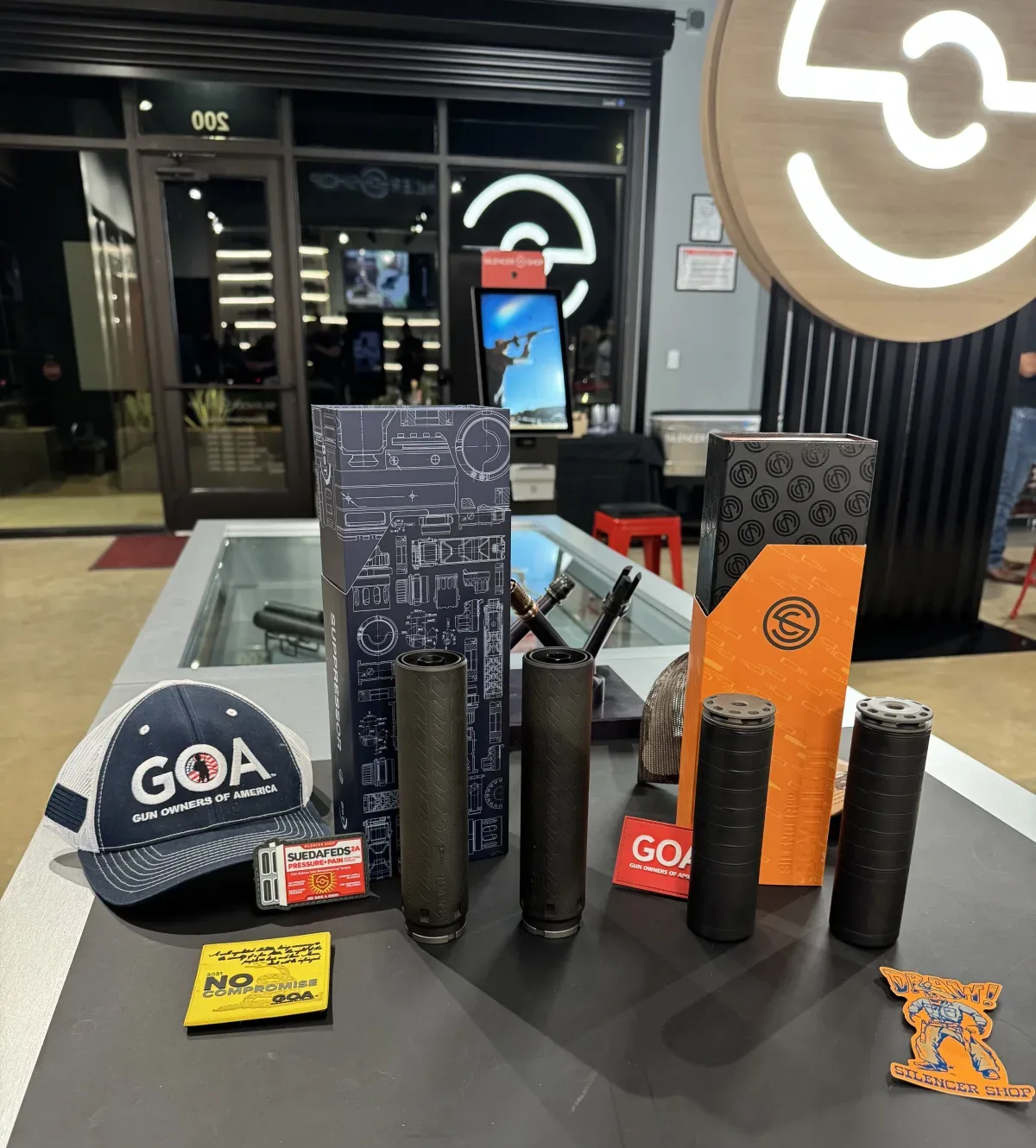
- →The cans: A SilencerCo Scythe-Ti Black and a B&T Print-XH RBS 556, sold at $17.76 and $19.34. The prices are the point: 1776 and the year the NFA passed.
- →The legal basis: Judge James Wesley Hendrix's August 5 permanent injunction in Silencer Shop Foundation v. BATFE, which held NFA registration unconstitutional for the untaxed categories. On the evening of August 12, Rep. Andrew Clyde announced the Trump administration confirmed the DOJ will not appeal.
- →The limit: The injunction is party-specific, not nationwide. Everyone outside it still files an eForm 4, and dealer transfers keep the 4473 either way, plus a NICS check unless the buyer holds a qualifying state carry permit.
What Happened at Midnight
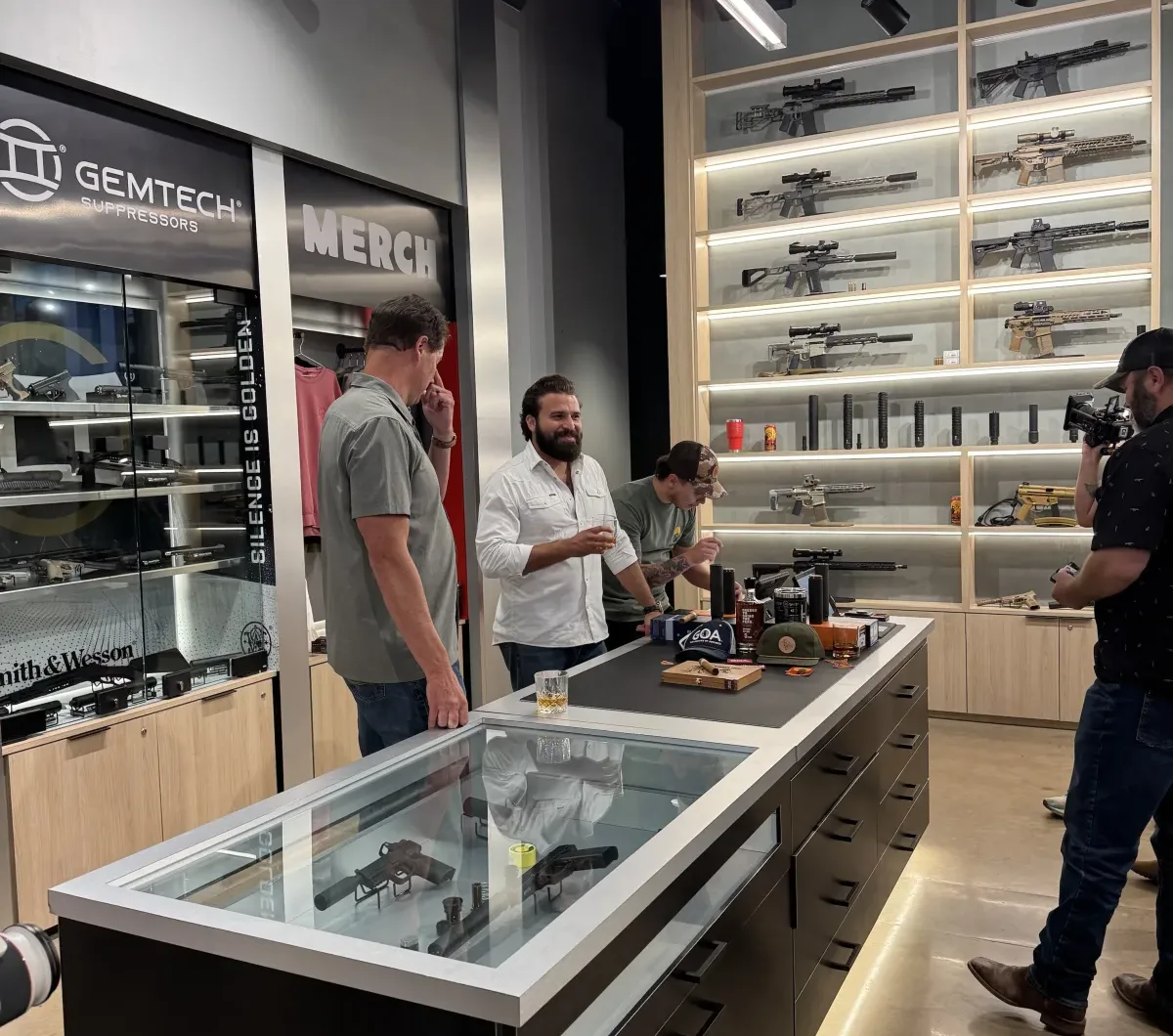
At 12:01 a.m. CDT on August 13, 2026, Silencer Shop handed two suppressors across the counter of its new Texas storefront with no Form 4, no ATF approval, and no entry in the National Firearms Registration and Transfer Record. Gun Owners of America confirmed the transfers as they happened, roughly twelve hours after telling Attorney General Todd Blanche and ATF Director Robert Cekada in writing that they were coming. The letter, signed by the two recipients and Silencer Shop CEO Dave Matheny, called the event the first lawful commercial transfer of a silencer outside the NFA process since June 26, 1934, and nothing intervened to stop it.
The letter was a deliberate test, not a stunt executed in silence. It gave the Justice Department until 5:00 p.m. Eastern on August 12 to respond in writing that the transfers would be unlawful or that the government intended to enforce the challenged provisions. The deadline passed without a word from DOJ or ATF. An objection would have stopped the transfers and moved the fight to the Fifth Circuit; instead, two suppressors changed hands at midnight under the protection of a federal permanent injunction, and the government's non-response is now part of the record.
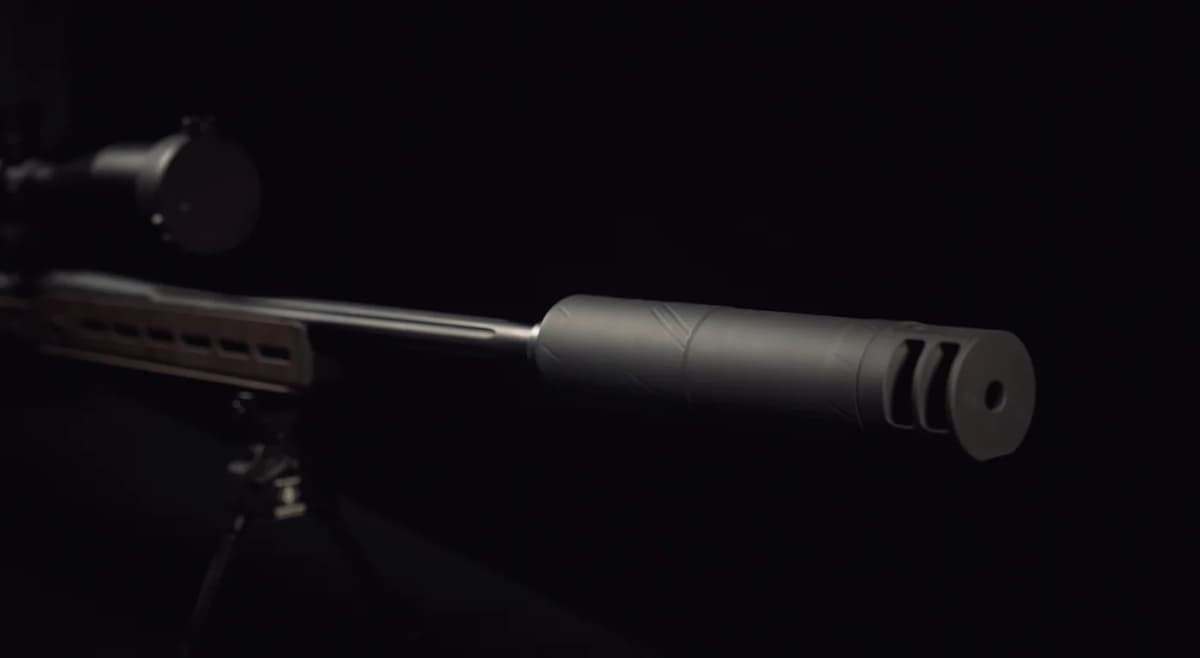
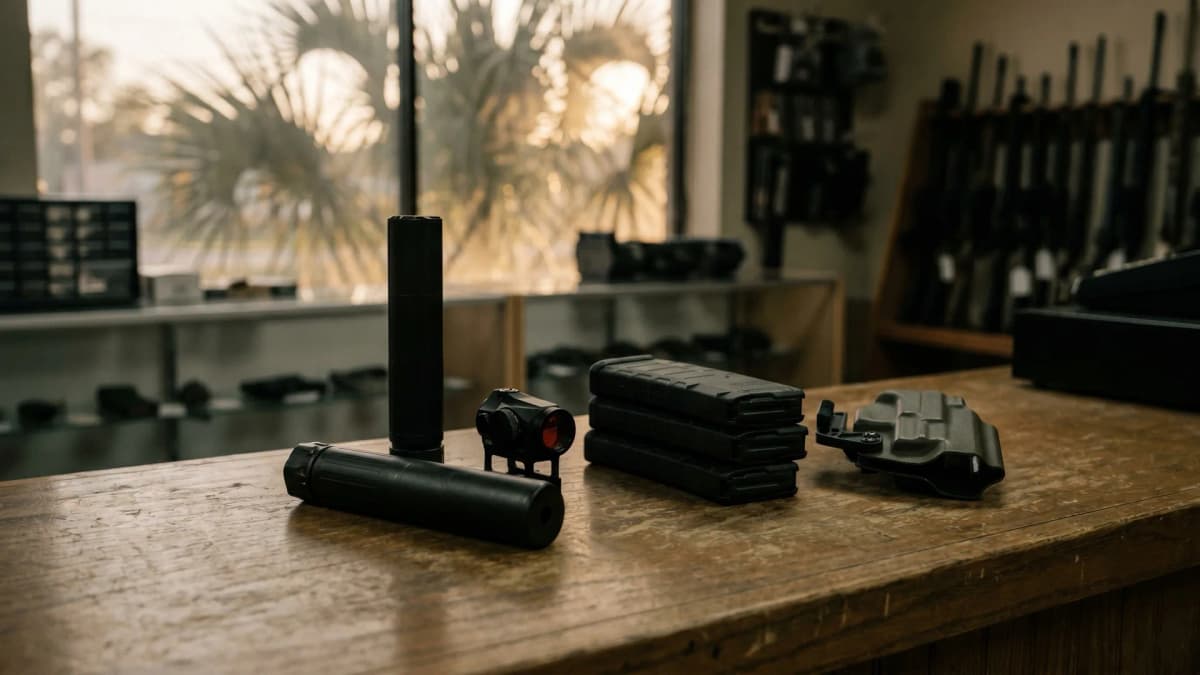
The hardware carried the message. SilencerCo supplied a Scythe-Ti Black, its all-titanium .30-caliber can sold exclusively through Silencer Shop, and B&T USA supplied a Print-XH RBS 556, a 3D-printed titanium reduced-backpressure design with an Inconel blast baffle. Silencer Shop rang them up at $17.76 and $19.34: the year of the Declaration and the year the National Firearms Act became law. Rep. Andrew Clyde, who carried the suppressor language that zeroed the transfer tax, spoke at the storefront in the minutes before the sale.
The transfers still ran like any other firearm sale at an FFL: a 4473 under the Gun Control Act, which the ruling leaves fully intact. Herrera cleared a NICS check. Virdell presented his Texas License to Carry, which ATF recognizes as a qualifying alternative to the point-of-sale check under 18 U.S.C. 922(t)(3), and skipped NICS the way any Texas LTC holder does buying a rifle. What disappeared is the registration layer, the paperwork spine of the NFA since 1934.
Who Takes Delivery
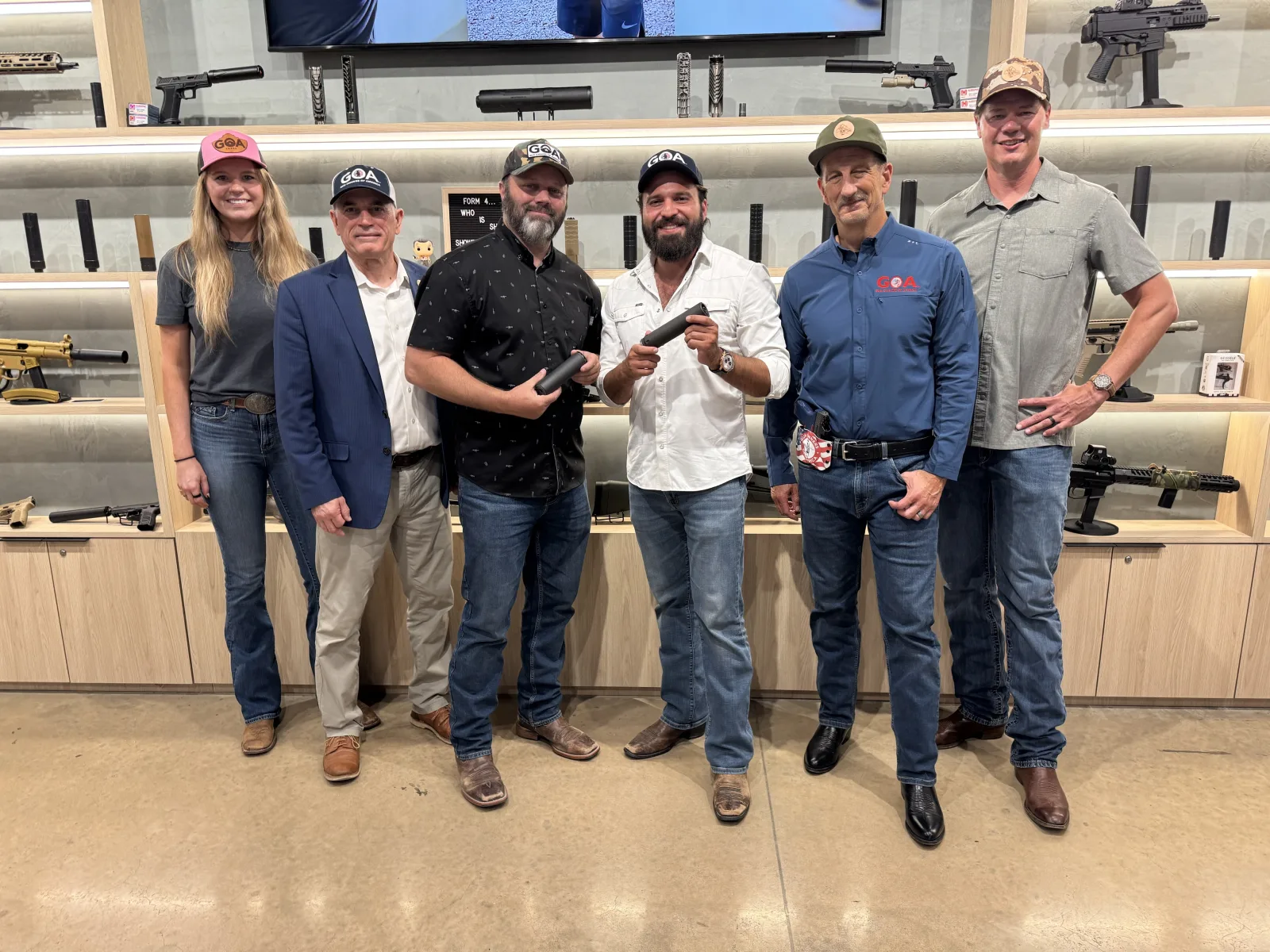
The recipients were Brandon Herrera and Wes Virdell, and neither was picked at random. Herrera, best known as the AK Guy on YouTube, is the Republican nominee for the U.S. House in Texas's 23rd congressional district. Virdell is the sitting Texas state representative for House District 53. Both men are Gun Owners of America members, which is the coverage hook: the injunction protects members of the six plaintiff organizations, customers of the four plaintiff companies, and customers of the organizations' commercial member businesses.
Putting a congressional nominee and a sitting legislator at the counter turns a legal milestone into a political statement. Herrera built an audience of millions around NFA items and has campaigned on repealing the statute outright. Virdell carried pro-gun legislation in Austin and holds a Texas License to Carry. If the Justice Department ever decided to treat the transfers as felonies, it would be prosecuting two elected-track Republicans acting in the open, on advance written notice, under a federal court order that says the law cannot be enforced against them.
The Injunction Behind the Transfer
The transfers rest on Judge James Wesley Hendrix's August 5, 2026 ruling in Silencer Shop Foundation v. BATFE, No. 6:25-CV-056, which held that the NFA's registration, transfer-approval, and making-approval provisions are unconstitutional as applied to suppressors, short-barreled rifles, short-barreled shotguns, and AOWs. The reasoning is the one we broke down in our coverage of the ruling: the NFA survived since 1937 as a tax statute, and once the One Big Beautiful Bill Act zeroed the tax on those categories, a registration scheme that collects nothing lost its constitutional anchor. As the GOA letter puts it, the challenged NFA provisions rise and fall on the taxing power.
The judgment came with a seven-day stay that lapsed at the end of August 12, and the timing of the midnight transfer is no accident: 12:01 a.m. CDT on August 13 is the first minute the permanent injunction operates with no stay in place. The Justice Department filed no appeal, sought no stay from the Fifth Circuit, and let the letter's 5:00 p.m. deadline pass without a response. The pressure campaign got its answer the same evening: Rep. Andrew Clyde announced he had received confirmation from the Trump administration that the DOJ will not appeal the ruling. GOA had urged the White House to let the ruling stand, while nearly 50 members of Congress led by Clyde and Sen. Steve Daines pressed the DOJ to decline any appeal and apply the ruling to all untaxed transfers nationwide through rulemaking.
The injunction is party-specific under the Supreme Court's 2025 Trump v. CASA rule against universal injunctions. It protects the named plaintiffs, members of the six plaintiff organizations including GOA, and customers of the plaintiff companies, and Herrera and Virdell check both boxes. It does not protect a buyer with no plaintiff connection, which is why the standard process remains the rule for nearly everyone. Our how to buy a suppressor guide walks that current process end to end, and our Form 4 explainer covers whether your own next purchase falls inside the injunction.
What This Means for Everyone Else
For a buyer outside the injunction, nothing changed at midnight. The eForm 4 remains the path: fingerprints, photo, NICS check, $0 tax. For applications finalized in July 2026, ATF reported average processing times of 9 days for individual eForm 4 and 33 days for trust eForm 4. Individual waits can be longer. Suppressors also remain legal in 42 states, and the eight state bans are untouched by any of the federal litigation. If the ruling survives appeal, the pool of covered buyers is already enormous: GOA claims millions of members, and the judgment reaches the plaintiffs' members and customers "both current and future."
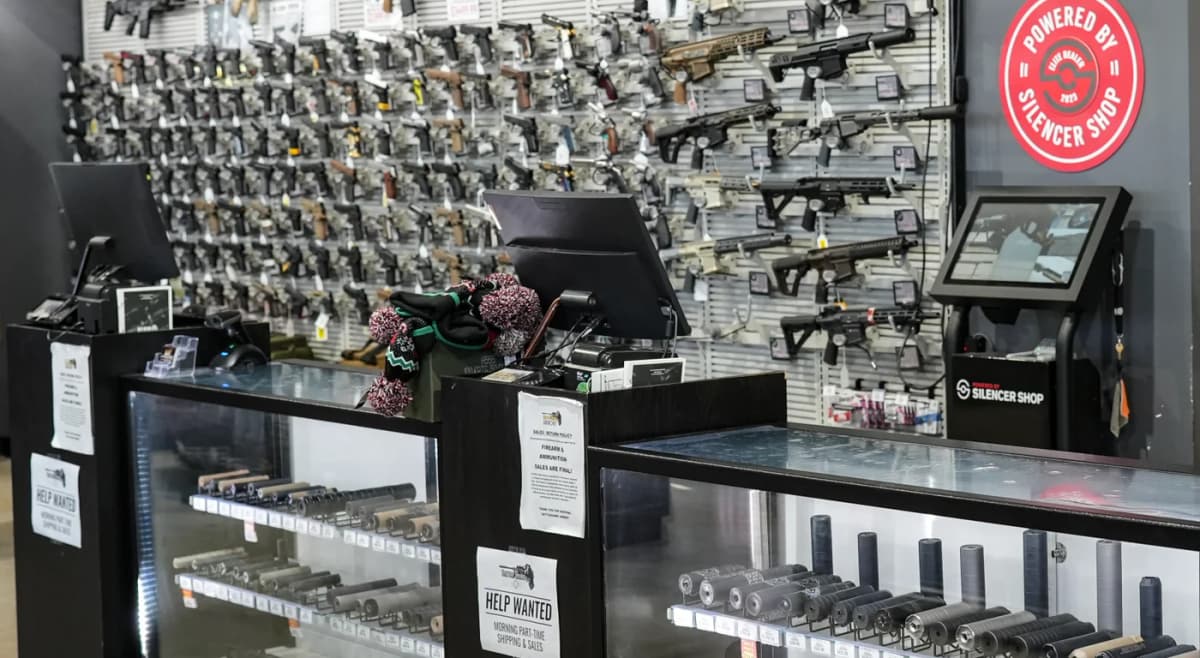
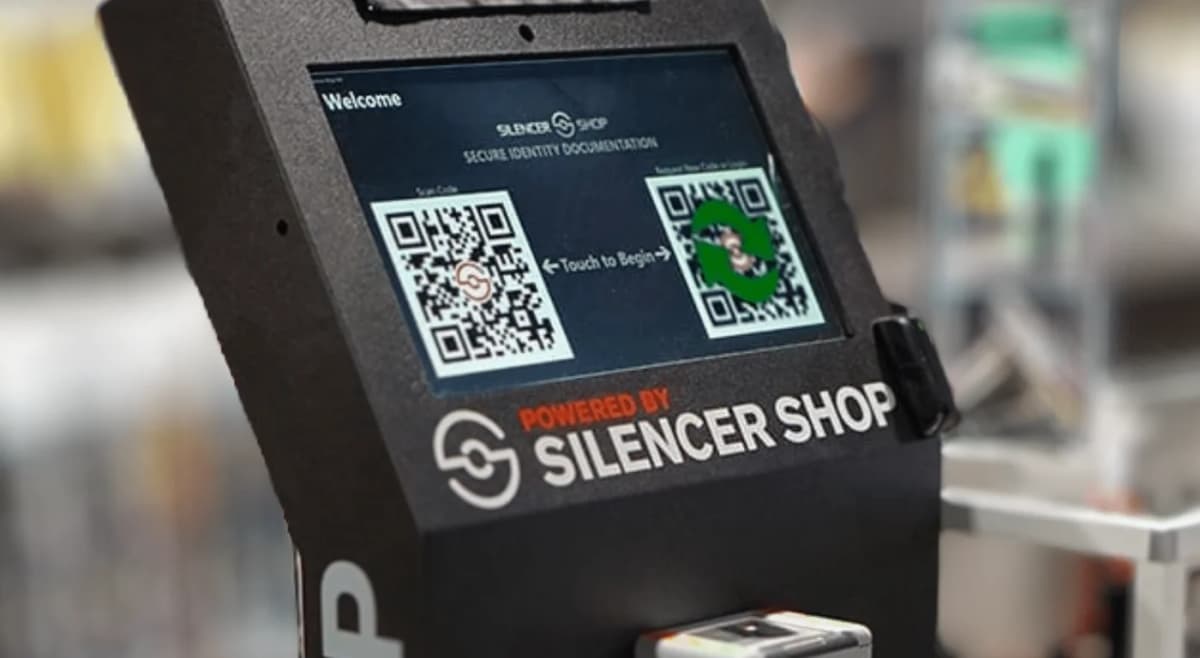
For covered buyers the midnight ceremony is not a one-off. Silencer Shop announced that from August 13 its store and its Powered by Silencer Shop dealer network will run no-Form-4 suppressor and AOW transfers as the standard process: a 4473, a NICS check, and same-day pickup, in the 27 states it counts as free of state-level NFA requirements. In the 15 states whose own statutes tie possession to federal registration, it keeps filing Form 4s while it litigates those laws. Short-barreled rifles and shotguns stay on the Form 4 everywhere: the Gun Control Act's 922(b)(4) separately requires Attorney General authorization for a dealer to sell one, and an approved Form 4 is currently the only thing that supplies it.
The market signal matters as much as the legal one. Suppressor demand has been running at record levels since the tax hit $0, a wave we covered from SHOT Show 2026, and every strip of process that falls away pulls more first-time buyers off the sidelines. A can bought today still goes through the normal pipeline, and picking the right one is the same exercise it was last month: our suppressor buying guide covers hosts, mounting systems, and the current market by caliber.
Shop Suppressors
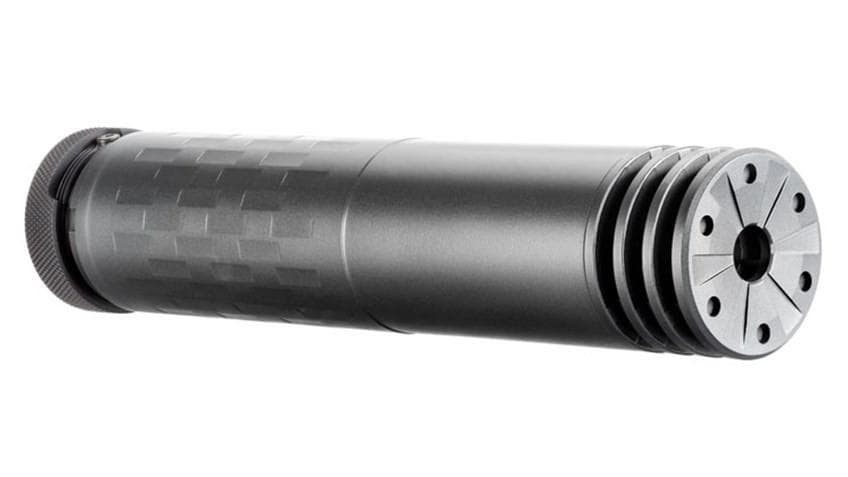
SilencerCo Omega 300
- .30 cal rated
- Direct thread + QD
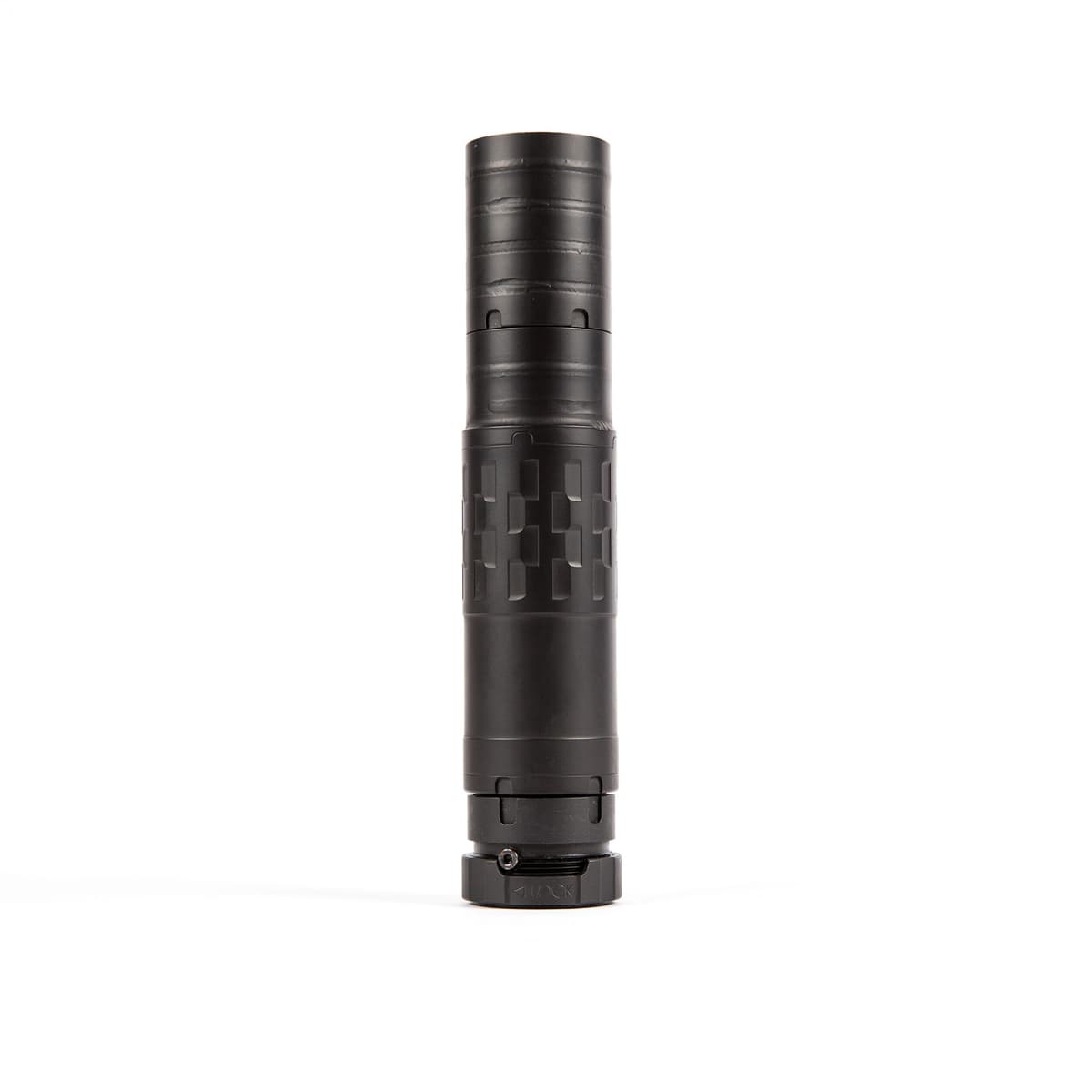
SilencerCo Omega 36M
- 5.7x28 to 9mm / 5.56 to .338 LM / .350 Legend
- 17-4 stainless, titanium, Inconel, Cobalt 6
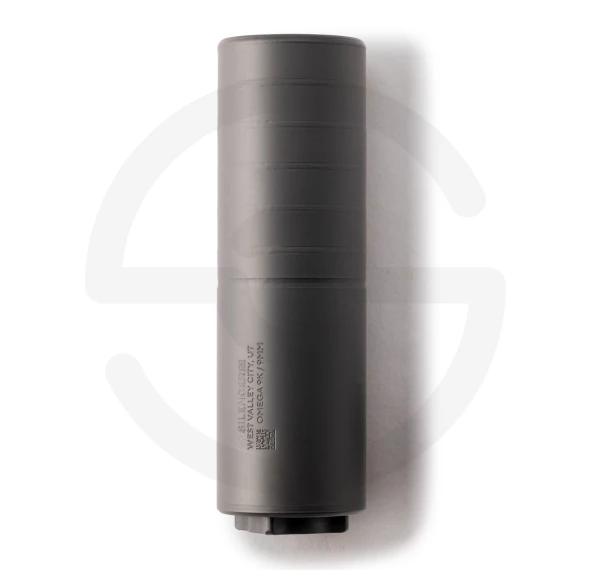
SilencerCo Omega 9K
- 9mm + .300 BLK rated
- 4.54 inches
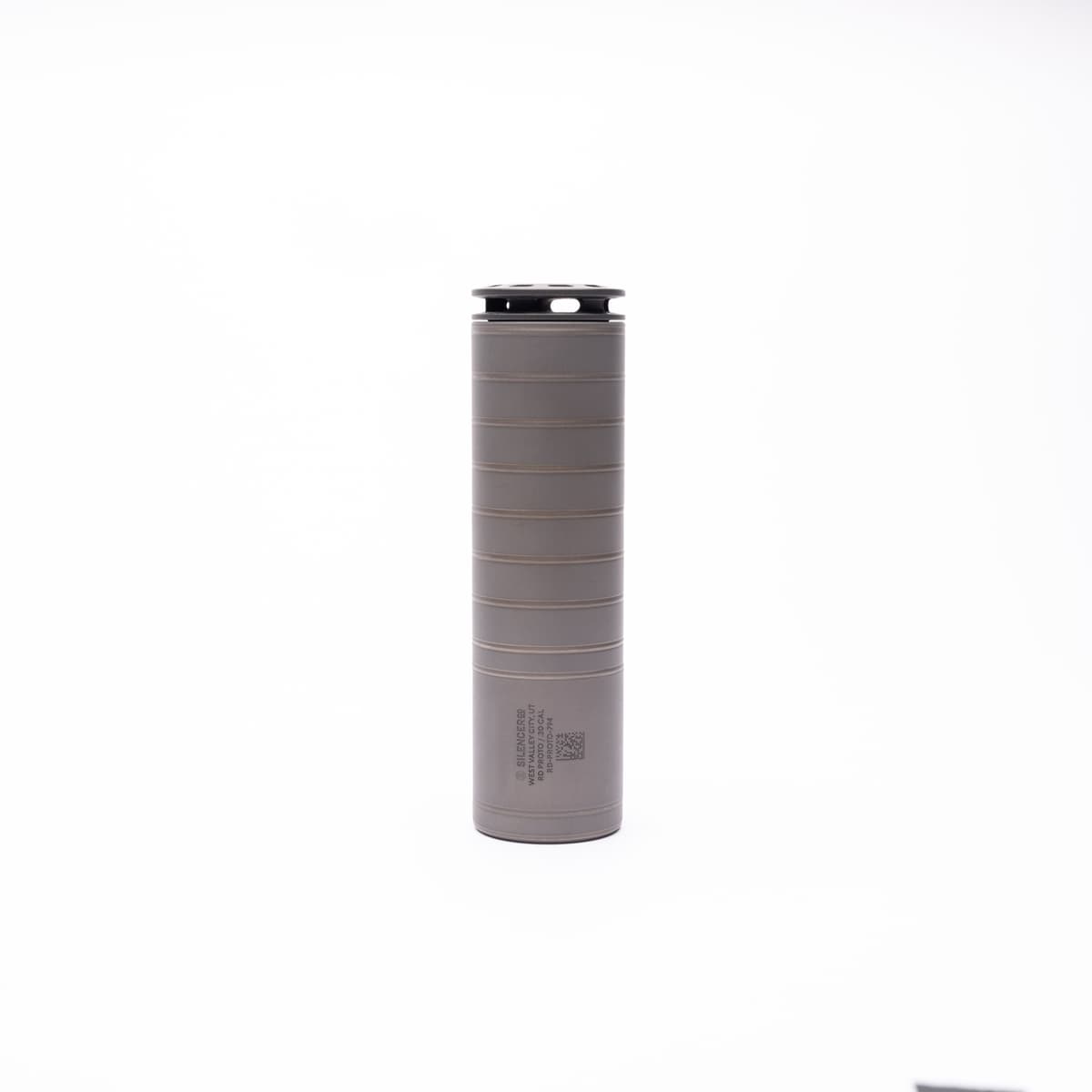
SilencerCo Scythe Ti
- .223 Rem and 5.56 NATO through .300 RUM
- 6.16 in
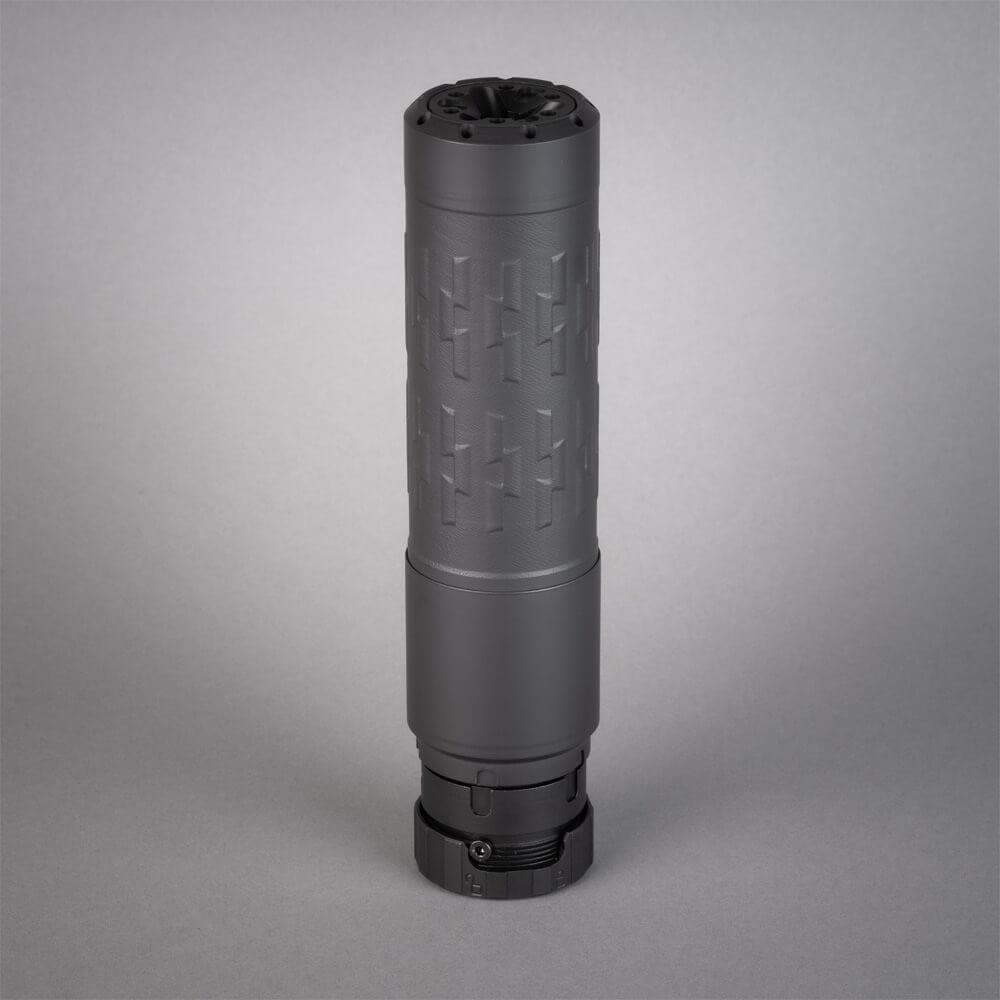
SilencerCo Velos LBP 762
- .223 Rem and 5.56 NATO through .300 RUM
- 6.4 in
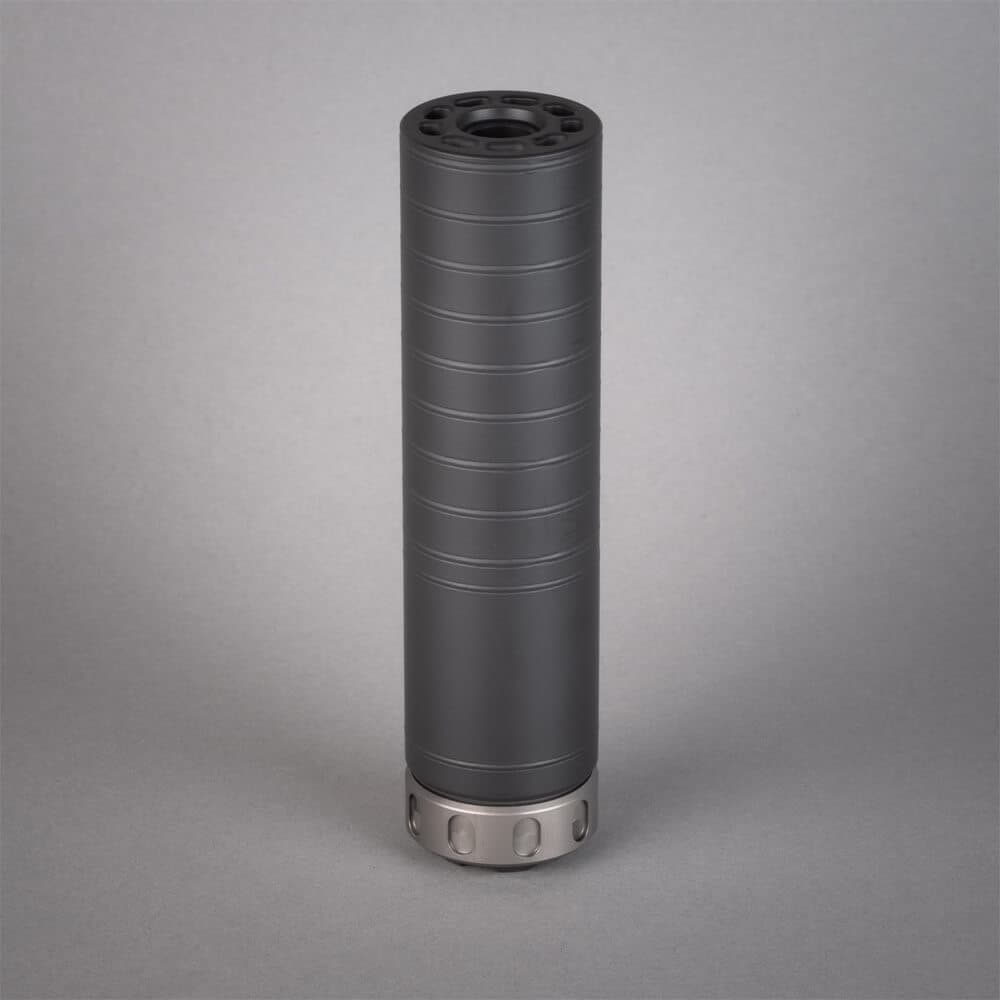
SilencerCo Spectre 9
- 9mm and .300 BLK subsonic
- 4.76 inches
Affiliate links (?)
Track the NFA Litigation
We publish a brief every time this case moves: ATF guidance, the nationwide rulemaking push, and what each step means before you buy or build.
Frequently Asked Questions
▶Do you still need a Form 4 to buy a suppressor?
▶Can you just go buy a suppressor now?
▶Who received the first suppressors without a Form 4?
▶Did the DOJ object before the deadline?
▶Is the NFA registry gone?
Bottom Line
A federal injunction, a lapsed stay, a silent Justice Department, and two politically bulletproof recipients: GOA engineered the first no-Form-4 suppressor transfer since 1934 to be as hard to prosecute and as easy to publicize as possible. The government answered twice on August 12: it let the 5:00 p.m. deadline pass without a word, and hours later the administration confirmed through Rep. Clyde that the DOJ will not appeal. If the administration holds to that through the 60-day appeal window, the Fifth Circuit is off the board and the midnight transfers are the start of something durable rather than a footnote before a stay.
For everyone outside the injunction, the practical rule is unchanged: file the eForm 4, take the roughly week-long approval, and watch for ATF guidance on how far the ruling reaches. Investigators have already closed four dealer inspections without citing 4473-only suppressor transfers. With the appeal off the table, the fight has moved from the courts to the agencies, and the open question is whether the DOJ extends the ruling nationwide through rulemaking.
Update, August 29, 2026: the no-Form-4 transfers keep spreading. Users on r/NFA reported taking possession of a Griffin Armament DUAL-LOK PSR 5, a HUXWRX Flow 9K Ti, a Dead Air Wolfman, and a Rugged Obsidian 9 on a standard 4473 and NICS check with no Form 4. Those are anonymous community reports rather than legal authority, and what they show is dealer implementation widening while formal ATF instructions are still pending. The same day, ATF Director Robert Cekada said the agency is following the order and "will not take enforcement action against protected parties inconsistent with that ruling," adding that guidance "will be posted online as soon as we are done" and rejecting a viral, anonymously sourced headline about ATF planning revenge on gun owners as "completely FALSE." Read the term narrowly: protected parties is the injunction's covered class, not the general public.