Key Takeaways
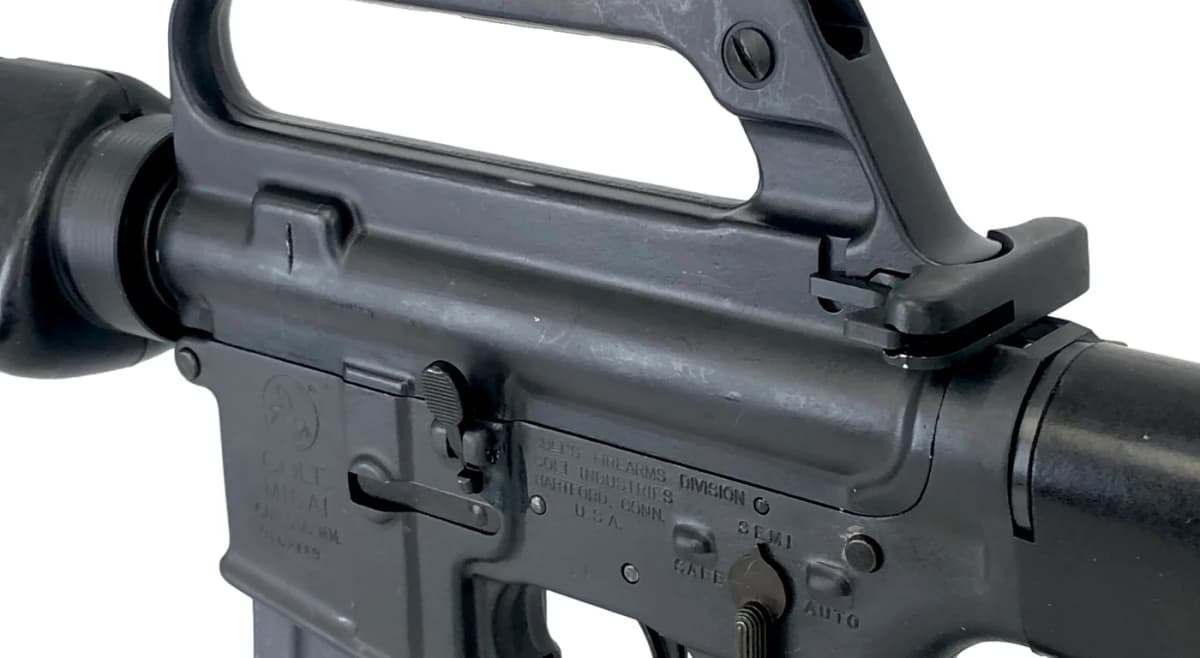
- →The holding: On September 1, 2026 a Third Circuit panel affirmed Joseph Berger's convictions in No. 24-2125, holding that machine guns are "Arms" covered by the Second Amendment's text but that the federal ban at 18 U.S.C. 922(o) survives anyway.
- →The mechanism: Judge Bibas placed the common-use question at Bruen's second step, then resolved it on the weapon's features rather than on how many exist. Machine guns are "indiscriminate weapons of war and crime, not self-defense ones," so the ban fits the tradition of prohibiting dangerous and unusual arms.
- →The number nobody counted: ATF puts roughly 2,382,403 machine guns in the NFRTR as of June 2025 and 782,958 registered by state as of May 2024. The 16-page opinion never cites a registration figure of any kind.
- →The bigger precedent is the suppressor half: Bibas and Restrepo held that NFA registration does not "infringe" the Second Amendment at all, putting minimal, objective buying-and-selling rules outside the Amendment's scope at Bruen's first step instead of defending them with history.
- →What changes for owners: Nothing. Pre-May 19, 1986 transferables still transfer on a Form 4 with the $200 tax that machine guns kept when the One Big Beautiful Bill Act zeroed it for suppressors and SBRs on January 1, 2026.
What the Third Circuit Held
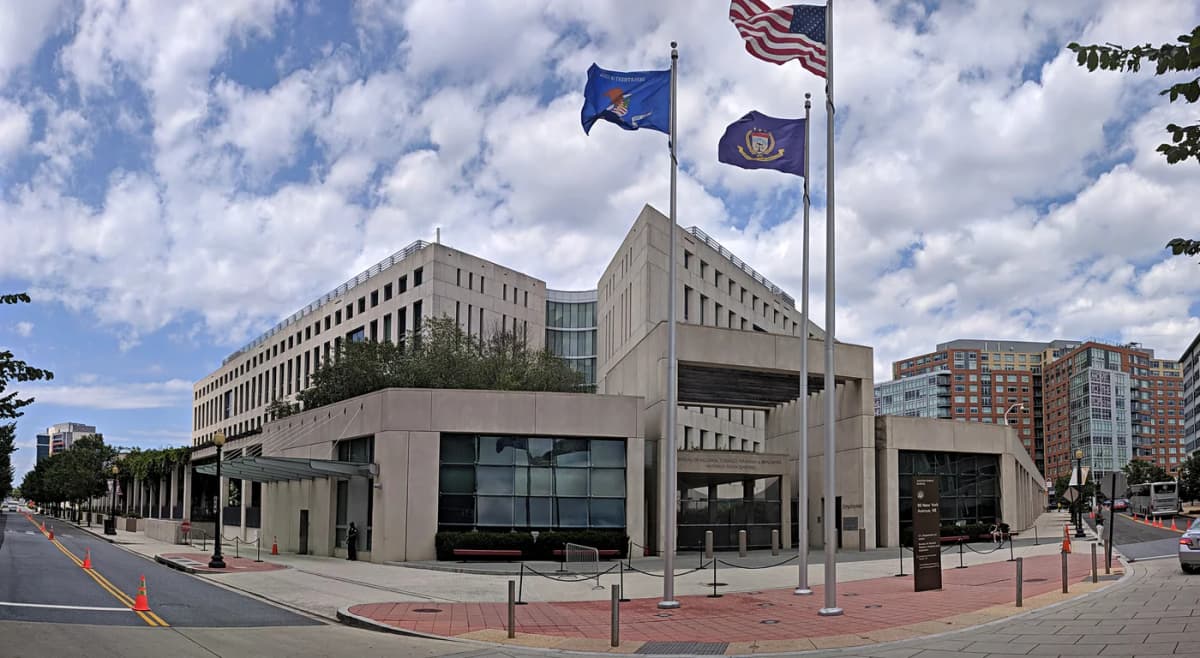
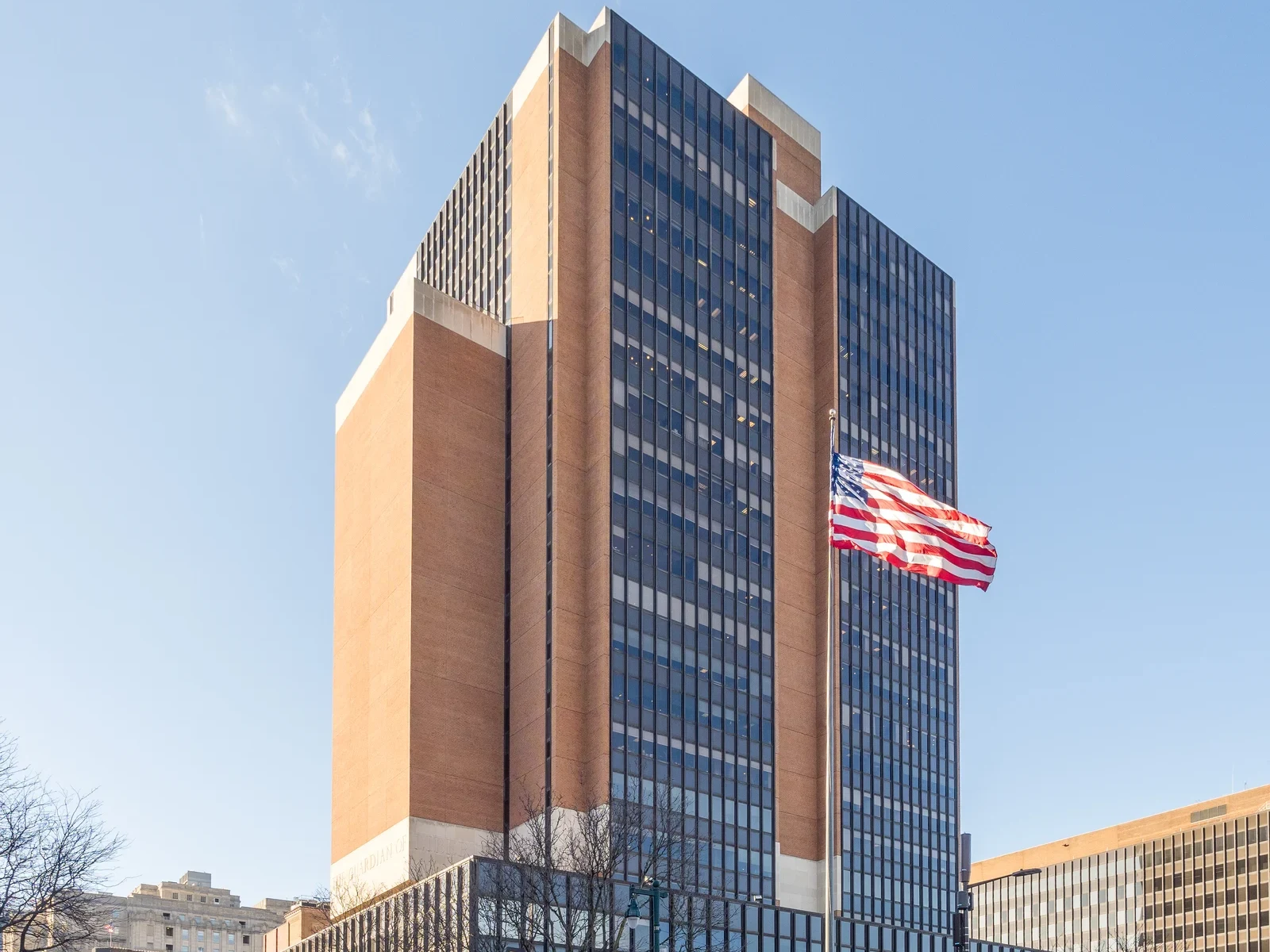
A three-judge Third Circuit panel upheld the federal machine gun ban and the NFA's suppressor registration requirement, affirming Joseph Paul Berger's conviction and sentence in a precedential opinion filed September 1, 2026. Judge Stephanos Bibas wrote for the court, joined by Judge Restrepo. Judge Chung concurred in the judgment but refused to join the suppressor analysis. The case was argued more than a year earlier, on July 8, 2025, and held pending the en banc decision in Association of New Jersey Rifle & Pistol Clubs v. Attorney General.
The opinion opens with the line that will follow it into every brief on both sides: "Gun bans are strong medicine. But occasionally, they are just what the doctor ordered." Bibas frames the principle narrowly. History permits banning weapons that are "commonly used principally for crime," and in his reading machine guns are the category that fits.
The underlying facts are not a test case. Federal agents intercepted a package of three silencers shipped from China to Berger's home in Bethlehem, Pennsylvania, searched the house on a warrant, and found more than five dozen guns, thirteen of them fully automatic and mostly AK-47 variants, plus a dozen silencers and evidence that Berger and his father had bought conversion parts. He pleaded guilty while reserving the Second Amendment issue for appeal.
Machine Guns Are Arms, and the Ban Still Stands
The panel conceded step one and won on step two. "At step one, machine guns are firearms, so they are ‘Arms’ protected by the text of the Second Amendment," the opinion says. That concession matters, because the Third Circuit's own 2016 decision in Palmetto State Armory had treated machine guns as categorically outside the right. Under Bruen the burden then shifts to the government, and the panel held the government carried it.
What made that possible was a structural choice the full court made six weeks earlier. In the July 17, 2026 ANJRPC en banc ruling, the Third Circuit decided that the "common use" inquiry belongs at Bruen's second step, and that a court may "examine a weapon's features to determine whether a weapon is in common use for lawful purposes." Berger runs that features analysis and never runs a headcount.
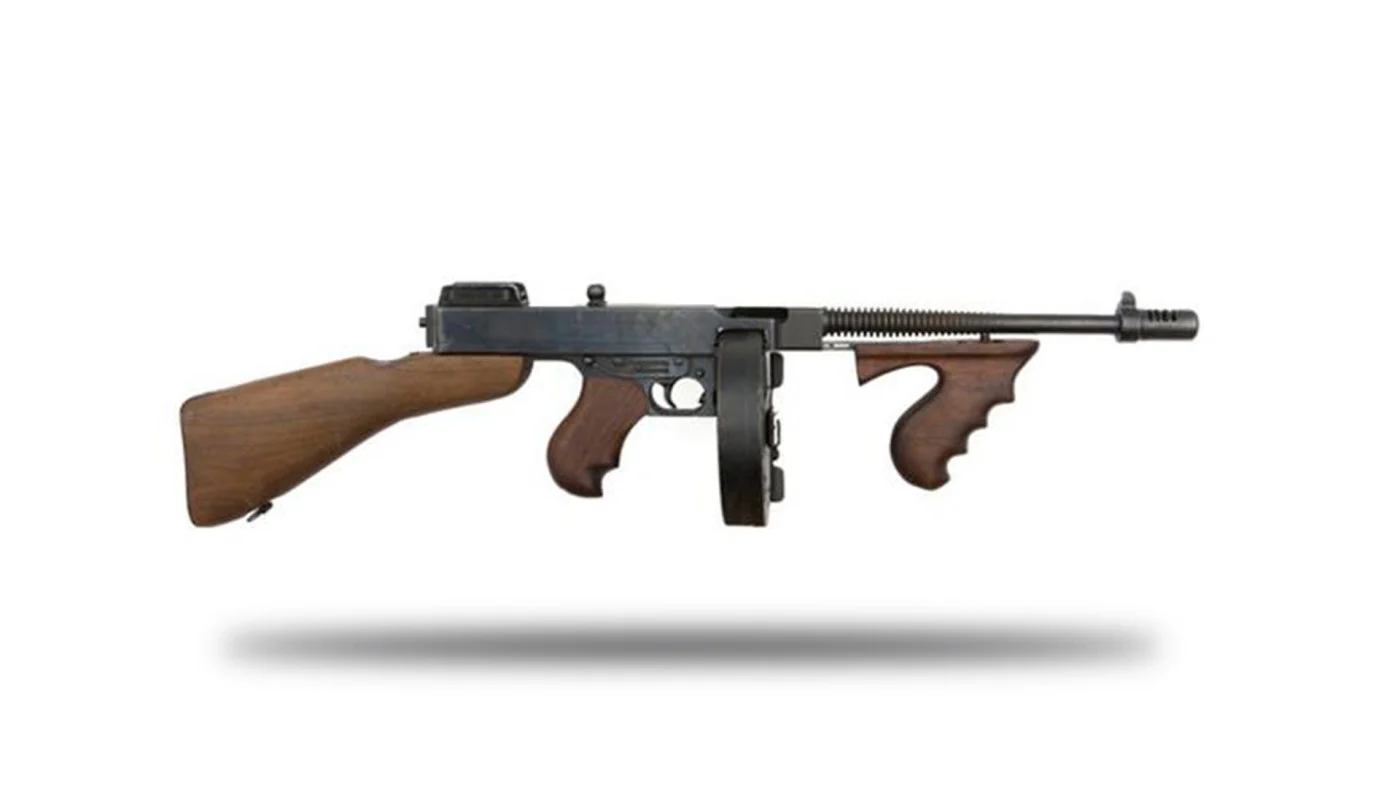
The features the panel weighed are rate of fire and controllability. It cites Army Field Manual 3-22.9, which teaches that automatic and burst fire "drastically decrease the probability of hit," the 1968 Senate report declaring machine guns "primarily weapons of war" with no personal-protection use, and William Helmer's history of the Thompson, which was "an unqualified success" as a criminal's weapon and "a flop" as a police one. From there the conclusion is short: machine guns "are indiscriminate weapons of war and crime, not self-defense ones."
The historical section is careful about its own limits. The panel counts at least twenty-nine states plus Congress banning machine gun possession between 1925 and 1934, then adds a parenthetical disclaiming those laws as a tradition, since "the primary time period for the analogical inquiry is the Founding era." They are offered only to show a rapid consensus. The actual analogue is Blackstone by way of Heller: a tradition of prohibiting the carrying of dangerous and unusual weapons.
The 782,958 Registered Machine Guns the Opinion Never Mentions
ATF's own published data puts roughly 2,382,403 machine guns in the National Firearms Registration and Transfer Record as of June 2025, and approximately 782,958 registered by state as of May 2024. Neither figure appears in the opinion. A search of all sixteen pages turns up no registration count and no NFRTR citation of any kind.
ATF is candid that its own totals are not a civilian ownership census. The agency notes that the NFRTR number includes machine guns registered to government entities, dealer sample guns held by licensees, exported guns whose records remain on file, and deactivated war trophies that no longer function, and states plainly that the total "is not the same as the number that is possessed by law-abiding individuals." The genuinely transferable civilian pool, the guns registered before May 19, 1986, is a fraction of either figure and has not grown in forty years.
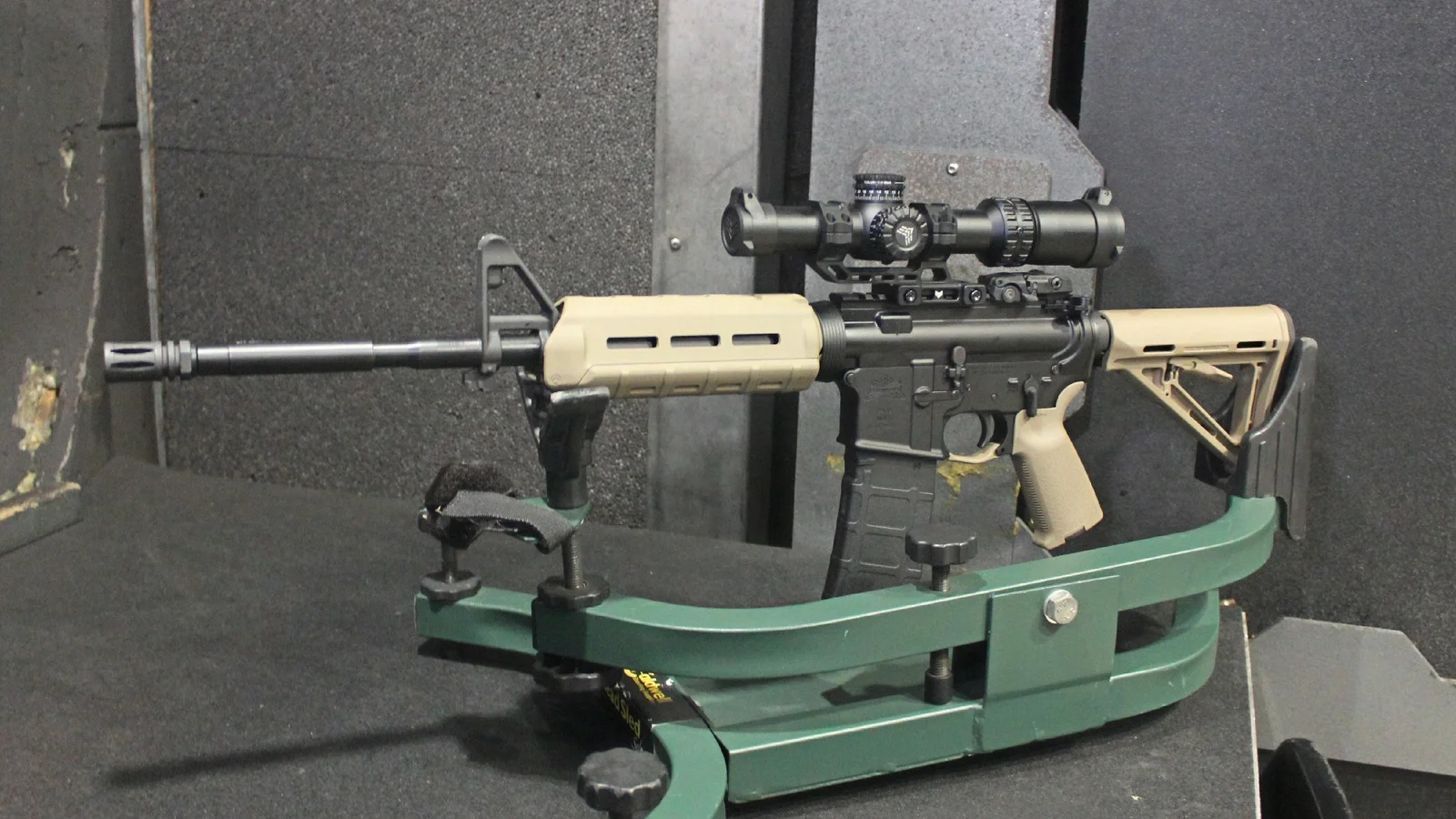
That is the gap the features test was built to step over. Six weeks earlier the same court found 24 million AR-15s and similar rifles in circulation and over 100 million 30-round magazines, and struck down New Jersey's bans on both. Judge Bibas joined that majority. Berger reaches the opposite result without ever putting a machine gun number next to the AR-15 number, because under ANJRPC the panel does not have to. Judge Krause saw it coming. The ANJRPC dissent put civilian machine gun ownership at roughly 176,000 on the Ninth Circuit's figure from Duncan v. Bonta and asked, "How far above 176,000 does the majority's ‘in common use’ threshold lie?" Berger is the first answer, and the answer is that the threshold is not a number at all.
The counterargument the panel did not engage is the circularity one. Civilian machine gun numbers are low because federal law closed the registry in 1986 and priced the surviving pool out of ordinary reach. Reading that government-created scarcity as evidence the weapons are "unusual" lets a ban justify itself over time. The Second Amendment Foundation made exactly that point in response to the ruling, arguing the court failed to acknowledge that machine guns are uncommon because they have been heavily regulated. The Firearms Policy Coalition called the decision "horrifically flawed."
The Suppressor Half Is the Bigger Precedent
Part III of the opinion does something more consequential than the machine gun holding: it puts NFA registration outside the Second Amendment entirely. Rather than defend registration with history and tradition, which is what the government actually argued, Bibas and Restrepo held that "minimal, objective buying-and-selling regulations are not infringements" and are therefore "outside the scope of the Second Amendment." The panel declined to decide whether suppressors are Arms at all, because on this reasoning it does not matter.
The route runs through Bruen's footnote 9, which blessed shall-issue licensing with "narrow, objective, and definite standards." The panel reads the NFA the same way: an application with personal information, fingerprints, a photograph, a description of the item, notice to the local chief law enforcement officer, serialization, and the $200 tax that applied at the time. None of it is discretionary, and 26 U.S.C. 5822 denies an application only where making or possessing the item would itself be unlawful. On that record the panel called it a shall-issue regime, and noted that Berger never argued the $200 tax was exorbitant or that wait times were excessive.
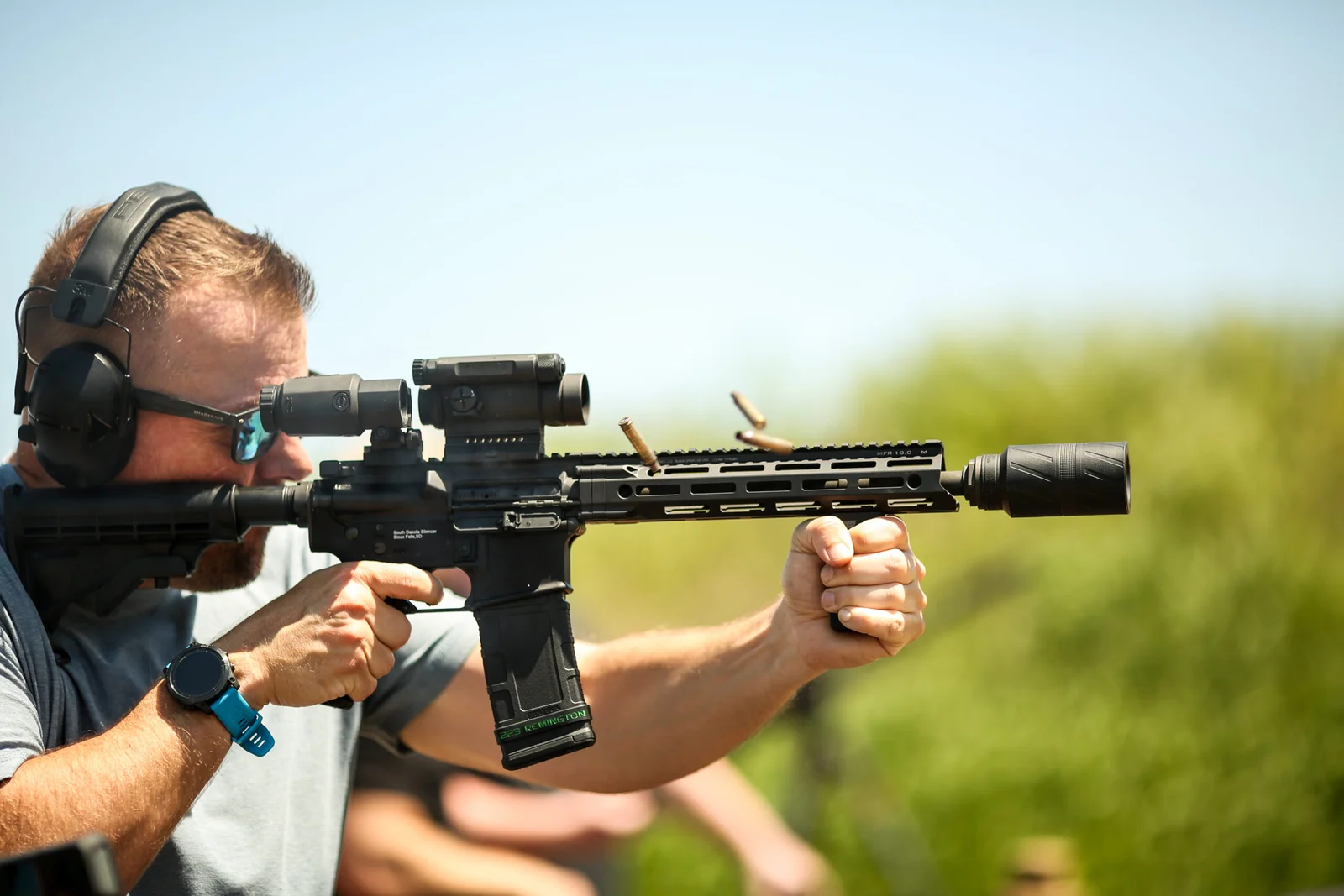
Judge Chung would not sign that. The separate opinion notes that the government never argued non-infringement and sees "tension between this approach and the Supreme Court's rejection of means-end scrutiny and interest balancing." A test that asks whether a burden is small enough to ignore is the kind of weighing Bruen was written to end. Chung concurs on a narrower theory instead, treating a suppressor as an accessory that is not "necessary for a gun to function as intended" and therefore outside the text. That theory is contested on both sides. The Fifth Circuit held the opposite in United States v. Comeaux in June 2026, and the accessory line is only as stable as the definition drawing it: the same ANJRPC standard Chung cites is what put large-capacity magazines inside the text six weeks earlier.
What Part III actually decides is narrow: the NFA silencer registration requirement is constitutional as applied to Berger. The reasoning is what travels. A holding that minimal, objective buying-and-selling rules fall outside the Amendment at step one is a tool the government can reach for whenever a court judges the paperwork light, and how far it reaches beyond suppressors will be litigated case by case. On the result the Third Circuit joins the Fifth Circuit's Peterson and the Fourth Circuit's Speed, both of which upheld NFA registration. On the reasoning it went somewhere the others did not.
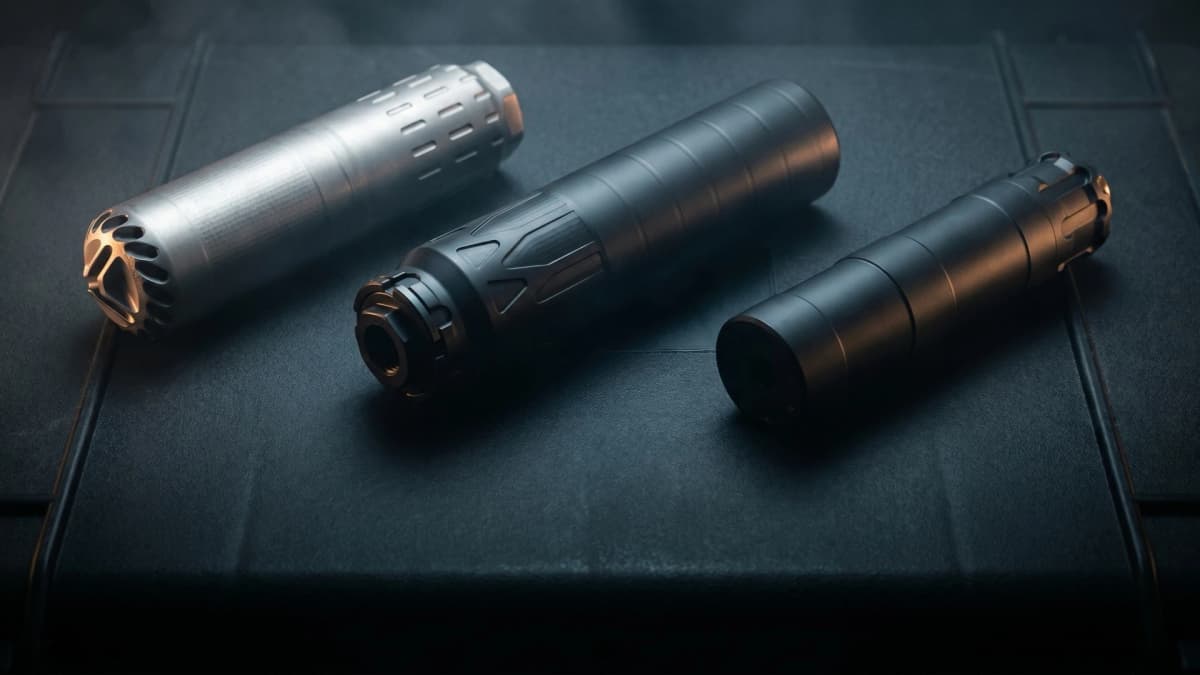
Currently Stocked Suppressors
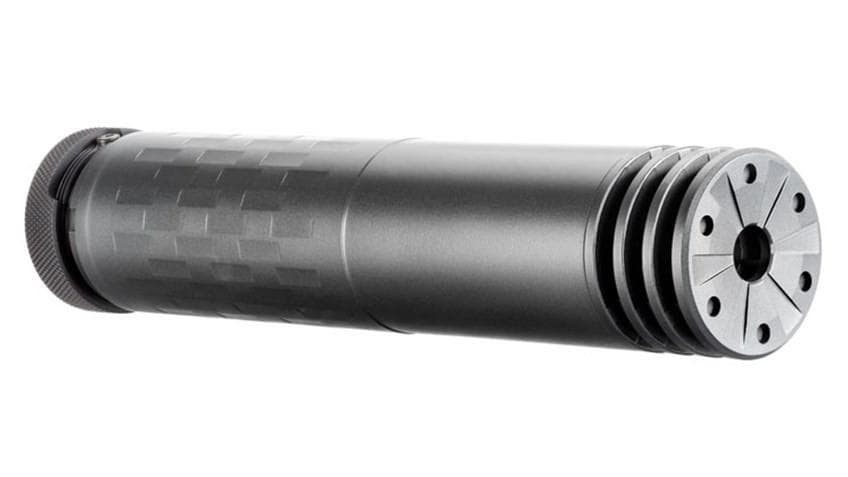
SilencerCo Omega 300
- .30 cal rated
- Direct thread + QD
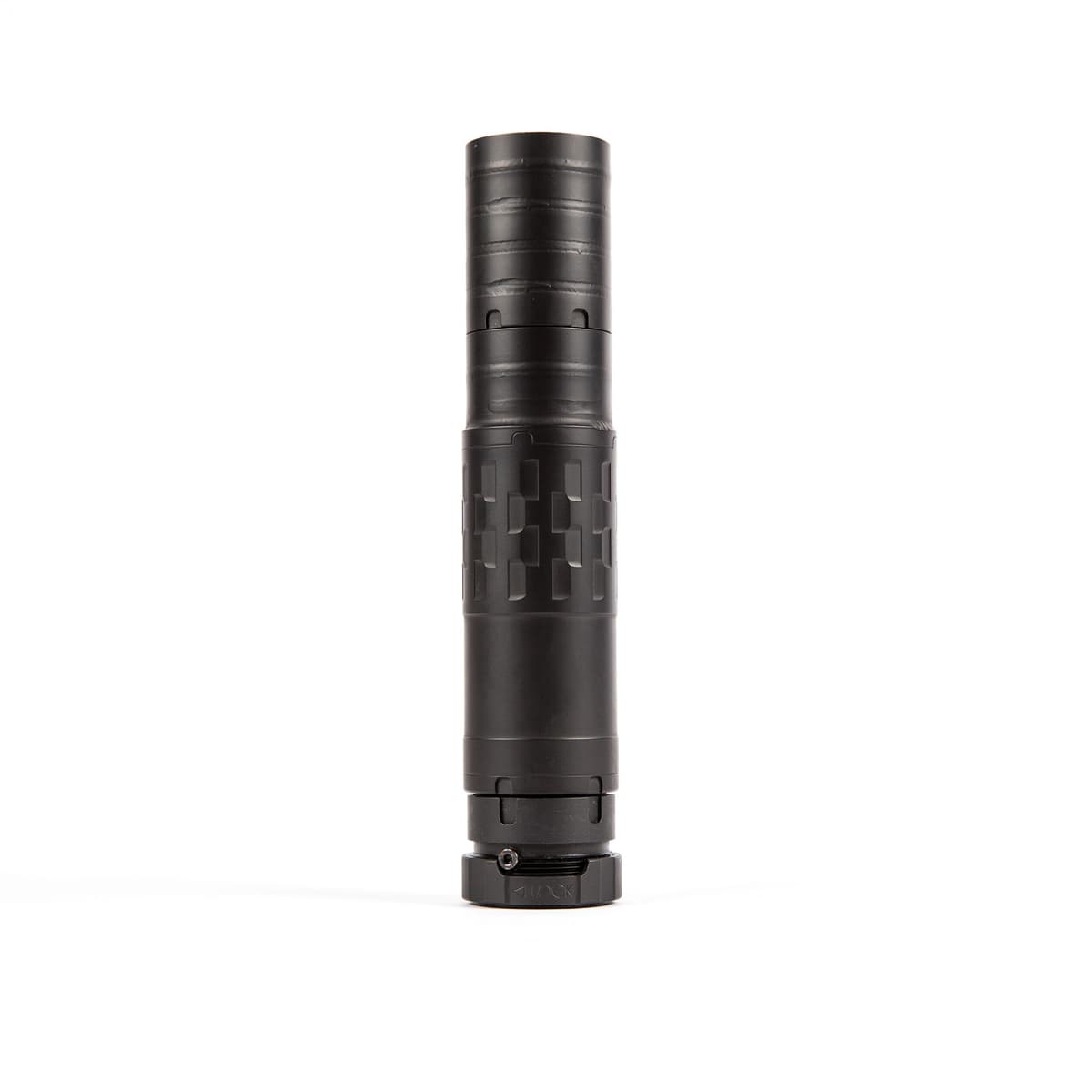
SilencerCo Omega 36M
- 5.7x28 to 9mm / 5.56 to .338 LM / .350 Legend
- 17-4 stainless, titanium, Inconel, Cobalt 6
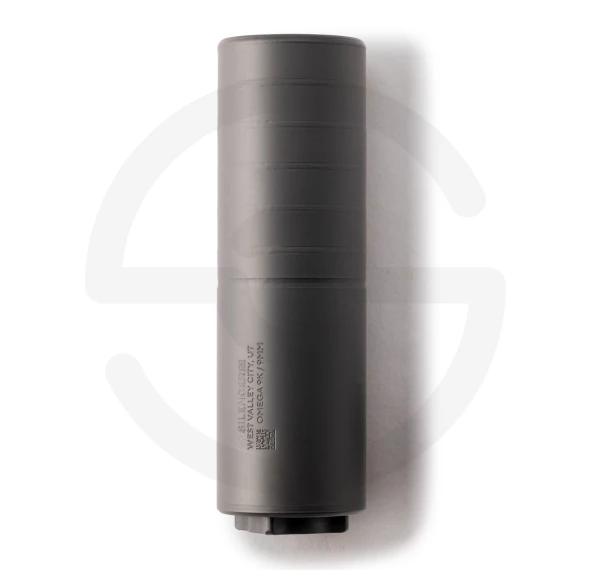
SilencerCo Omega 9K
- 9mm + .300 BLK rated
- 4.54 inches
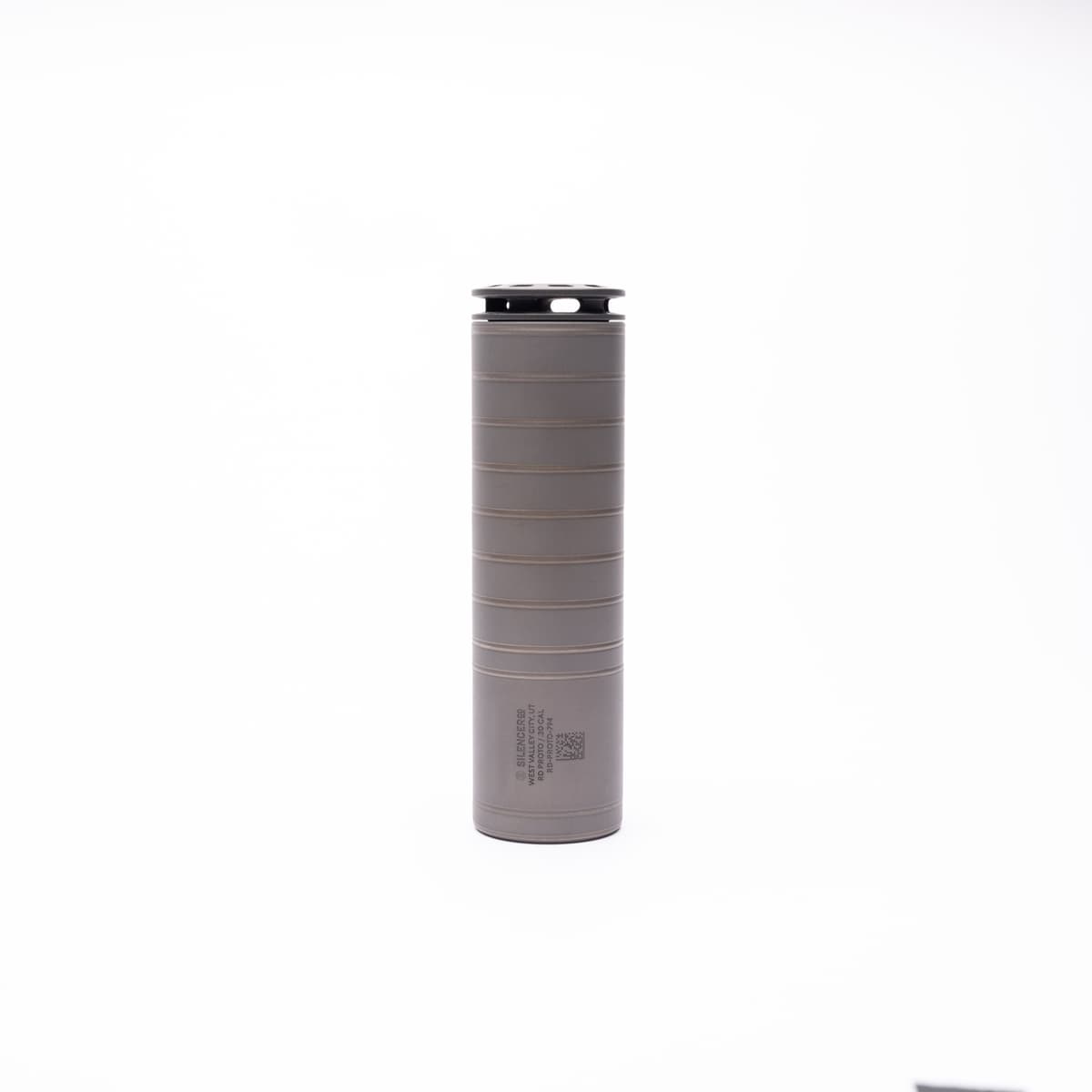
SilencerCo Scythe Ti
- .223 Rem and 5.56 NATO through .300 RUM
- 6.16 in
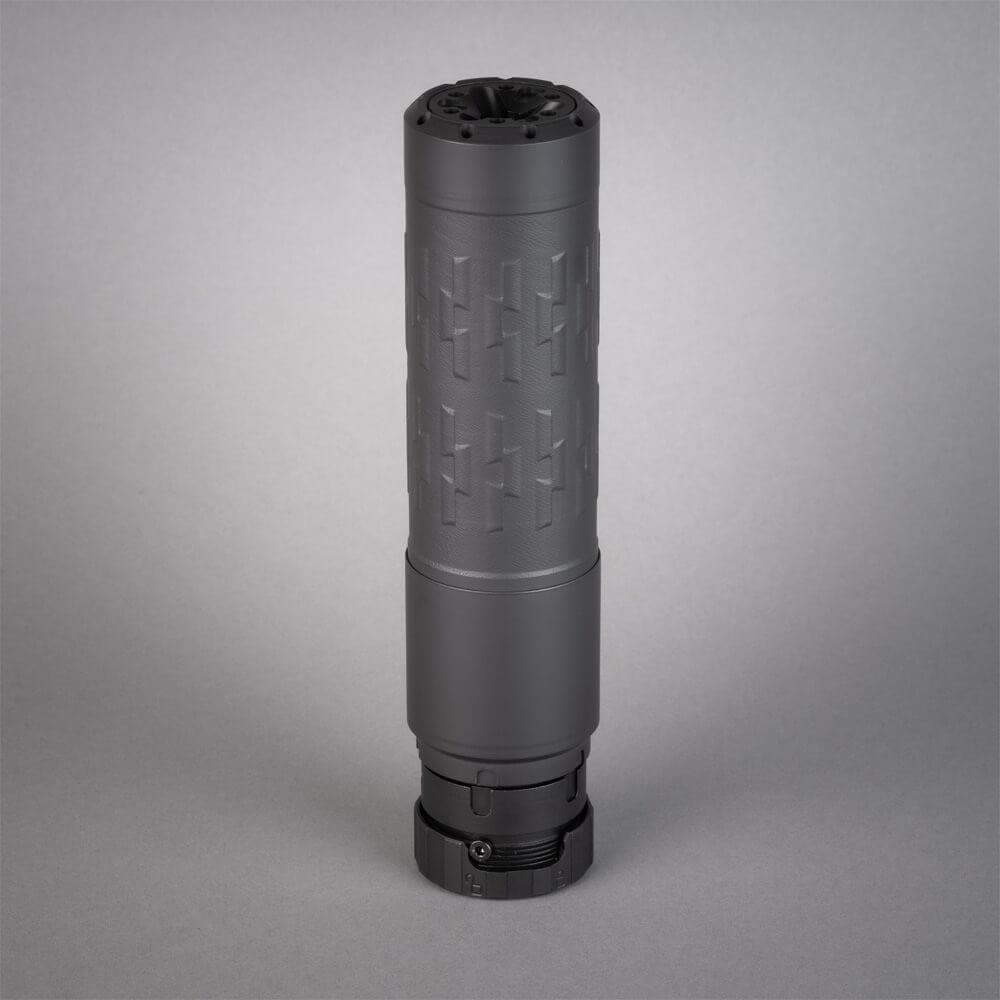
SilencerCo Velos LBP 762
- .223 Rem and 5.56 NATO through .300 RUM
- 6.4 in
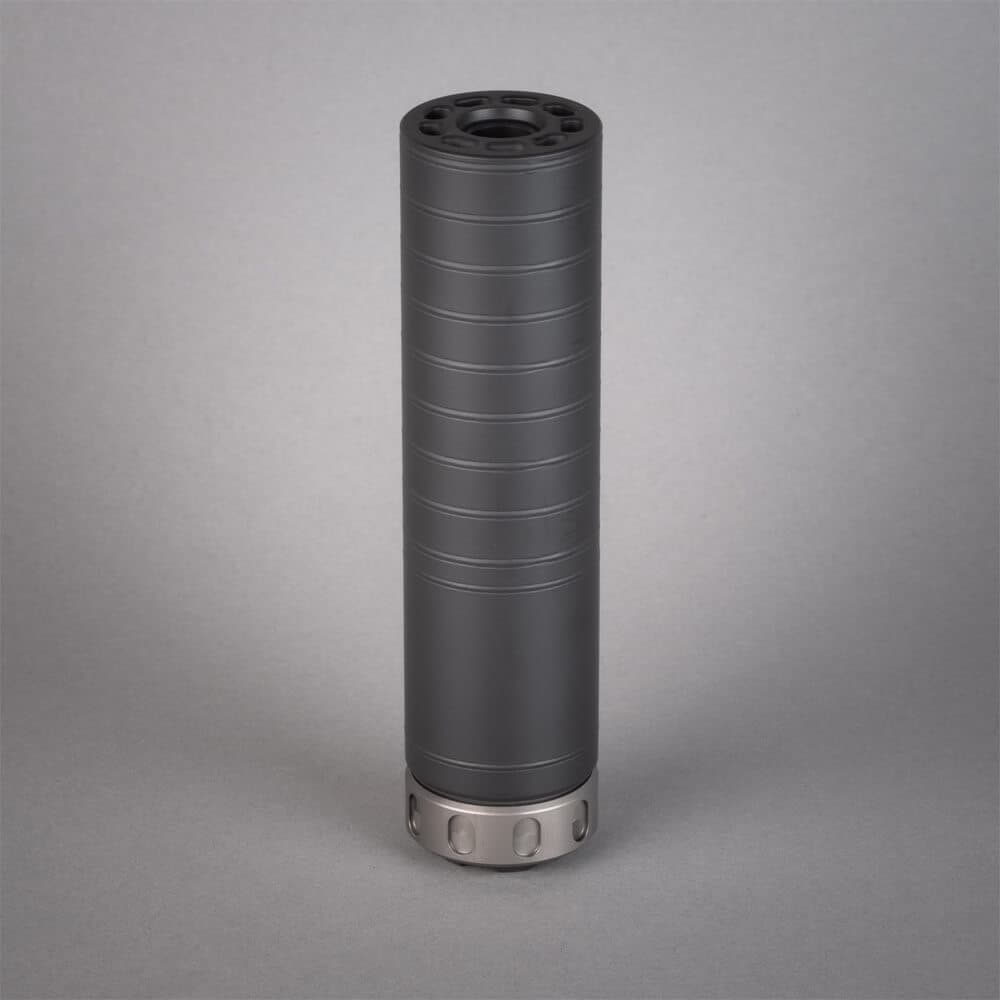
SilencerCo Spectre 9
- 9mm and .300 BLK subsonic
- 4.76 inches
Affiliate links (?)
What Changes for Owners and Buyers
Nothing changes today. Berger affirmed a conviction; it created no new prohibition, no deadline, and no obligation for anyone holding a registered NFA item. Pre-May 19, 1986 transferable machine guns still transfer on an ATF Form 4 with fingerprints, a photograph, a background check, and the $200 tax that machine guns and destructive devices kept when the One Big Beautiful Bill Act zeroed it for suppressors, SBRs, SBSs, and AOWs on January 1, 2026.
Berger does not change the suppressor picture either. It does not touch the party-specific injunction from Silencer Shop Foundation v. ATF, which rests on enumerated powers rather than the Second Amendment, or ATF's October 9, 2026 decision to stop enforcing the Form 4 approval and registration requirements for suppressors, SBRs, SBSs, and AOWs nationwide as a matter of enforcement discretion. The Form 4473 and voluntary eForm 4 paths in our suppressor purchase walkthrough are the current process, and the picks in our suppressor buying guide still cost the same. What Berger adds is one more federal appellate court on record that the paperwork itself is constitutional.
Forced reset triggers sit on entirely separate legal ground and Berger says nothing about them. Section 5845(b) reaches a weapon that fires more than one round per single function of the trigger, and an FRT is built to fire exactly one, which is the mechanism the 2025 DOJ settlement with Rare Breed rests on for rifles and grip-forward pistols. Federal status for grip-fed handgun FRTs is less settled, and state trigger-activator bans operate independently of federal law, so verify both before buying. The hosts that accept them are catalogued in our FRT compatible guns guide. Berger is a 922(o) case about thirteen converted AKs, and it leaves that whole category untouched.
State law remains the other layer, and it does not move with federal litigation. Several states prohibit or condition civilian machine gun possession regardless of federal registration, and a federal ruling upholding 922(o) neither adds to nor subtracts from those statutes.
What Happens Next
Berger can seek rehearing en banc and then certiorari, and the two halves of the opinion have very different odds. The machine gun holding is a poor vehicle: the Sixth, Ninth, and Tenth Circuits have all landed in the same place, and the panel cites Bridges, Morgan, and Henry to say so. There is no split for the Supreme Court to resolve, and Heller's own line about M-16s being bannable sits squarely in the government's favor.
The registration holding is the live one. Placing shall-issue style registration outside the Second Amendment at step one is a doctrinal move no other circuit has made in these terms, a member of the panel refused to join it, and the government did not request it. It is also the holding with the widest downstream use, because the logic is not specific to suppressors and the government will argue it wherever the paperwork looks light. If any part of Berger reaches the Supreme Court, that is the part.
Track the NFA and Second Amendment Docket
We publish a brief every time a court moves the line on suppressors, machine guns, or NFA registration, so you know what the rules are before you file a Form 4.
Frequently Asked Questions
▶Can you legally buy a machine gun in the US?
▶Are civilians allowed to own machine guns?
▶Can you legally own a 50 cal machine gun?
▶Does the Berger ruling take machine guns away from current owners?
▶Did the Third Circuit rule that suppressors are not protected by the Second Amendment?
▶Does Berger affect the $0 tax stamp or the Silencer Shop injunction?
▶Can Berger be appealed to the Supreme Court?
Bottom Line
The Third Circuit did not decide that machine guns are outside the Second Amendment. It decided that they are inside the text and bannable anyway, on a common-use test that turns on what a weapon does rather than how many of them exist. That is a durable framework, and it is the same framework that struck down New Jersey's rifle and magazine bans six weeks earlier. Owners who read Berger as an attack on the NFA registry are reading the wrong half of the opinion.
The half that will matter in five years is Part III. A holding that minimal, objective registration is not an infringement at all lifts the government's burden to show history whenever a court accepts that framing, and the panel adopted it without being asked and over a colleague's objection. That is the sentence future briefs will cite, in both directions.