Key Takeaways
- →The result: Four federal firearms licensees in four states passed routine ATF compliance inspections with zero violations after transferring suppressors on a Form 4473 alone, AmmoLand reported on August 21, 2026. Industry Operations Investigators did not cite the transfers.
- →The caveat that matters: All four shops were inside the injunction. Each was a commercial member of a plaintiff organization, or sold to a member of one. None of the four tested whether an uncovered transfer survives an inspection, because none of them made one.
- →Dealer education is expanding: B&T USA is explaining covered Form 4473 sales at the September 1–3 Worldwide Fall Show in Reno, which brings together more than 275 independent retailers. B&T says formal ATF guidance is still being finalized.
- →The real exposure is inventory: A suppressor a dealer received on an approved Form 3 still sits in the NFA registry. There is no procedure for clearing it after a 4473-only sale, so the serial number stays on a federal record with nothing on the shelf to match it.
- →What it changes for buyers: More dealers are likely to understand the pathway, but the same product, plaintiff, state, dealer, transaction, and travel limits still decide whether a Form 4473 transfer makes sense.
What the Inspections Found
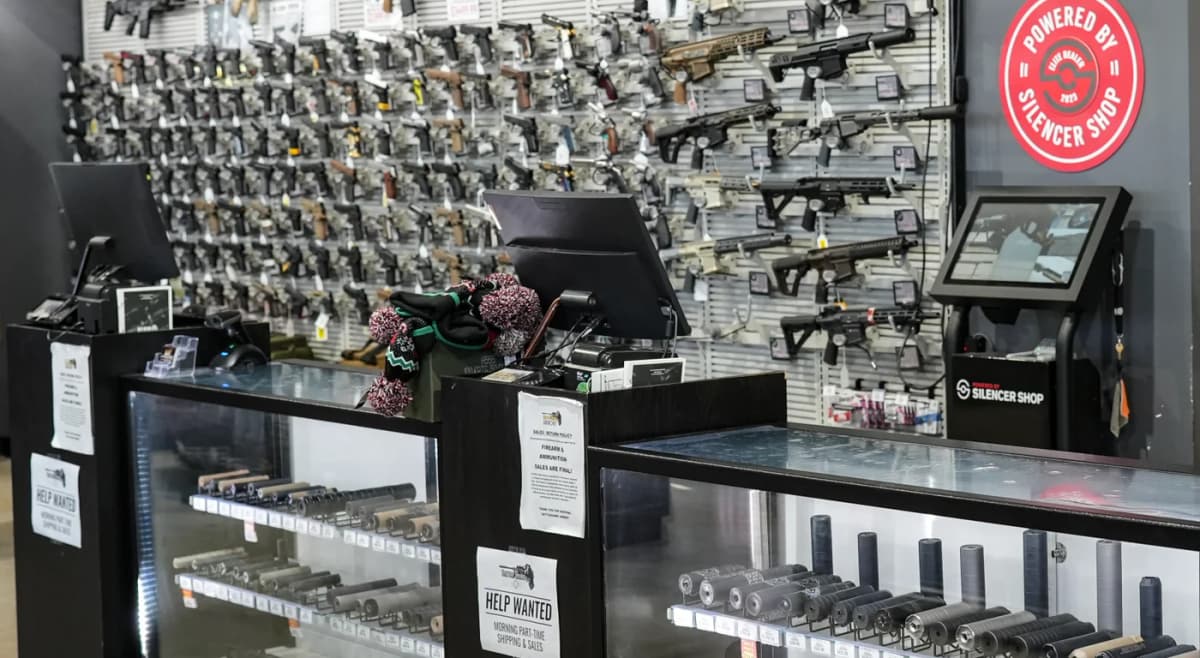
ATF Industry Operations Investigators reviewed 4473-only suppressor transfers at four dealers in four states and cited none of them as violations, AmmoLand reported on August 21, 2026. All four shops closed their inspections with zero findings. Some of them had marked the suppressors as disposed in their NFA bound books and moved the entries into their standard acquisition and disposition records, and the investigators accepted that treatment on the strength of the Texas injunction. AmmoLand also reported finding no evidence behind the rumors that ATF had sent cease-and-desist letters to dealers running these transfers.
A compliance inspection is the right place for this question to surface. Under 18 U.S.C. 923(g), ATF may inspect a licensee's records and inventory during business hours without a warrant, and that annual-or-so visit is where a dealer's paperwork theory meets an investigator holding the actual rulebook. Four investigators in four states looked at a suppressor that left the store with no Form 4 behind it and wrote nothing up. That is a meaningful data point about how the field is reading the judgment, and it is the first one anybody has.
Every One of Those Shops Was Already Protected
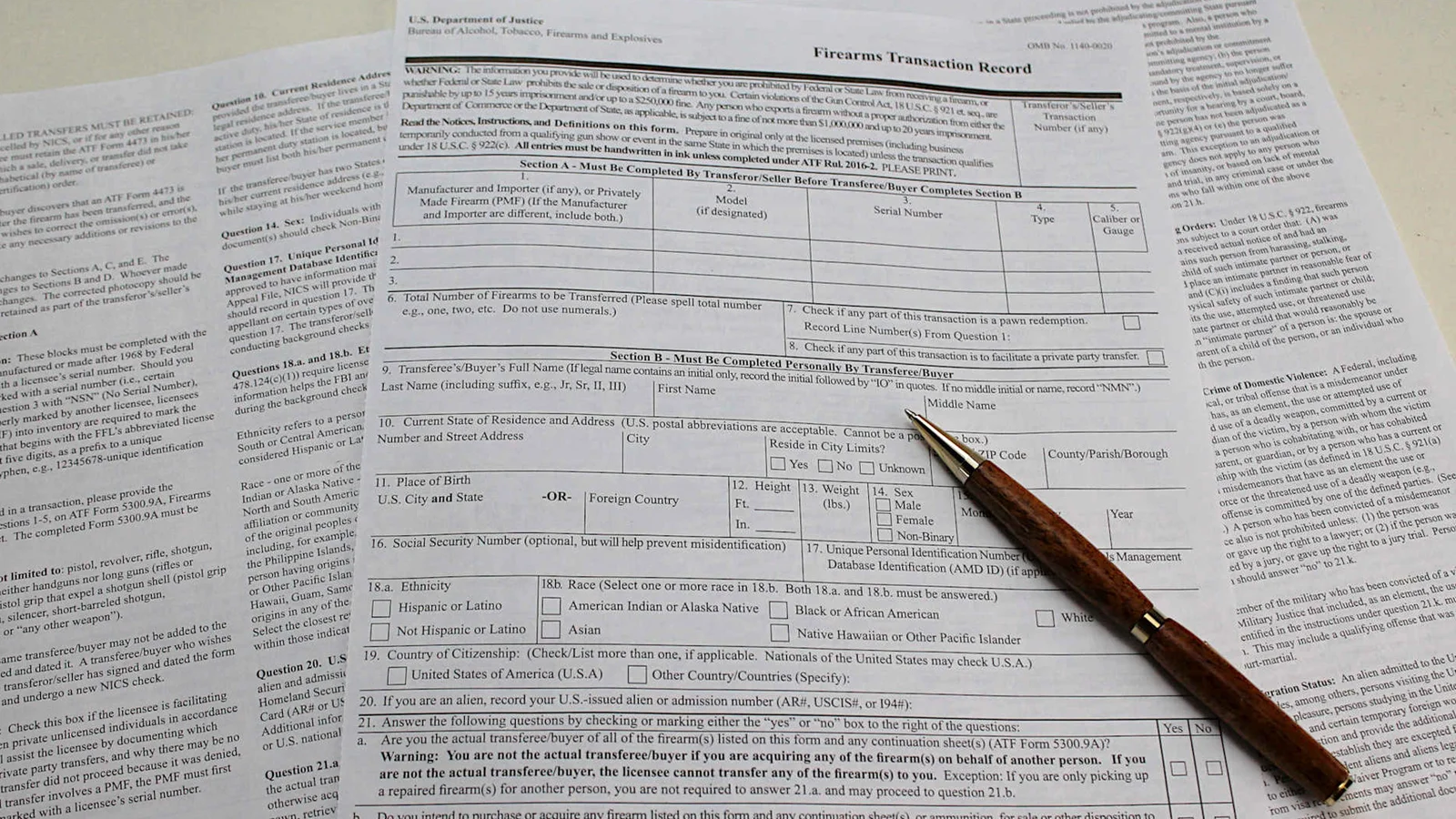
The four inspections do not show that ATF has stopped caring whether a buyer is covered. They show the opposite, because coverage is exactly what each of the four had. Every shop was either a commercial member of one of the plaintiff organizations, or transferred the suppressor to an individual member of one. That is the precise fact pattern Judge James Wesley Hendrix's judgment protects, so an investigator declining to cite it is the injunction working as written rather than an agency-wide decision to look away.
The distinction decides whether a dealer should read this as permission. The August 5 ruling in Silencer Shop Foundation v. ATF, consolidated with Jensen v. ATF in the Northern District of Texas, is party-specific under the Supreme Court's 2025 decision in Trump v. CASA barring universal injunctions. It reaches the named plaintiffs, members of the six plaintiff organizations, customers of the four plaintiff companies, and customers of those organizations' commercial members. We broke the reasoning down in our coverage of the ruling. A shop with no plaintiff connection selling to a walk-in with no plaintiff connection is not in the same posture as any of the four that passed, and nothing in these inspections suggests otherwise.
Compliance vendors are pushing dealers to document that connection at the counter rather than assume it. FFLGuard's guidance tells licensees to retain a current membership credential with the membership number, effective date, and a status check tied to the transaction date, and to link the specific suppressor serial number to the protected relationship through order records. It also warns against the shortcuts that feel close enough: a donation, a newsletter subscription, or a social-media follow is not a membership, and an unrelated purchase years ago does not make someone a permanent covered customer.
The Guidance Gap ATF Has Not Closed
Update, August 29, 2026: ATF Director Robert Cekada put the enforcement posture on the record for the first time, posting on X that "ATF respects the Court's ruling and the rule of law" and that the agency is "following the order and will not take enforcement action against protected parties inconsistent with that ruling." He said written guidance is in progress, that "Getting it RIGHT matters more than getting it out fast," and that it will be posted online once the work is done, which means navigating federal and state law so manufacturers, FFLs, and law-abiding gun owners are not left with legal problems today or under a future administration. He also called a viral, anonymously sourced headline claiming "ATF is Furious and We Are Planning Brutal Revenge on Gun Owners" completely false, which matches both the four clean inspections and the absence of evidence behind the cease-and-desist rumors. The narrowing sits in his own words: "protected parties" is the injunction's term, and nothing in the statement extends the judgment past the people it already covers.
No written guidance exists yet. There is still no open letter, no industry circular, and no FAQ telling licensees what documentation satisfies coverage, how to reconcile inventory, or what happens to pending applications. At The Briefing on September 24, Director Cekada said written guidance is close. Those are conference statements, not operative instructions. Firearms Open Letters still lack a Jensen implementation letter. Dealers are running on the text of the judgment and on their own counsel, which is why many shops have held off entirely even where they qualify, and why four clean inspections got the attention they did.
B&T USA is not waiting to start dealer education. The named plaintiff is using the September 1–3 Worldwide Fall Show in Reno to explain injunction-covered Form 4473 suppressor sales to independent retailers. More than 275 retailers attend the show, making this the clearest move from isolated early transfers to an organized manufacturer-to-dealer rollout. Attendance is not participation, and B&T says formal ATF implementation guidance is still being finalized.
The sharpest unresolved problem is the registry itself. A dealer who acquired a suppressor on an approved Form 3 has that serial number recorded in the National Firearms Registration and Transfer Record. Selling it on a 4473 moves the physical can out the door, but no established procedure exists for removing the entry from the federal record afterward. Attorney John Pierce has flagged the consequence: an investigator may expect a firearm shown in the dealer's NFRTR inventory to still be physically present at the licensed premises, and it will not be. That mismatch does not expire. It sits in the record for every future inspection, which is a different and more durable risk than the sale itself.
A second gap involves moving the item. The judgment enjoined the registration and approval provisions, but it did not enjoin 26 U.S.C. 5861(j), which prohibits transporting, delivering, or receiving an unregistered firearm in interstate commerce. A covered buyer may hold a suppressor that lawfully has no registration, and the statute governing its interstate movement is still live. Pierce's read is that the safest course for a licensee is to keep using the Form 4 process until ATF publishes something addressing documentation, inventory reconciliation, and inspections. Four passed inspections do not answer any of those three.
What It Means If You Are Buying
Dealer participation is only one part of the buyer's risk. SilencerCo now lists 27 states for qualifying new SilencerCo suppressors at participating dealers, but warns buyers to keep a suppressor acquired through that process in the purchase state. Interstate treatment remains unresolved. Use the traditional $0-tax Form 4 if you travel, hunt out of state, use a trust, or want the established registration path. The transfer-path checker combines the manufacturer, state, dealer, transaction, ownership, and travel questions.
If you are not covered, nothing here changes your path. The eForm 4 remains the route: fingerprints, a photo, a NICS check, and no tax since January 1, 2026. For applications finalized in July 2026, ATF reported average processing times of 9 days for individual eForm 4 and 33 days for trust eForm 4. Individual waits can be longer. Suppressors remain legal in 42 states, and no part of this litigation touches the eight state bans or the states whose own statutes tie possession to federal registration. Our how to buy a suppressor guide covers that process start to finish.
One category will not follow suppressors regardless of how the inspections trend. Dealer sales of short-barreled rifles and shotguns keep the Form 4 because 18 U.S.C. 922(b)(4) sits in the Gun Control Act, outside the enjoined NFA provisions, and bars a licensee from delivering one except as authorized by the Attorney General. An approved Form 4 is currently the only thing that supplies that authorization. Suppressors and AOWs are not named in that subsection, which is the entire reason those two categories move on a 4473 and a background check while an SBR does not. If you are picking hardware rather than paperwork, our suppressor buying guide covers hosts, mounting systems, and the current market by caliber.
Shop Suppressors
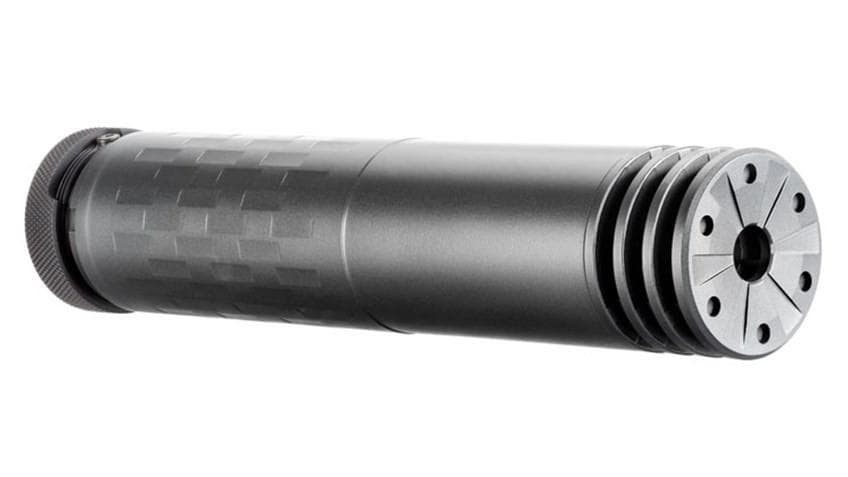
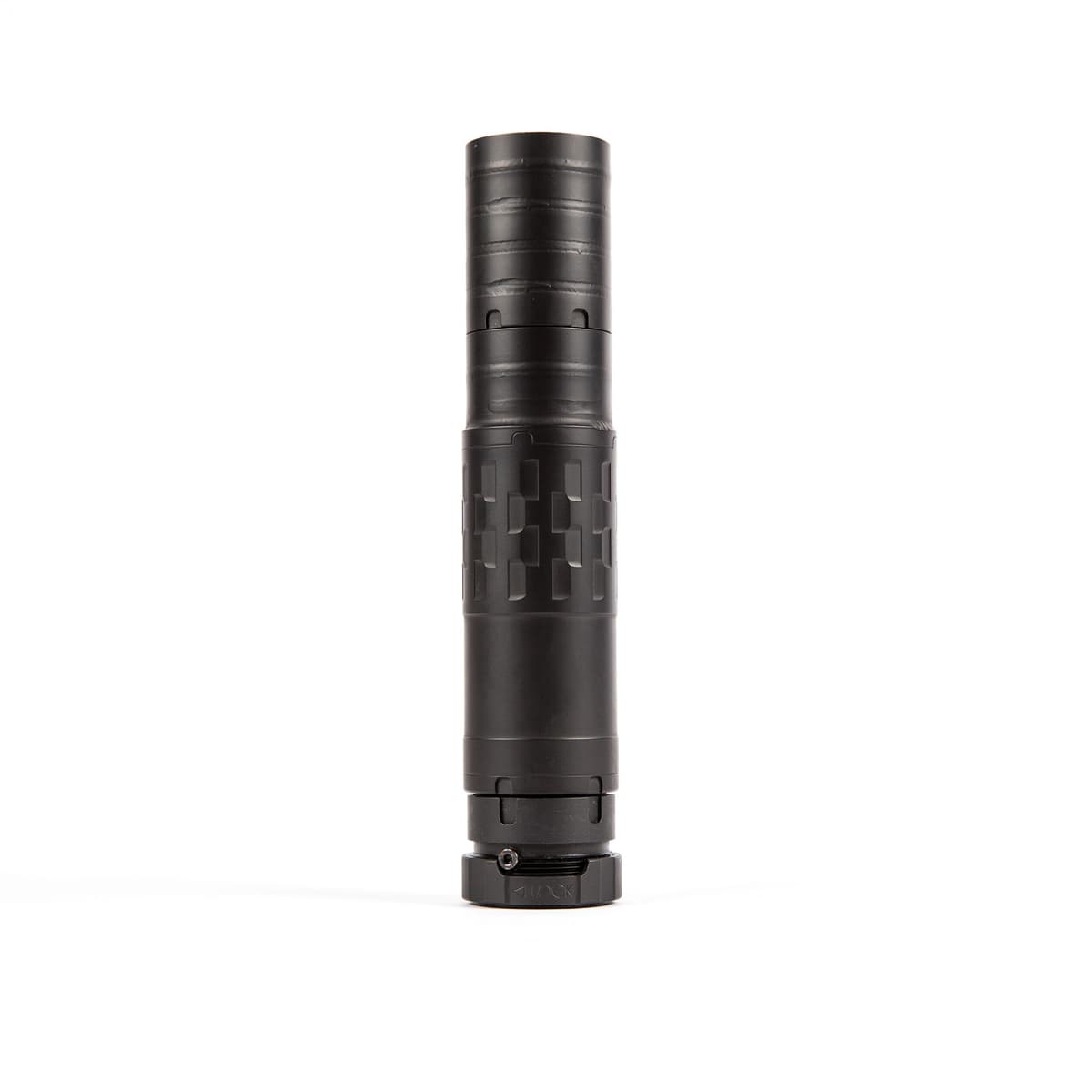
SilencerCo Omega 300
- .30 cal rated
- Direct thread + QD
SilencerCo Omega 36M
- 5.7x28 to 9mm / 5.56 to .338 LM / .350 Legend
- 17-4 stainless, titanium, Inconel, Cobalt 6
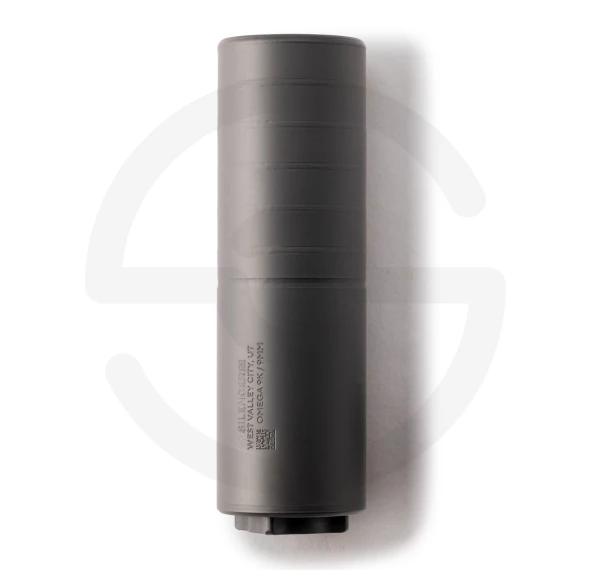
SilencerCo Omega 9K
- 9mm + .300 BLK rated
- 4.54 inches
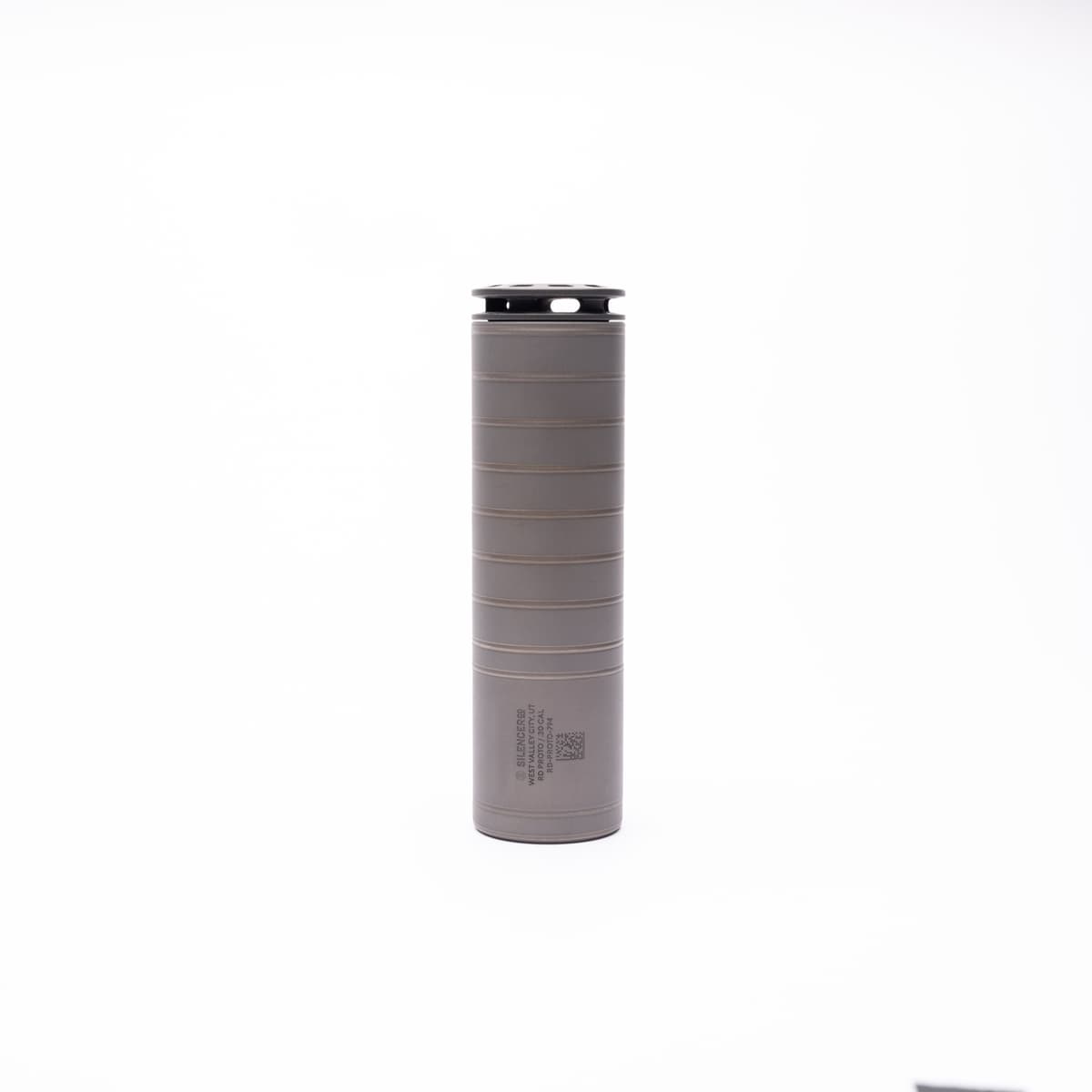
SilencerCo Scythe Ti
- .223 Rem and 5.56 NATO through .300 RUM
- 6.16 in
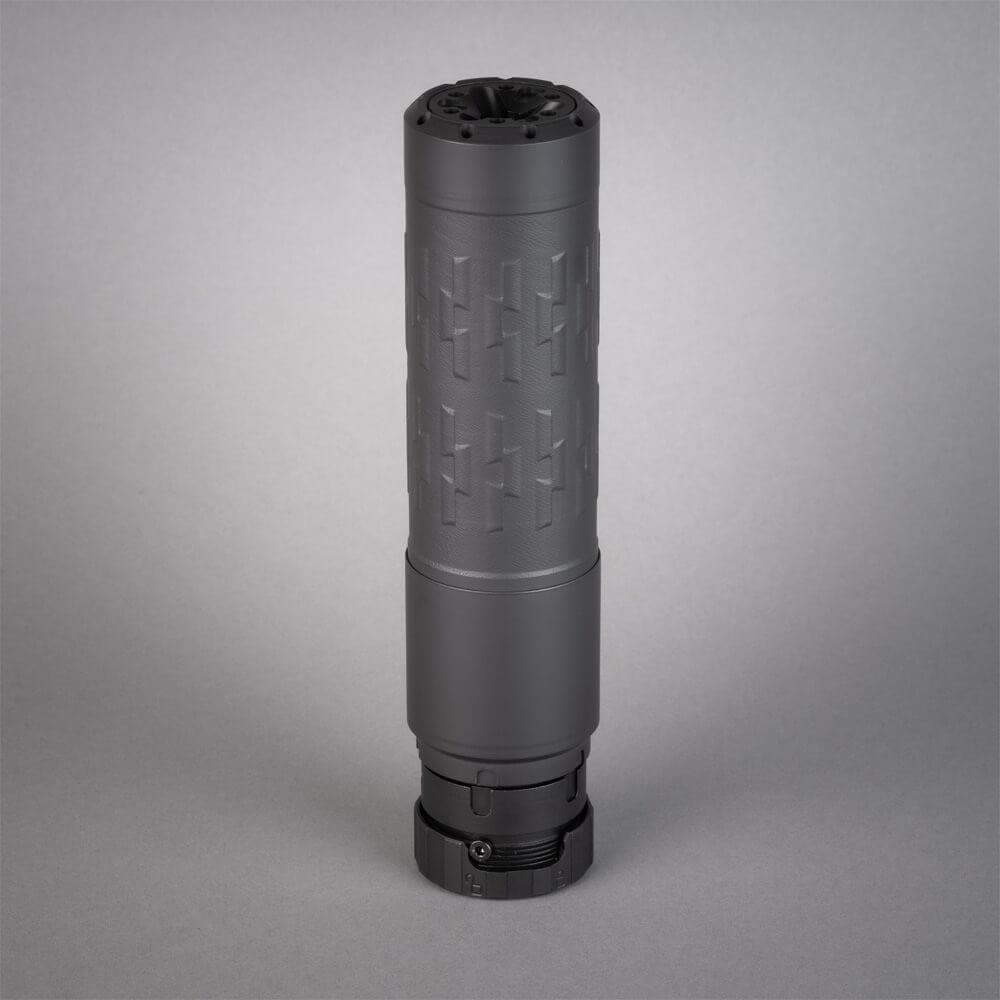
SilencerCo Velos LBP 762
- .223 Rem and 5.56 NATO through .300 RUM
- 6.4 in
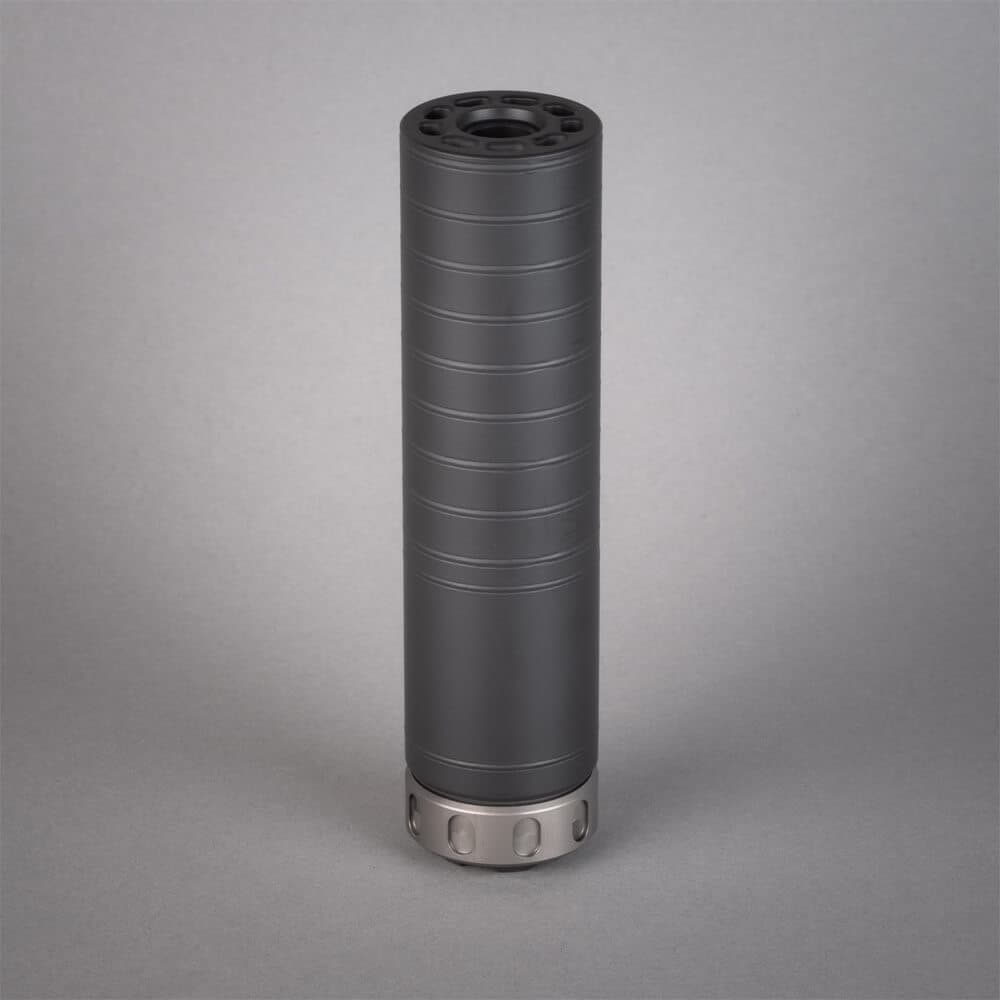
SilencerCo Spectre 9
- 9mm and .300 BLK subsonic
- 4.76 inches
Affiliate links (?)
Track the NFA Litigation
We publish a brief every time this case moves: ATF guidance, the nationwide rulemaking push, and what each step means before you buy or build.
Frequently Asked Questions
▶Do you still need a Form 4 to buy a suppressor?
▶Can the ATF enter your home if you own a suppressor?
▶Has ATF published guidance on 4473-only suppressor transfers?
▶Will suppressors be removed from the NFA in 2026?
▶Can a dealer get in trouble later for a 4473-only suppressor sale?
▶Do short-barreled rifles transfer on a 4473 too?
Bottom Line
Four clean inspections are the best evidence available that ATF field staff are treating the injunction as binding, and they are still four anecdotes about shops that were plainly covered. They do not extend the judgment, they do not create a defense a dealer could raise later, and they do not solve the registry mismatch that every 4473-only sale leaves behind on a federal record. Read them as a signal about enforcement posture, not as a substitute for the coverage analysis that decides whether a given transfer is lawful.
The unresolved piece is still the paperwork. The Justice Department confirmed it will not appeal. The October 5 notice-of-appeal deadline passed with no filing, so the judgment is settled for the parties it names. What would actually move the market is written ATF guidance on documentation, inventory reconciliation, and pending applications, or a rulemaking that applies the holding past the plaintiffs. Conference statements at The Briefing on September 24 said that document is close; they are not the document. B&T's Reno outreach shows dealer distribution is organizing before it arrives, but it does not make the injunction universal or resolve interstate movement. Form 4 remains the path for buyers outside the injunction.