Key Takeaways
- →What changed: Effective October 9, 2026, ATF no longer requires a Form 4 to buy, a Form 1 to make, or NFA registration for suppressors, short-barreled rifles, short-barreled shotguns, and AOWs.
- →Who it covers: Everyone, not just the plaintiffs. The Justice Department extended the Silencer Shop Foundation v. ATF result nationwide as a matter of enforcement discretion.
- →SBRs at the dealer: ATF will not enforce 18 U.S.C. 922(b)(4) until it writes a non-NFA approval process, so dealer SBR and SBS sales no longer wait on a Form 4.
- →Still required: Form 4473 and NICS at every dealer transfer, a Form 20 before taking an SBR or SBS across state lines, every state law, and the full NFA plus $200 tax for machine guns.
- →The risk: This is a policy, not a repeal. ATF says enforcement could resume, unregistered items would then be contraband, and a registered item removed from the registry cannot be re-registered without an amnesty.
What ATF Announced on October 9
ATF will no longer enforce the National Firearms Act's approval and registration requirements for suppressors, short-barreled rifles, short-barreled shotguns, and AOWs against anyone in the country, effective October 9, 2026. Director Robert Cekada signed an open letter to all federal firearms licensees and the public that day, and ATF published a companion FAQ and press release. In the letter's words, ATF will no longer require individuals to seek approval before making or transferring those items, and will no longer require them to be registered in the National Firearms Registration and Transfer Record.
The change rides on the August 5 ruling in Silencer Shop Foundation v. ATF, the Northern District of Texas case brought by Gun Owners of America, Silencer Shop Foundation, and the other plaintiffs, which held the registration scheme unconstitutional for the four categories the One Big Beautiful Bill Act untaxed. That injunction only protected the plaintiffs, their members, and their customers. Attorney General Todd Blanche announced the department would not appeal and made the policy call to apply the result to everyone. ATF says the goal is to remove the "inequity and disuniformity" of a ruling that covered only certain parties.
The specific provisions ATF stopped enforcing for those four categories: the prior-approval requirements to make and to transfer, the requirement that makers register within 24 hours, registration in the NFRTR, the offenses for making, receiving, transferring, or possessing an unregistered item, the ban on moving an unregistered item in interstate commerce under 26 U.S.C. 5861(j), and the NFA marking requirement. Two offenses stay enforced: possessing an NFA item with an obliterated serial number, and possessing one that was illegally imported.
What Changed and What Did Not
The federal paperwork for the four untaxed categories now ends at the Form 4473. Everything that comes from the Gun Control Act, from state law, or from the NFA's rules for machine guns and destructive devices stays in place.
- Form 4 to buy a suppressor, SBR, SBS, or AOWBefore October 9, 2026Required unless covered by the Silencer Shop Foundation injunctionSince October 9, 2026Not enforced for anyone; voluntary filing still accepted
- Form 1 to make oneBefore October 9, 2026Required unless covered by the injunctionSince October 9, 2026Not enforced for anyone; voluntary filing still accepted
- NFRTR registrationBefore October 9, 2026Required for everyone outside the injunctionSince October 9, 2026Not enforced; ATF keeps the registry and accepts voluntary entries
- Dealer SBR/SBS sale authorization, 18 U.S.C. 922(b)(4)Before October 9, 2026Approved Form 4 required, even for covered buyersSince October 9, 2026Not enforced until ATF publishes a non-NFA approval process
- Form 4473 and NICS check at the dealerBefore October 9, 2026RequiredSince October 9, 2026Still required
- Form 20 before taking an SBR or SBS across state linesBefore October 9, 2026RequiredSince October 9, 2026Still required, registered or not
- Machine guns and destructive devicesBefore October 9, 2026Full NFA, $200 taxSince October 9, 2026Unchanged: full NFA, $200 tax
- State suppressor and SBR lawsBefore October 9, 2026ApplySince October 9, 2026Still apply; many key on federal registration
| Requirement | Before October 9, 2026 | Since October 9, 2026 |
|---|---|---|
| Form 4 to buy a suppressor, SBR, SBS, or AOW | Required unless covered by the Silencer Shop Foundation injunction | Not enforced for anyone; voluntary filing still accepted |
| Form 1 to make one | Required unless covered by the injunction | Not enforced for anyone; voluntary filing still accepted |
| NFRTR registration | Required for everyone outside the injunction | Not enforced; ATF keeps the registry and accepts voluntary entries |
| Dealer SBR/SBS sale authorization, 18 U.S.C. 922(b)(4) | Approved Form 4 required, even for covered buyers | Not enforced until ATF publishes a non-NFA approval process |
| Form 4473 and NICS check at the dealer | Required | Still required |
| Form 20 before taking an SBR or SBS across state lines | Required | Still required, registered or not |
| Machine guns and destructive devices | Full NFA, $200 tax | Unchanged: full NFA, $200 tax |
| State suppressor and SBR laws | Apply | Still apply; many key on federal registration |
Buying a Suppressor Now
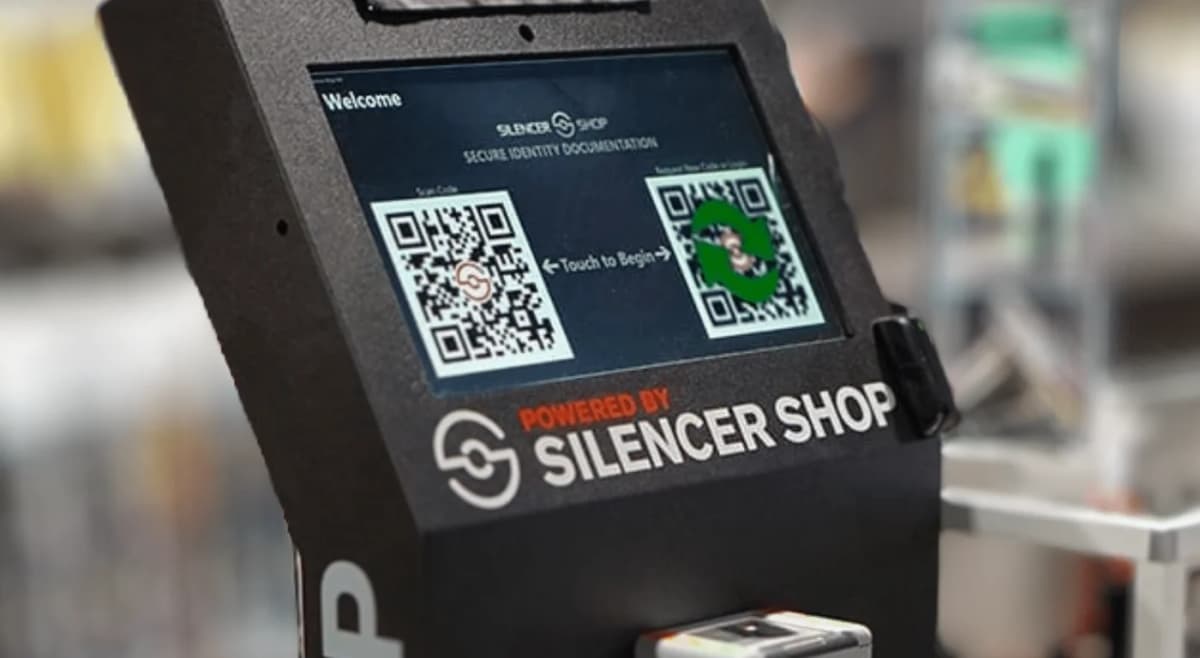
Buying a suppressor now works like buying a rifle at the federal level: pick the can, fill out a Form 4473 at a licensed dealer in your state of residence, pass the NICS background check, and take it home. There is no Form 4, no fingerprint card, no photo, no CLEO notification, and no wait on ATF. Dealers must still keep their transaction records, may generally only sell to residents of the state where they are licensed, and may not transfer anything in violation of state or local law.
Your state decides whether that is the whole process. In states with no suppressor law of their own, the 4473 is the end of it. In states whose statutes only allow a suppressor that is registered or possessed in compliance with federal law, ATF says it cannot tell you whether an unregistered can qualifies, so the safe path is the voluntary eForm 4, which ATF still processes for exactly that reason. Our how to buy a suppressor guide walks through the dealer side, and the suppressor buying guide covers caliber, mounting, and which can to buy first.
Best Suppressors to Buy Now
Buy the can that matches the host you shoot most. For a 5.56 AR, the Otter Creek Labs Polonium is the value pick and the SureFire SOCOM556-MINI4 is the best overall. The Dead Air Nomad 30 covers 5.56 through .300 Win Mag on one can, the Q Trash Panda is a compact titanium .300 Blackout can that mounts on Q's Cherry Bomb, the Rugged Obsidian 9 runs on a 9mm pistol with its included 1/2x28 piston (a PCC takes a fixed mount), and the SilencerCo Sparrow 22 is the easiest first can for rimfire. Each pick comes from our full rankings: best 5.56 suppressors, budget 5.56 suppressors, .30 cal suppressors, .300 Blackout suppressors, 9mm suppressors, and .22 suppressors.
Suppressor Picks by Caliber
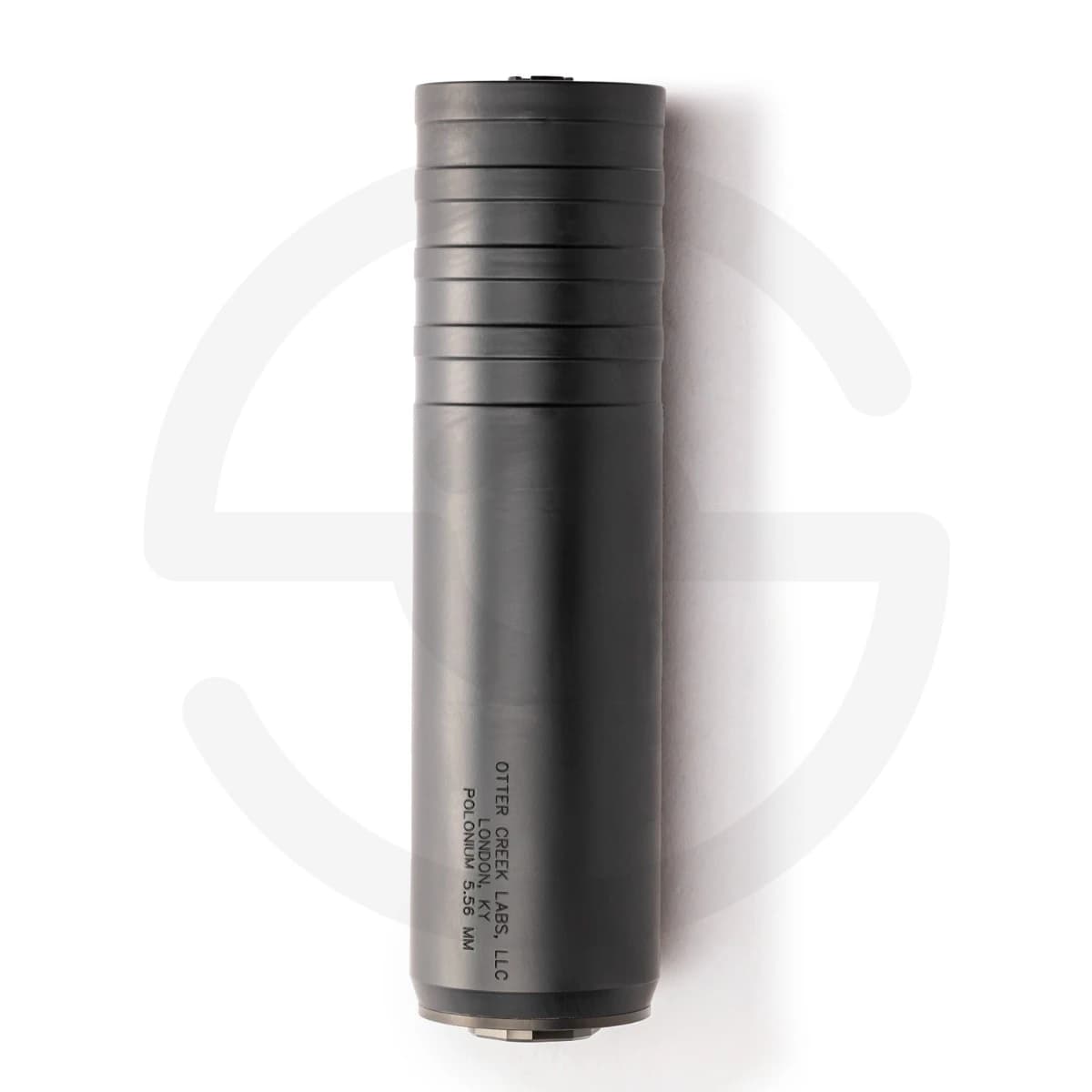
Otter Creek Labs Polonium
- Strong independent sound performance at a budget price
- HUB compatible with a direct-thread mount
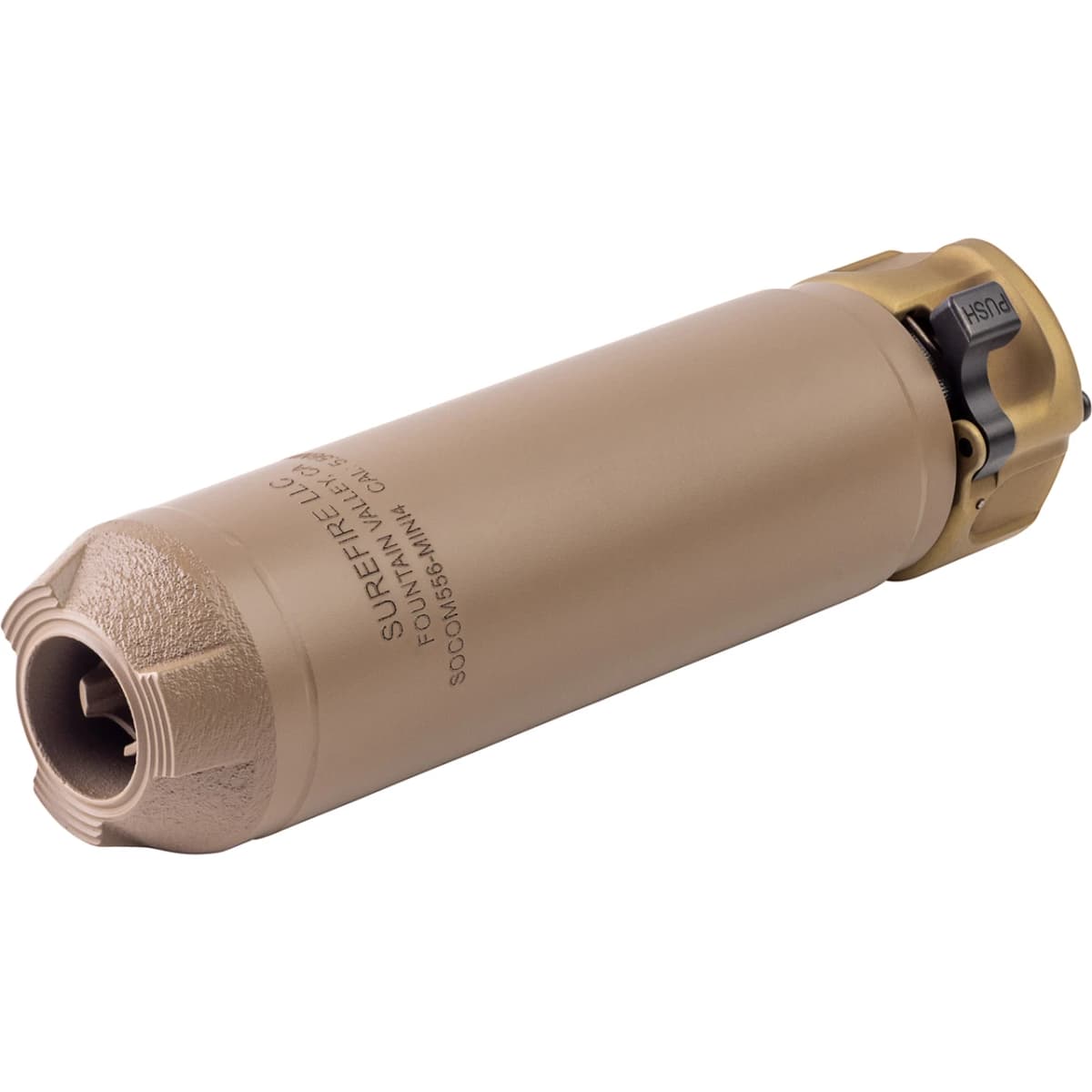
SureFire SOCOM556-MINI4
- Adds 3 inches, all-Inconel construction
- SOCOM-series Fast-Attach mounting
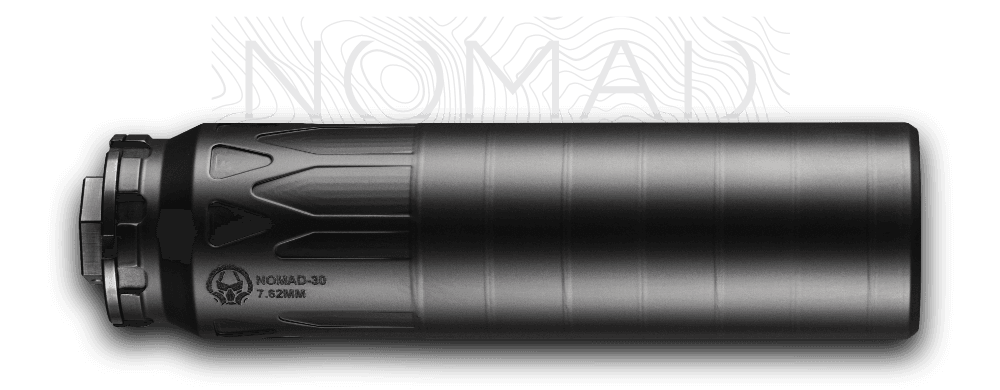
Dead Air Nomad 30
- Welded stainless, 5/8x24 mount included
- Runs 5.56, .300 BLK, .308, and .300 Win Mag
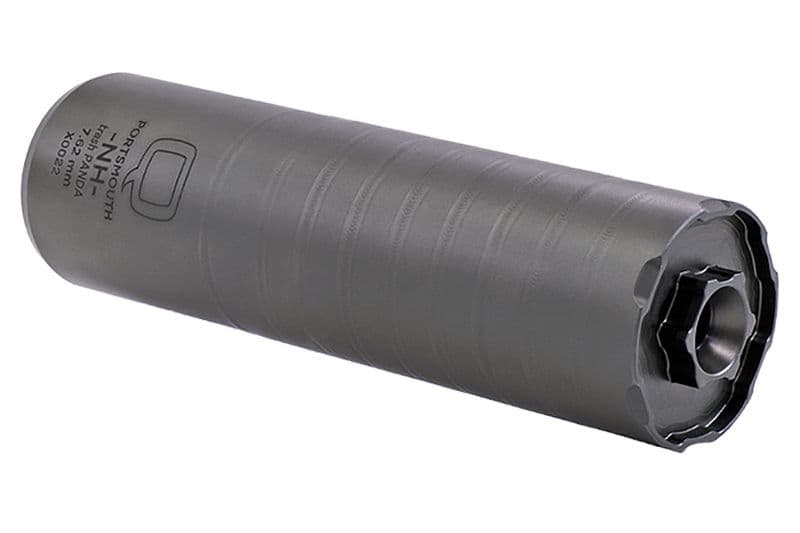
Q Trash Panda
- Purpose-built compact titanium .300 BLK can
- Mounts over a Cherry Bomb muzzle device
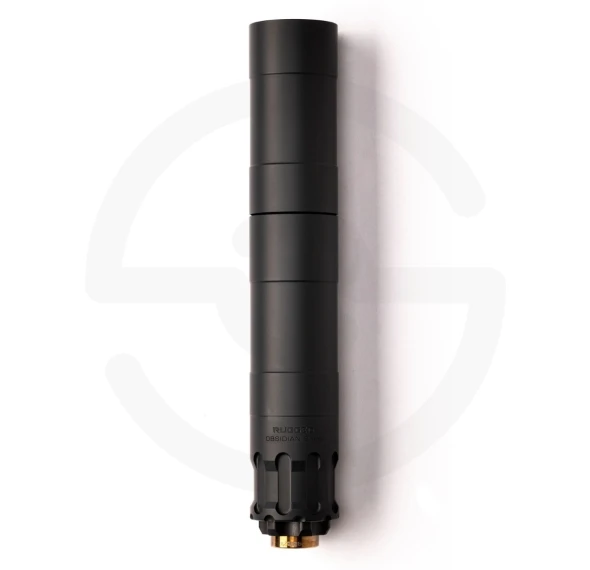
Rugged Obsidian 9
- Modular short or full length
- Includes a 1/2x28 piston for tilting-barrel handguns
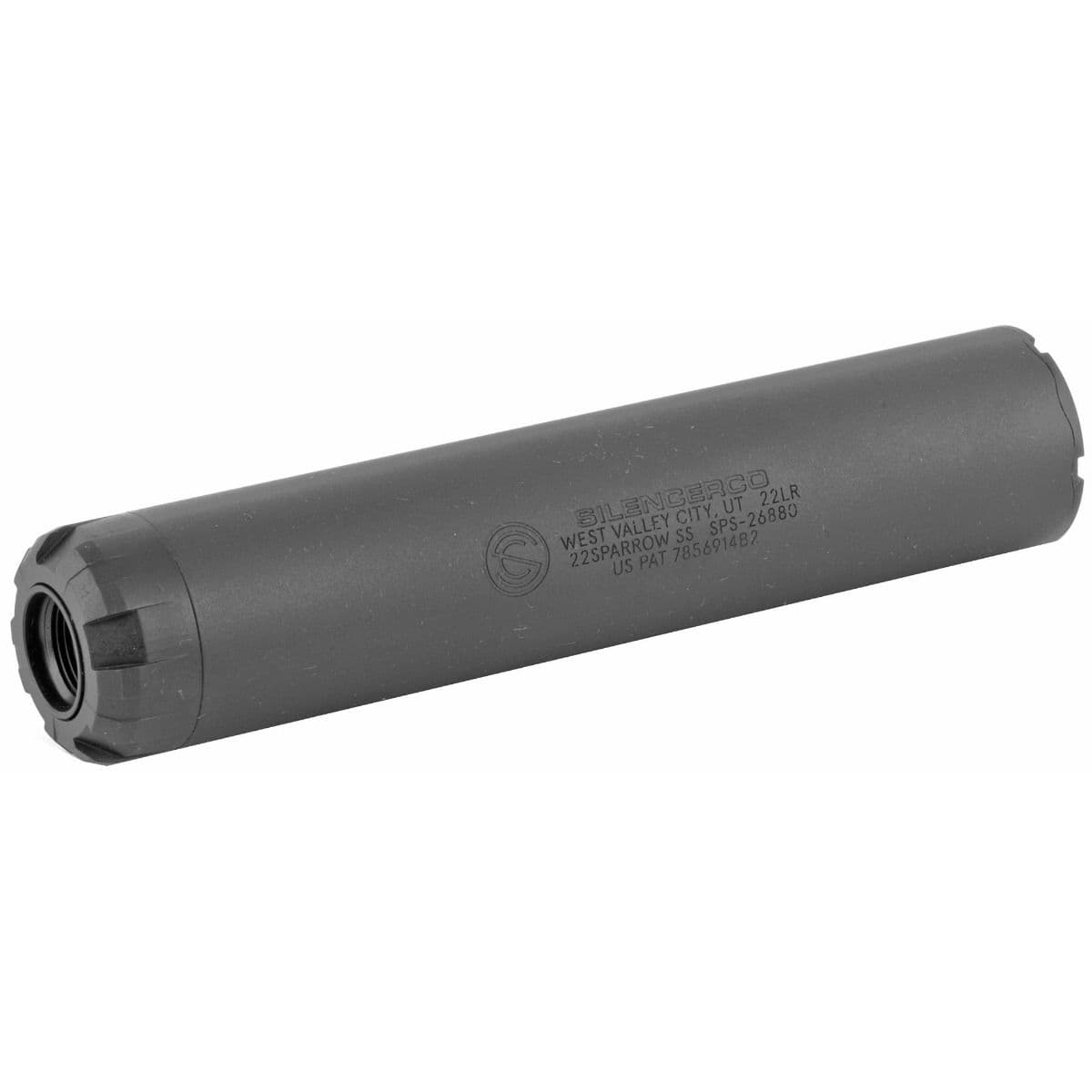
SilencerCo Sparrow 22
- Proven stainless monocore
- The easiest .22 can to clean
Affiliate links (?)
SBRs and Short-Barreled Shotguns
Short-barreled rifles and shotguns got the bigger surprise: dealers can now sell them without a Form 4 too. Until October 9, even buyers covered by the court injunction kept the Form 4 for a dealer SBR purchase, because the Gun Control Act at 18 U.S.C. 922(b)(4) bars a dealer from selling an SBR or SBS except as specifically authorized by the Attorney General, and an approved Form 4 was the only authorization that existed. ATF now says no non-NFA mechanism exists, it is drafting forms and regulations to create one, and it will not enforce 922(b)(4) in the meantime.
Making your own SBR no longer requires an approved Form 1 at the federal level either; individuals may still file one voluntarily to register the rifle. The step that does not go away is the Form 20. Taking an SBR or SBS across state lines still requires ATF approval under 18 U.S.C. 922(a)(4), registered or not. If you are planning a short build, our AR pistol to SBR conversion guide covers the parts and measurements, the best SBRs guide ranks factory options, and the rifle builder checks barrel, handguard, and muzzle fit before you order.
The first hardware change on a braced AR pistol is a real buttstock. If your pistol runs a mil-spec carbine buffer tube, it takes a standard collapsible stock like the three below; a pistol built on a 1913 rear endplate or a proprietary rear interface needs a stock made for that interface. Our best AR-15 stocks guide ranks the wider field.
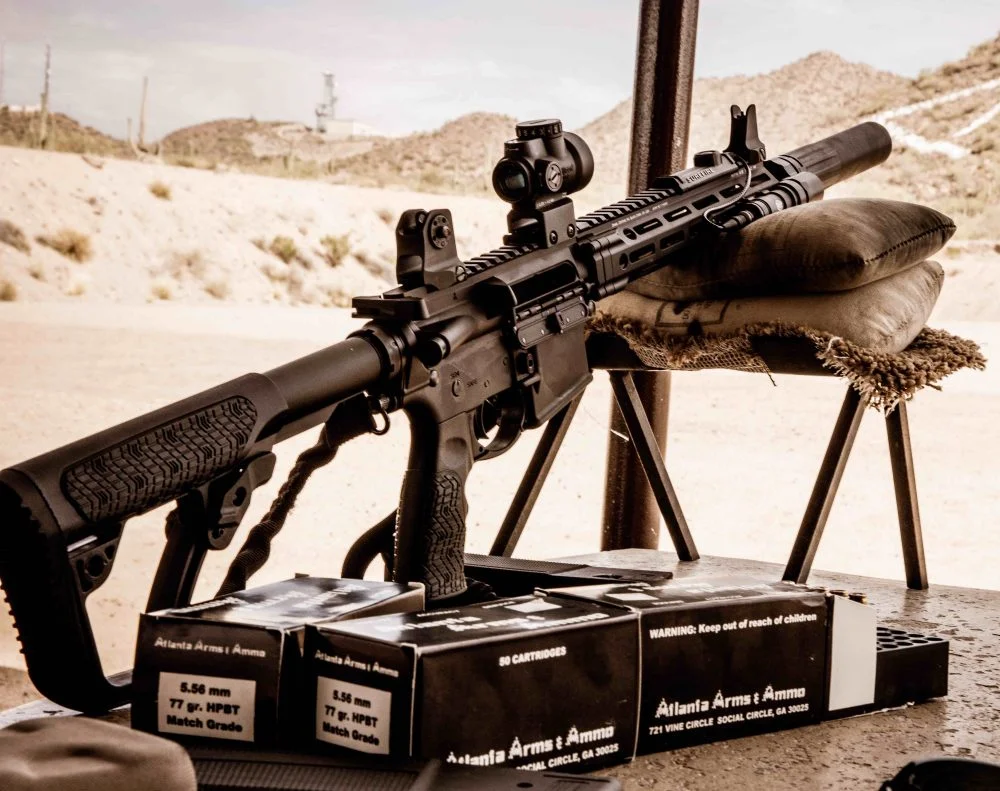
Stocks for an AR Pistol to SBR Conversion
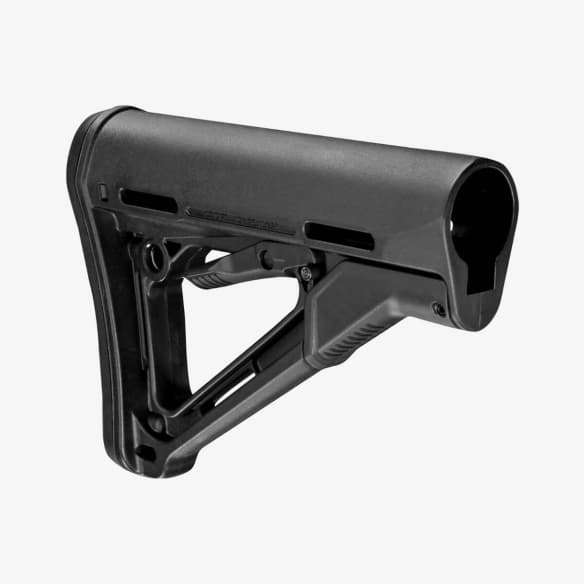
Magpul CTR Carbine Stock
- Friction lock minimizes stock wobble
- QD sling mount included
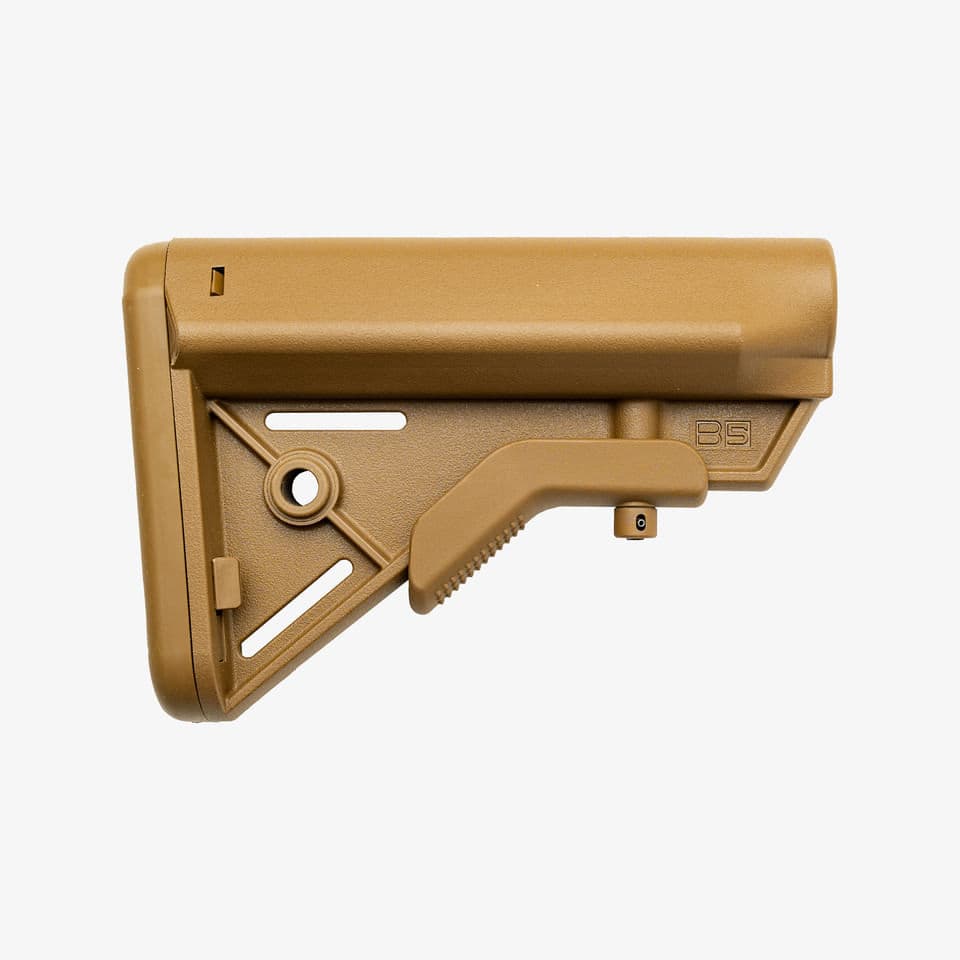
B5 Systems Bravo Stock
- SOPMOD-style cheek weld without the weight
- Anti-rotation QD sling mount
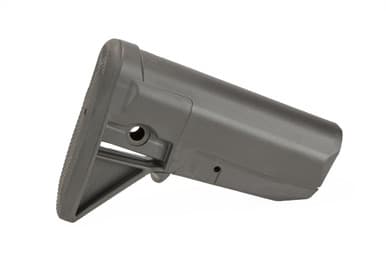
BCM Gunfighter Stock Mod 0
- Lightweight polymer, mil-spec carbine tube fit
- Snag-free profile with ambidextrous QD sockets
Affiliate links (?)
State Law Still Decides
The federal change does nothing to state suppressor and SBR laws. ATF's letter says most states have general criminal prohibitions on some or all NFA items, usually with an exception for items possessed in compliance with or registered under federal law. Whether an unregistered item held under federal enforcement discretion meets that exception is a state question ATF says it cannot answer. States that ban suppressors or SBRs outright keep those bans.
Travel is the trap. ATF separately warns that it is unclear whether state courts will apply the federal transport safe harbor in 18 U.S.C. 926A to an unregistered NFA item, so driving an unregistered can or SBR through a state that prohibits it carries risk even when the origin and destination states allow it. A registered item, with its approved form in the case, is the cleanest thing to carry across state lines.
Why This Is Not a Repeal
The NFA is still on the books, and ATF spells out how enforcement could come back: Congress imposes a new tax on these items, the Texas injunction is dissolved or overturned, or the department rescinds the guidance. ATF also states that the NFA treats unregistered items as contraband carrying felony penalties and forfeiture, that federal law does not generally allow registering an item after the fact, and that nothing automatically grandfathers unregistered items. The Attorney General can hold a registration amnesty of up to 90 days but is not required to.
That makes the registry worth keeping. ATF will remove a registered item on written request to its NFA Division, but says a removed item cannot be re-registered unless an amnesty is declared. Leave existing stamps where they are. For a new purchase, a voluntary Form 4 or Form 1 costs nothing in tax and buys the one status that survives a future policy reversal.
What Stays Regulated
Machine guns and destructive devices are untouched: they keep the $200 tax and every NFA requirement. Businesses that manufacture, import, or deal in any NFA item, including suppressors and SBRs, still owe the special occupational tax, and manufacturers must still serialize every firearm and silencer they make. Transfers between licensed SOT dealers no longer need a Form 3, though ATF still accepts one.
Every Gun Control Act rule still applies to these items because they remain statutory firearms. Prohibited persons cannot possess them, dealers run a 4473 and NICS check, and unlicensed owners cannot sell to residents of other states or go into the business of making them. The deregulatory track at ATF is broader than this one letter; our coverage of the September suppressor repair and caliber-change letter covers the companion change for cans already on the registry.
Track the NFA Changes
We publish a brief every time the NFA moves: ATF's new SBR transfer regulations, state responses, and any change to the enforcement policy, so you know the rules before you buy or build.