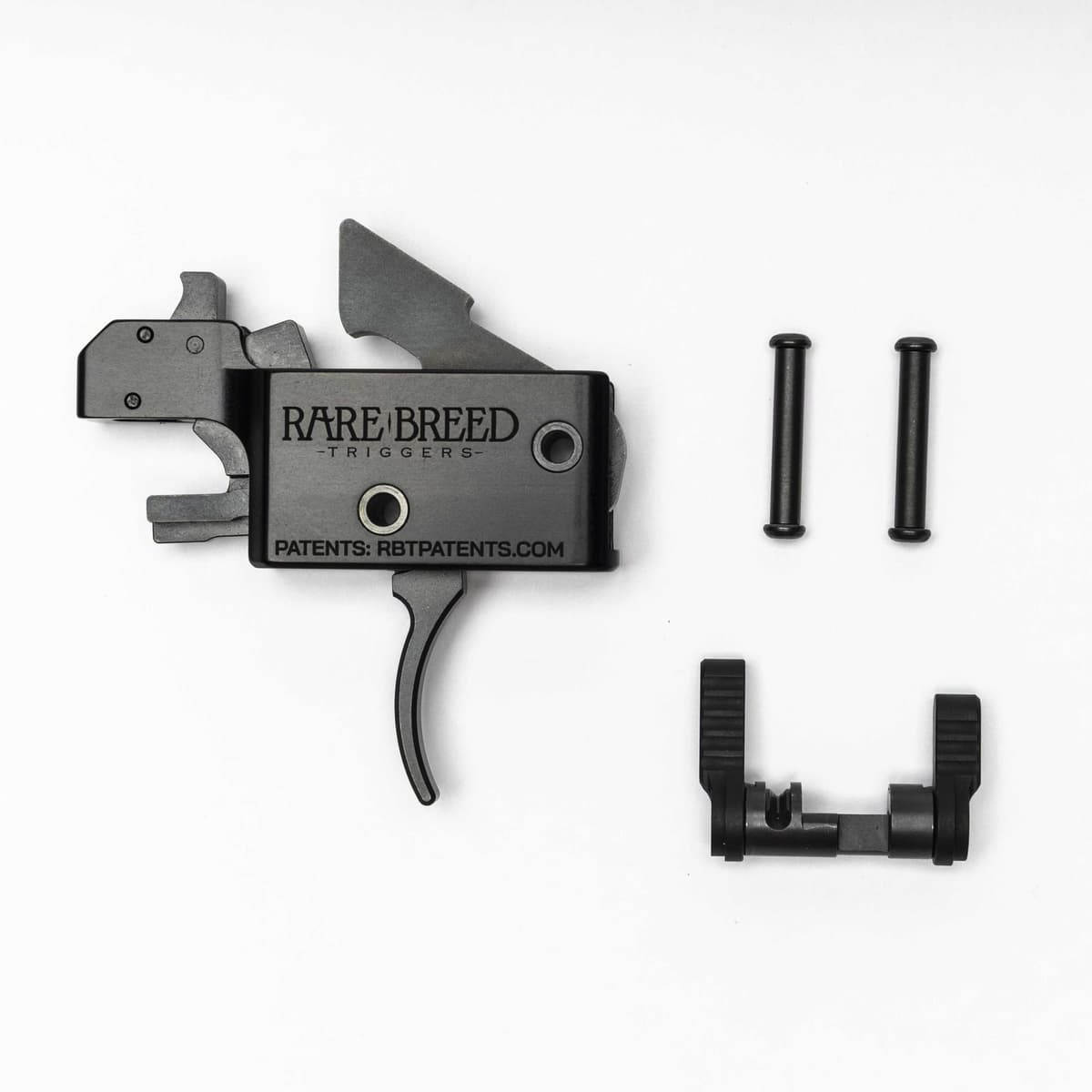
Triggers & Fire Control • $450
Rare Breed Triggers FRT-15L3
- 4-4.5 lb semi / 5.5-6 lb FRT pull
- Forced reset
$450.00 Catalog
Buy Direct from Rare Breed
State Legality MatrixForced Reset TriggersMichigan
Statute-cited, not legal advice, last verified 2026-10-20
Legal
Yes under MCL 750.224; the Attorney General says Michigan law bars FRTs. Michigan's machine-gun statute turns on a single function of the trigger and does not name forced reset triggers; the Attorney General has stated that Michigan law independently prohibits them.
Controlling law: MCL 750.224
Contested entry
MCL 750.224 covers firearms that shoot automatically more than one shot by a single function of the trigger and does not name forced reset triggers. The Attorney General's June 9, 2025 announcement of the multistate suit against the federal settlement states that Michigan law independently prohibits FRTs. SB 224, which would add multiburst trigger activators to MCL 750.224, passed the Senate on June 25, 2025 and has had no House action since referral to committee.
The statute in practice
Michigan Compiled Laws section 750.224 prohibits a machine gun or firearm that shoots or is designed to shoot automatically more than one shot, without manual reloading, by a single function of the trigger. The statute does not name forced reset triggers, reset mechanisms, or rate-increasing trigger devices.
In its June 9, 2025 announcement of the multistate suit against the federal FRT settlement, the Attorney General's office described FRTs as machine gun conversion devices and stated that Michigan state law independently prohibits FRTs or FRT-equipped firearms. The Senate has also passed a bill that would amend the statute itself.
Timeline
In the legislature
Would prohibit manufacturing, selling, offering for sale, or possessing a bump stock or multiburst trigger activator, adding both to the MCL 750.224 prohibition.
What it means for you
SB 224 has not been enacted, so MCL 750.224 still uses the more-than-one-shot-per-trigger-function test. Rare Breed Triggers' published no-ship list does not include Michigan.
Federal law
Under the 2025 DOJ settlement with Rare Breed Triggers, an FRT fires one round per trigger function and is not an NFA machine gun federally. The settlement covers rifles and grip-forward pistols; it does not extend to grip-fed handguns (Glock, S&W M&P, Canik), whose federal FRT status remains less settled. State bans operate independently of federal law through broader state machine-gun, trigger-activator, or rate-of-fire definitions.
Federal baseline verified 2026-10-20. Scope: Forced reset triggers (Rare Breed FRT-15, Dairyland Defender, and similar) and forced-reset selectors (AR Super Safety, ARC-Fire). One round per trigger function. Binary triggers are a separate class.
Common questions
Yes under MCL 750.224; the Attorney General says Michigan law bars FRTs. Michigan's machine-gun statute turns on a single function of the trigger and does not name forced reset triggers; the Attorney General has stated that Michigan law independently prohibits them. Controlling law: MCL 750.224.
The controlling law is MCL 750.224. Michigan's machine-gun statute turns on a single function of the trigger and does not name forced reset triggers; the Attorney General has stated that Michigan law independently prohibits them.
No. MCL 750.224 uses the traditional test of more than one shot fired automatically by a single function of the trigger. It does not name forced reset triggers, reset mechanisms, or rate-increasing trigger devices.
Yes, if enacted. The Senate-passed bill would add bump stocks and multiburst trigger activators to the items MCL 750.224 prohibits. It has had no House action since its June 2025 referral to committee.
What to buy
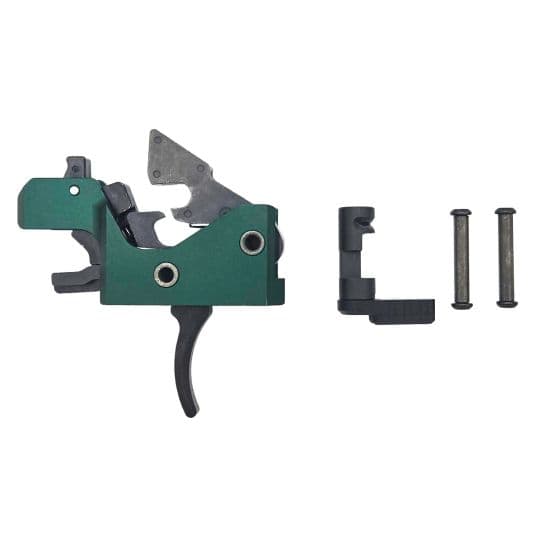
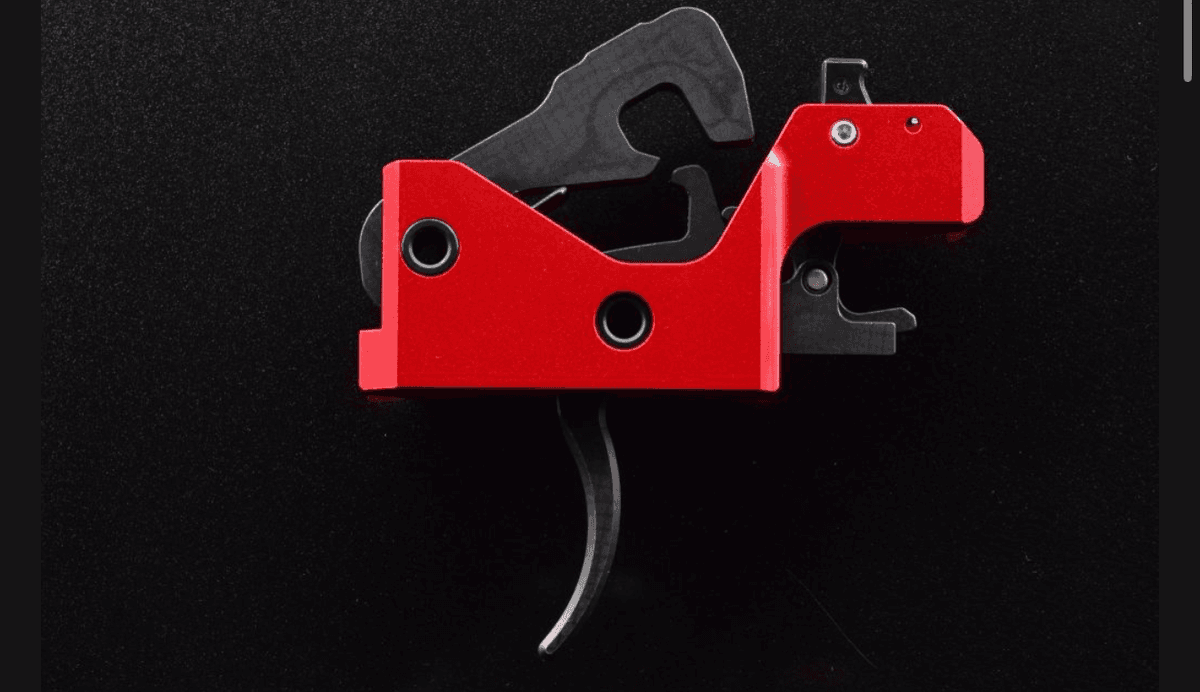
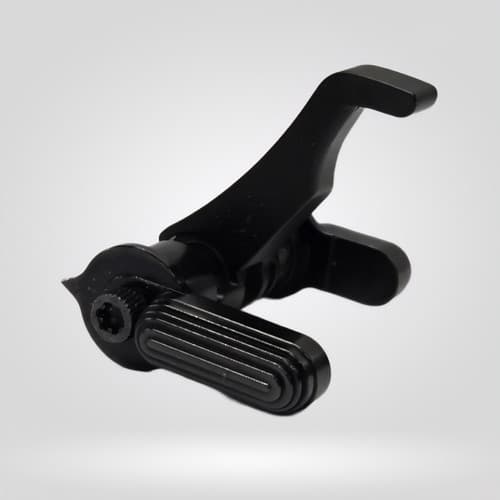
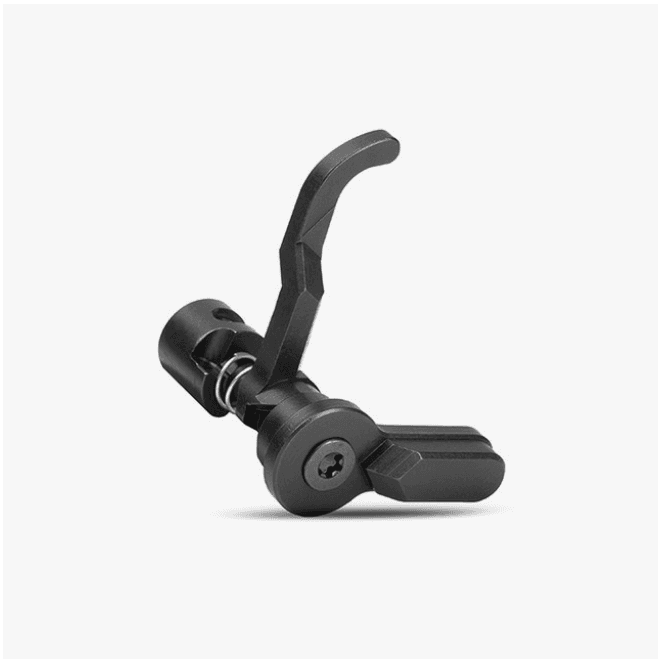
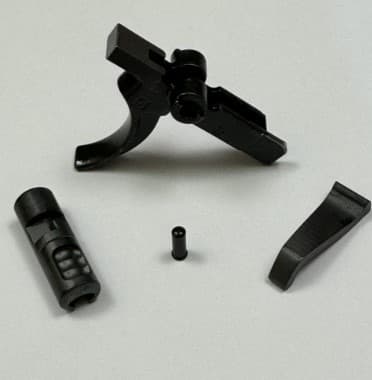
If your state is green on the map, these are the picks. The first three are complete forced reset triggers: the Rare Breed FRT-15 line is the settlement-covered original, and the Triggered Company's Disruptor and LAT run the same one-pull-per-round mechanism. The last three are forced reset selectors, the super safeties. The AS Designs Arc-Fire, Atrius FRS, and Mars 3-position selector replace the safety instead of the fire control group, so a mil-spec or super-safety-cut trigger stays in the rifle. Both device types sit in the same legal class on this matrix, so the same 35 states apply.
Affiliate links (?)