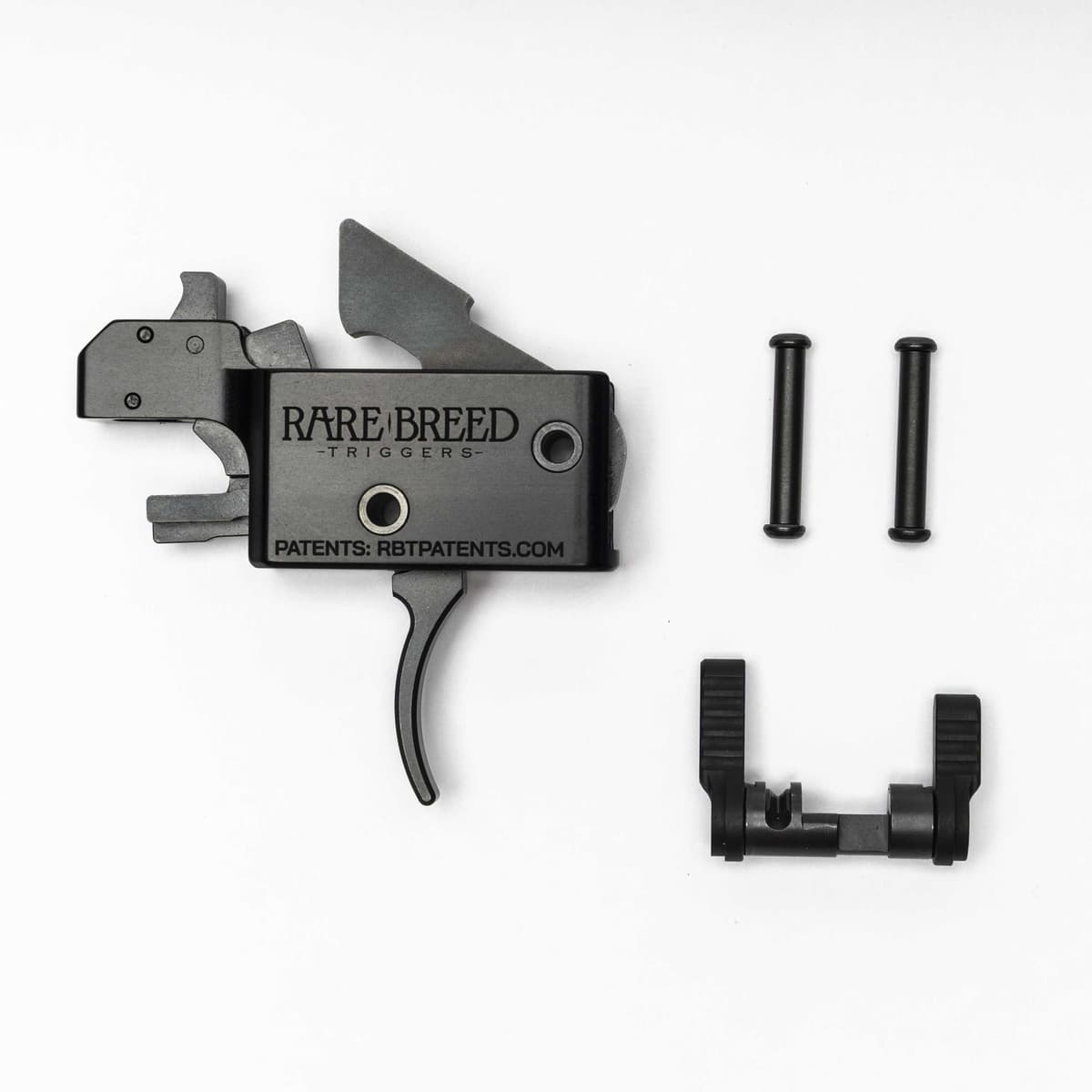
Triggers & Fire Control • $450
Rare Breed Triggers FRT-15L3
- 4-4.5 lb semi / 5.5-6 lb FRT pull
- Forced reset
$450.00 Catalog
Buy Direct from Rare Breed
State Legality MatrixForced Reset TriggersWashington
Statute-cited, last verified 2026-07-28
Legal
Yes. Not banned; Washington's machine-gun definition covers only mechanisms not requiring the trigger be pressed for each shot, which excludes one-pull-per-round FRTs.
Contested entry
RCW 9.41.010 defines machine gun as a mechanism not requiring that the trigger be pressed for each shot; an FRT still requires a trigger function per round, so it falls outside RCW 9.41.190. Binary triggers ARE effectively banned in WA (separate class).
The statute in practice
Washington defines a machine gun as a firearm or other mechanism or instrument not requiring that the trigger be pressed for each shot. A one-shot-per-trigger-function FRT does not satisfy that definition, which is why Washington sits in the legal column despite banning binary triggers through the same chapter.
Washington separately prohibits bump-fire stocks, defined as a butt stock that uses recoil energy to generate reciprocating action and repeated trigger activation. That definition does not describe an internal forced reset trigger, although Rare Breed declines Washington orders as a matter of company policy.
Timeline
What it means for you
RCW 9.41.190 prohibits manufacturing, owning, buying, selling, loaning, furnishing, transporting, or possessing machine guns and bump-fire stocks. The FRT conclusion rests on an FRT falling outside both definitions. Rare Breed Triggers nevertheless lists Washington as a no-ship jurisdiction.
Federal law
Under the 2025 DOJ settlement with Rare Breed Triggers, an FRT fires one round per trigger function and is not an NFA machine gun federally. The settlement covers rifles and grip-forward pistols; it does not extend to grip-fed handguns (Glock, S&W M&P, Canik), whose federal FRT status remains less settled. State bans operate independently of federal law through broader state machine-gun, trigger-activator, or rate-of-fire definitions.
Federal baseline verified 2026-07-28. Scope: Forced reset triggers (Rare Breed FRT-15, Dairyland Defender, and similar) and forced-reset selectors (AR Super Safety, ARC-Fire). One round per trigger function. Binary triggers are a separate class.
Common questions
Yes. Not banned; Washington's machine-gun definition covers only mechanisms not requiring the trigger be pressed for each shot, which excludes one-pull-per-round FRTs.
Under the 2025 DOJ settlement with Rare Breed Triggers, an FRT fires one round per trigger function and is not an NFA machine gun federally. The settlement covers rifles and grip-forward pistols; it does not extend to grip-fed handguns (Glock, S&W M&P, Canik), whose federal FRT status remains less settled. State bans operate independently of federal law through broader state machine-gun, trigger-activator, or rate-of-fire definitions.
The statutory bump-fire-stock definition requires a butt stock that uses recoil energy to generate reciprocating action. An internal trigger that mechanically forces reset does not match that description.
No. A manufacturer's policy can be more restrictive than the statute and may reflect compliance caution or litigation risk rather than a binding legal classification.
What to buy
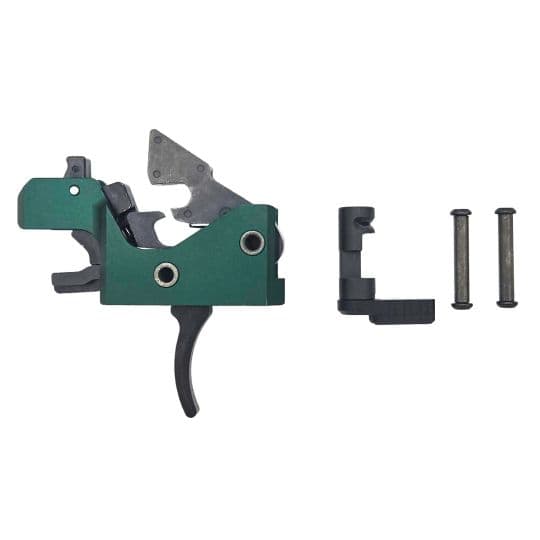
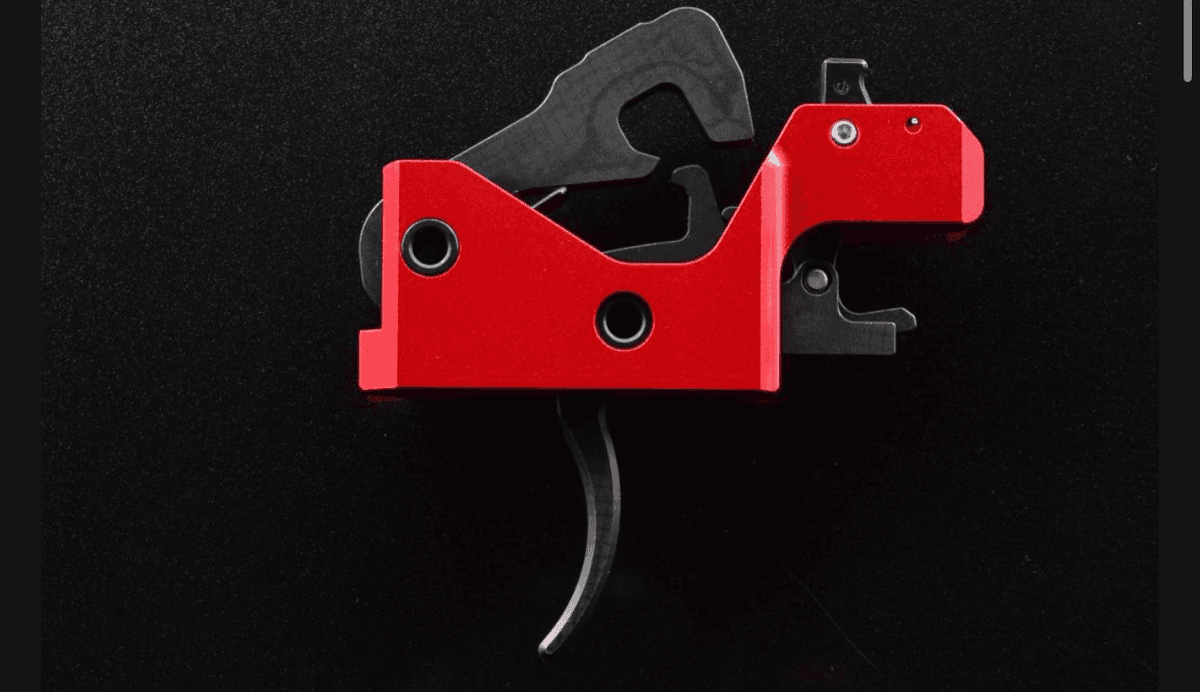
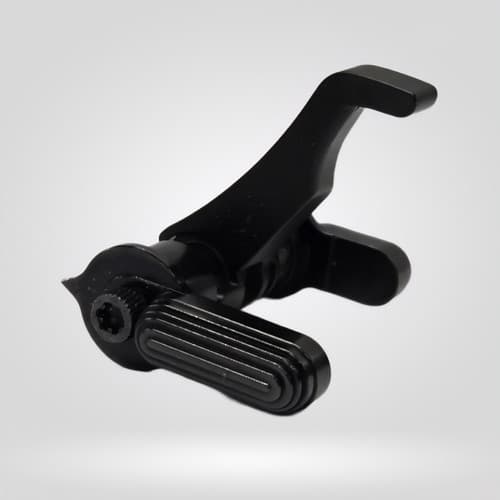
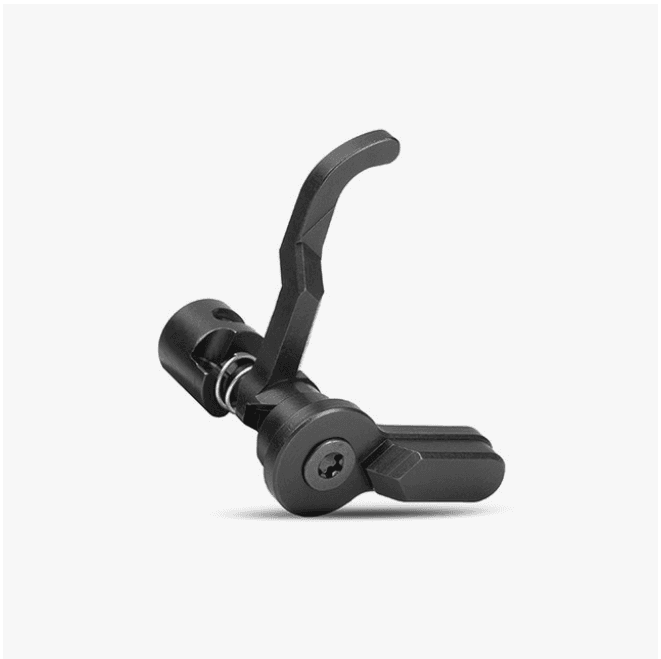
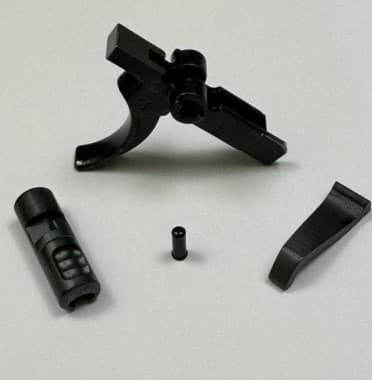
If your state is green on the map, these are the picks. The first three are complete forced reset triggers: the Rare Breed FRT-15 line is the settlement-covered original, and the Triggered Company's Disruptor and LAT run the same one-pull-per-round mechanism. The last three are forced reset selectors, the super safeties. The AS Designs Arc-Fire, Atrius FRS, and Mars 3-position selector replace the safety instead of the fire control group, so a mil-spec or super-safety-cut trigger stays in the rifle. Both device types sit in the same legal class on this matrix, so the same 35 states apply.
Affiliate links (?)