Key Takeaways
- →The sample: The survey questioned 51,398 U.S. adults in July and August 2026 and retained 16,688 gun owners who passed a two-stage ownership check.
- →AR-15 ownership: It estimates 40 million AR-15-type rifles in private hands and 26.4 million adults who own an AR-15 or another similarly styled semi-automatic rifle.
- →Magazine ownership: About 44.5 million adults reported owning an estimated 539 million magazines that hold more than 10 rounds.
- →Defensive use: The paper estimates 2.2 million defensive gun uses per year, with no shot fired in 76.3% of the reported incidents.
- →A broader ownership base: Women made up 45.7% of validated gun owners, and the measured ownership gap between White and Black adults was under two percentage points.
- Survey sample
- 51,398U.S. adults
- Adult owners
- 32.7%About 88 million
- AR-15-type rifles
- 40millionEstimated stock
- Over-10-round magazines
- 539millionEstimated stock
What the 2026 National Firearms Survey Measured
William English's second-wave National Firearms Survey is a large snapshot of who owns guns, what they own, why they own them, and how often they report using them defensively. The survey ran online in July and August 2026. It reached 51,398 adults and identified 16,688 validated gun owners for the detailed questions. That makes it much harder to dismiss the results as a tiny poll built around a few hundred enthusiasts.
The design directly answers criticism of English's 2021 survey. Respondents had to say they owned a gun in the screening question and then report a positive count of handguns, rifles, or shotguns later. The analysis removed suspected duplicate responses, low reCAPTCHA scores, and people who failed an attention check. Results were weighted by gender, age, race, and state against the 2024 American Community Survey. English also separated current ownership from past ownership and split AR-15-type rifles from other semi-automatic rifles.
Those changes do not turn a self-report survey into a crime database, but they do address the easy objections. The paper is measuring ownership and reported behavior with a broad national sample. On those descriptive questions, the new numbers are a direct challenge to the assumptions behind bans.
Narrative 1: AR-15s Are Fringe Weapons
The fringe-weapon story collapses under 40 million rifles. The survey found that 25.0% of gun owners currently own an AR-15-type rifle. When other similarly styled semi-automatic rifles are included, the share reaches 30.0%, or about 26.4 million American adults. That is mass ownership, not an exotic corner of the gun market.
The number matters beyond politics. Heller protects arms in common use for lawful purposes, and the petitioners' August 28 Supreme Court brief in Viramontes v. Cook County and Grant v. Higgins already cites this survey. It reports that owners gave defense as a reason for owning these rifles 83.0% of the time, target shooting 65.1%, and hunting 50.2%. A government can call the rifles unusually dangerous, but calling 40 million of them unusual is no longer a serious factual position.
Readers choosing among current rifles can see our ranked AR-15 rifle guide. The breadth of that market is exactly why a categorical ban is different from regulating one rare device.

Narrative 2: Magazines Over 10 Rounds Are Extreme
A 10-round line does not separate normal ownership from an extreme fringe. The survey estimates that 50.5% of gun owners, about 44.5 million adults, currently own magazines that hold more than 10 rounds. Their combined stock is about 539 million magazines. Any policy that labels them exceptional is describing half the gun-owning population as an exception.
The stated purpose also cuts against the claim that capacity is mainly about offensive fire. Among owners of magazines over 10 rounds, 88.0% cited a defensive purpose. That does not prove how every magazine will be used. It does show why millions of owners reject the language of “high capacity.” For common semi-automatic rifles and pistols, more than 10 rounds is often the ordinary configuration people bought with the firearm.

Narrative 3: Defensive Gun Use Is Too Rare to Matter
The survey estimates roughly 2.2 million defensive gun uses per year. That figure comes from respondents' reported incidents, not police case files, which is important because 70.6% said the defensive use ended the threat with no crime left to report. If defensive success prevents a completed crime, police data cannot count the event it prevented.
The incident details also break the movie version of defensive gun use. No shot was fired in 76.3% of reported incidents. About half, 50.8%, involved more than one assailant, and 8.4% involved an animal threat. Separately, 34.7% of gun owners said the mere presence of a gun had deterred criminal conduct. The defensive value often occurs before a trigger is pulled, which is why injury and shooting counts capture only part of the benefit.
Hardware still needs skill. Our mission build playbooks connect defensive roles to training and safe configuration, and the firearm builder lets owners compare compatible parts before changing a rifle.

Build and Upgrade an AR-15
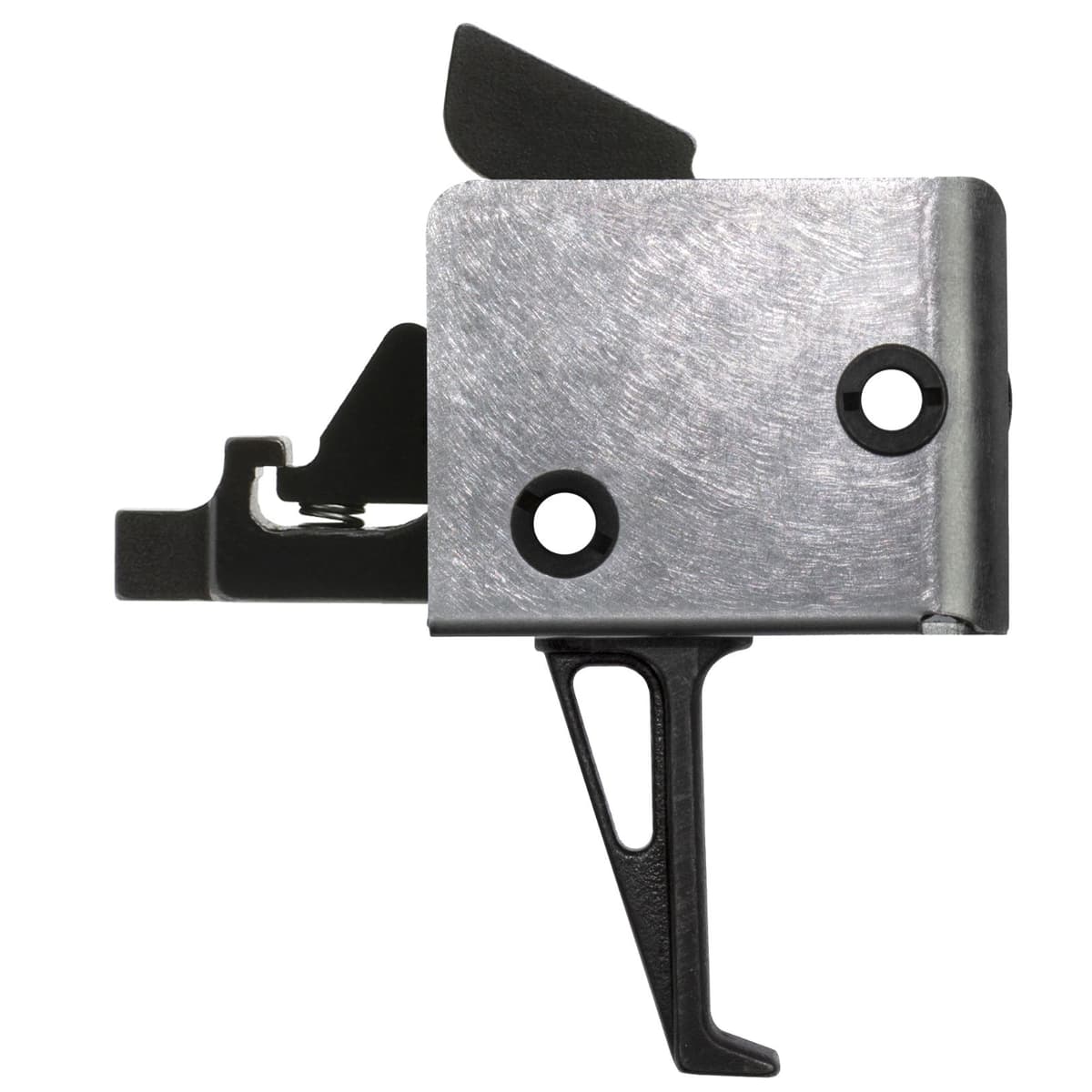
CMC AR-15/AR-10 Two Stage Flat Trigger
- Two stage
- Flat trigger bow
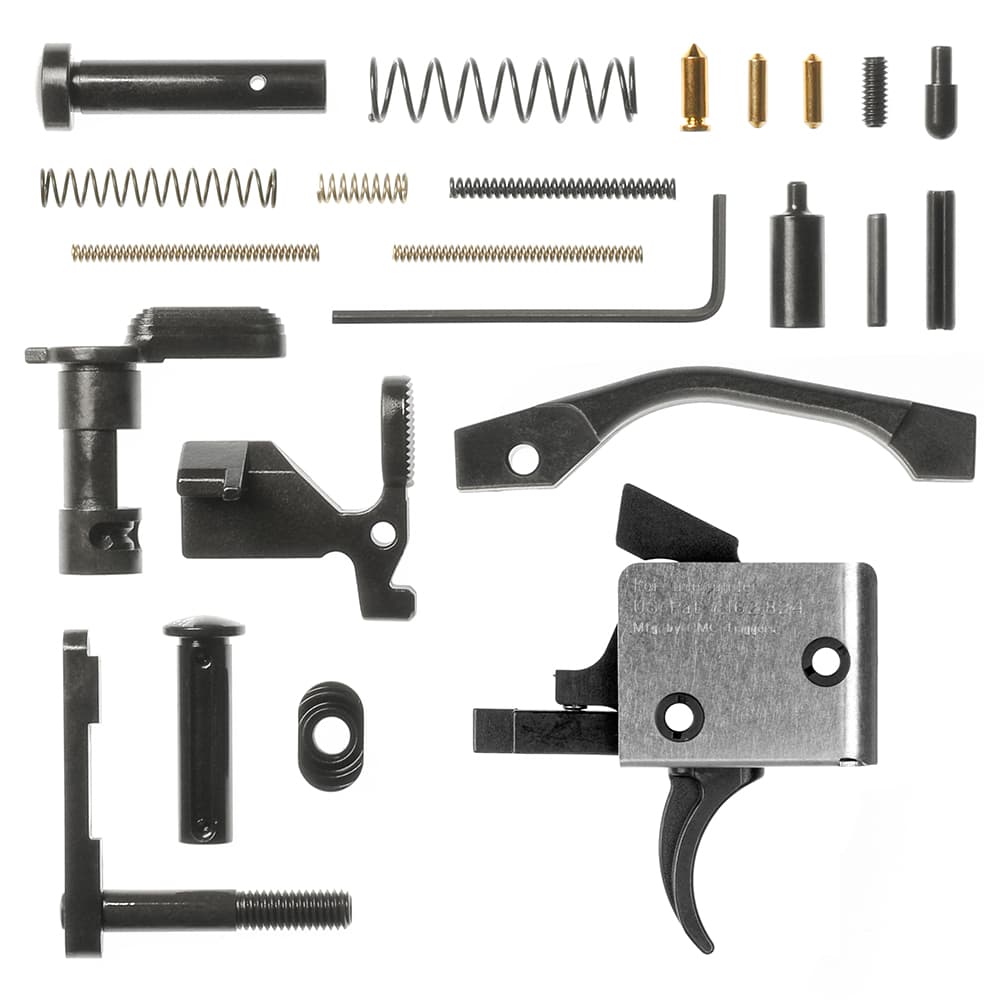
CMC AR-15 Lower Parts Kit with 3.5 lb Curved Trigger
- CMC 3.5 lb single-stage curved drop-in trigger included
- 18 pieces

CMMG AR-15 6.5 Grendel / 6mm ARC 10-Round Magazine
- 10 rounds
- 6.5 Grendel / 6mm ARC / 22 ARC

CMC AR-15/AR-10 Single Stage Component Trigger - CCT
- Single stage
- Combat Curved (CCT) bow

CMC AR-15 QD Receiver End Plate
- Rear-facing QD sling socket
- Stamped mil-spec steel
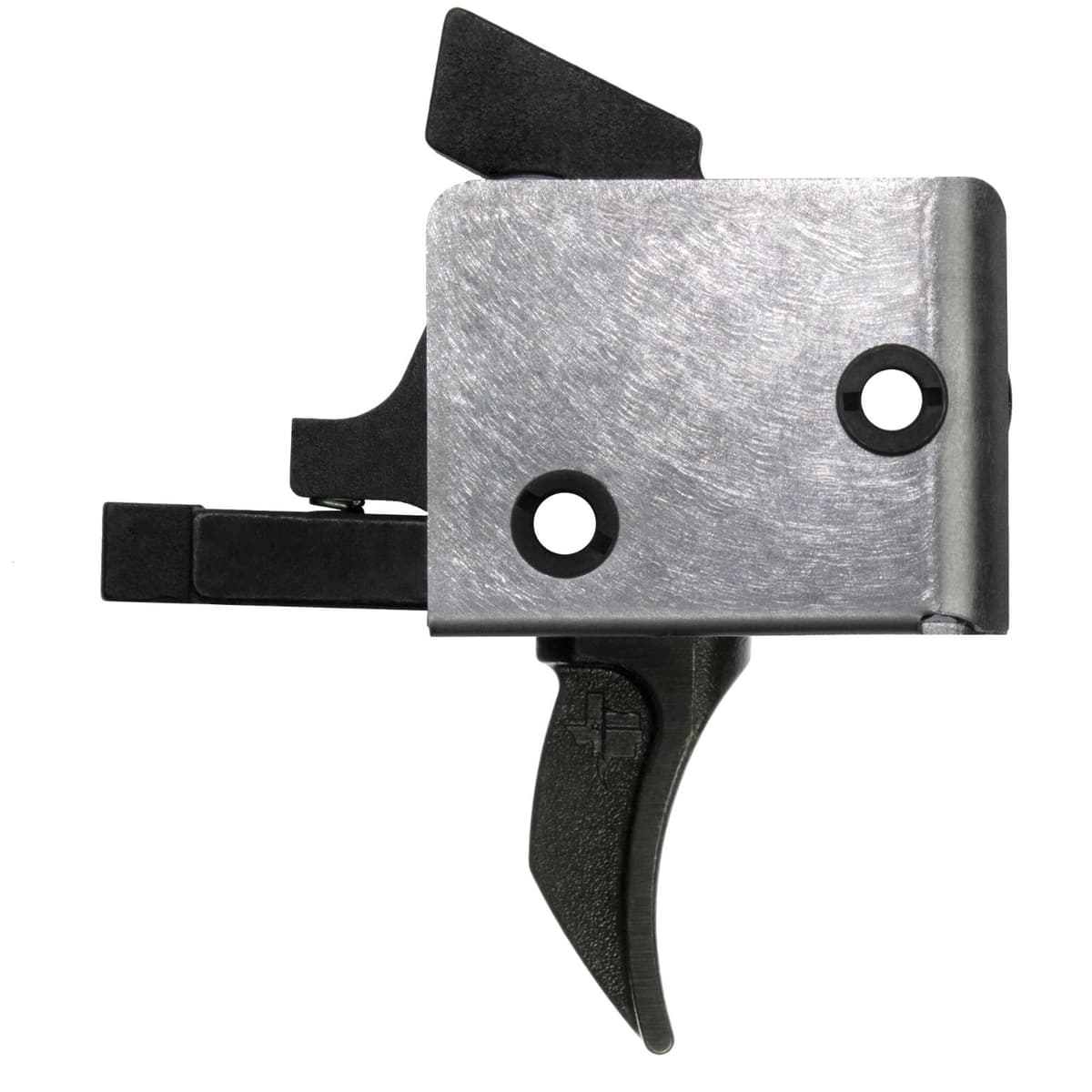
CMC AR-15/AR-10 Single Stage Trigger - CCT
- Single stage
- Combat Curved (CCT) bow
Affiliate links (?)
Narrative 4: Gun Ownership Is a Narrow Demographic
The validated owner sample does not resemble the political caricature. Women made up 45.7% of the gun owners. Another 25.6% did not identify as White alone. Most striking, the measured ownership rate was 34.6% among White adults and 33.0% among Black adults, a gap of less than two percentage points.
That matters because broad restrictions do not land on a small, isolated constituency. The survey estimates about 88 million adult owners across the country, holding about 461 million firearms: 208 million handguns, 154 million rifles, and 99 million shotguns. Gun-control messaging built around a shrinking rural subculture is arguing with a national ownership base that is larger and more varied than the stereotype.
What the Data Proves, and What It Does Not
The paper does not need to prove that every gun law fails to defeat the central narratives it tested. It does not measure the causal effect of a background-check law, a waiting period, or a state ban on crime. It measures prevalence, ownership, stated purpose, and reported defensive use. On those questions, the anti-ban case is strong: AR-15s are common, magazines over 10 rounds are ordinary, defensive gun use is not confined to shootings, and ownership crosses demographic lines.
The paper is also a preprint, and defensive gun use remains the result most sensitive to recall and self-reporting. English added incident-age questions, outcome questions, ownership validation, attention checks, and data-integrity screening to answer those concerns. Readers can debate the precise annual estimate. That debate does not erase the paper's stronger descriptive facts, especially ownership counts that align with a huge, visible market for rifles and magazines.
Stay Updated on Firearm Policy and Research
Get new court decisions, federal policy changes, and major firearms research without the press-release spin.
Why the Survey Reached the Supreme Court So Fast
The paper was dated August 24, and the petitioners' Supreme Court merits brief cited it four days later. Viramontes and Grant ask whether the Second and Fourteenth Amendments protect the possession of AR-15-platform and similar semi-automatic rifles. The brief uses the survey's 26.4 million-owner estimate and its lawful-use responses to support the Heller common-use argument.
The survey does not decide the case. Judges decide what legal test controls and how it applies. But factual claims still need a record, and 40 million rifles are difficult to square with a theory that treats the AR-15 as both commonly owned and legally unusual. Our Viramontes case explainer covers the consolidated cases, the lower-court split, and what a 2027 decision could change.