Key Takeaways
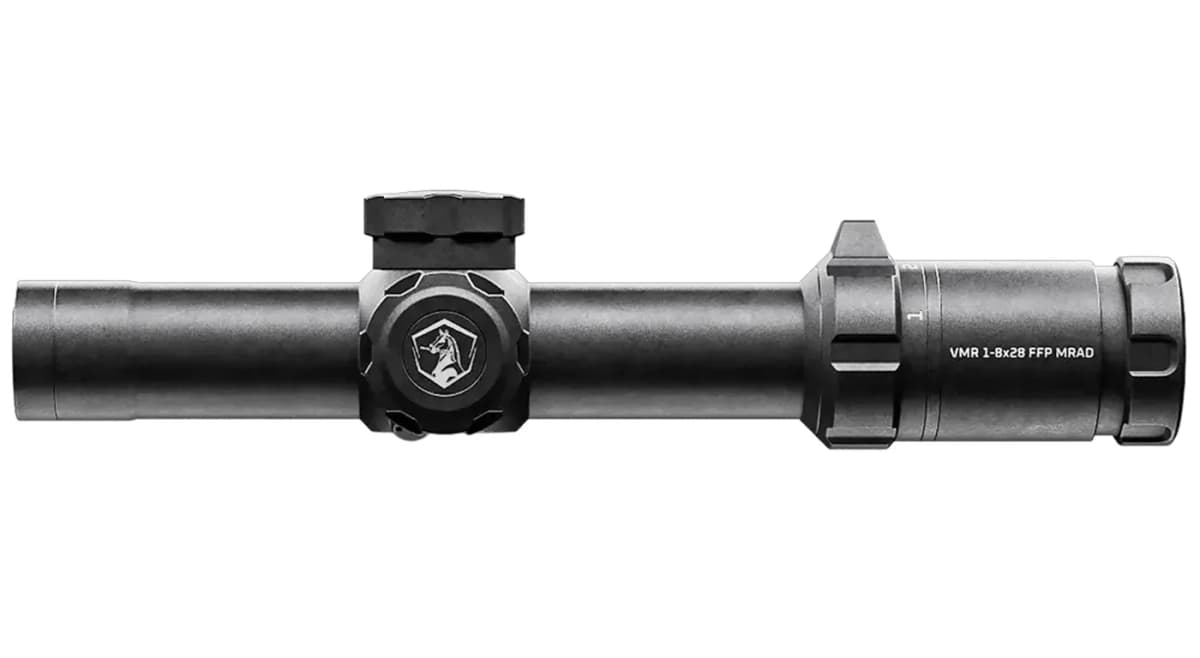
- →A lot of scope for the price: At $599.99 the Arken EP-5 5-25x56 brings a first focal plane VPR reticle, a 34mm tube, 32 MIL of elevation, and a zero stop. We bought ours in 2024 with our own money.
- →Easy to zero: 0.1 MIL clicks at 10 MIL per revolution made zeroing on our 6.5 Creedmoor AR-10 quick across about 30 rounds. The turrets are tactile but turn more easily than we would like.
- →Soft at 25x: The image loses some sharpness at the top of the magnification range, which is the trade you make at this price.
- →Tight eyebox at high power: 3.4 inches of eye relief and a small eyebox at 25x reward a consistent cheek weld from a bipod or bag.
- →Heavy at 39.2 ounces: Nearly 9 ounces more than the Vortex Strike Eagle 5-25x56. The GENII is heavier still at 41.2 ounces.
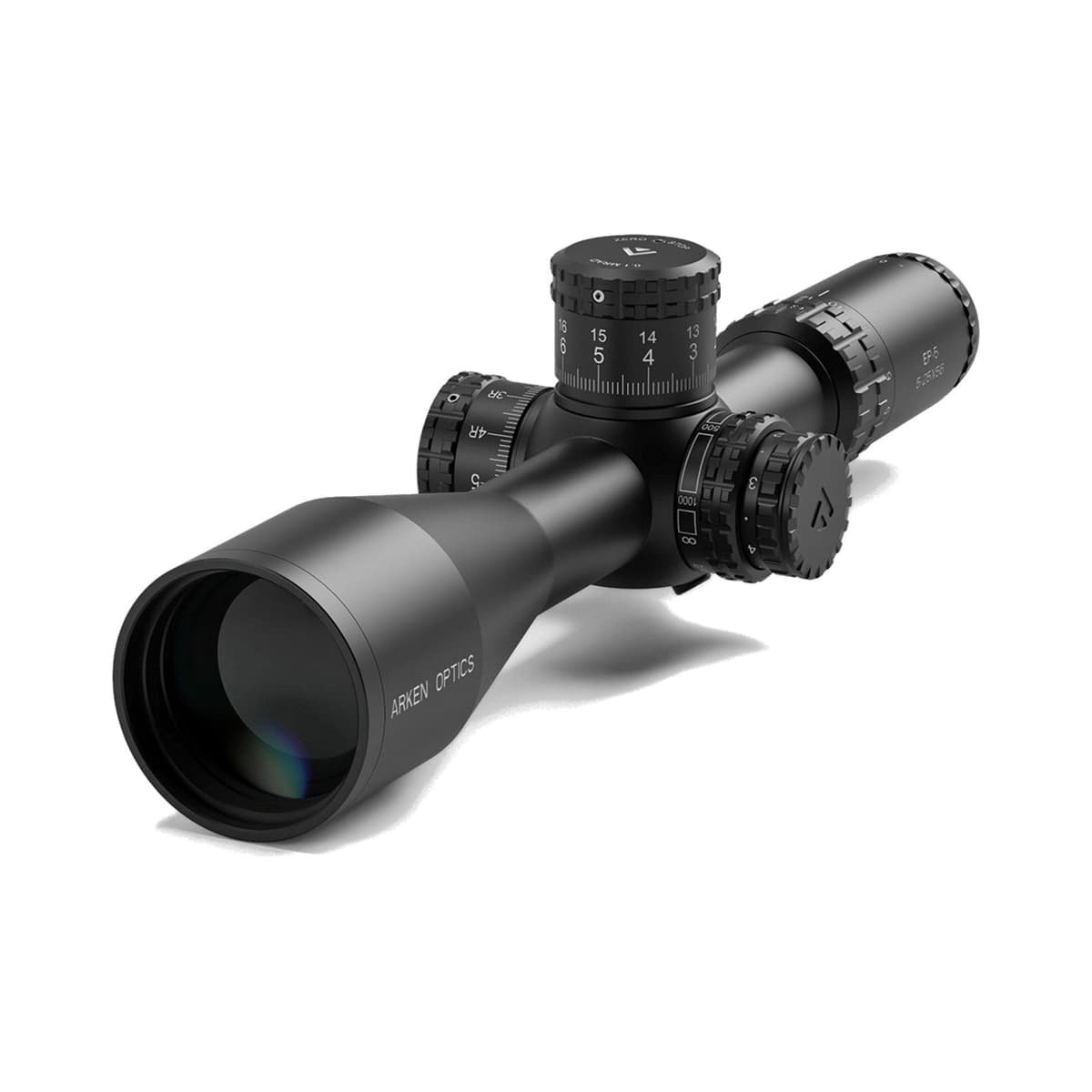
Arken EP-5 5-25x56 FFP
A first precision rifle or 6.5 Creedmoor AR-10 that needs a first focal plane 5-25x with real elevation travel on a budget
Budget FFP precision scope with a 34mm tube, Japanese ED glass, AZS zero stop, and 32 MIL of elevation travel.
- +Best feature-per-dollar in the sub-$600 precision scope class
- +FFP VPR reticle accurate at any magnification
- +32 MIL elevation handles .308 / 6.5 Creedmoor well past 1,000 yards
- −Heavy at 39.2 oz
- −Glass clarity and turret feel trail premium scopes
- −Limited dealer/retailer footprint compared to Vortex or Leupold
Affiliate links (?)
How We Tested the Arken EP5 5-25x56
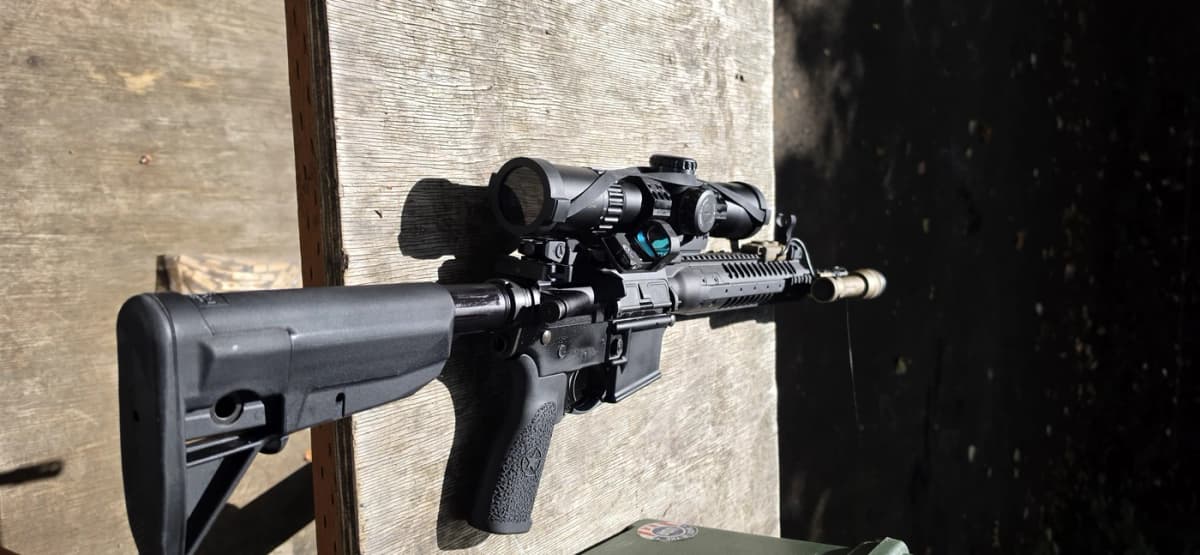
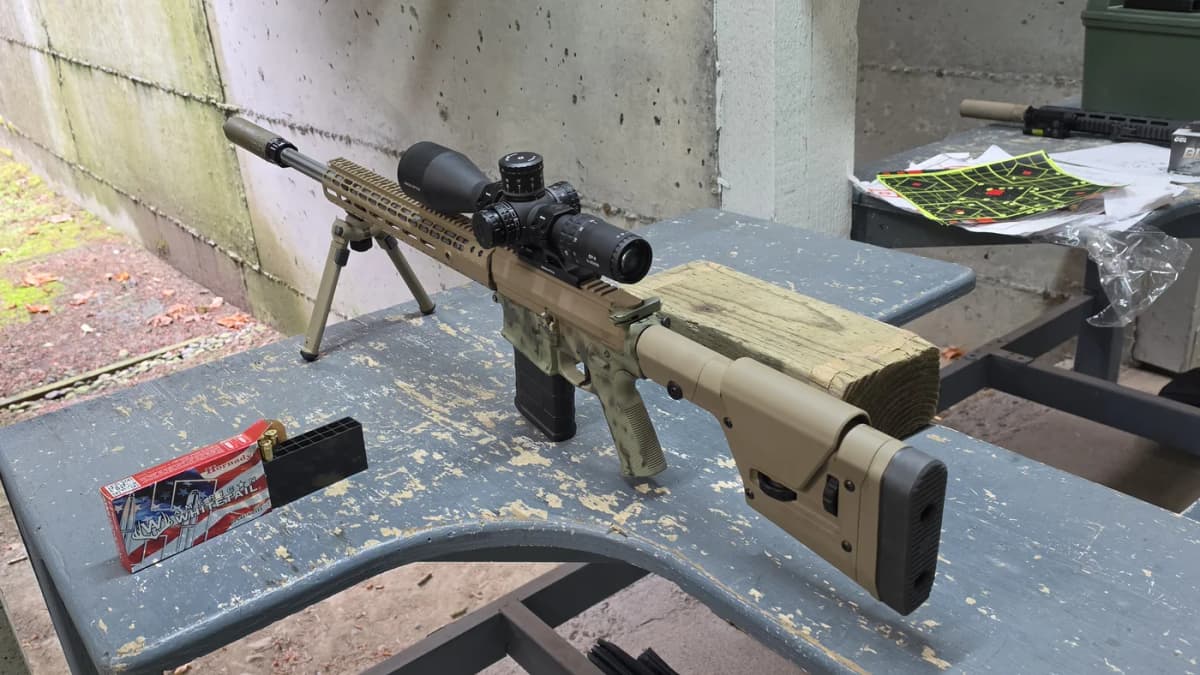
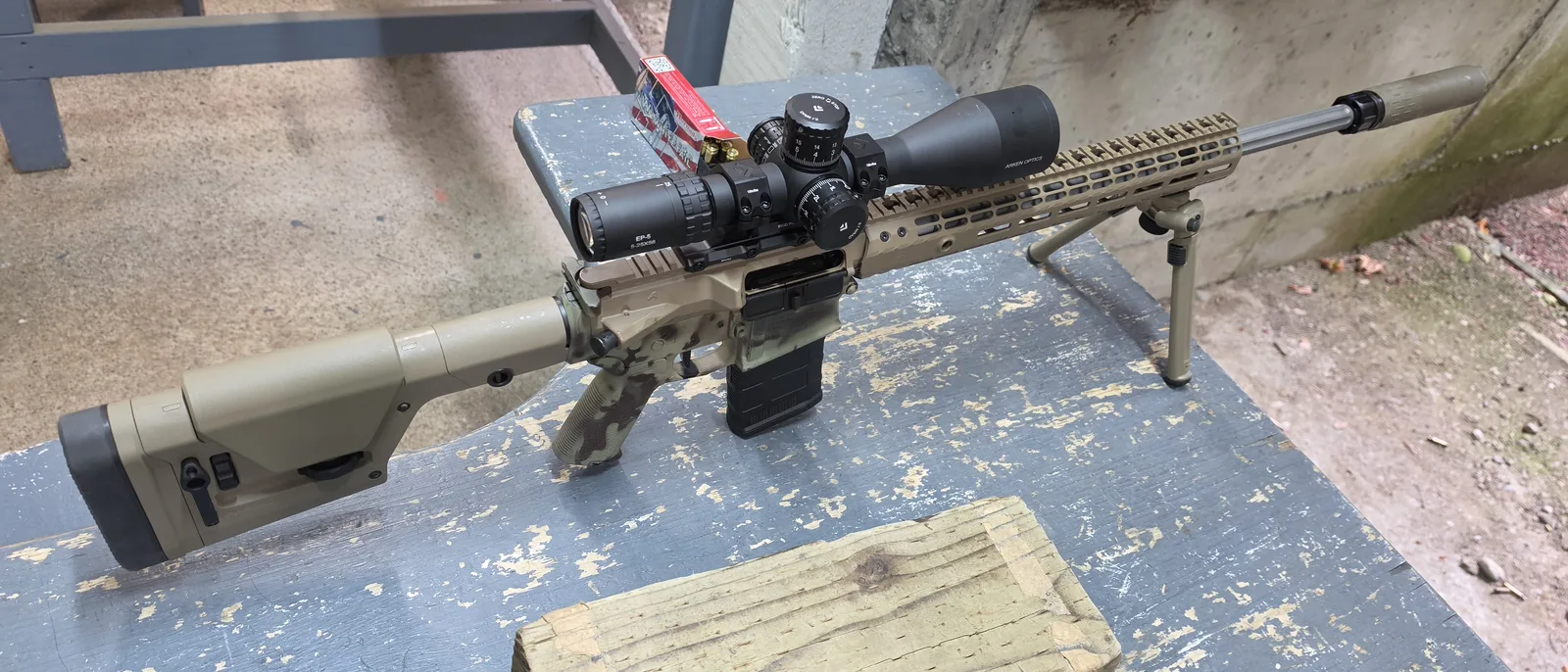
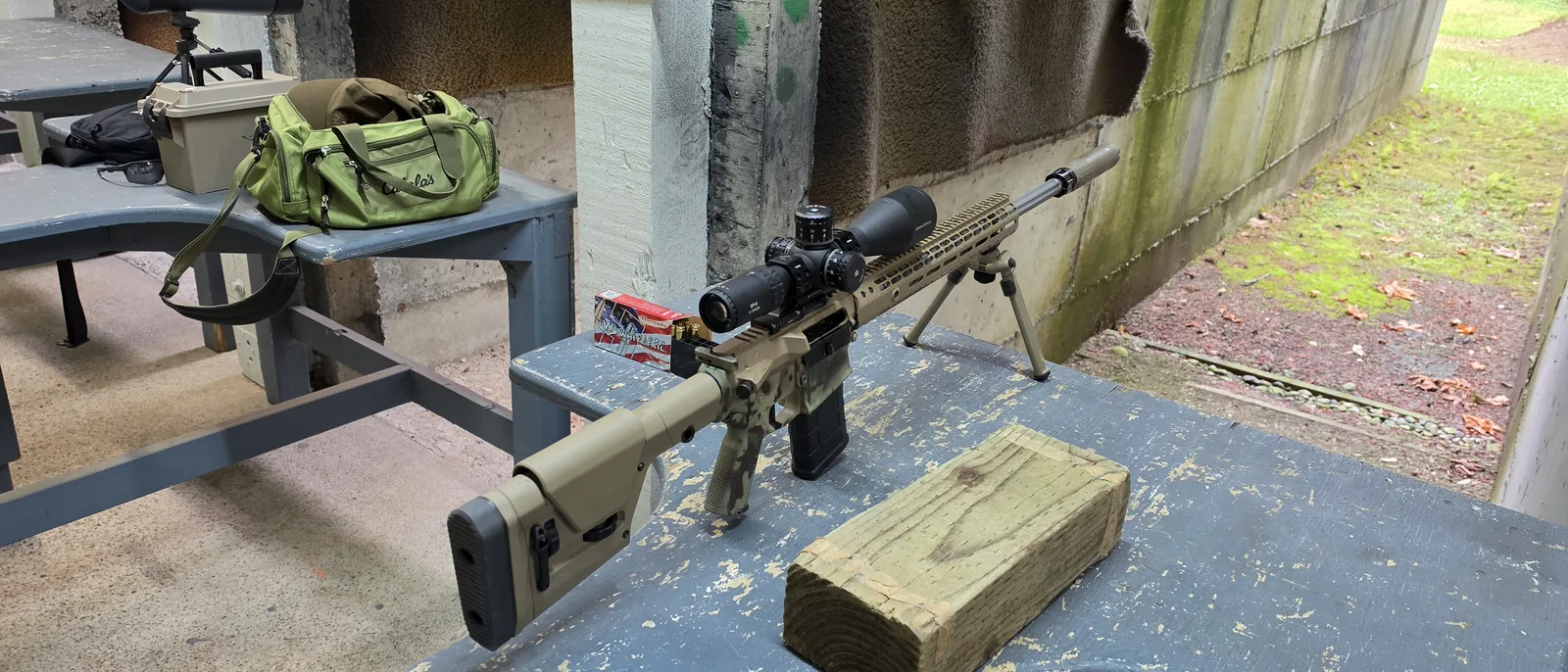
Our Arken EP5 is the original EP-5 5-25x56 FFP with the VPR MIL reticle, not the newer GENII. For this session it rode on our Aero Precision AR-10-pattern build in 6.5 Creedmoor, suppressed, on a bipod, shooting Hornady American Whitetail. We put about 30 rounds through it, which covered a full zero and enough follow-up shooting to form an opinion on the turrets, glass, eyebox, and illumination.
Some context for how to read our impressions: long-range shooting is not our main discipline. Most of our rifles run 1-8x LPVOs with capped turrets, so an exposed-turret 5-25x is a different tool for us. That background shows up most in how we judged turret resistance, and we say so where it matters. If you are also coming from an LPVO, our long range shooting guide for beginners covers the dialing and ballistics side of the jump.
Zeroing Is Easy, but the Turrets Turn Too Freely
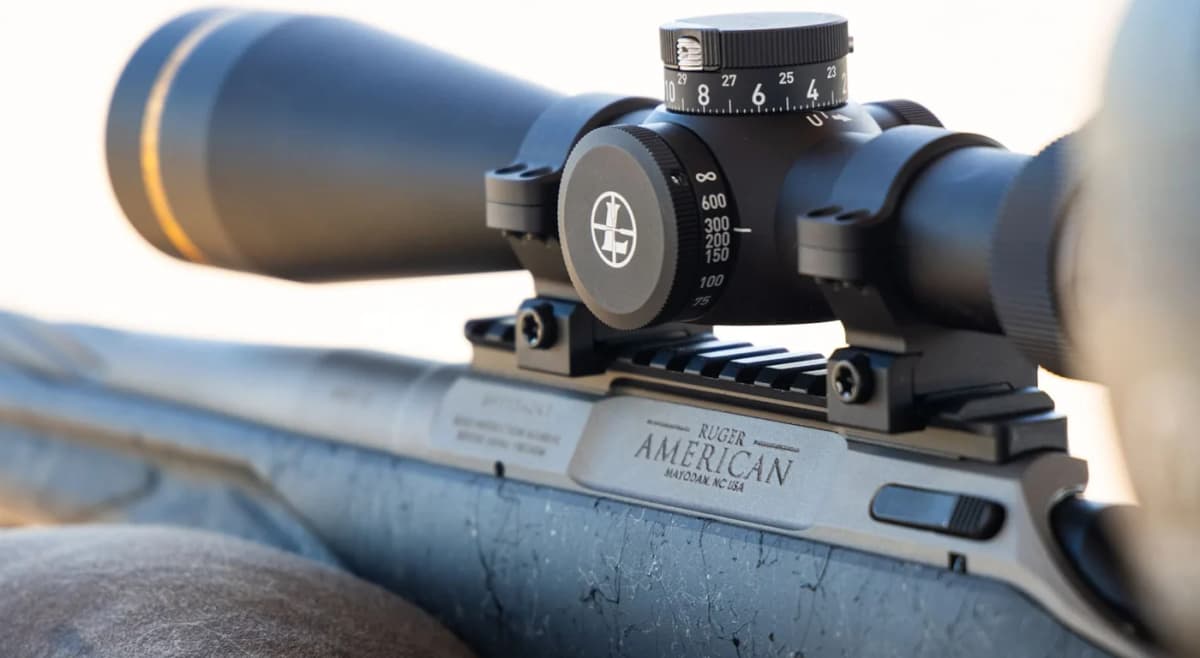
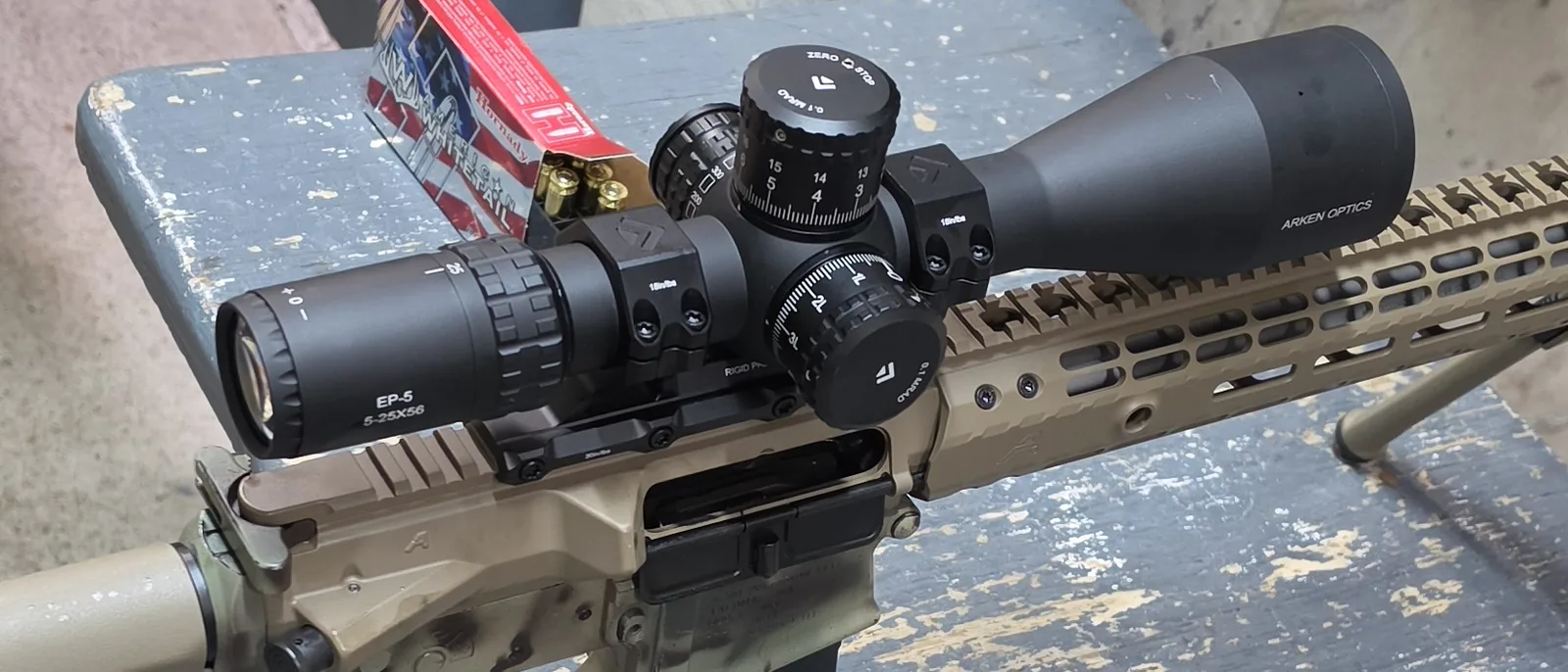
Zeroing the EP-5 was easy. The clicks are 0.1 MIL, each turret revolution covers 10 MIL, and the elevation cap carries two rows of numbers so you can tell the first revolution from the second at a glance. Adjustments went where we sent them, and once zeroed, Arken's AZS zero stop gives you a hard stop to return to. Arken includes a T8 Torx wrench in the box for setting it.
Our one turret complaint is resistance. The clicks are tactile and easy to count, but the turrets turn a little too easily; a bit more detent force would make them harder to bump and more deliberate to dial. Weigh that against our background, since capped LPVO turrets are what we are used to, and they are stiffer by design. The turrets work fine. They just feel lighter than we prefer.
Adjustment range is generous for the price. Arken lists 32 MIL (110 MOA) of elevation and 16 MIL (55 MOA) of windage for the original EP-5, with turrets that dial counterclockwise. That is enough elevation for 6.5 Creedmoor well past the distances most shooters ever reach without a canted base. Our 6.5 Creedmoor guide covers the AR-10 side of the cartridge.
The Glass Gets a Little Soft at 25x
The EP-5 image is good for its price, and the place it gives ground is the top of the range: at 25x the picture goes a little soft. That is the expected compromise on a budget 5-25x, and it is the detail that separates this scope from glass costing several times as much. Arken builds the original EP-5 around Japanese ED glass, and the side focus runs from 25 yards to infinity.
Arken lists the field of view at 25.3 feet at 100 yards on 5x and 4.9 feet at 25x, through a 56mm objective on a 34mm tube. The VPR is a first focal plane reticle, so the MIL holds stay correct at every magnification setting.
Try the 5-25x view on the range
Put the EP-5 on a target at distance and walk the magnification from 5x to 25x. The VPR reticle is drawn from Arken's reticle sheet at the scope's published field of view, alongside the Vortex Strike Eagle 5-25x56 for comparison.
Letters are 36, 24, 18, 12 and 8 cm tall. Compare how much detail fits in the view as you zoom.
Advanced
Each optic at its own highest setting: compare the detail you can see.
First focal plane · product specification
24.5 ft across the view
Published field of view
Manufacturer reticle artwork, shown as a picture. Use the linked reference for subtensions.
How much fits in the view?
Top-down · fits the selected distanceAlong the range and across it use the same scale. The short center mark shows the object’s width.
A · 25× · 24.5 ft wide
Published field of view
B · 25× · 26 ft wide
Published field of view
B covers 6% more width at this distance. The narrower view makes the object fill more of an equal-size lens window.
Product reticles without verified subtensions show the manufacturer artwork as a picture; holds are not read from it. Housing, glass and eyebox are simulated.
Open the full range simulatorThe Eyebox Is Tight at High Power
The EP-5 eyebox is tight once you climb toward 25x. Get your head slightly off and the image darkens at the edges, so the scope rewards a consistent cheek weld and a stable position on a bipod or bag. Eye relief is 3.4 inches.
The GENII redesign targeted the eyebox directly, and Arken's own GENII comparison cites a TiborasaurusRex measurement at 25x in which the maximum clear eyebox diameter grew from 2.2mm on the original EP-5 to 3.0mm on the GENII. Set eye relief carefully for your most common shooting position when you mount it; our precision scope rings guide covers 34mm mounts for a scope this size.
At 39.2 Ounces, the EP-5 Is Heavy
The EP-5 weighs 39.2 ounces and is 14 inches long before a mount. That is heavy for the class. The Vortex Strike Eagle 5-25x56 is 30.4 ounces on the same 34mm tube size, the Athlon Argos BTR Gen3 6-24x50 is 30.3 ounces on a 30mm tube, and Arken's own SH-4J GENII 6-24x50 is 36.0 ounces.
On a bipod-supported AR-10 the weight mostly disappears, and extra mass up top does not hurt a rifle that shoots from a rest. It matters if you carry the rifle far or shoot it off-hand. For those roles, the lighter scopes in our best long range rifle scope guide are the better fit.
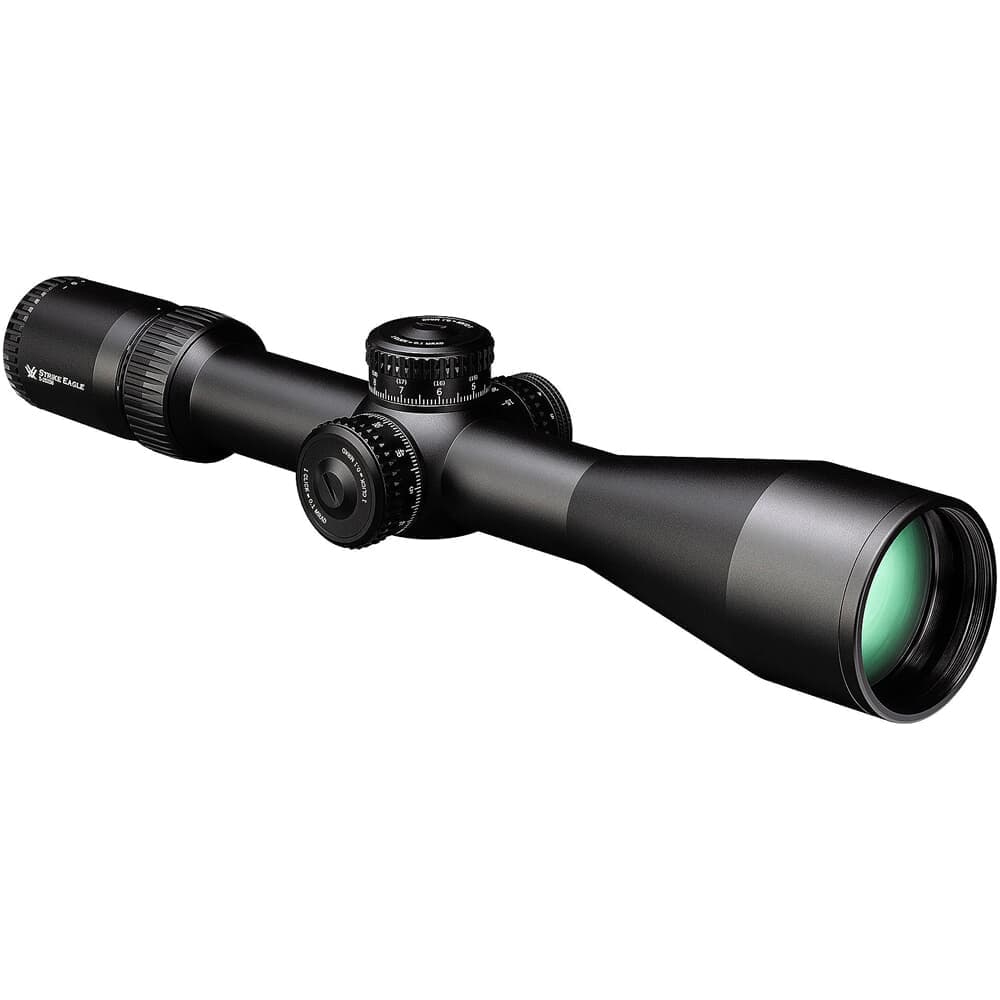
Vortex Strike Eagle 5-25x56 FFP
The same 5-25x56 FFP format at 30.4 ounces, with more eye relief than the EP-5
Budget-friendly 34mm FFP precision scope with an illuminated EBR-7C MOA reticle, 110 MOA elevation, and a locking RevStop zero turret.
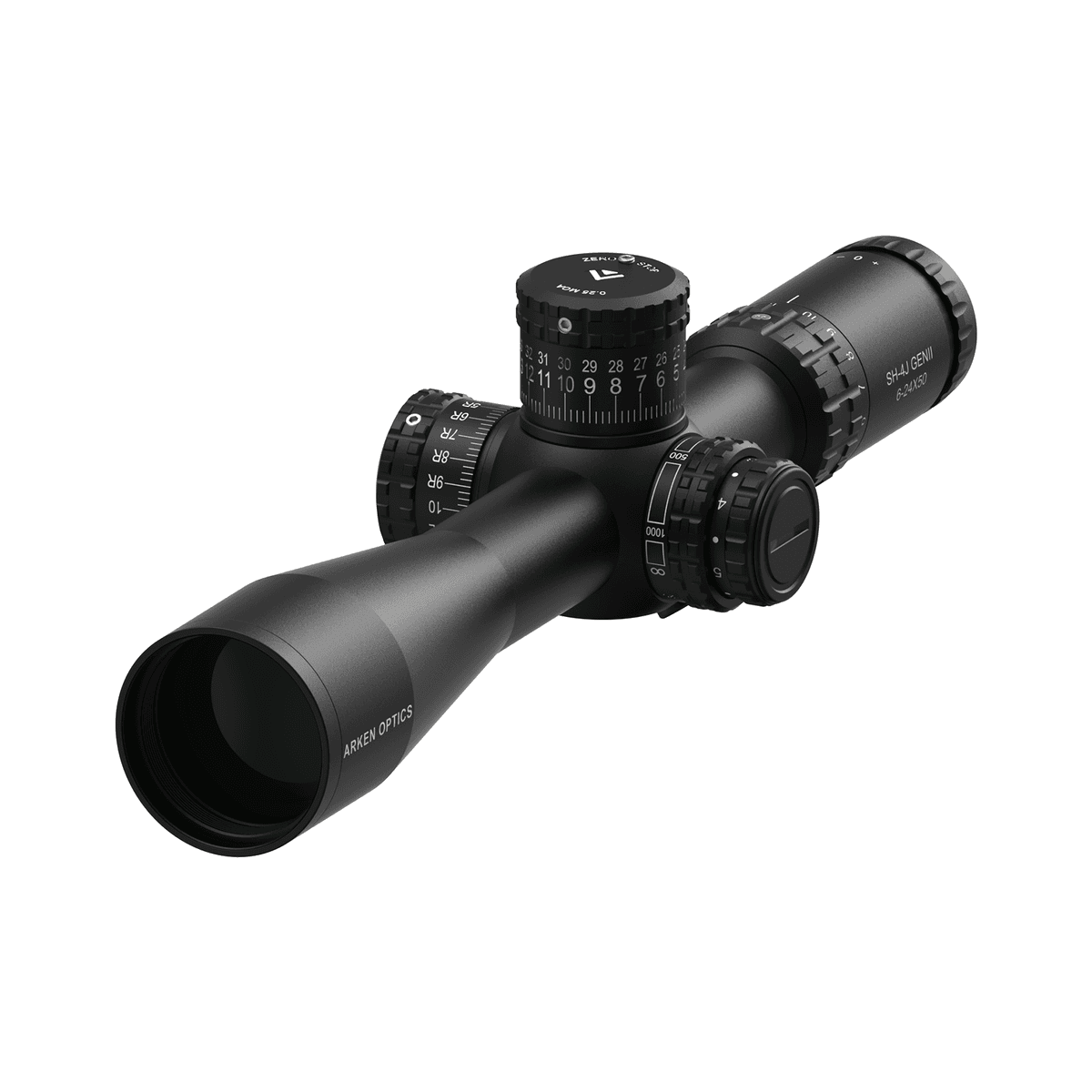
Arken SH-4J GENII 6-24x50 FFP
Arken's cheaper 34mm FFP scope with 30 MIL of elevation at 36.0 ounces
Entry-tier FFP precision scope with 34mm tube, Japanese ED glass, AZS zero stop, and 30 MIL elevation travel.
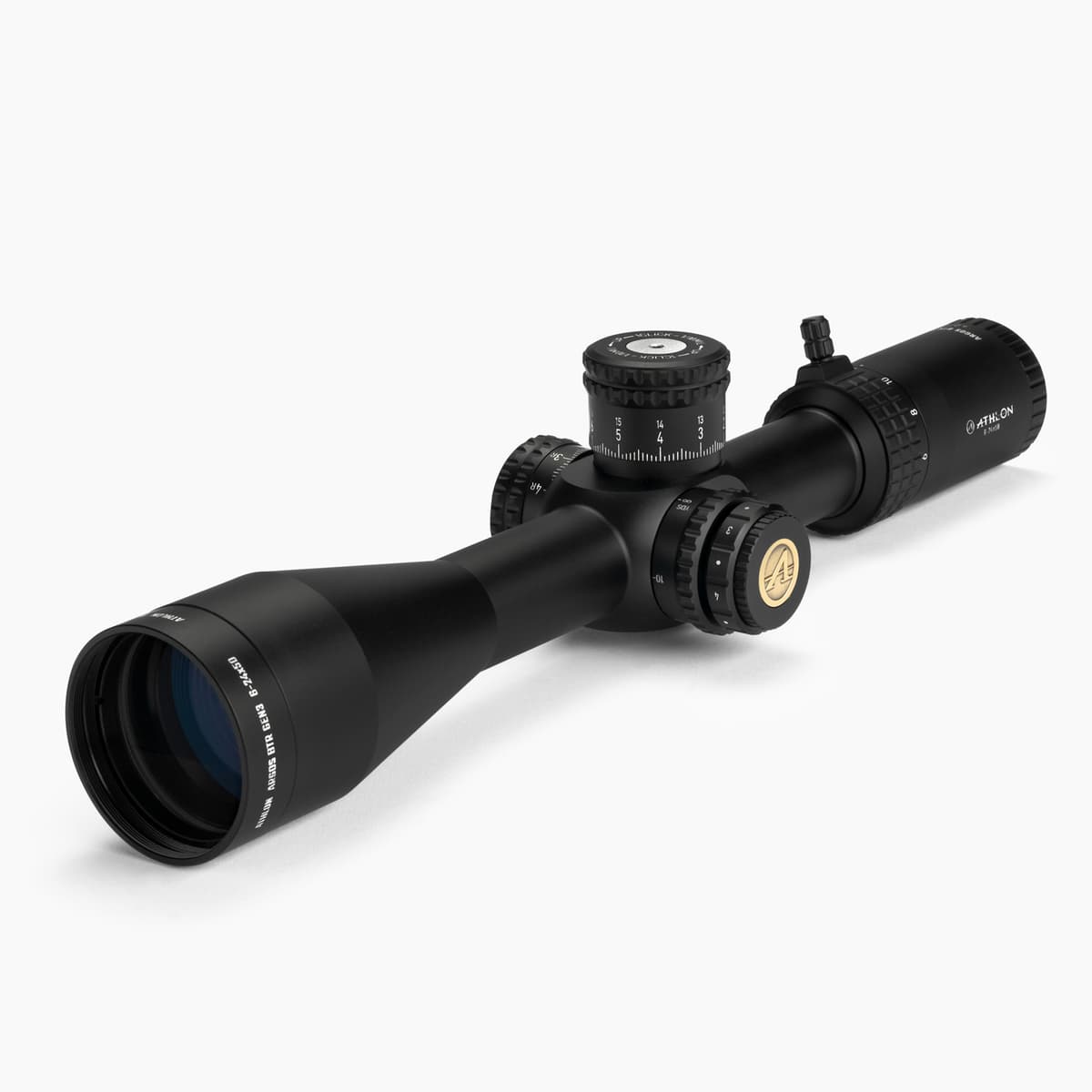
Athlon Argos BTR Gen3 6-24x50 FFP
A 30.3-ounce entry FFP scope on a 30mm tube
Sub-$400 entry FFP precision scope with 30mm tube, APRS11 illuminated reticle, precision zero stop, and 0.1 MIL turrets built for first-time PRS shooters.
The Illumination Is for Dusk, Not Daylight
The EP-5 illumination does not get very bright, and it is not meant to. Arken lights the center dot and the 1 MIL area around it in red, which helps you find the aiming point against a dark target in the last light of the day. In full sun it will not stand out the way a red dot does. The scope runs on a CR2032, and Arken includes one.
Arken EP-5 Gen I vs GENII
The EP-5 GENII 5-25x56 fixes the two things we noticed most, with a larger eyebox and upgraded J-XED glass, and pays for it with less adjustment, more length, and more weight. Arken's published specs for both:
| Spec | EP-5 (original) | EP-5 GENII |
|---|---|---|
| Glass | Japanese ED | Japanese J-XED |
| Reticles | VPR MIL, VPR MOA | VPR MIL, VPR MOA, TOR MIL |
| Elevation | 32 MIL / 110 MOA | 28 MIL / 100 MOA |
| Windage | 16 MIL / 55 MOA | 12 MIL / 48 MOA |
| Eye relief | 3.4 in | 3.5 in |
| Eyepiece lens | 35.5 mm | 39 mm |
| Field of view @ 100 yd | 25.3 to 4.9 ft | 24.02 to 4.71 ft |
| Parallax | 25 yd to infinity | 20 yd to infinity |
| Length | 14.0 in | 15.6 in |
| Weight | 39.2 oz | 41.2 oz |
Both share the 34mm tube, first focal plane layout, 0.1 MIL or 0.25 MOA clicks at 10 MIL or 25 MOA per revolution, AZS zero stop, red illumination on a CR2032, and a lifetime warranty. If a tight eyebox is what would keep you from buying the EP-5, the GENII is the answer. If you want the most dialing range in the shortest, lightest package, the original still has the better numbers.
Shop Arken Optics
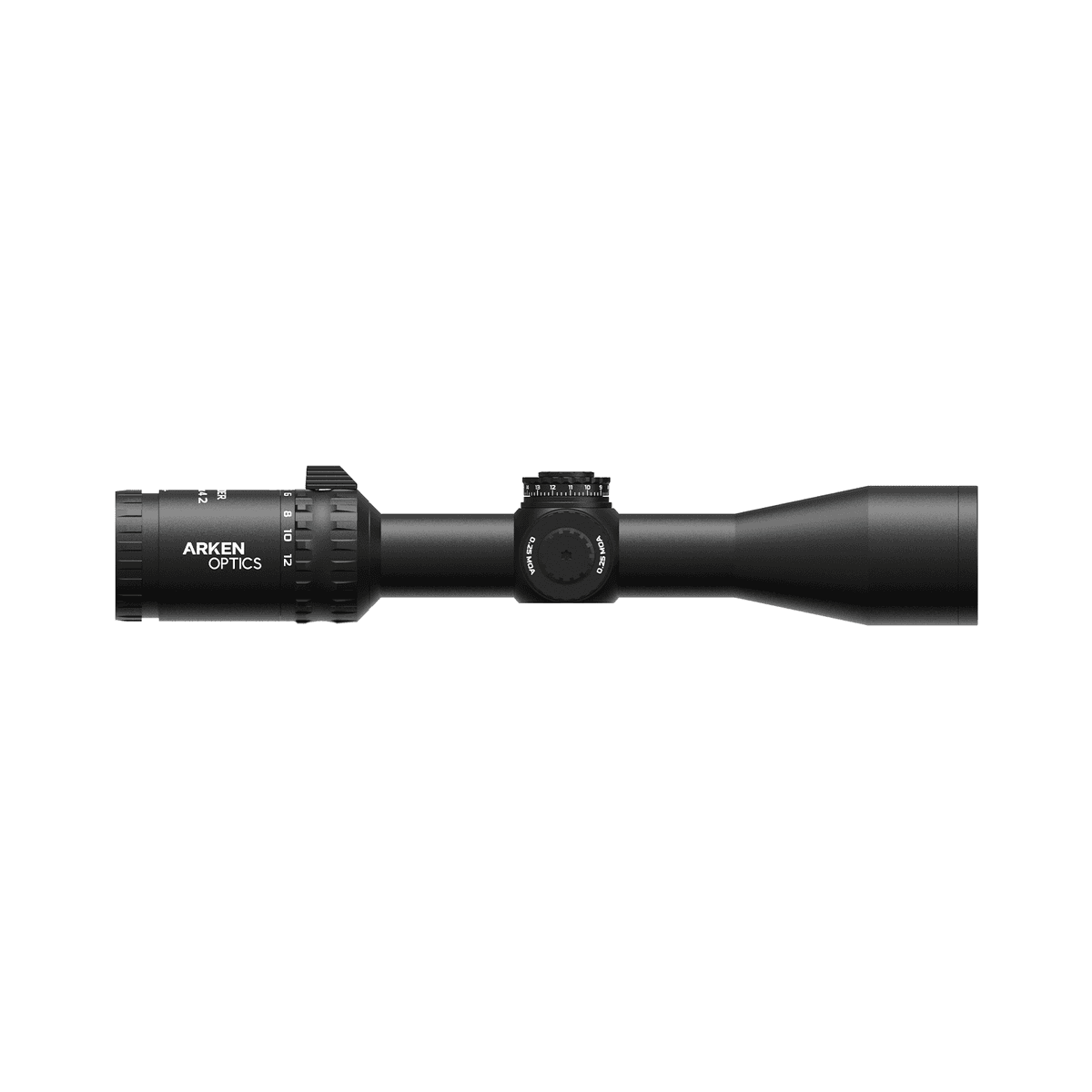
Arken OUTRIDER 2-12x42 SFP
- 2-12x42 magnification
- Second focal plane
Arken EP-5 5-25x56 FFP
- 5-25x magnification
- 56mm objective
Arken SH-4J GENII 6-24x50 FFP
- 6-24x magnification
- 50mm objective
Affiliate links (?)
Stay Updated on Optics Reviews
Hands-on reviews, reticle breakdowns, and price drops on the optics we actually shoot. One email a week.
Frequently Asked Questions
▶Is the Arken EP5 a good scope?
▶Which Arken scope is better, the SH4J or the EP5?
▶Are Arken scopes worth the money?
▶Where is the Arken EP5 made?
▶What is the difference between the Arken EP5 Gen 1 and Gen 2?
▶Is Arken better than Vortex?
Bottom Line
Four out of five. The original Arken EP-5 5-25x56 is easy to zero and gives you a first focal plane reticle, a 34mm tube, and 32 MIL of elevation for the price of an entry-level scope. The point comes off for a soft image at 25x, a tight eyebox, light turrets, and 39.2 ounces of weight.
Buy it for a first precision rifle or a bipod-supported AR-10 where dialing range and price matter more than weight. None of its flaws got in the way of zeroing and shooting it, and for what it costs it is a really good scope. If the eyebox is the dealbreaker, look at the GENII; if weight is, look at the Vortex Strike Eagle 5-25x56.