Key Takeaways
- →The whole 2024 rule stays vacated: Judge Matthew Kacsmaryk denied the Justice Department's reconsideration motion on August 13, 2026. The June 12 judgment remains unchanged.
- →The result applies beyond the plaintiffs: The court treated Administrative Procedure Act vacatur as not party-restricted, so ATF cannot enforce the 2024 final rule against anyone.
- →The statute still controls: Repetitive firearm purchases and resales conducted as a regular business for predominant profit can still require an FFL. Occasional personal collection sales remain excluded by statute.
- →The May 2026 proposal was not struck down: The judge criticized one retained position, but the notice is only a proposal and was not the rule before the court.
- →No numerical safe harbor: Federal law still turns on conduct and intent, not a fixed number of guns sold. State transfer laws remain separate.
The August 13 Order Leaves the Full Vacatur Intact
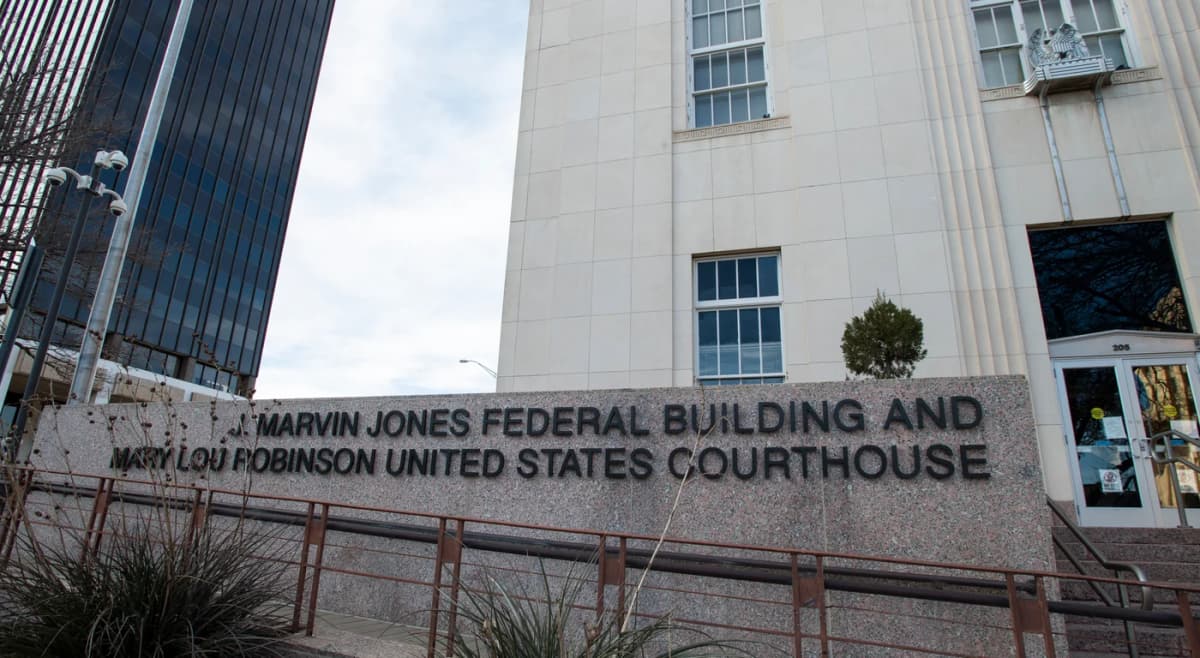
The Justice Department did not persuade the Northern District of Texas to salvage part of ATF's 2024 Engaged in the Business Final Rule. In a five-page order filed August 13, 2026, Judge Matthew J. Kacsmaryk denied the department's motion and left the June 12 final judgment untouched. The operative sentence is direct: the final rule remains vacated in its entirety.
The government's argument was narrower than a request to restore the entire Biden-era rule. It asked the court to separate provisions the judge had found unlawful from definitions and other pieces that DOJ said could still function. Kacsmaryk rejected that severability theory. He found that the rule had one animating policy and could not sensibly operate after its key provisions were removed.

That matters because the motion targeted the scope of the remedy, not the underlying statutory definition by itself. The court did not create a general immunity for private sales and did not erase the federal prohibition on dealing firearms without a license. It kept one agency regulation off the books.
What Still Controls Private Firearm Sales
The controlling baseline is still 18 U.S.C. 921(a)(21)(C), as amended by the Bipartisan Safer Communities Act. A dealer is a person who regularly devotes time, attention, and labor to dealing in firearms as a trade or business through repetitive purchases and resales, with the predominant intent to earn a profit. A person who reaches that line needs a federal firearms license even though the 2024 implementing rule is gone.
Congress also wrote the exclusions into the statute. Occasional sales, exchanges, or purchases made to enhance a personal collection are outside the dealer definition, as is liquidating all or part of a personal collection. There is no federal count such as five, ten, or twenty firearms that automatically answers the licensing question. Purpose, repetition, and the surrounding conduct matter more than a raw total.
The ruling does not displace state law. States that require private transfers to pass through a dealer or background-check system can continue to enforce those requirements. Anyone facing an actual licensing or transfer question should use current law for the relevant state and get legal advice for the specific facts.
Why the June Judgment Reached Everyone
The nationwide effect comes from vacatur under the Administrative Procedure Act, not from a universal injunction. On June 12, Kacsmaryk vacated the 2024 final rule and explained that APA vacatur is not party-restricted. ATF therefore may not apply the rule to individuals or organizations that never joined the Texas case. The court dissolved its older preliminary injunction because the final vacatur made that party-specific relief redundant.
DOJ had already dismissed its Fifth Circuit appeal on April 16, 2026. The reconsideration motion was its attempt to reduce what the district court's final judgment removed. The August 13 denial closes that district-court route unless the government pursues another appeal or a different post-judgment remedy.
The May 2026 Proposal Is a Different Proceeding
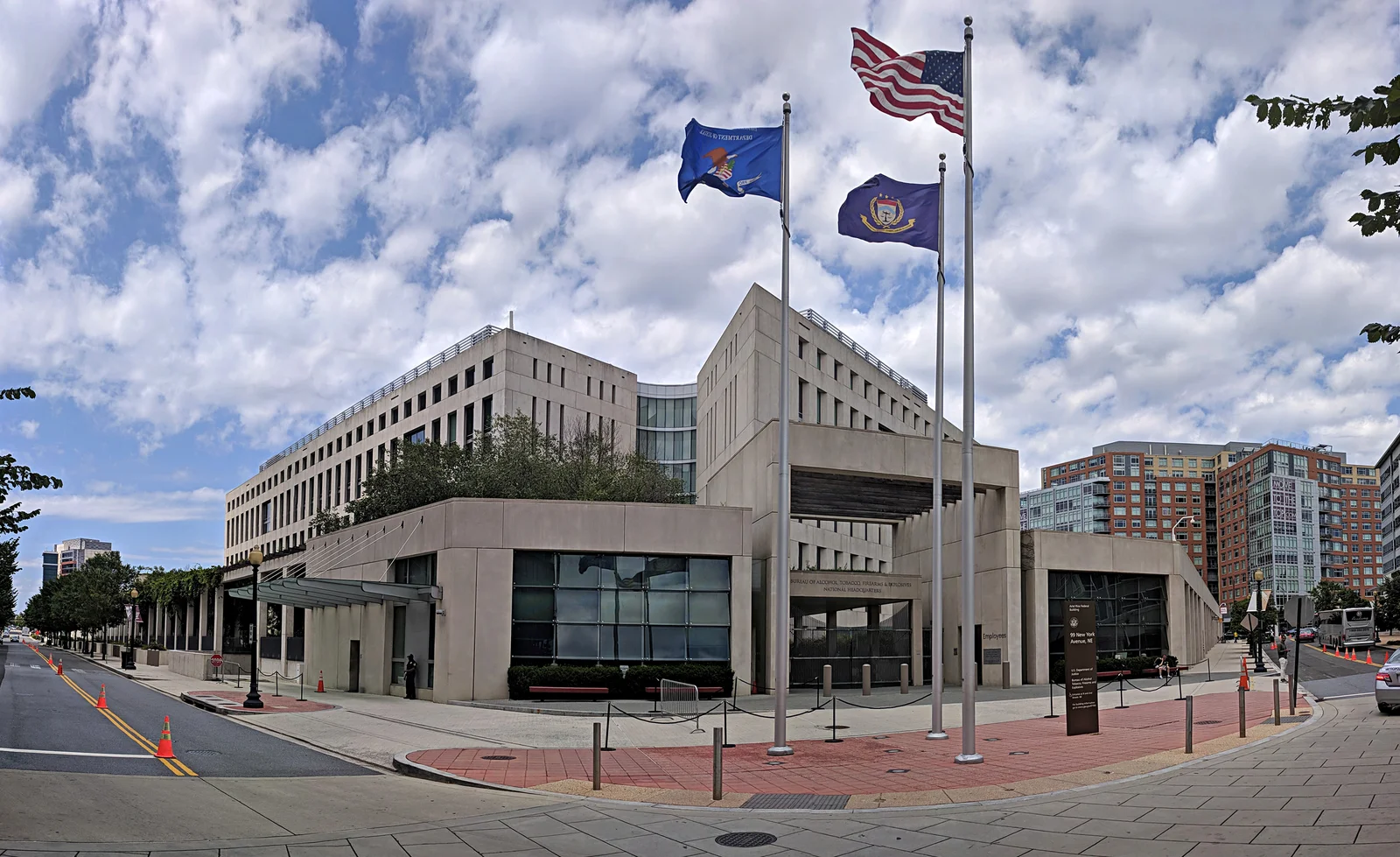
ATF opened a separate rulemaking on May 6, 2026 under docket ATF-2026-0074. The proposal would remove the 2024 rule's rebuttable presumptions and several added definitions, while retaining the statutory framework Congress adopted in 2022. ATF also acknowledged that the 2024 changes did not produce the expected increase in license applications or other anticipated enforcement effects. The comment period closed August 4.

Kacsmaryk focused on one position the proposal retains: ATF says an actual completed sale is not always necessary to prove that a person is engaged in the business. The judge wrote that this conflicts with his 2024 conclusion that action in the form of selling firearms is required. That is a warning about future litigation, not a judgment vacating a proposal that has no legal force yet. Our overview of ATF's May 2026 rule package covers the wider regulatory reset.
What the Ruling Changes for Buyers and Sellers
For ordinary buyers, dealer purchases work the same way they did before this order: the licensed seller runs the required background check and completes Form 4473. A serialized AR-15 lower still transfers through an FFL. Our AR-15 lower receiver guide explains that purchase path, and the first AR-15 build guide separates the regulated lower from the unregulated parts used to complete the rifle.
For a private owner selling from a personal collection, the practical gain is the removal of the 2024 rule's presumptions and expanded examples as an enforcement framework. The statutory line remains. Repetitive buying and reselling for predominant profit can still be unlicensed dealing; disposing of personal property is not automatically a firearms business. The safe conclusion is not that every private sale is exempt, but that ATF must proceed under the statute rather than the vacated rule.
A second ATF rulemaking is now in the same position for different reasons. In August 2026 a Texas court held the agency's frame or receiver definitions unconstitutional, though through party-specific relief rather than the vacatur that ended the engaged-in-the-business rule.
If the transfer is part of a new build, use the firearm builder to check parts compatibility, then confirm the transfer and configuration rules where the firearm will be received and used.
AR-15 Lower Receivers
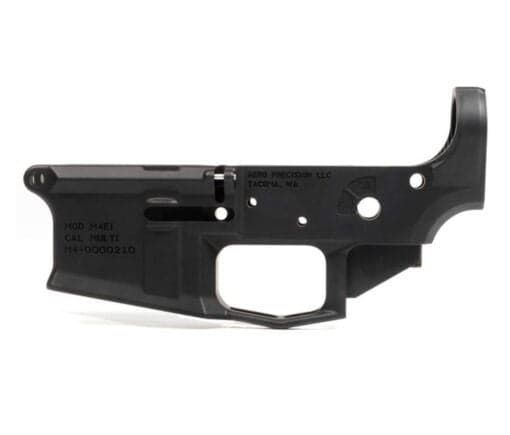
Aero Precision M4E1 Stripped Lower Receiver
- 7075-T6 forged aluminum
- Integrated trigger guard
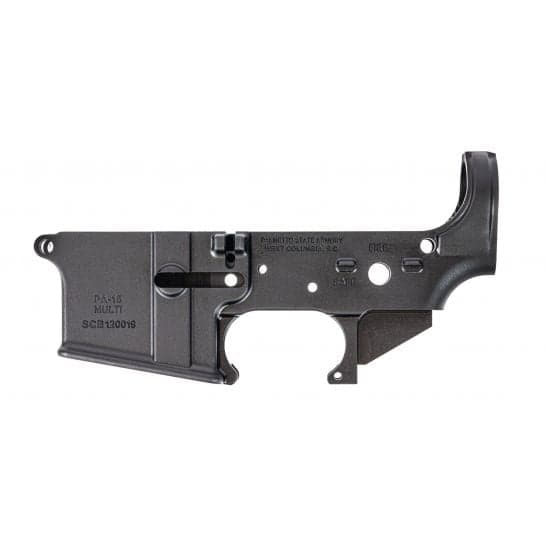
PSA Stealth Stripped Lower Receiver
- 7075-T6 forged aluminum
- Mil-spec dimensions
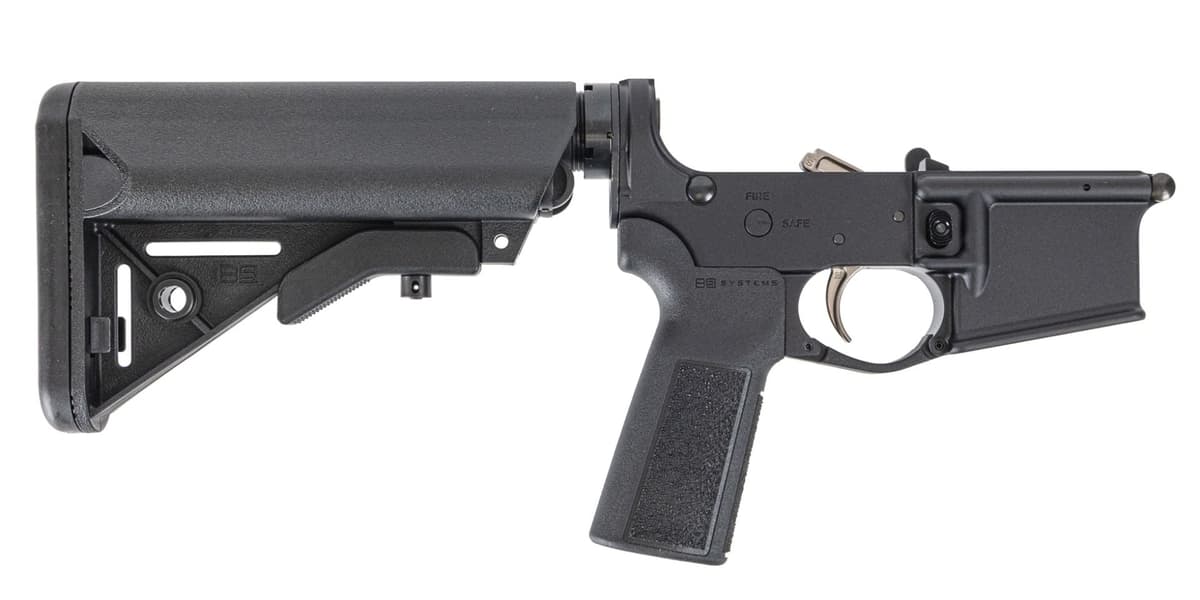
PSA AR-15 Complete Lower w/ B5 EPT Bravo Stock
- 7075-T6 forged aluminum receiver
- PSA Enhanced Polished Trigger (EPT)
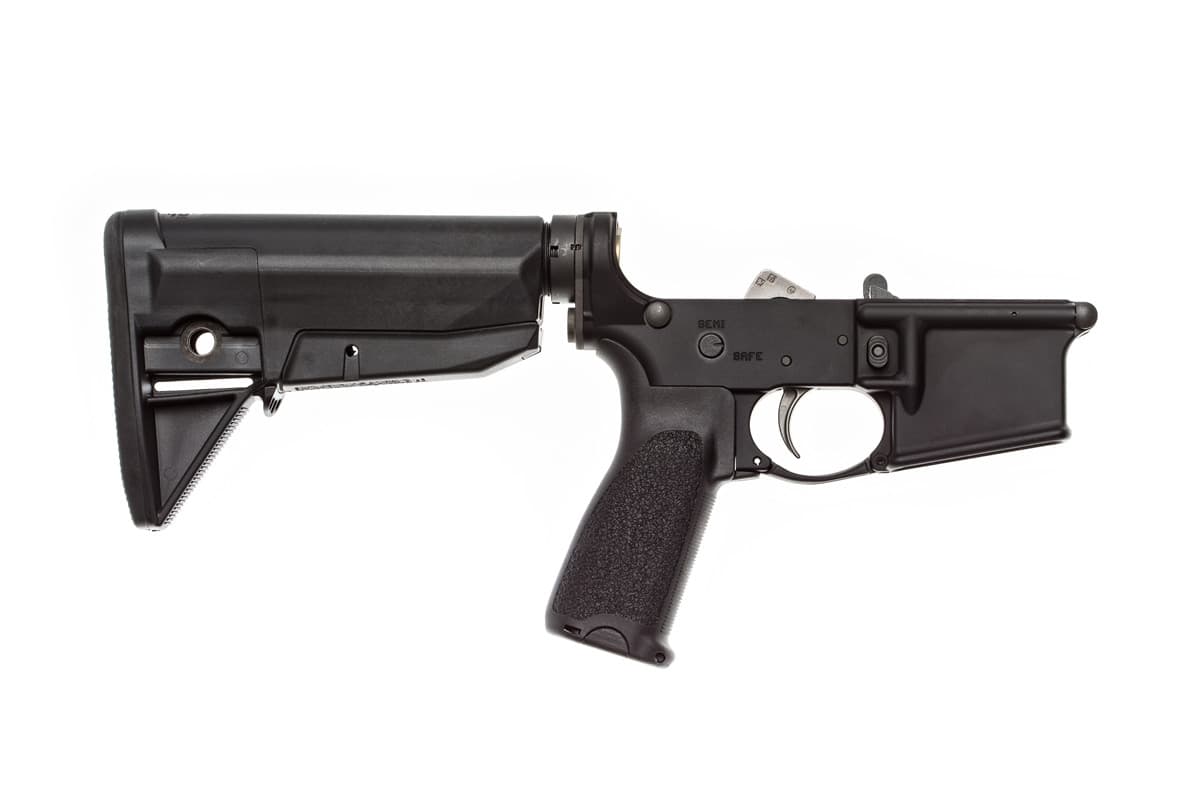
BCM Complete Lower Receiver Group (Mod 0 Stock)
- 7075-T6 forged aluminum
- BCM Mod 0 stock installed
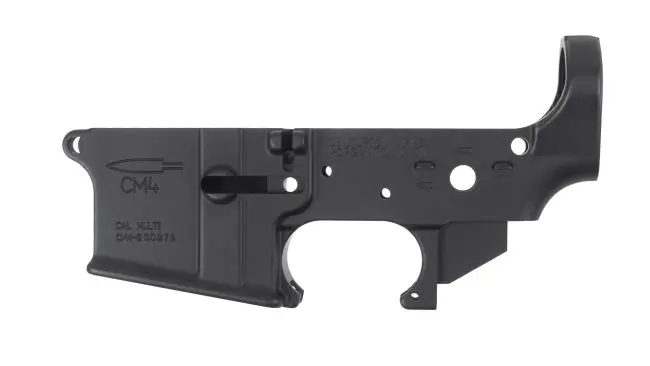
Centurion Arms CM4 Forged Stripped Lower Receiver
- 7075-T6 forged aluminum
- M16 auto pocket (full-auto compatible)

Geissele Super Duty Stripped Lower Receiver
- 7075-T6 forged aluminum
- Standard mil-spec controls
Affiliate links (?)
Stay Updated on ATF Rule Changes
Get the operative court order, effective date, and practical effect when federal firearm rules change.