Key Takeaways
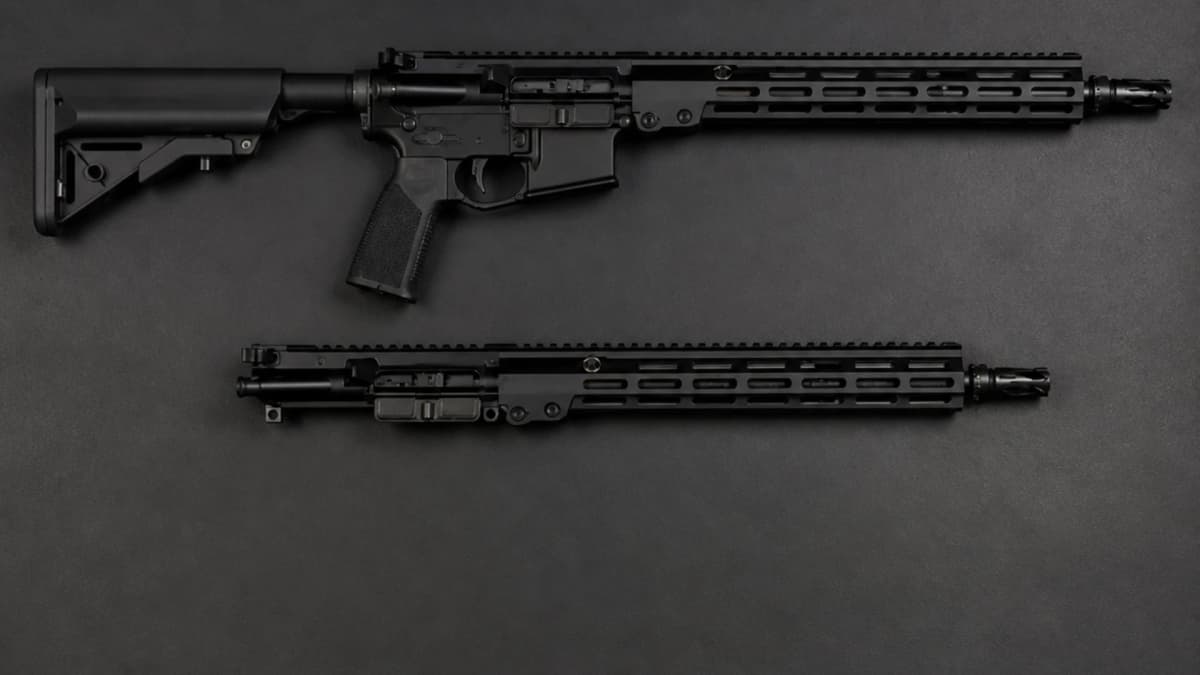
- →The full spec sheet is public: Geissele posted the HICAR under SKU 08-891 on September 1, 2026 with a GFR X billet receiver set, a BB-62 reinforced bolt, a 10.5-inch MK24 rail, and an 11.5-inch GNB200 gain-twist barrel.
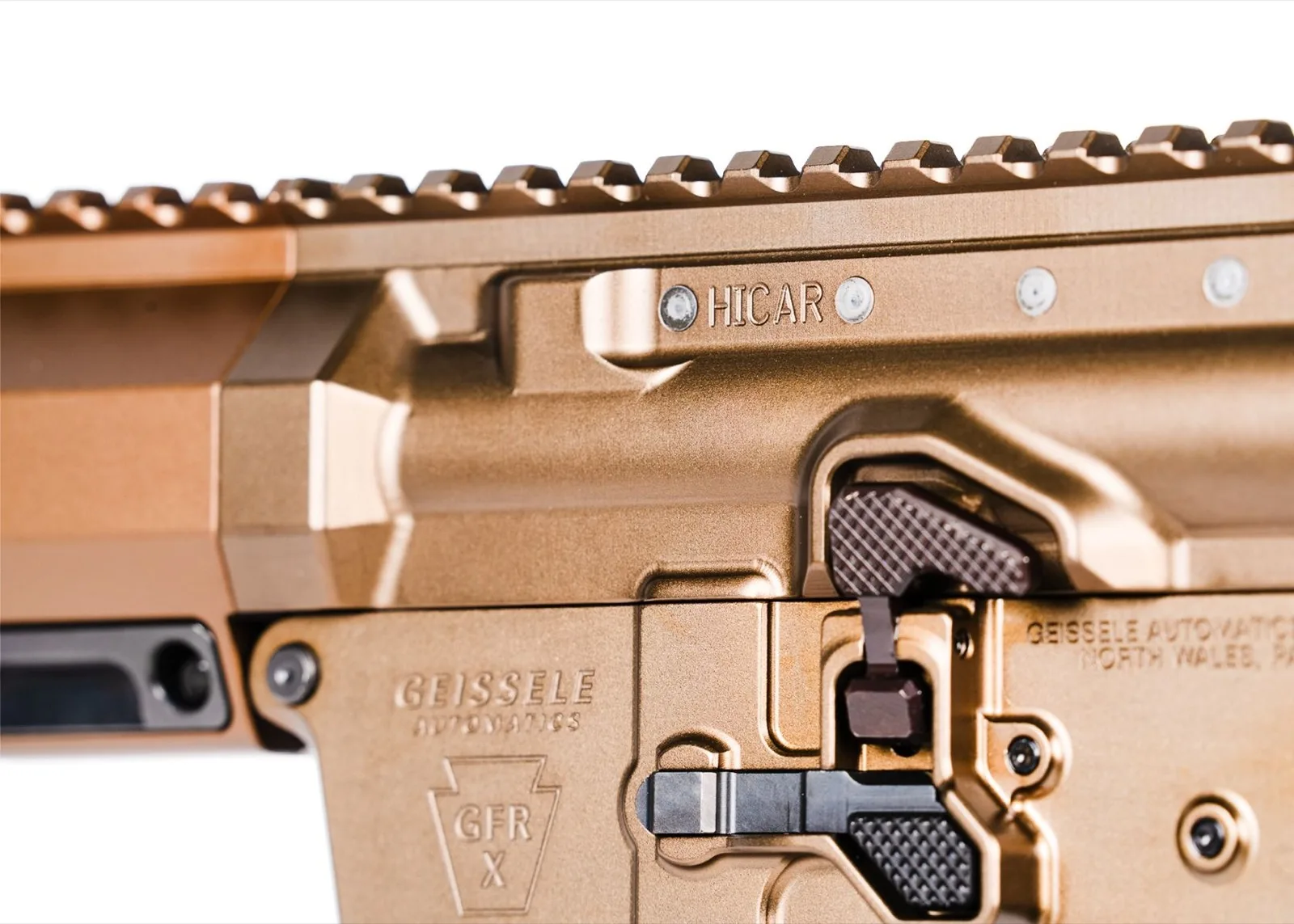
- →What is pictured is the select-fire gun: The listing photos show a SAFE/SEMI/AUTO selector and an NSN-marked charging handle, and the spec sheet lists the SSF-X trigger, so this is the government configuration rather than a retail rifle. No price is published.
- →2,700 ft/s from 11.5 inches: The demo load pushes a 77-grain Sierra MatchKing about 350 to 400 ft/s faster than conventional-pressure 5.56 from the same barrel length.
- →In-house hypervelocity ammo: Geissele loads it to a minimum of 82,000 PSI on Federal's Peak Alloy steel cases, pressure territory brass cases cannot survive.
- →The real test is September 15-16: SOCOM's live-fire Pitch Days at Fort Moore run on government-furnished M855A1+ ammunition, not vendor loads.
What Geissele Showed
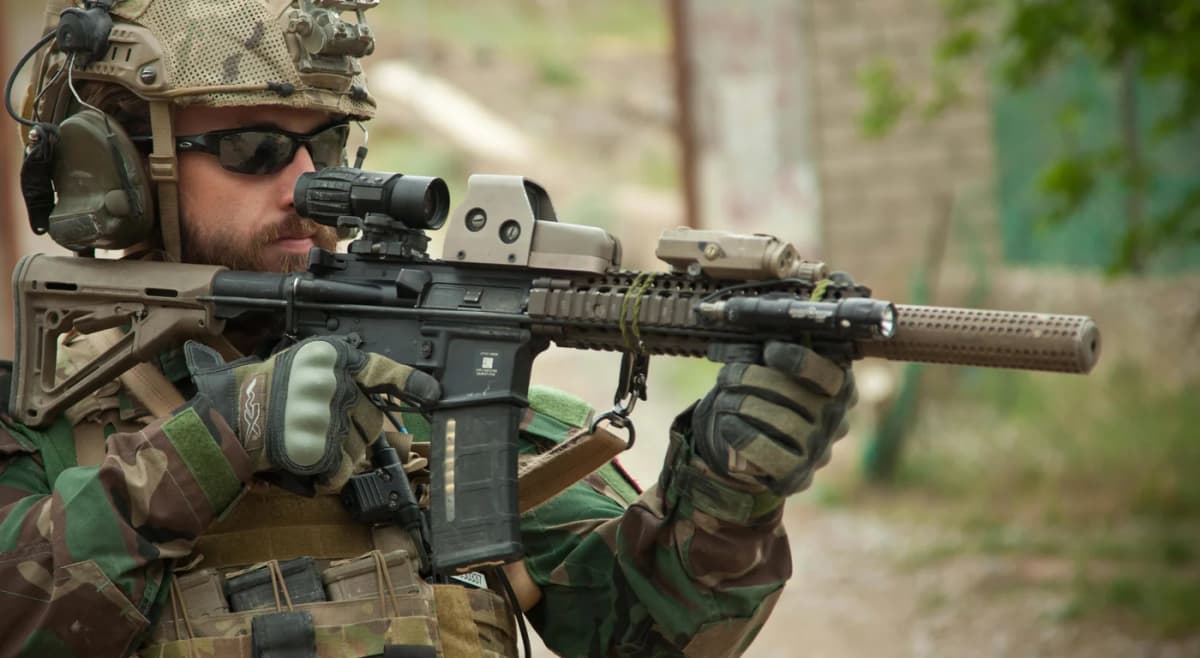
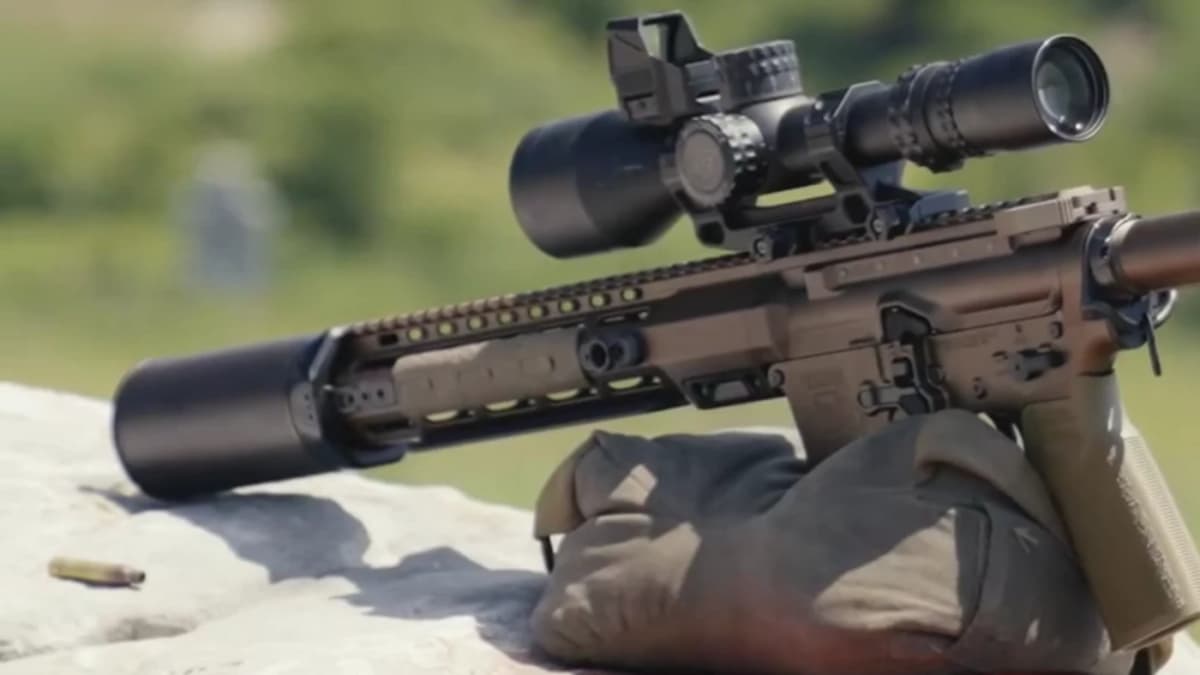
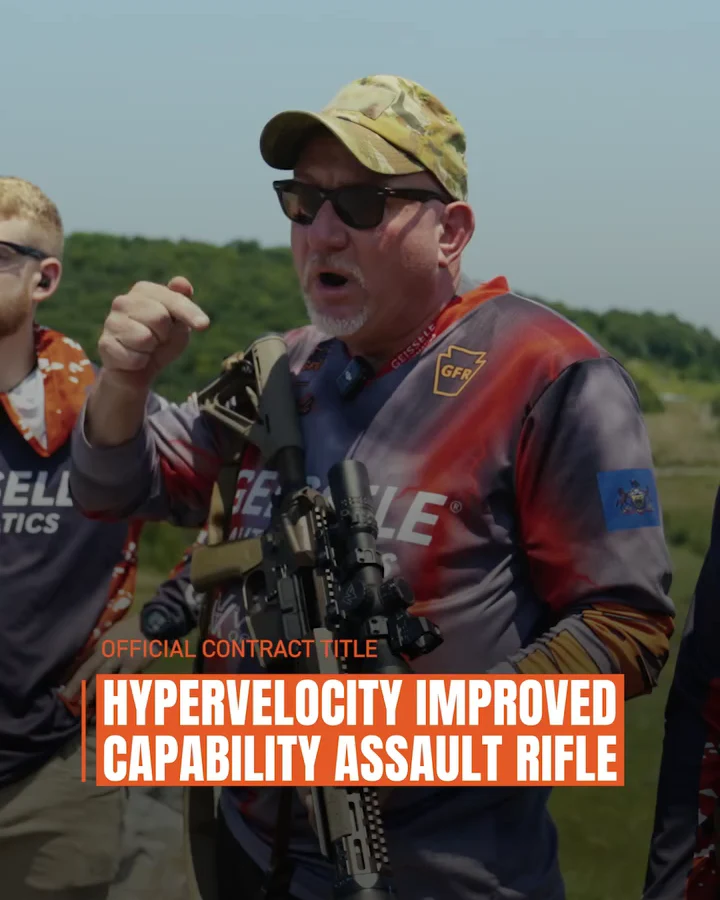
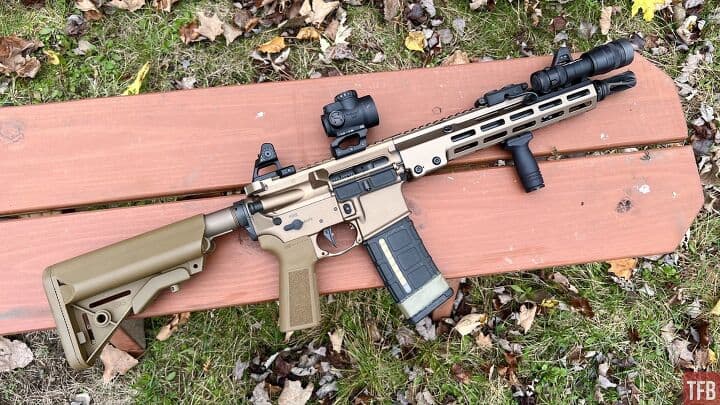
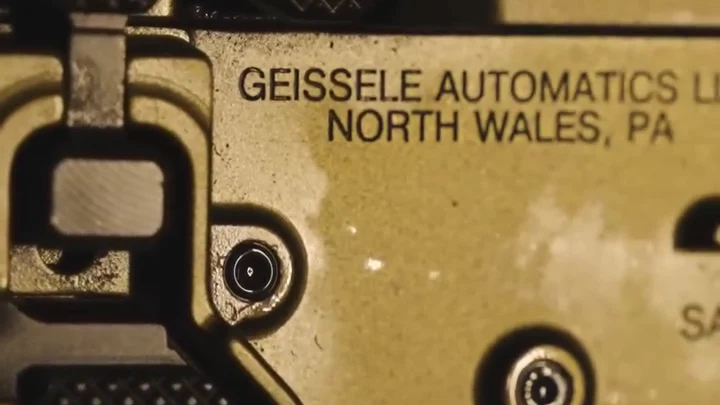
Geissele Automatics posted two videos in mid-August 2026 revealing its first HICAR prototype: an 11.5-inch 5.56 carbine in flat dark earth, running a Nightforce scope with an offset red dot and a suppressor, presented by Bill Geissele at a shooting match alongside Dean and Adam, the two lead engineers on the project. Bill Geissele called it "Geissele's first iteration in this program" and stressed that the rifle and its ammunition are made entirely in the company's North Wales, Pennsylvania factory.
The reveal was not a static booth display. Both engineers shot the rifle in the match that day, and Dean confirmed on camera that it connected at over 800 yards. That distance from an 11.5-inch 5.56 carbine is the entire point of the HICAR program, which exists to stretch the M4A1 fleet's practical reach from roughly 300 meters to 600 and beyond without changing lowers, magazines, or training.
September 1: Geissele Published the Whole Spec Sheet
On September 1, 2026, Geissele put the HICAR on its own site as a catalogued product, SKU 08-891, with studio photography and a line-by-line build sheet. The company also spelled out the acronym its way, Hyper-velocity Improved Capability Assault Rifle, and framed the gun around one design problem: high pressure buys velocity and charges for it in bolt stress and barrel wear.
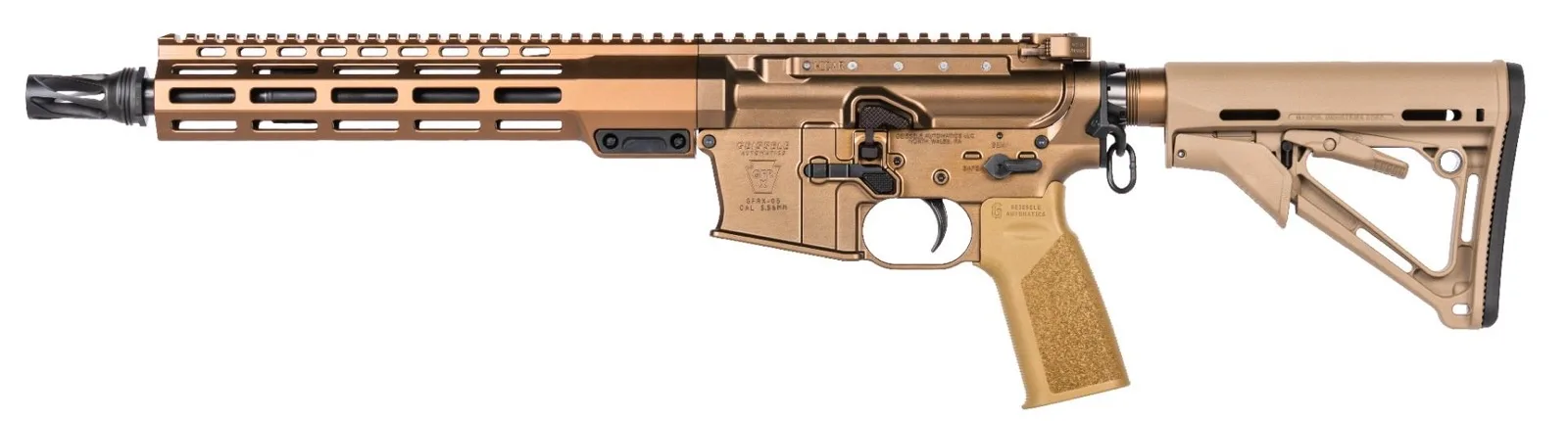
Geissele HICAR, published specification (SKU 08-891)
| Caliber | 5.56mm |
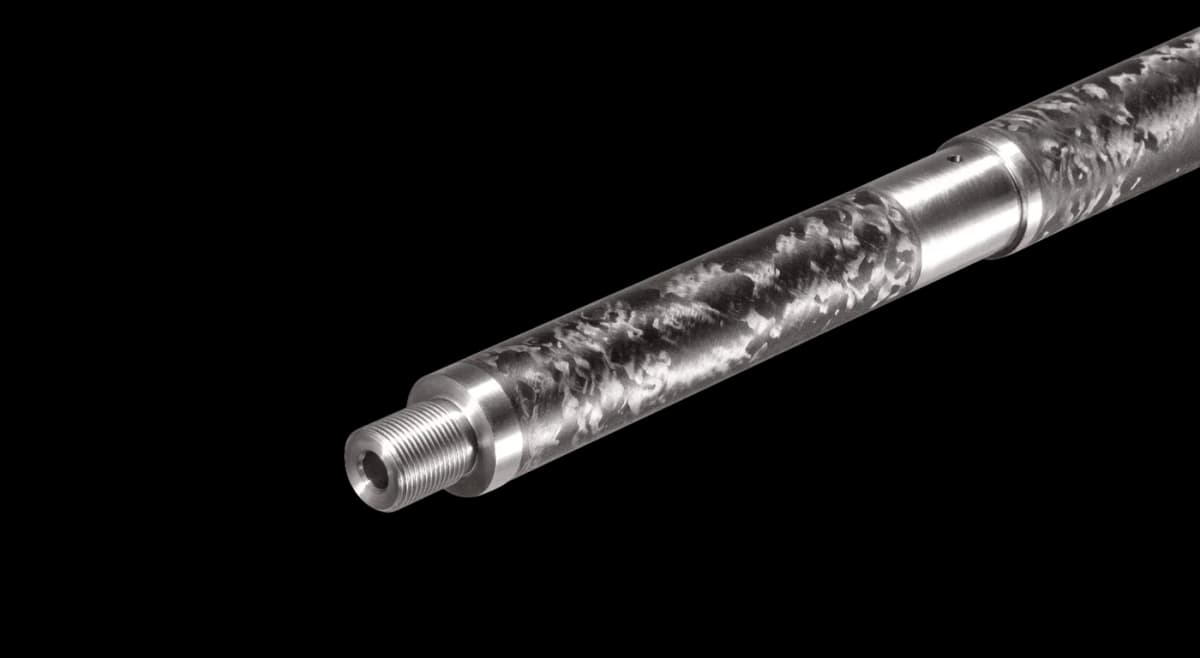
| Barrel | 11.5", GZX gain twist, cold hammer forged GNB200 barrel steel |
| Bolt | BB-62 reinforced bolt for high-pressure ammunition |
| Bolt carrier group | Enhanced BCG for high-pressure ammunition |
| Upper receiver | GFR billet upper, riveted cam race, fenced bolt catch |
| Lower receiver | GFR ambidextrous billet lower |
| Rail | 10.5" MK24, zero laser shift |
| Gas system | Custom length |
| Gas block | Antistrike Super Compact |
| Gas porting | Geissele Phased Array with Tri-Port system |
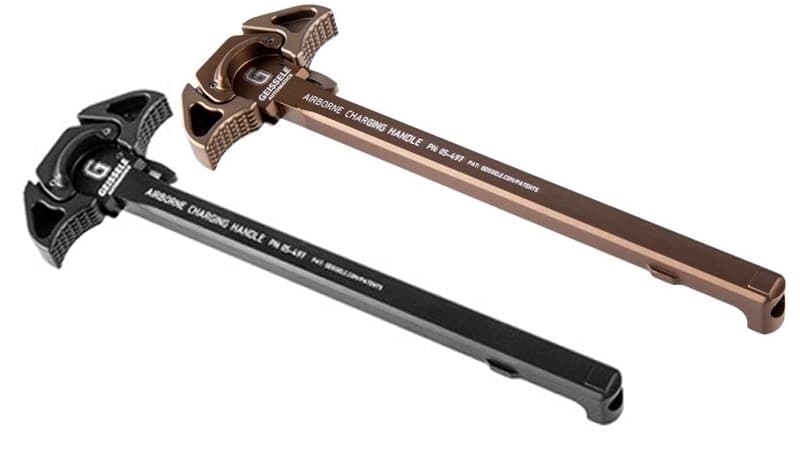
| Charging handle | Airborne Charging Handle (ACH) |
| Muzzle device | HUXWRX Flash Hider-QD 556 |
| Muzzle thread | 5/8 x 24 |
| Trigger | SSF-X |
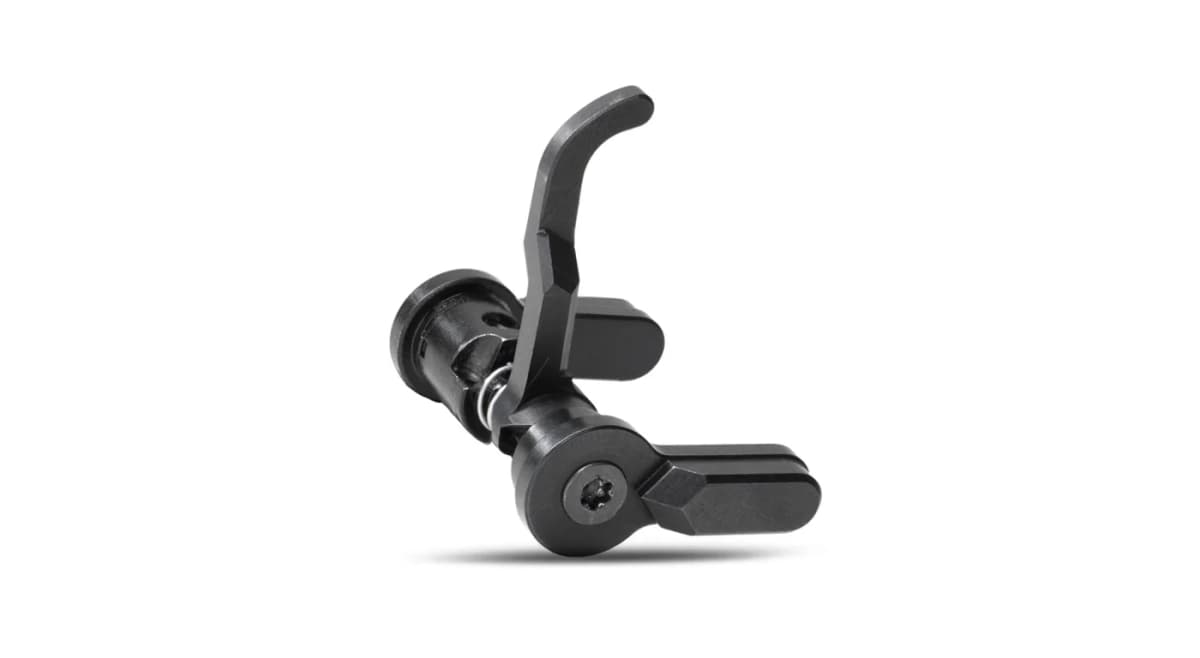
| Safety | Super Configurable Safety Selector; optional High Speed Selector |
| Lower parts kit | Ultra Duty |
| Buffer assembly | Custom |
| Buffer tube | Mil-spec 6-position |
| Stock | Magpul CTR |
| Grip | Geissele A17 |
| Color | DDC (Desert Dirt Color) |
| Weight | Approx. 6.6 lbs |
| Length | 28 1/4" collapsed, 31 1/2" extended |
Three entries carry most of the engineering. The BB-62 is a reinforced bolt built specifically for high-pressure loads, and the bolt is the part that fails first when you push a 5.56 action past its design pressure. The barrel is cold hammer forged from GNB200, which Geissele now states it helped develop with Carpenter Technology and the U.S. Army as a high-temperature wear-resistant alloy, and it is cut with GZX gain twist so the rifling accelerates the bullet into its final spin rate instead of imposing it all at the throat. The gas system is listed as a custom length feeding an Antistrike Super Compact block through the Phased Array Tri-Port arrangement, which is Geissele publishing an architecture instead of a port diameter.
The upper is the other tell. A riveted cam race puts a separate hardened track where the bolt cam pin sweeps, the surface that galls and peens first under a hot, fast-cycling carrier, and the rivet row is visible on the flat below the rail alongside the HICAR engraving. The bolt catch sits inside a raised fence. Both are wear and abuse features rather than weight features.
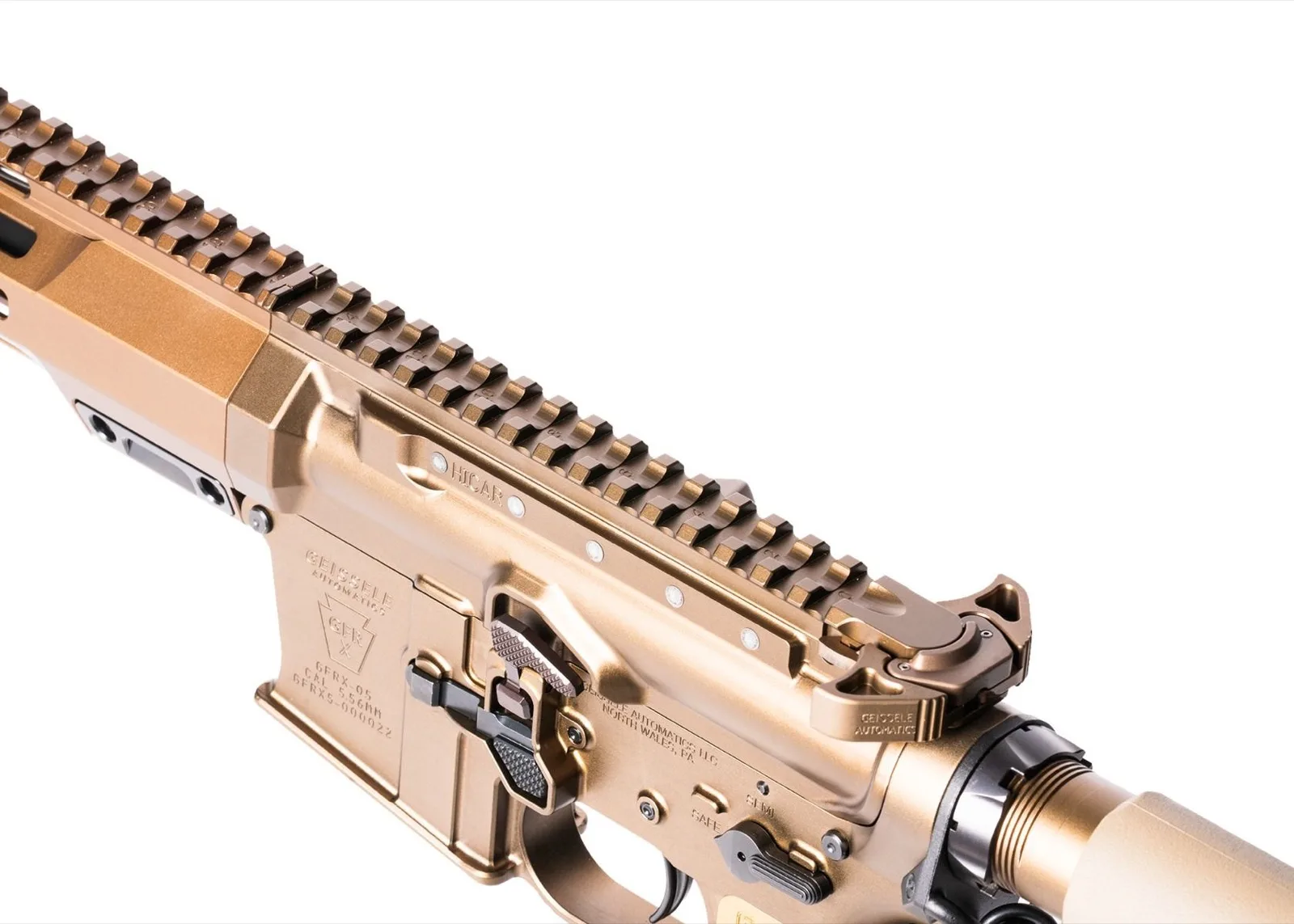
One number on the sheet looks like a typo and is not. The muzzle is threaded 5/8x24, the .30-caliber standard, not the 1/2x28 every other 5.56 carbine uses, and HUXWRX does catalog its QD 556 flash hider in that thread. The major diameter of 5/8x24 is 0.625 inches, so the muzzle has to be at least that thick to take the thread. The barrel keeps noticeably more steel and more thread engagement at the end where an 82,000 PSI load and the weight of a can both act on it.
What the Listing Is, and What It Is Not
The listing looks like a product page, and in the narrow sense it is one: a SKU, a gallery, a review box, FFL-only shipping, and the standard notes that all NFA rules apply and that no magazine is included. It does not carry a price, and the rifle in the photographs is not one a retail customer can order.
The selector on the published photos is marked SAFE, SEMI, and AUTO across three positions, the charging handle wears an NSN stamp, and the spec sheet lists the SSF-X, a member of Geissele's Super Select-Fire family, the Crane-certified select-fire trigger line built for M4 and M16 fire control groups. The safety line reads "Super Configurable Safety Selector" with an optional High Speed Selector that Geissele lists as an anti-drone capability. Taken together, what Geissele catalogued is the government configuration, restricted by federal law to military, law enforcement, and licensed dealer channels.
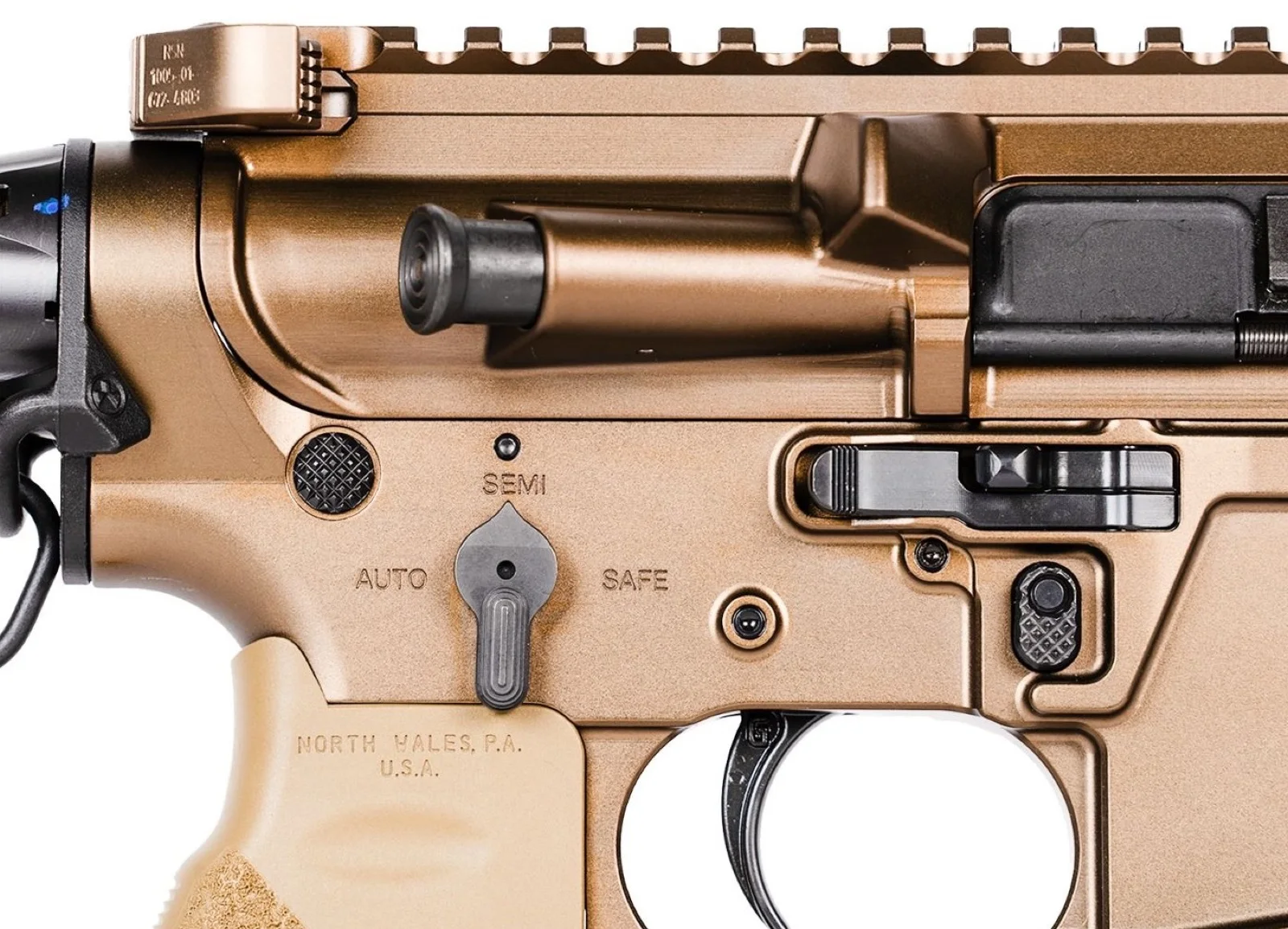
Geissele has not published a semi-auto HICAR, a price, or a civilian availability date. That leaves the Super Duty 11.5 as the closest thing you can order, and the two build sheets read like the same design brief answered at two pressure levels: MK16 rail against MK24, SSA-E X against SSF-X, carbine gas at a published .067-inch port against a custom length with undisclosed Tri-Port sizing, 1/2x28 against 5/8x24, and a chrome-lined cold hammer forged barrel against a cold hammer forged GNB200 one.
Geissele Super Duty 11.5"
Geissele's production 11.5-inch carbine you can order today, built on the same North Wales barrel and trigger work
Premium 11.5" pistol with match-grade trigger and enhanced controls
- +Exceptionally soft recoil for 11.5" platform
- +Outstanding suppressor host
- +Premium SSA-E X trigger out of the box
- −Brace-pistol configuration has a different legal path than an SBR
- −Some users report different anodizing shades between upper/lower
- −Heavier than some competitors
Affiliate links (?)
The Numbers: 2,700 FT/S From 11.5 Inches
The demo load drives a 77-grain Sierra MatchKing to about 2,700 ft/s from the 11.5-inch barrel. Adam, who developed the ammunition, gave the comparison that matters: at conventional pressure the same bullet from the same barrel would leave at roughly 2,300 to 2,350 ft/s. The extra 350 to 400 ft/s is bought with chamber pressure, which Bill Geissele put at over 85,000 PSI for the load on the table that day.
Geissele HICAR demo, as shown August 2026
| Barrel length | 11.5 inches |
| Demonstrated distance | Over 800 yards |
| Claimed accuracy | At least 1 MOA |
| Velocity | About 2,700 ft/s |
| Projectile | 77gr Sierra MatchKing |
| Chamber pressure | 82,000 PSI minimum; over 85,000 PSI per Bill Geissele |
| Case | Peak Alloy (alloy steel) |
| Sighting system | Nightforce scope with offset red dot |
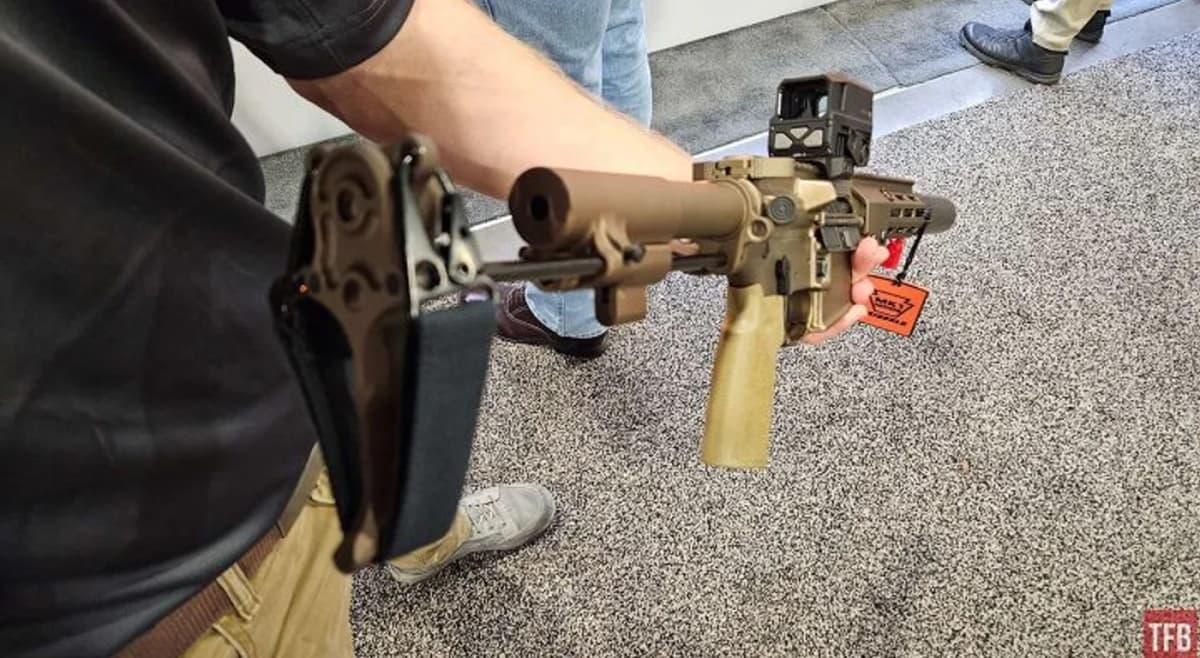
The hardware shows where that pressure goes. The handguard root is not a standard slim barrel-nut collar: the rear several inches are a deep solid section that flows into the upper receiver with an angled gusset underneath, and a large circular boss sits at the barrel-nut position on the left side.
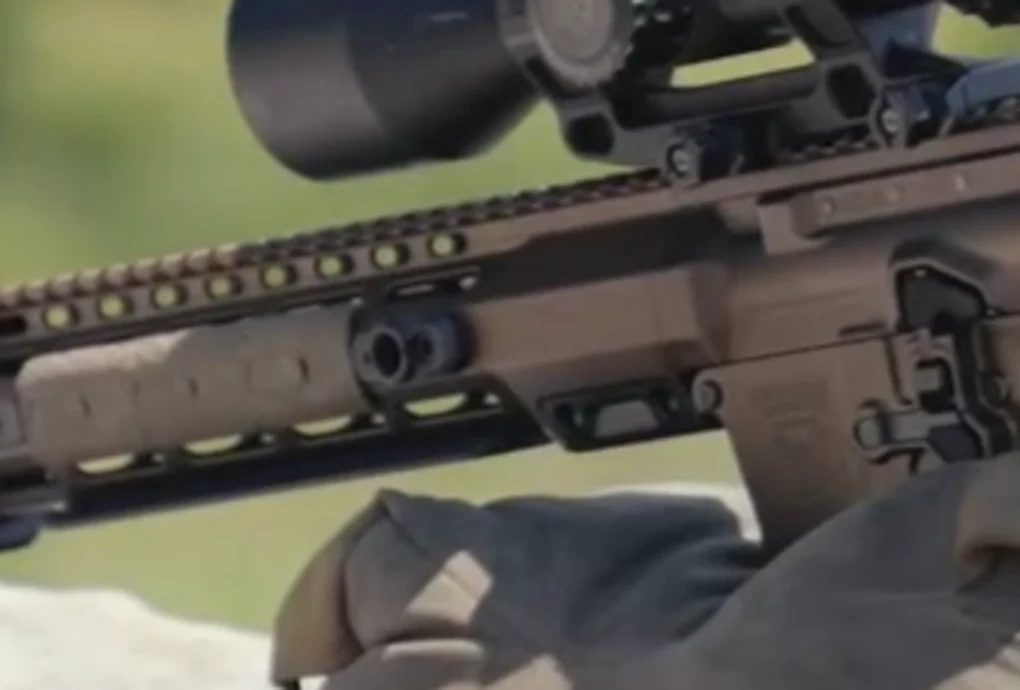
The studio photography from the September listing shows the same junction in better light. The MK24's rear section is a faceted solid block that meets a matching shoulder on the upper, with the rail's Picatinny top continuing across the seam, so the handguard is carrying and locating a laser sight rather than floating loosely off a thin nut. That is the mechanical meaning of the "zero laser shift" claim on the spec sheet: an aiming laser zeroed on the rail has to hold its zero when the rifle is dropped, slung, or heated, which a standard barrel-nut interface does not reliably do.
You can hit targets well past 300 meters with a standard-pressure 11.5, but the bullet arrives slow: velocity and energy fall off to the point that SOCOM puts the URG-I's practical effective range at roughly 300 meters, which is the gap HICAR exists to close. Our barrel length guide walks through where standard-pressure 5.56 velocity falls off by barrel length. Running 77-grain match bullets at 2,700 ft/s rewrites that table: the bullet stays supersonic past 800 yards and arrives with energy a standard Mk262 load cannot match from any carbine-length barrel.
In-House Ammo on Federal's Peak Alloy Cases
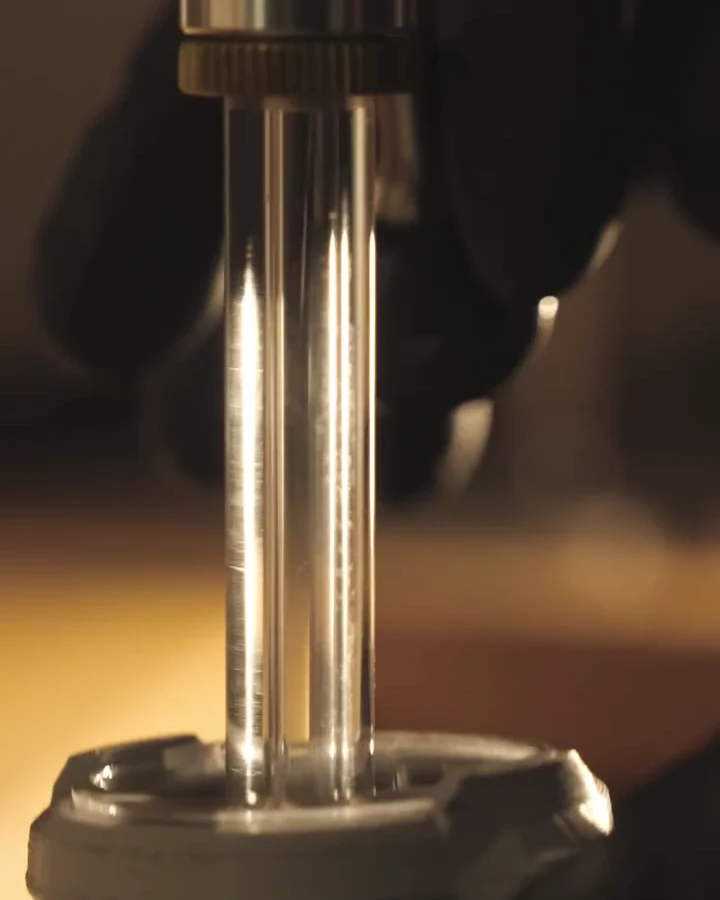
Geissele loads the HICAR ammunition entirely in-house to a minimum of 82,000 PSI using Peak Alloy casings, per the company's own announcement. Peak Alloy is Federal's high-strength alloy steel case technology, the same case that powers the commercial 7mm Backcountry and that the U.S. Army licensed in June 2026 for military cartridges up to .50 caliber. Brass cases give up in the 62,000 to 65,000 PSI range; the alloy steel case is what makes 82,000+ PSI survivable.
Loading its own hypervelocity ammunition is the notable part. HICAR vendors do not get to submit ammo, since SOCOM supplies M855A1+ at the September demonstrations, but a vendor that can produce its own 82,000+ PSI loads can run pressure, erosion, and accuracy testing on its own schedule instead of waiting on government samples, which were not released before the June 29 down-select. That is what Bill Geissele meant by calling the project "high-speed product development."
How the Demo Maps to the HICAR Requirements
Everything Geissele showed lines up with the solicitation. NSWC Crane's Area of Interest requires an 11-to-12-inch barrel, function with M855A1+ hypervelocity ammunition at 82,000 PSI, and 1 MOA average mean radius at threshold; the demo rifle runs 11.5 inches, a load at or above that exact pressure floor, and a claimed 1 MOA or better. Our HICAR program breakdown covers the full threshold and objective table. The September spec sheet fills in two of the boxes the demo videos left blank: at an approximate 6.6 pounds the rifle sits under the program's 8-pound threshold and within a tenth of a pound of its 6.5-pound objective, and the published lengths of 28 1/4 inches collapsed and 31 1/2 inches extended bracket the 31-inch threshold. The 8,000-round barrel life minimum is still the number nobody has published against.
Geissele arrives with more program history than any other likely bidder. The company built the URG-I upper that HICAR is meant to replace, and it holds a renewed cooperative research agreement with the Army on GNB200, the high-temperature barrel alloy developed with Carpenter Technology for exactly the wear problem that 82,000 PSI creates, and which is now the steel named on the HICAR's own barrel line. USSOCOM has not published the invited vendor list from the June 29 down-select, so a catalogued, photographed, fully specified rifle two weeks before Pitch Days is the strongest signal yet of who shows up at Parks Range on September 15-16.
Shop Current Geissele
Geissele Airborne Charging Handle
- Ambidextrous
- Suppressor-rated gas ports
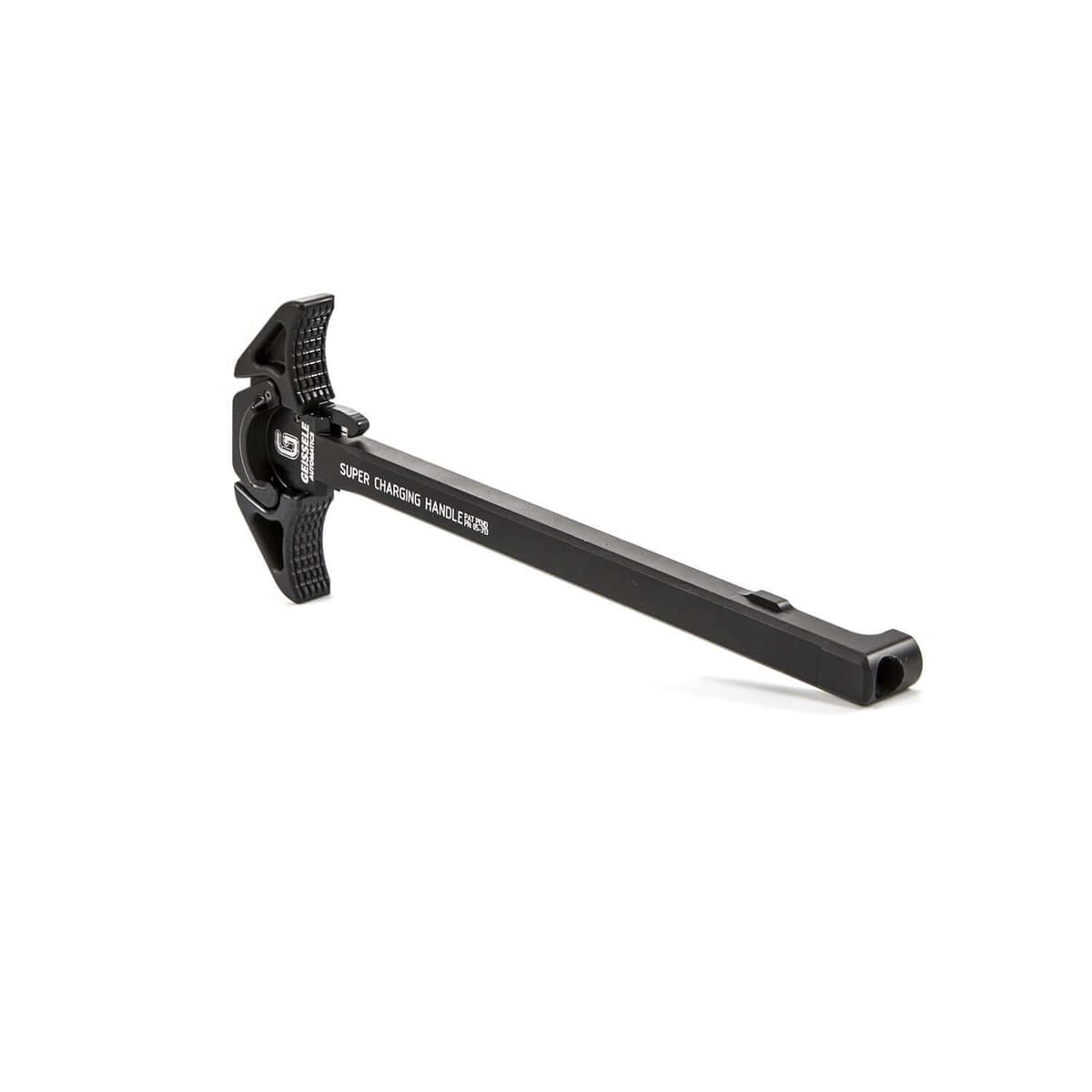
Geissele Super Charging Handle (SCH)
- Ambidextrous
- Raised rear gas-blocking lip
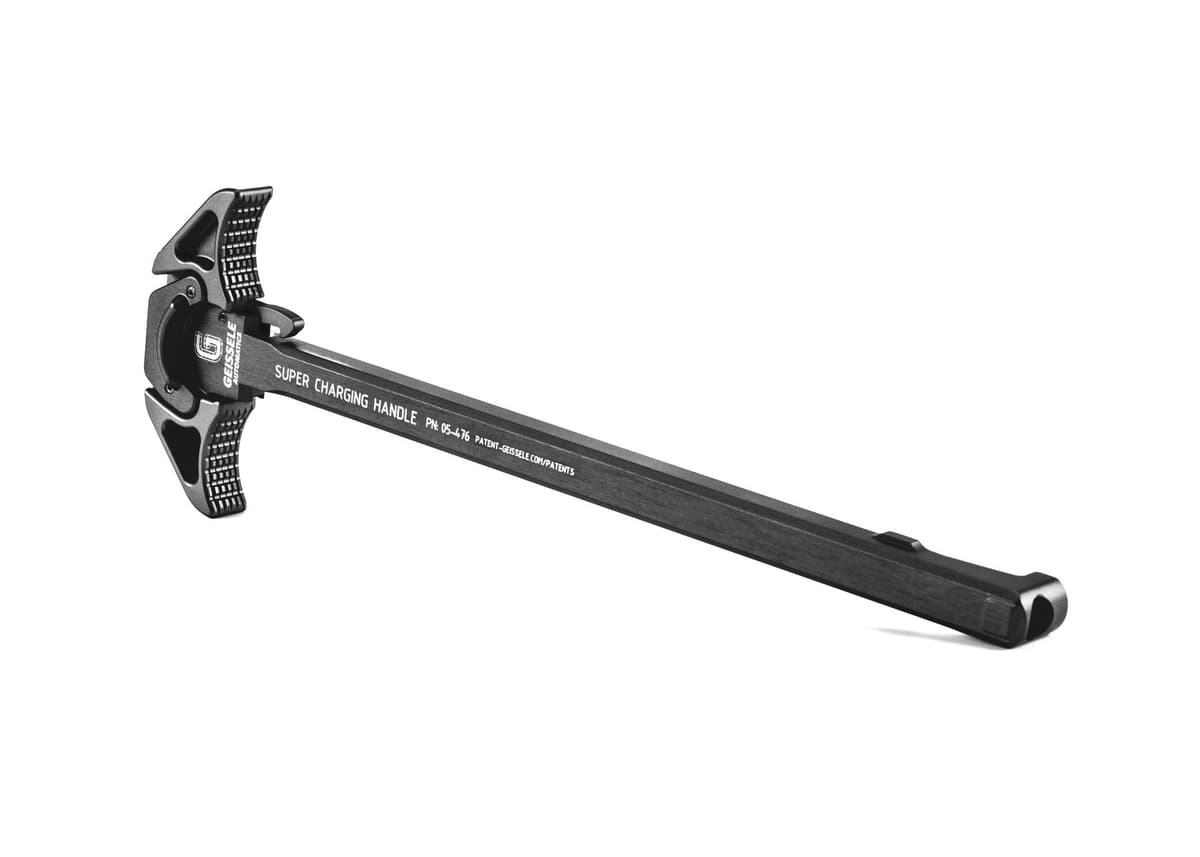
Geissele Super Charging Handle 7.62 (SCH)
- Ambidextrous
- Raised rear gas-blocking lip
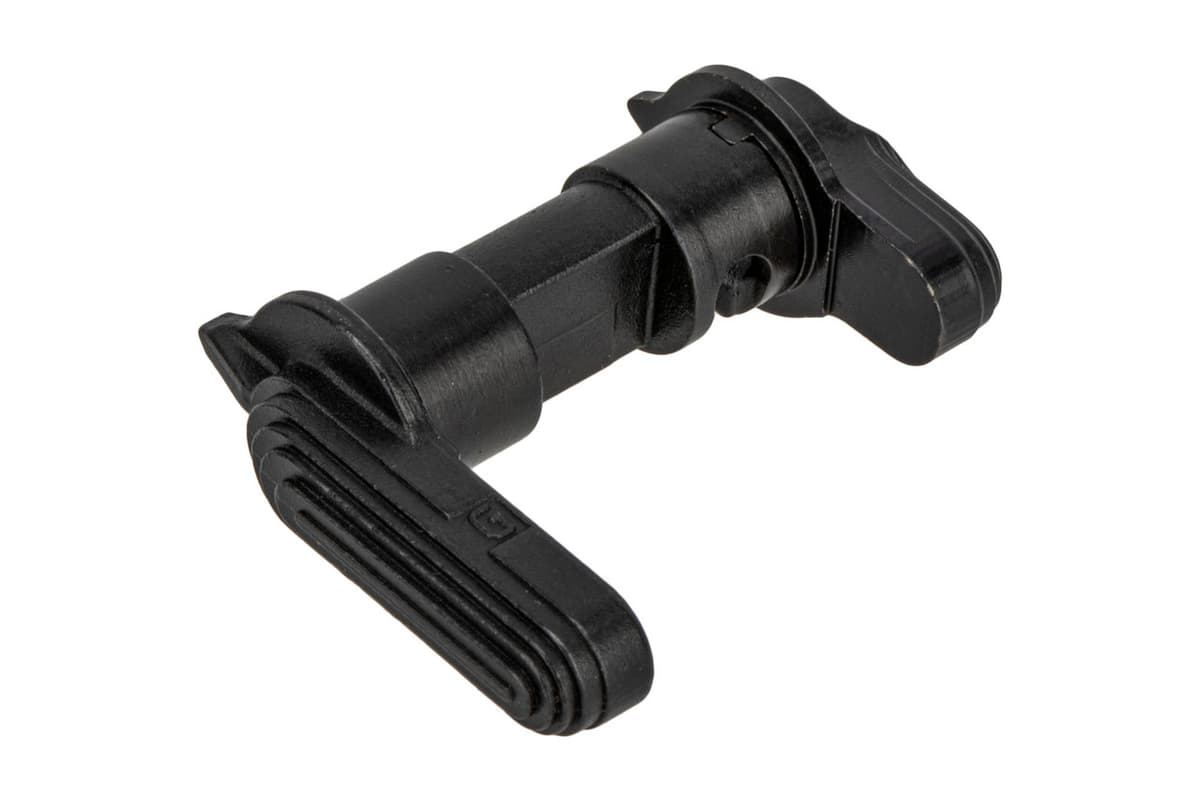
Geissele Ambi Posi-Snap Safety Selector
- 90° throw
- Ambidextrous
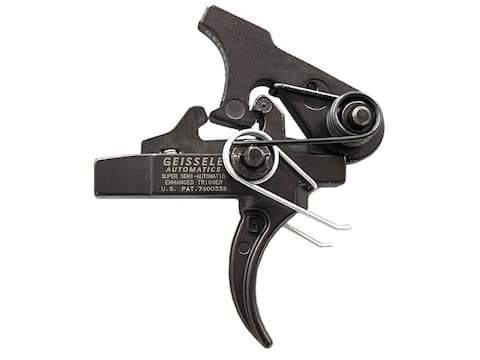
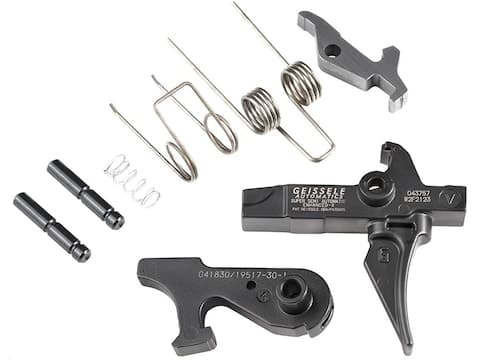
Geissele SSA Trigger
- 4.5lb total pull
- Two-stage
Geissele SSA-E Trigger
- Two-stage
- 3.5lb total pull
Affiliate links (?)
What Builders Can Take From It
The HICAR now has a SKU, but not a price, a semi-auto configuration, or a civilian date, and its ammunition has none of the three. What you can buy today is the hardware culture it comes from: the Super Duty 11.5 carries the same cold-hammer-forged barrel work and the SSA-E X trigger from the same North Wales factory, and the ACH charging handle and A17 grip on the HICAR spec sheet are the same parts Geissele sells across the counter. You can spec one out in the rifle builder. Geissele's two-stage triggers remain the benchmark the rest of the market is measured against in our AR-15 trigger rankings.
The longer-term takeaway is where small-bore ballistics is heading. Between Federal putting Peak Alloy into Army hands and a HICAR field now demonstrably building 82,000+ PSI guns, the 300-meter ceiling that defined short-barreled 5.56 for two decades is a pressure problem, not a physics problem. Until that case technology reaches commercial 5.56, the loads that get the most out of a short barrel are ranked in our short-barrel 5.56 ammo guide; once it does, an 11.5-inch build stops being a short-range configuration.
Stay Updated on HICAR
Get notified when we cover the September Pitch Day results and any hypervelocity 5.56 that reaches the commercial market.