Key Takeaways
- →The LPVO passed the ACOG in December 2020 and has not trailed it in a single month since January 2021. In 2026 the LPVO series averages 48 against 9 for Trijicon ACOG, more than five to one.
- →The term did not exist before 2018: Google Trends carries no sustained data for "LPVO" until April 2018, eight years after the ACOG series peaked.
- →Three procurement programs bracket the climb: USSOCOM picked variable scopes in October 2018, the Marine Corps awarded a $64 million VCOG 1-8x contract in February 2020, and the Army awarded a $77.2 million SIG TANGO6T contract that September.
- →The entry price fell roughly sevenfold: 1-6x scopes cost $1,400 to $2,500 before 2015 and start at $199.99 today.
- →Builders have not followed the search curve: in our Q2 2026 builder data, four of the top five optic selections are non-magnified, and the best-placed LPVO sits fifth.
From Nothing to Two-Thirds of Red Dot Interest in Eight Years
The LPVO went from a term with no sustained US search history to roughly two-thirds the interest of "red dot sight" in eight years. The chart below plots four optic terms from January 2004 through August 2026: LPVO, red dot sight, holographic sight, and Trijicon ACOG. Three of the four are flat or declining across the whole window. Only one has a shape.
These are relative values on a 0 to 100 scale, indexed within this four-term set only. They describe how these four terms rank against each other over time. They are not search volumes and cannot be converted into any.
Read as yearly means, the LPVO series runs 1 in 2018, 3 in 2019, 11 in 2020, 17 in 2021, 28 in 2022, and 40 in 2023. Over the same stretch the Trijicon ACOG series drifts from 11 down to 9, and holographic sight sits between 10 and 13 in every year from 2015 onward except 2020 and 2021. The red dot sight series is the only other one that moves, and it moves for a different reason: it jumps to 80 in 2020, the year of the demand surge that lifted every series in this set, then settles between 61 and 66 through 2025.
The crossover with the ACOG is the cleanest event in the data. LPVO and Trijicon ACOG tie at 13 in October 2020 and at 15 in November, LPVO edges ahead 15 to 14 in December, and from January 2021 onward the two never trade places again.
The Word Arrived Before the Hardware Was New
Low-power variable scopes existed for two decades before the acronym did. Schmidt & Bender's 1.1-4x20 Short Dot, built for a US special operations requirement that emerged after Somalia in 1993, set the template that later optics followed. What appears in 2018 is not the product category. It is the name.
The earliest datable uses of "LPVO" we could locate are reader comment threads on Soldier Systems Daily in April, June, and November 2017, discussing Army rifle programs and the USSOCOM scope solicitation. The term does not reach a headline at a major outlet until Recoil ran a Vortex Razor HD Gen III 1-10 story on January 6, 2020. Google Trends first carries sustained monthly data for the term in April 2018, which puts the search record squarely between those two dates.
That gap matters for reading the chart. The rise is not a product being invented. It is a market converging on a single four-letter handle for something it had previously called a 1-6x, a variable, or a low-power scope. Our optic selection matrix covers where each of those categories still wins on its own merits.
Three Contracts Bracket the Steep Part of the Climb
Between October 2018 and January 2022, the major US small-arms optic procurements each selected a variable optic to supplant a fixed-power sight on the weapons and units they cover. The LPVO series climbs from 3 to 17 over the same window.
USSOCOM went first. Its Squad-Variable Powered Scope solicitation opened on November 10, 2017 and split into two elements; SIG Sauer won the second-focal-plane element with the TANGO6 1-6x24 on a $12,077,565 firm-fixed-price IDIQ announced in October 2018, and Nightforce took the first-focal-plane element.
The Marine Corps followed on February 21, 2020, awarding Trijicon a Squad Common Optic contract for the VCOG 1-8x28: an IDIQ with a $64 million ceiling covering roughly 19,000 units for the M27 IAR, M4, and M4A1. The optics it displaces are both fixed-power ACOGs. The Rifle Combat Optic, adopted in 2004 as the Corps' first RCO, is the ACOG 4x32. The Squad Day Optic, selected in 2009 for the M249, is the ACOG 3.5x35 with a piggybacked RMR.
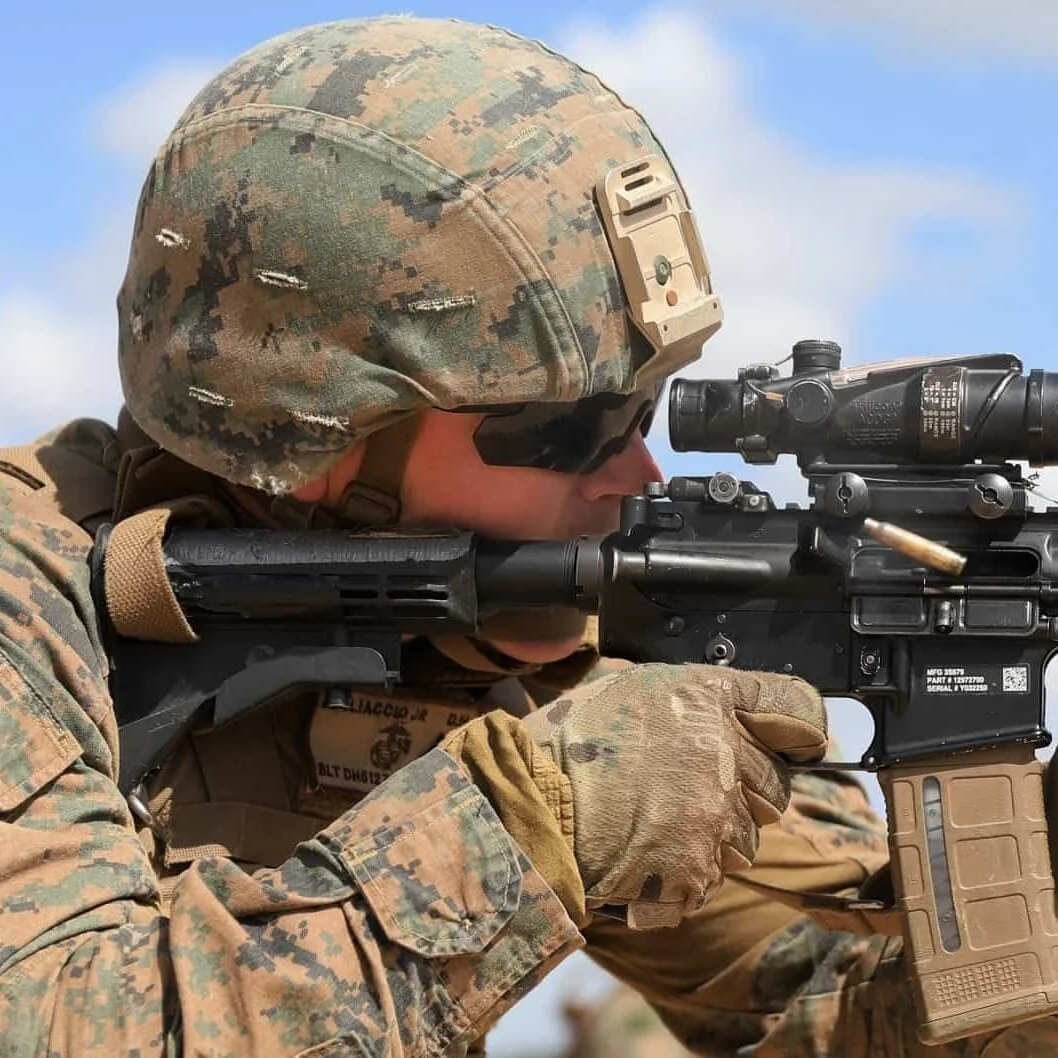
The Army awarded SIG Sauer a $77,168,400 Direct View Optic contract through Picatinny Arsenal in September 2020, putting the TANGO6T 1-6x24 first focal plane on the M4A1 against a solicitation ceiling of 120,000 units. It replaces the M150 RCO, which is also an ACOG. In January 2022 the Army awarded Sheltered Wings, the legal entity behind Vortex Optics, the Next Generation Squad Weapon Fire Control contract: a ten-year agreement with a $2.7 billion ceiling and up to 250,000 units of the XM157, which is built around a 1-8x30 first focal plane LPVO with a laser rangefinder and ballistic calculator layered on top.
None of that proves the contracts caused the search curve, and the civilian market was already moving. What it establishes is that the institution that made the fixed 4x ACOG the default carbine optic for sixteen years spent four years buying its replacement, and the replacement was a variable.
The Entry Price Fell From $1,400 to $199.99
The second driver is money. When The Firearm Blog previewed the original Vortex Strike Eagle in January 2015 at $429 MSRP, it framed the price as the story: 1-6x scopes had been available for a few years, it noted, but those typically cost $1,400 to $2,500. A sub-$450 1-6x was the departure.
Eleven years later, $429 is no longer the floor; it is the middle. As of August 2026 Primary Arms lists its Classic Series 1-6x24 at $199.99, and the step up to the SLx 1-6x24 Gen IV with a daylight-bright fiber-wire reticle runs $349.99. Mid-tier glass from Burris, Athlon, and Vortex lands roughly between $440 and $560 at the same date. A shooter who wanted magnification on a carbine in 2014 chose between a fixed-power prism and a scope that cost more than the rifle. That choice no longer exists.
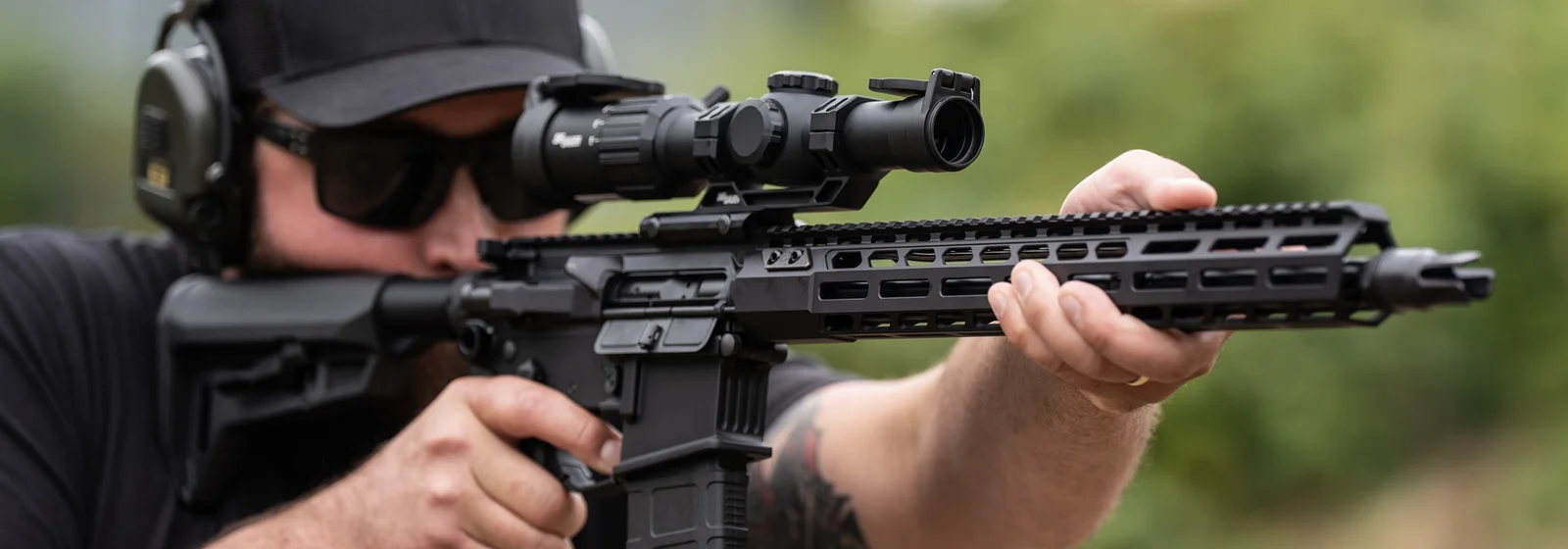
The two optics below are the ends of that entry band, and both show up in the rest of this report: the Tango MSR is the highest-placing LPVO in our builder data, and the SLx is the model most often treated as the category benchmark. For the full ranked field, see our budget LPVO guide.
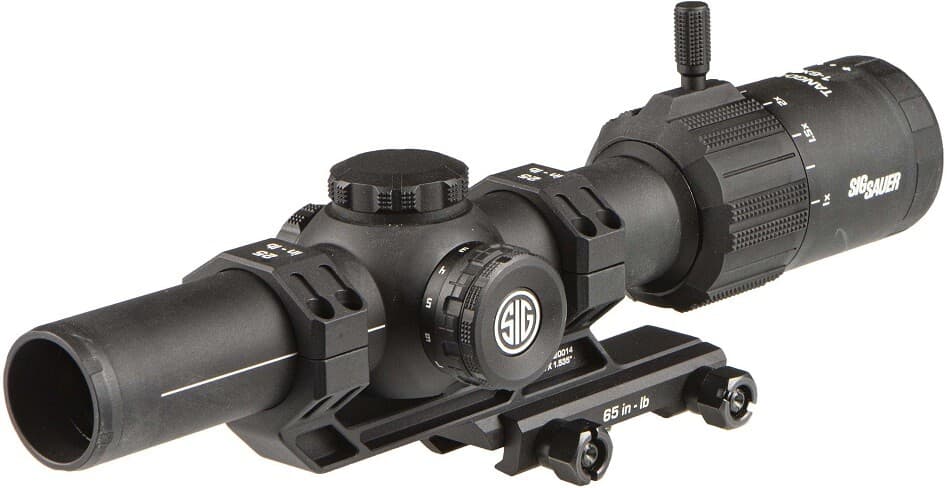
Sig Sauer Tango MSR 1-6x24
The most-selected LPVO in our Q2 2026 builder data
Value LPVO with MSR-BDC6 reticle optimized for 5.56
- +Exceptional value at $399 - hard to beat in this price range
- +MSR-BDC6 reticle excellent for 5.56 shooters
- +Included throw lever and lens covers add value
- −Glass clarity not as good as mid-tier options
- −Illumination not daylight bright
- −Eyebox less forgiving than premium scopes
Affiliate links (?)
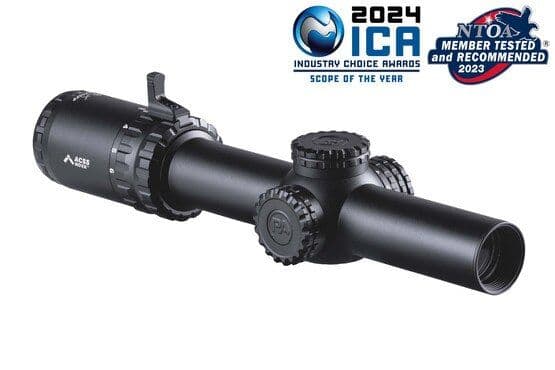
Primary Arms SLx 1-6x24 Gen IV
Daylight-bright fiber-wire reticle at the entry tier
Value-packed LPVO with ACSS Nova Fiber Wire reticle for versatile carbine work
- +Exceptional value - best budget LPVO on the market
- +True 1x with minimal distortion for red dot-like performance
- +ACSS Nova Fiber Wire reticle gives a bright center aiming point without a busy BDC layout
- −Illumination not as bright as premium scopes (daylight visible, not daylight bright)
- −Eyebox tighter than premium options at higher magnifications
- −Initial power adjustment ring can be stiff (loosens with use)
Affiliate links (?)
Current LPVOs
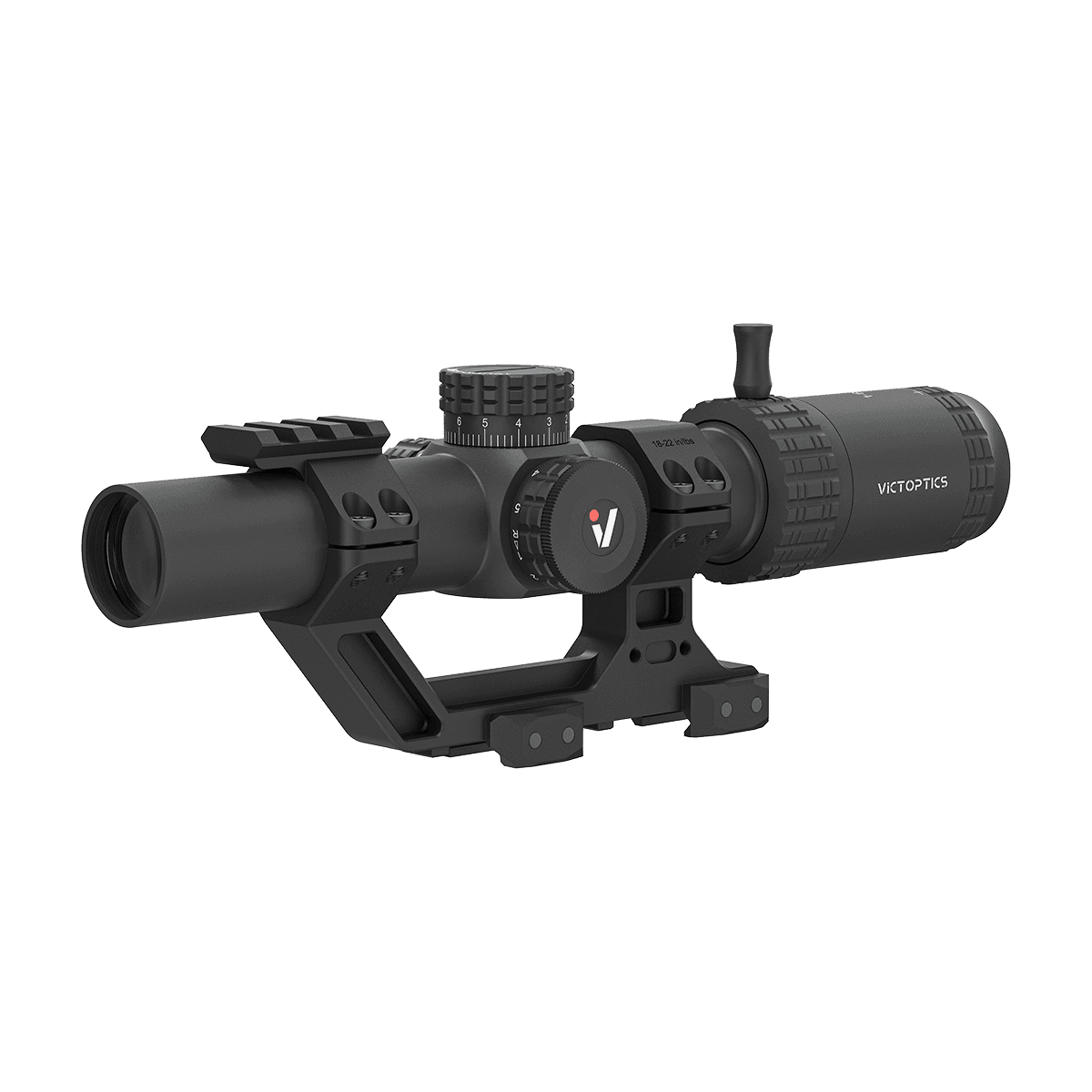
Vector Optics S6 1-6x24i Fiber LPVO Mount Kit
- 1-6x24mm SFP
- VIS-F1 fiber-optic reticle
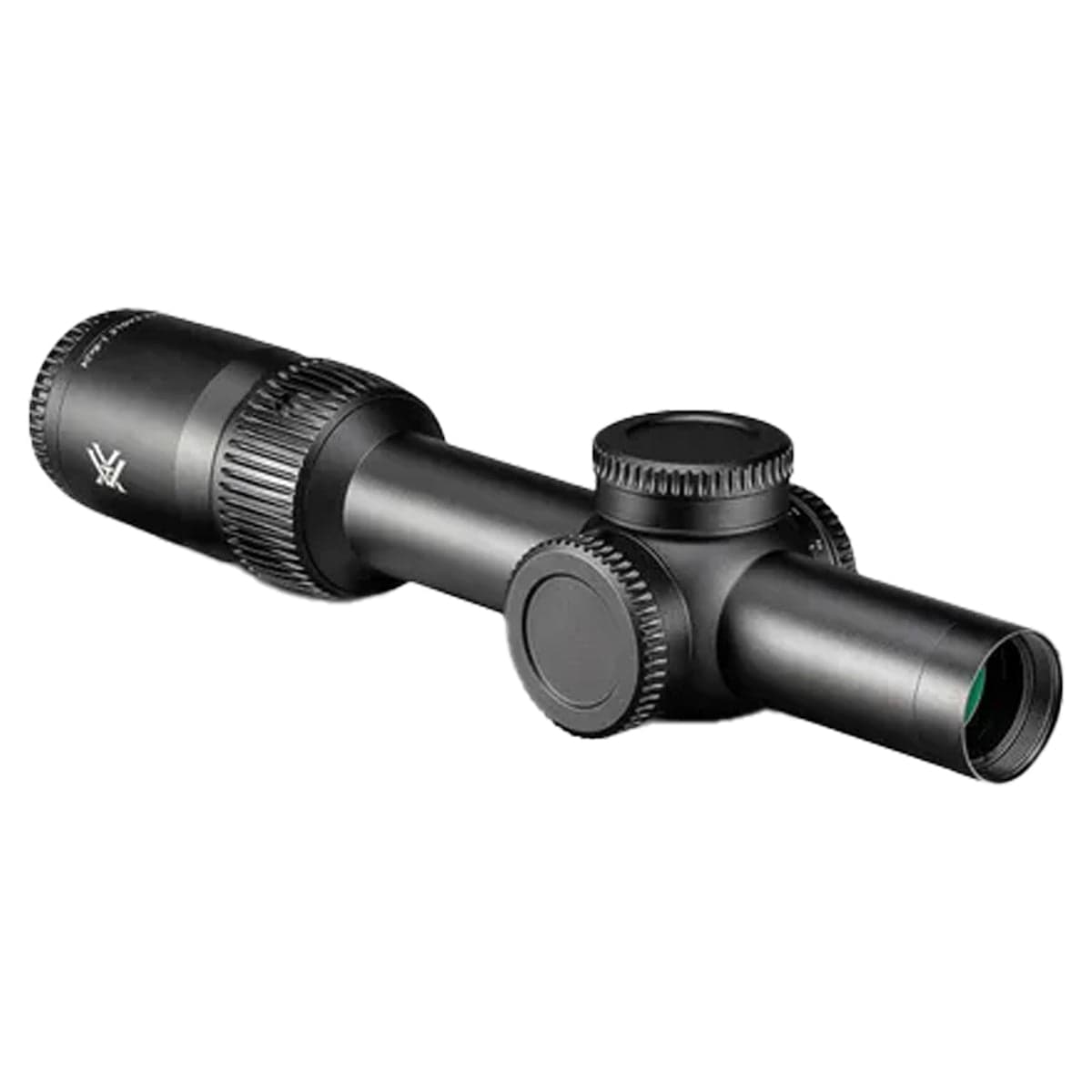
Vortex Strike Eagle 1-8x24
- 1-8x magnification
- AR-BDC3 SFP reticle
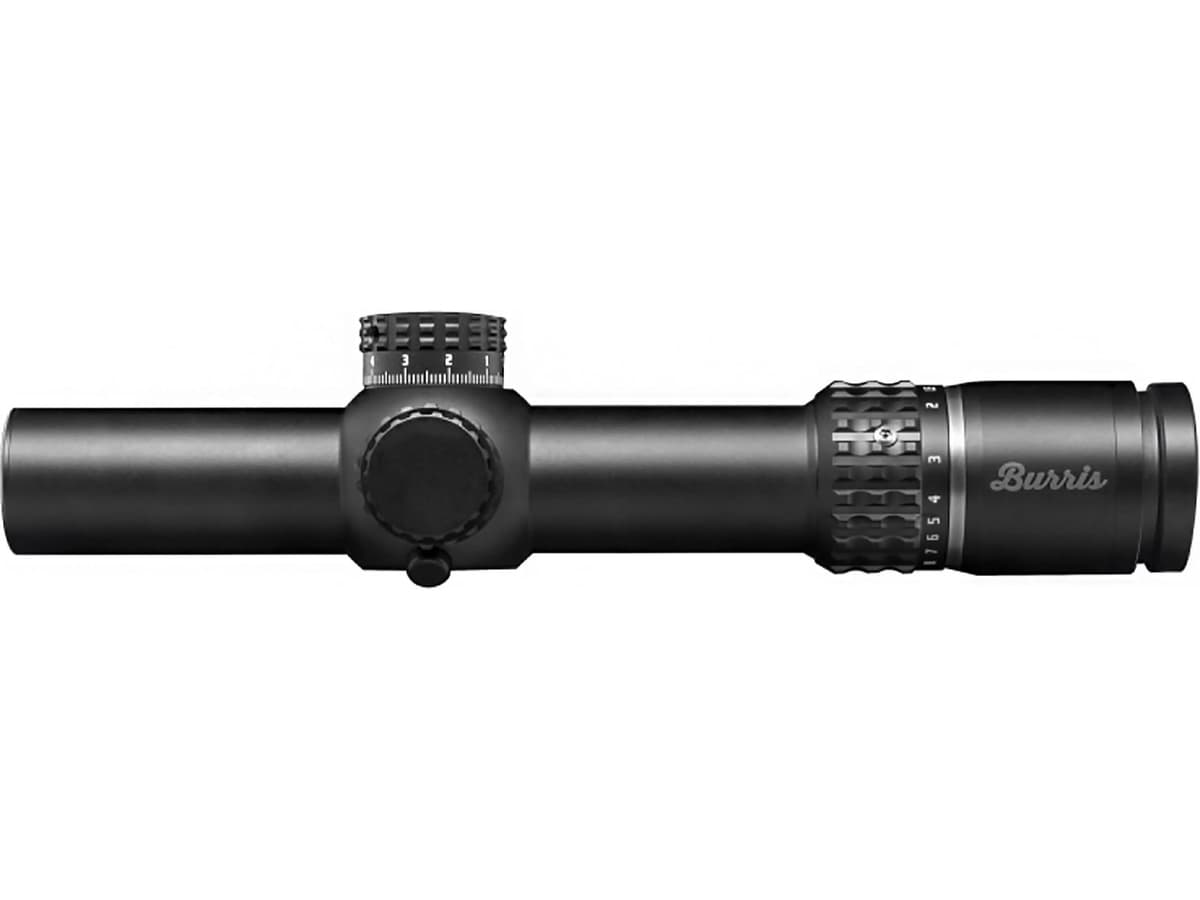
Burris XTR II 1-8x24
- 1-8x magnification
- First focal plane FFP
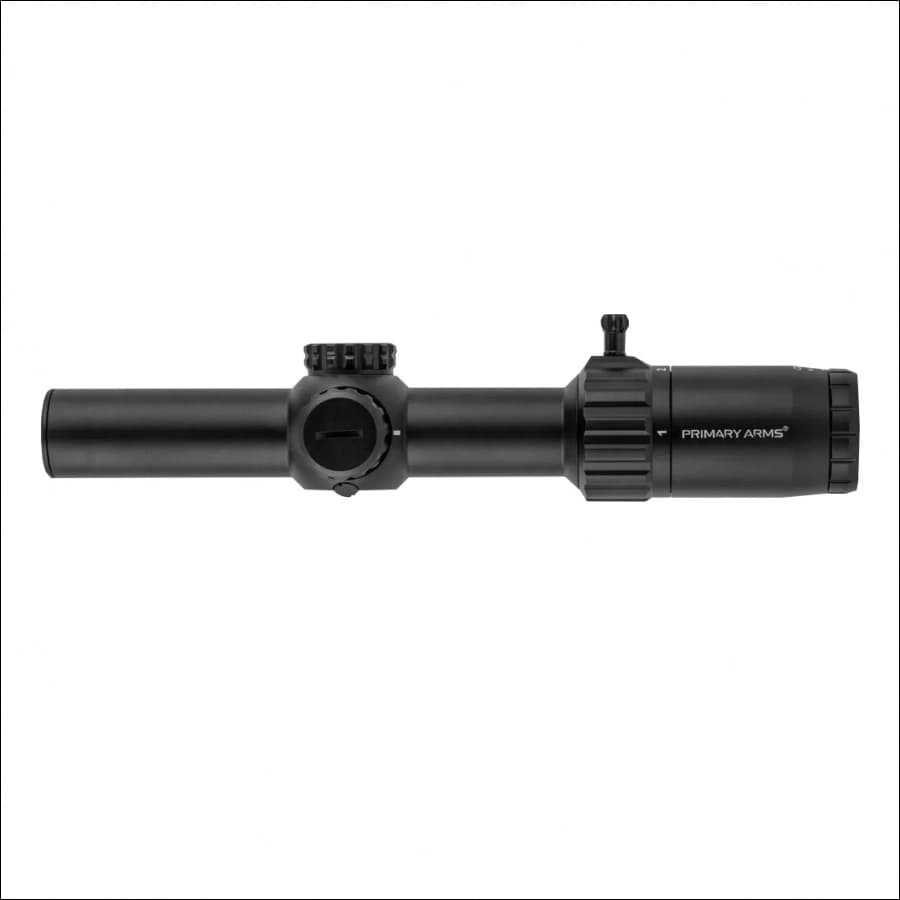
Primary Arms CLx 1-6x24 SFP ACSS 22LR G2
- 1-6x second focal plane
- ACSS 22LR G2 BDC, illuminated red
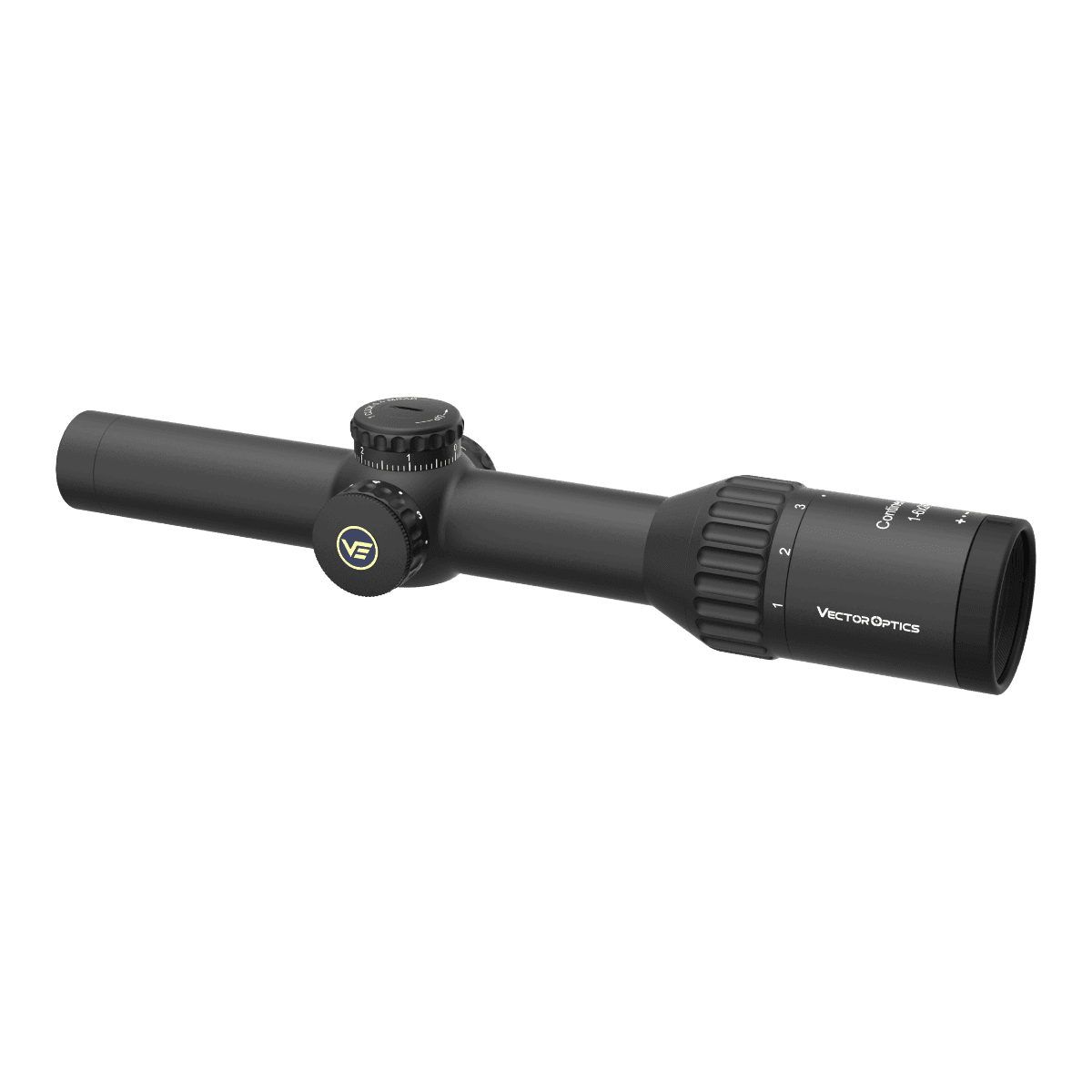
Vector Optics Continental 1-6x24i Fiber SFP
- 1-6x24mm SFP
- Fiber G4 BDC reticle
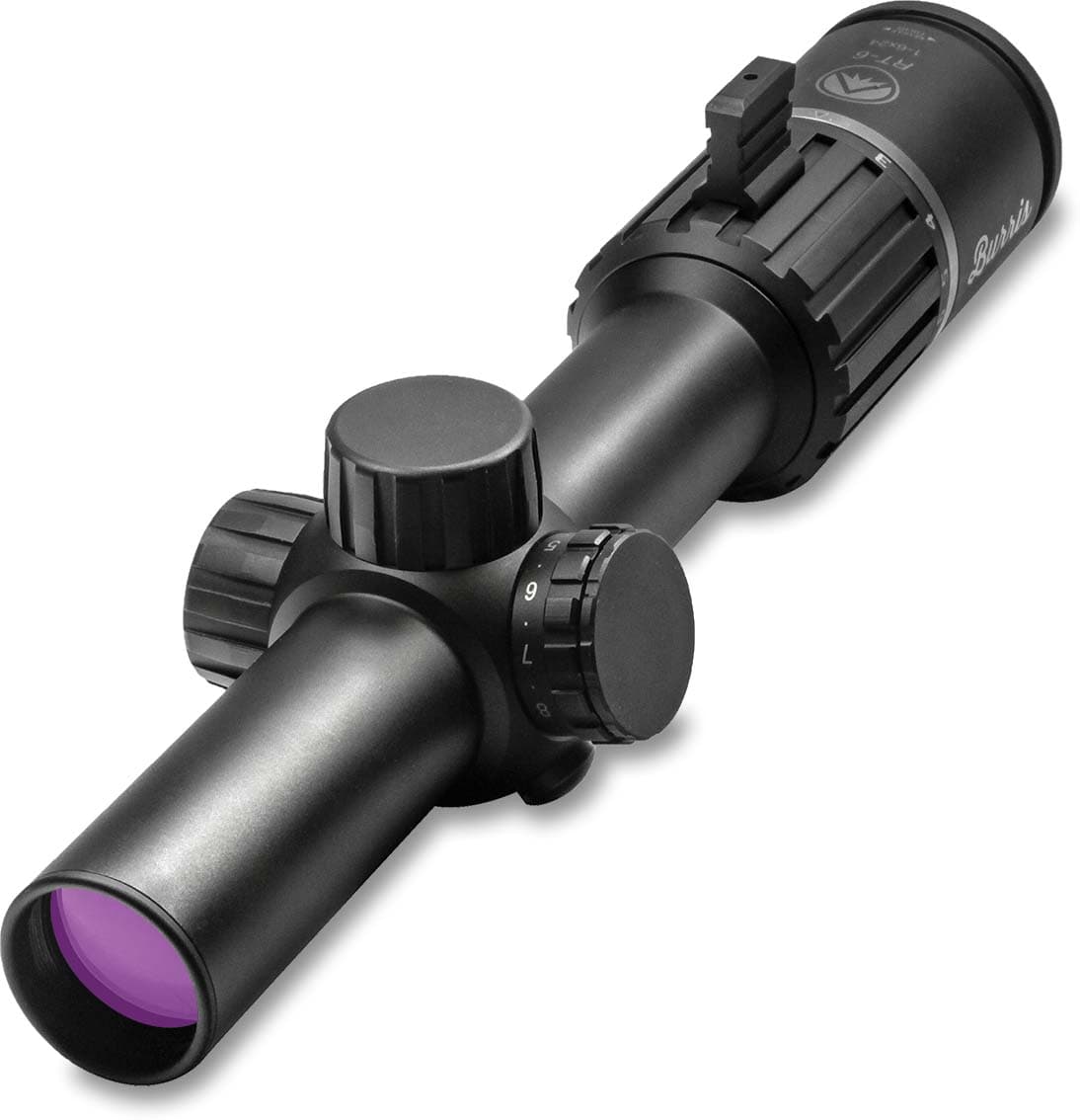
Burris RT-6 1-6x24
- 1-6x magnification
- Ballistic AR reticle SFP
Affiliate links (?)
Why the Fourth Series Is “Trijicon ACOG” and Not “ACOG”
The bare term "acog" is unusable as an optic proxy, because most of the people typing it are not looking for a rifle sight. A separate diagnostic pull comparing "acog", "trijicon acog", "acog scope", and "acog guidelines" shows the bare term rising from a stable baseline of 6 to 7 to the full 100 by June 2026, while the two unambiguously-firearm variants never leave the 0 to 1 range at any point in the same window.
A second check settles it. On YouTube search, where "acog" queries are overwhelmingly firearm and gaming content, the term is flat from early 2025 through August 2026 and slightly declining through the exact months the web series is spiking. A real surge in interest in the optic would move both surfaces. This one moves neither the video surface nor the product-specific web terms. ACOG is also the acronym of the American College of Obstetricians and Gynecologists, and that is the far larger claim on the word.
So the fourth series in the chart is "trijicon acog". It is a smaller term, and it is the honest one. Had we plotted the bare acronym, its 2026 spike would have compressed every other series into the bottom tenth of the chart and produced a headline about an ACOG revival that never happened.
The same discipline shaped the other three picks. "Red dot" without "sight" was rejected: it already carries a substantial baseline in 2004, years before consumer red dot sights were common, which is the signature of an unrelated query mix. And in a separate three-term pull, "low power variable optic" and "1-6x scope" sit at a value of 1 or below against a dominant "lpvo". The category is searched by its acronym, not its expansion, which is why the acronym is what we plotted.
Builders Have Not Followed the Search Curve
Search interest in the LPVO runs well ahead of what people actually put on rifles. In our Q2 2026 Rifle Build Index, drawn from 25,087 anonymized builder sessions and 95,228 organic component selections between April 2 and July 2, 2026, four of the five most-selected optics are non-magnified: the EOTech EXPS3 with G33 magnifier combo at 741 selections, the Sig Romeo5 at 388, the solo EXPS3 at 347, and the Aimpoint Micro T-2 at 344. The Sig Tango MSR 1-6x24 is the best-placed LPVO, fifth at 296.
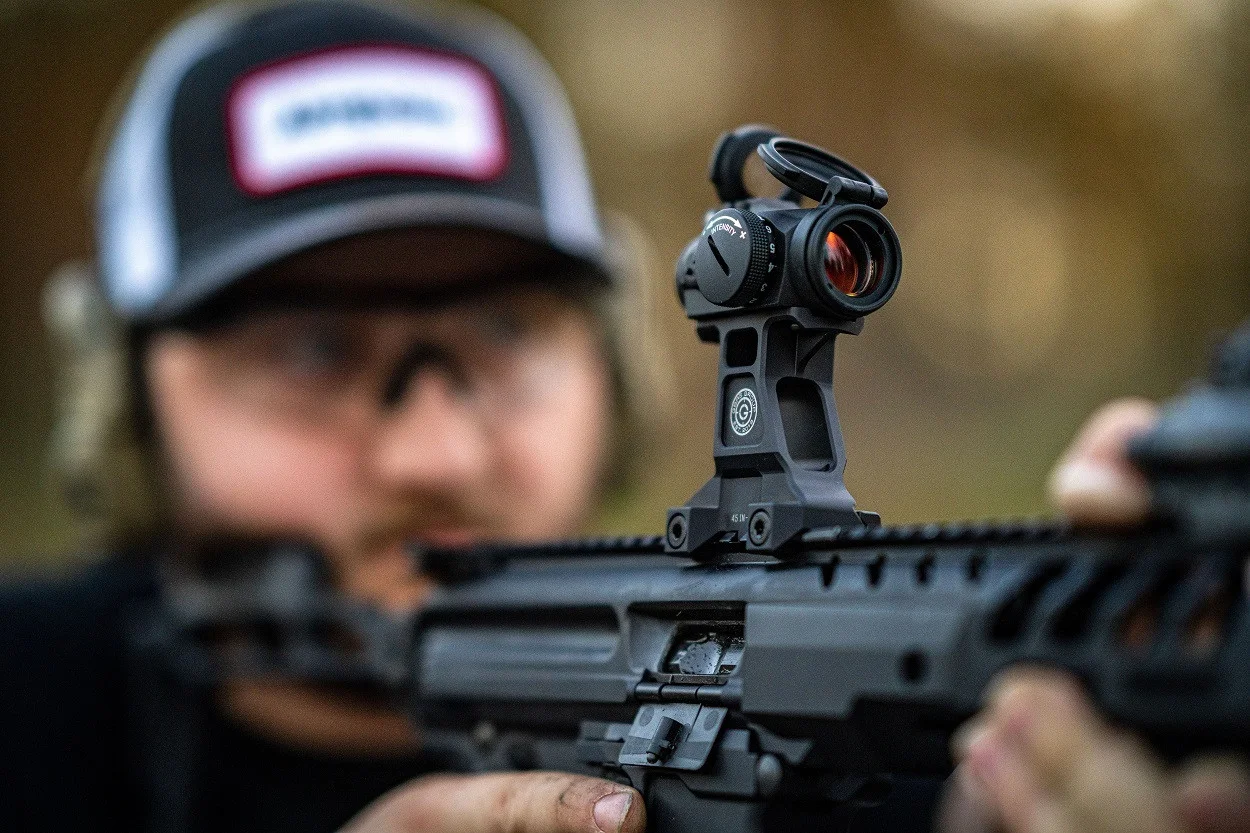
The magnifier numbers explain the gap. The EOTech G33 and G45 are the two most-selected magnifiers at 297 and 185, which means the popular answer to "I need magnification sometimes" is still a red dot or holographic with glass behind it rather than a variable scope in front. That setup keeps the unlimited eyebox and instant target pickup at 1x and adds magnification only when you flip it in. Our AR-15 scope guide works through where each of those stacks earns its weight.
LPVOs still turn up where precision is the point. The single most-repeated independently assembled build in the entire Q2 data set, an 11-part Daniel Defense DDM4 V7 configuration that appeared 17 times, runs a Nightforce ATACR 1-8. The full breakdown is in our Q2 2026 Rifle Build Index, and you can spec either path in the rifle builder.
The Curve Flattened in 2023
LPVO interest stopped compounding three years ago. The series runs 40 in 2023, 43 in 2024, 43 in 2025, and 48 in 2026 through August, against a climb from 11 to 40 over the preceding three years. The category is not shrinking; it stopped being novel.
This is the most commonly misread property of trend data. Search interest tracks how often people need to look a thing up, which is highest while a category is unfamiliar and falls once buyers already know what it is and have moved on to comparing specific models. "Holographic sight" has not averaged above 13 in any year since 2015 outside the 2020 and 2021 surge, while EOTech setups took the top optic slot in our builder data outright. A flat category term does not mean a flat category; it often means the shopping has migrated to brand and model names.
For the LPVO the practical reading is that the argument is over. Magnification on a carbine is a settled option rather than a debated one, which is roughly where the M-LOK curve landed after 2019 in our handguard standards trend study.
Yearly Data Table
Calendar-year means of the monthly relative-interest values, per series. 2026 covers January through August. Dashes mark years with no data for that term.
| Year | LPVO | Red dot sight | Holographic sight | Trijicon ACOG |
|---|---|---|---|---|
| 2004 | – | 14 | – | 9 |
| 2005 | – | 12 | – | 7 |
| 2006 | 5 | 13 | 4 | 6 |
| 2007 | – | 14 | 4 | 7 |
| 2008 | – | 23 | 5 | 10 |
| 2009 | – | 34 | 11 | 15 |
| 2010 | – | 42 | 20 | 16 |
| 2011 | – | 47 | 15 | 17 |
| 2012 | – | 54 | 20 | 18 |
| 2013 | – | 51 | 16 | 17 |
| 2014 | – | 47 | 13 | 14 |
| 2015 | – | 45 | 12 | 12 |
| 2016 | – | 55 | 12 | 13 |
| 2017 | – | 51 | 10 | 12 |
| 2018 | 1 | 50 | 11 | 11 |
| 2019 | 3 | 49 | 10 | 10 |
| 2020 | 11 | 80 | 19 | 13 |
| 2021 | 17 | 66 | 14 | 10 |
| 2022 | 28 | 65 | 11 | 10 |
| 2023 | 40 | 63 | 11 | 9 |
| 2024 | 43 | 61 | 10 | 10 |
| 2025 | 43 | 62 | 10 | 8 |
| 2026 | 48 | 73 | 13 | 9 |
Embed this chart
The chart above is a standalone SVG at rifleconfigurator.com/research/trends/optic-categories/chart, 880 by 460, with its source line built in.
The chart and the table above are free to reuse, in whole or in part, in commercial and non-commercial work, with attribution to Rifle Configurator Research and a link to this report. More published data sets live at Rifle Configurator Research.
Methodology
The four plotted series come from Google Trends, United States, web search, retrieved August 15, 2026, covering January 2004 through August 2026 at monthly resolution. All four terms were compared in a single request, which is the only thing that makes them comparable to each other.
Google Trends reports relative interest on a 0 to 100 scale, where 100 is the highest single month reached by any term in the request and every other value is scaled to it. These are not search volumes, they cannot be converted into search volumes, and they are not comparable to values from any other Trends request. Every number in the chart, the table, and the comparisons above refers to this one four-term set.
The term-selection checks described above are separate requests, run as diagnostics rather than as part of the published series. Values inside each of those pulls are internally comparable and are never compared against the four plotted series or against each other. The YouTube check uses the same endpoint with the search type set to YouTube rather than web.
Two limits are worth stating. The LPVO series carries one isolated reading in May 2006, more than a decade before the term was in use, which is unrelated query noise rather than signal; treat that series as beginning in April 2018. And August 2026 is a partial month at the time of retrieval.
The builder figures come from our own Q2 2026 Rifle Build Index: 25,087 anonymized sessions and 95,228 organic component selections between April 2 and July 2, 2026, counted once per part per session, excluding unchanged template loads and our own account. Selections measure configuration intent, not confirmed purchases, and they only cover products in our catalog.
Get the Next Trend Study
We publish original search-trend and builder-behavior data on AR-15 parts. Subscribe for the next data set, plus new build guides and hands-on reviews.
Frequently Asked Questions
▶What is an LPVO?
▶Is an LPVO better than a red dot?
▶When did LPVOs become popular?
▶Did the military switch from ACOGs to LPVOs?
▶How much does a good LPVO cost in 2026?
▶Why is search interest in LPVOs flattening?
Bottom Line
Buy the LPVO for the magnification you will actually use, not because the category won an argument. Most carbines are still better served by a red dot.
The data describes a category that arrived, got cheap, took the military contracts, and then settled. What it does not describe is a replacement. Four of the five most-selected optics in our own builder data have no magnification at all, and the most popular answer to occasional magnification remains a flip-to-side magnifier behind a holographic sight.
The threshold is distance and identification. If shots past roughly 200 yards or positively identifying a target at range is a real part of what the rifle does, the LPVO earns its weight and its eyebox, and with entry glass now starting near $200 the price no longer decides the question. If the rifle lives inside 100 yards, a red dot is still faster, lighter, and better at the job. Our LPVO buying guide ranks the current field.