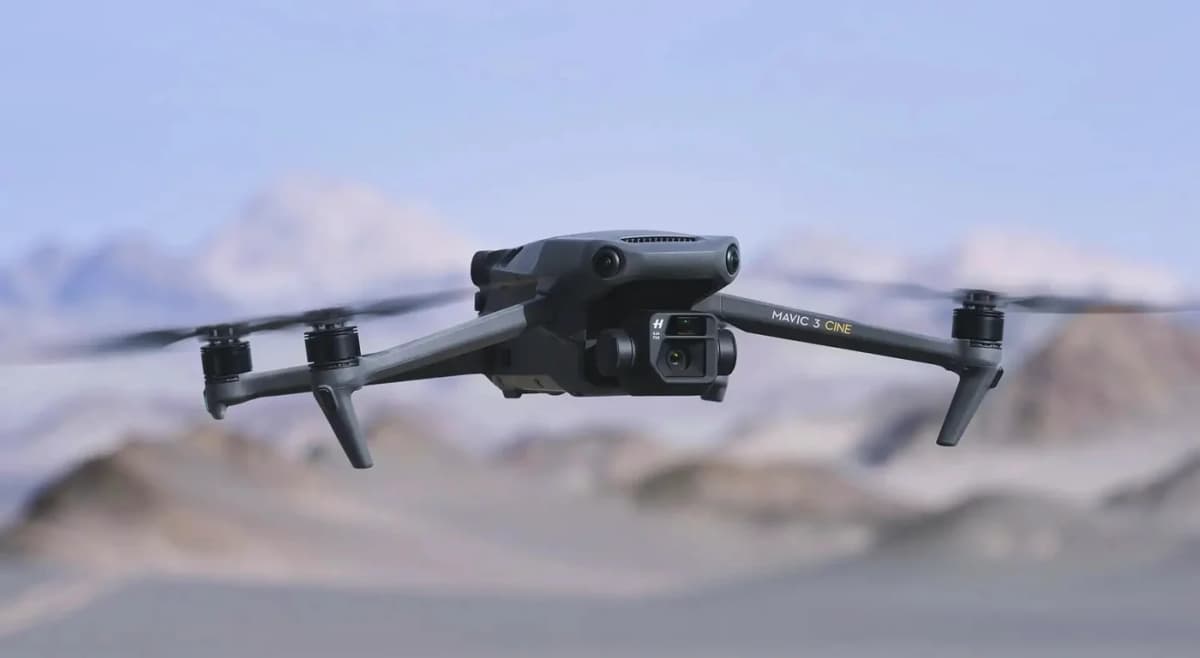
Key Takeaways
- →Shooting a drone risks a federal felony charge: 18 U.S.C. 32 covers damaging, destroying, disabling, or wrecking aircraft within its jurisdictional reach, and unmanned aircraft are aircraft. Maximum penalty is a fine, 20 years, or both.
- →Jamming is illegal on its own track: the FCC cites 47 U.S.C. 301, 302a(b), and 333 in prohibiting the manufacture, marketing, and operation of jammers, with exceptions only for export and US government use.
- →Only delegated agencies can mitigate: DHS and DOJ under 6 U.S.C. 124n, DoD under 10 U.S.C. 130i, and, since a DOJ and DHS interim final rule effective July 1, 2026, certified state, local, tribal, and territorial law enforcement.
- →It has been charged: a federal grand jury indicted a Florida man in October 2021 for destruction of aircraft after he shot down a sheriff's drone with a .22 rifle, alongside a felon-in-possession count carrying a combined 30-year maximum.
- →The real remedy is state law: Oregon's ORS 837.380 gives a property owner treble damages against repeat overflights after notice, and other states use surveillance and trespass statutes.
The Short Answer Is No
You cannot legally shoot down a drone over your property, anywhere in the United States, regardless of how low it is flying or what it is filming. A drone is an aircraft under federal law, destroying an aircraft that meets the statute's jurisdictional elements can be charged as a federal felony carrying up to 20 years, and property ownership creates no exception. The FAA puts it in one word on its own public drone page. Asked whether you can shoot down drones above your property, the agency answers: “No. It’s illegal under federal law to shoot at an aircraft.”
That is the part most coverage of this question dances around, and it is worth being precise about the rest, because the follow-up questions have real answers. Jamming carries its own separate prohibition. The agencies that can lawfully knock a drone down are a short and specific list. And the remedies that do exist for a neighbor hovering over your yard are state-law remedies, not aviation-law ones.
Why Federal Law Treats a Drone as an Aircraft
The chain runs through definitions, and each link is explicit. 18 U.S.C. 31(a)(1) defines aircraft for the criminal code as “a civil, military, or public contrivance invented, used, or designed to navigate, fly, or travel in the air.” A quadcopter is a contrivance designed to fly in the air. 49 U.S.C. 44801 separately defines an unmanned aircraft as “an aircraft that is operated without the possibility of direct human intervention from within or on the aircraft,” making the aircraft classification explicit in the aviation title too.
18 U.S.C. 32(a)(1) then criminalizes anyone who “sets fire to, damages, destroys, disables, or wrecks any aircraft in the special aircraft jurisdiction of the United States or any civil aircraft used, operated, or employed in interstate, overseas, or foreign air commerce.” The penalty clause reads “shall be fined under this title or imprisoned not more than twenty years or both.” The special aircraft jurisdiction of the United States, defined at 49 U.S.C. 46501(2), includes civil aircraft of the United States, which is what a registered drone is.
Note the verb list. The statute does not say shoot. It says damages, destroys, disables, or wrecks, so the tool does not change the analysis. A shotgun, a net launcher, a thrown rock, and a water hose all reach the same four verbs if the aircraft comes down. The FAA adds the practical hazard argument in the same answer: an unmanned aircraft hit by gunfire could crash and cause damage to persons or property on the ground, or collide with other objects in the air.
Has Anyone Actually Been Charged for Shooting a Drone?
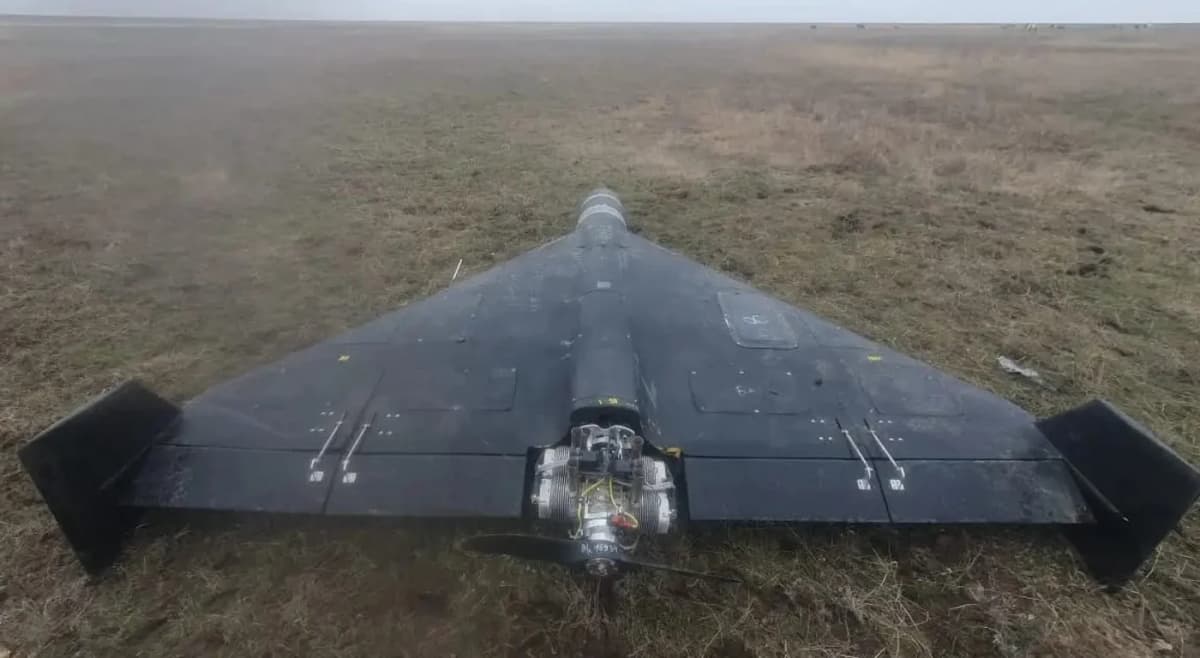
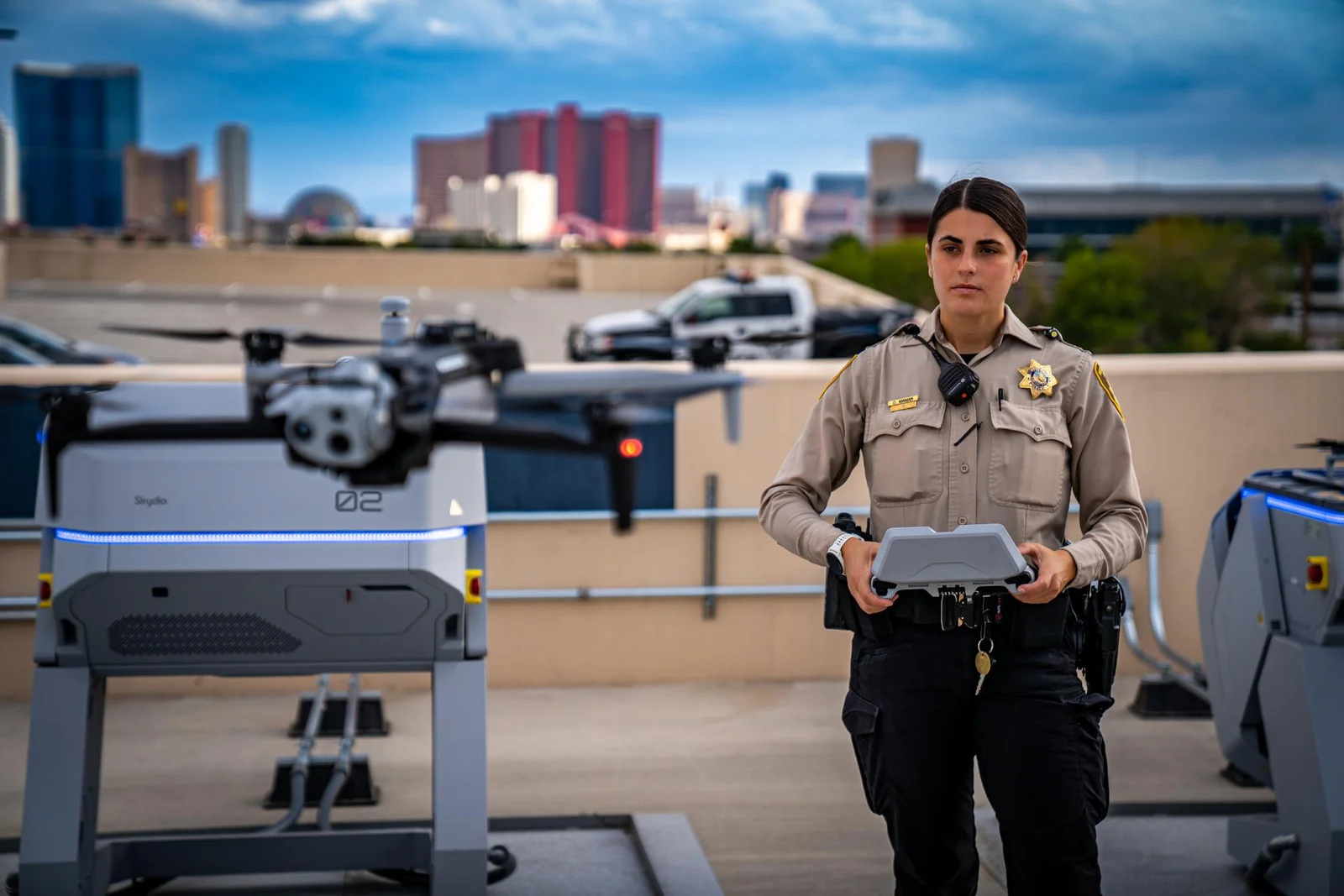
Yes, and the leading example is documented in Justice Department filings. On July 11, 2021, Lake County Sheriff's Office deputies in Mount Dora, Florida deployed a drone during a burglary search and the aircraft was destroyed by gunfire from neighboring property. Deputies confronted Wendell Doyle Goney, who admitted shooting it down with a .22 caliber rifle and said drones had been “harassing” him. In October 2021 a federal grand jury returned an indictment charging him with possessing a firearm as a convicted felon and with destruction of aircraft, a combination the US Attorney's Office noted carried a 30-year maximum if convicted on both counts.
The ending is instructive about how these cases resolve. Goney pleaded guilty on October 5, 2023 to the felon-in-possession count and was sentenced in February 2024 to four years in federal prison. The aircraft-destruction charge is what the grand jury was willing to return; the firearms count is what the case was ultimately built on. Anyone reading that as evidence the aircraft statute is unenforceable has the wrong lesson. It was charged, and the defendant went to prison over the incident.
The counterexample people cite is the 2015 Kentucky case in which a homeowner shot down a drone over his yard and a county judge dismissed the state charges after finding the flights were an invasion of privacy. That was a state district court ruling on state charges of wanton endangerment and criminal mischief. It did not adjudicate the federal aircraft statute, it does not bind any other court, and the drone operator's follow-on federal suit was dismissed for lack of subject matter jurisdiction rather than decided on the merits. One dismissed misdemeanor docket is not a rule you can rely on.
State Charges Land Even When Federal Ones Do Not
Federal prosecutors do not charge every drone shooting, and that is exactly why the state exposure matters more than most people expect. Firing a shotgun or rifle upward in a residential area implicates reckless endangerment, unlawful discharge, and criminal mischief statutes in essentially every state, and those charges do not require anyone to reach the aviation question at all. The projectile has to land somewhere, and a charge of endangering your neighbors travels a much shorter distance to a conviction than a federal aircraft count.
Several states also criminalize interference with an aircraft in terms that reach drones from both directions. Oregon's ORS 837.374 grades interference with aircraft from a Class A violation up to a Class A felony where death or serious physical injury results, and Oregon separately created a civil claim and a criminal offense around drones operated over private premises. The pattern repeats in other states with drone-specific codes: the legislature that wrote a privacy remedy for you usually wrote an aircraft-protection provision in the same chapter.
Are Drone Jammers Legal? Not for Private Parties
Jamming a drone is illegal under a completely separate body of law from the aircraft statute, so avoiding gunfire does not solve the problem. The FCC's enforcement advisory on jamming devices states that “federal law prohibits the manufacture, marketing, and operation of jammers in the United States,” citing 47 U.S.C. 301 and 47 U.S.C. 302a(b), and notes that 47 U.S.C. 333 “prohibits willful or malicious interference to authorized radio communications, and thus prohibits the operation of jammers.” The only statutory exceptions the advisory identifies are manufacture solely for export and use by the US government.
The advisory is explicit that the prohibition is not limited to cell jammers. It applies to “any type of jamming equipment, including devices that interfere with cellular and Personal Communications Services (PCS), police radar, Global Positioning Systems (GPS), and wireless networking services (Wi-Fi).” A drone flies on a 2.4 GHz or 5.8 GHz control link and navigates on GPS, so every practical way of interfering with one sits squarely inside that list. The FCC has pursued citations and forfeitures against online retailers marketing these devices, which is why they are sold from offshore storefronts rather than domestic ones.
What the Consumer Anti-Drone Products Actually Are
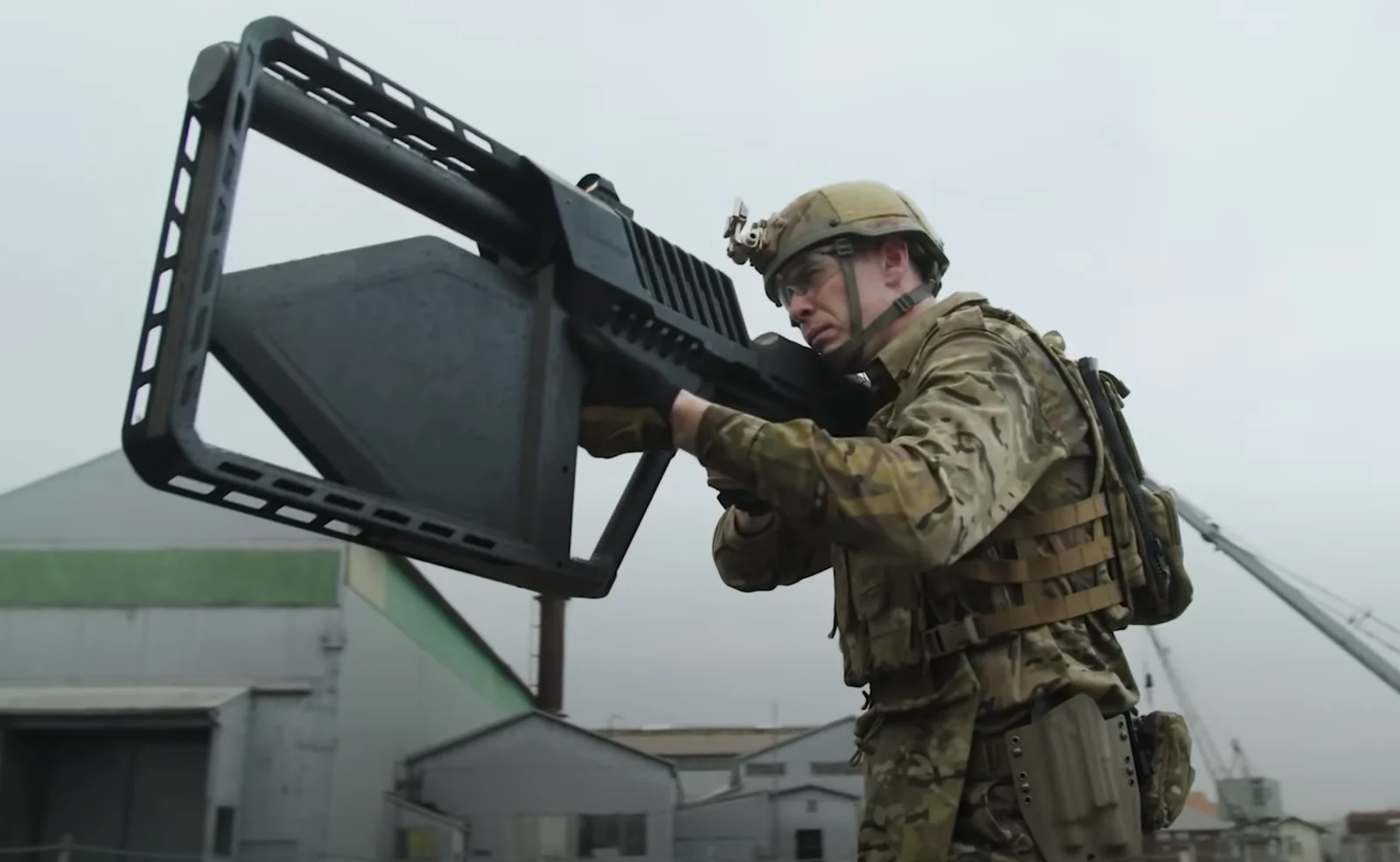
The products marketed to homeowners as drone defense fall into three groups, and only one of them is lawful to use. Radio-frequency jammers and GPS spoofers, whatever they are called on the listing page, are the devices the FCC advisory prohibits outright, and buying one does not create authority to switch it on. Net launchers and projectile capture systems avoid the spectrum problem entirely and can still run into 18 U.S.C. 32, because bringing a covered aircraft down with a net disables it just as effectively as a shotgun does.
The third group is the one that works: passive detection. Receivers and phone applications that listen for a drone's broadcast identification signal are simply receiving a transmission the aircraft is required to send, which is the opposite of interference. The FAA describes Remote ID as “the ability of a drone in flight to provide identification and location information that can be received by other parties through a broadcast signal,” and the rule applies to every drone required to be registered, recreational and commercial alike. Detection tells you which aircraft is overhead and roughly where the control station is. That is the information a police report needs.
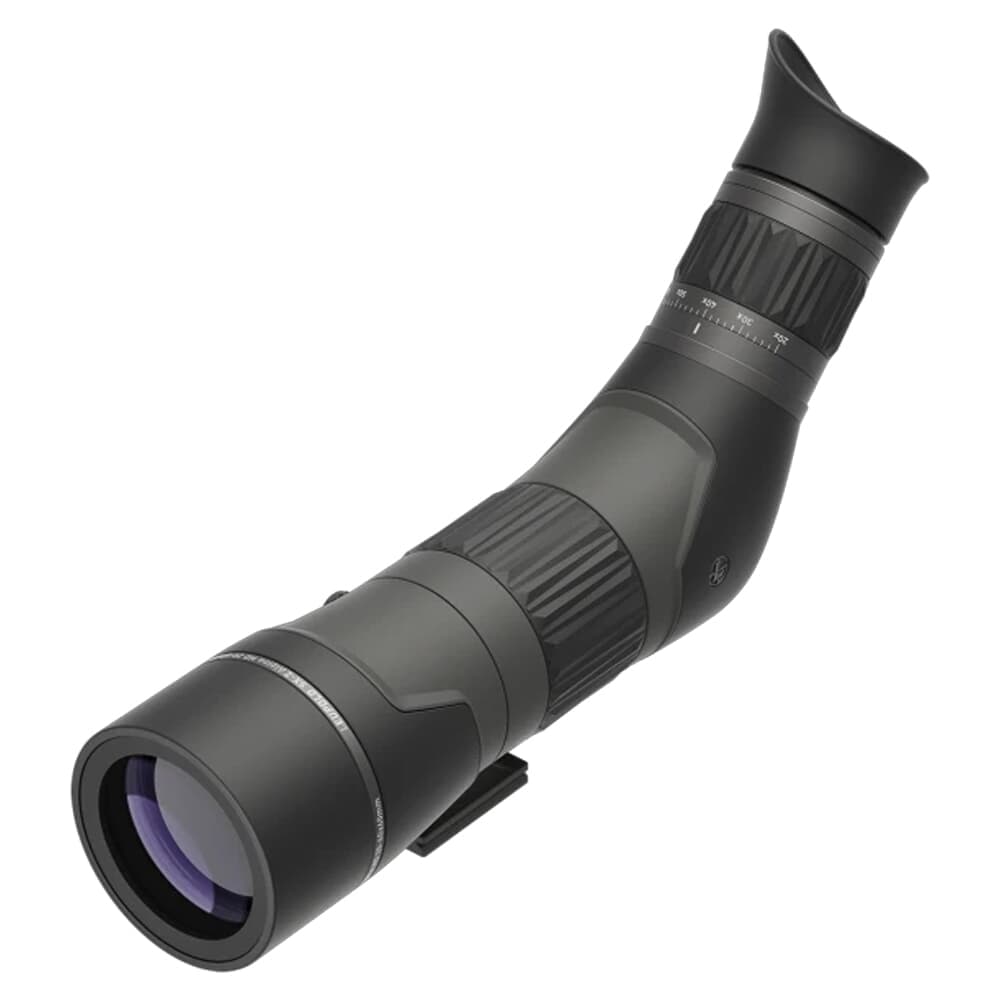
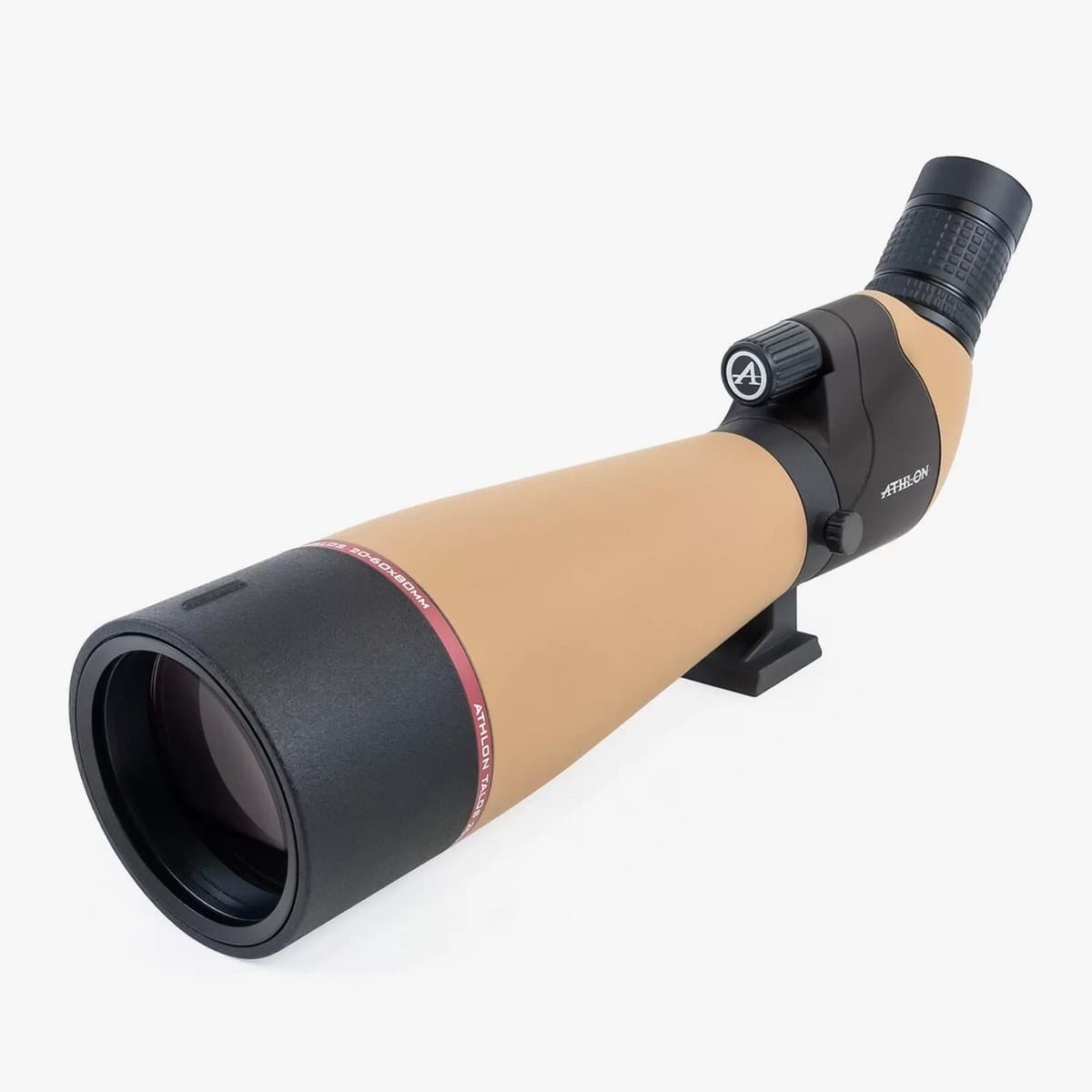
Optics do the same job with no electronics at all. A spotting scope resolves registration markings, airframe model, and payload from a fixed position, and a thermal or night vision device answers the after-dark version of the question. Our spotting scope buying guide covers the glass, the PVS-14 buyers guide covers the night side, and the thermal optics guide covers detection ranges on small heat signatures.
Observation Optics for Identifying What Is Overhead
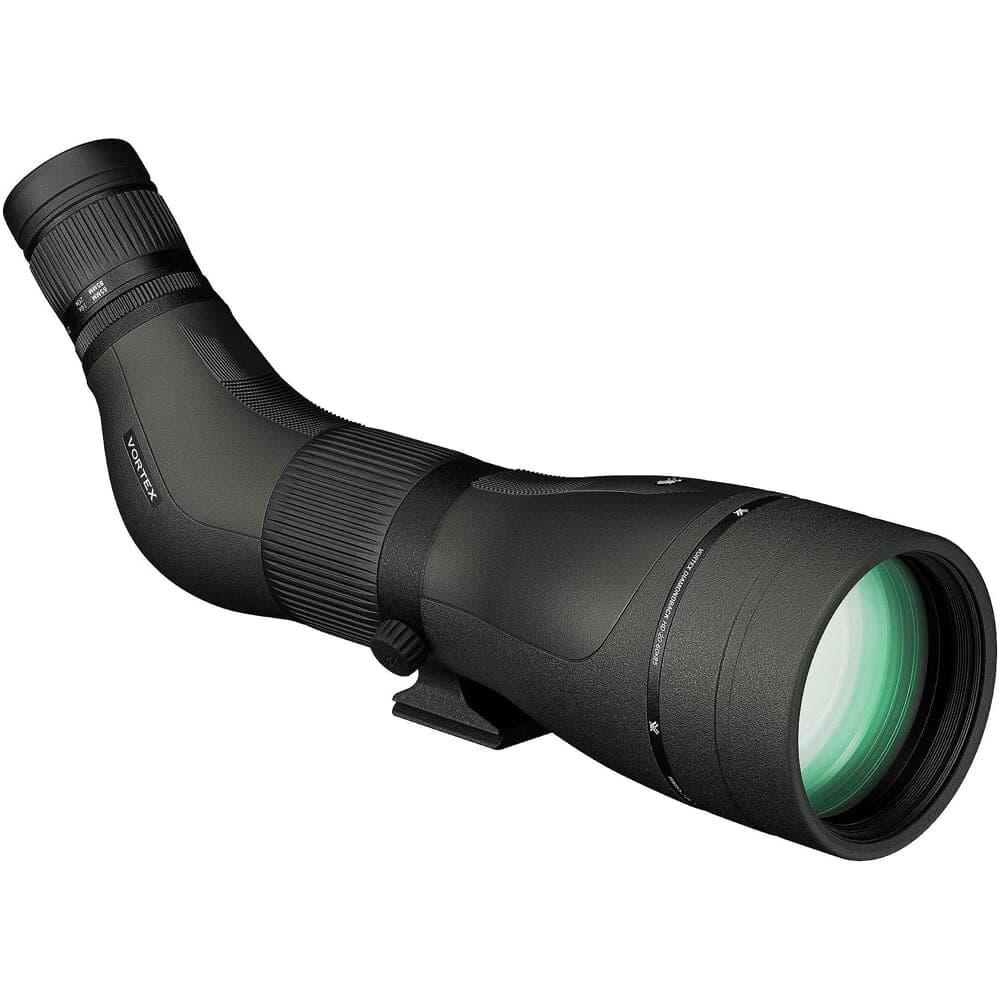
Diamondback HD 20-60x85 Spotting Scope (Angled)
- 85mm objective, 20-60x magnification, angled body
- HD Optical System with fully multi-coated glass
SX-2 Alpine HD Gen 2 20-60x60 Spotting Scope (Angled)
- 60mm objective, 20-60x magnification, angled body
- HD glass with Diamond-Coat and Guard-ion lens coatings
Talos 20-60x80 Spotting Scope (Angled)
- 80mm objective, 20-60x magnification, angled body
- Fully multi-coated lenses, K9 glass prisms with silver coating
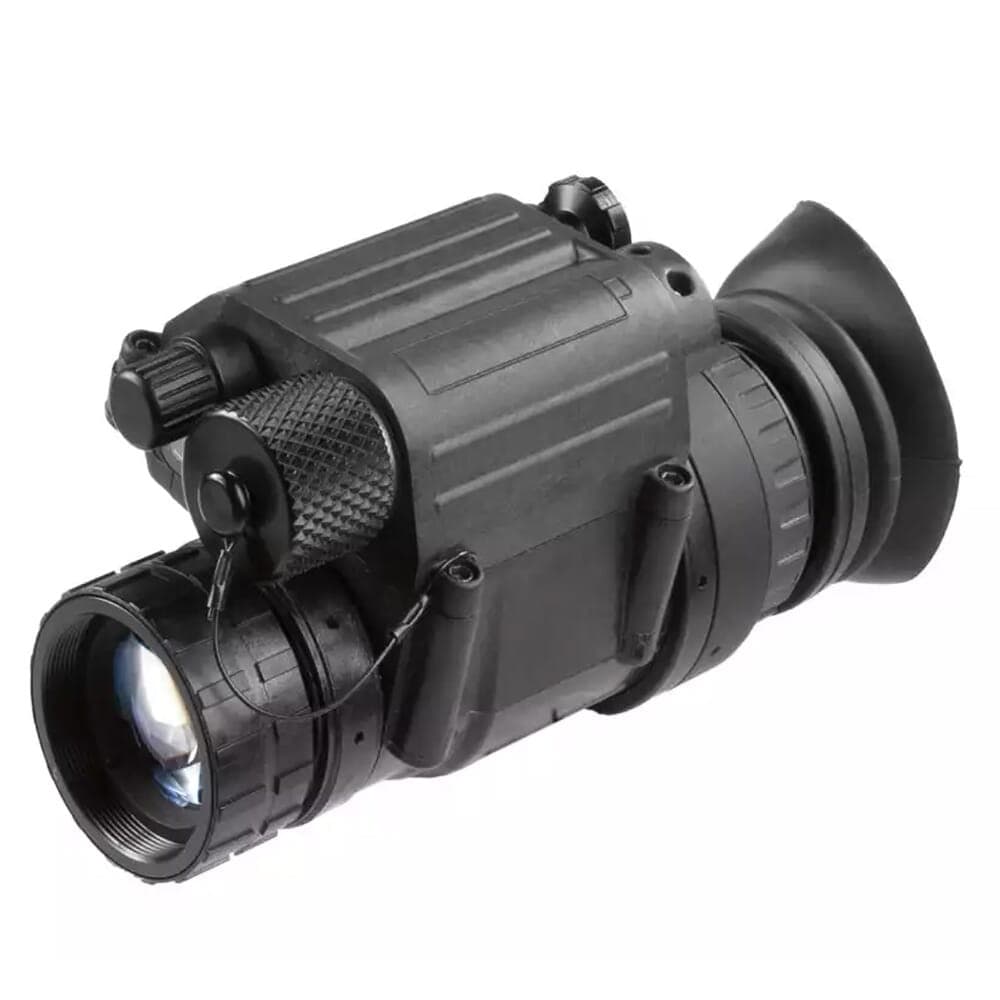
AGM PVS-14 NL2
- Gen 2+ image intensifier, green phosphor
- Manual gain control
Affiliate links (?)
Who Can Legally Take a Drone Down
Counter-drone mitigation authority in the United States is delegated to named agencies by statute, not granted generally. Congress gave the Department of Homeland Security and the Department of Justice this authority under 6 U.S.C. 124n, which permits covered personnel to detect, identify, monitor, and track an unmanned aircraft without prior consent, warn the operator, disrupt control of the aircraft, seize or exercise control of it, confiscate it, and “use reasonable force to disable, damage, or destroy” it. The Department of Defense holds a parallel authority for covered facilities and assets under 10 U.S.C. 130i, with the same six-action list.
The list got longer in 2026. Through the SAFER SKIES Act, Congress extended mitigation authority to state, local, tribal, and territorial law enforcement and correctional agencies, and a joint Department of Justice and Department of Homeland Security interim final rule published July 6, 2026 and effective July 1, 2026 set the implementation framework: a two-tiered training and certification structure separating detection and warning from mitigation, plus authorized technologies, spectrum coordination, and airspace approval requirements. As of August 2026 the authority in 6 U.S.C. 124n carries sunset dates of September 30, 2031 for the covered-facility authority and December 31, 2031 for the state and local authority.
Read that list again for what is missing. Every entry is a government agency operating under a certification regime, spectrum coordination, and airspace approval. There is no civilian tier, no property-owner exception, and no application process that adds one. The counter-drone hardware industry sells into exactly this market, which is also why purpose-built counter-drone optics such as the EOTech HWS CUAS holographic sight are aimed at units that already hold the authority to engage.
What You Can Legally Do About a Drone Over Your House
Document, identify, and report, in that order. Get video or stills of the aircraft with a timestamp, note the altitude, heading, and how long it loitered, and look for the operator: recreational flyers and most Part 107 operations must keep the drone within visual line of sight, and a pilot flying with a Remote ID broadcast module must be able to see the aircraft at all times, so in practice the operator is usually within a few hundred yards and often parked on a nearby street.
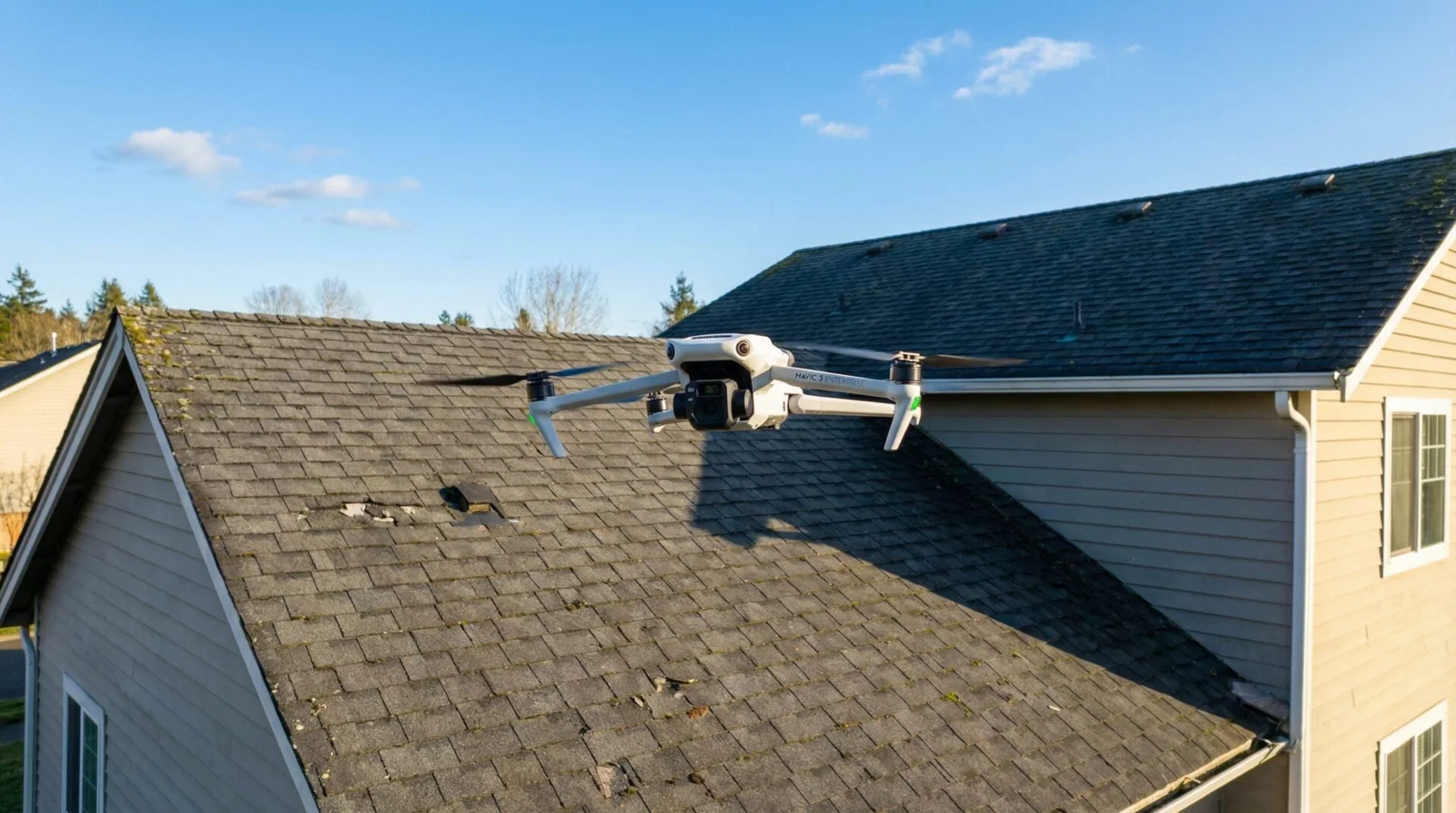
Call local law enforcement when the operation is unsafe or the operator has trespassed on the ground to launch. Report unsafe operation to the FAA, which investigates all reports of unsafe operations, and understand the limit of what that accomplishes: the FAA regulates flight safety and states directly that it does not regulate privacy. A drone hovering outside a bedroom window is a privacy problem, and the FAA is not the agency that solves it.
Remote ID is the piece that makes reporting worth doing. Any drone required to be registered must broadcast identification and location information for the aircraft and, on a standard Remote ID drone, the control station. A receiver application turns an anonymous speck into a serial number and a takeoff point, which converts an unactionable complaint into a report with a specific aircraft attached to it.
How State Law Handles Drones Over Private Property
State law is where the enforceable civilian remedies live, and the approaches differ enough that a national rule of thumb is worthless. Oregon runs the most owner-friendly model: under ORS 837.380, a person who owns or lawfully occupies real property may sue an operator who flies a drone over the property, provided the operator has done so at least once before and the owner told them not to. A prevailing plaintiff may recover treble damages and injunctive relief, with attorney fees available on claims of $10,000 or less. Commercial operations flown under FAA authorization are carved out.
Oregon also criminalizes the conduct directly. ORS 837.370 makes it an offense to operate a drone over privately owned premises in a manner that intentionally, knowingly, or recklessly harasses or annoys the owner or occupant, escalating from a Class B violation to a Class B misdemeanor on a third offense, with a possible probation condition barring the person from possessing a drone at all. Texas approaches the same problem through Government Code Chapter 423, which criminalizes capturing images of an individual or privately owned property with intent to conduct surveillance, subject to a long list of statutory exceptions. Utah reaches it through its criminal trespass statute, which extends to causing a drone to enter and remain unlawfully over private property.
What no state has done is authorize the shot. Florida came closest in 2025: Senate Bill 1422 would have authorized certain persons to use reasonable force against a drone conducting surveillance. That bill was laid on the table when its House companion passed instead, and the enacted law, Chapter 2025-29 effective October 1, 2025, carries the critical-infrastructure and criminal-penalty provisions without the reasonable-force language. Even had it passed, a state statute cannot authorize conduct that 18 U.S.C. 32 makes a federal felony.
Stay Updated on Firearms Law and Regulation
We track ATF rulemaking, state legislation, and federal court decisions that change what you can legally own and do.