Key Takeaways
- →Federal: Since October 9, 2026, ATF does not enforce the Form 4, Form 1, or NFA registration for suppressors and SBRs. Your state's statute now decides whether an unregistered one is legal.
- →No state tie (20 states): No state law conditions suppressor possession on federal registration, so a Form 4473 and NICS check is the whole process.
- →Registration or compliance tie (19 states): State law requires NFA registration or federal-law compliance. File the voluntary eForm 4 or Form 1, which costs $0 in tax.
- →Banned (9): Suppressors stay illegal for civilians in California, Delaware, Hawaii, Illinois, Massachusetts, New Jersey, New York, Rhode Island, and DC. The federal change does nothing there.
- →SBRs: 6 jurisdictions ban them, 23 states tie them to federal registration or compliance, and a Form 20 is still required to cross state lines.
Is an Unregistered Suppressor Legal in My State?
It depends entirely on your state's own statute. ATF stopped enforcing NFA approval and registration for suppressors, short-barreled rifles, short-barreled shotguns, and AOWs on October 9, 2026, but it did not and cannot change state law. In 20 states, no state law ties suppressor possession to federal registration, so a suppressor bought on a Form 4473 with no Form 4 is legal there. In 19 more, the state only allows a suppressor that is registered under the NFA or possessed in compliance with federal law, and an unregistered can is a state-law risk. Suppressors are banned outright in 9 jurisdictions.
The tables below classify all 50 states and DC by how their law ties to federal registration, with the controlling statute linked to its text. The sorting question is simple: does your state's statute mention federal registration or federal-law compliance? If it does, file the voluntary paperwork. If it does not, the 4473 is enough at the state level. For what ATF actually changed, see our breakdown of the October 9 NFA guidance.
What to Do in Each Type of State
No state tie (20 states for suppressors): buy from a dealer in your home state on a Form 4473 and NICS check, and you are done. A voluntary eForm 4 is optional insurance against a future federal reversal.
Registration required (8 states for suppressors): the statute makes NFA registration the condition for lawful possession or the only defense to a felony. File the voluntary eForm 4 to buy, or a Form 1 to make, and take possession only after ATF approves it. Alaska, Colorado, Georgia, Louisiana, Montana, Ohio, Oregon, and Wisconsin are in this group.
Federal compliance required (11 states for suppressors): the statute allows a suppressor possessed in compliance with, or not in violation of, federal law. The NFA's registration requirement is still written into federal law even though ATF no longer enforces it, and no state in this group has said an unregistered suppressor qualifies, so treat these states exactly like the registration group and file. Arizona, Connecticut, Iowa, Michigan, Minnesota, Mississippi, Missouri, Nevada, North Carolina, North Dakota, and Pennsylvania are in this group.
Registration required to use (Oklahoma and Washington): possession is lawful, but using the suppressor requires it to be registered under federal law. Washington's rule covers any use; Oklahoma's covers hunting. Register it before you shoot with it.
Restricted (Vermont): ownership has no registration tie, but a separate state rule limits where or how the suppressor can be used. Follow that rule; the federal change does not touch it.
Banned (California, Delaware, Hawaii, Illinois, Massachusetts, New Jersey, New York, Rhode Island, and DC): nothing changes. These laws prohibit civilian possession whether or not the suppressor is federally registered, and a dealer may not transfer a firearm in violation of state law under 18 U.S.C. 922(b)(2).
Our guide to buying a suppressor without a Form 4 covers the dealer counter, trusts, and the voluntary eForm 4 in detail, and the how to buy a suppressor guide walks through the purchase from choosing a dealer to taking possession.
Suppressor Laws by State: All 50 States and DC
Each row names the controlling statute and how it treats a suppressor that is not on the federal registry. Every state is linked to its full suppressor state law page, which covers hunting rules and legislative history. Every row was checked against the statute text on or after October 9, 2026.
- State-law tieNo state tieWhat it meansAlabama has no suppressor possession law, and suppressor hunting has been legal since 2014.
- State-law tieRegistration requiredWhat it meansA suppressor is a prohibited weapon and a class C felony; the only civilian defense is possession in accordance with NFA registration.
- State-law tieFederal compliance requiredWhat it meansA suppressor is a prohibited weapon unless it is possessed, made, or transferred in compliance with federal law.
- State-law tieNo state tieWhat it meansArkansas removed suppressors from its prohibited-weapons law in 2019.
- State-law tieBannedStatuteCal. Penal Code § 33410What it meansPossessing a silencer is a felony for civilians whether or not it is federally registered.
- State-law tieRegistration requiredWhat it meansPossessing a silencer is a felony unless you hold a valid permit and license for it; Colorado issues none, so federal approval is the only one available.
- State-law tieFederal compliance requiredWhat it meansPossessing a silencer is a felony unless federal or state law permits it, and using one while hunting is banned outright.
- State-law tieBannedStatute11 Del. C. § 1444(a)(3)What it meansPossessing a silencer is a class E felony even when it is federally registered; only military, police, and certified wildlife biologists are exempt.
- State-law tieNo state tieWhat it meansFlorida treats a suppressor as an ordinary firearm with no separate possession rule.
- State-law tieRegistration requiredWhat it meansPossessing a silencer is illegal unless it is registered under the NFA; the Attorney General reads that to cover people protected by the Silencer Shop injunction, a view that does not bind prosecutors.
- State-law tieBannedStatuteHaw. Rev. Stat. § 134-8What it meansManufacturing, possessing, or acquiring a silencer is a class C felony with no exception for federal registration.
- State-law tieNo state tieWhat it meansIdaho has no statute restricting suppressor possession.
- State-law tieBannedStatute720 ILCS 5/24-1(a)(6)What it meansPossessing any device designed to silence a firearm is unlawful possession of weapons; the exemptions cover manufacturers and government tactical teams only.
- State-law tieNo state tieWhat it meansIndiana has no suppressor possession law; silencers appear only in a sentencing enhancement.
- State-law tieFederal compliance requiredStatuteIowa Code § 724.1BWhat it meansKnowingly possessing a suppressor in violation of federal law is a felony; there is no separate state permit.
- State-law tieNo state tieWhat it meansKansas repealed its suppressor possession offense in 2026; using one in specified felonies adds to the sentence.
- State-law tieNo state tieWhat it meansKentucky has no statute restricting suppressor possession.
- State-law tieRegistration requiredWhat it meansPossessing a silencer that has not been registered or transferred under federal law is a state crime.
- State-law tieNo state tieWhat it meansMaine has no suppressor possession law and repealed its suppressor hunting permit in 2021.
- State-law tieNo state tieWhat it meansMaryland does not regulate suppressor possession; its only silencer provision doubles a drug-trafficking firearm sentence.
- State-law tieBannedWhat it meansPossessing a silencer is prohibited for civilians regardless of federal status.
- State-law tieFederal compliance requiredWhat it meansPossessing a suppressor is a felony unless you are federally licensed or approved to possess it.
- State-law tieFederal compliance requiredWhat it meansPossessing a suppressor that is not lawfully possessed under federal law is a felony; there is no state or local permit.
- State-law tieFederal compliance requiredStatuteMiss. Code Ann. § 97-37-31What it meansMaking, selling, or possessing a suppressor is a misdemeanor unless you are duly authorized under federal law.
- State-law tieFederal compliance requiredWhat it meansPossessing a suppressor is an offense only when it violates federal law.
- State-law tieRegistration requiredWhat it meansAn unregistered silencer is prima facie evidence of unlawful purpose, the Attorney General says unregistered possession remains a felony, and hunting requires an ATF-registered suppressor.
- State-law tieNo state tieWhat it meansNebraska has no suppressor possession law.
- State-law tieFederal compliance requiredWhat it meansPossessing a silencer is illegal unless authorized by federal law, and the owner bears the burden of proving that authorization.
- State-law tieNo state tieWhat it meansNew Hampshire has no suppressor possession law and repealed its suppressor hunting ban in 2016.
- State-law tieBannedStatuteN.J. Stat. § 2C:39-3(c)What it meansKnowingly possessing a silencer is a fourth-degree crime regardless of federal registration.
- State-law tieNo state tieWhat it meansNew Mexico has no suppressor possession law.
- State-law tieBannedStatuteN.Y. Penal Law § 265.02(2)What it meansPossessing a silencer is a class D felony even with an approved federal form.
- State-law tieFederal compliance requiredWhat it meansA suppressor is a weapon of mass death and destruction, a Class F felony, unless possessed in compliance with the NFA.
- State-law tieFederal compliance requiredStatuteN.D. Cent. Code § 62.1-05-01What it meansPossessing a silencer without complying with the NFA is a class C felony.
- State-law tieRegistration requiredWhat it meansA suppressor is dangerous ordnance, a felony to possess unless it is registered in the NFRTR, covered by a state ordnance license, or used under the hunting exception.
- State-law tieRegistration required to useStatute29 O.S. § 5-201(A)(5)What it meansOklahoma does not regulate suppressor possession, but hunting with one is legal only if it is registered under federal law.
- State-law tieRegistration requiredStatuteOr. Rev. Stat. § 166.272What it meansPossessing a silencer is a Class B felony, and the only civilian defense is that it was registered as federal law requires.
- State-law tieFederal compliance requiredWhat it meansPennsylvania's offensive-weapons law makes compliance with the NFA a defense the owner must prove.
- State-law tieBannedStatuteR.I. Gen. Laws § 11-47-20What it meansManufacturing, buying, or possessing a silencer is unlawful; only law-enforcement tactical teams are exempt.
- State-law tieNo state tieWhat it meansSouth Carolina has no suppressor possession law.
- State-law tieNo state tieWhat it meansA 2026 law took silencers off South Dakota's controlled-weapon list, ending its possession offense.
- State-law tieNo state tieWhat it meansTennessee removed silencers from its prohibited-weapons list in 2017.
- State-law tieNo state tieWhat it meansTexas removed suppressors from its prohibited-weapons statute in 2021.
- State-law tieNo state tieWhat it meansUtah's weapons chapter does not regulate suppressors.
- State-law tieRestricted, no registration tieWhat it meansOwnership is legal, but use is limited to hunting, sport ranges, and official roles, and a homemade suppressor must be made in compliance with the federal making-approval law.
- State-law tieNo state tieWhat it meansVirginia repealed its silencer statute in 2009; silencers are barred only in courthouses and airport terminals.
- State-law tieRegistration required to useWhat it meansOwning a suppressor is legal, but using one is a gross misdemeanor unless it is legally registered and possessed under federal law.
- State-law tieNo state tieWhat it meansWest Virginia has no suppressor possession or hunting restriction.
- State-law tieRegistration requiredStatuteWis. Stat. § 941.298(3)(c)What it meansPossessing a silencer is a Class H felony unless you have complied with the federal NFA licensing and registration requirements.
- State-law tieNo state tieWhat it meansWyoming has no suppressor possession law; using one while poaching adds a penalty.
- State-law tieBannedStatuteD.C. Code § 22-4514(a)What it meansPossessing any silencer is prohibited, with no exception for federal registration.
| State | State-law tie | Statute | What it means |
|---|---|---|---|
| Alabama | No state tie | Ala. Code § 13A-11-61.3 (no silencer possession provision) | Alabama has no suppressor possession law, and suppressor hunting has been legal since 2014. |
| Alaska | Registration required | Alaska Stat. § 11.61.200(a)(3), (c) | A suppressor is a prohibited weapon and a class C felony; the only civilian defense is possession in accordance with NFA registration. |
| Arizona | Federal compliance required | Ariz. Rev. Stat. §§ 13-3101(B), 13-3102 | A suppressor is a prohibited weapon unless it is possessed, made, or transferred in compliance with federal law. |
| Arkansas | No state tie | Ark. Code § 5-73-104 (suppressors removed by Act 1051 of 2019) | Arkansas removed suppressors from its prohibited-weapons law in 2019. |
| California | Banned | Cal. Penal Code § 33410 | Possessing a silencer is a felony for civilians whether or not it is federally registered. |
| Colorado | Registration required | Colo. Rev. Stat. § 18-12-102(3), (5) | Possessing a silencer is a felony unless you hold a valid permit and license for it; Colorado issues none, so federal approval is the only one available. |
| Connecticut | Federal compliance required | Conn. Gen. Stat. §§ 53a-211, 26-75 | Possessing a silencer is a felony unless federal or state law permits it, and using one while hunting is banned outright. |
| Delaware | Banned | 11 Del. C. § 1444(a)(3) | Possessing a silencer is a class E felony even when it is federally registered; only military, police, and certified wildlife biologists are exempt. |
| Florida | No state tie | Fla. Stat. § 790.001 (no silencer possession offense) | Florida treats a suppressor as an ordinary firearm with no separate possession rule. |
| Georgia | Registration required | Ga. Code §§ 16-11-123, 16-11-124(4) | Possessing a silencer is illegal unless it is registered under the NFA; the Attorney General reads that to cover people protected by the Silencer Shop injunction, a view that does not bind prosecutors. |
| Hawaii | Banned | Haw. Rev. Stat. § 134-8 | Manufacturing, possessing, or acquiring a silencer is a class C felony with no exception for federal registration. |
| Idaho | No state tie | Idaho Code tit. 18, ch. 33 (no silencer provision) | Idaho has no statute restricting suppressor possession. |
| Illinois | Banned | 720 ILCS 5/24-1(a)(6) | Possessing any device designed to silence a firearm is unlawful possession of weapons; the exemptions cover manufacturers and government tactical teams only. |
| Indiana | No state tie | Ind. Code 35-47-5 (no silencer provision) | Indiana has no suppressor possession law; silencers appear only in a sentencing enhancement. |
| Iowa | Federal compliance required | Iowa Code § 724.1B | Knowingly possessing a suppressor in violation of federal law is a felony; there is no separate state permit. |
| Kansas | No state tie | K.S.A. 21-6301, 21-6302, as amended by 2026 HB 2501 | Kansas repealed its suppressor possession offense in 2026; using one in specified felonies adds to the sentence. |
| Kentucky | No state tie | KRS chs. 237 and 527 (no silencer provision) | Kentucky has no statute restricting suppressor possession. |
| Louisiana | Registration required | La. Rev. Stat. §§ 40:1781, 40:1785 | Possessing a silencer that has not been registered or transferred under federal law is a state crime. |
| Maine | No state tie | 12 M.R.S. § 11161 (repealed 2021; no silencer possession provision) | Maine has no suppressor possession law and repealed its suppressor hunting permit in 2021. |
| Maryland | No state tie | Md. Code, Crim. Law § 5-621(d) (sentencing only) | Maryland does not regulate suppressor possession; its only silencer provision doubles a drug-trafficking firearm sentence. |
| Massachusetts | Banned | Mass. Gen. Laws ch. 269, § 10A | Possessing a silencer is prohibited for civilians regardless of federal status. |
| Michigan | Federal compliance required | Mich. Comp. Laws § 750.224(1)(b), (3)(c) | Possessing a suppressor is a felony unless you are federally licensed or approved to possess it. |
| Minnesota | Federal compliance required | Minn. Stat. § 609.66, subd. 1a(a)(1) | Possessing a suppressor that is not lawfully possessed under federal law is a felony; there is no state or local permit. |
| Mississippi | Federal compliance required | Miss. Code Ann. § 97-37-31 | Making, selling, or possessing a suppressor is a misdemeanor unless you are duly authorized under federal law. |
| Missouri | Federal compliance required | Mo. Rev. Stat. § 571.020.1(6)(c) | Possessing a suppressor is an offense only when it violates federal law. |
| Montana | Registration required | Mont. Code Ann. §§ 45-8-336, 45-8-337, 87-6-401(1)(c) | An unregistered silencer is prima facie evidence of unlawful purpose, the Attorney General says unregistered possession remains a felony, and hunting requires an ATF-registered suppressor. |
| Nebraska | No state tie | Neb. Rev. Stat. § 28-1203 (no silencer provision) | Nebraska has no suppressor possession law. |
| Nevada | Federal compliance required | Nev. Rev. Stat. § 202.350(1)(b), (6) | Possessing a silencer is illegal unless authorized by federal law, and the owner bears the burden of proving that authorization. |
| New Hampshire | No state tie | RSA 207:4 (repealed 2016; no silencer possession provision) | New Hampshire has no suppressor possession law and repealed its suppressor hunting ban in 2016. |
| New Jersey | Banned | N.J. Stat. § 2C:39-3(c) | Knowingly possessing a silencer is a fourth-degree crime regardless of federal registration. |
| New Mexico | No state tie | NMSA 1978, ch. 30, art. 7 (no silencer provision) | New Mexico has no suppressor possession law. |
| New York | Banned | N.Y. Penal Law § 265.02(2) | Possessing a silencer is a class D felony even with an approved federal form. |
| North Carolina | Federal compliance required | N.C. Gen. Stat. § 14-288.8(b)(5), (c)(3) | A suppressor is a weapon of mass death and destruction, a Class F felony, unless possessed in compliance with the NFA. |
| North Dakota | Federal compliance required | N.D. Cent. Code § 62.1-05-01 | Possessing a silencer without complying with the NFA is a class C felony. |
| Ohio | Registration required | Ohio Rev. Code §§ 2923.11(K), 2923.17(C)(5) | A suppressor is dangerous ordnance, a felony to possess unless it is registered in the NFRTR, covered by a state ordnance license, or used under the hunting exception. |
| Oklahoma | Registration required to use | 29 O.S. § 5-201(A)(5) | Oklahoma does not regulate suppressor possession, but hunting with one is legal only if it is registered under federal law. |
| Oregon | Registration required | Or. Rev. Stat. § 166.272 | Possessing a silencer is a Class B felony, and the only civilian defense is that it was registered as federal law requires. |
| Pennsylvania | Federal compliance required | 18 Pa. Cons. Stat. § 908(b)(1) | Pennsylvania's offensive-weapons law makes compliance with the NFA a defense the owner must prove. |
| Rhode Island | Banned | R.I. Gen. Laws § 11-47-20 | Manufacturing, buying, or possessing a silencer is unlawful; only law-enforcement tactical teams are exempt. |
| South Carolina | No state tie | S.C. Code §§ 16-23-210 to -280 (no silencer provision) | South Carolina has no suppressor possession law. |
| South Dakota | No state tie | S.D. Codified Laws § 22-1-2(8) | A 2026 law took silencers off South Dakota's controlled-weapon list, ending its possession offense. |
| Tennessee | No state tie | Tenn. Code Ann. § 39-17-1302 (silencers removed in 2017) | Tennessee removed silencers from its prohibited-weapons list in 2017. |
| Texas | No state tie | Tex. Penal Code § 46.05 (silencers removed by HB 957, 2021) | Texas removed suppressors from its prohibited-weapons statute in 2021. |
| Utah | No state tie | Utah Code tit. 76, ch. 11 (no suppressor provision) | Utah's weapons chapter does not regulate suppressors. |
| Vermont | Restricted, no registration tie | 13 V.S.A. § 4010; 10 V.S.A. § 4701(d) | Ownership is legal, but use is limited to hunting, sport ranges, and official roles, and a homemade suppressor must be made in compliance with the federal making-approval law. |
| Virginia | No state tie | Va. Code § 18.2-308.6 (repealed 2009) | Virginia repealed its silencer statute in 2009; silencers are barred only in courthouses and airport terminals. |
| Washington | Registration required to use | Wash. Rev. Code § 9.41.250(1)(c) | Owning a suppressor is legal, but using one is a gross misdemeanor unless it is legally registered and possessed under federal law. |
| West Virginia | No state tie | W. Va. Code ch. 61, art. 7 (no silencer provision) | West Virginia has no suppressor possession or hunting restriction. |
| Wisconsin | Registration required | Wis. Stat. § 941.298(3)(c) | Possessing a silencer is a Class H felony unless you have complied with the federal NFA licensing and registration requirements. |
| Wyoming | No state tie | Wyo. Stat. tit. 6, ch. 8 (no silencer provision) | Wyoming has no suppressor possession law; using one while poaching adds a penalty. |
| District of Columbia | Banned | D.C. Code § 22-4514(a) | Possessing any silencer is prohibited, with no exception for federal registration. |
Best Suppressors to Buy Now
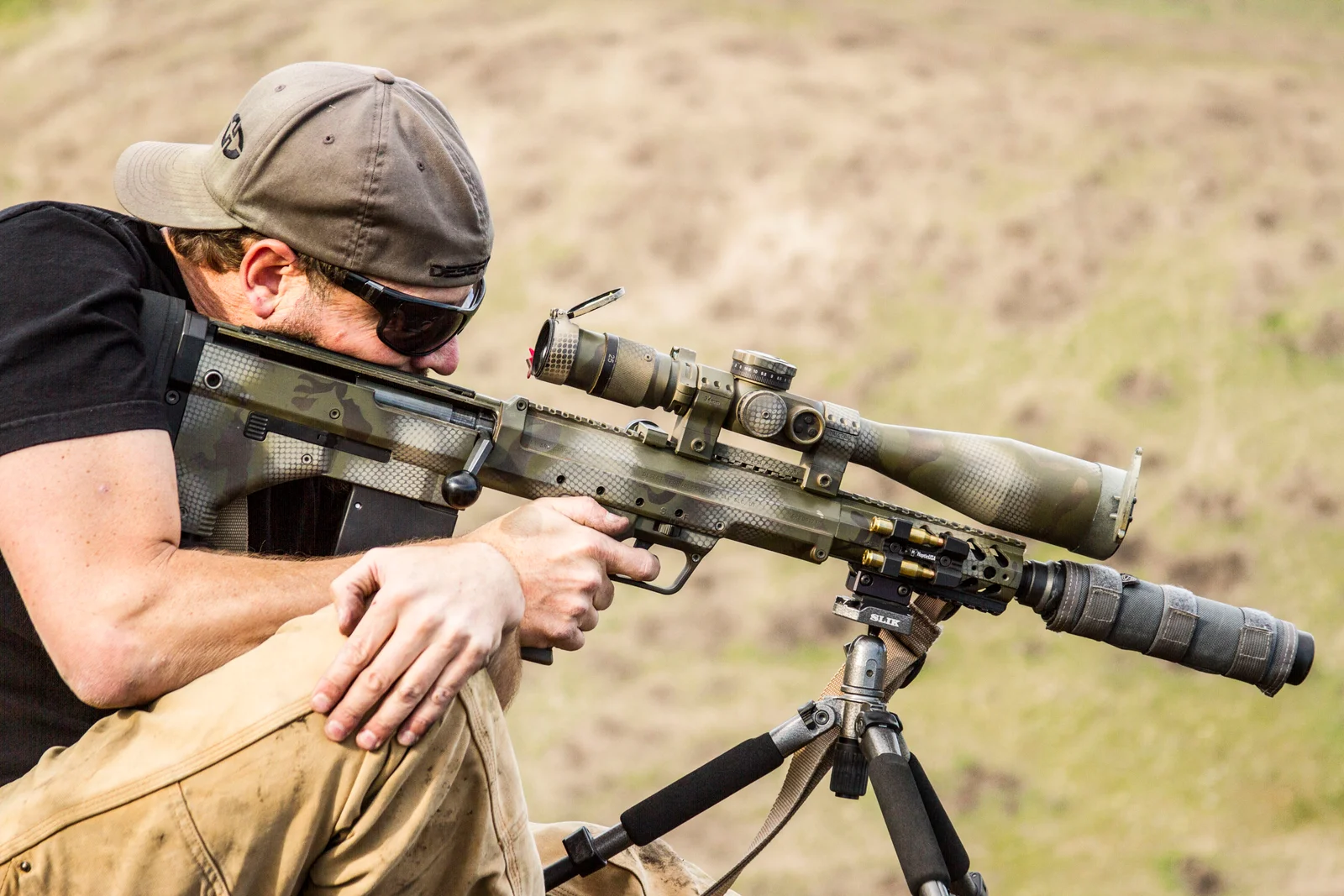
Buy the can that matches the host you shoot most. For a 5.56 AR, the Otter Creek Labs Polonium is the value pick and the SureFire SOCOM556-MINI4 is the best overall. The Dead Air Nomad 30 covers 5.56 through .300 Win Mag on one can, the Q Trash Panda is a compact titanium .300 Blackout can that mounts on Q's Cherry Bomb, the Rugged Obsidian 9 runs on a 9mm pistol with its included 1/2x28 piston, and the SilencerCo Sparrow 22 is the easiest first can for rimfire. The suppressor buying guide covers caliber, mounting, and which can to buy first.
Suppressor Picks by Caliber
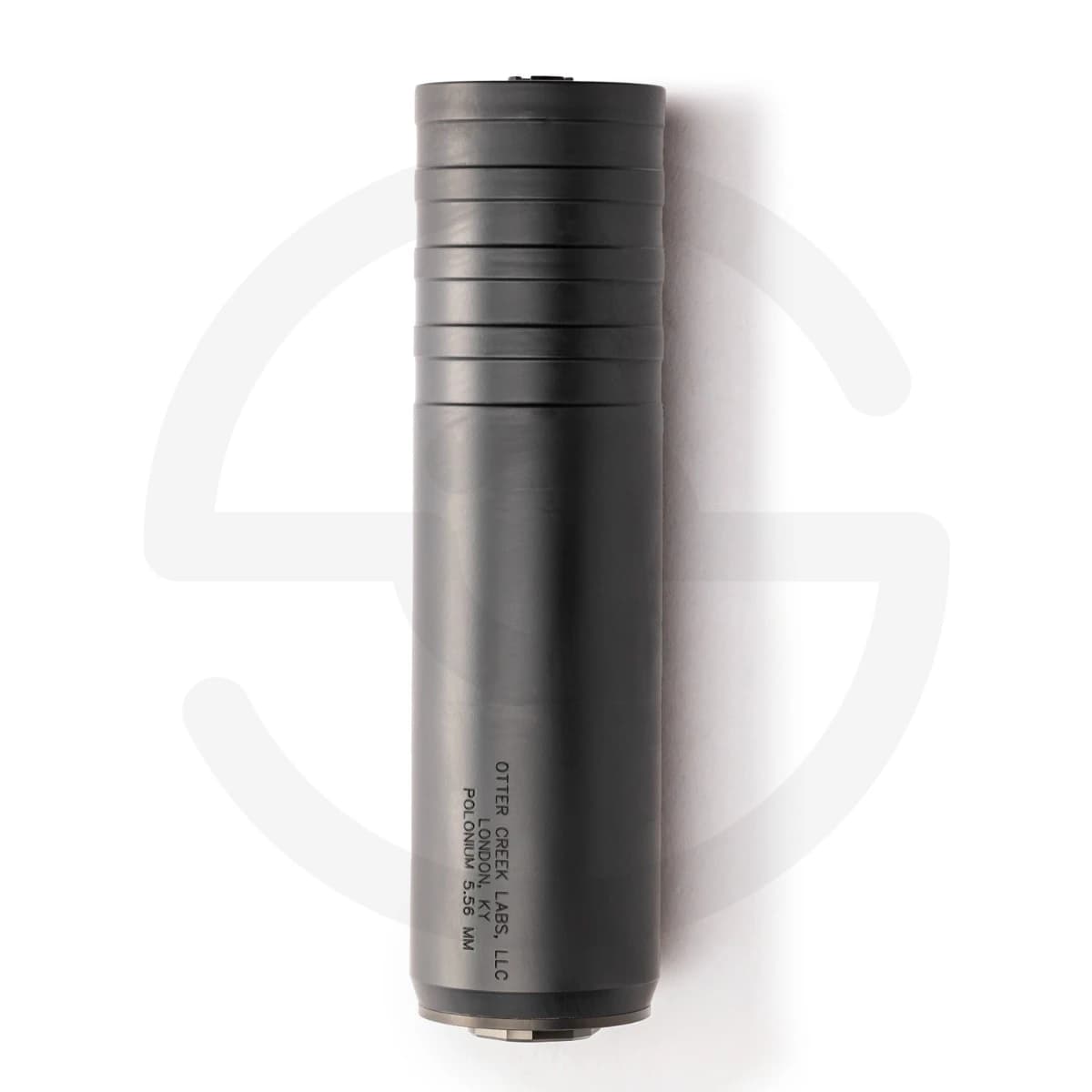
Otter Creek Labs Polonium
- Strong independent sound performance at a budget price
- HUB compatible with a direct-thread mount
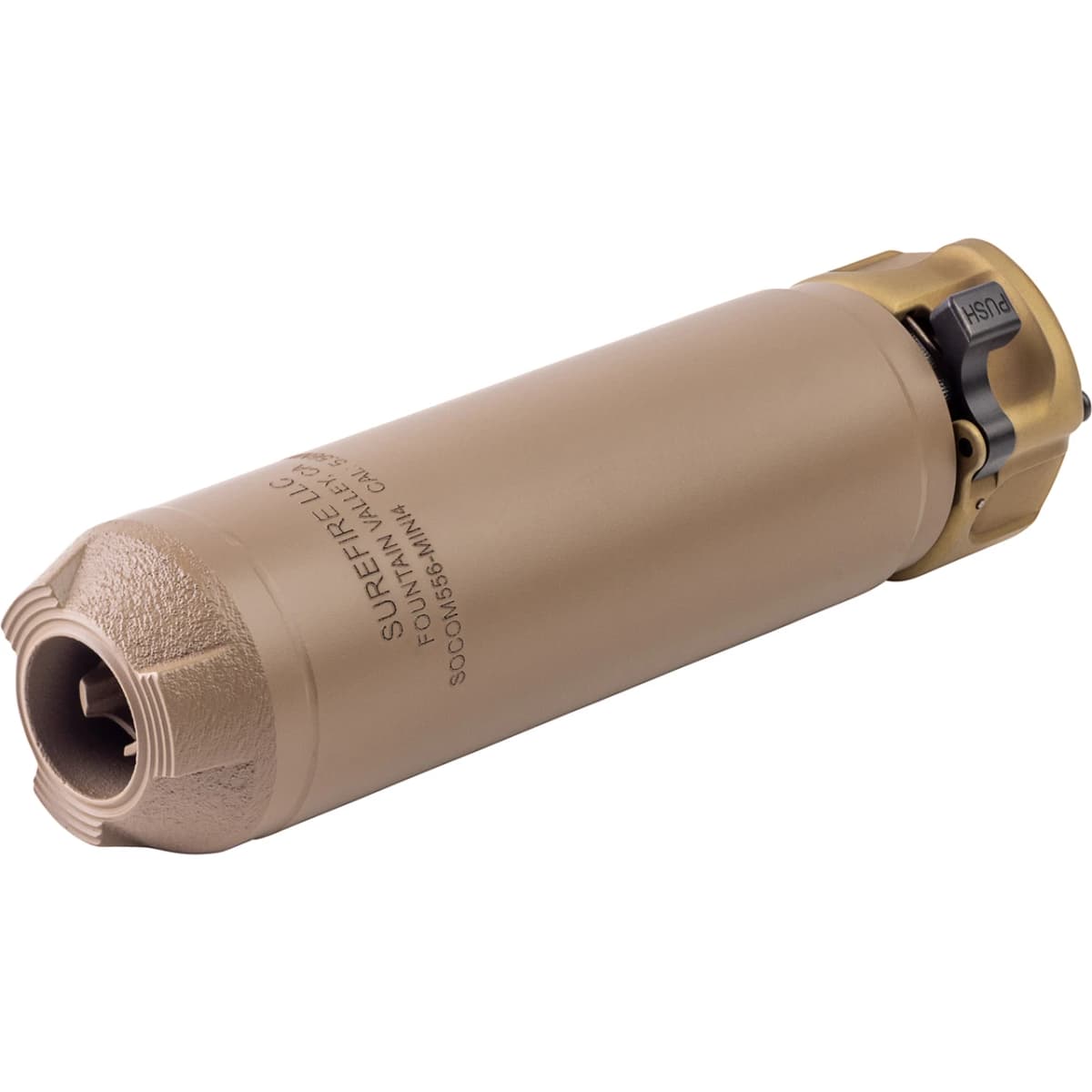
SureFire SOCOM556-MINI4
- Adds 3 inches, all-Inconel construction
- SOCOM-series Fast-Attach mounting
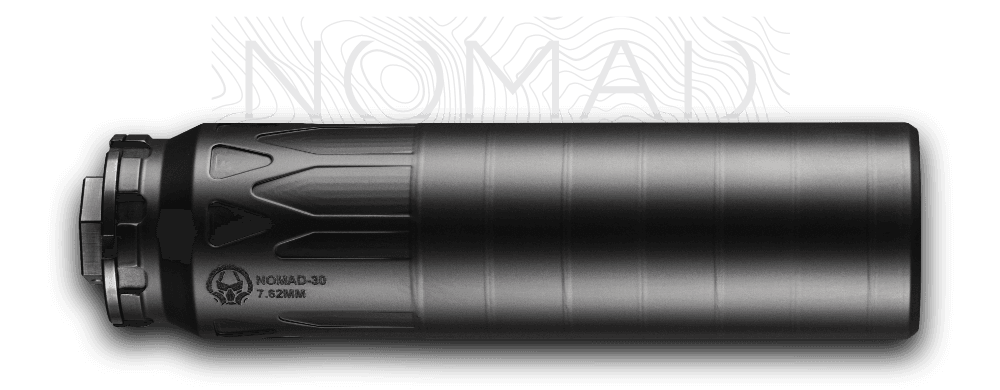
Dead Air Nomad 30
- Welded stainless, 5/8x24 mount included
- Runs 5.56, .300 BLK, .308, and .300 Win Mag
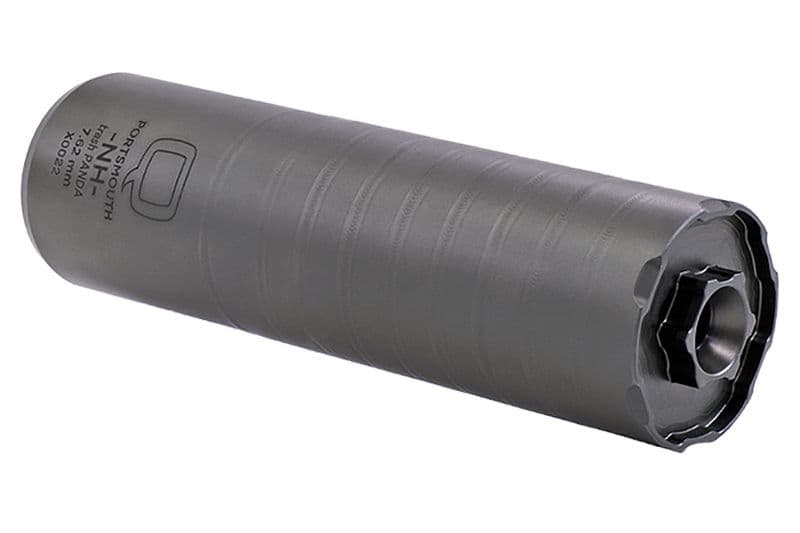
Q Trash Panda
- Purpose-built compact titanium .300 BLK can
- Mounts over a Cherry Bomb muzzle device
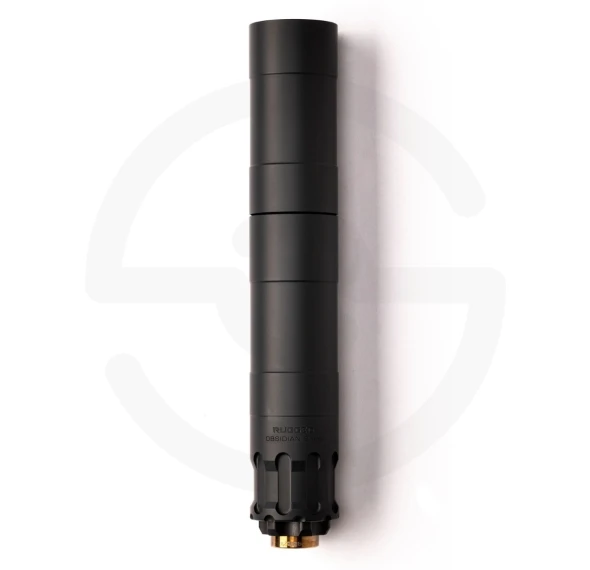
Rugged Obsidian 9
- Modular short or full length
- Includes a 1/2x28 piston for tilting-barrel handguns
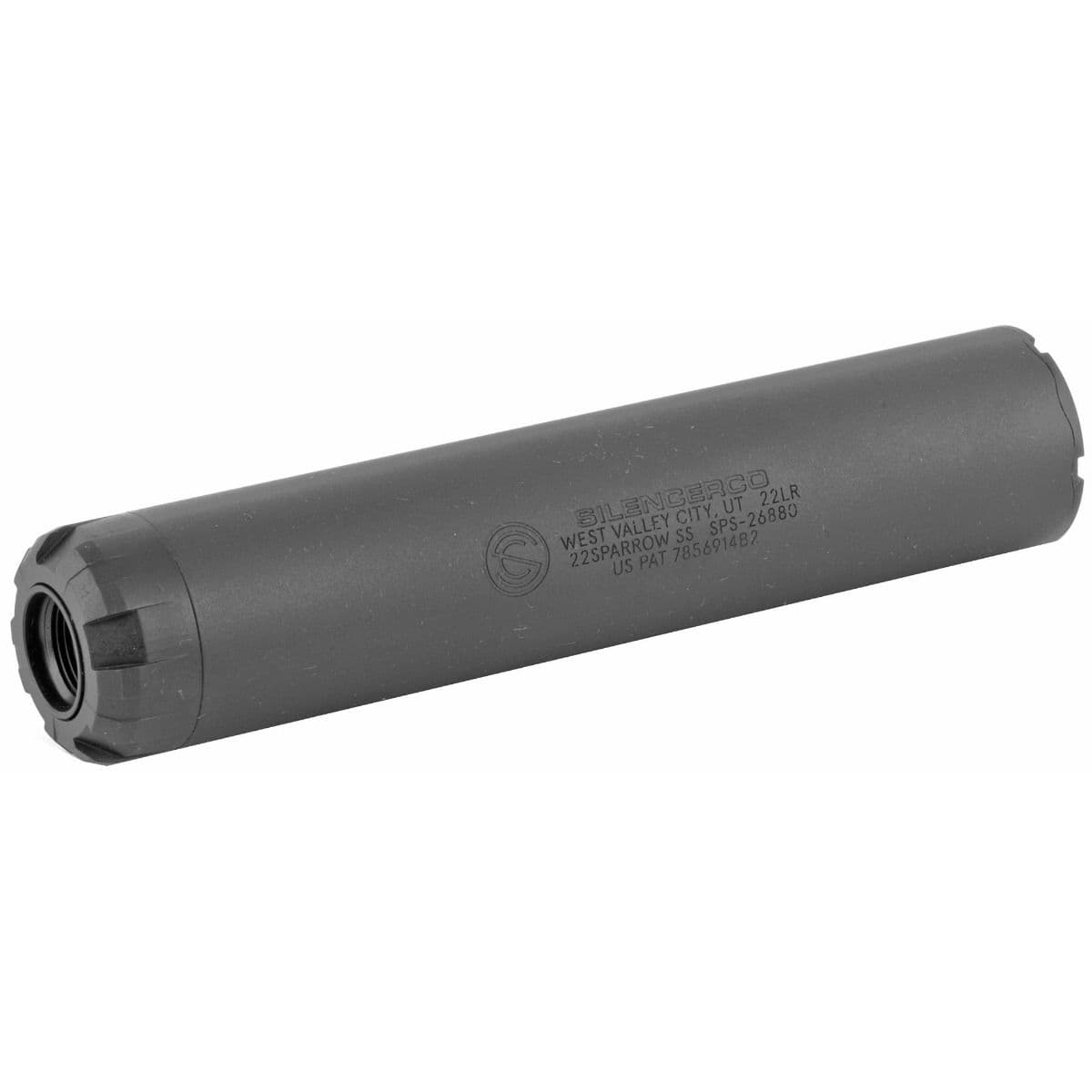
SilencerCo Sparrow 22
- Proven stainless monocore
- The easiest .22 can to clean
Affiliate links (?)
SBR Laws by State
Short-barreled rifle laws follow a different map from suppressor laws. SBRs are banned outright in 6 jurisdictions (California, Hawaii, New Jersey, New York, Rhode Island, and DC). SBR possession is tied to federal registration or federal-law compliance in 23 states: Alabama, Alaska, Arizona, Colorado, Florida, Georgia, Iowa, Louisiana, Maryland, Michigan, Missouri, Montana, Nebraska, Nevada, North Carolina, North Dakota, Ohio, Oklahoma, Oregon, South Carolina, Virginia, Washington, and Wisconsin. Connecticut, Delaware, Illinois, and Massachusetts have no registration tie but restrict common SBR configurations under separate rules. In the remaining 18, no state law covers short-barreled rifles, so federal law is the only layer.
Federally, ATF does not enforce Form 1, Form 4, or registration for SBRs, and it will not enforce the dealer-sale authorization in 18 U.S.C. 922(b)(4) until it writes a non-NFA approval process. A Form 20 is still required before taking an SBR across state lines, registered or not. In a tied state, a voluntary Form 1 registers the lower receiver, so let it clear before you install the short barrel. Our AR pistol to SBR conversion guide covers the parts and measurements, the best SBRs guide ranks factory options, and the state legality matrix covers braces, magazine limits, and assault-weapon rules that often decide whether a short rifle is legal.
- AlabamaState-law tieFederal compliance requiredWhat it meansPossessing a short-barreled rifle in violation of federal law is a Class C felony.
- AlaskaState-law tieRegistration requiredWhat it meansA rifle with a barrel under 16 inches is a prohibited weapon with the same NFA-registration defense as a suppressor.
- ArizonaState-law tieFederal compliance requiredWhat it meansA rifle with a barrel under 16 inches is a prohibited weapon unless it is possessed in compliance with federal law.
- ArkansasState-law tieNo state tieWhat it meansArkansas removed short-barreled rifles and shotguns from its prohibited-weapons law in 2019.
- CaliforniaState-law tieBannedWhat it meansPossessing a short-barreled rifle is prohibited; the only exceptions are law enforcement, the military, and rarely issued state DOJ permits.
- ColoradoState-law tieRegistration requiredWhat it meansA short rifle is a dangerous weapon with the same permit-and-license defense as a silencer.
- ConnecticutState-law tieRestricted, no registration tieWhat it meansNo SBR statute ties to federal registration, but a semi-auto centerfire rifle under 30 inches overall is a banned assault weapon.
- DelawareState-law tieRestricted, no registration tieStatute11 Del. C. §§ 1465(6), 1466What it meansNo SBR statute ties to federal registration, but a semi-auto centerfire rifle under 30 inches overall is a banned copycat weapon unless owned before June 30, 2022.
- FloridaState-law tieFederal compliance requiredStatuteFla. Stat. § 790.221What it meansPossessing a short-barreled rifle is a second-degree felony unless it is lawfully owned and possessed under federal law.
- GeorgiaState-law tieRegistration requiredWhat it meansA rifle with a barrel under 16 inches falls under the same ban and the same NFA-registration exception as a silencer.
- HawaiiState-law tieBannedStatuteHaw. Rev. Stat. § 134-8What it meansRifles with barrels under 16 inches are banned under the same statute as silencers, with no NFA exception.
- IdahoState-law tieNo state tieWhat it meansIdaho has no state short-barreled rifle restriction.
- IllinoisState-law tieRestricted, no registration tieWhat it meansShort-barreled rifles are banned except for holders of a federal Curio and Relic license and military re-enactors; NFA registration alone does not qualify.
- IndianaState-law tieNo state tieWhat it meansIndiana has no state short-barreled rifle restriction.
- IowaState-law tieFederal compliance requiredStatuteIowa Code § 724.1CWhat it meansKnowingly possessing a short-barreled rifle in violation of federal law is a class D felony.
- KansasState-law tieNo state tieWhat it meansKansas weapons law has no short-barreled rifle offense.
- KentuckyState-law tieNo state tieWhat it meansKentucky has no state short-barreled rifle restriction.
- LouisianaState-law tieRegistration requiredWhat it meansThe same unregistered-weapon ban covers rifles with barrels under 16 inches.
- MaineState-law tieNo state tieWhat it meansMaine has no short-barreled rifle statute.
- MarylandState-law tieRegistration requiredWhat it meansAn SBR is legal only if registered with the federal government, which the owner must prove; a semi-auto centerfire rifle under 29 inches overall is also a banned copycat weapon.
- MassachusettsState-law tieRestricted, no registration tieWhat it meansNo statute ties SBRs to federal registration, but a state firearms license is required and the assault-style firearm ban still applies.
- MichiganState-law tieFederal compliance requiredStatuteMich. Comp. Laws § 750.224bWhat it meansShort-barreled rifles are legal only if lawfully made, transferred, or possessed under federal law, and one over 26 inches must travel with its federal registration.
- MinnesotaState-law tieNo state tieWhat it meansMinnesota's short-barrel statute covers shotguns, not rifles.
- MississippiState-law tieNo state tieWhat it meansMississippi does not regulate SBR possession; carrying one concealed follows the pistol carry rules.
- MissouriState-law tieFederal compliance requiredWhat it meansPossessing a short-barreled rifle is a class D felony only when it violates federal law.
- MontanaState-law tieRegistration requiredWhat it meansA rifle cut below 16 inches of barrel or 26 inches overall is illegal unless the owner holds a valid federal tax stamp.
- NebraskaState-law tieFederal compliance requiredWhat it meansPossessing a short rifle is a Class IV felony unless you are qualified under federal law.
- NevadaState-law tieRegistration requiredStatuteNev. Rev. Stat. § 202.275What it meansPossessing a short-barreled rifle is a category D felony unless it is federally registered to you.
- New HampshireState-law tieNo state tieWhat it meansNew Hampshire has no short-barreled rifle statute.
- New JerseyState-law tieBannedWhat it meansNew Jersey's sawed-off shotgun definition includes rifles with barrels under 16 inches, and possession is a third-degree crime with no NFA exception.
- New MexicoState-law tieNo state tieWhat it meansNew Mexico has no short-barreled rifle statute.
- New YorkState-law tieBannedWhat it meansA rifle under 16 inches of barrel or 26 inches overall is a firearm New York will not license, so possession is a felony.
- North CarolinaState-law tieFederal compliance requiredWhat it meansThe same Class F felony and NFA-compliance exception cover rifles under 16 inches of barrel or 26 inches overall.
- North DakotaState-law tieFederal compliance requiredStatuteN.D. Cent. Code § 62.1-02-03What it meansPossessing a short-barreled rifle is a class C felony unless you comply with the NFA.
- OhioState-law tieRegistration requiredWhat it meansA short-barreled rifle is dangerous ordnance, a felony to possess unless it is registered in the NFRTR or covered by a state license.
- OklahomaState-law tieFederal compliance requiredStatute21 O.S. § 1289.18What it meansPossessing a sawed-off rifle is a felony unless it is lawfully possessed under federal law.
- OregonState-law tieRegistration requiredStatuteOr. Rev. Stat. § 166.272What it meansShort-barreled rifles fall under the same Class B felony and the same federal-registration defense.
- PennsylvaniaState-law tieNo state tieWhat it meansPennsylvania's offensive-weapons list covers short shotguns but not short-barreled rifles.
- Rhode IslandState-law tieBannedWhat it meansPossessing a rifle under 16 inches of barrel or 26 inches overall is banned with no NFA exception.
- South CarolinaState-law tieFederal compliance requiredWhat it meansPossessing a sawed-off rifle is a felony unless a federal agency has authorized you to possess it.
- South DakotaState-law tieNo state tieWhat it meansSouth Dakota's controlled-weapon list covers short shotguns and machine guns, not short rifles.
- TennesseeState-law tieNo state tieWhat it meansTennessee removed short-barrel rifles and shotguns from its prohibited-weapons list in 2022.
- TexasState-law tieNo state tieWhat it meansTexas removed short-barrel firearms from its prohibited-weapons statute effective September 1, 2025.
- UtahState-law tieNo state tieStatuteUtah Code § 76-11-203What it meansUtah does not ban short-barreled rifles, but concealing an unlawfully possessed one within reach is a second-degree felony.
- VermontState-law tieNo state tieWhat it meansVermont has no short-barreled rifle statute.
- VirginiaState-law tieFederal compliance requiredWhat it meansPossessing a sawed-off rifle is a Class 4 felony unless it is possessed in compliance with federal law.
- WashingtonState-law tieFederal compliance requiredWhat it meansShort-barreled rifles are legal if the owner complies with applicable federal law; a semi-auto rifle under 30 inches overall is an assault weapon that cannot be made or sold.
- West VirginiaState-law tieNo state tieWhat it meansWest Virginia has no short-barreled rifle statute.
- WisconsinState-law tieFederal compliance requiredStatuteWis. Stat. § 941.28(4)What it meansPossessing a short-barreled rifle is a Class H felony, but the statute exempts any firearm that may be lawfully possessed under federal law.
- WyomingState-law tieNo state tieWhat it meansWyoming has no short-barreled rifle statute.
- District of ColumbiaState-law tieBannedStatuteD.C. Code § 7-2502.02(a)(3)What it meansShort-barreled rifles cannot be registered in the District, and an unregistered firearm cannot be possessed.
| State | State-law tie | Statute | What it means |
|---|---|---|---|
| Alabama | Federal compliance required | Ala. Code §§ 13A-11-62, 13A-11-63 | Possessing a short-barreled rifle in violation of federal law is a Class C felony. |
| Alaska | Registration required | Alaska Stat. § 11.61.200(c), (h)(1)(D) | A rifle with a barrel under 16 inches is a prohibited weapon with the same NFA-registration defense as a suppressor. |
| Arizona | Federal compliance required | Ariz. Rev. Stat. §§ 13-3101(A)(8)(a)(iv), (B) | A rifle with a barrel under 16 inches is a prohibited weapon unless it is possessed in compliance with federal law. |
| Arkansas | No state tie | Ark. Code § 5-73-104 (short rifles removed by Act 1051 of 2019) | Arkansas removed short-barreled rifles and shotguns from its prohibited-weapons law in 2019. |
| California | Banned | Cal. Penal Code §§ 17170, 33215 | Possessing a short-barreled rifle is prohibited; the only exceptions are law enforcement, the military, and rarely issued state DOJ permits. |
| Colorado | Registration required | Colo. Rev. Stat. §§ 18-12-101(1)(h), 18-12-102 | A short rifle is a dangerous weapon with the same permit-and-license defense as a silencer. |
| Connecticut | Restricted, no registration tie | Conn. Gen. Stat. § 53-202a(1)(E)(iii) | No SBR statute ties to federal registration, but a semi-auto centerfire rifle under 30 inches overall is a banned assault weapon. |
| Delaware | Restricted, no registration tie | 11 Del. C. §§ 1465(6), 1466 | No SBR statute ties to federal registration, but a semi-auto centerfire rifle under 30 inches overall is a banned copycat weapon unless owned before June 30, 2022. |
| Florida | Federal compliance required | Fla. Stat. § 790.221 | Possessing a short-barreled rifle is a second-degree felony unless it is lawfully owned and possessed under federal law. |
| Georgia | Registration required | Ga. Code §§ 16-11-121, 16-11-124(4) | A rifle with a barrel under 16 inches falls under the same ban and the same NFA-registration exception as a silencer. |
| Hawaii | Banned | Haw. Rev. Stat. § 134-8 | Rifles with barrels under 16 inches are banned under the same statute as silencers, with no NFA exception. |
| Idaho | No state tie | Idaho Code tit. 18, ch. 33 (no short-barreled rifle provision) | Idaho has no state short-barreled rifle restriction. |
| Illinois | Restricted, no registration tie | 720 ILCS 5/24-1(a)(7), 5/24-2(c)(7) | Short-barreled rifles are banned except for holders of a federal Curio and Relic license and military re-enactors; NFA registration alone does not qualify. |
| Indiana | No state tie | Ind. Code 35-47-5 (no short-barreled rifle provision) | Indiana has no state short-barreled rifle restriction. |
| Iowa | Federal compliance required | Iowa Code § 724.1C | Knowingly possessing a short-barreled rifle in violation of federal law is a class D felony. |
| Kansas | No state tie | K.S.A. 21-6301 (no short-barreled rifle provision) | Kansas weapons law has no short-barreled rifle offense. |
| Kentucky | No state tie | KRS chs. 237 and 527 (no short-barreled rifle provision) | Kentucky has no state short-barreled rifle restriction. |
| Louisiana | Registration required | La. Rev. Stat. §§ 40:1781(3), 40:1785 | The same unregistered-weapon ban covers rifles with barrels under 16 inches. |
| Maine | No state tie | 17-A M.R.S. § 1051 (machine guns only) | Maine has no short-barreled rifle statute. |
| Maryland | Registration required | Md. Code, Pub. Safety § 5-203; Crim. Law § 4-303 | An SBR is legal only if registered with the federal government, which the owner must prove; a semi-auto centerfire rifle under 29 inches overall is also a banned copycat weapon. |
| Massachusetts | Restricted, no registration tie | Mass. Gen. Laws ch. 140, § 121; ch. 269, § 10(c) | No statute ties SBRs to federal registration, but a state firearms license is required and the assault-style firearm ban still applies. |
| Michigan | Federal compliance required | Mich. Comp. Laws § 750.224b | Short-barreled rifles are legal only if lawfully made, transferred, or possessed under federal law, and one over 26 inches must travel with its federal registration. |
| Minnesota | No state tie | Minn. Stat. § 609.67 (shotguns and machine guns only) | Minnesota's short-barrel statute covers shotguns, not rifles. |
| Mississippi | No state tie | Miss. Code Ann. § 97-37-1 (concealed carry only) | Mississippi does not regulate SBR possession; carrying one concealed follows the pistol carry rules. |
| Missouri | Federal compliance required | Mo. Rev. Stat. § 571.020.1(6)(b) | Possessing a short-barreled rifle is a class D felony only when it violates federal law. |
| Montana | Registration required | Mont. Code Ann. § 45-8-340(3)(f) | A rifle cut below 16 inches of barrel or 26 inches overall is illegal unless the owner holds a valid federal tax stamp. |
| Nebraska | Federal compliance required | Neb. Rev. Stat. §§ 28-1201(15), 28-1203(2) | Possessing a short rifle is a Class IV felony unless you are qualified under federal law. |
| Nevada | Registration required | Nev. Rev. Stat. § 202.275 | Possessing a short-barreled rifle is a category D felony unless it is federally registered to you. |
| New Hampshire | No state tie | RSA ch. 159 (no short-barreled rifle provision) | New Hampshire has no short-barreled rifle statute. |
| New Jersey | Banned | N.J. Stat. §§ 2C:39-1(o), 2C:39-3(b) | New Jersey's sawed-off shotgun definition includes rifles with barrels under 16 inches, and possession is a third-degree crime with no NFA exception. |
| New Mexico | No state tie | NMSA 1978, ch. 30, art. 7 (no short-barreled rifle provision) | New Mexico has no short-barreled rifle statute. |
| New York | Banned | N.Y. Penal Law §§ 265.00(3), 265.01-b | A rifle under 16 inches of barrel or 26 inches overall is a firearm New York will not license, so possession is a felony. |
| North Carolina | Federal compliance required | N.C. Gen. Stat. § 14-288.8(b)(5), (c)(3) | The same Class F felony and NFA-compliance exception cover rifles under 16 inches of barrel or 26 inches overall. |
| North Dakota | Federal compliance required | N.D. Cent. Code § 62.1-02-03 | Possessing a short-barreled rifle is a class C felony unless you comply with the NFA. |
| Ohio | Registration required | Ohio Rev. Code §§ 2923.11(F), 2923.17(C)(5) | A short-barreled rifle is dangerous ordnance, a felony to possess unless it is registered in the NFRTR or covered by a state license. |
| Oklahoma | Federal compliance required | 21 O.S. § 1289.18 | Possessing a sawed-off rifle is a felony unless it is lawfully possessed under federal law. |
| Oregon | Registration required | Or. Rev. Stat. § 166.272 | Short-barreled rifles fall under the same Class B felony and the same federal-registration defense. |
| Pennsylvania | No state tie | 18 Pa. Cons. Stat. § 908(c) (no short-barreled rifle provision) | Pennsylvania's offensive-weapons list covers short shotguns but not short-barreled rifles. |
| Rhode Island | Banned | R.I. Gen. Laws §§ 11-47-2, 11-47-8(b) | Possessing a rifle under 16 inches of barrel or 26 inches overall is banned with no NFA exception. |
| South Carolina | Federal compliance required | S.C. Code §§ 16-23-230, 16-23-250 | Possessing a sawed-off rifle is a felony unless a federal agency has authorized you to possess it. |
| South Dakota | No state tie | S.D. Codified Laws §§ 22-1-2(8), 22-14-6 | South Dakota's controlled-weapon list covers short shotguns and machine guns, not short rifles. |
| Tennessee | No state tie | Tenn. Code Ann. § 39-17-1302 (short-barrel rifles removed in 2022) | Tennessee removed short-barrel rifles and shotguns from its prohibited-weapons list in 2022. |
| Texas | No state tie | Tex. Penal Code § 46.05 (short-barrel firearms removed by SB 1596, 2025) | Texas removed short-barrel firearms from its prohibited-weapons statute effective September 1, 2025. |
| Utah | No state tie | Utah Code § 76-11-203 | Utah does not ban short-barreled rifles, but concealing an unlawfully possessed one within reach is a second-degree felony. |
| Vermont | No state tie | 13 V.S.A. ch. 85 (no short-barreled rifle provision) | Vermont has no short-barreled rifle statute. |
| Virginia | Federal compliance required | Va. Code §§ 18.2-300(B), 18.2-303.1 | Possessing a sawed-off rifle is a Class 4 felony unless it is possessed in compliance with federal law. |
| Washington | Federal compliance required | Wash. Rev. Code § 9.41.190(2) | Short-barreled rifles are legal if the owner complies with applicable federal law; a semi-auto rifle under 30 inches overall is an assault weapon that cannot be made or sold. |
| West Virginia | No state tie | W. Va. Code ch. 61, art. 7 (no short-barreled rifle provision) | West Virginia has no short-barreled rifle statute. |
| Wisconsin | Federal compliance required | Wis. Stat. § 941.28(4) | Possessing a short-barreled rifle is a Class H felony, but the statute exempts any firearm that may be lawfully possessed under federal law. |
| Wyoming | No state tie | Wyo. Stat. tit. 6, ch. 8 (no short-barreled rifle provision) | Wyoming has no short-barreled rifle statute. |
| District of Columbia | Banned | D.C. Code § 7-2502.02(a)(3) | Short-barreled rifles cannot be registered in the District, and an unregistered firearm cannot be possessed. |
Why Compliance States Are Not Safe Yet
A state law that allows a suppressor possessed "in compliance with federal law" sounds like it follows ATF wherever ATF goes. It does not. The NFA still makes possessing an unregistered suppressor or SBR unlawful under 26 U.S.C. 5861(d); the Justice Department has only decided not to prosecute it. Choosing not to enforce a statute is not the same as complying with it, and ATF's own letter says it cannot opine on whether an unregistered item held under its enforcement discretion counts as lawfully held for state purposes.
Two attorneys general have spoken since the August ruling. Montana's told prosecutors on August 27, 2026 that possessing an unregistered silencer remains a felony under Montana law and that hunting suppressors must be ATF-registered. Georgia's wrote on October 2, 2026 that his office reads Georgia's registration exception to cover people protected by the Silencer Shop injunction, and said that reading does not bind the state's 50 district attorneys. As of October 9, 2026, no state had said that an item left unregistered under ATF's nationwide policy satisfies a registration or compliance requirement, so how these states will treat one is genuinely unsettled. The voluntary eForm 4 is the only way to be certain, and it costs nothing in tax.
Traveling Across State Lines
The state that matters is every state you pass through, not just the one you live in. ATF warns it is unclear whether state courts will apply the federal transport safe harbor in 18 U.S.C. 926A to an unregistered NFA item, so an unregistered suppressor driven through a registration-keyed state carries that state's risk. A suppressor needs no Form 20 to travel. An SBR does, registered or not.
Why Registering Still Makes Sense
ATF's change is enforcement discretion, not repeal. ATF says enforcement could resume if Congress imposes a new tax, the Silencer Shop Foundation v. ATF injunction is dissolved or overturned, or the department rescinds its guidance, and unregistered items would then be contraband with no automatic grandfathering. A registered suppressor or SBR stays federally lawful under every one of those outcomes and satisfies every state registration or compliance condition; state hunting, use, and configuration rules still apply on top. Since January 1, 2026 the federal making and transfer tax on both is $0, so registering costs the ATF wait plus any dealer, fingerprint, or photo fees.
Track State NFA Laws
When a state changes its suppressor or SBR law, or an attorney general weighs in on unregistered items, we update this table and send a short brief.