Key Takeaways
- →Very soft single-stage: In semi-auto mode the LAT breaks at 3 to 3.5 lbs with a little take-up and then a clean break, exactly the marksman-grade pull The Triggered Company promised at its July 4, 2026 launch.
- →No defined wall: There is no firm stop to stage against. Pressure builds briefly and the trigger just breaks, which is the trade-off of the light pull.
- →500 rounds, zero malfunctions: a full session of PMC X-TAC XM193 through a Daniel Defense M4A1 Block II on an H3 buffer with no stoppages, no dead trigger, identical function in both selector positions, and last-round bolt hold-open every magazine.
- →Different character from the Disruptor: The current-revision Disruptor feels almost like a two-stage with a very defined wall; the LAT is softer, lighter, and wall-free. Which one you prefer is a genuine preference call.
- →Identical installation: Same drop-in cassette format as the Disruptor with anti-walk pins included, an M16-profile BCG required, and an H2 buffer minimum (H3 for 16-inch and shorter barrels).
- →Verdict, 4/5: Buy the LAT ($324.99) if you want the lightweight marksman pull; stick with the Disruptor ($275) if its standard trigger already suits you.
- Semi-Auto Pull
- 3-3.5lbFactory spec
- Rounds Fired
- 500rdsPMC X-TAC, zero malfunctions
- Rating
- 4/5Hands-on verdict
- Single-Side MSRP
- $349.99$375 ambidextrous
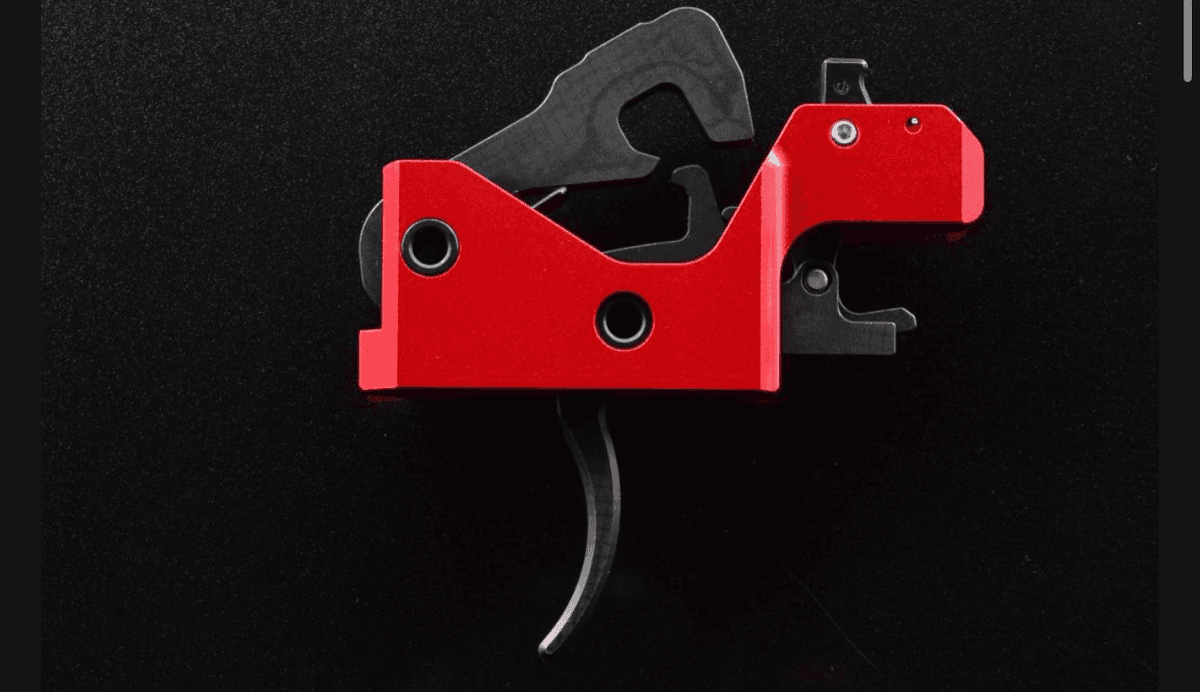
The Triggered Company LAT FRT
Match-grade assisted reset FRT, a refinement of the Disruptor with a cleaner 3-3.5 lb pull and 17-4 stainless internals
- +Lighter, cleaner semi-auto pull than the Disruptor (3-3.5 lb vs 3.75-4.1 lb)
- +Selector fully disables the assisted reset in semi mode for a true single-stage break
- +17-4 stainless construction is an upgrade over the Disruptor's tool steel
- −Priced at a premium over the Disruptor
- −Requires H2/H3 buffer for carbine-length guns (additional cost)
- −State and local FRT restrictions still apply
Affiliate links (?)
What the LAT Is
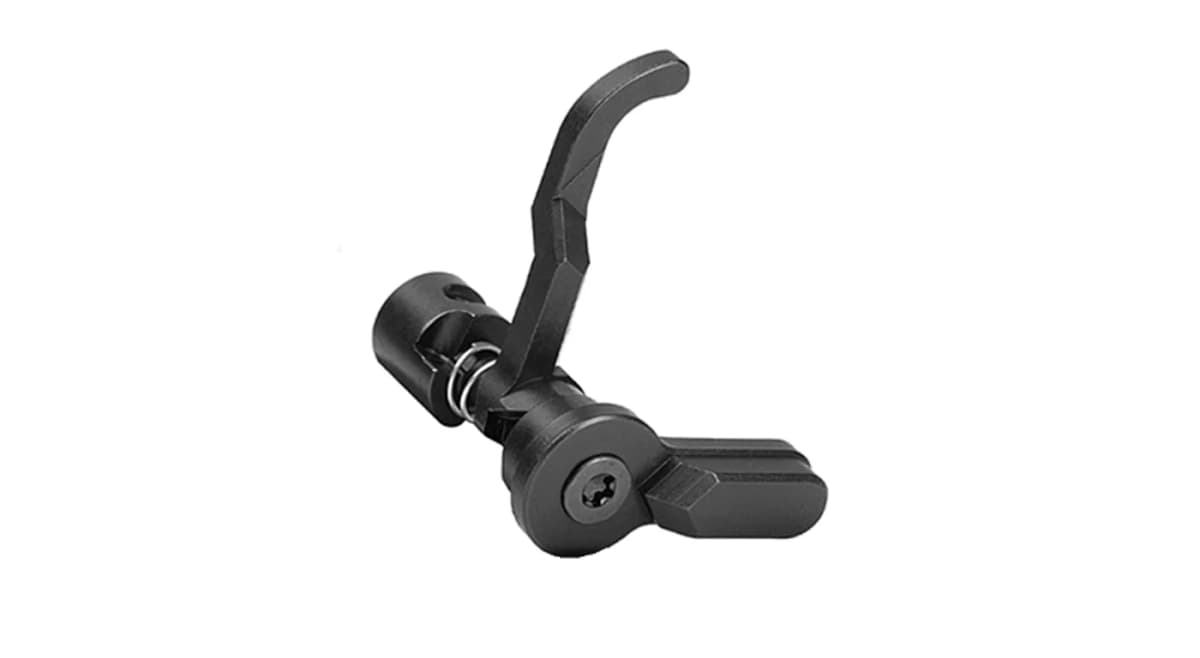
The LAT is The Triggered Company's match-grade, 3-position AR-15 forced reset trigger, and its defining feature is that the selector fully disables the assisted reset system in standard semi-auto mode. That separate reset lever, carried over from the original TacCon 3MR architecture, is what lets the LAT deliver a true light single-stage break in semi while keeping the same forced-reset third position as the Disruptor. Our launch coverage of the LAT's specs and pricing covers the mechanical background; this piece is about how the trigger actually feels in hand.
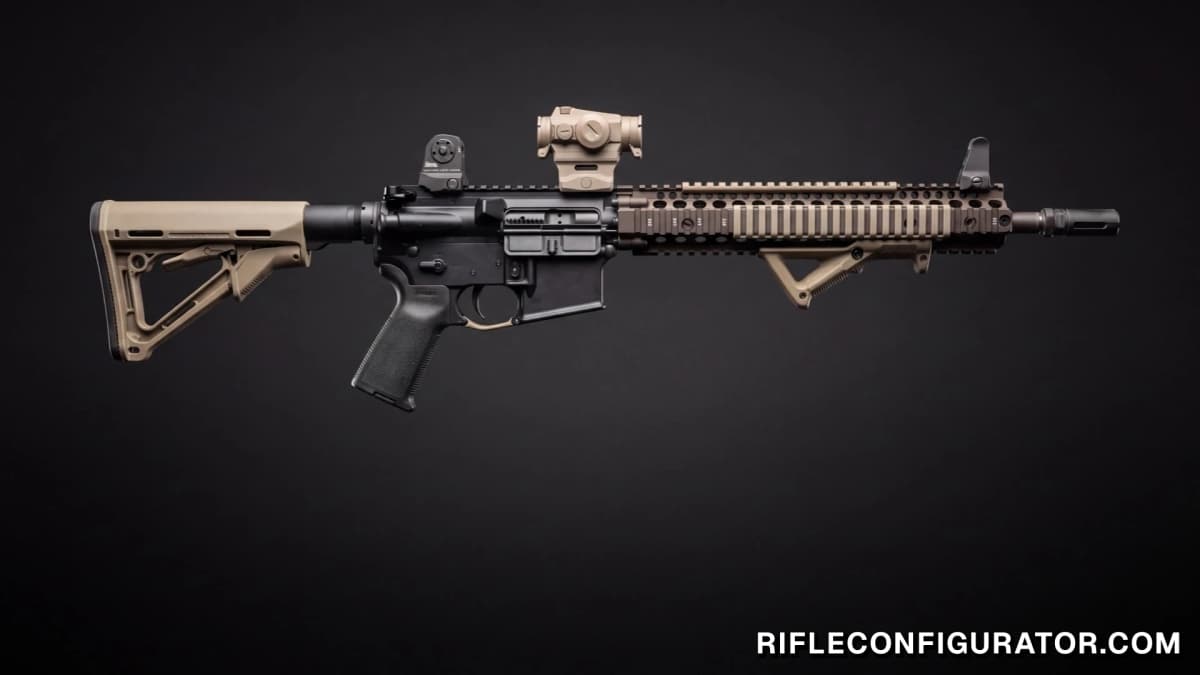
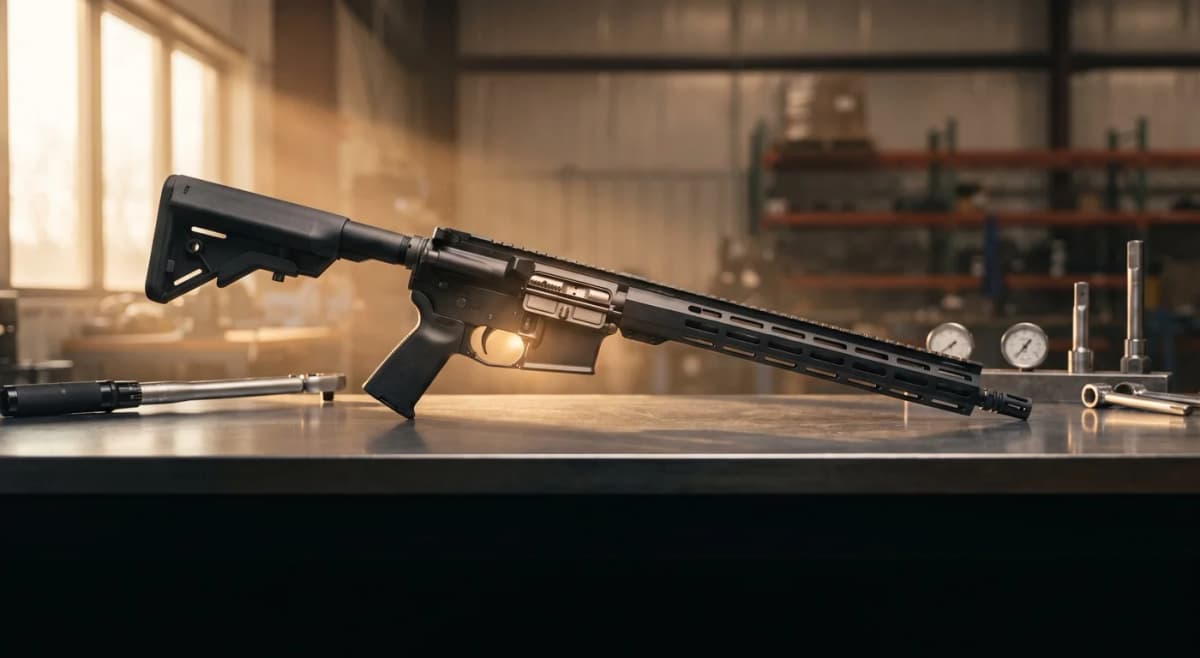
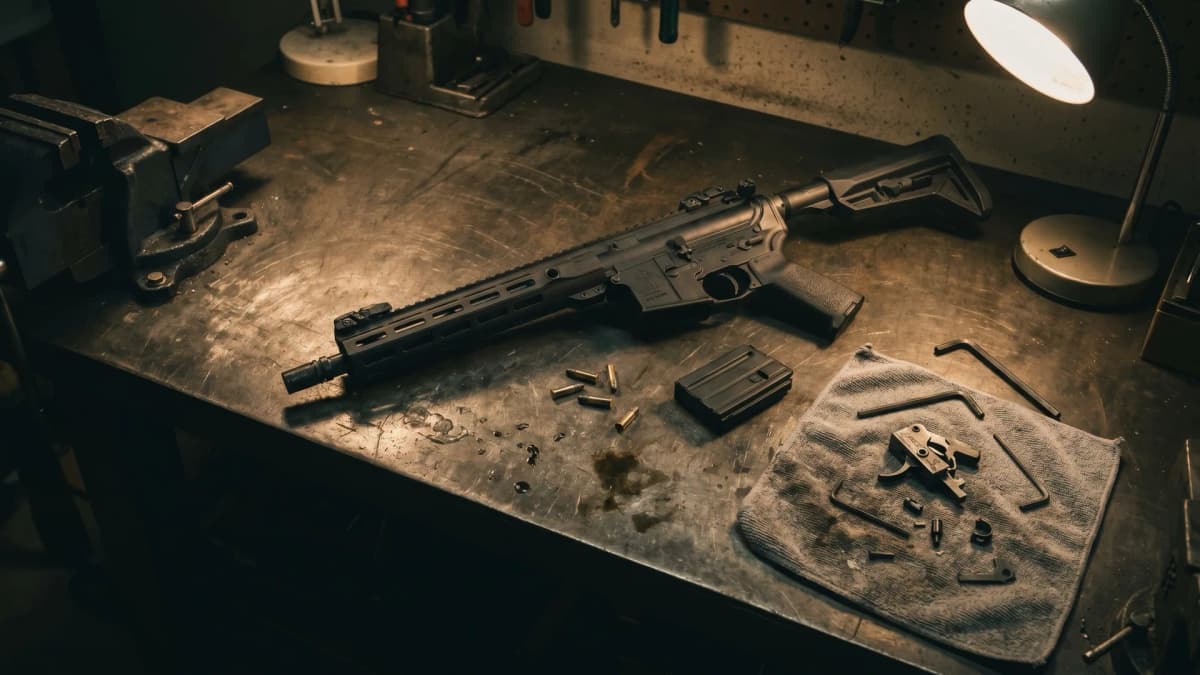
Our unit lives in a Daniel Defense M4A1 Block II carbine on an H3 buffer, which is the setup this review is written from: a 14.5-inch barrel behind carbine gas, the factory M16-profile bolt carrier group, and 500 rounds through the trigger to date. The LAT's headline claim is the quality of its semi-auto break, and handling is what measures that. What the range session adds is the other half of the question, whether a trigger this light stays honest for a full day of shooting.
How the 3 lb Semi-Auto Break Feels
The LAT's semi-auto pull is very soft: a short stretch of light take-up, then the break, with no defined wall in between. The factory spec is 3 to 3.5 lbs and our unit sits at the light end of that range in hand. There is no firm stop to stage against the way there is on a two-stage match trigger; pressure builds briefly and the shot just goes. The reset is short and positive.
That wall-free character is the whole personality of this trigger, and it cuts both ways. For slow, deliberate marksman work the light rolling break is easy to press without disturbing the sights, which is precisely the use case The Triggered Company built it for. Shooters trained to ride a wall and break the shot from a hard stop will find nothing to index against. Neither reaction is wrong; it is the same split that divides single-stage and two-stage shooters on conventional triggers, and our AR-15 trigger guide breaks down that decision in depth.
500 Rounds With It: No Malfunctions
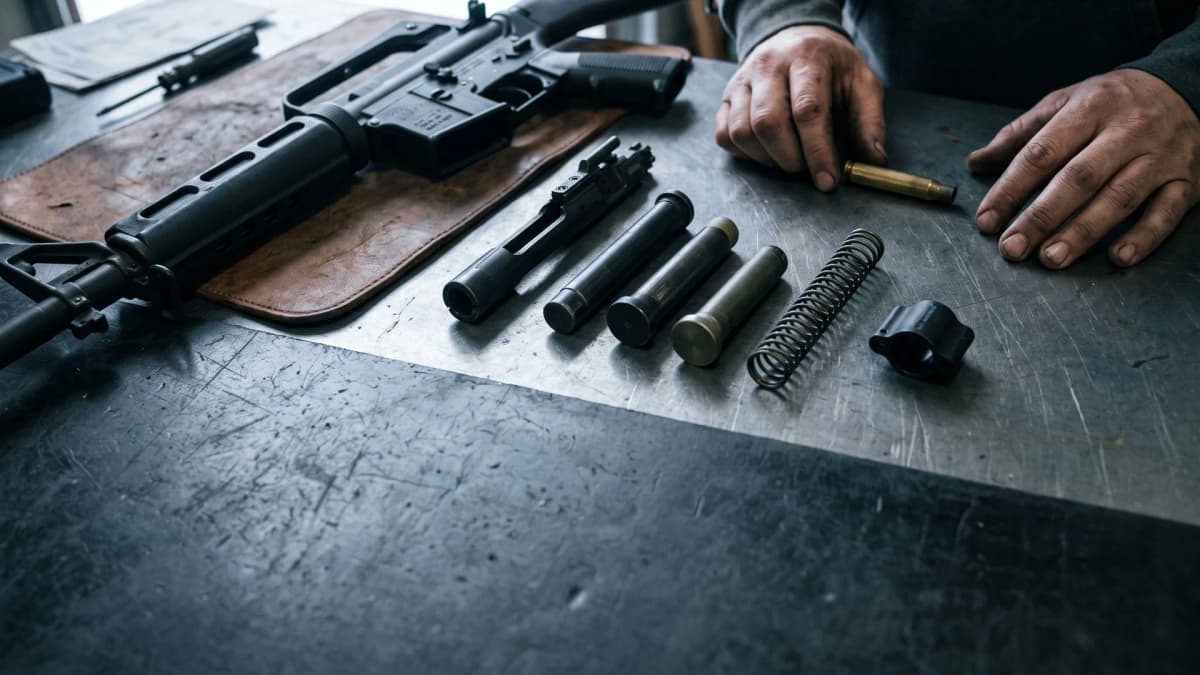
The LAT has since gone through a full 500-round session of PMC X-TAC 55-grain XM193 in the Block II on an H3 buffer, and it produced nothing worth writing down: no failures to feed, no failures to extract or eject, no dead trigger, and no doubling. The bolt locked back on the last round of every magazine, which on a forced reset host is the tell that the buffer mass is inside the window rather than past it. On an FRT that round count carries more information than a group size, because timing problems announce themselves in the first few magazines or not at all.
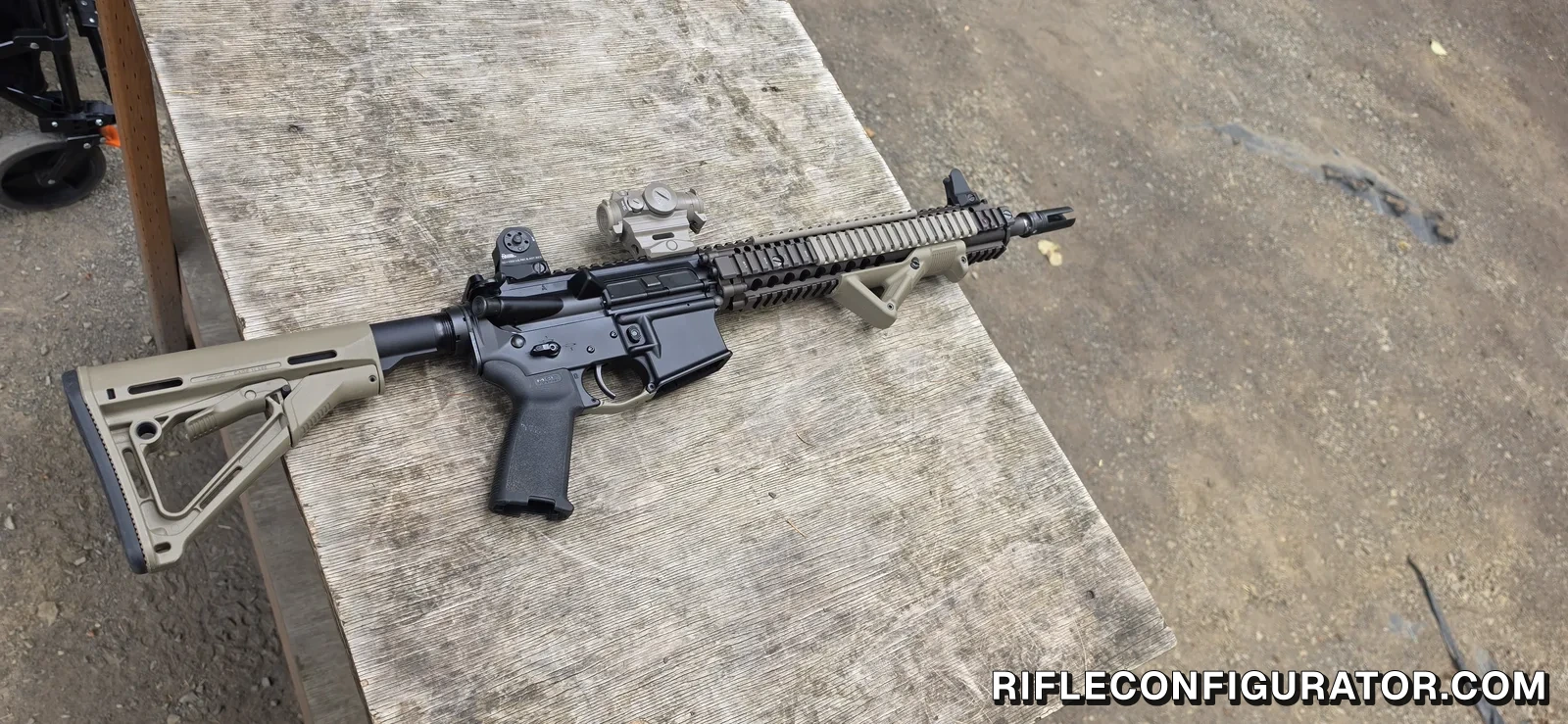
Function was identical in both selector positions. In standard semi the light break stayed where it started, with the same short take-up and the same clean reset at the end of the day as at the beginning, and there was no break-in period to sit through: the LAT is grit-free out of the package in a way the current Disruptor cassette is not. In the third position the assisted reset drove the trigger back against the finger at one round per function for the length of every magazine, and switching between the two mid-session never needed a warm-up.
The one honest caveat from live fire is the same thing the bench handling flags. With no wall to index against, a 3 lb break is easy to press through faster than intended when you are moving quickly, and the trigger will happily take a shot you were still setting up. That is the cost of the pull weight, not a defect, and it is the strongest practical argument for the heavier Disruptor if your shooting is closer to duty pace than slow fire.
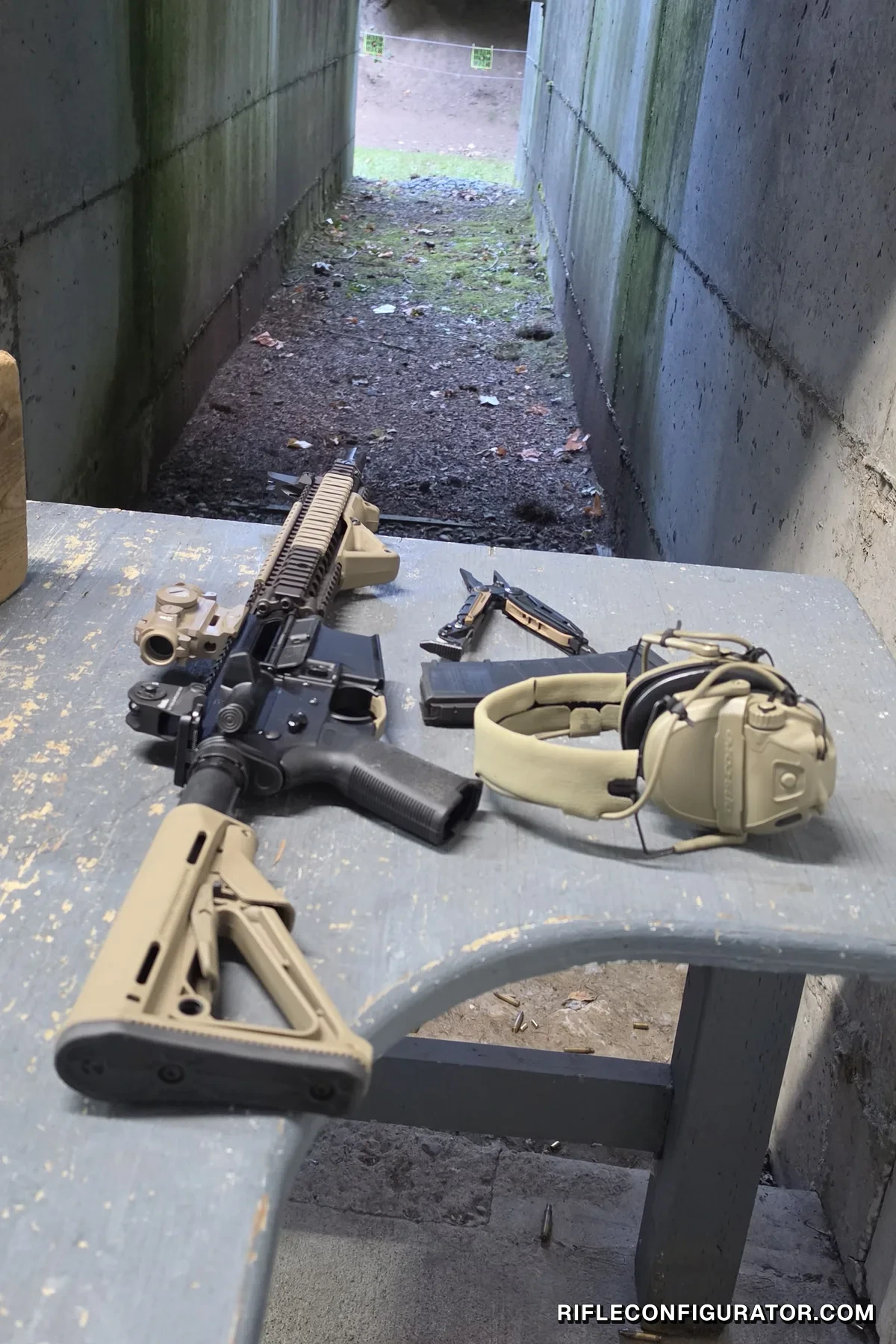
None of this is a durability verdict yet, and 500 rounds is not one. The reference point for the long run is the manufacturer data: the design is validated past 6,000 rounds under a course of fire derived from the USMC M27 IAR evaluation criteria. What the session establishes is that the LAT does not trade away function for its light pull on a host that already has the carrier and the gas right.
LAT vs Disruptor In Hand
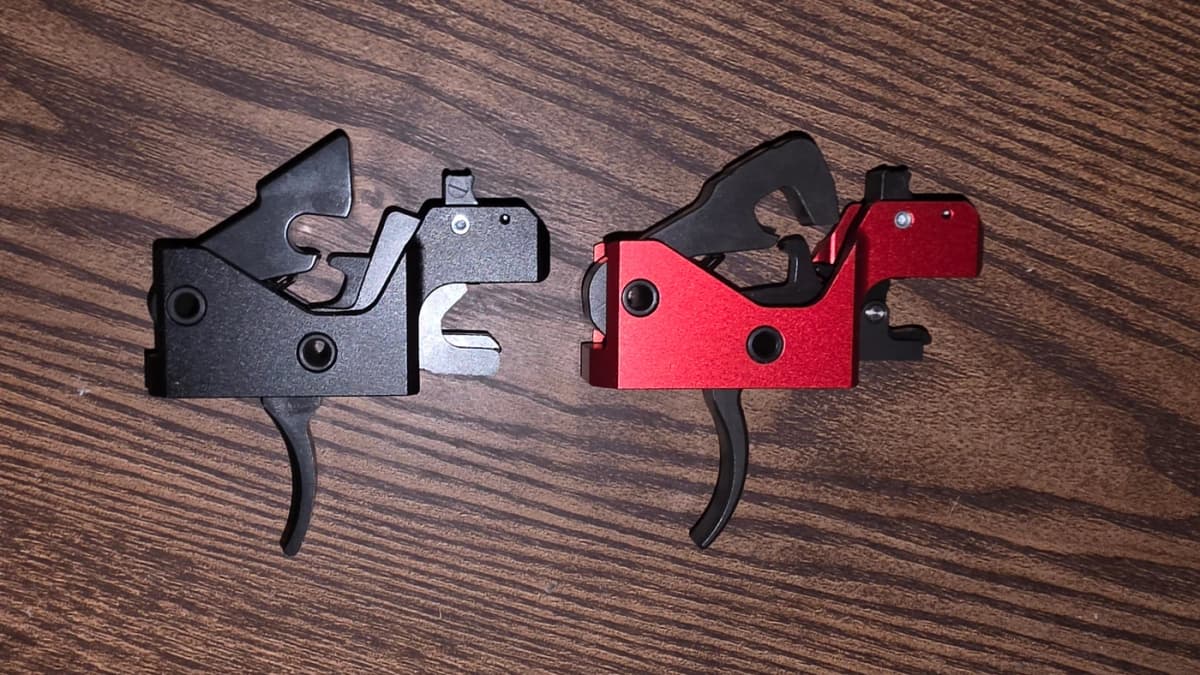
Side by side, the two triggers feel like different products rather than two grades of the same one. The current-revision Disruptor cassette breaks almost like a two-stage: gritty take-up, then a very defined wall, then the break. The Triggered Company says the grit smooths out with break-in. The LAT is the opposite: softer, lighter, no grit, and no wall at all.
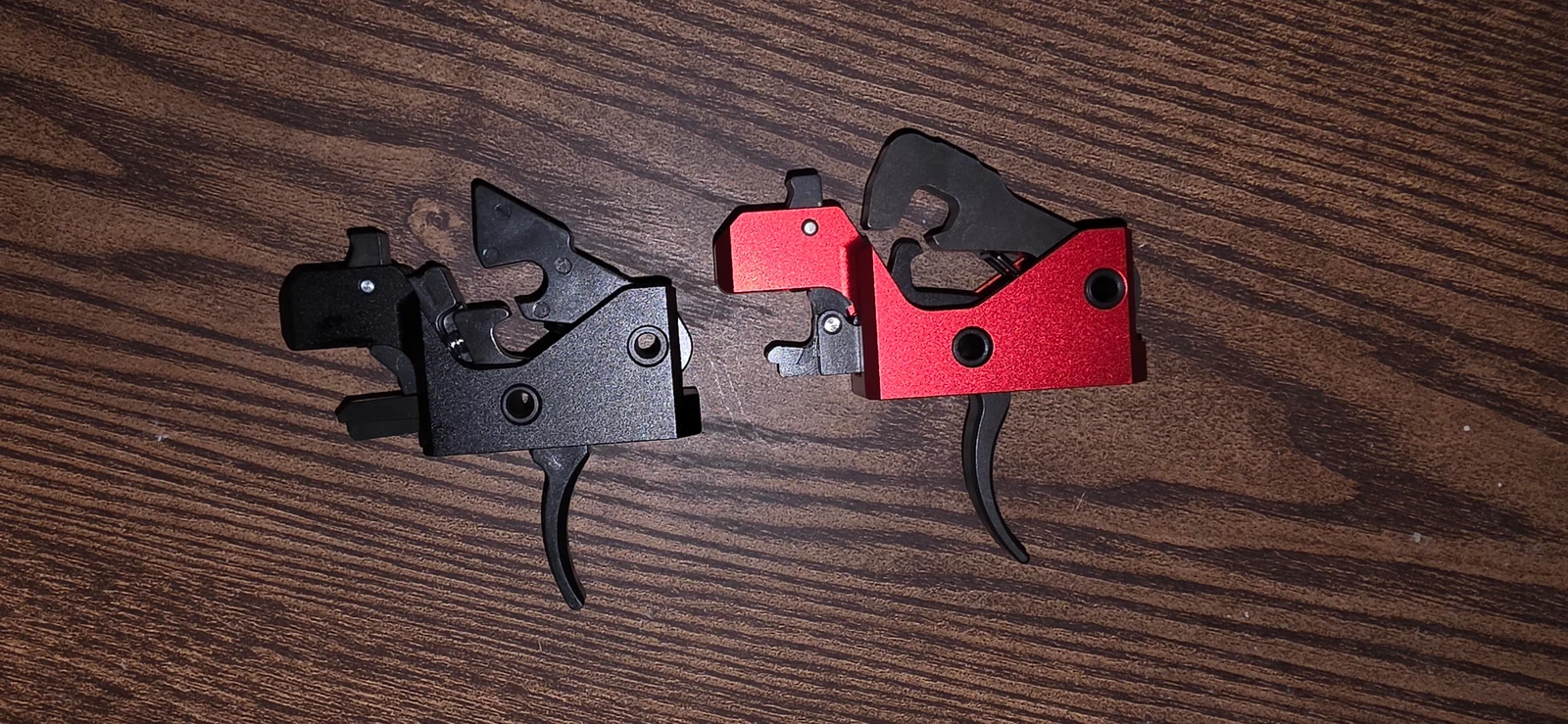
Honest take from handling both: the Disruptor's defined wall is genuinely likable, and if you stage your shots off a wall you may prefer it outright, grit and all. The LAT wins on pure break weight and smoothness. In the third selector position the two run the same assisted-reset function, so the choice comes down entirely to which semi-auto trigger you want to live with, and at $275 the Disruptor keeps the value argument. Our full Disruptor review covers that trigger's range record in detail.
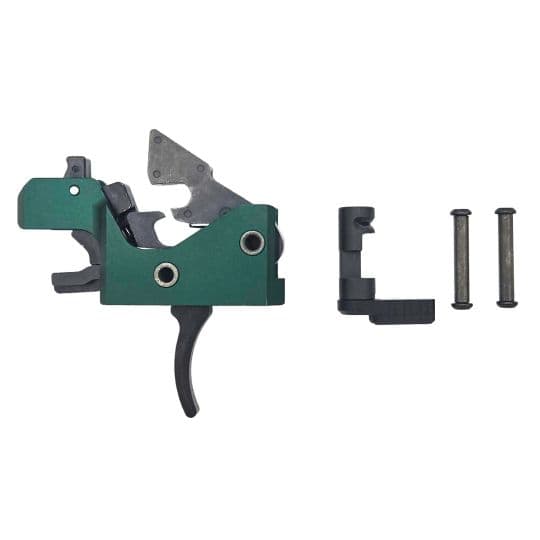
The Triggered Company Partisan Disruptor FRT
Drop-in forced reset trigger with 3-position safety for rapid follow-up shots
- +Significantly faster follow-up shots vs standard triggers
- +Easy drop-in installation (torx wrench + included anti-walk pins)
- +Durable 17-4 stainless steel and 4140 chromoly construction
- −Take-up ahead of the wall is gritty out of the box on newer revisions
- −Stock selector is oversized, non-ambidextrous, and less positive than milspec (the SBW ambi selector fixes this)
- −Only 1-year warranty
Shop AR-15 Triggers
The Triggered Company Partisan Disruptor FRT
- 3.75-4.1lb pull
- Forced reset
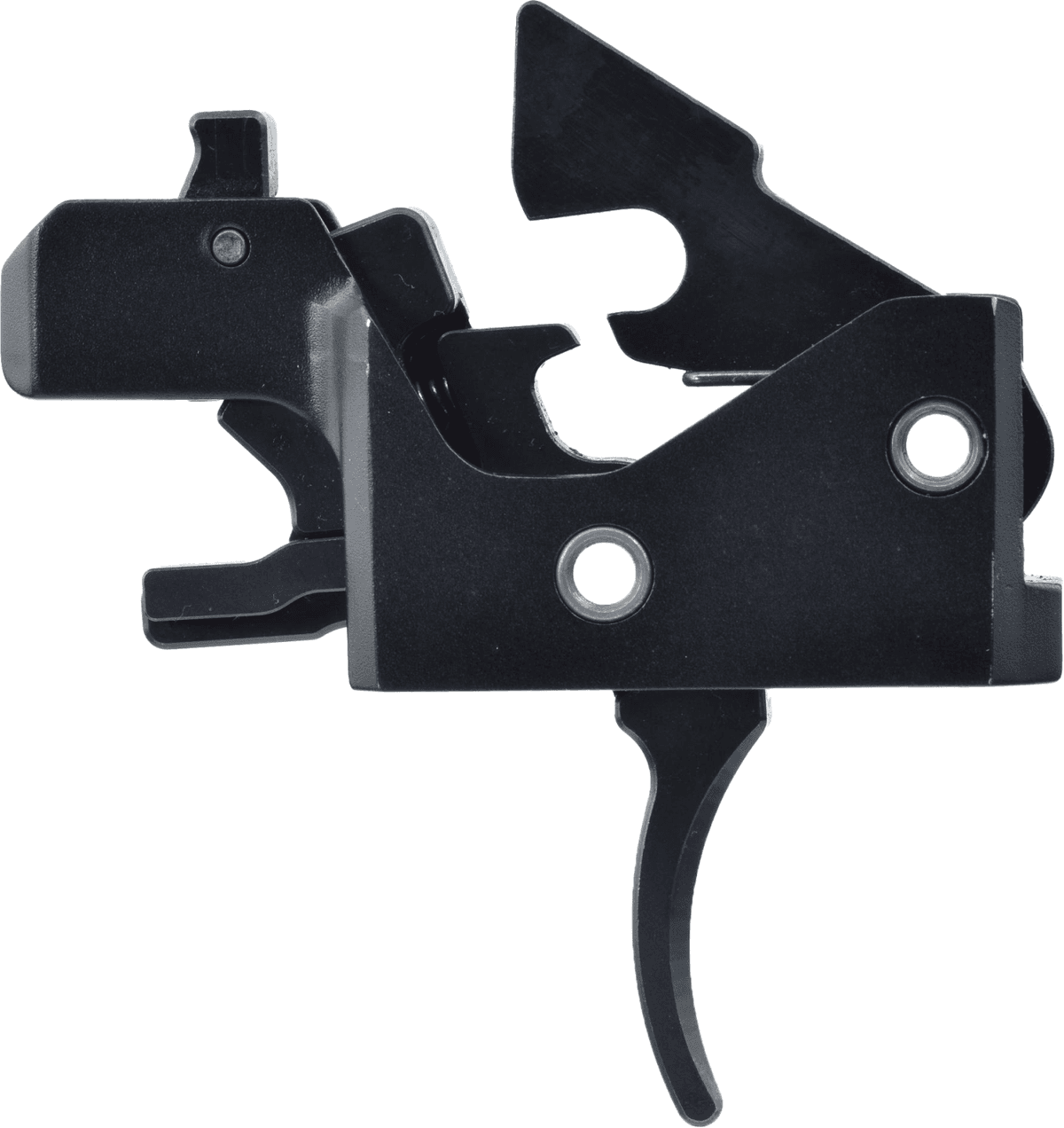
The Triggered Company Disruptor FRT Ambi
- 3.7-4.1 lb pull
- Forced reset
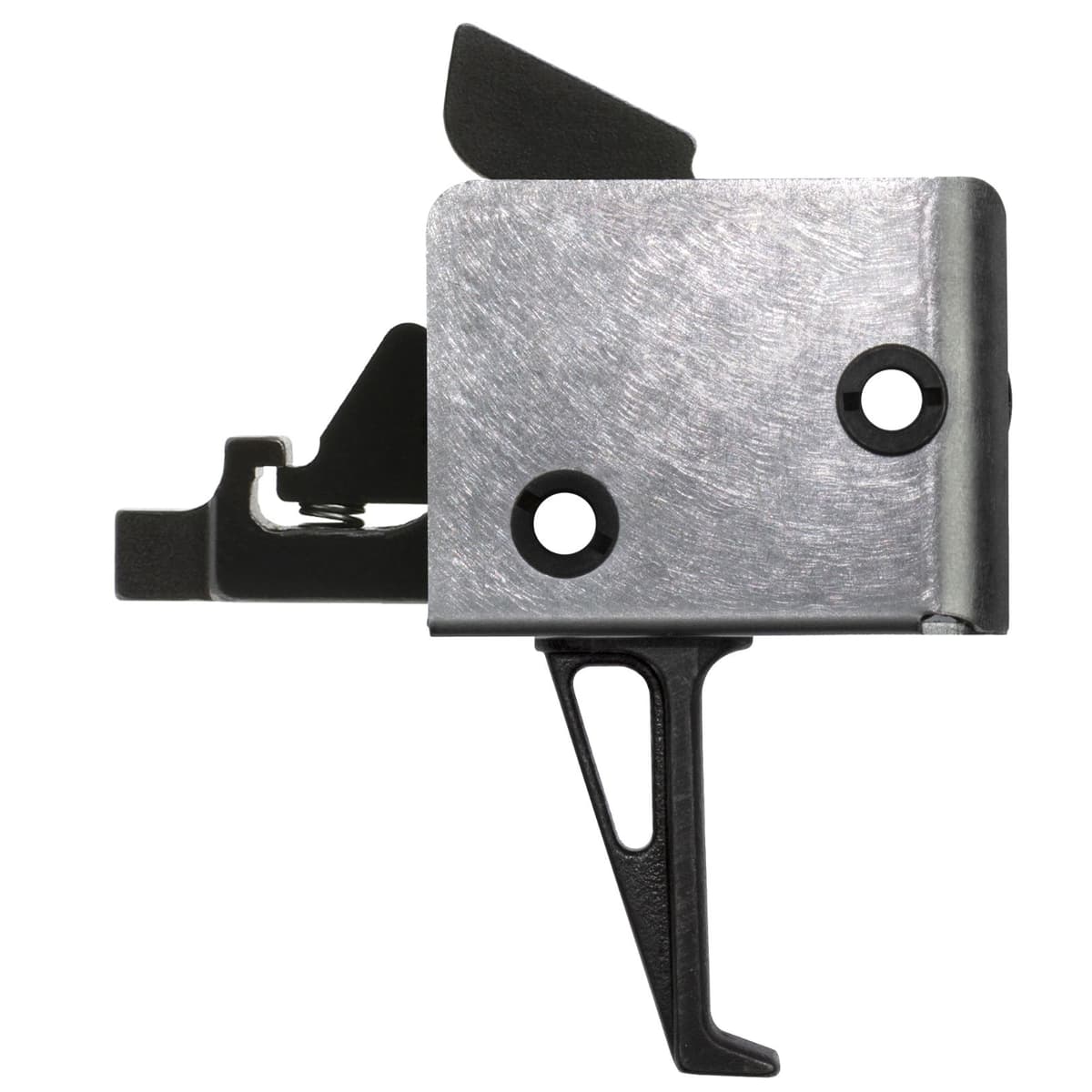
CMC AR-15/AR-10 Two Stage Flat Trigger
- Two stage
- Flat trigger bow
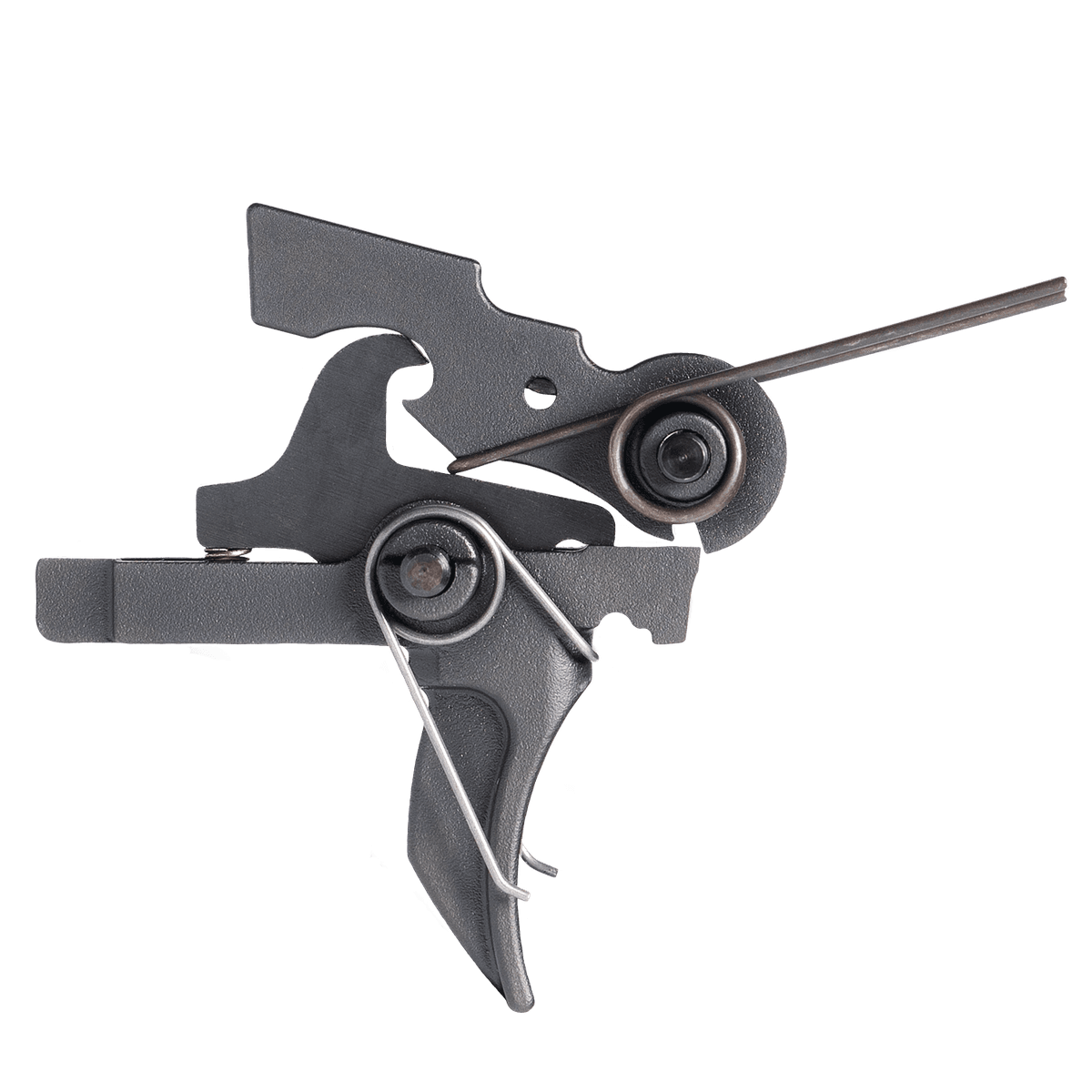
CMC AR-15/AR-10 Single Stage Component Trigger - CCT
- Single stage
- Combat Curved (CCT) bow
CMC AR-15/AR-10 Single Stage Trigger - CCT
- Single stage
- Combat Curved (CCT) bow
CMC Single Stage Trigger
- Single stage
- 3.5lb pull
Affiliate links (?)
Packaging, Install, and Buffer Setup
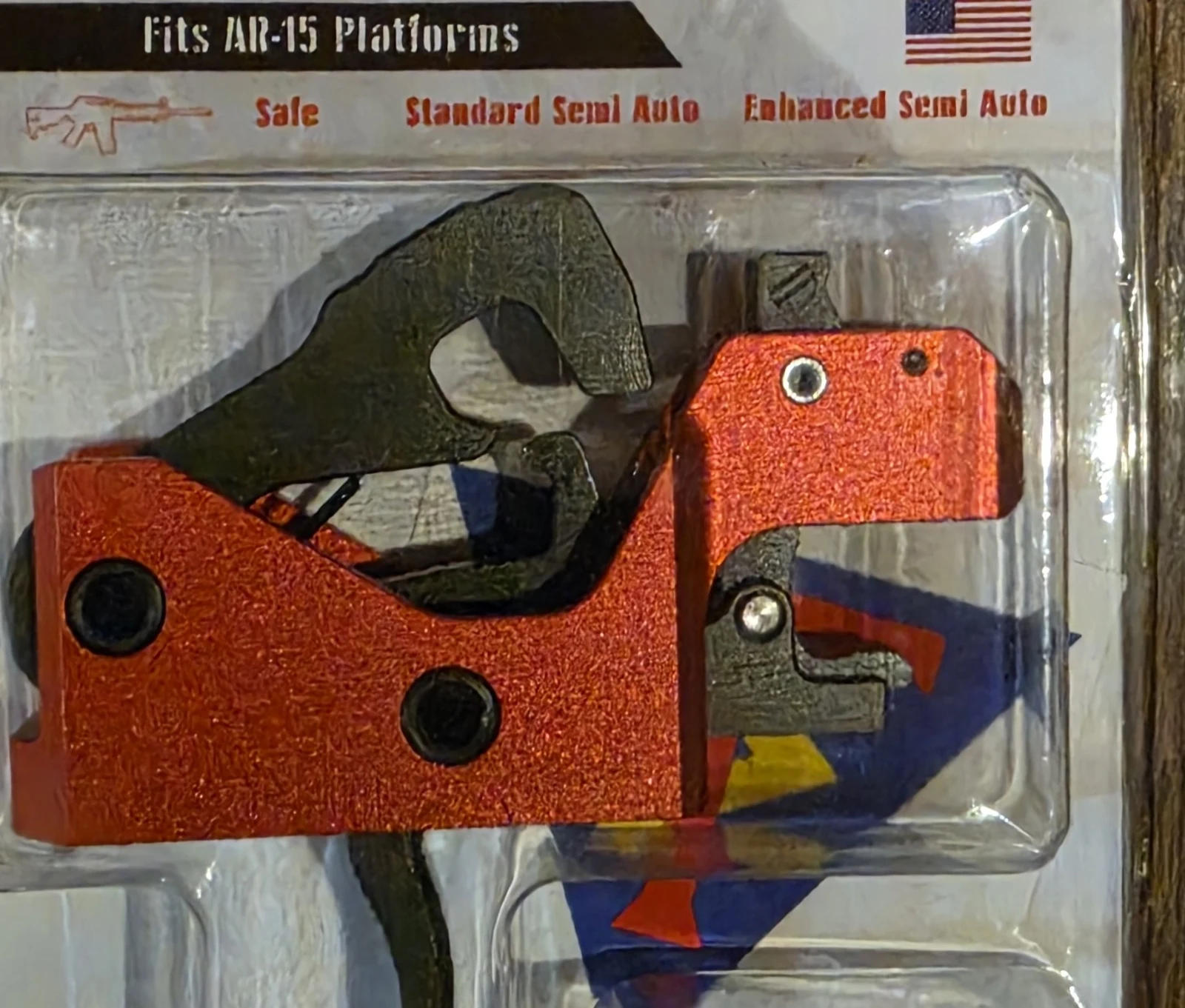
Installation is identical to the Disruptor: the LAT is a drop-in cassette with mil-spec pin sizes and anti-walk pins in the package, and in-spec standard AR-15 lowers need no fitting. The Triggered Company notes that some billet, 9mm blowback, and non-standard receivers may require fitting or may not accept the trigger at all. If you have installed any cassette trigger, nothing here will surprise you. The blister pack lists the three selector positions (Safe, Standard Semi Auto, Enhanced Semi Auto) and marks the trigger as made in the USA.
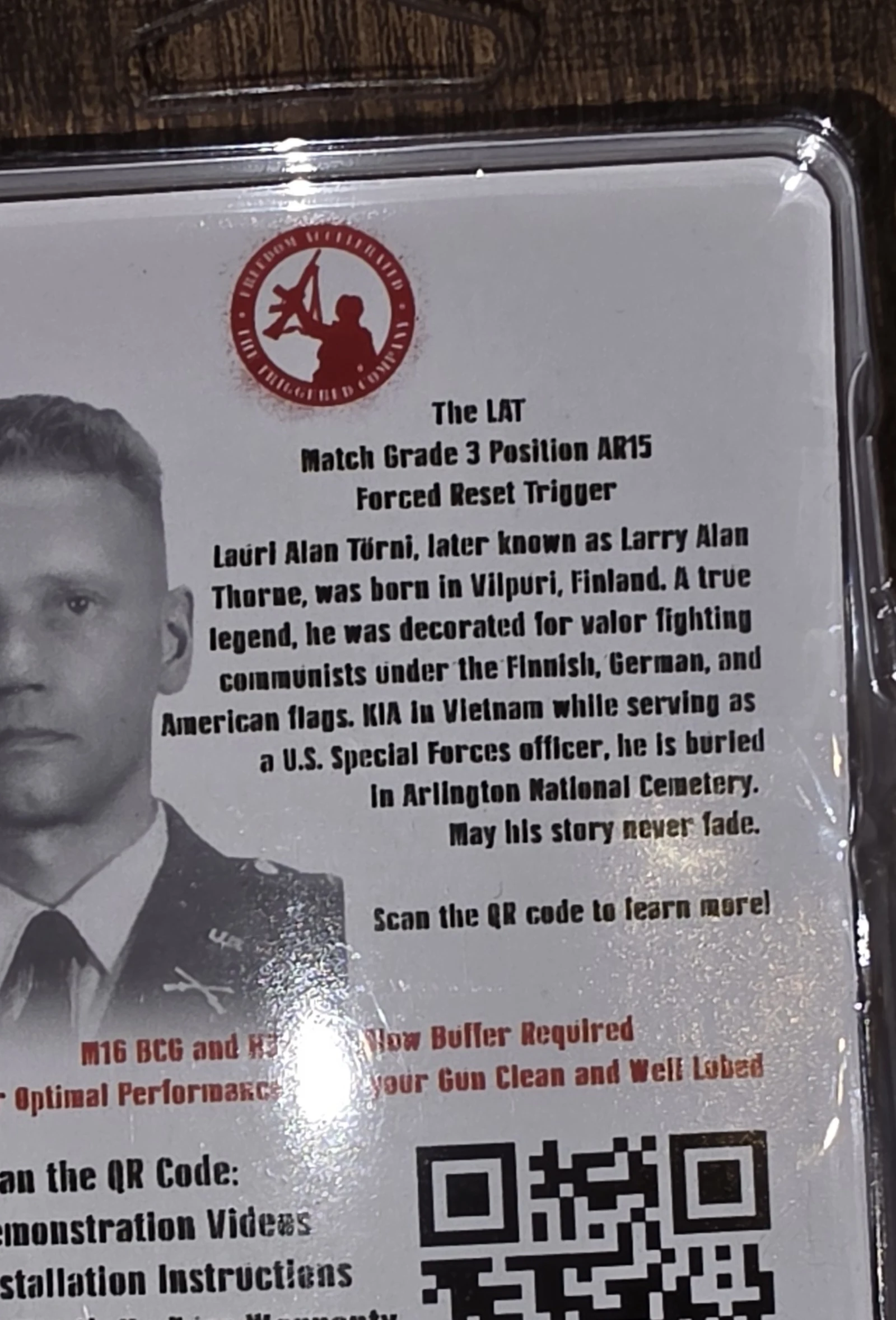
The back of the package states the running requirements plainly: an M16-profile BCG and a heavy buffer are required for optimal performance, and the gun should be kept clean and well lubricated. The Triggered Company's published spec is an H2 buffer minimum, H3 recommended for 16-inch and shorter barrels, and a standard rifle buffer for 20-inch A2 systems; our test rig runs an H3. The card also carries a 12-month warranty and the Larry Alan Thorne biography the trigger is named for. If you are building a host for it, our FRT compatible guns guide maps which platforms run forced reset triggers, and the interactive builder lets you spec the lower, buffer, and BCG around it.
Stay Updated on FRT Reviews
Get our round-count follow-ups on the LAT, forced reset trigger law changes, and buffer-tuning tips for running an FRT reliably.
Frequently Asked Questions
▶What does the Triggered Company LAT trigger pull feel like?
▶Is the LAT a single-stage or two-stage trigger?
▶Is the Triggered Company LAT worth it over the Disruptor?
▶How much does the LAT cost?
▶Is the Triggered Company LAT reliable?
▶Do you need a special BCG or buffer for the LAT?
▶Is the LAT forced reset trigger legal?
Verdict
If you really want a lightweight marksman trigger with forced reset on tap, the LAT is that trigger and nothing else in the lineup matches it: 4 out of 5, with 500 clean rounds behind it.
The soft 3 to 3.5 lb single-stage break does exactly what the match-grade positioning claims, the reset is clean, and the 17-4 stainless internals justify part of the premium over the Disruptor's tool steel. Five hundred rounds in a correctly set up Block II produced no malfunctions in either selector position, so the light pull is not costing you function.
If you are fine with the Disruptor's standard trigger, skip the upgrade. Its current revision breaks off a defined wall that some shooters, ourselves included, genuinely like staging against, and it costs less while running the same enhanced-semi function. The LAT is the specialist's pick, not a mandatory replacement.
Legality is unchanged from every other AR-15 forced reset trigger: covered federally by the May 2025 DOJ settlement, one round per trigger function, with roughly 15 jurisdictions still restricting FRTs under state law.