Key Takeaways
- →Digital reticle, 1x window: the Wilcox VIPR, introduced September 22, 2026, projects a digitally generated reticle onto a 30 x 27 mm transparent window for both-eyes-open shooting.
- →Three reticle jobs in one sight: a CQB dot or dot-and-circle, a bullet drop compensator built from Applied Ballistics profiles, and Dragonslayer Systems' counter-drone reticle, all switchable from one control.
- →No turrets: zero is set in a menu, and each stored profile keeps its own zero, so supersonic and subsonic 300 Blackout can live on one optic.
- →12.1 oz, over 48 hours: 343 g with battery, waterproof to 20 meters for 2 hours, under 0.5 mrad boresight shift from -4°F to 140°F across 11,000 rounds of MK 17 recoil.
- →Quote only: Wilcox has published no price; part number 71100G02 is sold through its distributors, not a retail listing.
What the Wilcox VIPR Optic Is
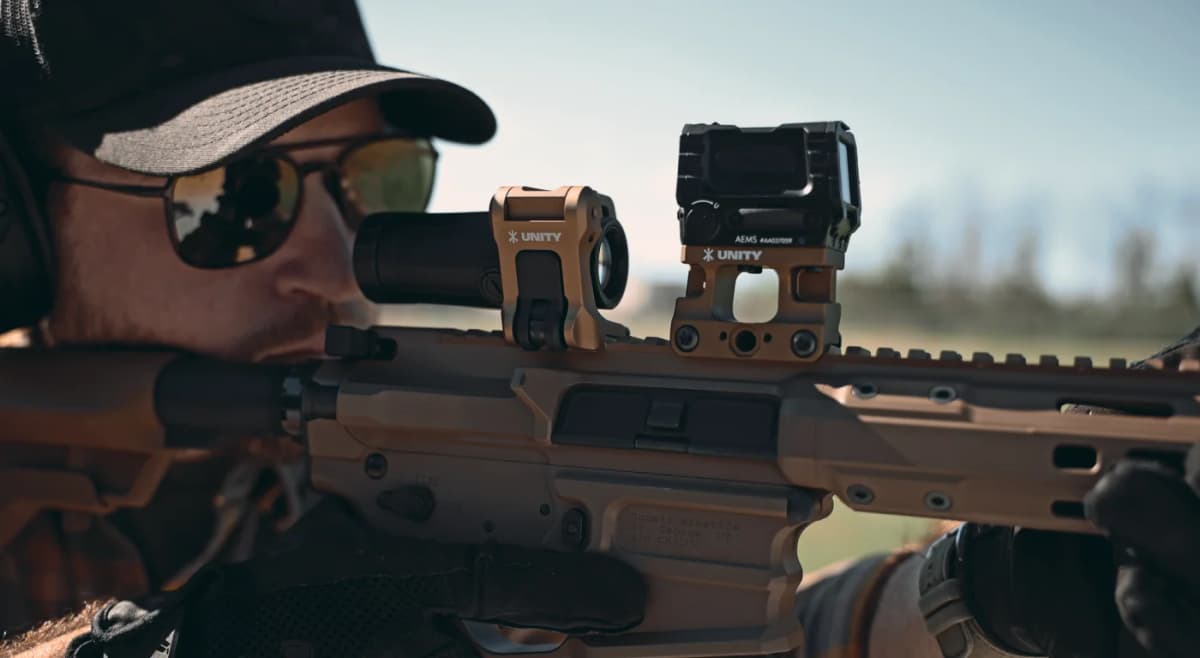
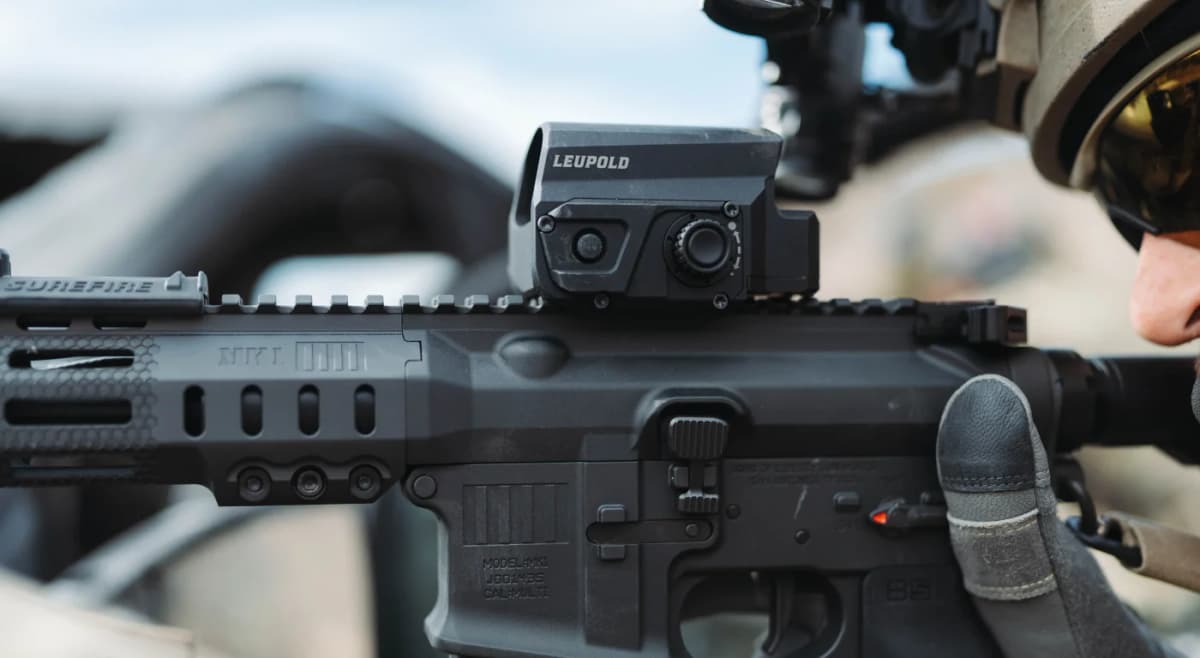
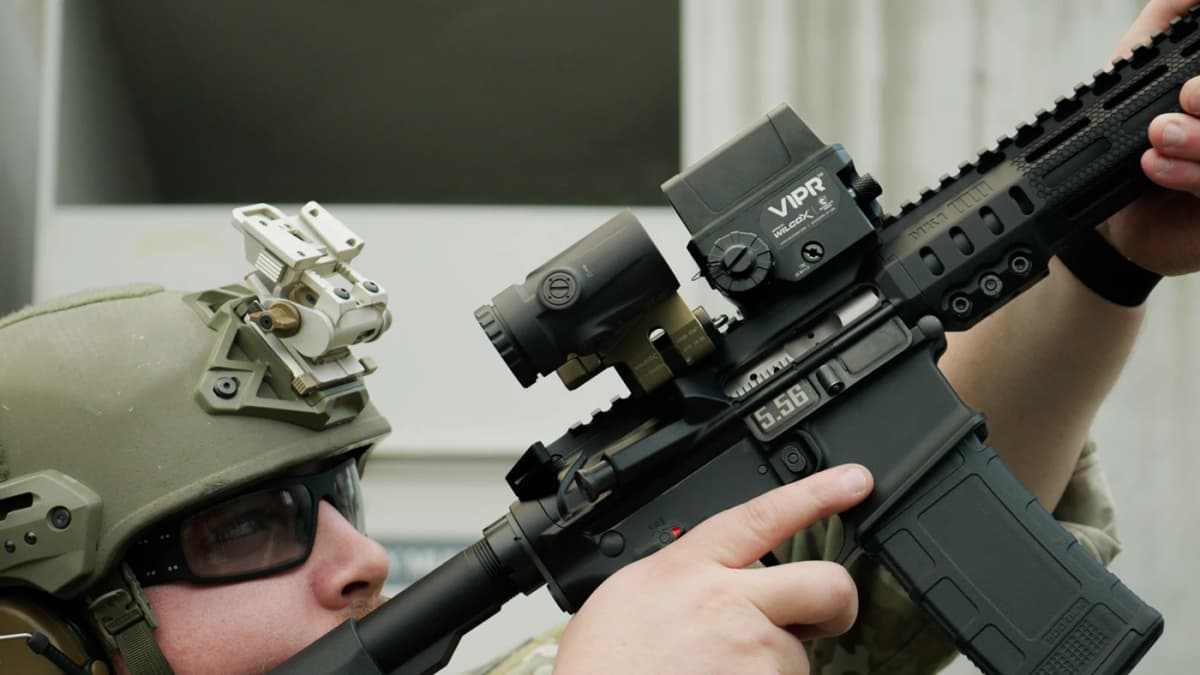
The Wilcox VIPR (Visually Integrated Precision Reticle) is a 1x direct-view sight that swaps a fixed aiming mark for a digital one. Wilcox Industries introduced it on September 22, 2026. It has the boxy, hooded shape of a holographic sight, but the reticle is digitally generated and projected onto a transparent optical window, which means the shooter can change what the reticle is, not just how bright it is.
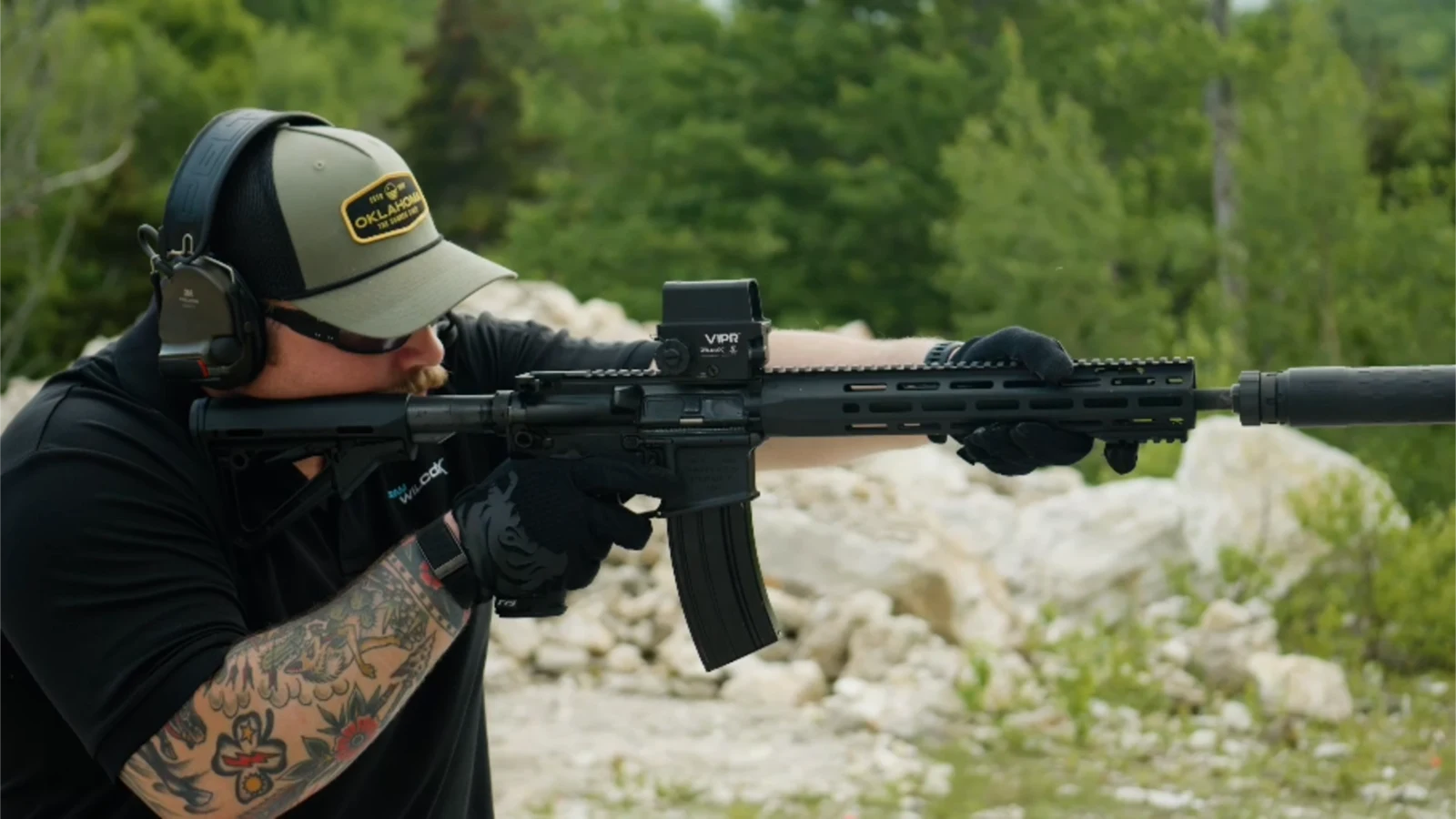
That one change carries the whole product. A single VIPR stores multiple reticles and ballistic profiles, so it can run a plain CQB dot on one profile, a drop-compensated holdover reticle built from Applied Ballistics data on another, and a counter-drone reticle from Dragonslayer Systems on a third. Wilcox calls the design weapon- and ammunition-agnostic; in its launch video the sight rides a 5.56 rifle, and the presenter names pistol-caliber carbines, 300 Blackout, and a shotgun as other hosts.
How the VIPR Reticle Modes Work
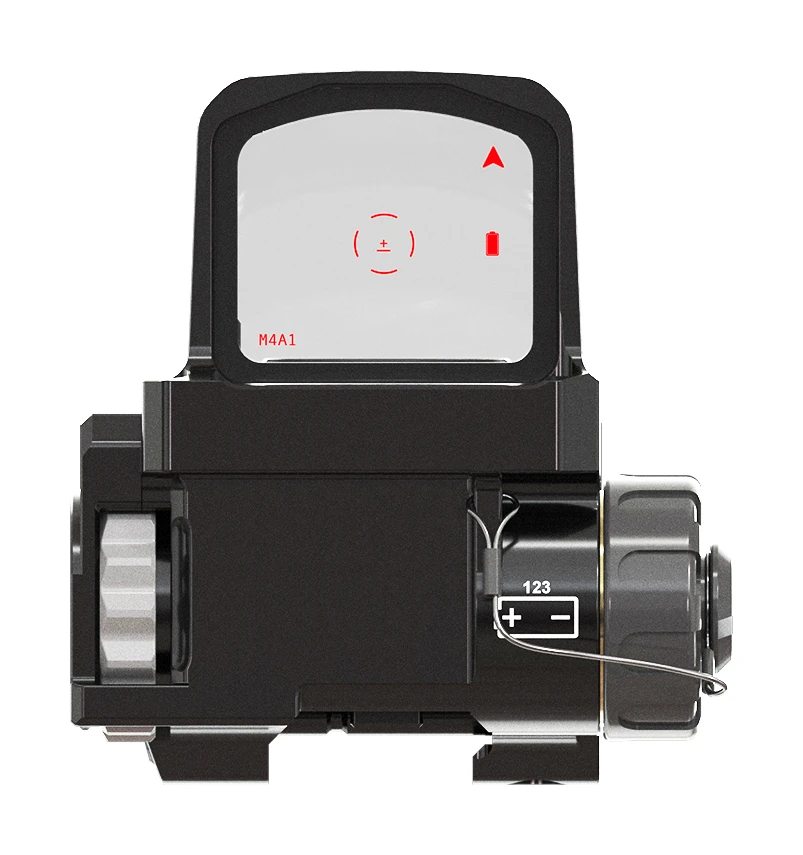
The VIPR runs three kinds of reticle, and the operator switches between them with the control wheel instead of a mechanical adjustment. Wilcox groups them by engagement: CQB, mid-range, and counter-unmanned aircraft systems (C-UAS).
- CQB: a dot or a dot in a circle for fast pickup at close range, the same job a holographic sight or red dot does on a carbine.
- Mid-range: a bullet drop compensator whose holds come from the ballistic profile loaded in the app, so the marks sit where the selected load actually lands rather than where a generic 5.56 BDC assumes it will.
- C-UAS: Dragonslayer Systems' Rapid Integrated Precision (RIP) reticle, preloaded on part number 71100G02, which gives the shooter lead references for tracking and hitting a moving drone.
Around the reticle, the window can show the profile name, battery status, and range from a paired rangefinder. Wilcox lists rangefinder connectivity as optional and has not named which rangefinders pair with it.
The Dragonslayer Counter-Drone Reticle
The counter-drone reticle exists because leading a small aircraft with a plain red dot does not work. “If you've ever tried to draw a line in the sky with a red dot, you might think you're doing well, but it's actually very close to impossible,” Wilcox's presenter says in the launch video. The Dragonslayer reticle adds lead lines that let the shooter place a drone on its path of travel and hold the correct lead.
Dragonslayer Systems, a veteran-founded defense company, built the reticle as part of what it calls the Multi-Domain Reticle System, and it says the core function lives in the sight picture with no external sensor data, network connection, or onboard computation required. Wilcox leans on that in its anti-drone demonstration, where shooters engage orange clay targets launched toward the line: “Unlike computer-assisted fire controls that require time-costly RF, GPS links, sensors, and detection tracking, the VIPR allows immediate fire.”
That puts the VIPR between two existing approaches. The EOTech HWS CUAS builds its drone leads into a fixed holographic reticle calibrated to a 30 mph crossing target at 50 and 90 meters, so it is always a drone reticle. The Vortex XM157 and SIG's XRAY9-CUAS lean on laser rangefinders: the XM157 pairs one with a ballistic solver, and SIG says the XRAY9-CUAS uses its rangefinder to target drones quickly. The VIPR keeps the drone reticle as one selectable profile among several, and switches back to a ground reticle when the target is on the ground.
Controls and Zeroing: No Turrets
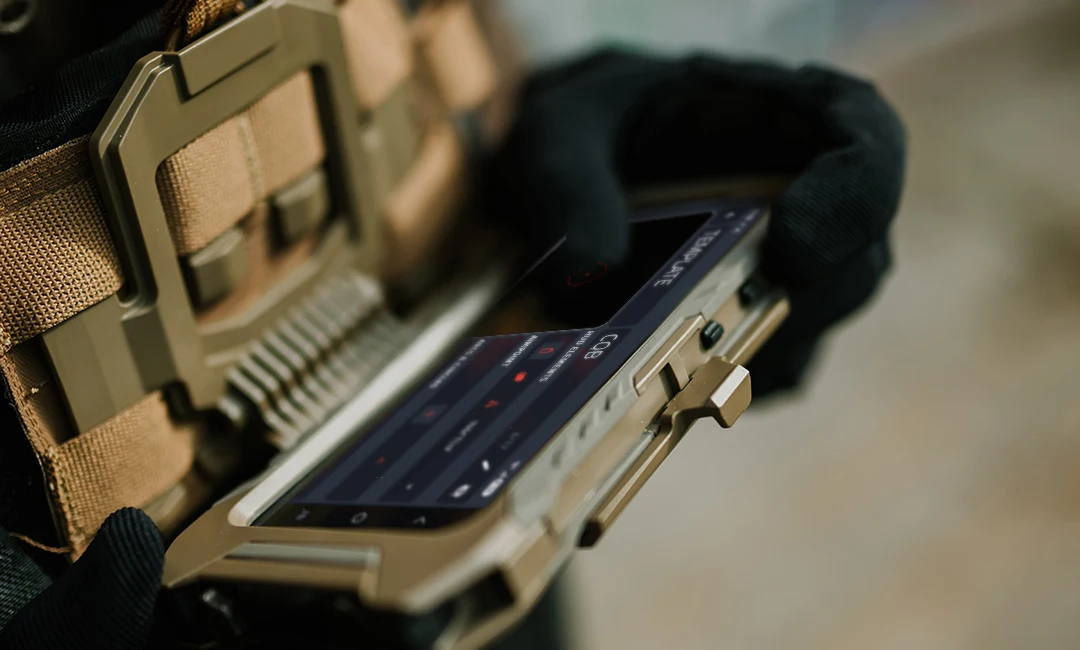
The VIPR has no windage or elevation turrets; zero is a software setting. Wilcox's demonstration walks through it: double-click the control to open the menu, scroll to zeroing, move the crosshair up, down, left, or right to match point of impact, and double-click out to save the reticle.
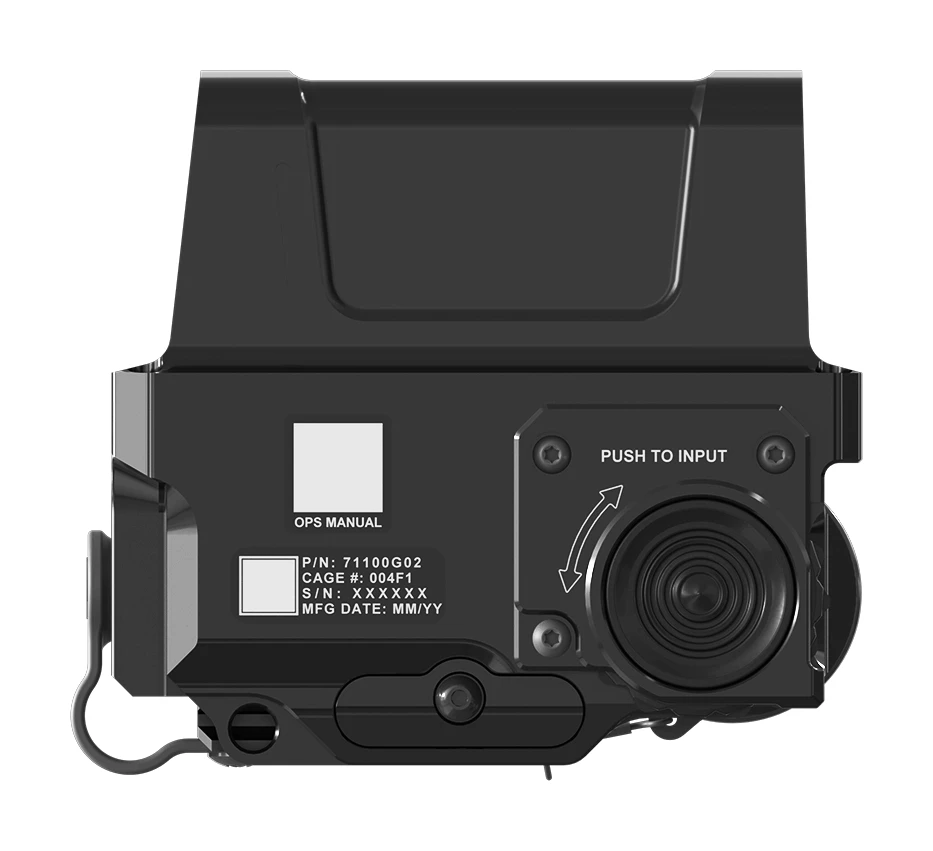
The control itself is a single button nested inside a scroll wheel, sized for a gloved hand. The presenter describes it as a magnetic housing button, and says skipping conventional housing buttons leaves fewer entry points for water, which is how the sight earns its rating of 20 meters of immersion for up to 2 hours. Mounting hardware takes a T25 Torx bit and a flathead screwdriver.
Dropping mechanical adjusters is also Wilcox's durability argument. The company rates boresight retention at under 0.5 mrad, about 1.8 inches at 100 yards, across a -4°F to 140°F operating range, tested in 1,000-round increments of FN MK 17 (SCAR) weapon shock out to 11,000 rounds.
The VIPR App and Applied Ballistics Profiles
Reticle design and ballistics live in the VIPR mobile app, not on the optic. The app handles mission setup, reticle selection, ballistic profile management, and symbology. Its template editor exposes HUD elements, the aimpoint, arcs and circles, graduations, and bullet drop compensation, so the CQB reticle and the BDC look however the shooter builds them.
Drop data comes from Applied Ballistics. The app imports an Applied Ballistics gun profile by scanning a QR code or loading an image, and the holds then sit at distances set by that load. Because every profile carries its own zero and reticle, the presenter's 300 Blackout example is the practical one: supersonic and subsonic loads on the same rifle, each with a correct reticle, one scroll apart.
Wilcox VIPR Specifications
Wilcox VIPR (71100G02)
| Type | 1x direct-view sight, digitally projected reticle |
| Dimensions | 3.19" L x 2.72" W x 2.95" H (8.1 x 6.9 x 7.5 cm) |
| Weight with battery | 12.1 oz (343 g) |
| Clear aperture | 1.18" W x 1.06" H (30 x 27 mm) |
| Runtime | Over 48 hours |
| Battery | 123-size cell (marked on the cap) |
| Water resistance | 20 meters for up to 2 hours |
| Boresight retention | Under 0.5 mrad, -4°F to 140°F |
| Shock testing | FN MK 17 recoil, 1,000-round increments, 11,000 rounds |
| Mount | MIL-STD-1913 rail (T25 and flathead) |
| Reticles | CQB, Applied Ballistics BDC, Dragonslayer RIP C-UAS |
| Night vision | NVD-compatible |
| Color | Black (-B) |
| Price | Quote only |
Wilcox VIPR vs EOTech EXPS3
The EOTech EXPS3 is the sight the VIPR is shaped like, and the comparison shows what the digital reticle costs. The VIPR wins on flexibility and submersion; the EXPS3 wins on weight, battery life, and the fact that anyone can buy one. The EXPS3 runs $815, and our EOTech model guide covers where it sits in that line.
Spec Sheet
Wilcox VIPR
EOTech EXPS3
- Reticle
- Digital, multiple stored reticles (advantage)
- Holographic 68 MOA ring, 1 MOA dot
- Weight
- 12.1 oz
- 11.2 oz (advantage)
- Runtime
- Over 48 hours
- About 1,000 hours (advantage)
- Water
- 20 m for 2 hours (advantage)
- 10 m (33 ft)
- Zeroing
- Menu, per profile
- 0.5 MOA turret clicks
Runtime is the trade a buyer would feel first: Wilcox rates the VIPR at over 48 hours, where an EXPS3 runs roughly twenty times that on one CR123. Both work behind a magnifier, and both are night vision compatible. If the goal is a 1x sight with a magnifier behind it, our red dot and magnifier combo guide pairs the sights and magnifiers that work together today, and the rifle builder shows how a sight and magnifier stack on your own rail.

EOTech EXPS3
A 1x hooded sight you can buy today, with side buttons that stay reachable behind a magnifier
Holographic weapon sight with night vision compatibility and quick detach mount
- +Fastest target acquisition among non-magnified optics
- +True holographic reticle works better for users with astigmatism
- +Excellent night vision compatibility across all gen levels
- −Company's troubled history: $25.6M thermal drift settlement, ongoing delamination issues
- −Post-2016 units improved but delamination concerns persist for some users
- −600-1000 hour battery life significantly shorter than LED red dots
Affiliate links (?)
Magnifiers for a 1x Rifle Sight
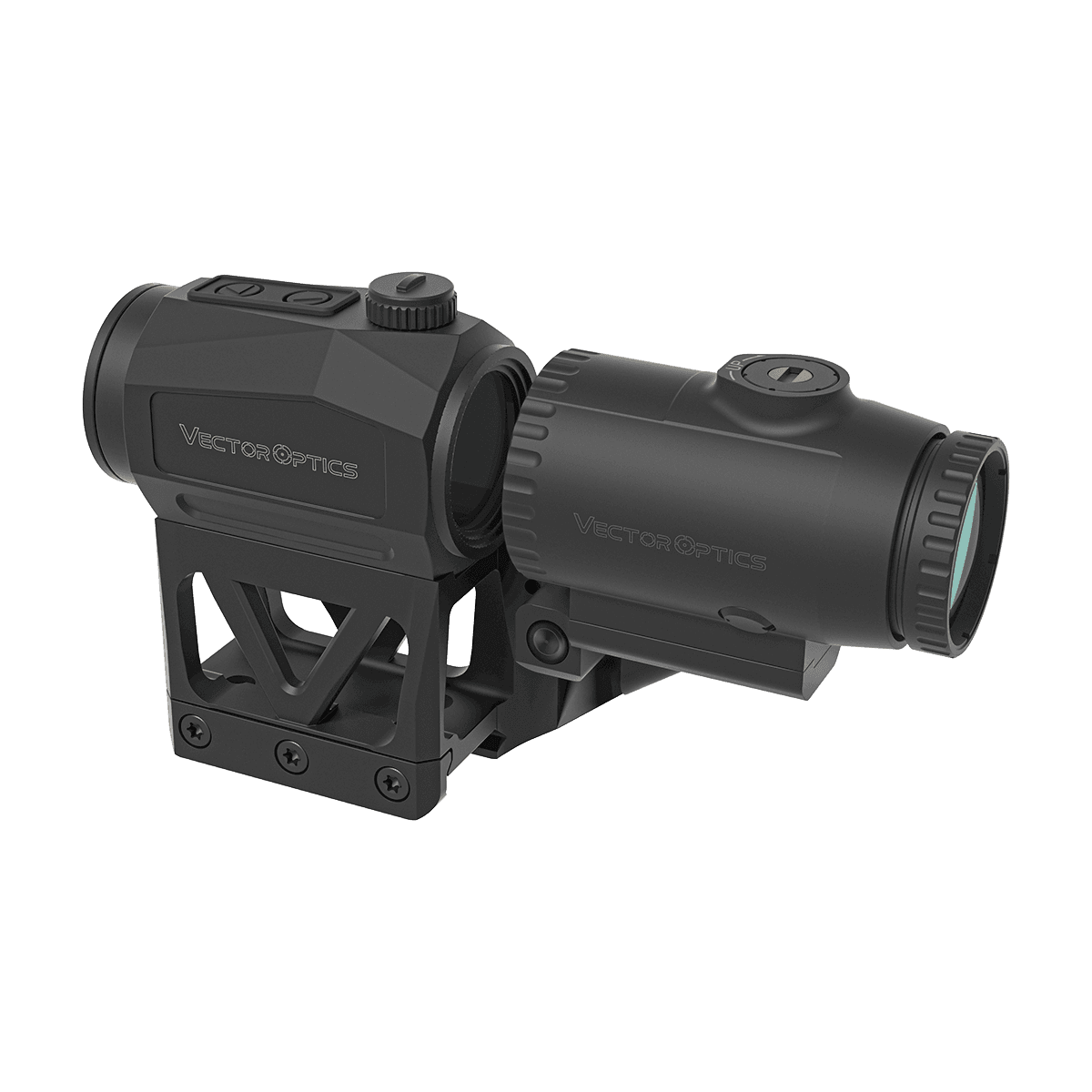
Vector Optics Paragon 3x18 Magnifier (SCRMMK-01)
- 3x18 magnifier
- 2.6in eye relief
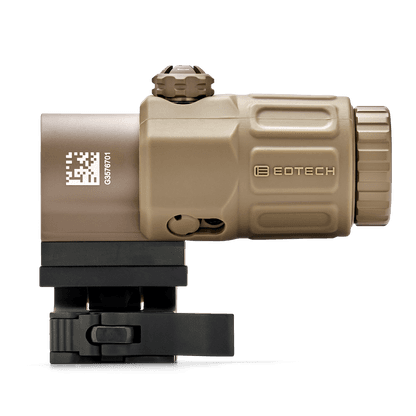
EOTech G33 3X Magnifier
- 3x magnification
- Flip-to-side mount
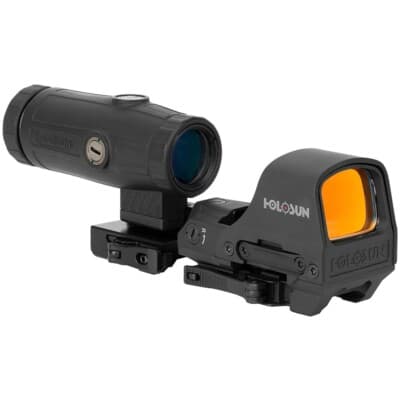
Holosun HM3X Magnifier
- 3x magnification
- Flip-to-side mount
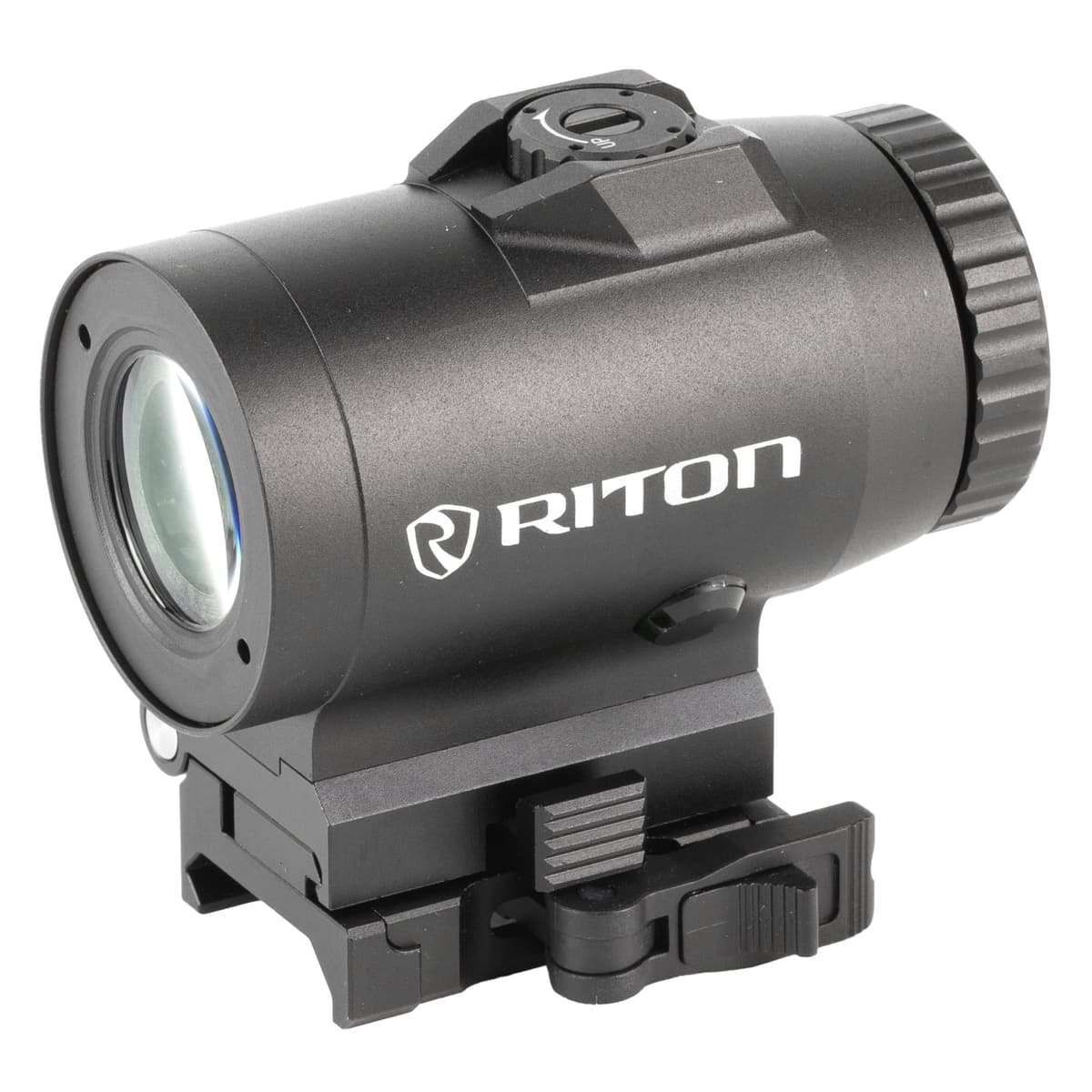
Riton 3 Tactix 3X Magnifier
- 3X magnification, 22 mm objective
- 2.75 in / 70 mm eye relief
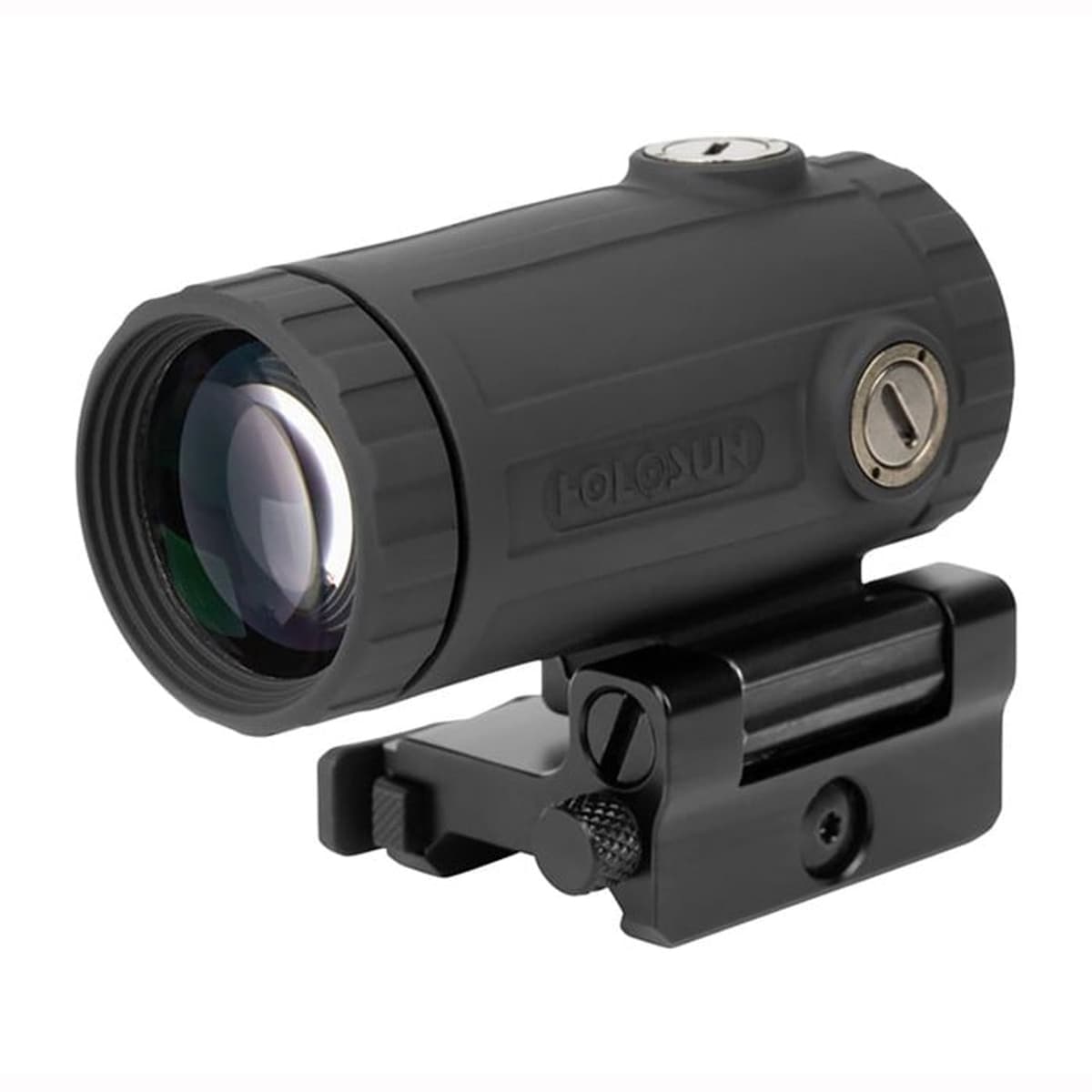
Holosun HM3XT Titanium 3x Magnifier
- 3x magnification
- Grade 5 titanium housing

SIG Sauer Juliet3-Micro 3x Magnifier
- 3x magnification
- Micro form factor
Affiliate links (?)
The Closest Civilian Equivalent
For computed drop holds on a rifle you can buy now, the Maztech X4-FCS is the nearest match. It is an LPVO mount with an Applied Ballistics solver that reads temperature, humidity, pressure, pitch, roll, and heading, then projects a corrected green aimpoint through a 30mm scope. It covers the VIPR's mid-range job, not the CQB or counter-drone ones, and it weighs 22.6 oz before the scope goes in. It runs $3,495.
Both lean on a separate rangefinder for distance: the X4-FCS takes range from Maztech's X4-LRF over a cable, and the VIPR displays range from a paired unit. Our rangefinder guide covers the handheld and rail-mounted options, and the SHOT Show 2026 smart optics roundup covers the other scopes with onboard ballistics.
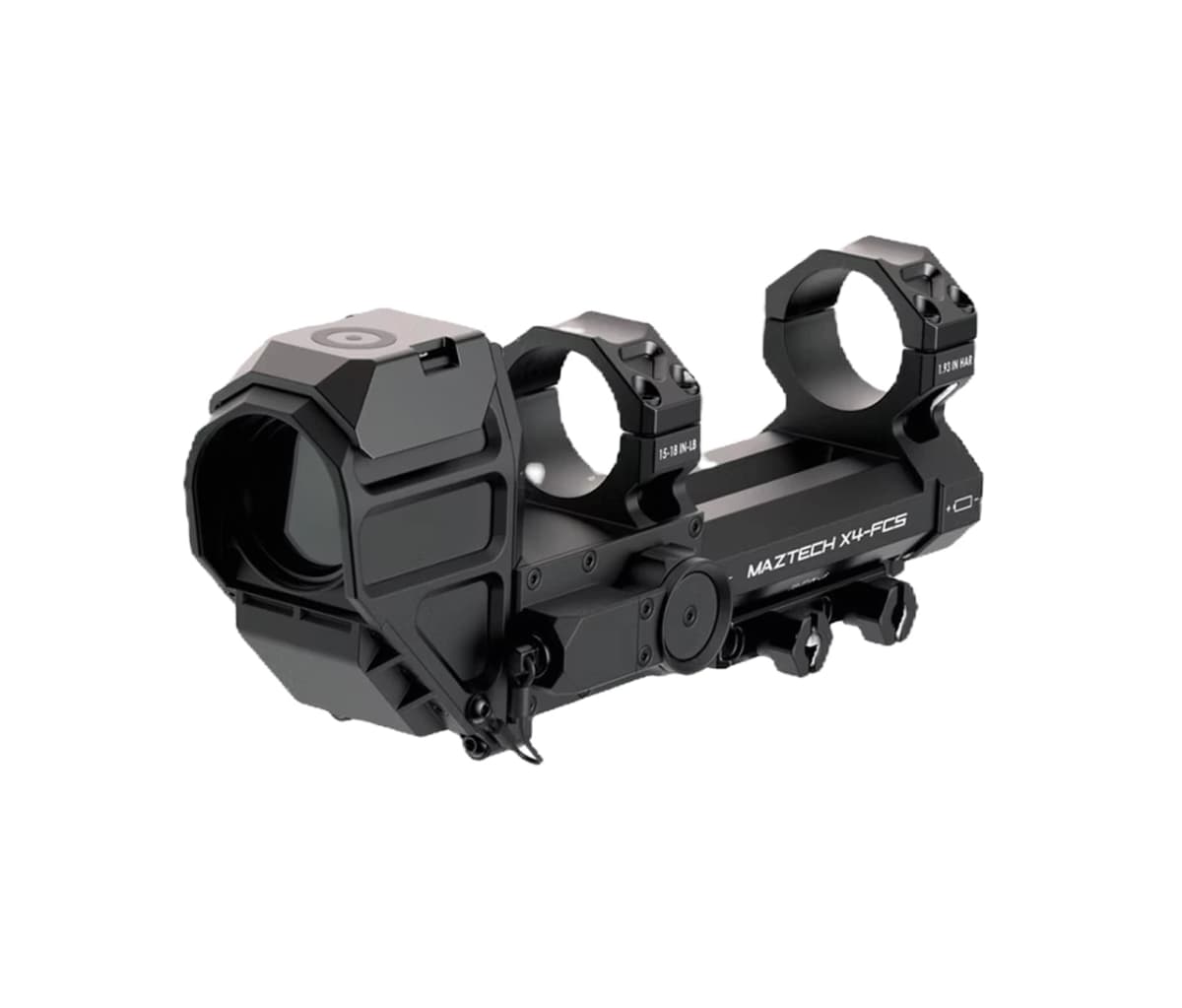
Maztech X4-FCS 30mm Fire Control System
Applied Ballistics drop holds projected through a 30mm LPVO on a civilian rifle
Integrated 30mm LPVO mount with an Applied Ballistics solver and a projected ballistic-compensated aimpoint.
- +Combines the LPVO mount, sensors, solver, and corrected aimpoint in one unit
- +Keeps the installed LPVO usable when the electronics lose power
- +Accepts independent X4-LRF range data through the optional cable
- −Adds 22.6 ounces before the LPVO is installed
- −Requires checking the Maztech fit guide for exact scope-body clearance
- −The X4-LRF and interconnect cable are separate purchases
Affiliate links (?)
Wilcox VIPR Price and Availability
Wilcox has not published a price for the VIPR. It sells part number 71100G02, the VIPR with the Dragonslayer reticle, in black, by quote request through its distributors, and offers hands-on demonstrations on request. The launch materials address operators and fleet readiness rather than retail buyers, and the datasheet marks the design as patent pending.
Owning a counter-drone reticle is not the same as being allowed to use it. Shooting at any aircraft, drones included, is illegal under FAA guidance, and destroying a drone can be charged as a federal felony under 18 U.S.C. 32, up to 20 years. Our explainer on whether you can shoot down a drone over your property covers the statutes, and our drone warfare overview explains why rifles keep returning to the counter-drone fight.
Stay Updated on Counter-Drone Optics
We cover new digital sights, counter-UAS reticles, and fire control systems as details land.